JTF (just the facts): A paired show of works by Nobuyoshi Araki and Roe Ethridge, variously framed and matted, and hung against white walls on the 1st and 2nd floors of the gallery. (Installation shots below.)
The following works are included in the show:
Nobuyoshi Araki
- 7 gelatin silver print diptychs (from “Tokyo Nude”), 1989, each sized roughly 23×36, 24×36 inches overall
- 4 c-prints (from “Flower Cemetery”), 2017, sized roughly 43×55 inches, in editions of 10
Roe Ethridge
- 4 UV cured pigment prints on Yupo, 1996/2026, sized 53×40 inches, in editions of 5
- 5 UV cured pigment prints on Yupo, 2015/2026, 2025, 2026, sized roughly 11×16, 24×32, 50×70 inches, in editions of 5
- 1 UV cured pigment print, 2023, sized roughly 34×51 inches, in an edition of 5+2AP
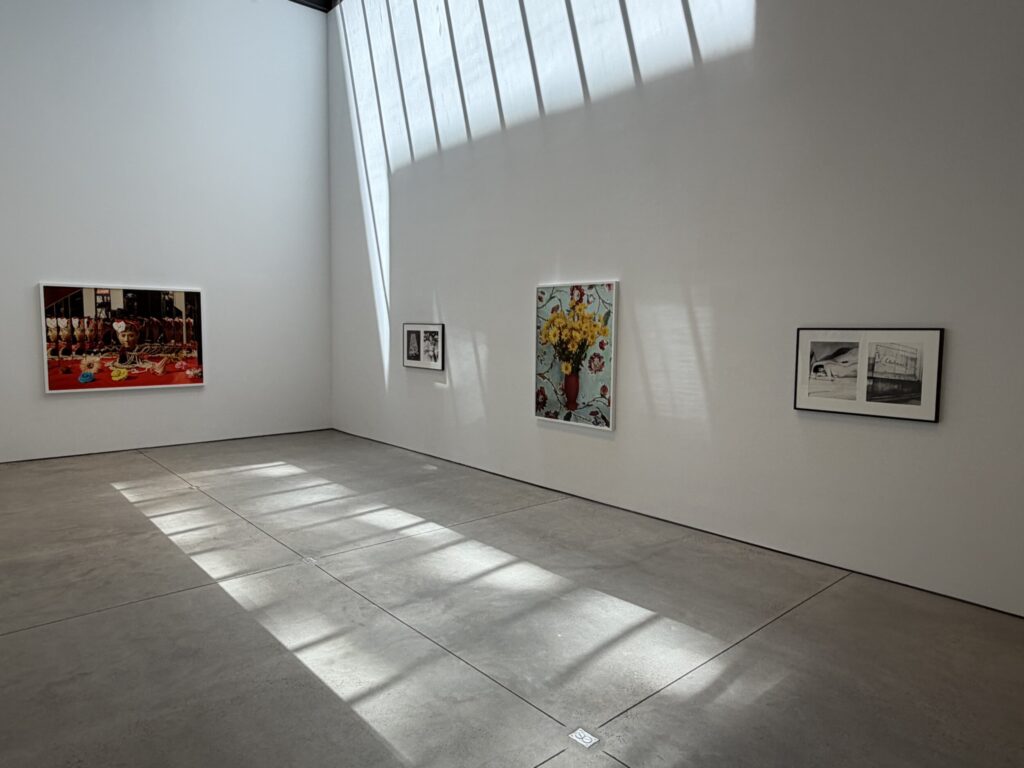
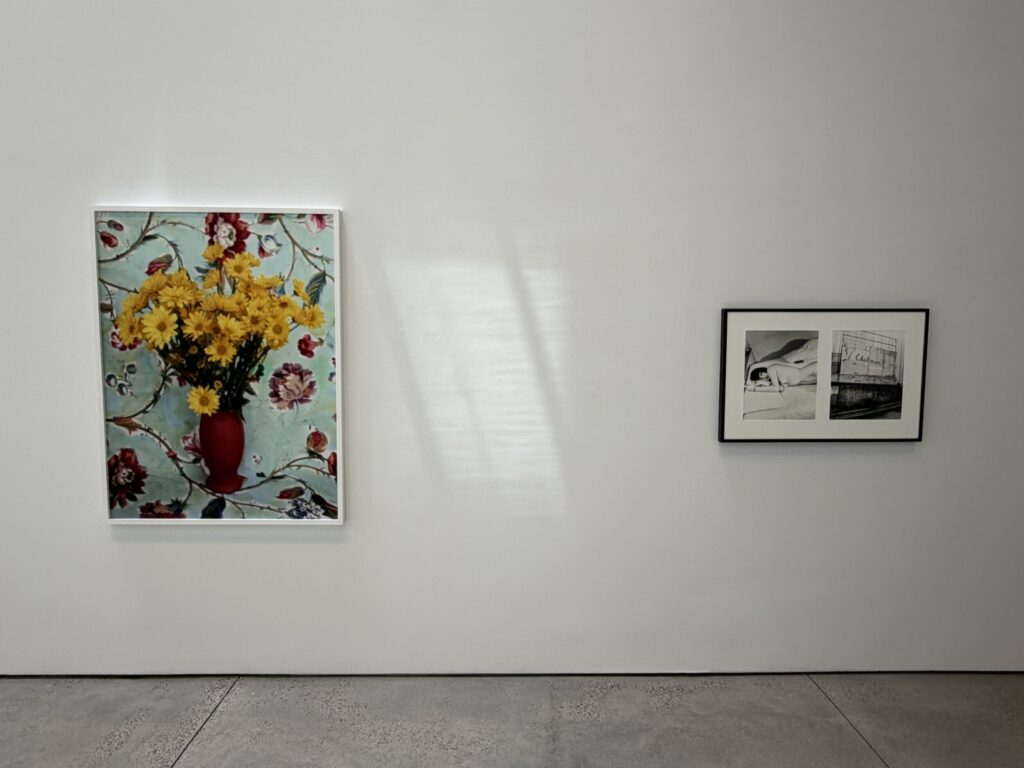
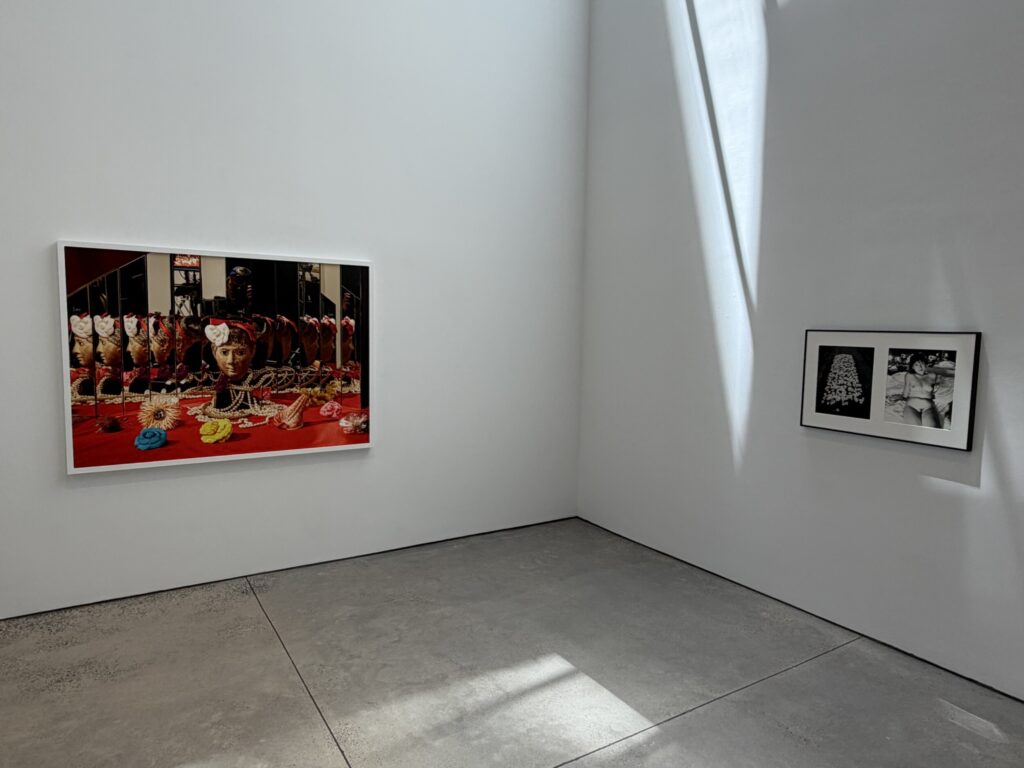
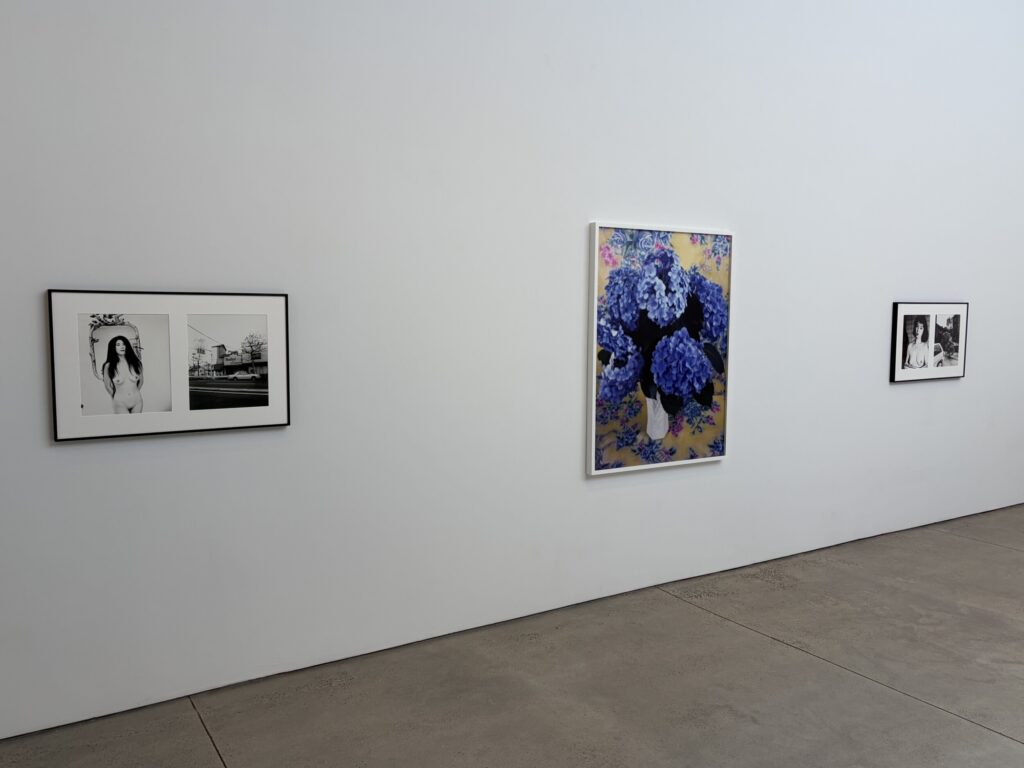
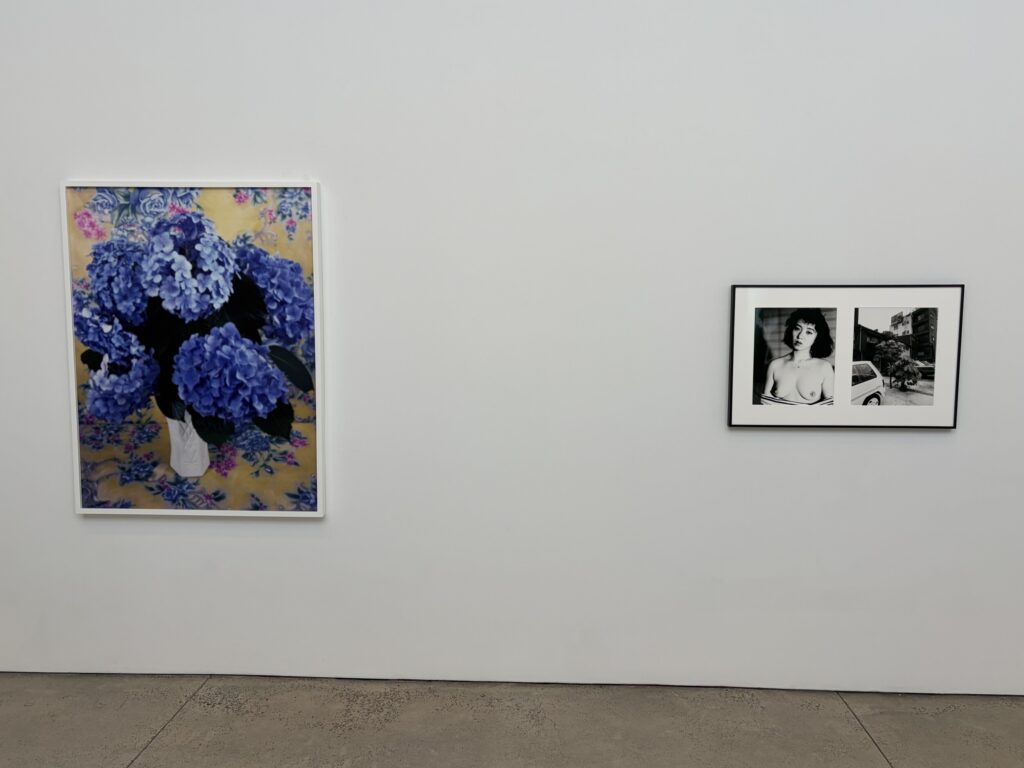
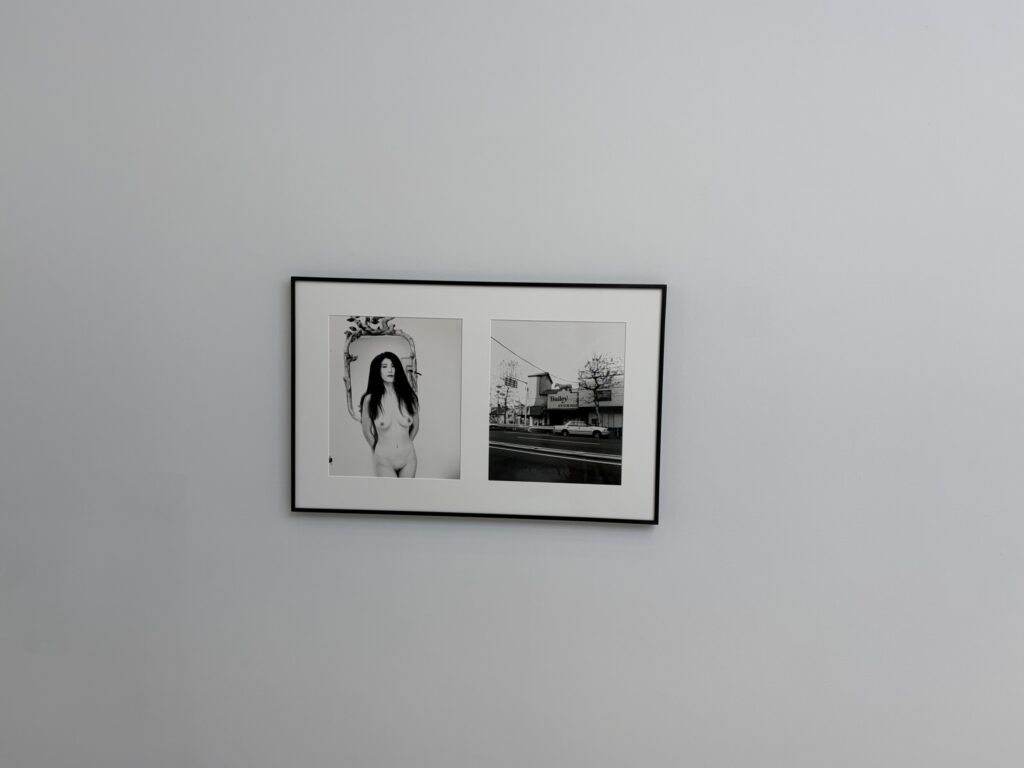
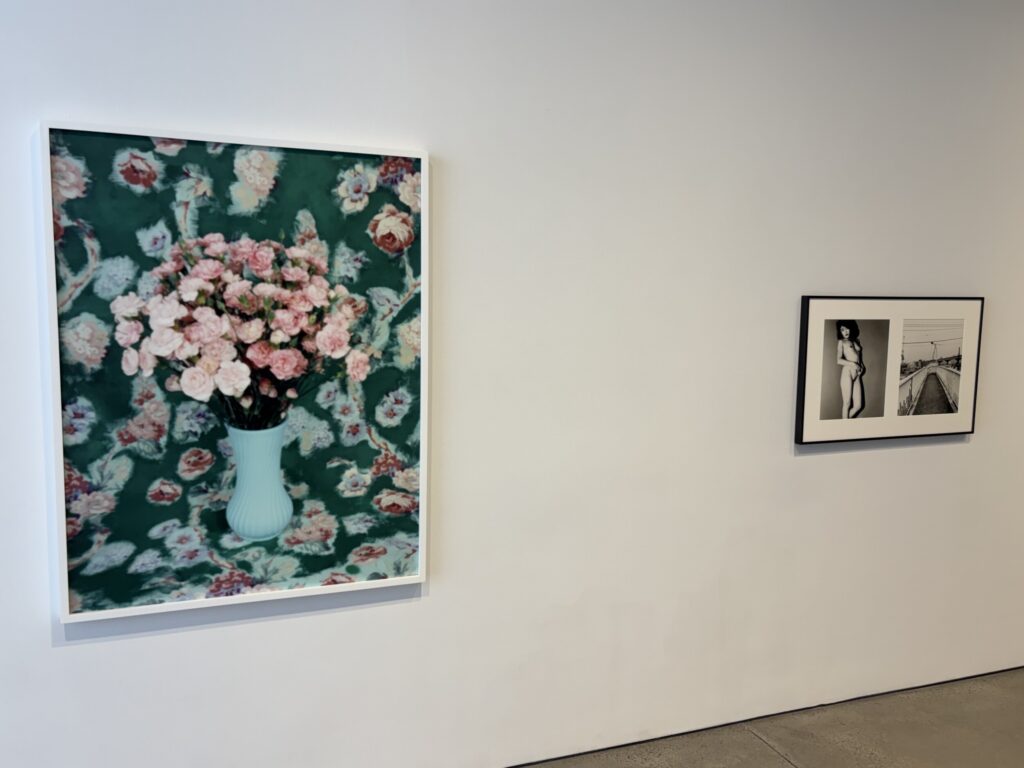
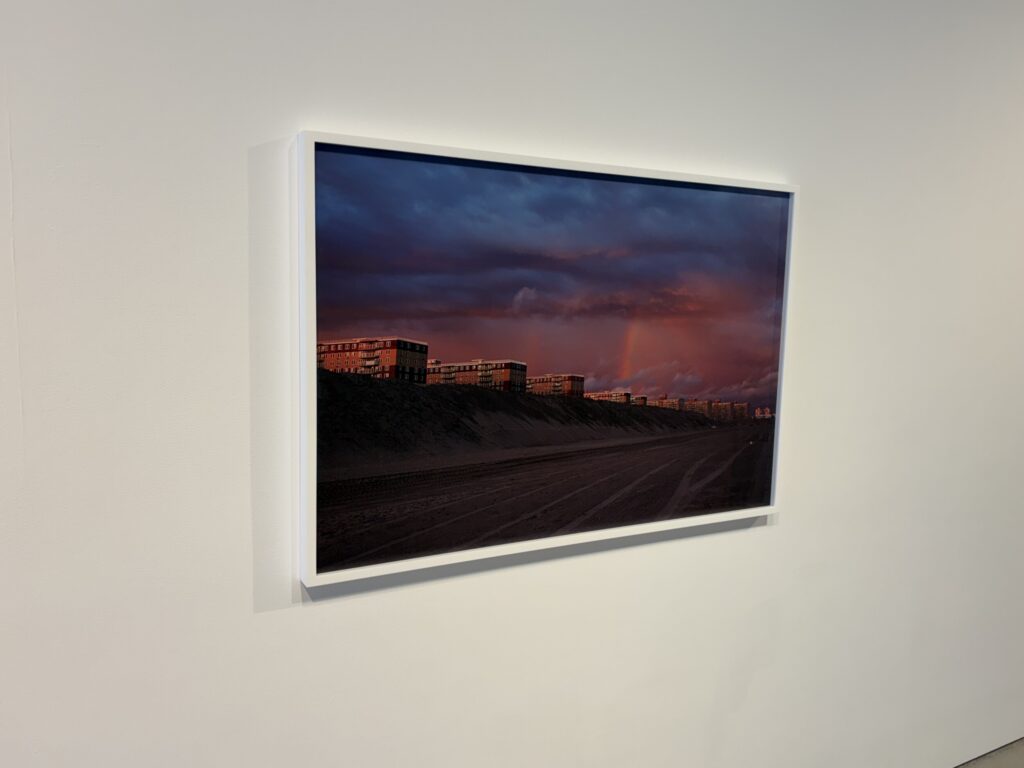
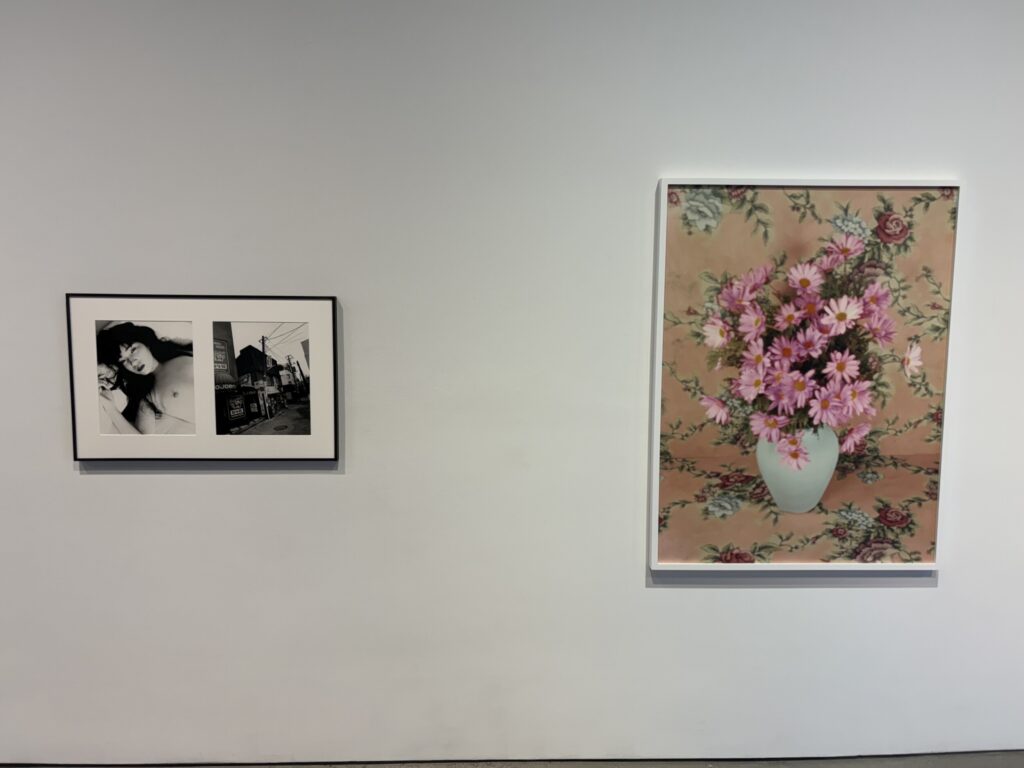
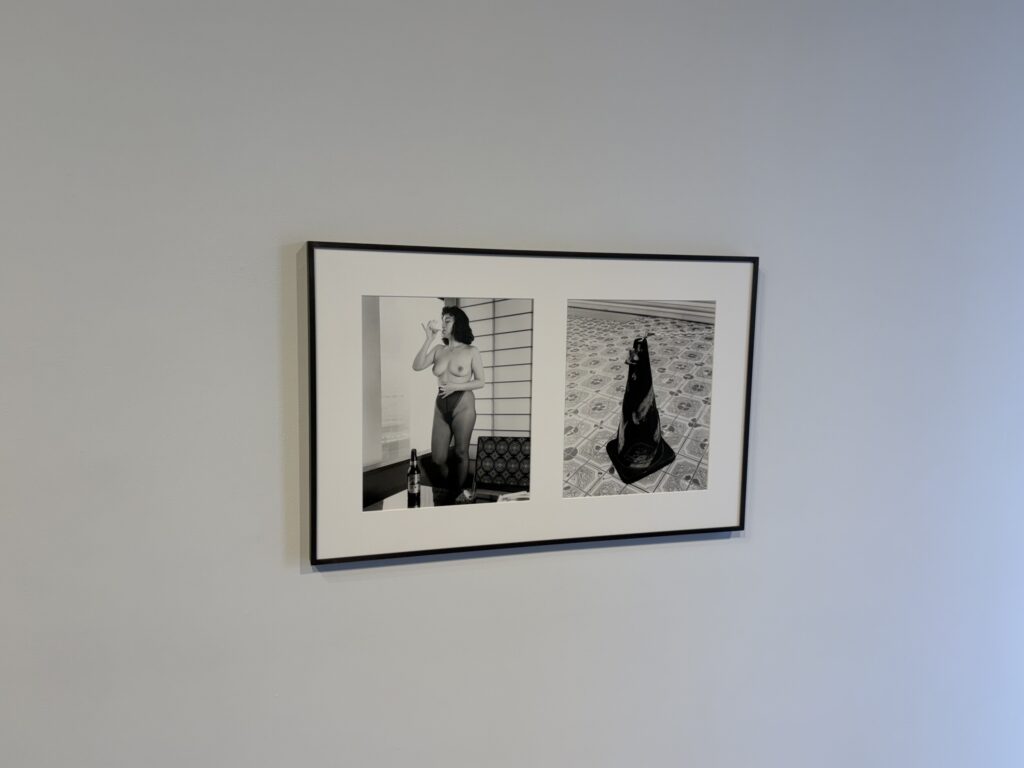
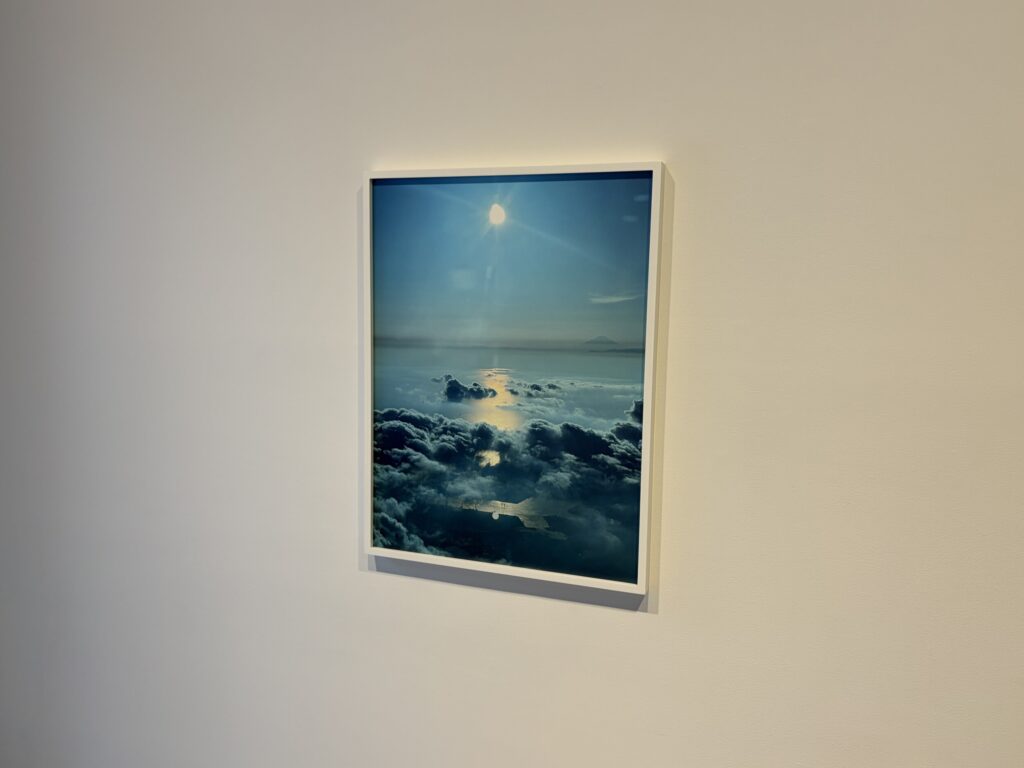
Comments/Context: Putting the photographs of Nobuyoshi Araki and Roe Ethridge together in a paired show isn’t an entirely obvious idea, given their differences in age, nationality, and historical context, but as it turns out, there are more echoes and resonances in their work than we might have noticed. Organized as interleaved examples (and projects) from each artist, the back-and-forth structure of this show encourages the making of nearby connections, particularly as seen in the still life and floral setups by both artists.
It’s been a number of years since we last caught up with Araki, reaching back to 2018, when the Japanese photographer had the double play of a gallery show (here) and a museum retrospective (here) in the same year here in New York. For the American Ethridge, the news is much more current, in the form of a photobook check-in earlier this year (here) and recent gallery shows in 2023 (here) and 2025 (here), with both the photobook and the latter show having some image overlaps with this one.
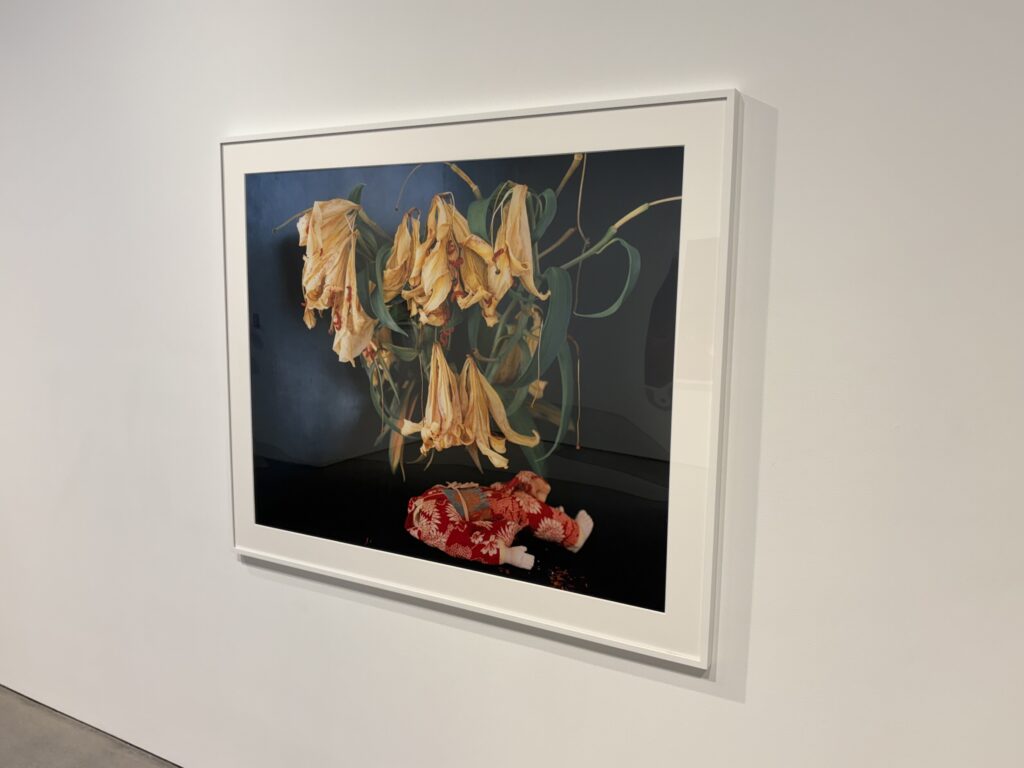
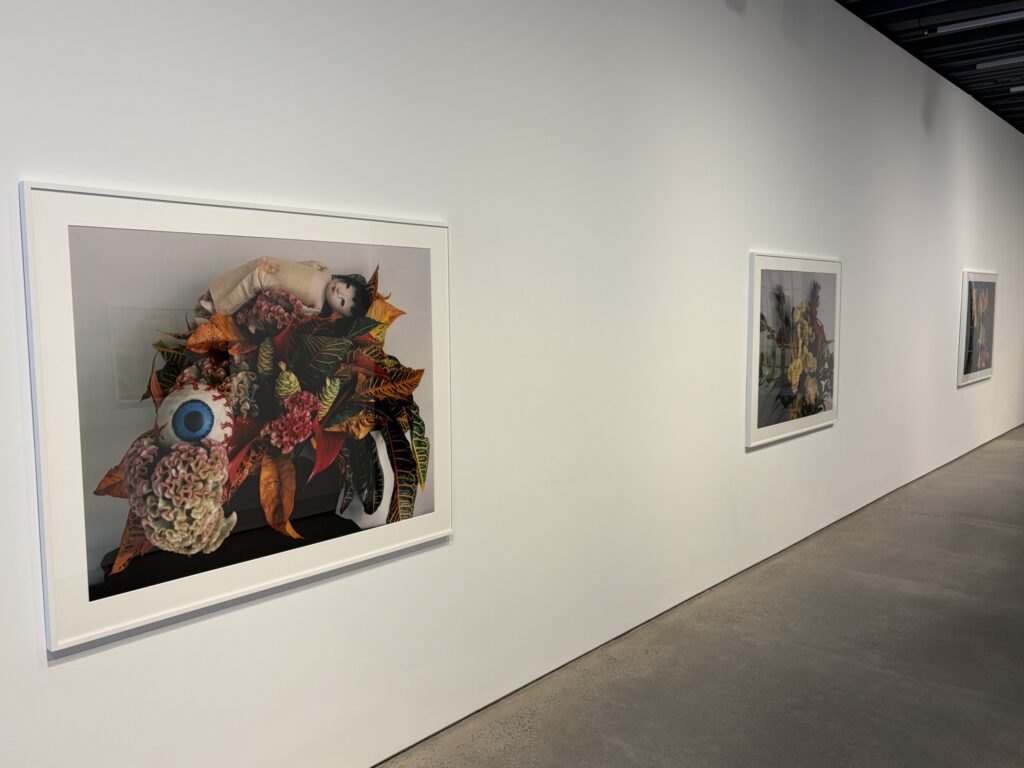
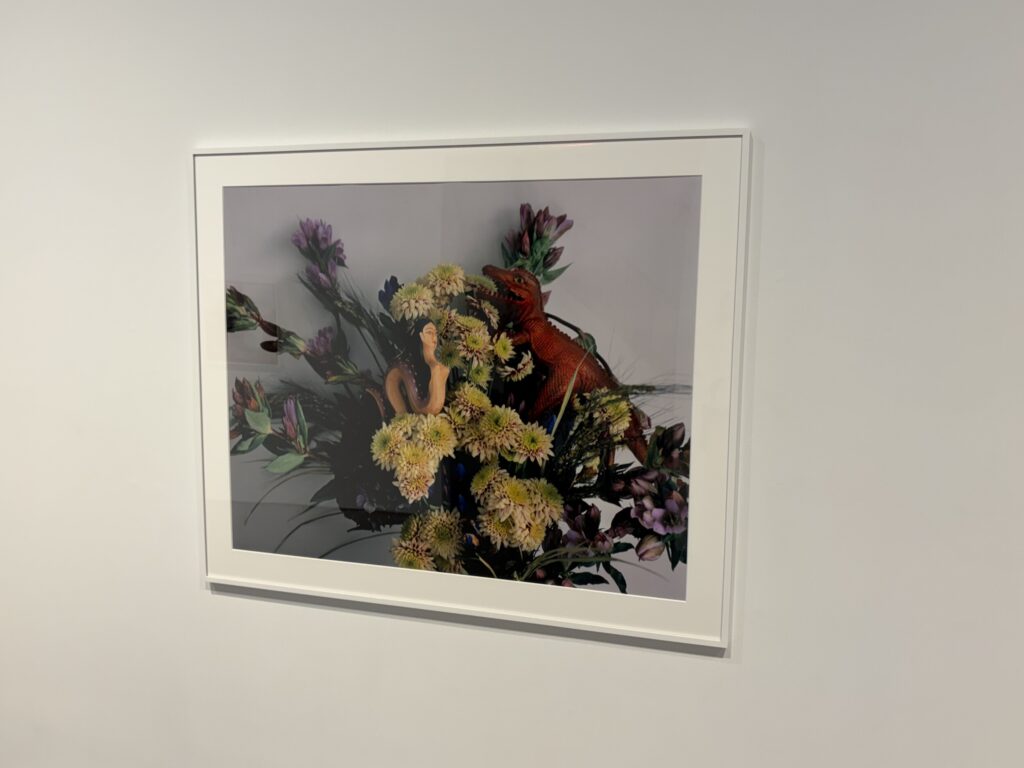
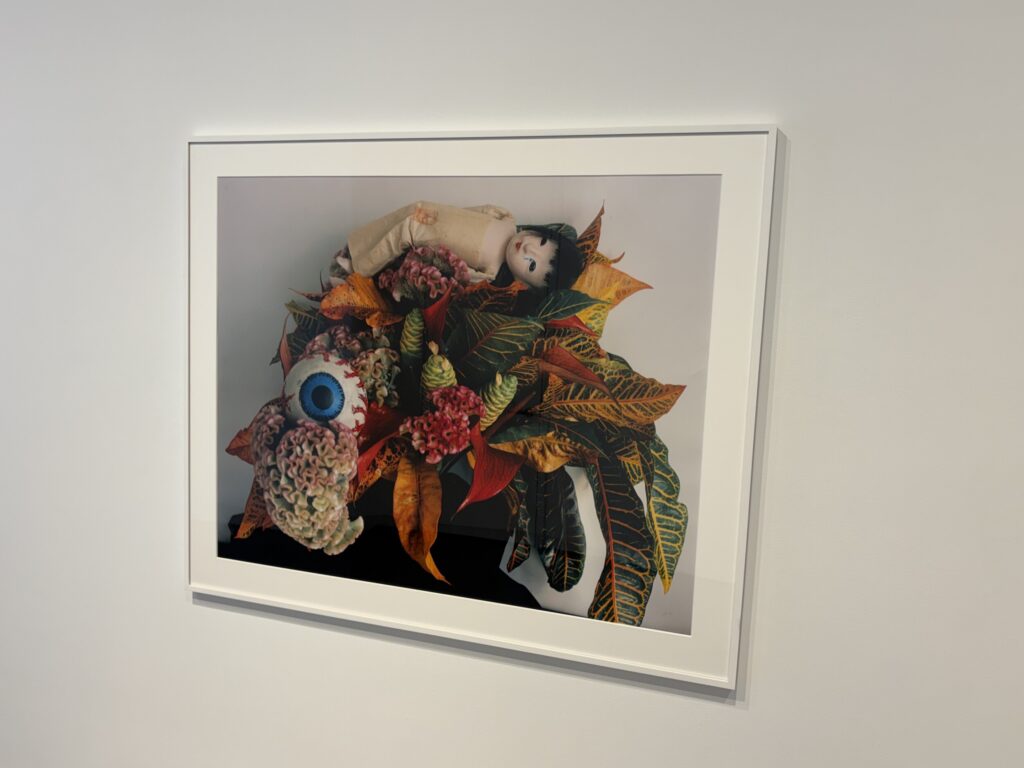
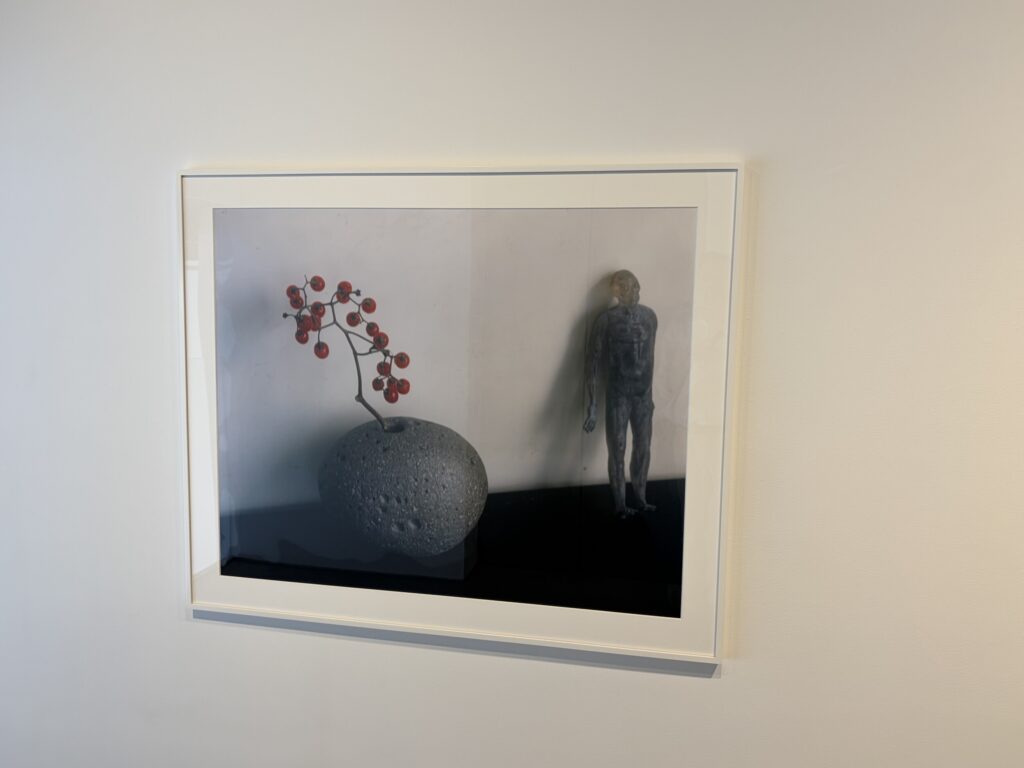
The installation is divided between two floors, and the pairings on the second floor of the gallery make the links between the two artists the most literal and straightforward. Four works from Araki’s “Flower Cemetery” series find him interrupting showy flower bouquets (filled with tropical leaves, bold textures, red berries, and wilted lilies) with small figurines and toys, including a headless kimono-clad doll, a plastic dinosaur, a snake with a female head and torso, an alien action figure, and a massive eyeball, giving the resulting images a deliberately off-kilter psychology. Lushness, eroticism, and death are liberally intermingled, twisting the usual dynamics of floral imagery into something much more darkly charged.
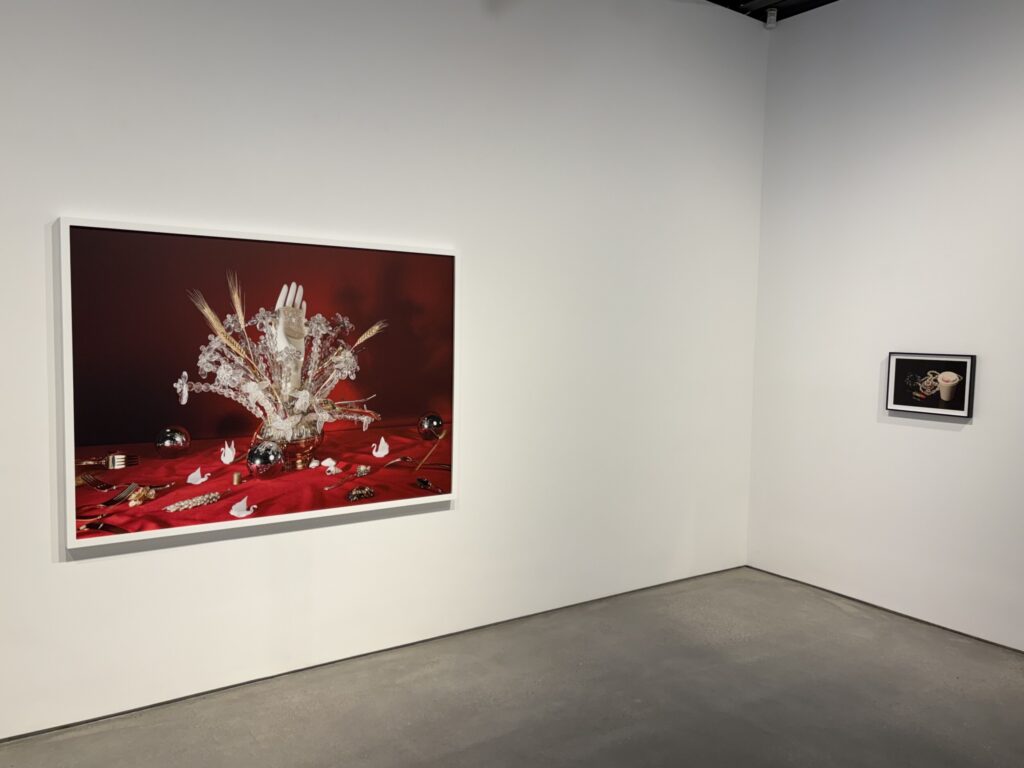
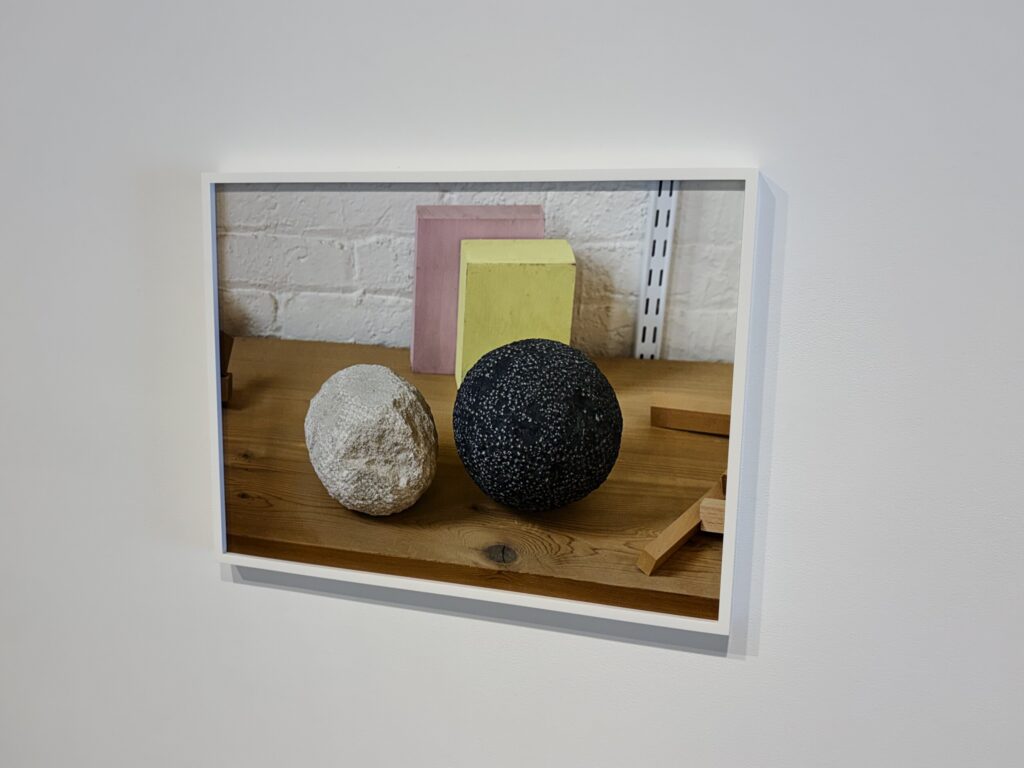
Three still lifes from Ethridge provide the aesthetic foil to the Araki florals, with a similar kind of intentionally uneasy staging upending our usual expectations for how a still life operates. One setup for Rouge Coco lipstick from Chanel features a black flower and a paper coffee cup with a smear of red lipstick, while another arrangement of crystal flowers is decorated with an assortment of loose flatware, tiny swans, shells, shiny Chanel balls, and sheaves of wheat, with a mannequin hand holding the word “Romantic”, as if awkwardly trying to frame the mood. An echo of rounded forms connects two other works, with Araki’s rounded stone vase matched by rounded styrofoam balls found on a tabletop in Joel Shapiro’s studio as seen by Ethridge.
Down on the main floor of the gallery, a second interchange between Araki and Ethridge takes place, this time rooted in appearances and surfaces. Araki contributes black-and-white diptychs from his “Tokyo Nude” series, with each work combining a female nude and an image of the city. In both cases, Araki’s perspective is matter-of-fact, almost stripped bare or blank, with the nudes casual, flash-lit, and direct, and the city views similarly mundane, featuring various storefronts, a decaying billboard, a highway overpass, a bed of flowers, and a dirty traffic cone.
Ethridge comes at a series of floral arrangements with a similar intention to reconsider, using a pinhole lens to soften setups of flowers placed against floral-printed backdrops. Ethridge’s carnations, daisies, and hydrangeas (in thrift store vases) have a kind of memory-fuzzed throwback nostalgia, their blurred mood and easy going palette recalling dated wallpapers and suburban decor, but with the bite of contemporary inside-photography intervention.
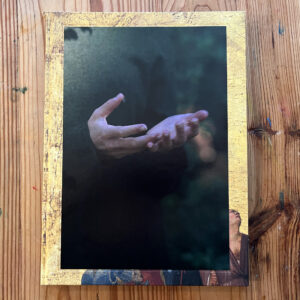
One final work by Ethridge both begins and ends the show (as it sits near the doorway), an iPhone view of Tokyo taken from an airplane as he was arriving in Japan earlier this year. With Mount Fuji in the background, the scene recalls classic Japanese artistic motifs, but then layers in the immediacy of the everyday (in manner similar to some of Wolfgang Tillmans’s pictures). This kind of thinking about presence has long been a part of Araki’s photographic practice as well, with his images often marked by ordinary snapshot-like moments and blocky camera-inserted time and date stamps.
With the concept of this show as a kind of curatorial appetizer, it feels like there is an even deeper study of Araki and Ethridge imagery now to be done, spanning both of their careers, emphasizing an intentional breaking of codes, styles, and aesthetic boundaries. In some sense, both artists are natural disrupters and provocateurs, with long histories of upending agreed-upon aesthetics. This show takes a relatively tame slice of their two careers to ably make the point of connection, but there is bolder version now waiting to be unearthed that matches some of their more cleverly risk-taking and outrageously unsettling visual exercises.
Collector’s POV: The works in this show are priced as follows. For Araki, the black-and-white diptychs are priced at $11000 each, while the larger color still lifes are $20000 each. For Ethridge, the floral still lifes are $25000 each, while the other works range in price from $10000 to $35000, based on size.
Araki’s work (both photographic prints and photobooks) is routinely available in the secondary markets, running the gamut from single Polaroids to large sets. Recent prices have ranged between roughly $1000 and $191000. Ethridge’s work has become more available in the secondary markets in recent years, with prices ranging between roughly $2000 and $35000.