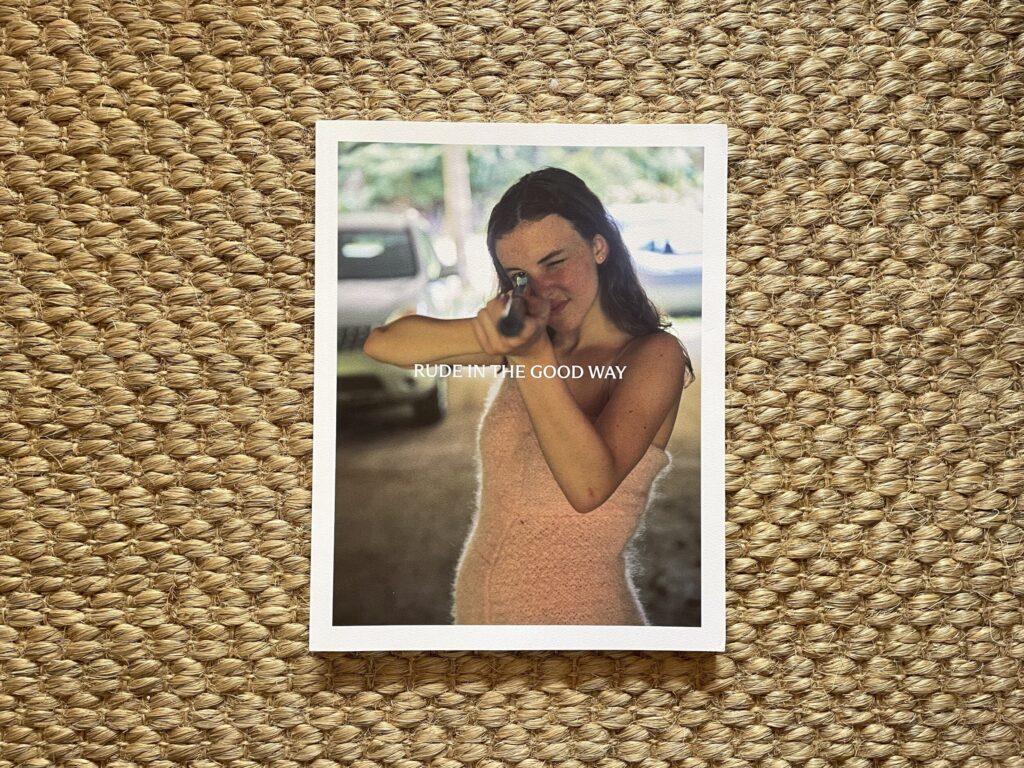
JTF (just the facts): Published in 2026 by Loose Joints (here). Section-sewn softcover with paper flaps (235 x 300 mm), 112 pages, with 71 color reproductions. There are no texts or essays included. Edited by Sarah Chaplin Espenon and the artist. Designed by Loose Joints Studio. (Cover and spread shots below.)
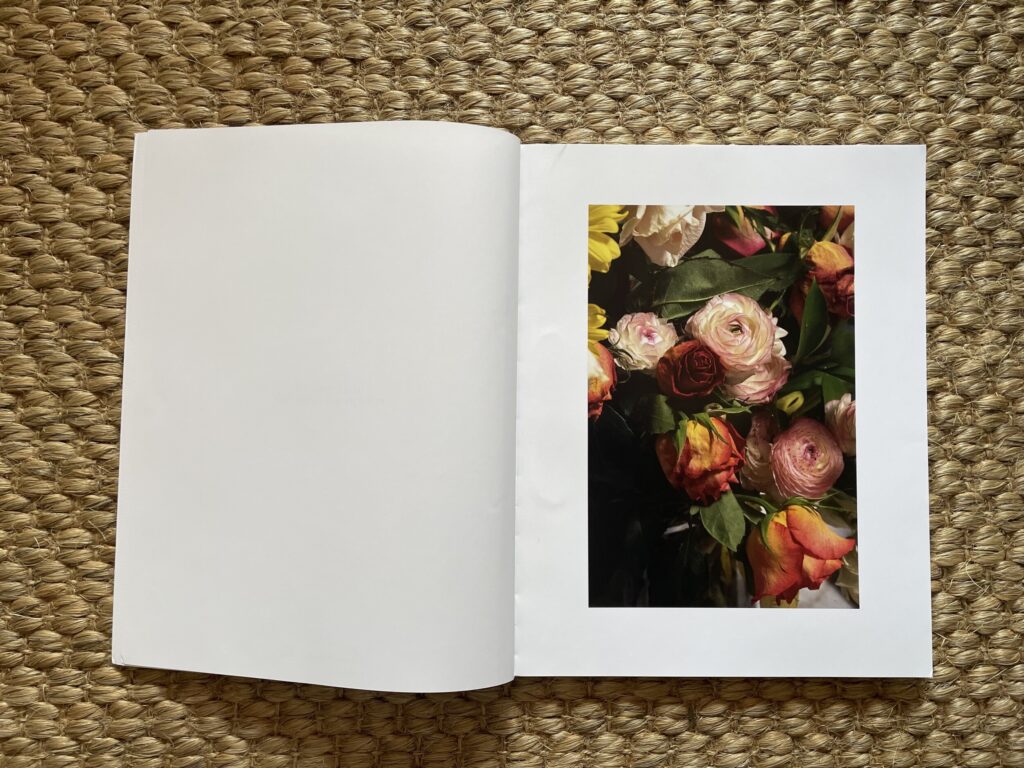
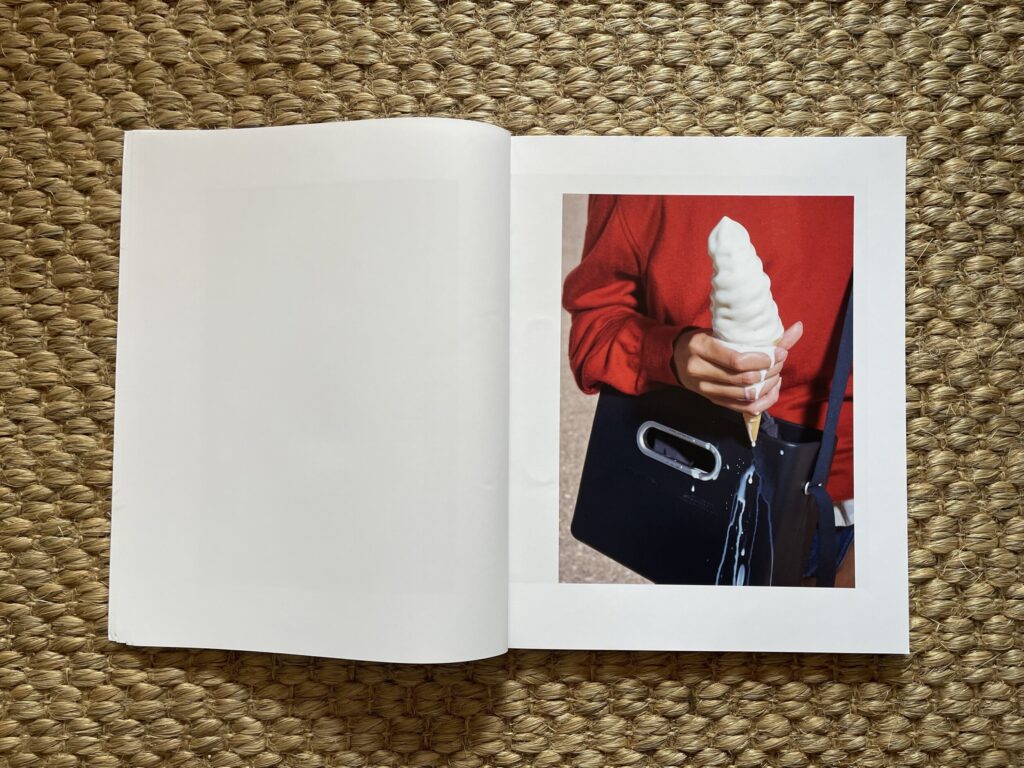
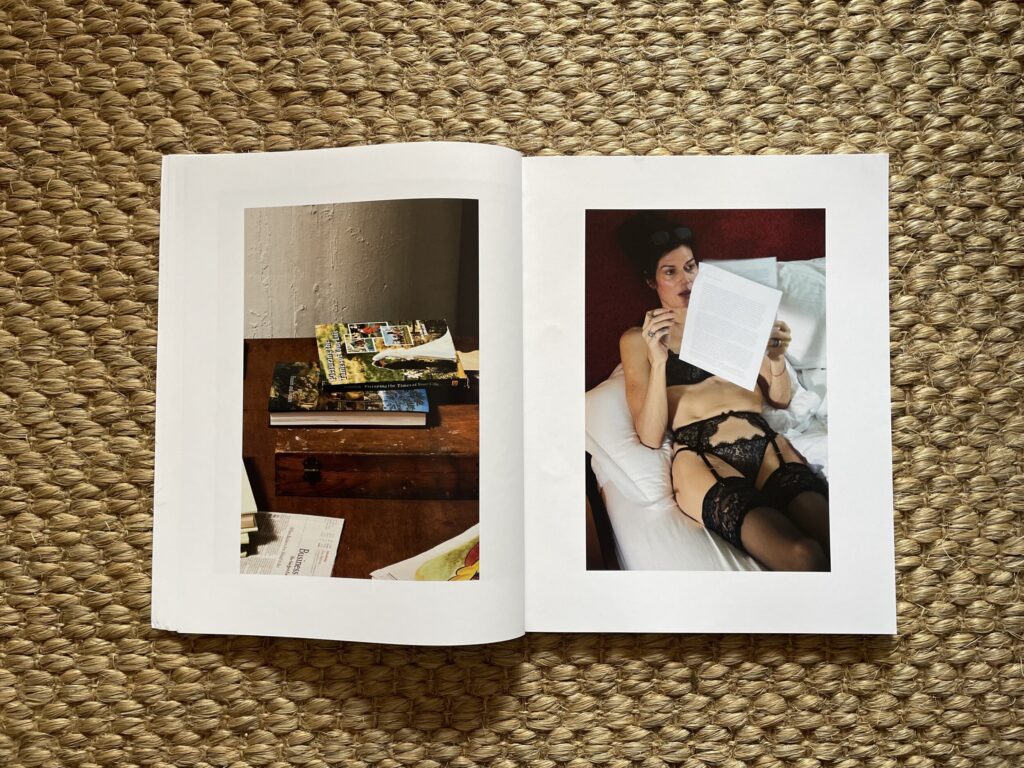
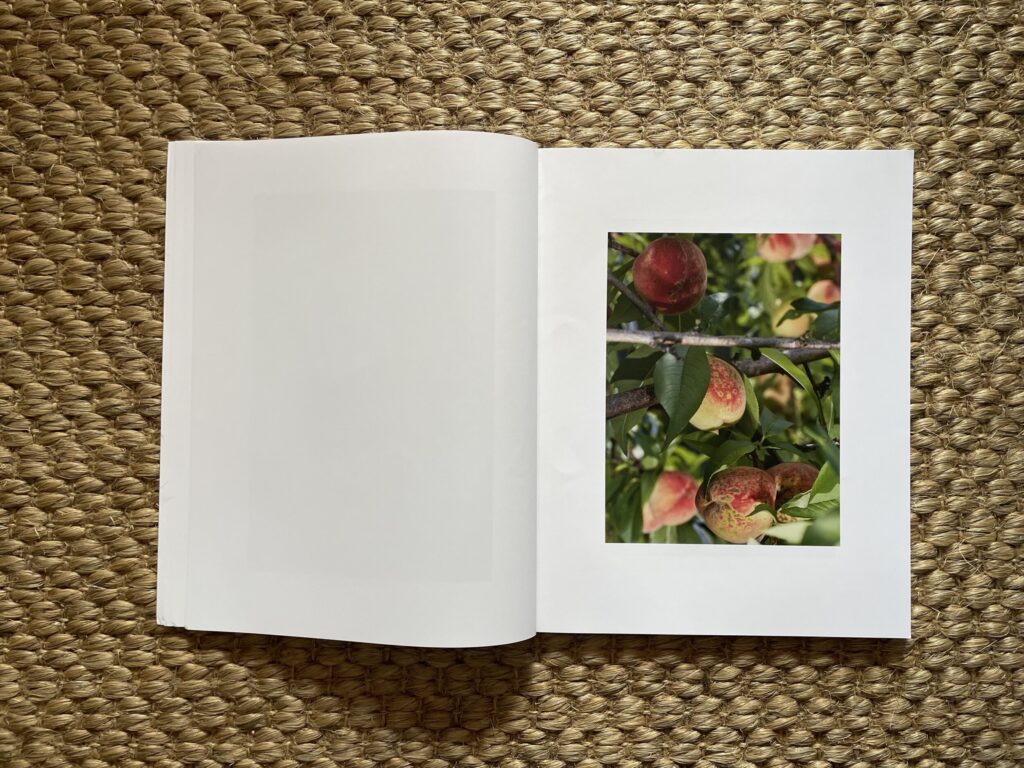
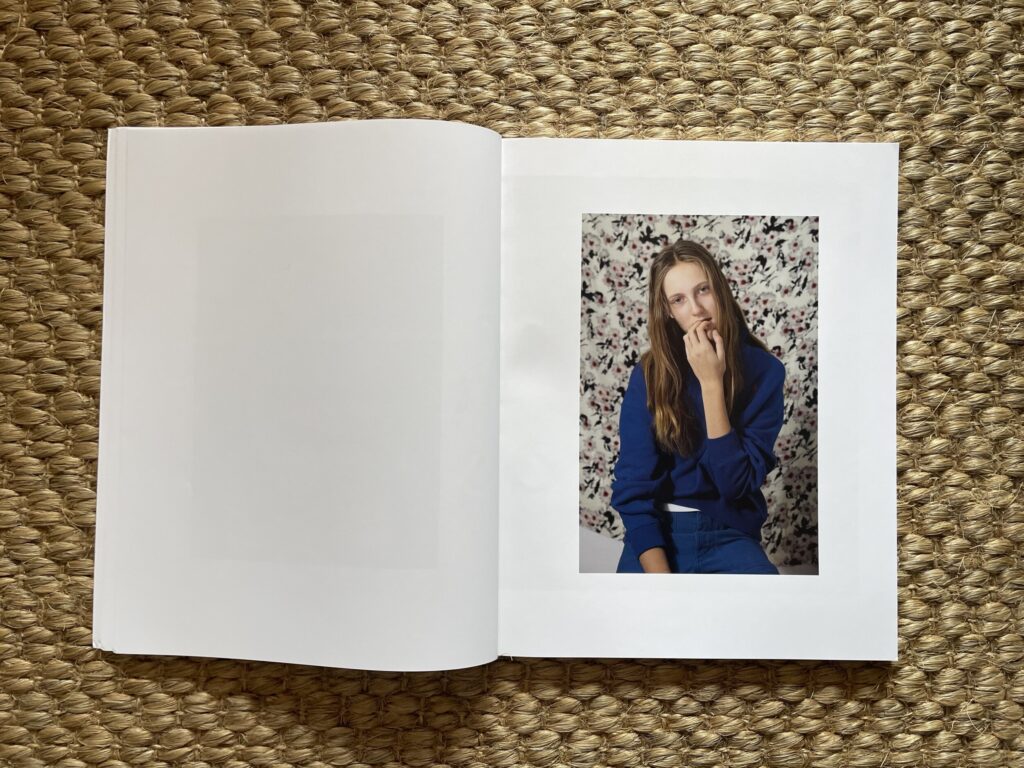
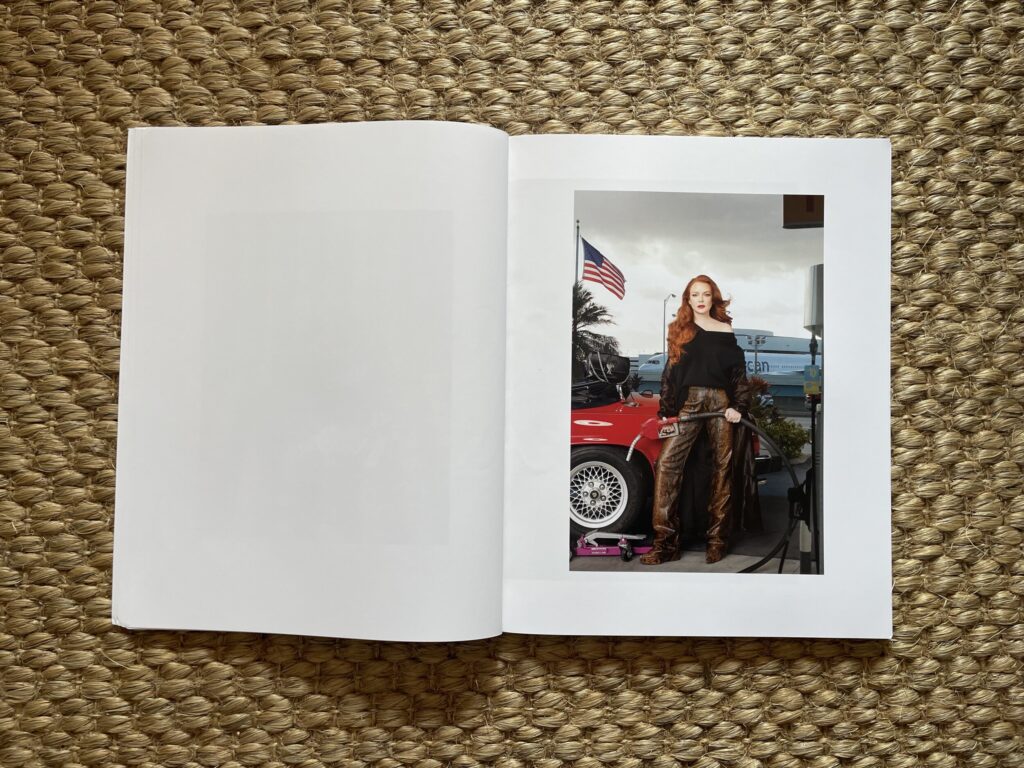
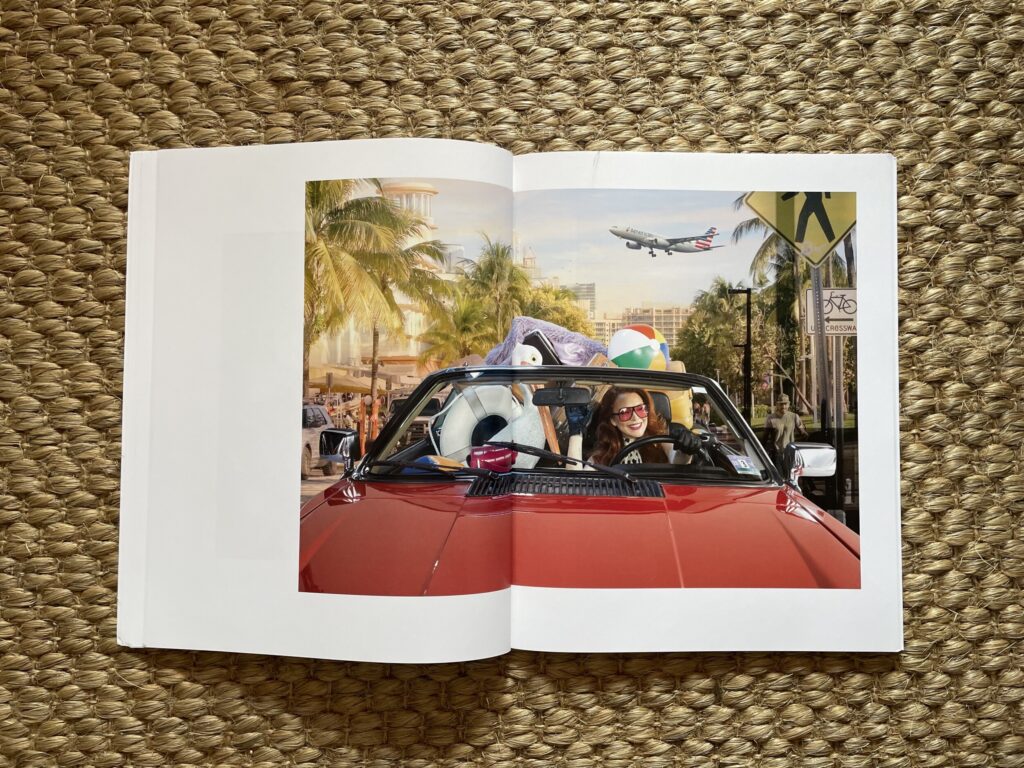
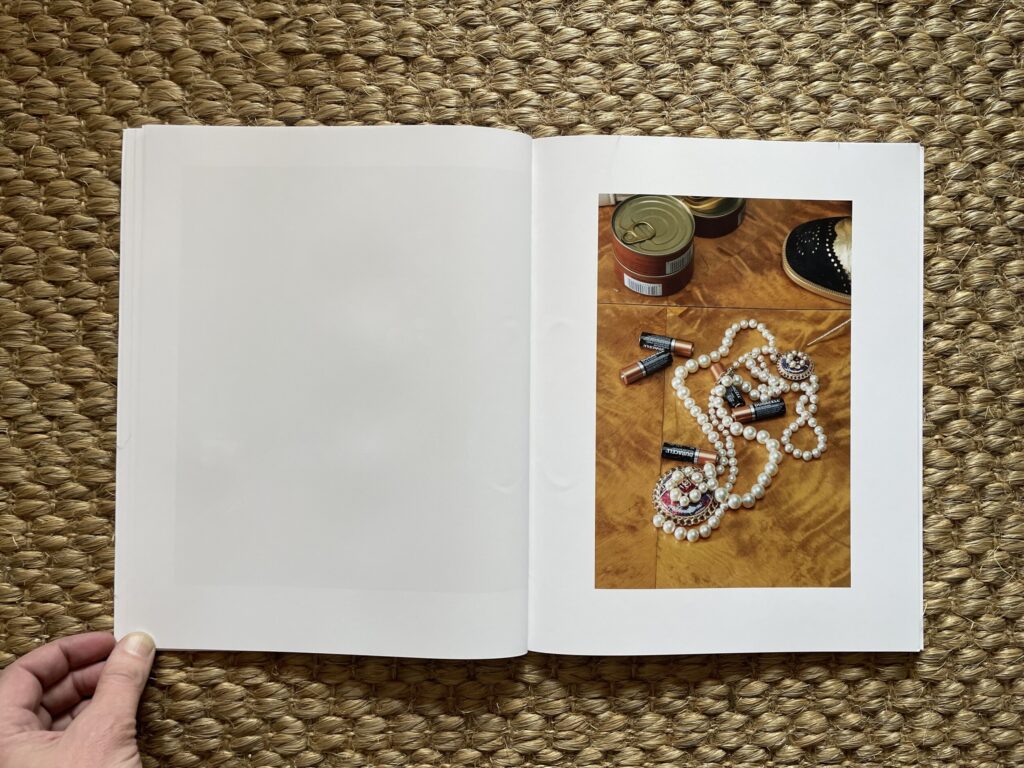
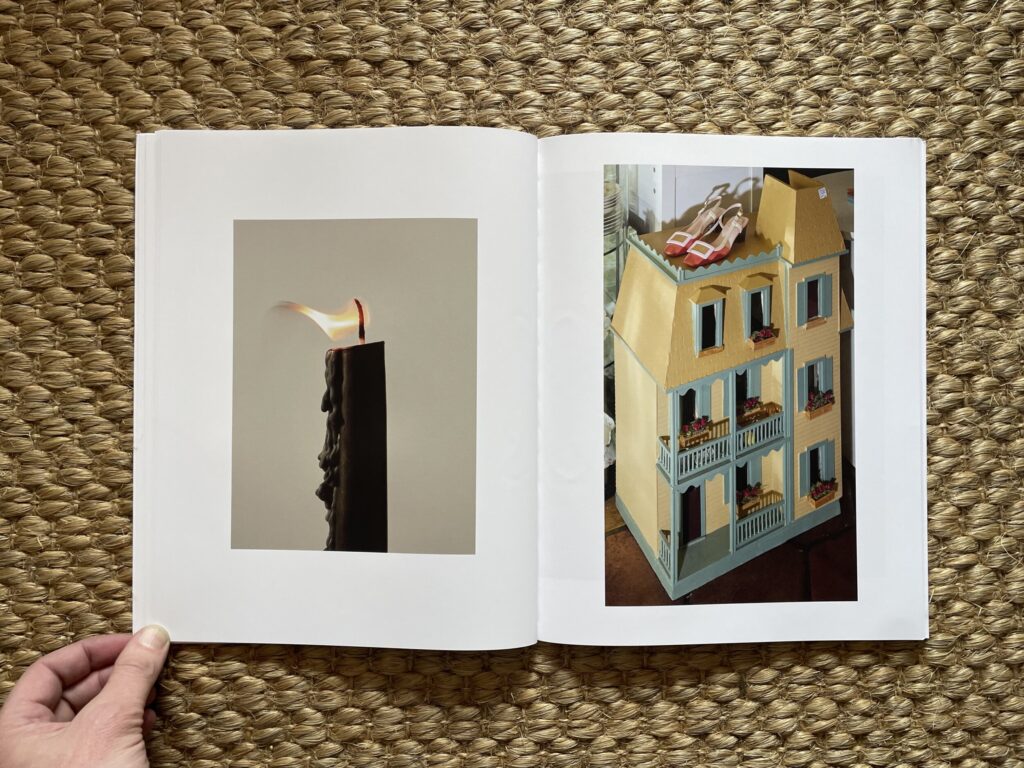
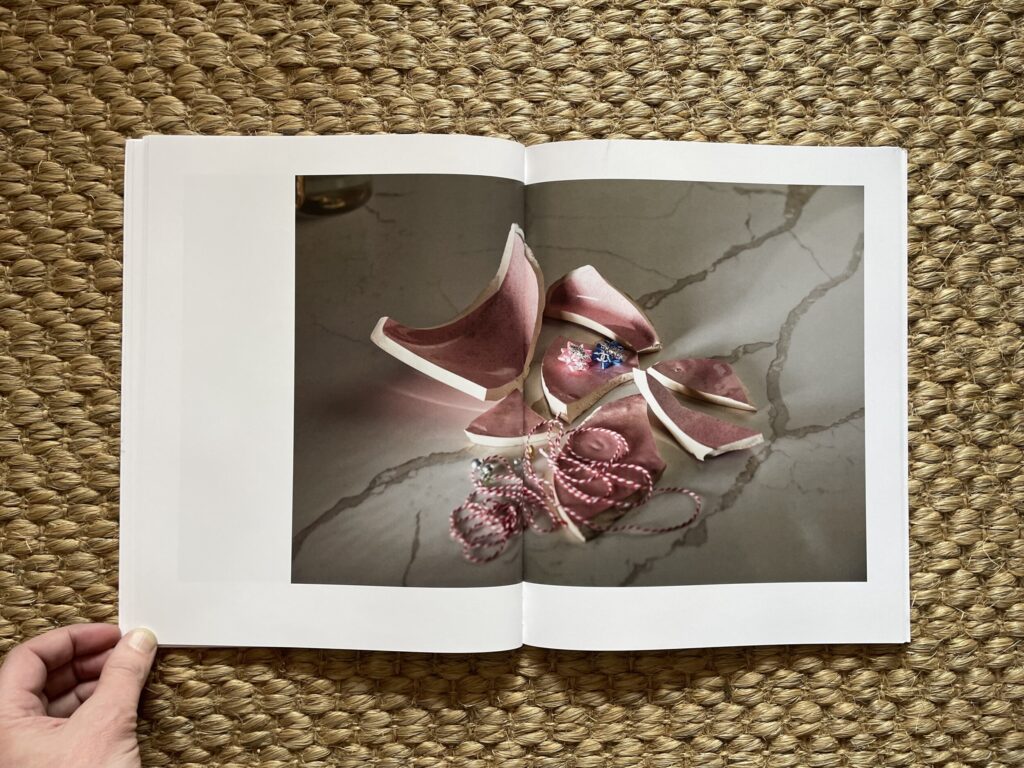
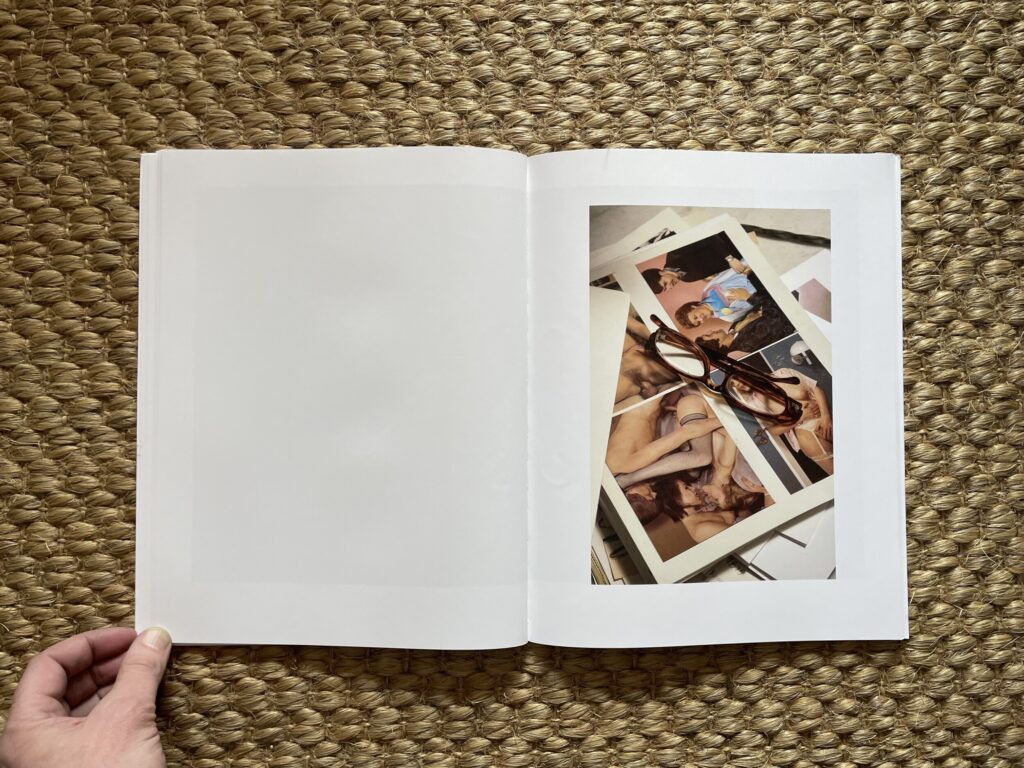
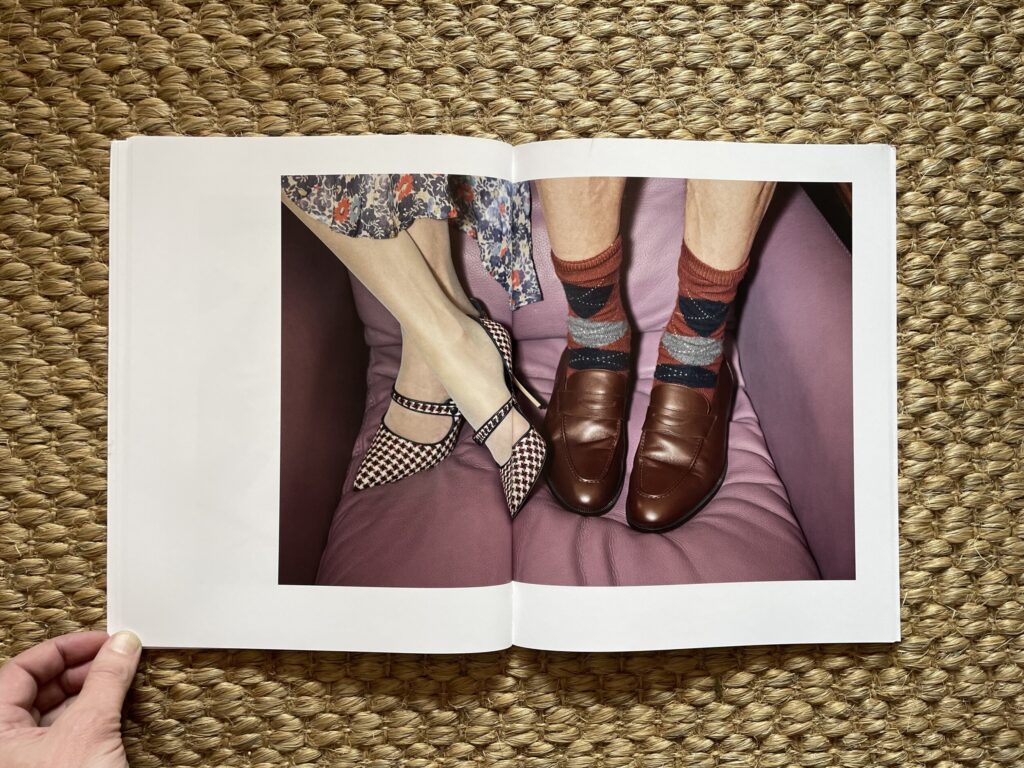
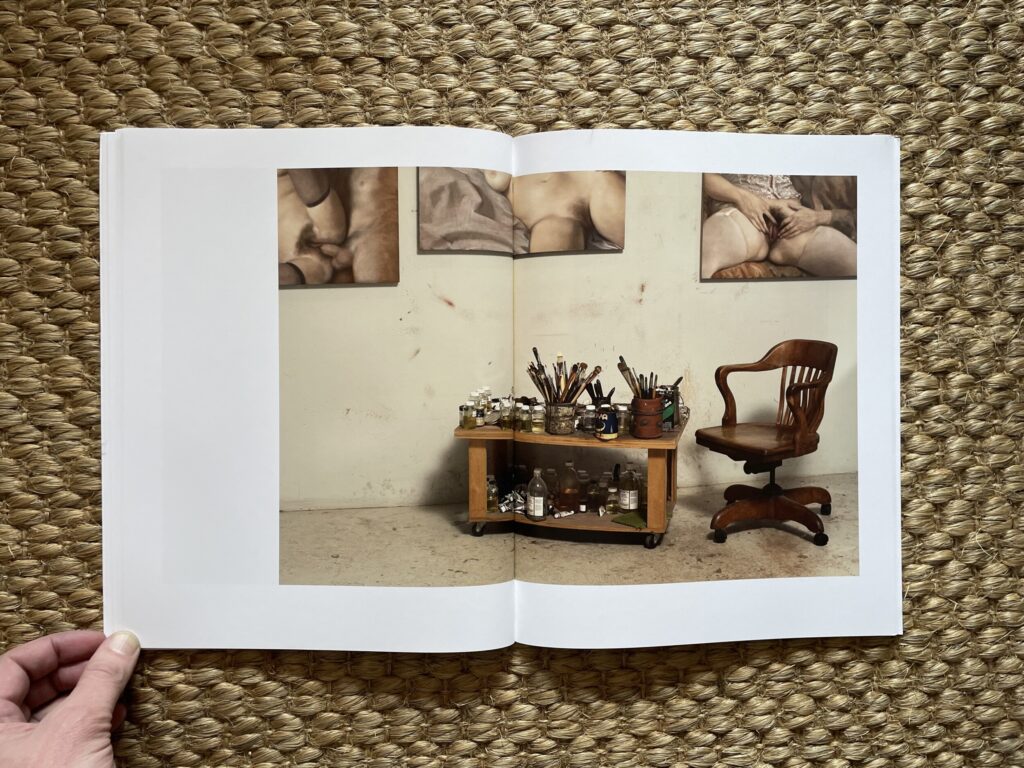
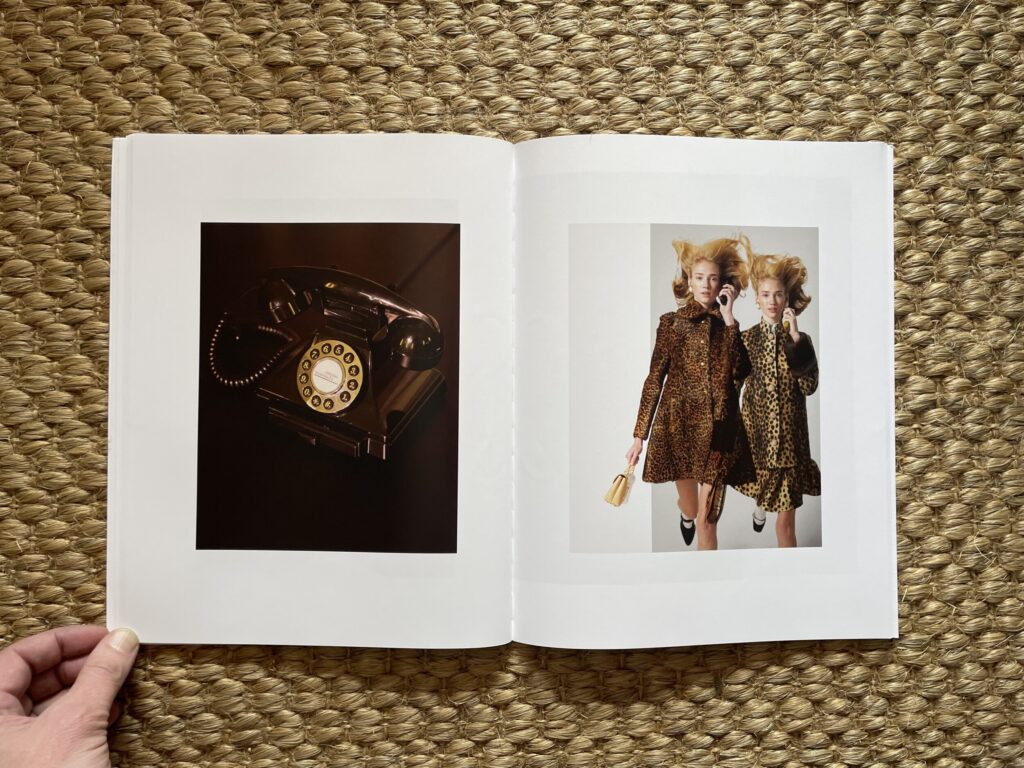
Comments/Context: As book titles go, Rude in the Good Way could hardly be a more playfully appropriate tag line for Roe Ethridge’s overall approach to photography. Over the past two decades, Ethridge has developed a way of working that consistently zeroes in on the feeling of the off-kilter moment when a perfect commercial shoot, a meticulously arranged still life, or even a personal snapshot goes slightly awry, leading to something unexpectedly wrong but somehow also amazingly right. But of course, none of his photographs are really accidents or outtakes, but deliberate decisions to encourage the imperfect and uncontrolled to invade the modes of gleaming stylistic faultlessness that we have come to expect from our imagery. It is this unexpected oppositional tension that is so wonderfully “rude”, infusing hollow image clichés with very smart splashes of the impolite.
This photobook accompanies a recent exhibition at Gagosian Gallery in Athens, and intermingles commercial, editorial, and fashion assignments with personal work, some of the projects (like the images made in John Currin’s studio in 2008) reaching back many years. Weaving the different threads together leads to a harmonizing of Ethridge’s many motifs, with images from the discrete projects repeating and mixing as the pages turn, blending into one thematic whole that connects the various elements together. The cover photograph of a young woman pointing a gun straight at us (perhaps at a carnival or perhaps not) is a clear indicator that we’d better be ready for some direct, possibly joking, and almost certainly “rude” confrontation.
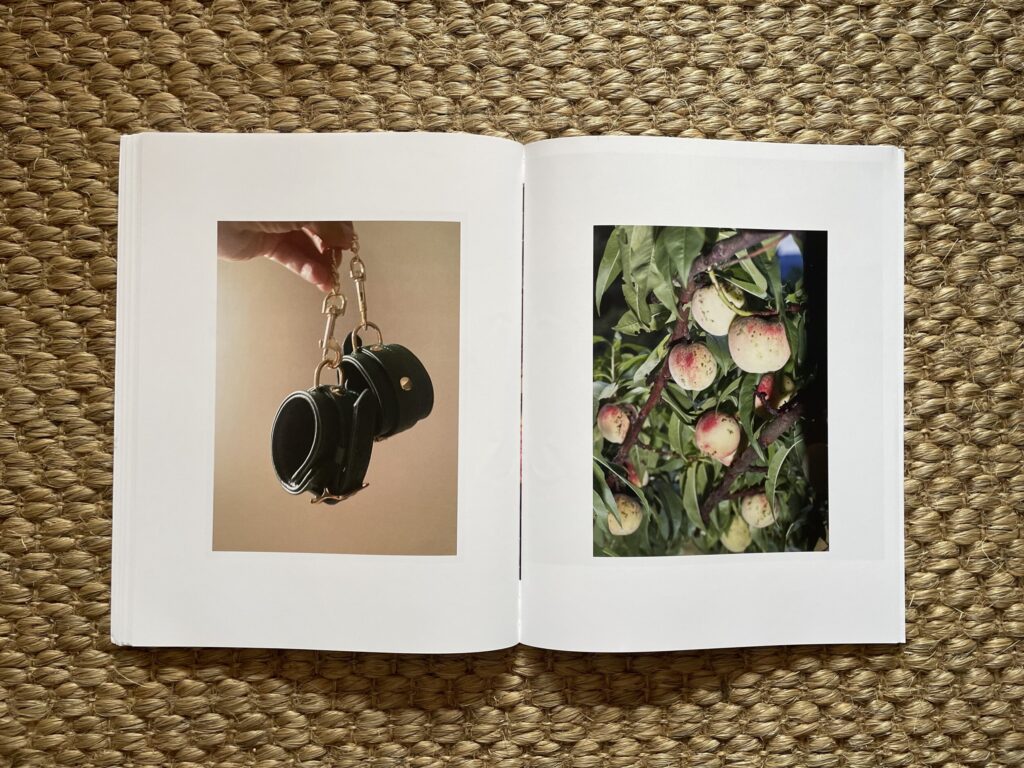
Decay, rot, and other forms of visible aging and wear have long been a part of Ethridge’s visual vocabulary, roughly upending a seemingly never ending stream of perfect fruit baskets, floral bouquets, meal setups, and product shots over the years. These themes recur here in the form of spotted peaches molding up in the the trees and fancy roses wilting and flopped over, with cheekier messes captured in images of a dripping ice cream cone, the smeared chocolate of a toaster pastry, the wet ice and crumpled napkin of an oyster picnic, and the Gothic gloom of a melted black candle.
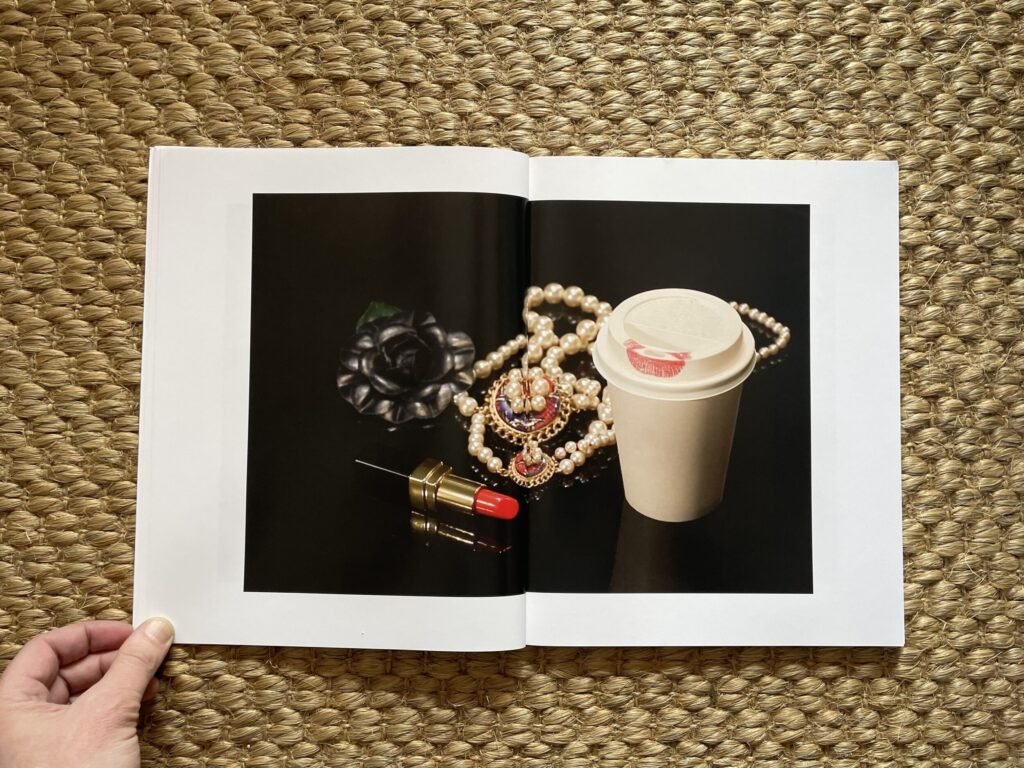
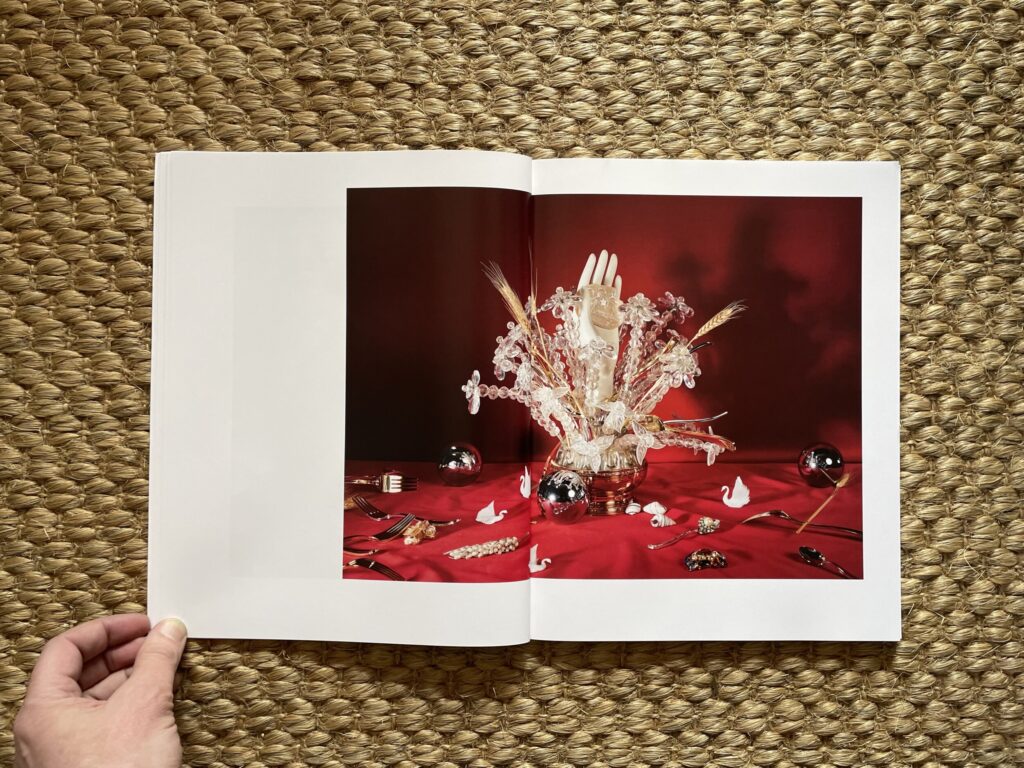
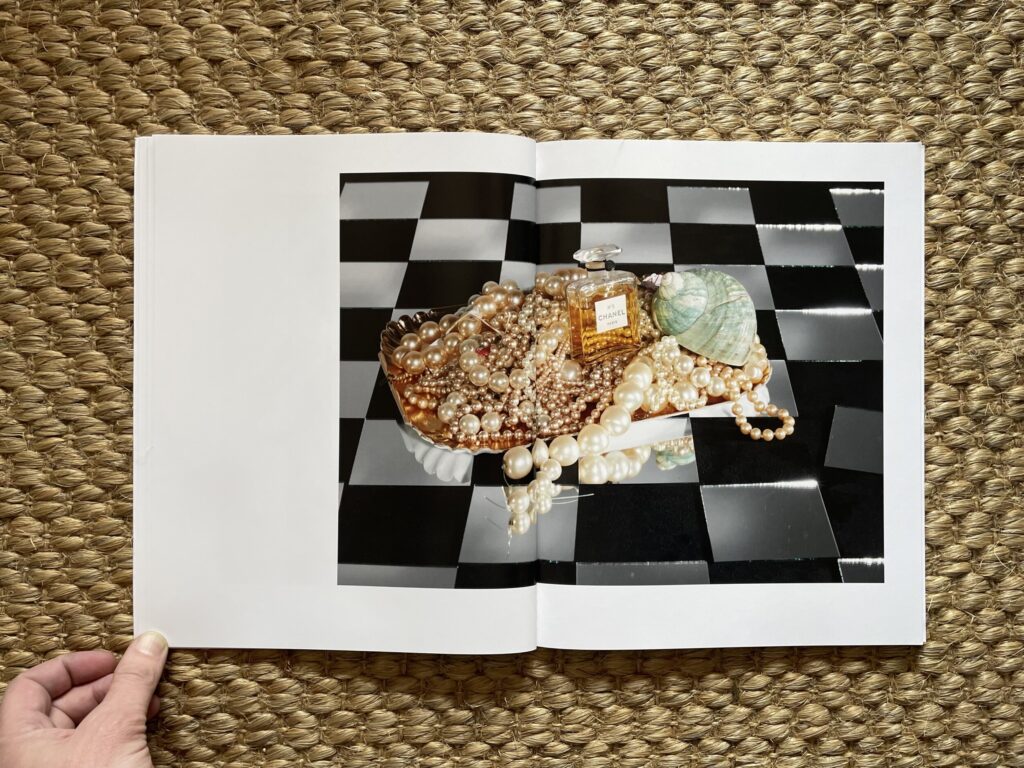
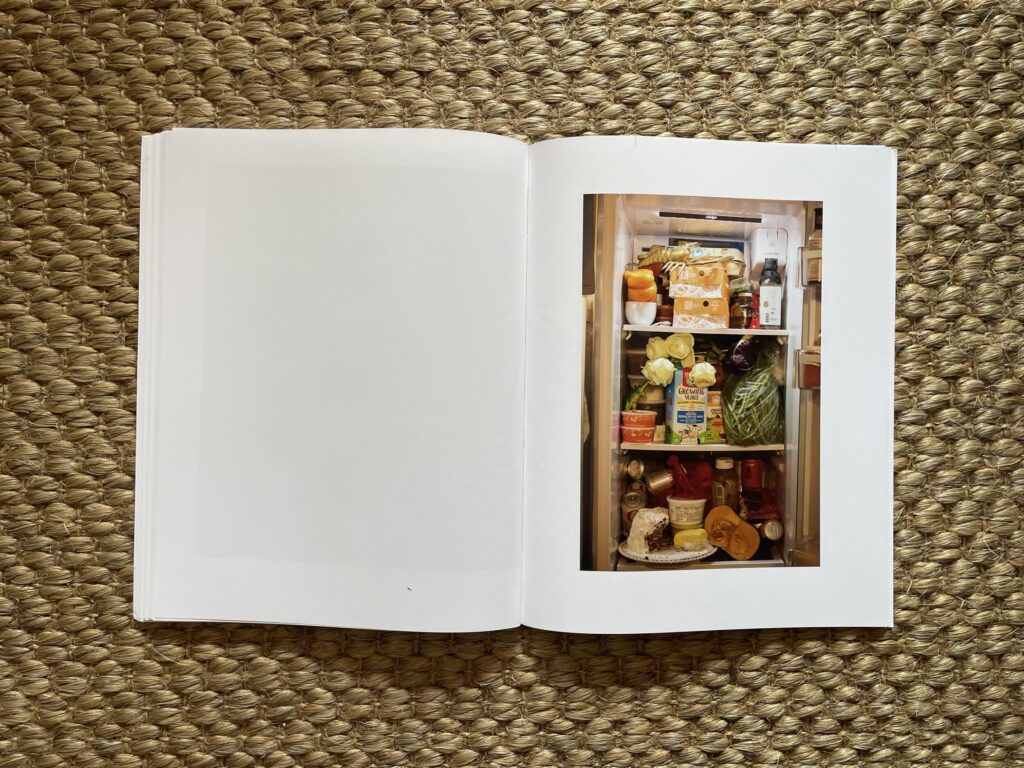
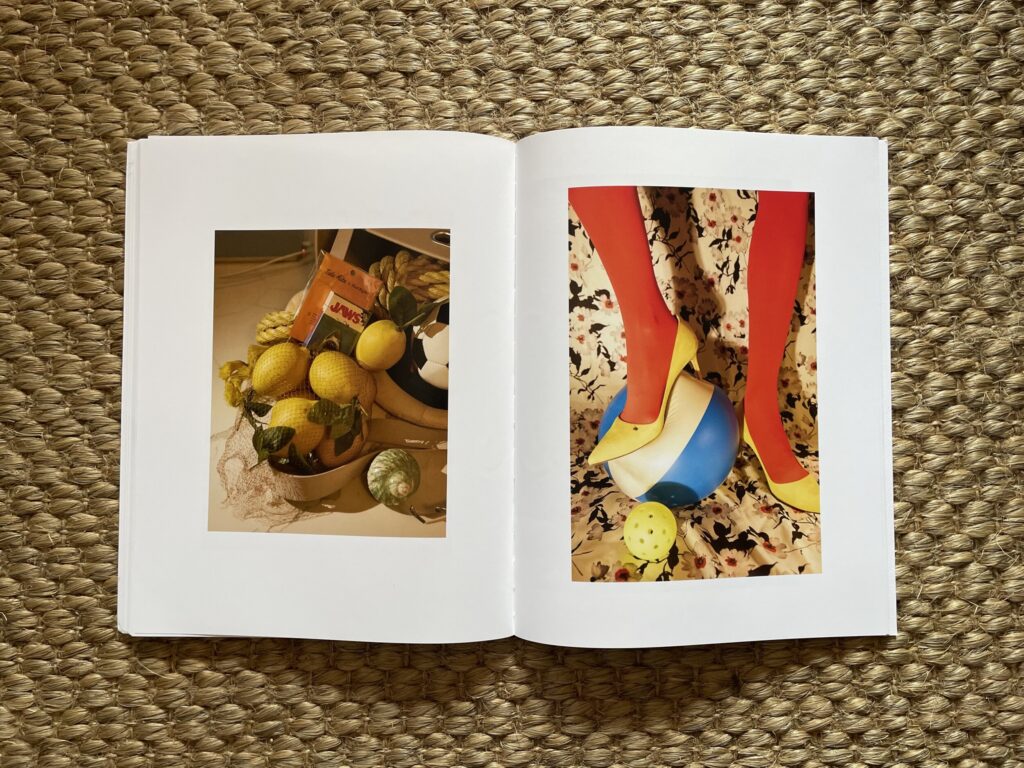
The unconventional mixing of high and low has also been a signature Ethridge strategy, especially when faced with commercial still life and product shoots of luxury goods. Here Chanel high jewelry is alternately mixed with scattered AA batteries and canned goods; a broken pink bowl and a twist of red striped string; jutting silverware, some wheat stalks, and a mannequin hand holding a card inscribed with the (ironic) word “Romantic”; and a paper coffee cup with a smear of red lipstick, each meticulously staged arrangement somehow altogether unresolved. This chaotically confused mixing happens in more mundane found settings as well, from the contents of an overstuffed fridge and a marbled cut of meat and condiments ready for cooking to the items strewn on hotel side tables and hallway consoles and the shoes placed on the roof of a tag sale doll house. Even a seemingly straightforward (and overtly nostalgic) setup of a vintage Chanel No. 5 perfume bottle nestled on a bed of pearl necklaces is quietly undermined by Ethridge, the perfect mirrored checkerboard underneath breaking down into loose squares.
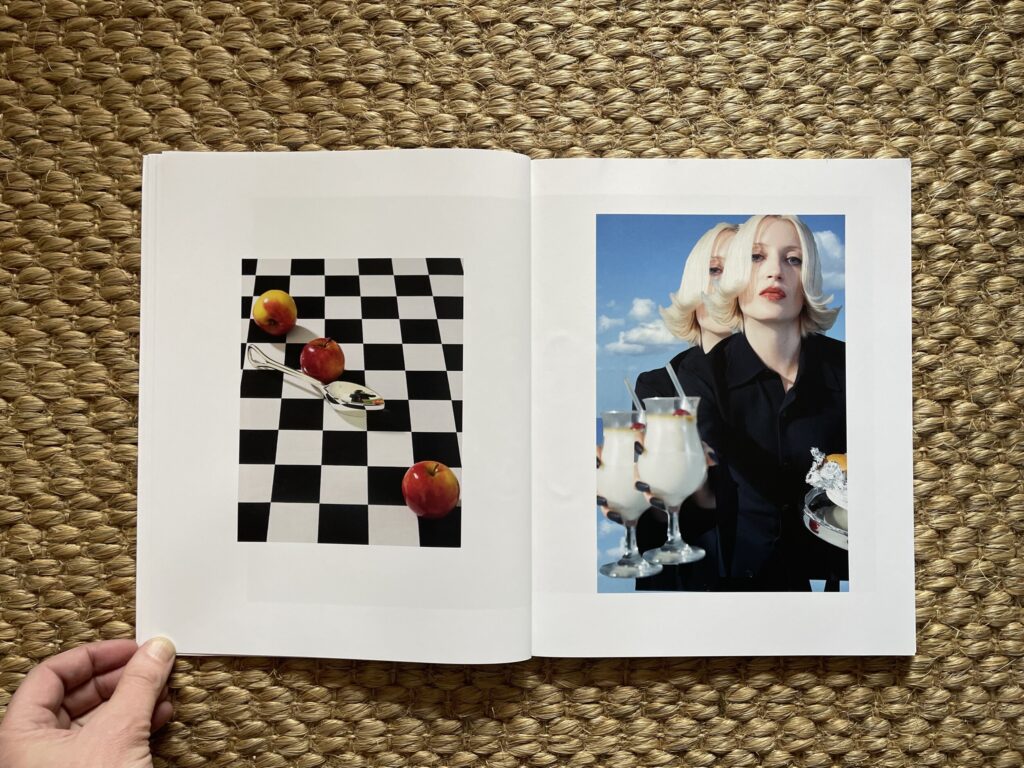
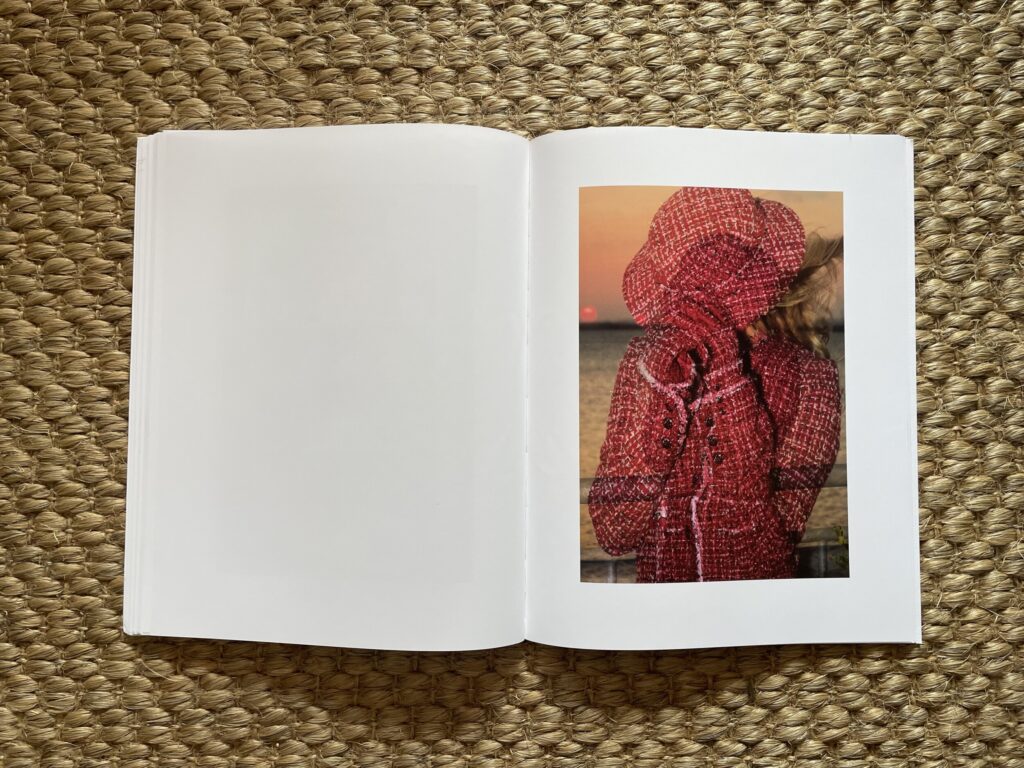
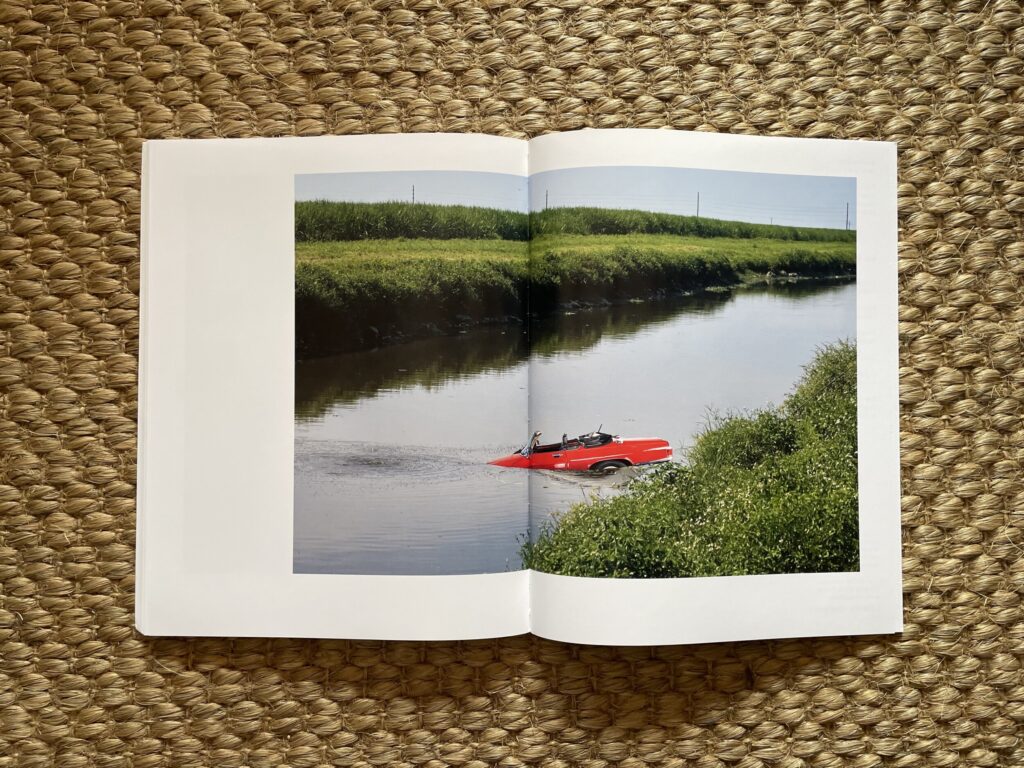
Ethridge’s fashion and celebrity images are similarly uncomfortable and destabilized. Here he uses doubled exposures of the same model in different looks to create synchronized doppelgänger effects and echoed overlaps, like strangely mismatched pairs, while other doubled effects create jittering repetitions, in setups featuring a sunset and a perfect sky piña colada. And when Lindsey Lohan shows up, Ethridge intentionally surrounds her with less than entirely convincing Photoshop collage effects, the hyper reality of scenes pumping gas, driving an overstuffed red convertible, and chalking up a cue at a pool hall becoming stylized exaggerations that are so fake that they have their own sense of irreverent inside joke comedy.
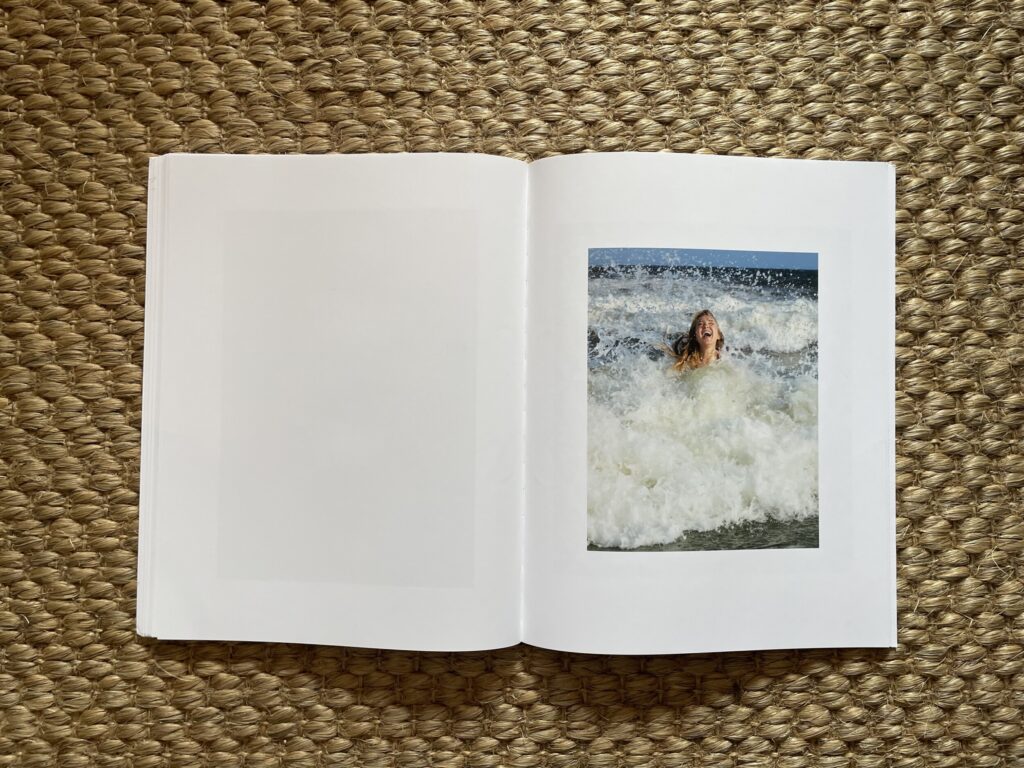
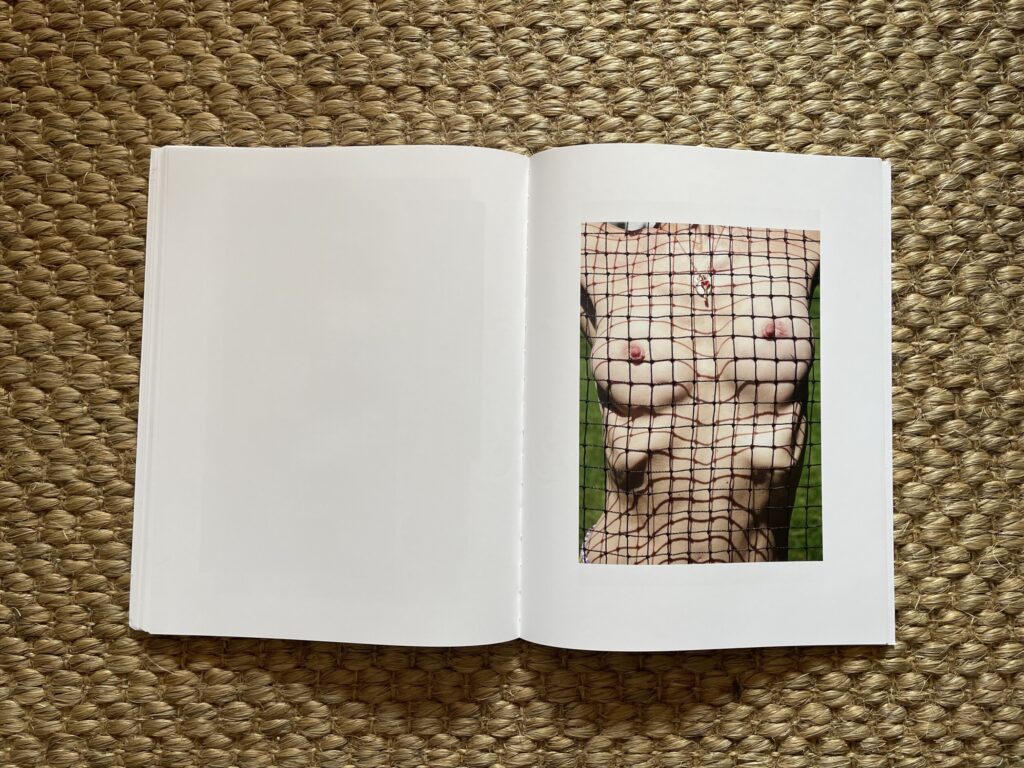
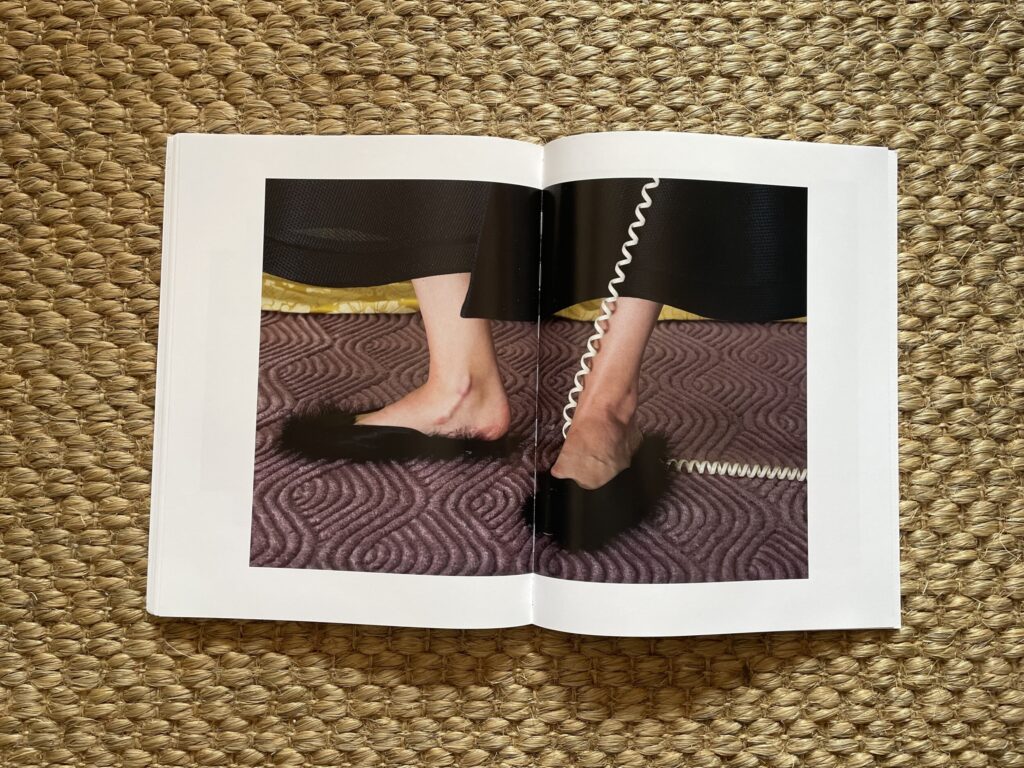
Rude in the Good Way drifts further into more provocative imagery than many of Ethridge’s previous exhibitions and photobooks, extending some of his sassier commercial pictures toward more overt sexuality and eroticism. Suggestive hints of sensuality – in the form of slippers on a phone cord, a fly on yellow high heels, the ecstatic froth of a portrait in waves, a striped shirt pulled up just a little bit, and even a paired view of feet in shoes – give way to glimpses of explicit imagery found in John Currin’s studio, which Ethridge documents with matter-of-fact painterly warmth, the paintbrushes, bottles of oil, easels, rolling chairs, stacked books, and cluttered shelves seen with the same reverent curiosity as the many spread bodies and probing tongues in the nearby paintings and source materials. Other images, featuring a female nude in soccer netting and a praying bride with an orgasmic expression, repeat a lacy veiled motif, but surprisingly, Ethridge’s intimate pictures made with his partner Lulu Sylbert have less tension and wry edge, the bodies in stockings and panties, and even the rephotographed kinky games seen in the Canon housing, missing the bite of clever or knowing disruption.
As a photobook object, Rude in the Good Way is altogether straightforward and unassuming. Amply sized, with large color reproductions on white pages with thick borders, the book puts the photographs first and eliminates any other distractions – no texts, no page numbers, no titles, and no clutter. Some shifting of image sizes and their placement on the spreads are really the only break in the stark understated rigor of the design. In a sense, this book object feels intentionally subordinate to the photographs themselves, a smart approach for photographs that have so much embedded energy.
Coming on top of a string of gallery shows in New York (in 2025, here, in 2023, at two venues, here, and in 2020, here) and reaching all the way back to New Photography 2010 at MoMA (here), Rude in the Good Way feels like a measured continuation of Ethridge’s larger vision. At this point, his perfectly imperfect style has become so recognizable that in some cases he’s almost appropriating himself, creating yet another layer of nested recontextualizing and rethinking. This of course changes his calculus for potential innovation, making it harder for him to find risks that he hasn’t already taken, but this photobook is worthy evidence that he’s continuing to find successful new ways into old problems. Few contemporary photographers surprise and wrong-foot us as often, and with as much witty elegance as Ethridge does, which is exactly why Rude in the Good Way is worth adding to your bookshelf.
Collector’s POV: Roe Ethridge is represented by Gagosian Gallery (here) and Andrew Kreps Gallery (here) in New York. A solo exhibition of this body of work took place at Gagosian Athens, from January 22 to March 7, 2026 (here). Ethridge’s work has become more available in the secondary markets in recent years, with prices ranging between roughly $2000 and $35000.