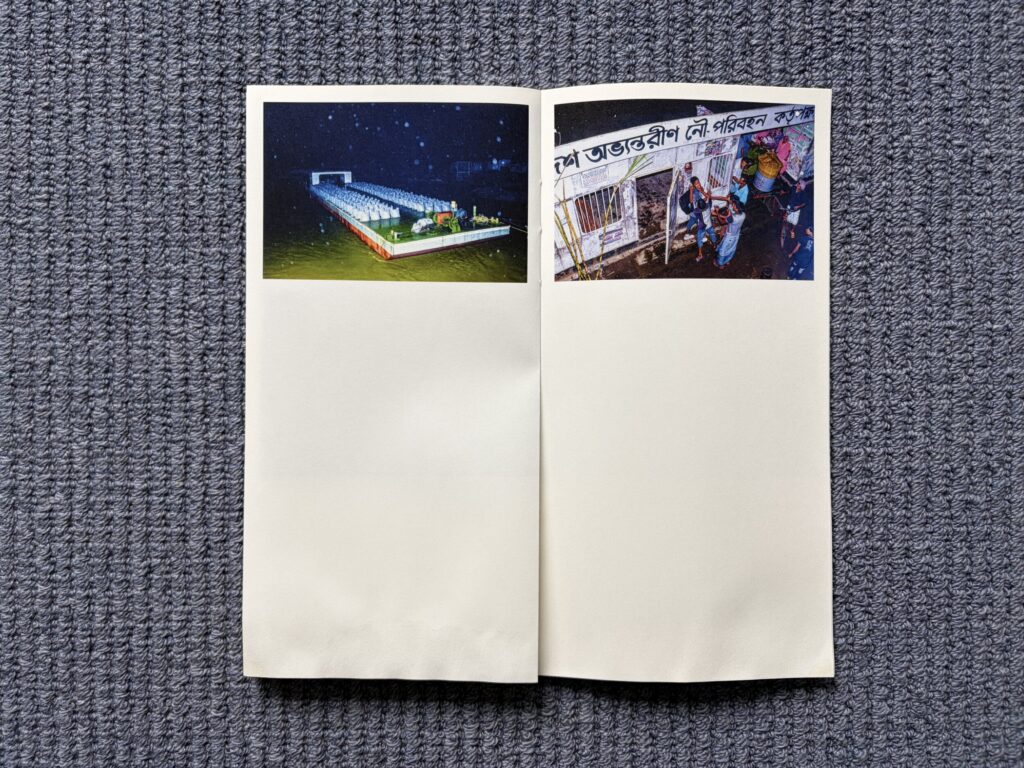
JTF (just the facts): Published in 2026 by Dienacht Publishing (here). Softcover with hand-stitched binding, 15×30 cm, 48 pages, with 32 color reproductions. Includes a short text by the artist, and each copy has been dipped in muddy water. In an edition of 150 copies. (Cover and spread shots below.)
The publication was made in conjunction with an exhibition of the same name at the Leipzig Photobook Festival 2026.
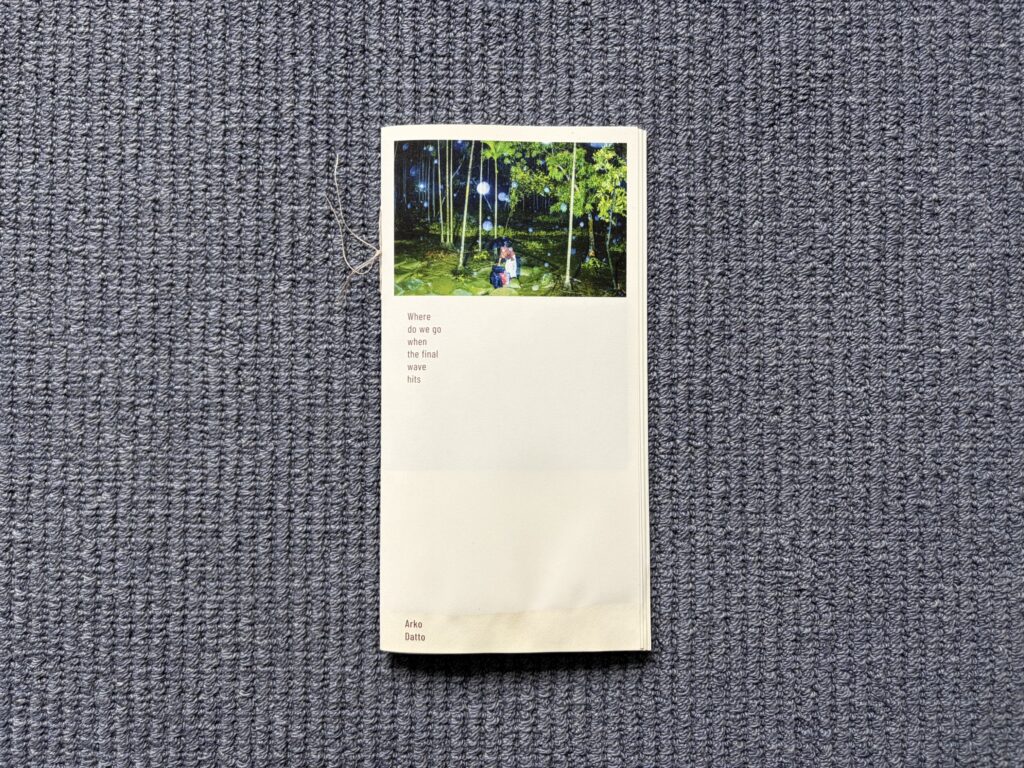
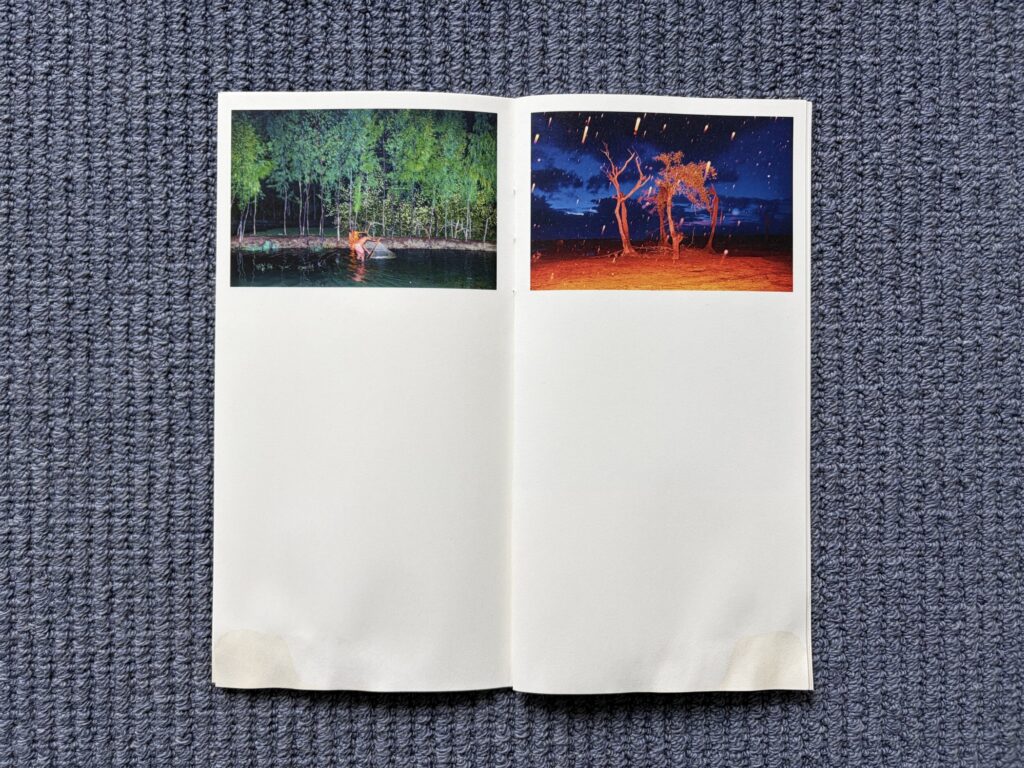
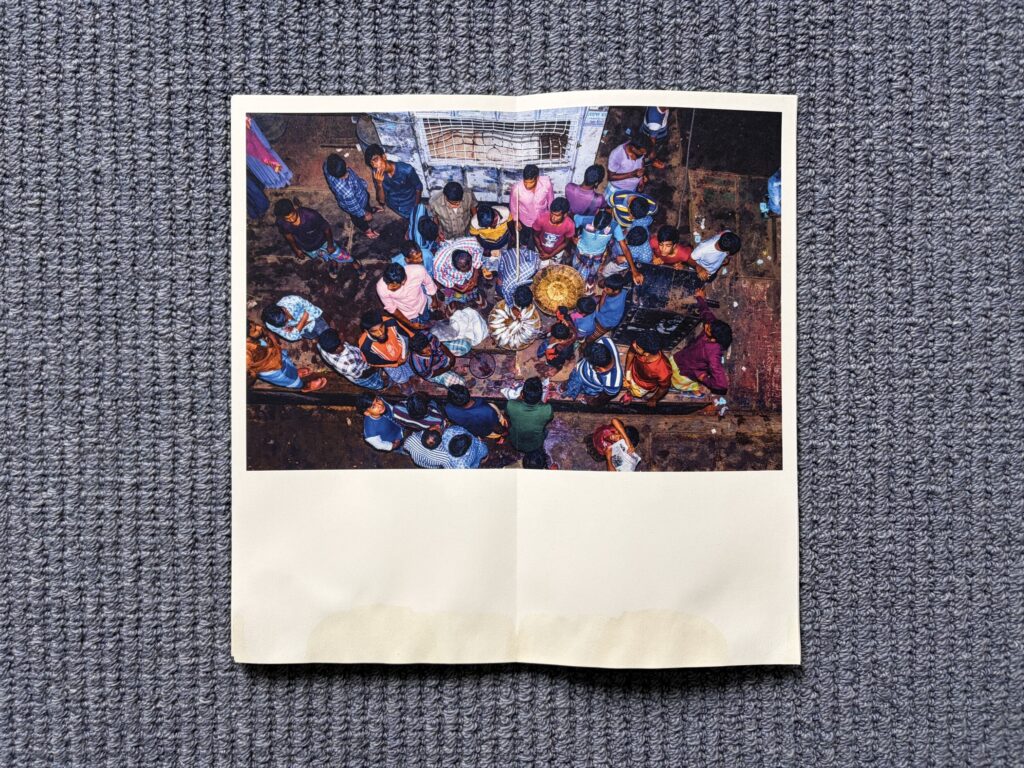
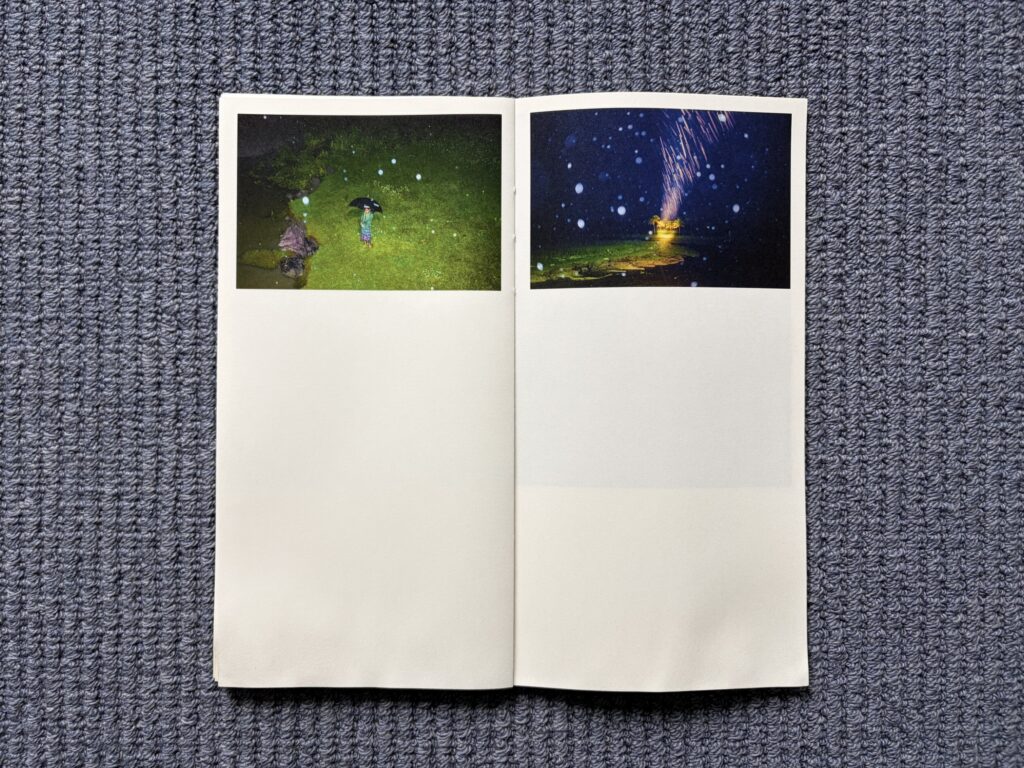
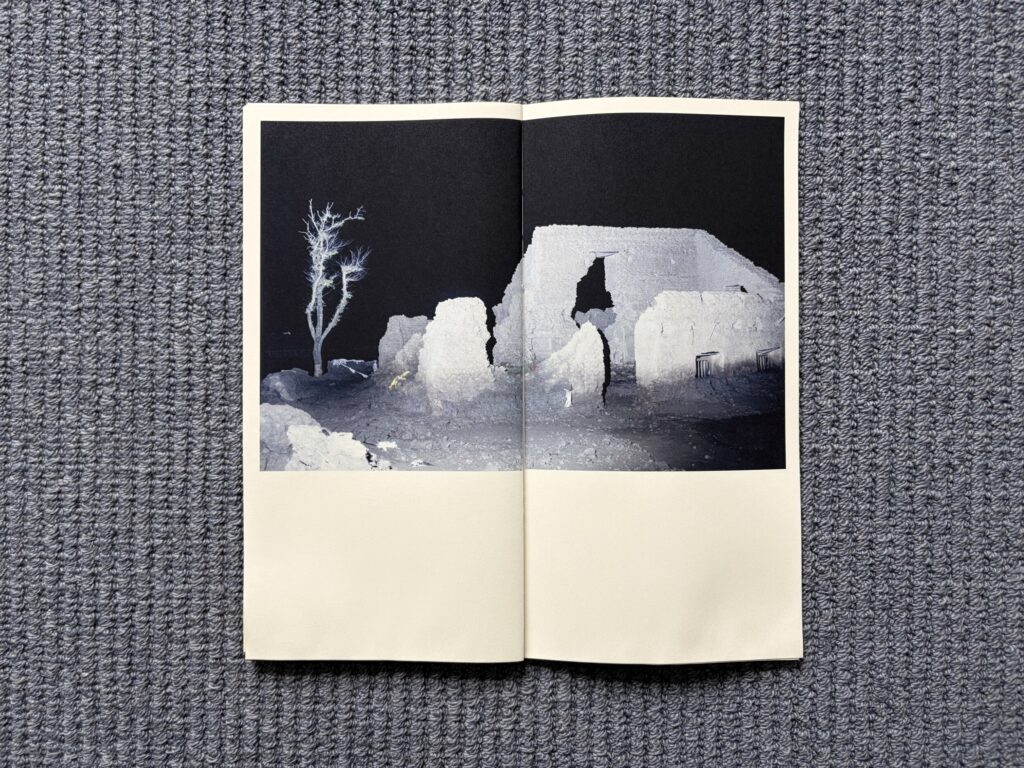
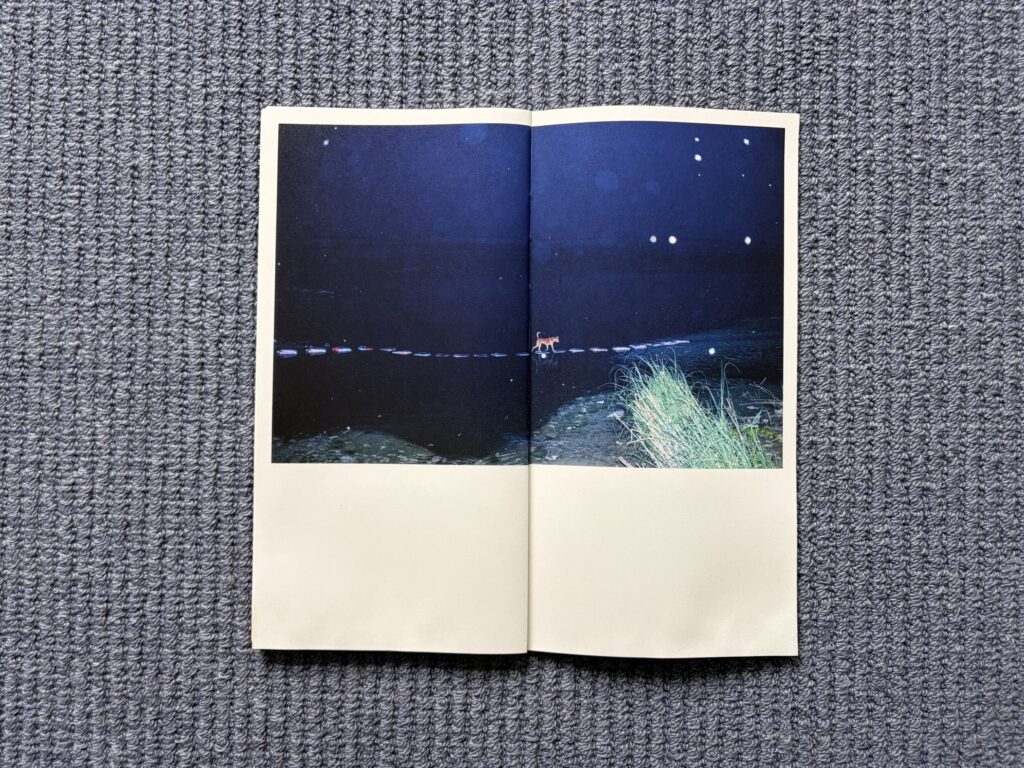
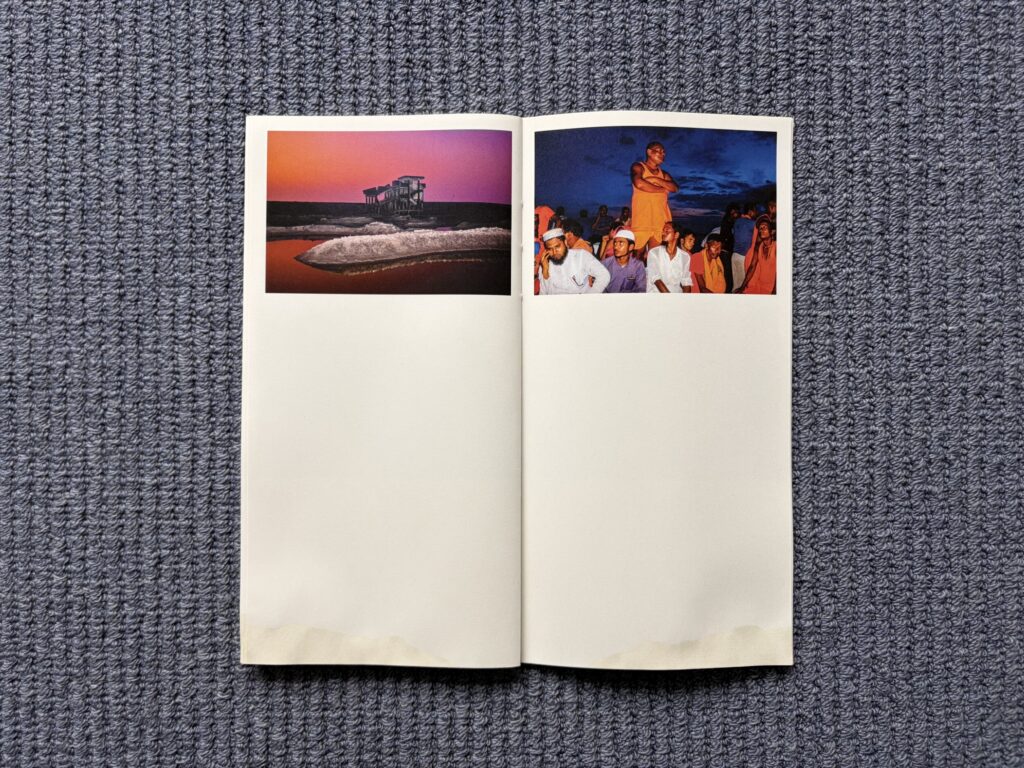
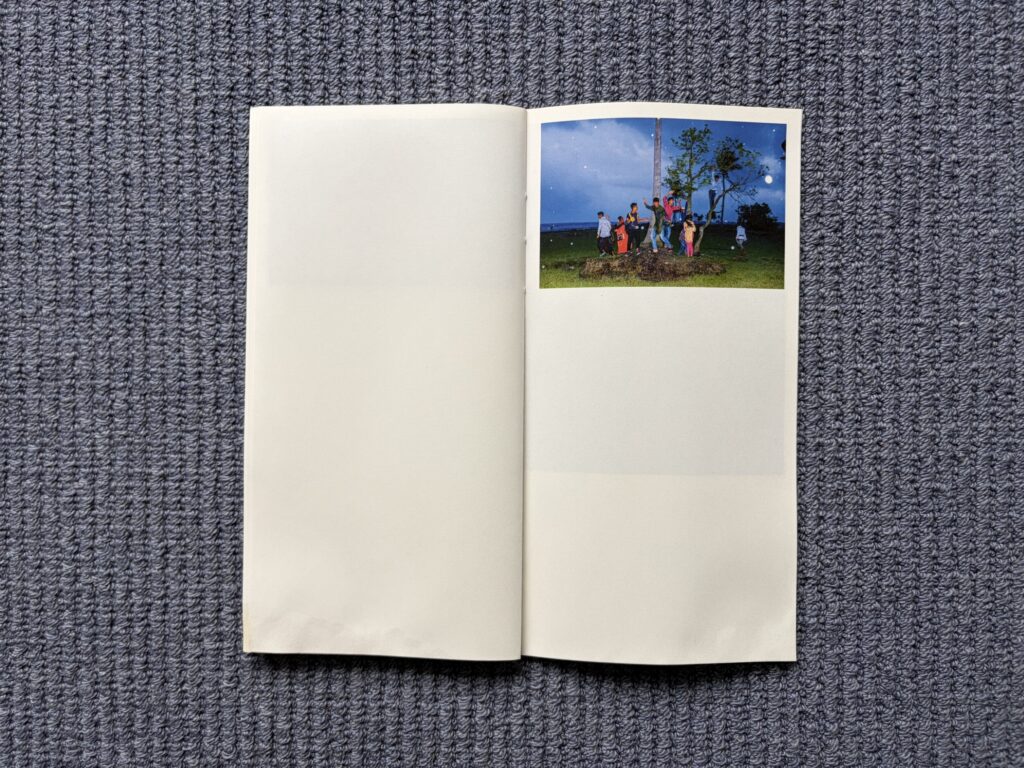
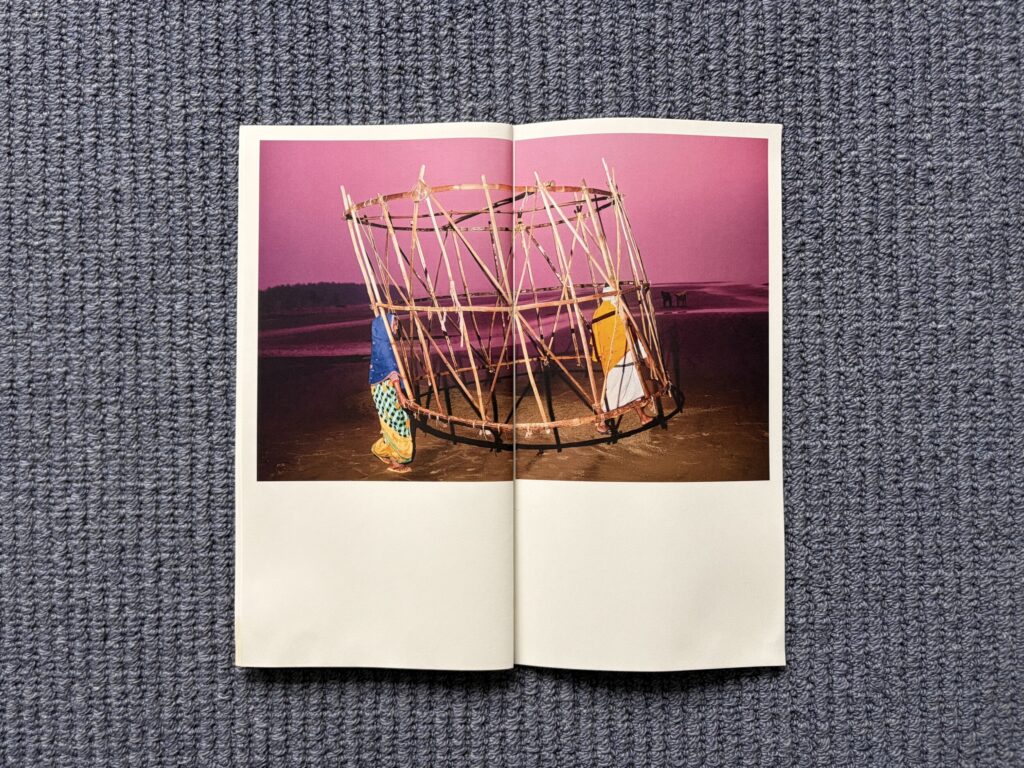
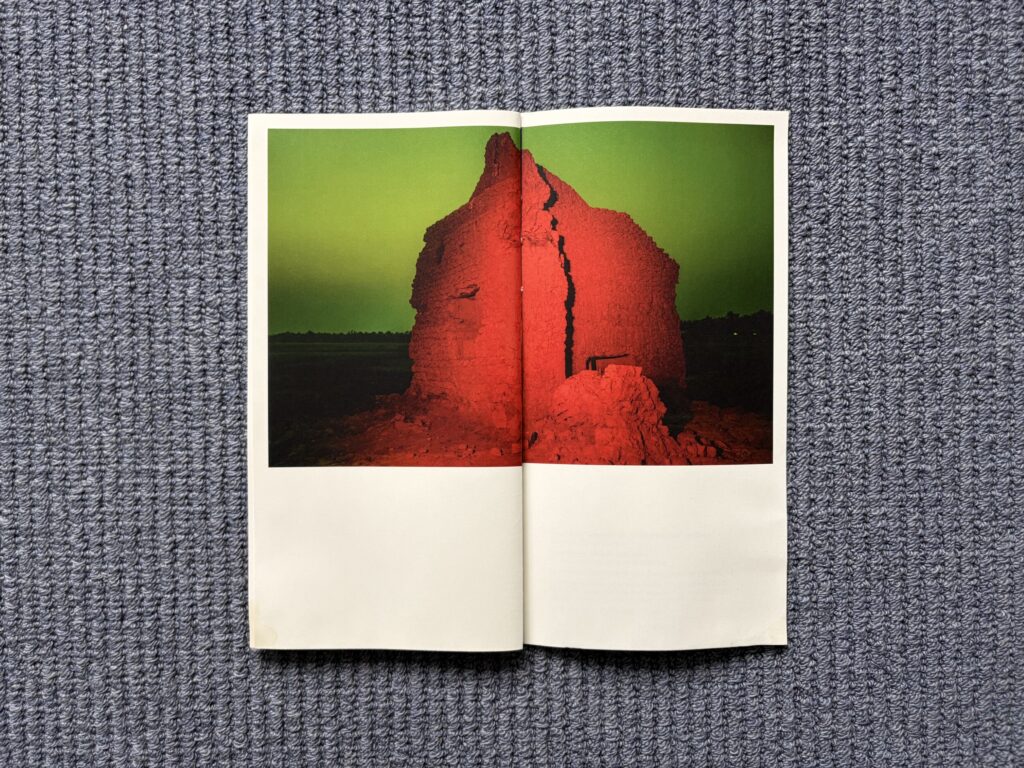
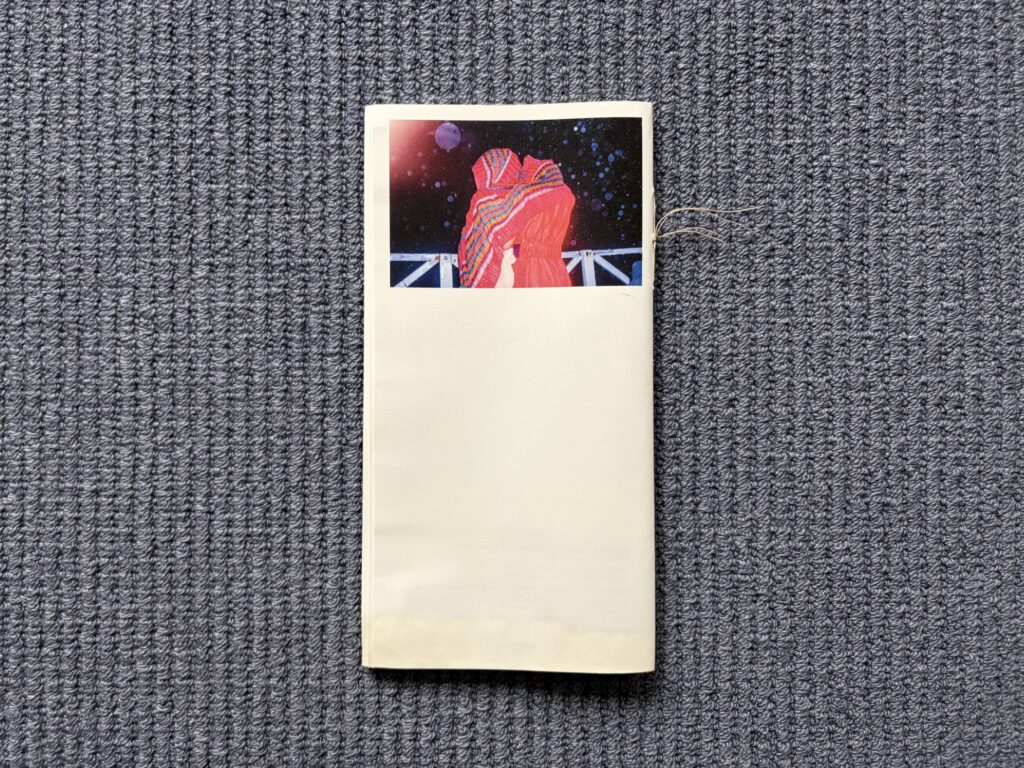
Comments/Context: The small flash lit photograph on the cover of Arko Datto’s photobook Where do we go when the final wave hits powerfully captures the precarious vulnerability of those living in places now seriously threatened by climate change. It is night, rain is falling, and the water is clearly rising, beginning to pool and flood the area in among the trees. Sensing the danger, a woman has packed her belongings into a modest cluster of suitcases and bags and waits. The question is, what will she do now and where might she find safety?
This picture encapsulates one of the inherent struggles that we collectively face with global warming – those most affected by (and least responsible for) the effects of climate change are often the furthest from the seats of political and economic power that might craft solutions. Datto spent the period between 2017 and 2020 documenting the situation in the low-lying islands of the Sundarbans in India, where a confluence of major rivers that empty into the Bay of Bengal spreads out into a wide delta of mangrove forest. Millions of people live in this area, subsisting on fishing and small-scale farming, but the risks to their existence are multiplying fast: rising seas, swelling rivers, eroding riverbanks, submerged islands, increased salinity from storm surges and tides (which threatens the mangroves, the crops, and the freshwater species), and intensely damaging cyclones, not to mention the encroaching heat. Each of these factors incrementally amplifies the others, slowly depleting the protective mangrove forest and exposing more and more people upriver to major environmental threat. Datto’s project ominously foreshadows a massive refugee crisis, where migrating families fleeing local environmental catastrophe will increasingly have nowhere to go.
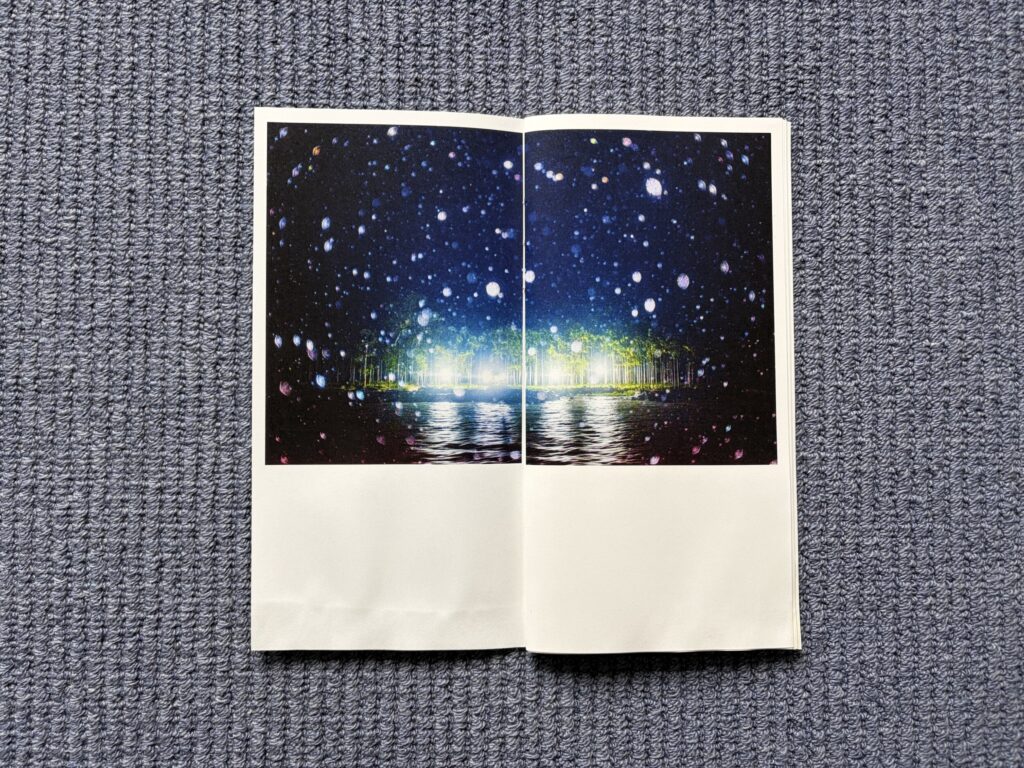
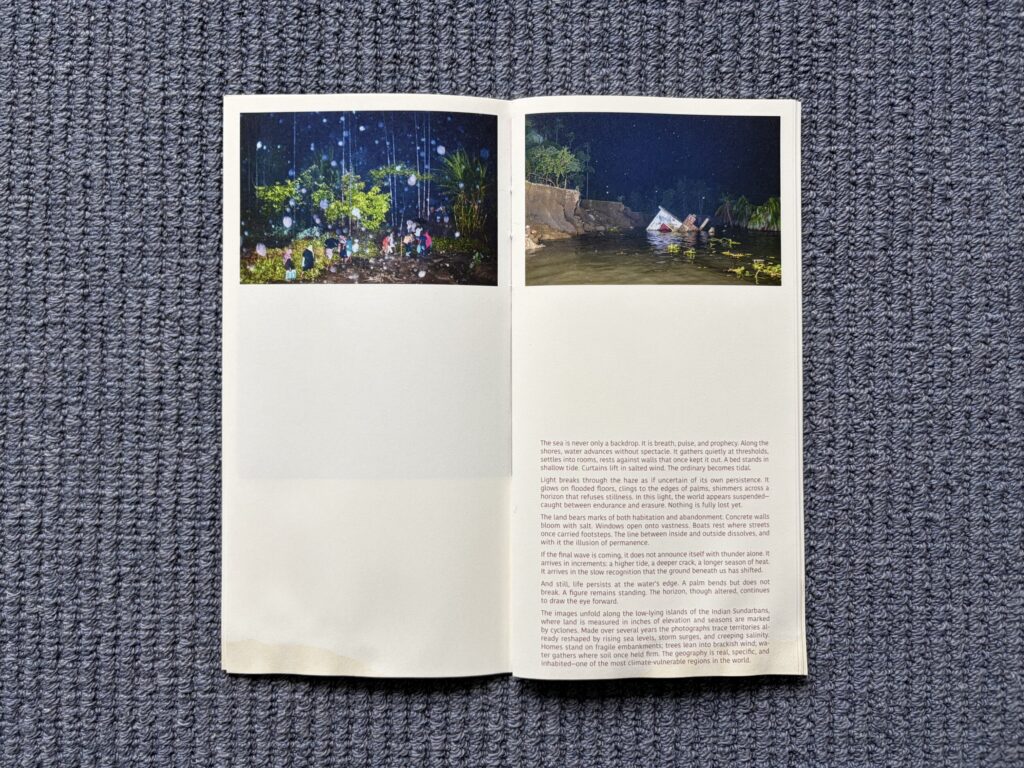
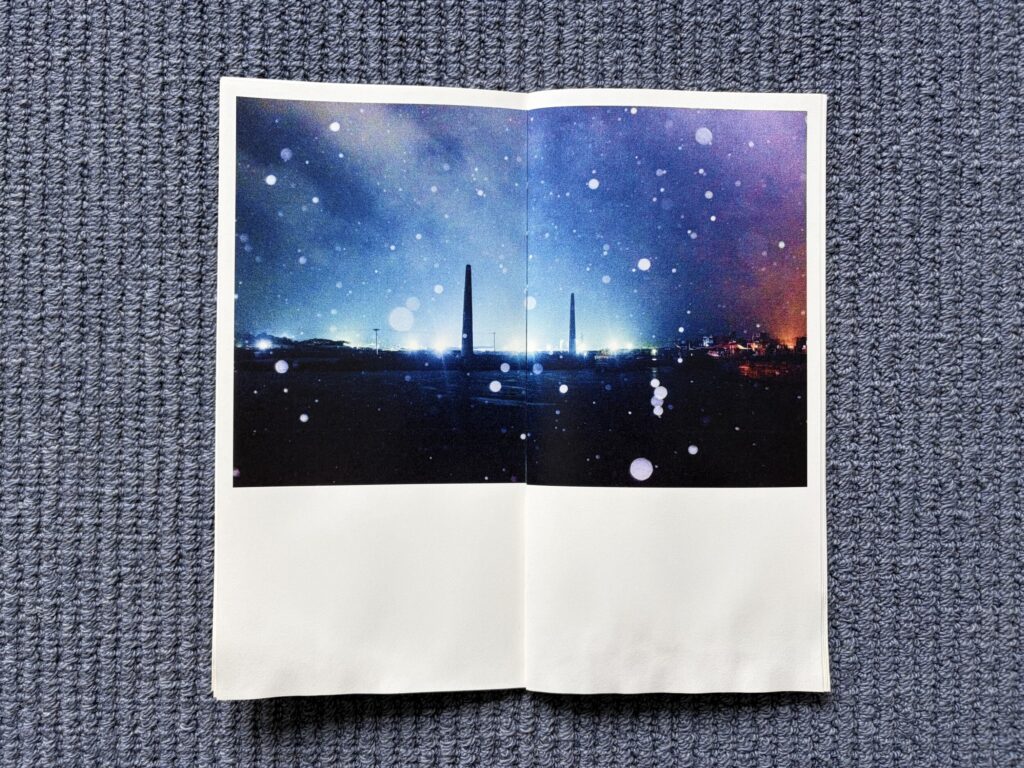
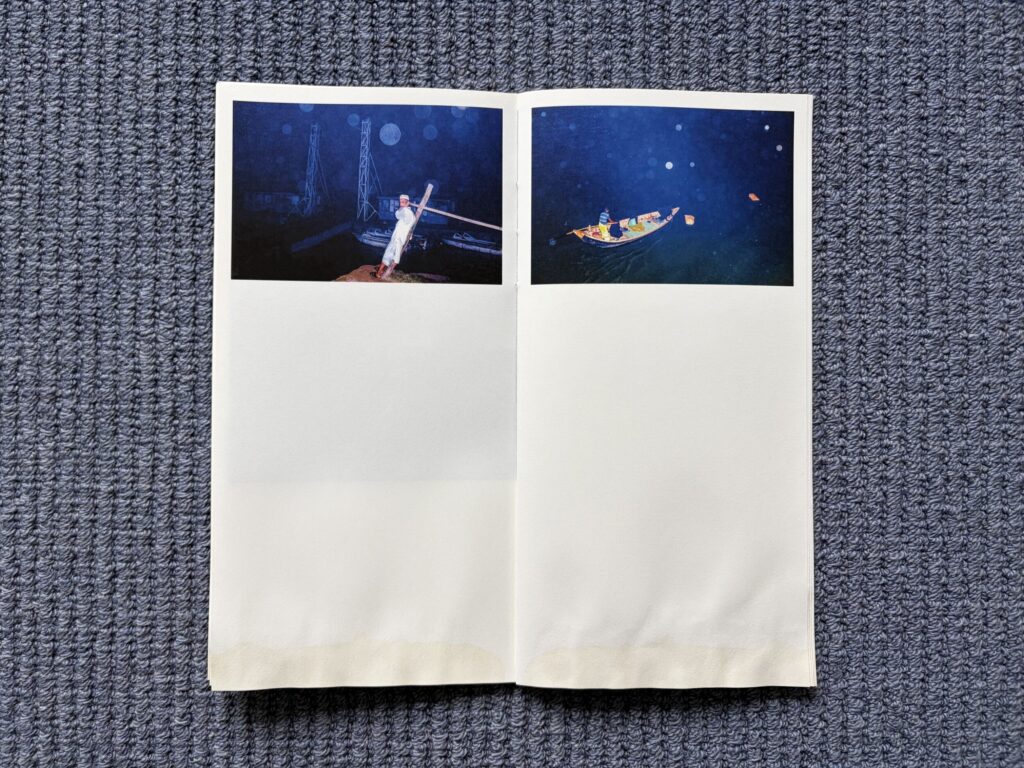
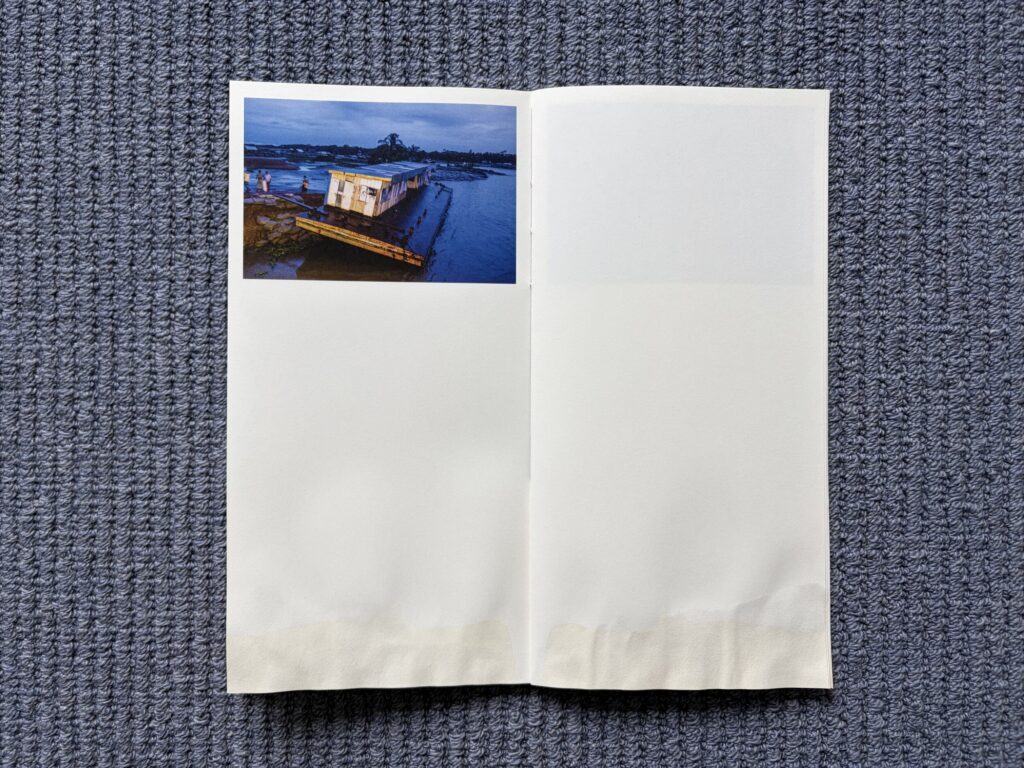
Aesthetically, Datto largely takes a dystopian view of what he finds in the Sundarbans, opting for bluntly flash lit nocturnal scenes that lean in to surreal and haunted moods, transforming the rhythms of everyday life into an environmental horror movie, with the monster only fleetingly visible. His vantage point is almost always down at ground level, where the water is more often than not already ankle deep. As he wanders through the villages like a restless ghost, he discovers inundated houses toppled into rivers (with one chimney poking out of the water), the loose banks having given way or collapsed altogether. Villagers still try to fish in the brackish mix, perhaps where roads or pathways once were, or simply resort to trudging through the forest with whatever they can carry, with boats used to gather up things that have floated away. And while sparkly raindrops decorate many of Datto’s nighttime compositions, they feel more like an invasive swarm than a gentle sprinkle, the threat they represent always hovering in the air, or more likely coming down in a drenching and disorienting downpour.
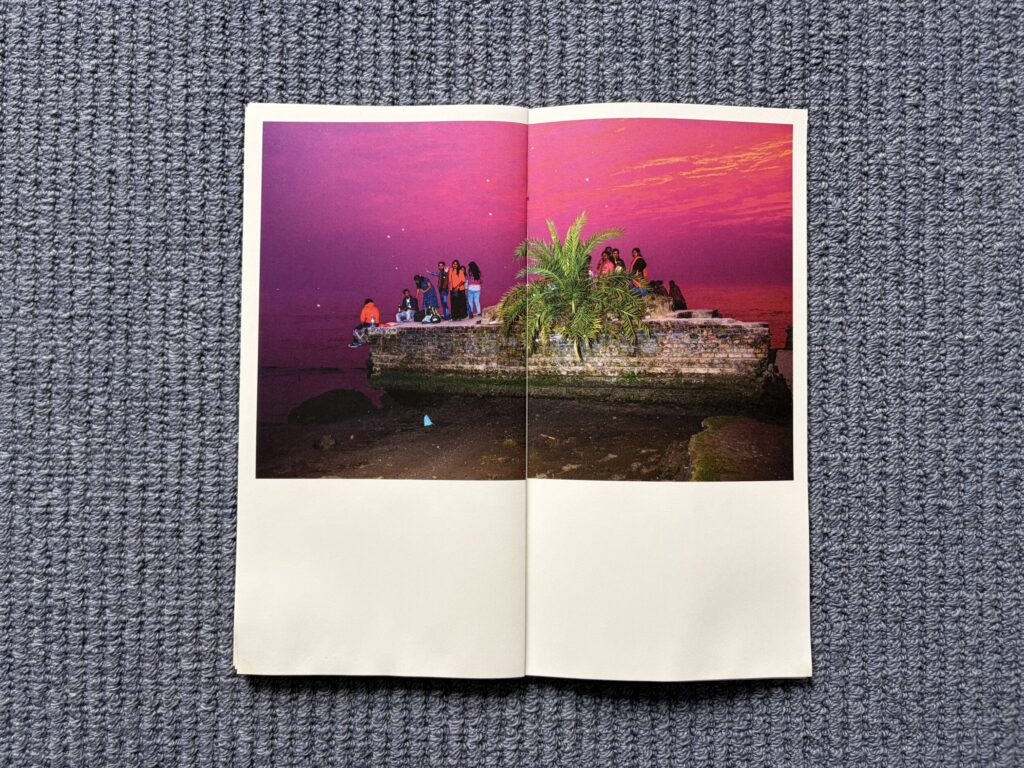
As the pages in this photobook turn, a quiet sense of desperation builds up. Datto notices too large crowds gathering around meager catches of fish, with at least one fight breaking out amongst the boys. Barges arrive with sandbags, presumably to block the encroaching water and shore up the erosion, leading to a puzzling image of a dog skipping along a line of sandbags in the water, using them like a bridge. As the options continue to dwindle, families help each other across watery expanses, men cluster waiting for something to do, and the skies turn surreal shades of pink and orange. The most grimly bleak images in the photobook document abandoned buildings encrusted with salt, the walls now covered with chunks of white crystal from the rising seawater, Datto’s tinted light giving the echoing hollowed out structures a kind of candy-colored fun house gloom.
Given that the Sundarbans lie only a few feet above sea level, every inch of sea level rise or storm surge brings the location closer and closer to catastrophe, and the design and construction decisions of Where do we go when the final wave hits as a photobook object cleverly reflect this reality. The book itself is narrow and roughly twelve inches tall, and a close look at the bottom edge reveals that the book has been physically soaked in muddy water about an inch deep. The message seems clear – the muddy water is already present in all of these pictures, and if the waters rise another foot, the entire book (and the villages it represents) will be submerged. As if to avoid the encroaching waters, the images have been literally pulled to the top, with small images roughly the size of drugstore snapshots anchored to the top edge, and larger images that reach across the spreads (covering roughly the upper two thirds of the white pages) similarly raised up as though they were lifting up their skirts to avoid getting stained. Even the string binding is staying clear of the water, tying the pages together from points only near the top. On my copy, the water was already above the level of the photographer’s name (on the lower part of the cover), adding another symbolic measure of personal inundation.
One way to think about this photobook is to see it as a kind of conceptual and aesthetic hybrid, one that mixes vibrant flash-lit nocturnal color aesthetics, as seen by Datto himself in his 2021 photobook Snake Fire (reviewed here), as well as in books by Sohrab Hura (reviewed here), Vasantha Yogananthan (reviewed here), and Balarama Heller (reviewed here), among others, with on-the-ground reporting at rising (or falling) water climate disasters of various kinds, in books by Bryan Anselm (reviewed here), Mimi Plumb (reviewed here), Khashayar Javanmardi (reviewed here), and Anastasia Samoylova (reviewed here), again among others. Datto uses the combination forcefully, leveraging the amplified aesthetics to deliver his message with eerie nightmarish urgency.
The thing that is altogether frightening about Where do we go when the final wave hits is the questions of what will this place realistically look like a decade or two from now and where will all the impoverished people that live there now find refuge; it’s very hard not to see Datto’s photographs as the unflinching documentation of the initial stages of a slow-motion disaster. But this is of course the very reason this photobook is important. It asks us to artistically imagine the terror of being washed away, precisely so we might have compassion (and action) for those trapped in just such a dire situation. What’s disheartening is just how inevitable the endgame feels at this point, and just how numb we have become to what Datto is so insistently trying to show us.
Collector’s POV: Arko Datto does not appear to have consistent gallery representation at this time. As a result, interested collectors should likely follow up with the artist directly via his website (linked in the sidebar).