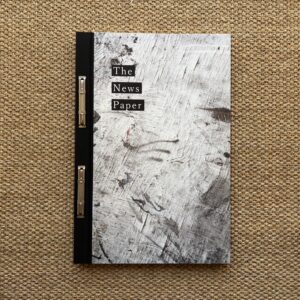
JTF (just the facts): Published in 2026 by Hannibal Books (here). Softcover with flaps (20.5 x 14.8 cm), 416 pages, with 207 color photographs. Concept and design by the artist and Armand Mevis. (Cover and spread shots below.)

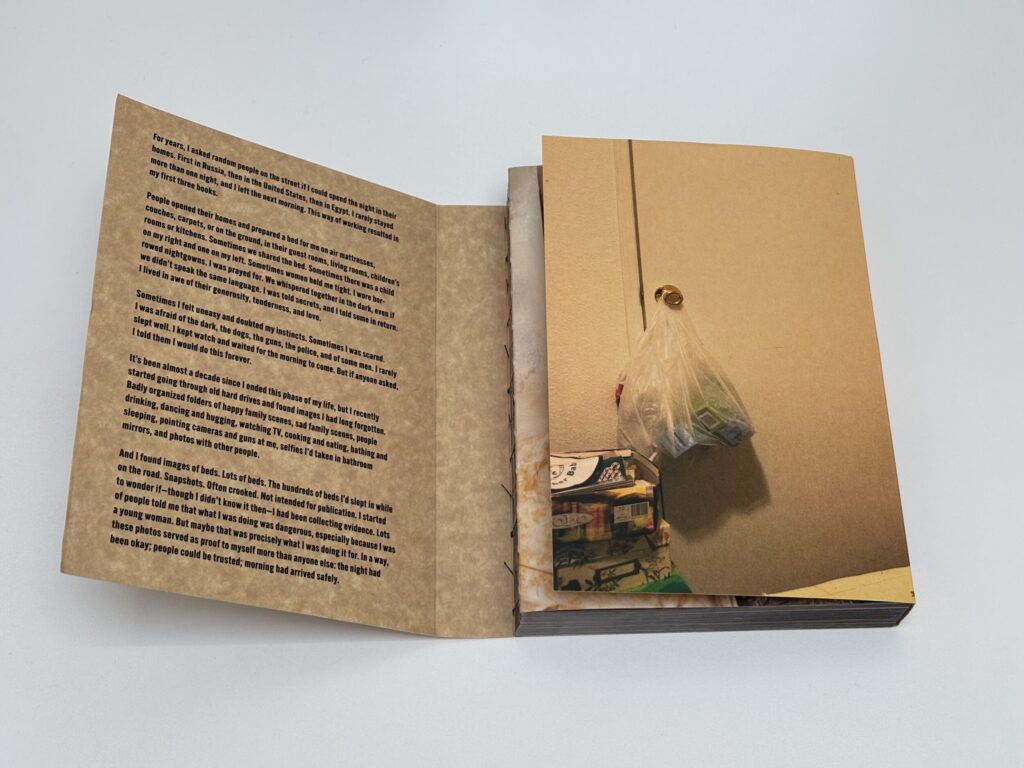
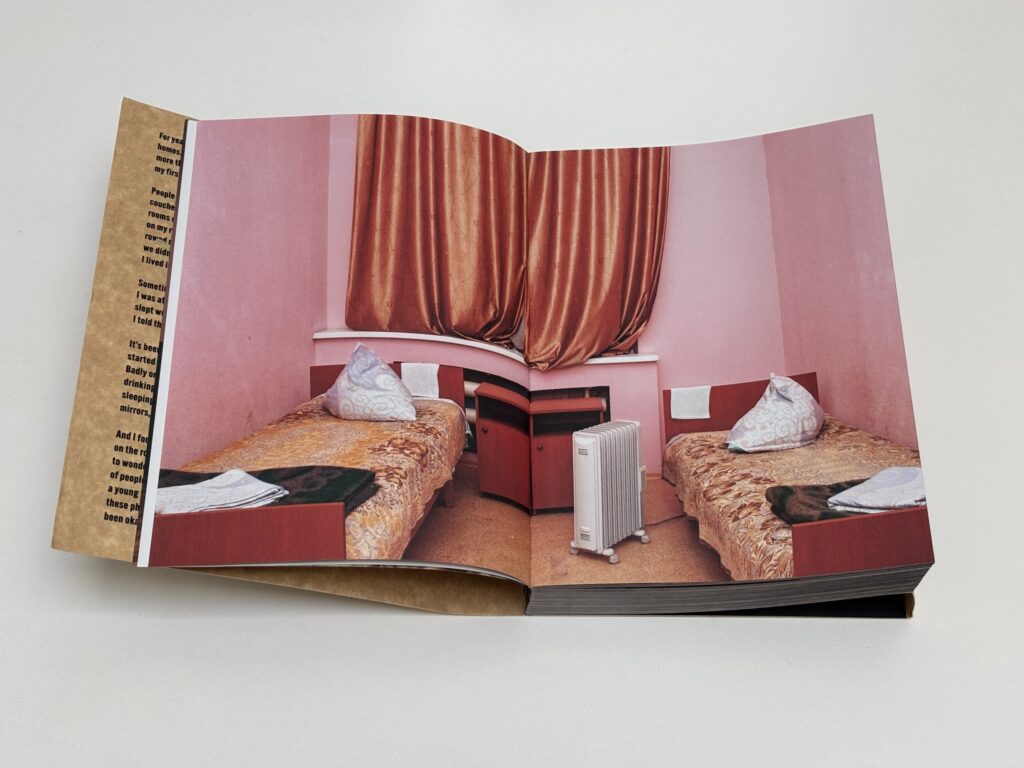
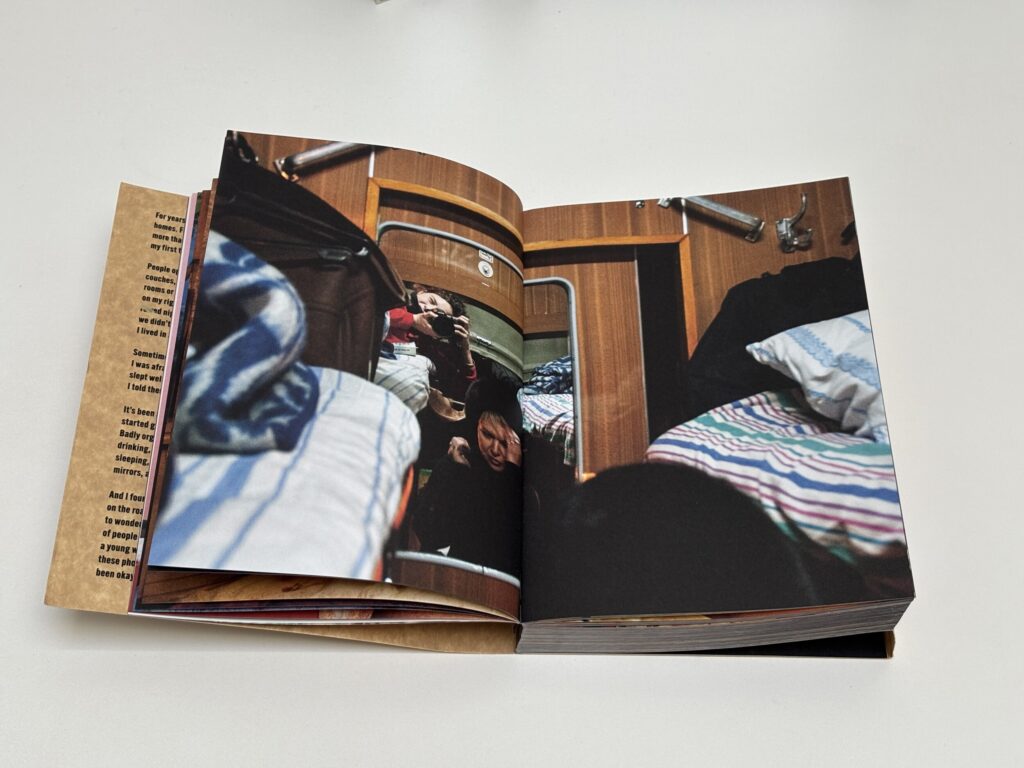
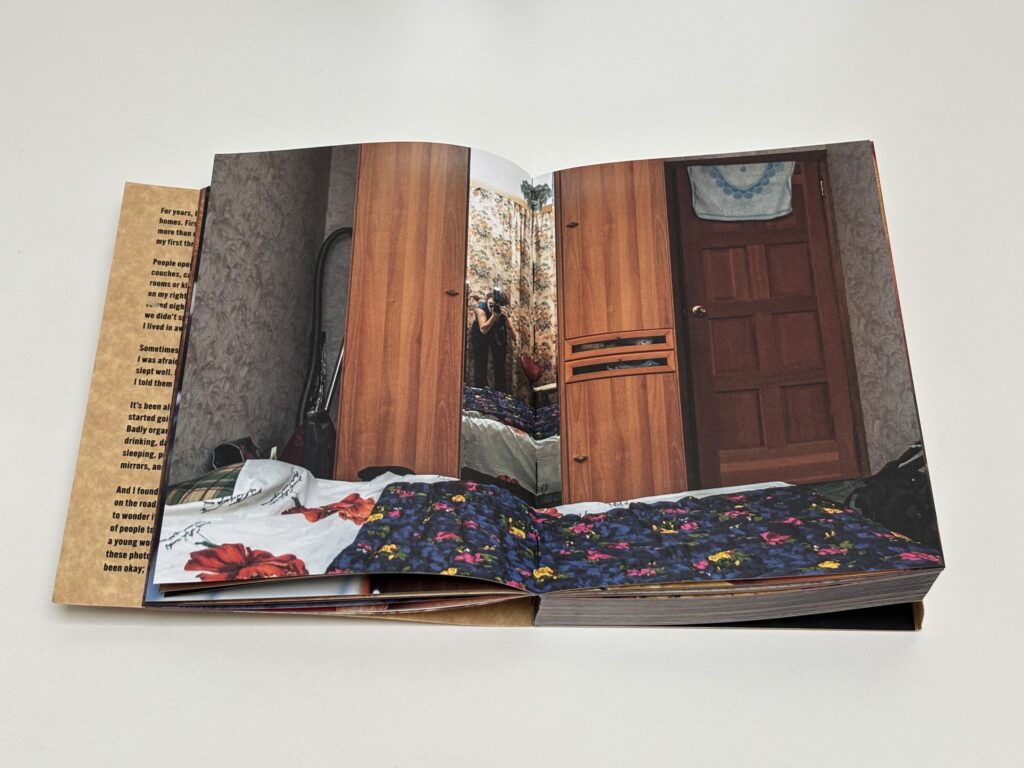
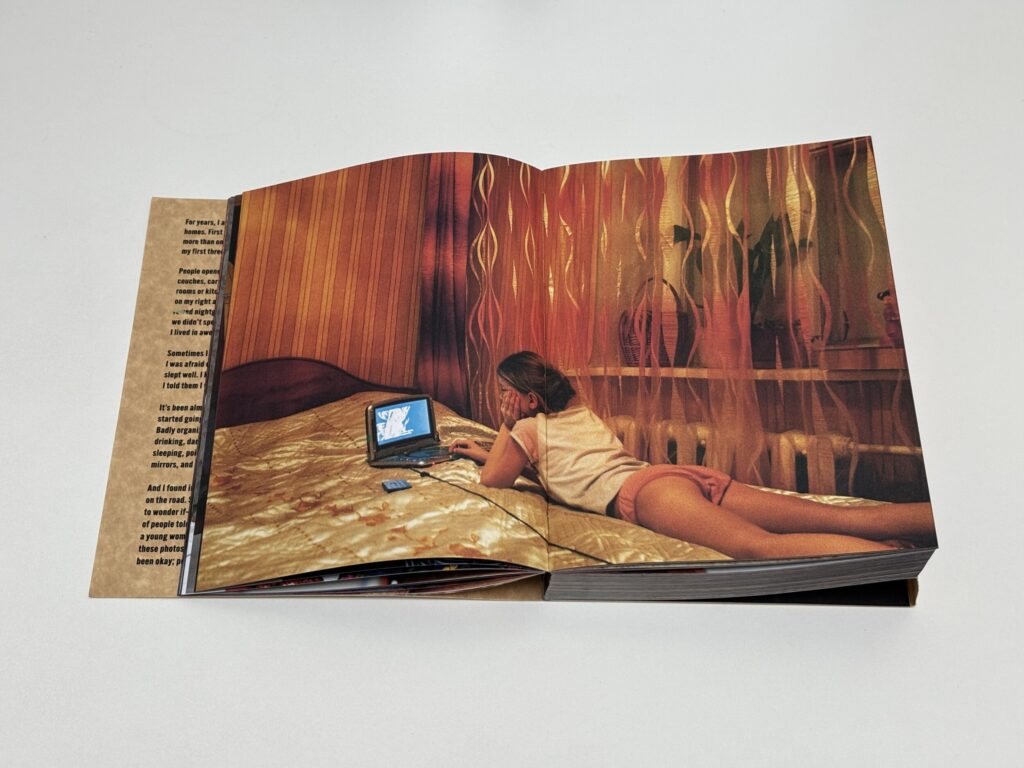
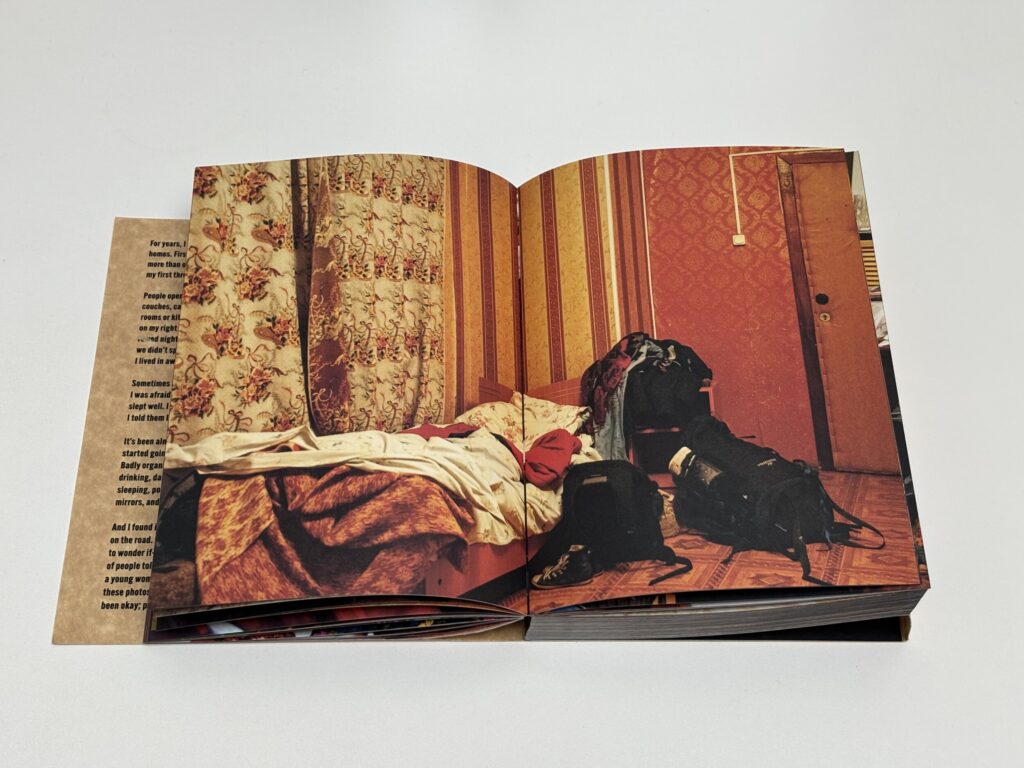
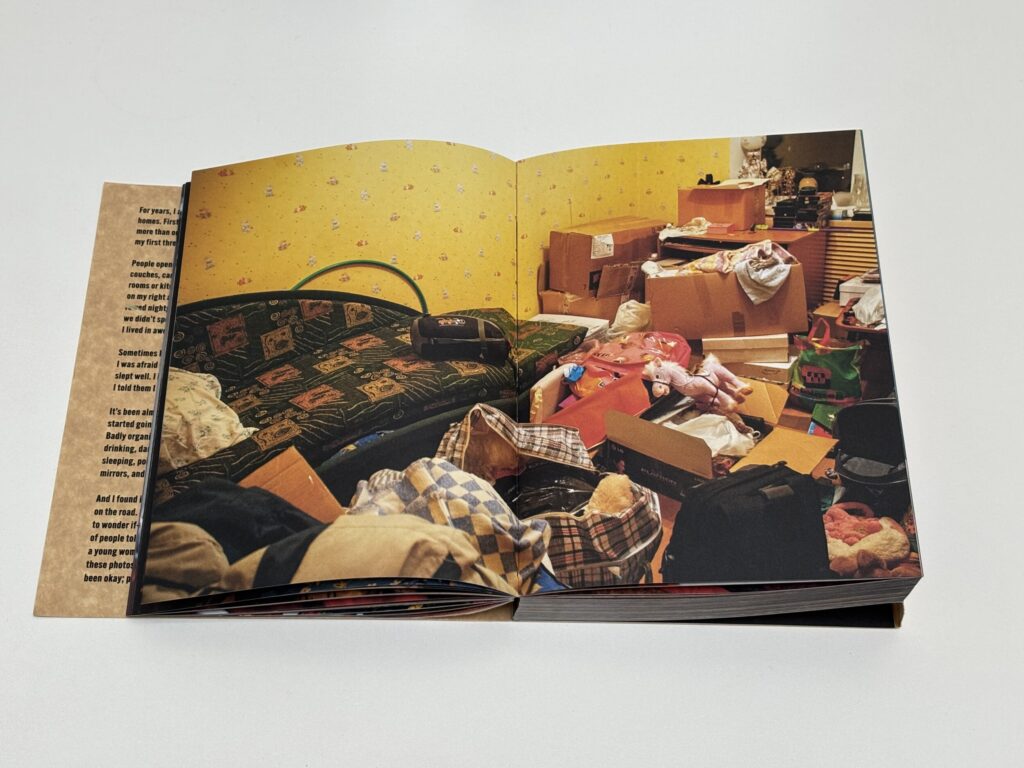
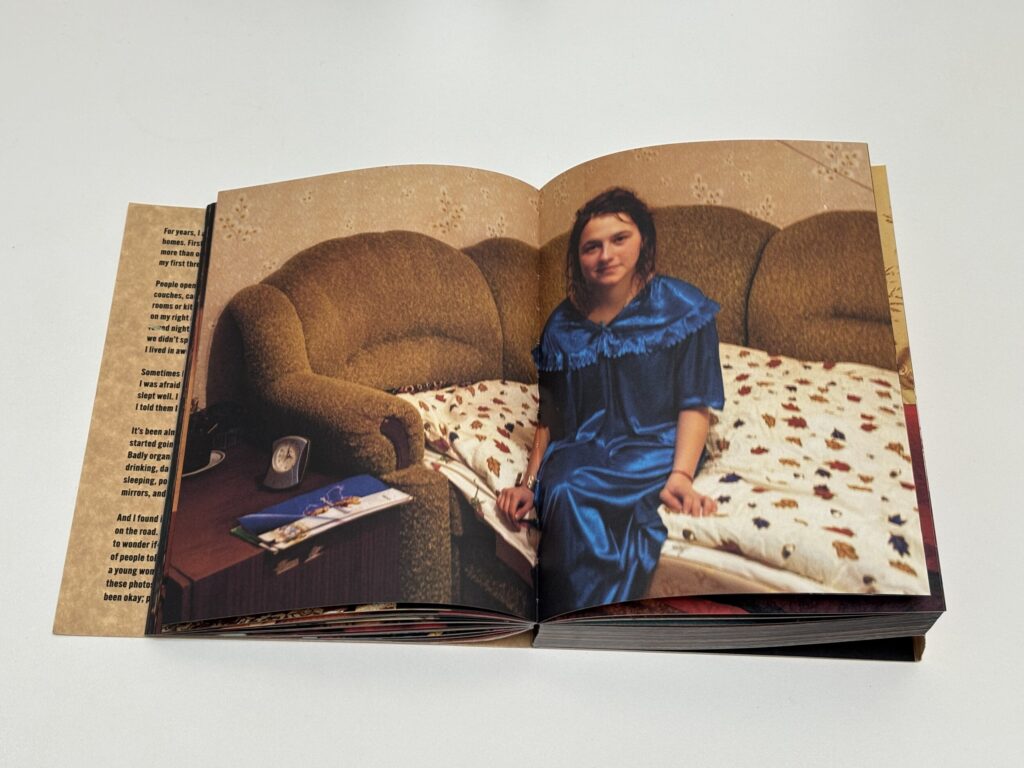
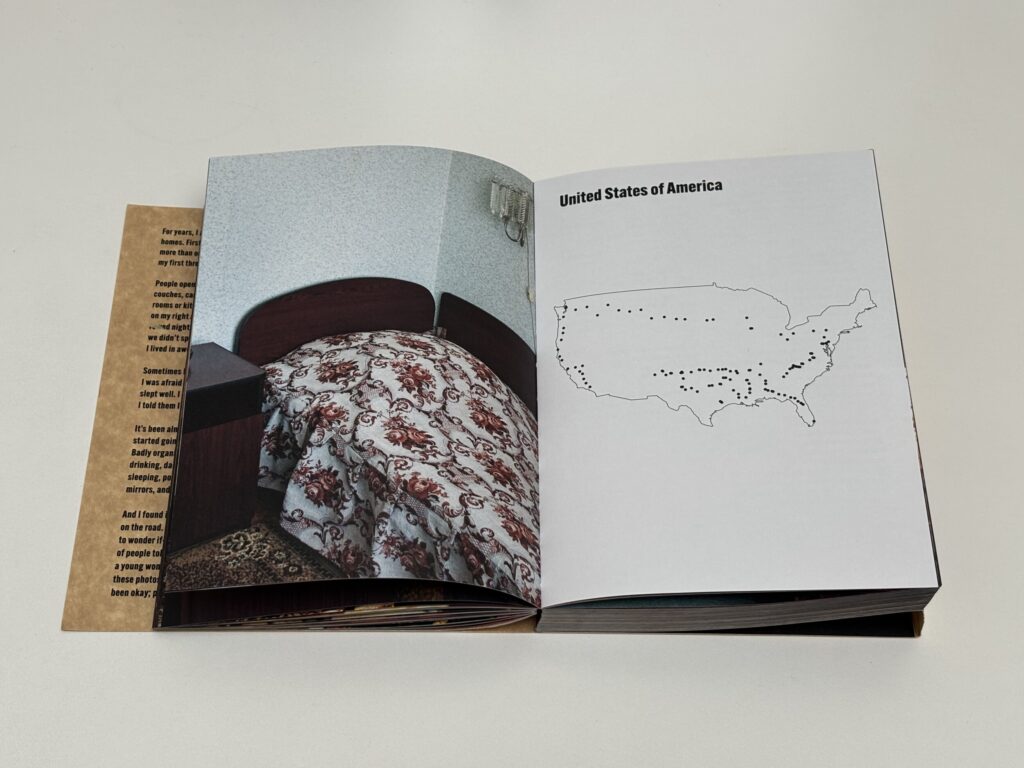
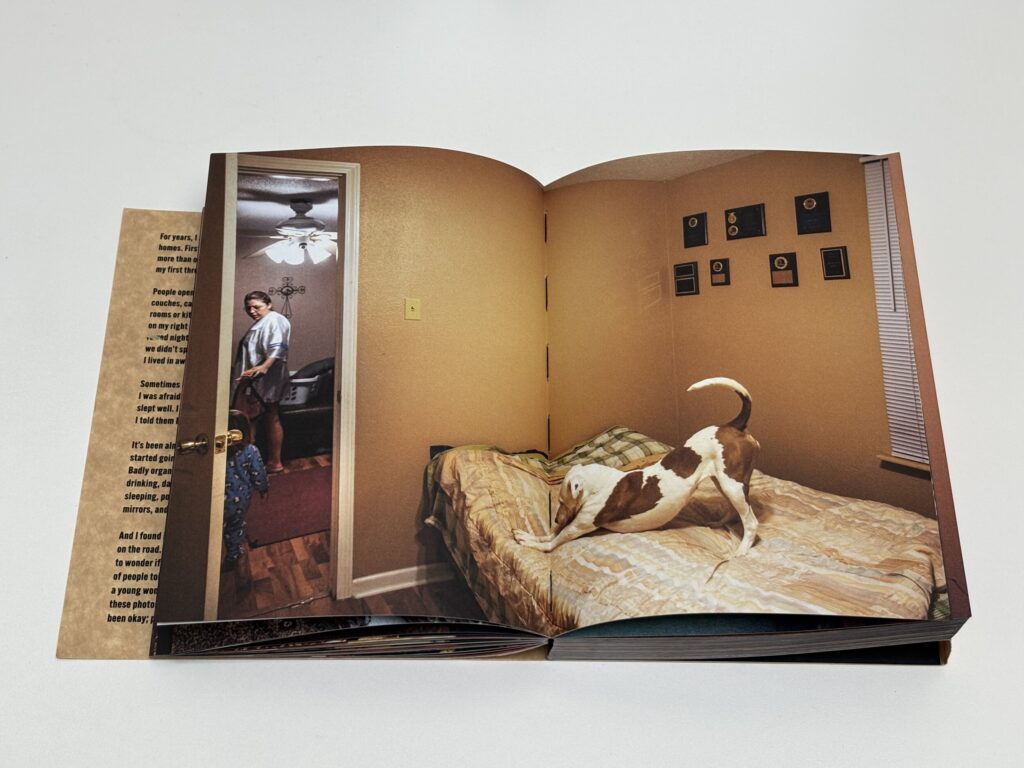
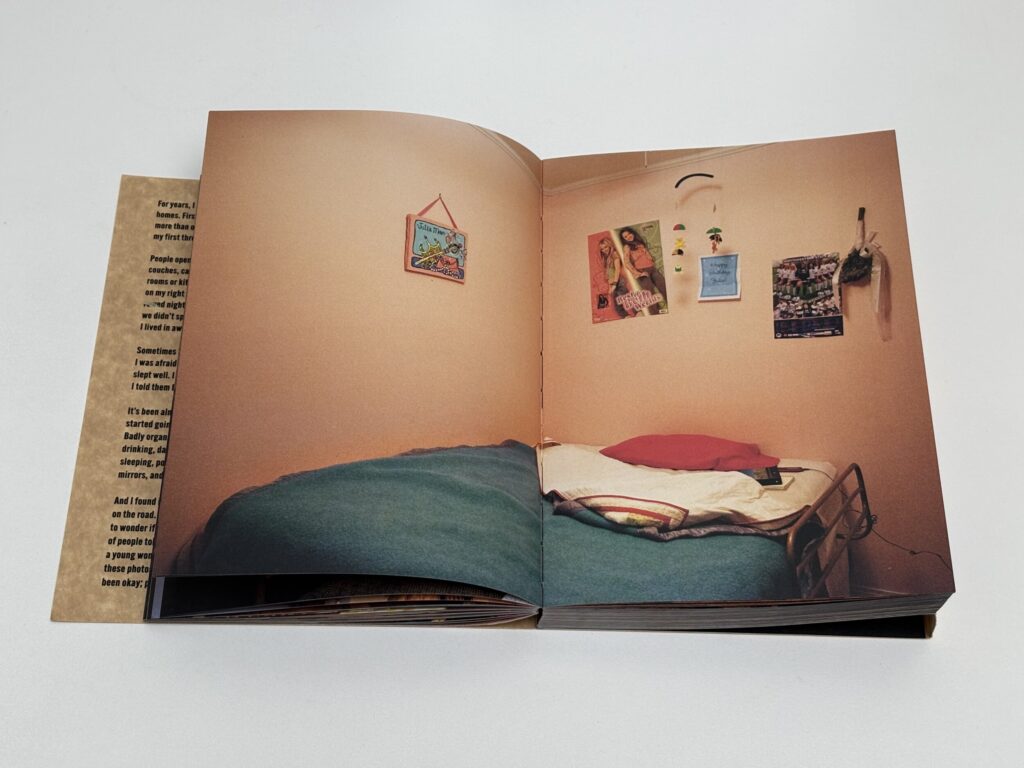
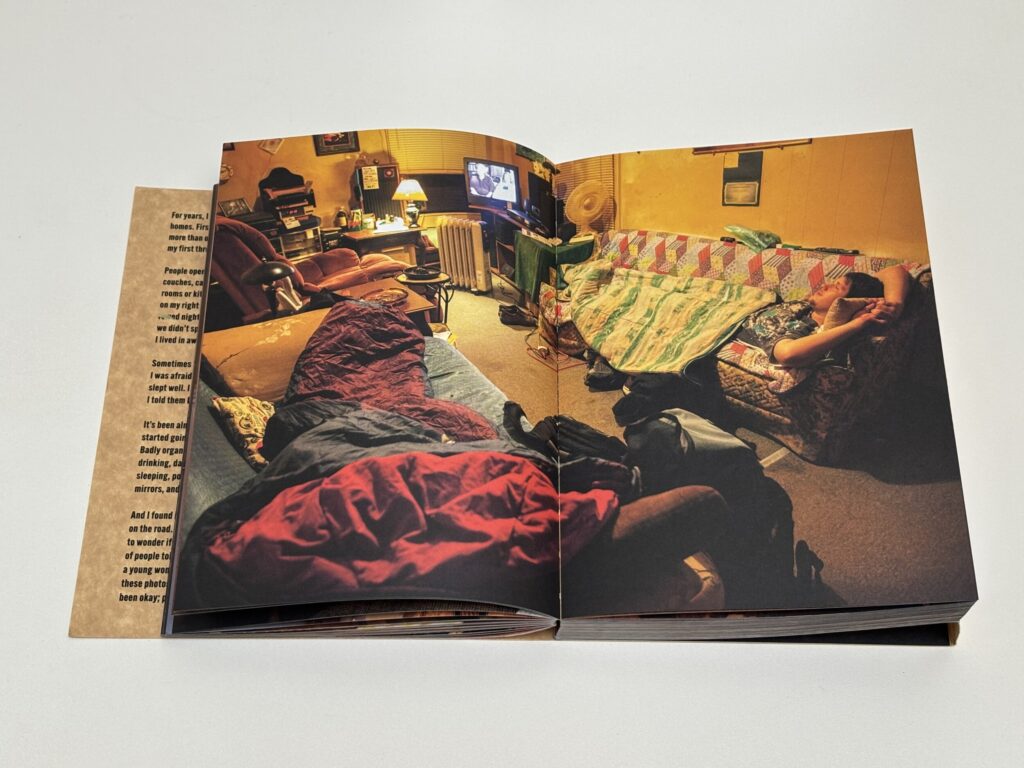
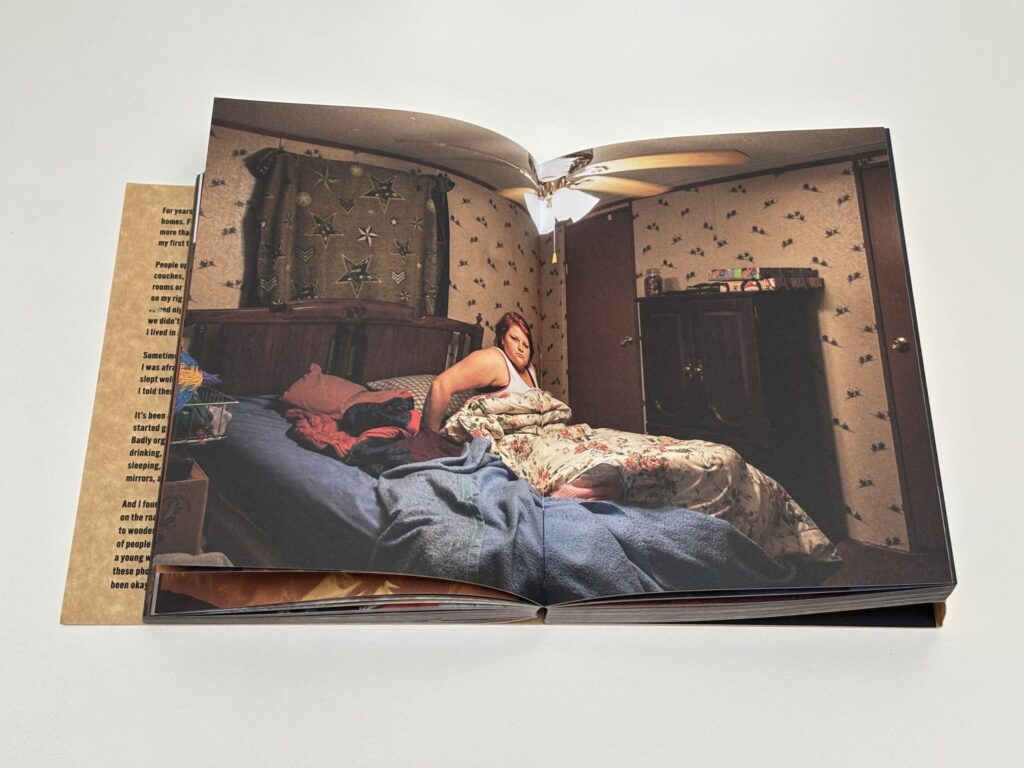
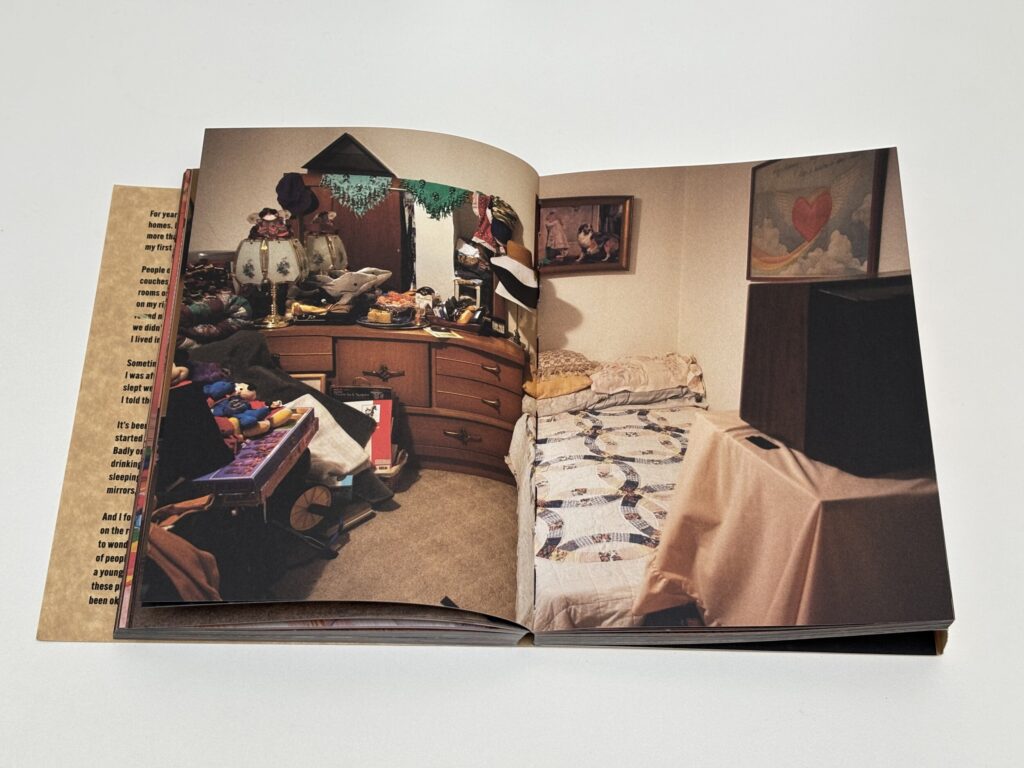
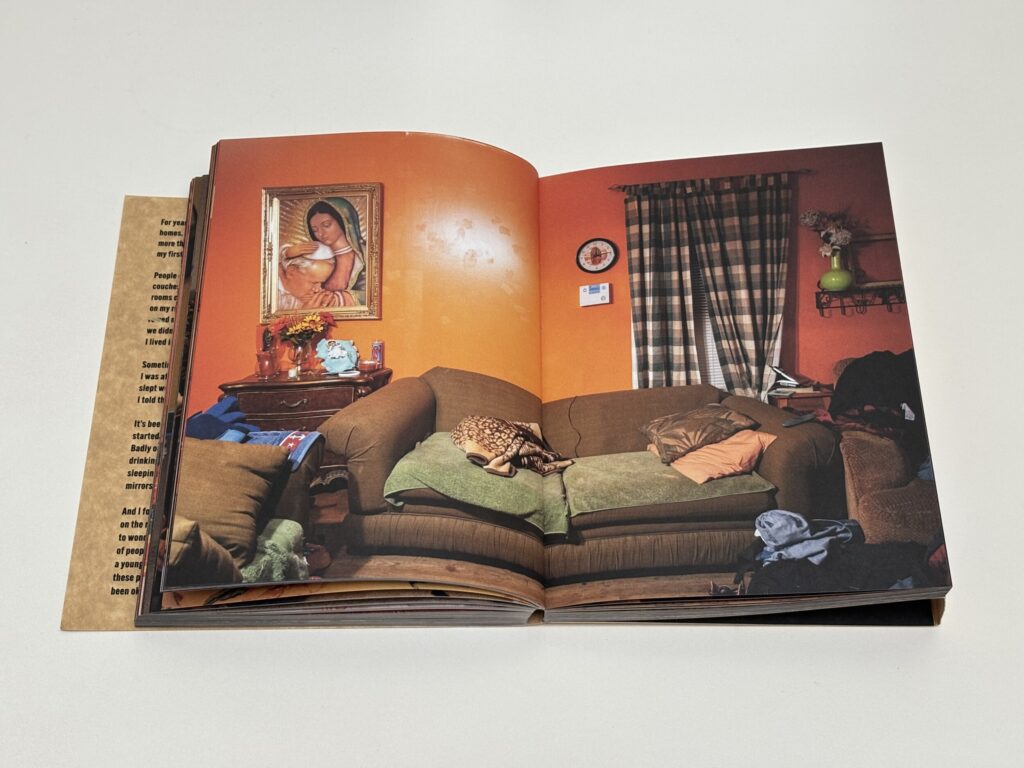
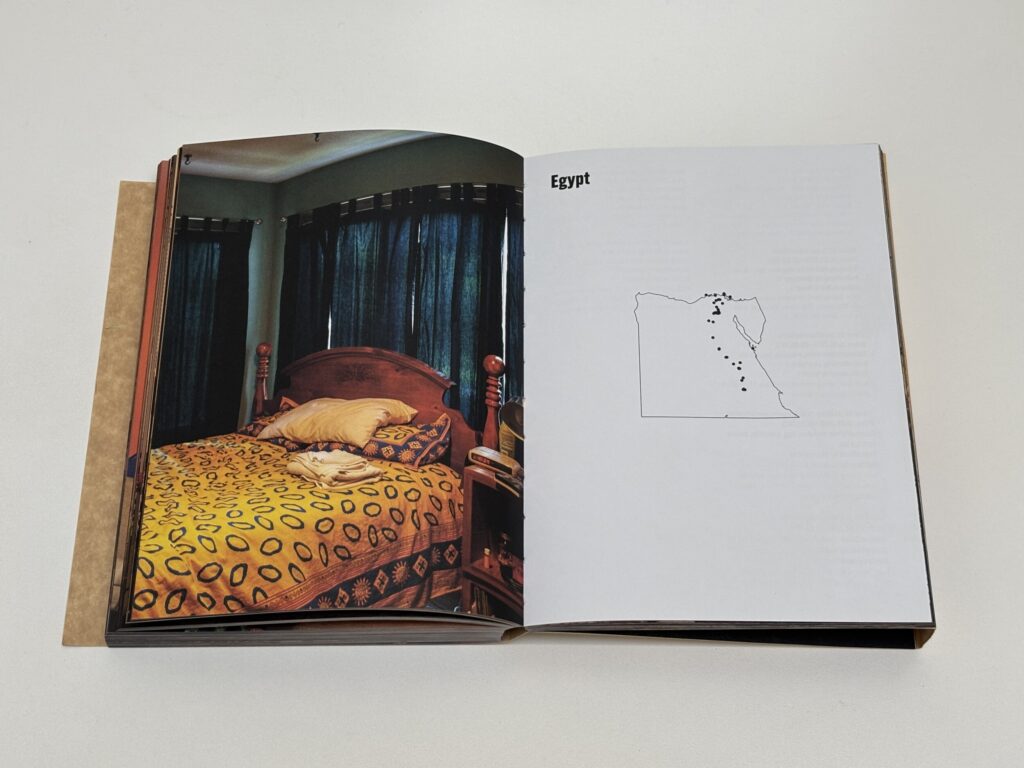
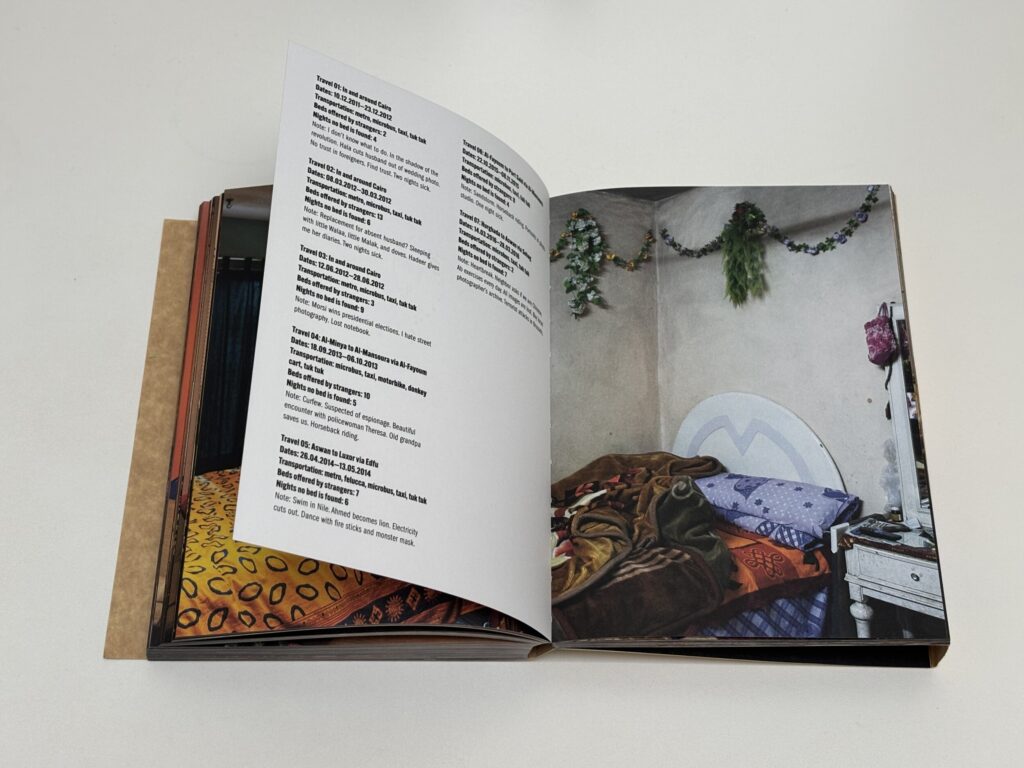
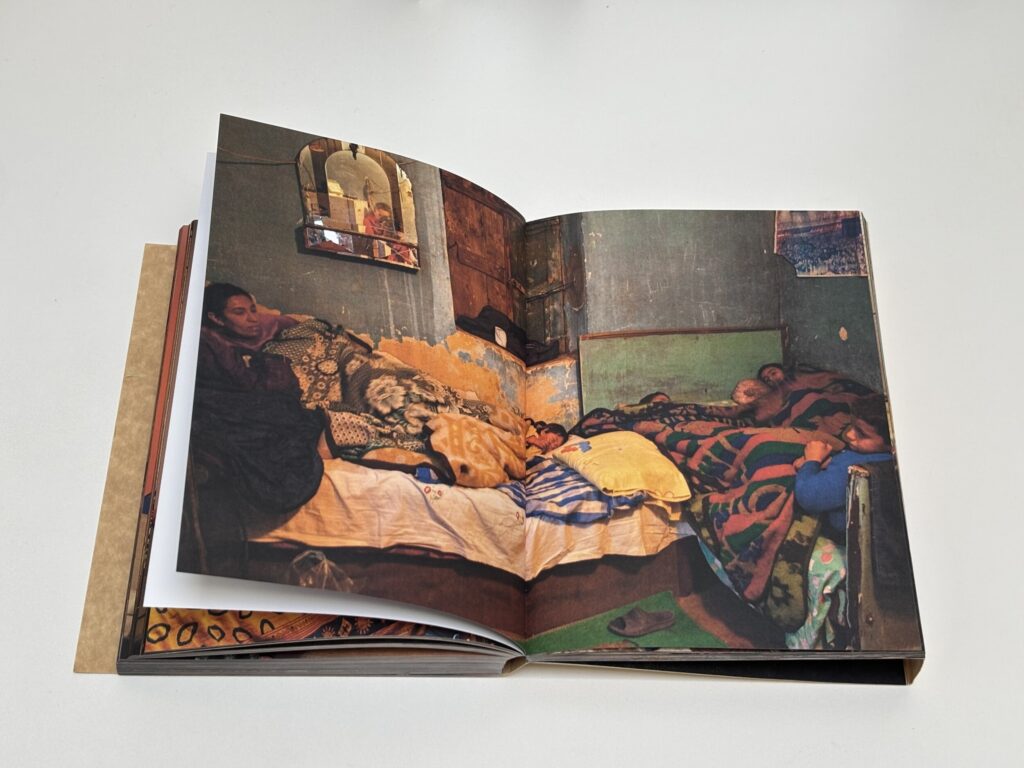
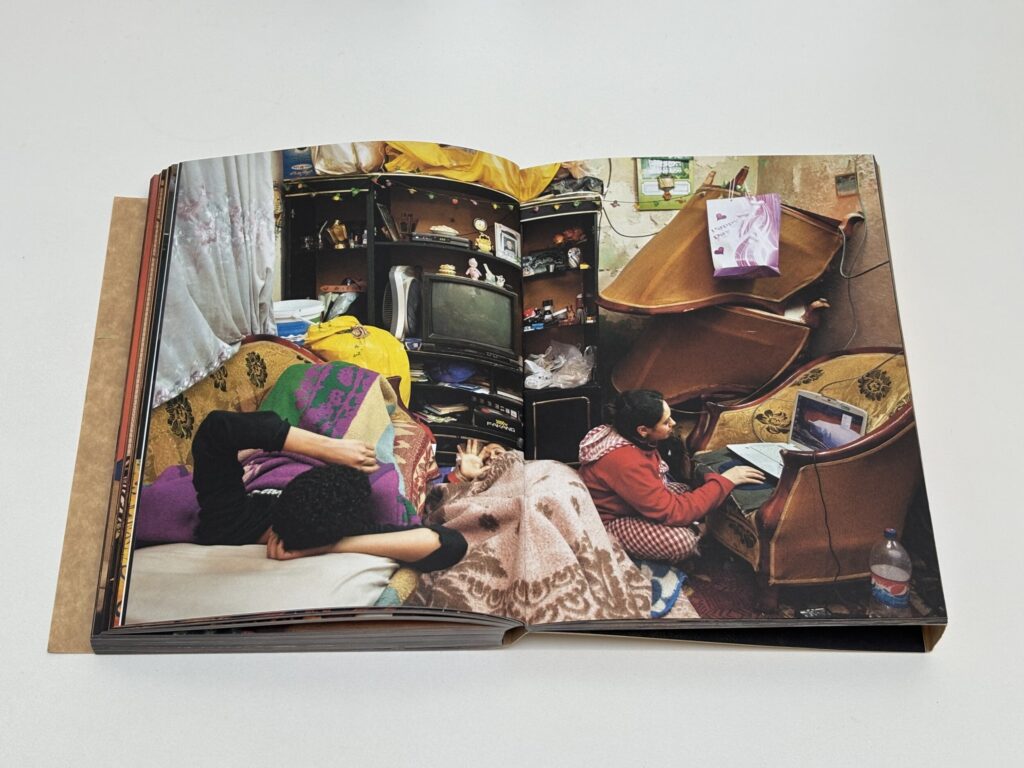
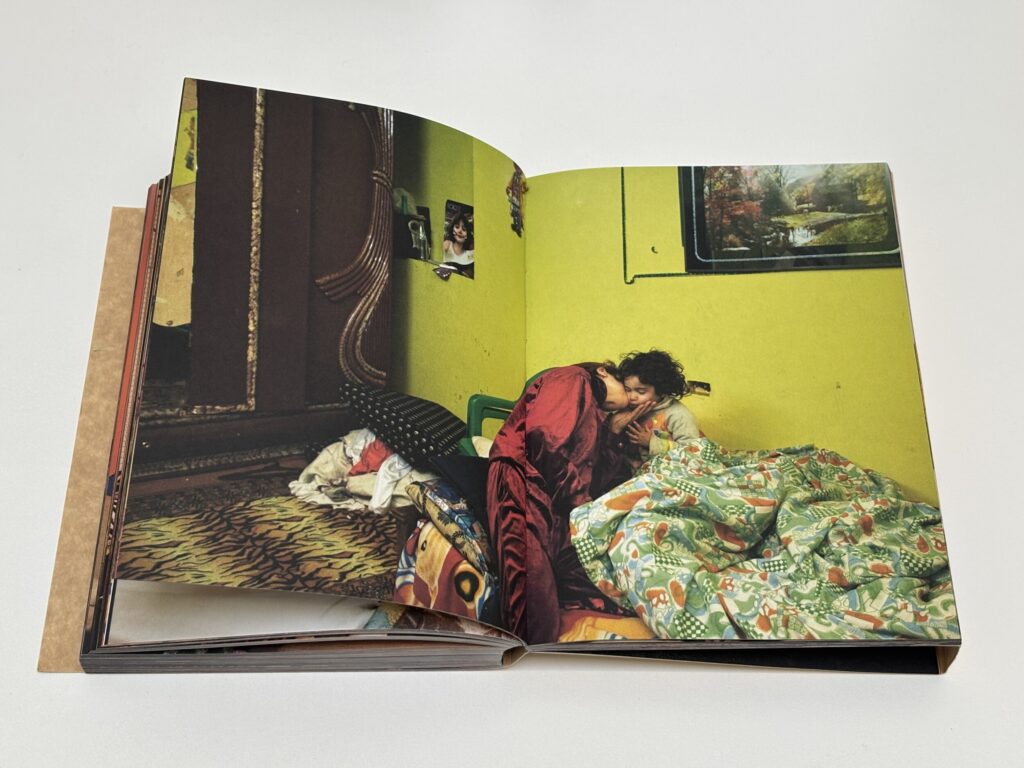
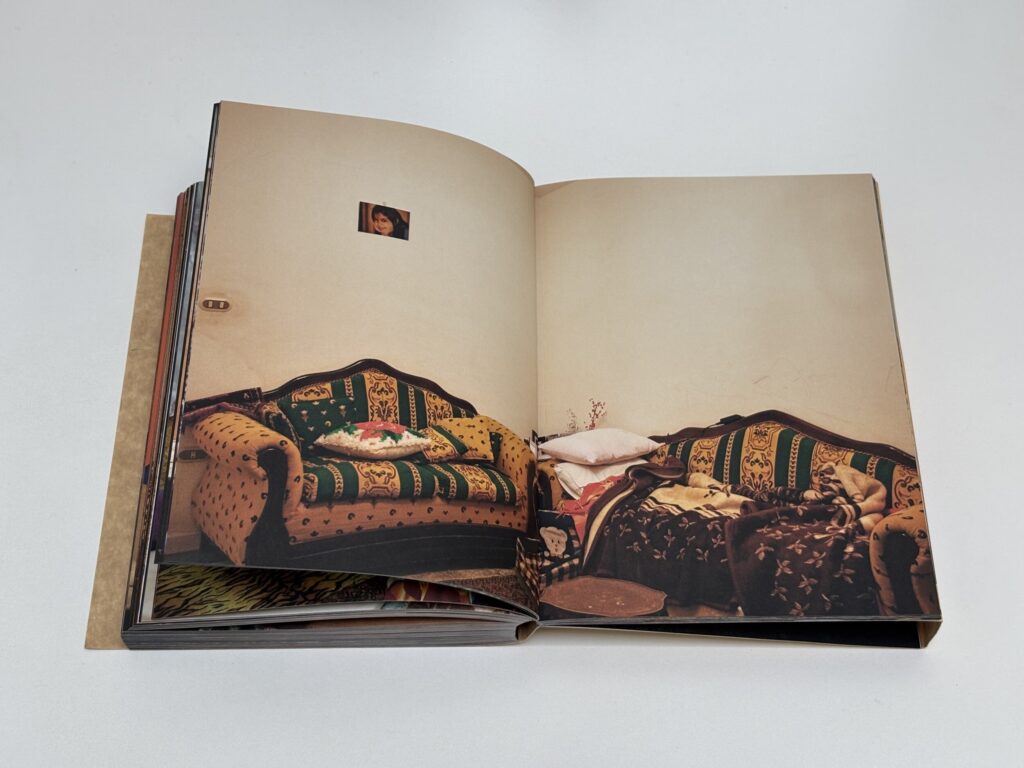
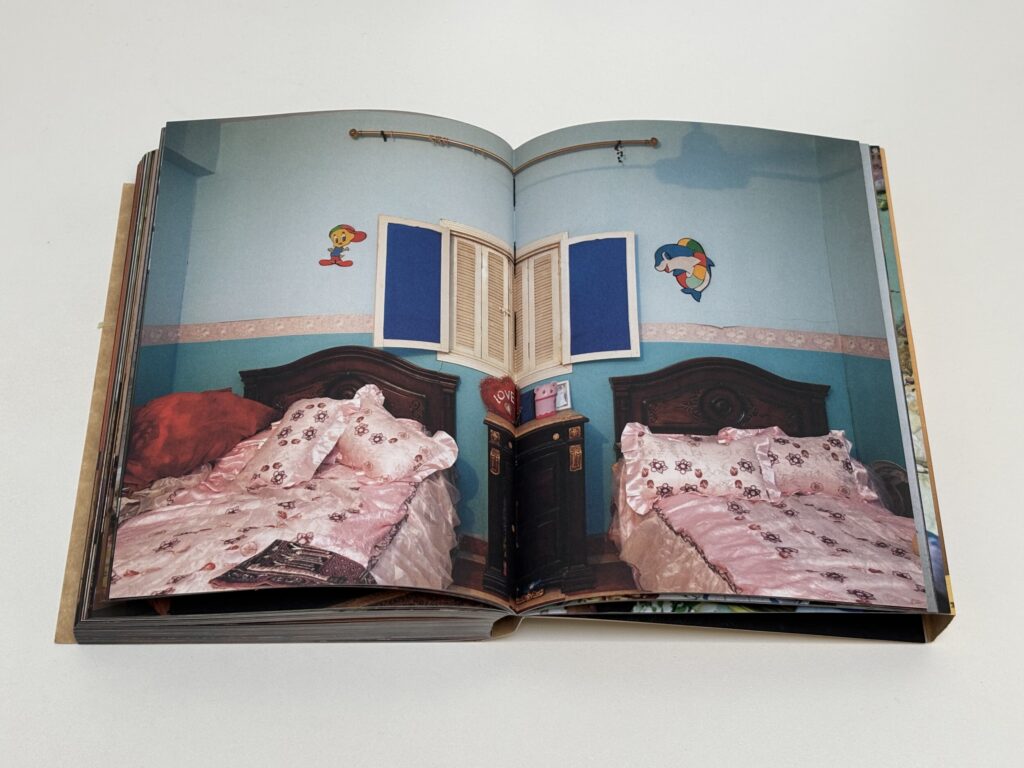
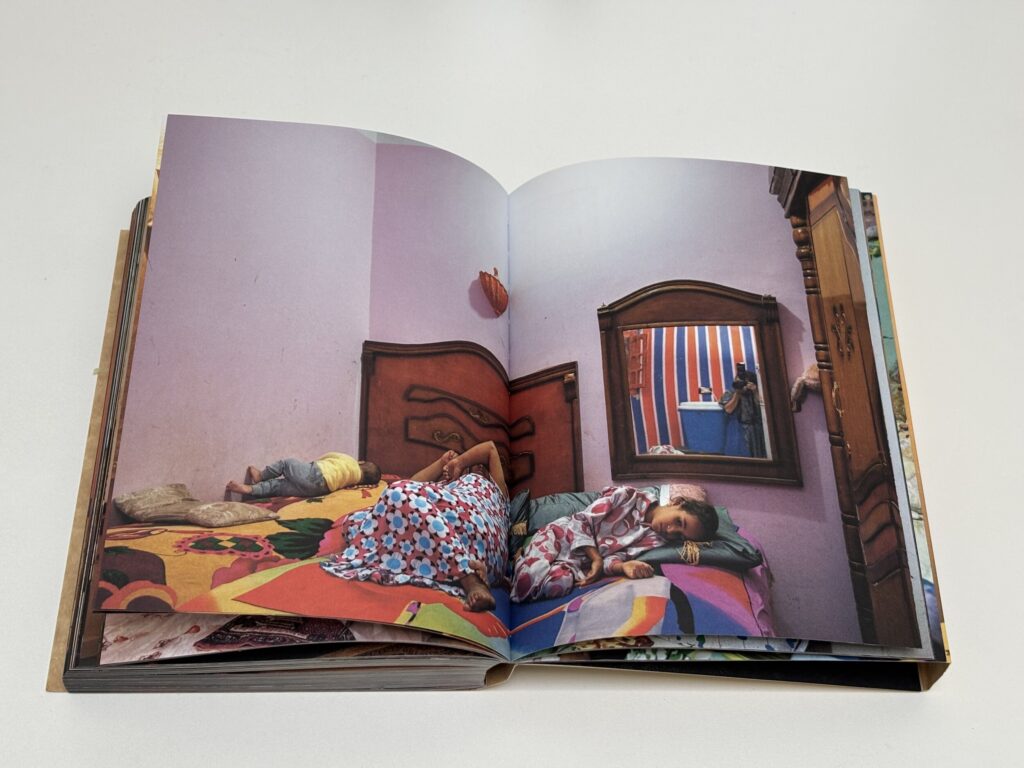
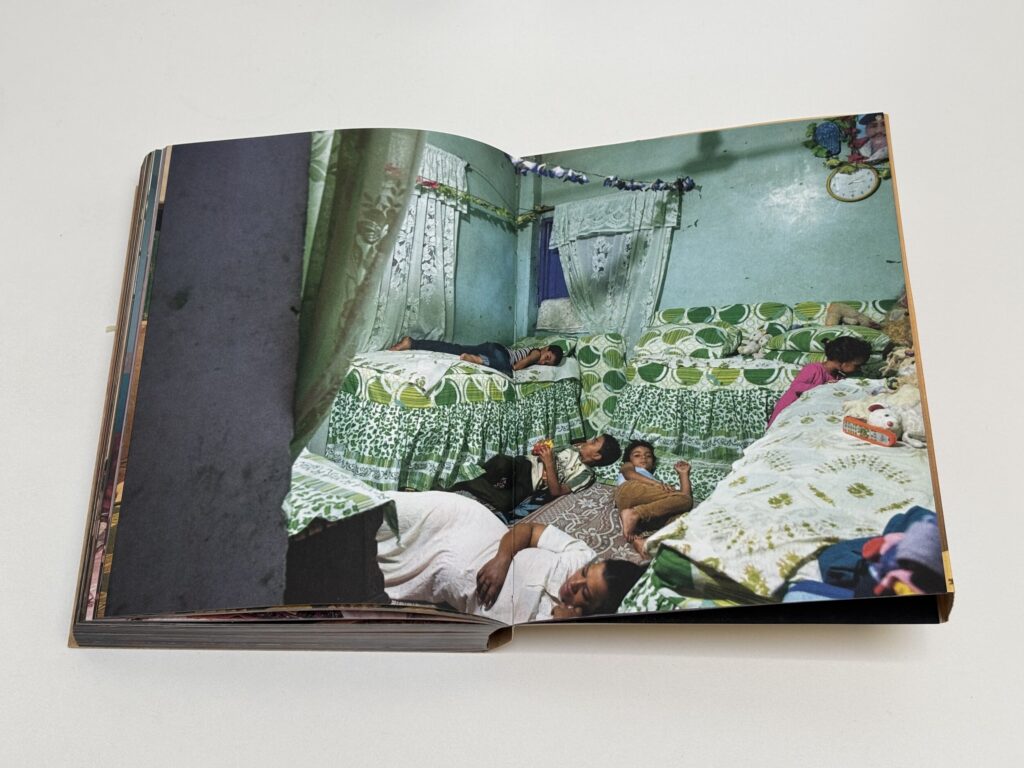
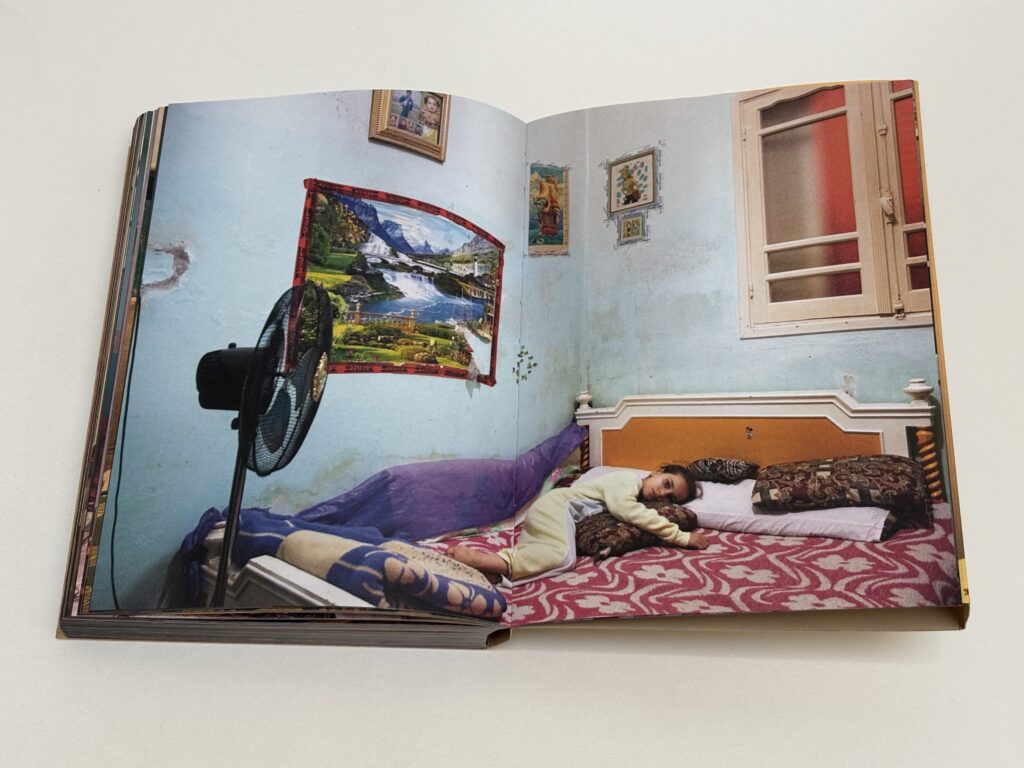
Comments/Context: With The beds I slept in, Bieke Depoorter revisits a familiar period in her practice from a slightly different perspective. Between 2008 and 2016, she travelled through Russia, the United States, and Egypt, asking strangers if she could spend the night in their homes. Those encounters formed the basis of several well-known projects, but here the focus shifts away from the people themselves and toward the beds they prepared for her. Looking back through her archive years later, Depoorter rediscovered hundreds of photographs of these sleeping arrangements, images that had originally been made as personal records rather than as a project. Gathered together, they offer a quiet and unexpectedly revealing account of those journeys.
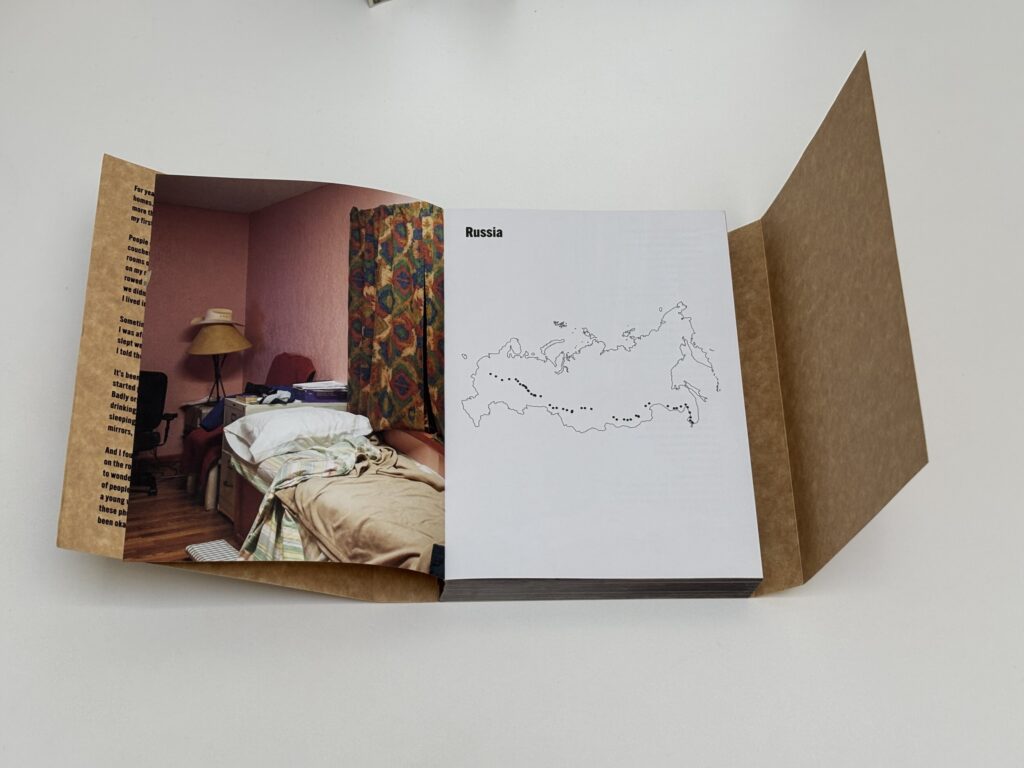
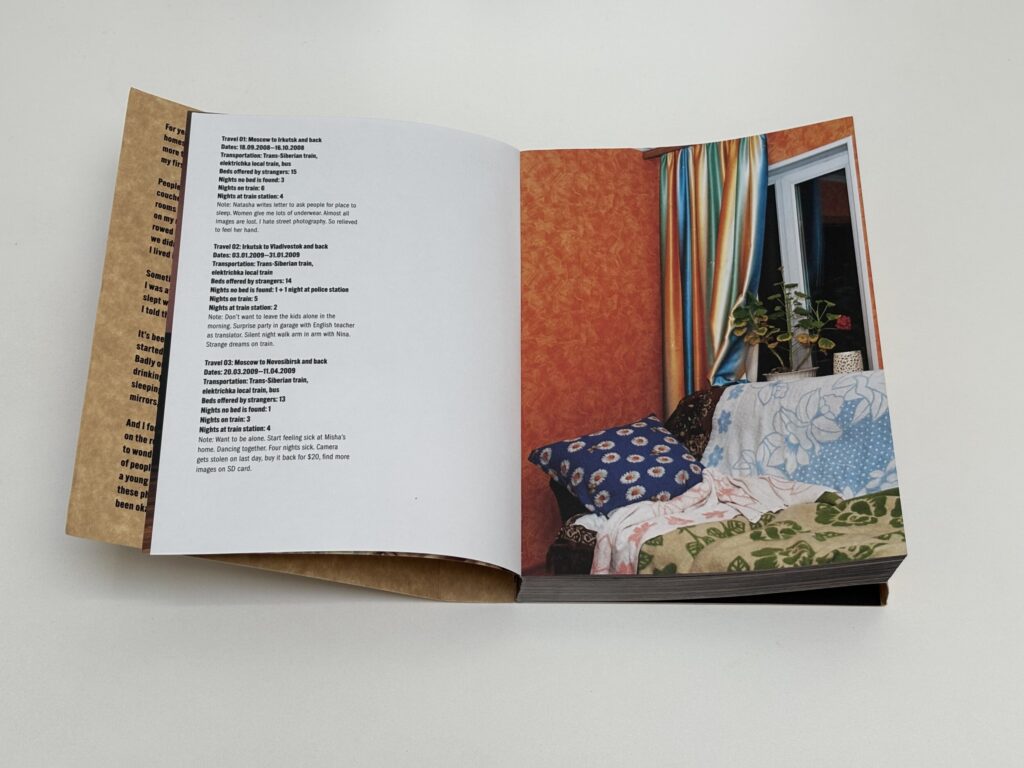
The beds I slept in is well suited to the photobook format. Modest in scale, it feels intimate and personal from the outset. A red band wraps around the cover, and the simple act of sliding it off becomes part of the book’s carefully orchestrated encounter, echoing the quiet acts of trust and hospitality that underpin the project itself. The exposed spine is an elegant design choice, lending the object a sense of openness and tactility. The text by Depoorter is printed on the opening flap, establishing a personal point of entry before the photographs take over. Throughout, the images are reproduced full bleed, creating a seamless visual flow that reinforces the project’s cumulative logic. Individually, the photographs may appear understated, but together they form a compelling and immersive sequence. The work is organized geographically, with each country section introduced by a map and excerpts from Depoorter’s travel notes, subtle framing devices that ground the images while preserving their sense of discovery and movement.
At first glance, the premise sounds almost deliberately narrow. The photographs depict beds, couches, mattresses, blankets, and improvised sleeping spaces. There are few dramatic events, few recognizable landmarks, and almost no overt narrative cues. Yet the cumulative effect proves unexpectedly expansive. Each image records a small gesture of hospitality. Someone cleared a space, folded a blanket, smoothed a sheet, or arranged a pillow for a traveler who had arrived unannounced. These sleeping spaces become traces of the people who offered them, portraits constructed not through direct representation but through evidence left behind.
This strategy of indirect description gives the project much of its emotional resonance. Rather than foregrounding the individuals she met, Depoorter allows their presence to emerge through the spaces they inhabited. A floral blanket draped across a sofa suggests one kind of domestic life; a makeshift mattress laid out on a kitchen floor suggests another. Meaning accumulates through these details, encouraging us to imagine lives that remain just beyond the frame. The photographs reveal character through surroundings, transforming ordinary interiors into subtle forms of portraiture. Depoorter is sensitive to the visual character of these interiors. Color, light, and arrangement become important descriptive tools, allowing the photographs to convey something of each household beyond the simple fact of where she slept.
While the people who hosted Depoorter largely remain outside the frame, she occasionally reappears through reflections in mirrors scattered throughout the rooms. These incidental self-portraits act as quiet reminders of her presence, transforming the photographs from simple records of sleeping arrangements into traces of an encounter between guest and host. The reflections are often small and easy to miss, but they subtly anchor the images in lived experience, revealing the photographer as a participant rather than a detached observer.
At its core, the book is less about sleep or domestic space than it is about trust. Every bed pictured here represents a temporary agreement between strangers. The arrangements themselves may appear ordinary, but the circumstances that produced them are anything but. Depoorter repeatedly entered private homes, often sharing little language with her hosts and having no prior relationship with them. The sleeping spaces documented here occupy a delicate space between vulnerability and welcome. They speak not only to generosity, but also to the mutual risk involved in extending and accepting an invitation.
The project also demonstrates how new meanings can emerge from material once considered peripheral. Like many photographers, Depoorter produced a vast archive of supporting images that initially remained outside her primary projects. By returning to these overlooked photographs, she recognized a conceptual coherence that had previously gone unnoticed. In doing so, The beds I slept in both deepens and expands the concerns that have long shaped her practice, while standing confidently as a work in its own right.
The book transforms an apparently simple inventory into something richer and more reflective. Its photographs describe places to sleep, but they also chart movements across countries, social environments, and fleeting relationships. Each bed marks a temporary connection, a small but meaningful exchange between host and guest. Taken together, they form a portrait of openness and uncertainty, assembled from the humble details of domestic life. What remains after closing the book is not a memory of any particular room, but an awareness of how much human connection can be contained within the act of preparing a place for someone else to rest.
Collector’s POV: Bieke Depoorter is represented by Magnum Photos (here), where she became a nominee in 2012 and a full member in 2016. Her work has not yet found its way to the secondary markets, so gallery retail remains the best option for those collectors interested in following up.