JTF (just the facts): Published in 2025 by TIS Books (here). Softcover (22.5 × 30 cm), 76 pages, with 60 color photographs. Include an essay by Pico Iyer. (Cover and spread shots below.)
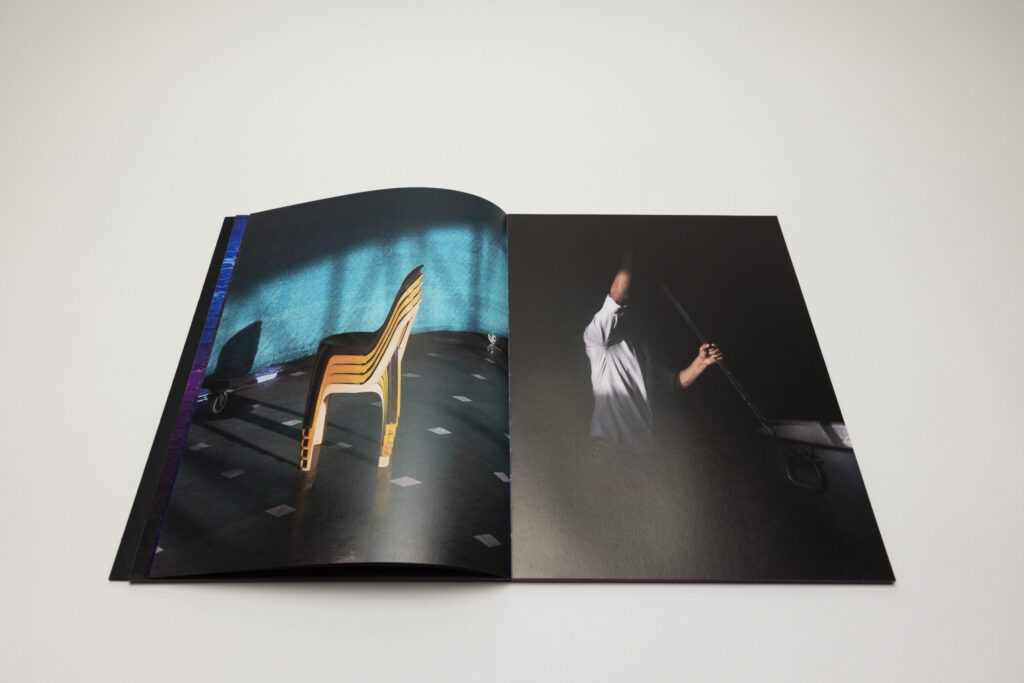
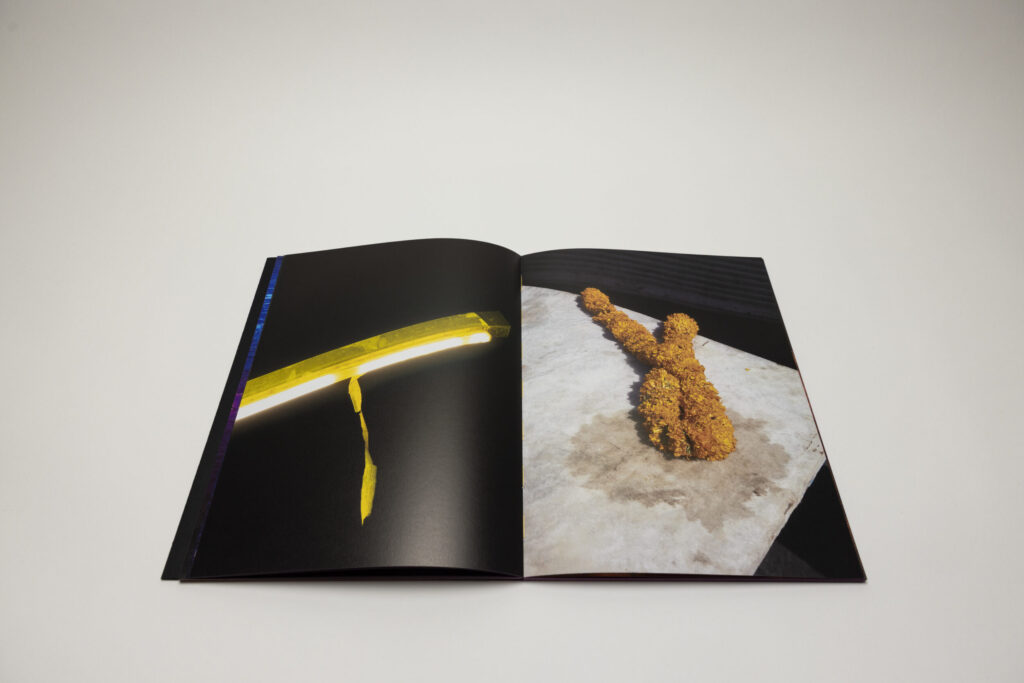
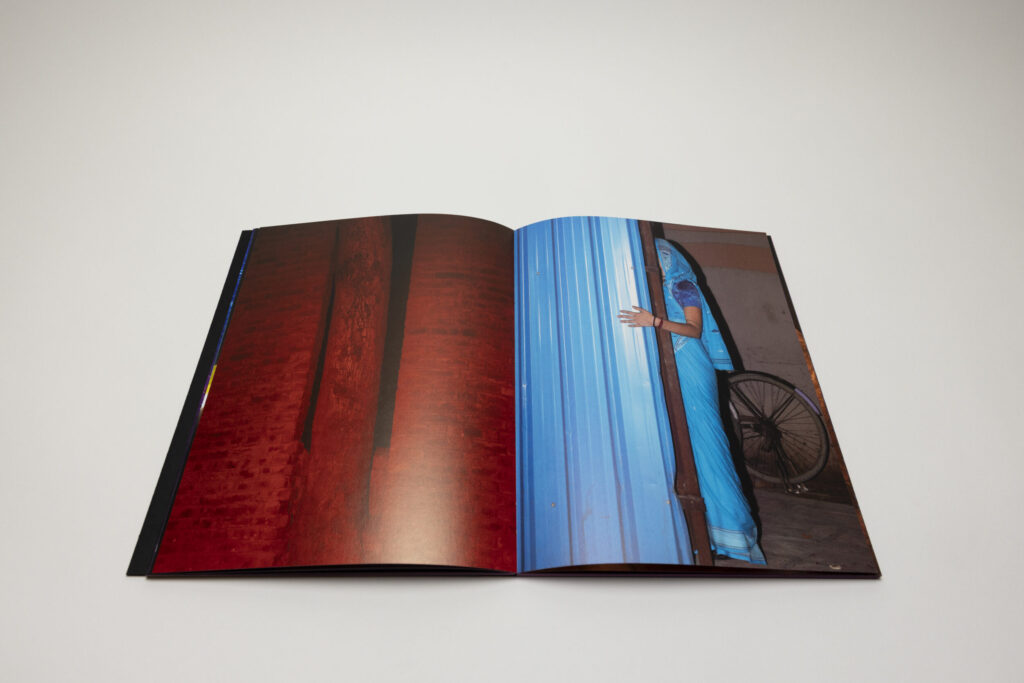
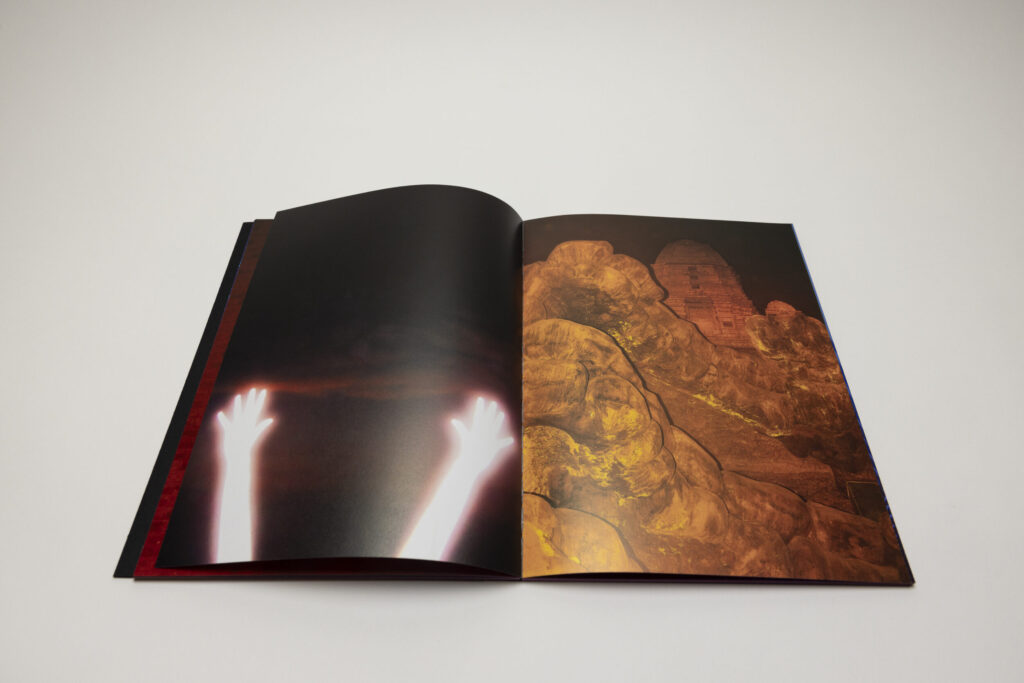
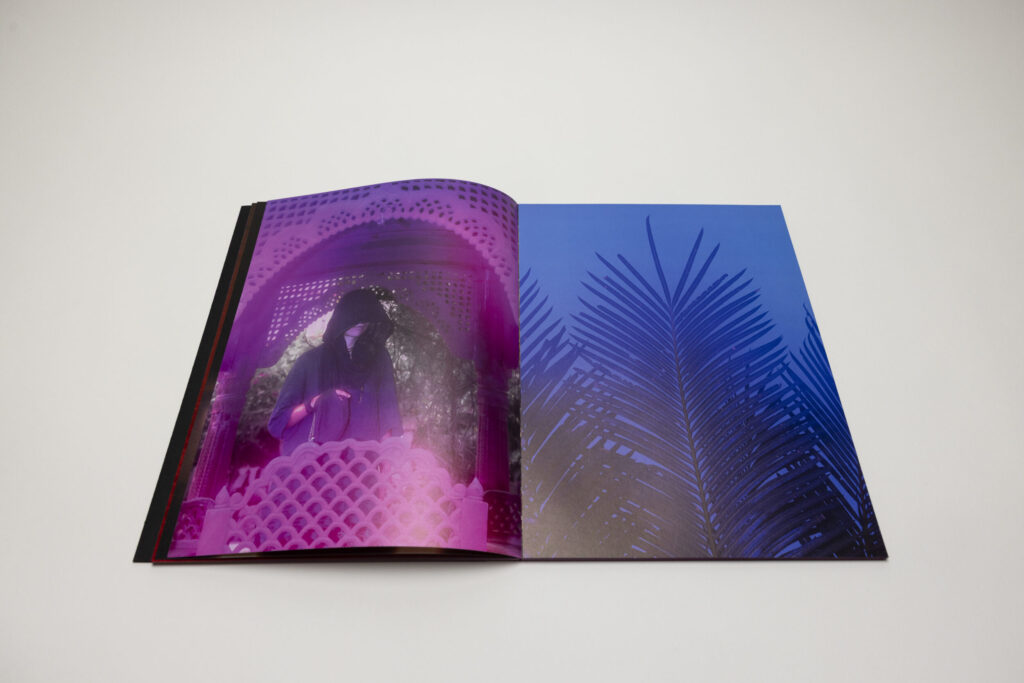
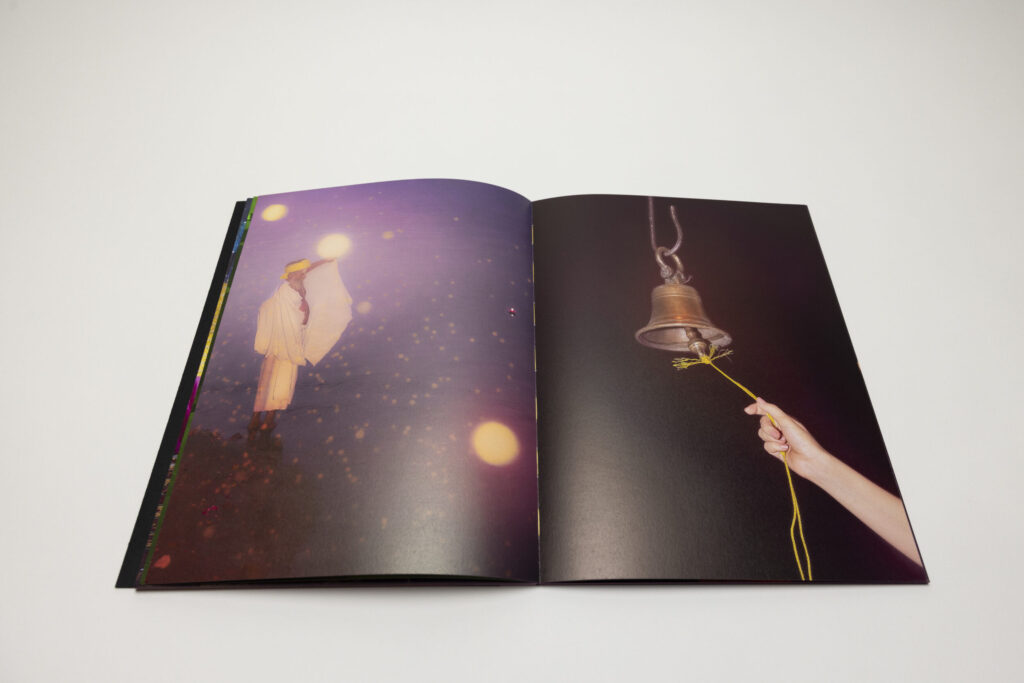
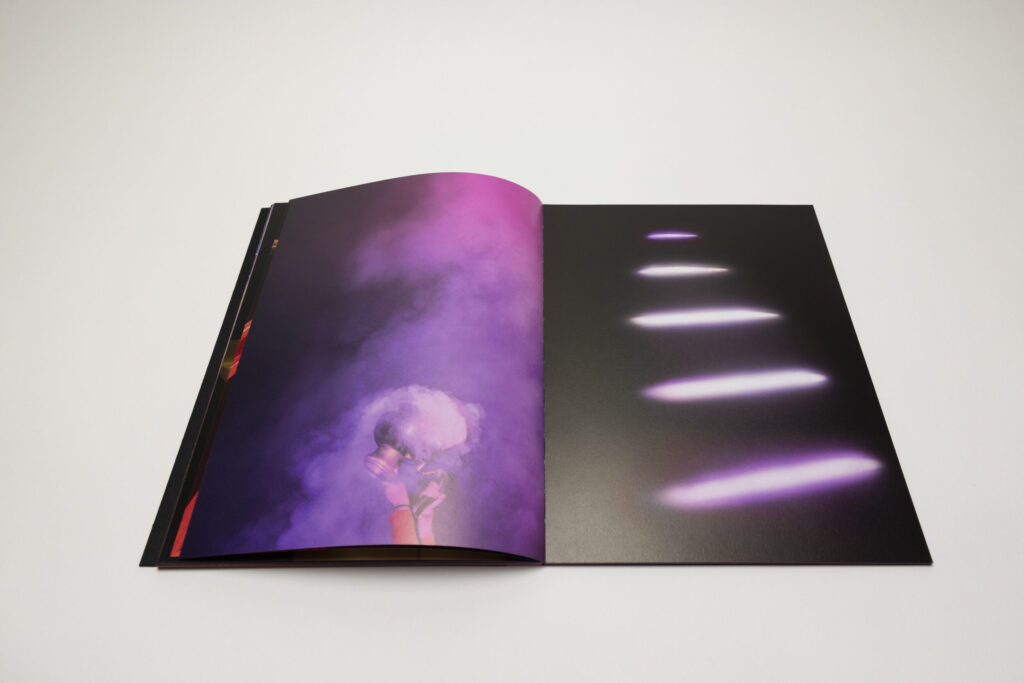
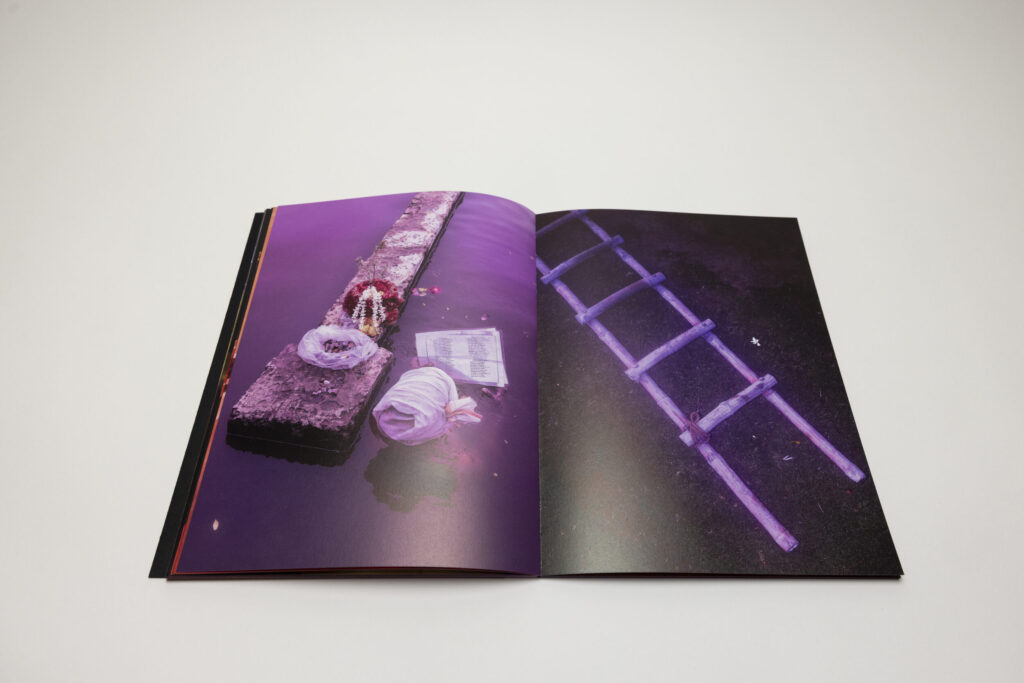

Comments/Context: The visual language of Balarama Heller’s work blends mythic symbolism, atmospheric abstraction, and spiritually charged observation. Shaped by a nomadic upbringing, ritual practice, and a desire to photograph what exists just beyond ordinary perception, his approach uses a camera to trace fragile, luminous spaces where the sacred glimmers through the everyday. His first photobook, Sacred Place, unfolds on multiple levels at once – part spiritual meditation, part personal journey, and part exploration of a landscape steeped in myth and history.
Heller’s journey toward this project is inseparable from his biography. Raised within the Hare Krishna movement in the United States and shaped by its rigorous devotional practices, he spent his formative years clad in saffron robes and moving through itinerant communities. This early immersion (and his eventual departure) resonates throughout the work as a persistent undertone. The book constitutes a profoundly personal pilgrimage: a return to Vrindavan, India (the holiest sites of the Krishna tradition), reframed through a visual language that approaches the ethereal. This return is a lived re‑entry into a space shaped by both personal memory and collective sanctity.
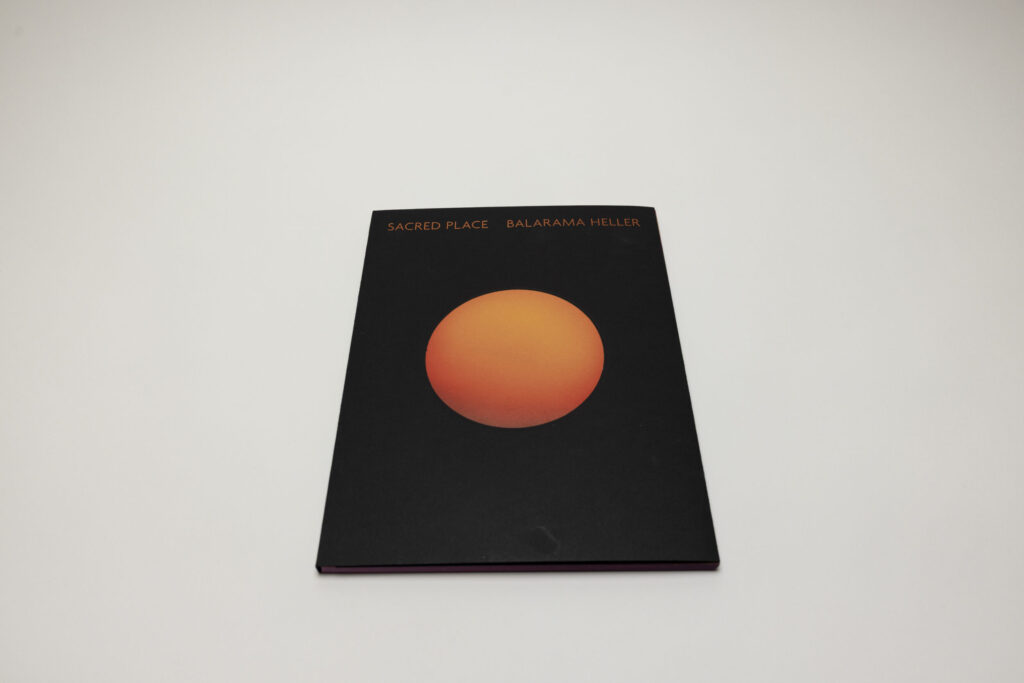
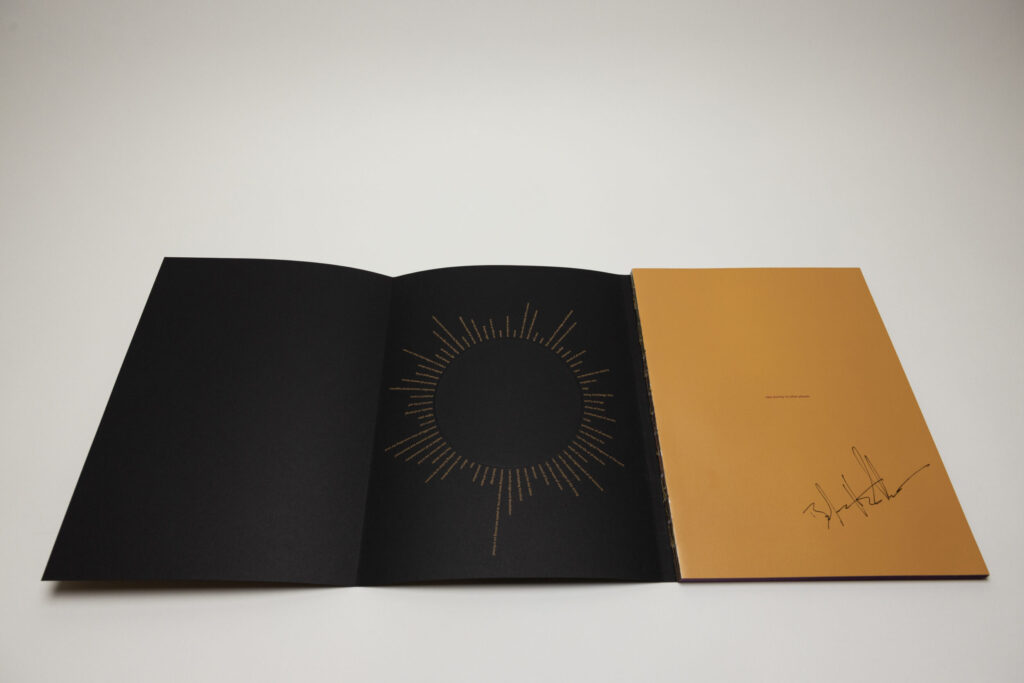
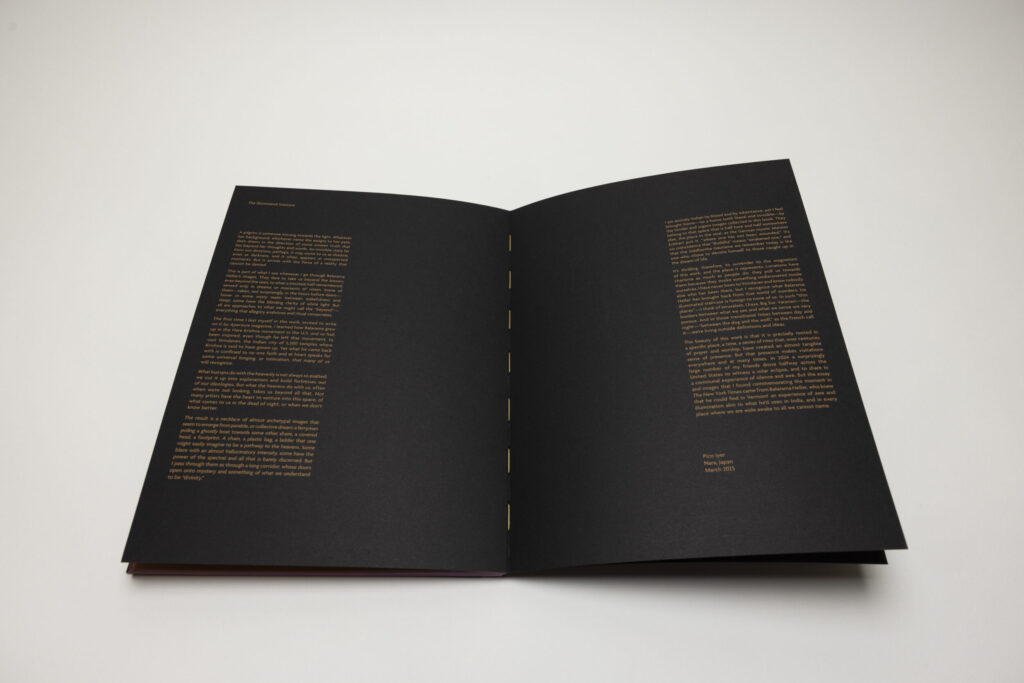
As a photobook, Sacred Place stands out as a carefully crafted object – exceptionally produced and designed with elegance. A bright orange tipped-in sphere (a sun during an eclipse) glows against a deep black cover, while the title and the artist’s name appear in a single line at the top in uppercase, also in vivid orange, setting the tone for the visual narrative within. Lilac‑dyed page edges and superlative printing with meticulous attention to color further heighten the sense of reverence, aligning the book’s physical presence with its conceptual intention. The cover flap opens revealing the other side of the sun, with text captions arranged as if radiating outwards like sun rays. Inside, the photographs appear full bleed with no text or design elements, allowing for a seamless visual flow. An essay by Pico Iyer, in orange font against a black background, closes the book.
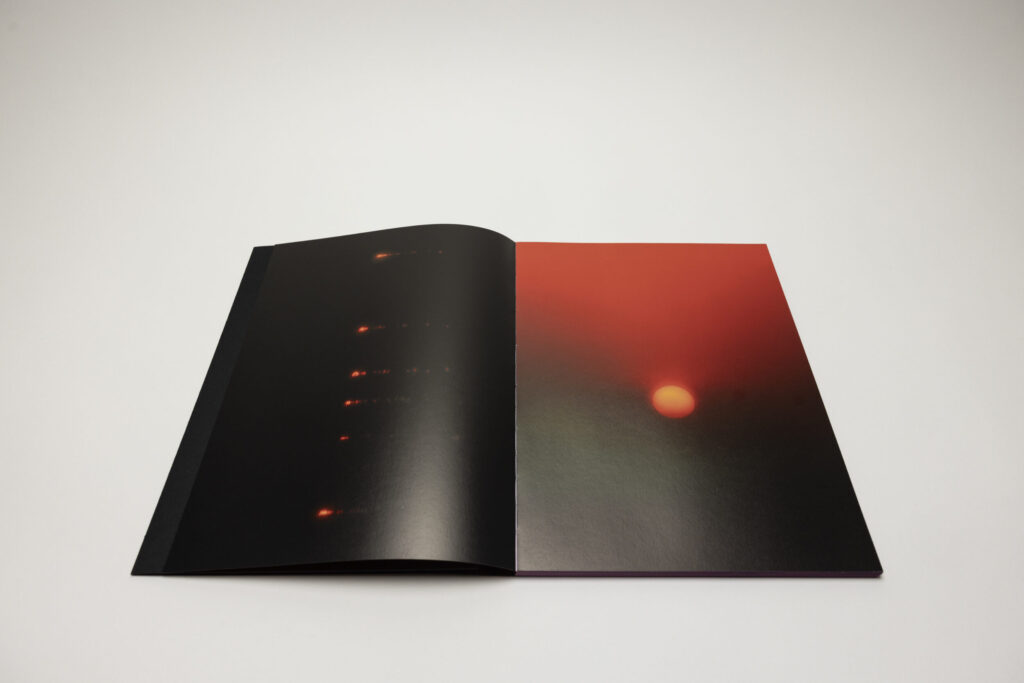
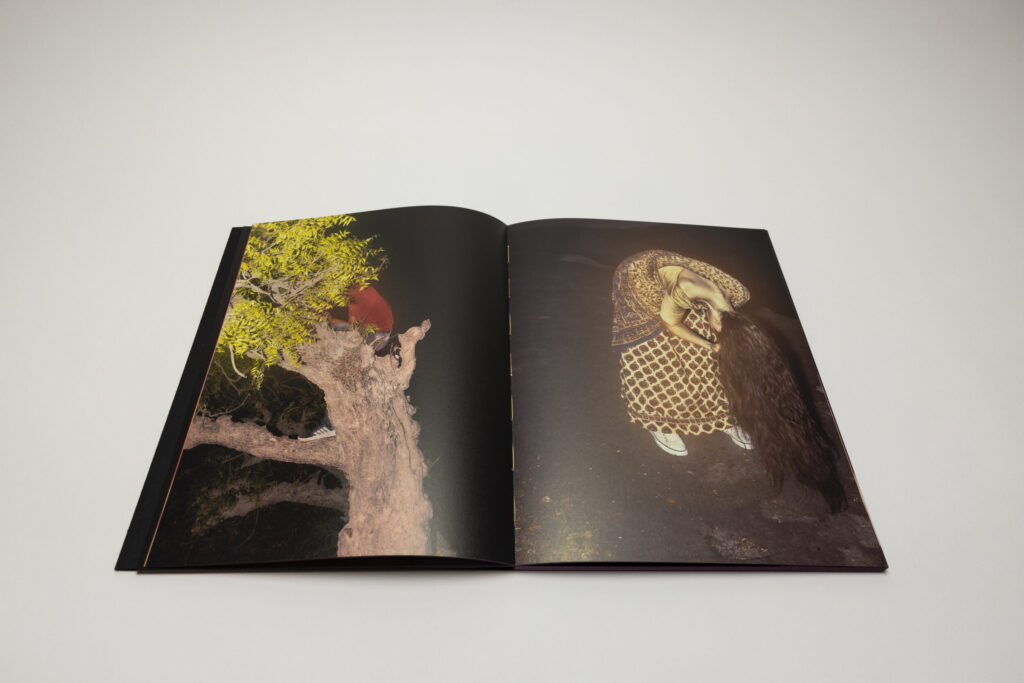
Heller made the photographs in the hours before sunrise, when the material and spiritual worlds are believed to be at their most permeable. In many images, suggestion prevails over clarity, with eyes only hinted at and faces half-hidden. Backgrounds cloak themselves in amber or amethyst. This photographic journey demonstrates mastery over light, shadow, and color.
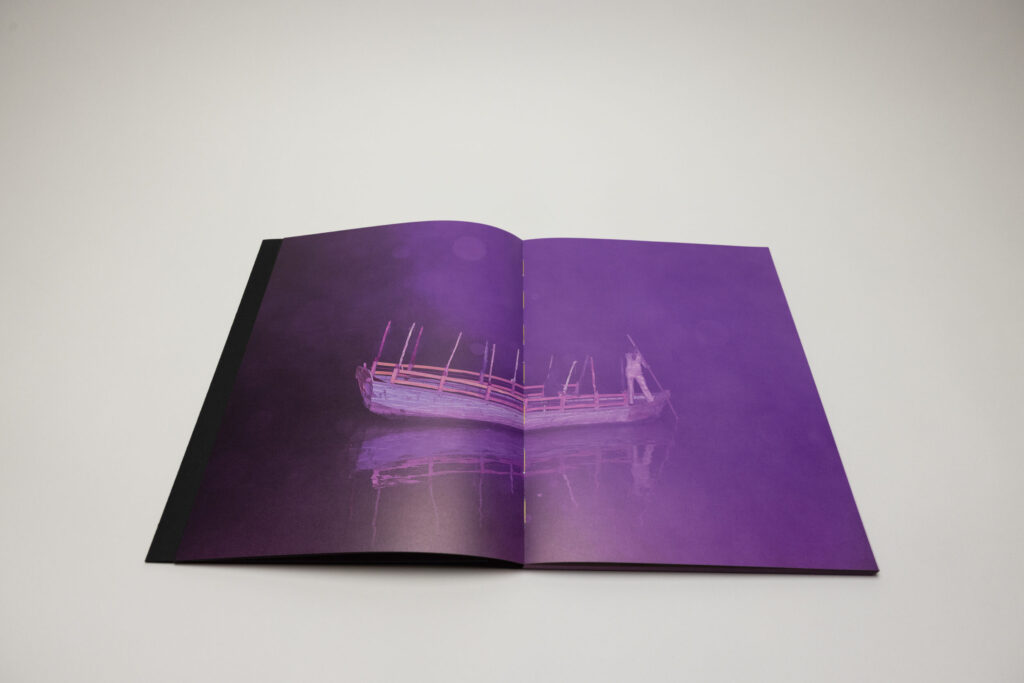
One of the opening images depicts a small wooden boat floating on still water, its reflection faintly mirrored below. A solitary figure stands near one end of the boat, barely differentiated from its structure, as if absorbed into it. The scene is enveloped in a dense field of violet and magenta tones, flattening the depth and dissolving the horizon. The image is quiet and pared back, yet charged; its intense color wash abstracts the scene, transforming a simple moment into something dreamlike and symbolic.
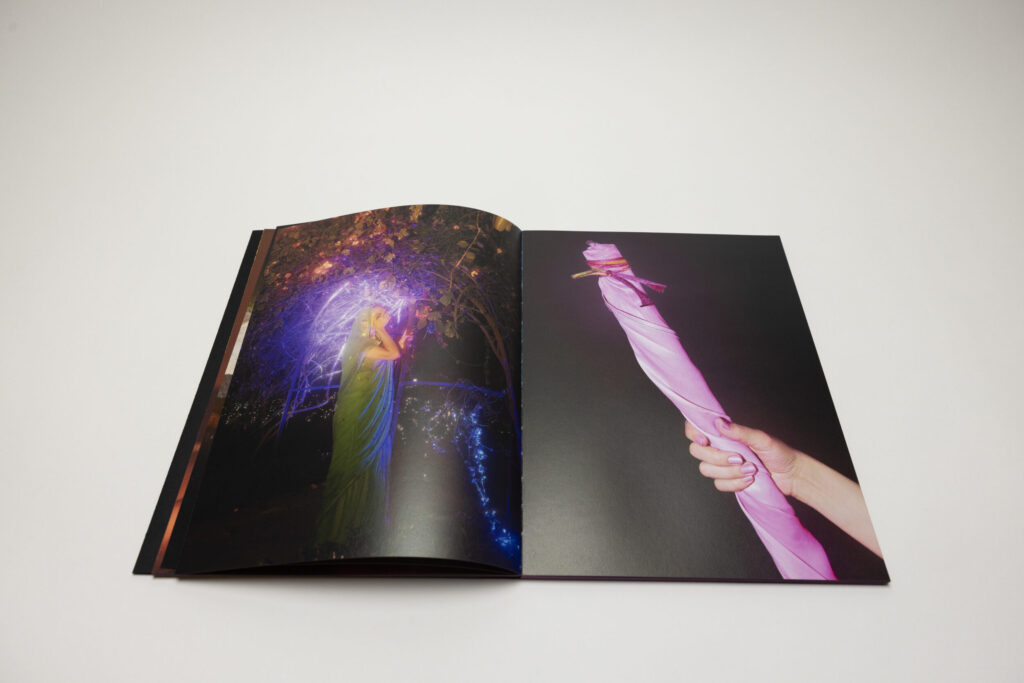
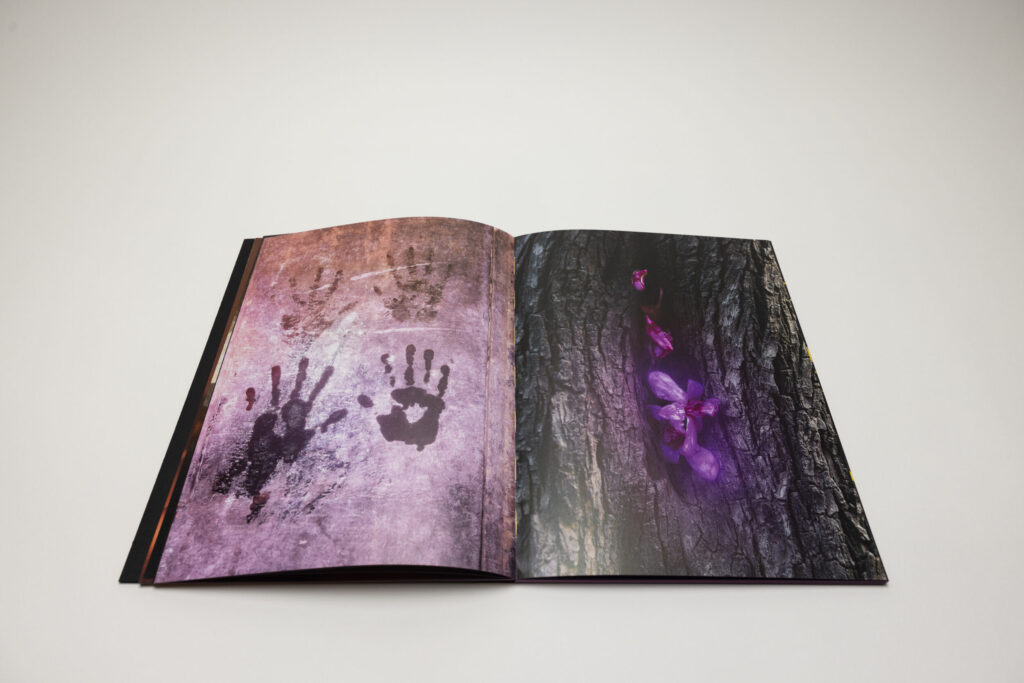
Heller’s images portray a world shaped by ritual, faith, and centuries of pilgrimage. He captures expressive hands and gestures, devotees in traditional attire, sacred architecture in soft morning light, charged spiritual landscapes, etc. His palette includes neon-like and luminous colors, and the photographs take on an almost otherworldly radiance. Seen together, they form a vision stripped down to essentials, a place where light, form, and spiritual intention take precedence over all else.
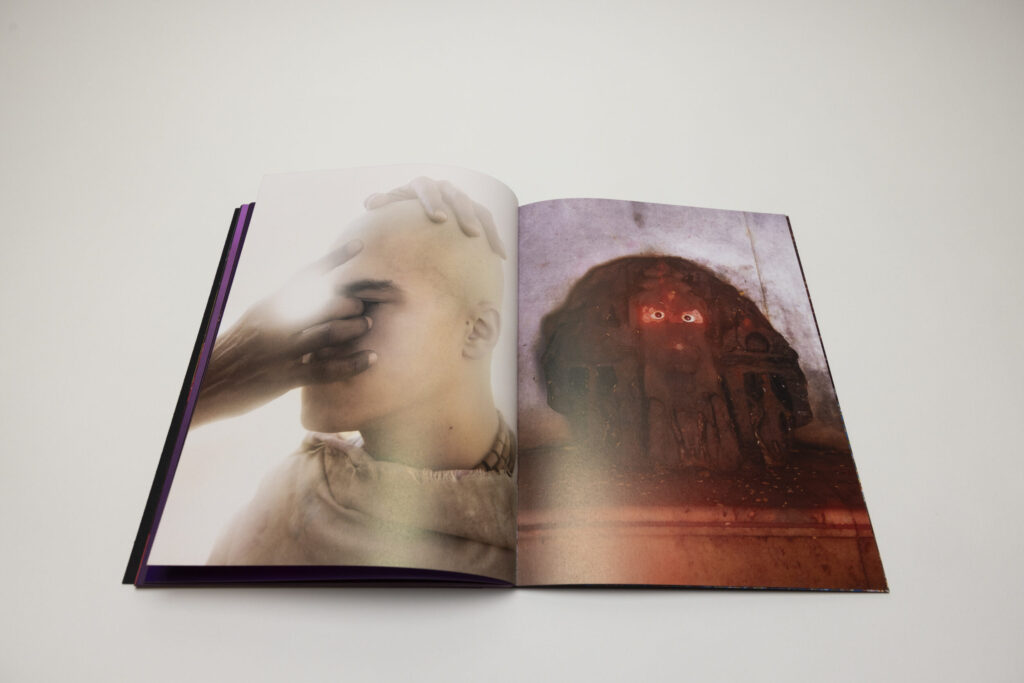
Closer to the end of the photobook, a spread pairs two images. In the first, a person appears from the shoulders up, as a hand rests gently on the crown of a head and another touches the eyes. Rendered in a muted, warm palette, the image carries a sense of vulnerability and ritual tenderness, suggesting a moment of initiation or blessing. The second image depicts a dark, sculptural form set against a stained wall, its surface marked by time and use. Two small points of light punctuate the form, lending it an uncanny, watchful presence. Together, the images establish a dialogue between the living body and the enduring vessel of devotion, proposing that the sacred is sustained through both embodied offerings and the sites where those offerings accumulate.
This is a subtly elegant publication, enlivened by thoughtful sequencing and editing. Sacred Place is a work defined by thresholds, between light and dark, memory and present, belief and uncertainty. Heller’s images occupy these liminal spaces with humility and depth, offering a nuanced portrait of spiritual searching in a world where traditional structures of meaning often feel unstable. The book evokes sacredness not as a fixed category, but as a shifting presence that moves through time, space, and the psyche. Through careful attention to material form, sequencing, and symbolic language, Heller transforms the photobook into a contemplative object that invites sustained reflection. It is a work that honors its subject not by explaining it, but by dwelling within its mystery.
Collector’s POV: Balarama Heller does not appear to have consistent gallery representation at this time. Collectors interested in following up should likely connect directly with the artist via his website (linked in the sidebar).