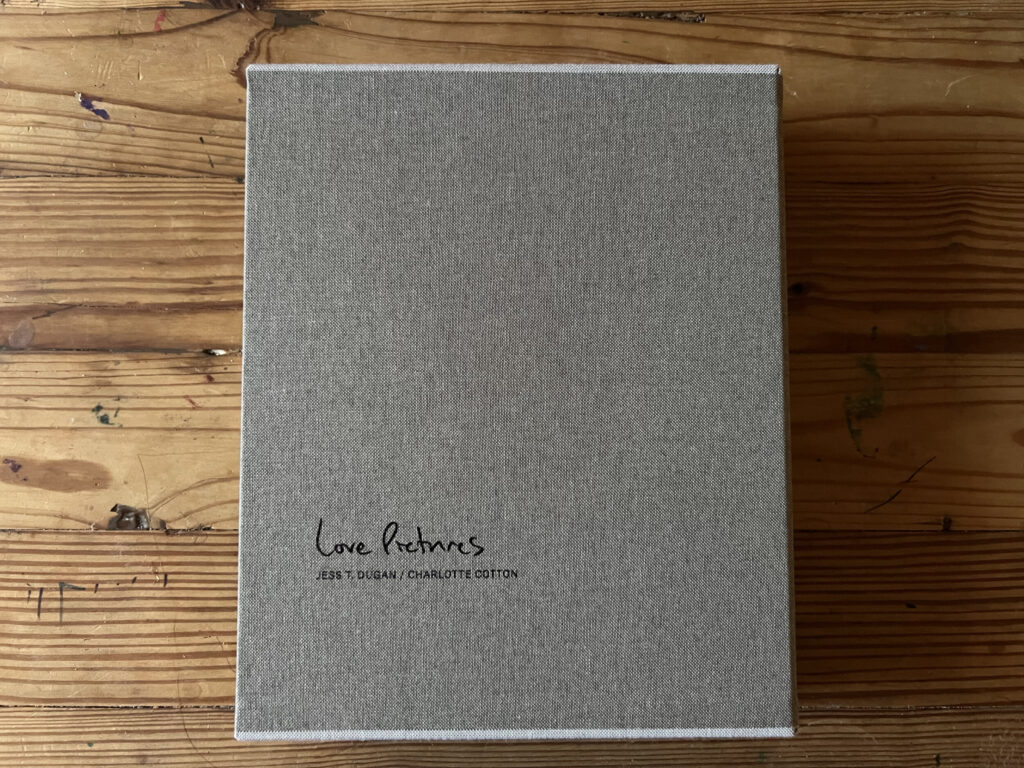
JTF (just the facts): Published in 2026 by Radius Books (here). Two volume hardcover in slipcase, 9×13 inches. Volume I is 396 pages with 164 color reproductions; volume II is 160 pages with 55 color reproductions. Includes texts by Jess T. Dugan and Charlotte Cotton, as well as transcripts of conversations with Dawoud Bey, Kelli Connell, Dorothy Moss, and others. (Cover and spread shots below.)
A special edition includes two signed archival prints: Oskar and Zach (embrace), 2020, 10.5×14 inches, and Tulips, 2020, 7.5×10 inches. In an edition of 10 copies.

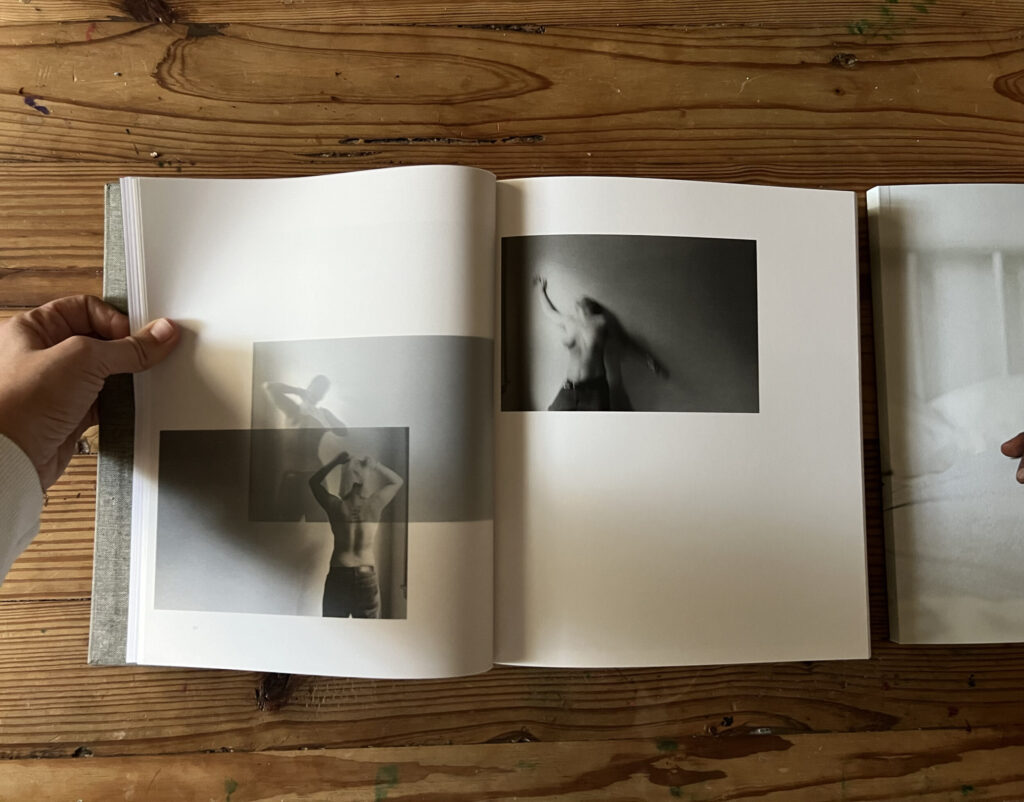
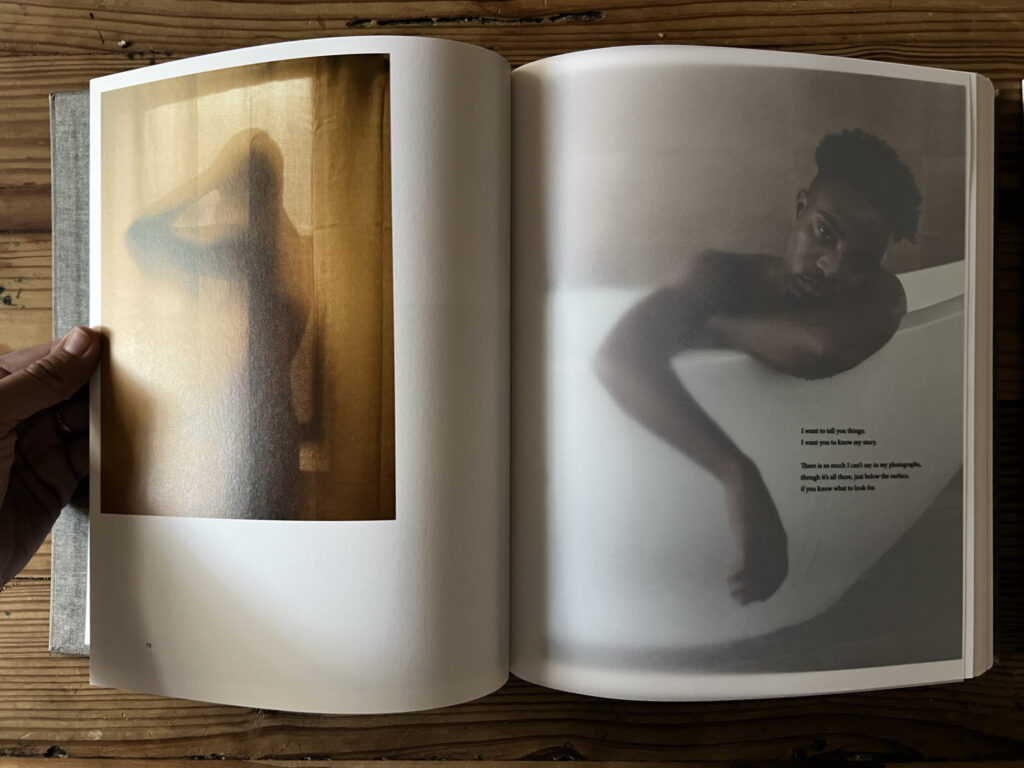
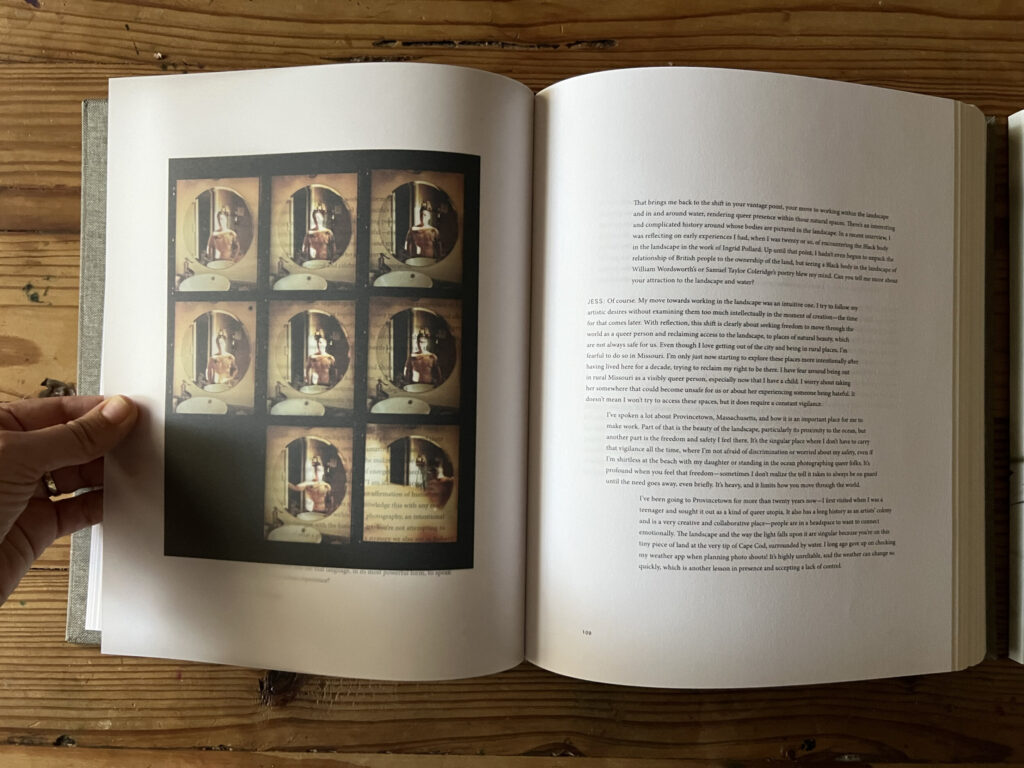
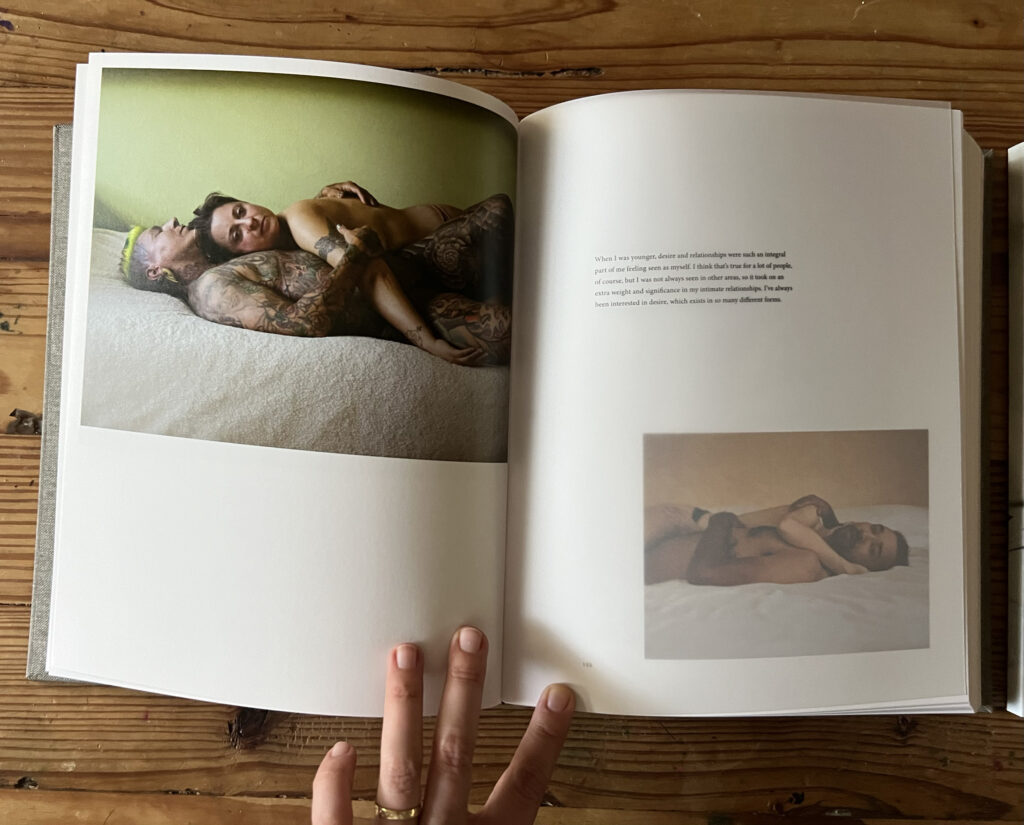
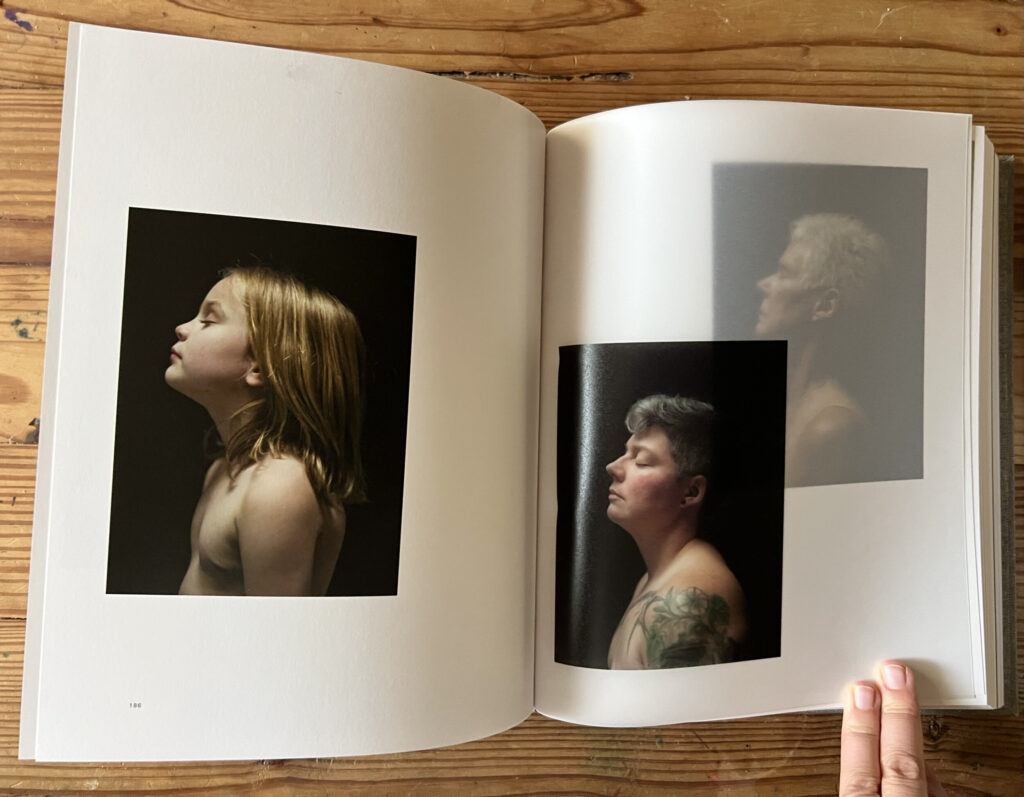
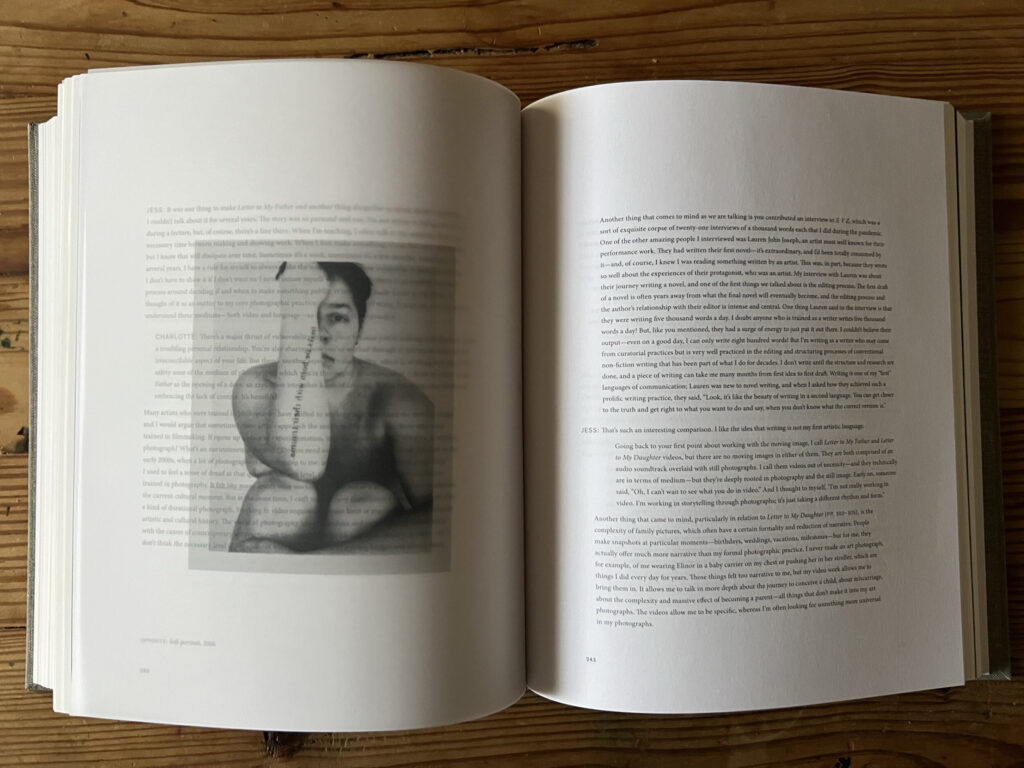
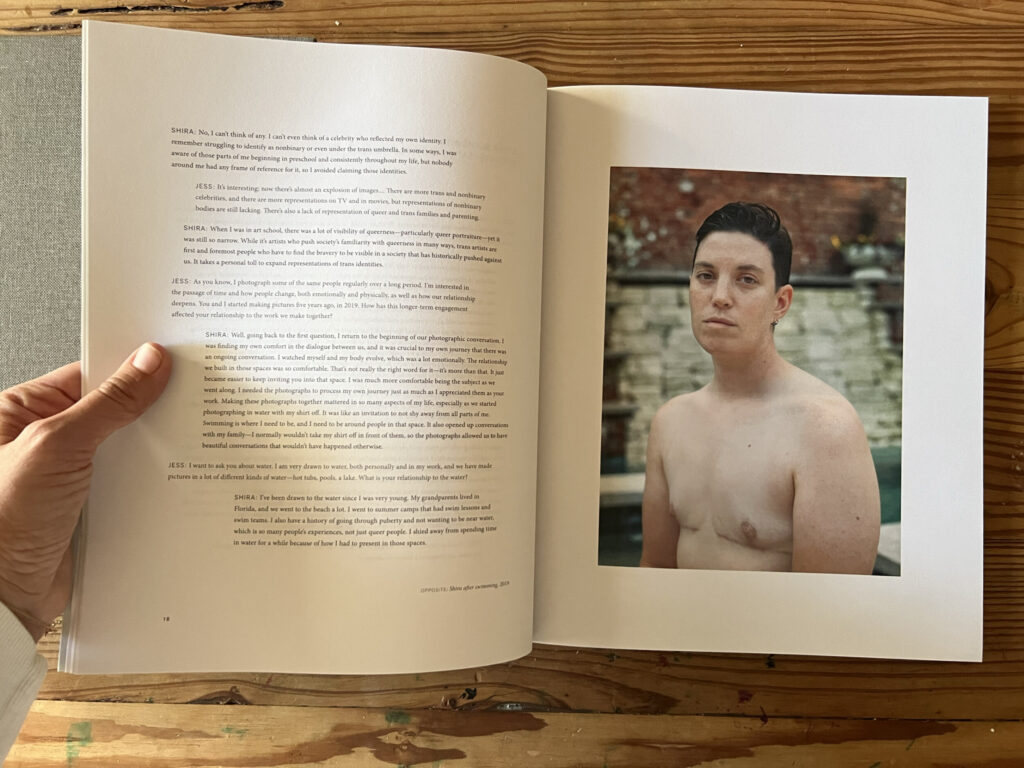
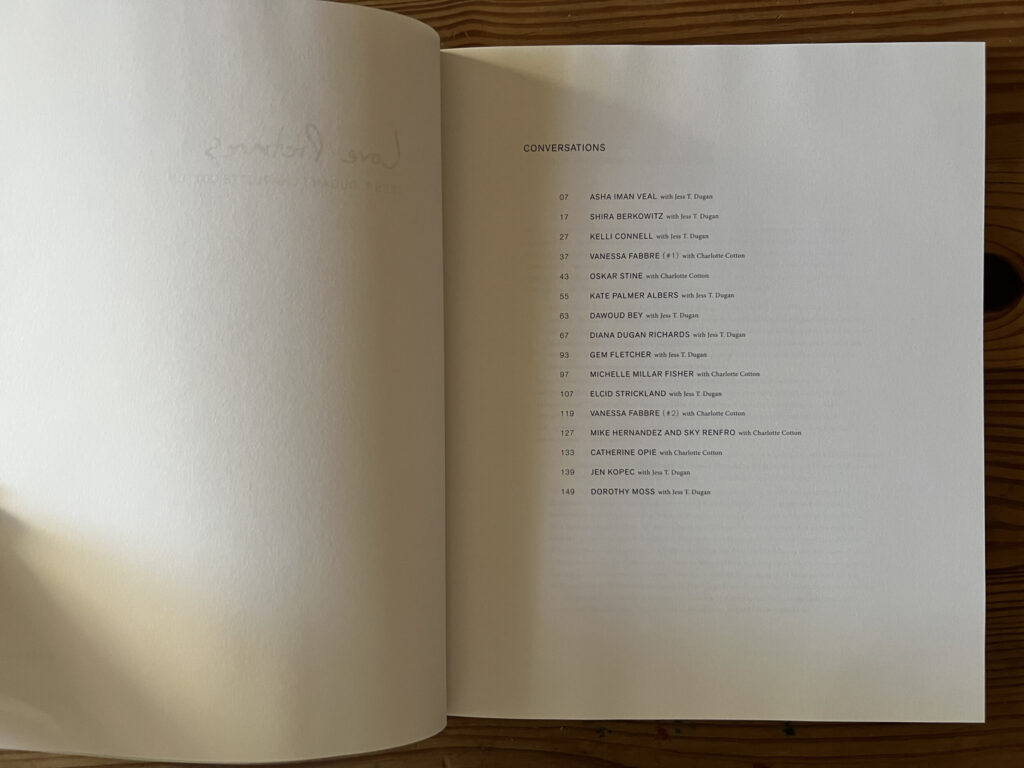
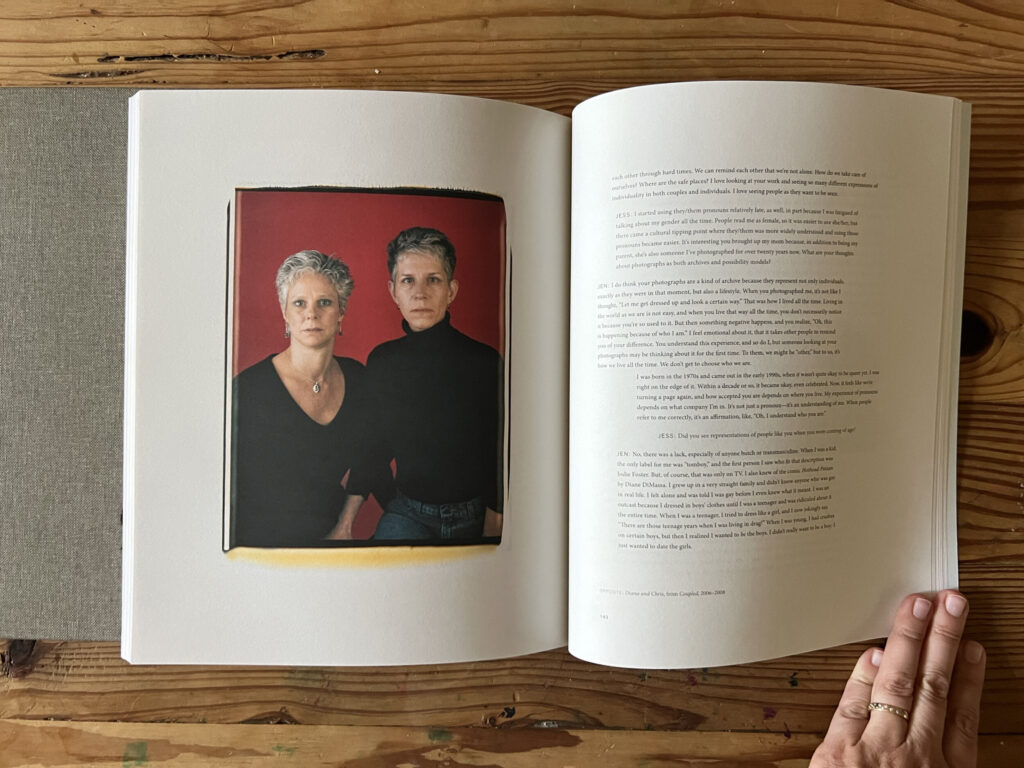
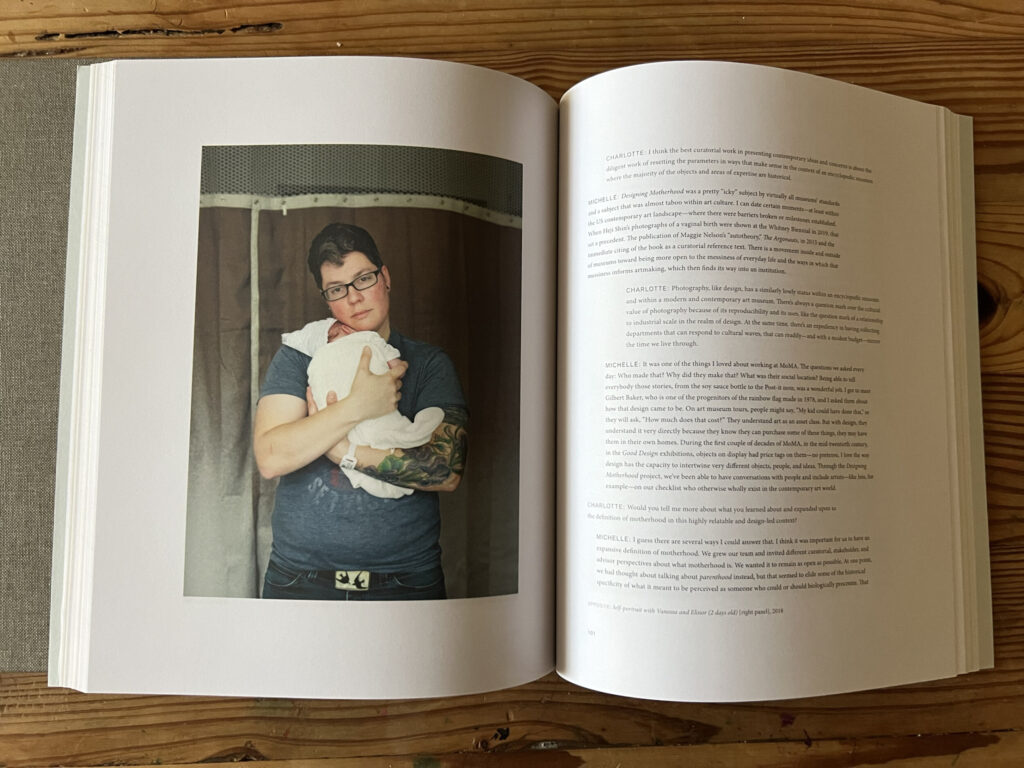
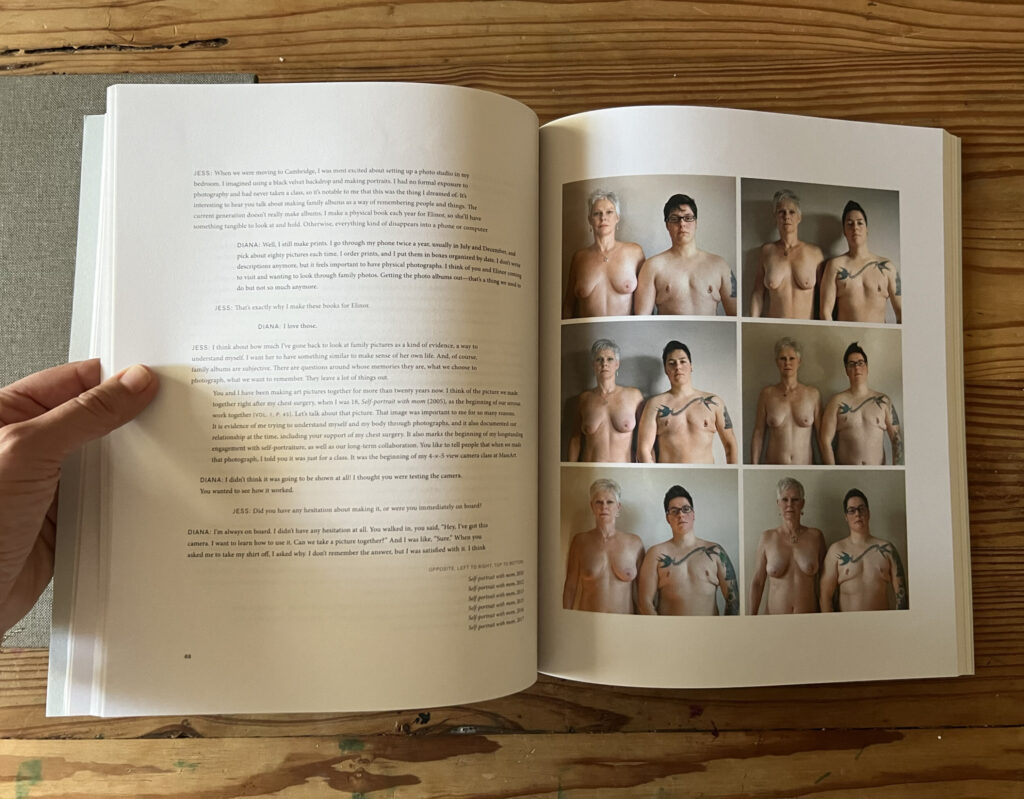
Comments/Context: Identity, queerness, desire, love, collaboration, and community; these are a few words that encapsulate the complex thematic landscape mined in Jess T. Dugan’s new photobook Love Pictures, created in collaboration with independent curator Charlotte Cotton and published by Radius Books earlier this year. Serving as a comprehensive, mid-career survey of Dugan’s artistic trajectory, the publication spans two beautifully crafted volumes. Included across both volumes are compelling photographs, reflective original writing by Dugan, and extensive installation views from major exhibitions mounted throughout their career. These visuals are further enriched by an insightful, long-form central interview between Cotton and Dugan—wherein Cotton artfully guides the photographer in narrating the overall arc of their creative and personal journey—alongside intimate interviews conducted with additional key contributors and collaborators.
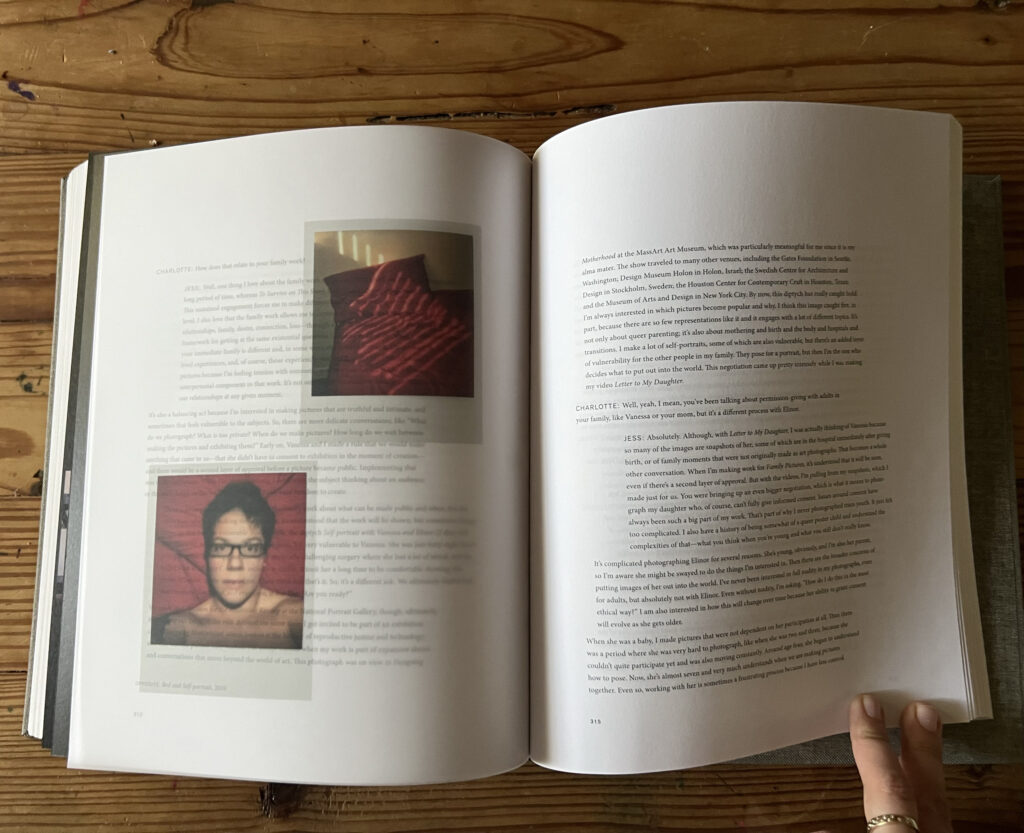
Volume I is a hardbound, cloth-cased tome that is organized by categories that Dugan has delved into over the course of their two-plus decades long career. The book is interspersed with writing by Dugan and a series of long-form, transcribed interviews between Dugan and Cotton. These foundational dialogues between the authors explore core themes that inform Dugan’s practice—including gender and identity, family and politics, writing and language, the book as an object, and the dynamics of Dugan’s work in the exhibition space.
Volume II takes the reader further into the community web of how Dugan makes their photographs and has gracefully navigated portrait making throughout their career. This volume is made up of 14 interviews, some between Cotton and select guests and others between Dugan and select guests. The intimate exchanges include friends, colleagues, mentors (such as Dawoud Bey and Kelli Connell), and portrait subjects (like Oskar Stein and Jen Copec).
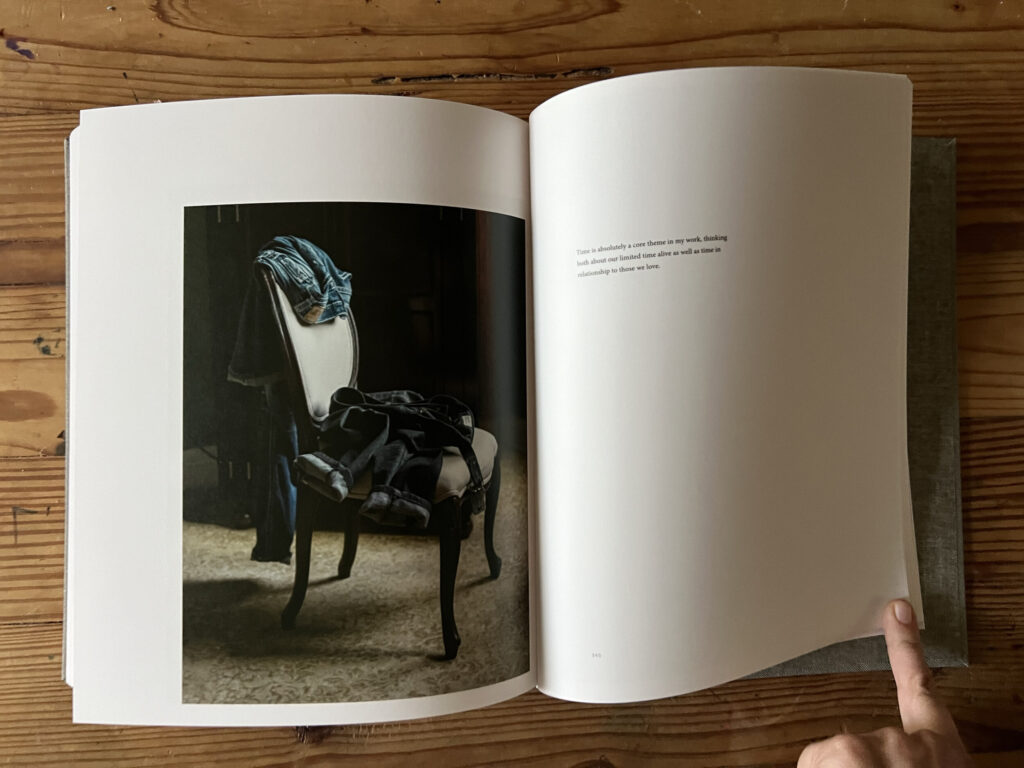
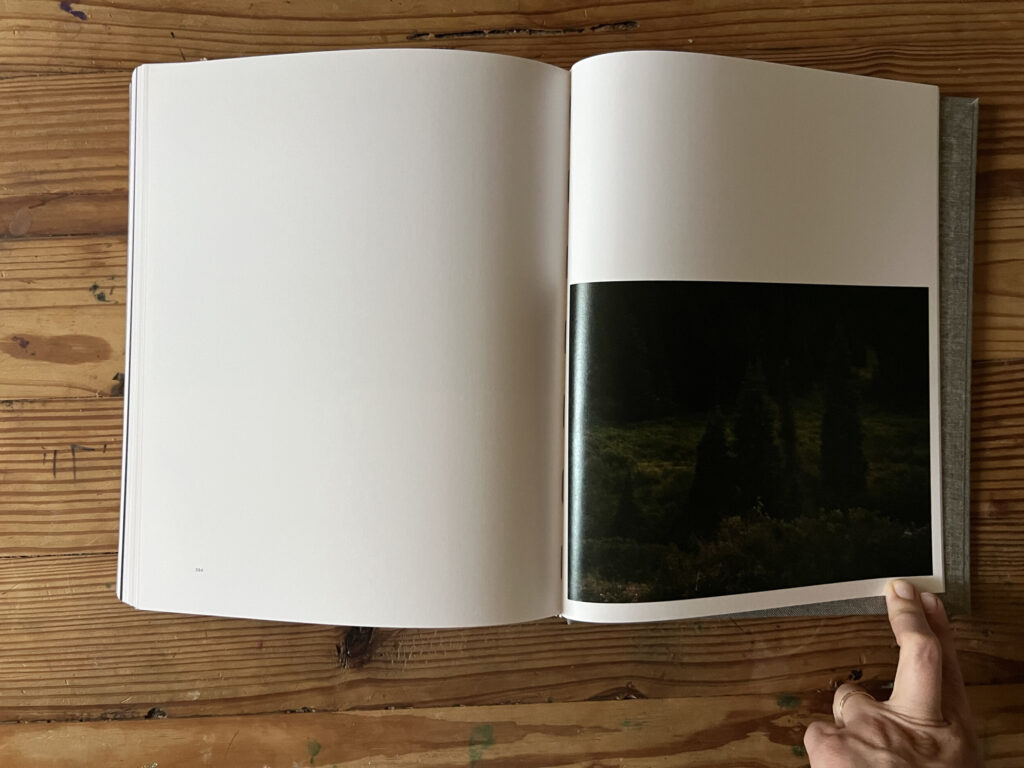
Volume I divides Dugan’s work into distinct categories, both subject-based categories and two project-based categories specific to Dugan’s oeuvre: self-portraits, excerpts from their photobooks To Survive on this Shore (2019) and Look at Me Like you Love Me (2023, reviewed here), relationships, family, gentle masculinity, video storytelling, still lifes, and place. Alongside and dividing each category of photographs is a section of nine parts of dialogue between Cotton and Dugan. Across these nine parts, they unravel Dugan’s creative life and engagement with art from their age of 17 to the present.
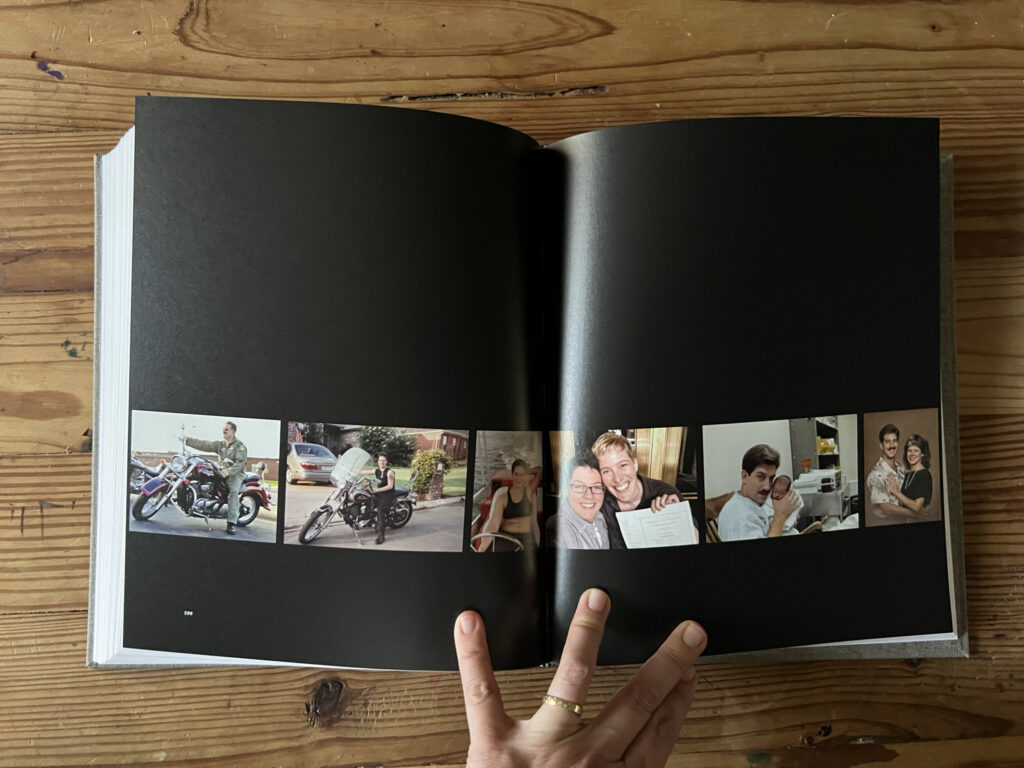
Particularly special to me in this book are the still frames from Dugan’s moving-image works, “Letter to My Father” and “Letter to My Daughter”, featured in the corresponding video storytelling section. I have found their video installations to be among the most vulnerable and innovative of their recent works. Given that opportunities to view these piece-based projects have historically been limited to specific institutional exhibitions, translating the still images on these printed pages stands as another gesture of generosity and radical openness that is at the heart of Love Pictures. Rendered against deep black sheets, the layout of video stills thoughtfully captures a distinct cinematic experience across the book’s pages.
Love Pictures presents few previously unseen photographs from Dugan, save for a series of early-2000s self-portraits printed on vellum sheets throughout Volume I. Instead, its true distinction lies in offering a detailed look into Dugan’s perspective on representation, community, creative partnership, and the long-term evolution of their creative practice and work. Such a vulnerable disclosure is rare for an artist to offer so openly. Rather than a practical manual on creative execution—akin to Sally Mann’s Art Work: On the Creative Life (reviewed here)—this collection acts more as a comprehensive Jess Dugan reader. It articulates their artistic intent not only through their own words, but also through the perspectives of their mother, former romantic partner/co-parent/collaborator, and various curators who have supported and collected their work over the years.
Dugan’s portraits are consistently compassionate, graceful, and understated. Whether depicting a subject they have photographed only once or individuals they have engaged repeatedly over several years, each portrait is imbued with profound reverence and sensitivity, always bathed in luscious, natural light. The intentional sequencing of Dugan’s dialogues with Charlotte Cotton alongside the photographs in Volume I clarifies that the artist’s work is a living embodiment of visibility, acceptance, community support, activism, and personal growth. Ultimately, as the publication’s title implies, their entire body of work functions as an enduring testament to love.
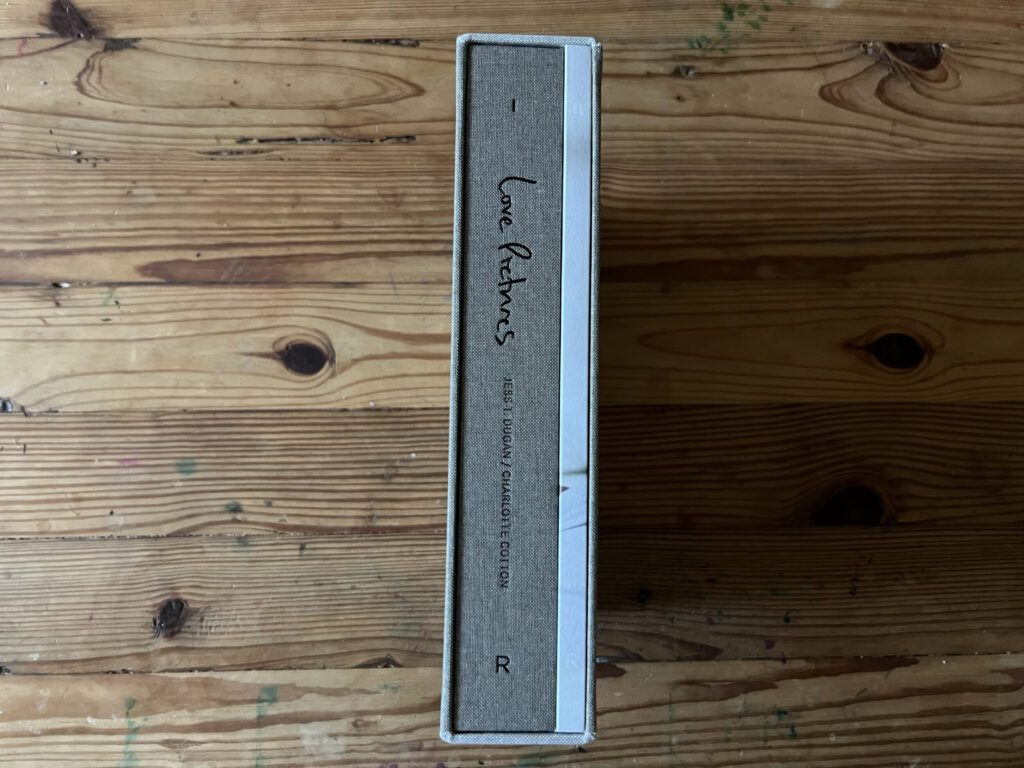
As a photobook object, the organization, design, and physical packaging of Love Pictures is both elegant and direct. The custom slipcase houses two distinct volumes sharing the same form factor, with a hardcover volume designated as Volume I and a softcover companion marked Volume II. Volume I functions as a formal monograph—hardbound, cloth-cased, and beautifully structured to encompass over two decades of Dugan’s photographic career across various categories. In contrast, Volume II adopts a softcover presentation featuring one of Dugan’s full-length portraits wrapped seamlessly across the cover to the very edges of the book. Together, the two volumes balance rigorous monograph styling with an intimate, extended window into the artist’s collaborative and caring approach to their interconnected, long-term projects. I gravitated to Volume II before getting into Volume I, and I would argue that despite the numerical ordering, the order can be interchangeable.
Reflecting on their process during a conversation with Kelli Connell in Volume II, Dugan remarks: “My work is always one step ahead of my consciousness, so I learn about myself through the pictures I’m making.” While Dugan’s striking portraiture has long added nuance to ongoing dialogues surrounding identity, gender, representation, and family, Love Pictures offers a deeper view of the artist behind the lens. It illuminates where Dugan has been and hints at where these self-reflective images may guide their practice next as they continue expanding the visibility of the queer experience.
Collector’s POV: Jess T. Dugan is represented by CLAMP in New York (here) and Turner Carroll Gallery in Santa Fe (here). Their work has not consistently found its way to the secondary markets, so gallery retail remains the best option for those collectors interested in following up.