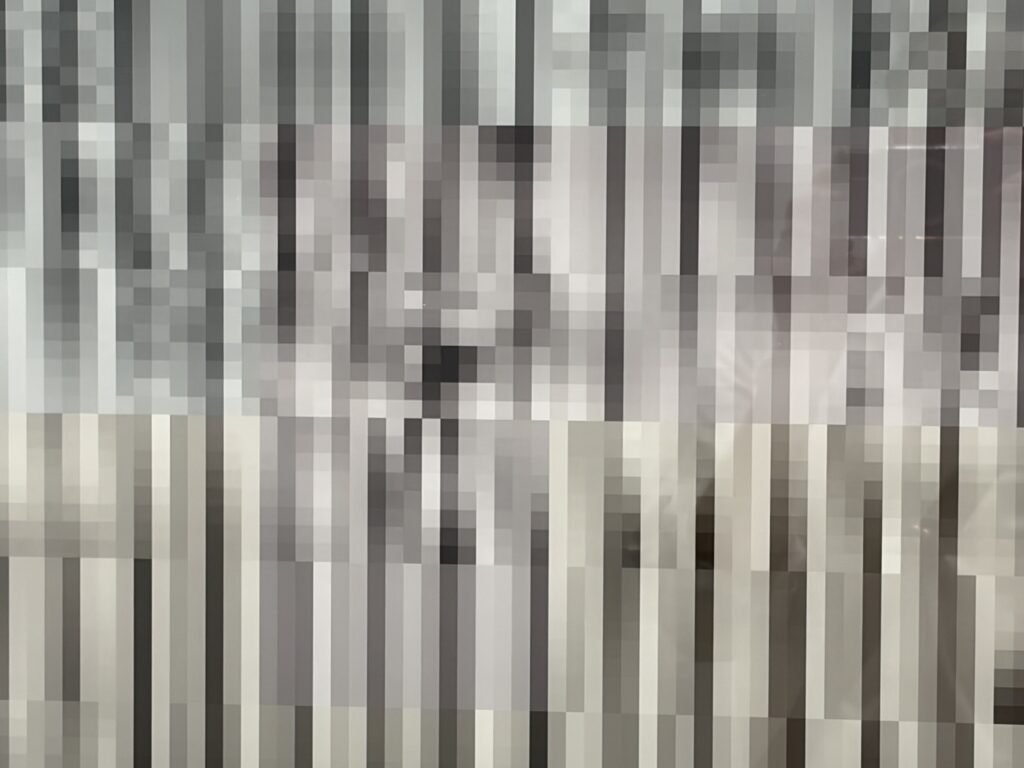
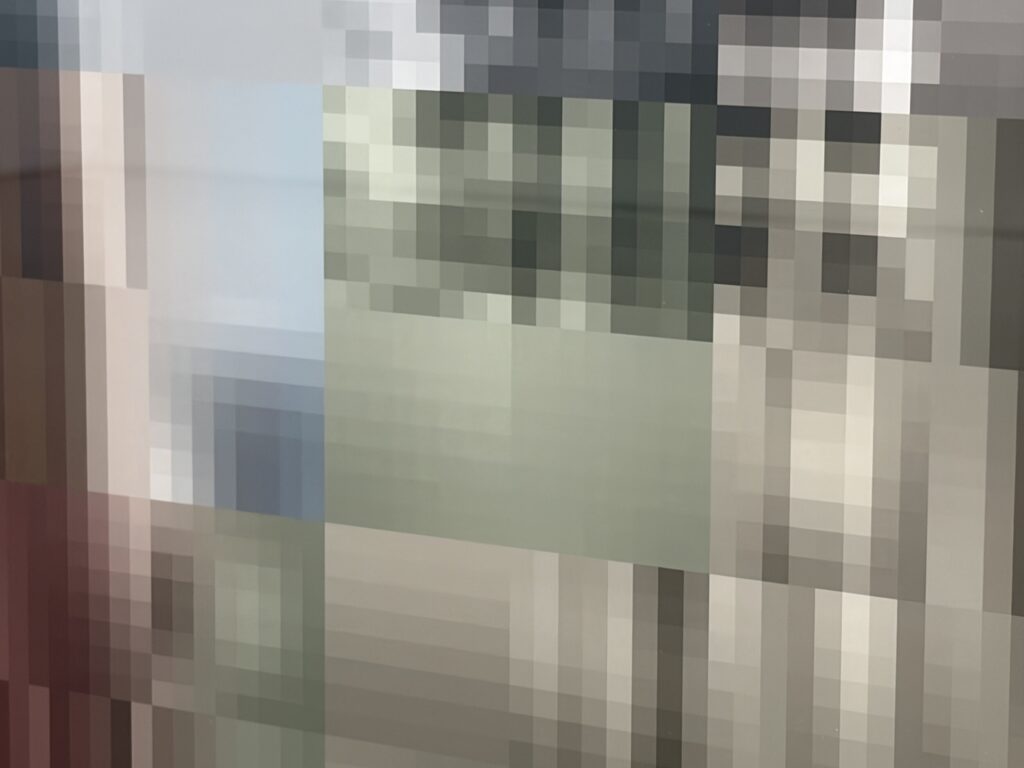
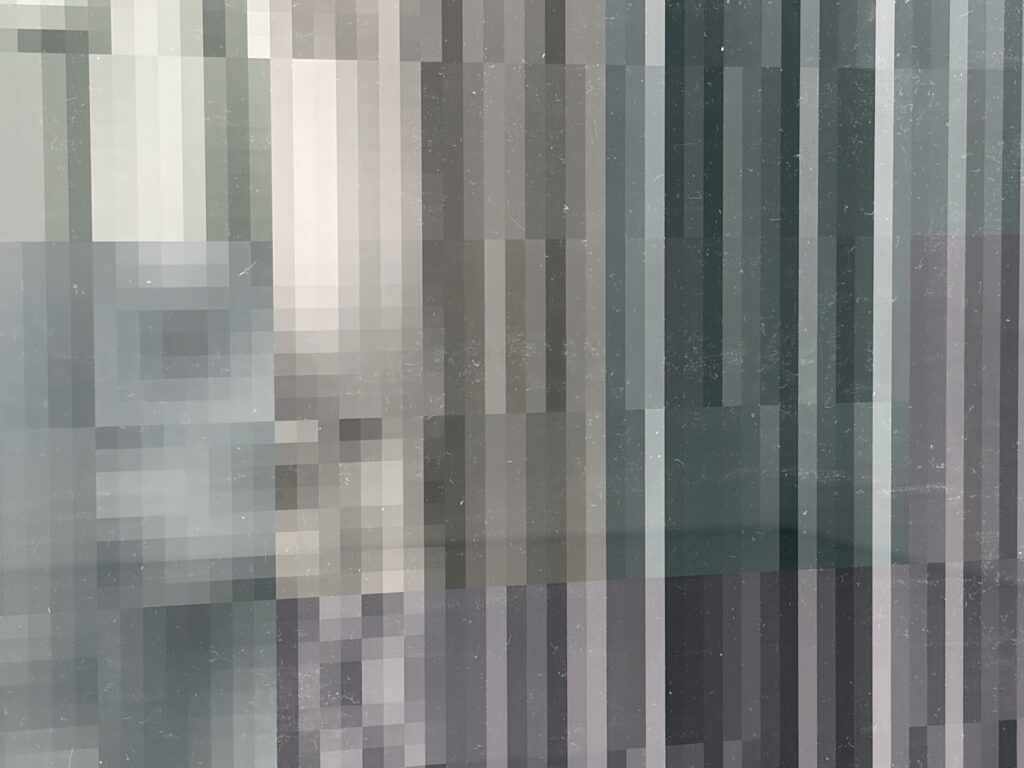
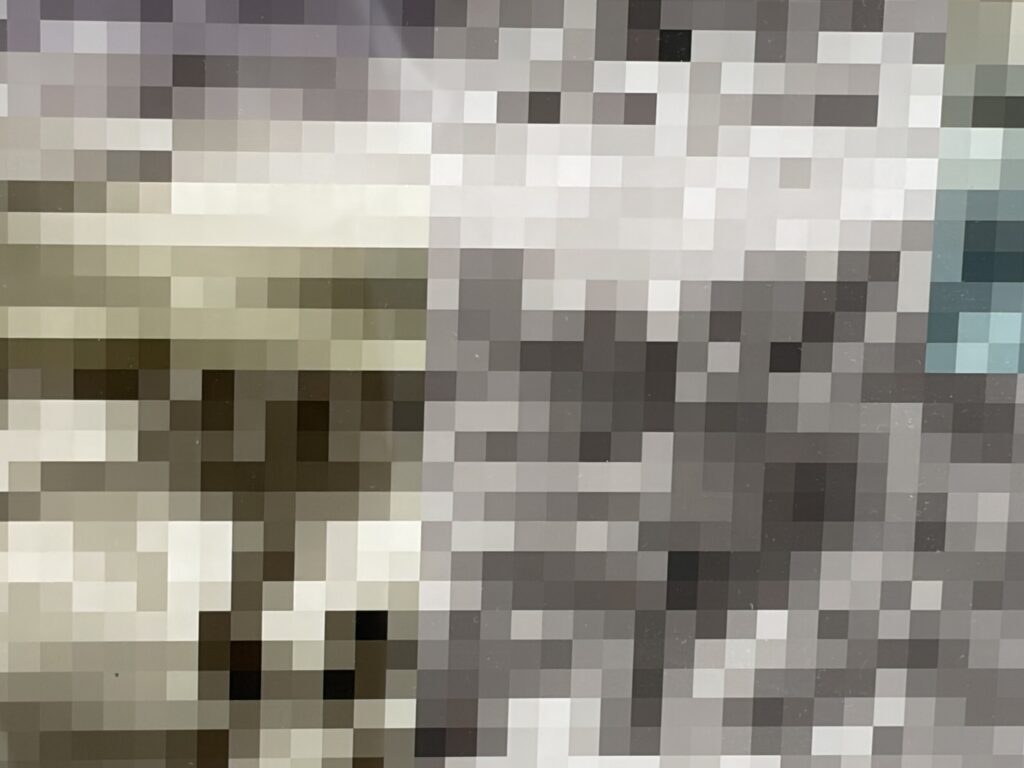
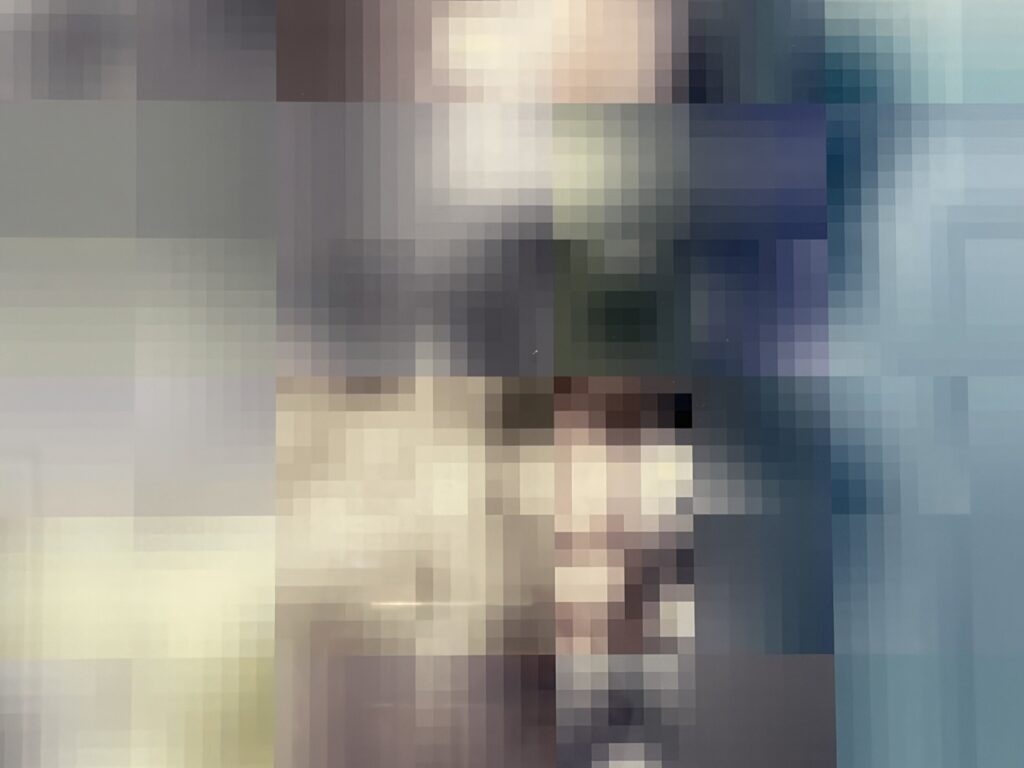
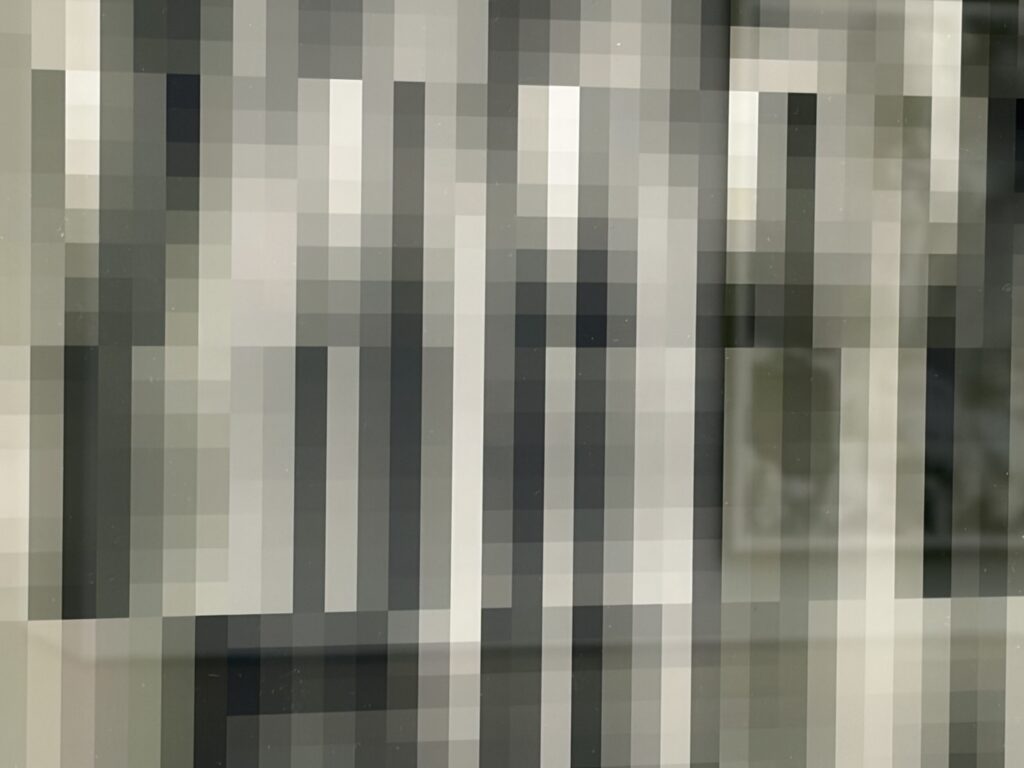
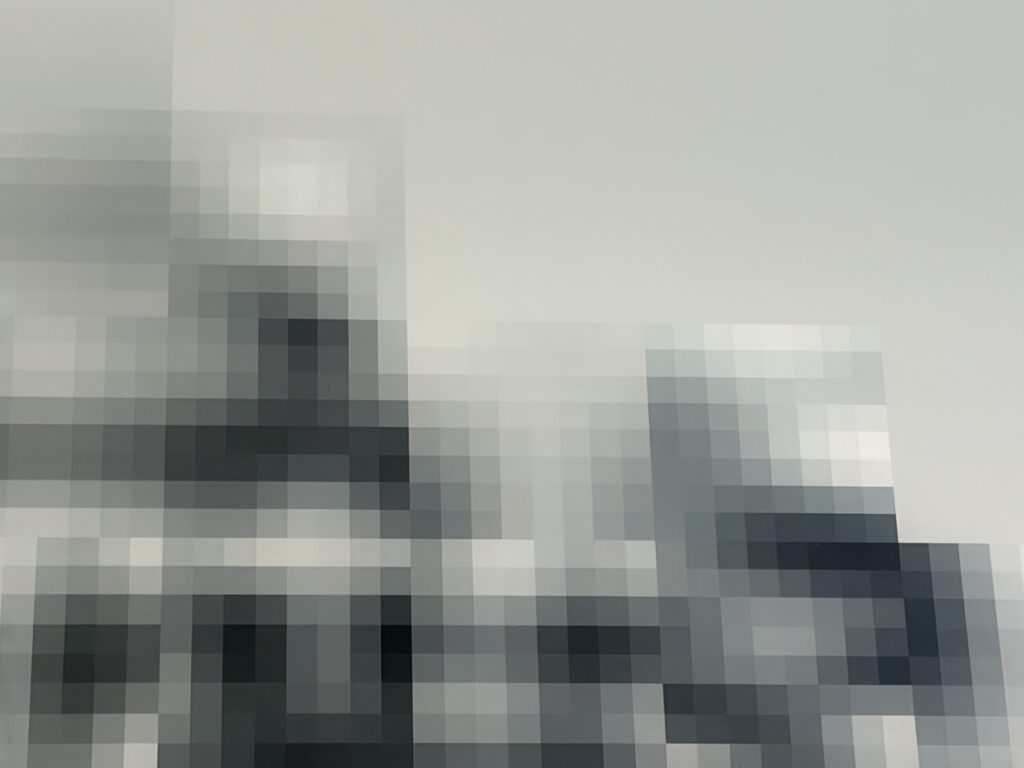
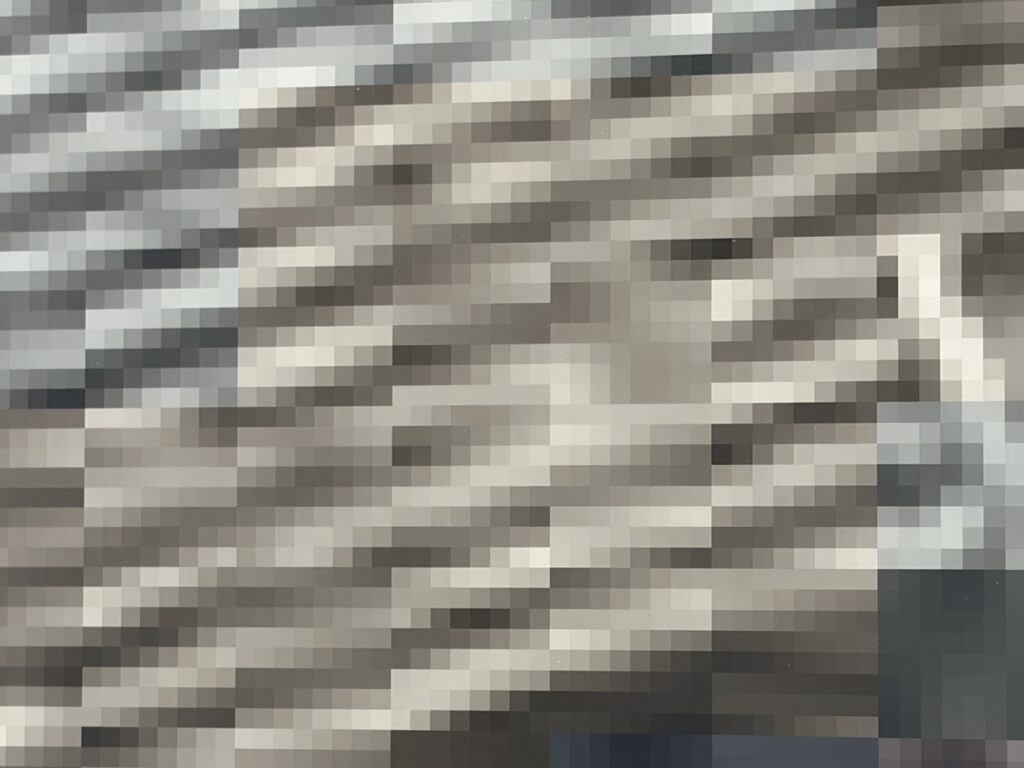
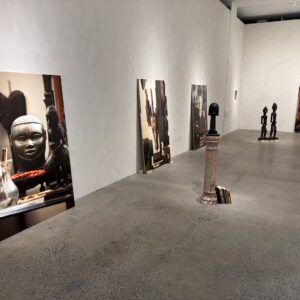
JTF (just the facts): A total of 12 large scale photographic works, framed in grey and unmatted, and hung against white walls in the Front, Back, and East gallery spaces. (Installation shots and details below.)
The following works are included in the show:
- 11 chromogenic prints with Diasec, 2004, 2005, 2006, 2007, sized roughly 73×75, 73×94, 73×109, 100×73, 102×73, 105×73, 106×144, 109×73, 110×65 inches, in editions of 3+1AP
- 1 chromogenic print with Diasec diptych, 2006, each panel sized roughly 100×73 inches, in an edition of 3+1AP
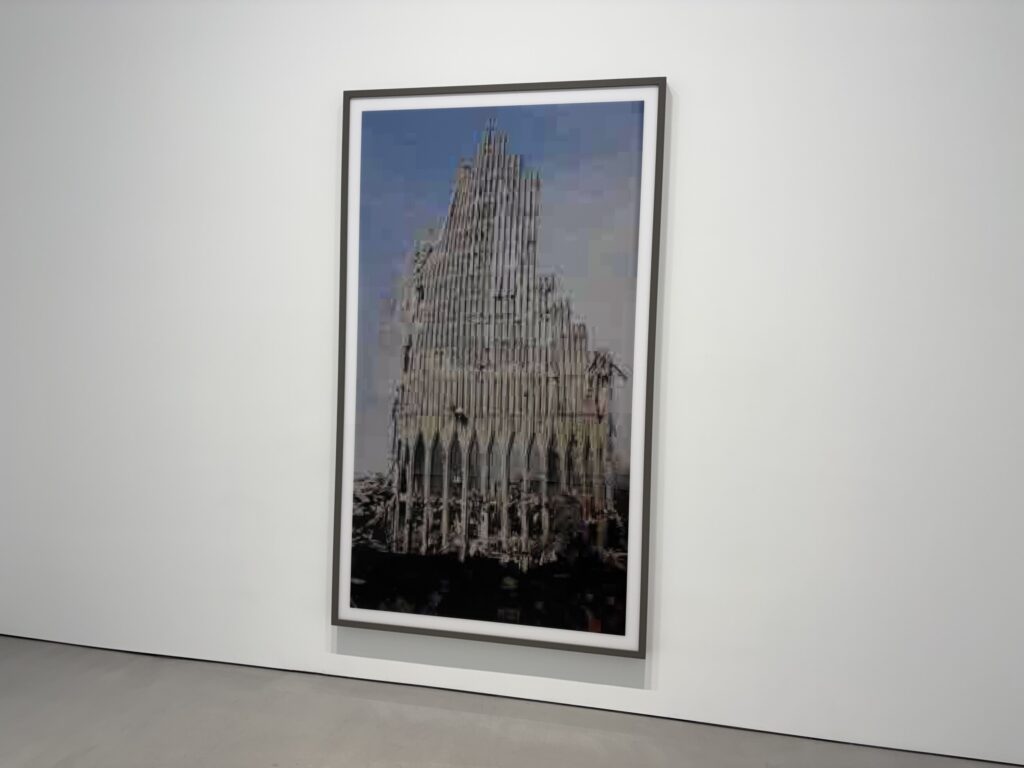
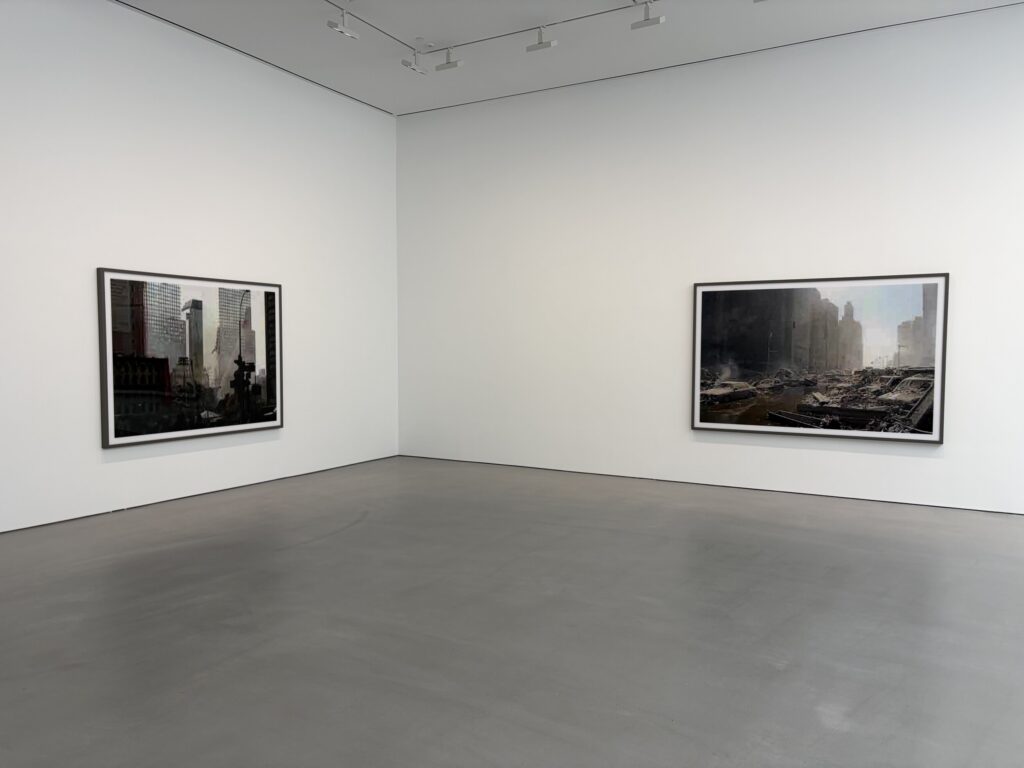
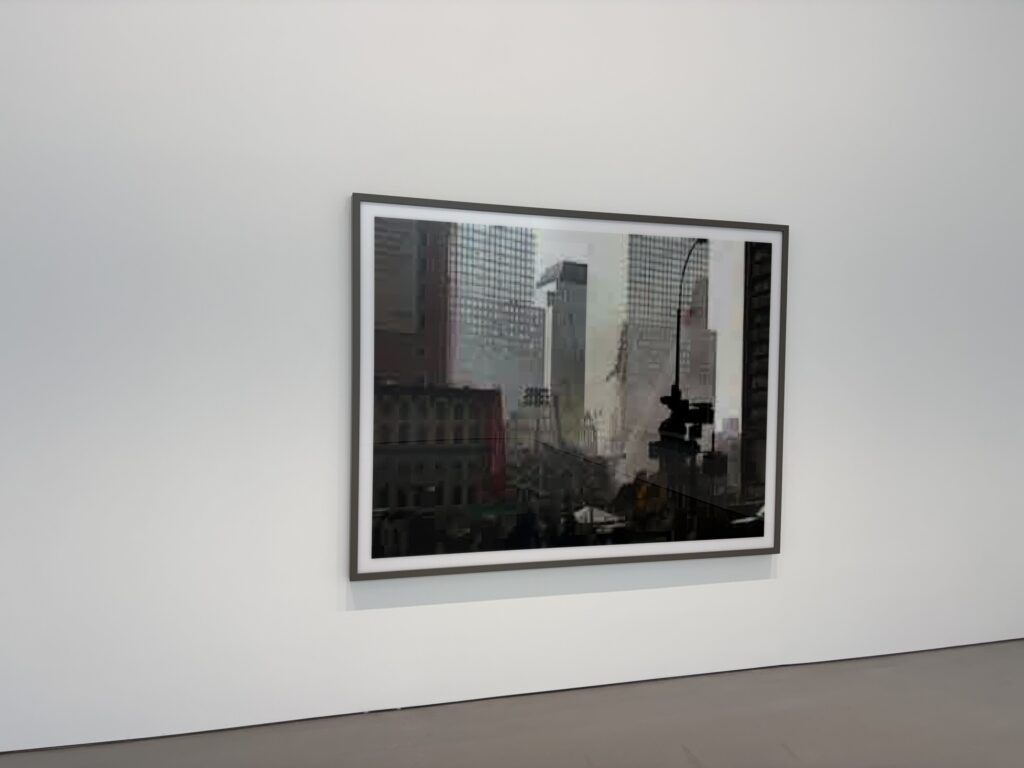
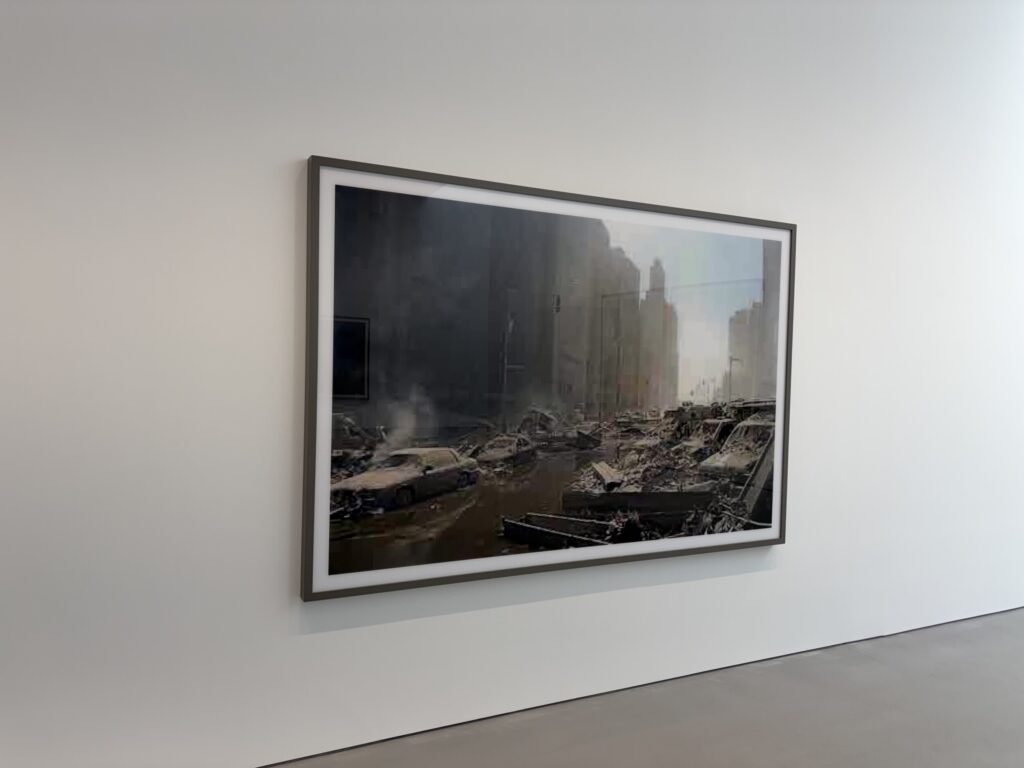
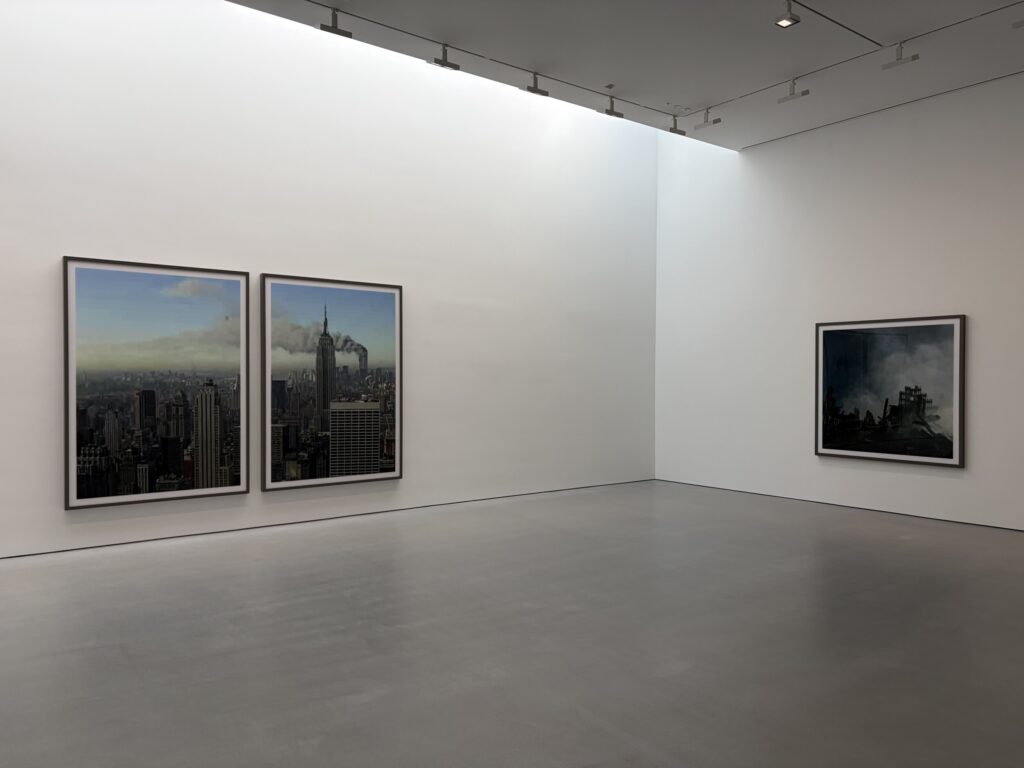
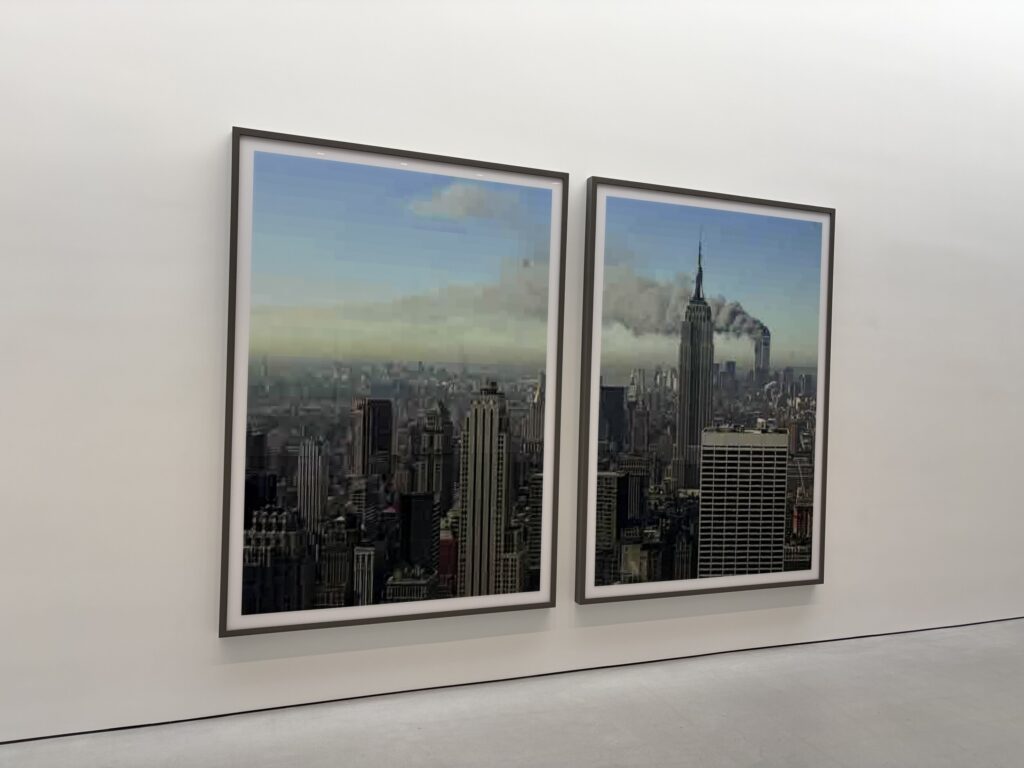
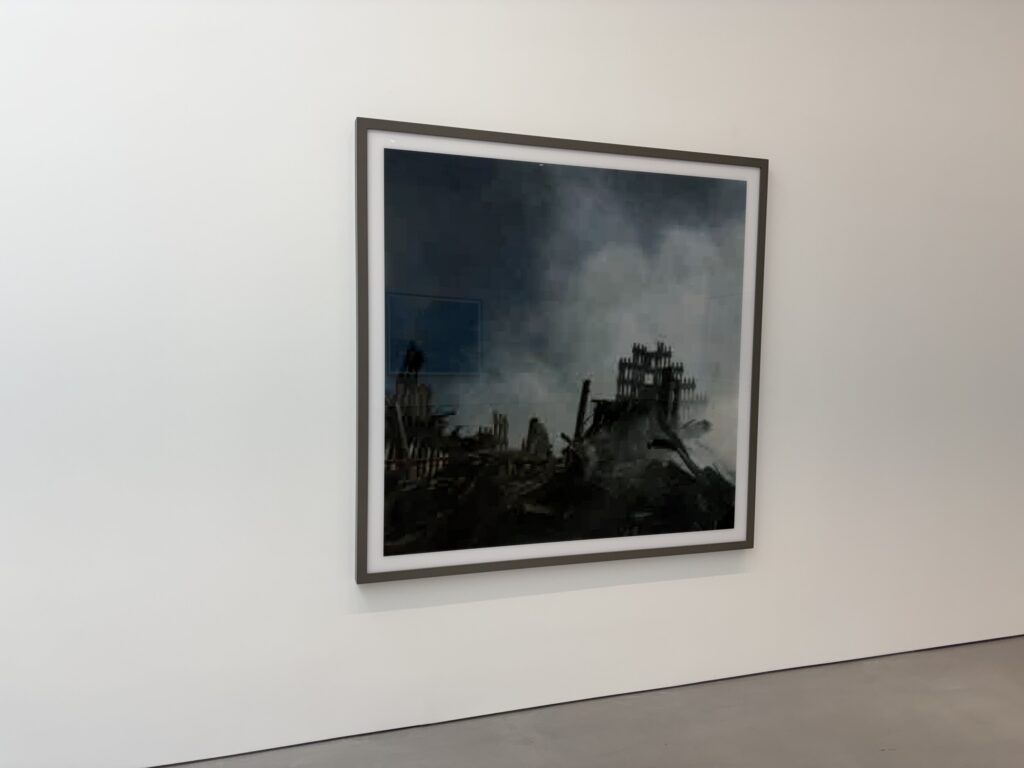
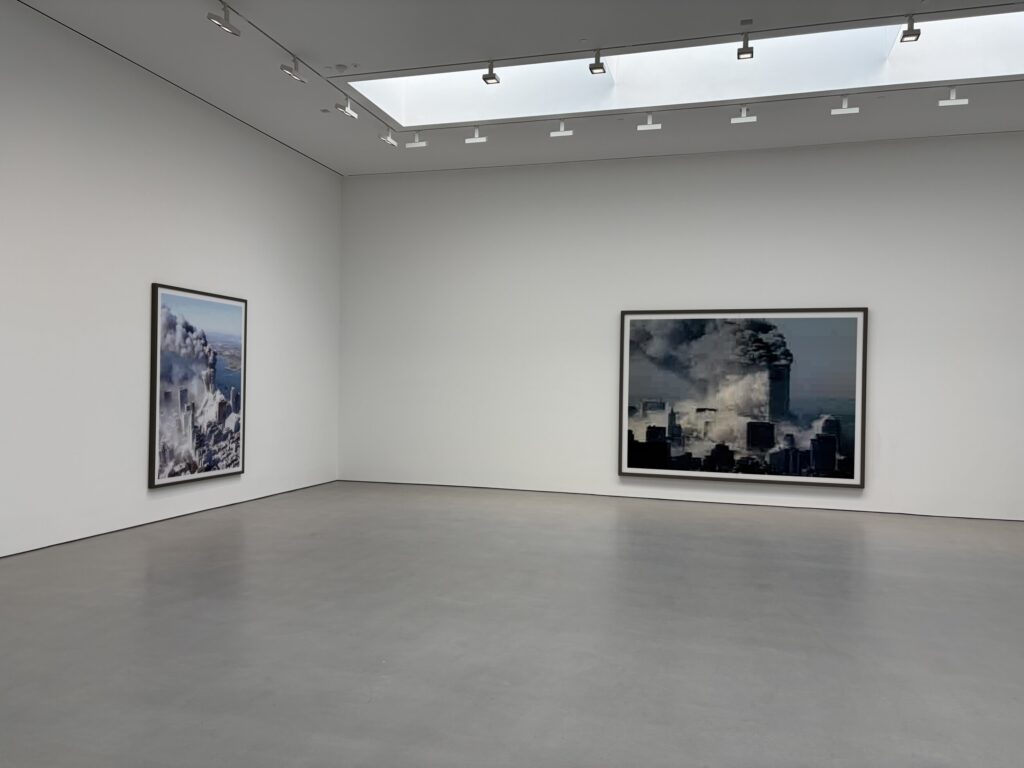
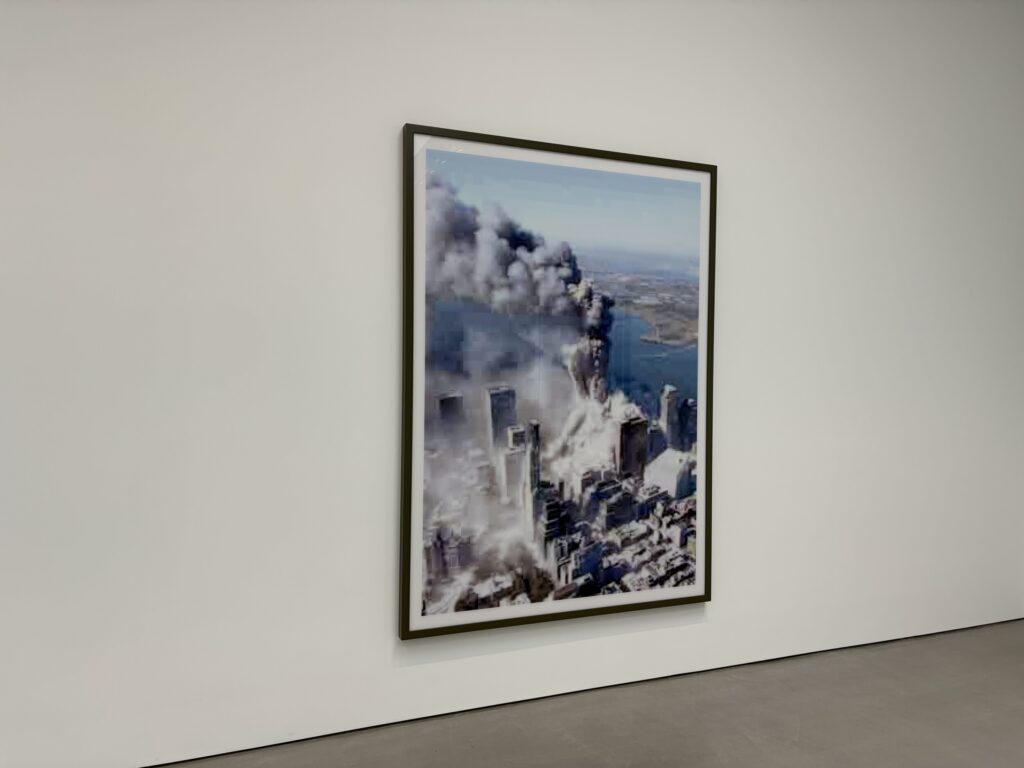
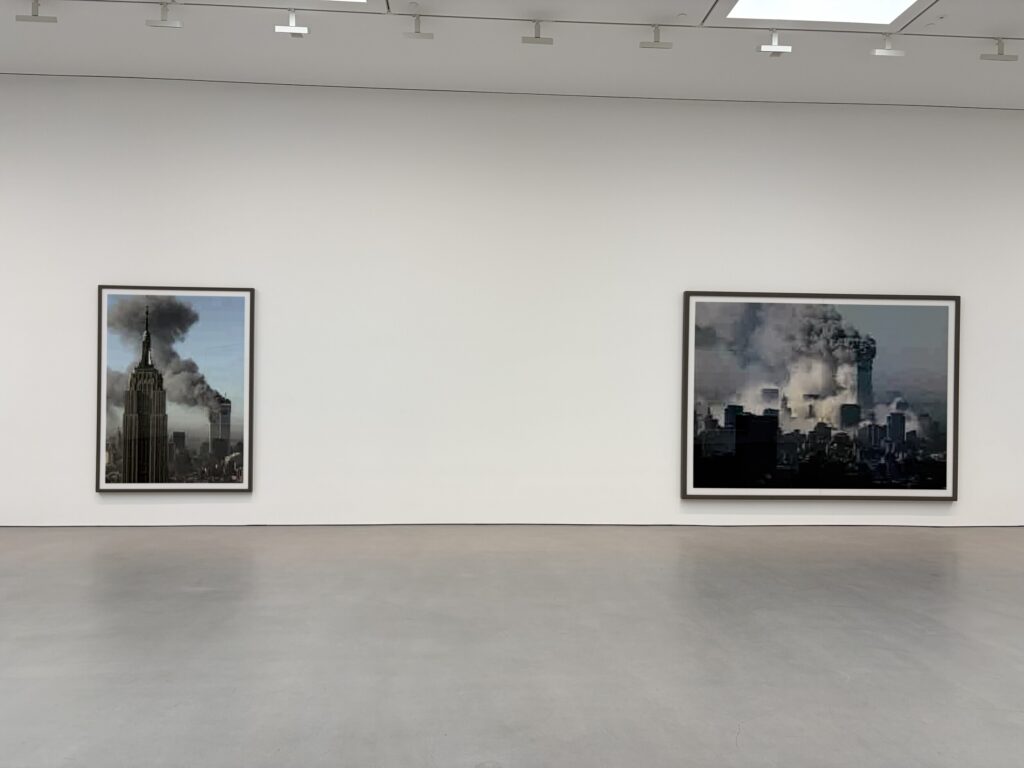
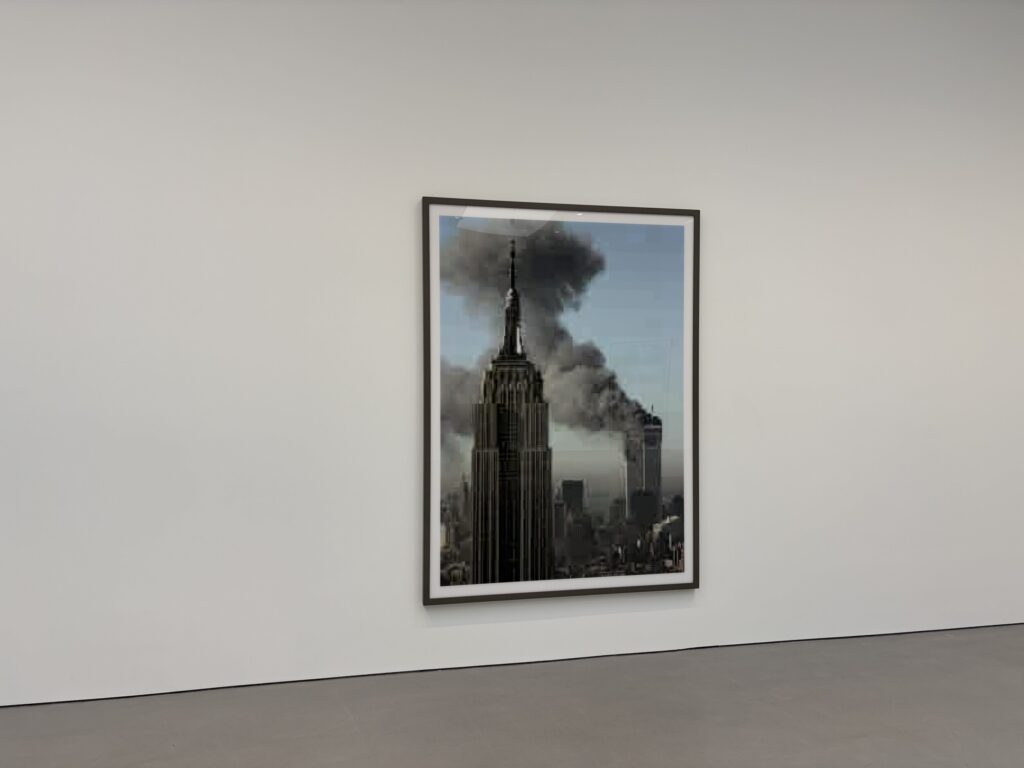
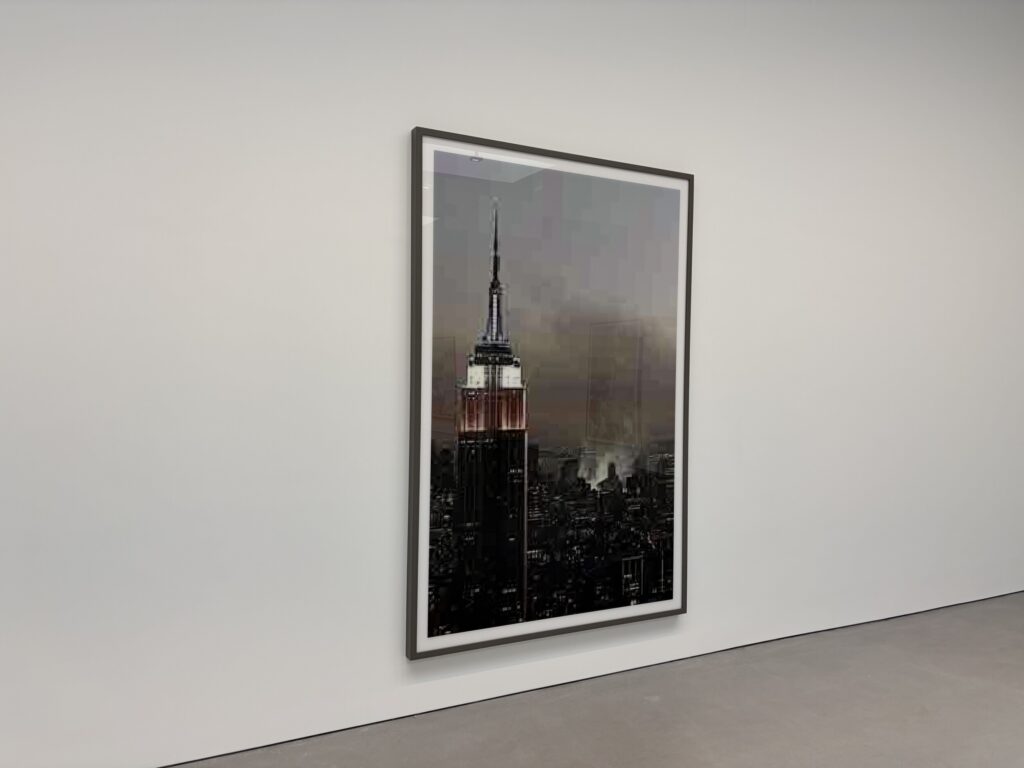
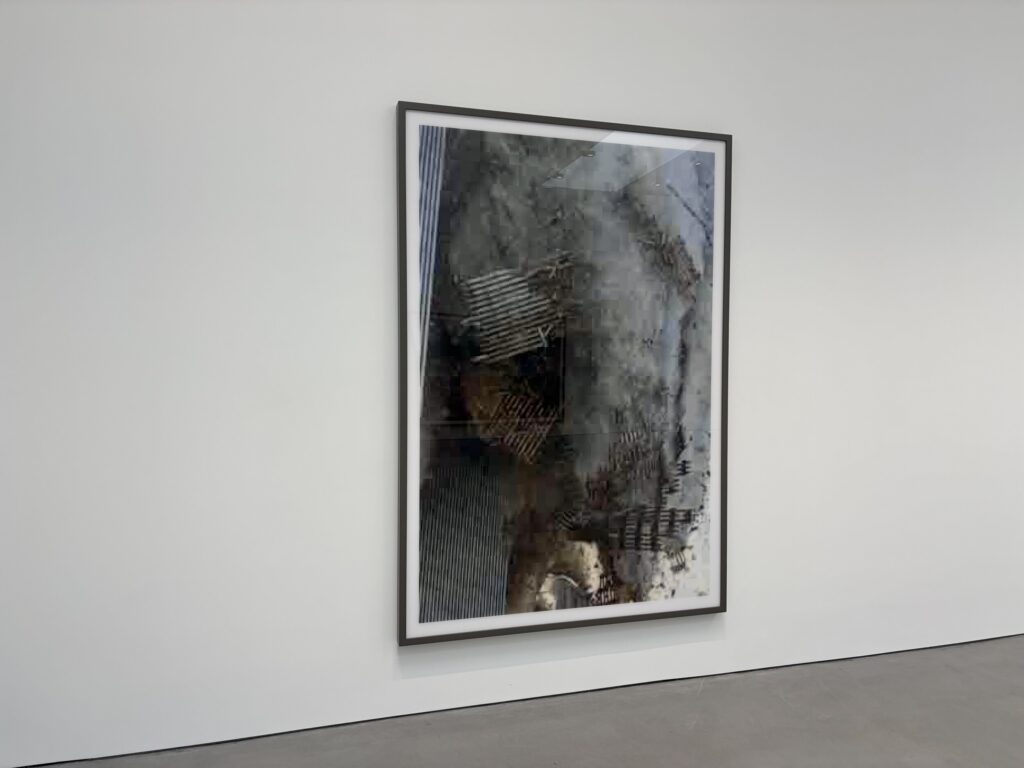
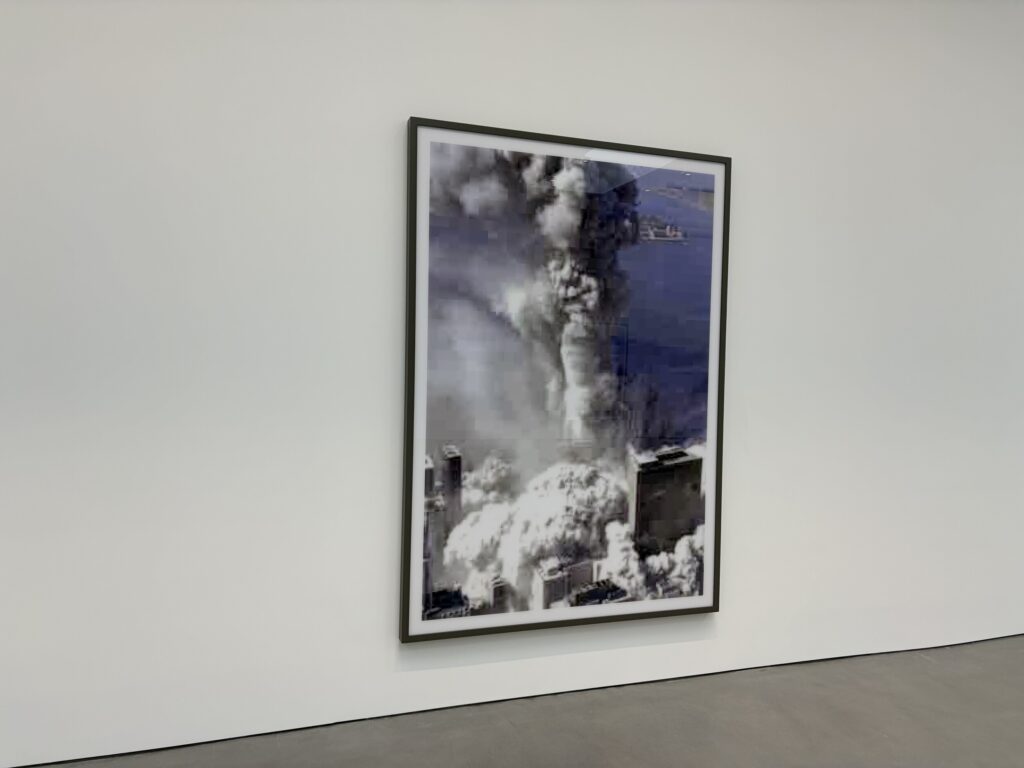
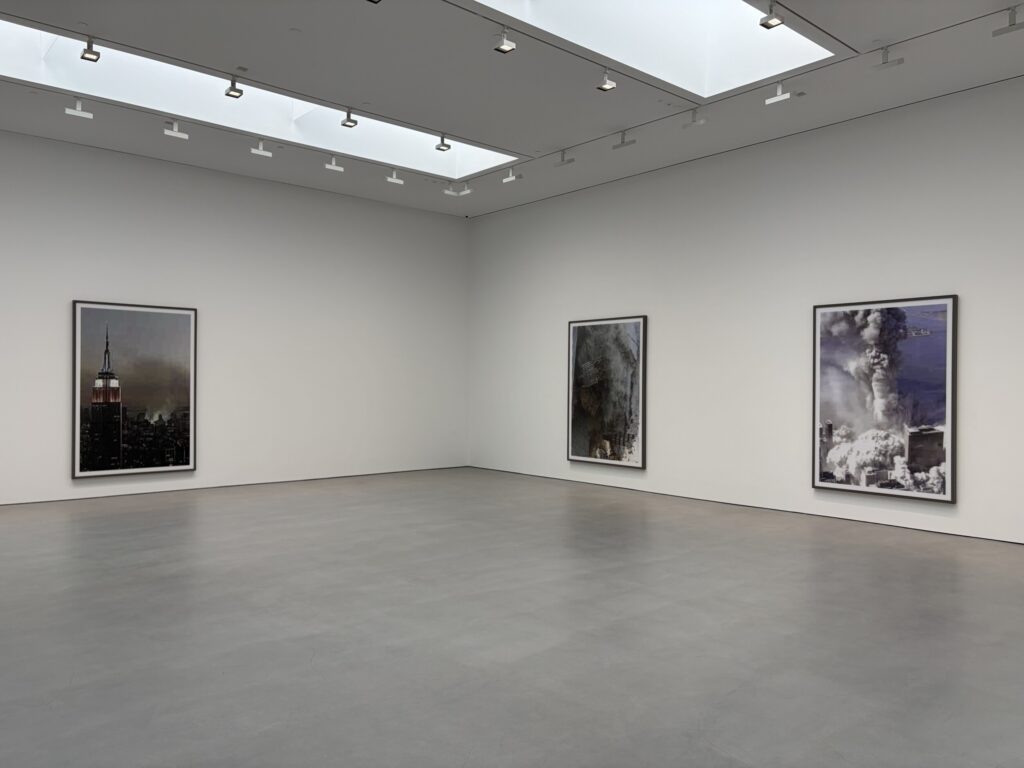
Comments/Context: For most Americans of my generation, we can remember exactly where we were and what we were doing when the World Trade Center buildings in New York were attacked on September 11, 2001. I was across the country working in California at the time, and I remember waking up to the perplexing news of the airplanes hitting the buildings on that clear blue sky morning, and then uneasily watching on television all morning until the towers actually horrifically fell into a rumbling mass of smoke and debris. Like the Space Shuttle Challenger explosion during the years of my childhood, for those not in the city at the time, it was a massively traumatic event that took place in real time on television.
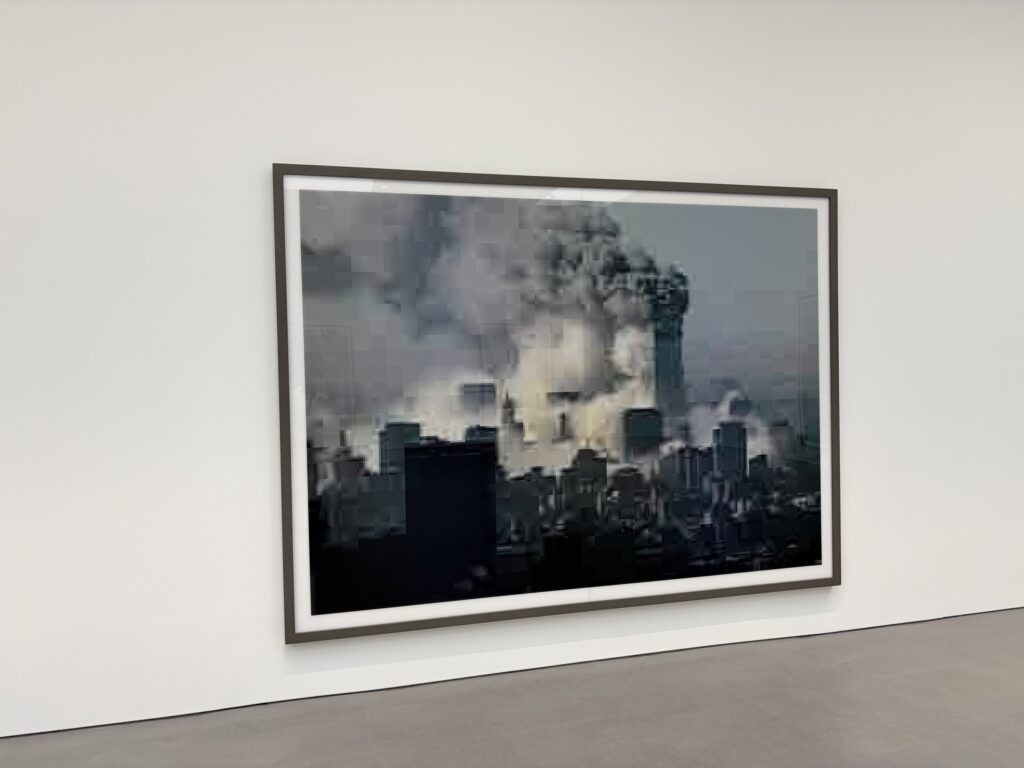
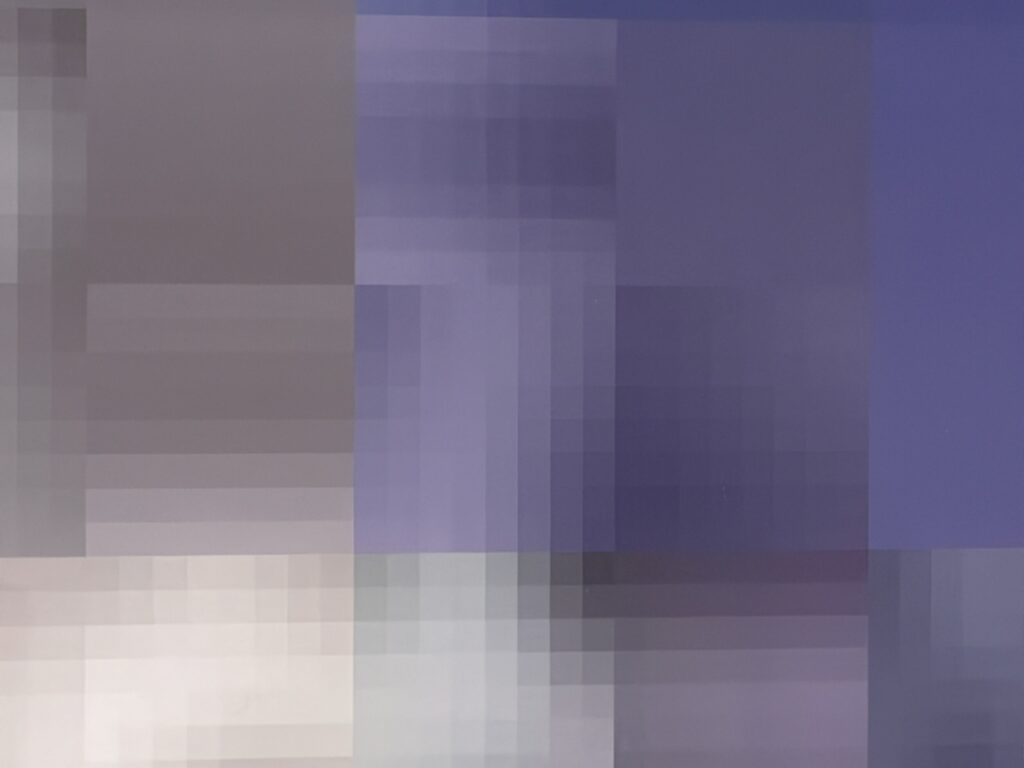
Just a few years later, in 2004, the German photographer Thomas Ruff began a series of large scale works that were made in response to the increasingly ubiquitous circulation of digital imagery at that time. Starting with appropriated images from news outlets, post cards, book illustrations, and any number of other Internet sources, Ruff delved into the technical compression details that made the digital transmission possible, in particular the standard JPEG format. The JPEG algorithm breaks an image down into squares of 8×8 pixels, allowing it to be simplified based on certain rules. Seen at normal scale and from a distance, the digital compression of the image file is essentially smoothed out and invisible to the human eye, but when enlarged or looked at close-up, the structure of the compression algorithm becomes much more visible, turning the image into grids of color and the blocky “pixelization” we often use to describe low resolution pictures.
For Ruff, these technical distortions weren’t aesthetic problems to be solved or eliminated; they presented artistic opportunities to amplify, transform, and further abstract the circulating imagery of that early 2000s artistic moment. His resulting “jpeg” series featured a wide range of representative imagery, from muscular views of rocket launches, volcanic eruptions, and nuclear explosions to tourist pictures of beaches, waterfalls, temples, and icebergs. But not surprisingly, the politically and emotionally charged city views of the World Trade Center towers on September 11th that he manipulated as part of that project turned out to be the most enduringly haunting and powerful works from that multi-year series.
Over a period of few years, Ruff made at least fifteen large scale works from WTC image sources, but when the “jpegs” were shown in galleries and museums, those displays tended to contain a cross section of subject matter, with perhaps only one or two pictures of the cloud-engulfed buildings included in the mix. This placed the trauma of any one 9/11 image in the context of other visual explosions and misty cloud bursts, pushing the viewer toward seeing the commonality of the compression algorithm and its blocky effects on the images of puffy whiteness.
This show, staged on the twenty-fifth anniversary of the attacks, goes the opposite direction and steps directly into the depths of the trauma. The twelve works in the show are installed in spacious white galleries, with plenty of room between the massive prints to allow them to breathe, which they need, given the repetition of the same punishing views of rubble and destruction again and again. The effect is something like a solemnly poignant memorial or chapel, where we are offered a silent contemplative space in which to wrestle with our own internal thoughts and memories.
The passing of time, in this case more than two decades, has helped make clear some of the nuances of what Ruff was doing that were less obvious when the pictures were first shown. Back then, he seemed to be playing with the painterliness of the JPEG blocks, making the images feel shifting and approximate, but in a way that felt of the moment – he was wrestling with how the new technological realities of digital representation could be adapted (and extended) for more artistic ends. Now, that same painterliness feels like the erasure of memory, the sharpness of what happened now dulled by the intervening years, like we can’t quite remember it with the same fidelity or legibility. In this way, Ruff has transformed specificity into something softer and more malleable, almost Impressionist or Pointillist in its construction of a mood rather than a faithful visual documentation of reality.
As haunting and powerfully troubling as these historical scenes are, I found myself seeing a strange beauty in Ruff’s compositions now, particularly up close, when they dissolve into nearly abstract grids of blocked color. Like brushstrokes, the digital blocks build up into figurative representations, but then oscillate back to technical minutiae, never really allowing the overall images of the city and buildings to stay firmly stable. Years later, this uncertain instability feels altogether appropriate, somehow soothing and distancing us from the still piercing horror. As much as the “Never Forget” sentiment is admirable, Ruff’s images point to a more fluid sense of memory, the hard edges somewhat blurring over time.
In this way, Ruff’s “jpegs ny” have gained heft and gravitas with age. They feel richer, fuller, and more artistically representative of the complexity of remembering such events than they did initially, and especially when installed with such imposing grace (as they are here), they collectively land with surprisingly somber and eloquent force. Do I want one of these charged compositions hanging in my living room? – perhaps not, as the emotional register is still too high. But in an institutional context, they seem destined to strengthen their position as landmark photographic works from the early 2000s.
Collector’s POV: While works from this series have been available for sale previously, and several have found their way into major museum collections, given the sensitive nature of the imagery as presented over the twenty-fifth anniversary of the September 11th attacks, the works in this show are not for sale.
Ruff’s work has become consistently available in the secondary markets in the past decade, with plenty of prints up for sale in any given auction season. Prices have generally ranged from roughly $2000 (lesser known early works or large editions) to $270000.




A very profound photography show, accompanied by Loring’s thoughtful review. Well done to Zwirner’s for the wise curation and imposing presentation.