JTF (just the facts): Published in 2025 by Roma Publications (here). Spiral bound paperback, 23 × 28 centimeters, 412 pages, with 247 black-and-white image reproductions. Includes various texts by the artist. Design by Roger Willems. (Cover and spread shots below.)
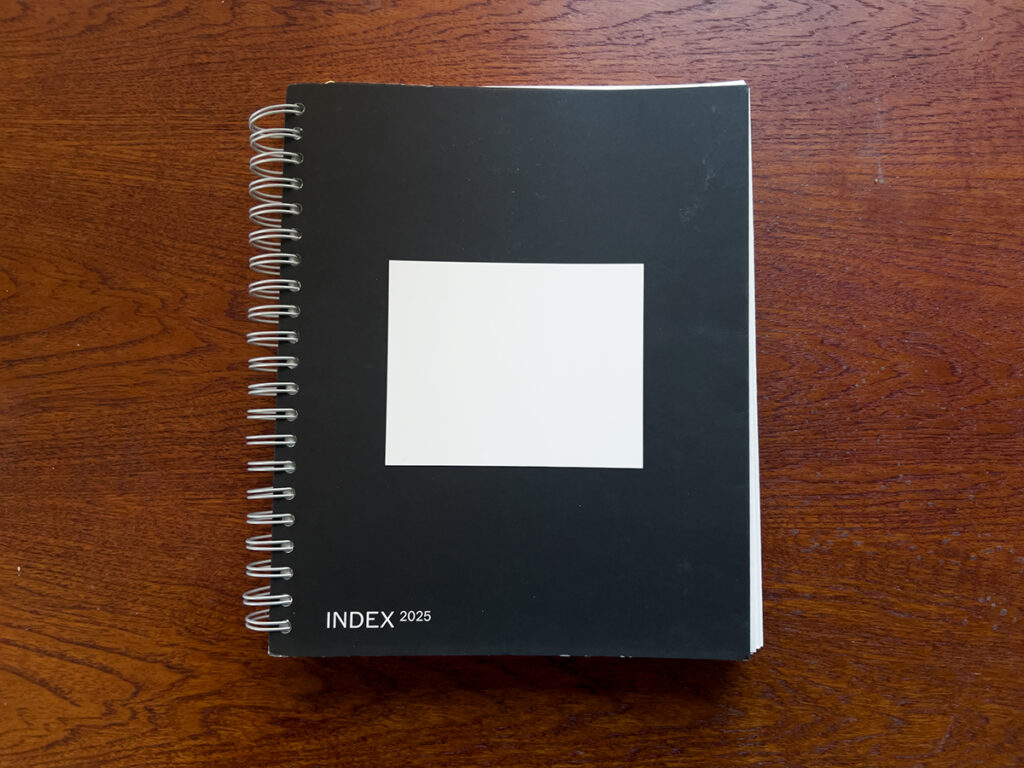
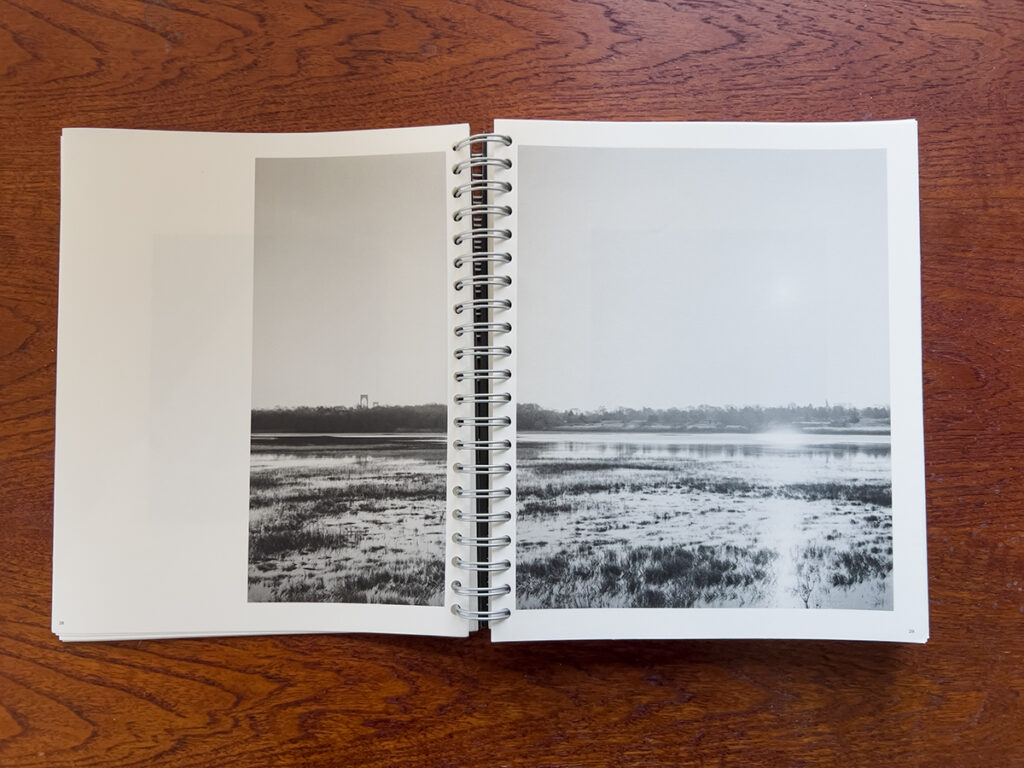
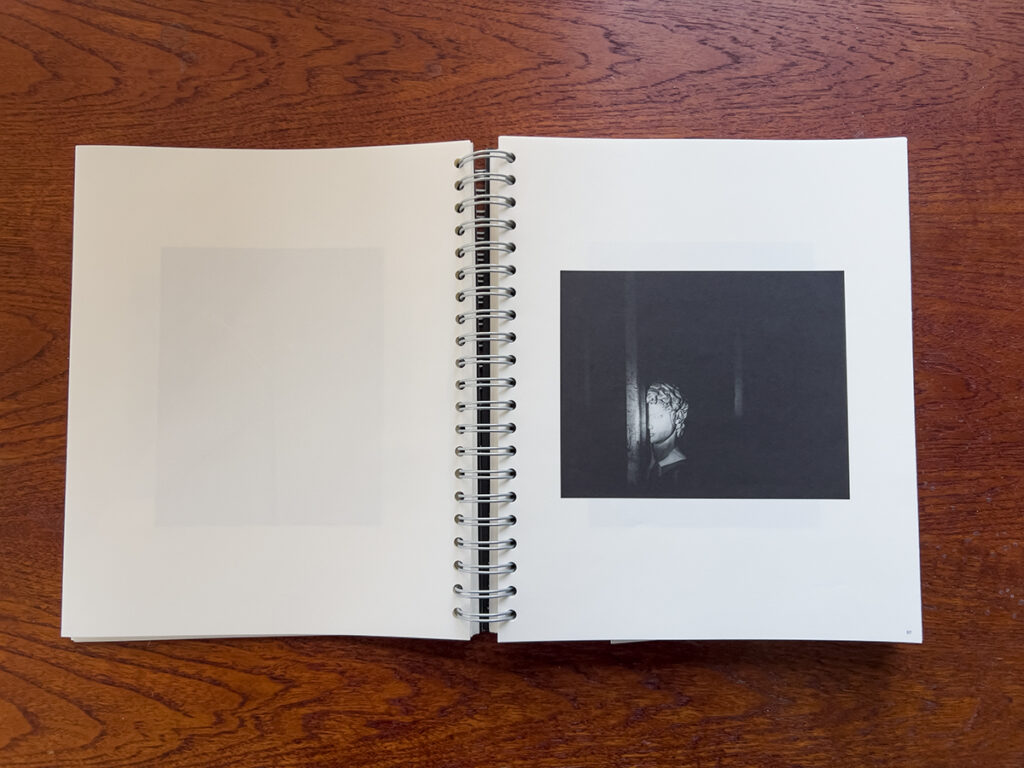
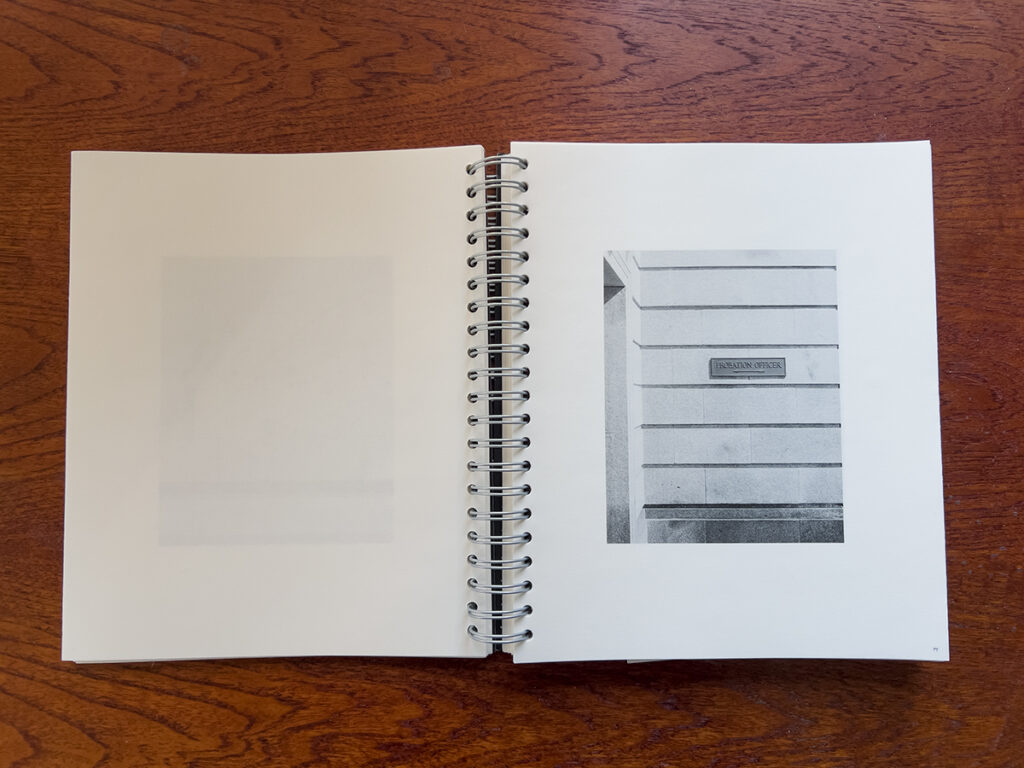
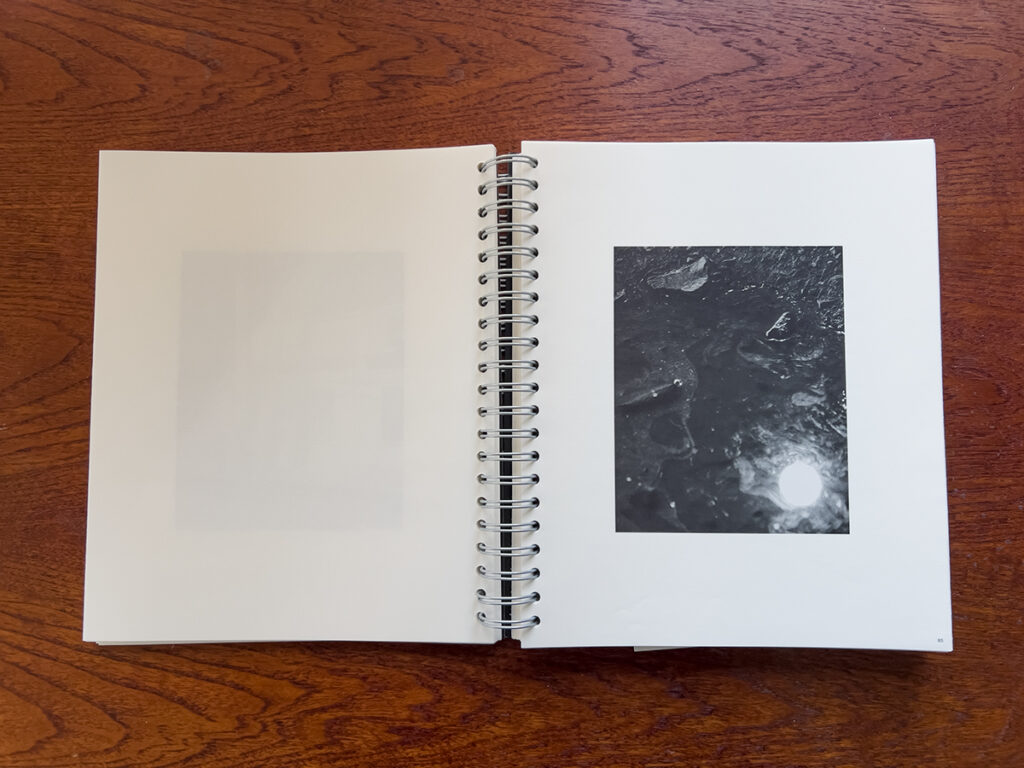
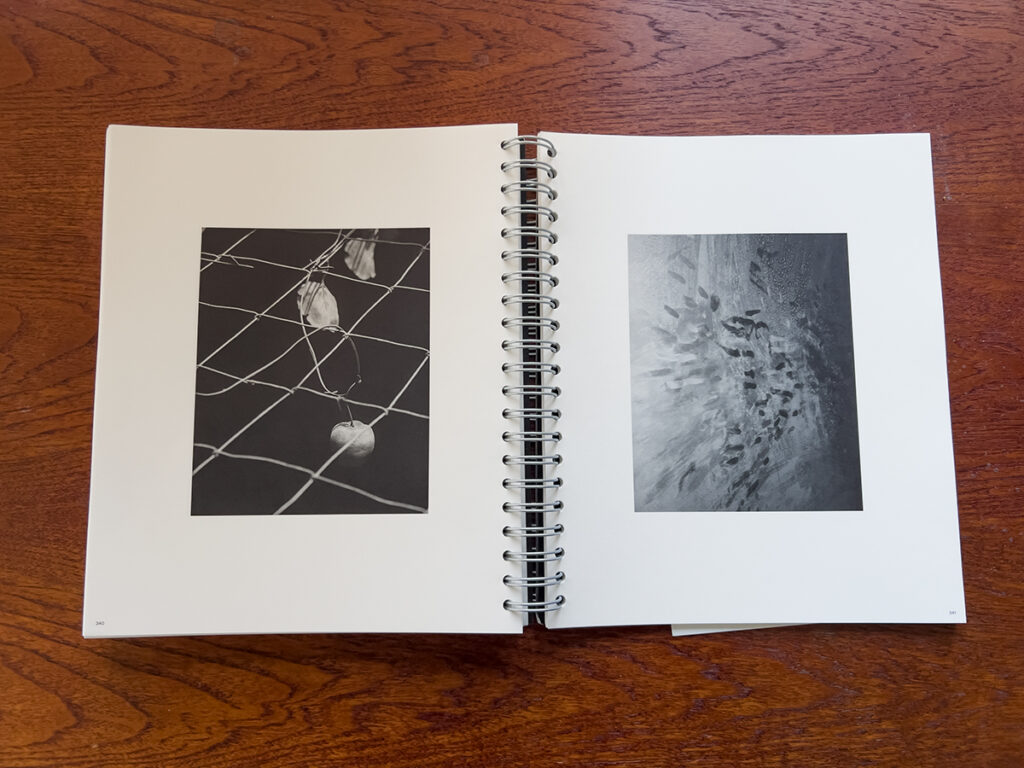
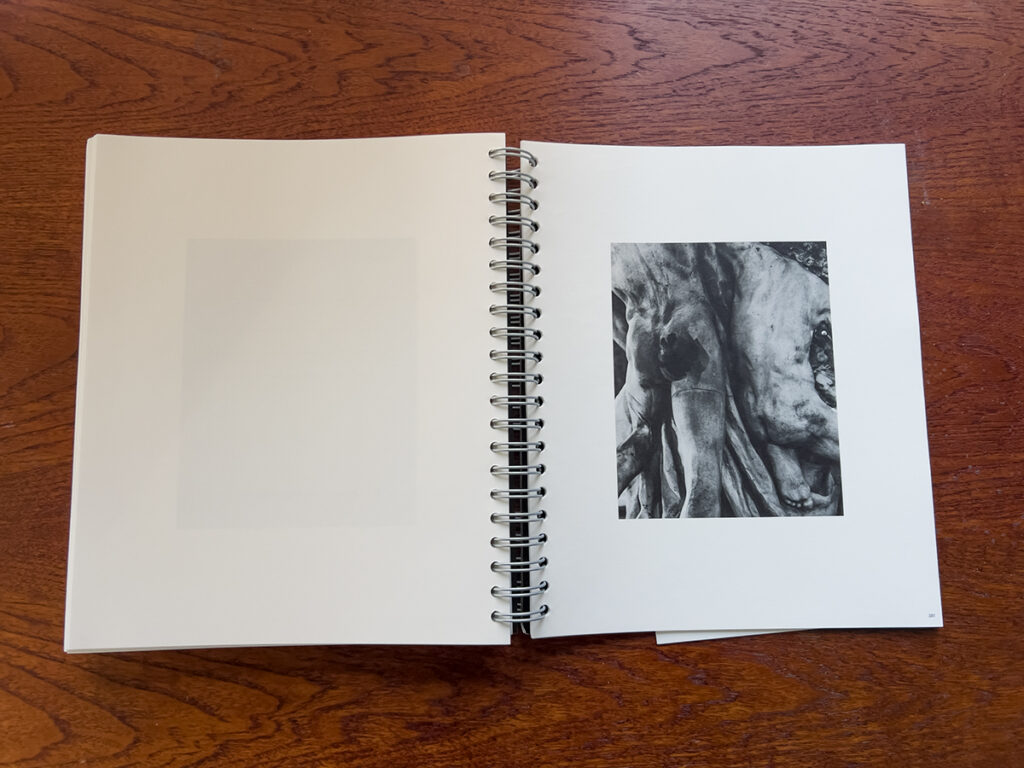
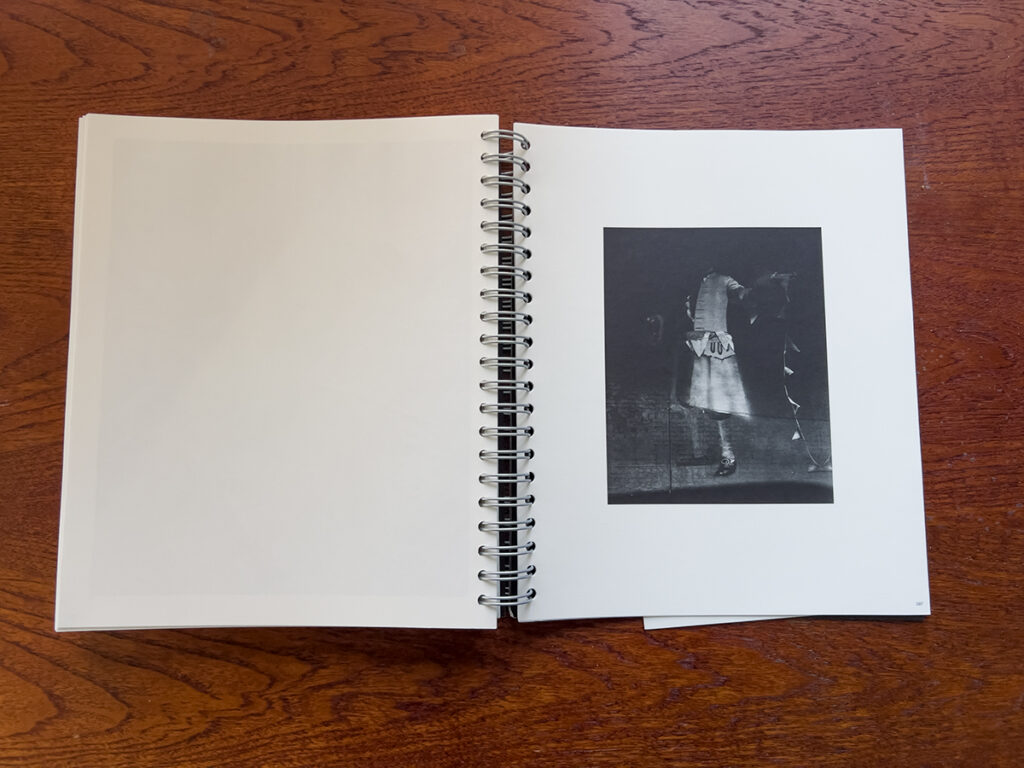
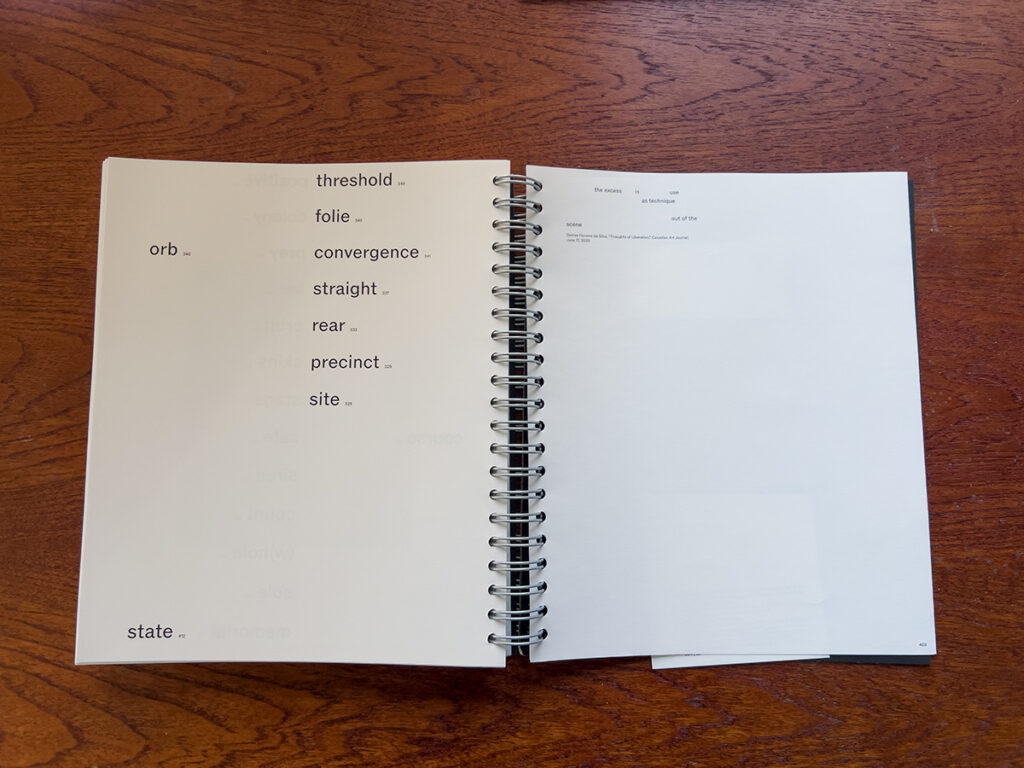
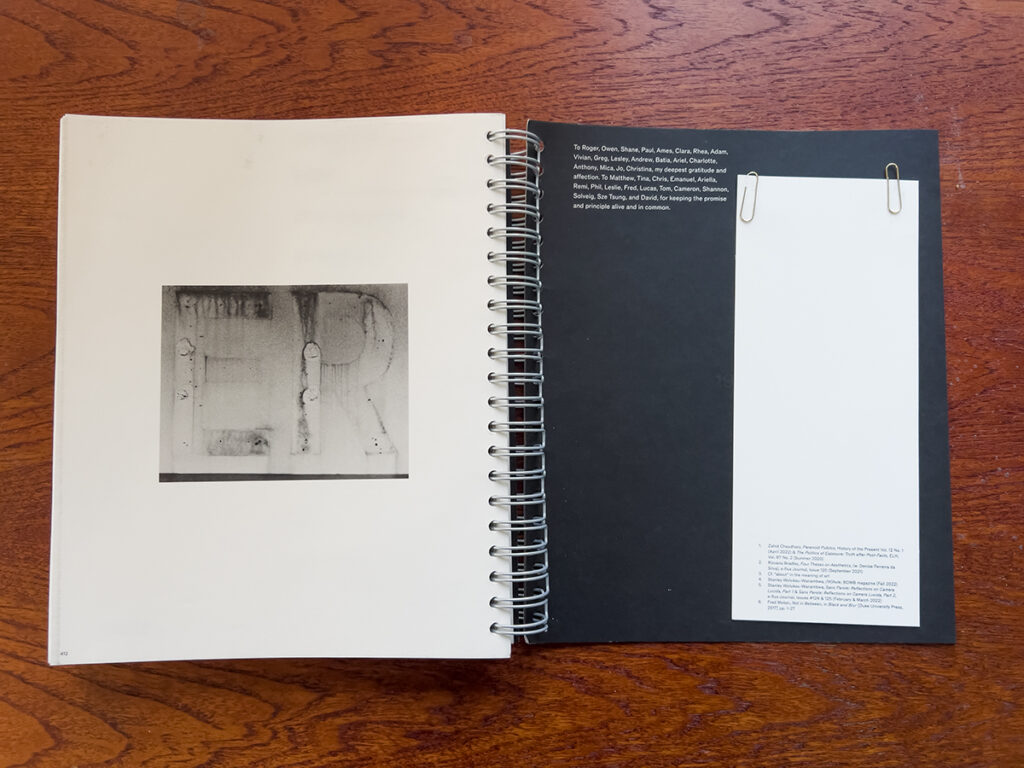
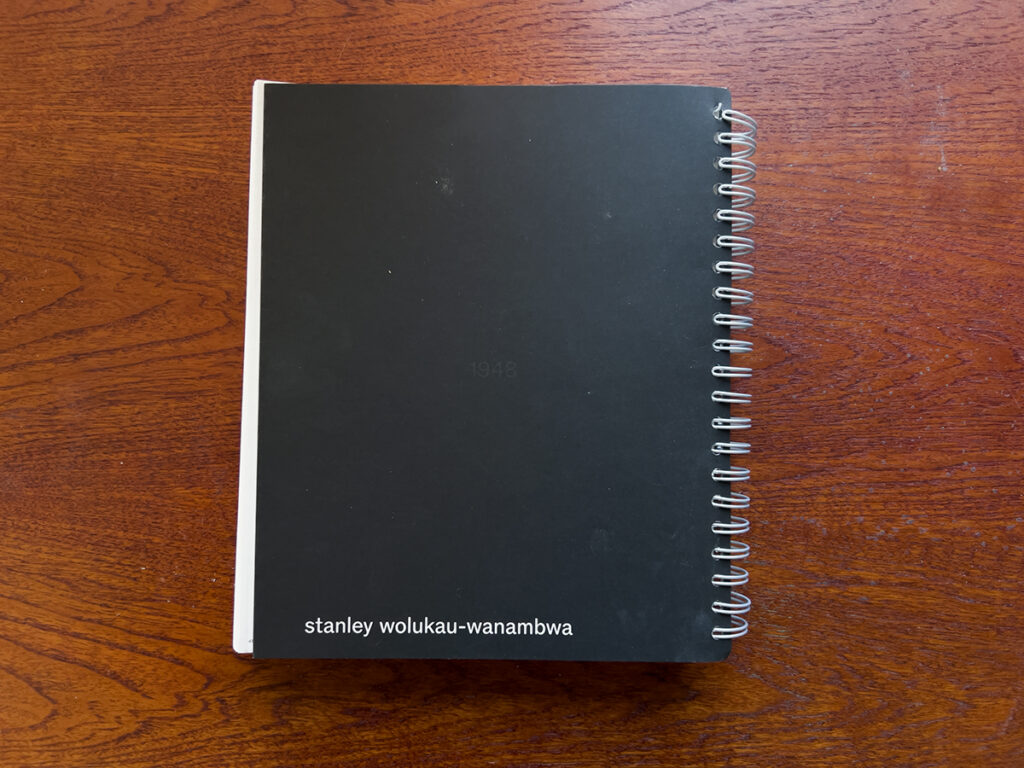
Comments/Context: The photographer, scholar, and artist Stanley Wolukau-Wanambwa delivers another impressively unique intellectual experience with his recent photobook INDEX 2025. Published by Roma Publications in 2025, this intentionally large, spiral-bound book is somewhat unwieldy to handle, yet it captivates the reader with its beautifully captured and reproduced images. The photobook engages with the complexity of a photograph’s physical and conceptual observance, wrestling with the theoretical subjects of photography’s power dynamics and the myriad issues of representation that Wolukau-Wanambwa has mined for over a decade now. In many ways, this is no ordinary photobook; it operates like a curriculum, full of ideas, provocations, and examples, all organized to explore the meaning and interpretation of a photographic imagery as it concerns race, power, and history. Here, in INDEX 2025, the artist asks us again to consider the variety of indices he has framed and defined by the unique moment and particularity of the specific year of 2025 and its preceding histories. This exquisitely designed photobook is much more than simply satisfying to the reader’s eye, the work directly challenges the reader’s preconceived notions about, and engagement with, photographic imagery and meaning.
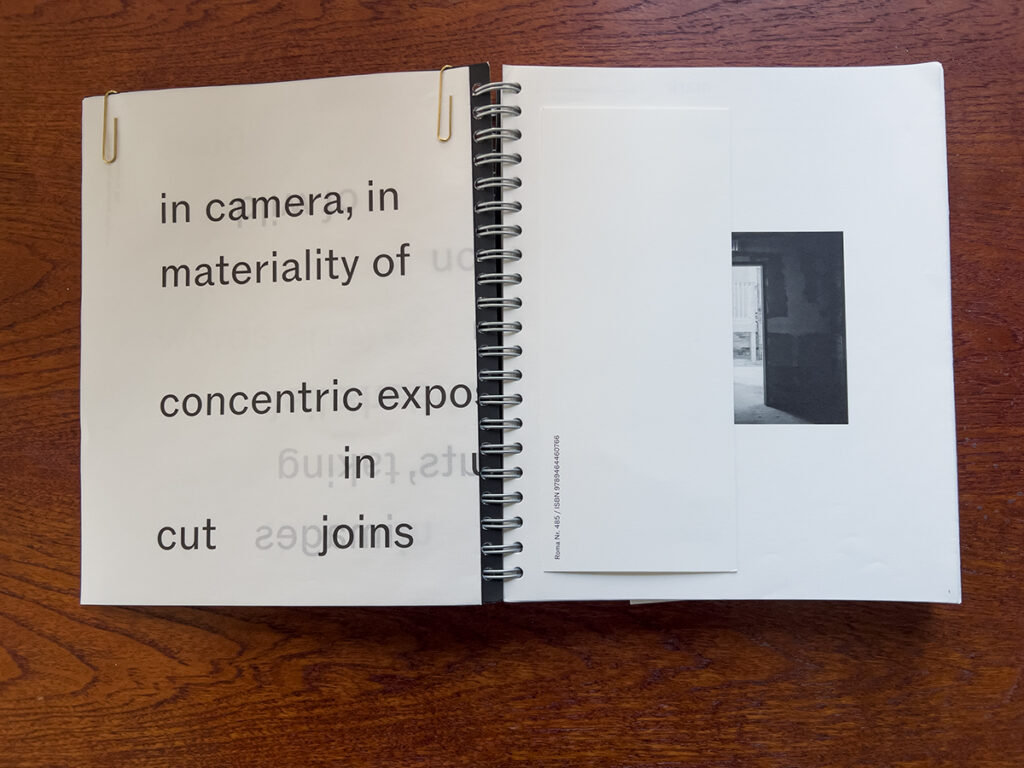
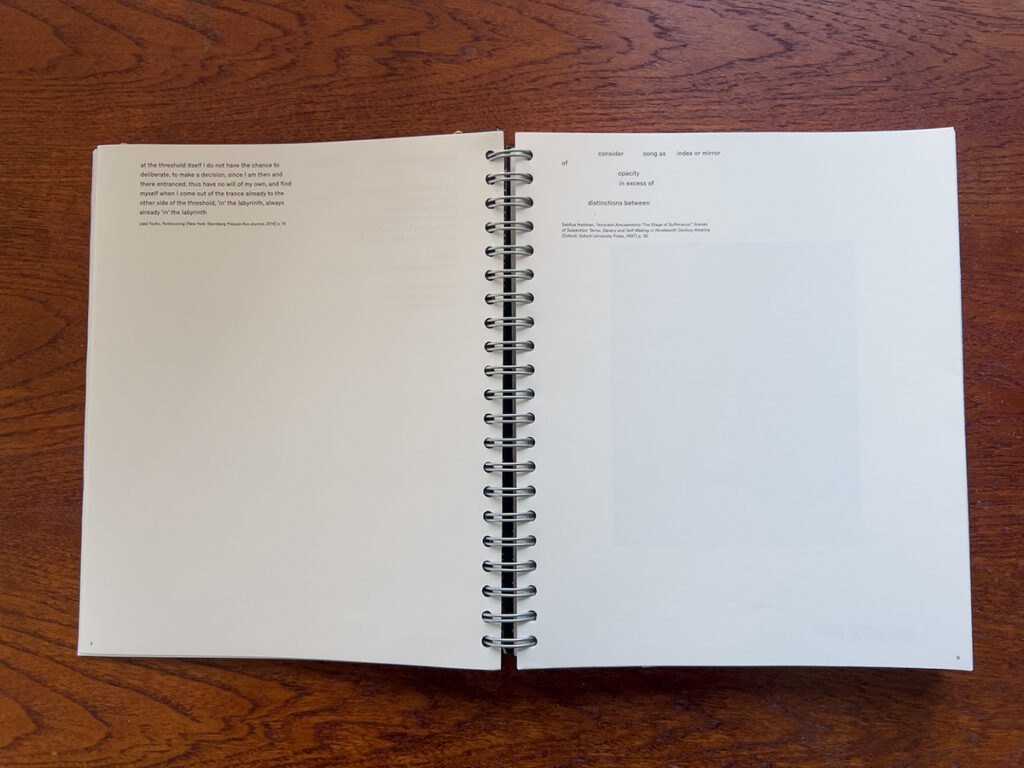
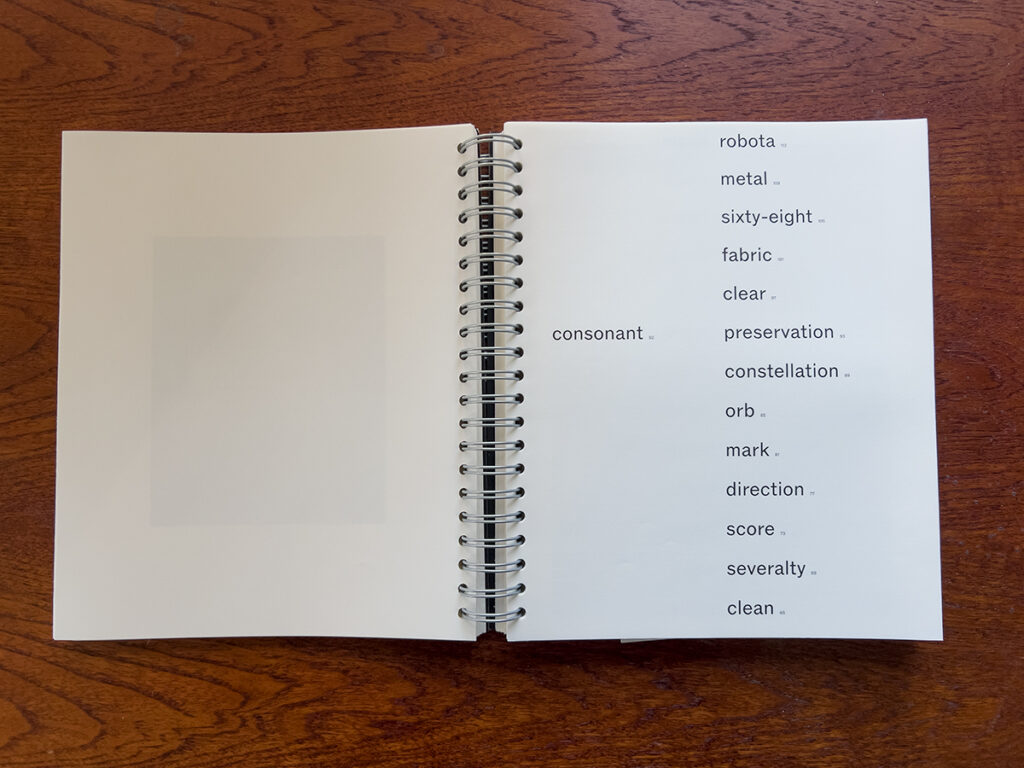
Thumbing through INDEX 2025 offers a delightfully tactile experience, both visually appealing and very pleasant to the touch. The object’s covers are crafted from black cardstock, folded over to form a robust, double-thick board. Inside, the pages have a softer, lighter weight, possibly a bamboo-cotton blend of about 70 gsm, also folded to create a page that feels thicker yet yields to the touch. The photobook includes three distinct inserts. Two of these are printed on heavy, white cardstock and function as a narrative-style colophon. Instead of detailing the object’s making, the author describes how the book “unfurls a set of marks that signify relationships between disparate things in constant oscillation.” The description is poetic and meandering, and once more, open to a multiplicity of interpretations. The second cardstock insert has a sentence, void of the western rules of grammar, thoughtfully and deliberately typeset on its surface. These cardstock inserts can serve as bookmarks, be tucked between the interior pages’ folds, or easily misplaced. The third insert is a large, single-sheet broadside, measuring nearly 18 by 22 inches when unfolded. This sheet features text printed on both sides, laid out in the distinctive style of concrete poetry.
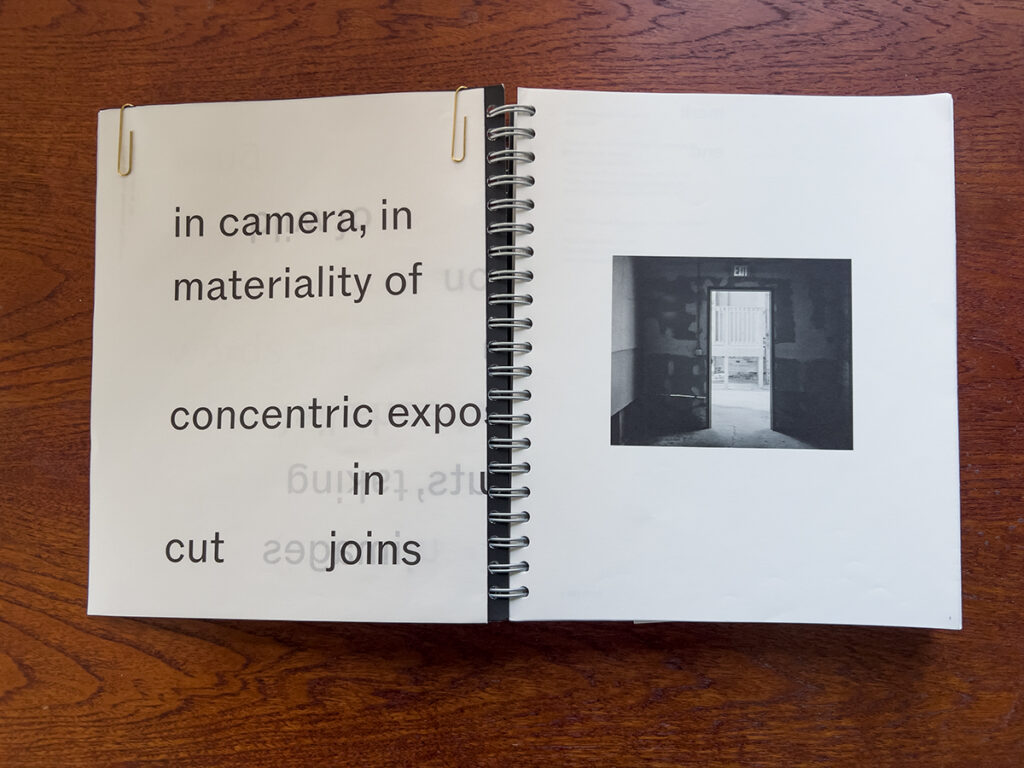
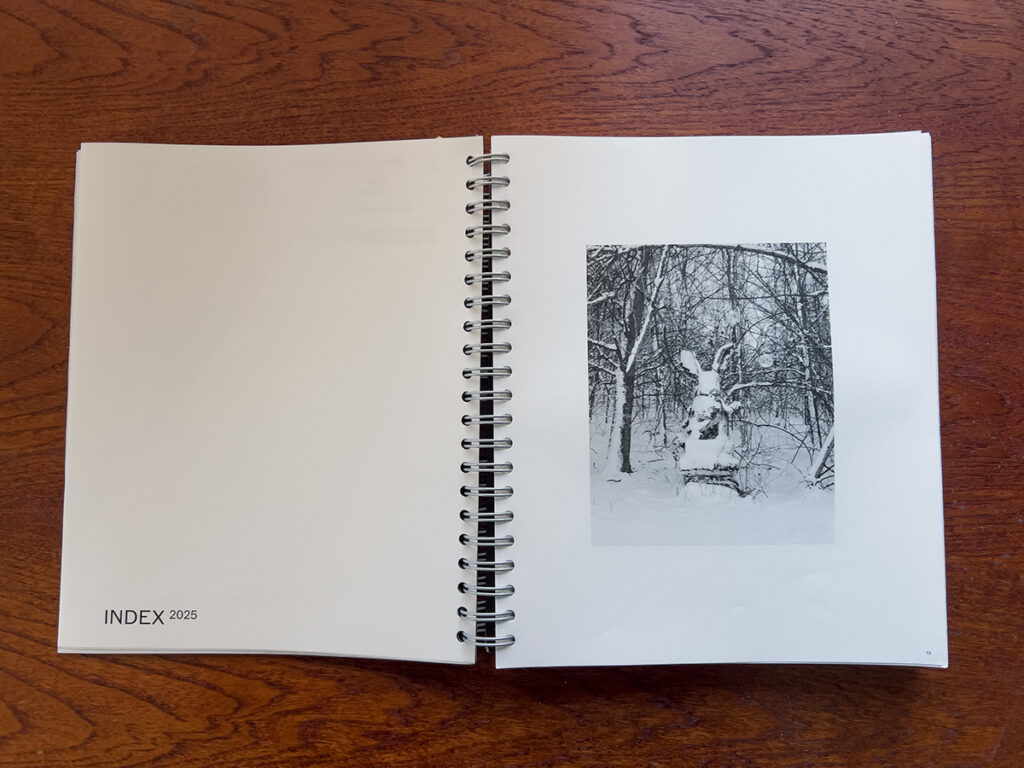
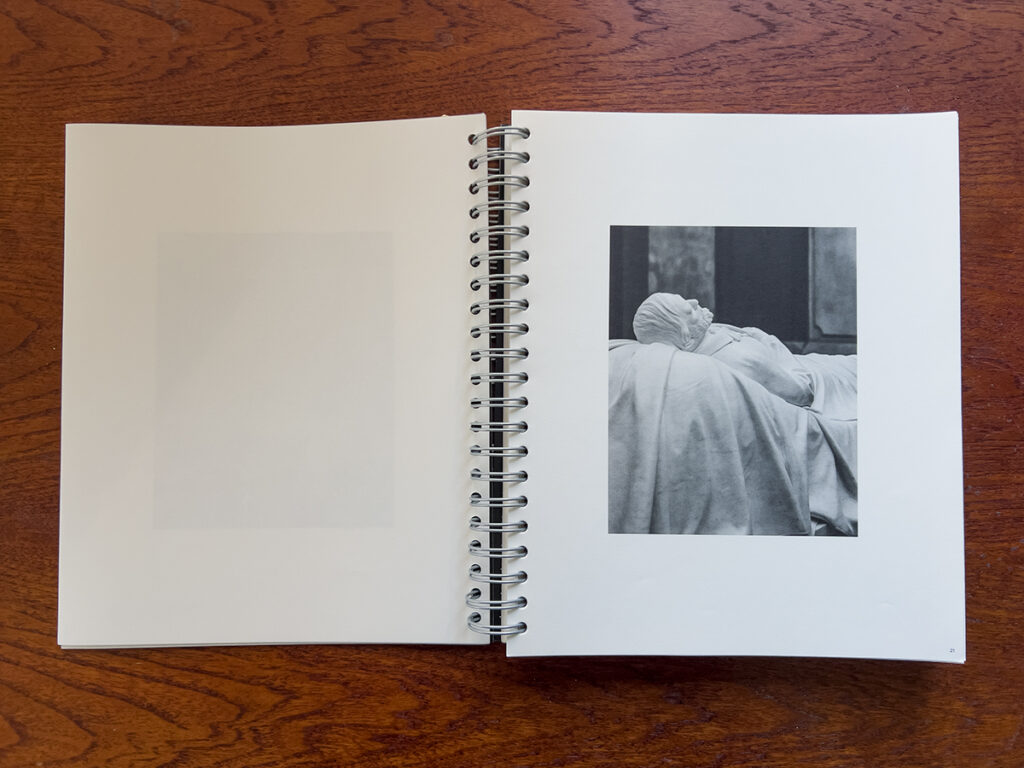
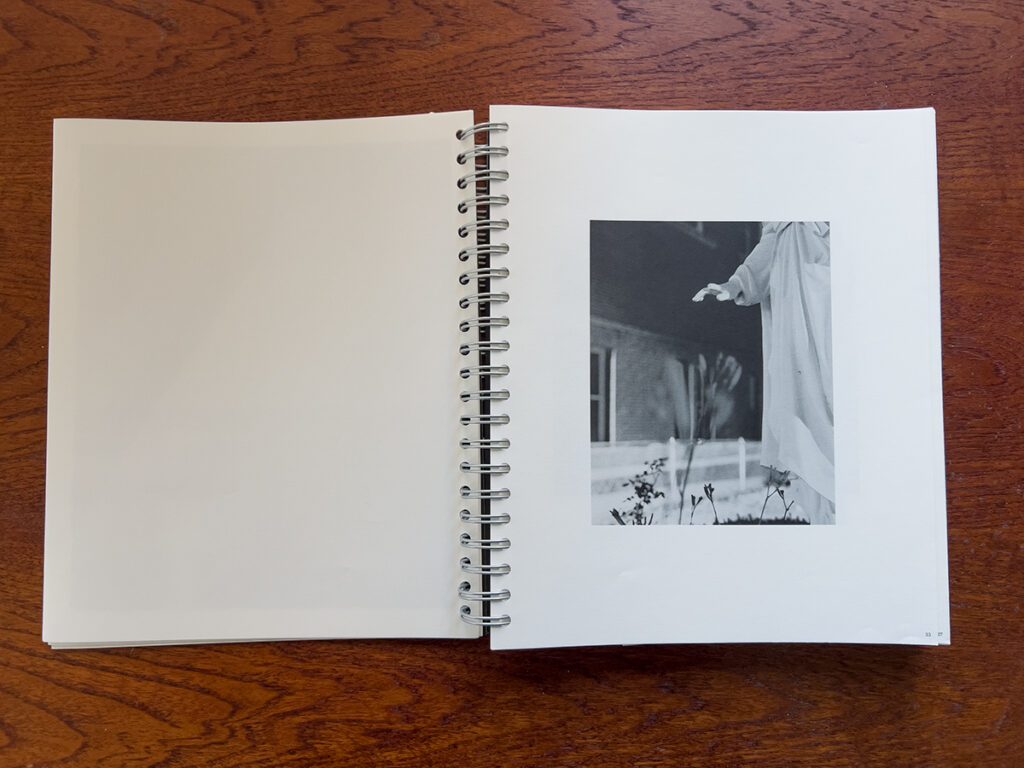
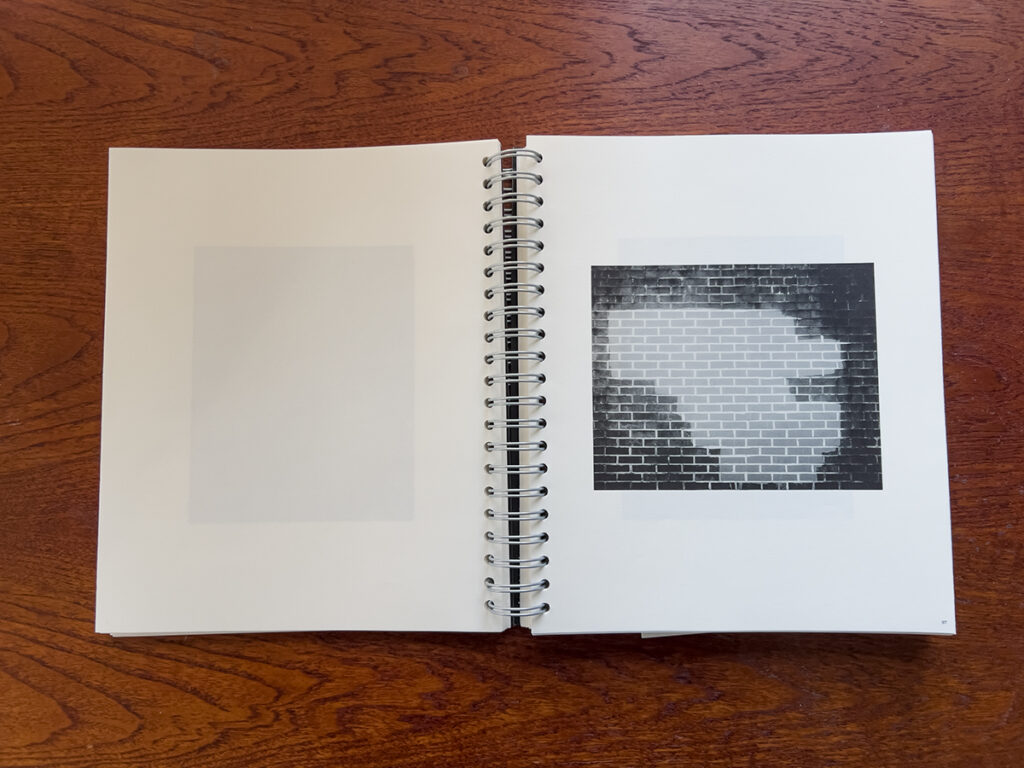
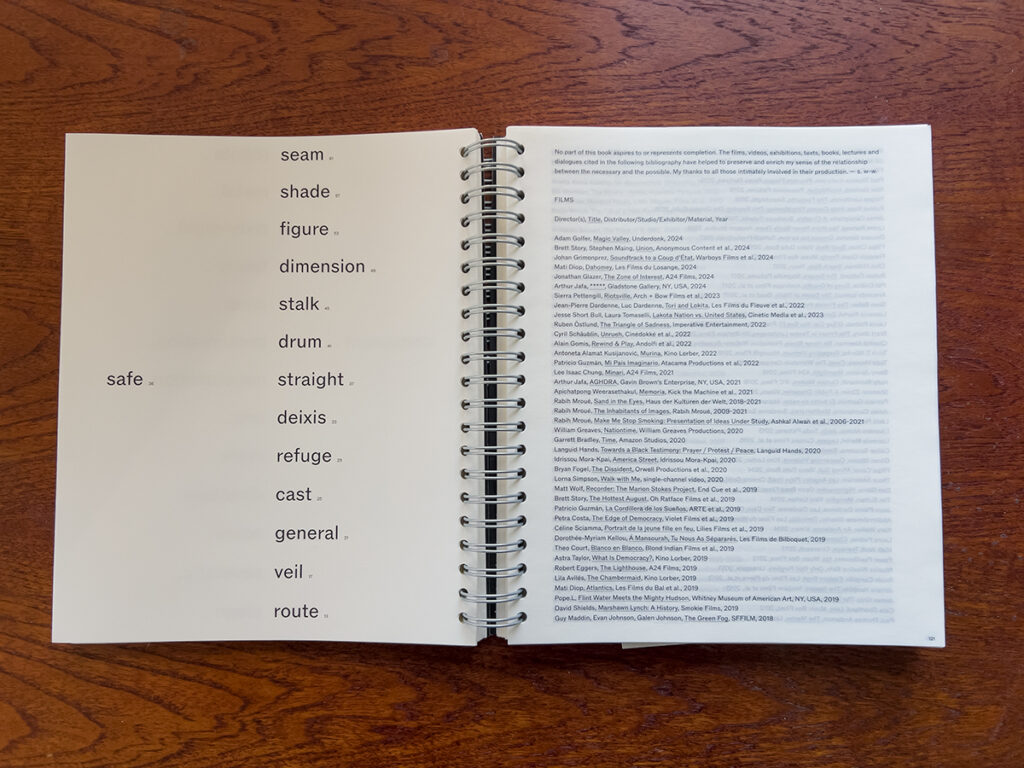
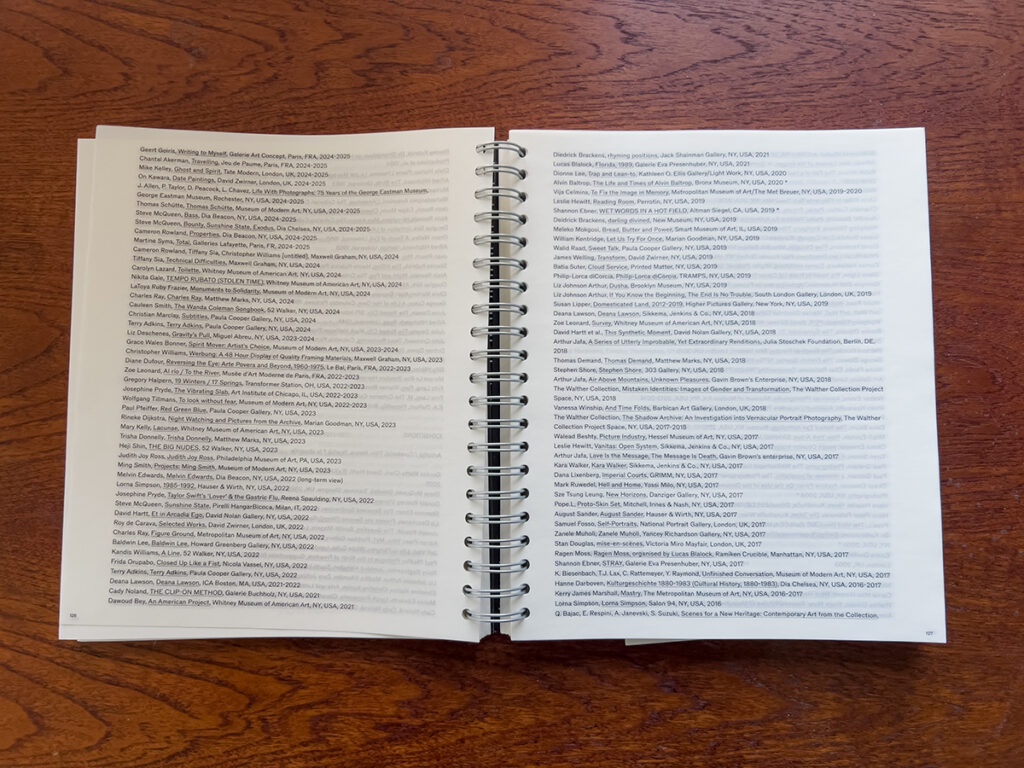
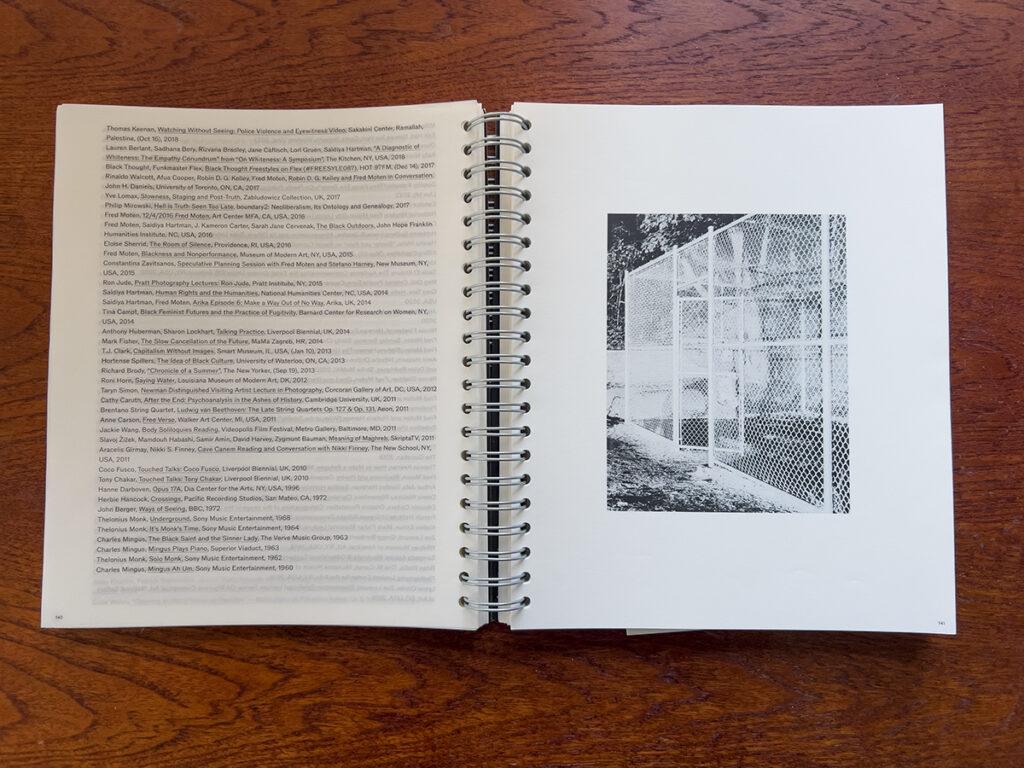
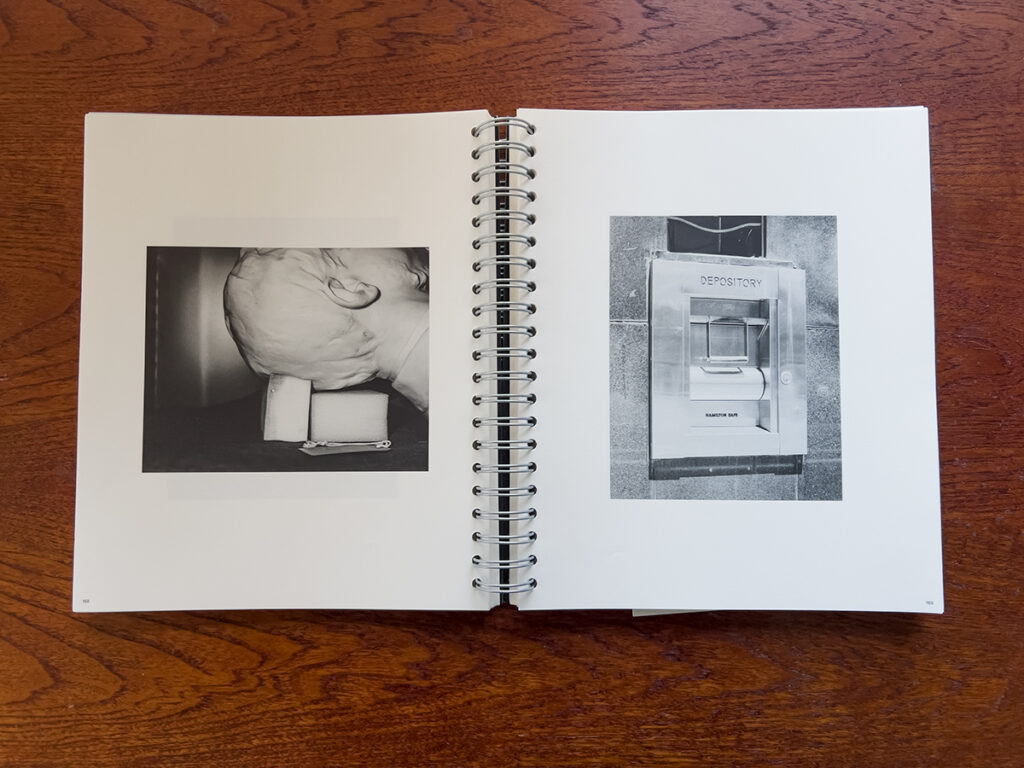
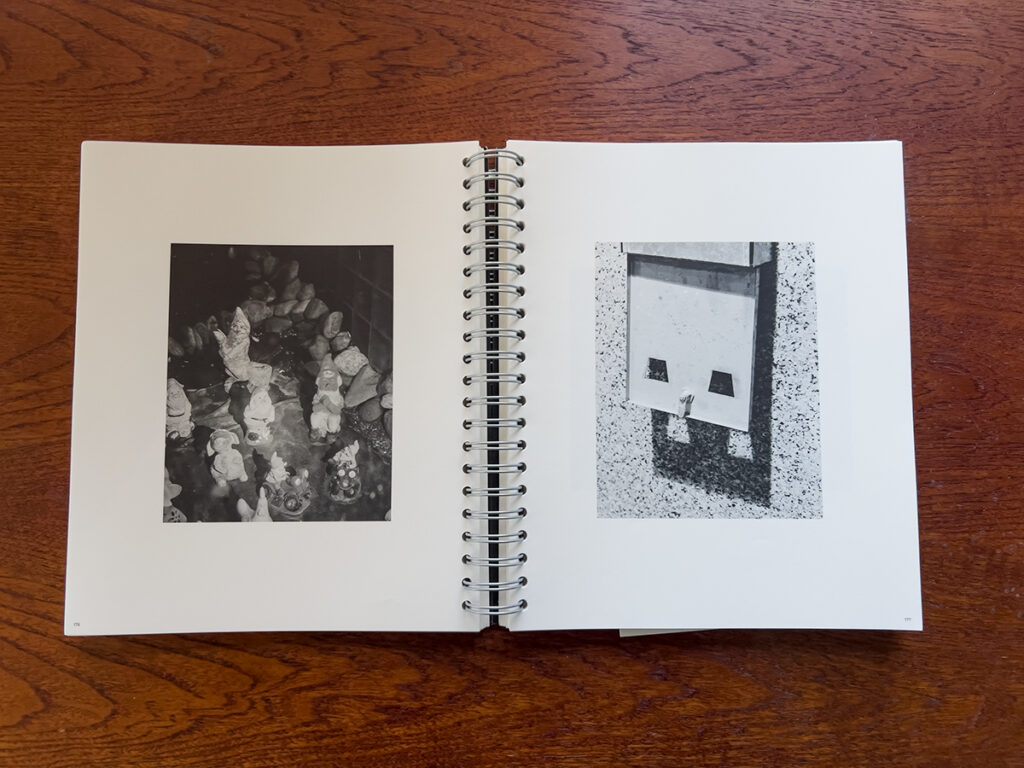
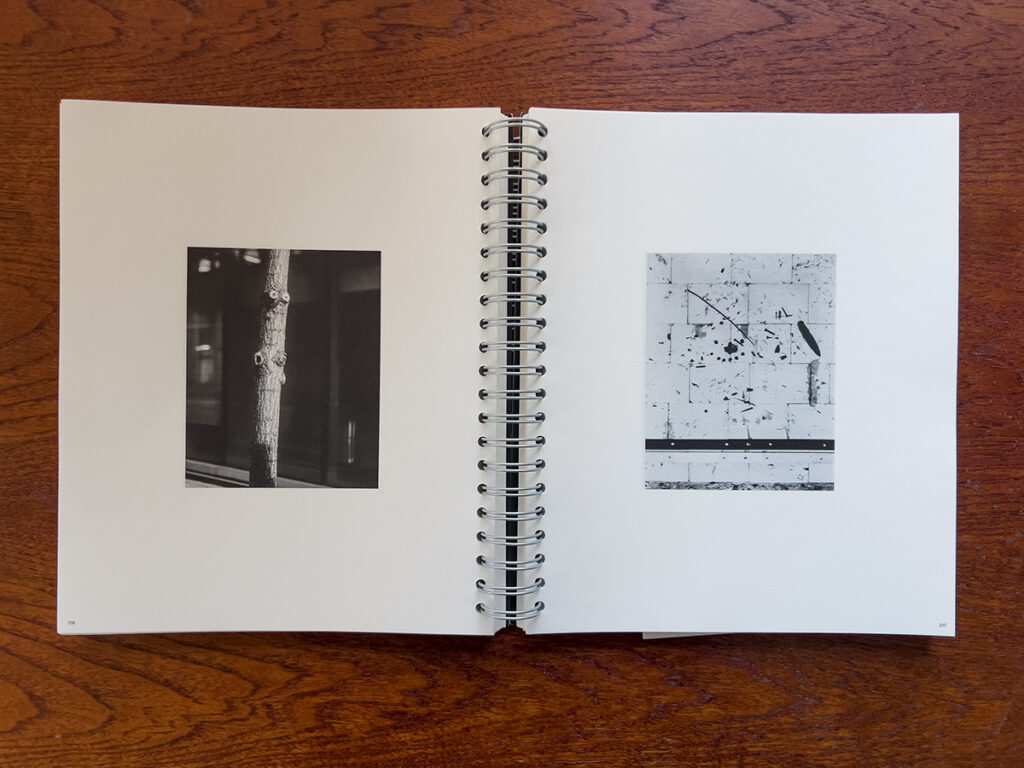
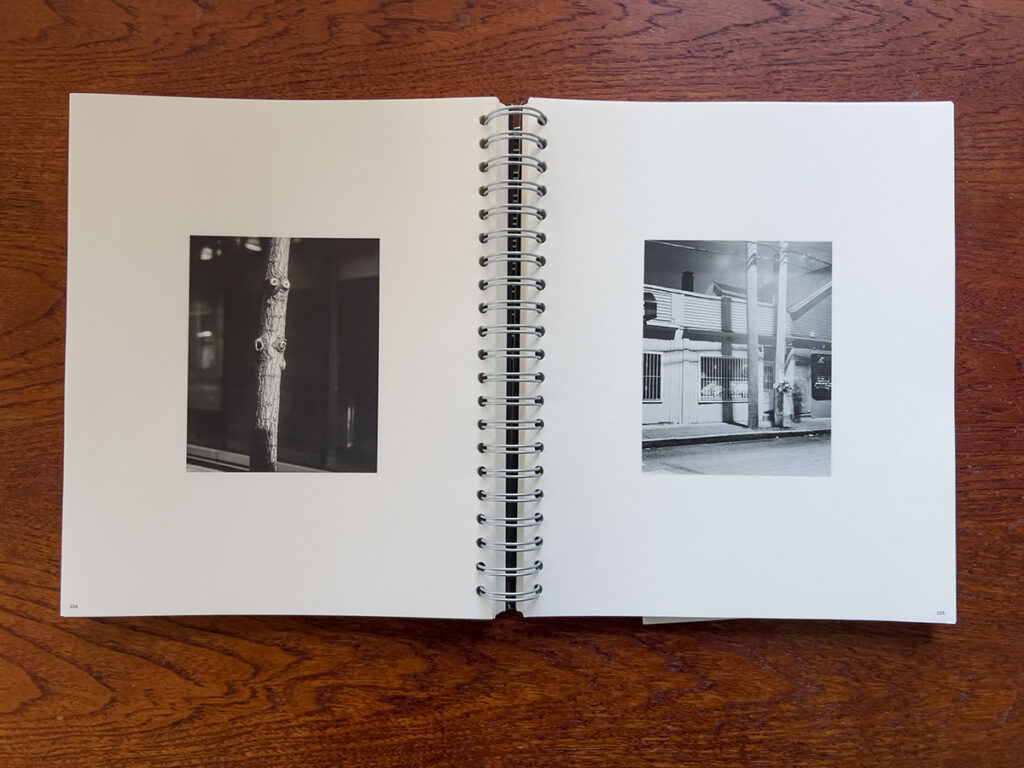
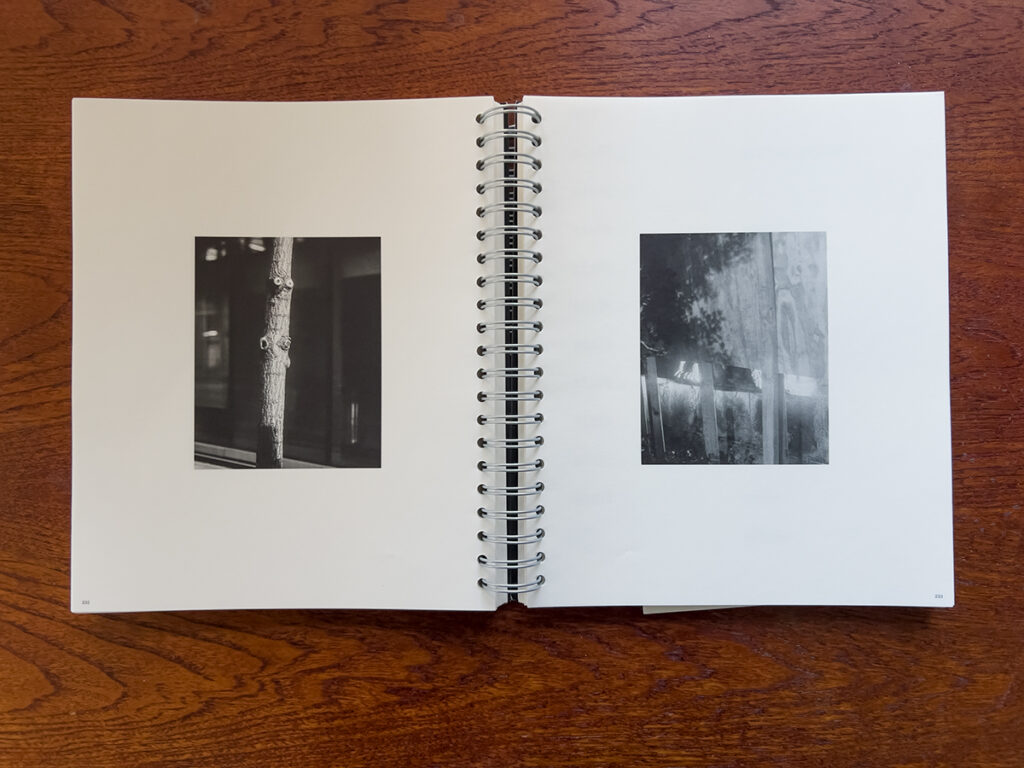
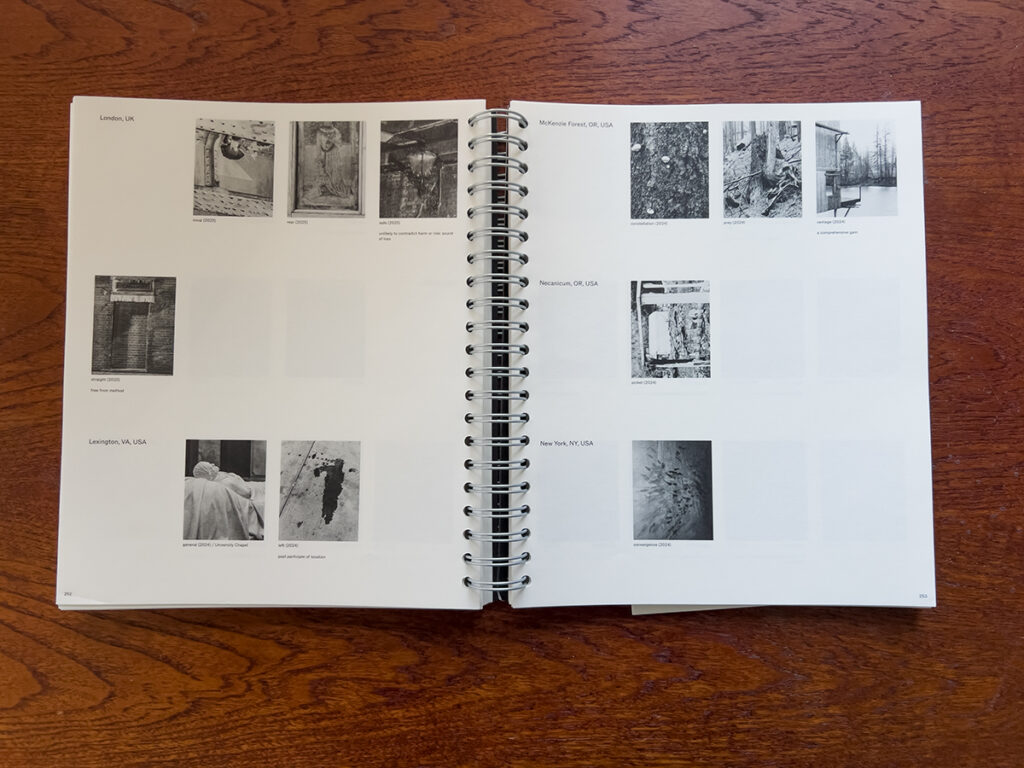
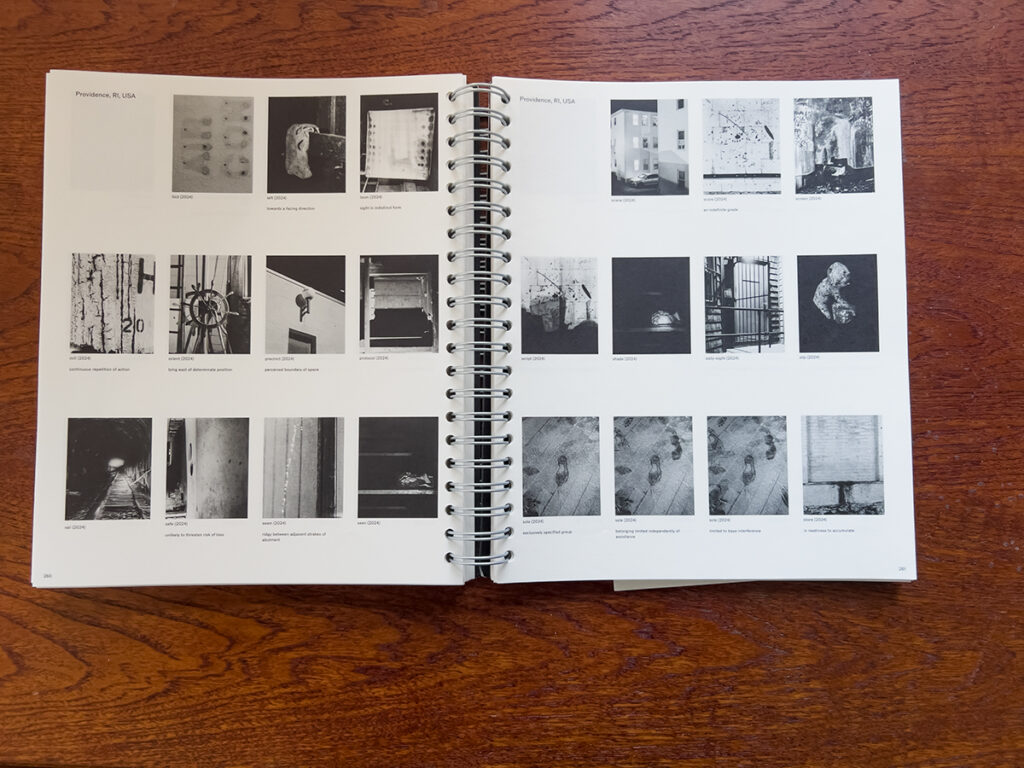
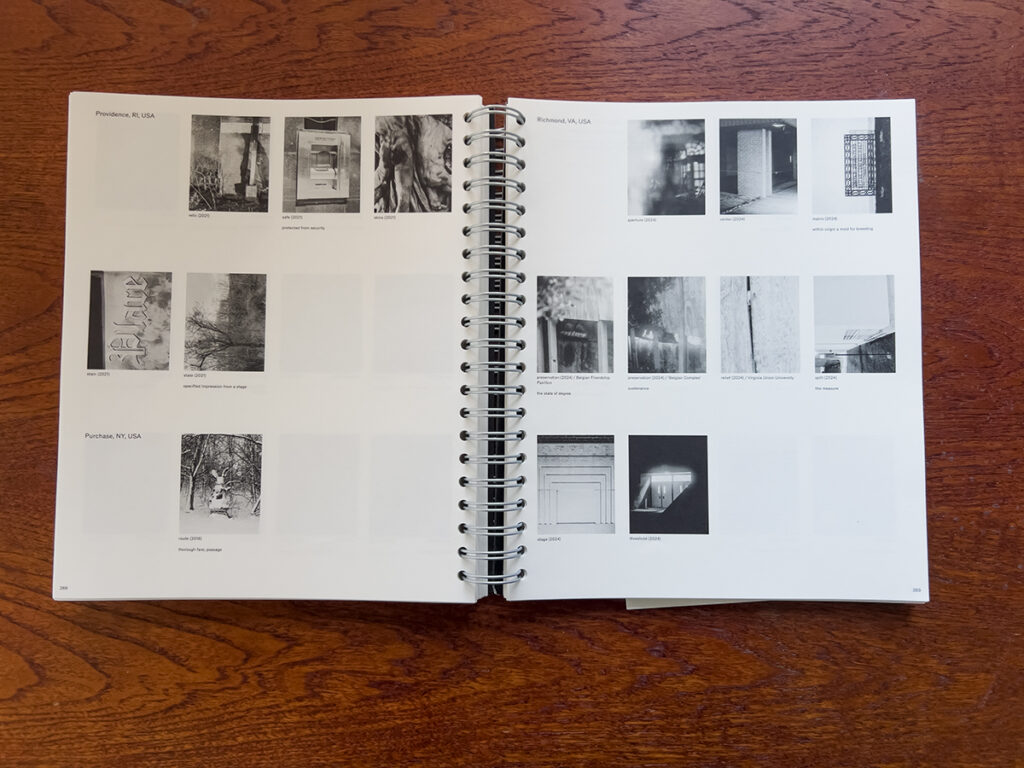
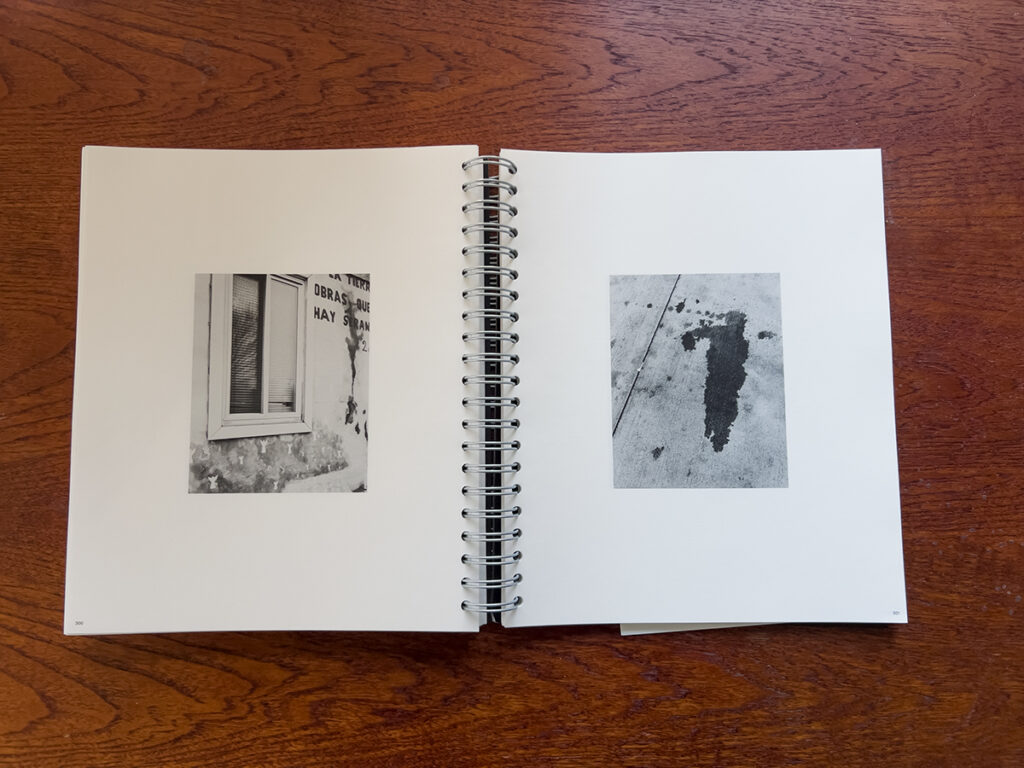
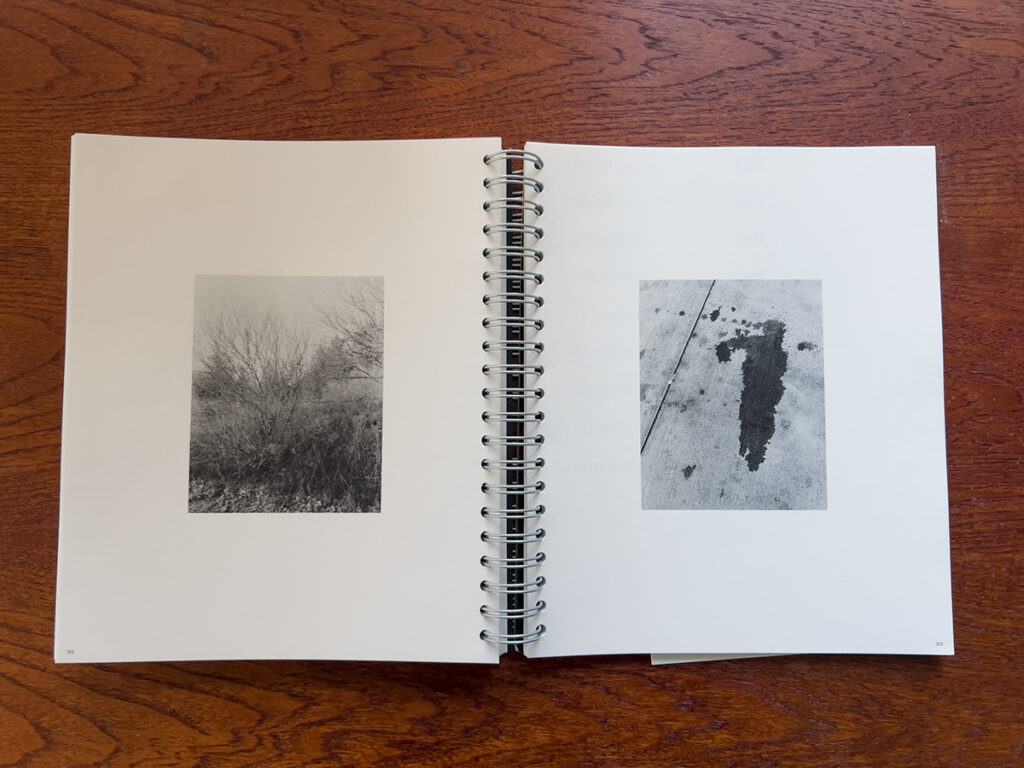
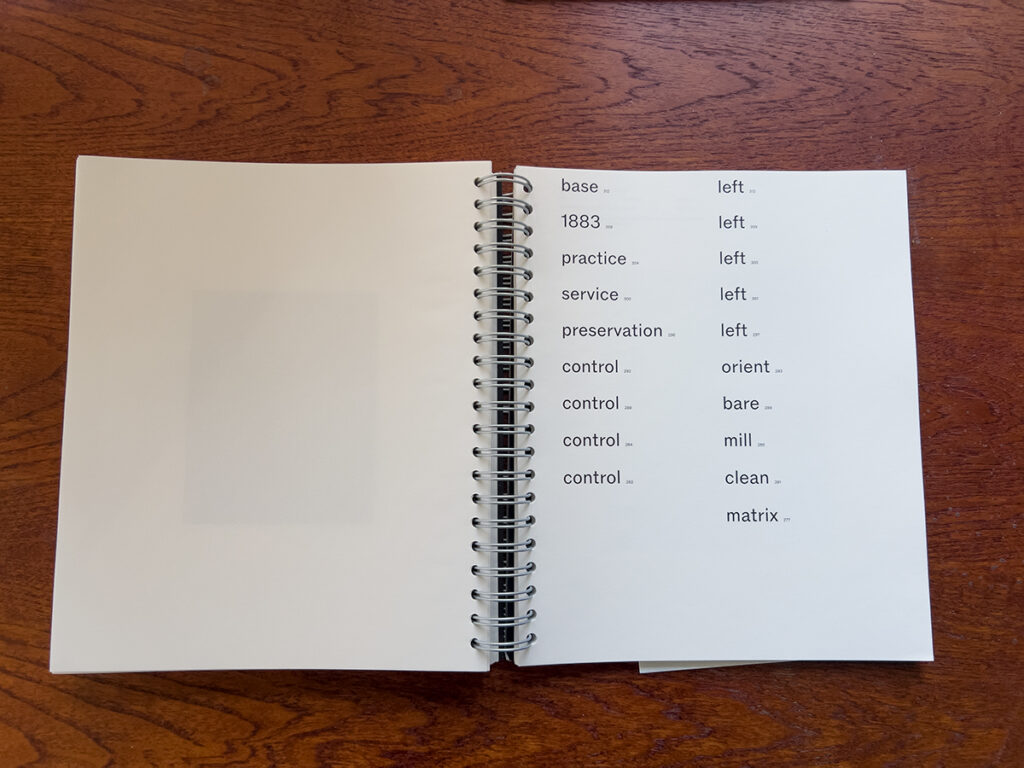
The photobook features black and white photographic reproductions, often measuring 5.25 by 6 inches. Unless pages function as a titling guide with image thumbnails, images are typically centered on their page and feature generous white space around them. In one instance, a landscape photograph is much larger and crosses the gutter, and in this example, the book’s metal binding divides the depicted scene into two halves with its spiral coil. Small serif-type details the page numbers on the lower right corners of each right-facing page. On page 121, the image sequence breaks into a listed bibliography of works that have informed the author’s thinking. This single-spaced list includes films, exhibitions, articles, essays, books, talks, lectures, and performances that span 19 pages. Unlike the image pages that are double folded sheets of paper, the text pages are single unfolded sheets that show some bleed-through of what is printed on the other side. Pages 241 – 272 detail the place, year, and title of all images included in the photobook alongside thumbnails of each photograph. These reference pages are ordered alphabetically by city, beginning with Amsterdam, NL, and concluding with Rochester, NY, USA. All of the thumbnails include the title and year, and some include additional annotations by the artist that imbue each image with further potential directed thought or meaning. Intermittently pages depict a sentence fragment that has informed the author’s thinking. When these pages appear, proper credit information is printed below the excerpt. The binding style of the object and the interwoven image and text sequences imply that the object is not only a thoughtfully conceived art object, it functions as a purposefully annotated workbook, enabling the artist to thoroughly examine his use of theory and practice concerning the significance of his photographs.
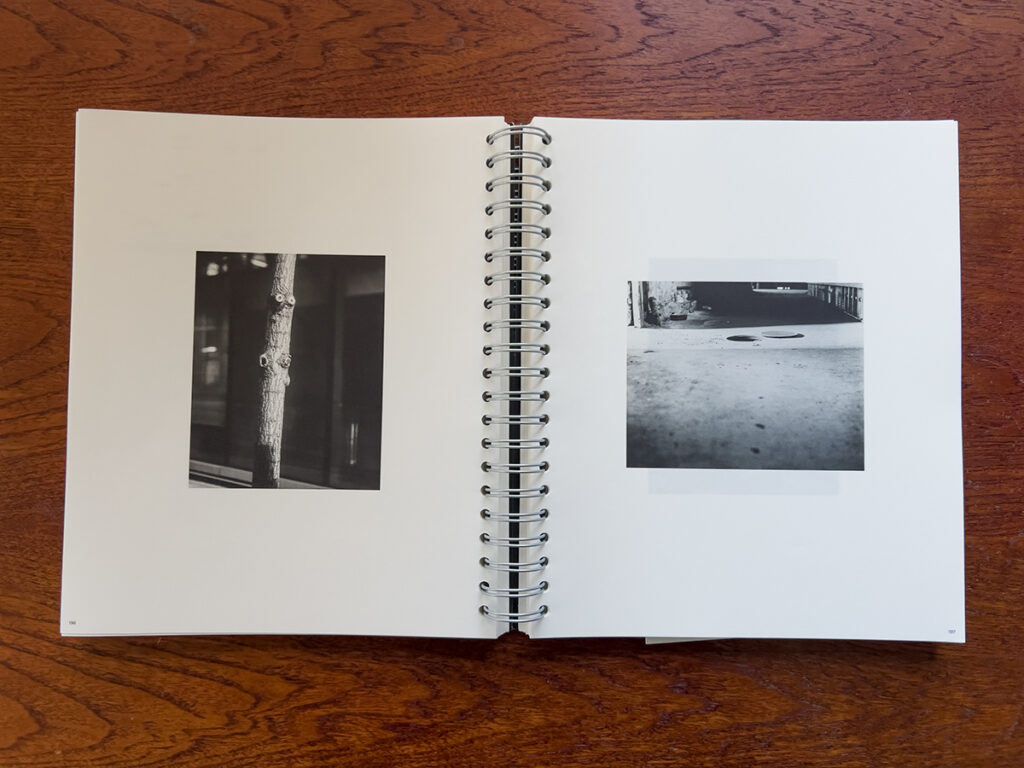
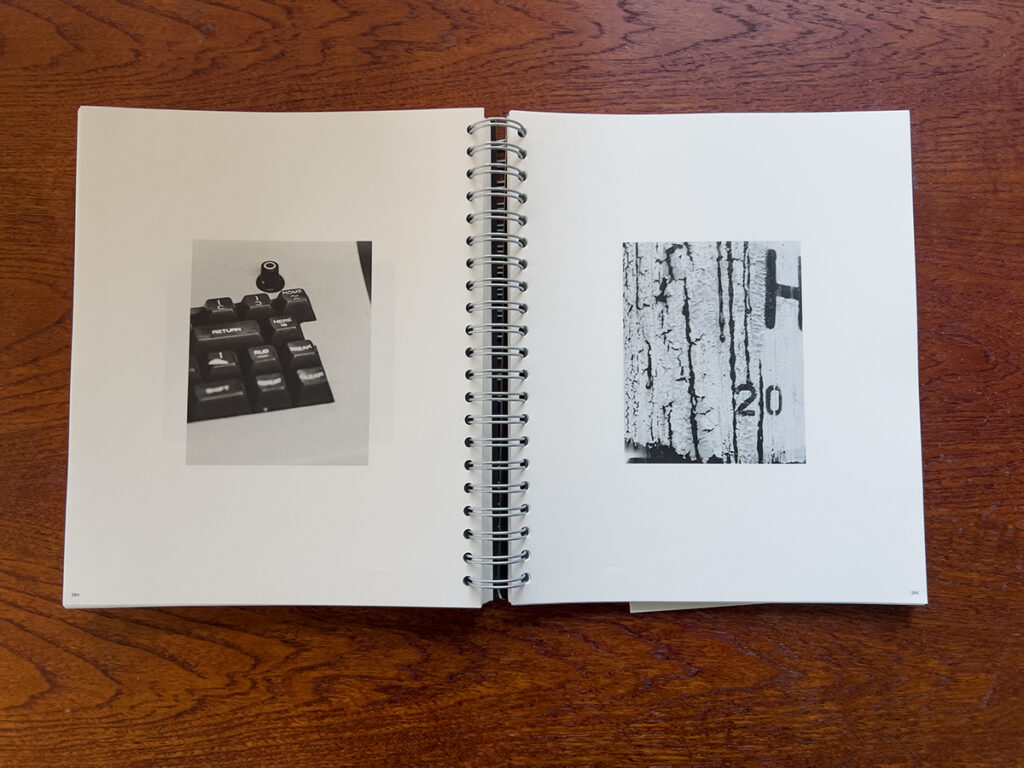
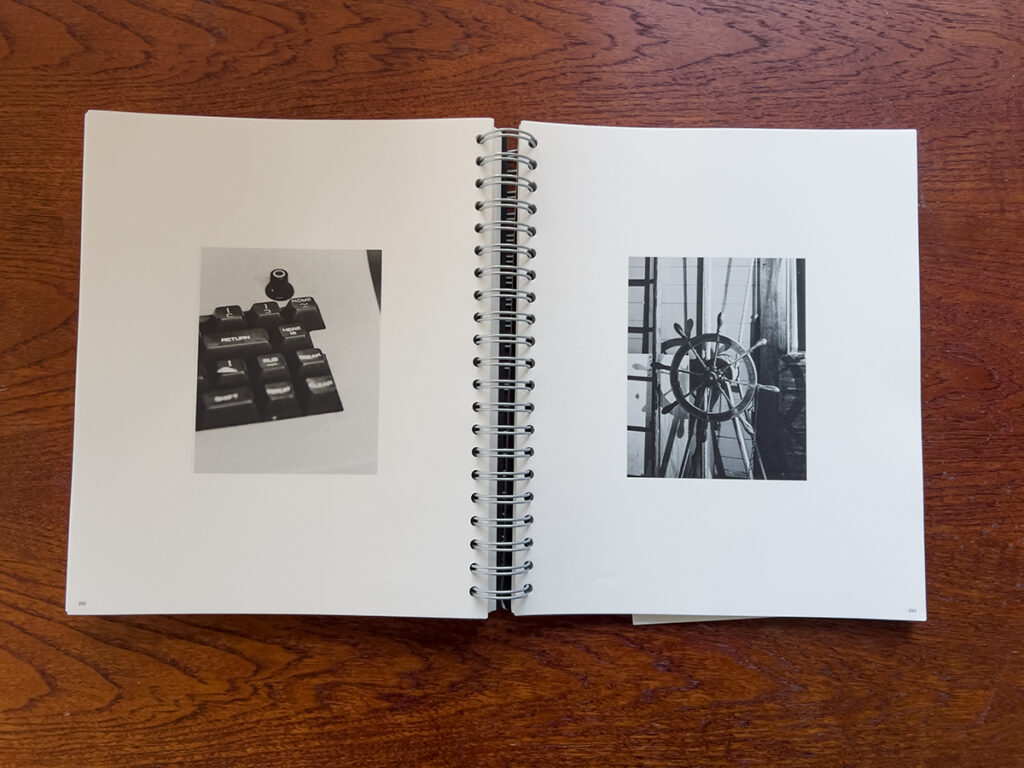
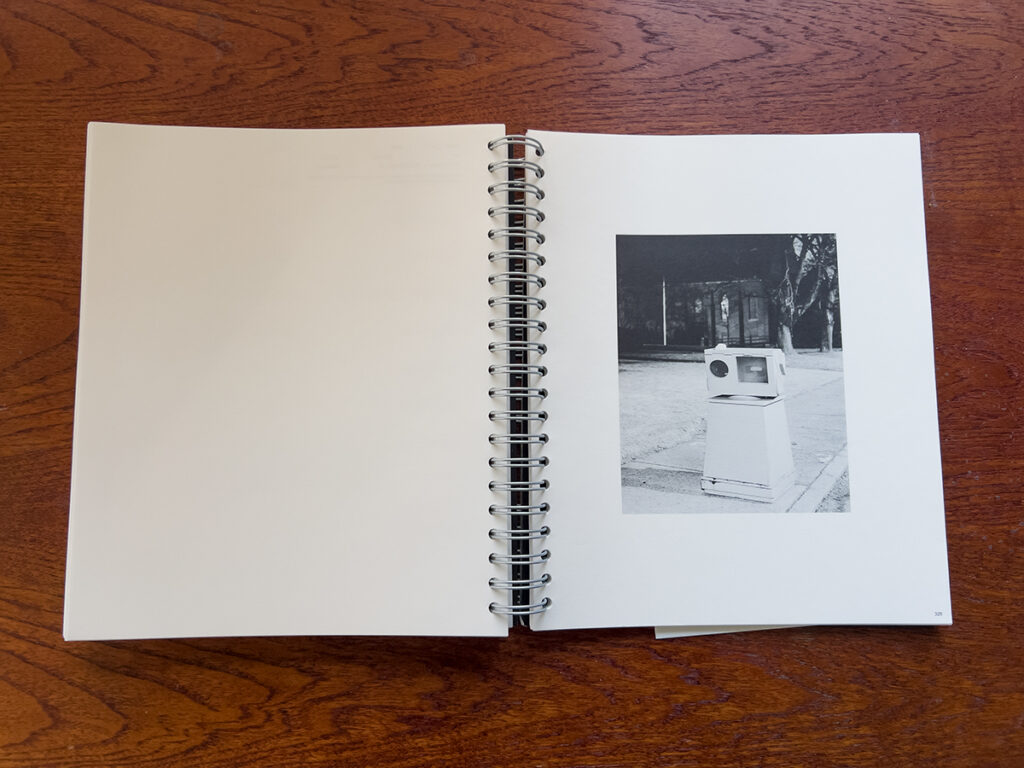
The photographs of INDEX 2025 come out of the post-documentary tradition. This framework prioritizes subjective, “poetic” ambiguity over a simple recording of objective, external reality. Instead of focusing solely on witnessing events and assuming their inherent truths, the work acknowledges and explores themes such as power, memory, and the active construction of meaning. The selection of photographs spans a diverse array of subjects and settings, offering a comprehensive look at the artist’s visual interests. This range includes meticulously composed still life arrangements, expansive and evocative landscape imagery, dynamic street scenes, and photographs of language included on various signs and plaques. A recurring and intentional feature within street photography is the prominent inclusion of various forms of public text, such as commercial signage, informational plaques, and expressive graffiti. This focus on the urban environment and its embedded forms of communication suggests an engagement with themes of public space, transient messaging, and the layers of visuals that define contemporary urban life. The appearance of images depicting marble sculptures is notably resonant: the firmness of their structure and the non-porosity of their skin-like peripheries stand in stark contrast to the susceptibility and vulnerability explored within this photobook. Three images that are repeated several times serve as potent visual anchors, leading the reader from the middle of the photobook to its coda: a knobby tree trunk, appearing 10 times on the left facing pages between page 196 and 232; an unusual keyboard appearing four times, on the left facing pages between page 280 and 292; and a stain on the sidewalk in the shape of a human form—reminiscent of the shape of the Venus of Willendorf, a 30,000-year-old Paleolithic limestone figurine discovered in Austria in 1908—appearing five times on the right facing pages between page 297 and 313. For me, the Venus-like image is among the most haunting of the book’s photographs. As these images are repeatedly paired with different photographs across the coil bound gutter, the contrast and meaning shift with each iteration. This recurring presentation allows the reader to continually re-evaluate and draw new significance from the persistent visual marker.
INDEX 2025 is a photobook that rewards the reader’s patience with a slow reveal, relying on repetition, reexamination, and self-reflexivity. Rather than providing answers, Wolukau-Wanambwa probes and prompts the reader—as well as himself—to consistently question the assumptions of knowledge and how one arrives at perceived truths. The work investigates how images communicate and how that language of communication evolves. The book is dense and rigorous, and simply cannot be read passively. However, I would be remiss not to mention that the photographs are incredibly beautiful, well seen, and memorable: every one is worth time and attention.
The photobook, shortlisted for the 2025 Paris Photo – Aperture Best Book of the year, is not a static artifact with a fixed, singular message. Instead, it functions as a dynamic framework—a set of possibilities that remains incomplete until the moment of its consumption to be assembled by the idiosyncrasies that each person brings to the photobook’s pages. The book is an index of Wolukau-Wanambwa’s application of his praxis as a photographer and critic, working through the complexities of the use of images in our time. The work is ultimately interpreted by the individual, subjective act of reading, which is shaped by the reader’s unique experiences, cultural context, and emotional state. This participatory completion transforms the passive act of decoding into an active process of co-creation, ensuring the potential for discovery and resonant meaning endures, regardless of the reader’s level of formal training.
Collector’s POV: Stanley Wolukau-Wanambwa does not appear to have consistent gallery representation at this time, nor does he appear to maintain an internet/social media presence for his writings and work. As a result, interested collectors should likely follow up with the artist via the publisher’s website (linked in the sidebar).