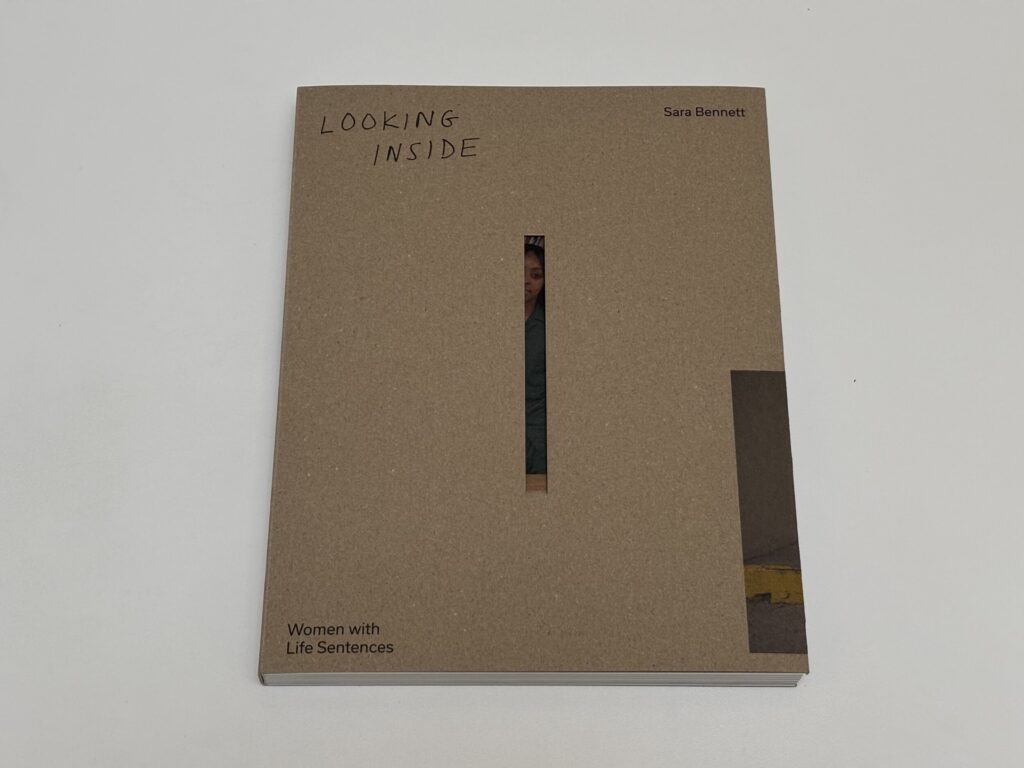
JTF (just the facts): Published in 2026 by Kehrer Verlag (here). Softcover (21.6 × 27.4 cm), 256 pages, with 191 color illustrations. Includes essays by Judith Clark and the artist. Design by Teun van der Heijden, Heijdens Karwe. (Cover and spread shots below.)
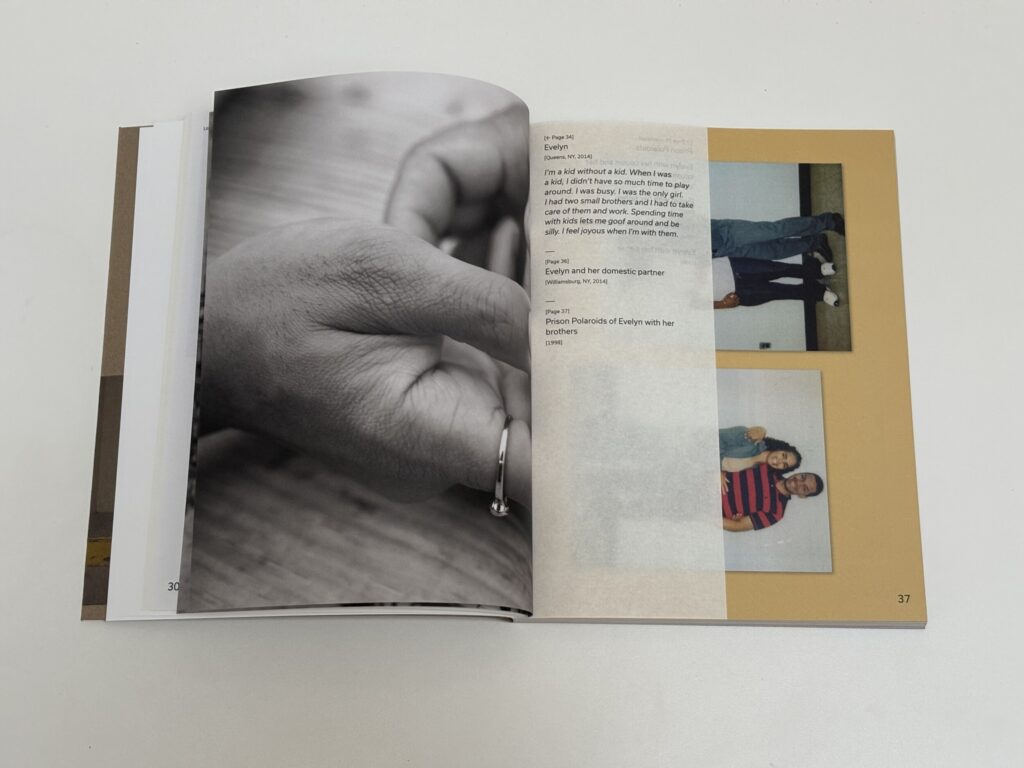
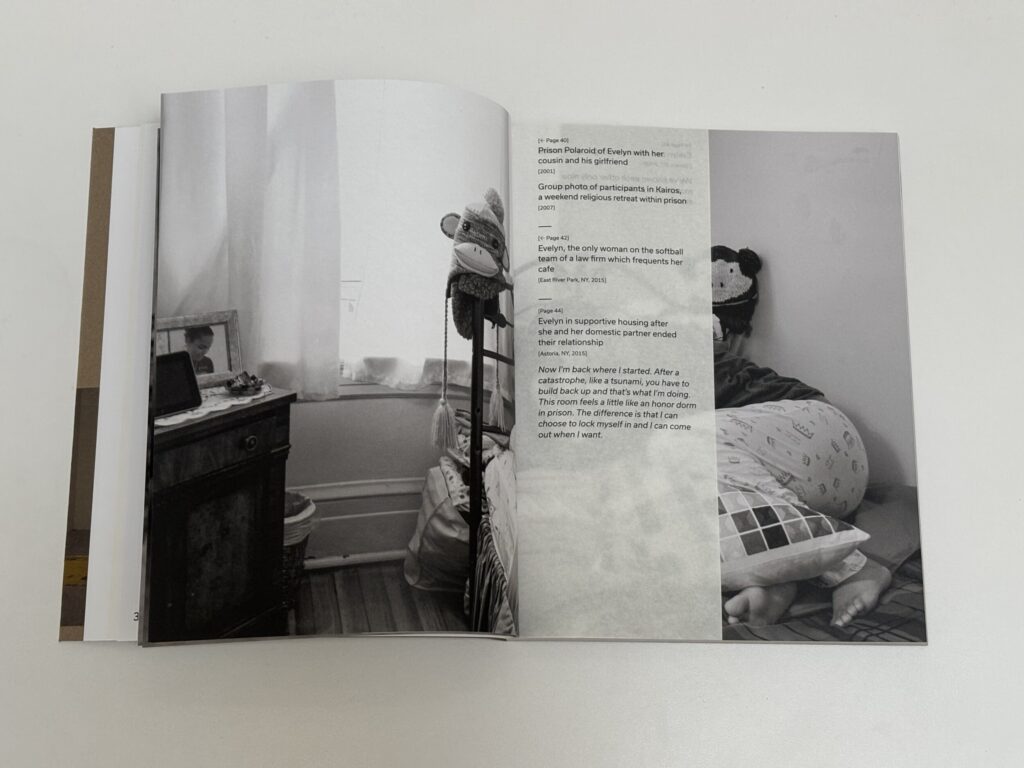
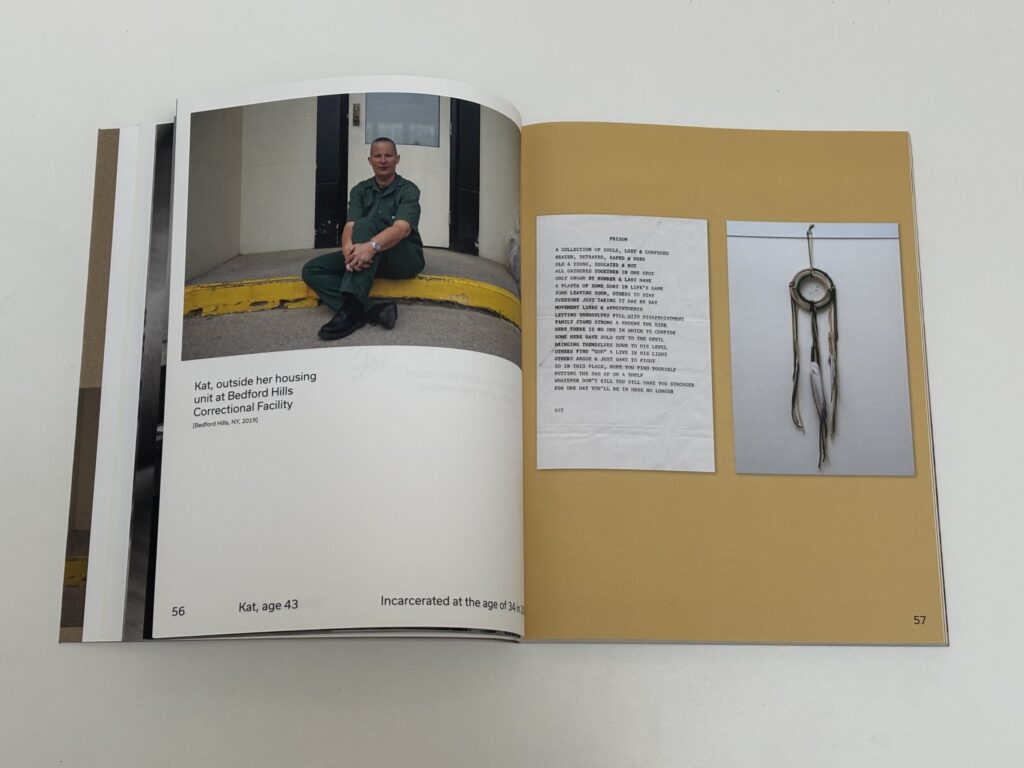
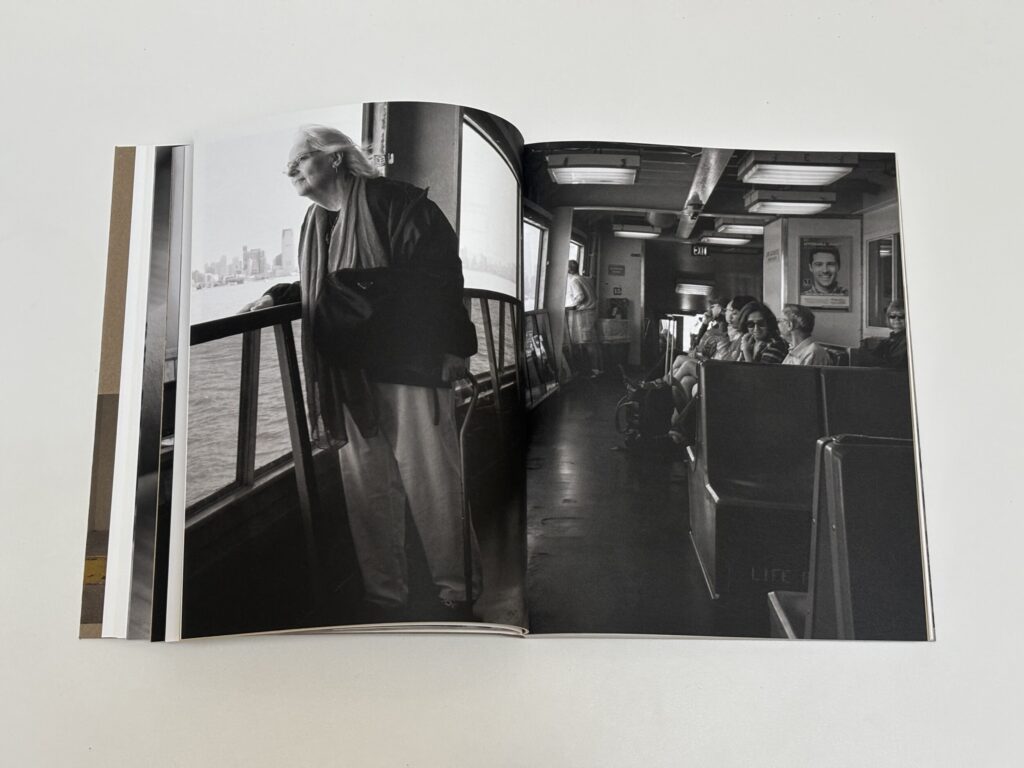
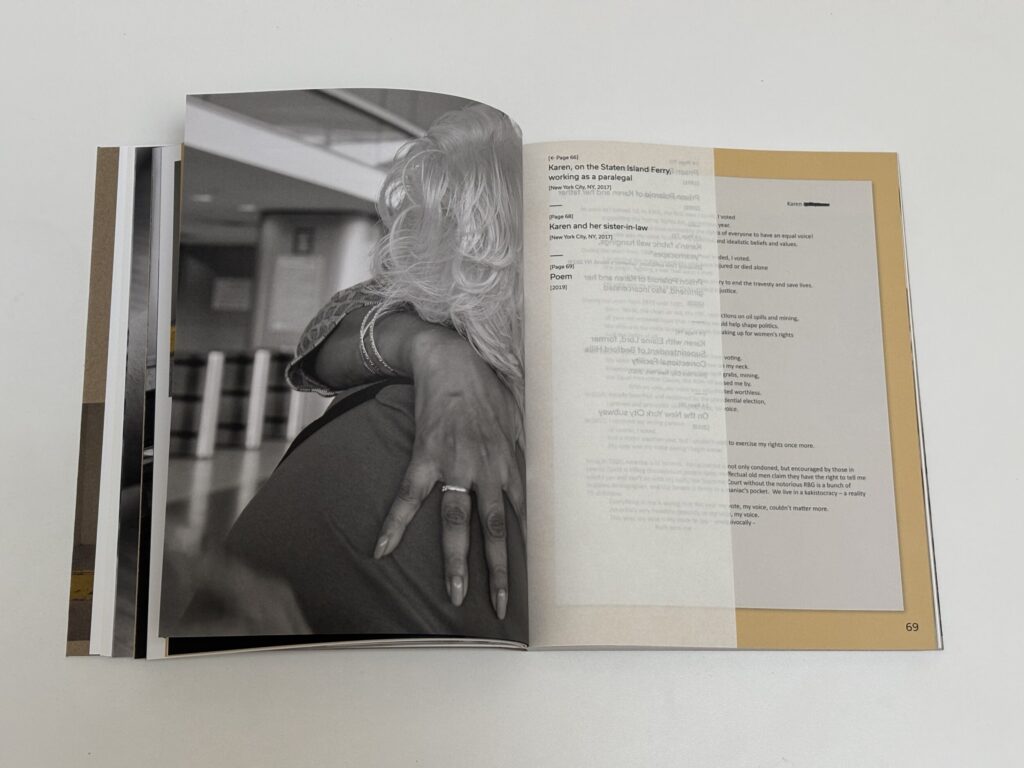
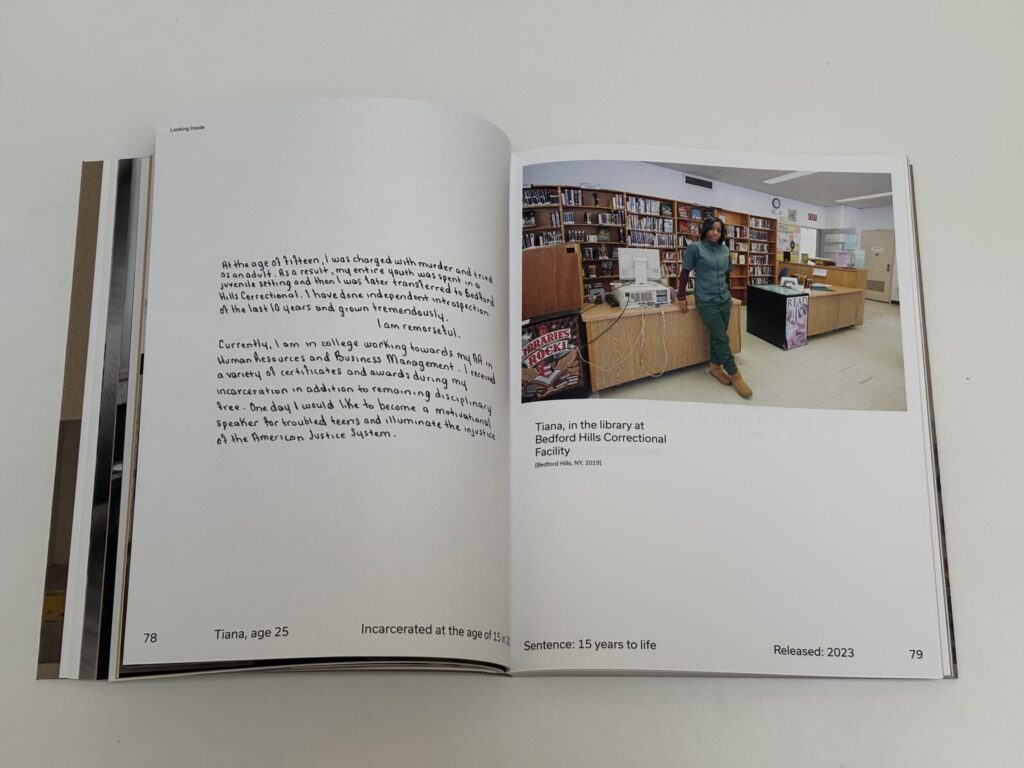
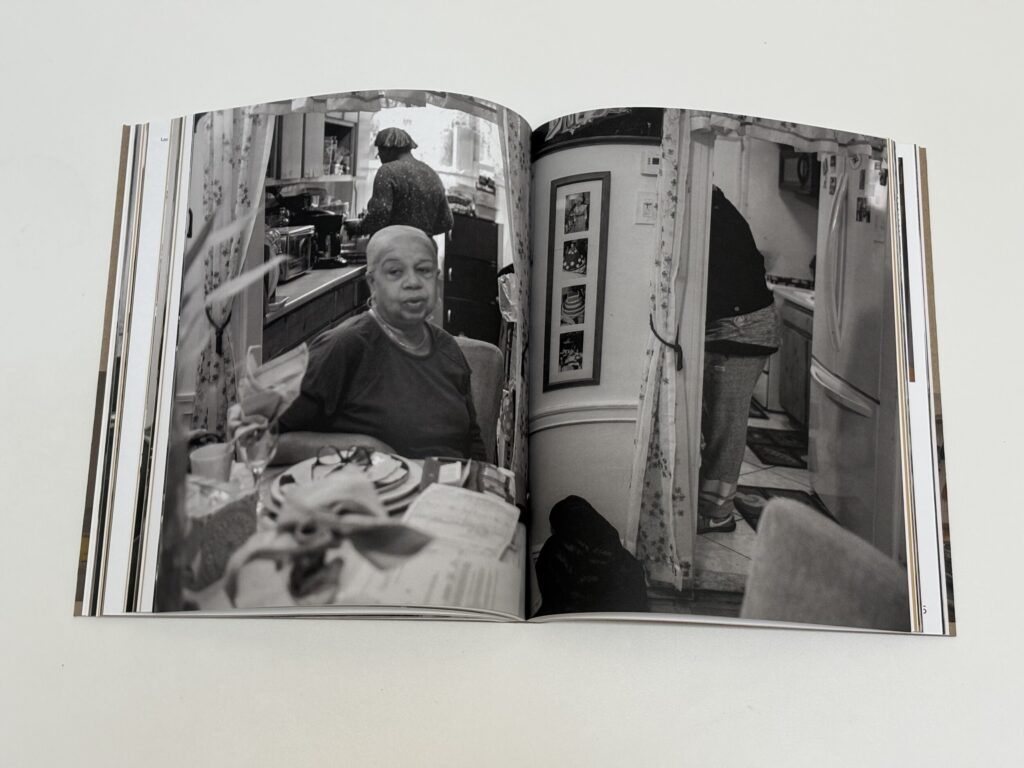
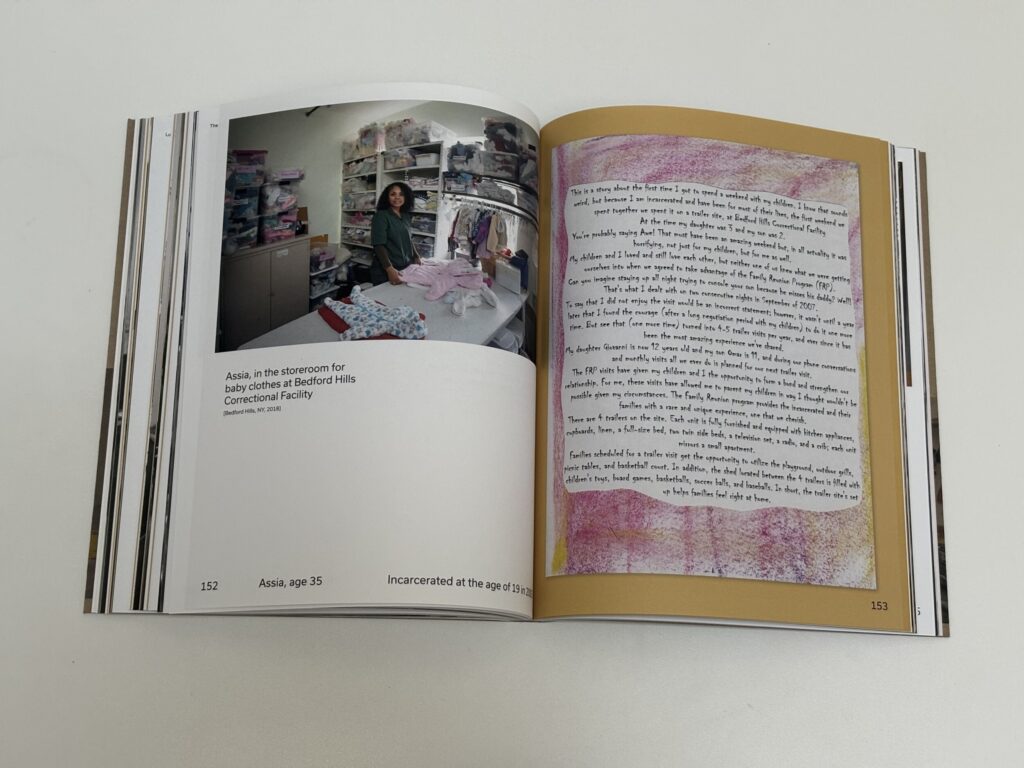
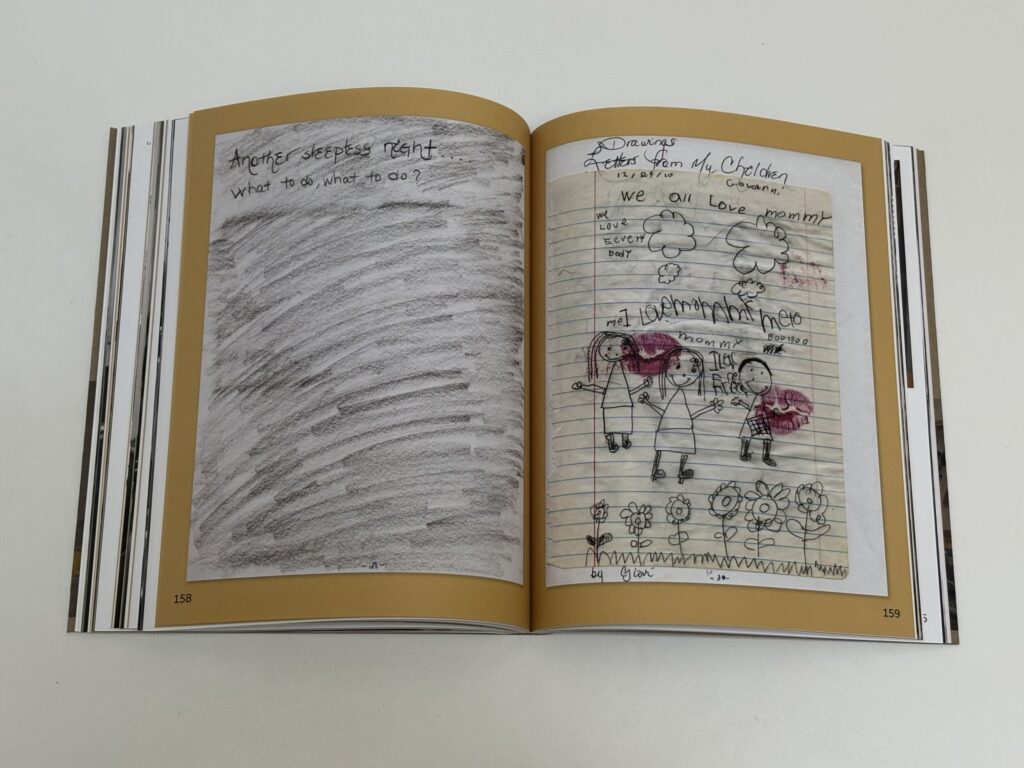
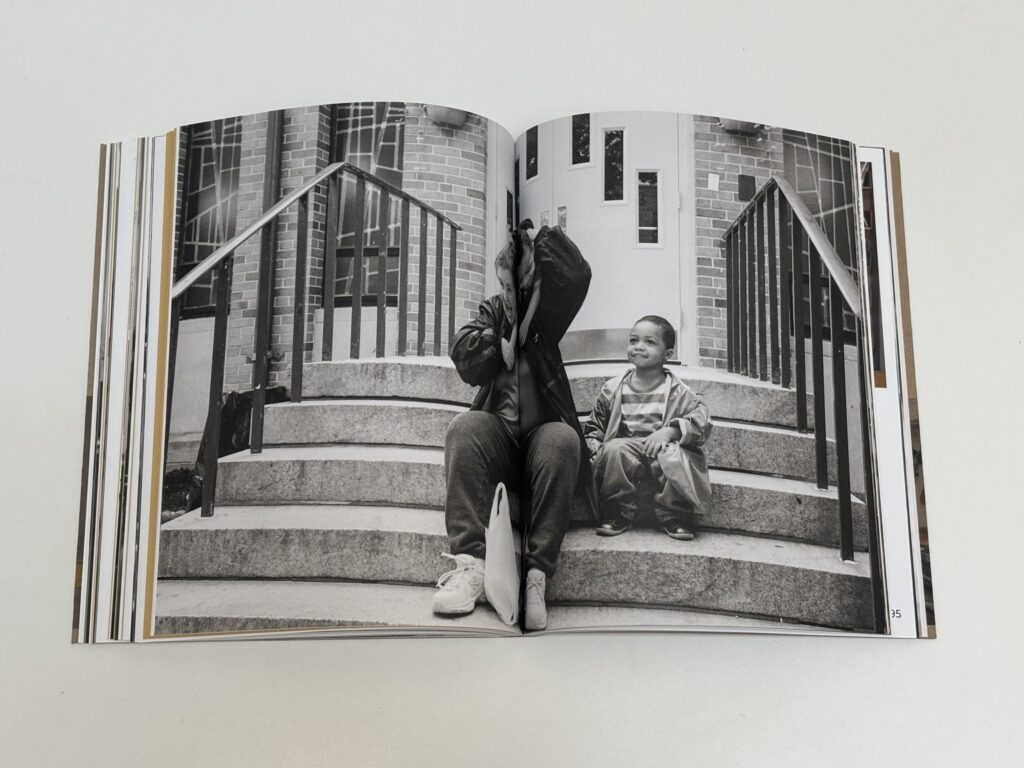
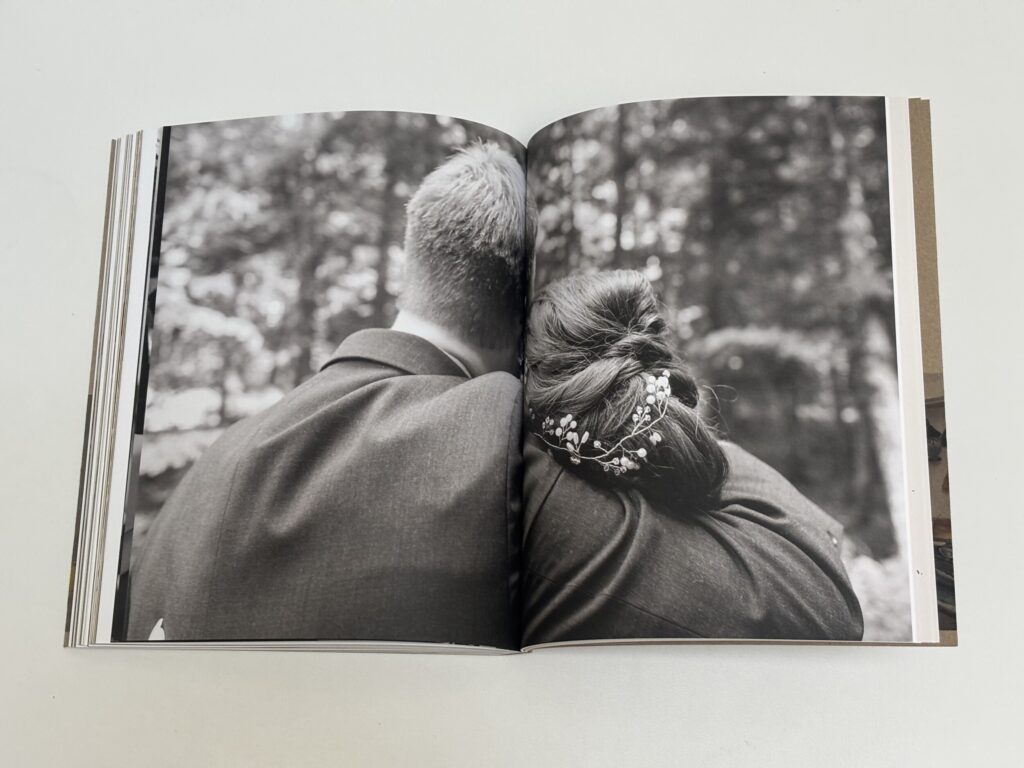
Comments/Context: Sara Bennett, a former public defender turned photographer, spent more than a decade photographing women convicted of homicide and sentenced to life in New York state prisons. In Looking Inside: Women with Life Sentences, she follows their lives across prison cells, transitional spaces, and post-incarceration homes. Through portraits, personal writings, and archival materials, the book builds a layered account of lives shaped by incarceration, while making room for the complexity and individuality of each woman. Its emphasis is less on any single image than on the cumulative weight of stories, experiences, and perspectives that unfold over time.
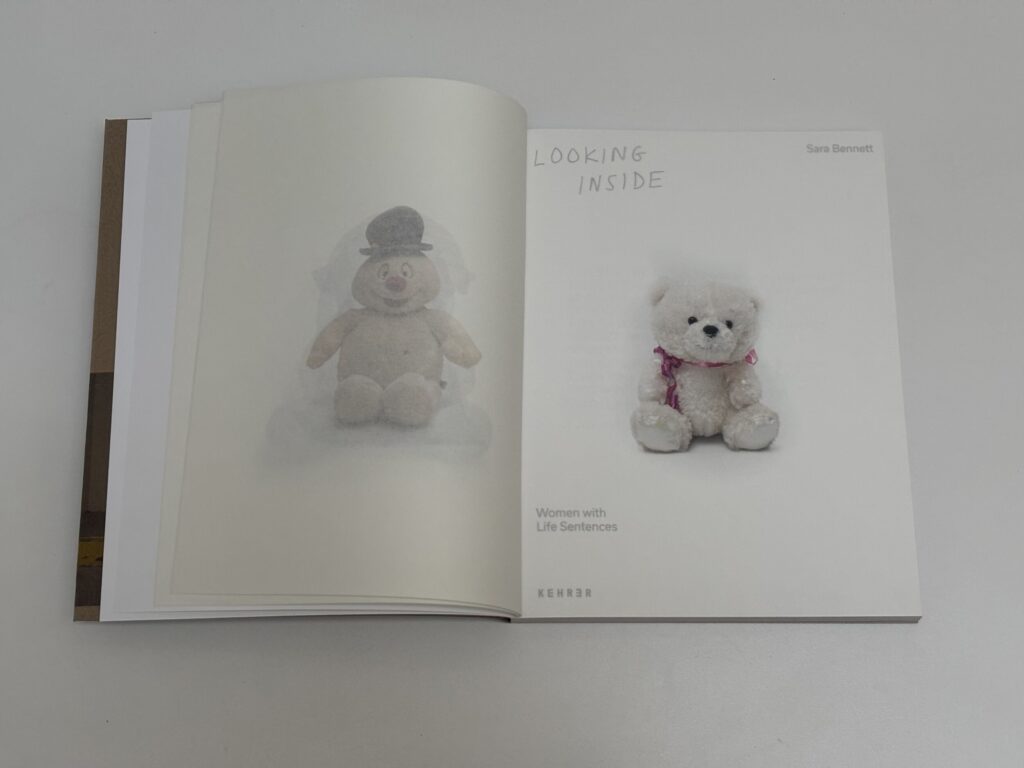
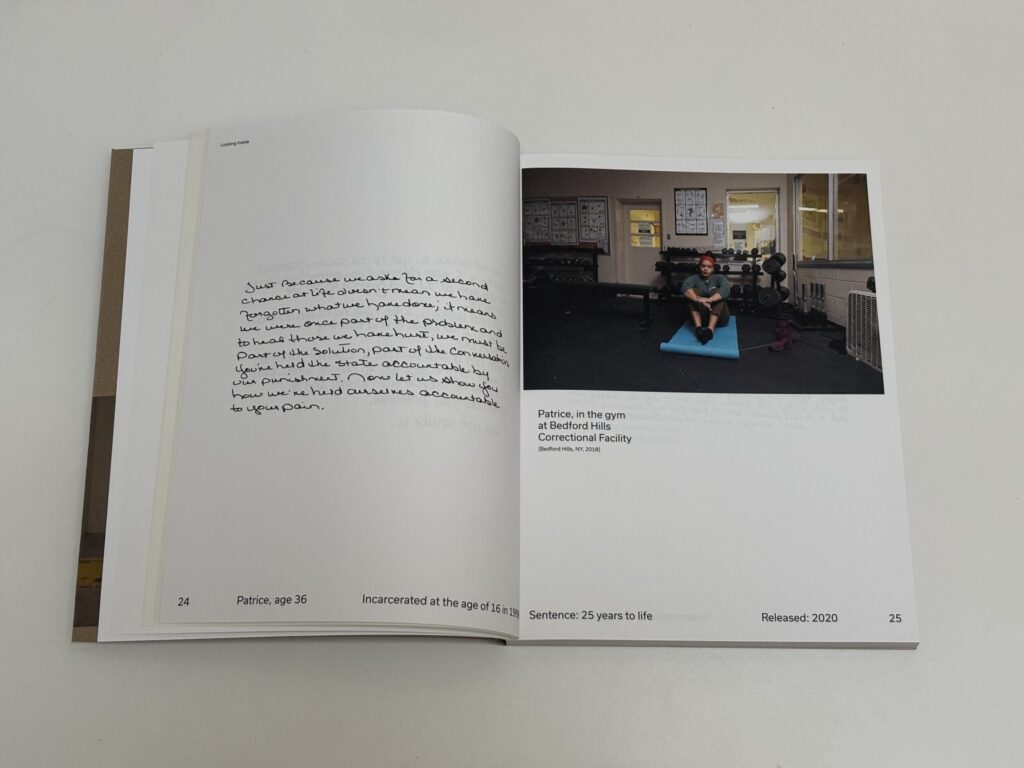
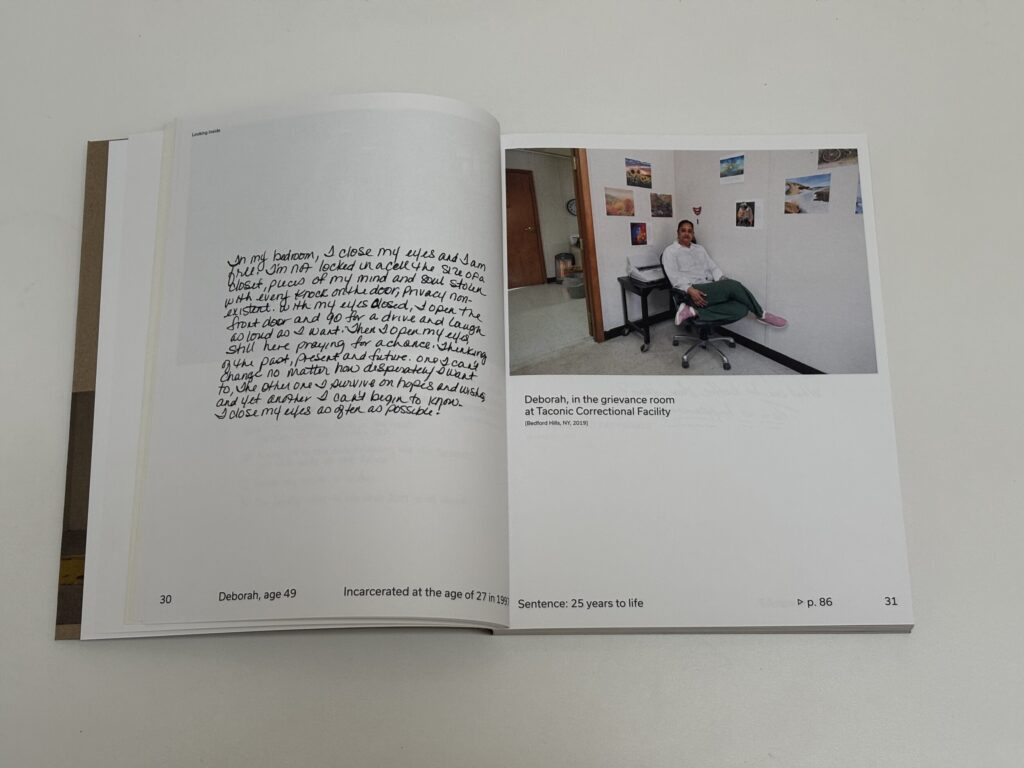
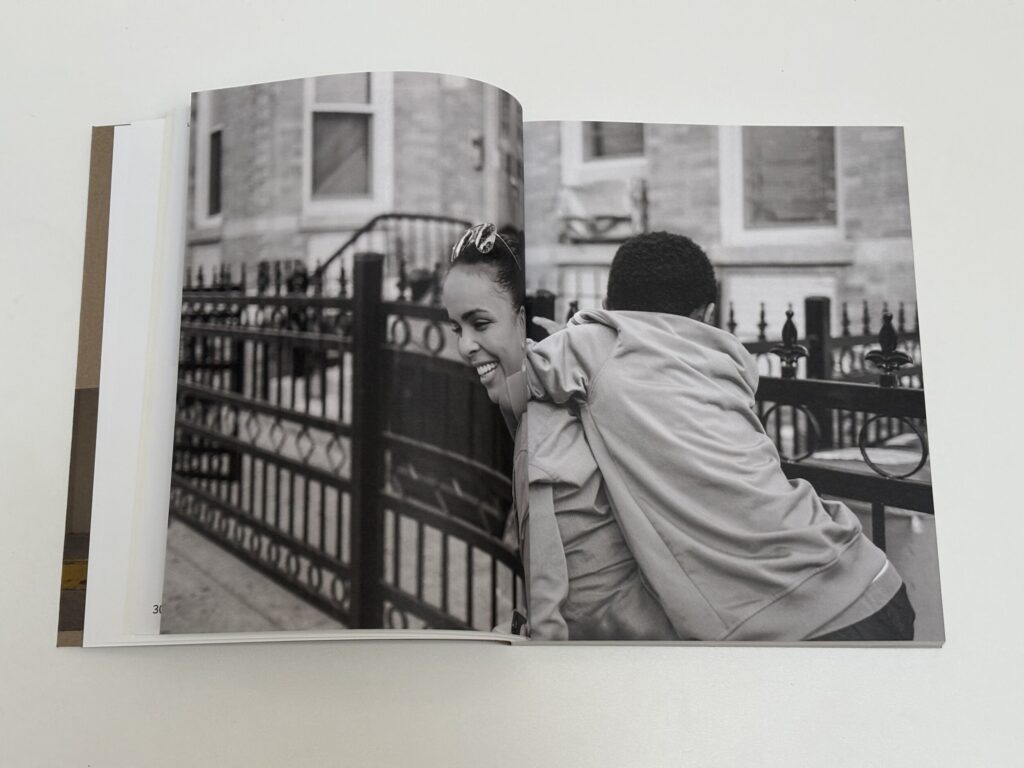
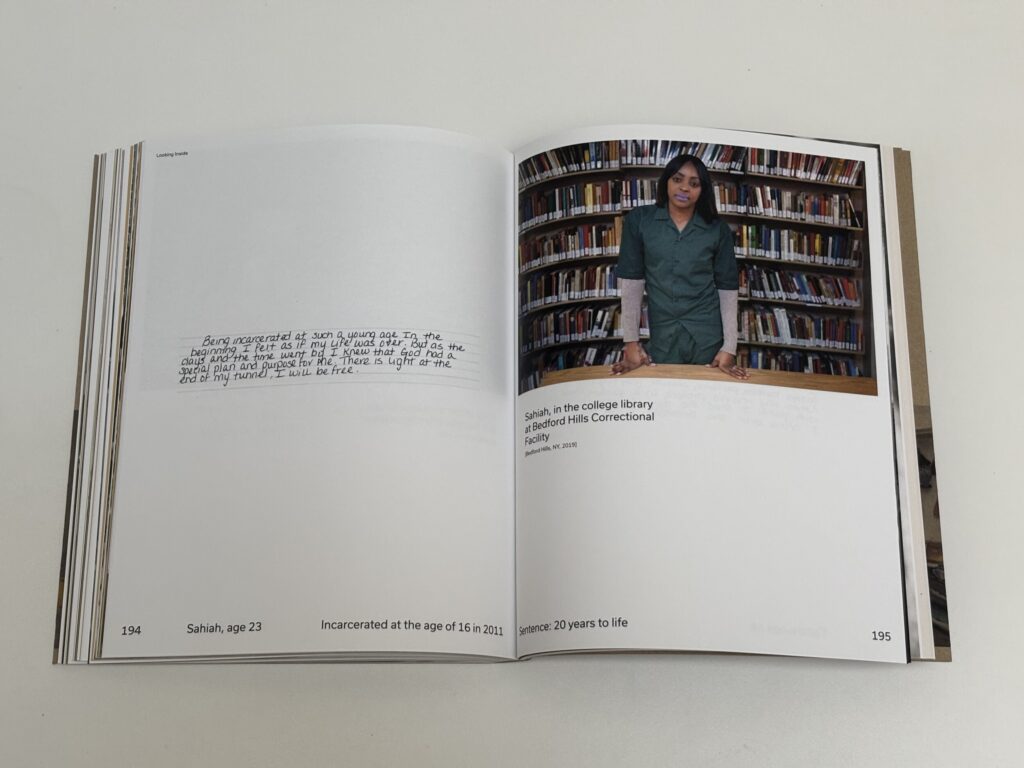
Looking Inside works particularly well as a photobook, with its design echoing many of the themes explored in the work itself. The cover is deceptively understated: a plain brown board interrupted by a narrow vertical slit that reveals only a fragment of a woman’s portrait beneath. The gesture feels both literal and symbolic, suggesting partial visibility and the limits of what can be known about a person from a single glimpse. The title, rendered in a hand-drawn script in the upper left corner, adds a personal, almost diaristic quality. Inside, photographs are woven together with handwritten reflections, letters, Polaroids, drawings, and family photographs, creating an ongoing dialogue between Bennett’s images and the women’s own voices. This layered approach broadens the narrative beyond portraiture, allowing individual histories and perspectives to emerge gradually. Captions are printed on shorter sheets of lighter paper that punctuate the book’s sequencing, while select pages include concise biographical details along the bottom margin: a name, age, sentence, years served, and, when applicable, a release date. These factual markers provide context without overwhelming the emotional and visual flow of the book, grounding each story within the realities of the criminal justice system while preserving the sense of intimacy that defines the project.
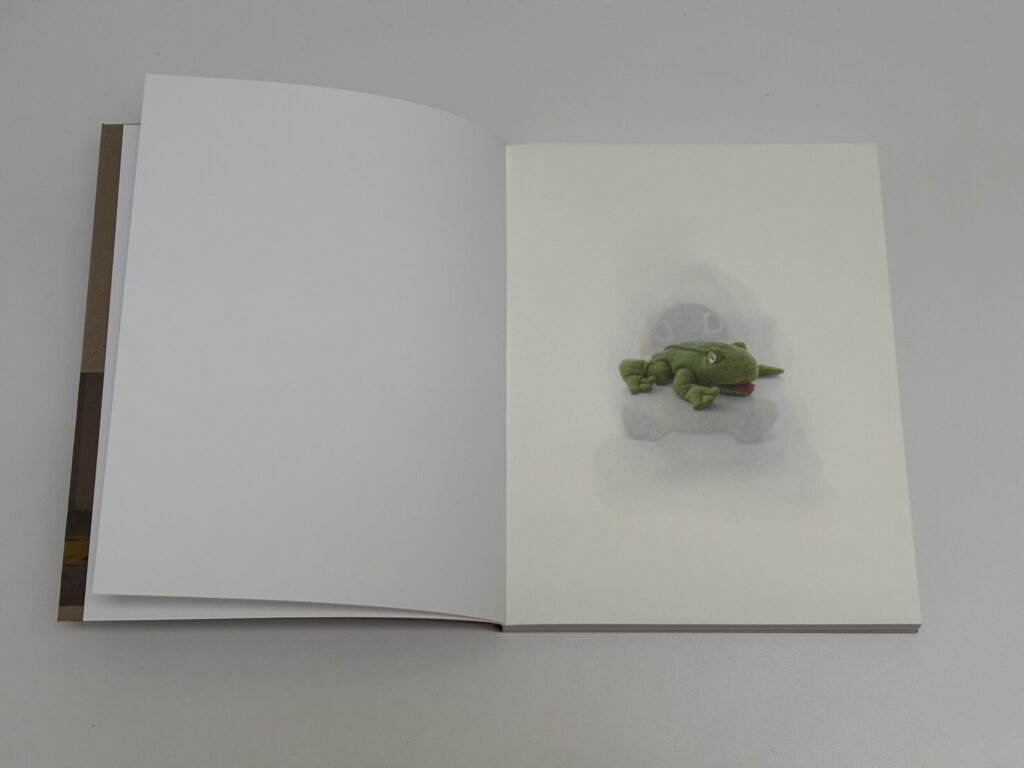
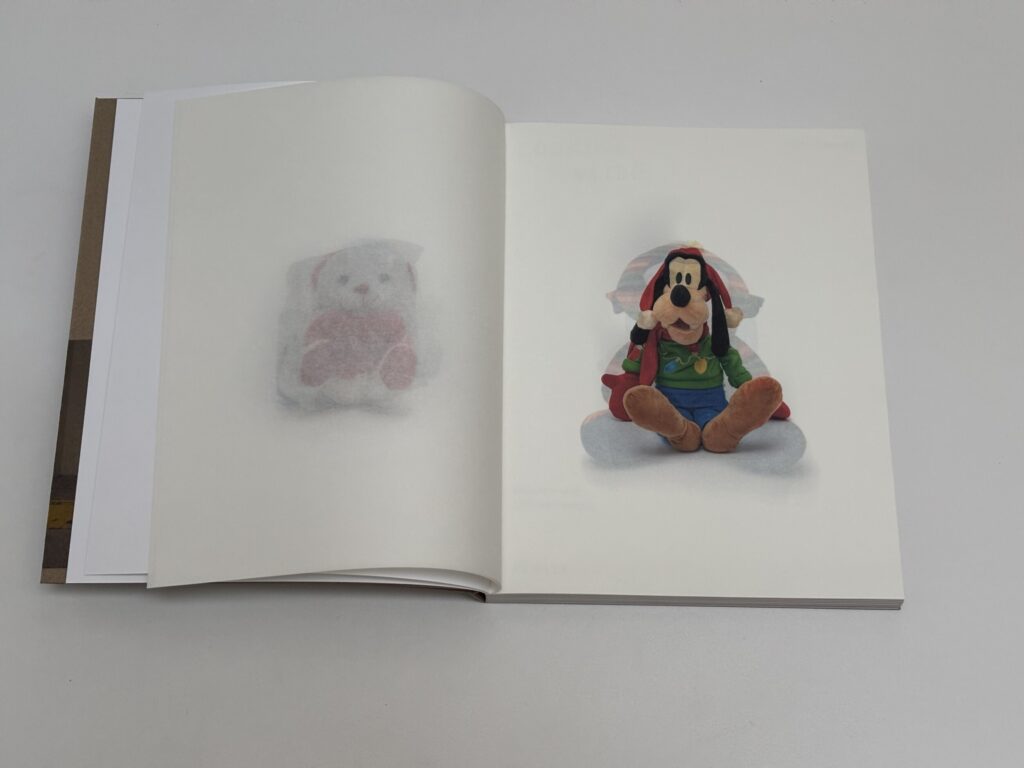
The book opens with a sequence of plush-toy photographs printed on thin, almost translucent pages: a frog, a teddy bear, Goofy, a snowman. Serving as a quiet entry point into the project, these images lead to a handwritten note that introduces one of the book’s central ideas: that the women pictured within cannot be reduced to the crimes that resulted in their life sentences. Instead, they share the same capacities for love, growth, aspiration, and change that shape any life. By beginning with these humble, emotionally charged objects, Bennett sidesteps the language of institutions and punishment, establishing an atmosphere of intimacy from the outset. The gesture gently draws readers into a book grounded in memory, personal experience, and individual histories rather than the official narratives that so often define those who have been incarcerated.
Bennett approaches her subjects through the accumulated details of personhood. There are photographs of women studying in prison libraries, working in institutional spaces, inhabiting bedrooms after release, and navigating ordinary moments that exist outside the simplistic categories through which the public often encounters incarcerated people. Faces, gestures, furnishings, handwritten notes, and personal mementos all contribute to larger portraits of lives in motion. Bennett encourages us to consider lives that extend far beyond a single event, even while never minimizing the gravity of that event.
Sahiah appears in a portrait made in the college library at Bedford Hills Correctional Facility. Standing in prison uniform before rows of books, she meets the camera’s gaze with quiet composure. She was twenty-three years old when photographed in 2019 and had been incarcerated since age sixteen, serving a sentence of twenty years to life. The portrait is particularly affecting because it situates her within a space dedicated to learning and self-development, underscoring the book’s interest in who these women are becoming over time rather than simply who they were when they entered prison.
Karen is one of the women whose story unfolds across multiple photographs. Bennett photographed her in the visiting room at Taconic Correctional Facility and then again four weeks after her release, when she was living in a homeless shelter in New York City. Seen together, the images reveal the difficult and often uncertain transition from prison back into society, challenging any simplistic notion of release as a neat conclusion. There is dignity throughout the work, yet that dignity is never confused with simplification. The women appear neither as heroes nor victims alone. Instead, they emerge as people whose lives contain contradictions, regrets, accomplishments, relationships, and aspirations.
Looking Inside enters a well-established photographic conversation about incarceration. From Danny Lyon’s Conversations with the Dead to Jane Evelyn Atwood’s Too Much Time: Women in Prison, photographers have long grappled with how to represent life behind bars. More recently, projects such as Nigel Poor’s work with incarcerated men at San Quentin have expanded the discussion, often emphasizing collaboration, self-representation, and the social consequences of mass incarceration. Bennett’s project stands out for its sustained focus on women as well as her willingness to follow some of her subjects beyond prison walls. Rather than treating incarceration as a closed condition, the book traces lives across decades, extending into the unstable and often difficult process of reentry, where the effects of incarceration continue long after release.
Through careful portraiture and an elegantly constructed book object, Bennett creates space for a fuller understanding of lives that are often reduced to headlines, court records, or prison numbers. The achievement of Looking Inside lies not in arguing for a particular position, but in paying attention. By bringing together photographs, personal writings, family snapshots, and fragments of everyday experience, Bennett reveals how much remains invisible within the simplified narratives that surround incarceration. In doing so, Looking Inside becomes not only a document of incarceration, but a meditation on visibility, empathy, and the difficulty of truly seeing another person.
Collector’s POV: Sara Bennett does not appear to have consistent gallery representation at this time. As a result, interested collectors should likely follow up directly with the artist via her website (linked in the sidebar).