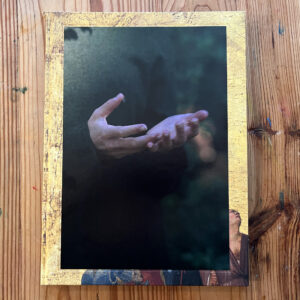
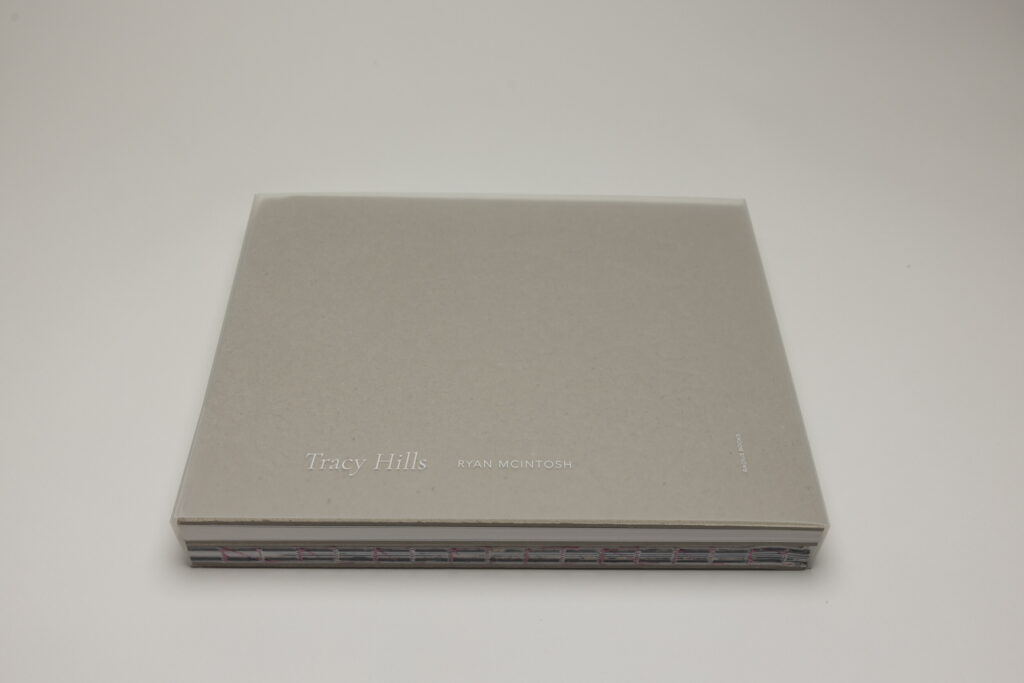
JTF (just the facts): Published in 2026 by Radius Books (here). Two hardcover volumes housed in a slipcase (9.75 x 12.5), 264 pages, with 124 black-and-white and color images. Includes texts by Britt Salvesen and Gregory Foster-Rice. In an edition of 1500 copies. (Cover and spread shots below.)
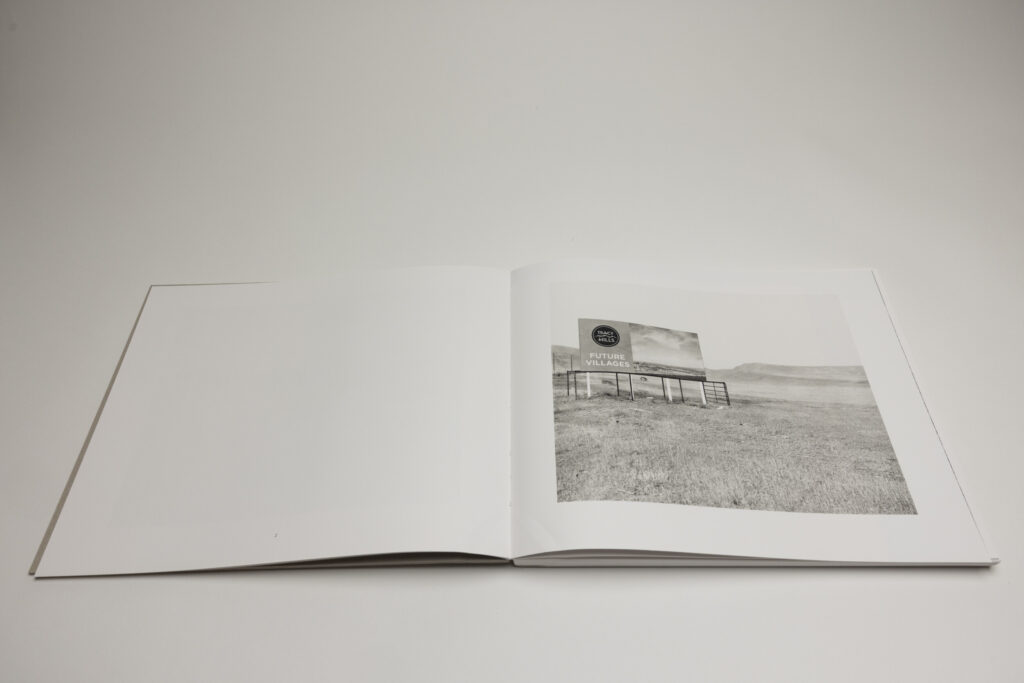
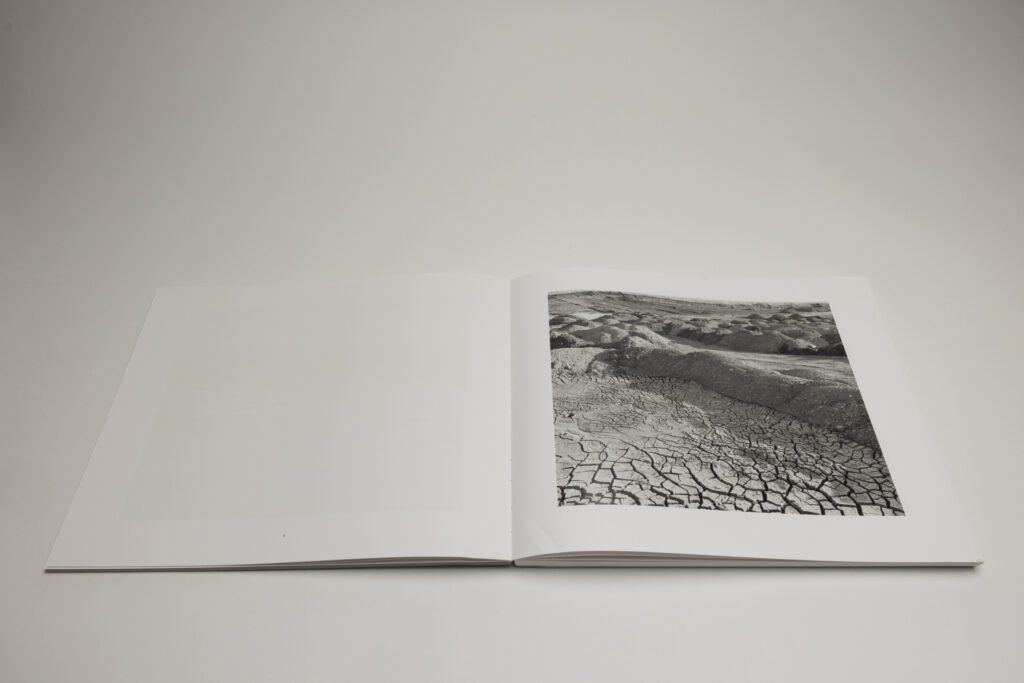
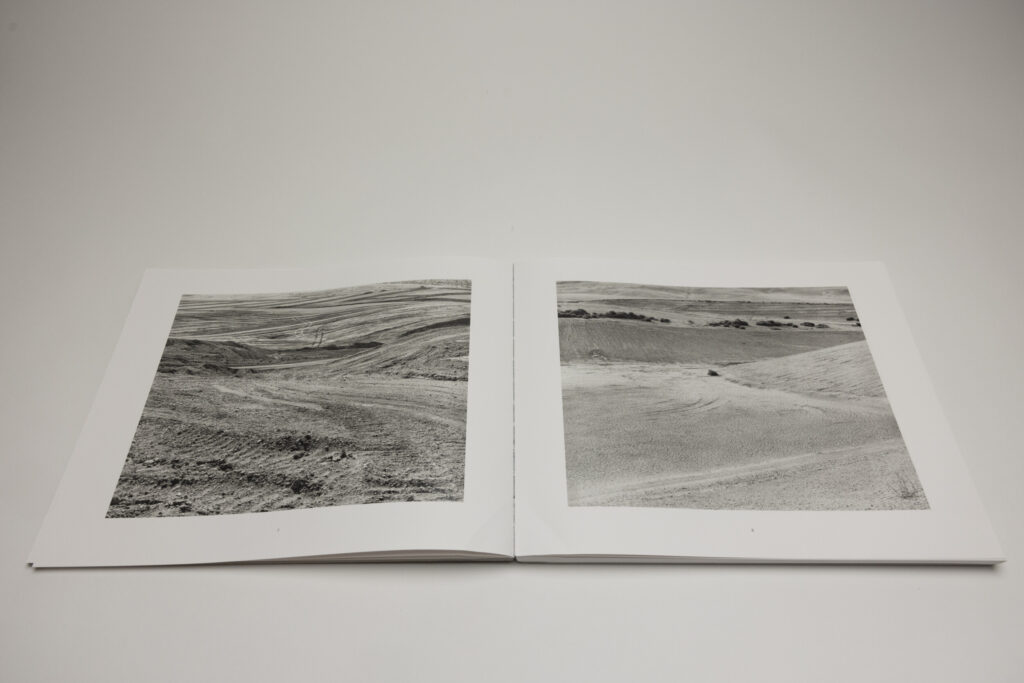
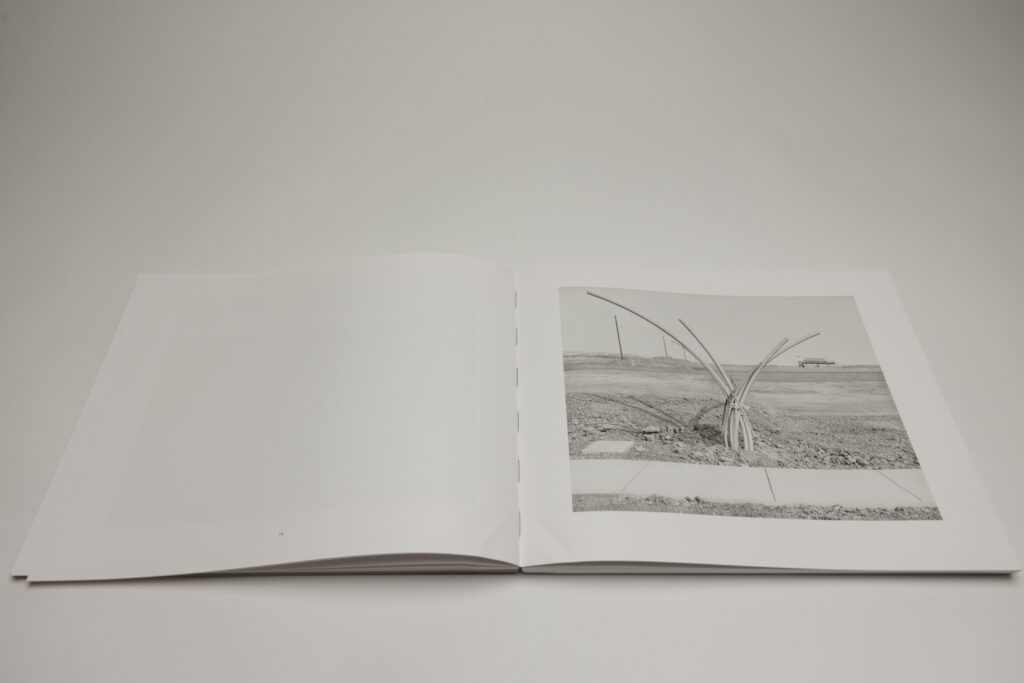
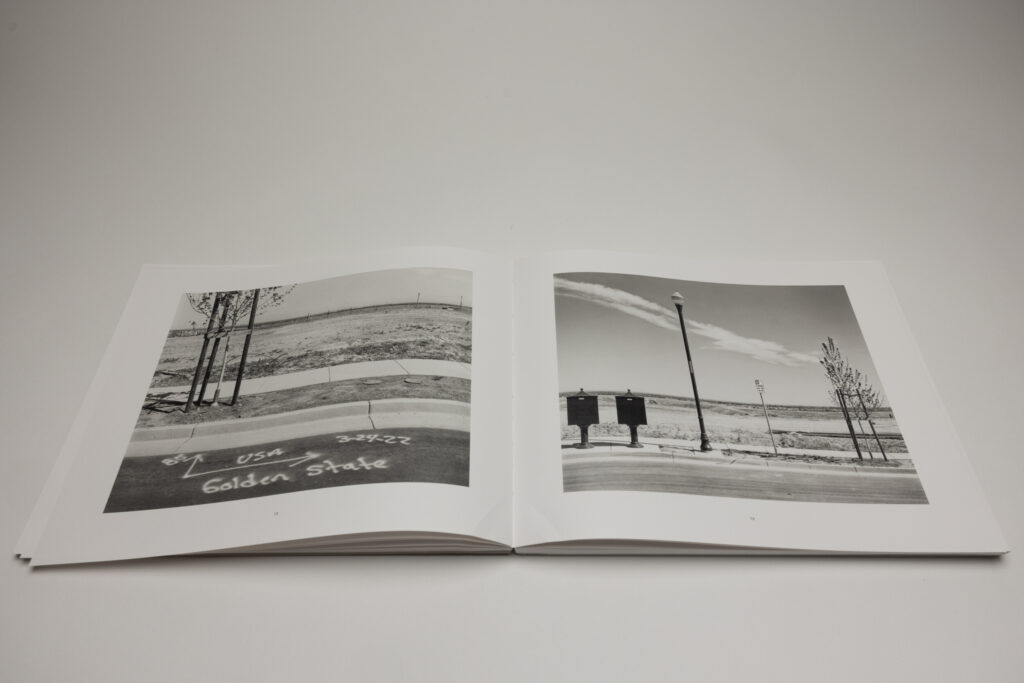
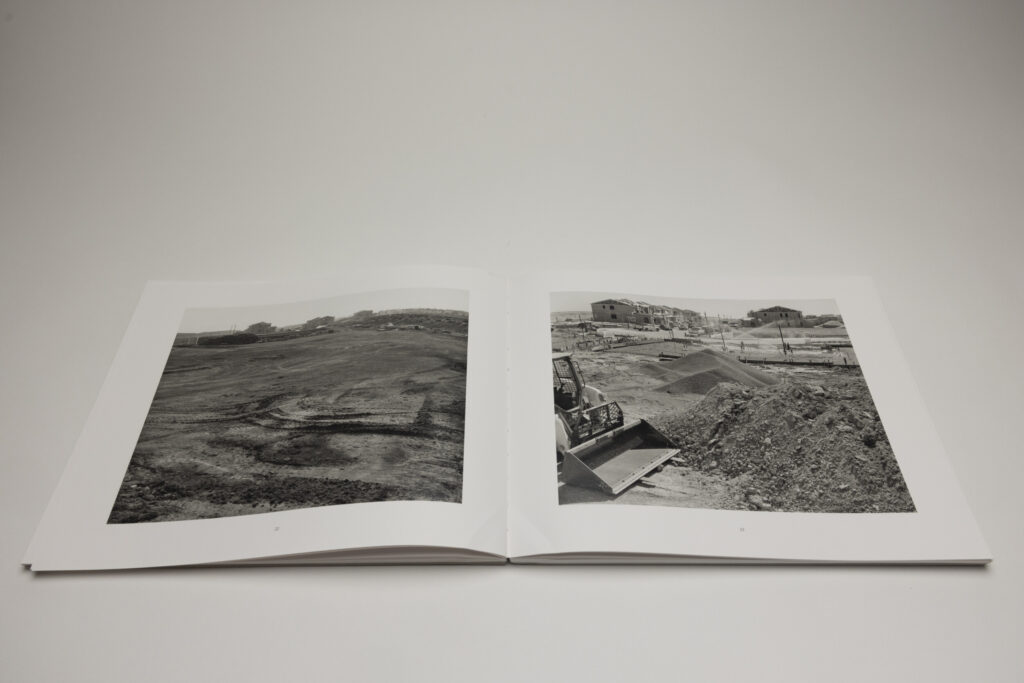
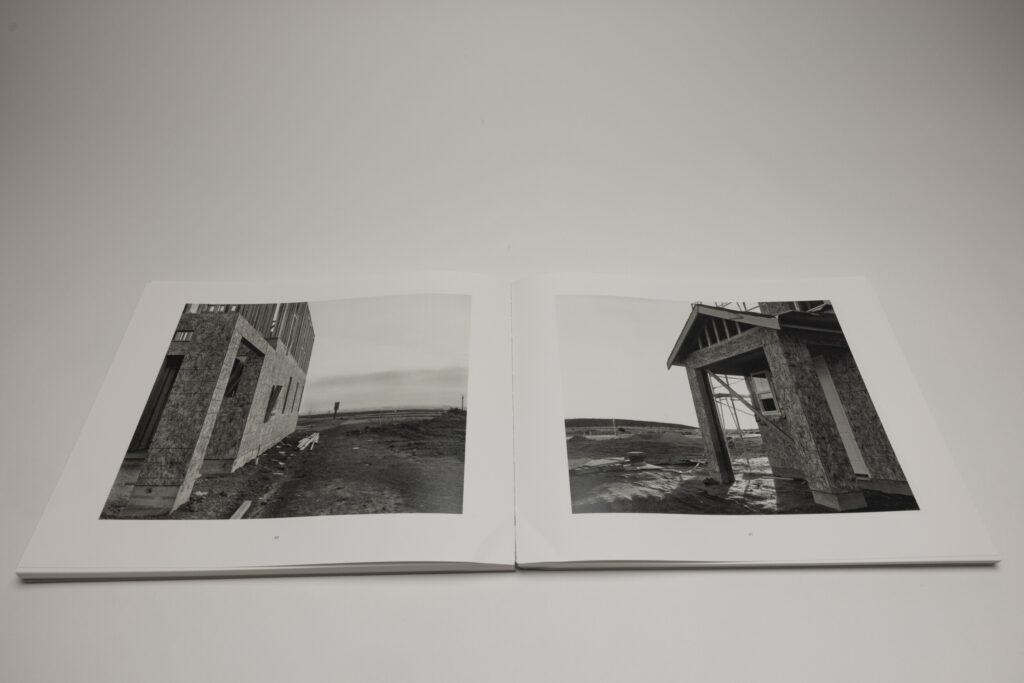
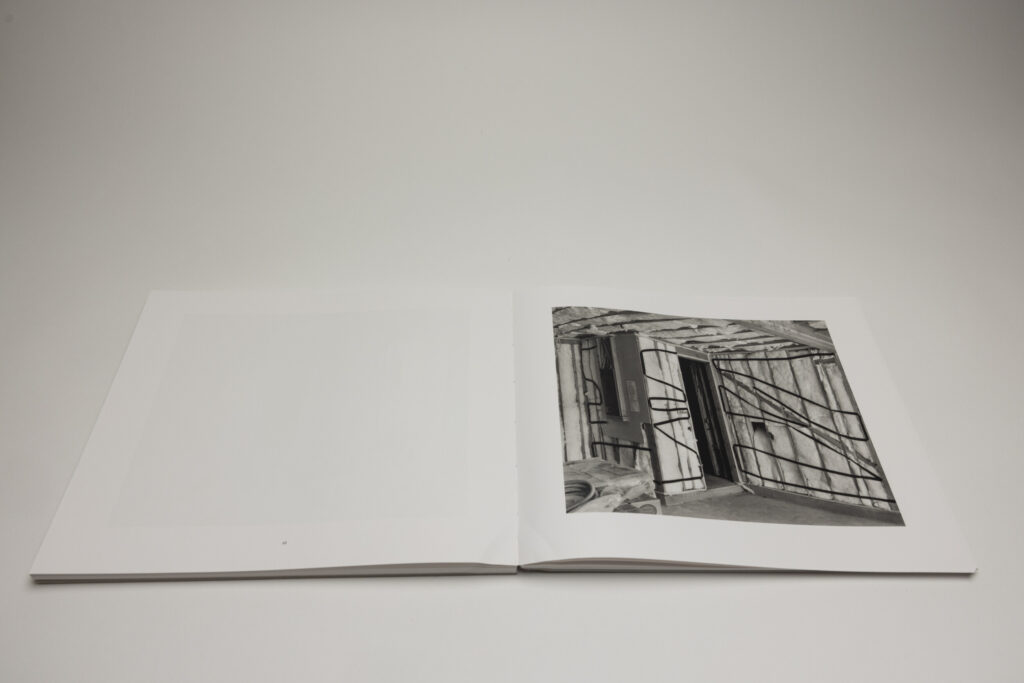
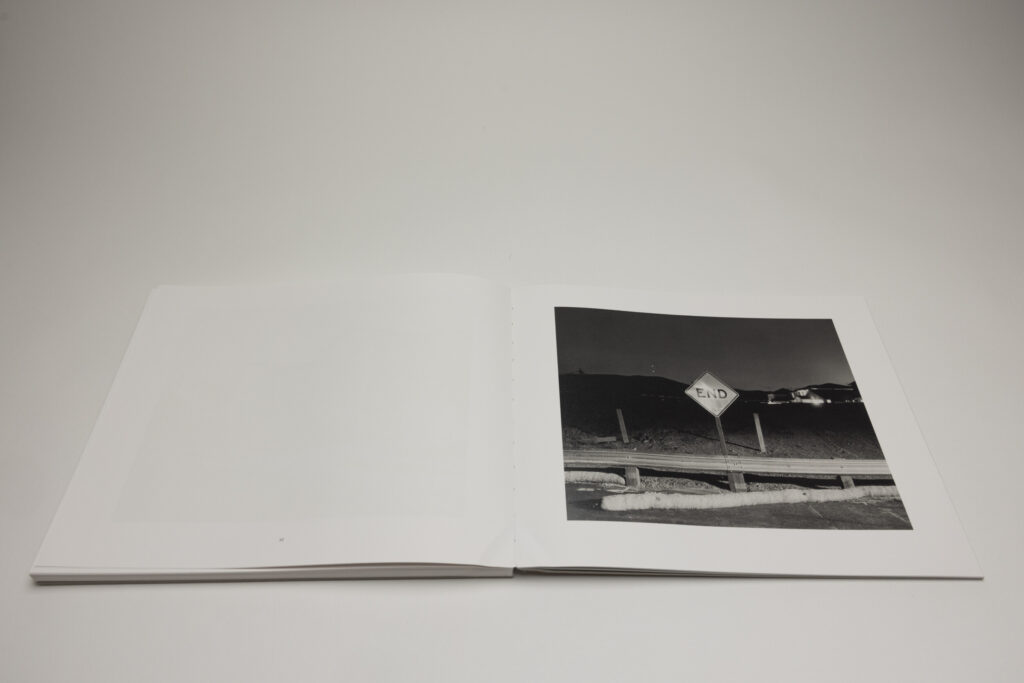
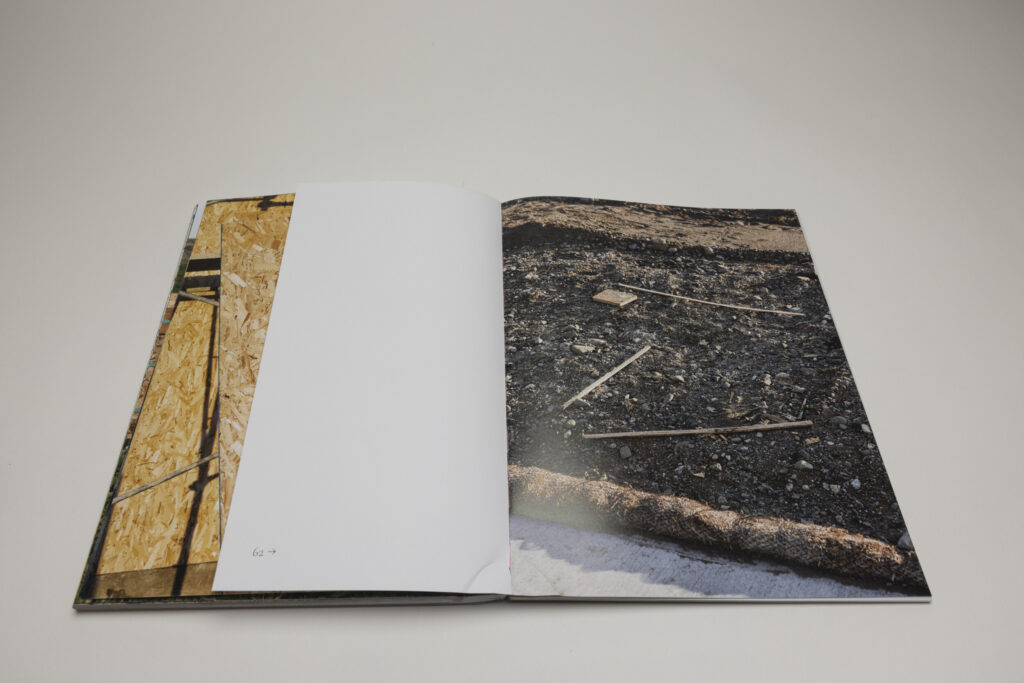
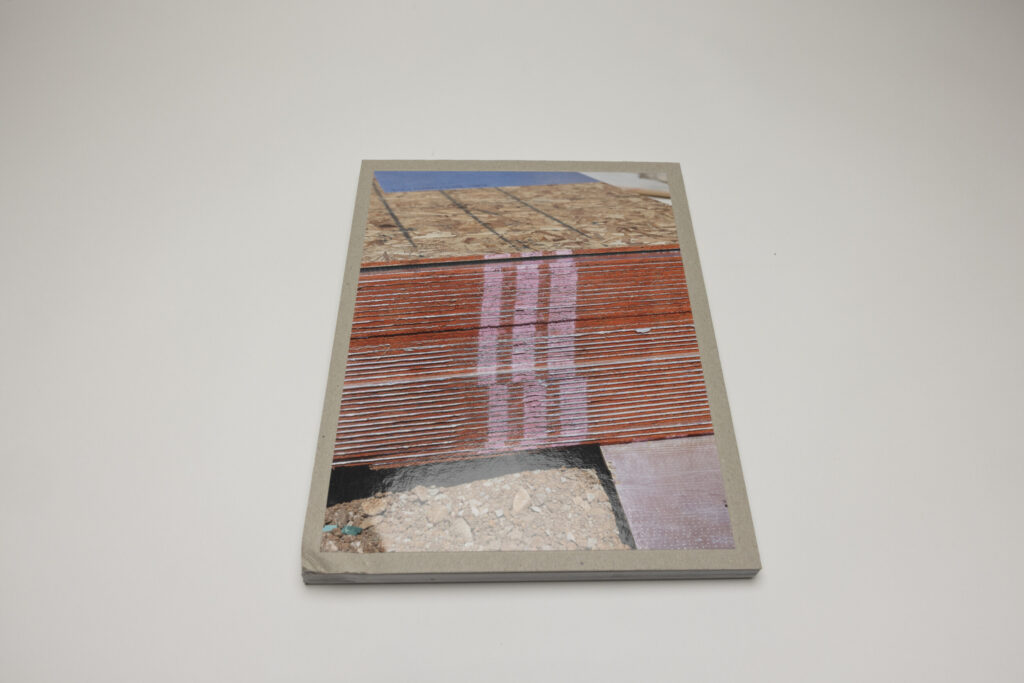
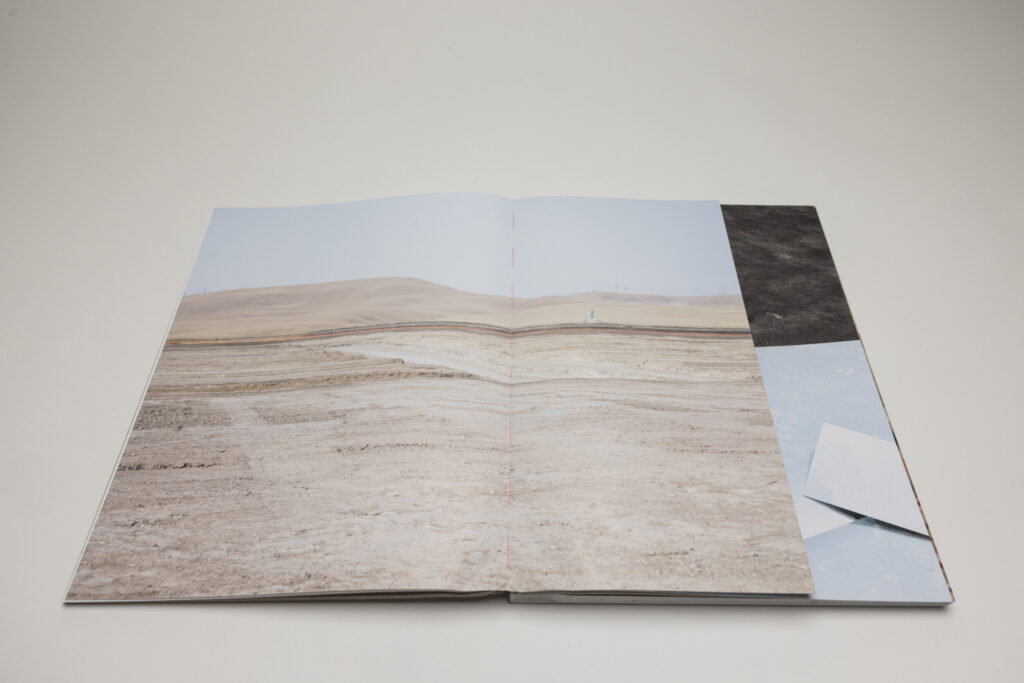

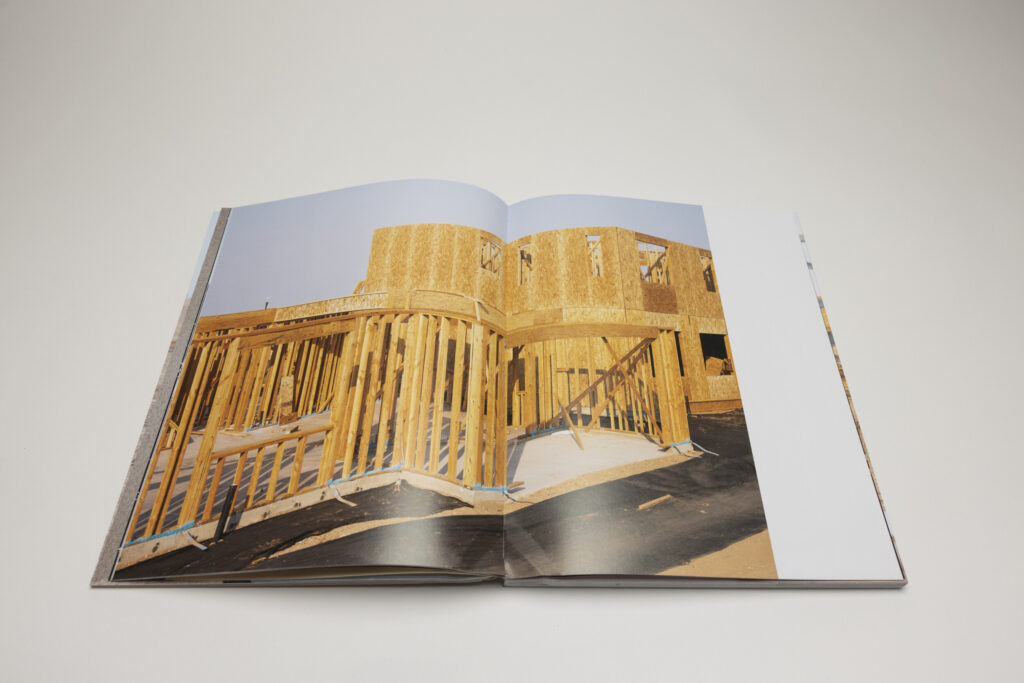
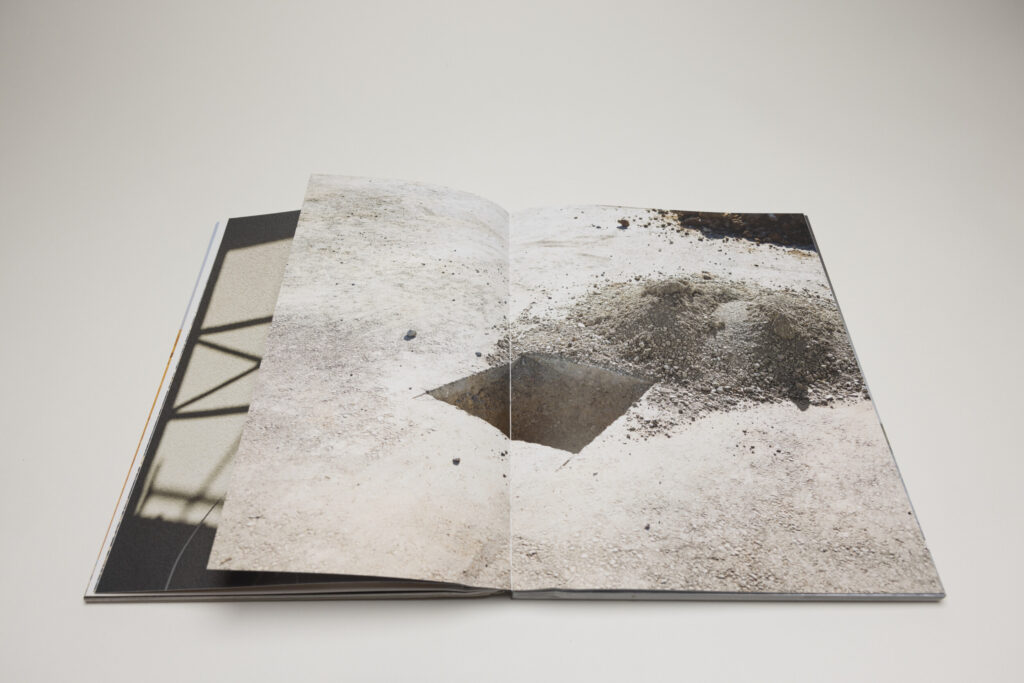

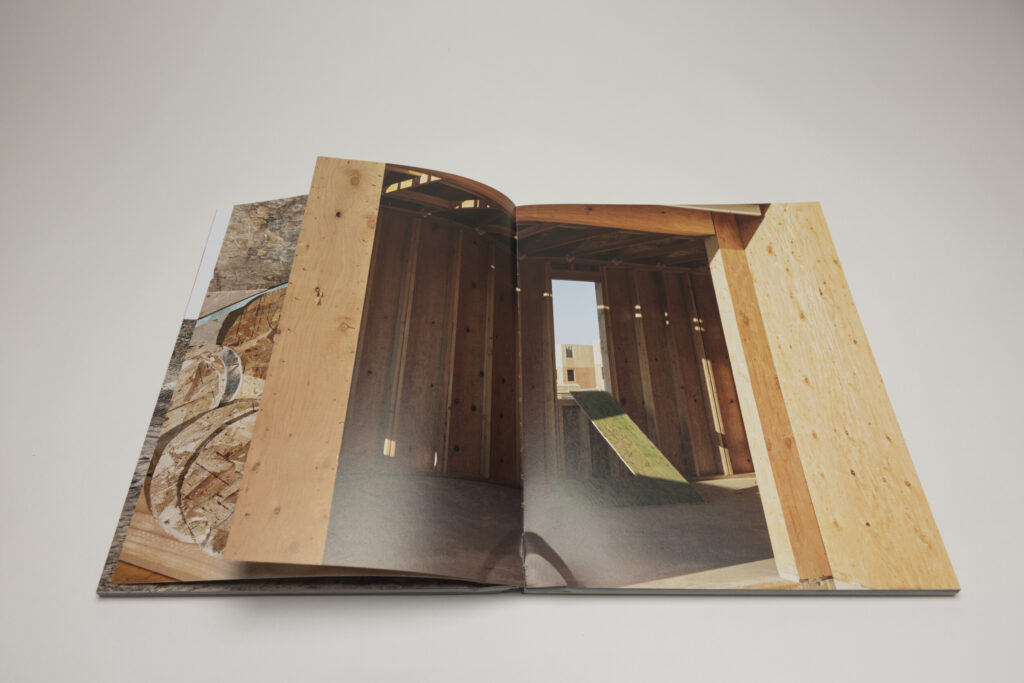
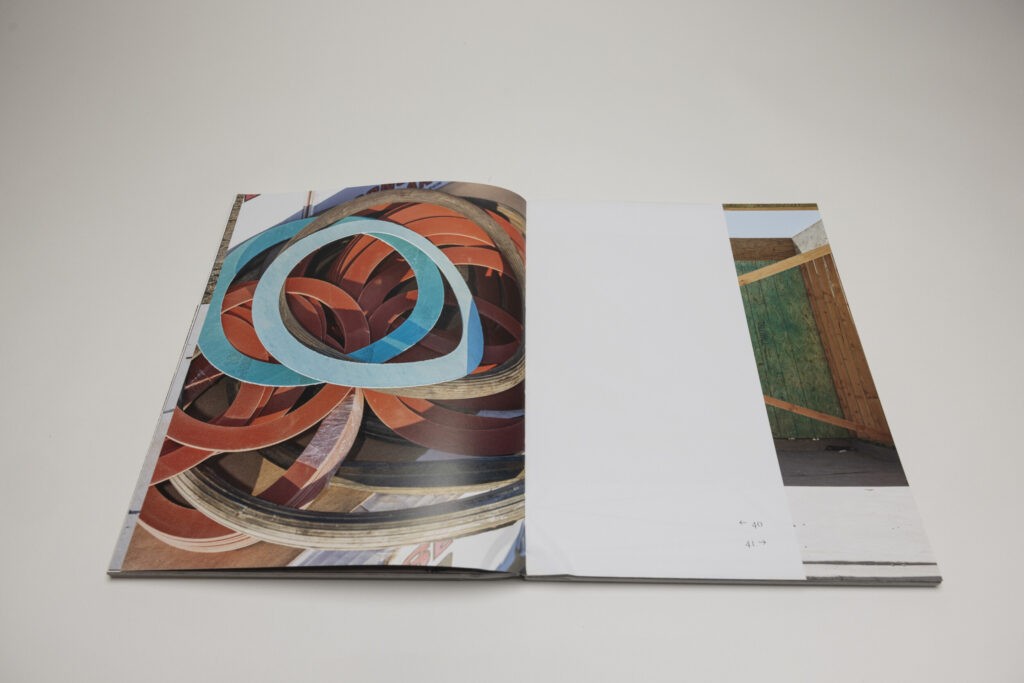
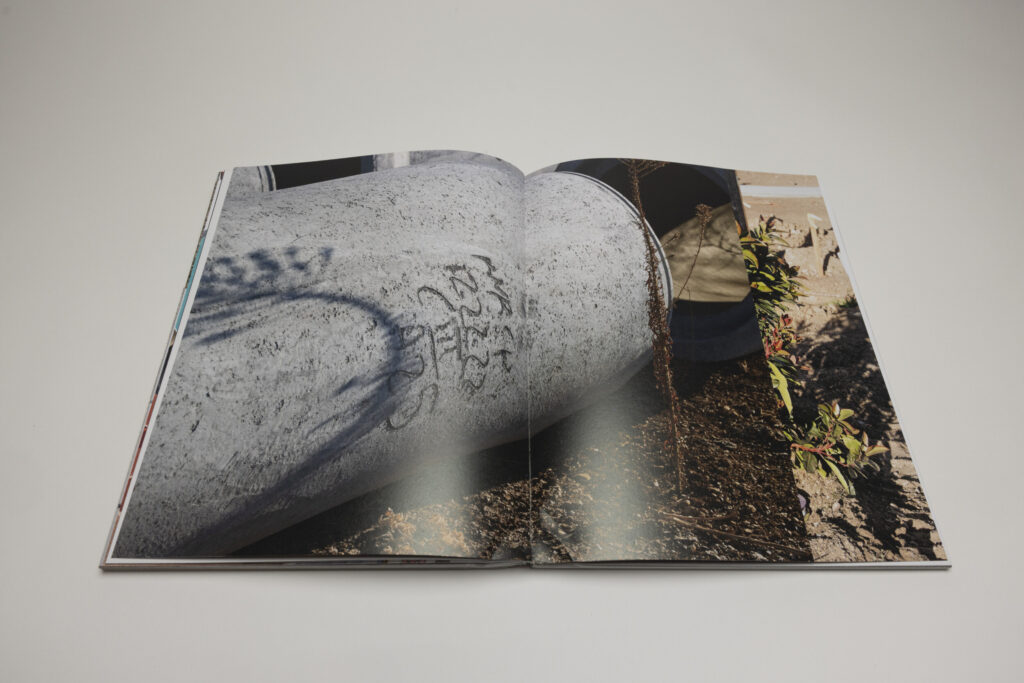
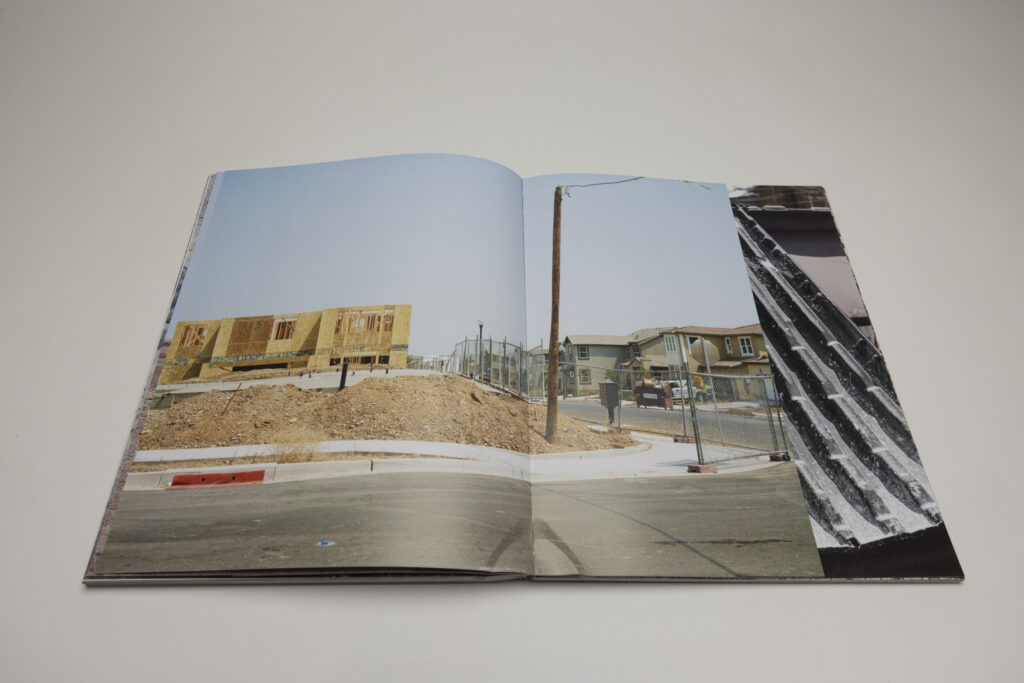
Comments/Context: Tracy Hills, a collaboration between Los Angeles-based photographers Ryan McIntosh and Yogan Müller, is an in-depth exploration of a large master‑planned housing development currently taking shape in California’s Central Valley. It is a record of repeated looking, a slow exchange between two photographic approaches attuned to land, climate, and the subtle frictions embedded in suburban expansion. Across the book, the site comes into view through repeated images, with meaning taking shape gradually through rhythm, pause, and chance connections. It points to twenty‑first‑century environmental concerns (water scarcity, heat, and unsustainable growth) that sit uneasily alongside the development’s forward‑looking claims.
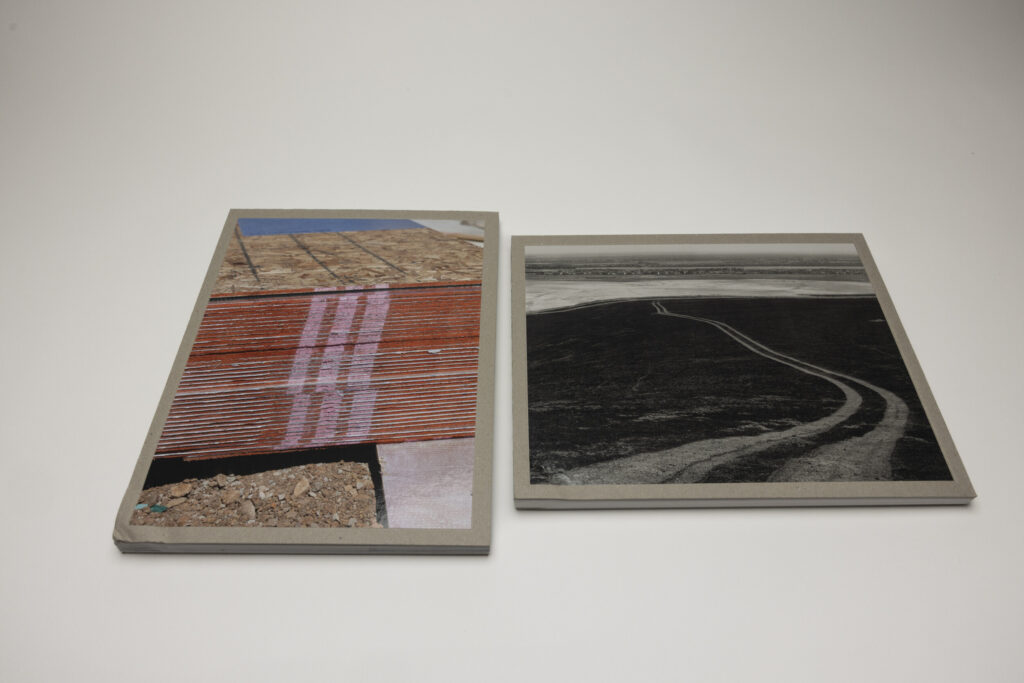
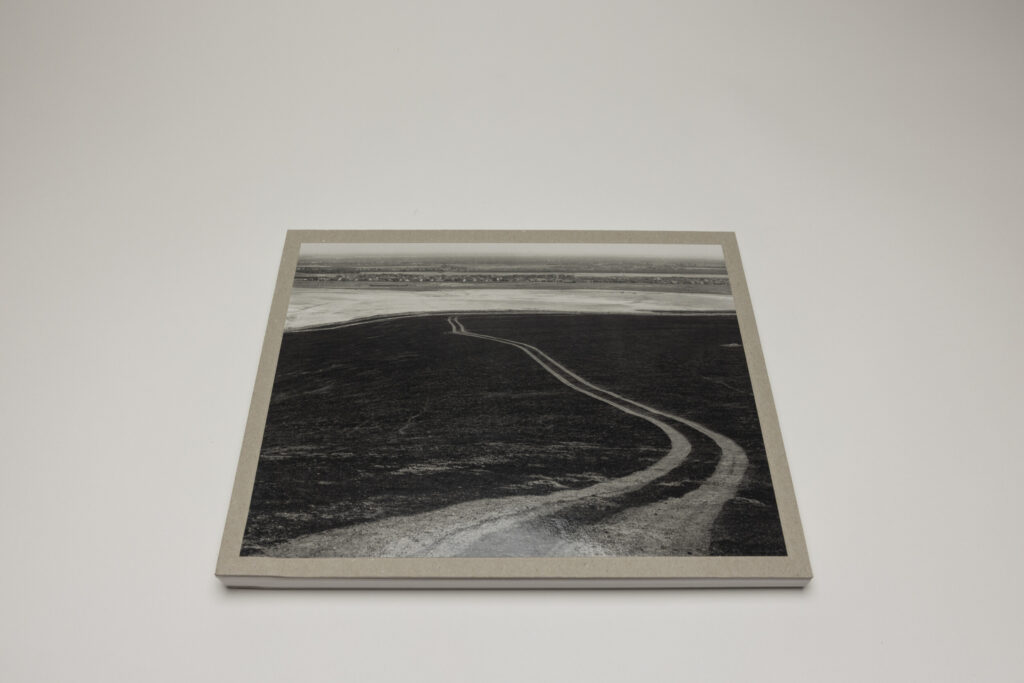
The design of the publication itself reinforces this measured pace. Tracy Hills is issued as a substantial two‑volume set housed in a clear plastic slipcase, a structure that keeps the books together while still emphasizing their autonomy as distinct but related publications. The books share the same dimensions, but diverge in orientation and design. Both feature exposed spines and cardboard covers, lending the set a deliberately utilitarian quality. The volume featuring Müller’s photographs is vertically oriented. Inside, many of the images are printed on shorter sheets, creating shifts in rhythm as the pages turn. Captions are gathered at the back of the book in a single list that encourages the reader to move through the photographs without immediate contextual anchors. McIntosh’s volume is horizontal, with a black‑and‑white aerial image of a road stretching across the cover. Inside, the photographs are predominantly placed on right‑hand pages, producing a steady, forward progression. The sequencing feels controlled and deliberate, reinforcing the sense of surveying a site in stages rather than arriving at conclusions. McIntosh and Müller share a closely aligned photographic sensibility and conceptual framework, and the two‑volume format places their practices into a sustained, measured dialogue.
The project aligns itself with the legacy of the New Topographics photographers of the 1970s, who approached the built environment of the American West with a cool, unsentimental eye. McIntosh and Müller work within that lineage, adopting a similar visual restraint while adapting it to a different historical moment. Where photographers like Robert Adams and Lewis Baltz documented landscapes in the process of being reshaped, Tracy Hills looks at a terrain further along that trajectory, where development has become routine and damage unfolds gradually. The emphasis is less on dramatic change than on a normalized state of decline, one that is often framed, quietly but persistently, as progress.
McIntosh works exclusively in black and white using an 8×10‑inch view camera, and his photographs carry the visual weight and discipline associated with a large‑format practice. The images focus on the physical infrastructure of the development: roads, retaining walls, drainage channels, graded earth, and utility systems. The large‑format camera slows the act of looking, and that slowness carries through in the images, which emphasize surface detail, texture, and the way light settles on unfinished land.
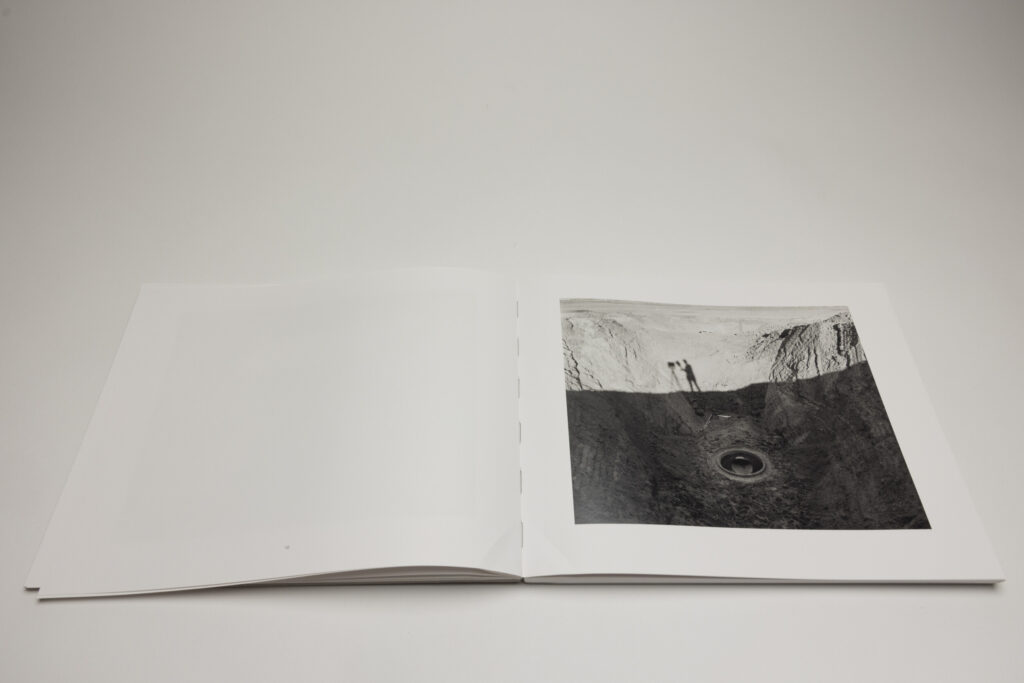
One photograph shows a row of houses under construction; exposed to the harsh desert light, the unfinished structures appear precarious and ill-suited to their surroundings, underscoring how poorly their design aligns with the local ecology. In another image, McIntosh’s shadow stretches across freshly graded ground, briefly breaking the sense of detachment that runs through the book. Even here, the gesture remains understated. The shadow is not centered or emphasized; it simply exists as another mark on the land. Across the series, McIntosh’s photographs read as careful records of a landscape in transition, attentive to how development imprints itself on the ground long before the houses are fully lived in.
Müller’s photographs, made in color with a digital camera, introduce a contrasting visual register. Where McIntosh’s images feel dense and grounded, Müller’s often appear lighter, more atmospheric, and spatially expansive. His photographs move across open terrain, construction edges, and fire‑scarred hills, situating the development within a wider and less stable environment. Müller directs his attention toward close‑ups of ordinary materials found in plain sight on the construction site, including nails, plywood, sheetrock, sand etc. The shorter page format gives these images a cumulative quality, as if they are gradually piling up.
Color is central to this approach. Washed‑out blues, scorched browns, and pale greens convey heat and dryness without dramatization. The palette feels sun‑bleached, reinforcing the environmental conditions shaping the site and subtly undermining the forward‑looking narratives typically associated with planned communities. In Müller’s images, the development appears provisional; one element among many in a landscape shaped by climate, scale, and risk.
Together, the two bodies of work establish a productive tension. Müller focuses inward, on ground and structure, while McIntosh pulls back, situating those same structures within a broader territorial frame. People are largely absent across both volumes, appearing only indirectly through signs of occupation: parked cars, trimmed hedges, footprints in dirt. This absence sharpens attention to infrastructure and planning decisions that quietly organize daily life without asking to be noticed.
Both photographers include images that show their own presence in the places they photograph. McIntosh captures his shadow, while Müller photographs himself from afar, looking out over burned land. These images are not about self‑display, but about acknowledging that the photographers are part of the scene. The book recognizes that photographing a development like Tracy Hills also means contributing to how it is seen and understood, rather than standing outside it.
The project concludes with a section focused on the aftermath of a wildfire that burned through the area after McIntosh and Müller thought the project was complete. And so they returned to photograph the site again. The images from this later visit avoid dramatic gestures; instead, they observe the damage with the same steady attention given earlier to tire marks, drainage channels, and new construction. In this sense, the fire feels less like an interruption than an outcome already suggested by the earlier photographs.
Tracy Hills does not insist on relevance; it earns it through care. The book asks the viewer to recalibrate expectations, to accept that meaning might emerge through proximity rather than overt commentary. By focusing on spaces that are often overlooked or dismissed as generic, McIntosh and Müller propose a form of attention that is ethical as much as aesthetic. To look at these images is to be reminded that the ordinary is not empty, and that photography, at its most rigorous, can teach us how to stay with what is already in front of us. If Tracy Hills does not foreground innovation in concept or design, it nonetheless holds together through a steady consistency and patience that often serve a book well over time. It is a confident, deliberate project that emphasizes coherence and sustained attention over display.
Collector’s POV: Ryan McIntosh is represented by Marshall Gallery in Santa Monica (here) and Peter Fetterman Gallery in New York (here). His photographic work has little secondary market history at this point, so gallery retail likely remains the best option for those collectors interested in following up. Yogan Müller does not appear to have consistent gallery representation at this time. Interested collectors should likely follow up directly with the artist via his website (linked in the sidebar).