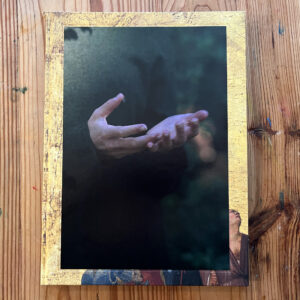
JTF (just the facts): Co-published in 2026 by Magic Hour Press (here) and Matte Editions. Hardcover with belly band, 9.25 x 6.5 inches, 160 pages, with 80 monochrome photographs. Includes a 16 page thread-sewn pamphlet with an essay by the artist. Design by Jordan Weitzman.(Cover and spread shots below.)
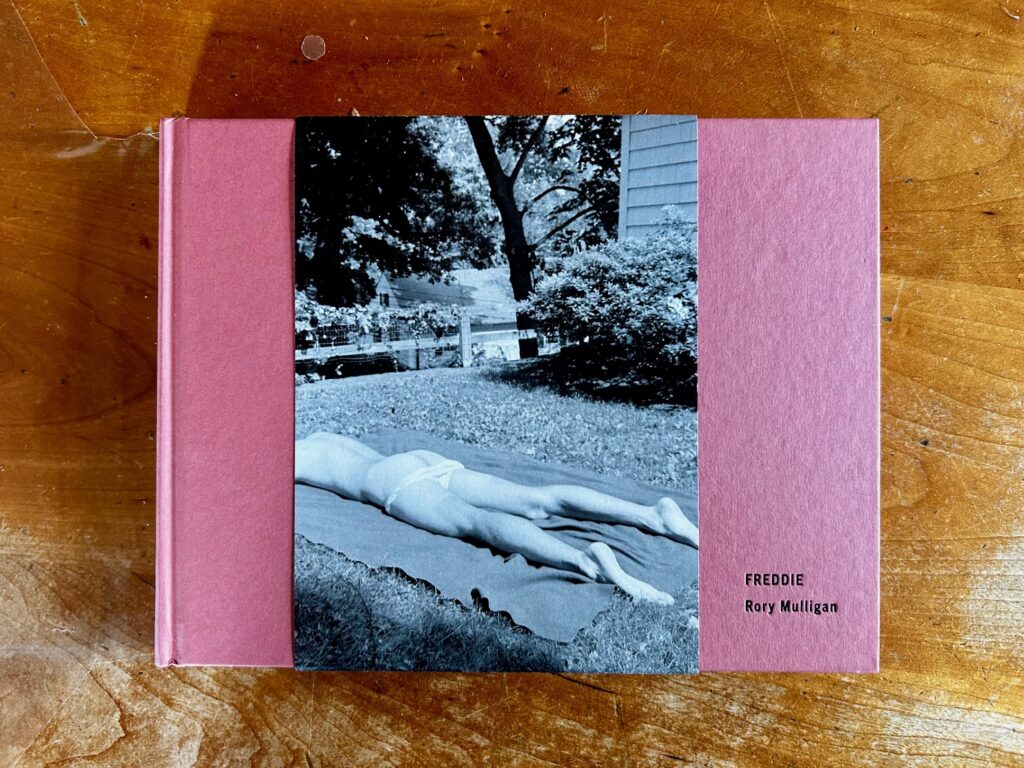
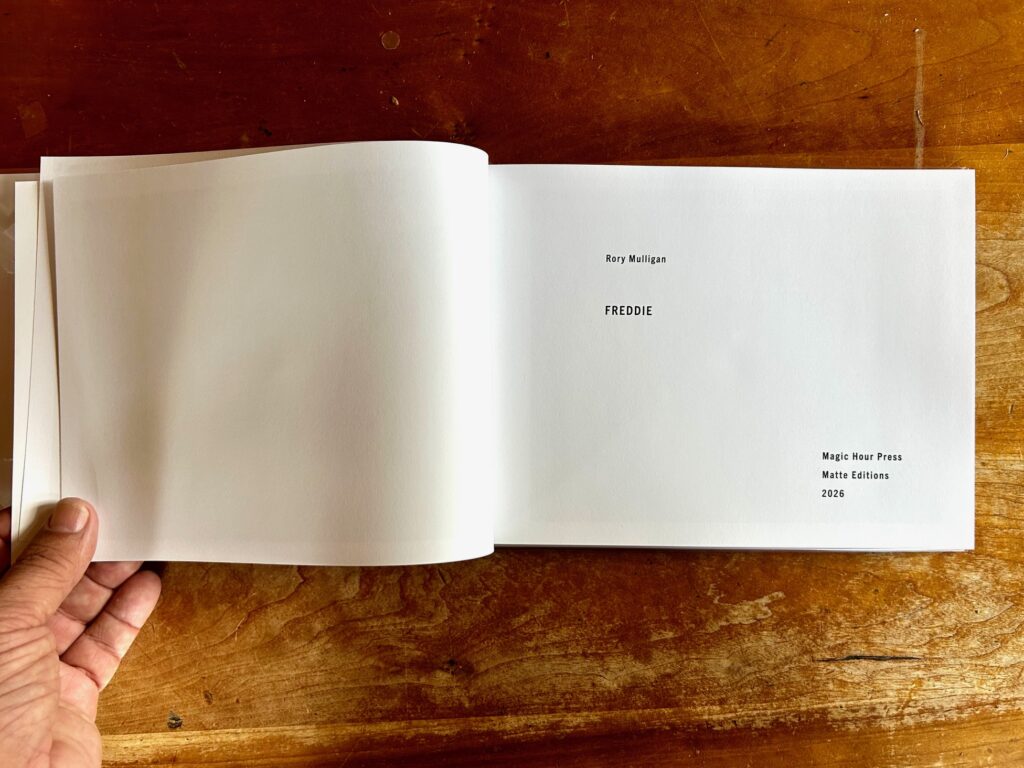
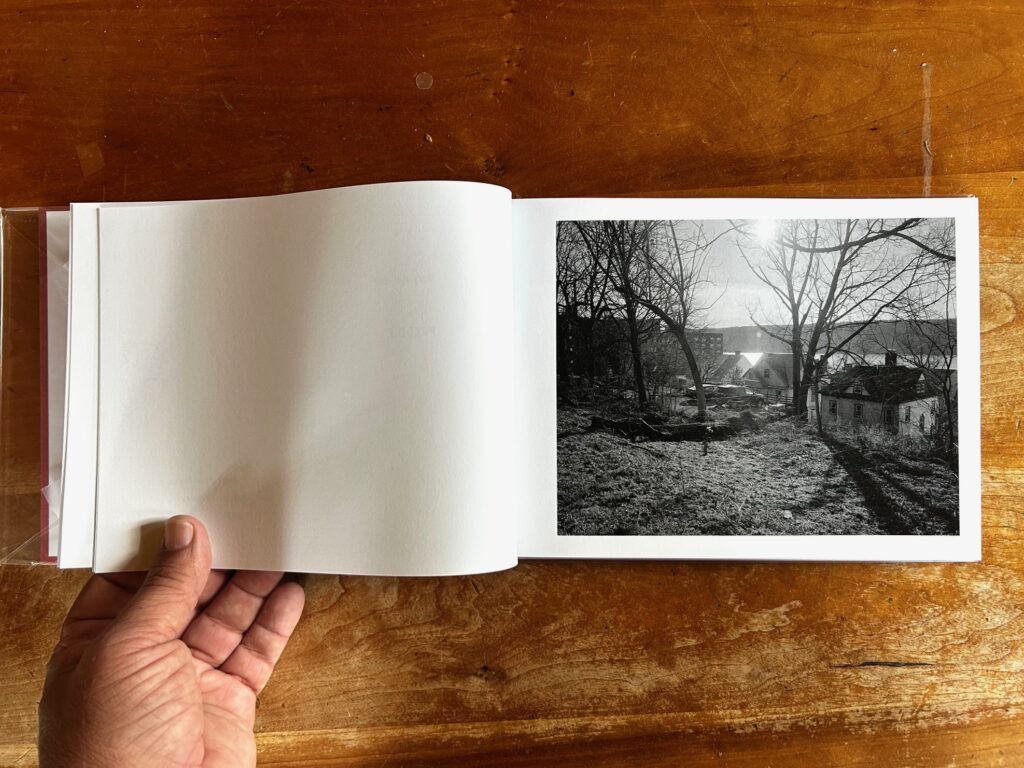
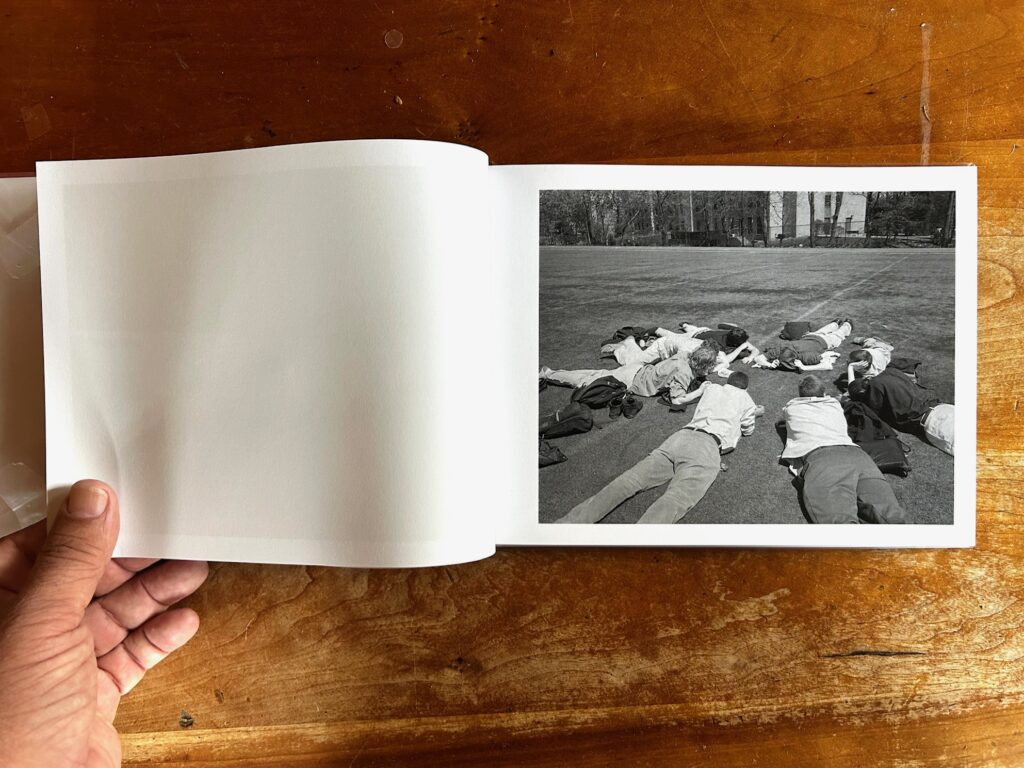
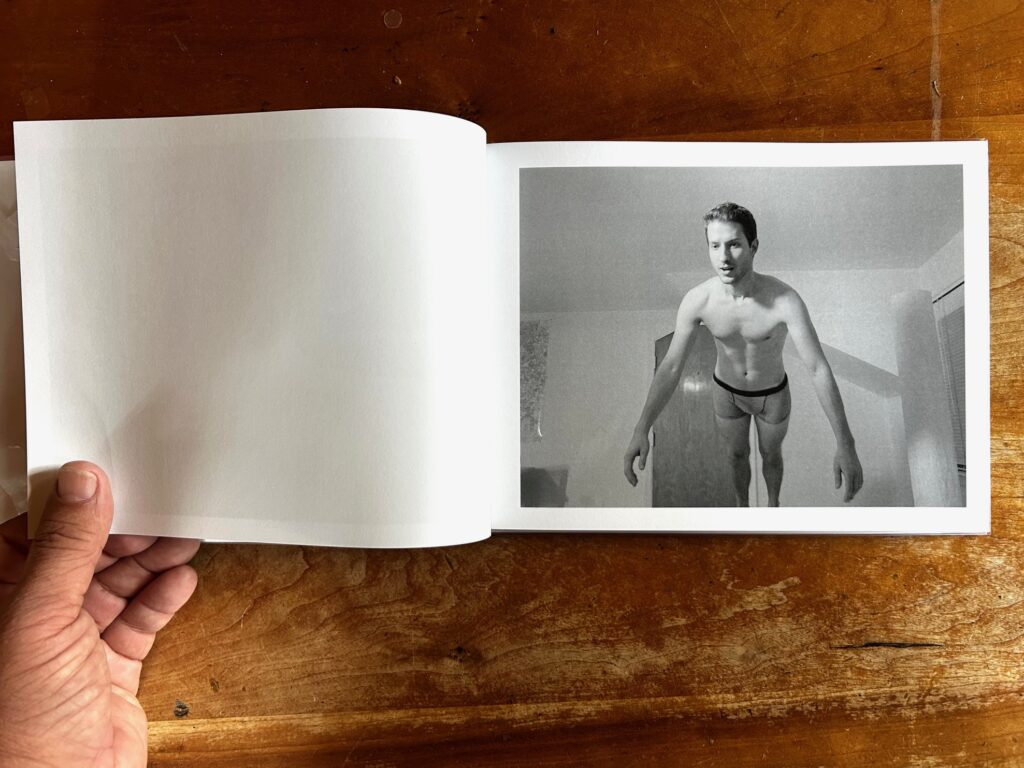
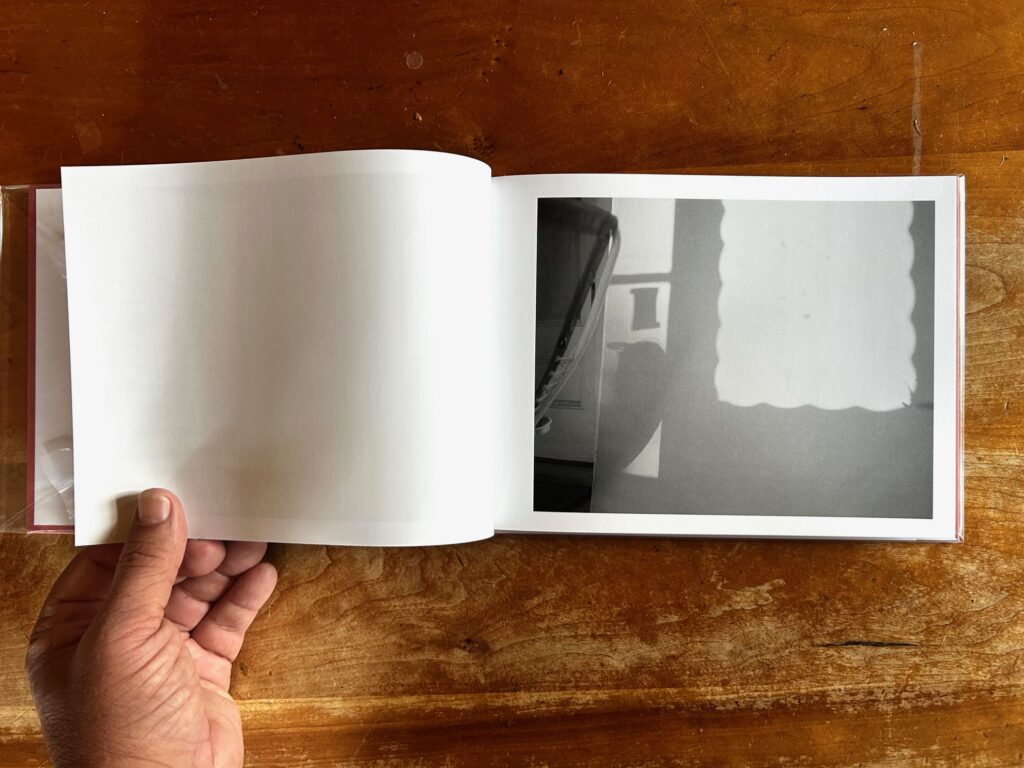
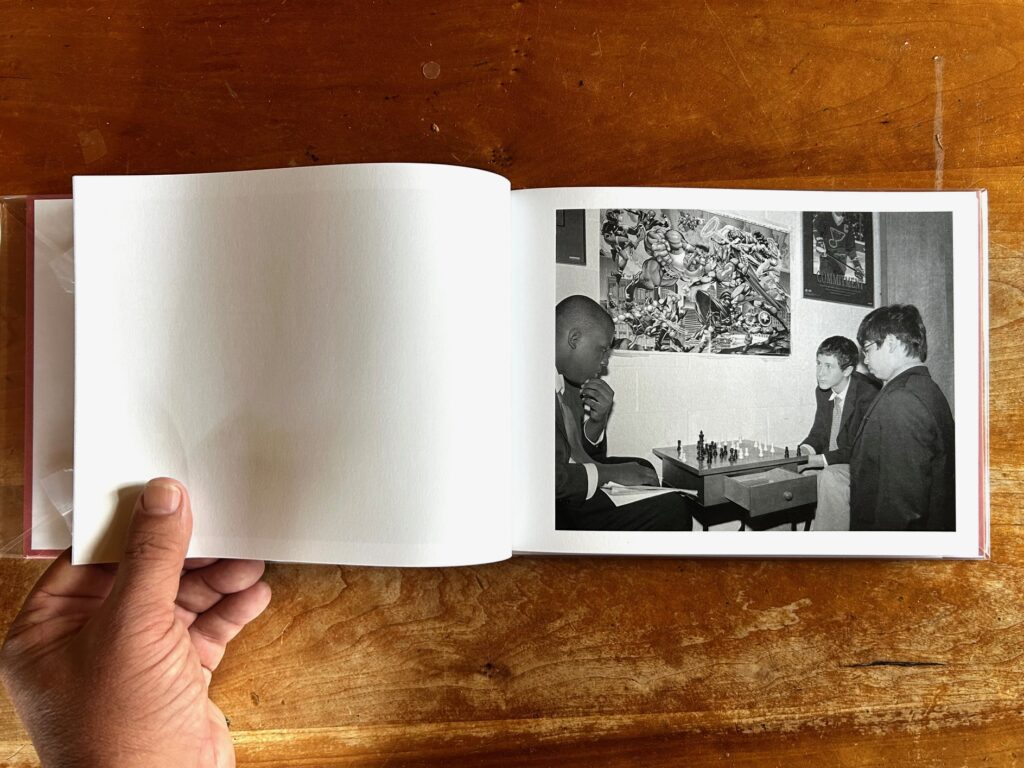
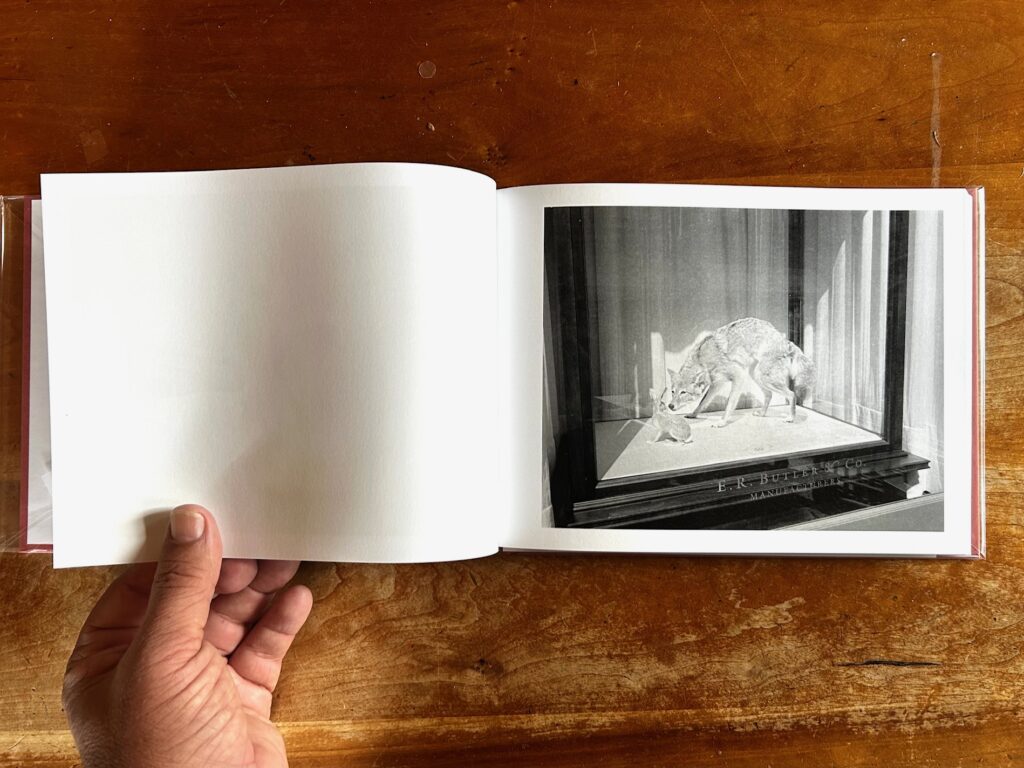
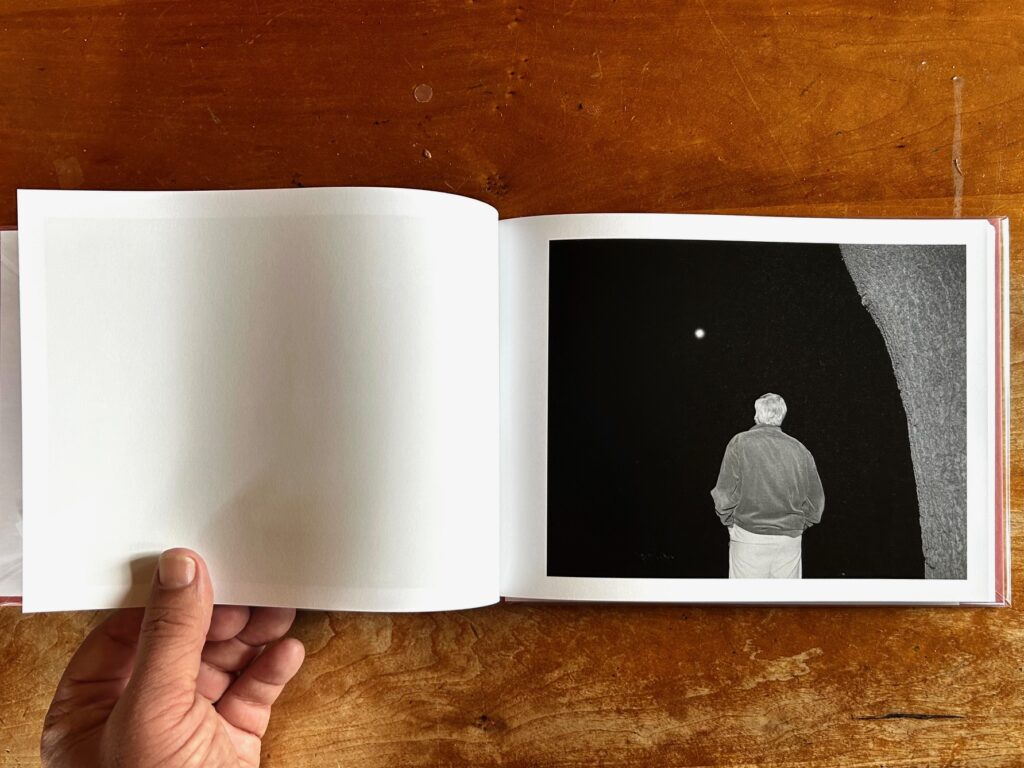
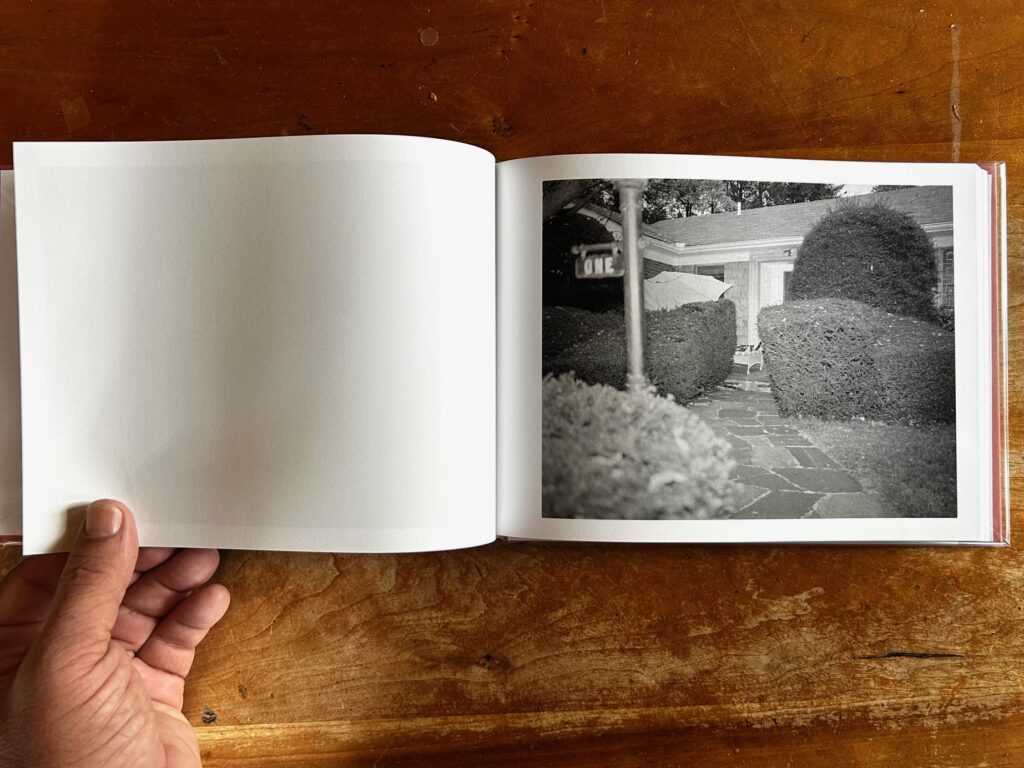
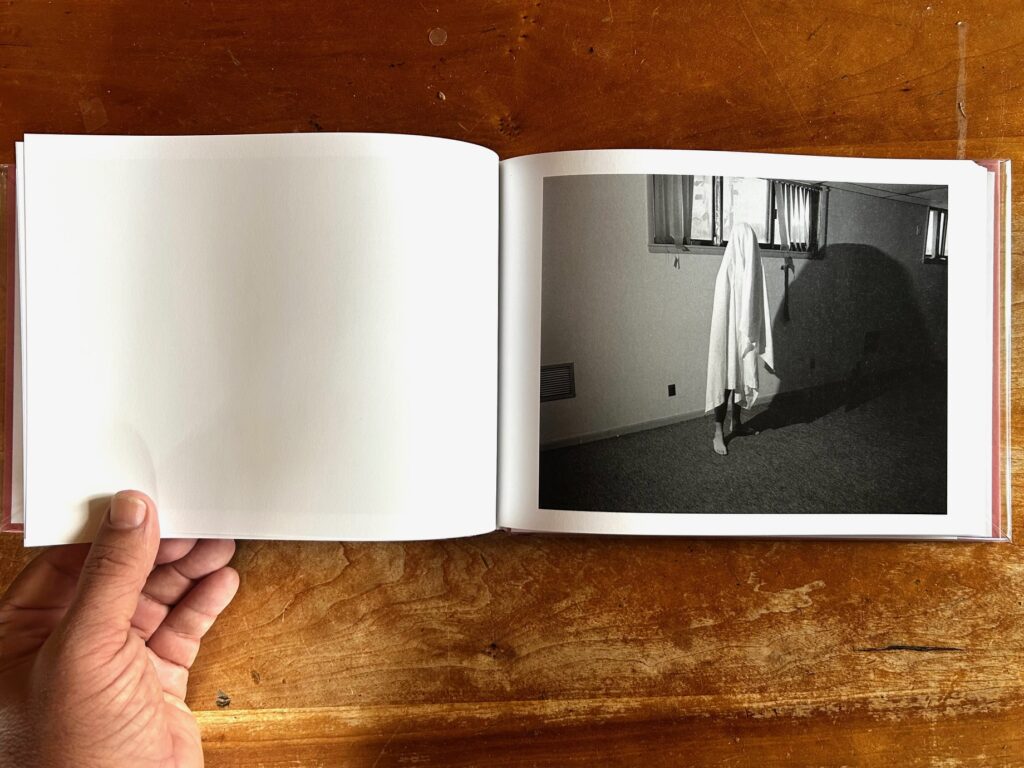
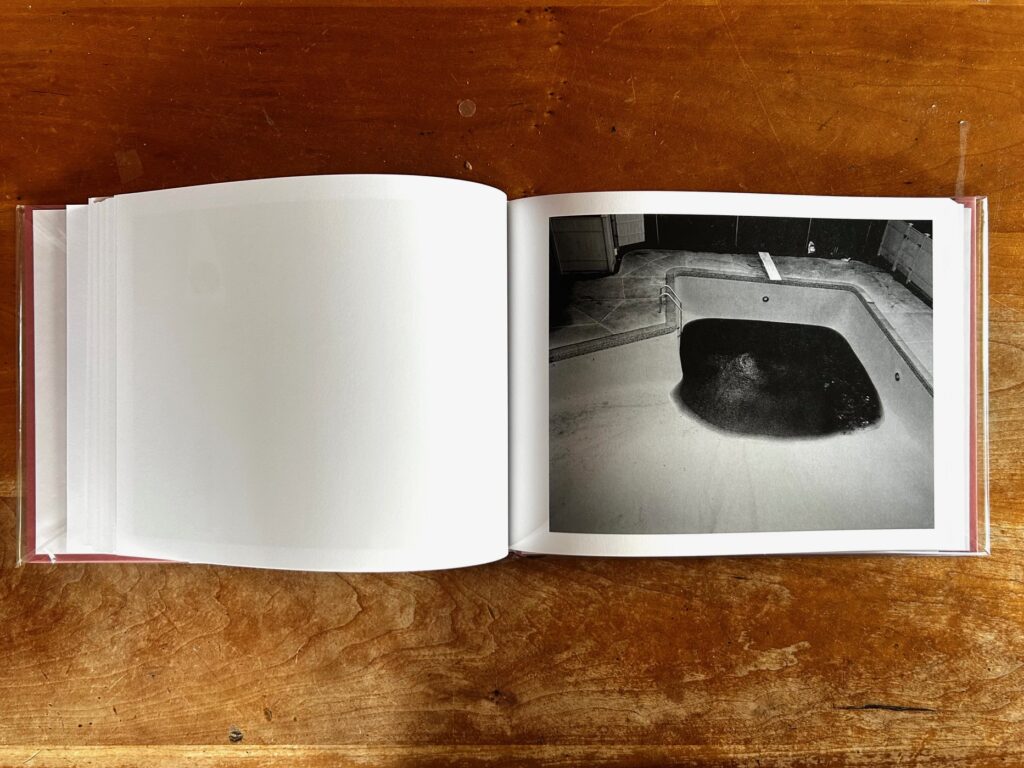
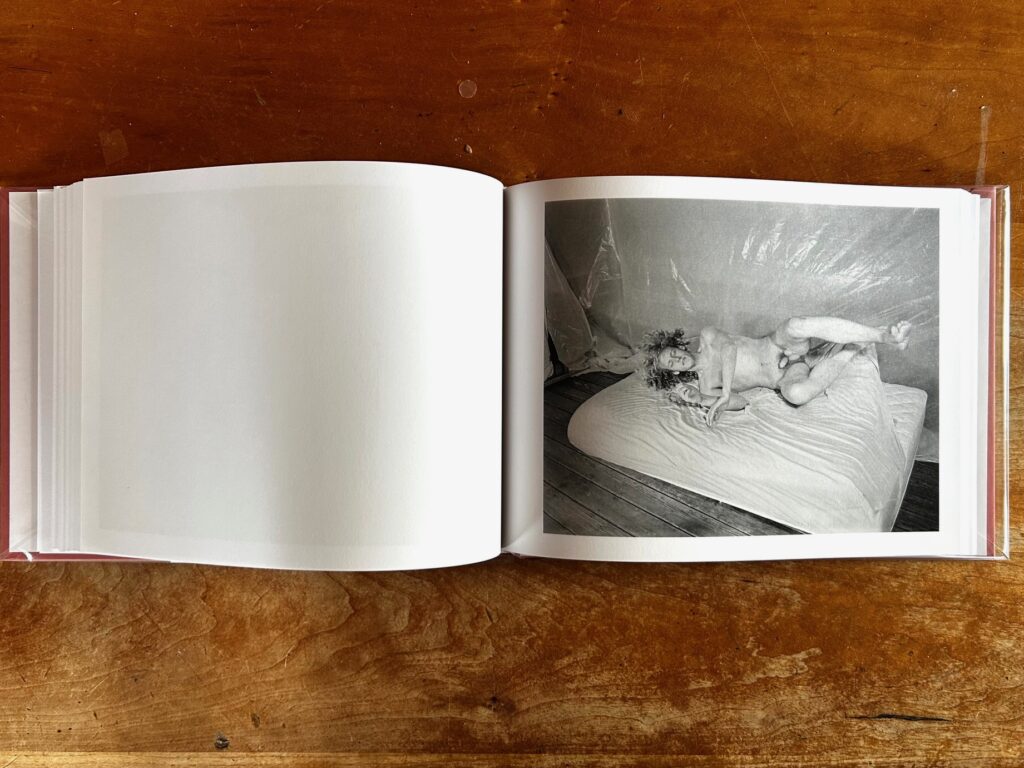
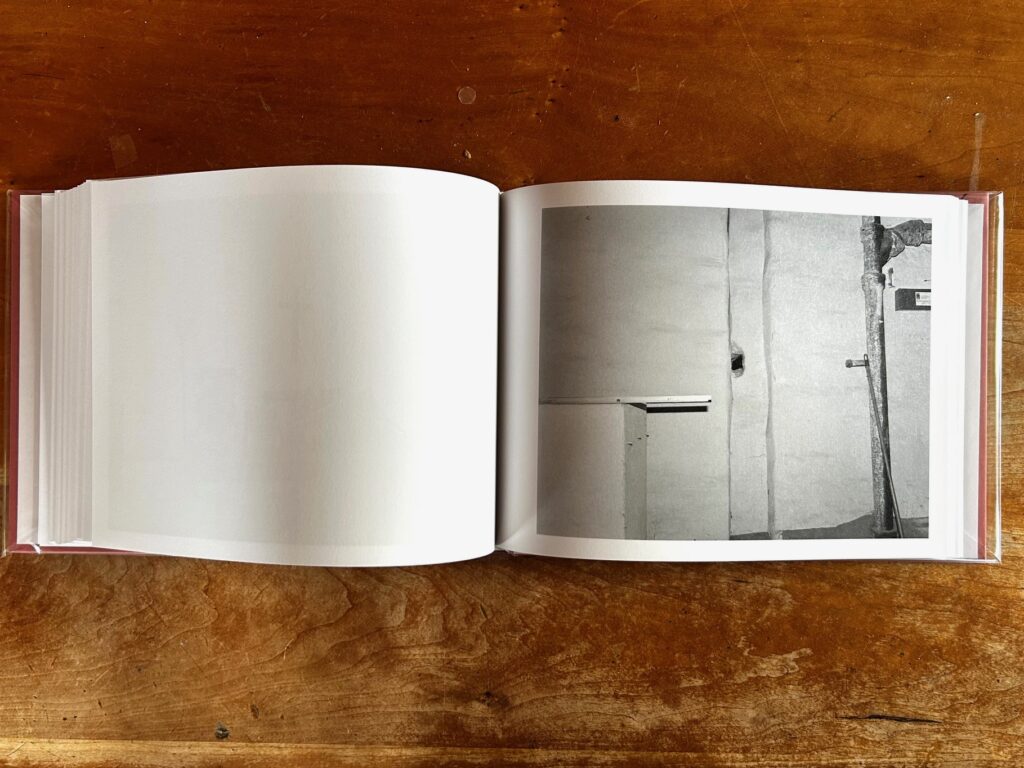
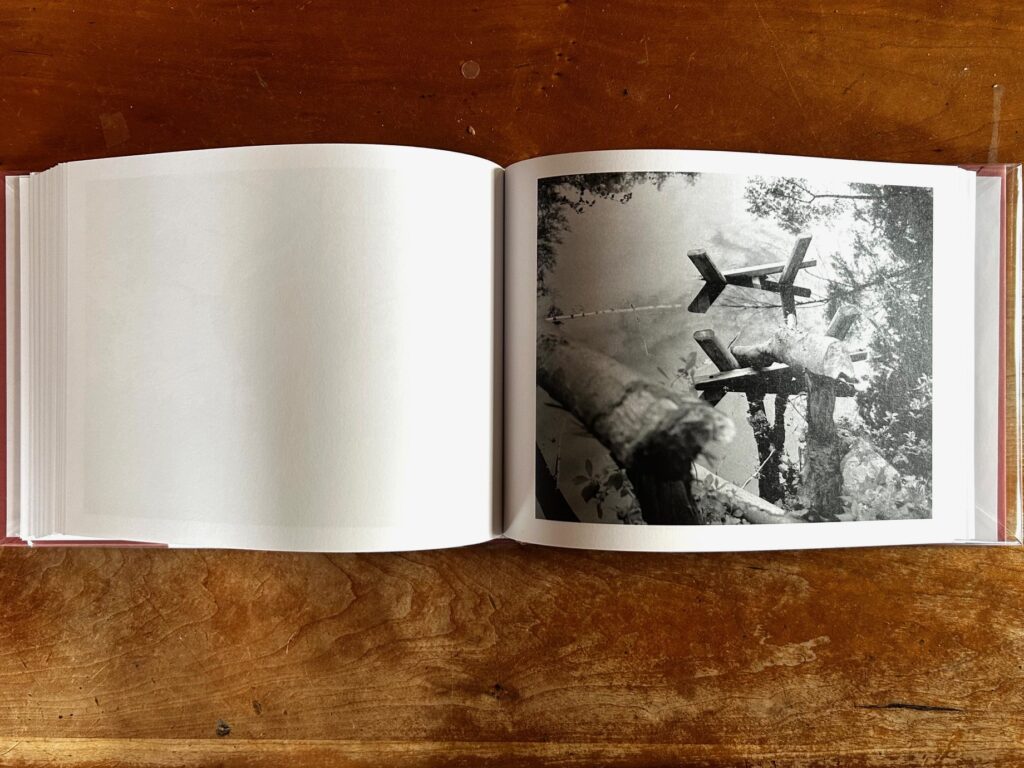
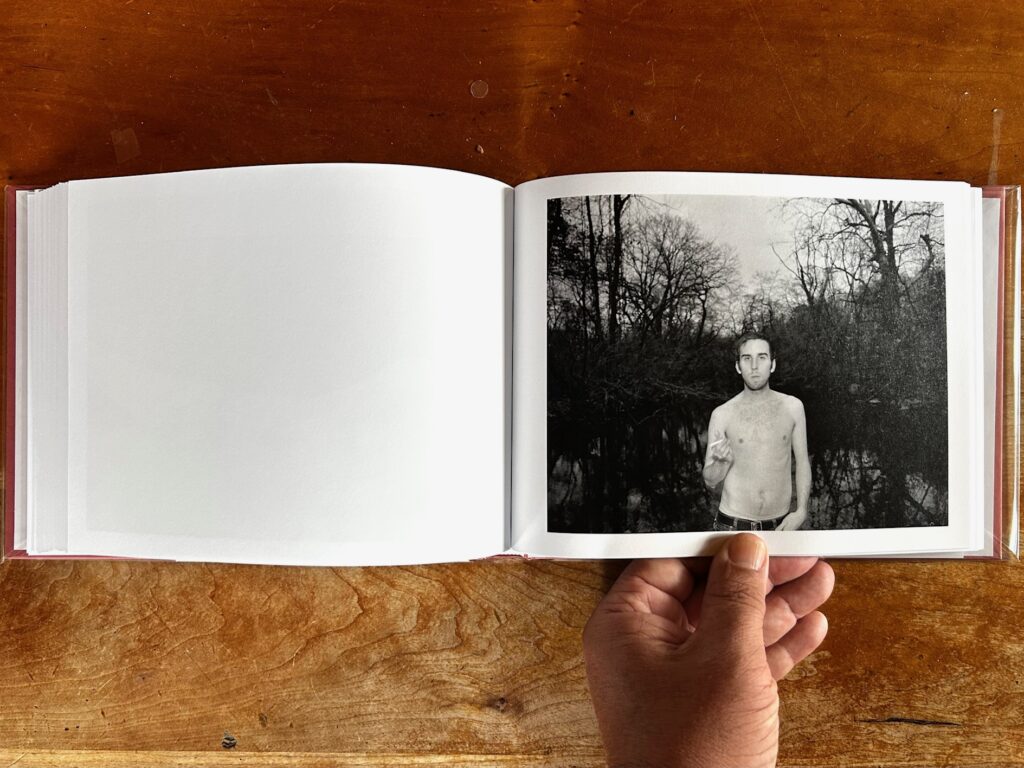
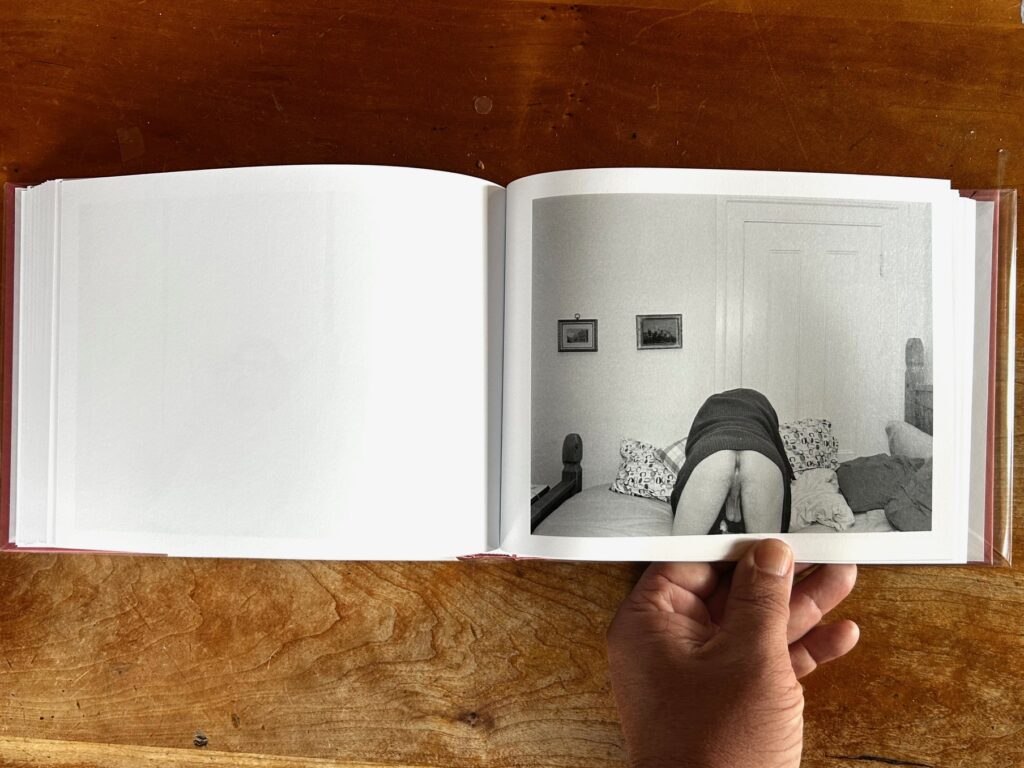
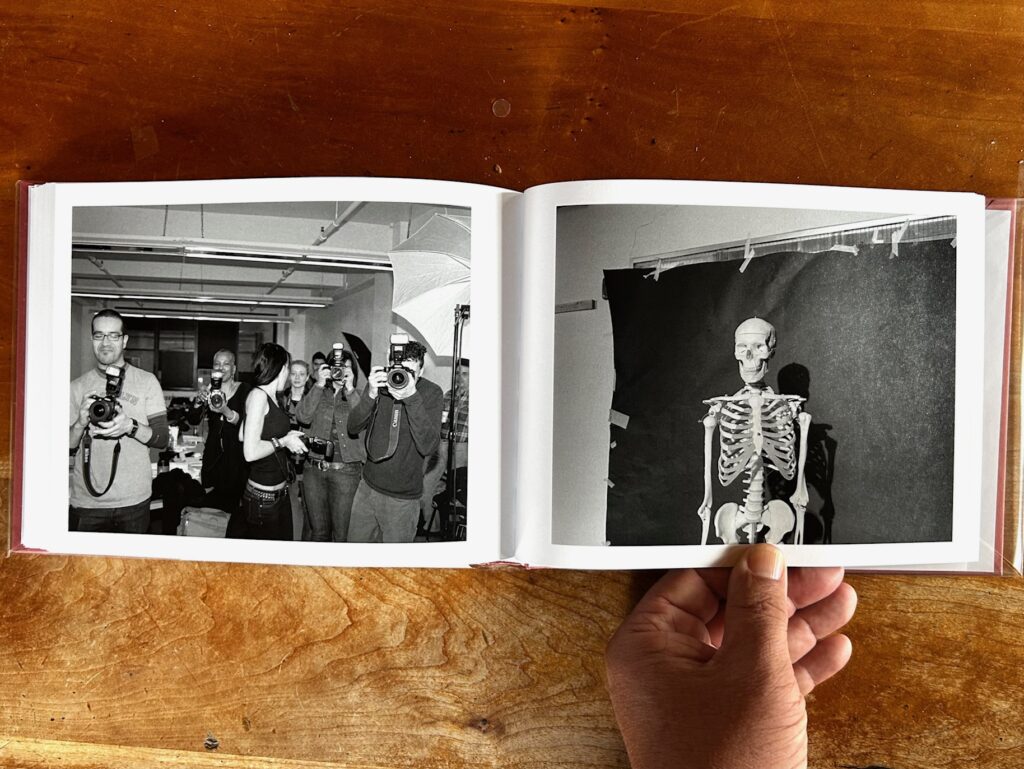
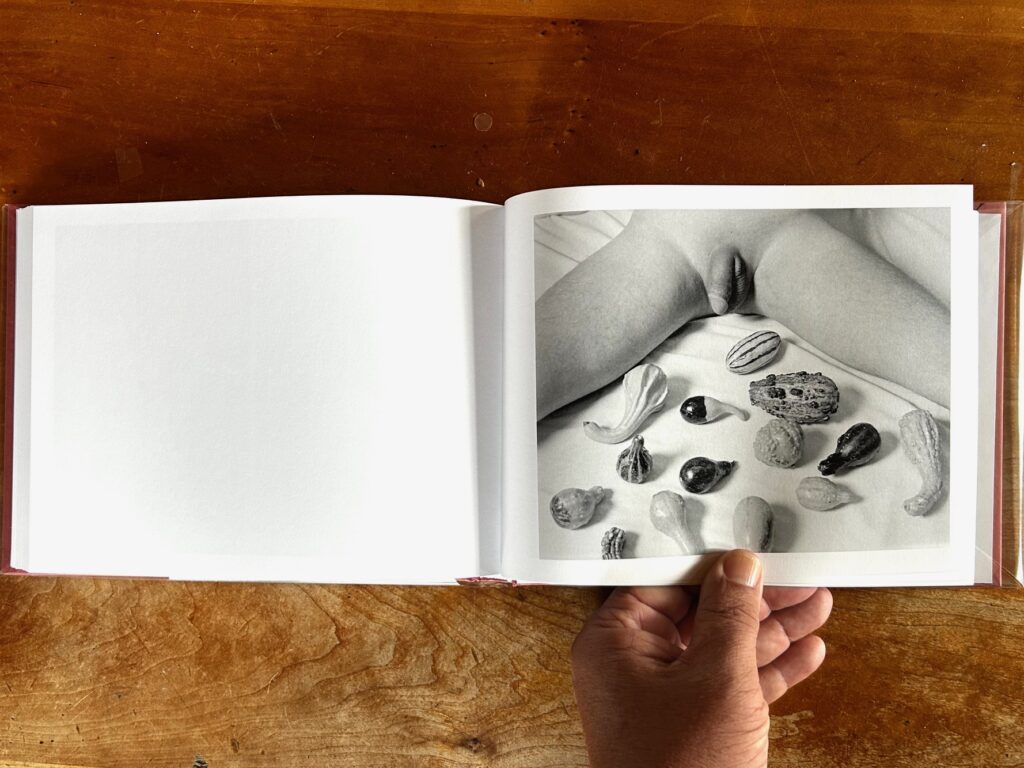
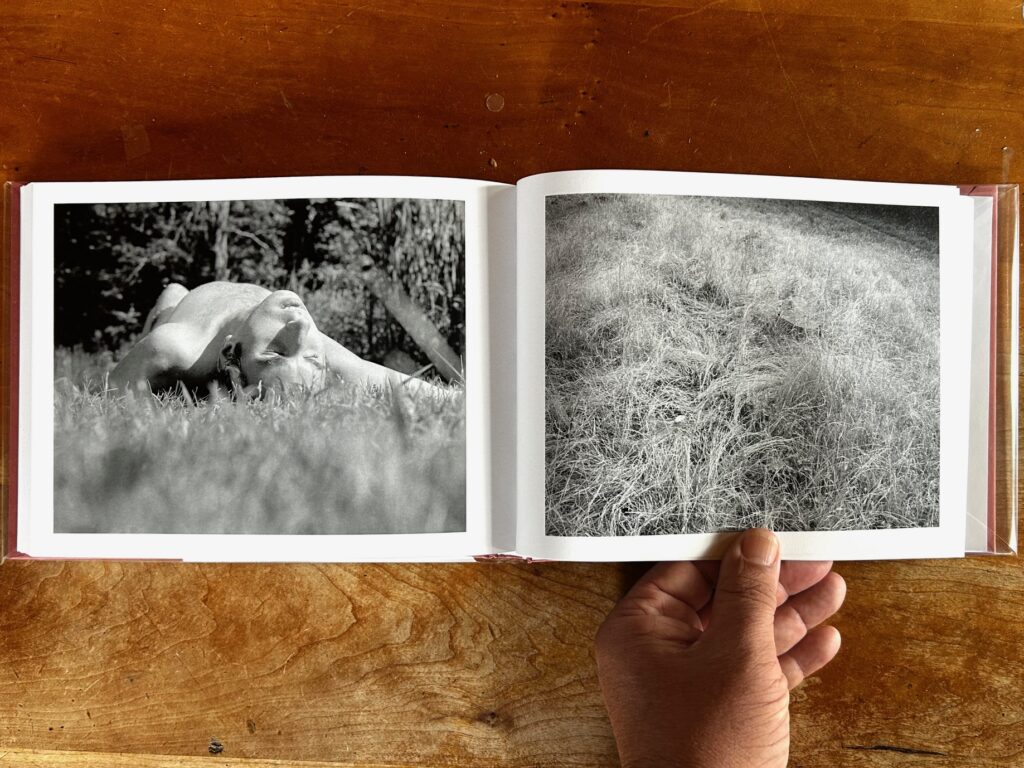
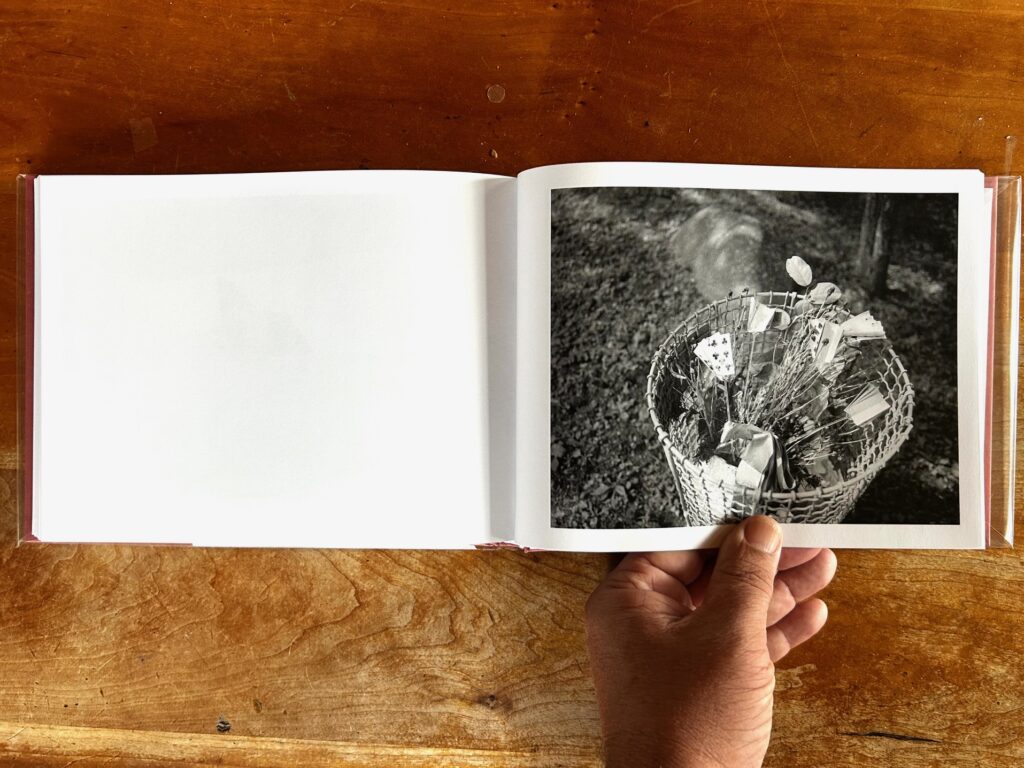
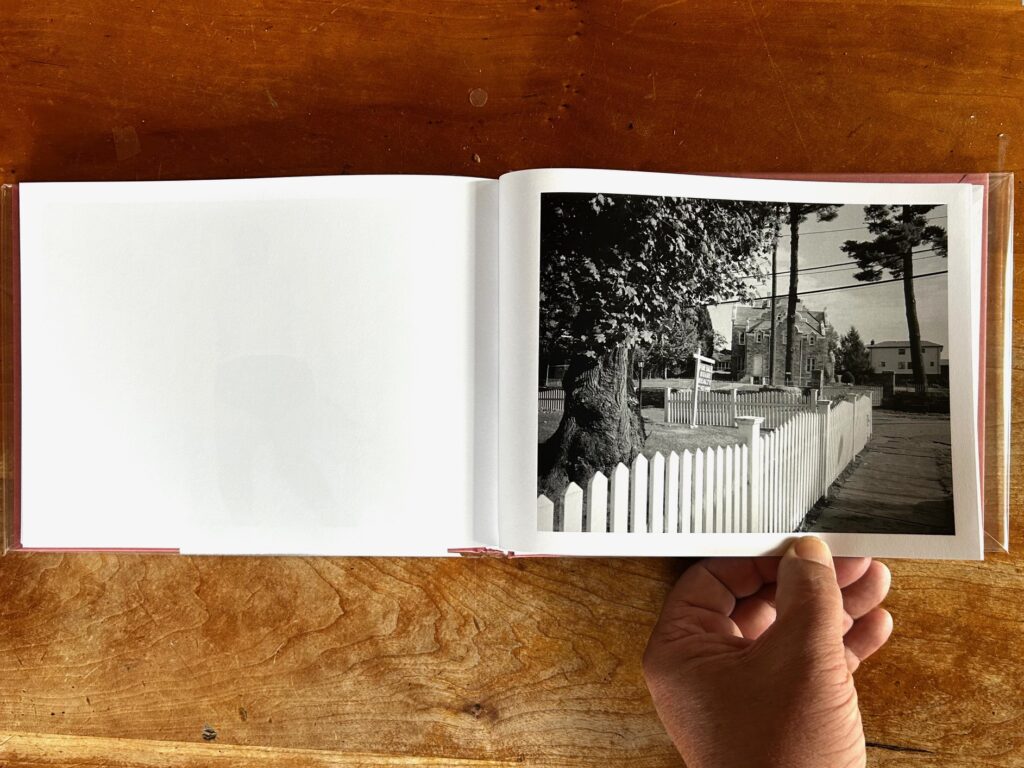
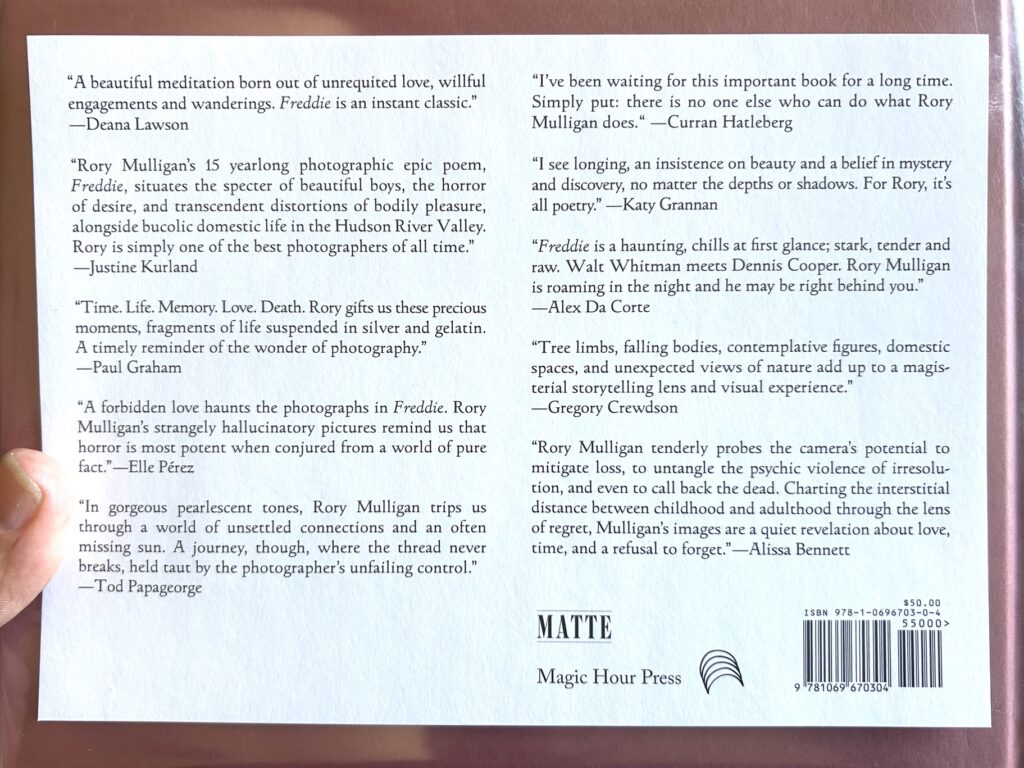
Comments/Context: Rory Mulligan was born in 1984 and grew up near Sarah Lawrence College in Yonkers, in the suburbs north of New York City. For roughly half of his time on earth, he has been engaged with a long-term photo project called “Freddie”. He began making pictures for Freddie in 2005 and completed the photographs in 2020 (presumably the pandemic helped to bring it to closure). The years since have been spent editing and refining the series.
The project’s starting date is no accident. 2005 was the year that Freddie (a childhood friend) died, and the year that Mulligan became serious about photography. He has been digging hard into both subjects ever since, dovetailing pubescent memories with his adult photography career. After college Mulligan worked for 12 years as a photo printer for Sergio Purtell’s Black & White on White in Brooklyn. He earned an MFA from Yale in 2010, and then began teaching photography at Drew University, where he is currently an Associate Teaching Professor of Art. While pursuing this professional path, he has plugged away at Freddie, shooting and editing when time allowed. This spring the project was finally realized as Mulligan’s debut monograph.
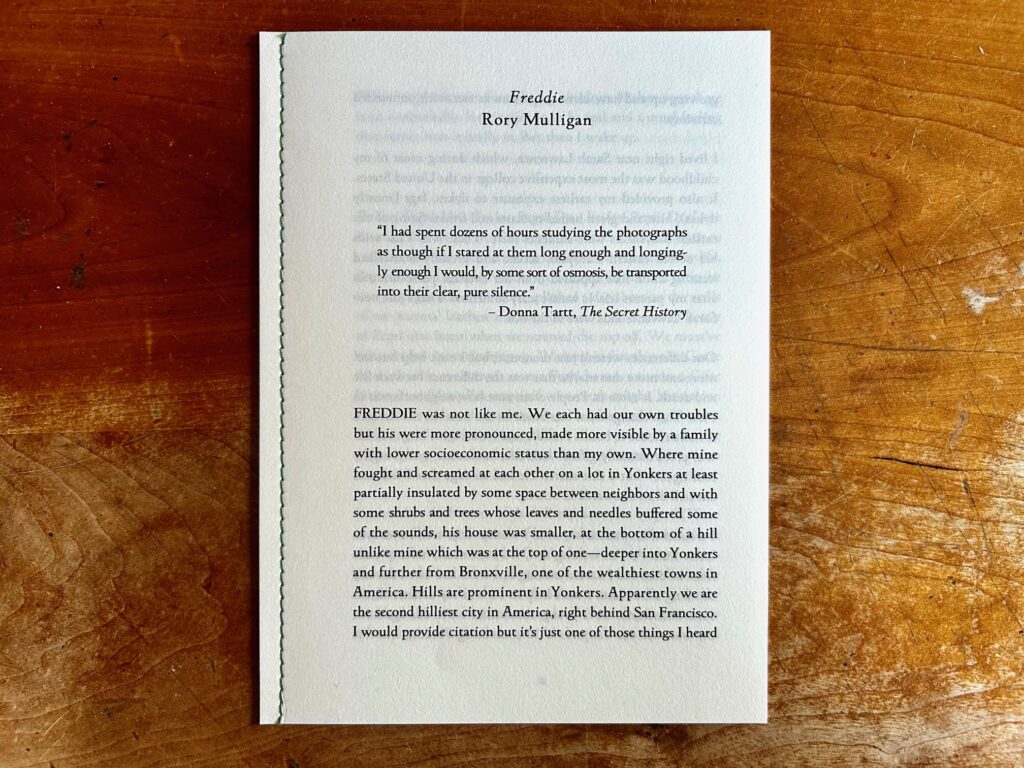
You might expect a photobook named for a person to contain at least a few pictures of that person. But there are no photos of Freddie in the book. Instead, his presence is suggested metaphorically through a sequence of male characters, suburban haunts, and beguiling self portraits. The book is limited to photographs, with no captions or explanatory text, but a supplemental pamphlet brings readers up to speed. Here, in 16 pages of gorgeous prose, Mulligan recounts his formative years and his relationship with Freddie.
Freddie was initially a neighbor and boyhood friend of Mulligan. Later he became a partner for their mutual homosexual awakening. “Naked. Thrusting. Laughing,” he remembers. “There’s a small window of time where boys are open enough to share their sexuality with other boys in a way that isn’t boastful or about conquest.”
As teenagers, the two friends drifted apart. “High school chewed me up,” writes Mulligan, while Freddie “had an edge that I lack and am still drawn to in others.” Freddie began to hang with a bad crowd. At one point they targeted poor Mulligan with tossed eggs from a passing car. The window of non-conquest had closed.
As the narrative moves along, adolescent archetypes are fleshed out in real time: an outcast spurned by the cool kids, yearning to be reunited with his buddy. Why can’t we just go back to how things were? Perhaps traces of this dynamic still linger in the present. I can only speculate. What’s clear is that Freddie has been a steady presence in Mulligan’s thoughts ever since high school. “I’ve spent so long nurturing these memories as sacred totems,” he writes, “nurturing them at my breast, ready to strike at whatever comes near.”
A tone of foreboding lingers throughout Mulligan’s narrative. When he finally describes Freddie’s death (the cause is not divulged, but we can make an educated guess), the fateful turn is not unexpected. “The wake was surreal,” he writes. “How do you describe the corpse of someone whose body was the site of your earliest sexual yearning?” By this point the two were estranged, but Freddie’s mother assures Mulligan that Freddie loved him very much.
From this date forward, Mulligan’s flirtations with nostalgia became supercharged. Freddie’s young visage was locked into memory, but the future was still malleable. “Freddie’s death pulled me back home,” he writes. “I felt it like a quiet but powerful magnet. It started with me retracing the steps we had made together—the places that reminded me of him.”
Thus began the photo project. It became a vehicle for Mulligan to probe his past, reconnect with bygone places, and translate youthful memories into adult language. And of course, a momento mori to Freddie. All were undergirded by a subtext of gay sexuality and personal development. “I’ve spent so long making this work that I’ve essentially mythologized Freddie on some level,” explains Mulligan.
With such a long gestation period, any project naturally evolves over time, shedding old skins and inhabiting new ones. Freddie is a good case study. It has been humming along since the early days of social media, and the Internet carries a faint trail of old articles and interviews charting its progress over two decades. In 2009 an early maquette of the work was published by J & L books, as a spiral bound collection of laser prints. The finish line felt close, but it would not arrive for another 17 years.
One fortunate byproduct of the delay is that Mulligan’s relationships as a student, printer, and teacher have helped him establish a broad network of support. For years Freddie was a kind of open secret in the photo community. Expectations were rampant and rumors circulated, but the goal posts kept moving. When the book was finally published, it came with a quip sheet from various A-Listers. From Justine Kurland: “Rory is simply one of the best photographers of all time.” Deana Lawson: “Freddie is an instant classic.” Curran Hatleberg: “Simply put: there is no one else who can do what Rory Mulligan does.“ Jason Fulford: “Long live Freddie!” Gregory Crewdson: “A magisterial storytelling lens and visual experience.”
It’s hard to imagine a stronger list of contemporary endorsements. And perhaps they are onto something. I’m not ready to anoint Mulligan as one of the best photographers of all time, but he certainly knows how to put a picture together. A sizable portion of his practice is rooted in old-school basics, wandering on foot with a camera, finding prosaic material by chance, and then jigsawing the elements into pleasing frames.
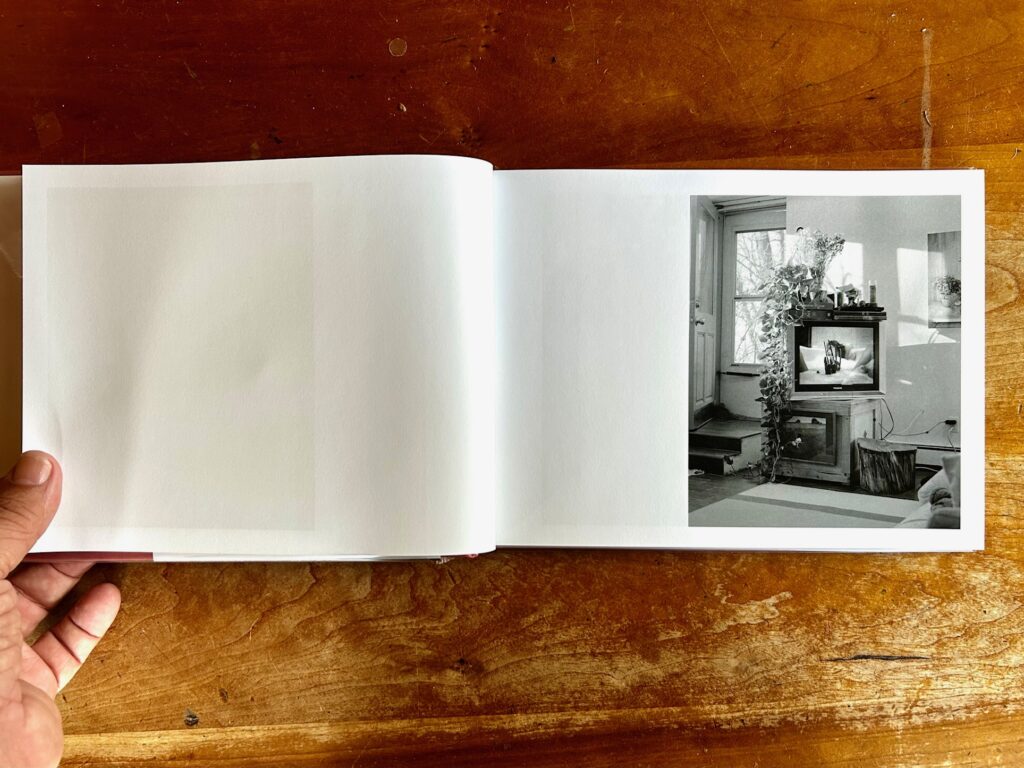
As predecessors like Evans and Friedlander have proven, anything can be fair game for photos. If captured from the right vantage and lighting, even the most mundane suburban boulevards can be transformed. In the opening pages, Mulligan’s eye fixes on an uprooted tree, a floating soccer ball, and a brightly lit meadow sandwiched by shadows. Mid-way through, a photograph of tree branches, utility wires, and suburban houses is a masterpiece of subtle malaise, as is a later photograph of tombstones tucked into a woodsy dell. There is nothing particularly picturesque in any of these scenes. But for a skilled observer, the world always provides visual grist.
In an early interview, Mulligan described his unplanned, exploratory approach as “a dead zone in contemporary photography: Work that was made out in the world with black and white film, uncontrived and perhaps most deadly of all: earnest.” Sincerity as contrarian impulse. Now that’s an ore worth mining. In yet another old interview, he cast observational happenstance in a gendered light. “I see a lot of my work as a response to the canon of 1960s and ‘70s black and white street photography—a genre dominated by heterosexual white men. In many ways I’m operating in the same mode, but I also have a very different experience with a different world.”
There might be something to this. Mulligan and both of his co-publishers are gay men. Perhaps they want to reclaim aesthetic territory which has traditionally been documented by cishet men? That’s just a guess. In any case, males exert their presence in the book overtly, through a variety of direct human exposures.
Some are encountered in passing, small clusters isolated in public crowds. Other photographs show deliberate engagement and stagecraft. Male friends and models become a recurring motif for portraiture, creating a string of figures in striking poses. Many are nude or topless. Flaccid organs are proffered like withered fruit. A few men are caught falling in midair. One holds a knife. Another boasts a floral bouquet. Taken collectively these photographs are more disarming than lascivious, but they still convey a sense of longing. It’s not hard to imagine them as stand-ins for Freddie, and juvenile waters under the bridge.
Among the humans are a few self-portraits. “I felt that if I was asking strangers to put themselves in front of the camera,” Mulligan explains, “it was only fair if I did the same myself.” I have looked up Mulligan online and I can recognize his face. But the book provides no identifying clues. Photos of him appear in the mix alongside pictures of other men. Unless you know his visage, every photo is equally anonymous. In one image, Mulligan’s mouth is stuffed with a hard boiled egg. In another he holds a cigarette and smolders calmly into his lens. Does his camera provide another example of unrequited desire? That’s hard to say, but this 20 year book project surely must have been cathartic. Closure feels finally within grasp.
As an exploration of male homosexuality, Freddie takes its place in the pantheon of gay photographic predecessors, going back to George Platt Lynes and Minor White, then up through Peter Hujar, Robert Mapplethorpe, David Armstrong, and Mark Morrisroe, to the present with Jack Pierson, Wolfgang Tillmans, Ethan James Green, and others. Each in turn has left the door slightly more agape. Arthur Tress and Daniel Case have recently published monographs about gay cruising grounds, a subject which seemed unapproachable twenty years ago. Freddie feels well timed. Even as it examine a personal past, it paves the way for future successors.
Freddie is not a flashy production. It’s a squat hardback with a plain pink cover, and it might be overlooked on a shelf of showy monographs. The only extravagances are an illustrated belly band, and the aforementioned page of promo blurbs. But despite its modest nature, it packs a punch. The interior is stuffed with 80 photographs. Each one is well sized, taking up most of a page. As one might expect from a master printer, the duotone separations and reproduction quality are both excellent. Mulligan’s pictures take full advantage. They are resonant, warm, and often surprising. If Freddie were alive to see them, I think he would approve.
Collector’s POV: Rory Mulligan does not appear to have consistent gallery representation at this time. As a result, interested collectors should likely follow up directly with the artist via his website (linked in the sidebar).