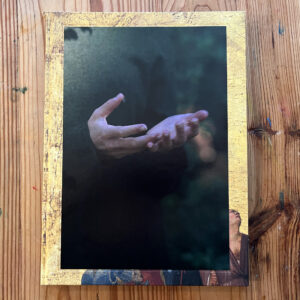
JTF (just the facts): Self published in 2026 (here). Softcover (5 x 7 inches), 496 pages, with 272 black-and-white images. In an edition of 350 copies. (Cover and spread shots below.)
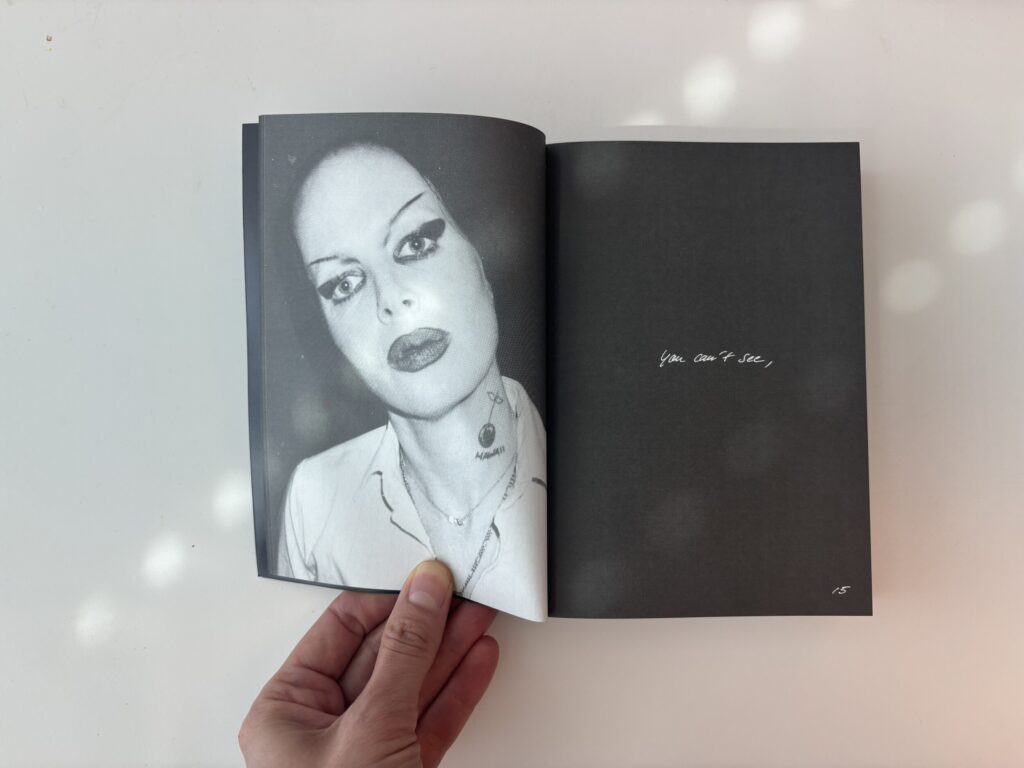
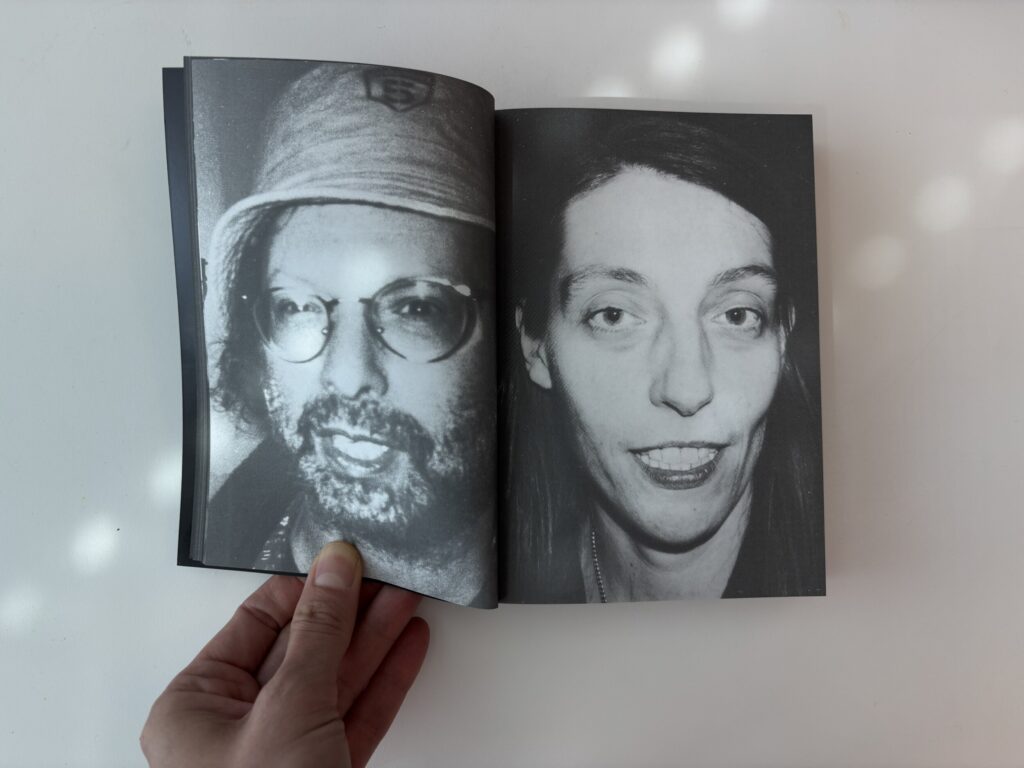
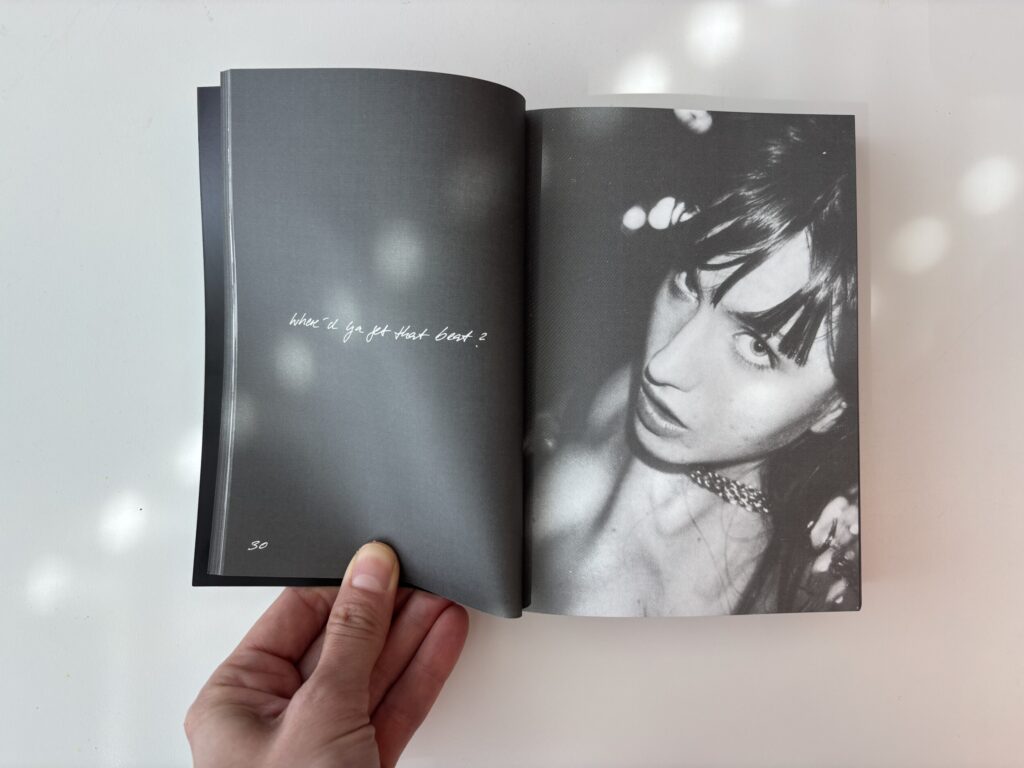
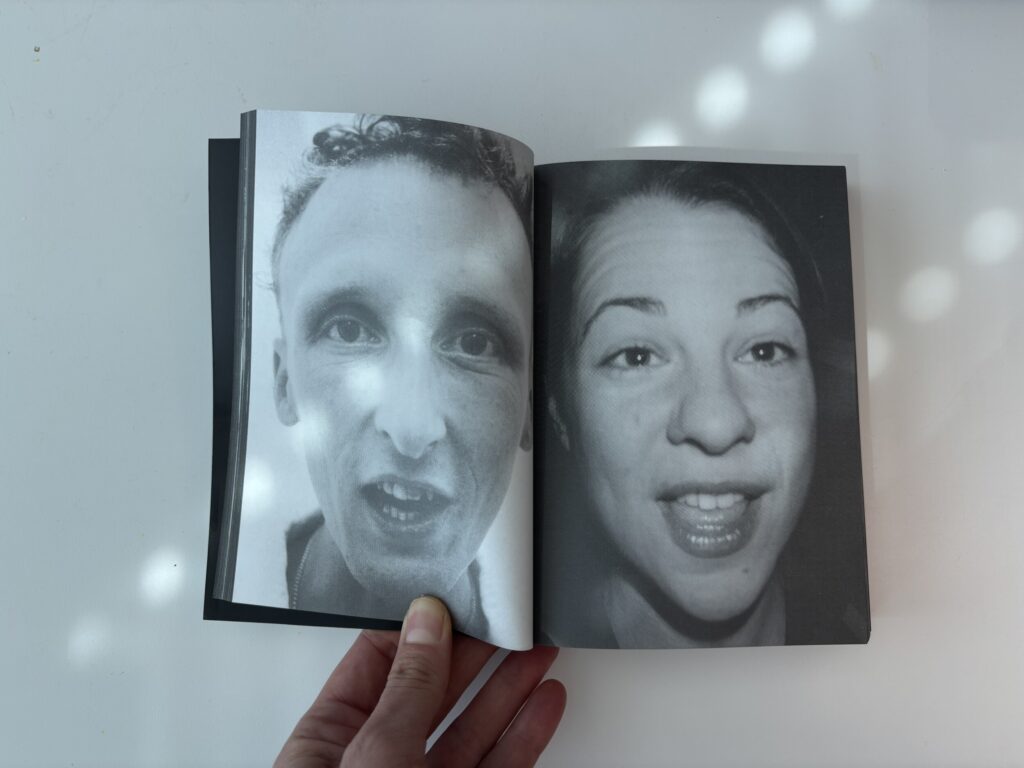
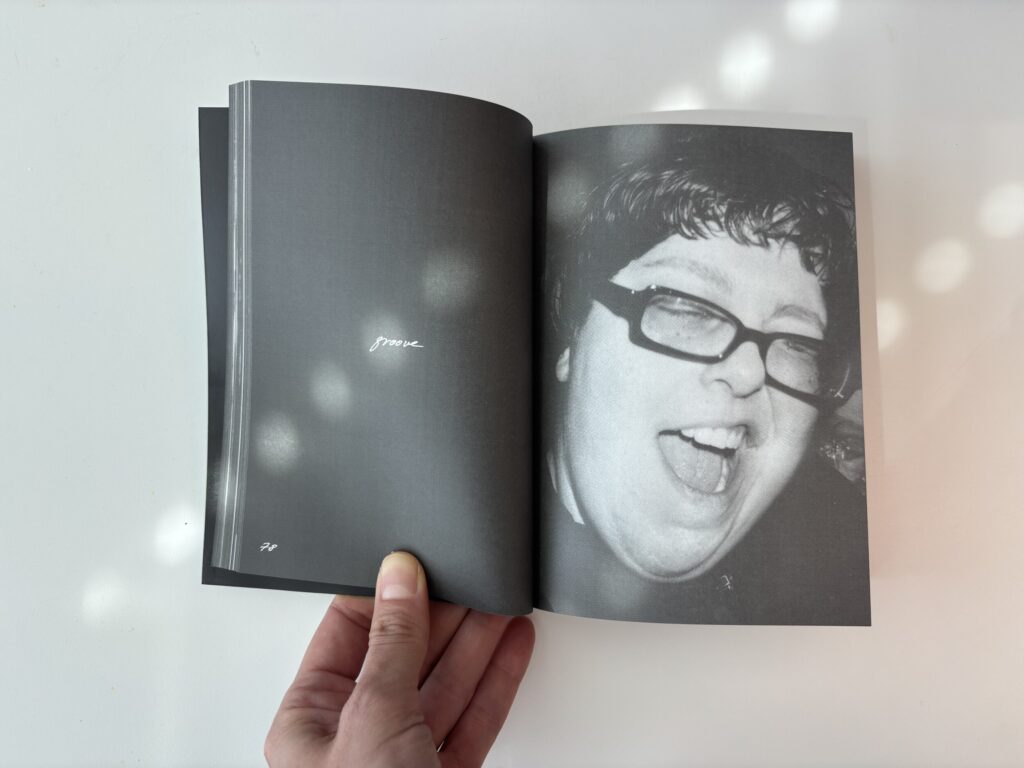
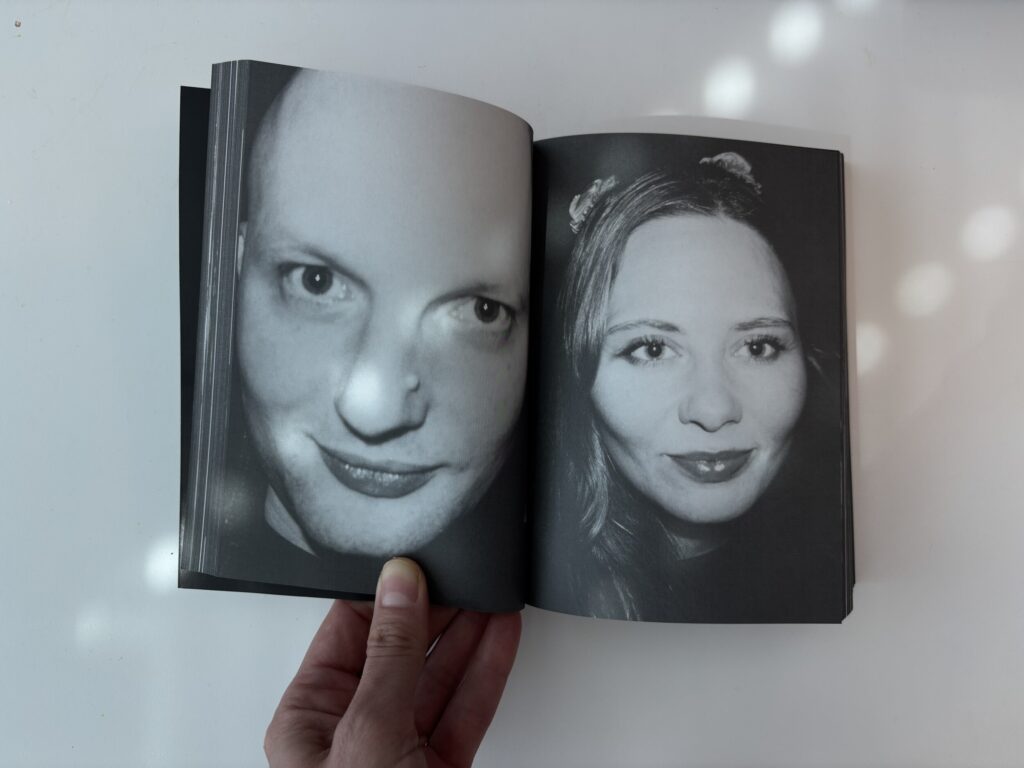
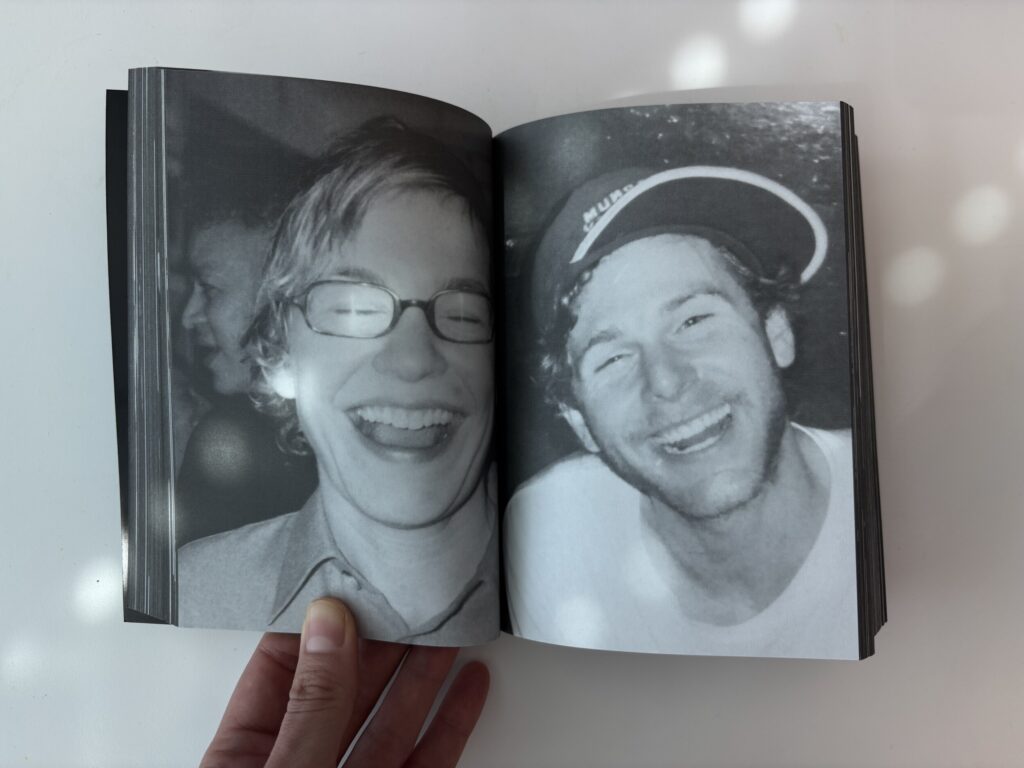
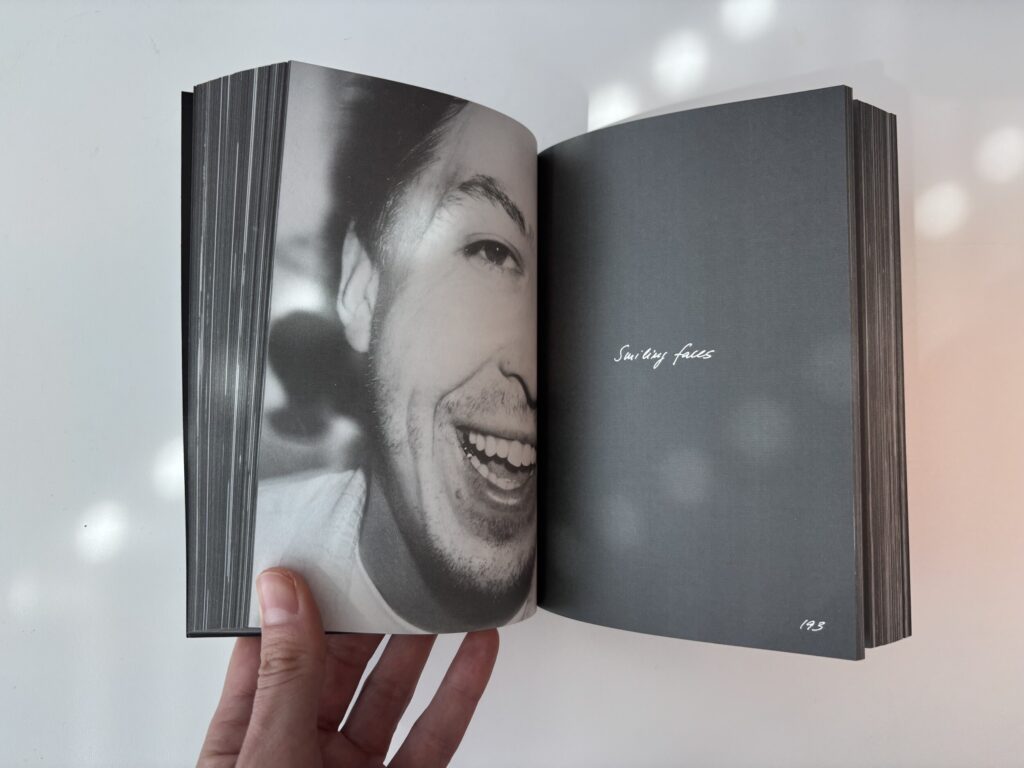
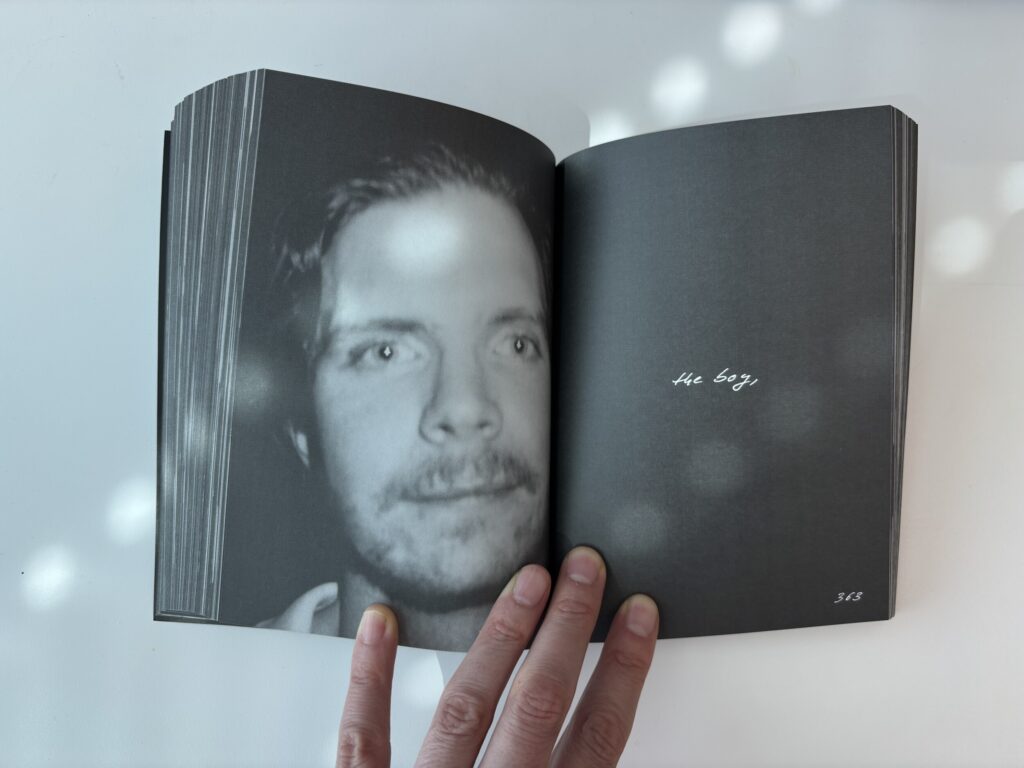
Comments/Context: Smiling Faces Sometimes by Pia Dehne, a German-born, New York–based artist, is driven by a simple yet compelling idea. The work brings together a series of black-and-white portraits she captured on a Yashica T4 in the early 2000s in New York City, mostly at Passerby, a short-lived but key art-world watering hole run by Gavin Brown, as well as at Chelsea gallery openings and parties across the city. Dehne was an active participant in the ecosystem she recorded. A selection of photographs from the series was also shown at Dashwood Projects in 2026 as large-scale prints (here).
The photographs were taken shortly before and after September 11th, capturing a fleeting moment when the downtown art scene felt like a kind of refuge, and social gatherings served as a way of coming together. In these portraits, Dehne records intimate encounters marked by a mix of joy, spontaneity, vulnerability, and solitude, hinting at the more complex emotional currents of the time. Interspersed throughout the book are fragments of song lyrics about New York City, arranged in a cut-up style, adding another layer to this evocation of a time that already feels just out of reach.
The title, Smiling Faces Sometimes, is borrowed from the 1971 song by The Undisputed Truth. A smiling face, the lyrics remind us, sometimes hides the truth. The word “sometimes” suggests that the expressions we see may be fleeting or situational, rather than fixed reflections of inner feelings. Rather than offering a clear description, the title subtly encourages us to see each face as open-ended, leaving room for ambiguity and interpretation.
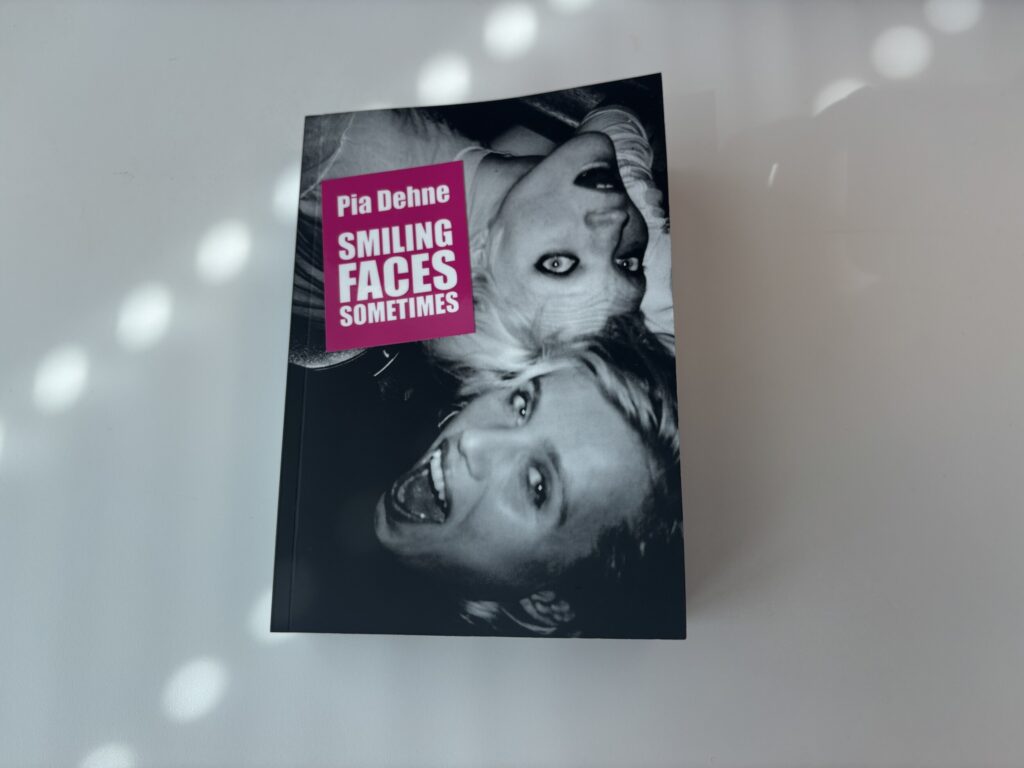
As a photobook, Smiling Faces Sometimes is relatively compact, with a tactile, almost brick-like presence in the hand. The cover features a close-up of two women (perhaps captured mid-dance at a party), gazing directly into the camera, immediately setting the tone for the book’s intimate, energetic visual narrative. The title and the artist’s name appear on a bright pink sticker in crisp white type, adding a playful, contemporary design touch. The book opens with a brief introduction by the artist, rendered in a handwriting-style font in white against a black background, lending it a personal, diaristic feel. What follows is a steady visual rhythm of close-up portraits, drawing the viewer into a series of candid, face-to-face encounters. At the end of the book, a section titled “Faces” lists the first names of the individuals pictured, offering a minimal yet evocative index of the people.
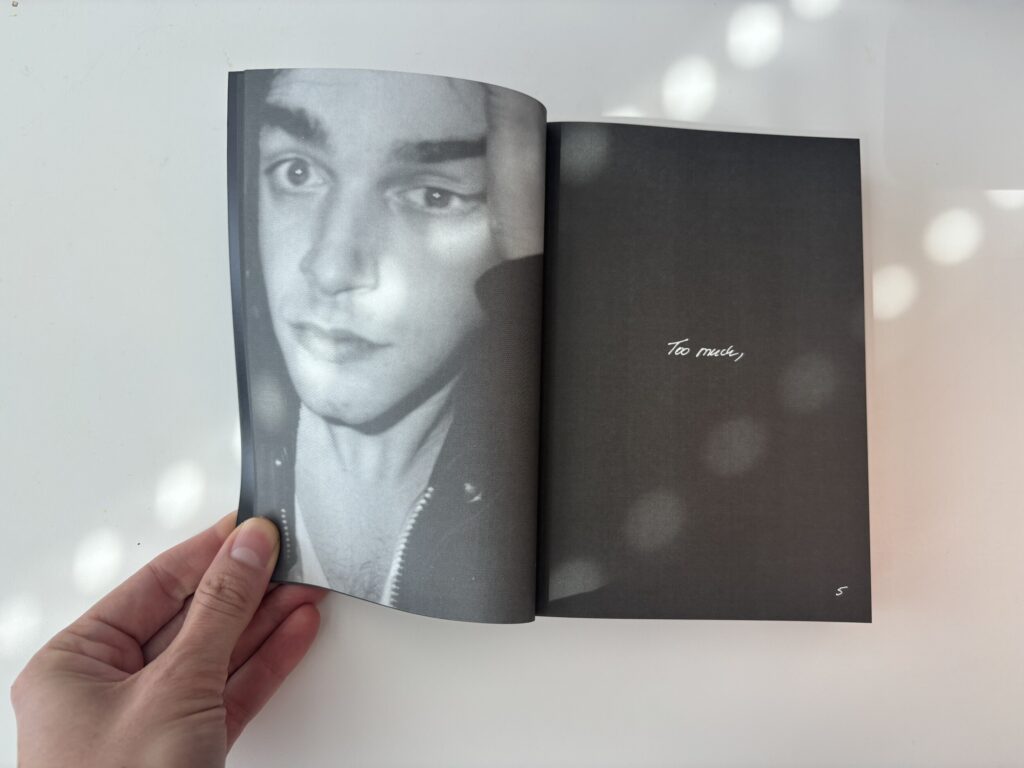
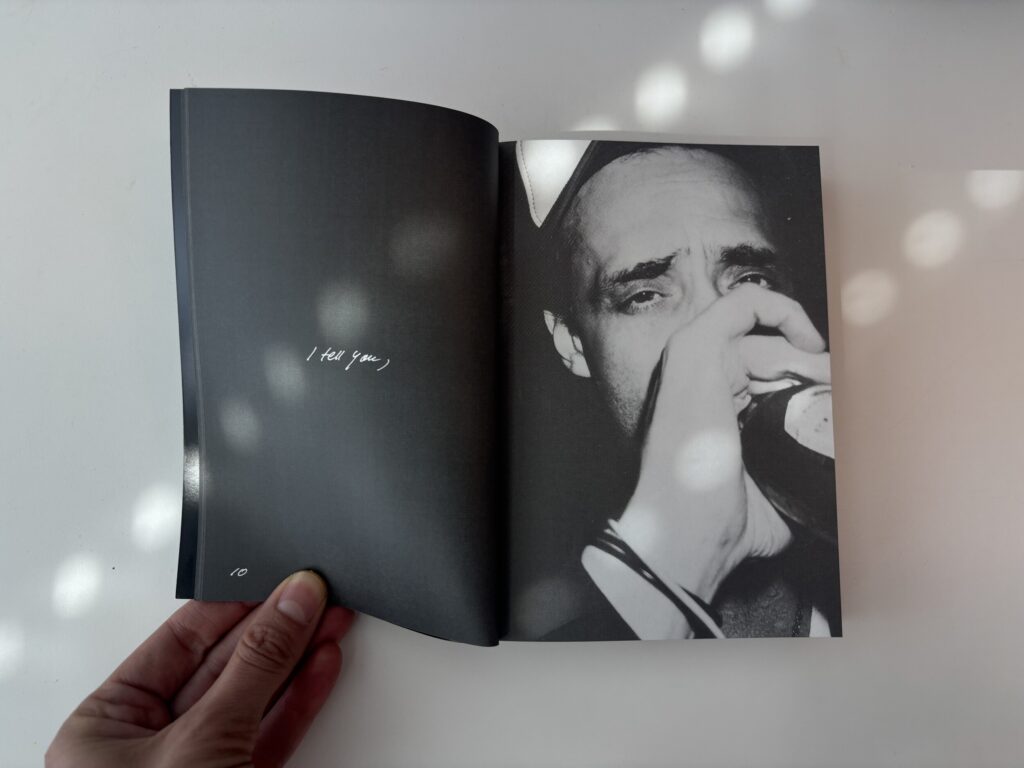
These faces appear against loosely described interiors or nondescript outdoor settings, the light unforced, the compositions relatively direct. The sequencing does not follow a chronological arc; it rather mimics the undulating energy of a long, multi-layered night out. There are faces sheened with sweat, eyes heavy from substances or fatigue, and expressions that shift between moments of heightened energy and a quieter vulnerability. By rendering the images in high-contrast black and white, Dehne removes much of the visual noise associated with early-2000s nightlife, encouraging a more direct engagement with her subjects. The flash is direct and unembellished, flattening space and gently isolating individuals within the frame.
The understated use of text punctuates the images and introduces a quieter, almost rhythmic dimension to the sequence. Fragments of song lyrics from bands associated with New York appear throughout, loosely arranged across the pages in a way that echoes the fragmented drift of conversation in a crowded bar. This textual layer gently anchors the portraits in a particular cultural moment, while keeping the overall tone open. There are recognizable faces from the art world of twenty-five years ago (artists, curators, writers, and gallery assistants who would go on to shape the contemporary cultural landscape), yet they appear alongside anonymous club-goers, bartenders, and peripheral figures without hierarchy. This even-handed approach gives the book much of its resonance, acknowledging the broader social fabric of the scene rather than focusing solely on its more visible participants.
Smiling Faces Sometimes is a modest publication that nonetheless shows how a photobook can serve as an ideal format for a small, self-contained project. It is a carefully sequenced look at a highly specific subculture, the downtown art and nightlife scene as something grounded and quietly vital. Quirky, sensual, and distinctly offbeat, it offers a compelling glimpse into the textures and rhythms of a New York City community.
Collector’s POV: Pia Dehne does not appear to have consistent gallery representation at this time. Interested collectors should likely follow up directly with the artist via her website (linked in the sidebar).