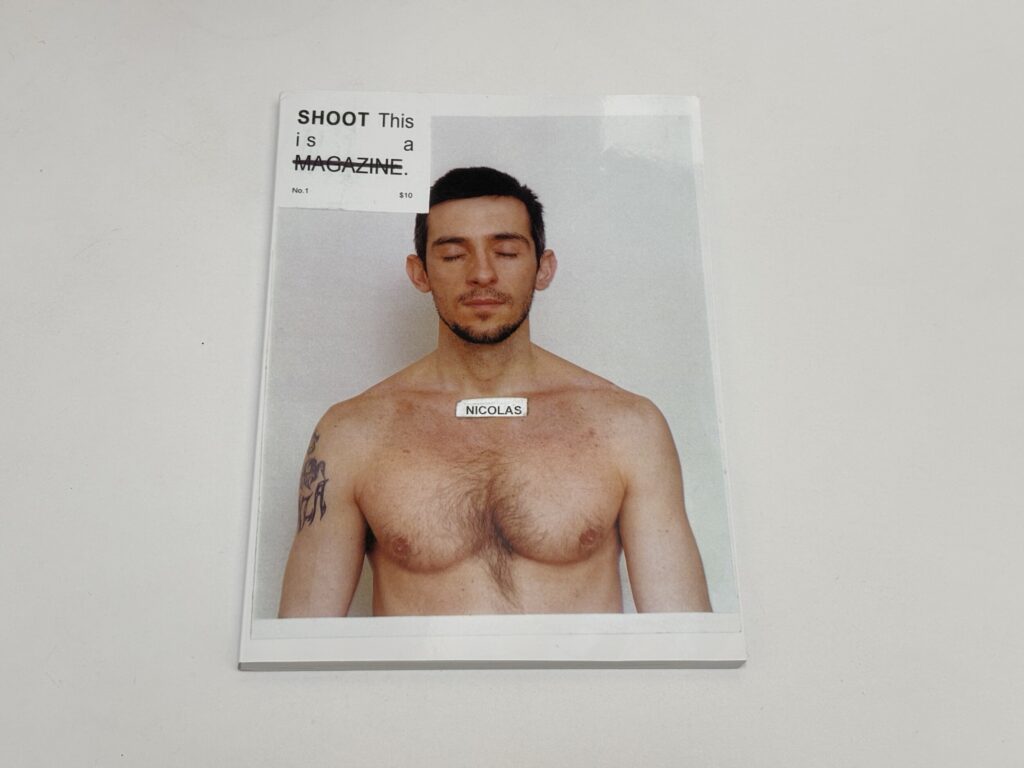
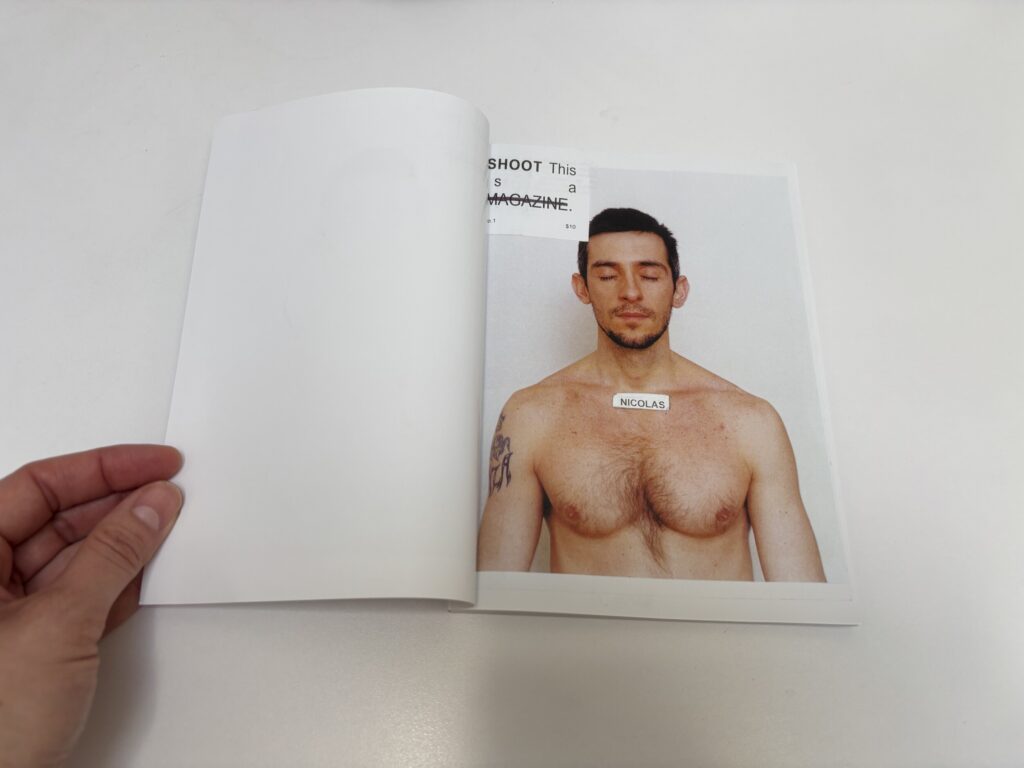
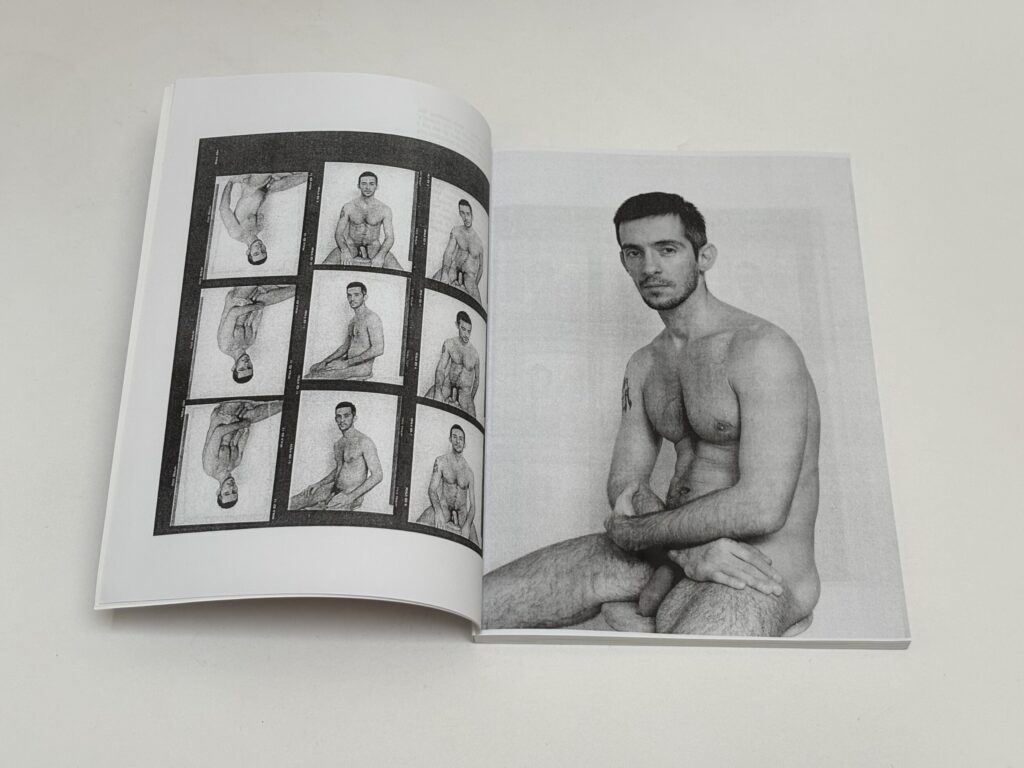
JTF (just the facts): Published in 2026 by Primary Information (here). Softcover (6.5 x 8) 140 pages, with 80 black-and-white and color images. Design by Bryce Wilner. (Cover and spread shots below.)
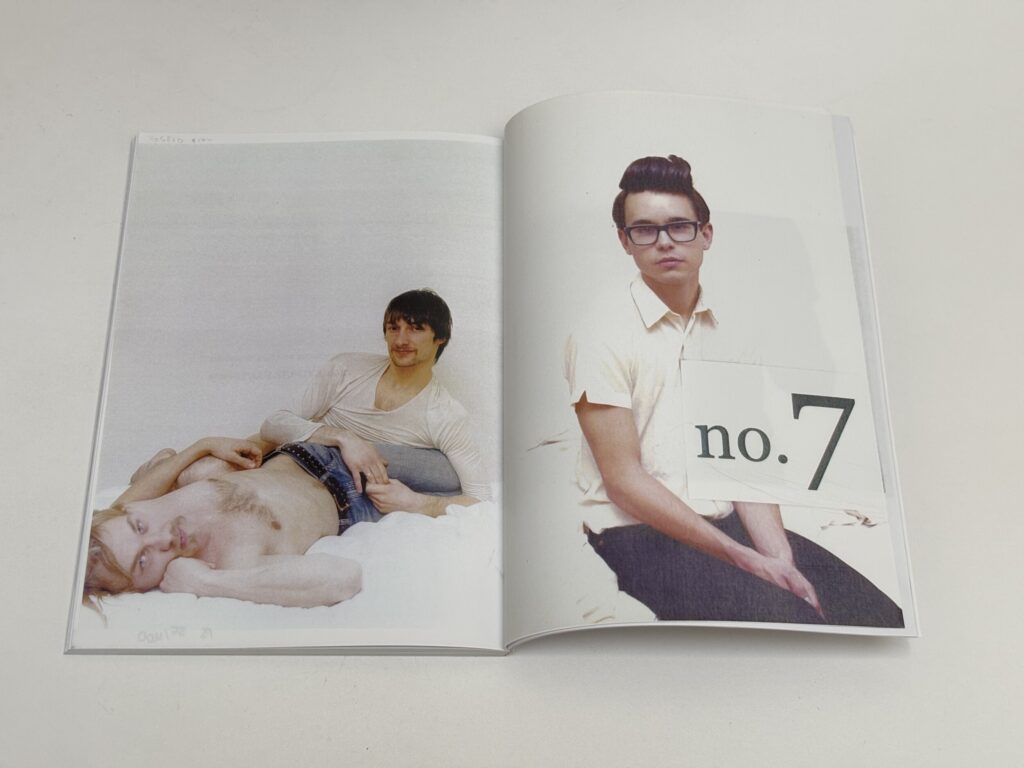
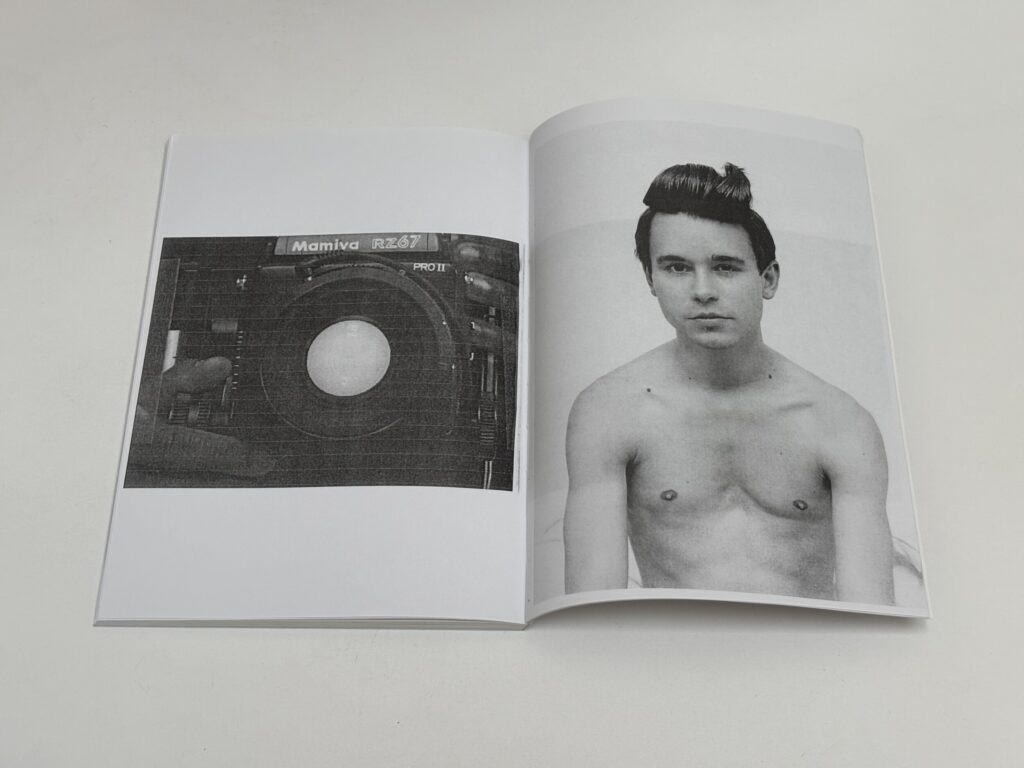
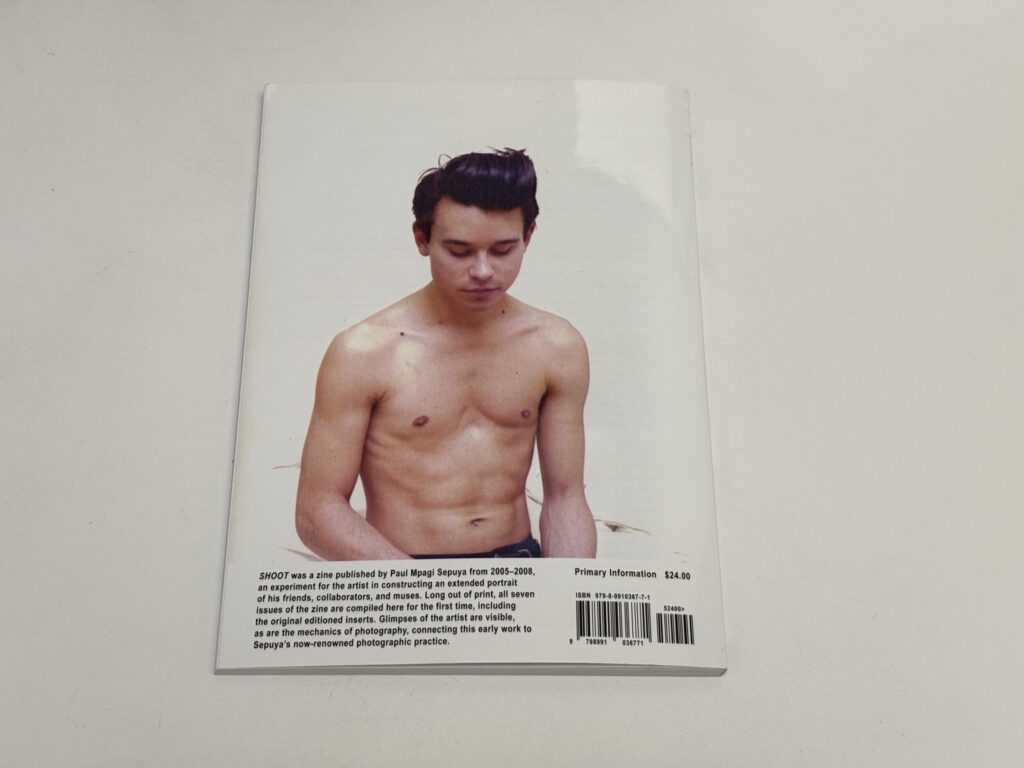
Comments/Context: Paul Mpagi Sepuya is a Los Angeles–based photographer whose work centers on the studio as a place of encounter, collaboration, and looking. He is known for images that show the conditions of their own making, often using mirrors, tripods, curtains, fragments of bodies, and visible equipment to question how portraits are formed. Rather than presenting photography as a clear record of a person, Sepuya treats it as a shared process shaped by relationships, trust, and control. His work invites viewers to slow down and consider not just who is pictured, but how and why the picture comes into being. His most recent gallery exhibition in New York, TRANCE, continued his exploration of the idea of a studio, but this time introducing new aesthetic elements such as a gazing ball and the active use of the gallery space (reviewed here).
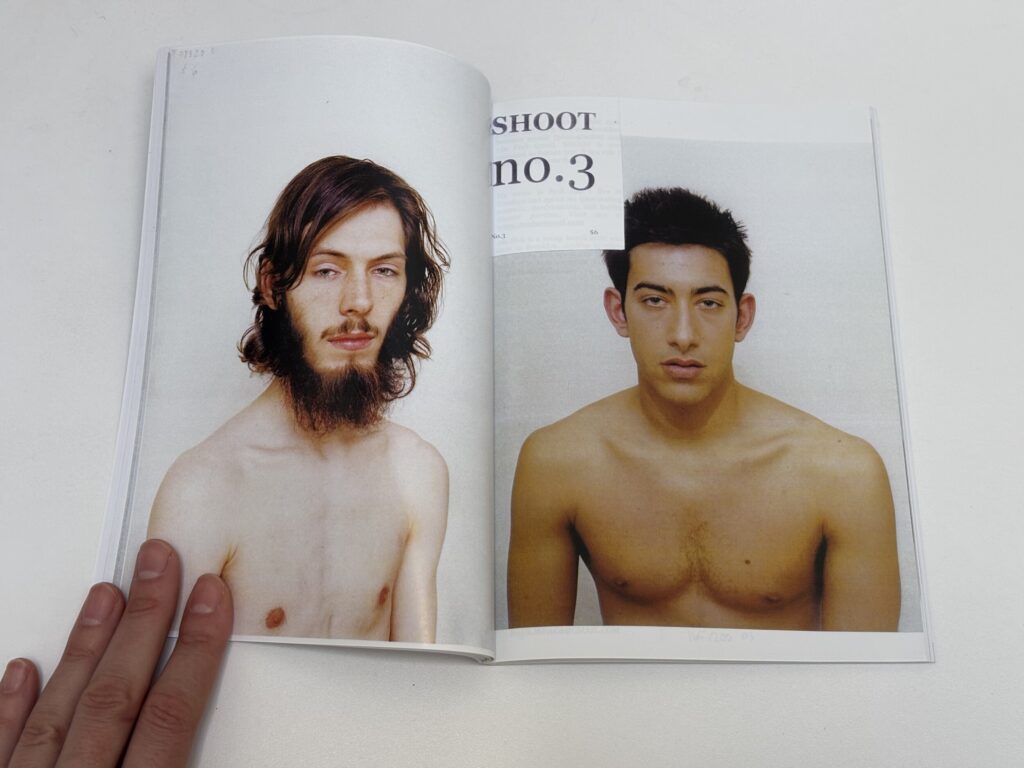
Sepuya first gained recognition through his participation in the early 2000s resurgence of queer zine making. SHOOT began as a self-published zine that he made between 2005 and 2008. Each issue (or shoot) focuses on a single man. The sitters, often friends and acquaintances, either look directly into the camera or turn away from it. The zine became a means to distribute and exhibit Sepuya’s work and ultimately connected him to queer photography networks and communities. Across its issues, SHOOT served as a testing ground for new approaches to portraiture, using contact sheets, unused frames, and bits of text to extend a single portrait across many images rather than resolve it as a single finished photograph. In this way, the work treats photography less as an object to be consumed than as a situation to be entered, negotiated, and questioned.
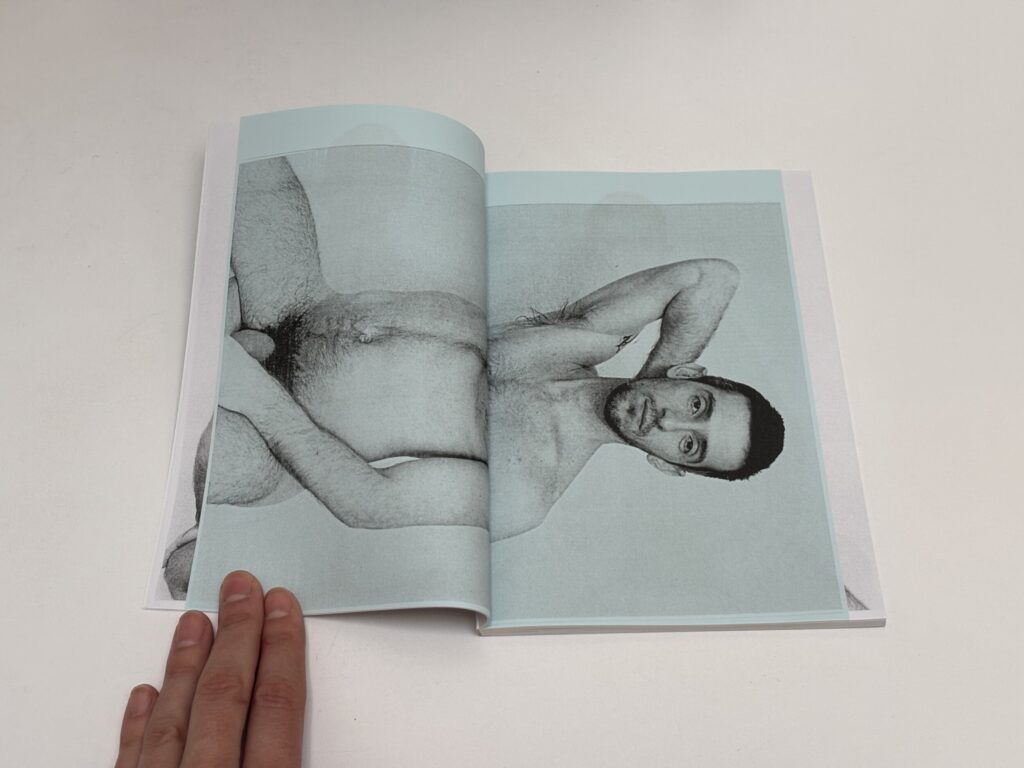
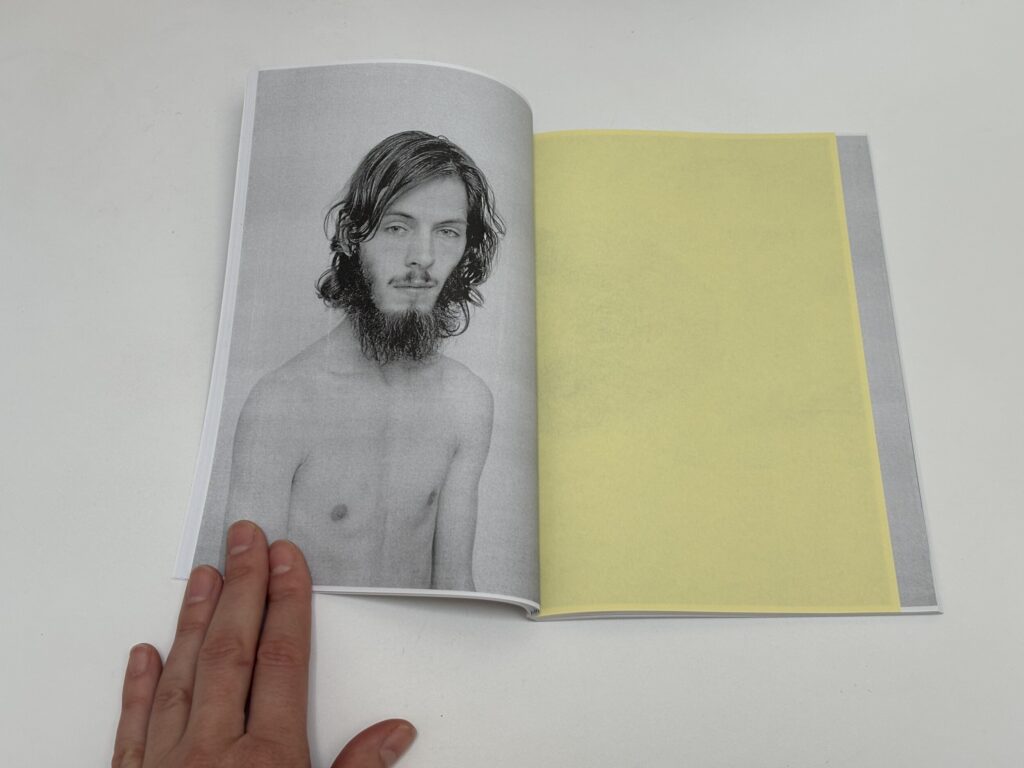
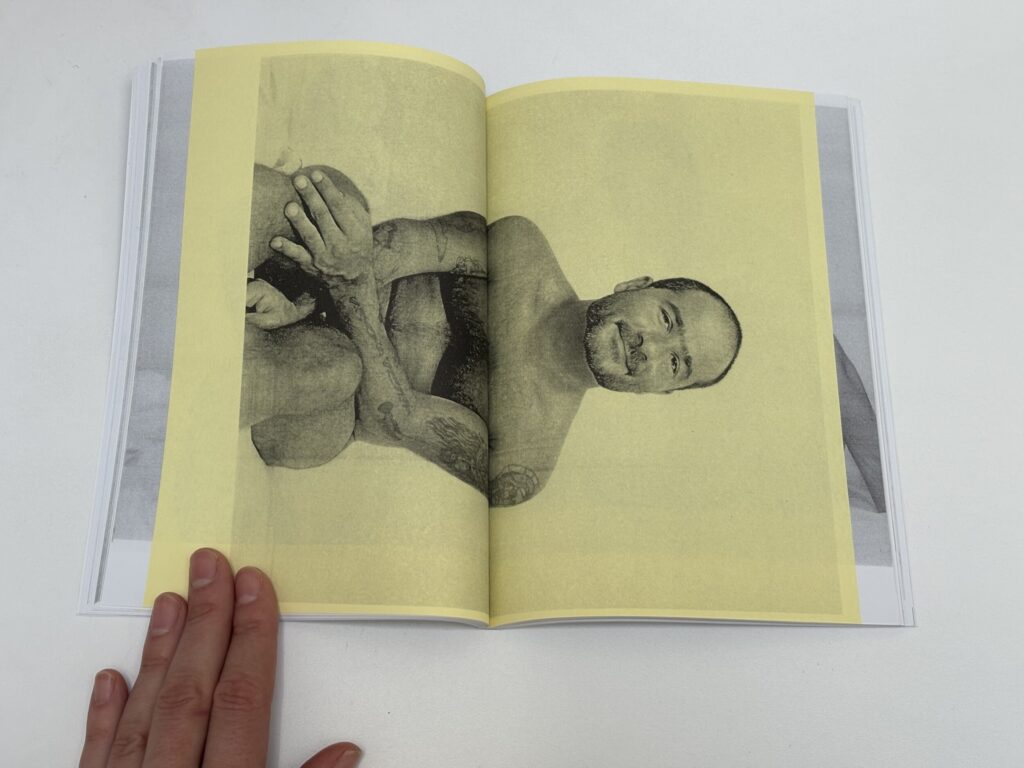
Like many zines from that period, SHOOT was photocopied at workplaces and local copy shops. The pages retain clear traces of the artist’s hand, along with the uneven textures, marks, and glitches produced by the copy machine (qualities long associated with queer zine culture since the 1970s). In a 2007 overview of the emerging gay art scene, The New York Times referred to SHOOT as a “me-and-my-naked-friends magazine.” In 2024, the zines were included in the “Copy Machine Manifestos: Artists Who Make Zines” show at the Brooklyn Museum (Daybook here). Nearly twenty years later, this reprint brings all seven issues together for the first time, an important gesture given how scarce and difficult to find the original zines have become.
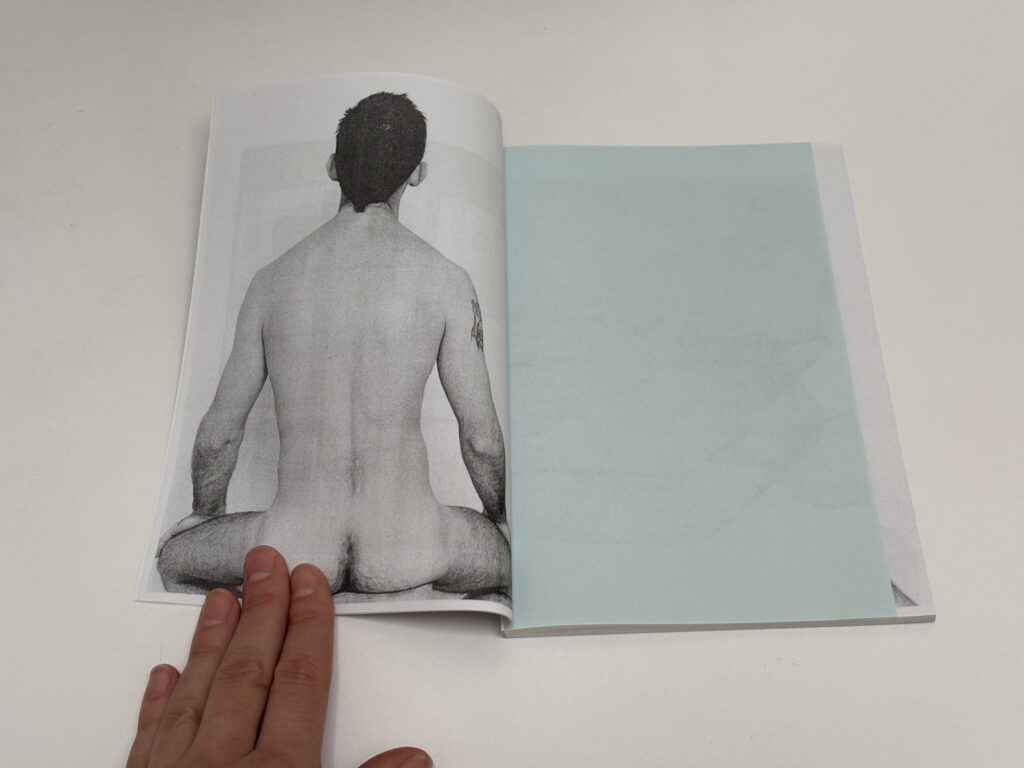
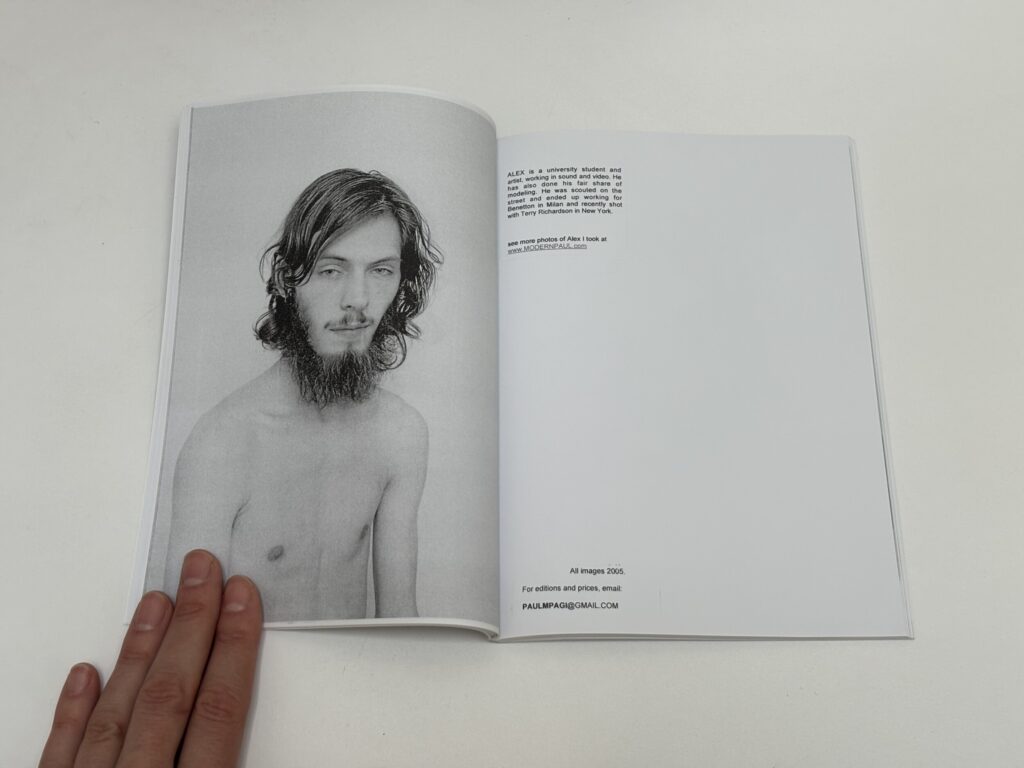
The softcover book closely follows the original zines in size, texture and color, with the main difference being that it is now perfect-bound rather than stapled. It retains the same sense of intimacy and casualness, as if it were meant to be picked up, handled, and shared. Originally, each issue centered on a single portrait unfolding across just a few pages. These small booklets felt personal and direct, often titled with the sitter’s name and introduced by a brief note describing how Sepuya first met them.
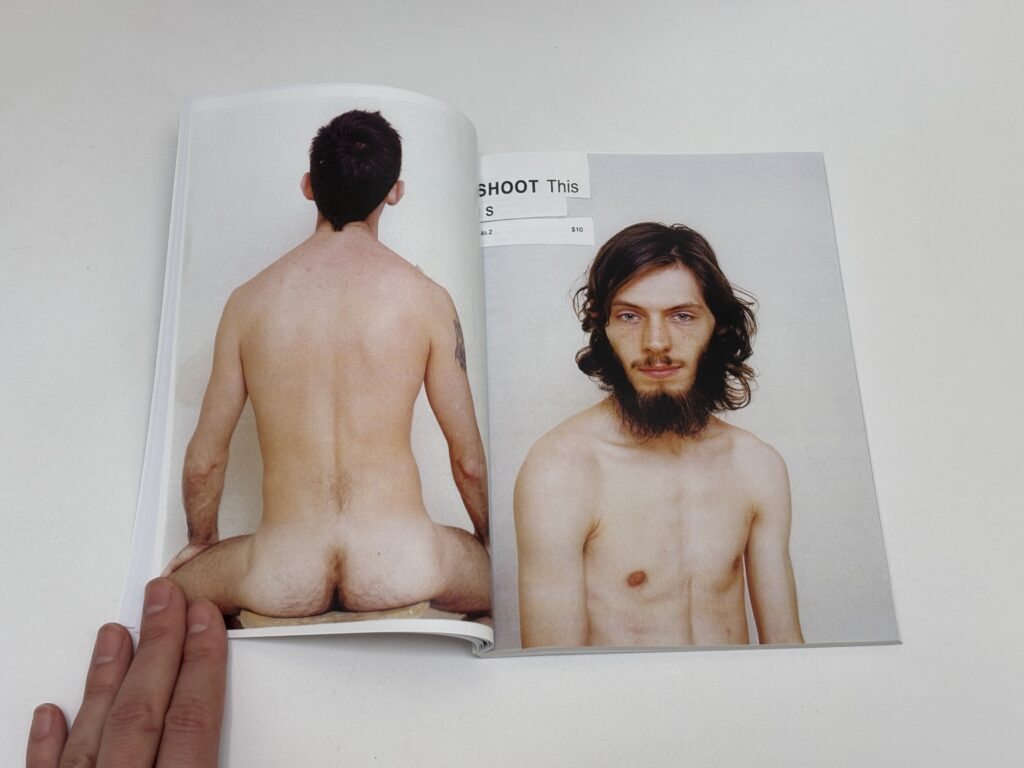
The cover of this edition reproduces the first issue. It features a studio-lit portrait of an adult man shown from the chest up against a light background, with a small rectangular name label reading “NICOLAS” placed at the center of his chest. In the top-left corner, bold editorial text reads “SHOOT This is a MAGAZINE.” with the word “MAGAZINE.” crossed out, followed by “No. 1” and a price of $10. The clean layout, neutral tones and frontal composition create a stark, conceptual image that foregrounds questions of identity, labeling, and the tension between documentation and publication.
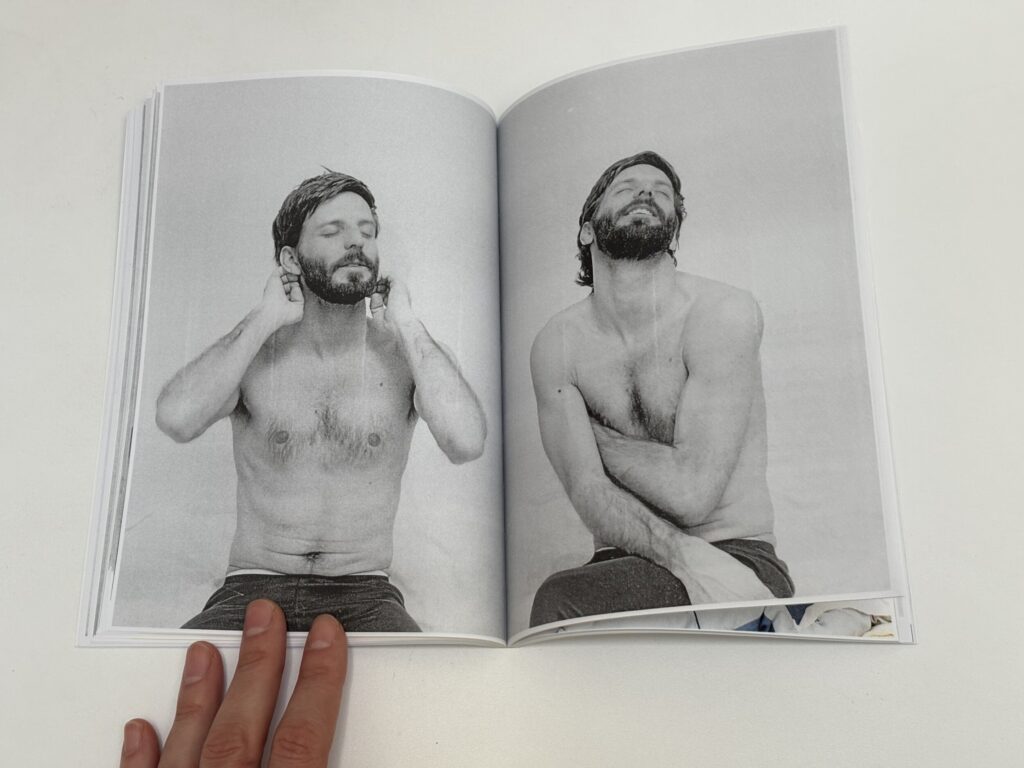
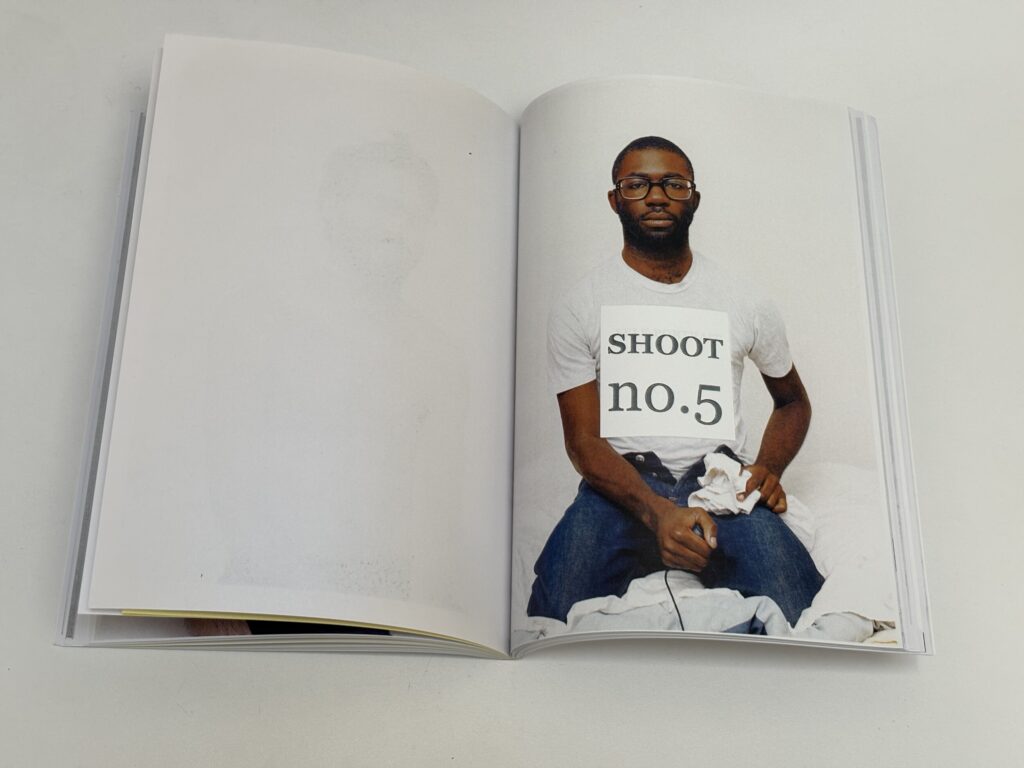
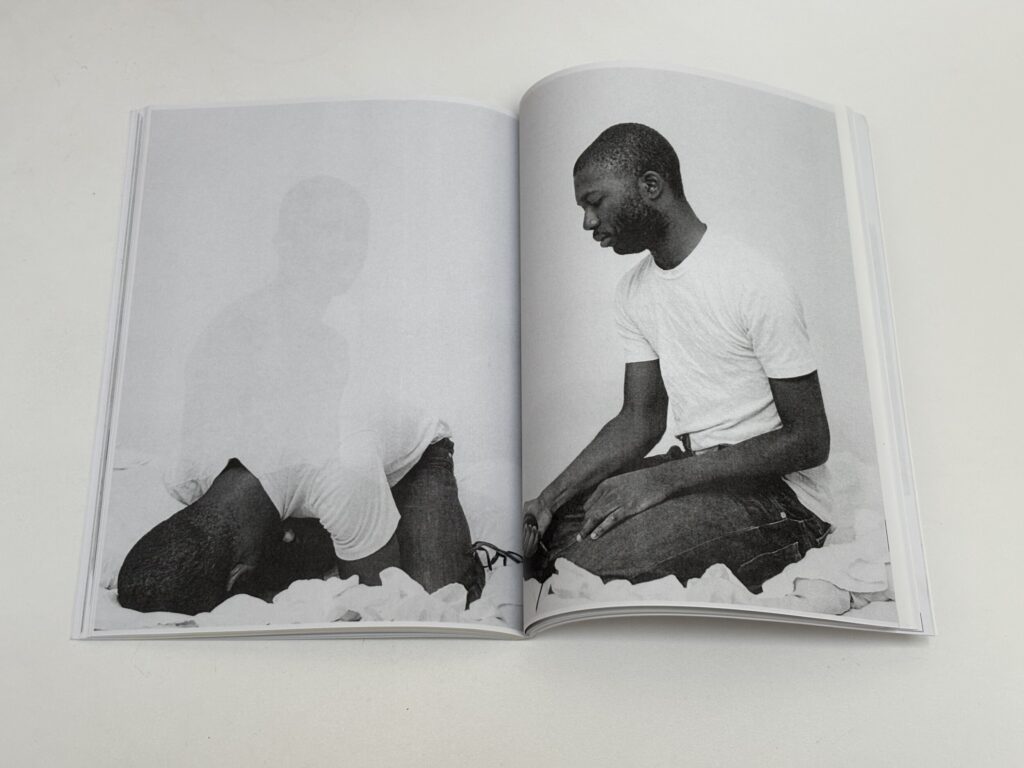
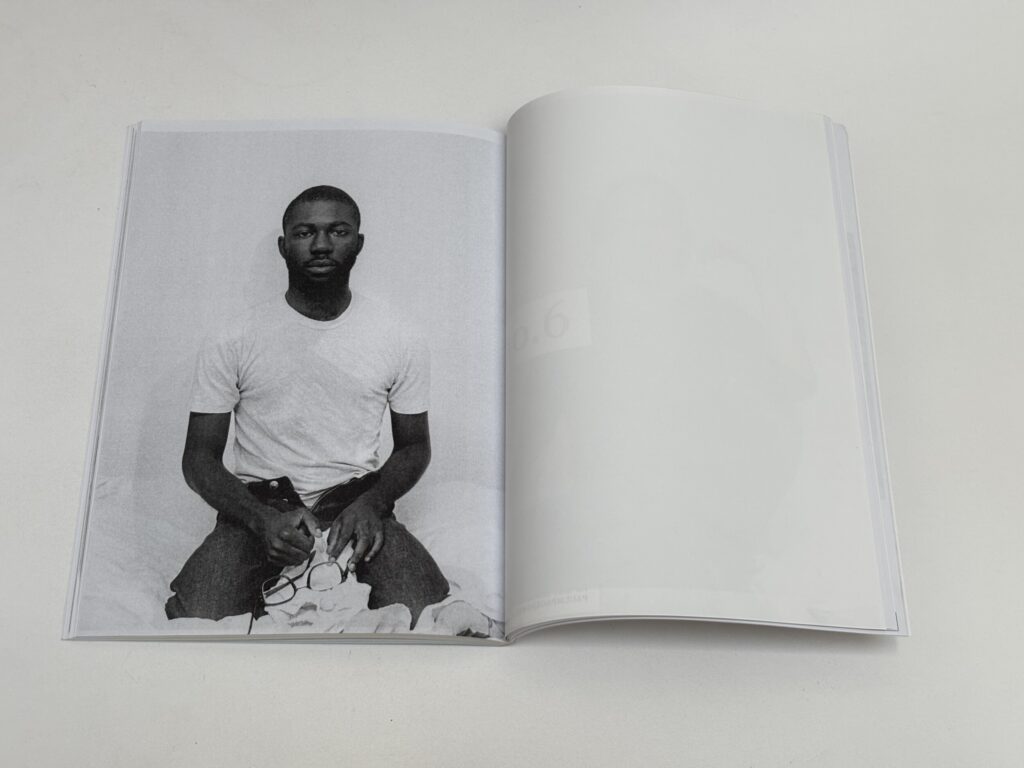
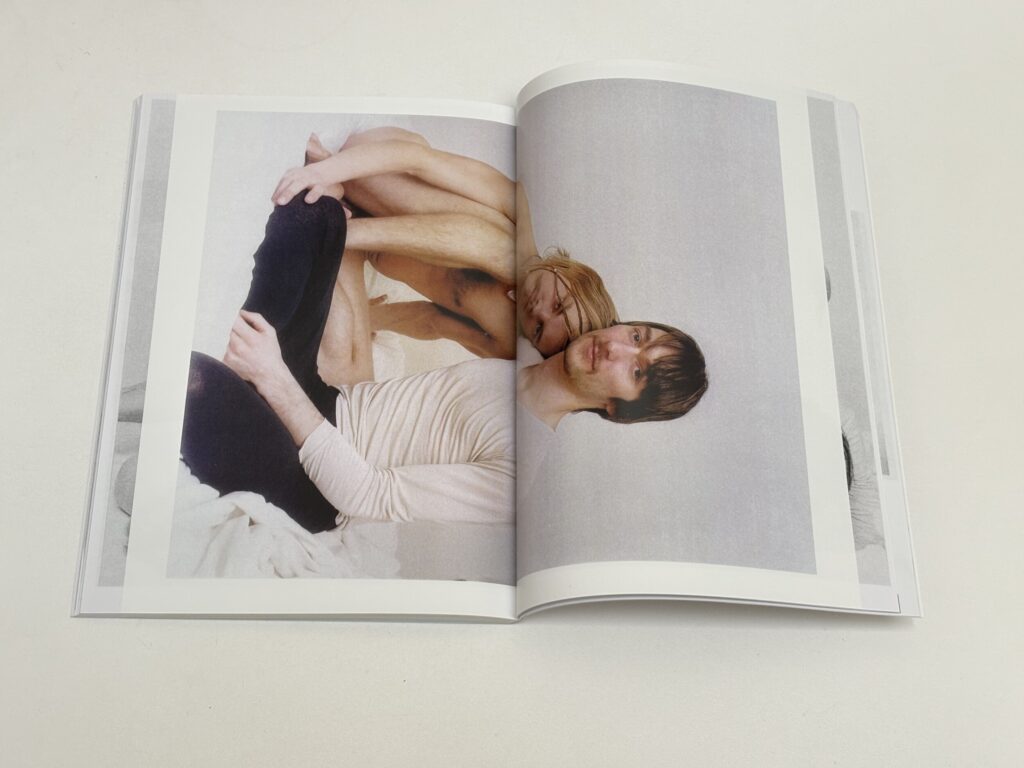
In this reprint, the back cover of one zine now appears next to the front of the next, in some cases creating unexpected and often compelling pairings. For example, the portrait of Nicolas with his nude back now faces a portrait of Alex, the subject of issue #2. This layering feels well suited to Sepuya’s practice. The issue #5 focuses on self-portraiture. Its cover features a color image of Sepuya looking directly into the camera while holding a shutter release. Inside, a sequence of black-and-white photographs show him taking self-portraits (with and without a t-shirt, without glasses, and finally with his glasses resting on bed sheets), again emphasizing the act of image-making itself.
The presence of queer bodies is central to the work, but never treated as a means to an end. Sepuya avoids exaggeration, letting intimacy emerge through the structure of the images rather than through emphasis or display. Closeness is shown through physical nearness, through the blending of personal and working space, and through the studio becoming a shared place rather than a neutral setting. When nudity appears, it feels matter-of-fact and integrated into the process of making the work. It does not call attention to itself or ask for justification. Instead, it supports the sense that these photographs are made among people who trust one another enough to leave things open.
Viewed as a whole, the reissue of SHOOT offers more than just historical preservation; it provides a clearer framework for understanding the foundations of Sepuya’s practice as it continues to evolve. Compiling all seven issues into a single volume allows the zines to be read not as isolated experiments, but as a sustained inquiry into portraiture, authorship, and relational exchange. The questions posed in SHOOT (who is seen, who controls the image, and how intimacy is negotiated) continue to resonate throughout his work, now articulated through larger formats and institutional contexts.
Collector’s POV: Paul Mpagi Sepuya is represented by Document in Chicago (here), Vielmetter in Los Angeles (here), Galerie Peter Kilchmann in Zurich/Paris (here) and Bortolami in New York (here). Sepuya’s work has not yet reached the secondary markets with any consistency, so gallery retail remains the best option for those collectors interested in following up.