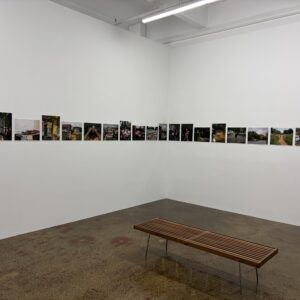
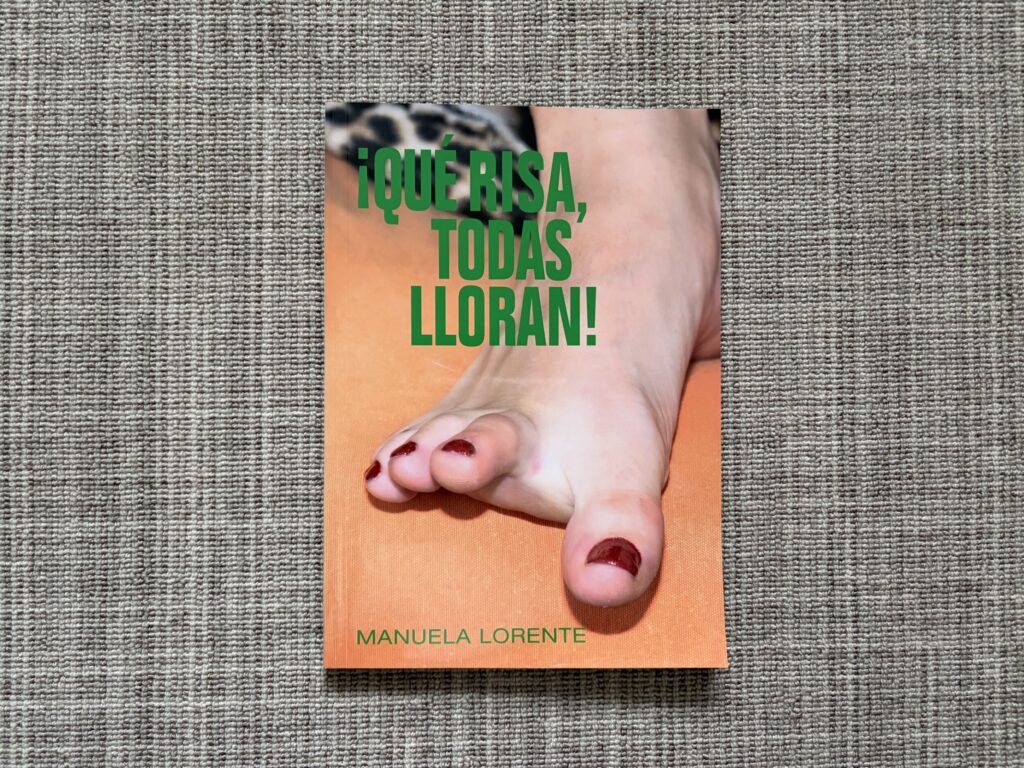
JTF (just the facts): Published in 2026 by Dalpine (here). Softcover, 21×29.7 cm, 160 pages, with 54 color reproductions (with 1 image reproduced twice on the end papers). Texts (in Spanish only) by Pedro Colao León and the artist. Design by Jaime Narváez. (Cover and spread shots below.)
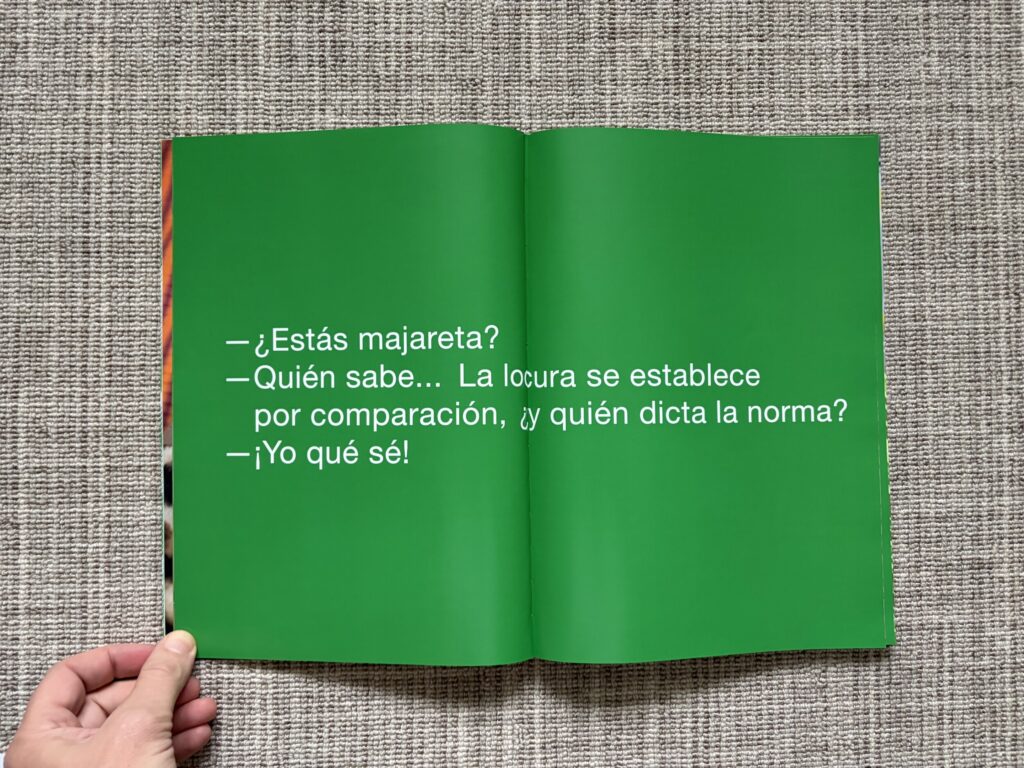
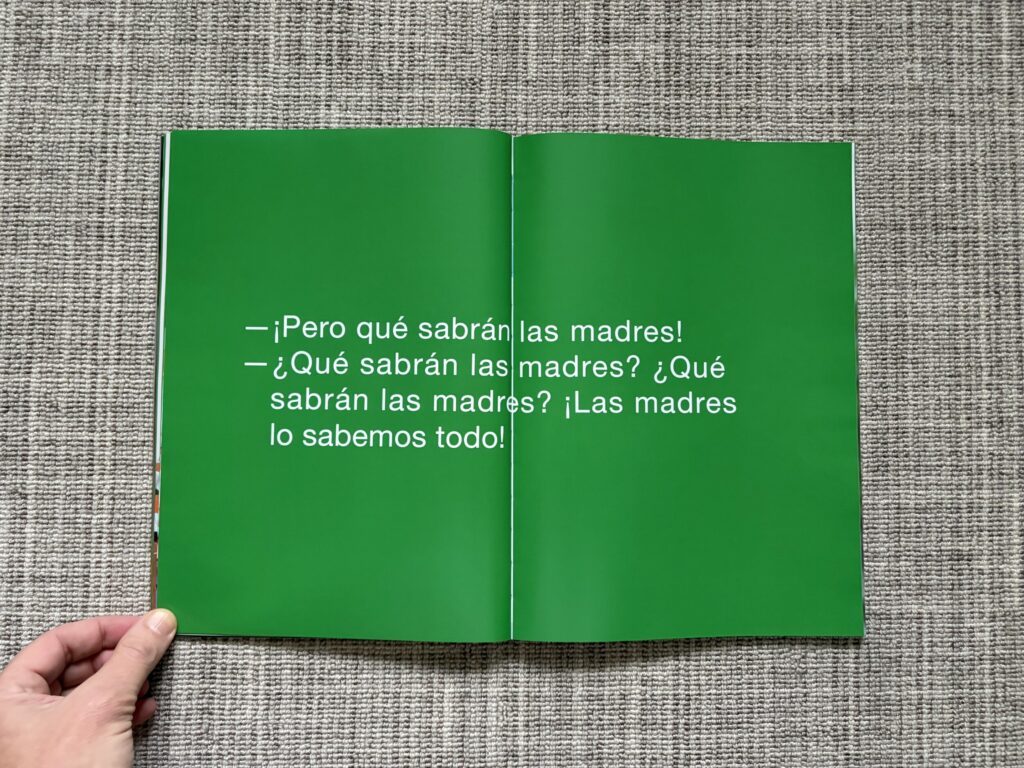
The 21 dialogue fragments (included on green pages) were taken from the following films: Six Feet Under, Small Time Crooks, Family, Pulp, Here There Is No One Who Lives, Les Diaboliques, Alice Doesn’t Live Here Anymore, A Gun in Each Hand, Rivals, August: Osage County, Grey Gardens, Out of the Past, and All About Eve.
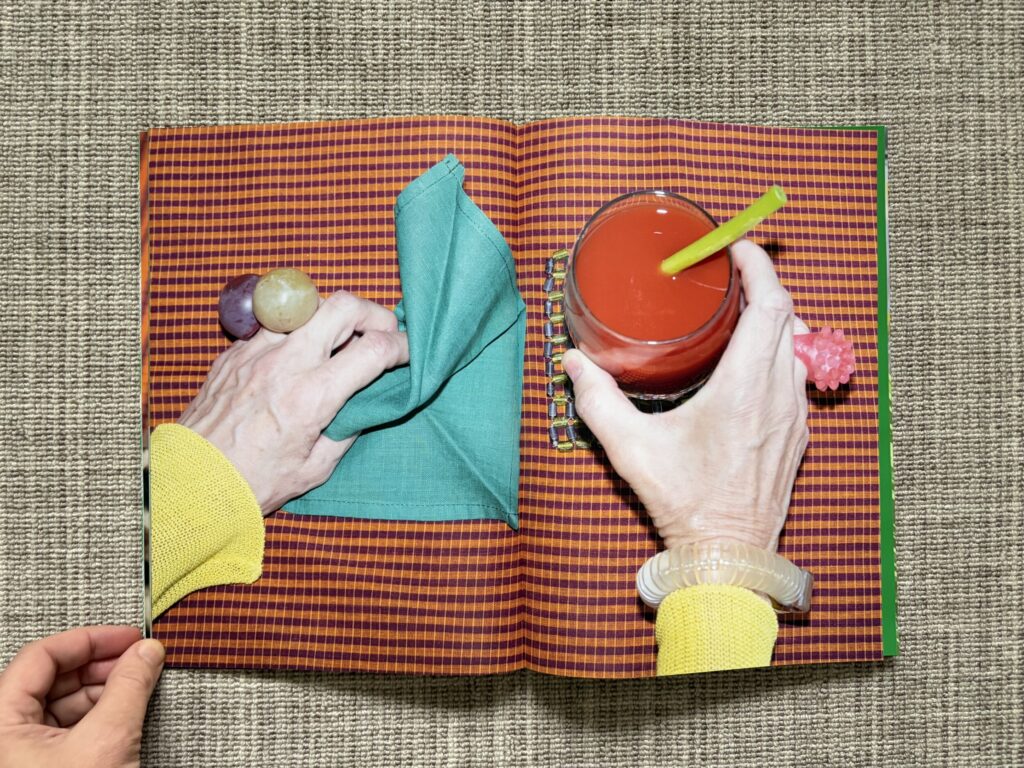
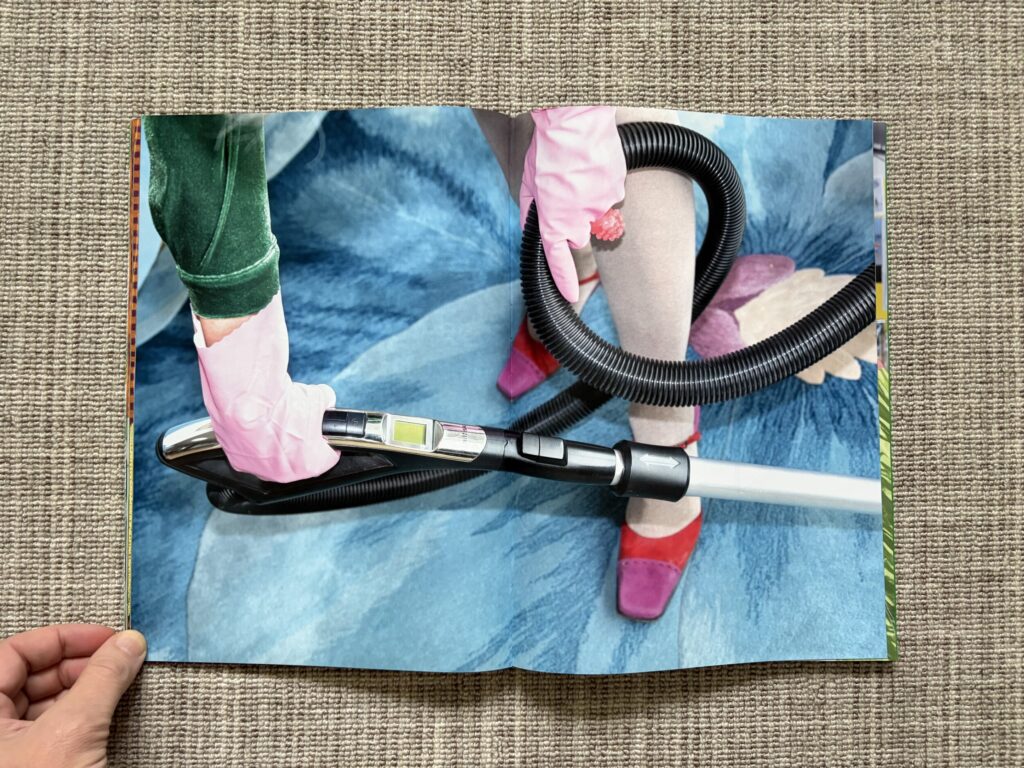
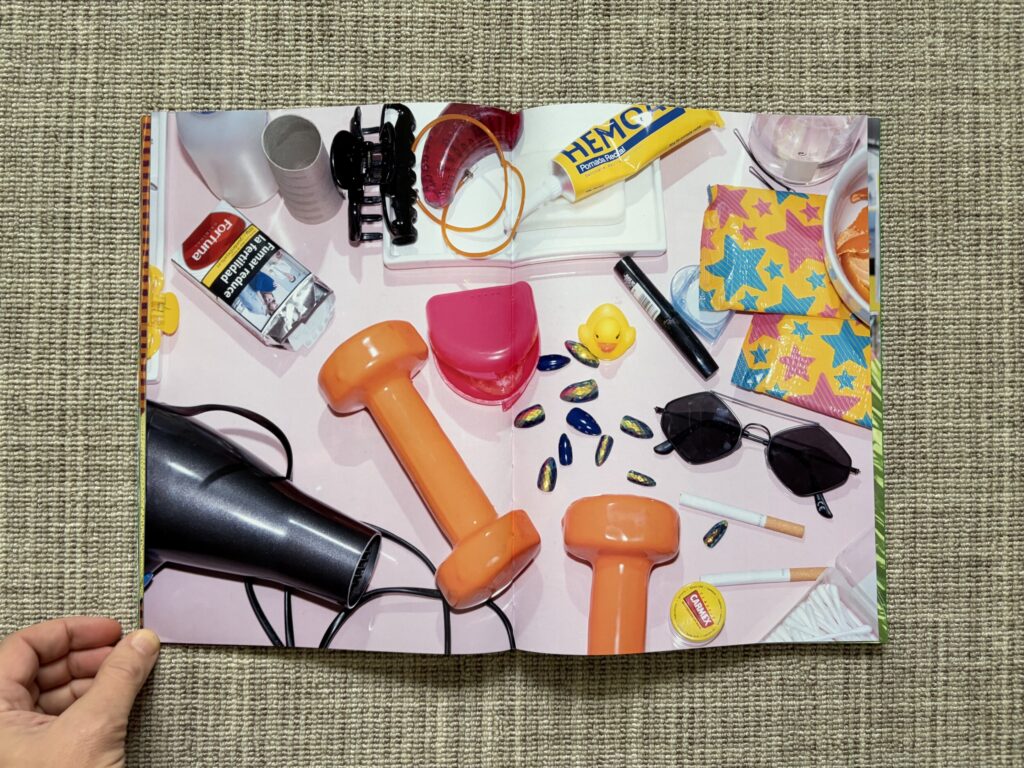
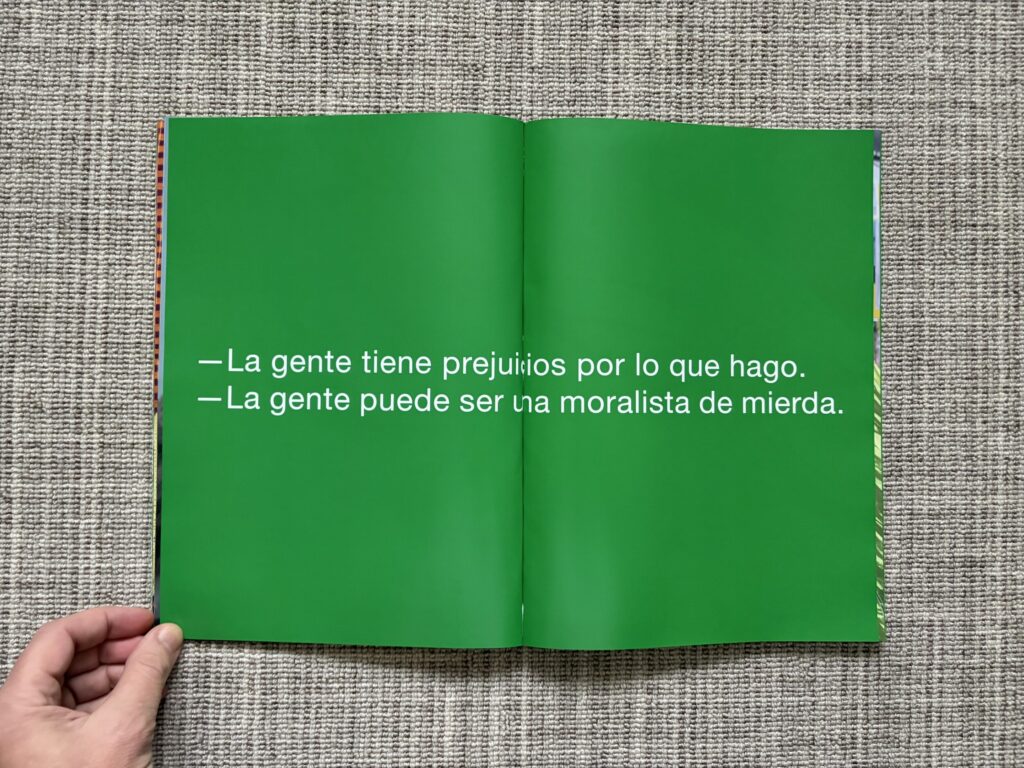
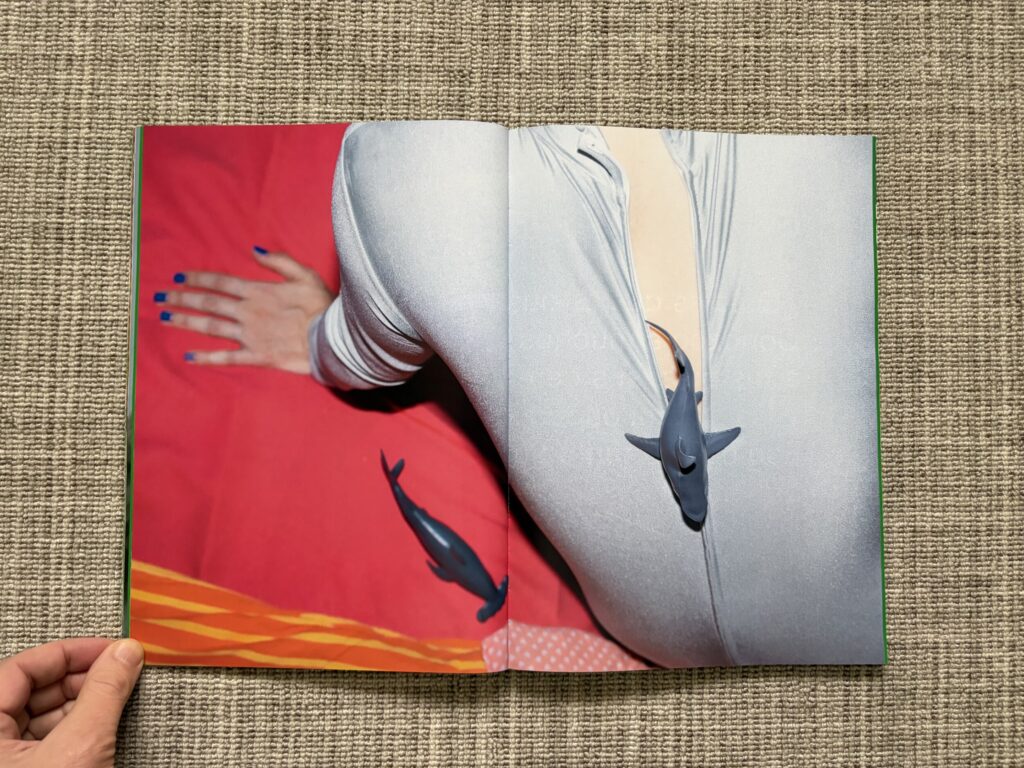
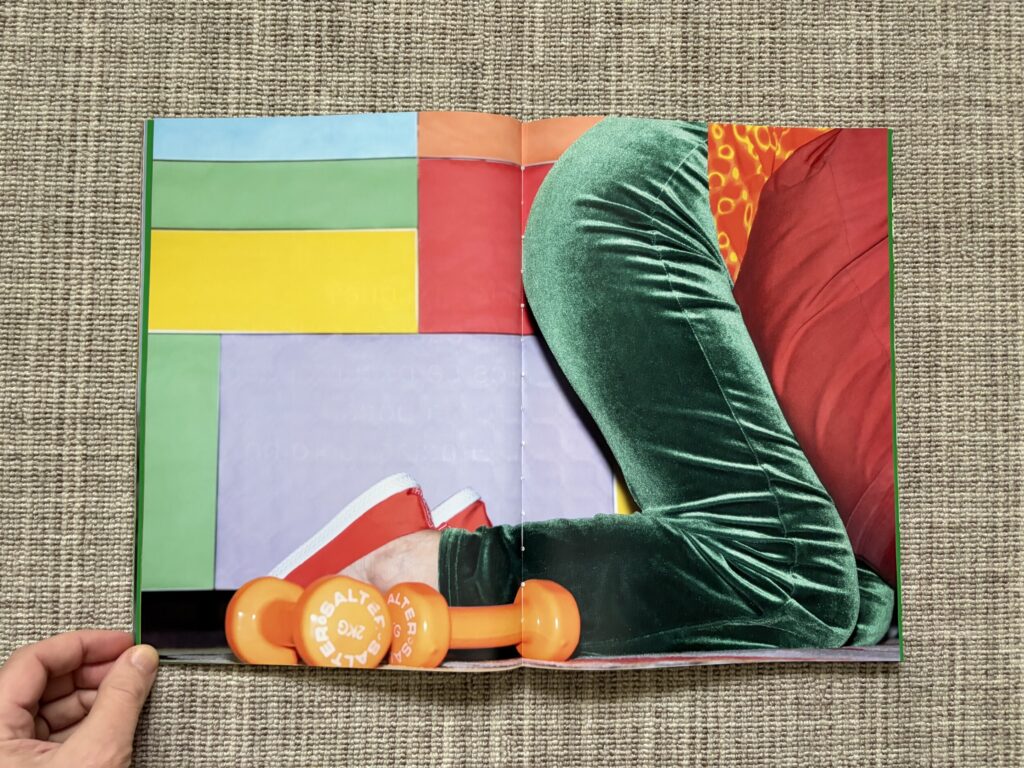
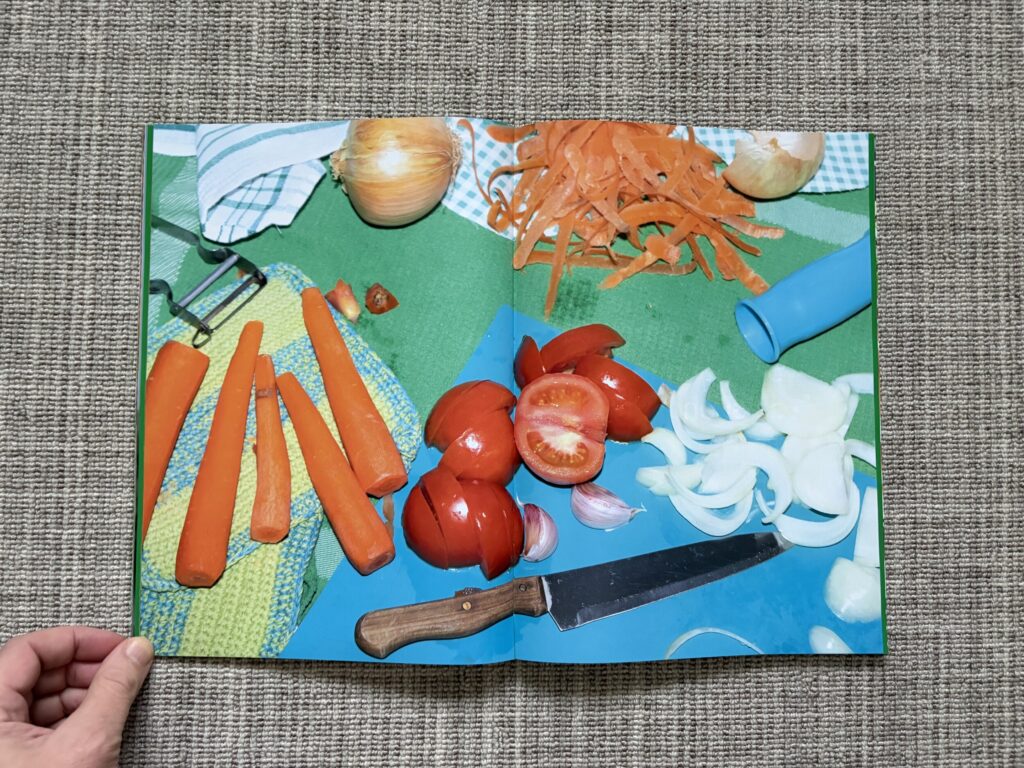
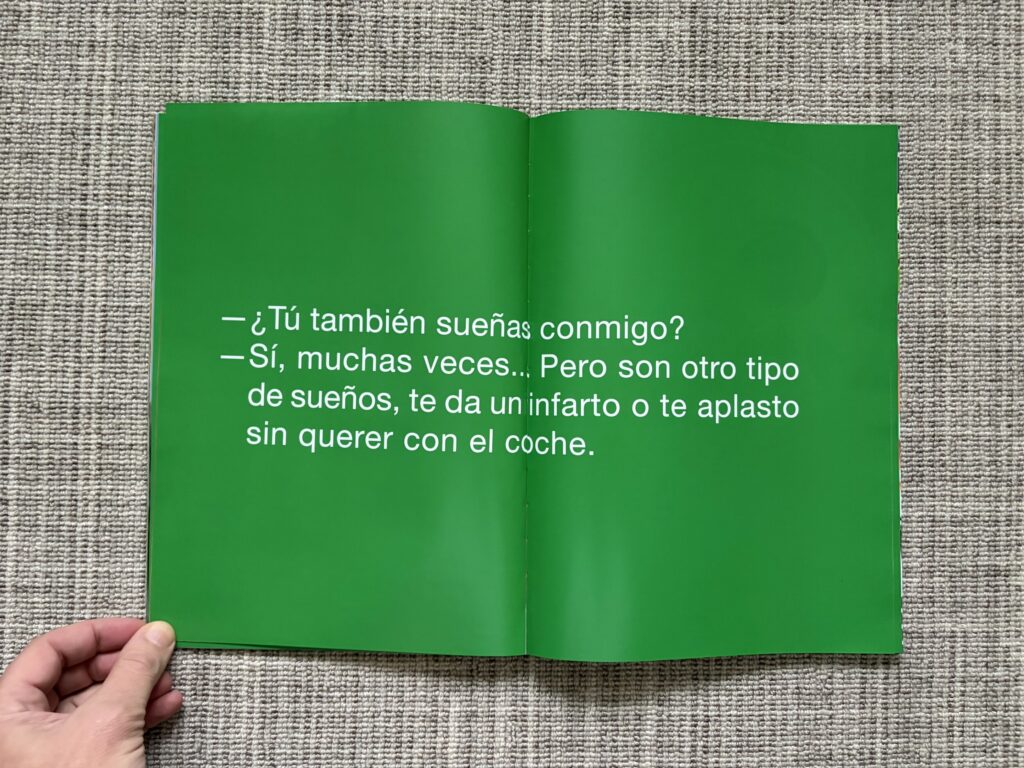
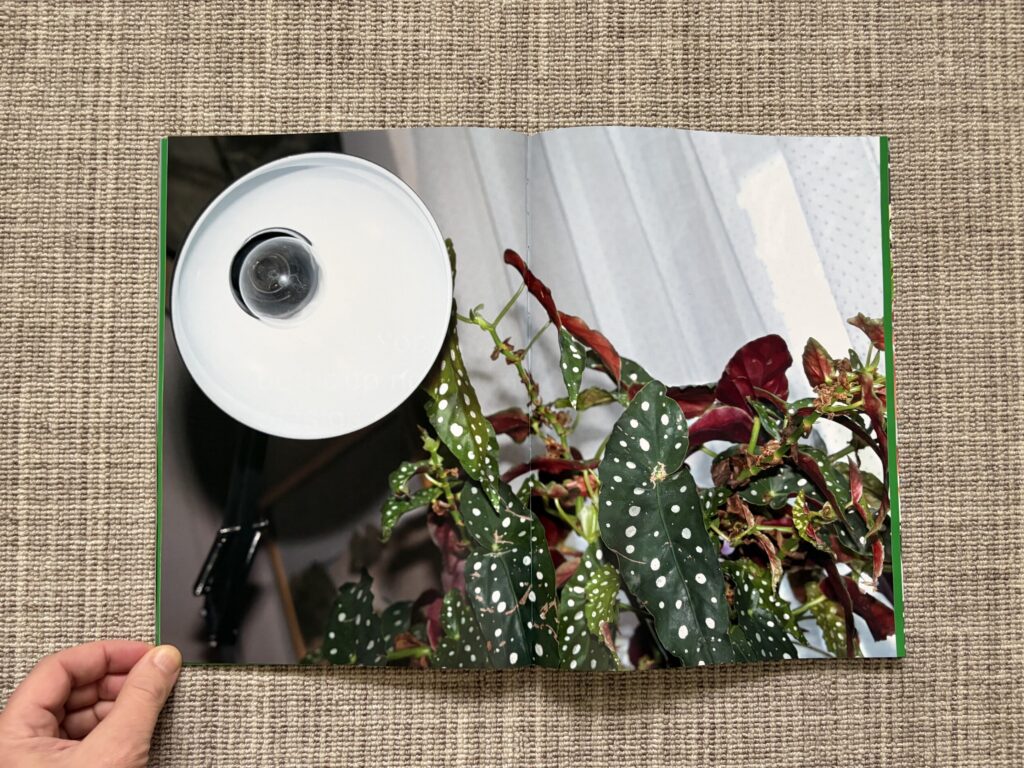
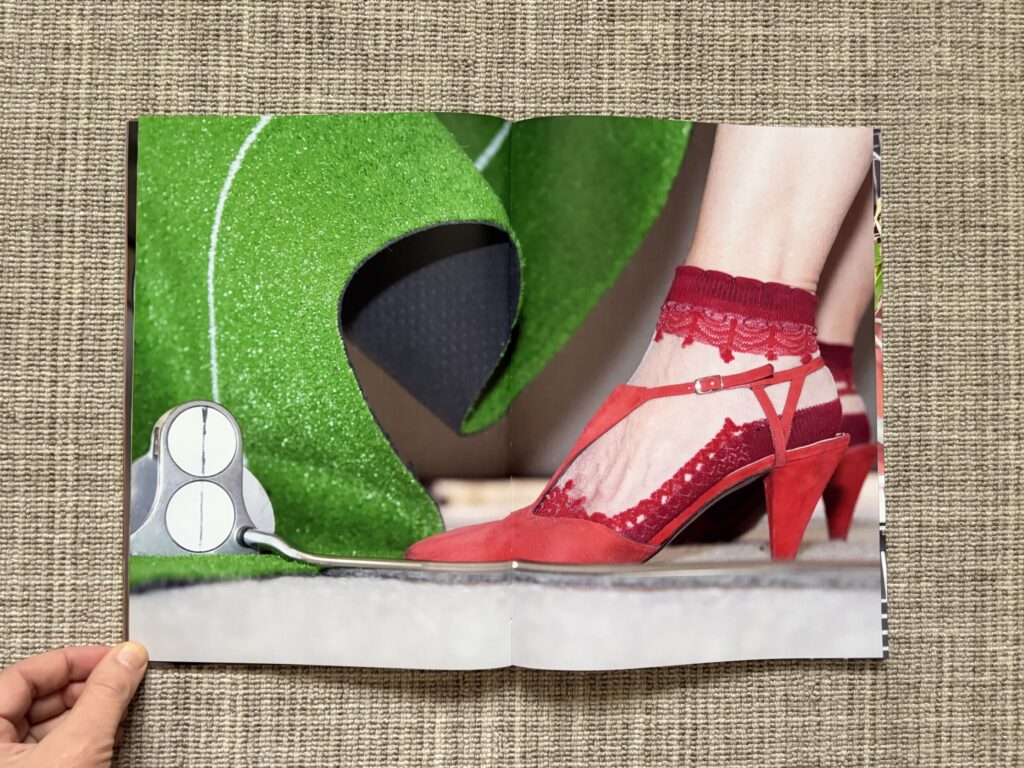
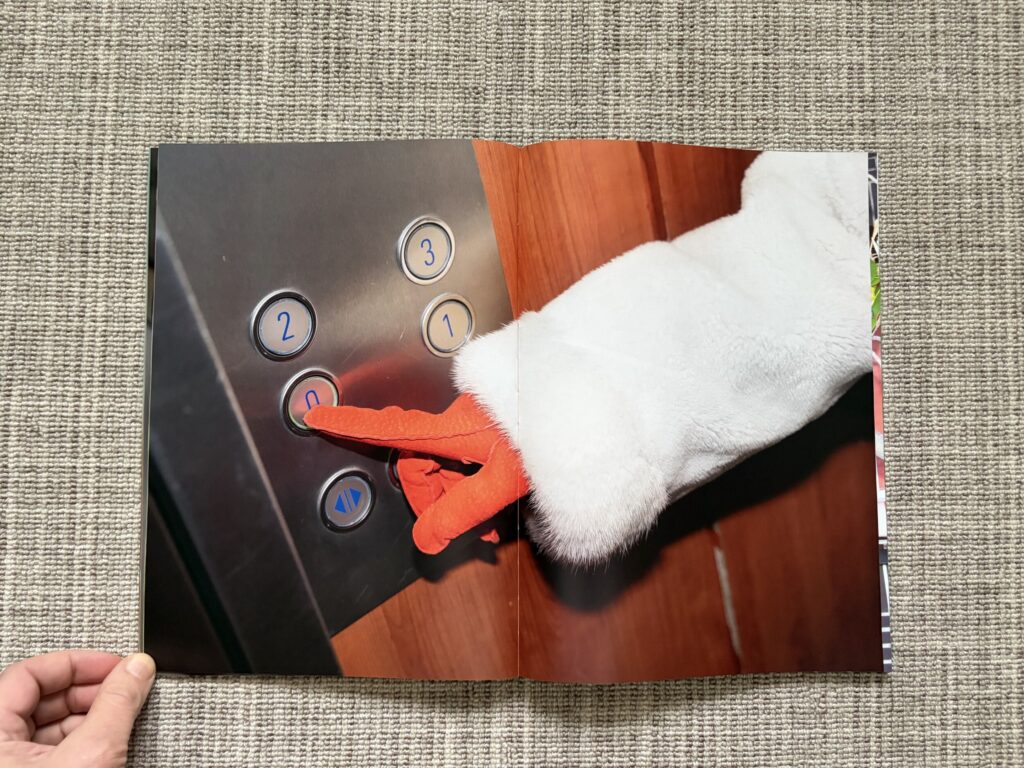
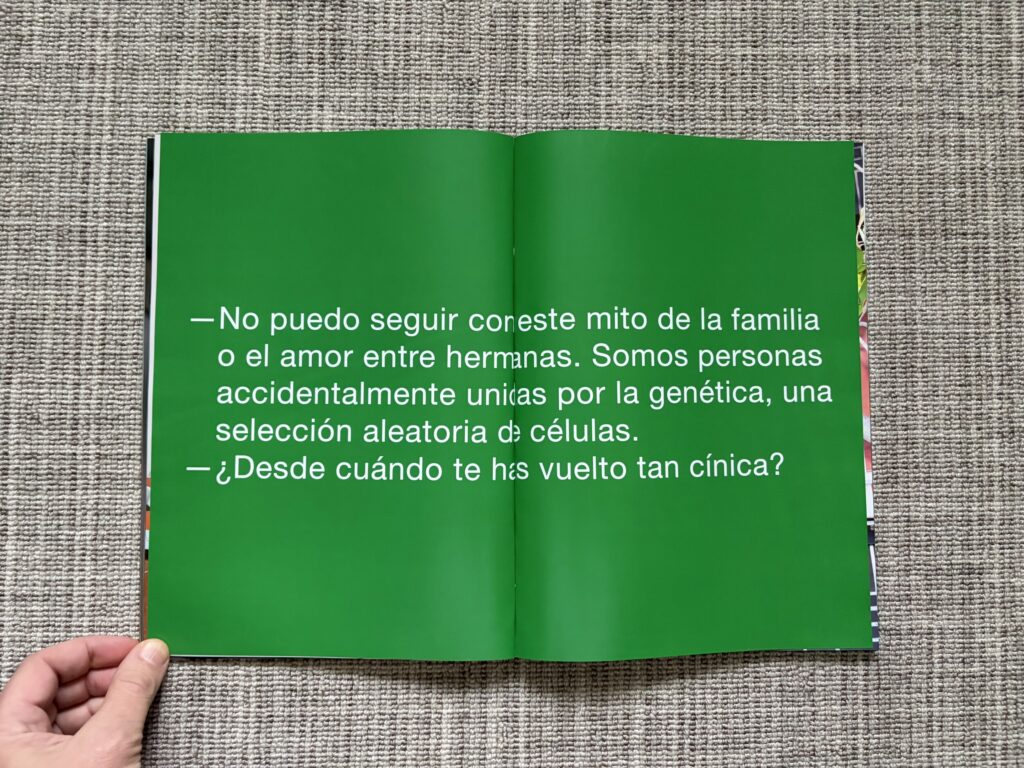
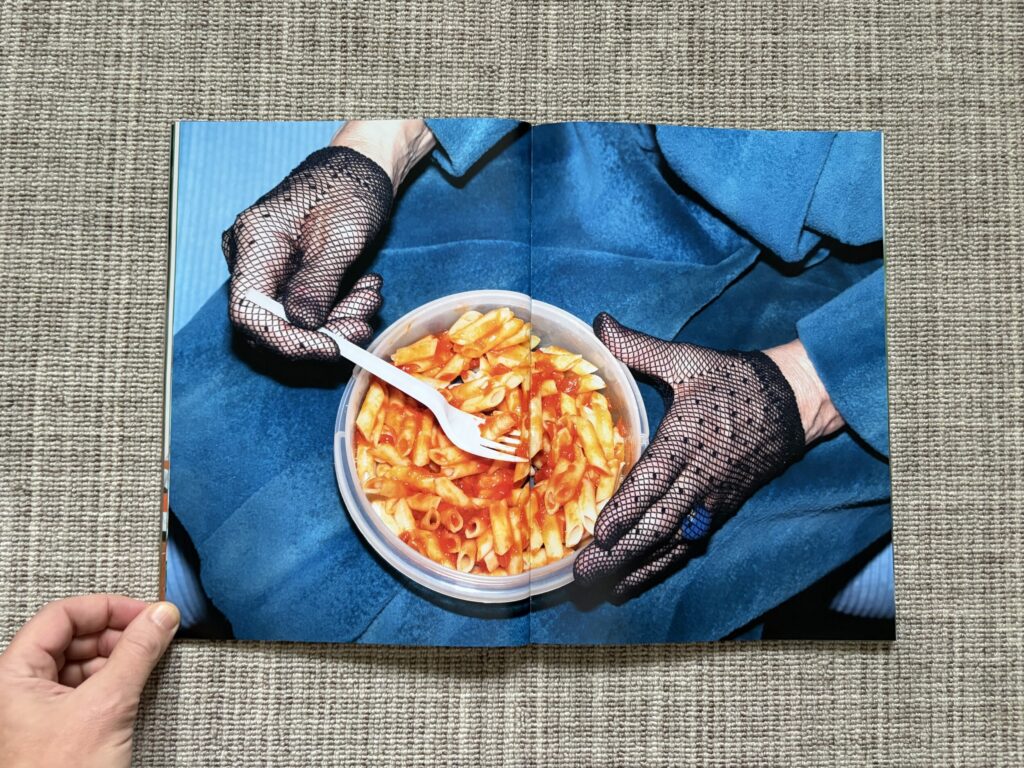
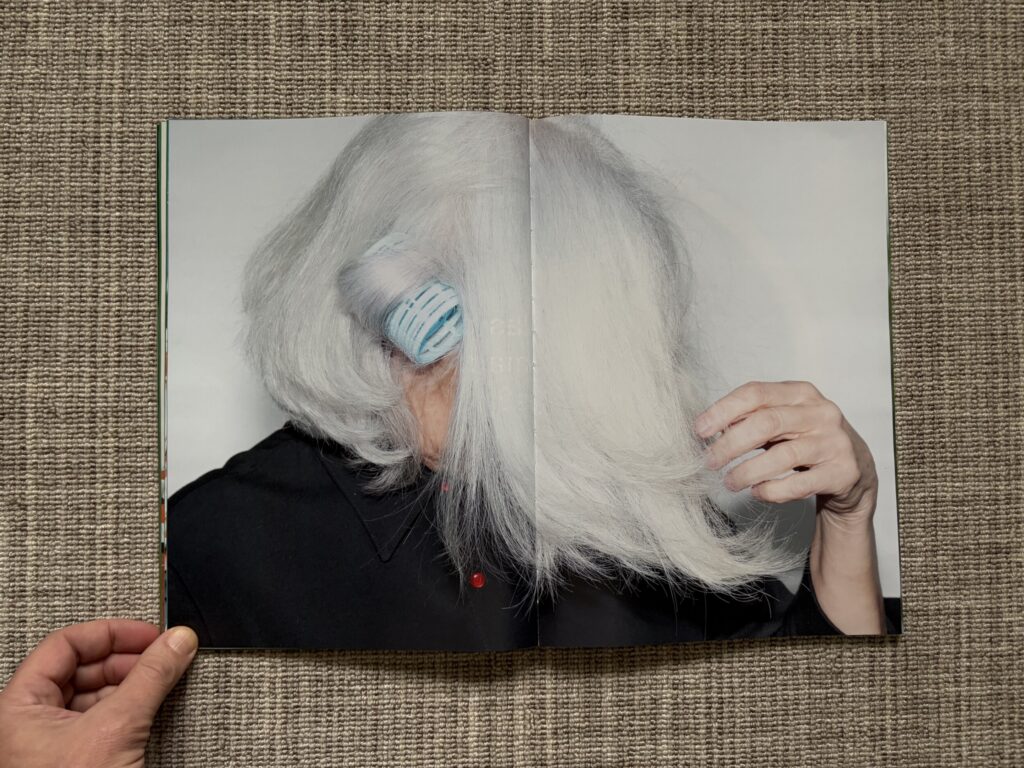
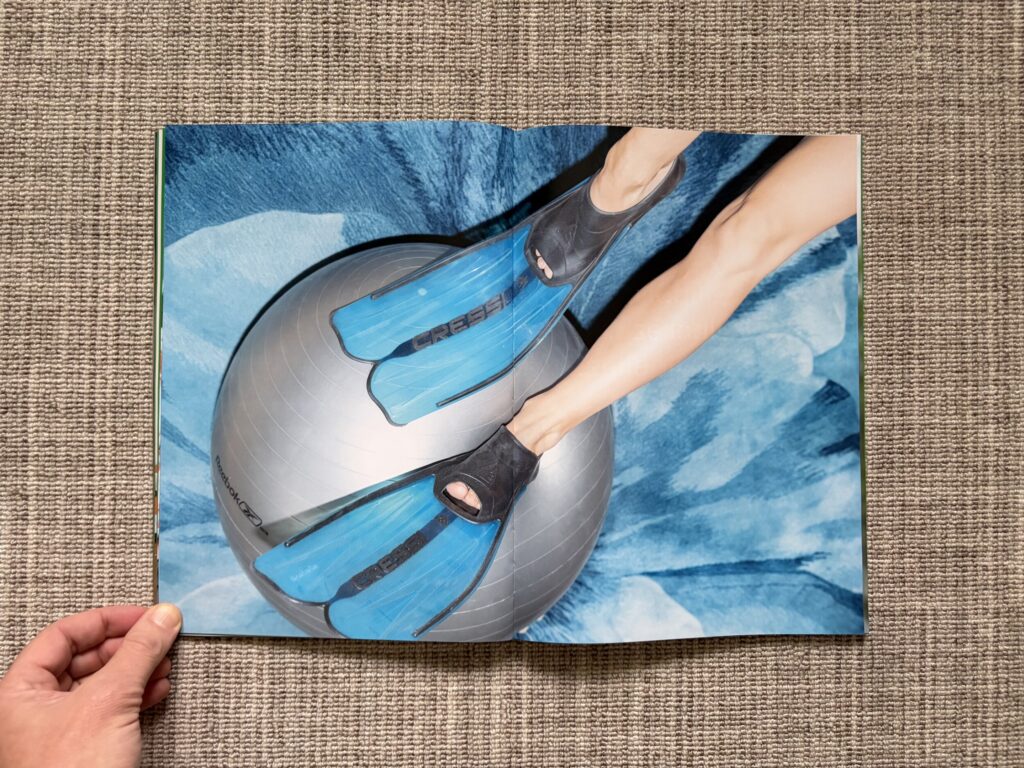
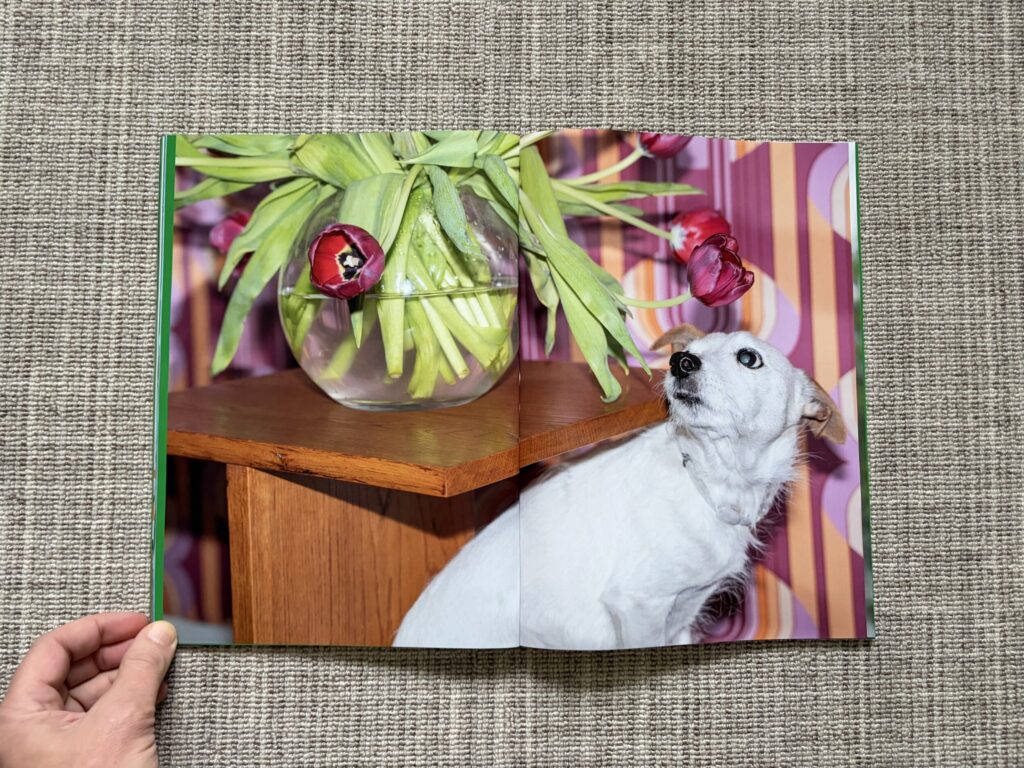
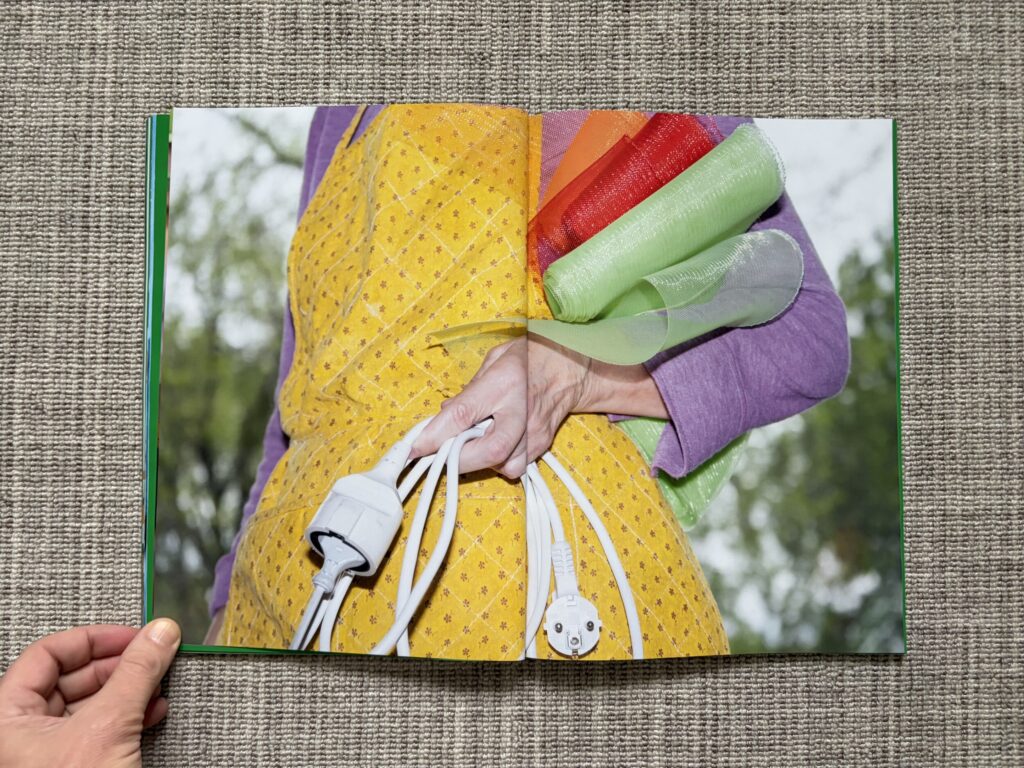
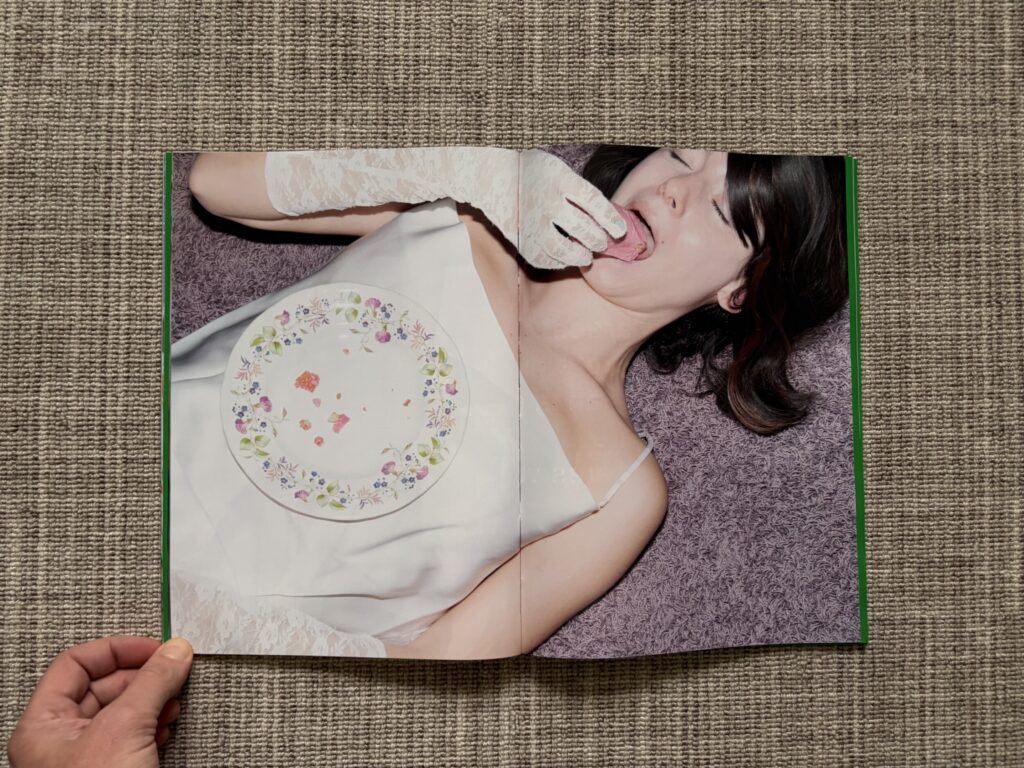
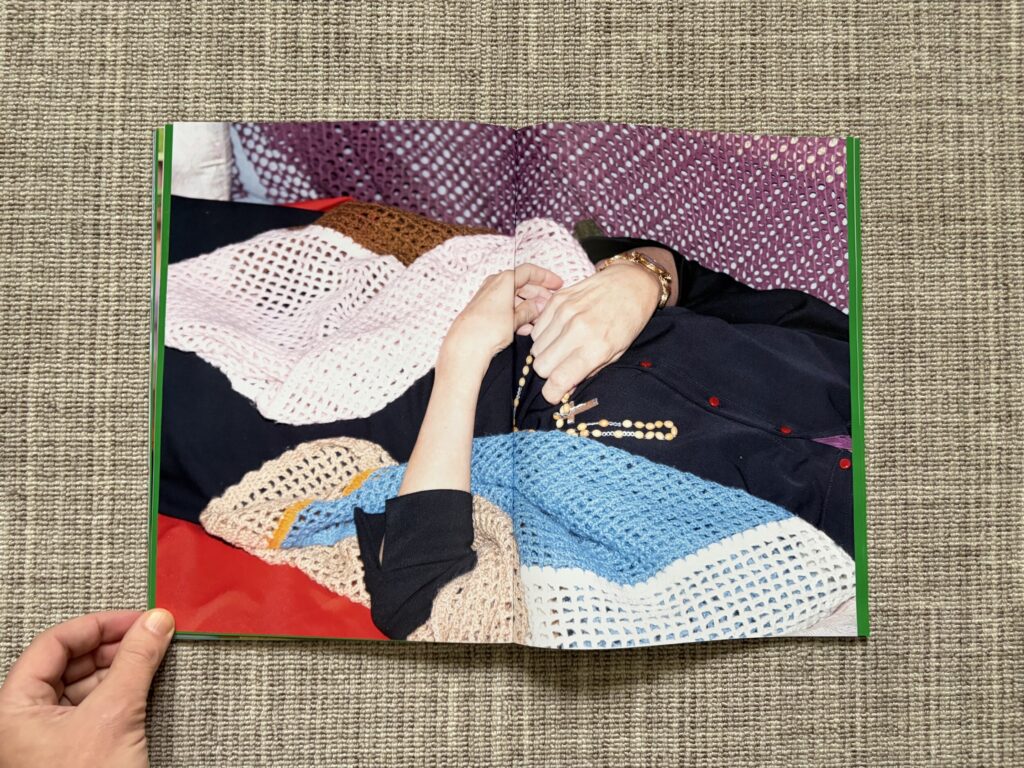
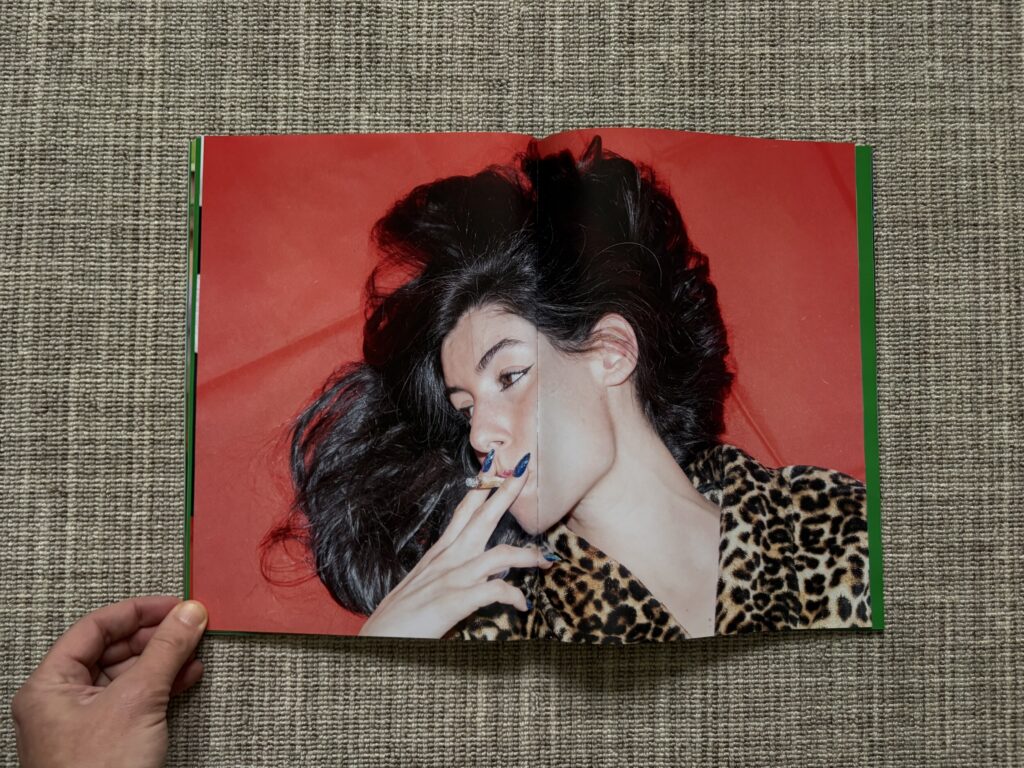
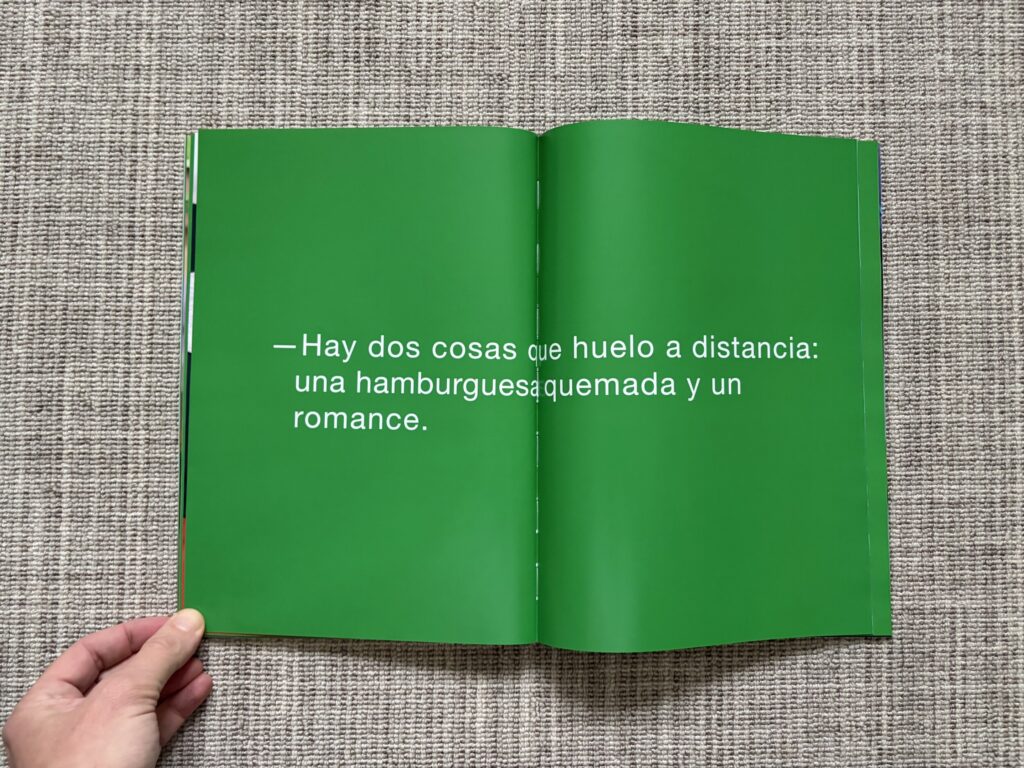
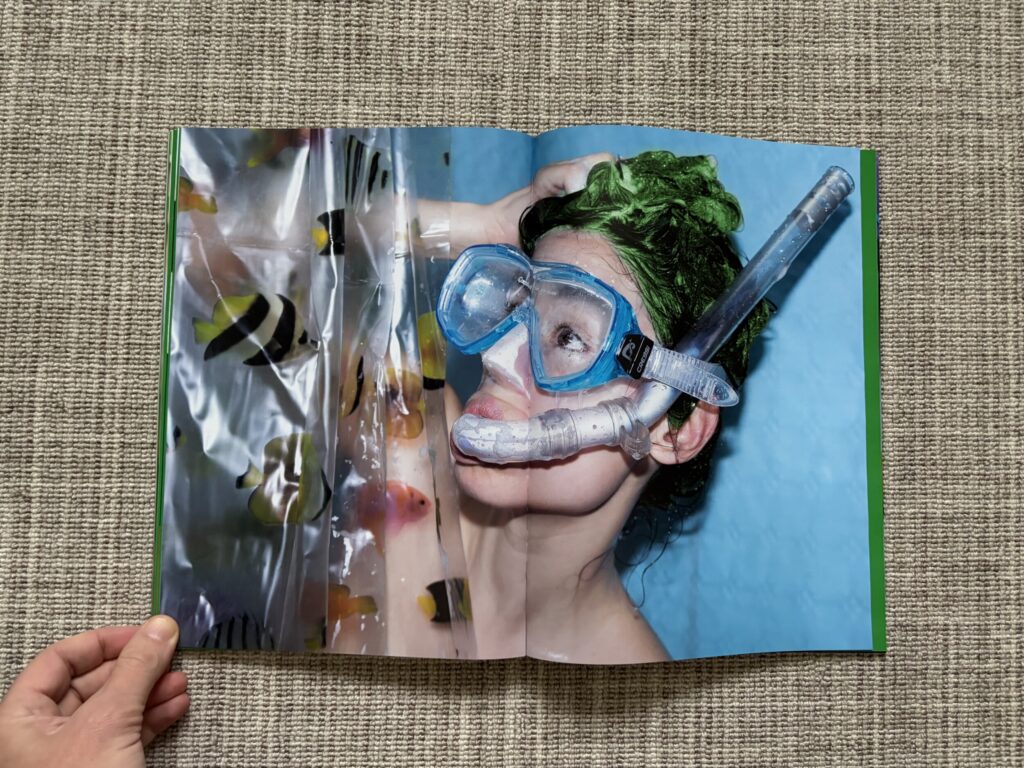
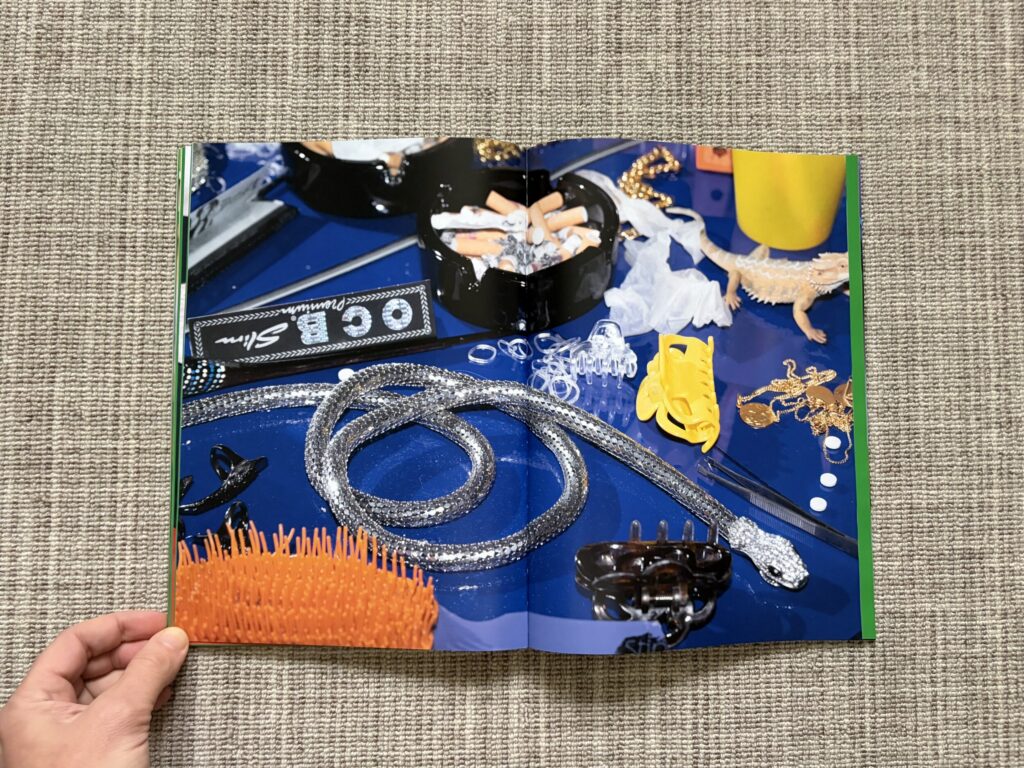
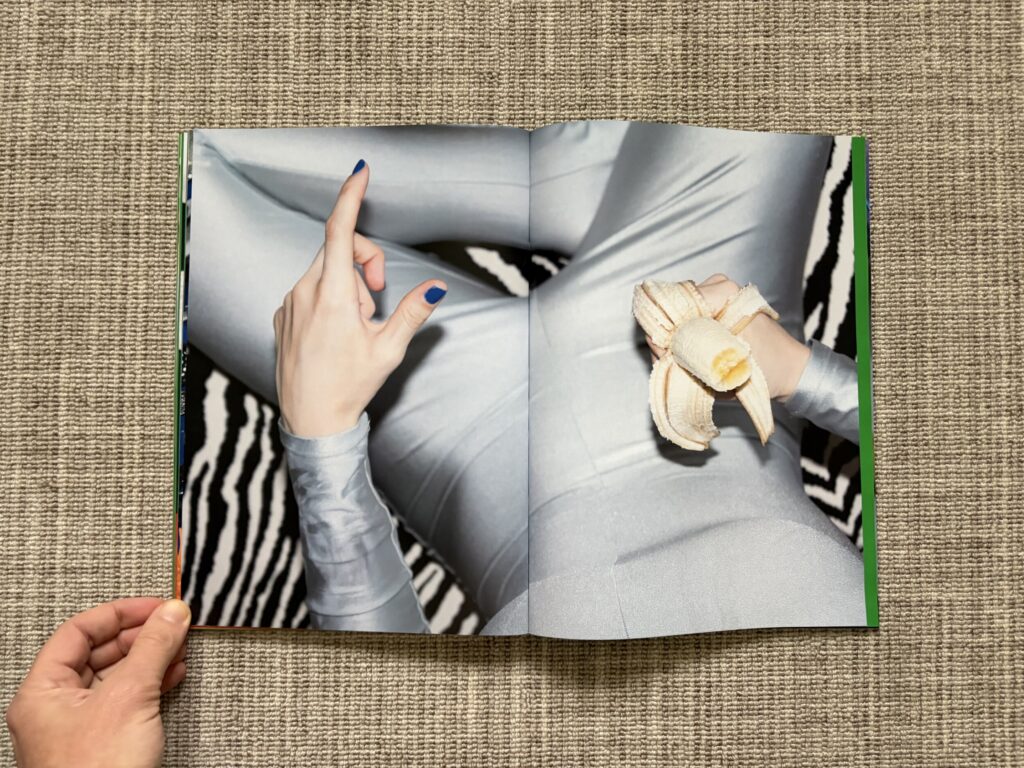
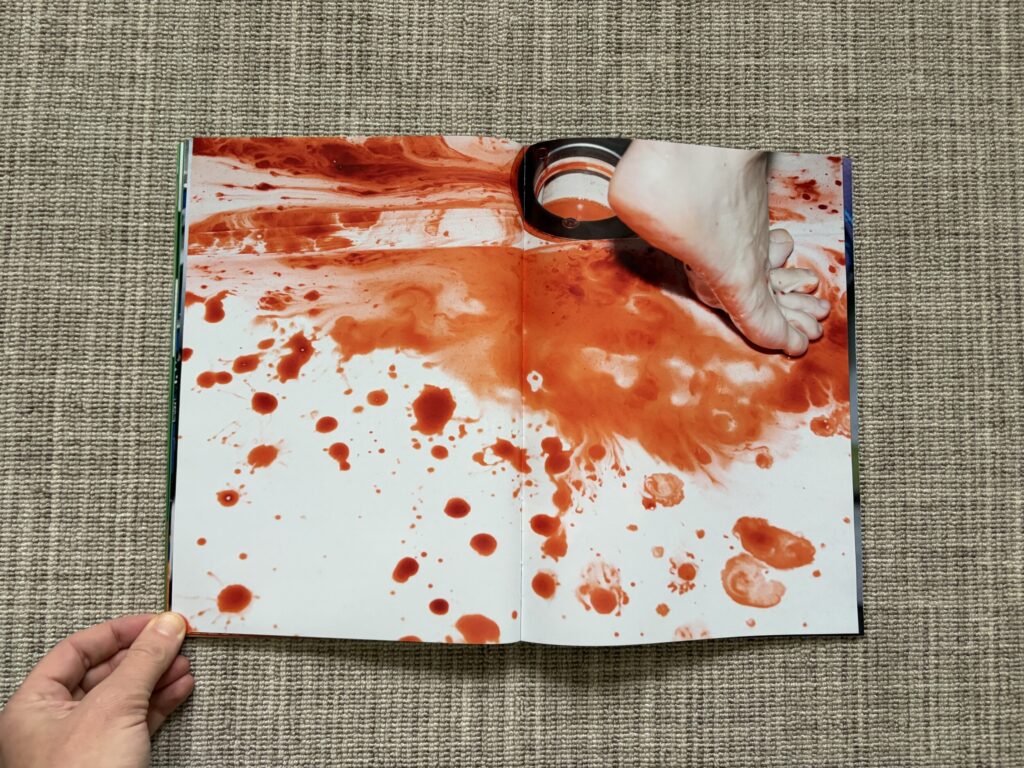
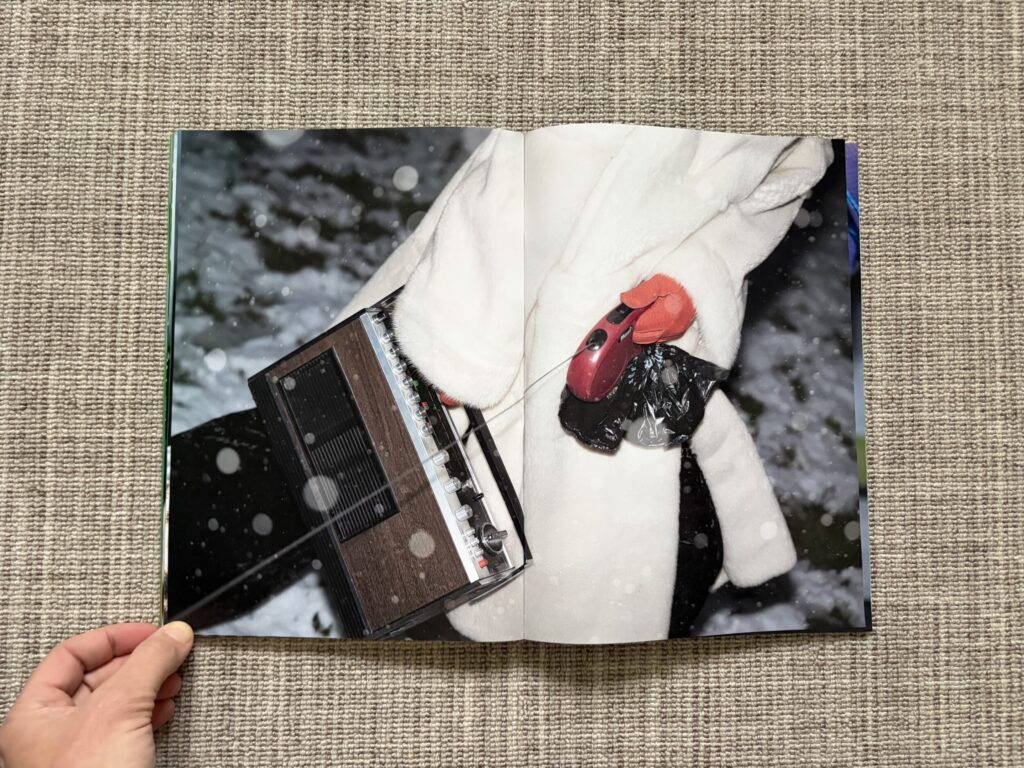
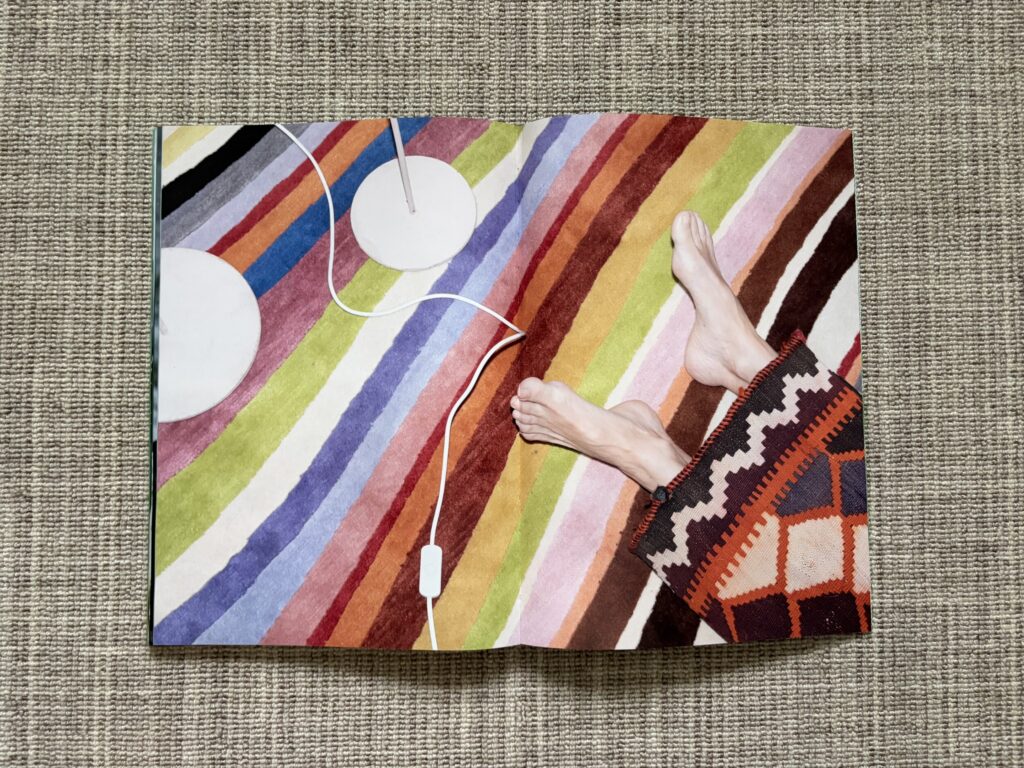
Comments/Context: For the past decade or two, the American photographic world has been in a decidedly non-narrative mood. We seem to want our art photographs to be indefinite, mysterious, ambiguous, open to interpretation, really anything but obvious or literal, and so we’ve been teaching an entire generation of photographers that actually telling a story (particularly a fictional one) with photographs isn’t really allowed or encouraged. But the rich tradition of the photonovela, in both Spain and various parts of Latin America, ought to remind us that crafting narratives from sequences of photographs has the potential to be impressively and engagingly serious and sophisticated – it’s not all soap operas, romances, and melodramas, although the best of those have their charms just like any other stories.
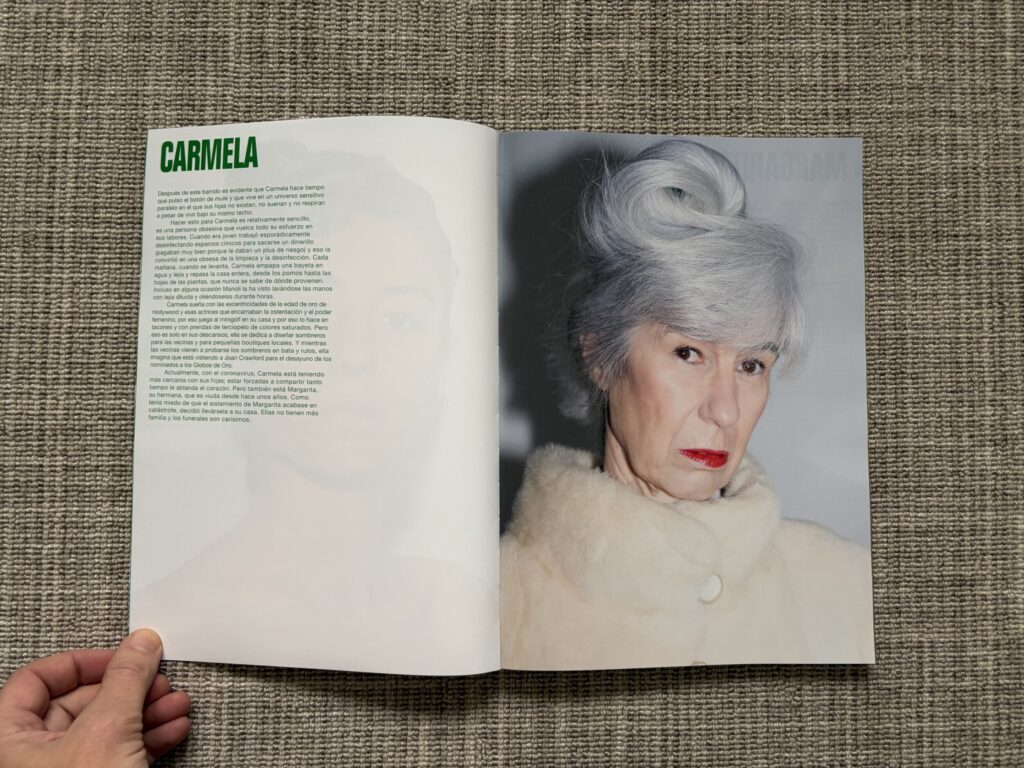
Manuela Lorente’s photonovela ¡Qué risa, todas lloran! (or How funny—they’re all crying! for the English speakers in the audience) is brashly clever, conceptually complex, and often bitingly funny. It’s actually the third installment in Lorente’s series ¿Es usted quien creo que es? (Are you who I think you are?), with prior iterations coming in 2021 (Él pone la música, nosotros bailamos (He Plays the Music, We Dance)) and 2022 (¿Y a esta rata quién la mata? (Whose tough row is this to hoe?)). The series uses a common underlying formula: Lorente’s photographs depict the lives of handfuls of eccentric characters, which she then places into oddball Madrid-based situations that are punctuated by pull quotes from famous movie dialogue. The prior two photobooks in the series included a heist of French antiques run by a group of small time crooks and a building crew of Atlético de Madrid soccer fans hired to demolish the Vicente Calderón stadium. This book, ¡Qué risa, todas lloran!, is a pandemic-era too-close-for-comfort family setup, with three quirky adult sisters forced to move in with their mother and widowed aunt.
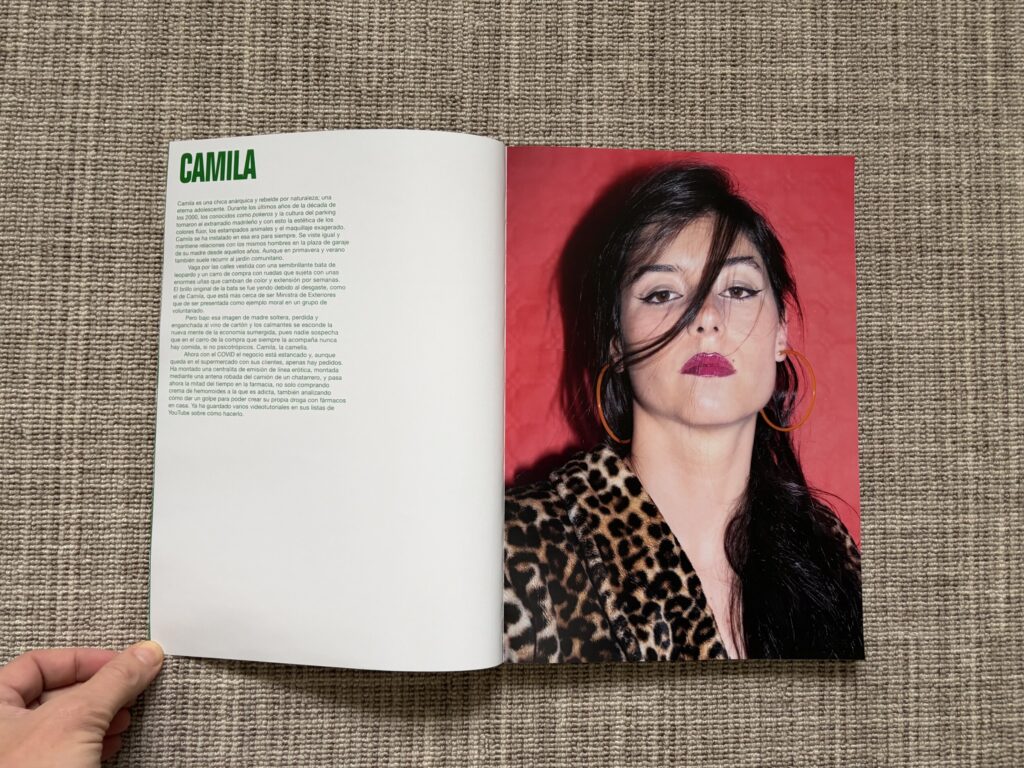
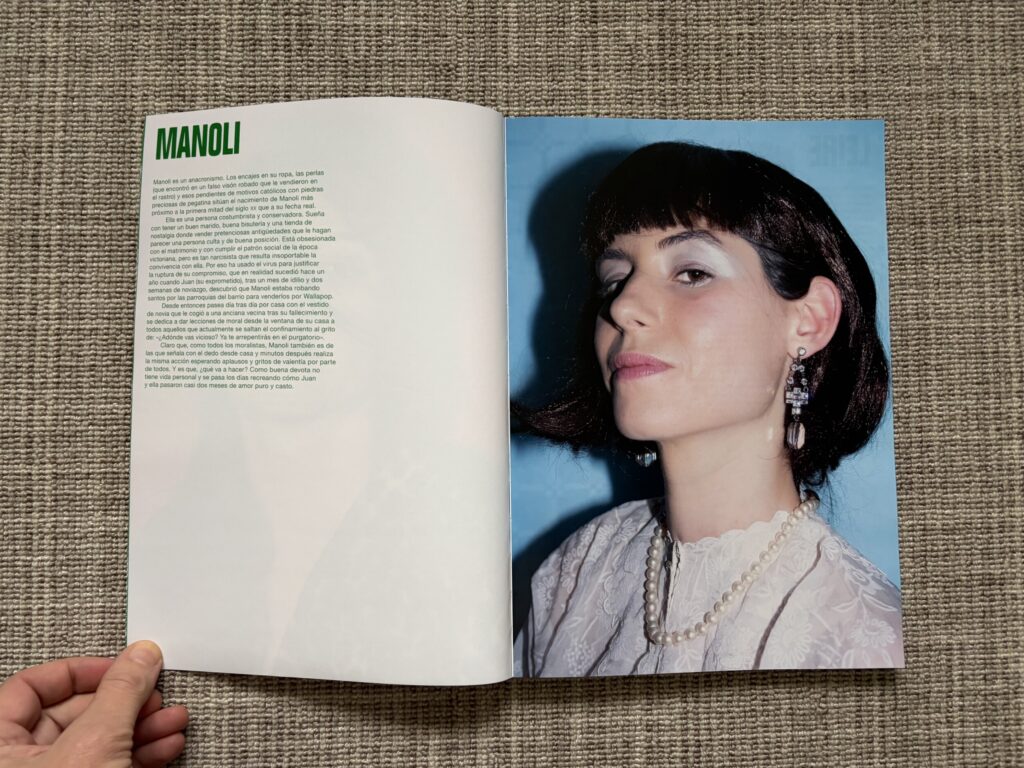
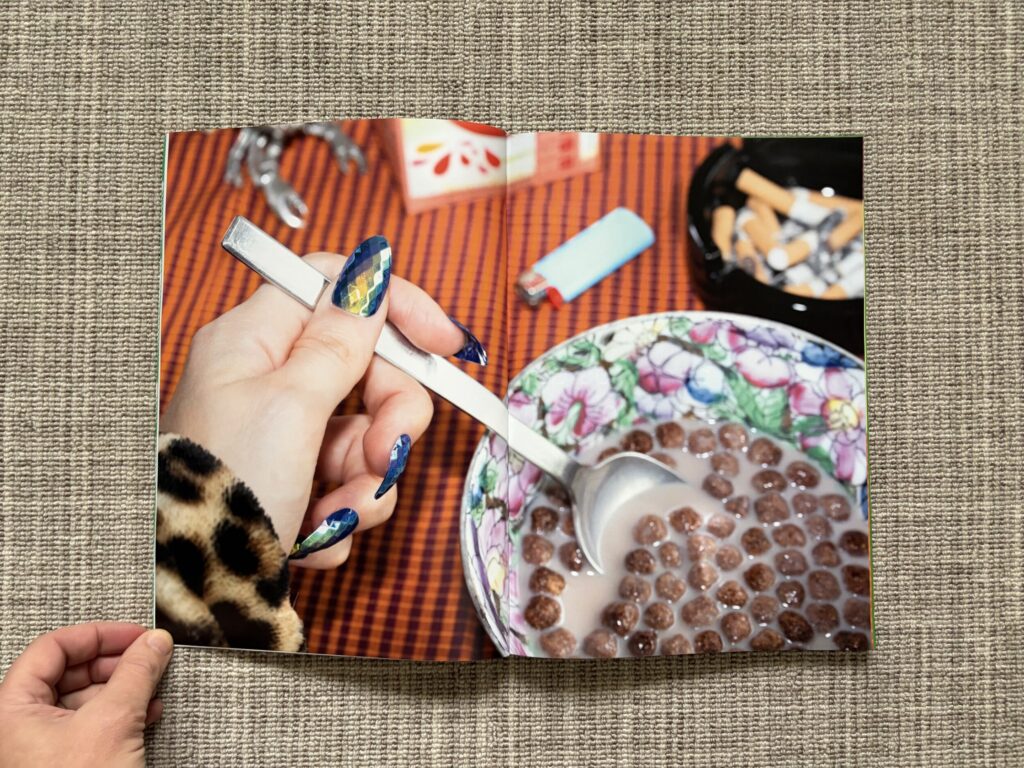
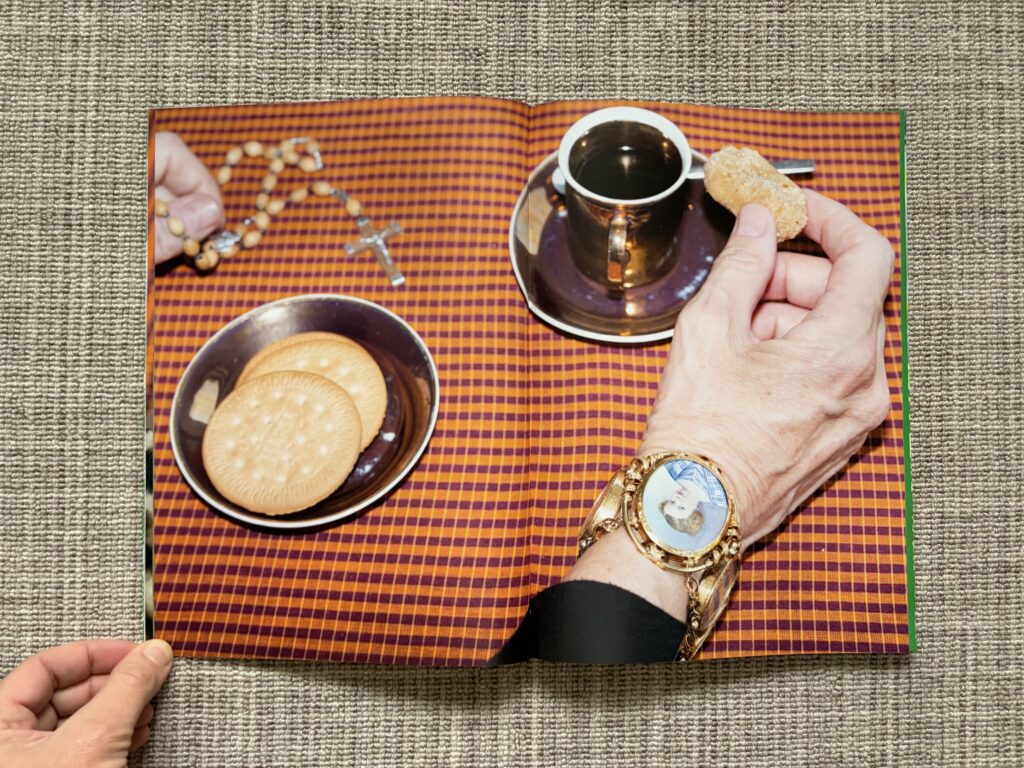
Each of the five characters in ¡Qué risa, todas lloran! – the sisters Camila, Manoli, and Leire, their mother Carmela, and her sister (and the young womens’ aunt) Margarita – are each given a breezy text and image description/introduction, filled with snarky off color details, gossipy take downs, and a head shot portrait. Without spoiling some of the fun, the interwoven lives bring together a leopard-print robe, an ever-changing array of fingernails, a shopping cart filled with psychotropic drugs for sale, a call center for erotic phone lines, an addiction to hemorrhoid cream, a splash of Victorian-era morals, the theft of religious statues, a shark obsession, a love for Meat Loaf songs, a camping tent set up in a bedroom, an obsession with cleanliness (including wiping the leaves of plants with bleach), playing mini-golf at home, a dream of dressing like Joan Crawford, a cement factory widow and her rural proverbs, and a few marijuana infusions. These face-to-face meetings are then deepened by table top views of each woman’s breakfast choices, from coco puffs and cigarettes to tea and biscuits, with what looks like a Bloody Mary thrown in for good measure.
Given that I am not a native Spanish speaker, I’ll freely admit that the text was not what drew me to this photonovela – in fact, I used some translation software to understand what was written, and I purchased the book based on the imagery alone, without having any conception about what the story (or the larger conceptual framework) might actually be. As it turns out, the story is far wilder and more creative than I expected, but perhaps that isn’t entirely surprising, given just how glamorously impertinent Lorente’s photographs are.
Bold, flash-lit, brazenly full color imagery is much harder to pull off successfully than it seems; it’s a trap that catches lots of young photographers, who never find the kind of controlled style that Lorente presents here. What’s clear is that she has internalized a couple of important ideas – one, that a pop of color can elegantly rebalance the spatial dynamics of an image, and two, that tight framing/cropping can be your friend when trying to stuff energy into a composition. It isn’t often that I run into a photobook of this kind of intentionally provocative work that hits the center of the target so often – there are dozens of strong compositions here, that feel unexpected, friction-filled, and somehow effortless. There’a bit of Martin Parr’s cheeky energy to be found in some of these pictures, but Lorente has pushed beyond the edges of off-beat social documentary, allowing herself the freedom to stage and perform with even more risky panache, in the vein of a looser and more savage Miles Aldridge. I’m even more enthralled by the consistent quality of these photographs in person than I was when I plucked this book off the Internet; Lorente intuitively understands texture, layering, color balancing, off-balance framing, insouciant attitude, and the blasting power of flash, and she puts those tools to work in crafting images that support her larger narrative.
Armed with my translations, I’m also altogether impressed by the conceptual idea of using snippets of text from relevant movies as a substitute for a main body story – interleaved among the photographs, the quotes do actually pull the story along, with quiet nods to cinematic history. In some cases, Lorente’s choices seem eerily matched, with salty lines and saucy comebacks that seem to have come directly from her own character’s mouths.
In terms of design and construction, ¡Qué risa, todas lloran! liberally takes its cues from the magazine industry. It’s a relatively large, softbound publication with a glossy cover, filled with full bleed imagery and text snippets printed big. Stylistically, this signals confident audacity, and a fun-filled willingness to test the edges of what might shock us, all of which feels appropriate to Lorente’s chosen voice.
While ¡Qué risa, todas lloran! is inherently more visual and textual description than plot or narrative escalation, it still smartly leverages the photonovela form to tie everything together. The whole project feels fresh, lively, and dynamic, in a way that so much contemporary photography sorely misses, mixing reality and fiction without getting hung up on definitions and borrowing from popular culture without feeling derivative. So to the blindered American photographers who have given up on playfully innovative storytelling, I implore you to rediscover the power and potential of the photonovela structure. Use Lorente’s success as a model, and start telling your own visual stories.
Collector’s POV: Manuela Lorente does not appear to have consistent gallery representation at this time. As a result interested collectors should likely connect with the artist directly via her Instagram page (linked in the sidebar).