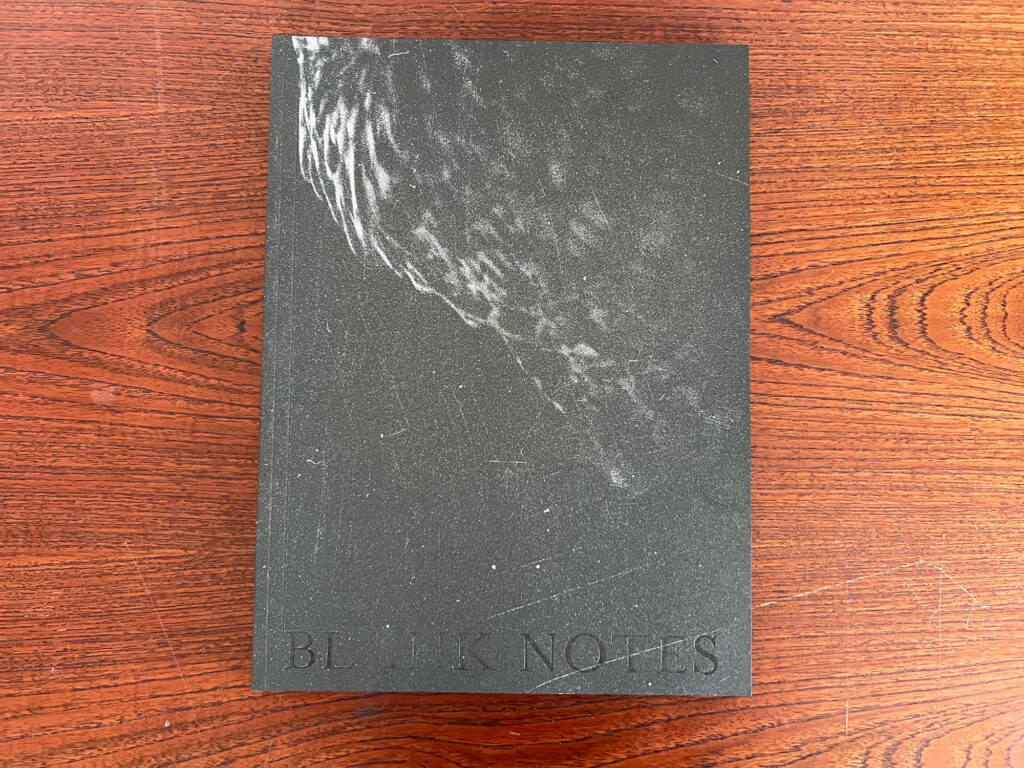
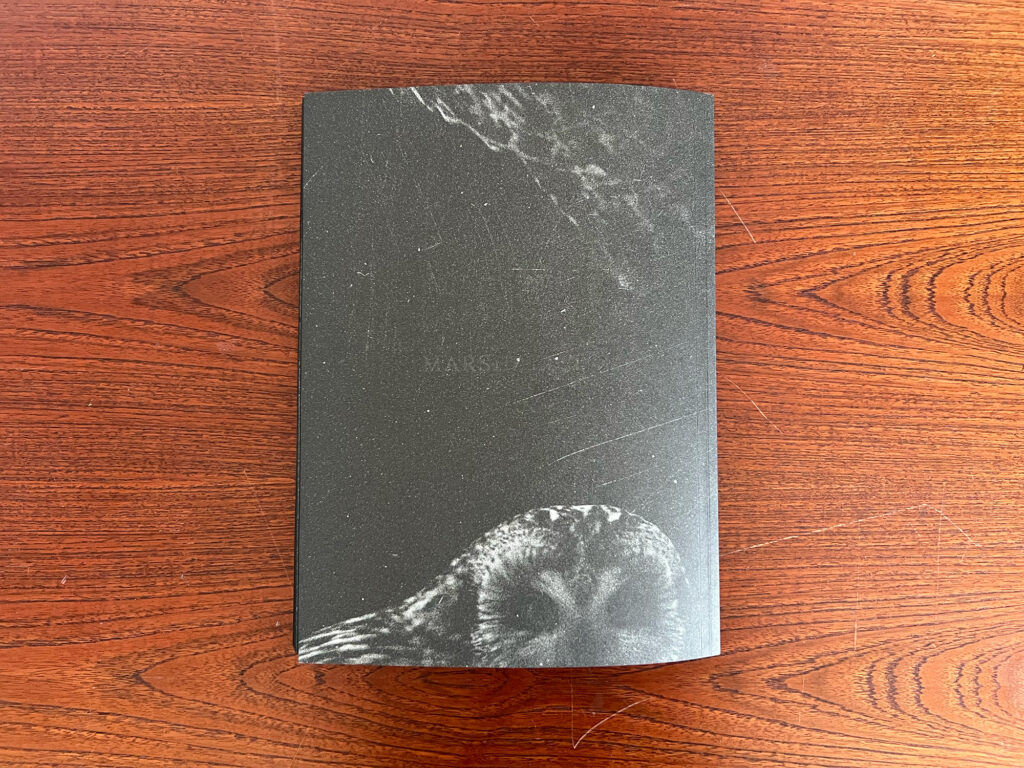
JTF (just the facts): Published in 2025 by Charcoal Press (here). Softcover, 10.5 x 14.5 inches, 144 pages, with 78 black and white image reproductions. Printed on matte ivory paper with painted black edges. In an edition of 1000 copies. (Cover and spread shots below.)
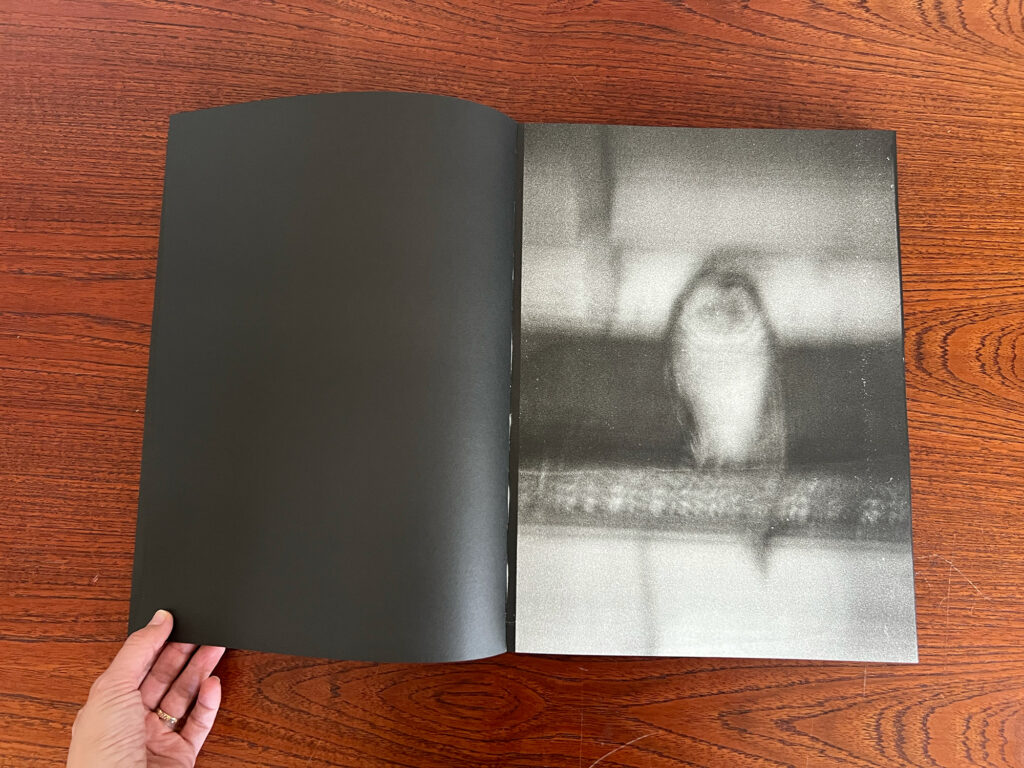
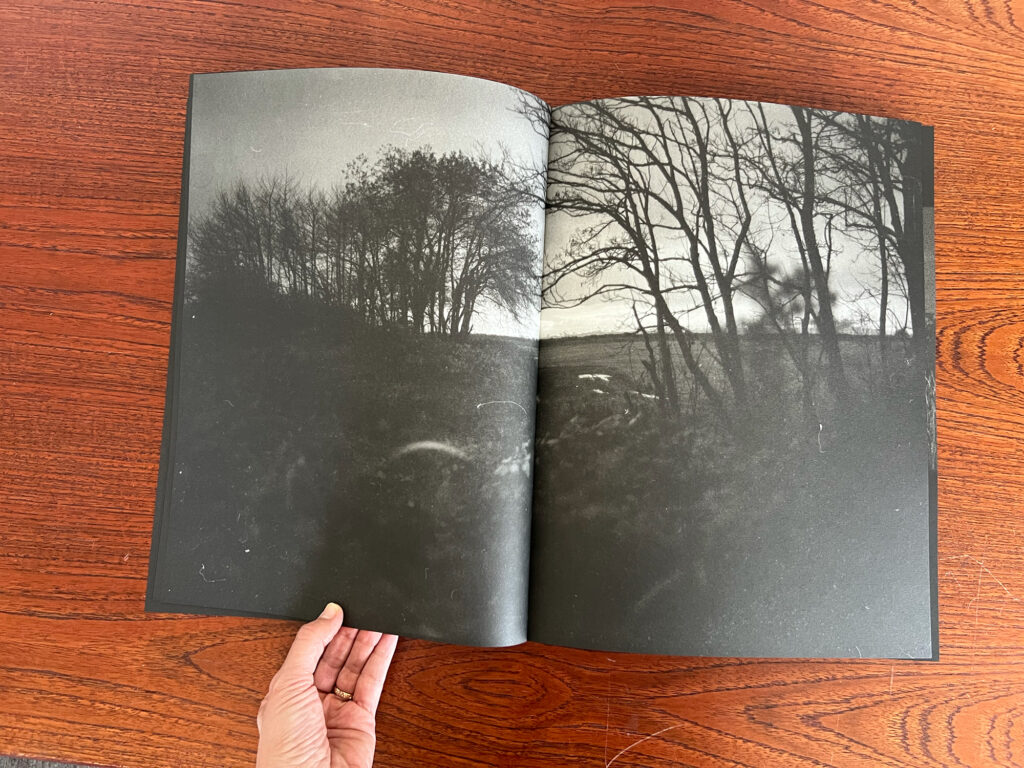
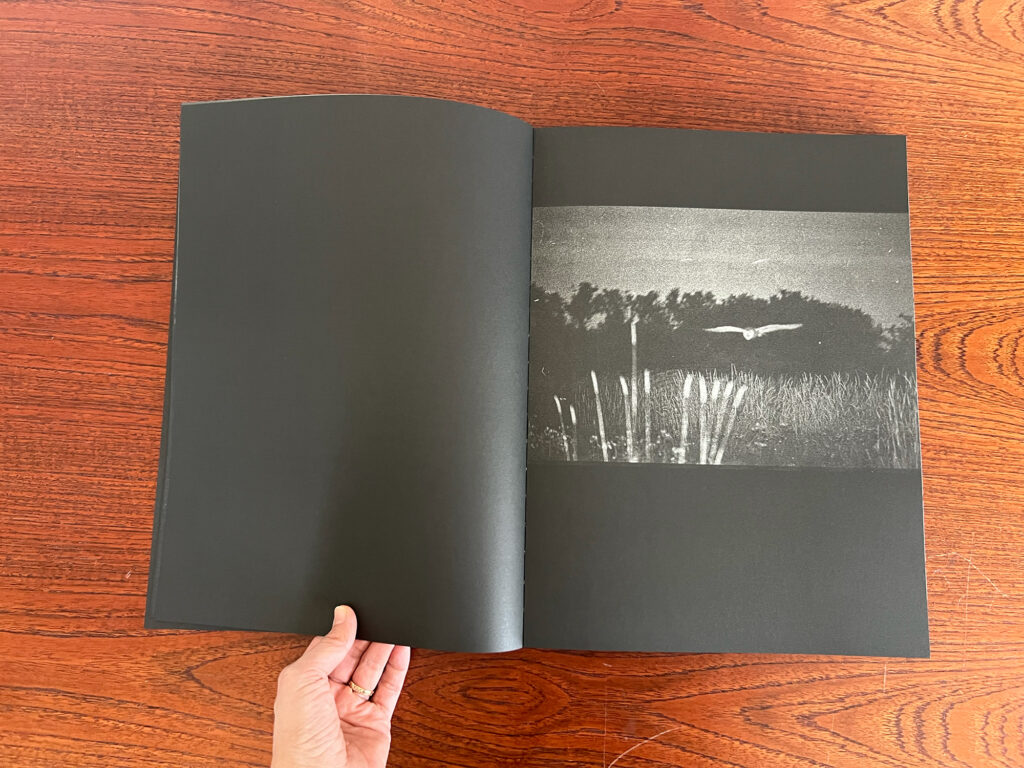
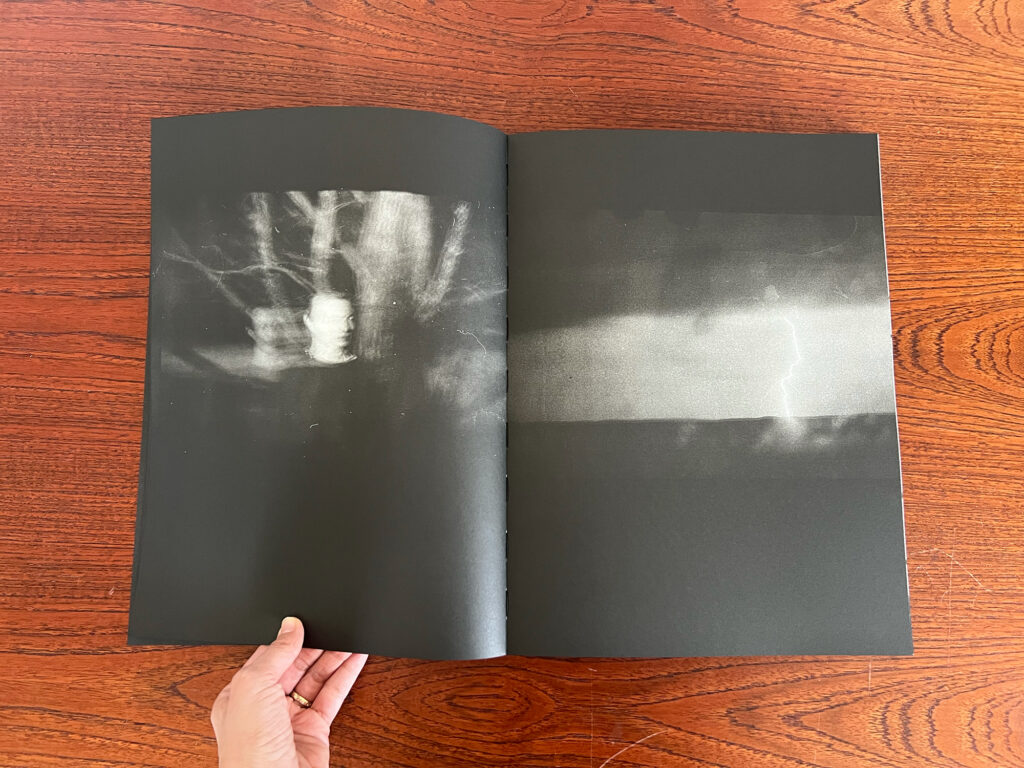
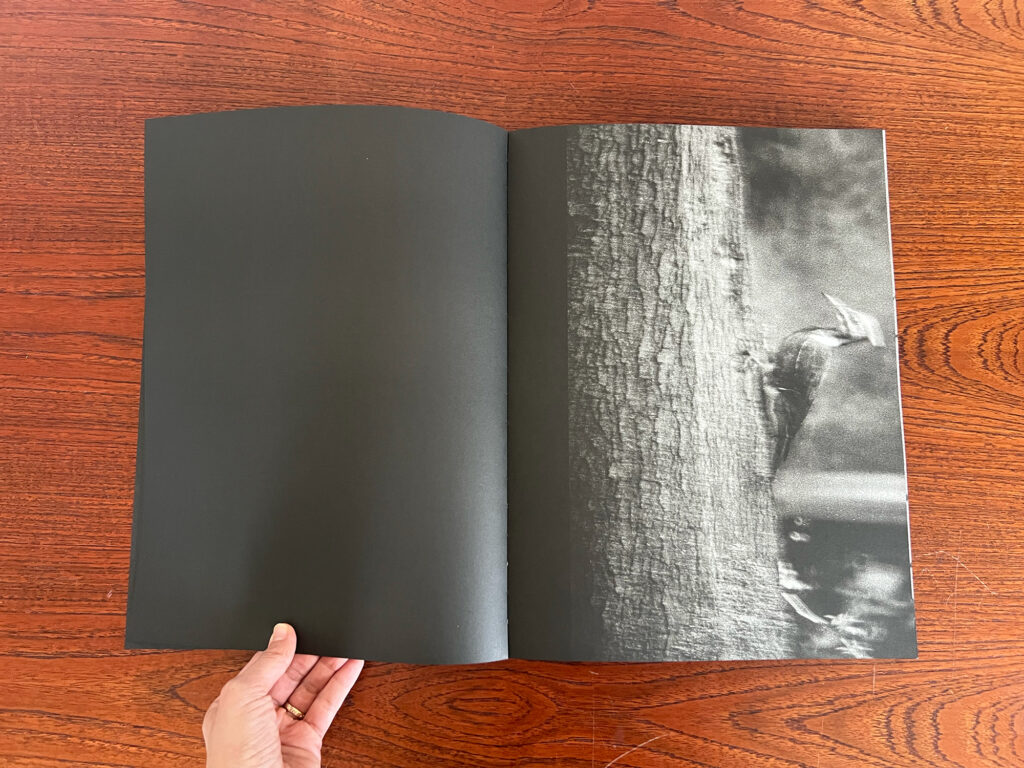
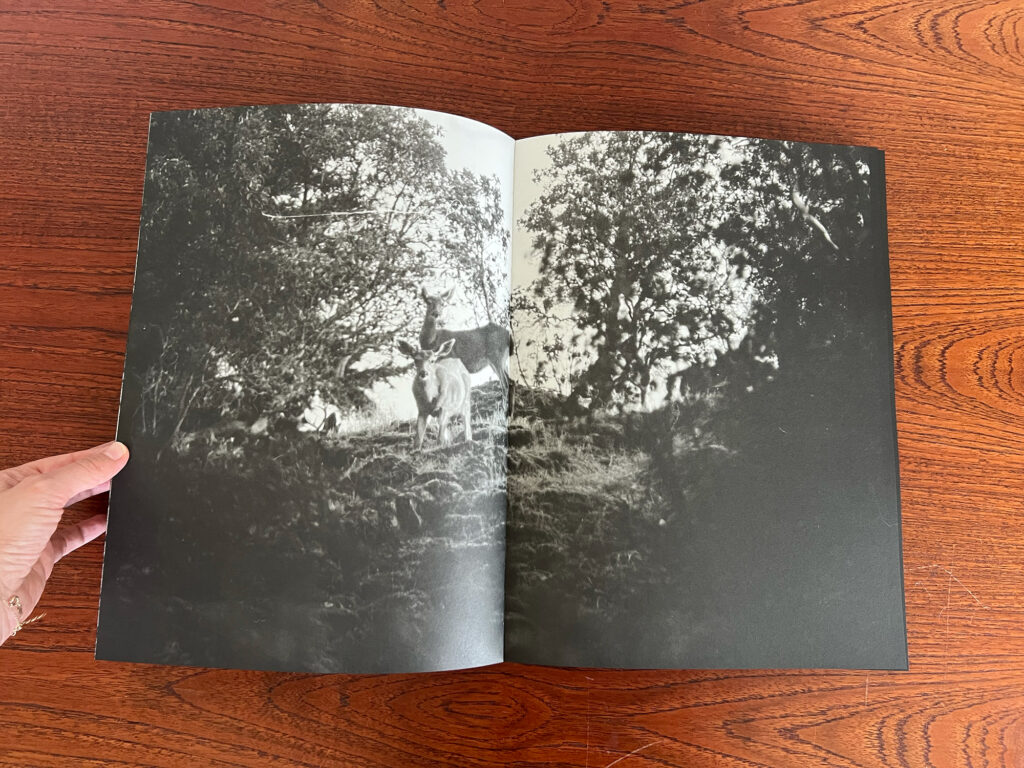
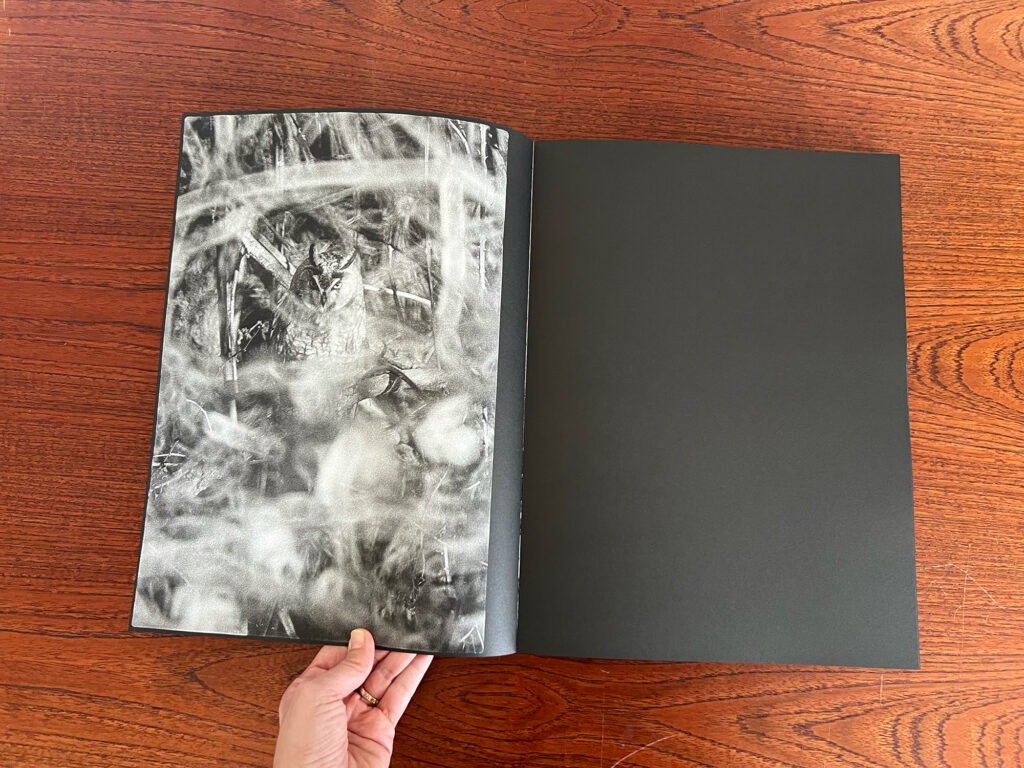
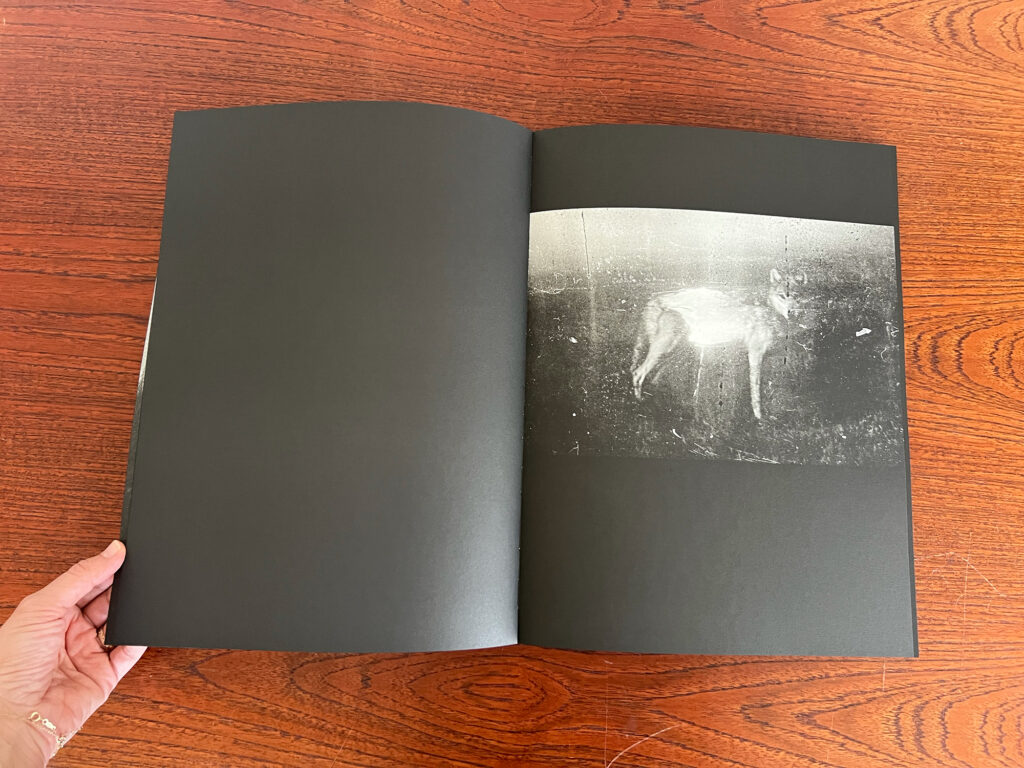
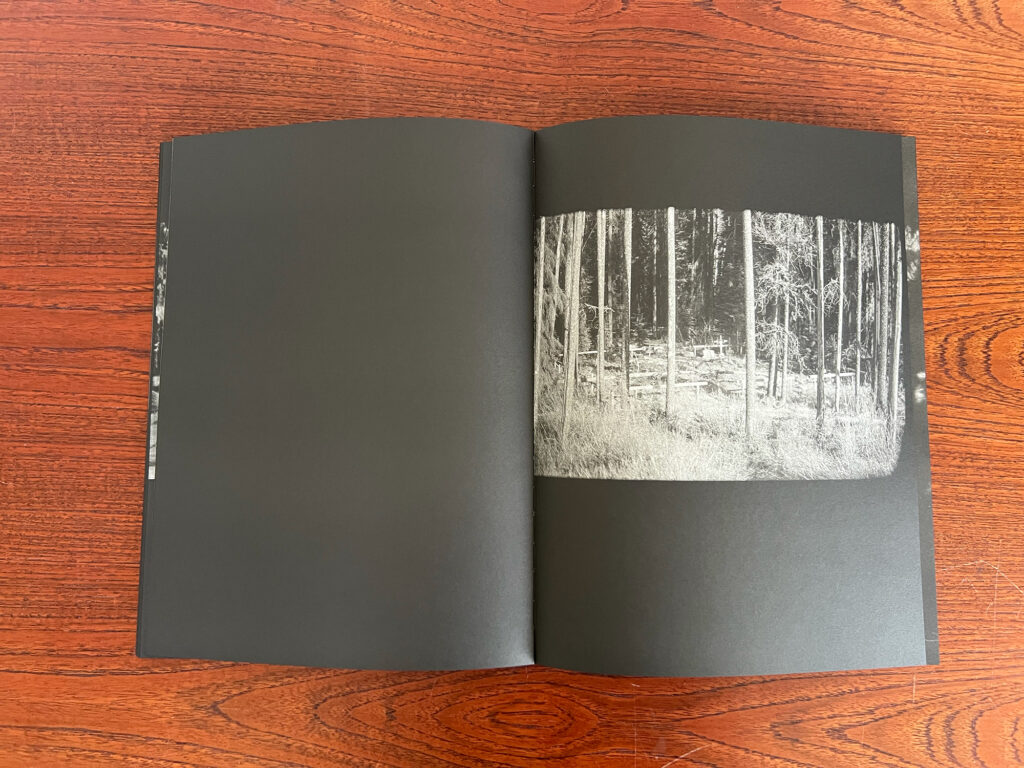
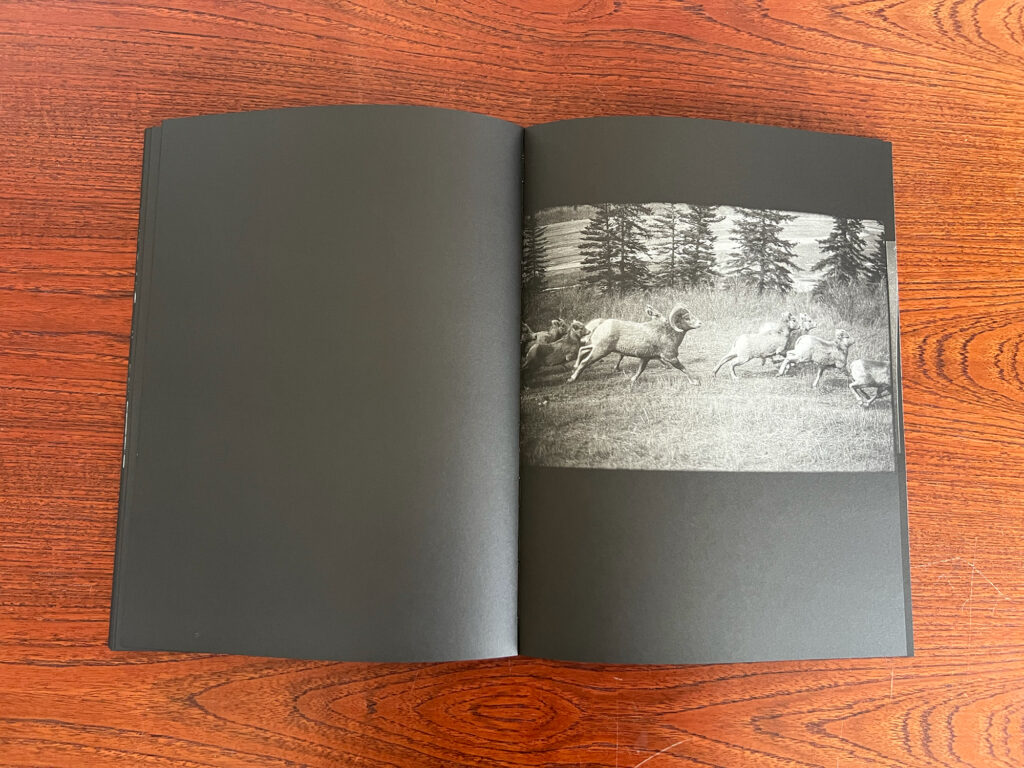
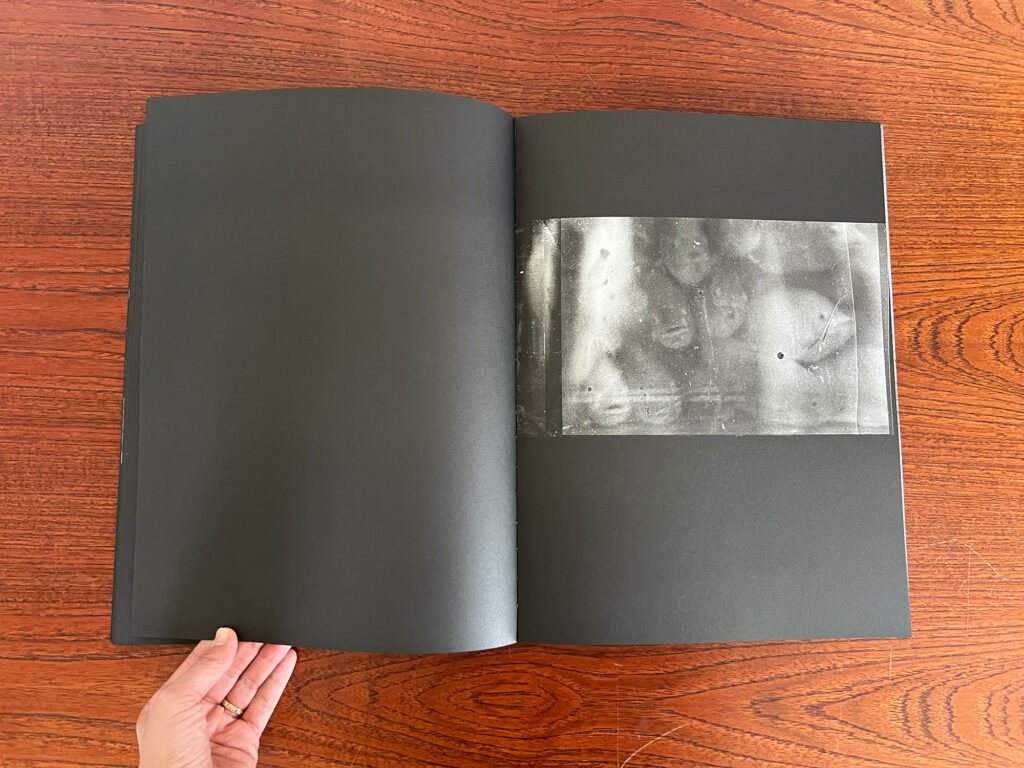
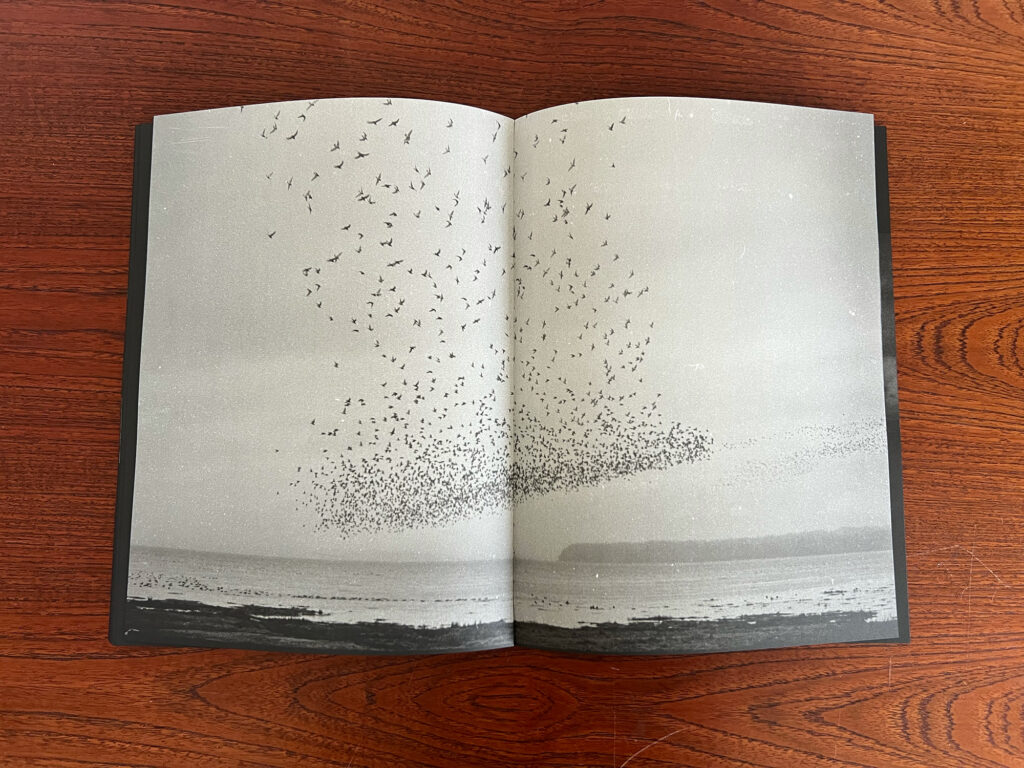
Comments/Context: Blank Notes is the debut monograph by the Canadian photographer Marshall To. To, a second generation Chinese immigrant, was raised in what he describes as a “uniquely Taoist family” in the small, rural town of Red Deer, Canada, a landscape that engendered a unique integration of western landscape and eastern beliefs.
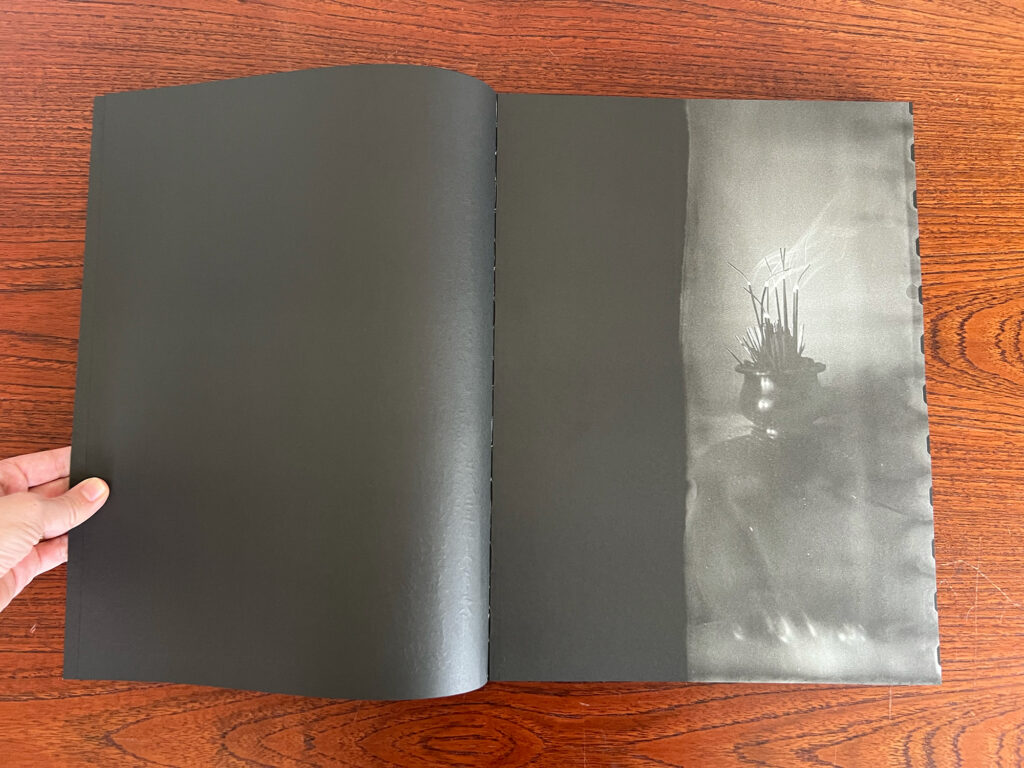
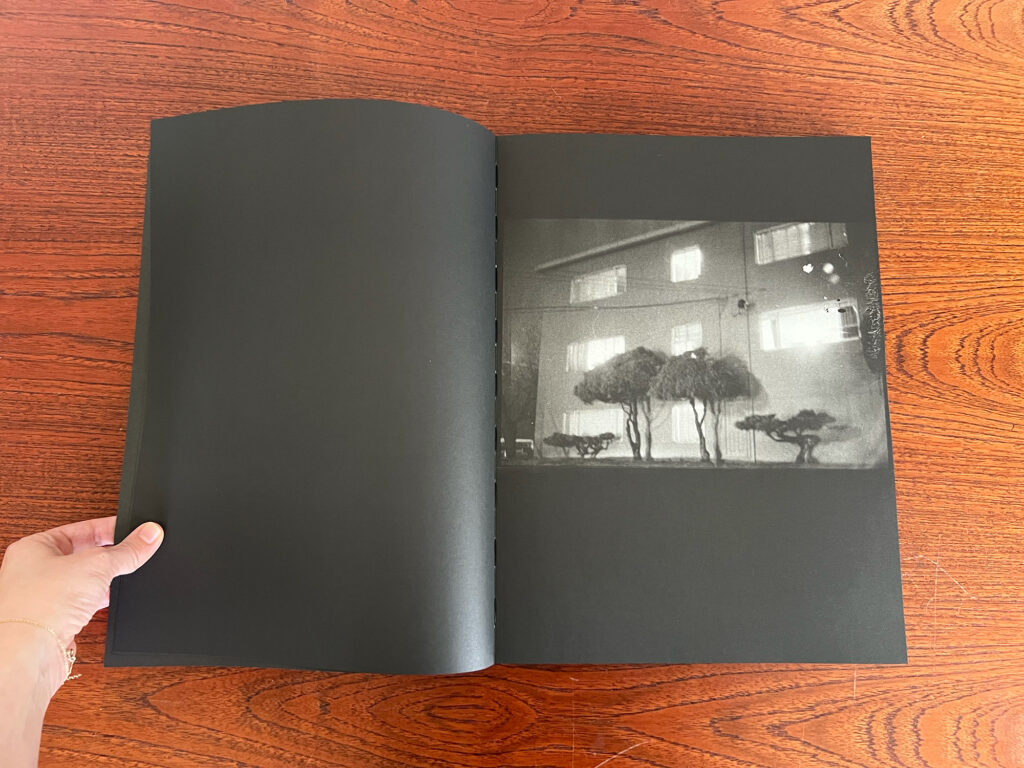
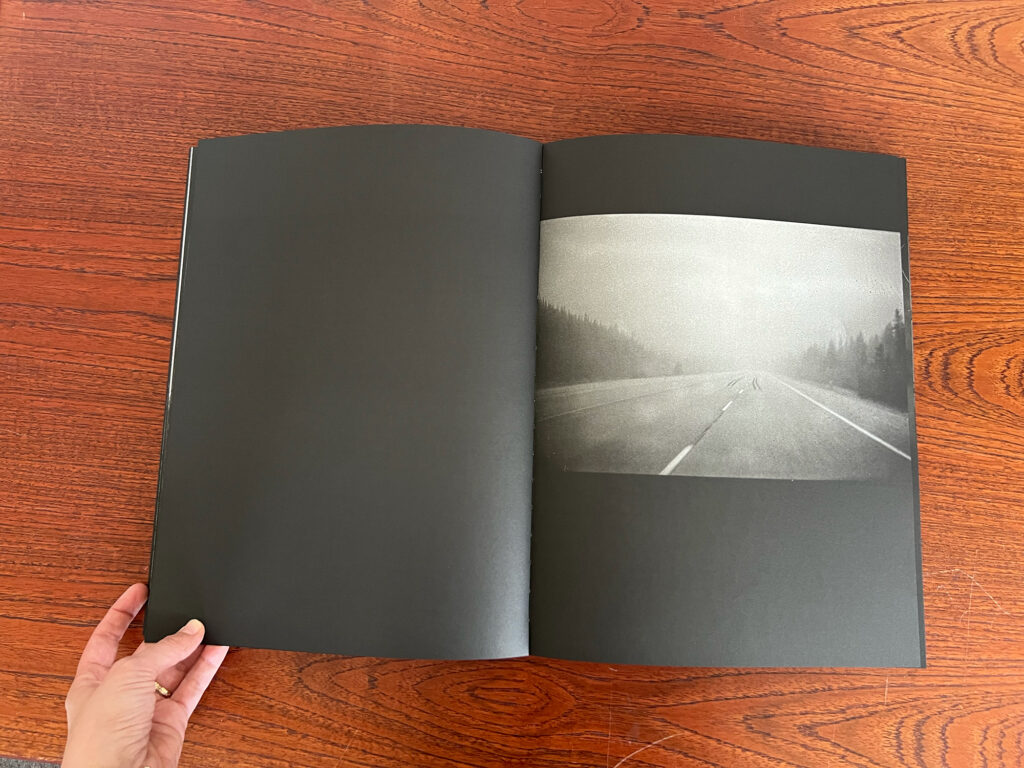
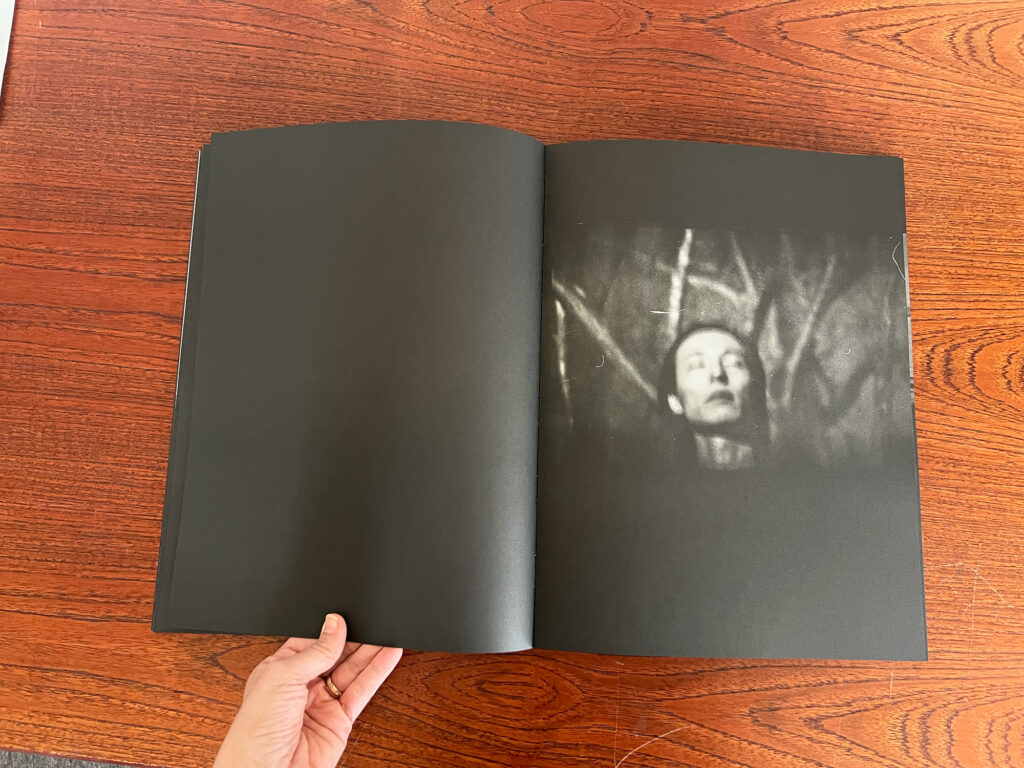
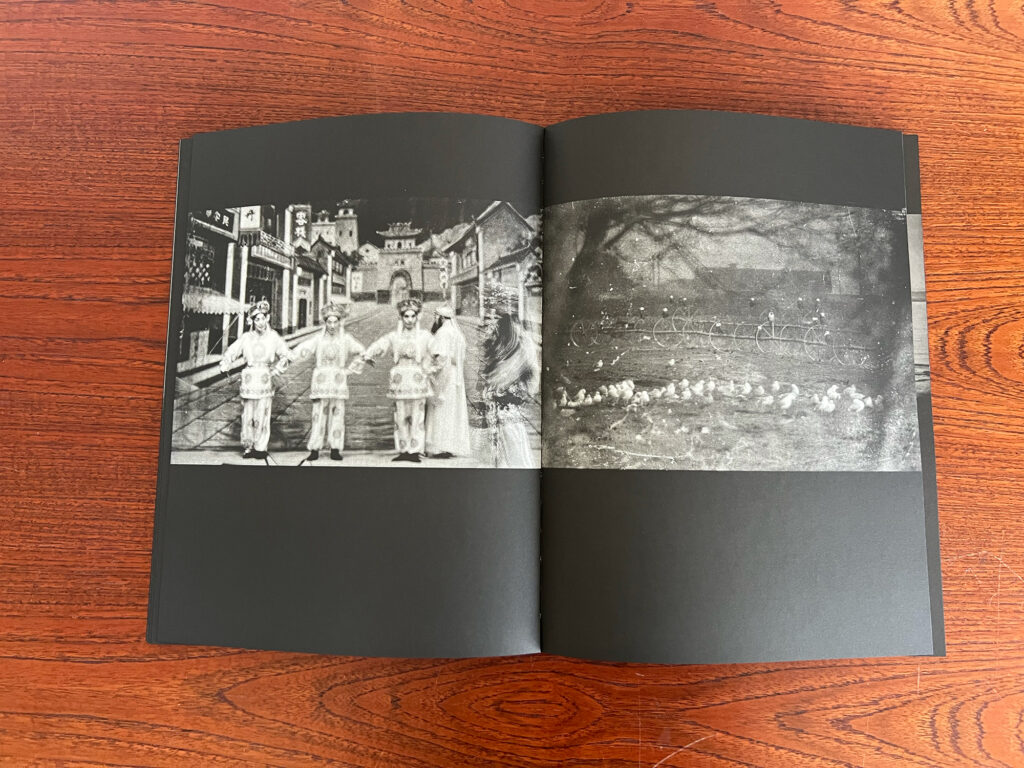
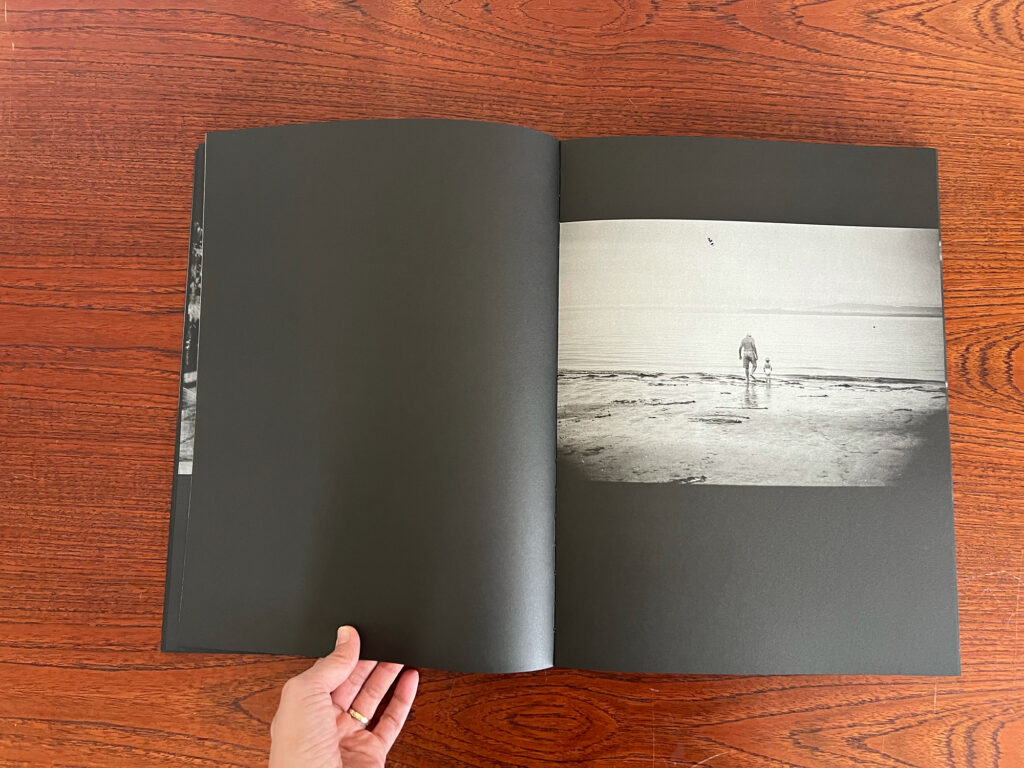
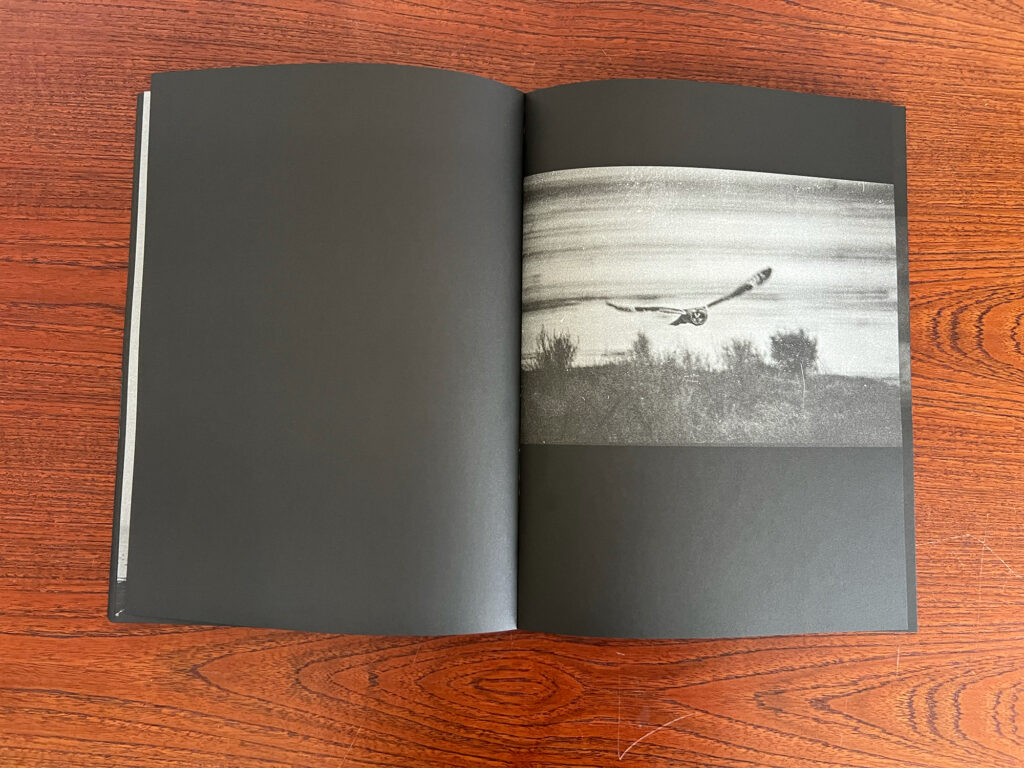
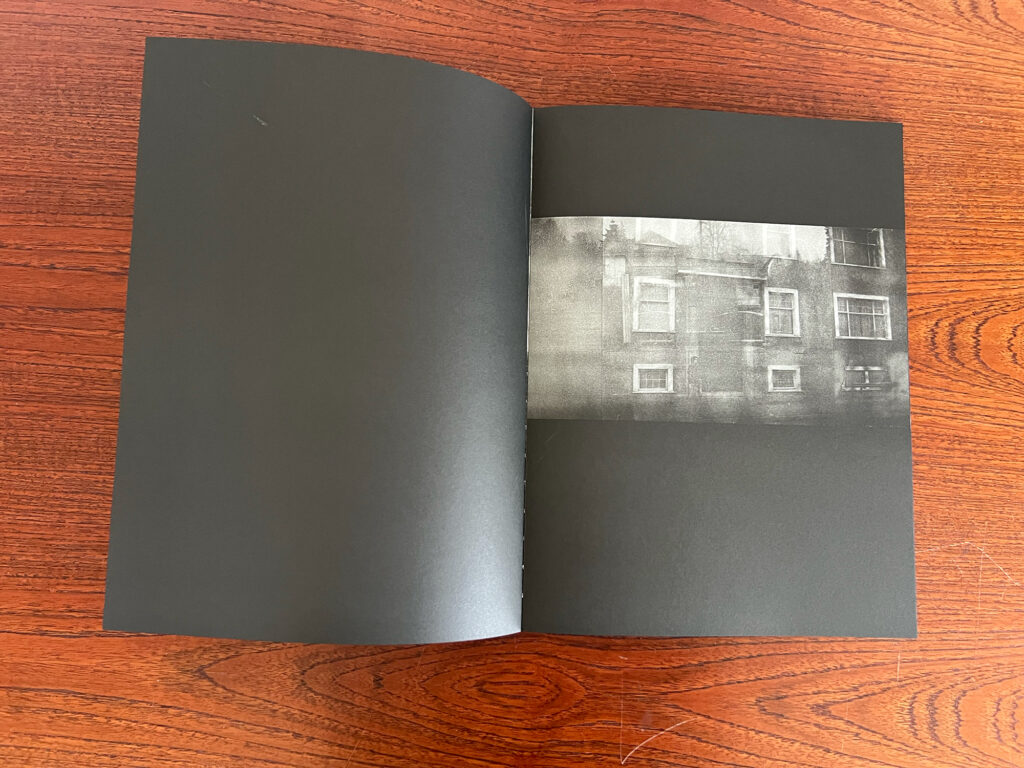
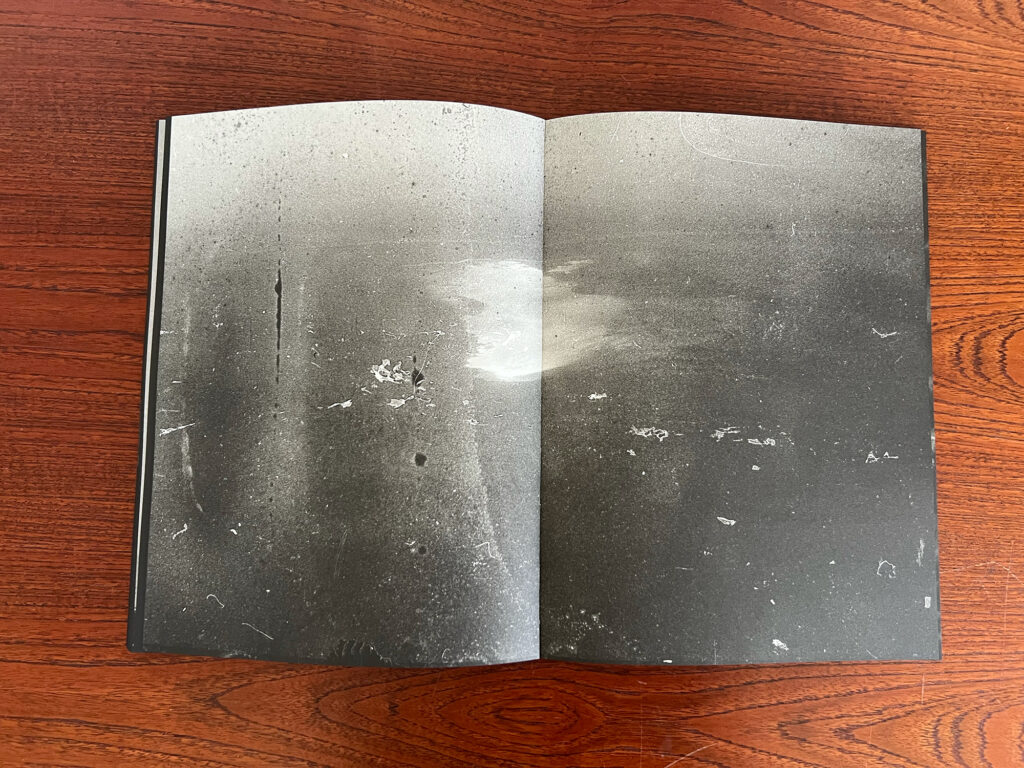
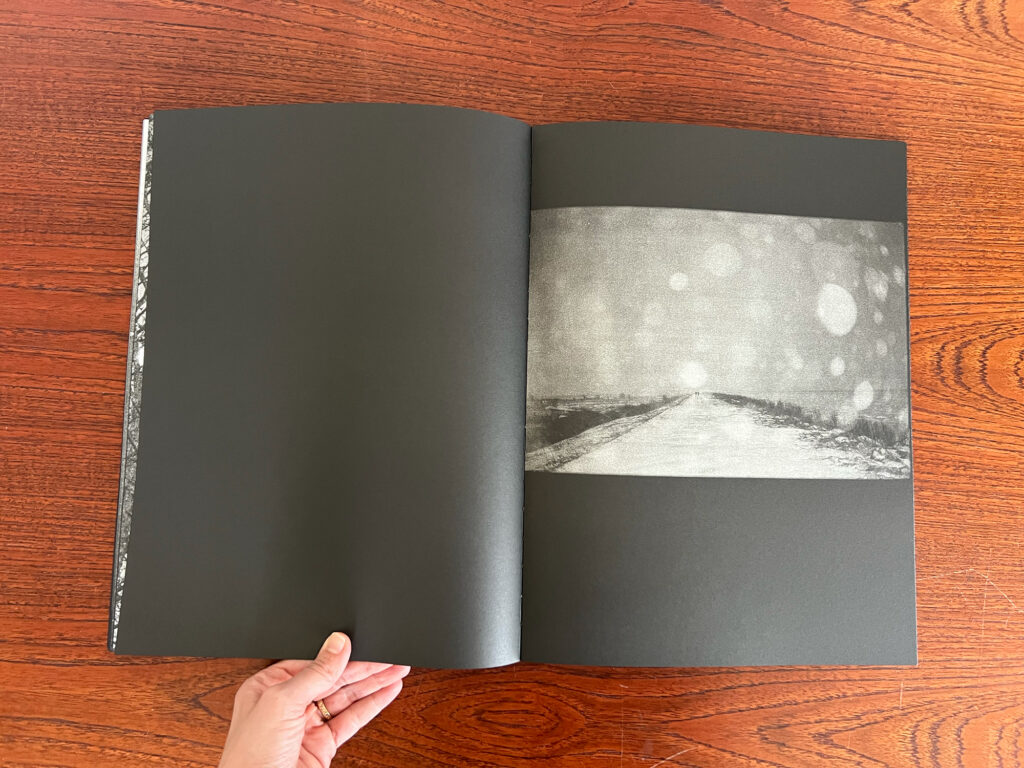
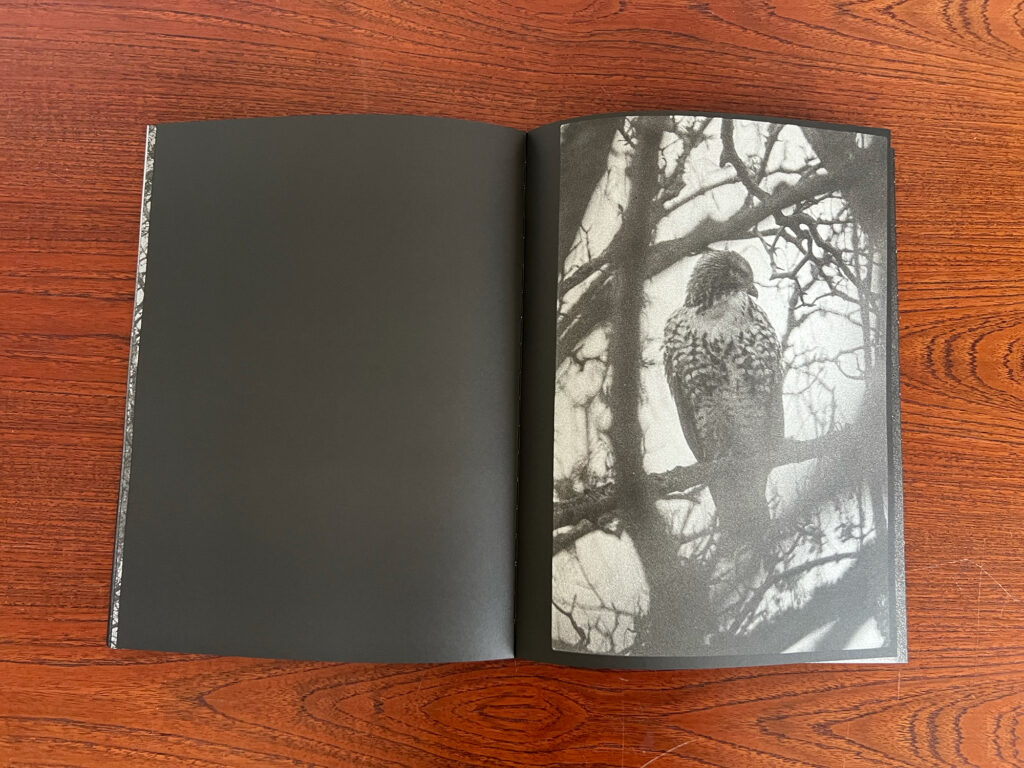
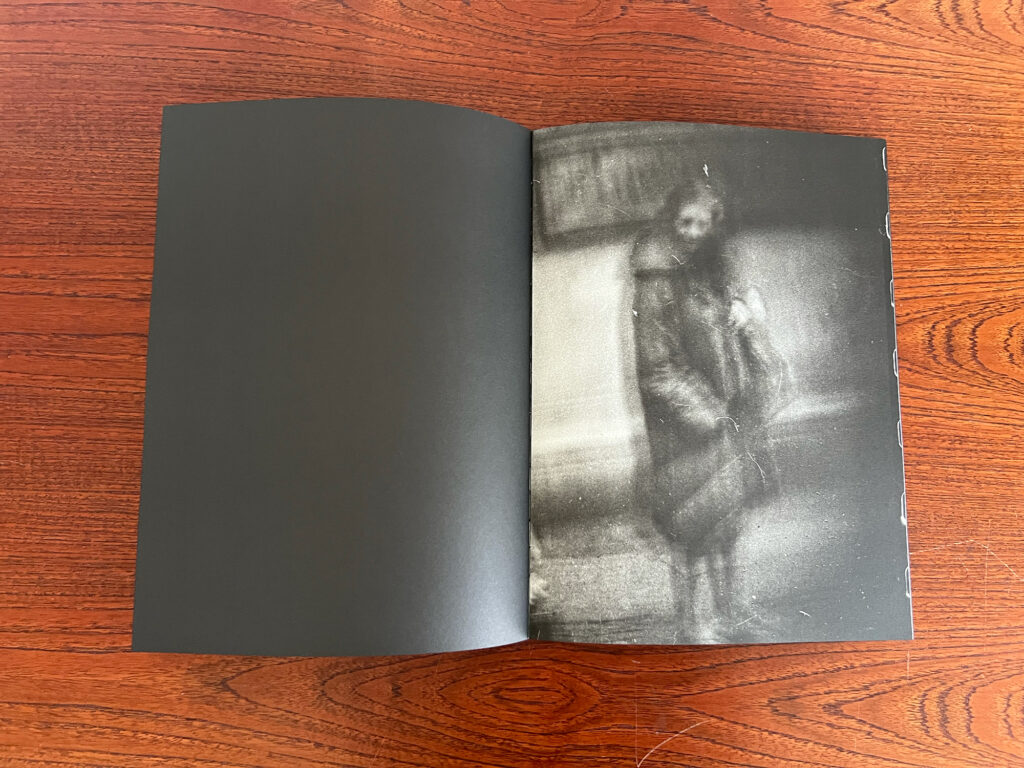
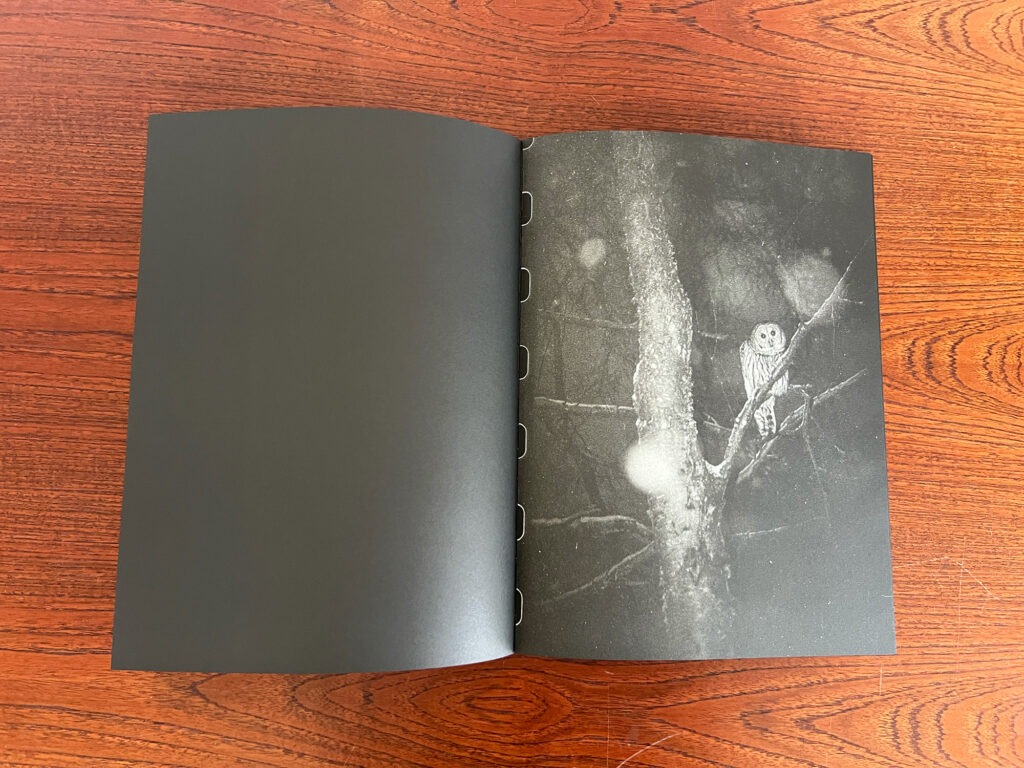
The photobook serves as a profound visual meditation on the concept of a Taoist spiritual realm, positing a world where the supernatural and the natural realms do not merely coexist, but actively overlap and intermingle in a simultaneous reality. This complex, layered existence is unveiled through a series of striking photographs that are unified by recurring visual motifs. Throughout the image sequence, a spectral menagerie of creatures is prominently featured: owls, moths, a variety of birds, and wolves. Occasionally there is a woman or an adult and child together in a distant landscape. These images are predominantly captured at dusk or under the cloak of night, characterized by extreme contrasts that plunge the shadows into inky blackness and push the highlights into a searing intensity. This visual aesthetic is further amplified by a deliberate, “loud” grain, which instills the photographs with a raw, tactile sense of immediacy and unsettling detail.
The fauna included in the photographs of the book is not arbitrary, rather, it is steeped in the traditions of Taoism. These living beings are believed to be potential temporary vessels for restless spirits and wandering ghosts, particularly on the 15th day of the seventh month of the lunar calendar, a time traditionally associated with the opening of the “Ghost Gate.”
Ultimately, the book transcends a simple display of nature photography; it feels like the photobook functions as an urgent, mystical warning. It suggests the presence of unseen peril and spiritual hunger that lies just beyond the threshold of human perception. The danger is not immediately visible to the naked eye, yet the photobook proposes that it can be successfully framed and documented by an individual who possesses both patience and a deep, intuitive awareness of the spiritual world and its complex, often ravenous, needs. The images become a testament to the photographer’s role as a mediator between these two worlds, capturing the spectral shadow of danger before it materializes.
I am drawn to this book because of its darkness. Literally, in the sense that it feels as though there is just as much black ink as there is ivory paper used in the book’s production. Conceptually, the darkness resides in the book’s unsettling and paranormal subject matter. The photobook lays bare a world where the spiritual and the horrific are not separate, marginalized concepts, but rather possible coexisting elements that run alongside the daily, mundane business of existence. This juxtaposition of the everyday with the supernatural and frightening is what makes the work so compelling and unnerving. Furthermore, I find the scale of the photobook to be very immersive. It was only upon receiving the photobook and observing its size relative to my own head that I was able to comprehend the degree to which I would be engrossed in the object’s complexity and energy.
A particularly special design feature of the photobook is its endpapers. They are printed in a stark black and feature gently debossed Chinese lettering running vertically from the top to the bottom of the page. This detail is so subtle that it might be overlooked or easily perceived as an optical illusion.
Aesthetically, the visual language of the photographs is forceful and deliberate. The images are characterized by a loud, chunky film grain and significant motion blur, stylistic choices that immediately call to mind the gritty, visceral work of quintessential photographers like Daido Moriyama and Robert Frank, in his later years. To’s images portray a raw, unpolished style of observation that dominates the imagery. Yet simultaneously, a distinct undercurrent of naturalistic study provides moments of quiet contrast. Several of the detailed studies of animals possess a precise, almost clinical, yet haunting quality. The book operates as a complex tapestry, weaving together a brutal, high-contrast aesthetic with moments of focused, meditative observation.
Blank Notes is an elegant, albeit eerie meditation on the supernatural realm. The photobook explores the seamless, yet complex, integration of the expansive western Canadian landscape and the philosophical underpinnings of Eastern beliefs that formed the bedrock of To’s upbringing. The photobook is edited well: it captures an elusive energy while successfully avoiding the cliché of overt moodiness often associated with dark, blurred images. The photobook engages not only the eyes, but the heart and mind, marking the territory where observation becomes emotionally resonant storytelling. It delivers a unique darkness that rewards both a visual appetite and an interest in the supernatural.
Collector’s POV: Marshall To does not appear to have consistent gallery representation at this time. As such, interested collectors should likely follow up directly with the artist via his website (linked in the sidebar).