JTF (just the facts): A total of 34 photographs, framed in black and matted, and hung against white walls and dividers in the single room gallery space. The show was curated by Johann Mergenthaler in collaboration with the estate of Manuel Álvarez Bravo and the Archivo Manuel Álvarez Bravo. (Installation shots below.)
The following works are included in the show:
- 3 gelatin silver prints, c1920s, sized roughly 7×9, 9×7, 8×10 inches
- 4 gelatin silver prints, 1930, c1939-1940, 1948, sized roughly 8×9, 7×10, 8×10, inches
- 1 dye transfer print, c1945, sized roughly 7×7 inches
- 16 gelatin silver prints, c1960s, 1962, 1966, 1967, c1967-1972, 1969, c1960s-1970s, 1974, 1975, 1977, 1977/2002, sized roughly 8×6, 8×8, 7×10, 8×10, 10×7, 10×8, 9×11 inches
- 4 gelatin silver prints, 1984, c1980s-1990s, c1980s/2002, sized roughly 7×10 inches
- 6 gelatin silver prints, n.d., sized roughly 8×8, 7×10, 10×8 inches
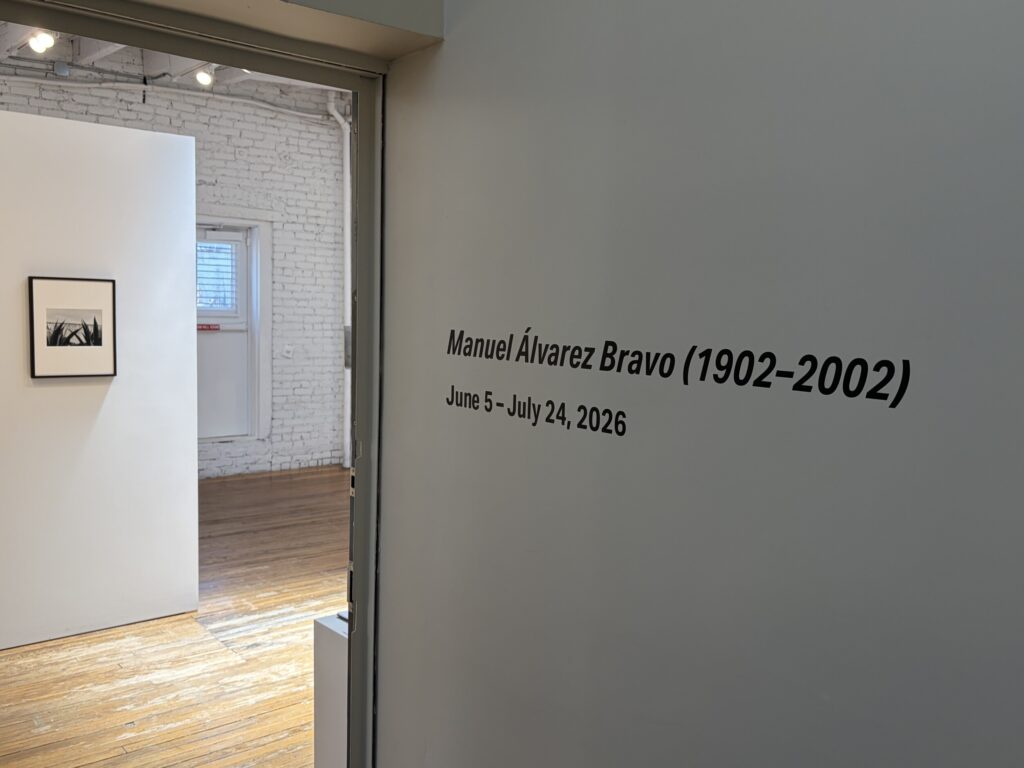
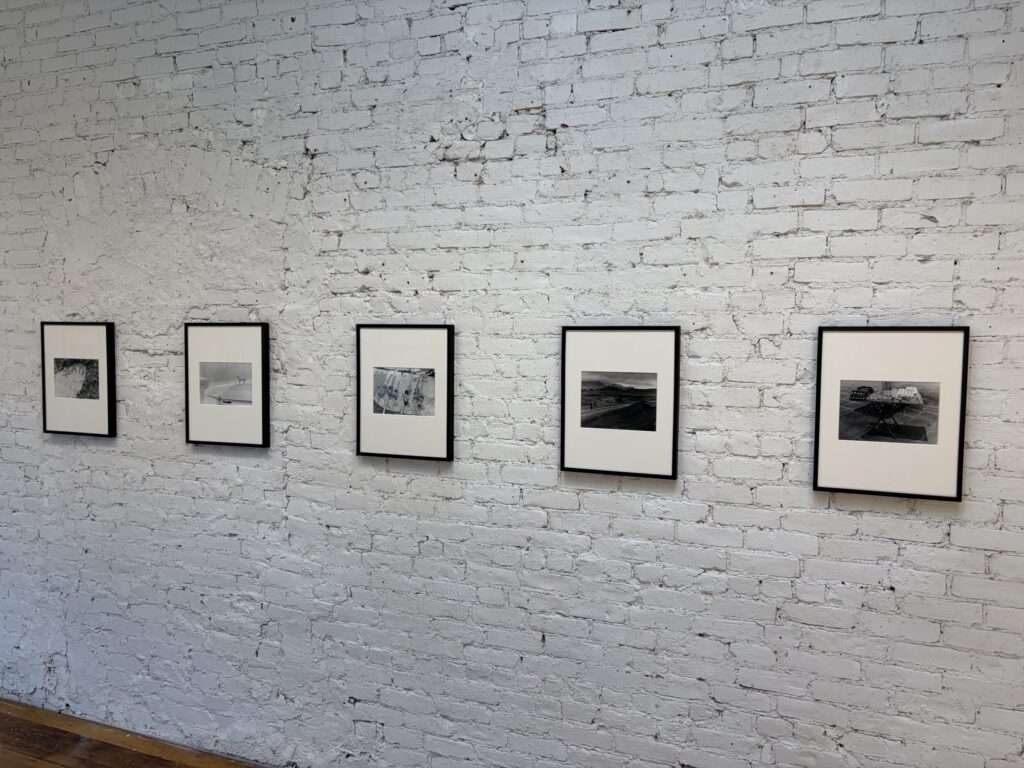
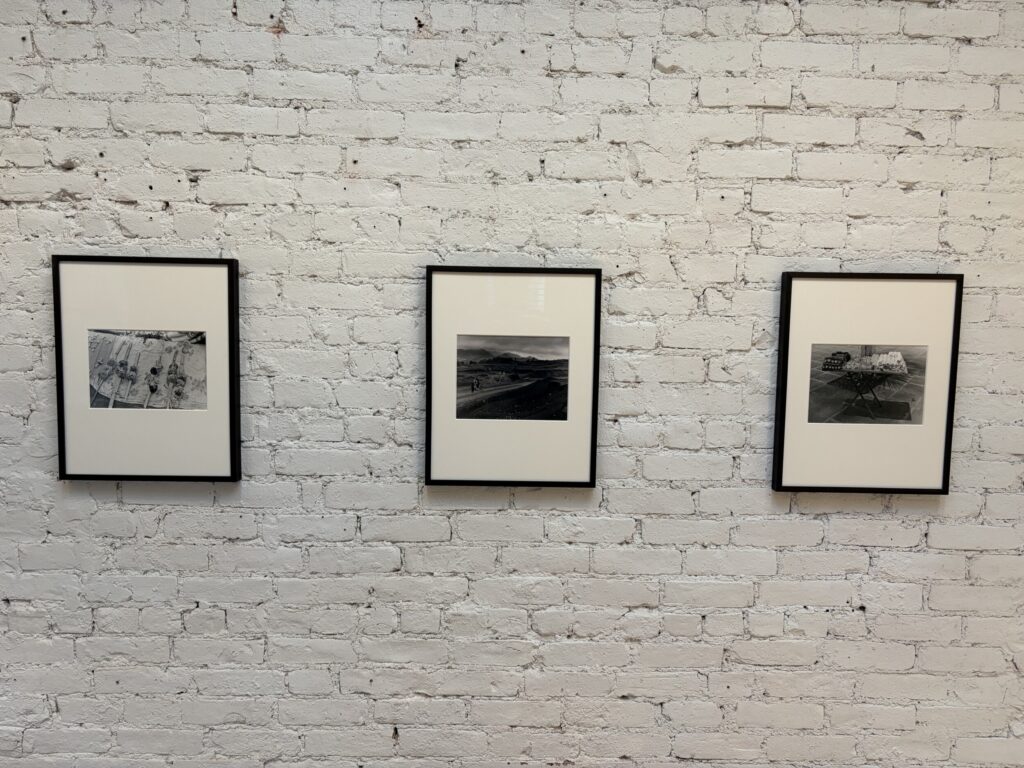
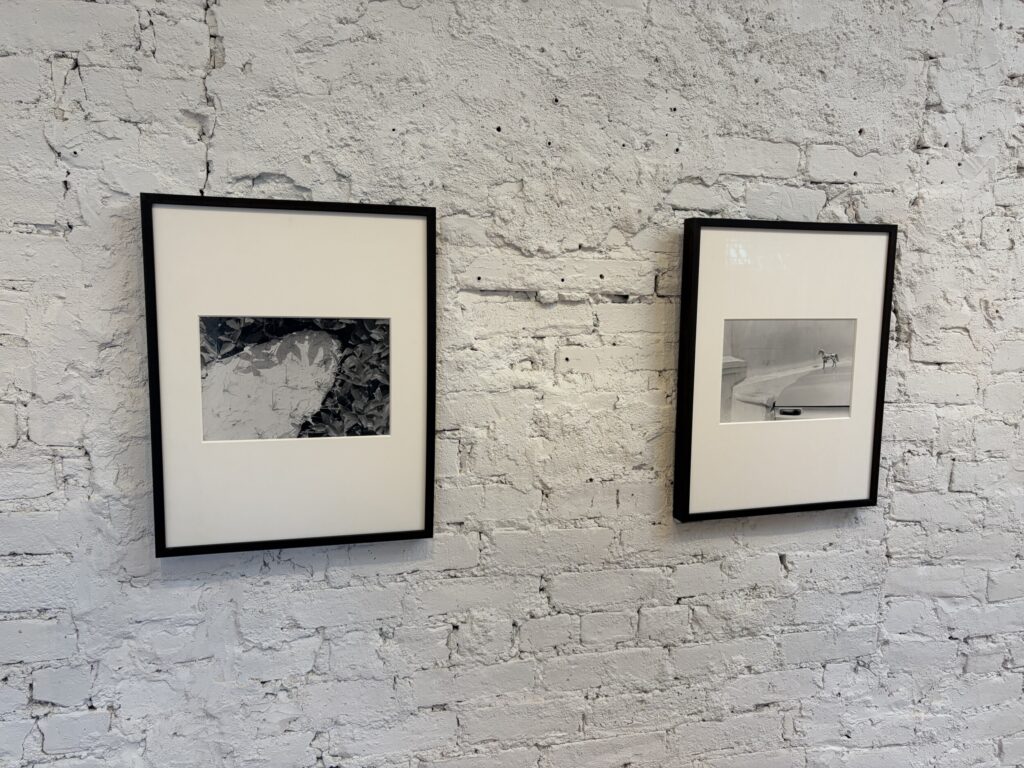
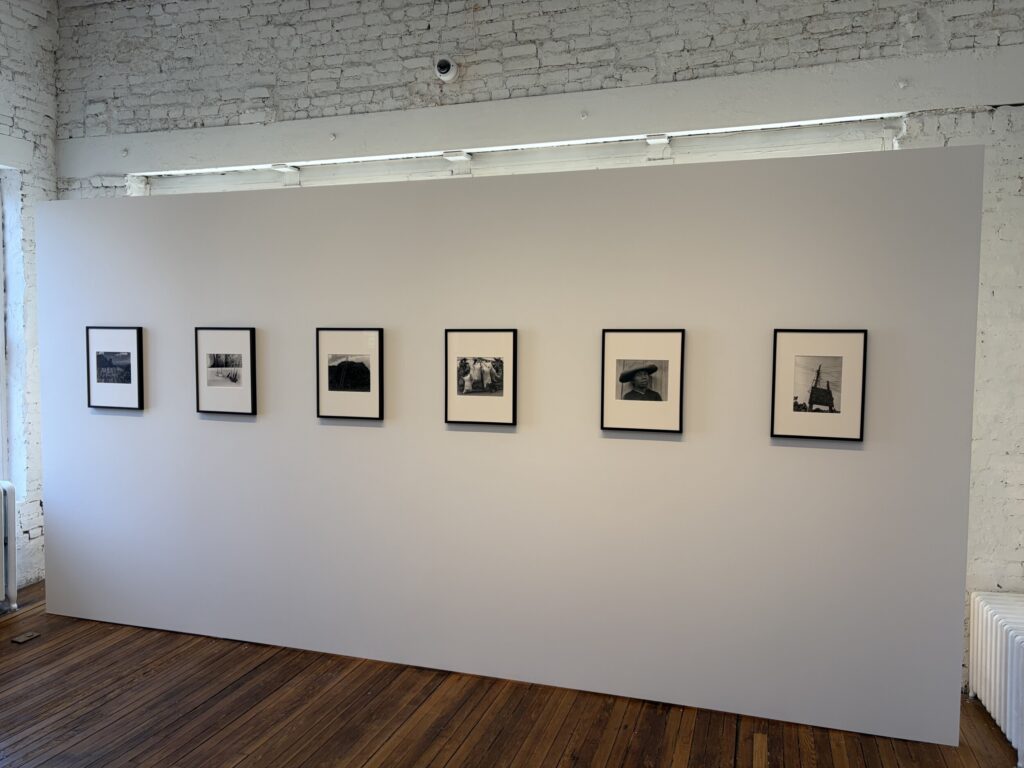
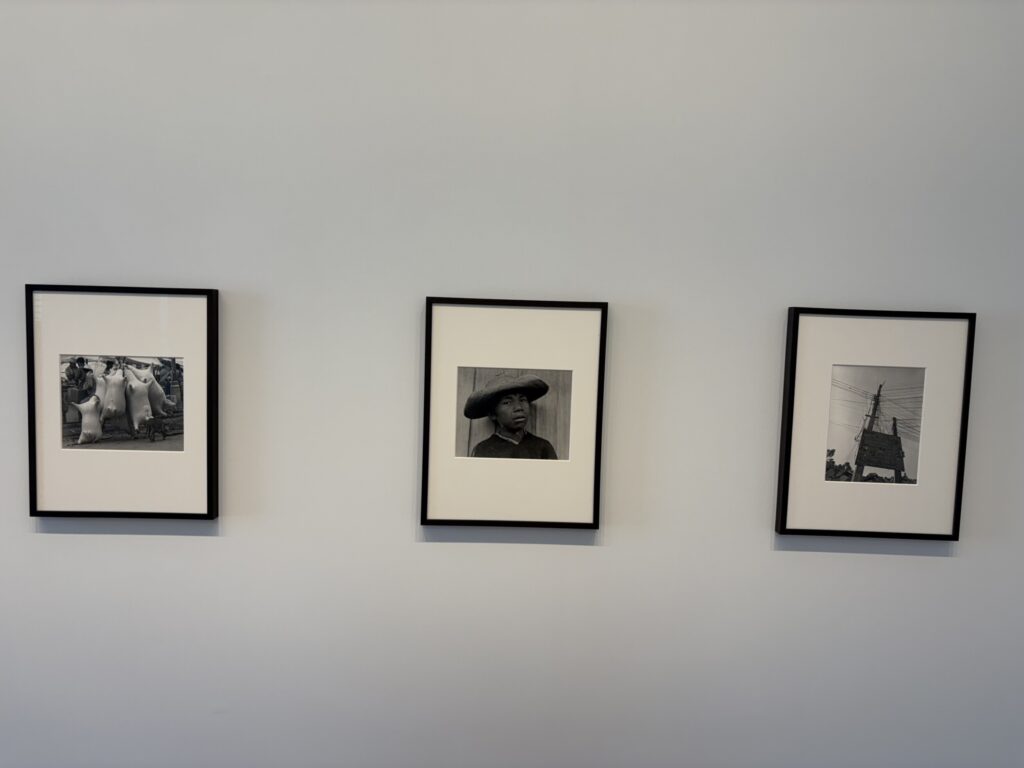
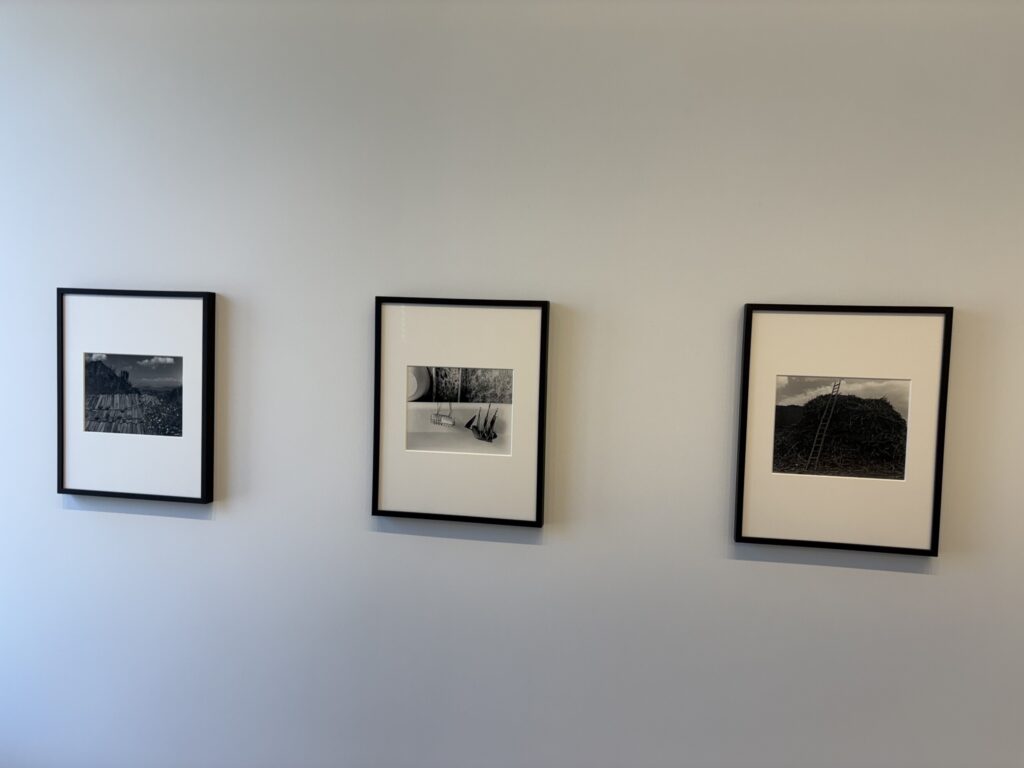
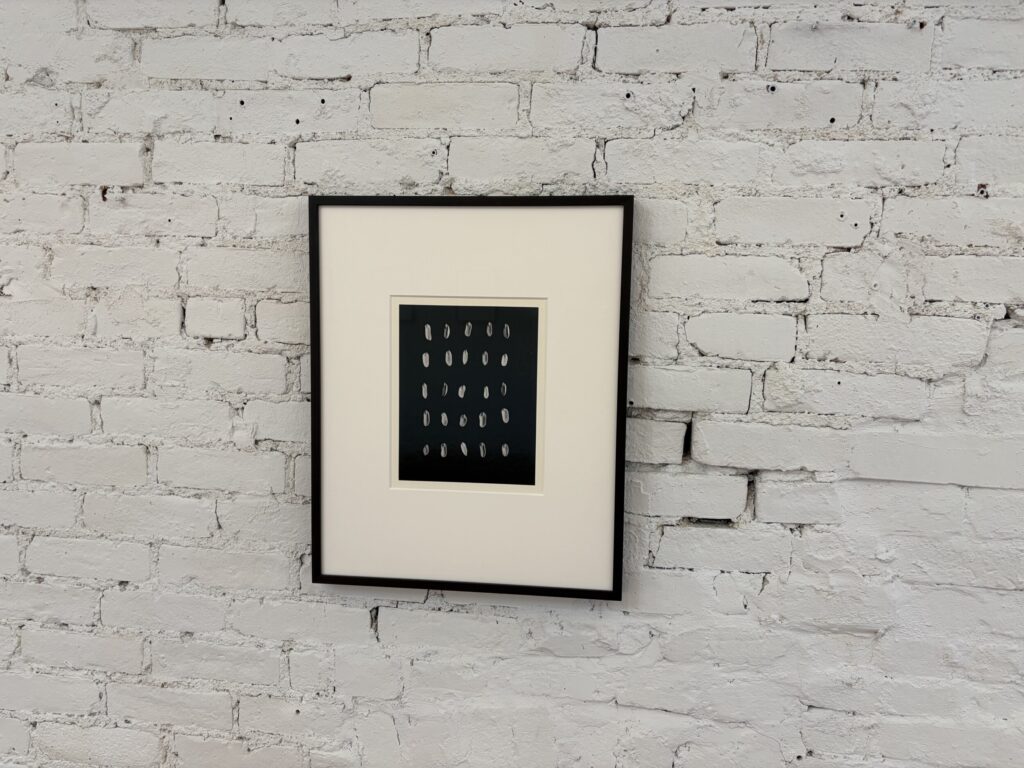
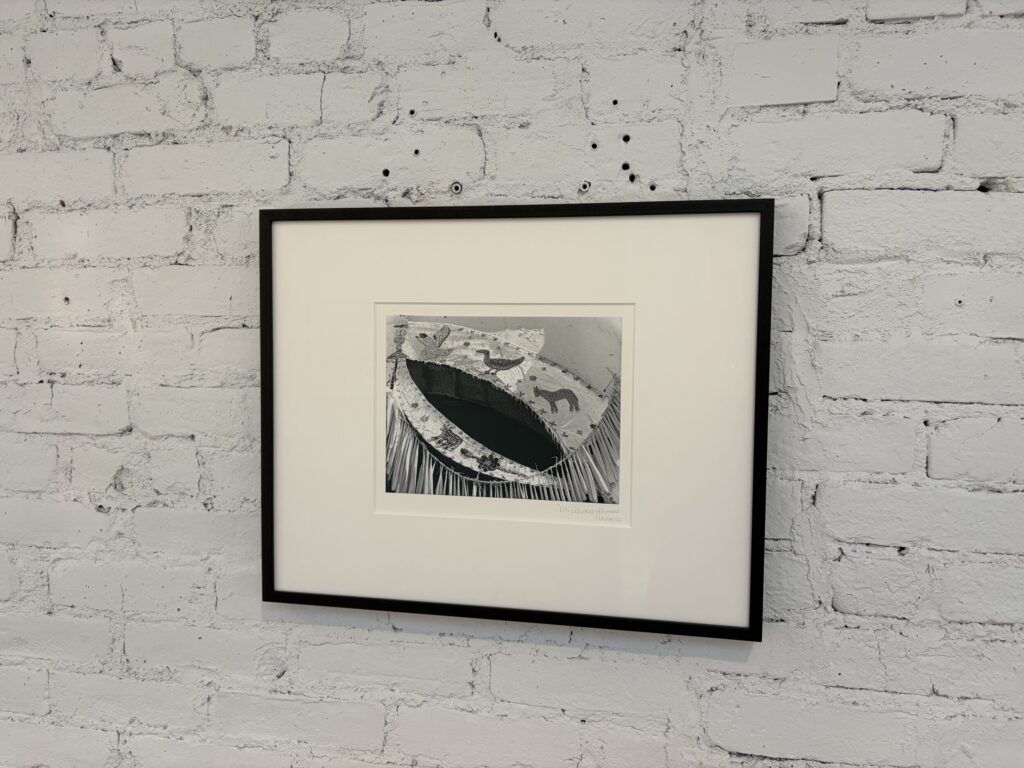
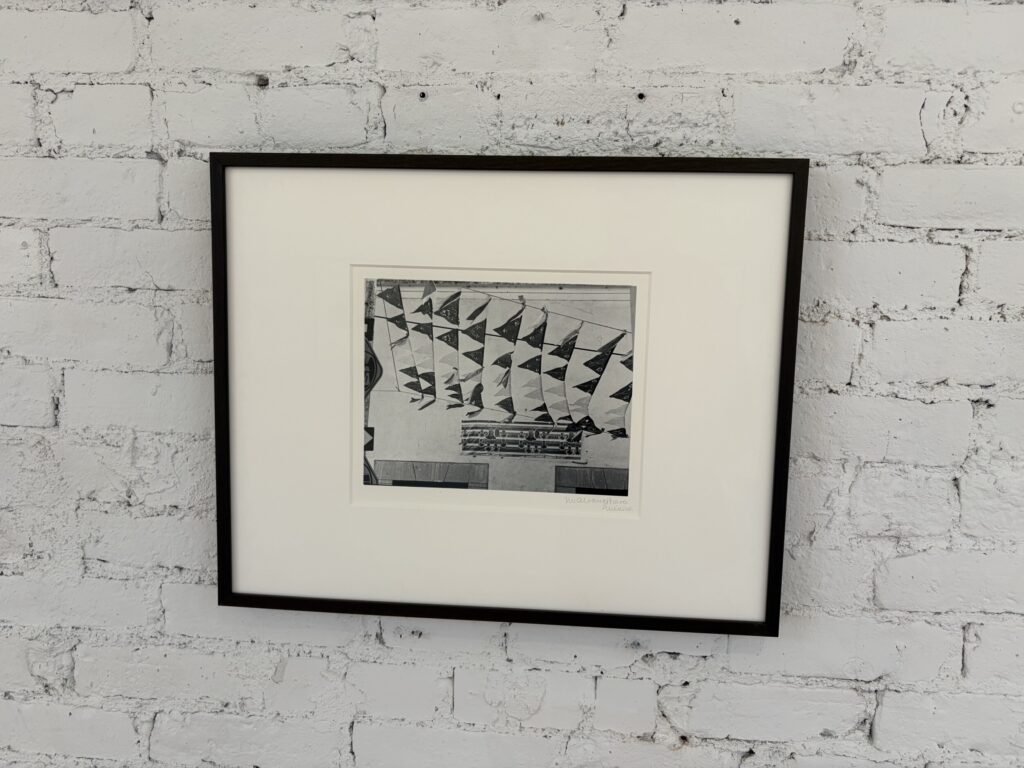
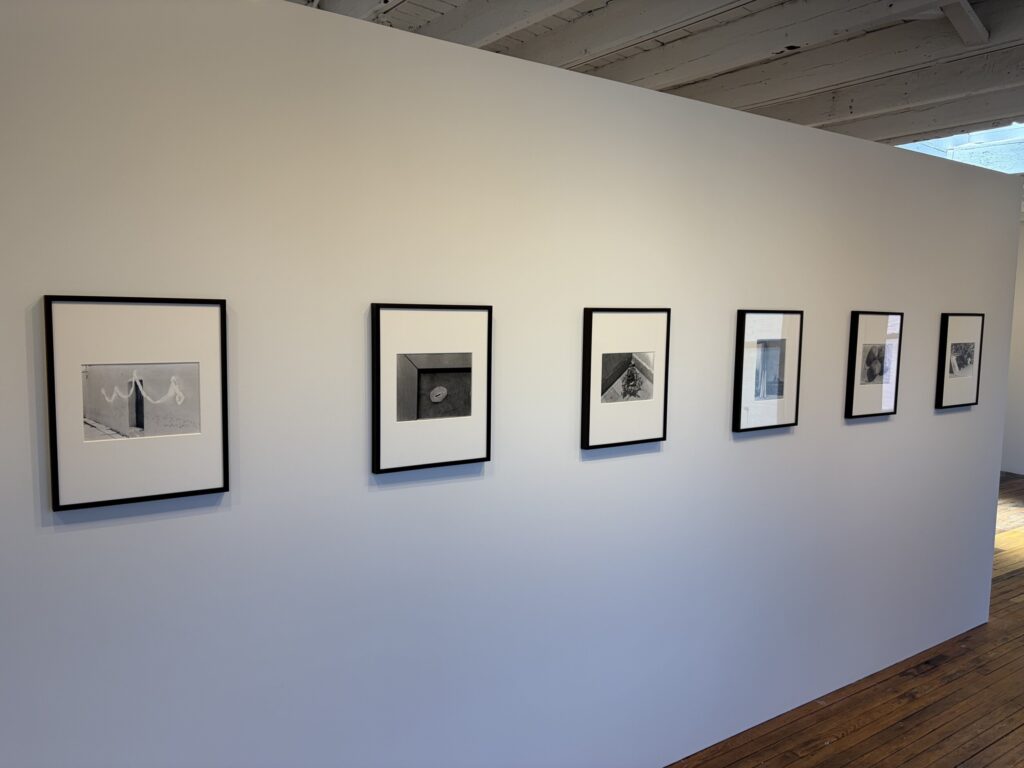
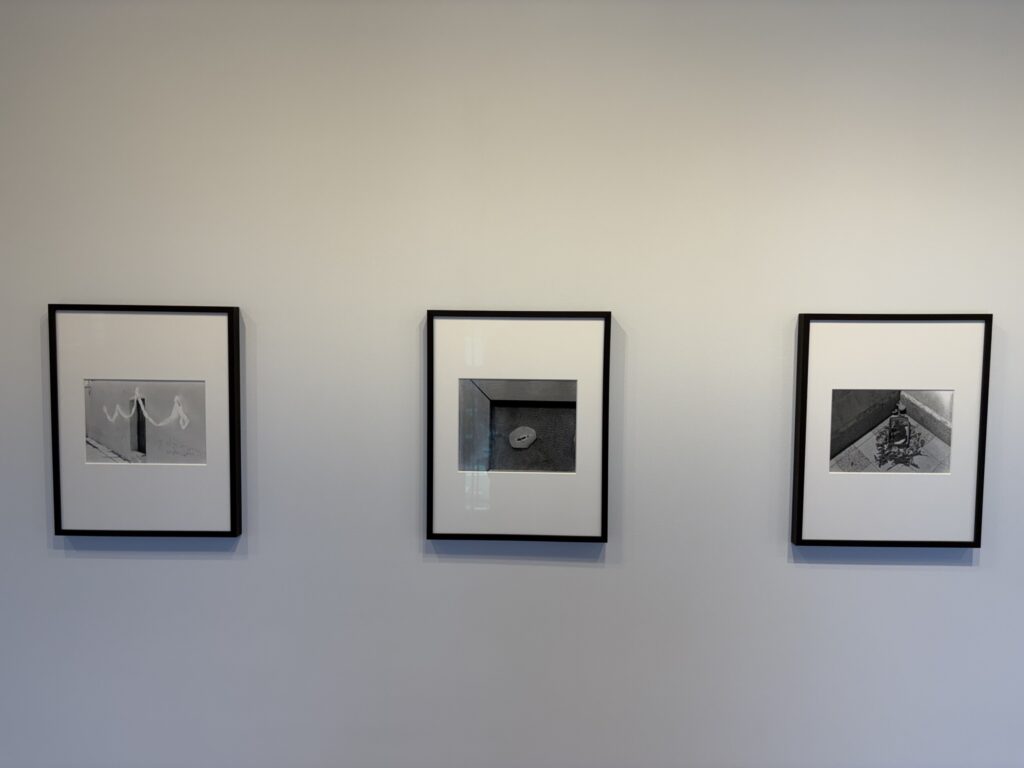
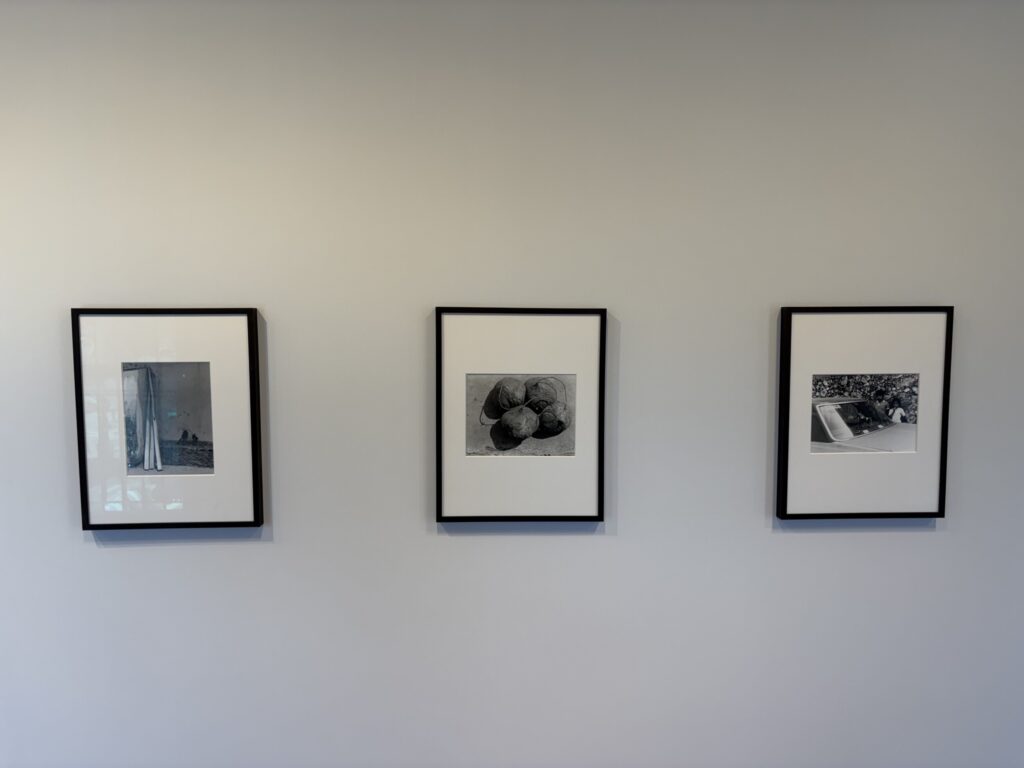
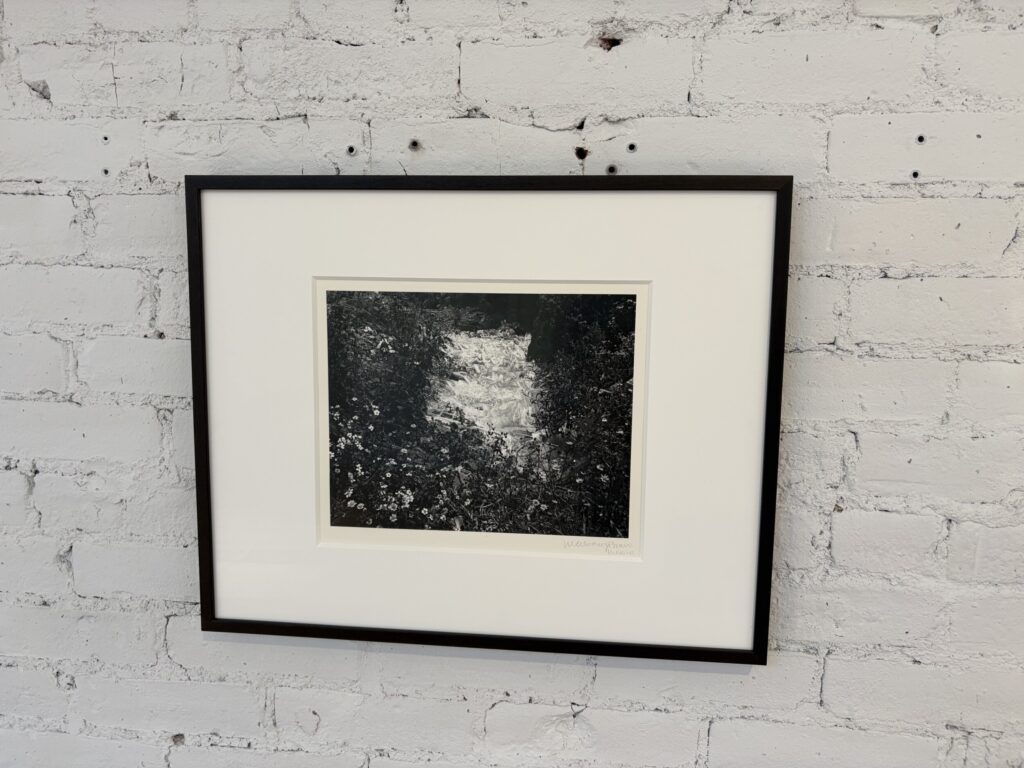
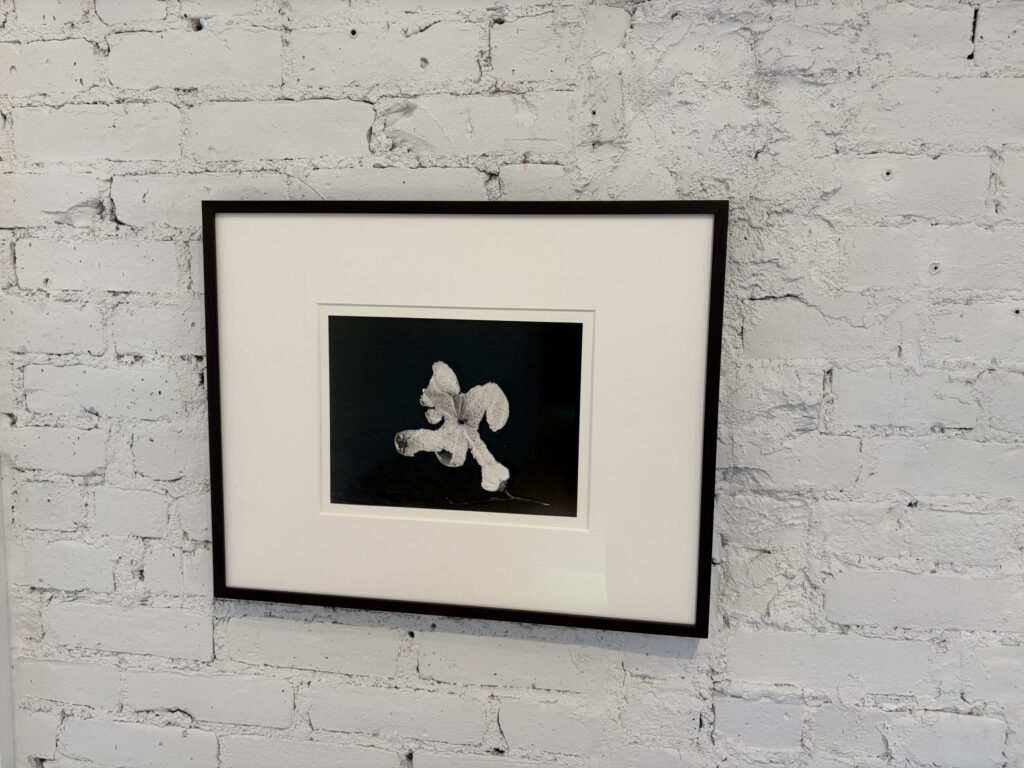
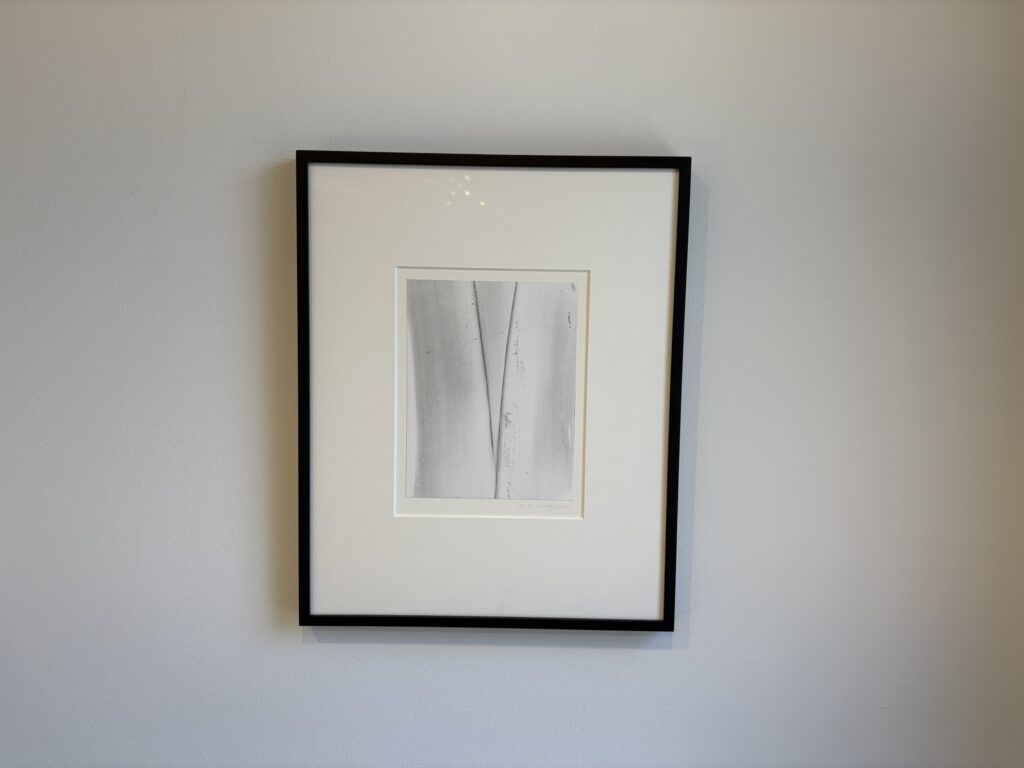
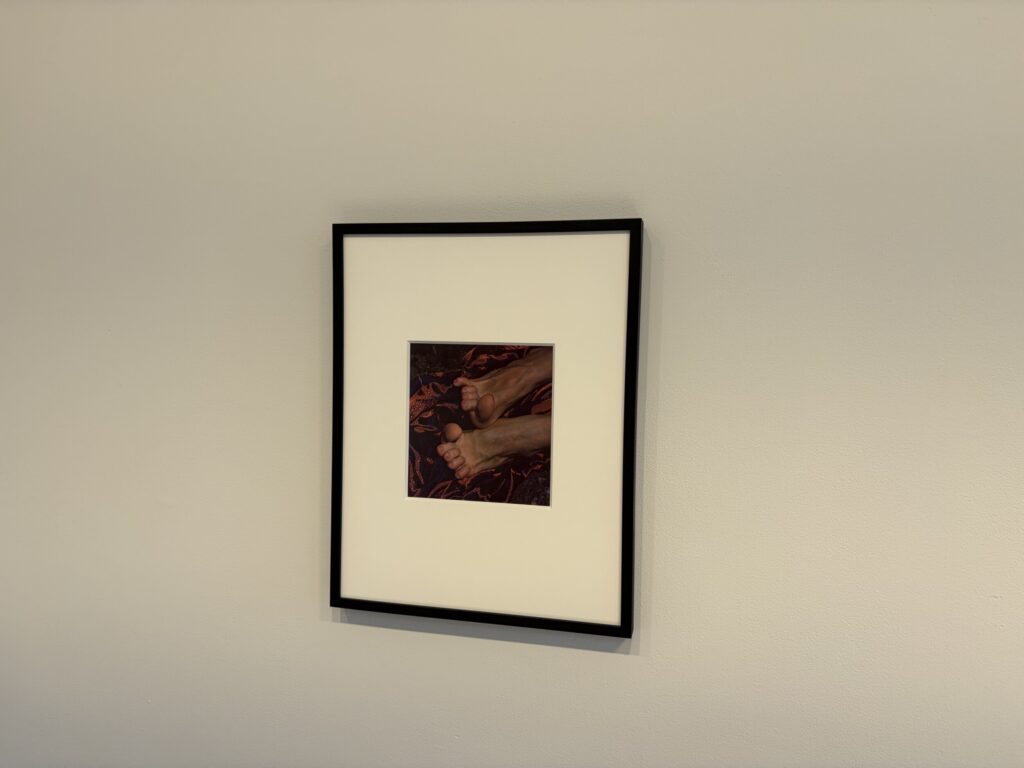
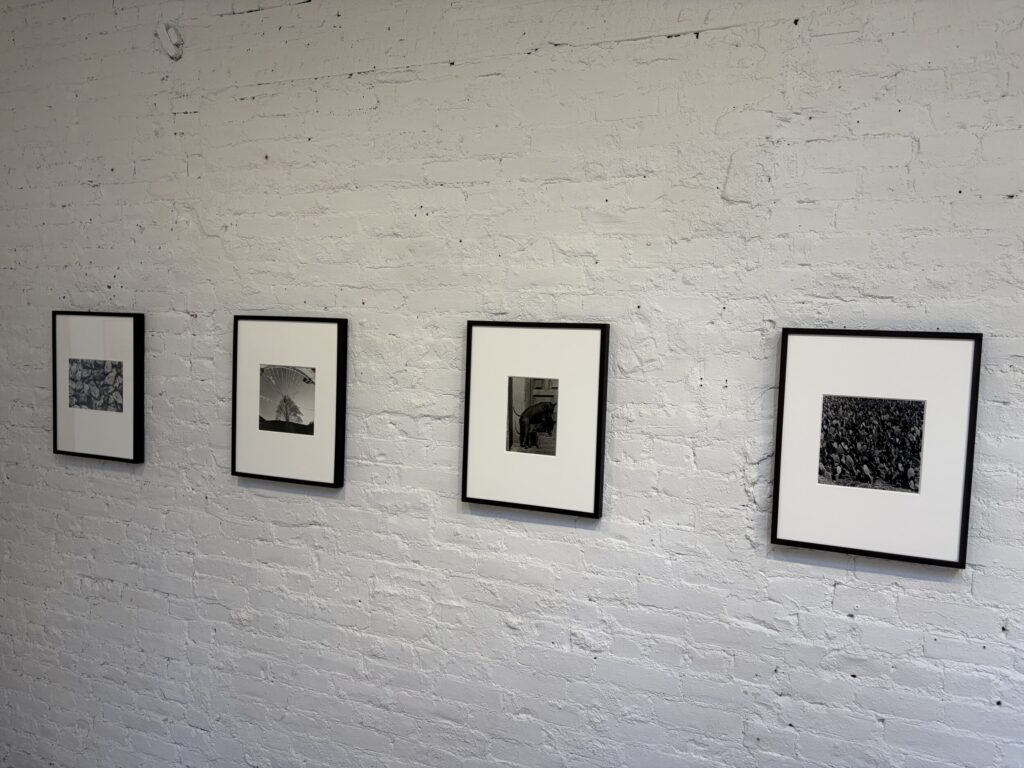
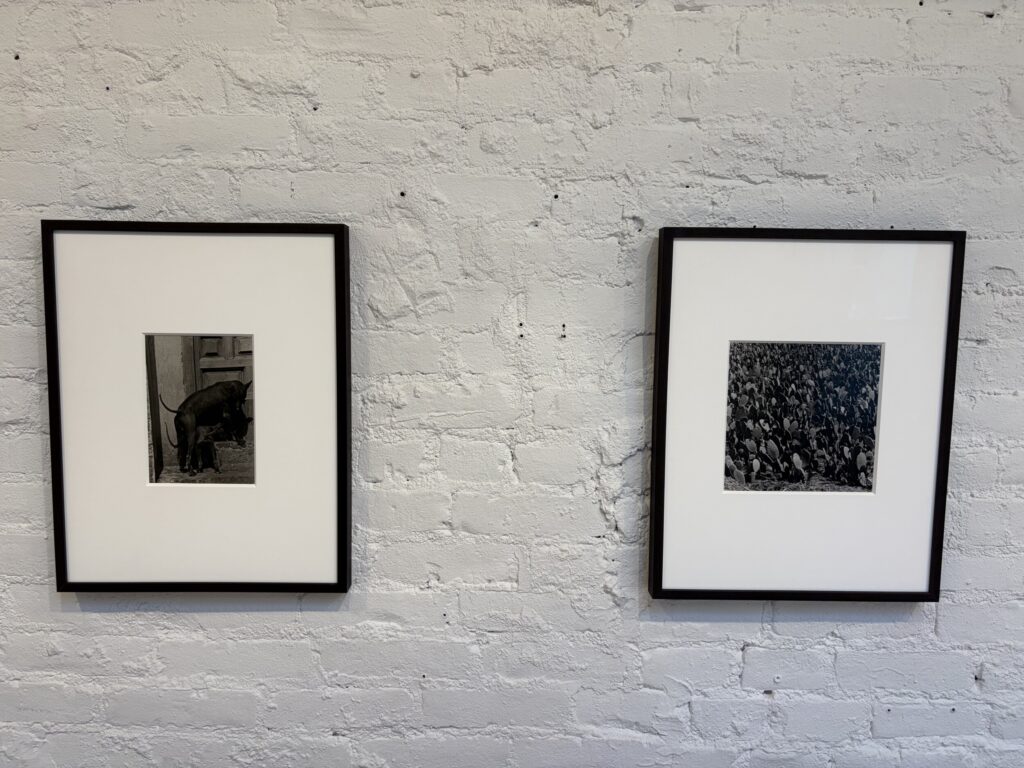
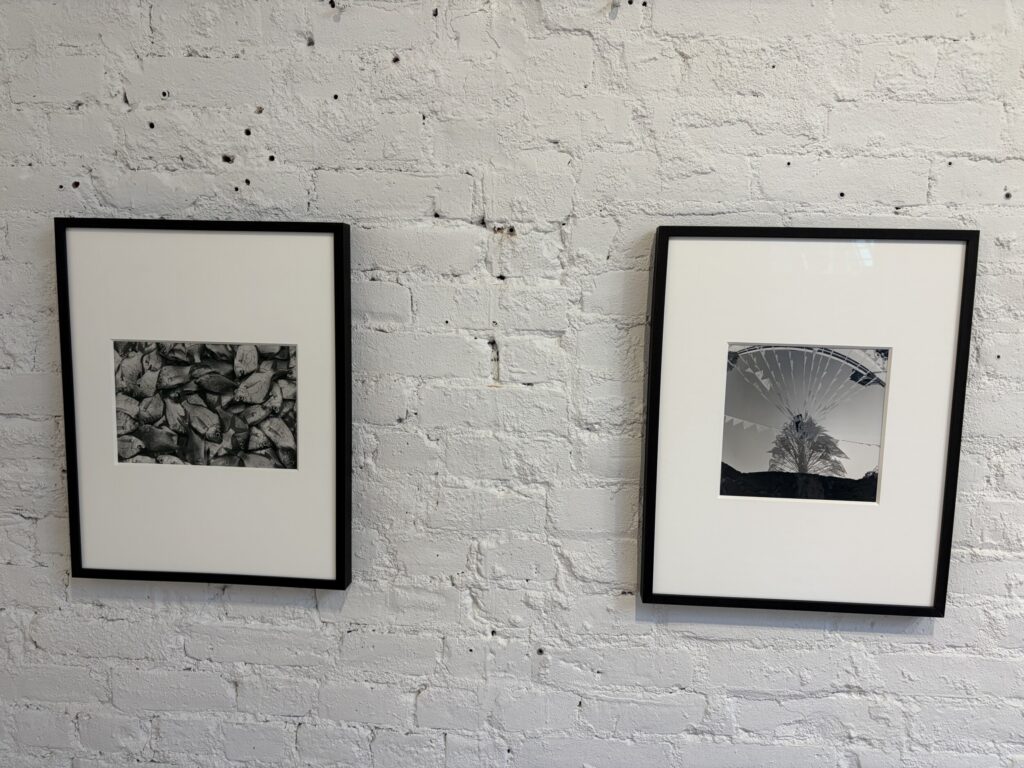
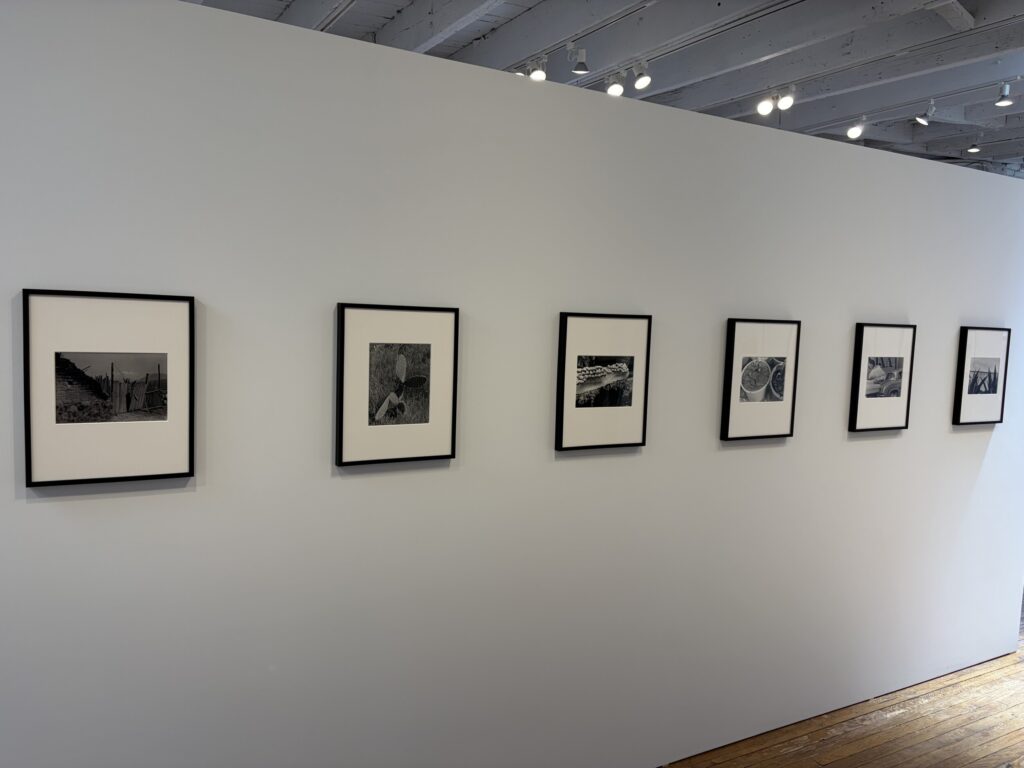
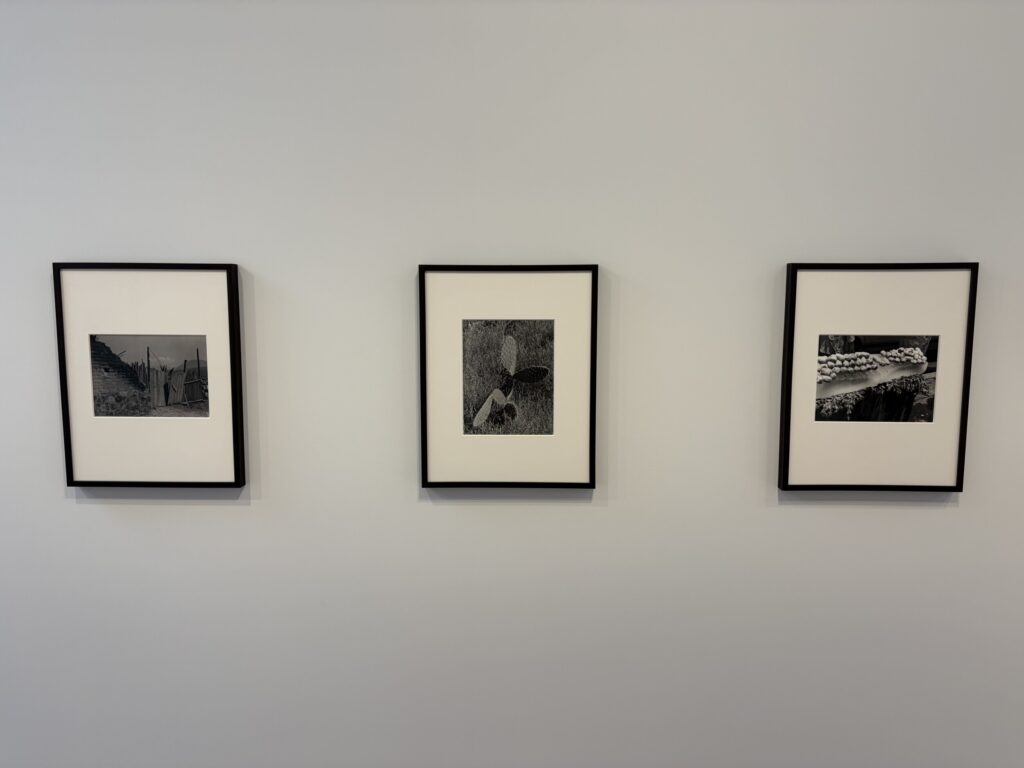
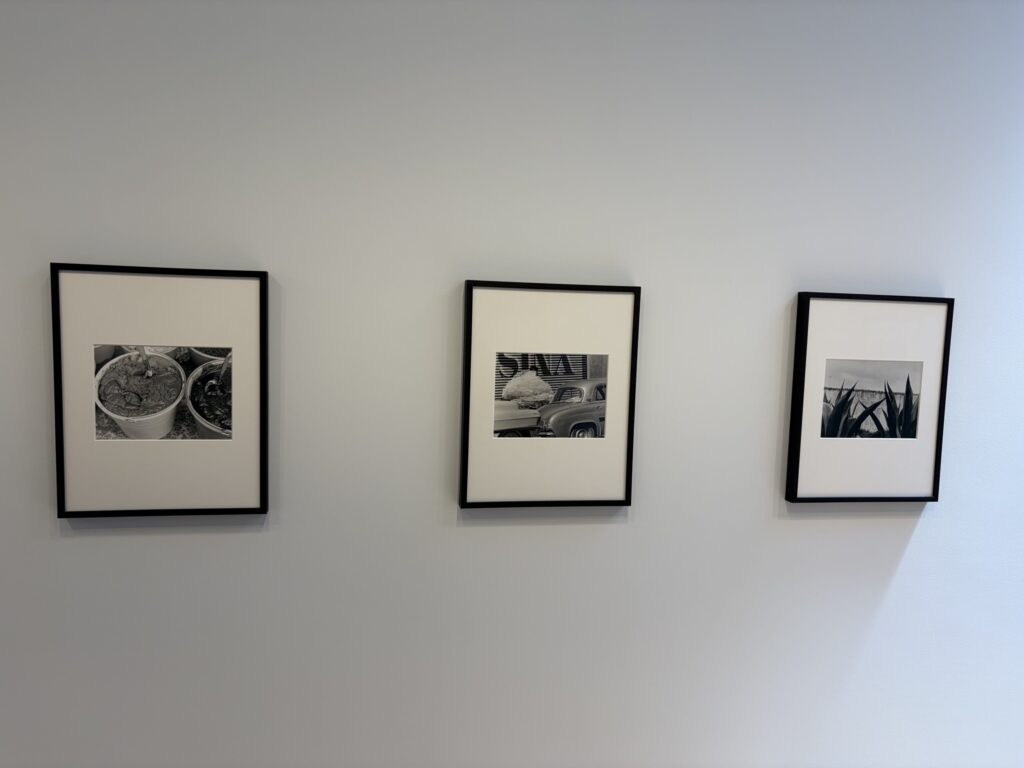
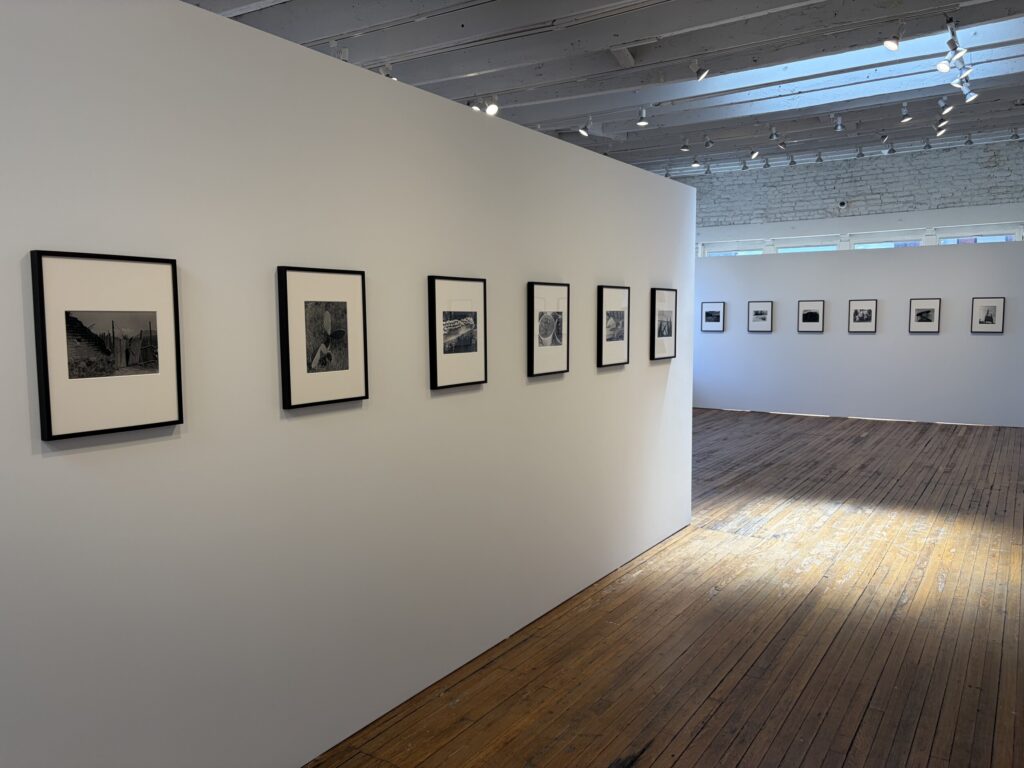
Comments/Context: One of the unexpected byproducts of becoming an acknowledged master photographer (by whoever’s definition) is that once an artist reaches this level of consistent renown and stays there for decades, we often stop looking at his or her work in much depth – we think we know everything already. At that stage, often when the artist is no longer alive and the thorough traveling retrospectives have long since come and gone, a reductive process silently begins, where a handful of greatest hits images circulate through our cultural consciousness with relative ease, and increasingly behave something like representations, symbols, or stand-ins for the artist. Even if we don’t remember the exact titles of the images, for a photographer like Manuel Álvarez Bravo, we can visually recall the bloody worker left dead in the street, the nude wrapped in white resting on the patio, the girl brushing her hair in a shaft of sunlight, the woman daydreaming on a balcony, the reversed optician’s storefront, or perhaps even half a dozen more singularly memorable compositions made across the Mexican photographer’s long career, and these pictures become a kind of mental summary that we return to again and again, in place of actually looking much further.
If you want proof of this kind of inadvertently forgetful reductionism, look no further than our own spotty coverage of Álvarez Bravo here at Collector Daily. Aside from our engagement with some of Álvarez Bravo’s lesser known color work in photobook form (in 2020, reviewed here) and a few passing references to his works sold at auction or included in group shows, our last full discussion of his work came more than a decade ago, in a 2014 gallery show (reviewed here), which was itself filled with many of these very same landmark Álvarez Bravo images referenced above. Even with his universally acknowledged importance in the history of the medium, we haven’t had that many recent opportunities (in New York) to consider the breadth and richness of his work.
So what’s so very exciting about the Álvarez Bravo exhibit now on view at New York Life Gallery is that it doesn’t travel down these exceedingly well worn and now obvious pathways. In fact, of the thirty-odd images on view in this modest powerhouse of a show, only a single one (a sensitive portrait of a boy, Leon de Angahua, from 1948) overlaps with the photographs included in Álvarez Bravo’s 1997 MoMA retrospective curated by Susan Kismaric. With the help of the artist’s estate and archives, we’ve been offered a deeper dive into the under seen, the overlooked, and the tantalizingly lesser known Álvarez Bravo, and in image after image, from decades ranging from the 1920s to the 1980s, he doesn’t disappoint.
What I like best about this selection of images is that it doesn’t adhere to a simple chronological or linear artistic progression, but finds Álvarez Bravo embracing Modernist clarity, Surrealist strangeness, and the celebration of traditional Mexican and Indigenous cultures at various points across his career, those ideas, aesthetics, and subject matter choices recurring, evolving, and intermingling over time. A grouping of jicamas in the bright sun from 1930 feels appropriately crisp and rigorous in the manner of Edward Weston, but that same thinking is later applied to banana leaves in 1974, reducing them to a strict elemental V that would have made Imogen Cunningham proud. Several undated images crop down to all over patterning, turning shimmering fish and prickly pear cacti into tactile near abstractions, while other compositions give electrical wires, wineskins, adobe walls, spiky magueys, flowers, a slice of chayote, and even feet an isolating or silhouetting glance.
Similarly, Álvarez Bravo’s eye for the surreal never seems to have wavered, even as the decades clicked by. Of course, a playful three-masted ship set asail on the water in a bathtub from the 1920s has an overtly surreal touch, but then four decades later, in the 1960s, Álvarez Bravo stages a plastic sheet in the jungle undergrowth to resemble the sparkling white fall of a river, illusionism seemingly still very much on his mind. Other images find the master arranging peanuts into a grid, framing a horse ornament standing proudly on an expanse of car hood, and documenting the death of a skunk, each moment given attention that seems to flow toward a mood of deliberately puzzling uncertainty.
This show is engrossingly filled with this kind of back-and forth of styles and moments, where images actually made later in Álvarez Bravo’s career seem cut from the same cloth as those made much earlier. One consistent hallmark of all of these photographs is his precise control over lights and darks. Tonal balance is managed across compositions featuring offerings at a merengue stand, a dark haystack and the sky (punctuated by an interrupting ladder), a dark hole in a decorated tent with hanging votive offerings, the light and dark of fluttering festival flags, the bright whiteness of draped streamers, dark dogs in a doorway, and two colors of mole in tubs. Lush textures are similarly highlighted, from the spiky points of cactus plants to the weather boards of fences and sheds. For those sweaty summer students wandering the streets of the city in search of photographic inspiration, this show offers a quiet master class in how to put a monochrome frame together.
While one measure of an artist’s career is taken at the tops of the waves where the standout masterpieces sit, another happens much deeper, where we can consider the breadth and consistency of the art making over a lifetime. This tightly edited but still intimate show proves that Álvarez Bravo was delivering photographic greatness not only in his lesser known images, but even in those we have never seen before, from both early and late in his life. It’s heartening to see Álvarez Bravo back in the mix here in New York, as this unknown work is as strong as any photography on view in the city this summer.
Collector’s POV: The prints in this show are generally priced between $5000 and $15000 each, with a few marked POR. Álvarez Bravo’s prints are widely available in the secondary markets, with a large number of later prints available at auction. Recent prices have ranged between $1000 and nearly $300000, with most later prints under $10000 and increasingly rare vintage prints routinely fetching five and low six figures.