JTF (just the facts): Published in 2026 by GOST Books (here). Hardcover (19.5 × 25 cm), 128 pages, with 88 color and black-and-white reproductions. (Cover and spread shots below.)
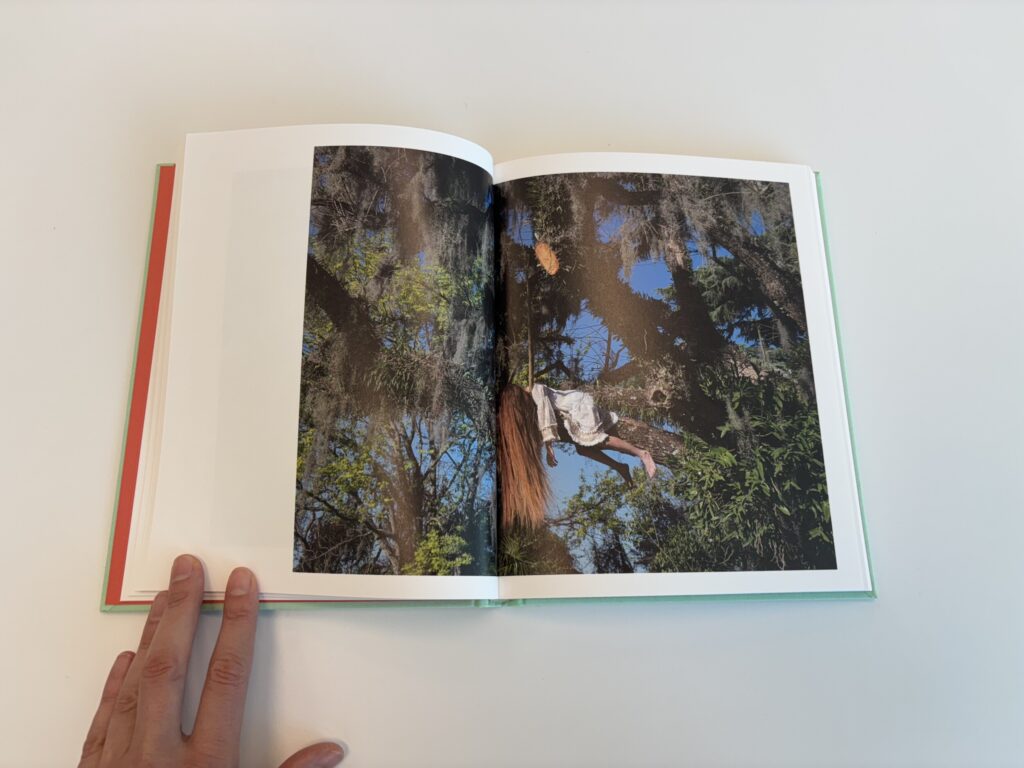
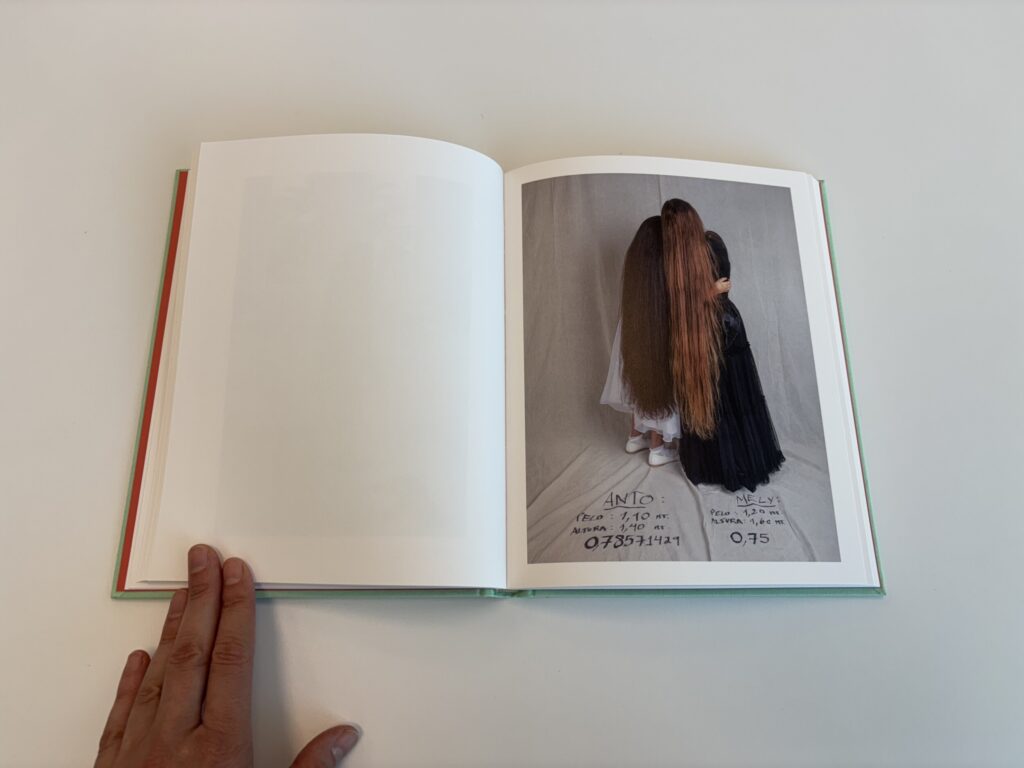
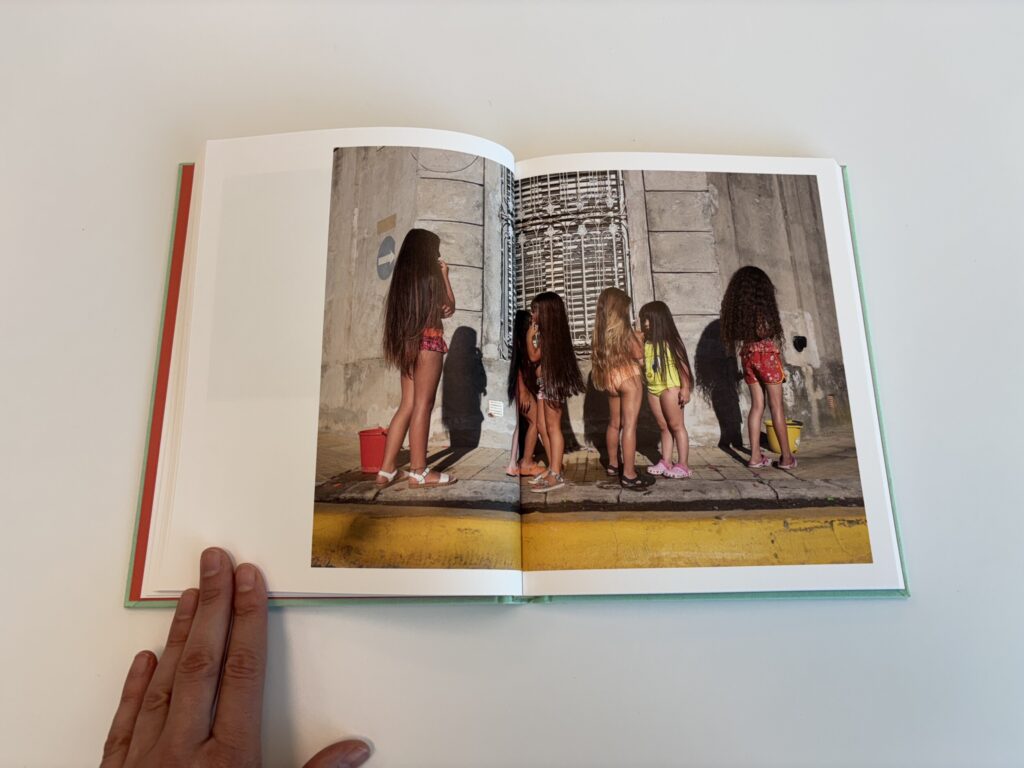
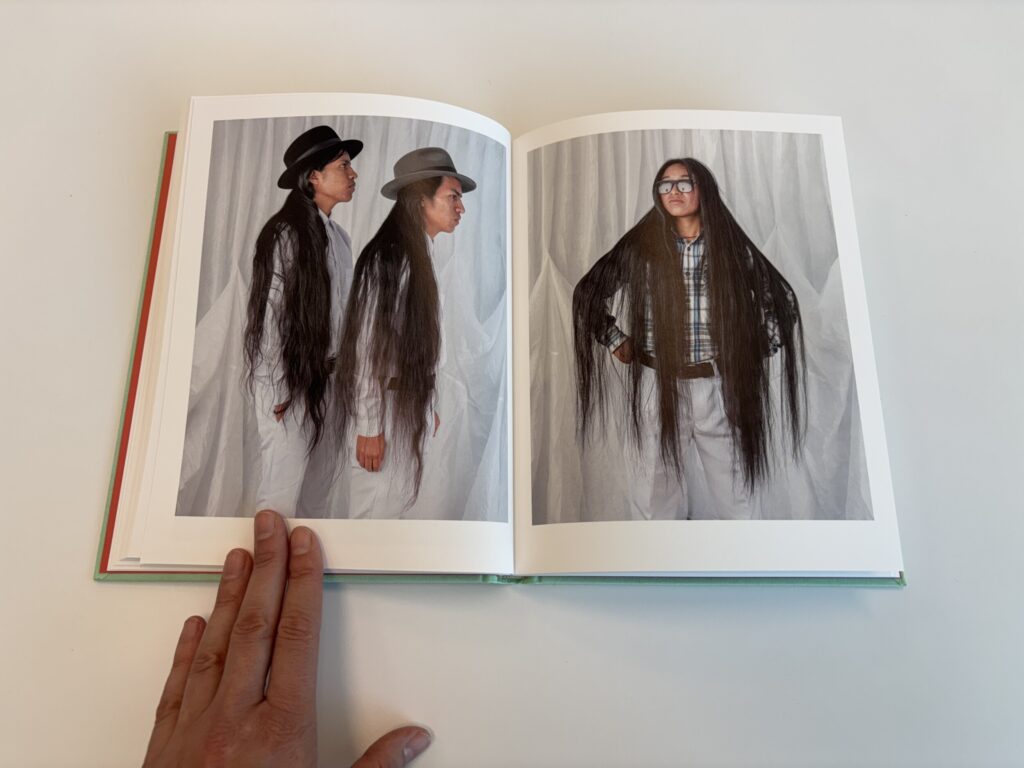
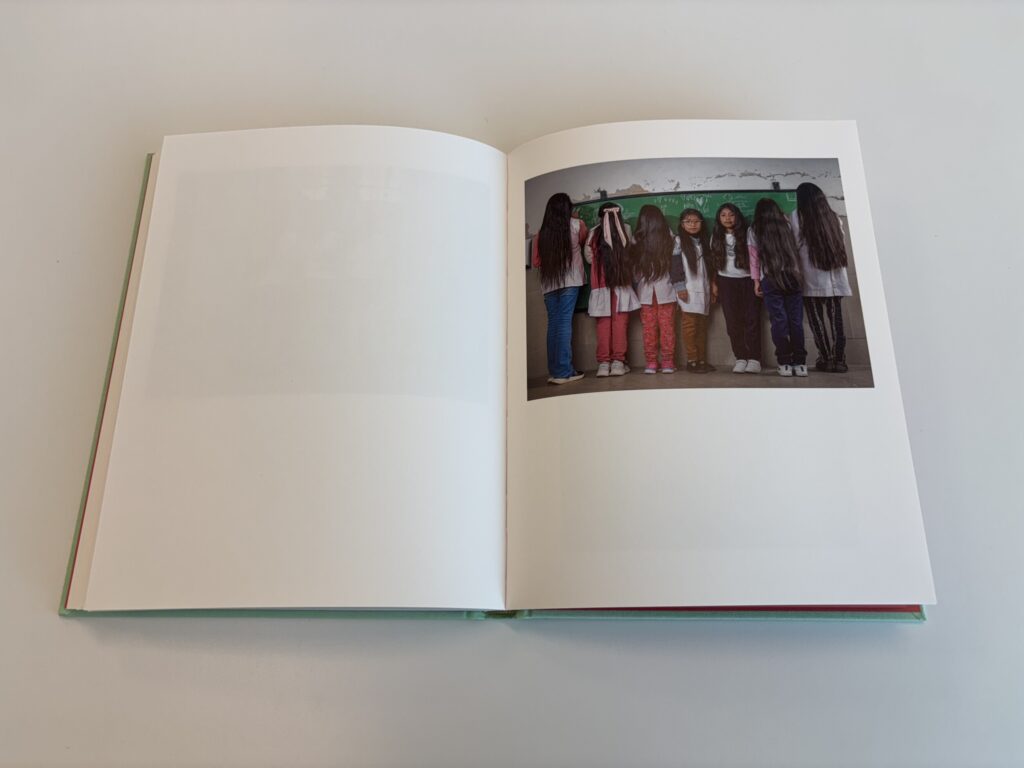
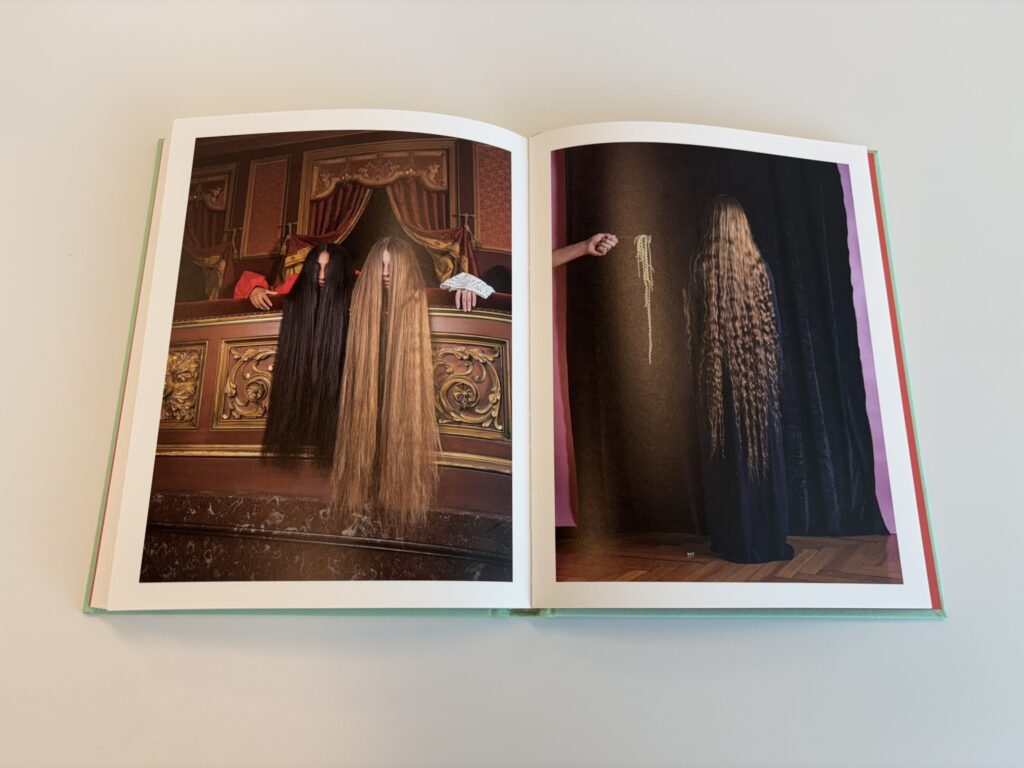
Comments/Context: Irina Werning’s work has long occupied a fertile space between anthropology, staged photography, and personal memory. Born in Argentina and now working between continents, she is best known for projects that return obsessively to the same faces, bodies, and rituals over time, often filtering the documentary impulse through play, reconstruction, and performance. Her series Back to the Future restaged childhood photographs decades later, while subsequent works have examined national identity, domestic spaces, and the aesthetics of everyday life in Latin America. Across these projects, Werning has demonstrated a consistent fascination with continuity and rupture: how time marks bodies, how traditions persist or fray, and how photography can both crystallize and fabricate memory. Werning’s new photobook Las Pelilargas fits squarely within this trajectory, yet it also feels like a distillation of her method, more intimate and more pointedly feminist, exchanging temporal gaps for corporeal presence and hair itself as both symbol and substance.
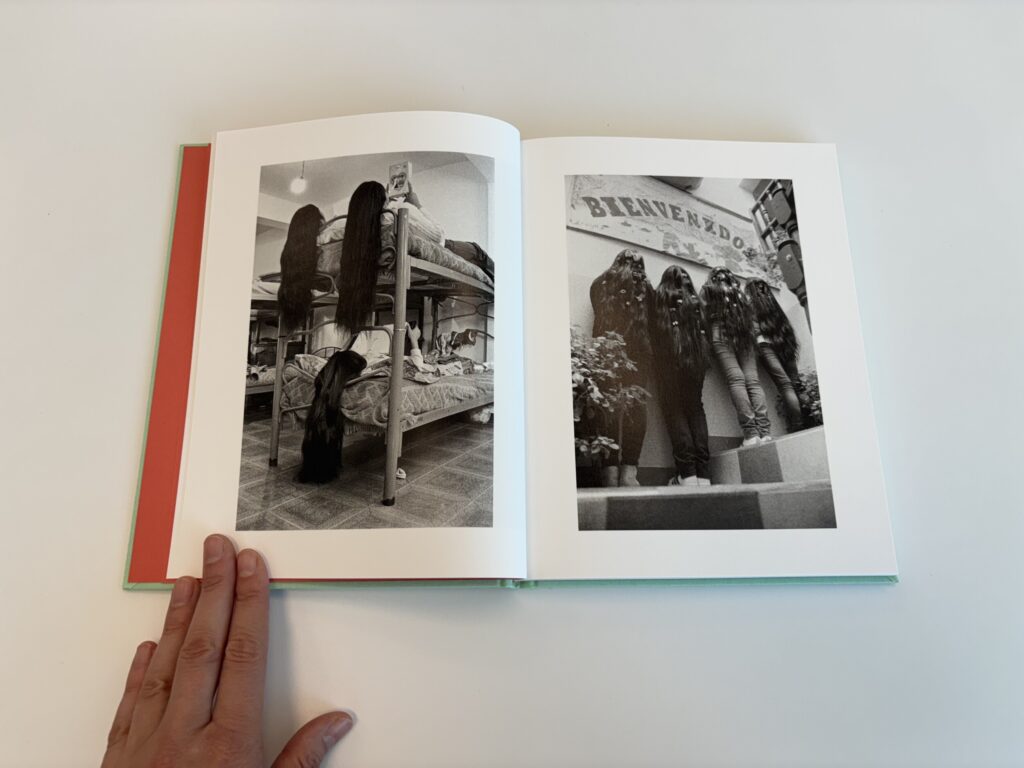
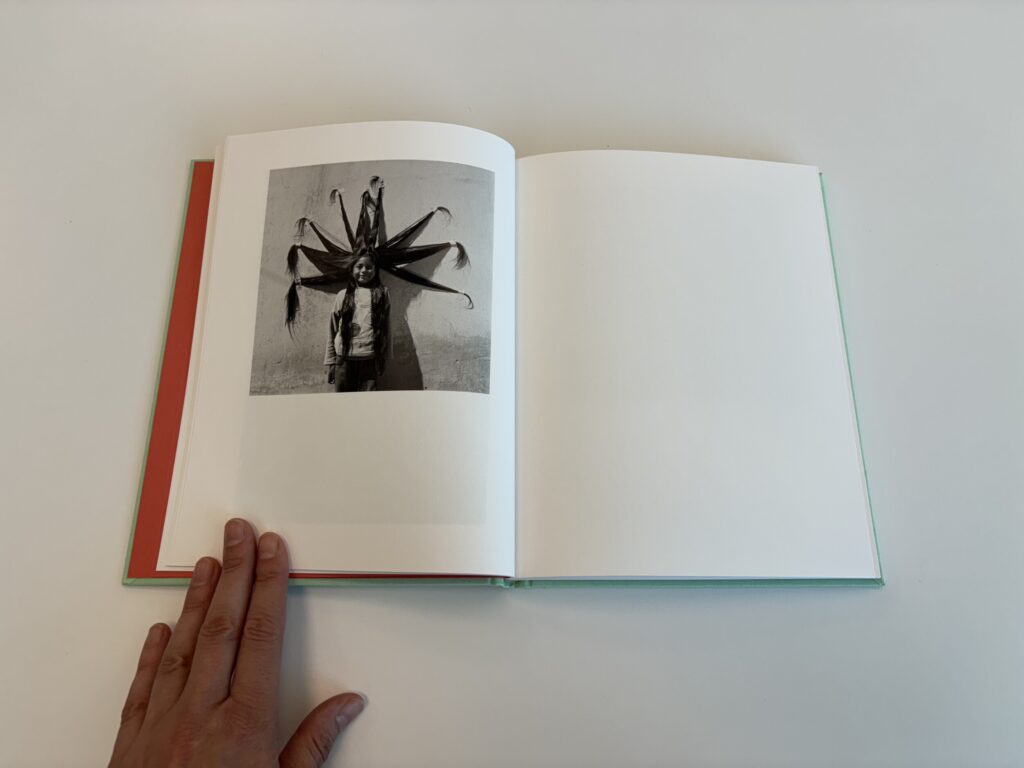
The title, colloquially meaning “the long-haired ones”, sets the tone for a book that delights in specificity while opening outward to broader cultural readings. Las Pelilargas gathers portraits of women and girls (and occasionally men) across Latin America whose extraordinarily long hair becomes the central visual and conceptual axis. This is not hair as fashion accessory or fleeting trend, but hair as inheritance, labor, devotion and occasionally burden. Werning photographs her subjects in carefully considered domestic and communal spaces, such as kitchens, courtyards, bedrooms, schoolyards; places where hair is brushed, braided, washed, admired and disciplined.
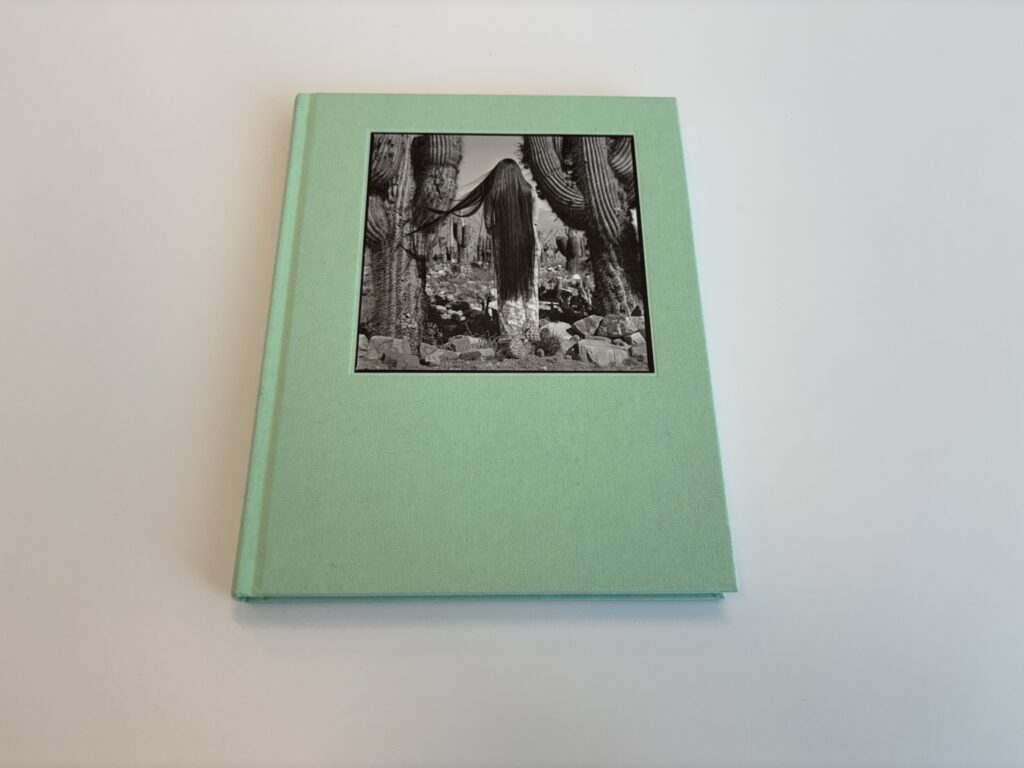
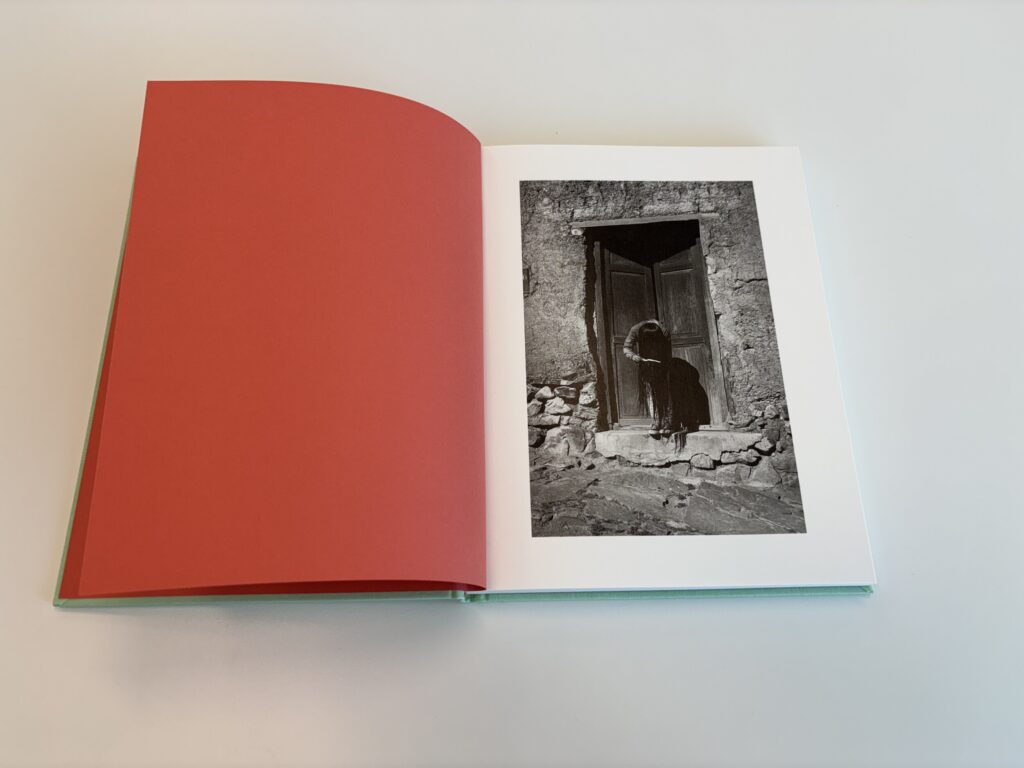
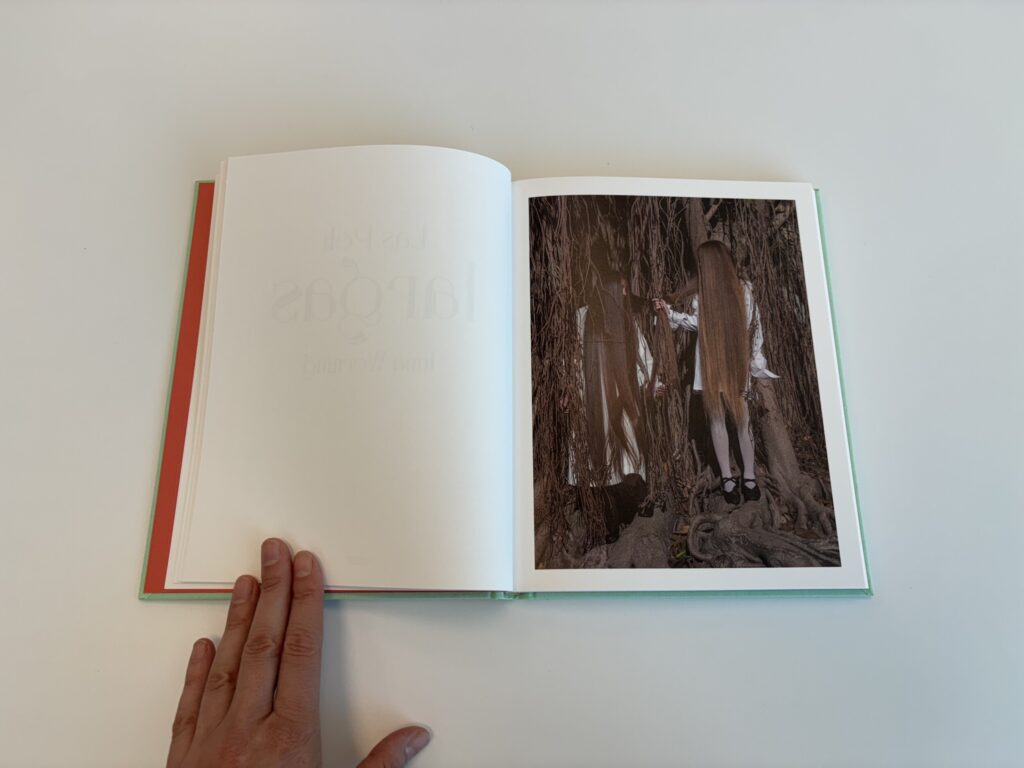
Las Pelilargas has a tactile, considered presence: its sugar-green cloth cover is offset by a tipped-in black-and-white photograph of a woman with long hair standing among cacti. Opening the book reveals peach-orange endpapers, a warm and unexpected design gesture. The design throughout remains elegant and precise, putting the photographs at the center of its experience. There are no captions or page numbers; instead, the photographs unfold in quiet succession, inviting an unmediated, intuitive engagement. Only at the end does a brief text by the artist appear, offering a closing reflection rather than a guiding framework.
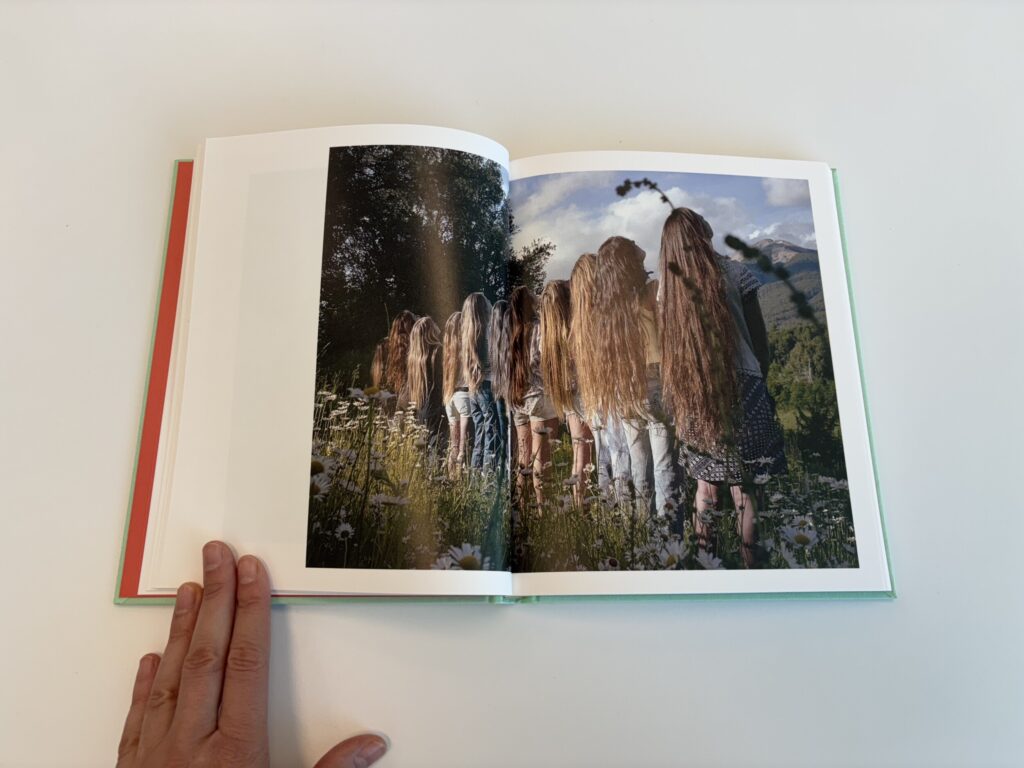
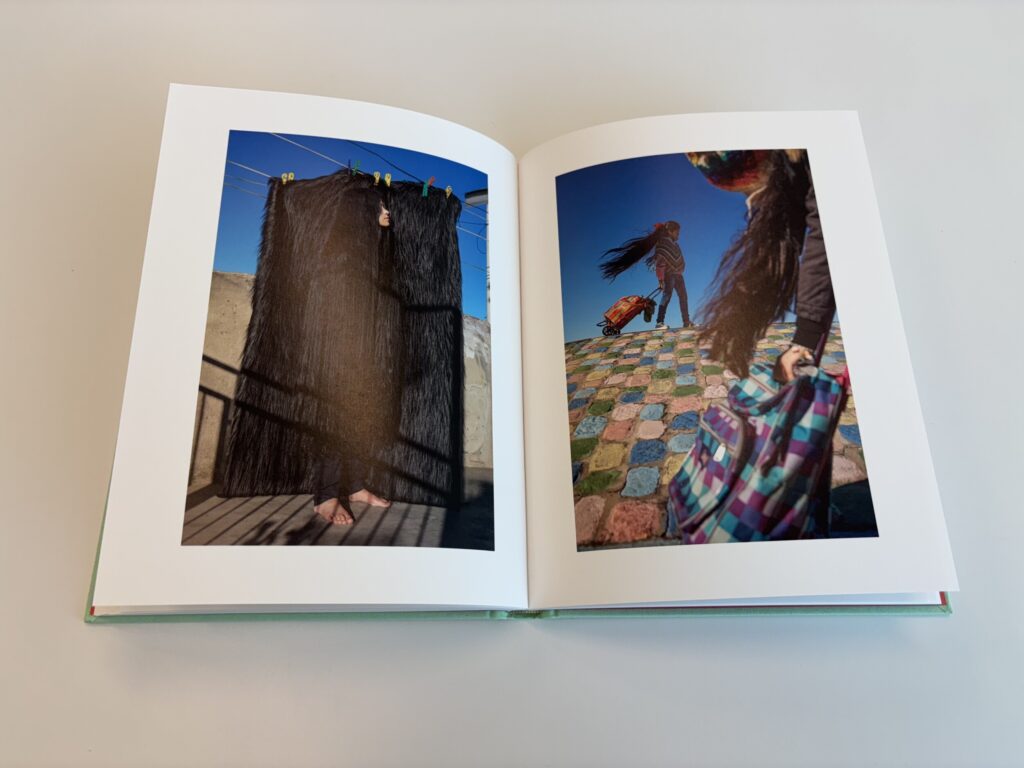
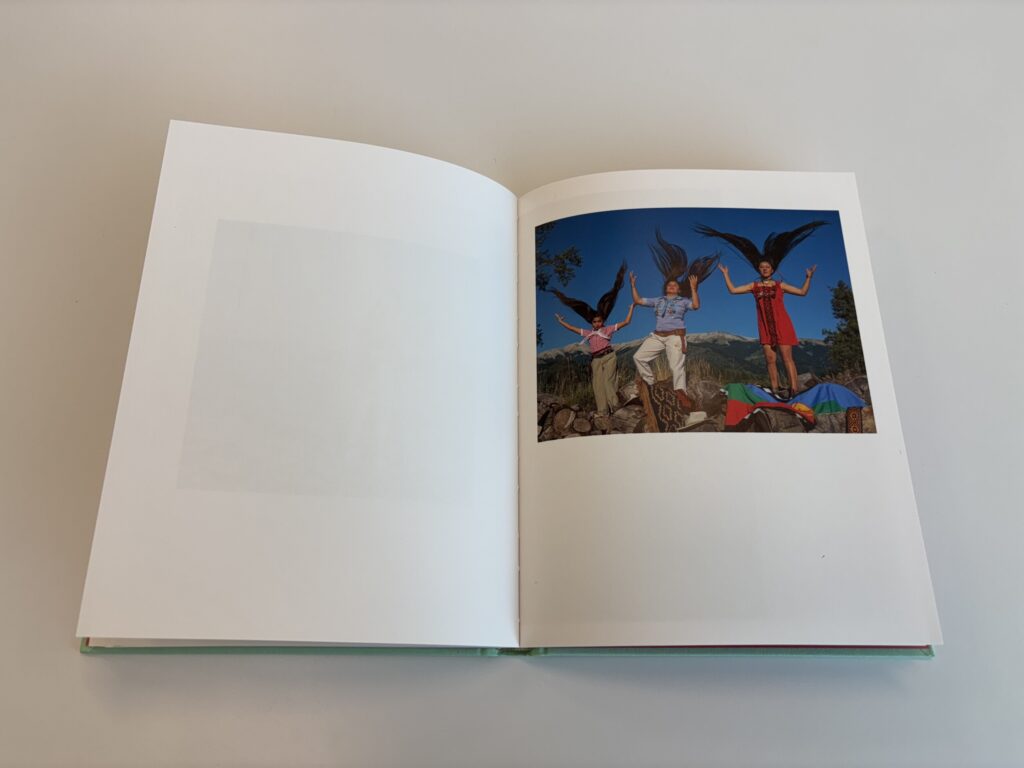
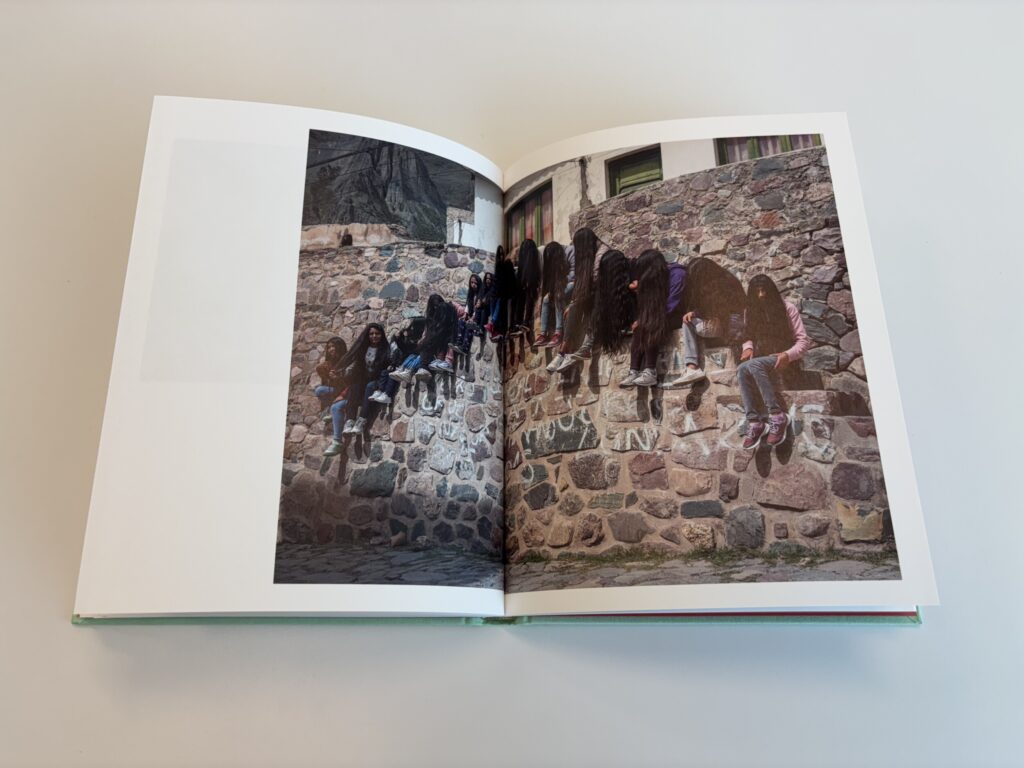
The opening sequence of black-and-white images places Werning’s subjects predominantly outdoors, establishing an immediate sense of environment and gesture: in the first photograph, a figure stands beside a house, leaning forward as she brushes her wet hair, while a few pages later, a woman holds a baby in her arms, framed by cacti and rolling hills in the distance. Werning’s compositions are deceptively simple. Many of the photographs place the subject centrally, anchored within landscapes that feel both specific and archetypal: dusty roads, crowded urban corners, quiet domestic interiors. Color plays a significant role, with the rich, dark tones of hair often set against vibrant textiles or sun-bleached environments. There is an almost painterly restraint in how these elements are balanced, as if each image has been carefully arranged to maintain a sense of quiet equilibrium.
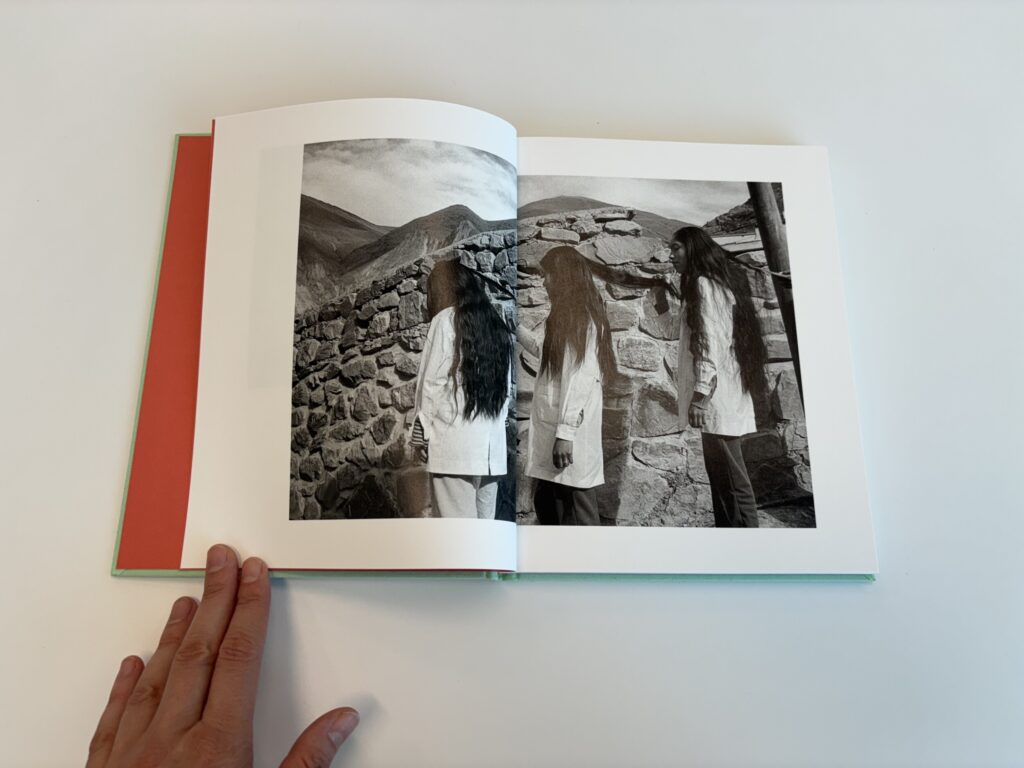
Long hair in Latin America has been historically bound up with ideas of femininity, indigeneity, Catholic devotion, and patriarchal expectation. In one image, a young girl beams with pride as her braid reaches nearly to her knees; in another, a teenager stares back with an expression that mixes defiance and fatigue, her hair thick as rope and heavy. Older women appear too, their hair greyed but still long, carrying decades of ritualized care. The book quietly shows that long hair is not one thing: it can be joy, identity, obedience, resistance, or all of these at once.
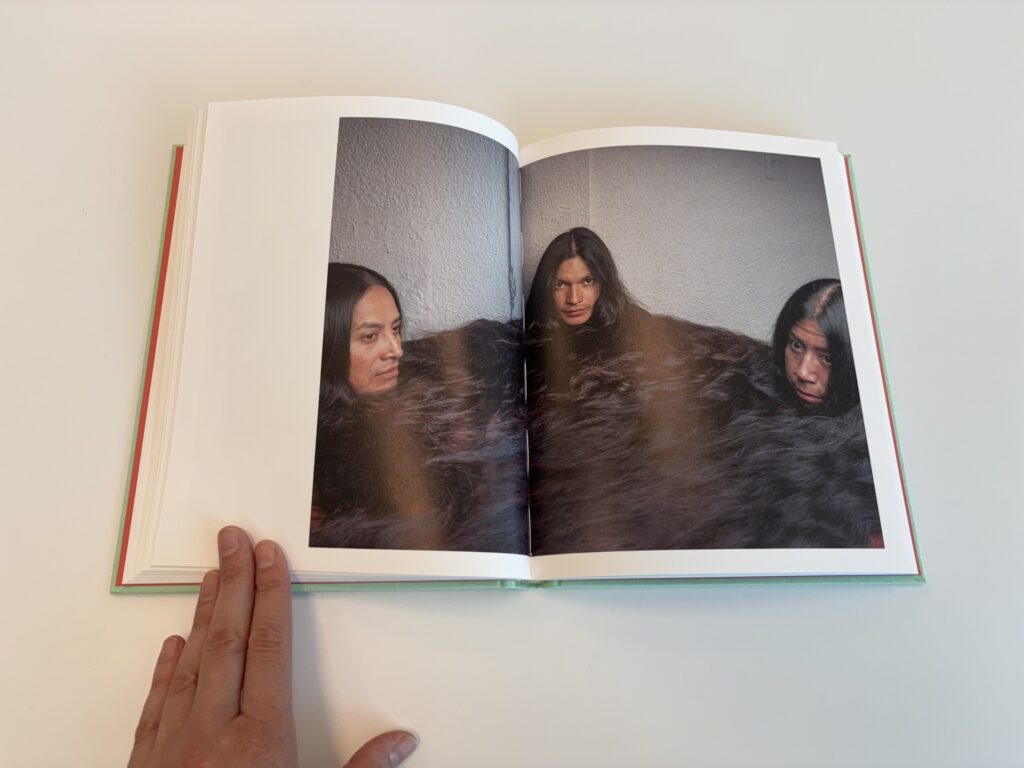
Some of Werning’s photographs carry a subtle, understated humor. In one image, a portrait of a woman with long, wavy hair is playfully counterpointed by an arm entering the frame holding a forkful of equally wavy noodles, creating a visual echo that draws a light, unexpected parallel between texture and form. There are several other playful interventions throughout, where Werning introduces a conceptual layer to the project. In one particularly striking image, a mass of long, thick, dark hair fills nearly the entire frame, while the heads of three men appear above it, almost as if floating on the carpet-like surface it creates.
What becomes increasingly evident as one moves through the book is that Las Pelilargas is not merely about hair as an aesthetic phenomenon, but about what hair carries. In many Latin American cultures, long hair has complex associations, intersecting with ideas of femininity, tradition, resistance, and even spirituality. Werning does not over-explain these associations; instead, she allows them to surface through repetition and variation. A young girl with impossibly long braids stands beside an older woman whose silver hair reaches just as far, suggesting continuity across generations. In another image, hair falls almost to the ground, nearly merging with the landscape, as if the body itself were extending into the earth.
The sequencing of the book reinforces this cumulative effect. Rather than organizing the images geographically or narratively, Werning opts for a more associative flow. Similar gestures echo across spreads, textures recur, and visual rhymes emerge between distant images. This approach encourages a different mode of viewing; less linear, more immersive. It shows how hair interacts with wind, how it absorbs light differently depending on its condition, how it becomes a site of labor through braiding and care.
Werning’s use of long hair as both subject and structuring device also situates Las Pelilargas within a longer lineage of Latin American photography, where hair has often functioned as a powerful visual and cultural signifier. The book also recalls Francesca Allen’s Konkursas, a project centered on young women participating in local beauty contests in Lithuania, where an equally understated approach allows small shifts in pose, styling, and environment to build a nuanced, collective portrait through rhythm and quiet repetition rather than overt narrative framing.
Las Pelilargas is at once a celebration of a specific cultural practice, a formal exploration of a visual motif, and a meditation on time and continuity. Werning’s photographs offer a space in which questions can linger. What does it mean to maintain something over years, even decades? How do bodily practices carry cultural memory? And how might photography, with its own complex relationship to time, make those processes visible? Las Pelilargas is both a playful ethnography and a deeply felt visual archive, a photobook that takes a seemingly modest premise and expands it into a quietly radical meditation on identity, time, and cultural persistence.
Collector’s POV: Irina Werning does not appear to have consistent gallery representation at this time. As a result, interested collectors should likely follow up directly with the artist via her website (linked in the sidebar.)