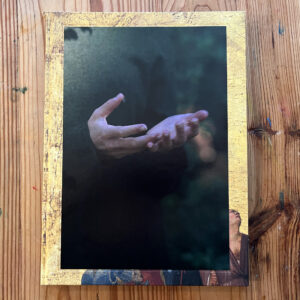
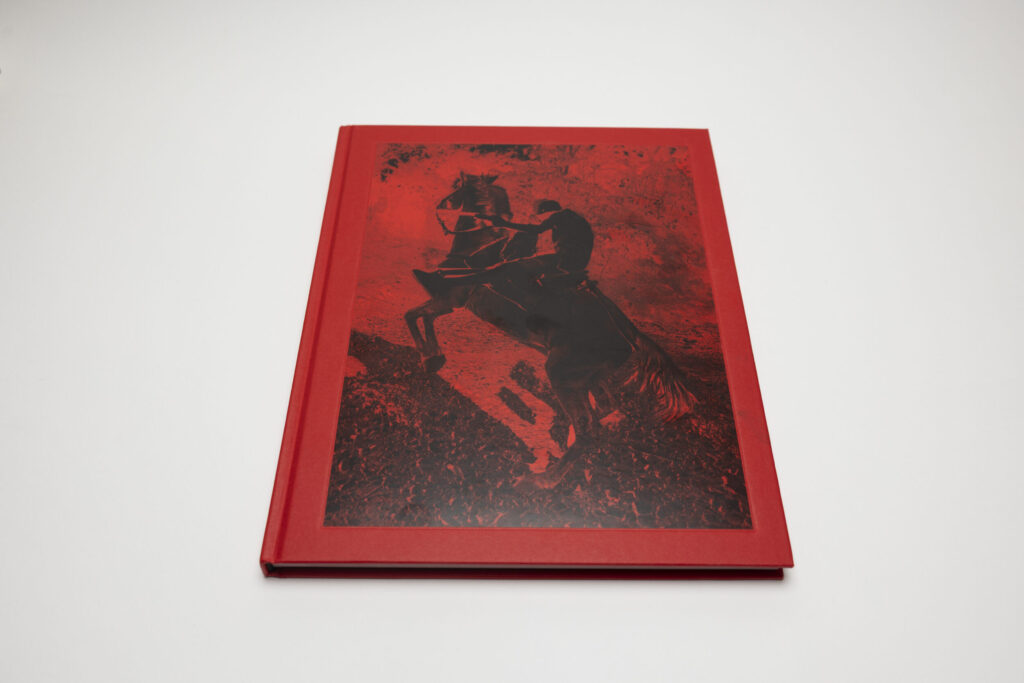
JTF (just the facts): Co-published in 2025 by Editorial RM (here) and Paloma Editions (the artist’s self-publishing house). Hardcover (20 x 34 cm), 88 pages, with 144 color and black-and-white photographs. Includes texts by Clara Inés Guerrero García and Neudis Marimon Cañate, and the artist. Design by Estudio Herrera and the artist. (Cover and spread shots below.)
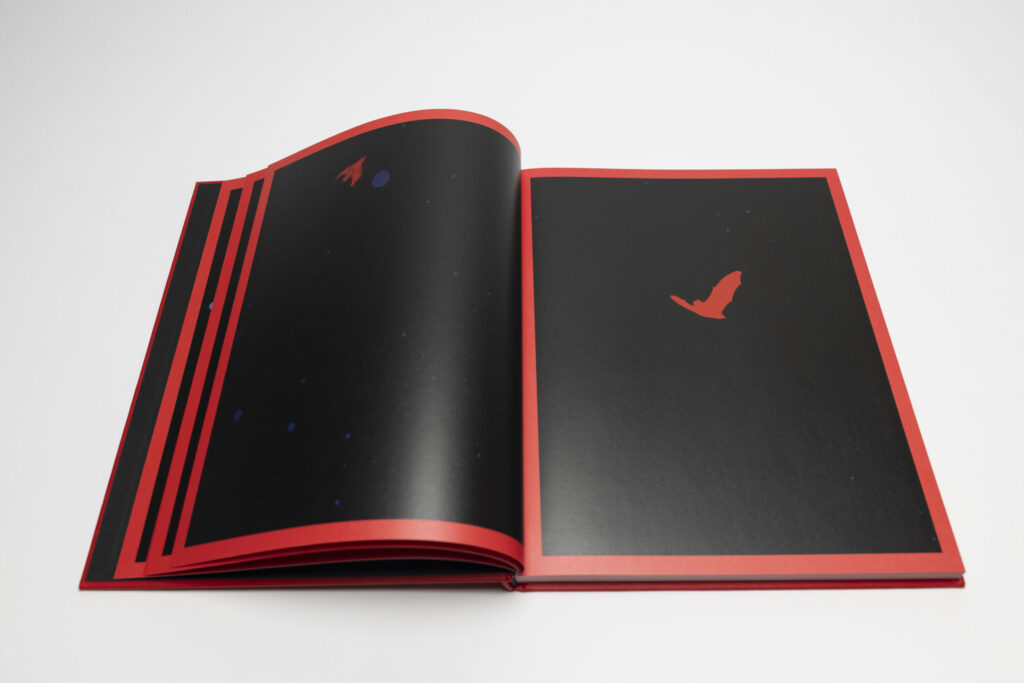
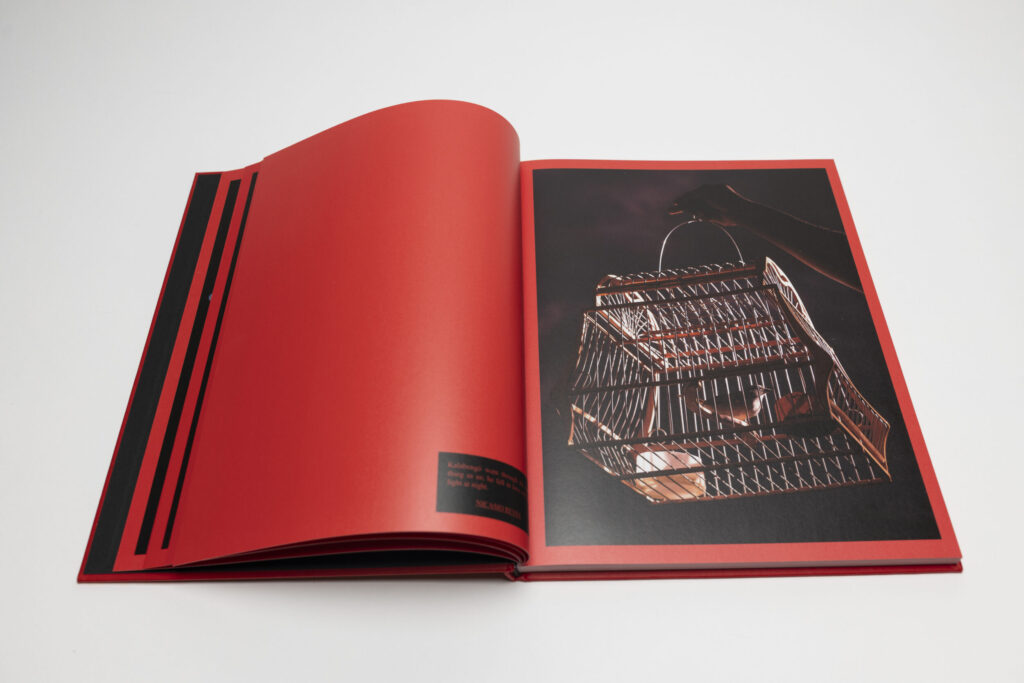
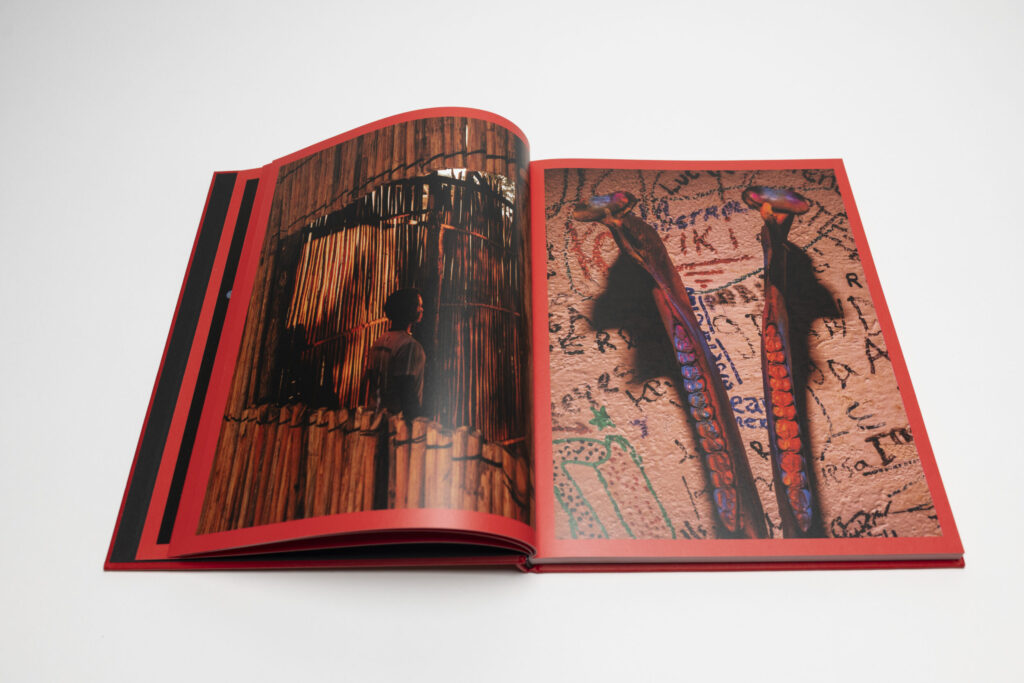
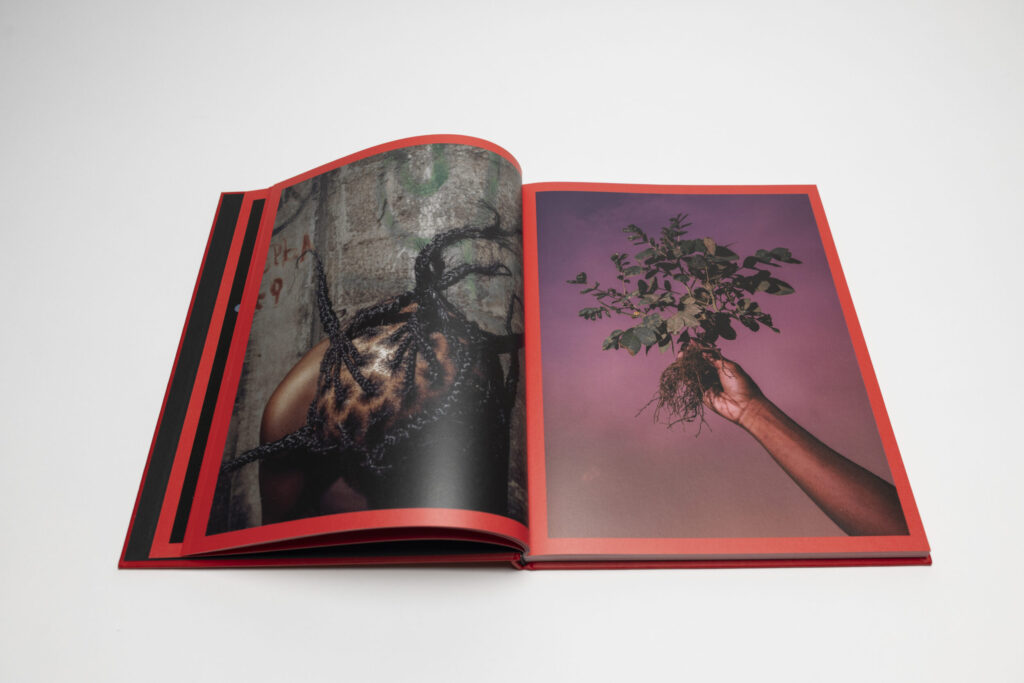
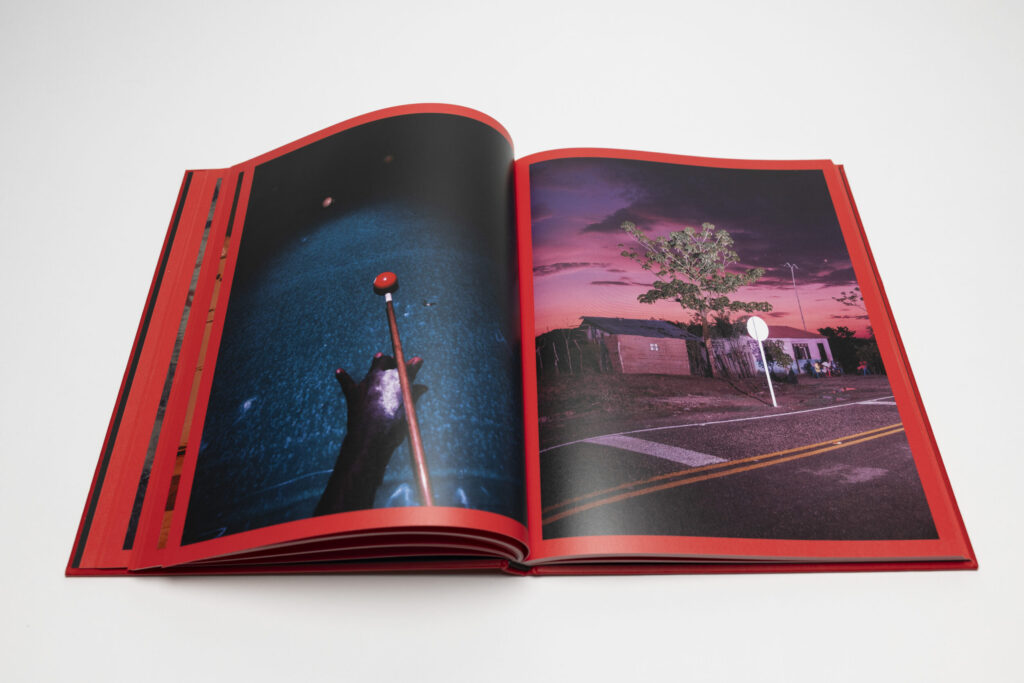
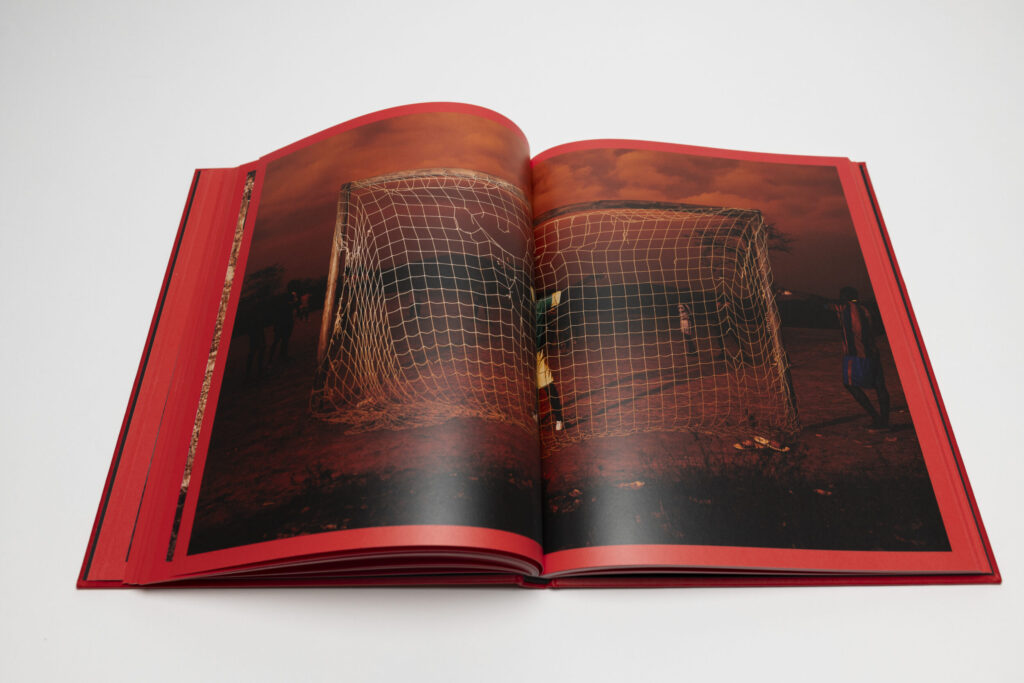
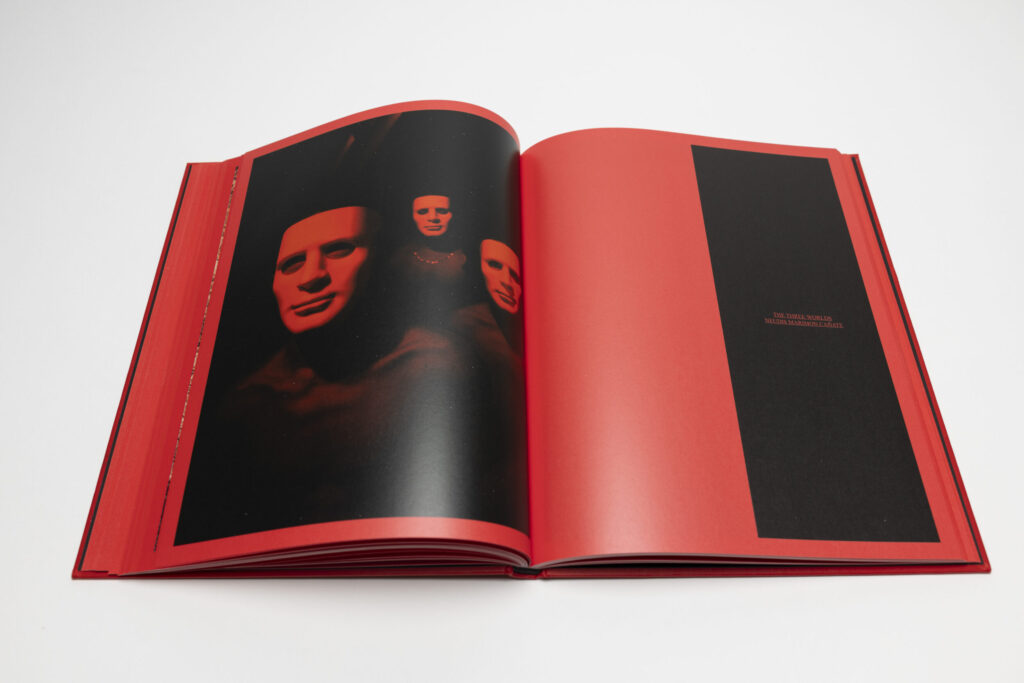
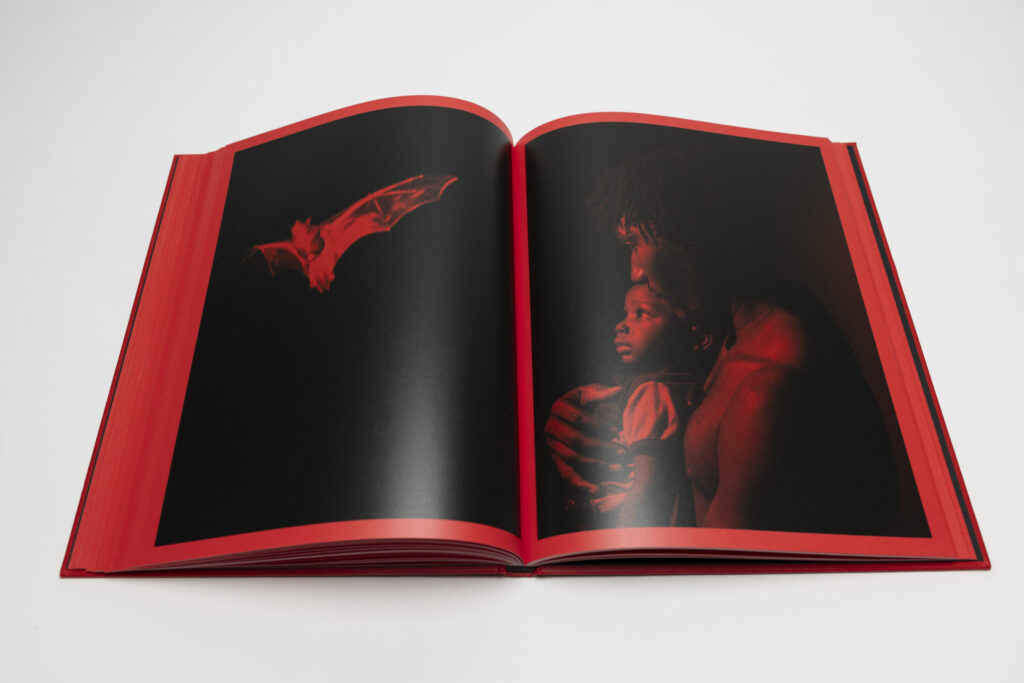
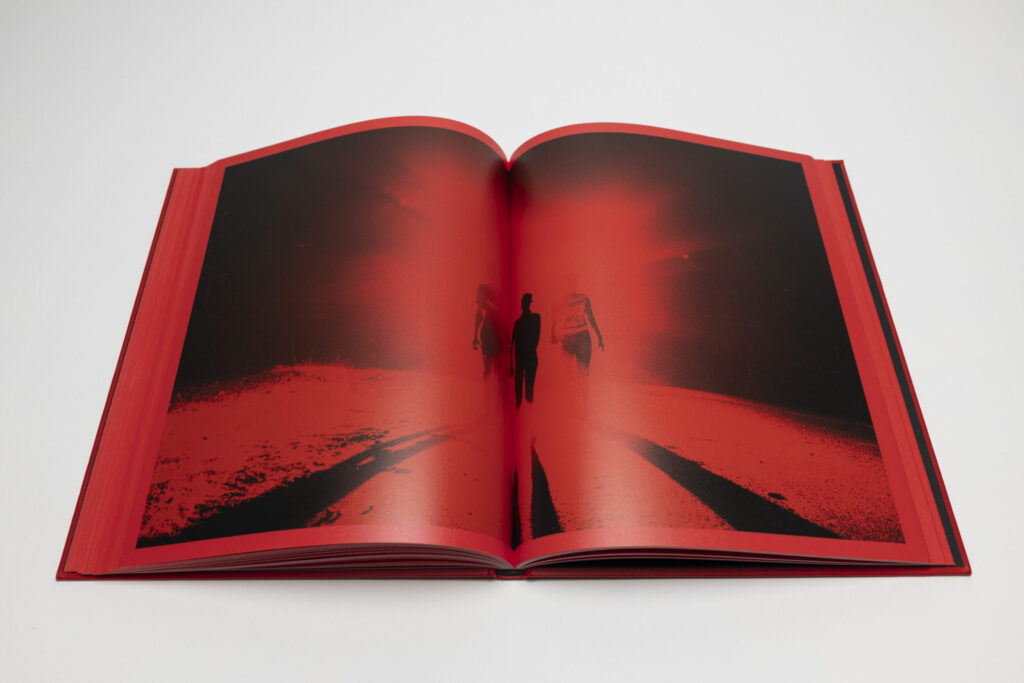
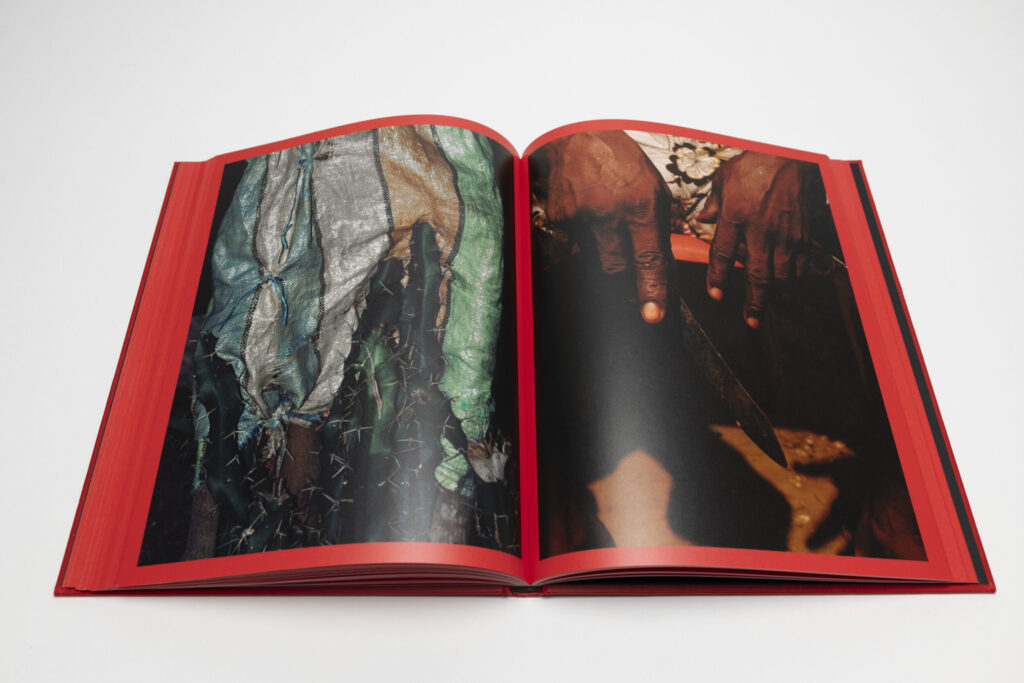
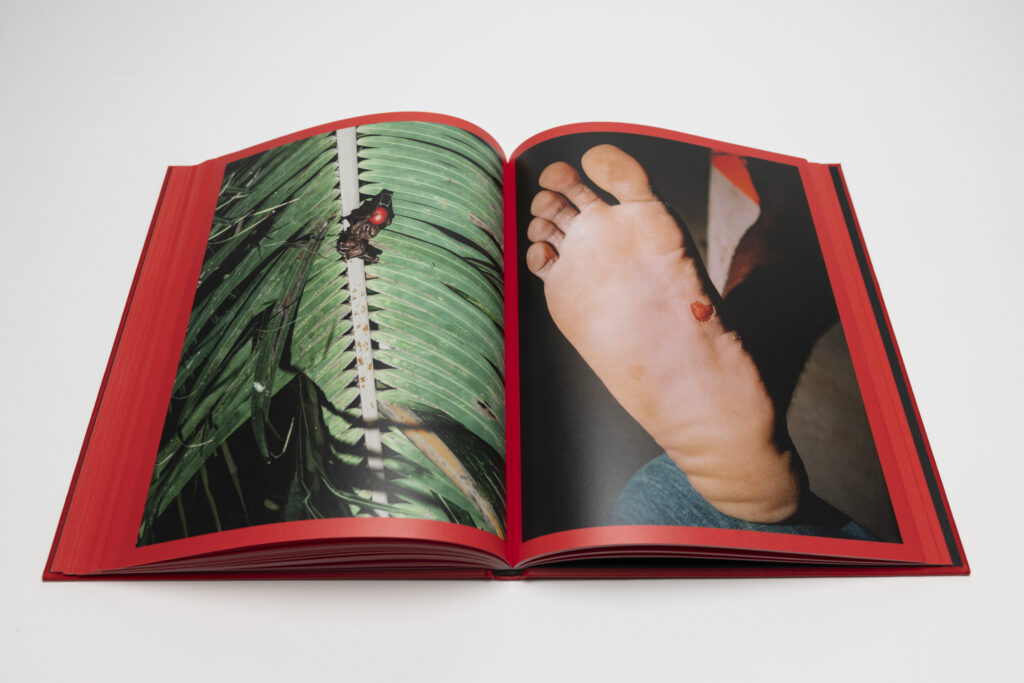
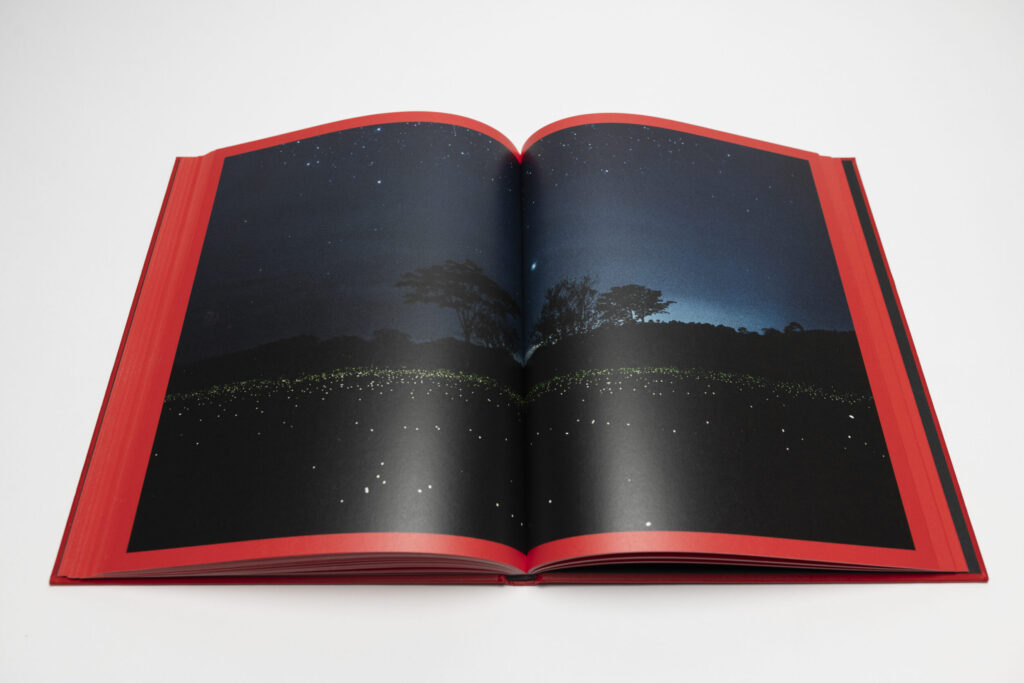
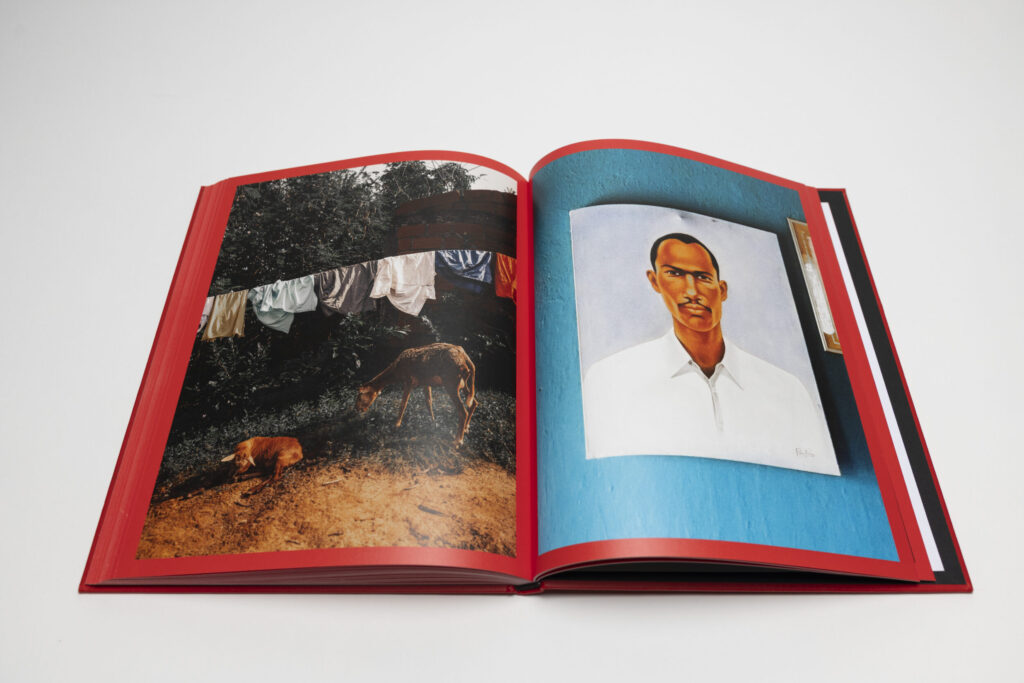
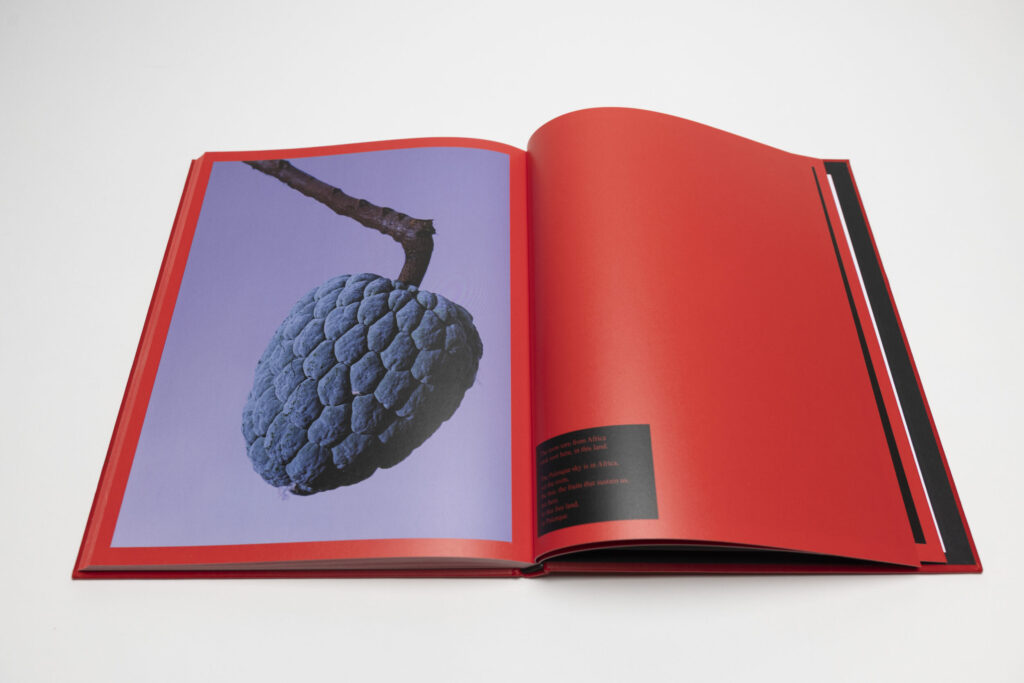
Comments/Context: The work of the Colombian photographer Jorge Panchoaga is known for crafting evocative visual narratives that examine his home country’s layered identities and complex historical legacy. In his new photobook Kalabongó, he delves into the rich history and vibrant culture of San Basilio de Palenque, an Afro-descendant community on Colombia’s Caribbean coast that has been fighting for freedom and autonomy since its founding in 1599.
The title Kalabongó (the Palenquero word for fireflies) sets the tone for the book’s conceptual framework. Legend has it that the first free people who founded San Basilio de Palenque were guided to safety by the flickering light of fireflies – ephemeral and luminous creatures that now symbolize freedom’s fragile glow amid the long shadows of slavery and colonial oppression.
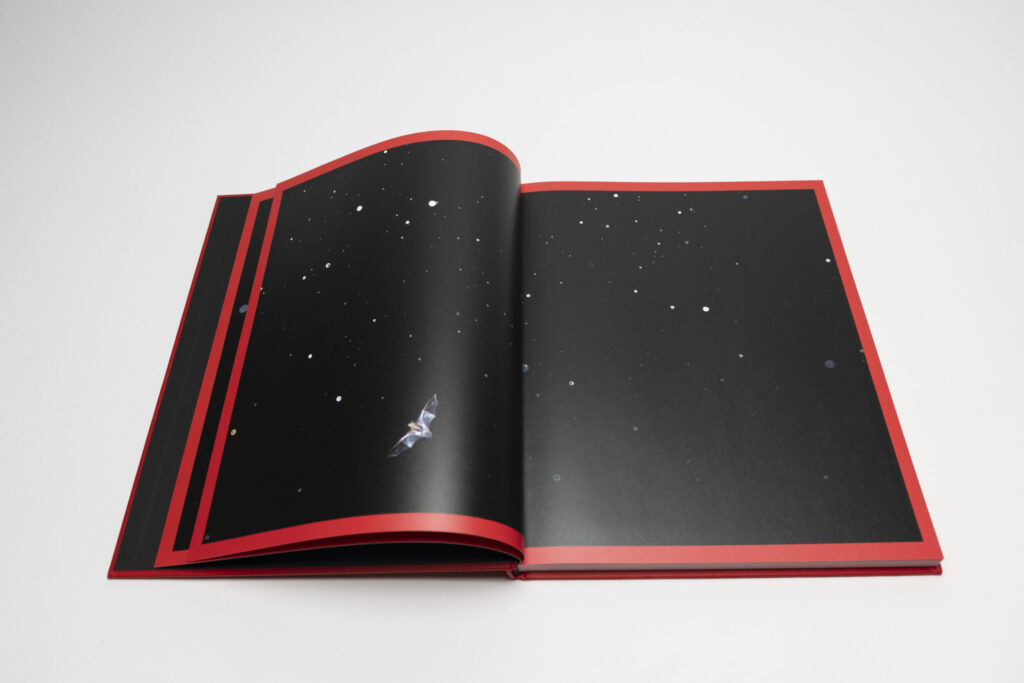
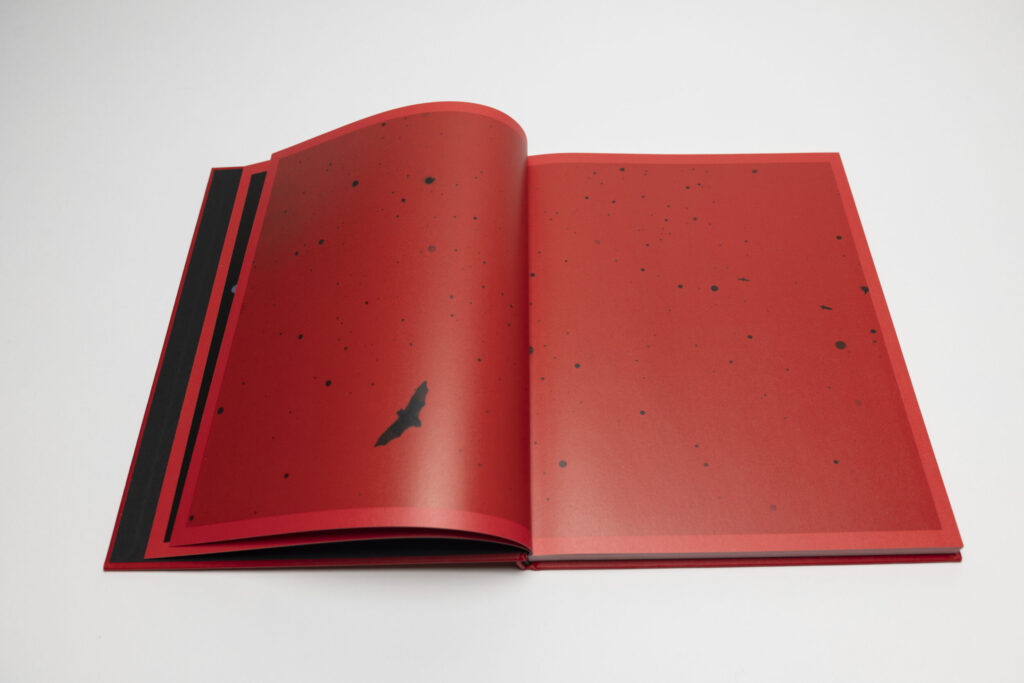
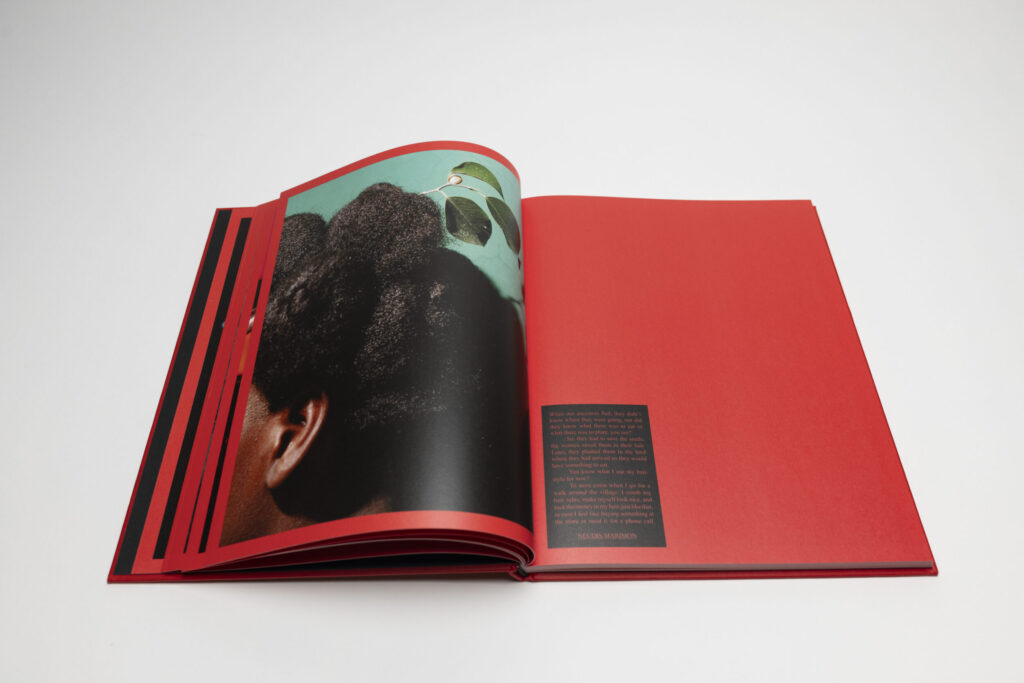
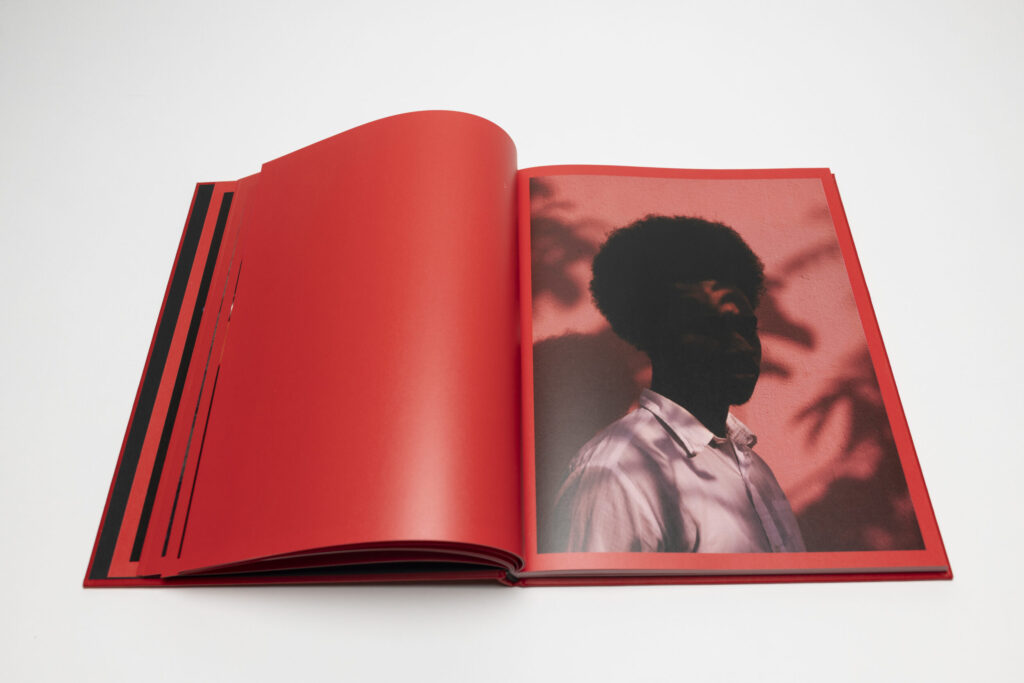
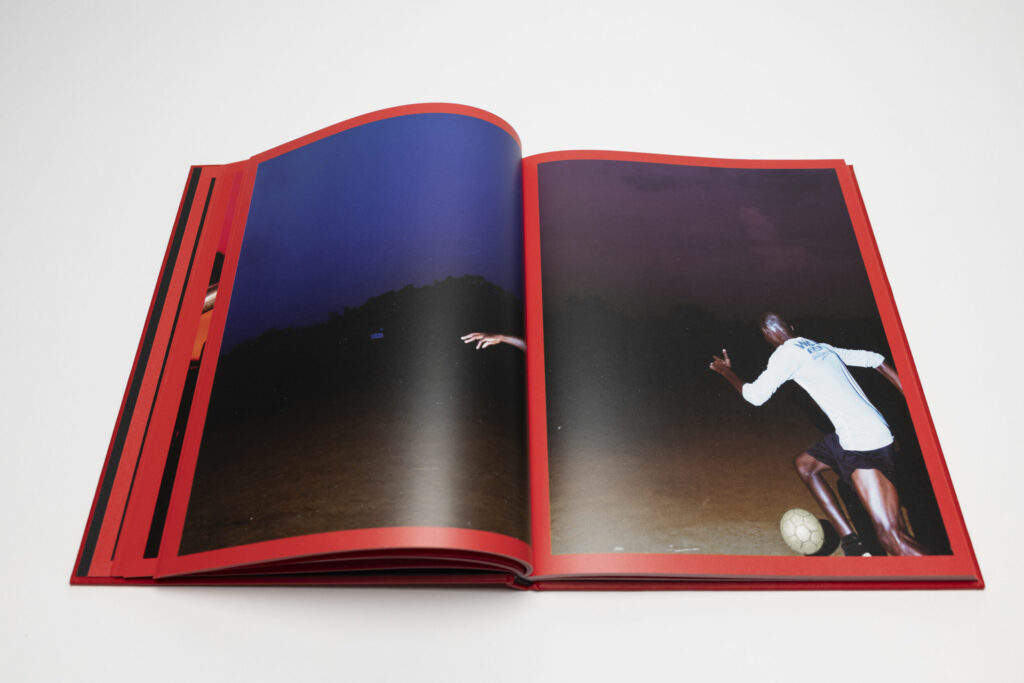
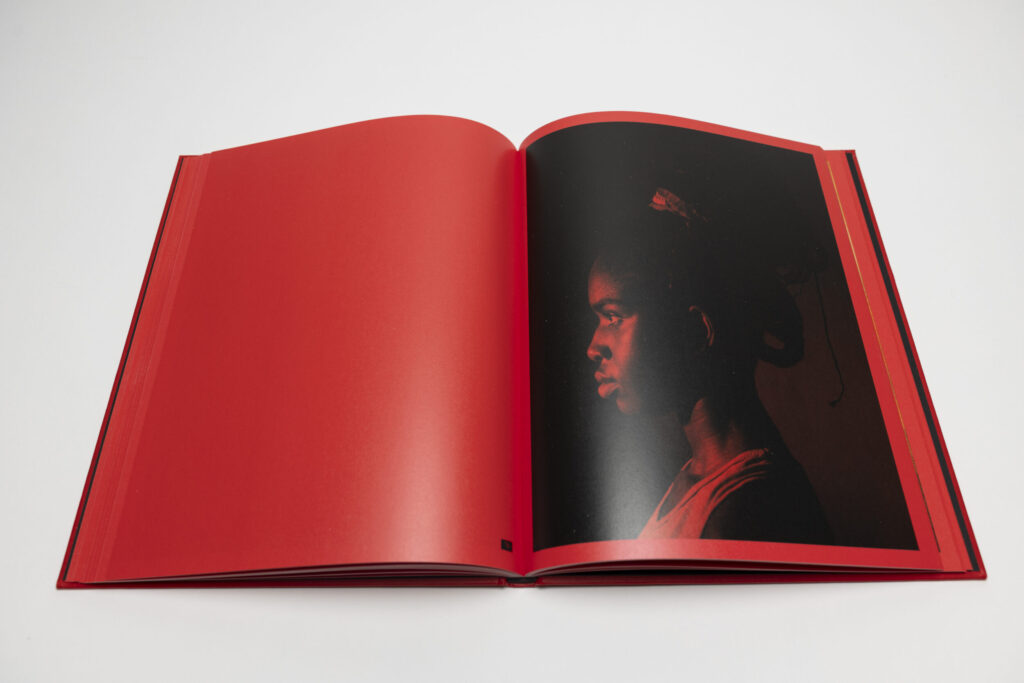
Kalabongó immediately captures the viewer’s attention with its consistently striking use of the color red. The cover features a dramatic photograph of a man on horseback, rendered entirely in red against a matching red background, with even the page edges tinted in a soft red hue. The visual impact of all of these reds is bold and intense. Inside, the images (all of the photographs were made at night) are framed by thin red borders, and even the blank pages are saturated in red, reinforcing the book’s immersive atmosphere. The page numbers appear in a red font in black squares, and a selection of captions and thumbnails are placed at the very end. Texts appear in a red font against black background with red borders (intentionally blinding your eyes), fortifying the visual narrative with scholarly poetics. And Kalabongó easily lays flat making the entire interaction even more enjoyable.
The book opens with a sequence of photographs depicting fireflies. The images are rather abstract – there are blurred lights, indistinct forms, traces of movement, etc. Bats flutter alongside plants, fireflies illuminate the contours of ancestral features, and dwellings seem to breathe with ancestral voices. Collaborating closely with the local community, Panchoaga has woven together striking images that embrace the nonliteral and the incongruent. The book also integrates plenty of oral history. Texts by Clara Inés Guerrero García and Neudis Marimon Cañate accompany the photographs, threading together ancestral stories passed down through generations. These narratives recount the 1599 escape of thirty enslaved individuals from Cartagena de Indias, their creation of mobile hamlets, and their eventual defiance of colonial forces. These oral accounts remind us that history lives not only in archives, but also in kitchens, in ritual songs, and in the quiet persistence of memory.
Panchoaga’s approach to portraiture is nuanced. His subjects are often depicted in moments of introspection or isolation, and their expressions contemplative rather than performative. There is a sense of trust between photographer and his subjects, a mutual understanding that the camera is not an intruder but a witness. In one image, a woman stands in profile, her face softly illuminated while her gaze is directed out of the frame. Figures often appear suspended in ether, bathed in a dim glow, or shadowed, their bodies almost metaphorical. Hairstyles are knitted with seeds, hands clutch at roots, and fireflies skirt across dusky skies: every image contains symbolism, an archaeology of memory, or a myth resurfaced in flesh. The portraits do not seek to define identity, they allow it to unfold.
The nocturnal setting of the entire series is more than an aesthetic choice; it is a political one. Panchoaga has stated that “the night is an accomplice of the light of freedom” and this sentiment runs through the book. Night becomes a temporal space where resistance is possible, where fugitives can move unseen, and where stories can be told without fear. It is also a metaphor for historical erasure, the darkness into which marginalized narratives are often cast. By photographing at night, Panchoaga reclaims that space, illuminating it with the firefly’s glow.
Elements of Kalabongó bring to mind Michele Sibiloni’s book Nsenene (reviewed here) and his bright green color photographs with deep shadows and abstraction capturing the night harvesting of grasshoppers in Uganda, and Samuel James’s striking documentation of fireflies in Nightairs (reviewed here). There are also visual connections to Cyril Costilhes’s direct-flash-after-dark shots in his photobook Grand Circle Diego (reviewed here).
Panchoaga’s visual storytelling is layered and interpretive, inviting us to engage with the material on multiple levels. The interplay between image and text encourages an interactive dialogue, where meaning is co-constructed rather than imposed. In this way, the book opens a space for contemplation and questions. What does freedom look like? How is it remembered? How is it passed on? Kalabongó celebrates the maroons of San Basilio de Palenque, their courage, their stories, and their descendants. It takes us on a slow, deliberate, and luminous journey into the heart of collective memory.
Collector’s POV: Jorge Panchoaga does not appear to have consistent gallery representation at this time. Collectors interested in following up should likely connect directly with the artist via his website (linked in the sidebar).