JTF (just the facts): Published in 2026 by SPBH Editions/MACK Books (here). Softcover (21×29.7 cm), 168 pages, with 116 color and black-and-white photographs. Design by Brian Paul Lamotte. (Cover and spread shots below.)
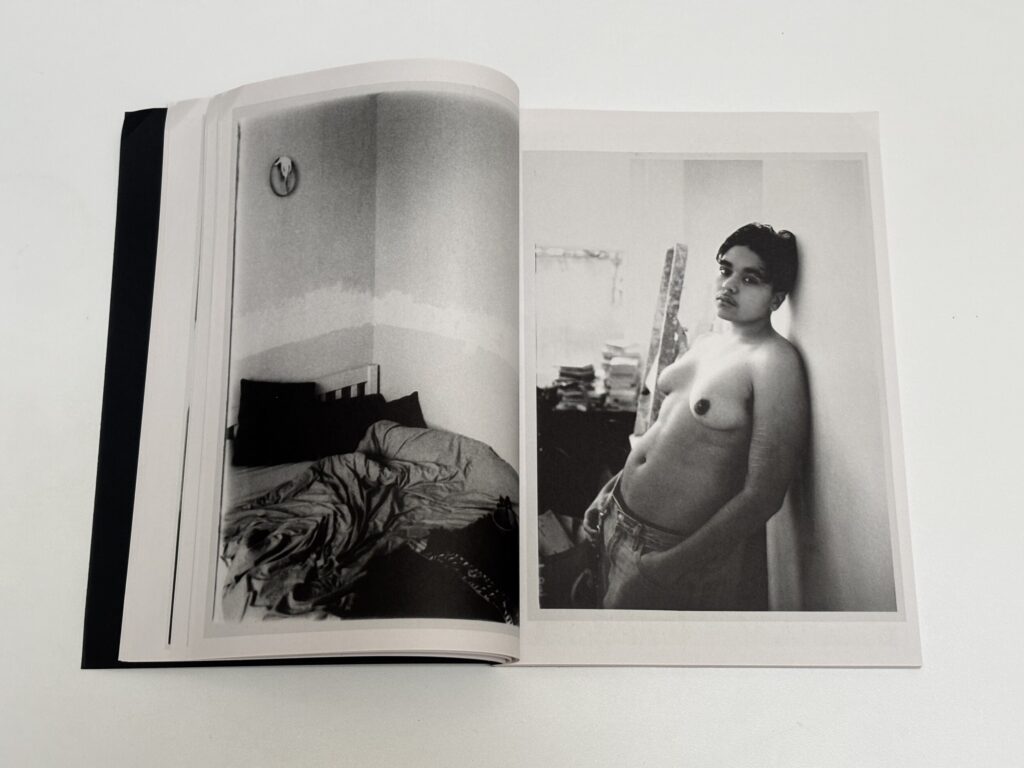
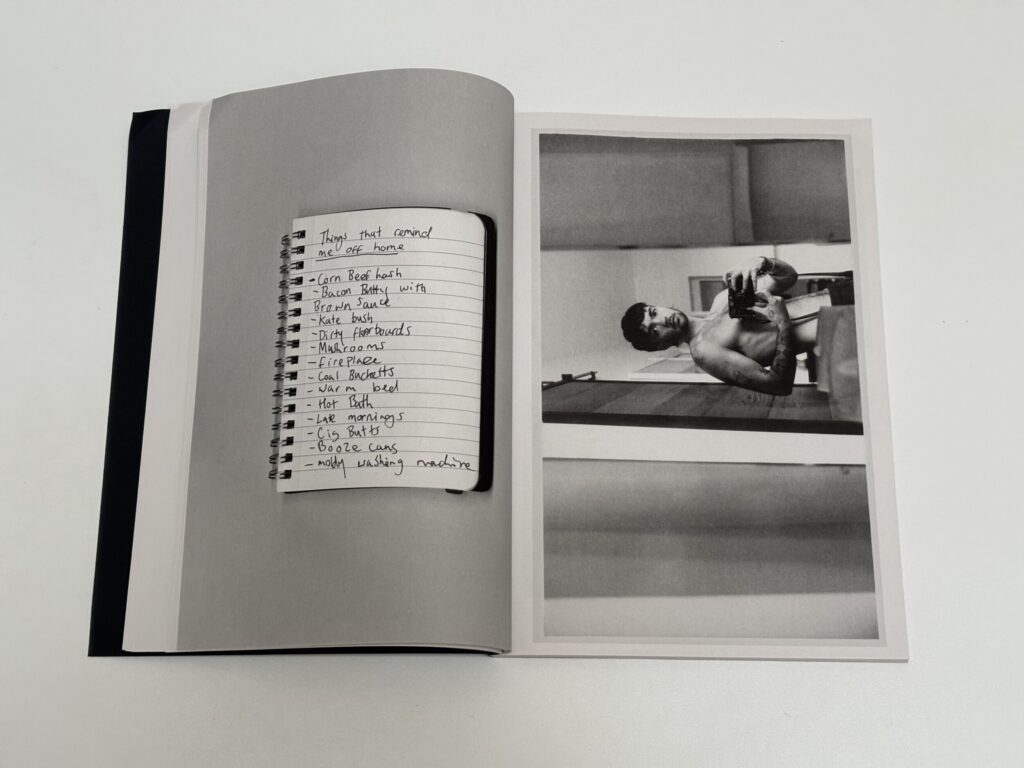
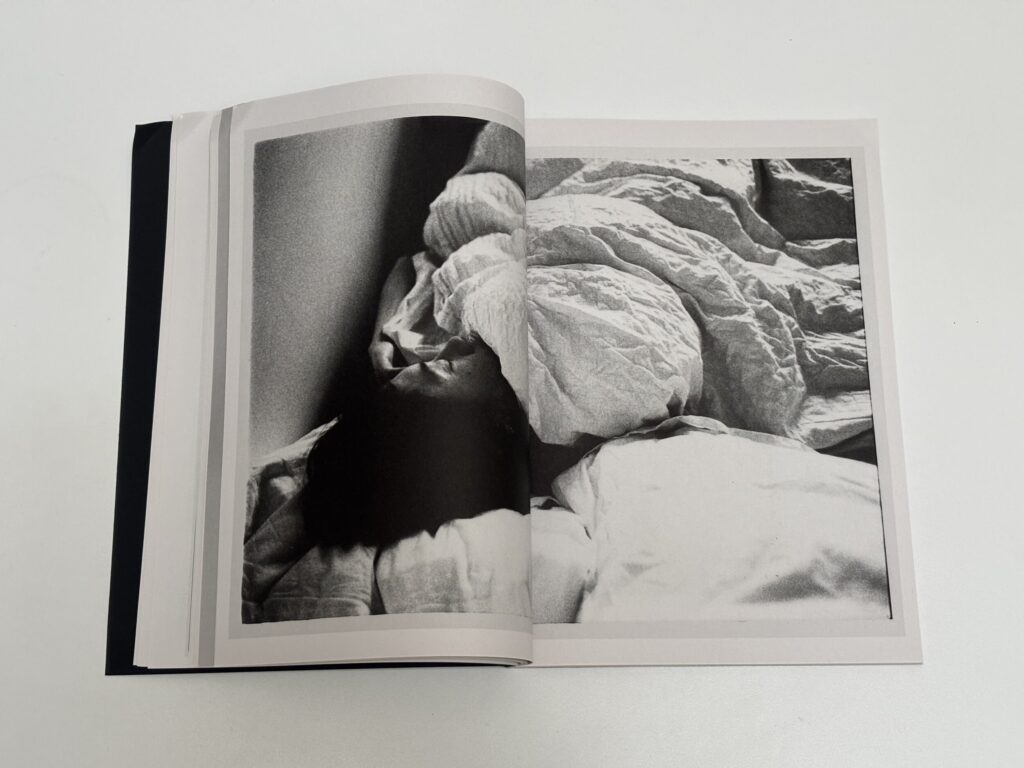
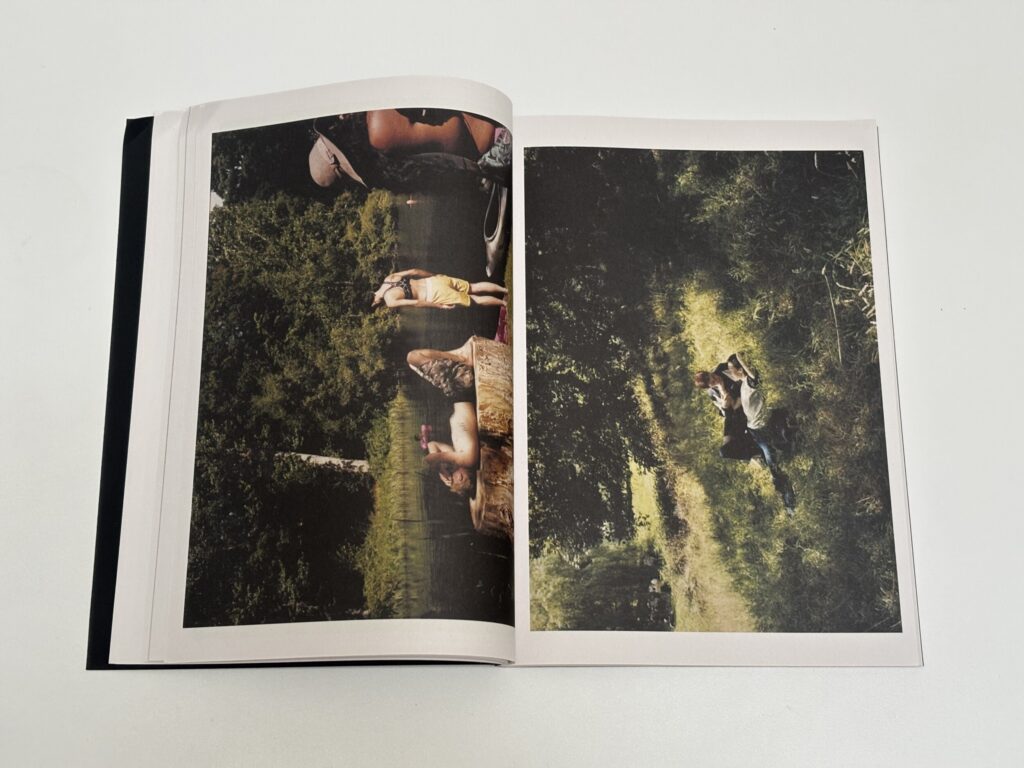
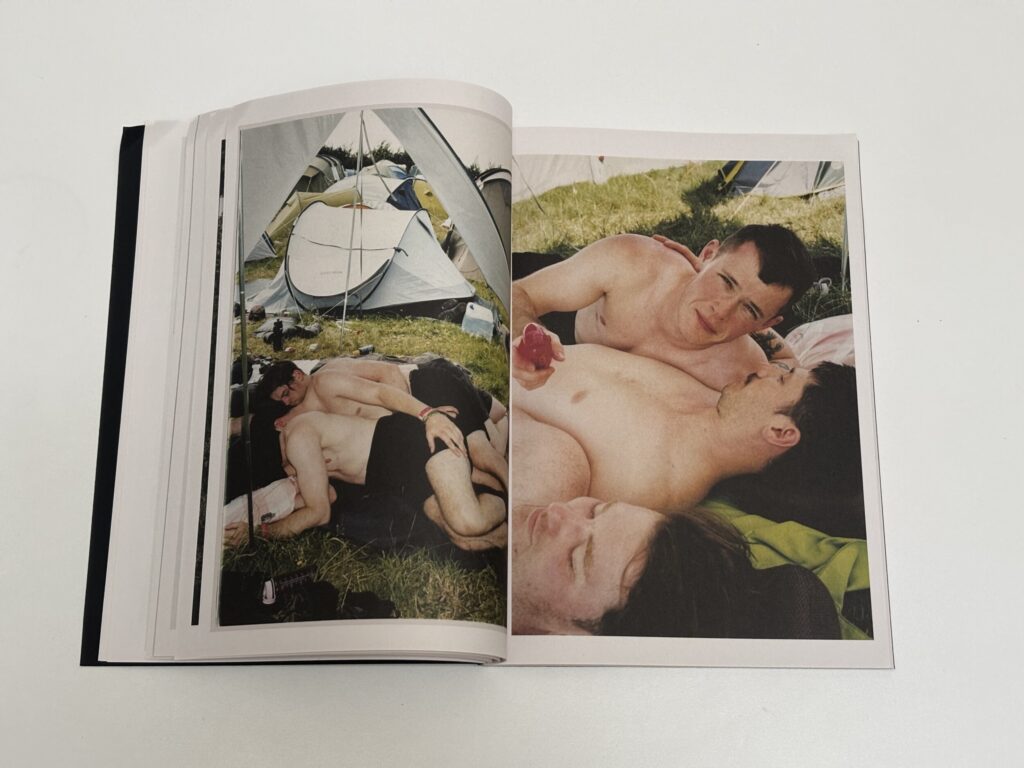
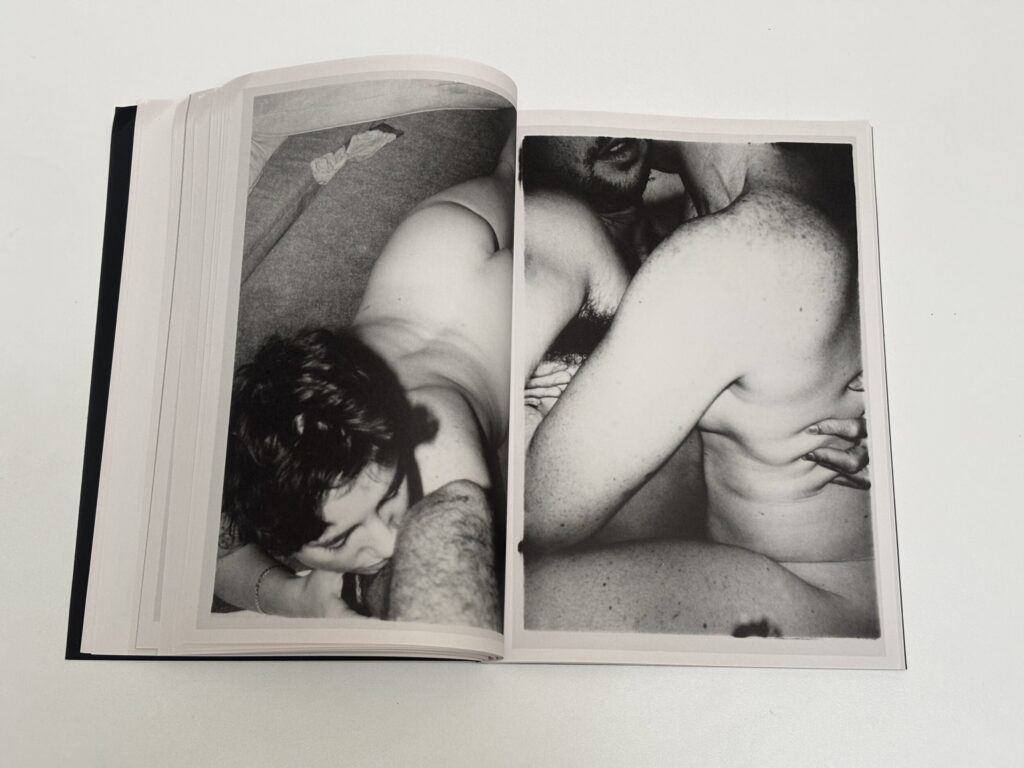
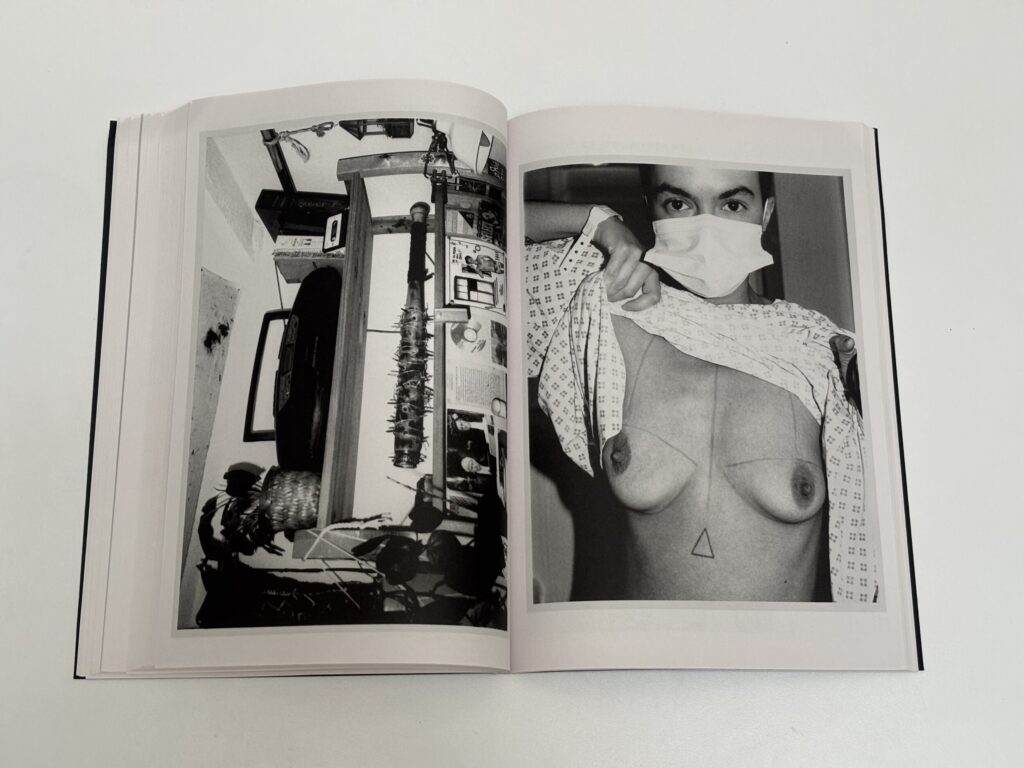
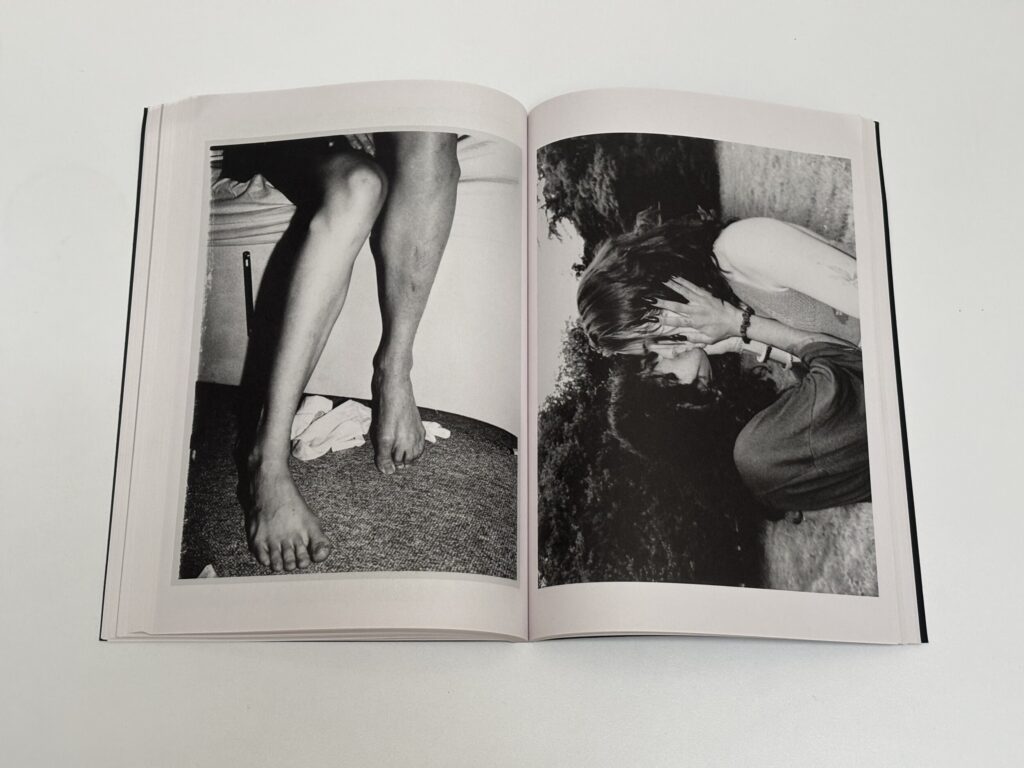
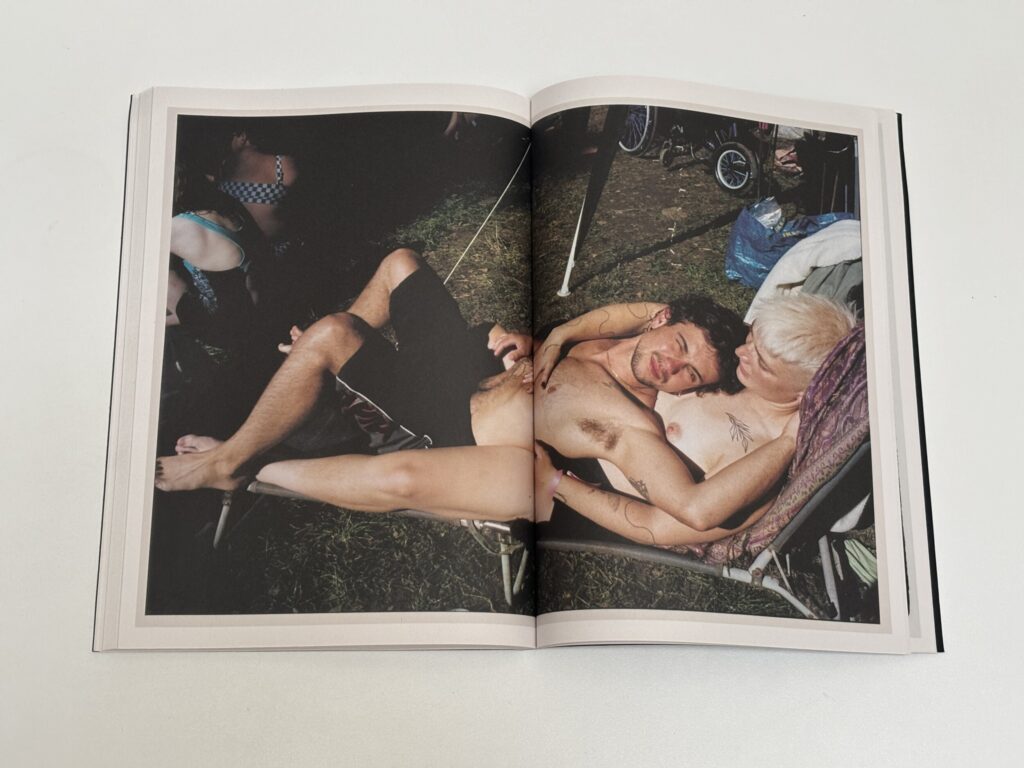
Comments/Context: The Sound of Dirt and Beauty, the first photobook by the British photographer Jesse Glazzard, brings together photographs made over roughly a decade (primarily during the 2010s and early 2020s) among friends, lovers, and collaborators in the United Kingdom. Across portraits, everyday scenes, diary excerpts, intimate interiors, and shared moments, Glazzard constructs a layered social landscape rooted in working-class life and informed by underground queer culture.
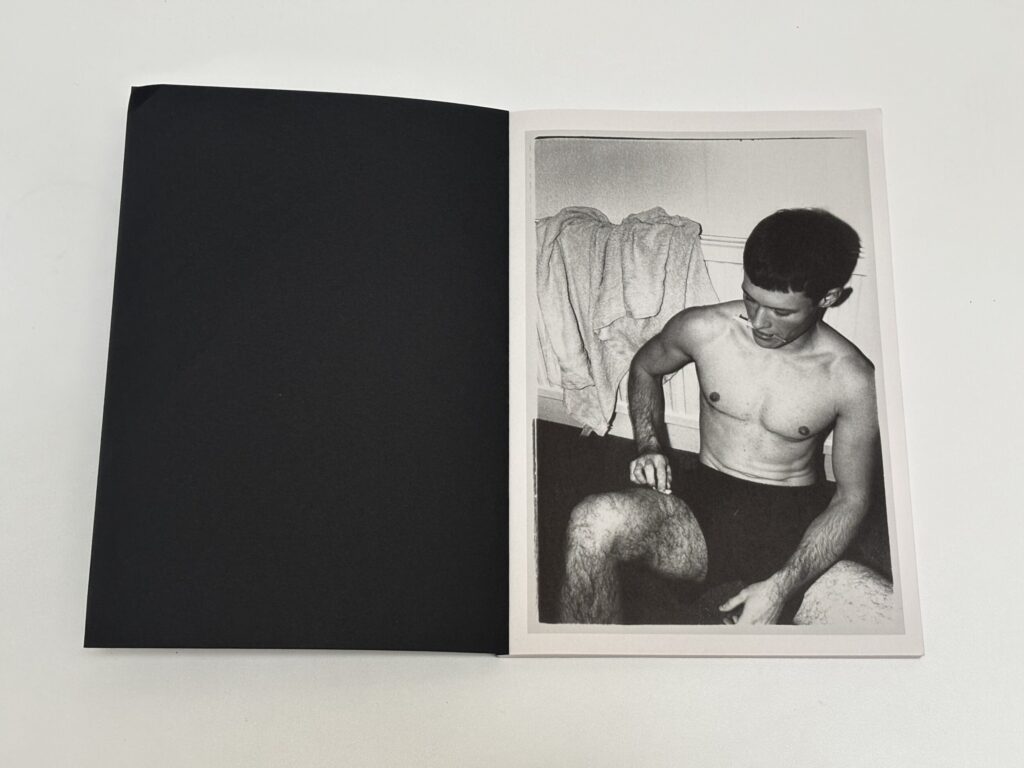
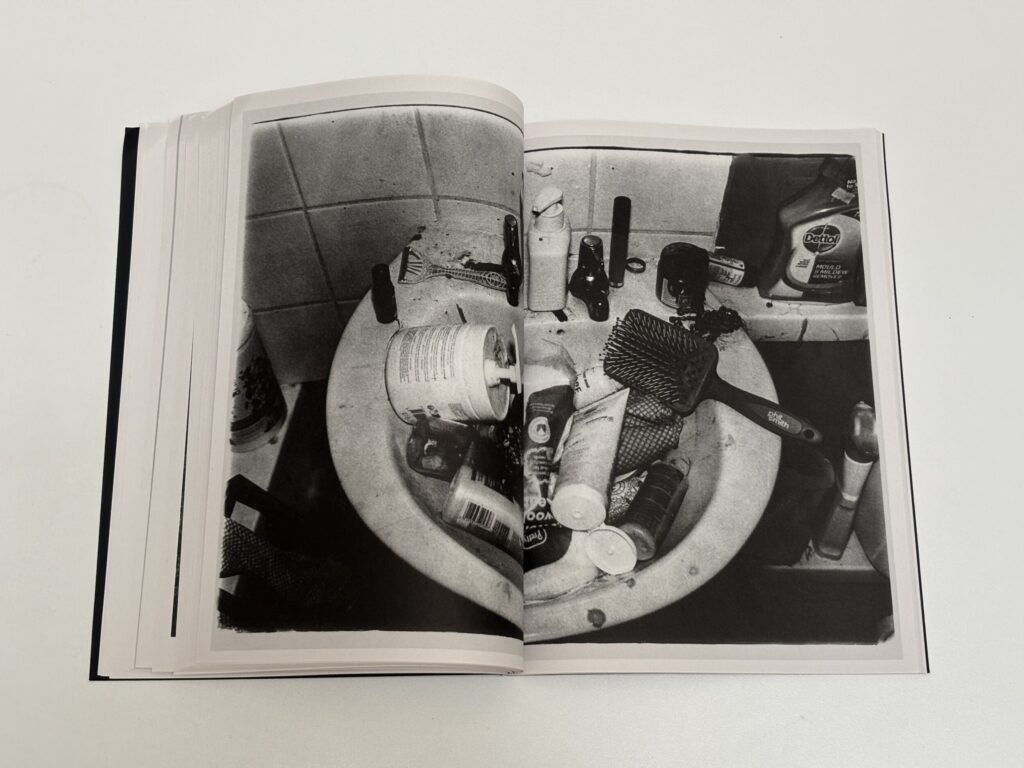
Glazzard is particularly attentive to the small details of everyday life. The photographs move through bedrooms, kitchens, bathrooms, shared spaces, and informal gatherings, lingering on moments that might otherwise pass unnoticed. Portraits are interwoven with observations of domestic environments and personal traces, creating a sense of continuity between people and the spaces they inhabit. Because the work emerges from long-standing relationships, the pictures carry an ease and familiarity that allows the project to unfold from the inside outward.
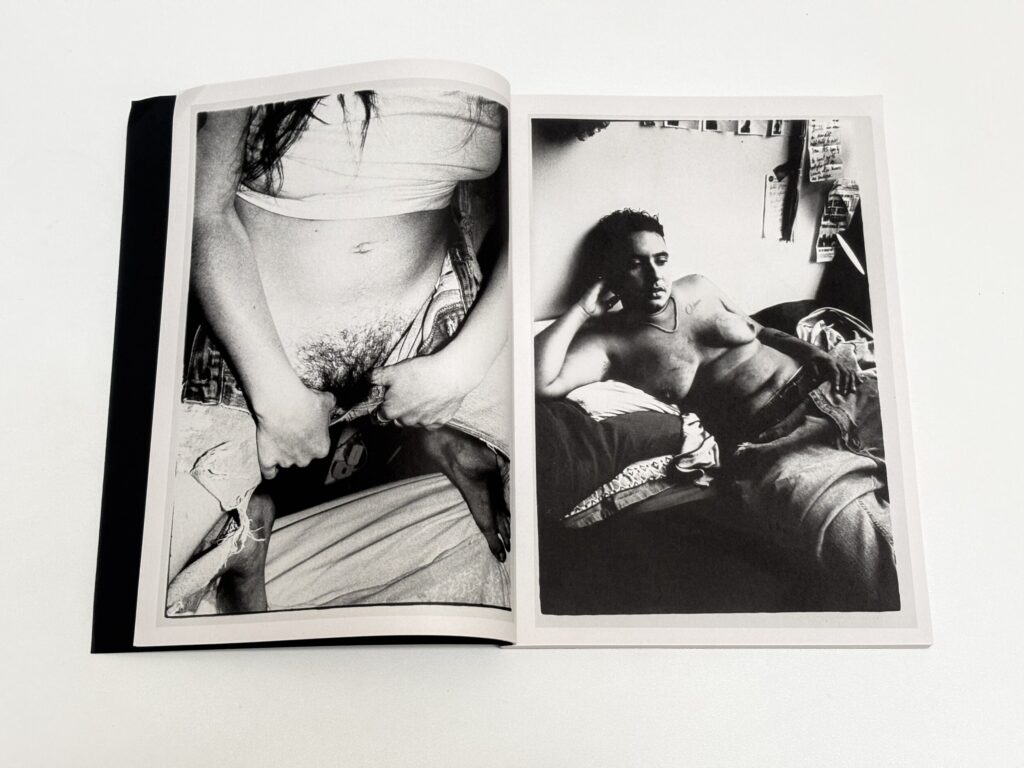
Glazzard approaches queer life with a light touch, allowing identity to remain part of the picture without making it the sole point of focus. His subjects are presented as individuals first, moving through friendships, relationships, domestic spaces, and everyday routines. Moments of intimacy sit alongside awkwardness, humor, boredom, and uncertainty, creating a broader sense of lived experience. Rather than organizing the work around a singular narrative, the book leaves room for complexity and contradiction, trusting these small, accumulated observations to carry the emotional weight of the project.
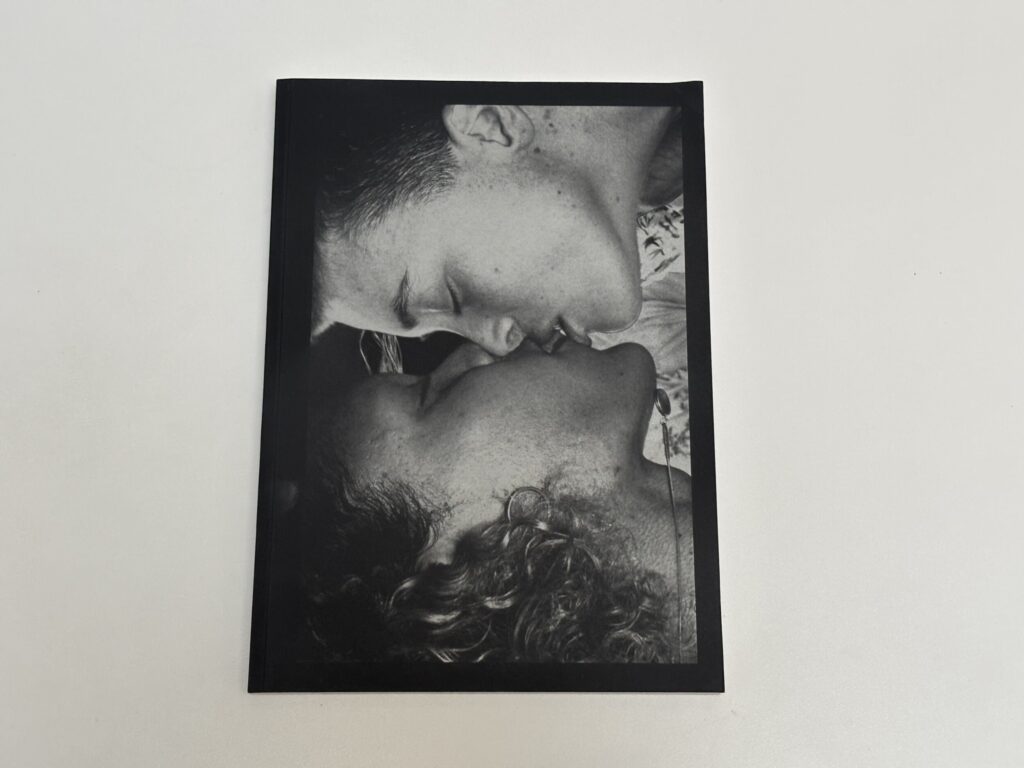
As a photobook, The Sound of Dirt and Beauty is understated but thoughtfully resolved. The softcover format feels light and approachable in the hand, echoing the project’s roots in zine-making and self-publishing. A close-cropped photograph of a young couple kissing, printed in silver, fills the front cover almost entirely, framed only by a narrow black border. The title and Glazzard’s name appear discreetly on the spine in a handwritten script, introducing a personal note that continues throughout the book’s design. Inside, the presentation remains consistent and uncluttered, with most images given a page of their own. This straightforward approach keeps the focus on the photographs and allows the relationships between images to develop naturally from spread to spread. The pacing is calm and unhurried, without dramatic shifts in design or sequencing. At the end of the book, the colophon appears entirely in the same handwritten type, a small but effective touch that reinforces the publication’s intimate, handmade sensibility.
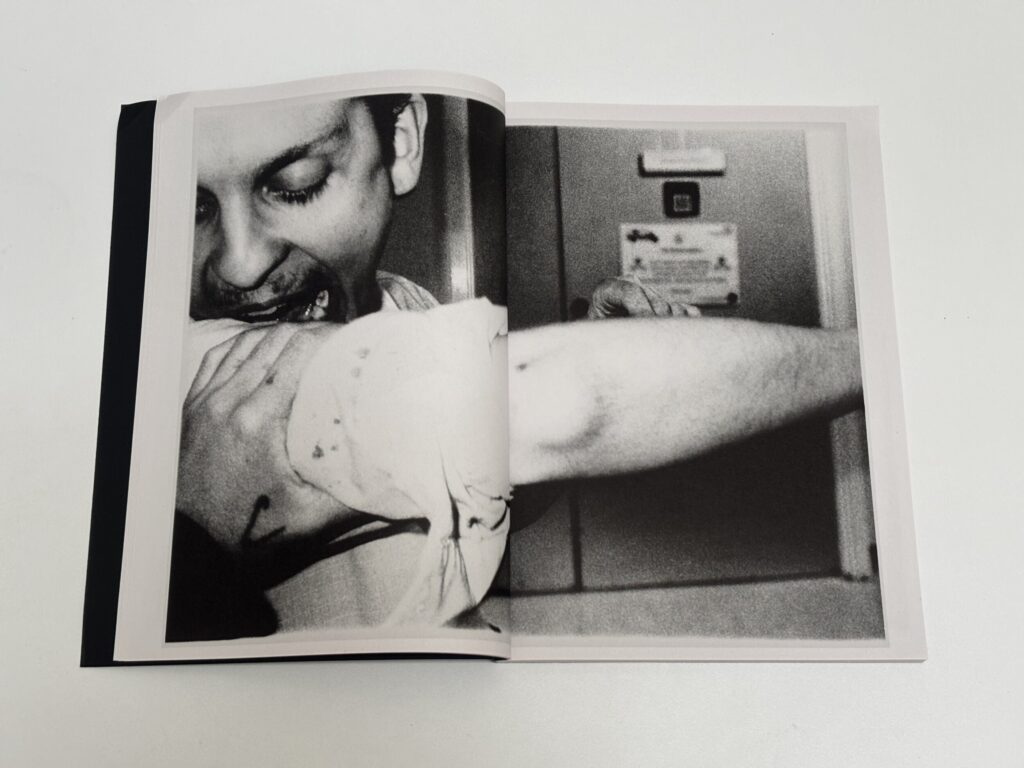
The sequencing plays a central role in producing this sense of openness. Individual photographs often gain resonance through their neighbors. A direct portrait might be followed by a picture of a sink, an unmade bed, a handwritten note, or an image whose meaning initially feels elusive. Such transitions create a conversational rhythm. As the book progresses, a sense of connection emerges gradually, shaped as much by atmosphere and familiarity as by any specific storyline. The structure mirrors the experience of remembering people over long periods, where details remain vivid even as chronology becomes blurred. The work feels cohesive without becoming overly structured, leaving space for individual photographs to resonate in different ways.
The book’s engagement with working-class life is equally nuanced. Economic realities are present in the makeshift interiors, modest rooms, shared environments, and improvisational quality that often accompanies limited resources. Yet these conditions are never treated as subjects in themselves. They form part of the background from which friendships, desires, routines, and creative identities emerge. The photographs acknowledge material circumstances without allowing them to dominate interpretation.
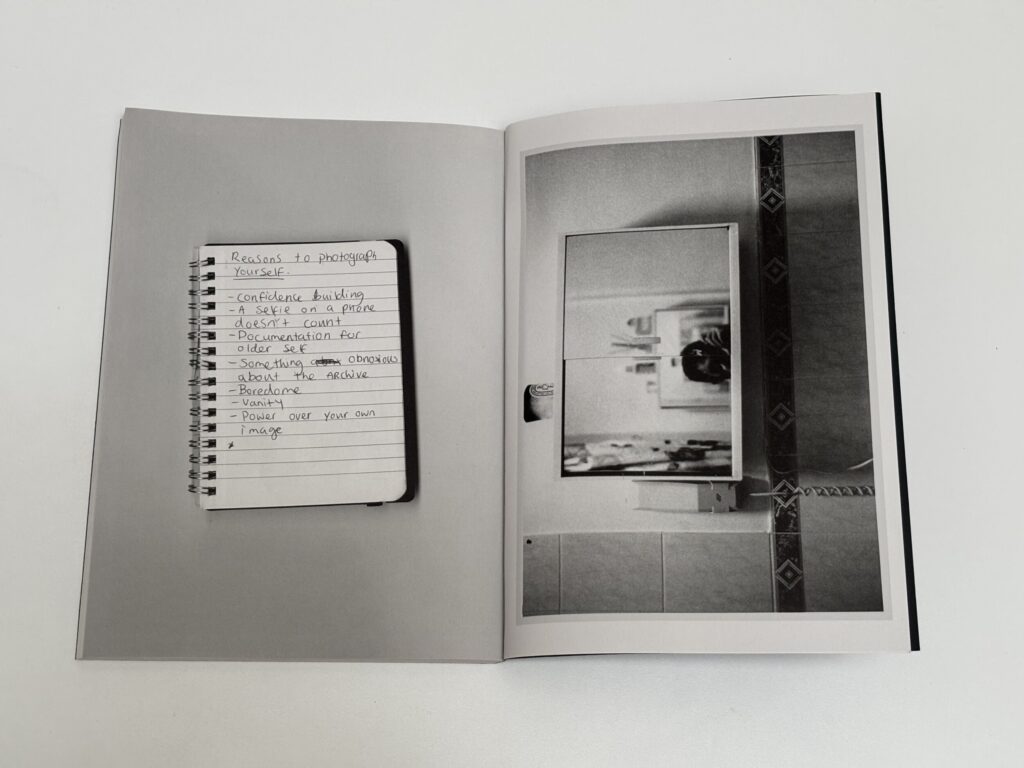
The book concludes with a particularly resonant pairing: a notebook page listing various “reasons to photograph yourself” opposite a blurred mirror reflection. Together, the images gently pull the photographer into a project that has otherwise focused on the people and communities around him. The handwritten notes touch on memory, documentation, the archive, and control over one’s own image, while the accompanying photograph offers only a partial and indirect self-portrait. As an ending, the spread feels like a reflection on the impulse behind the entire work, returning to photography itself as a tool for self-understanding and remembrance.
Glazzard’s approach inevitably recalls earlier photographers such as Nan Goldin, whose work likewise emerged from friendships, intimate relationships, and chosen communities. Like Goldin, he photographs from within his social world, using the camera less as a tool of observation than as a means of participation. Glazzard’s work is notably gentler and less confrontational, placing greater emphasis on ordinary routines, friendship, and collective belonging.
The Sound of Dirt and Beauty is built from small, accumulated observations rather than defining moments. Glazzard’s photographs move between portraits, interiors, gatherings, and everyday details, gradually sketching a network of relationships and shared experiences. Without forcing a single narrative, the book creates a convincing sense of community, finding its strength in the rhythms of ordinary life and the enduring bonds between the people it depicts.
Collector’s POV: Jesse Glazzard does not appear to have gallery representation at this time. Collectors interested in following up should likely connect directly with the artist via his website (linked above).