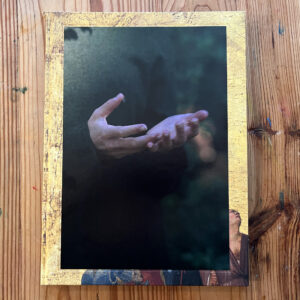
JTF (just the facts): Published in 2026 by Verlag Kettler (here). Hardcover (20 x 25 cm), 152 pages, with 88 black-and-white and color photographs. Includes texts by the artist and Joanna Wolfarth (in English and German). Design by the artist. In an edition of 350 copies. (Cover and spread shots below.)
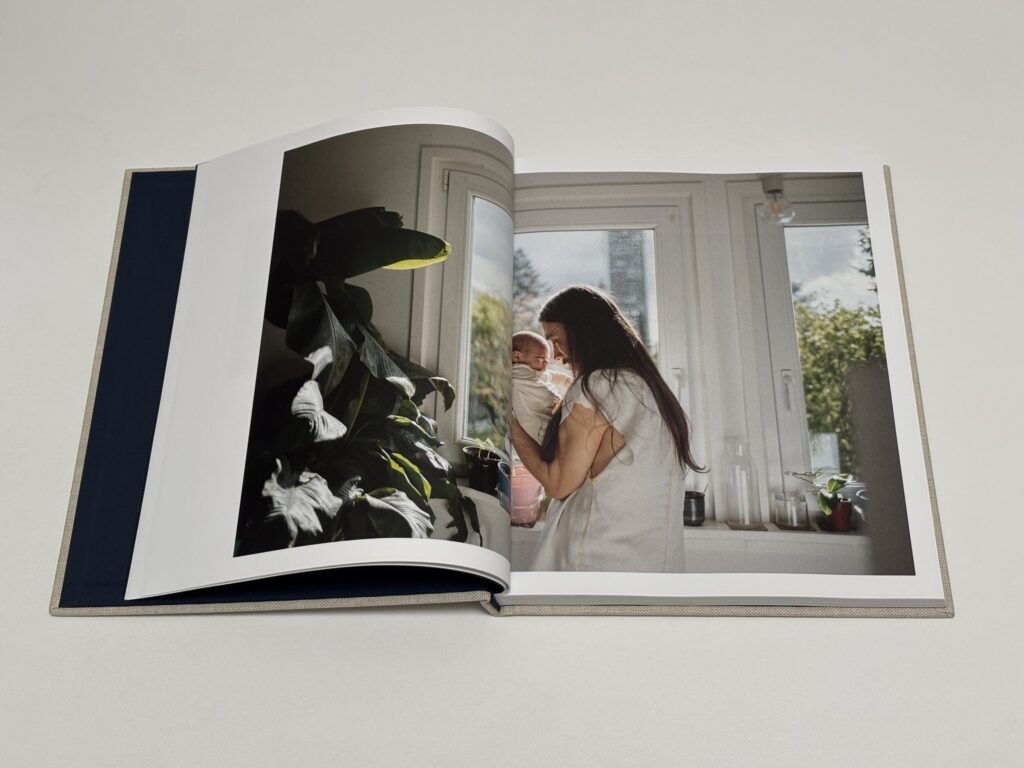
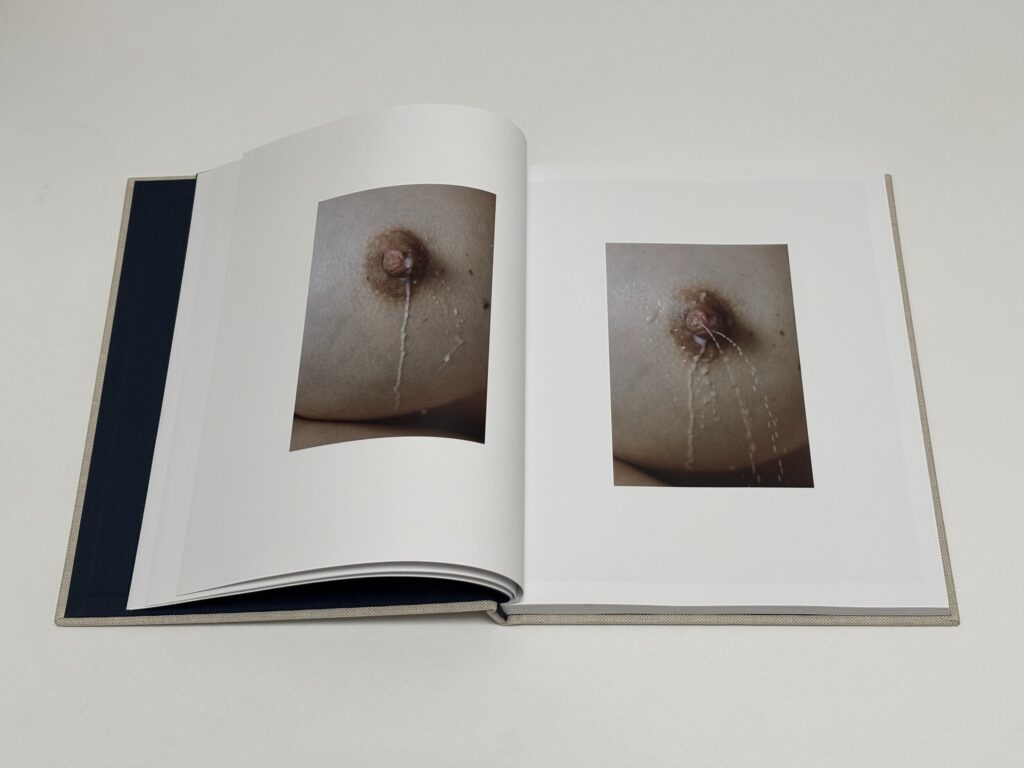
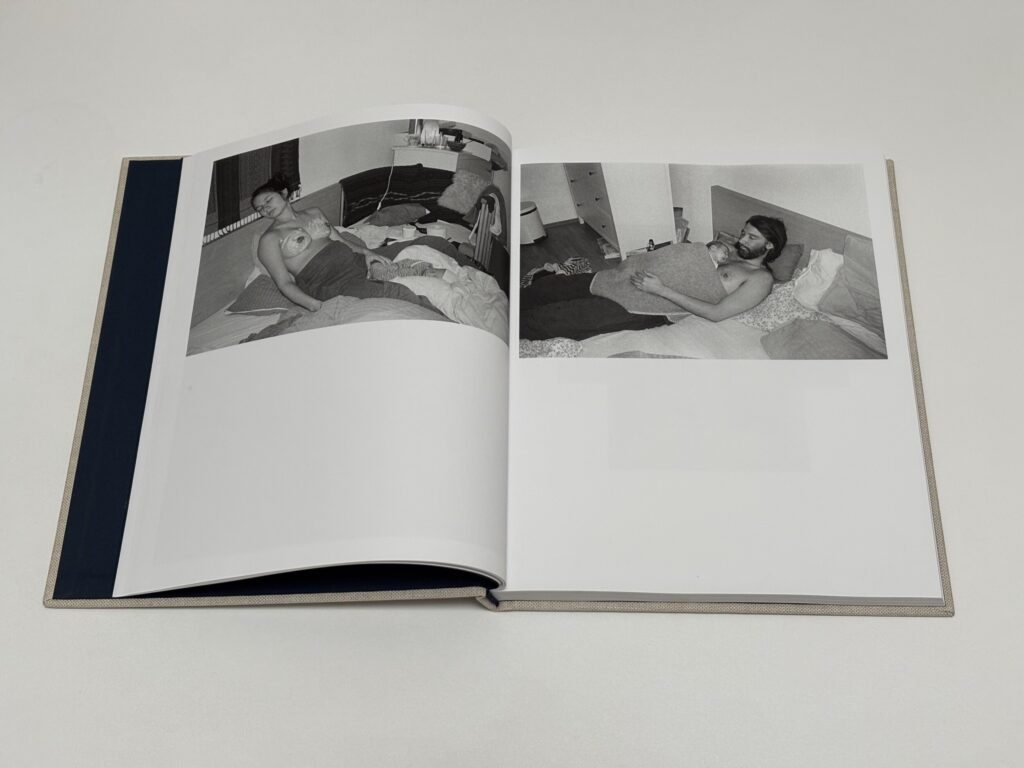
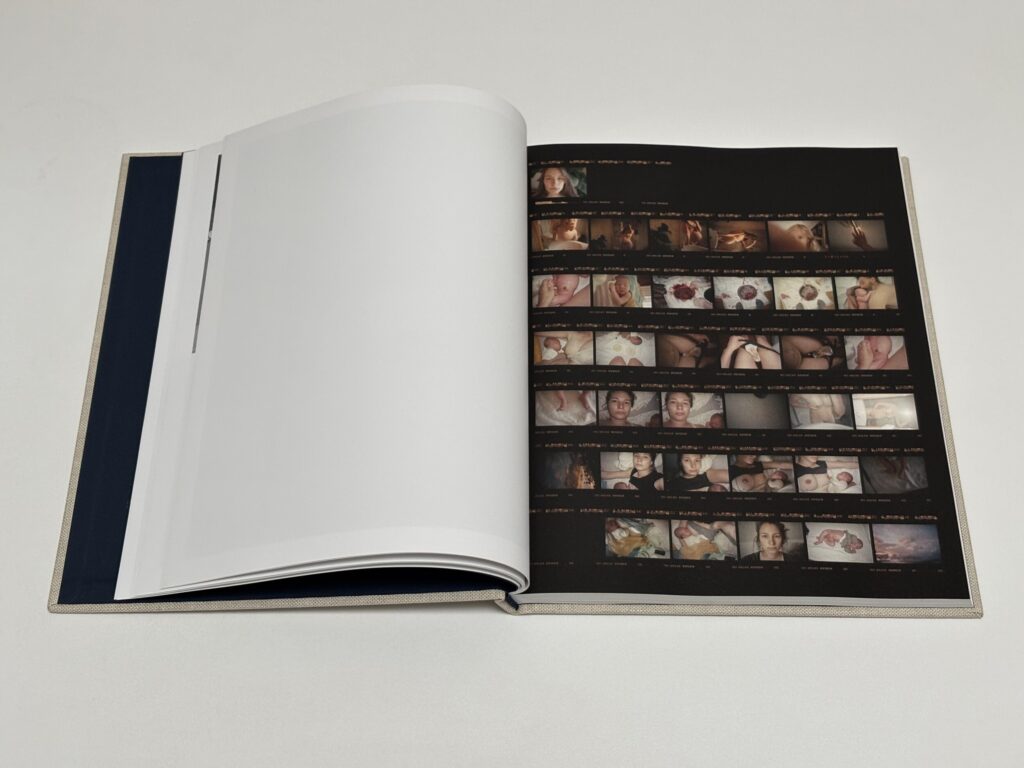
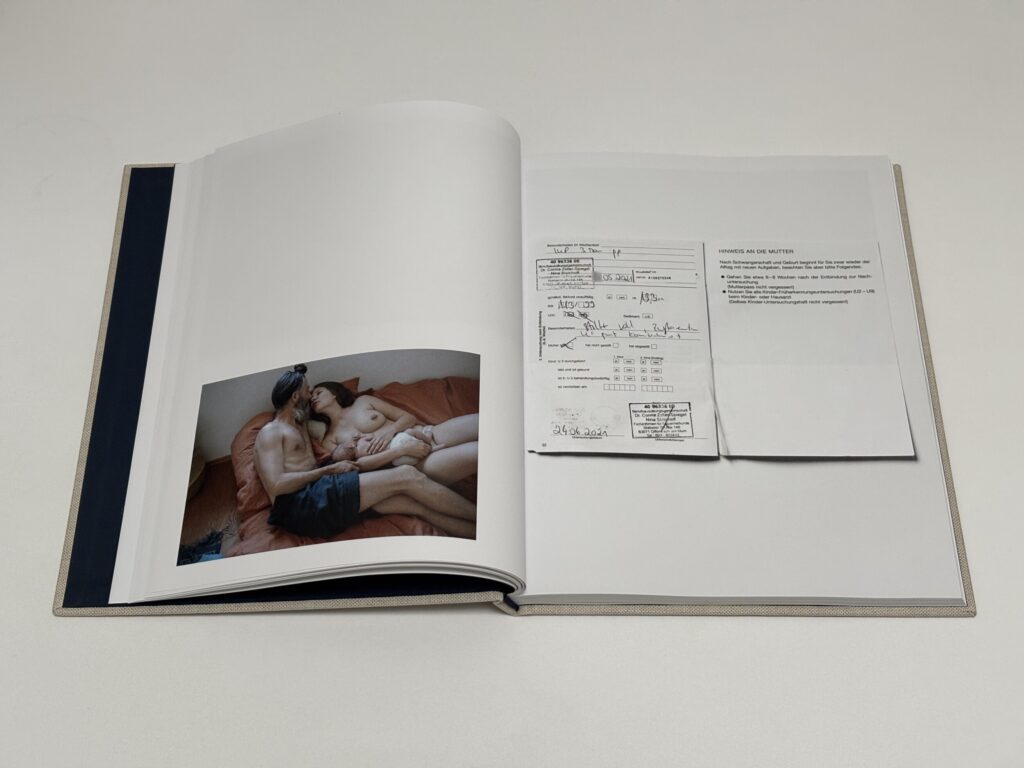
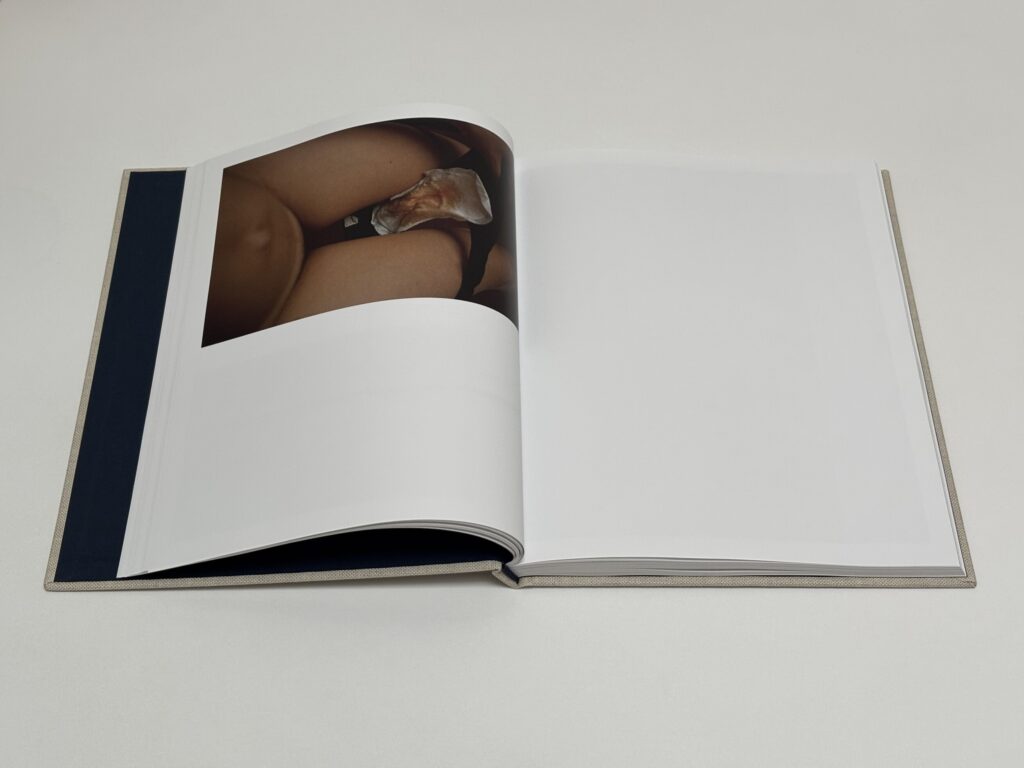
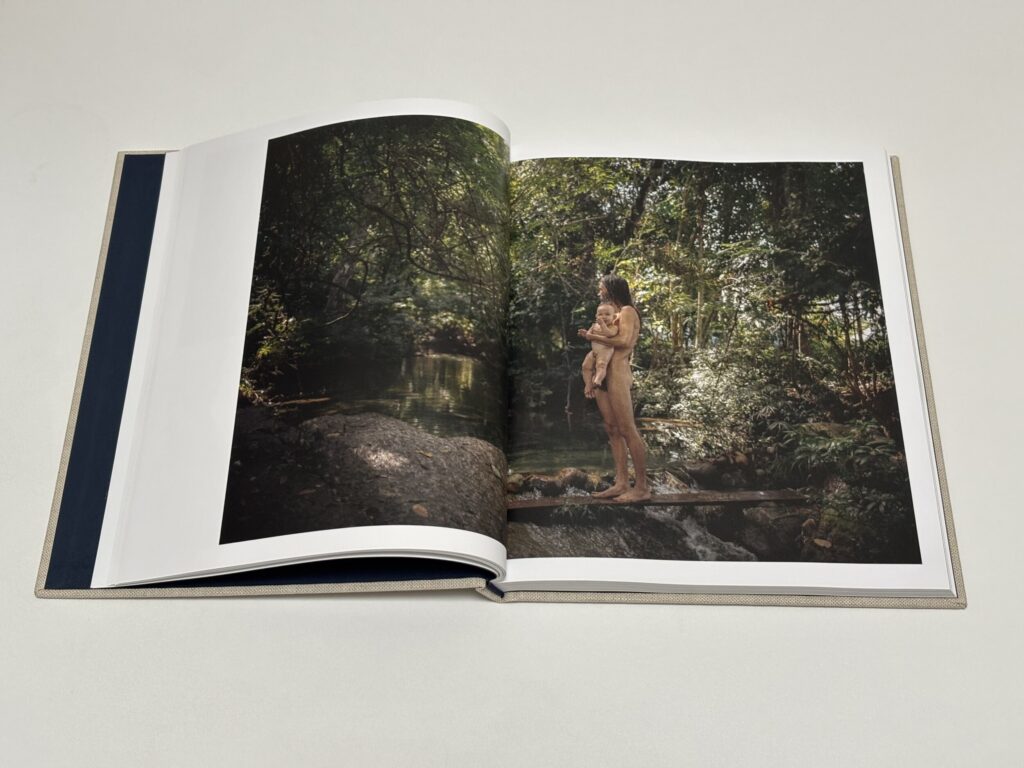
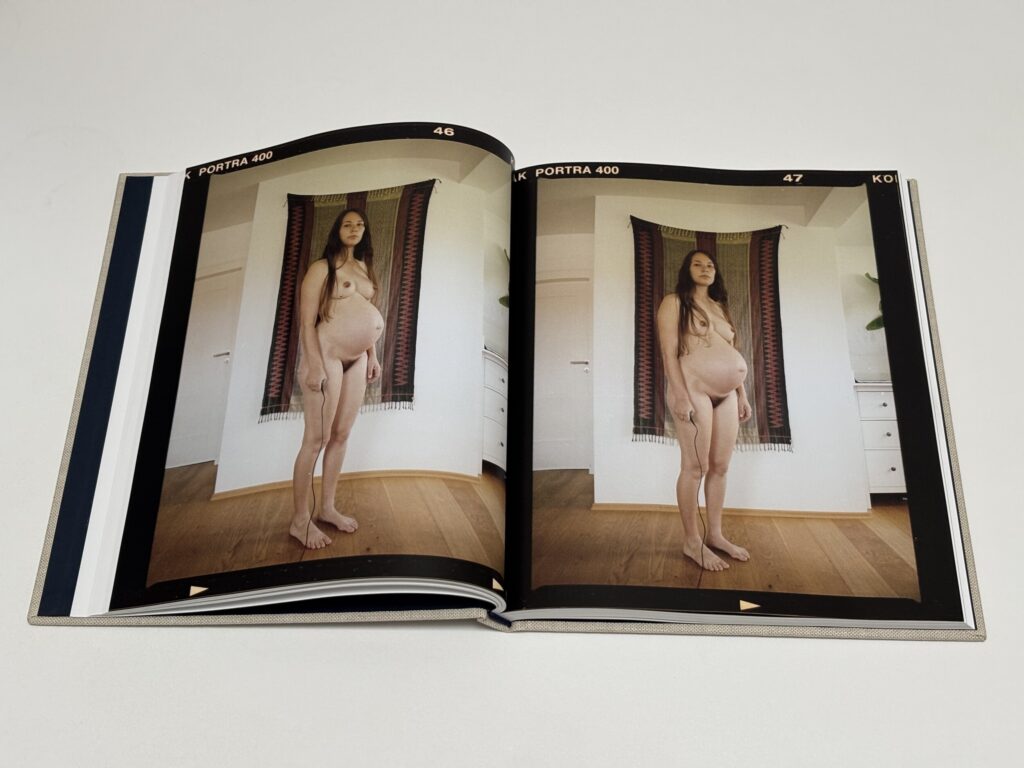
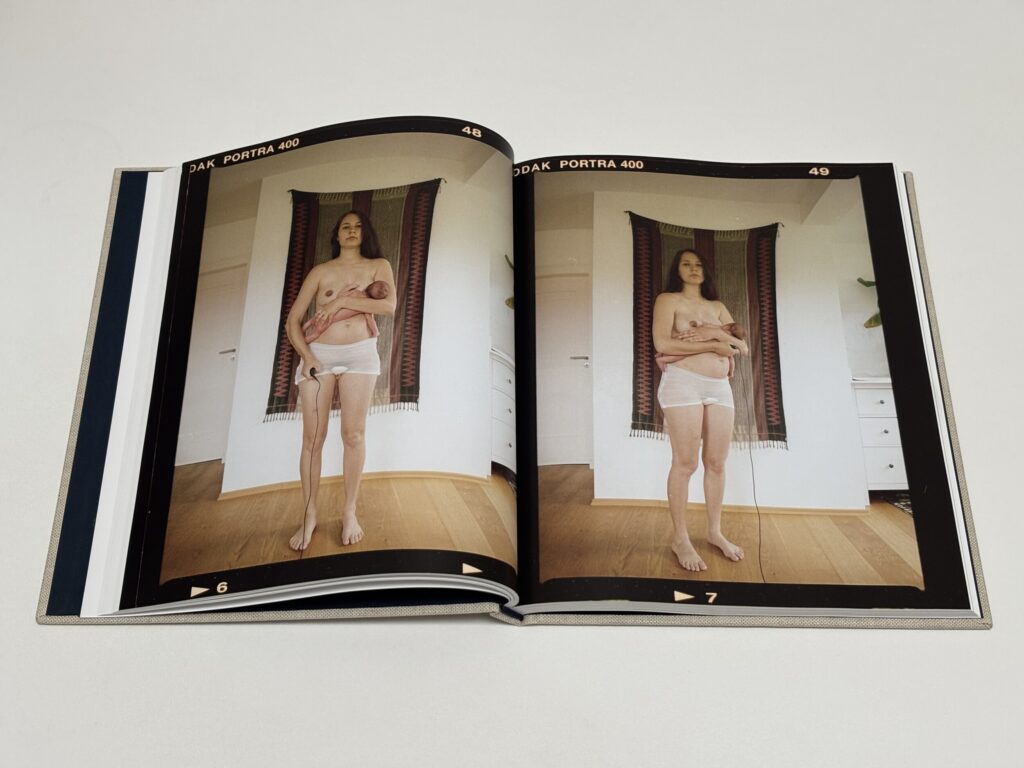
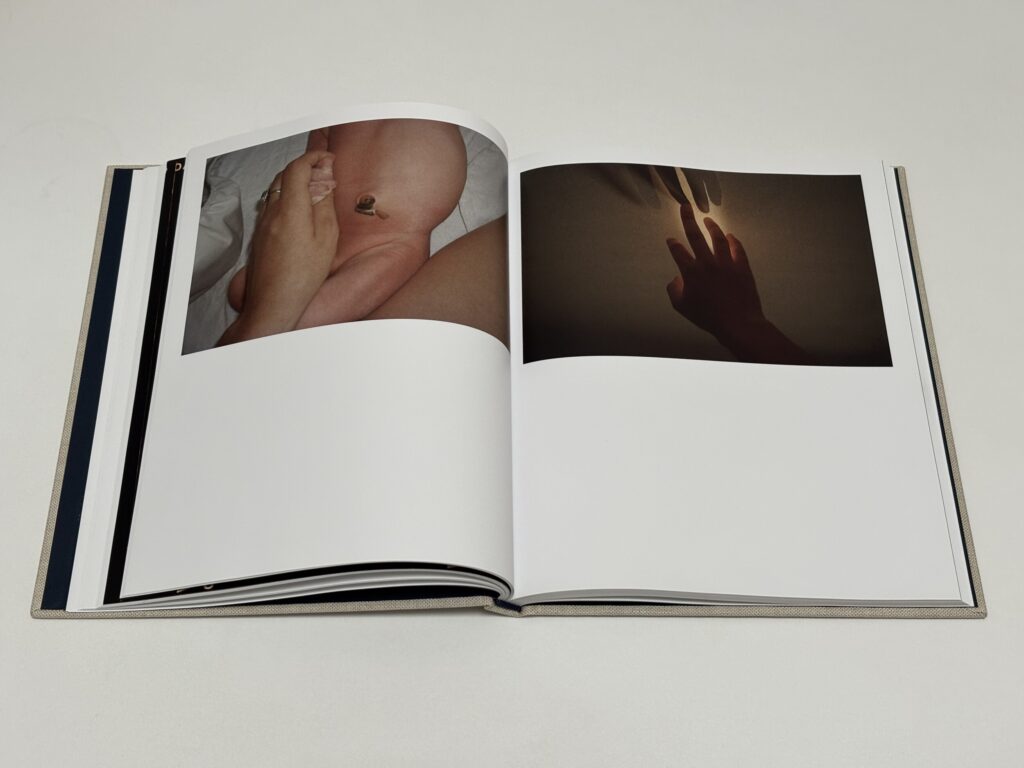
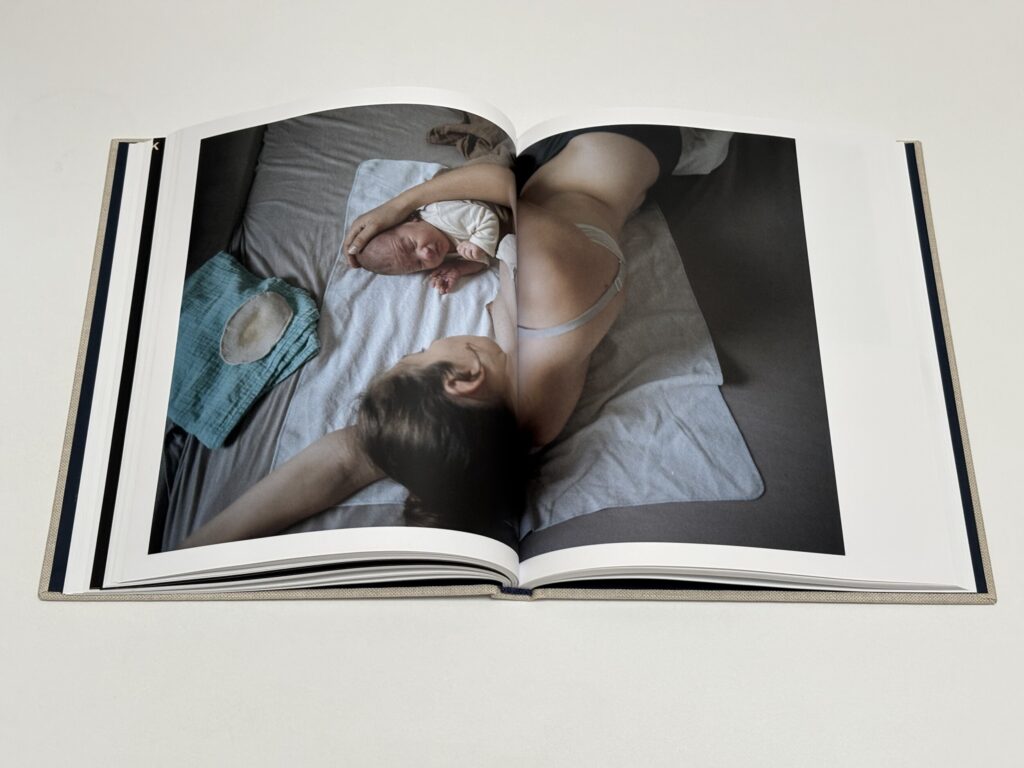
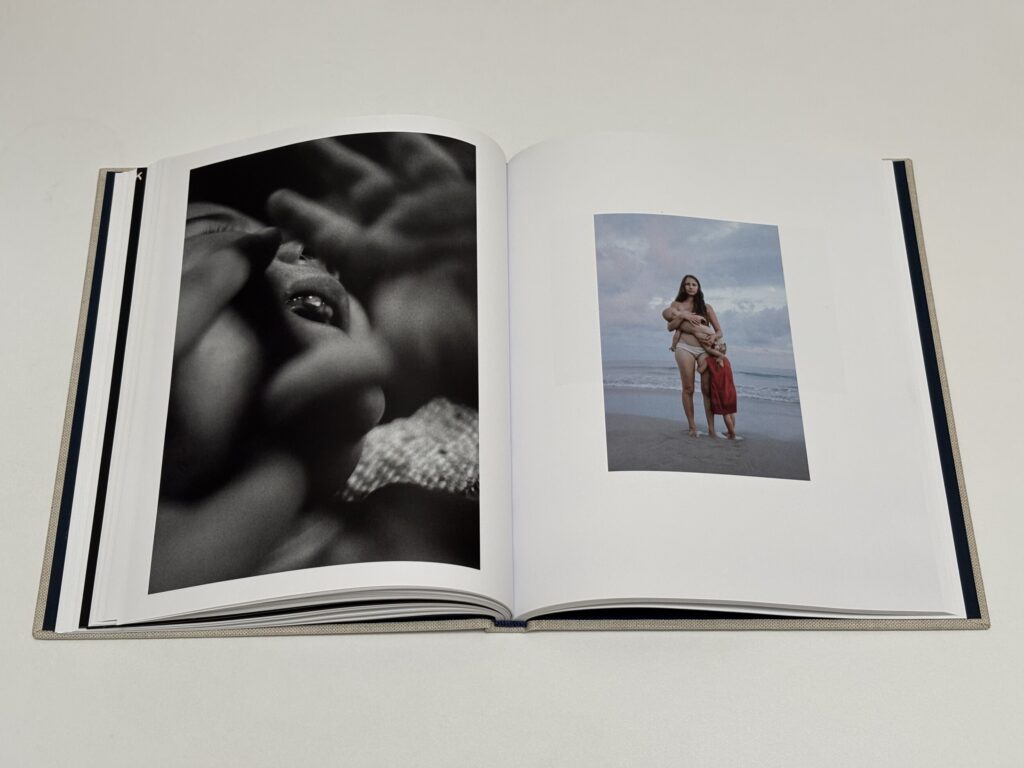
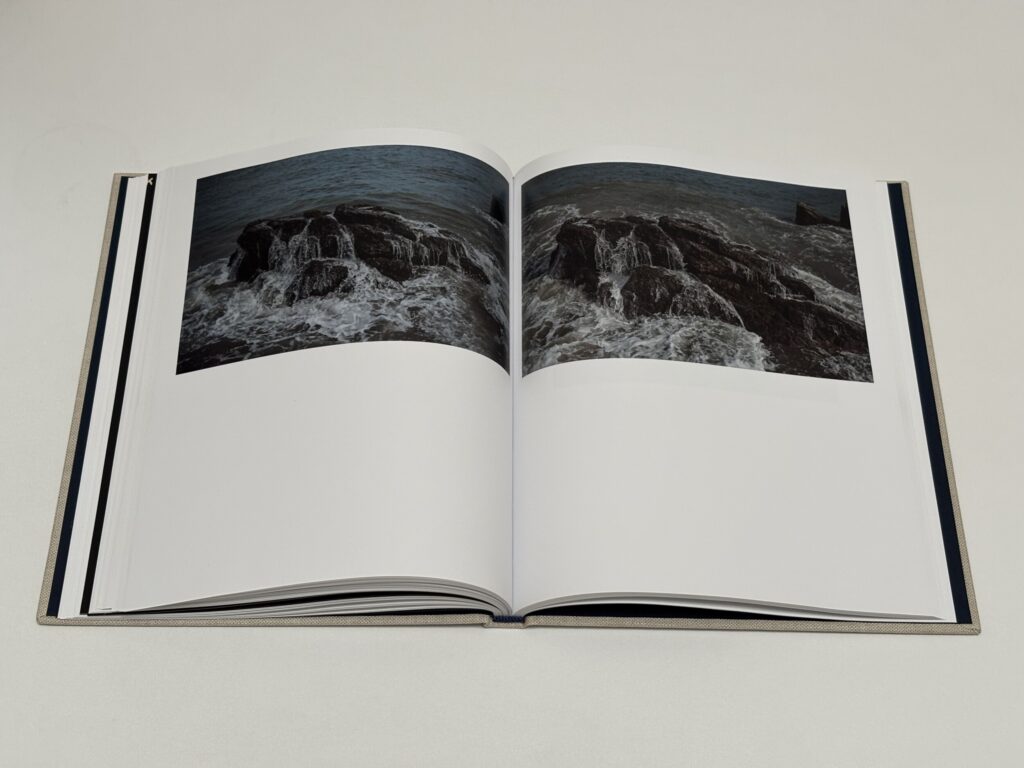
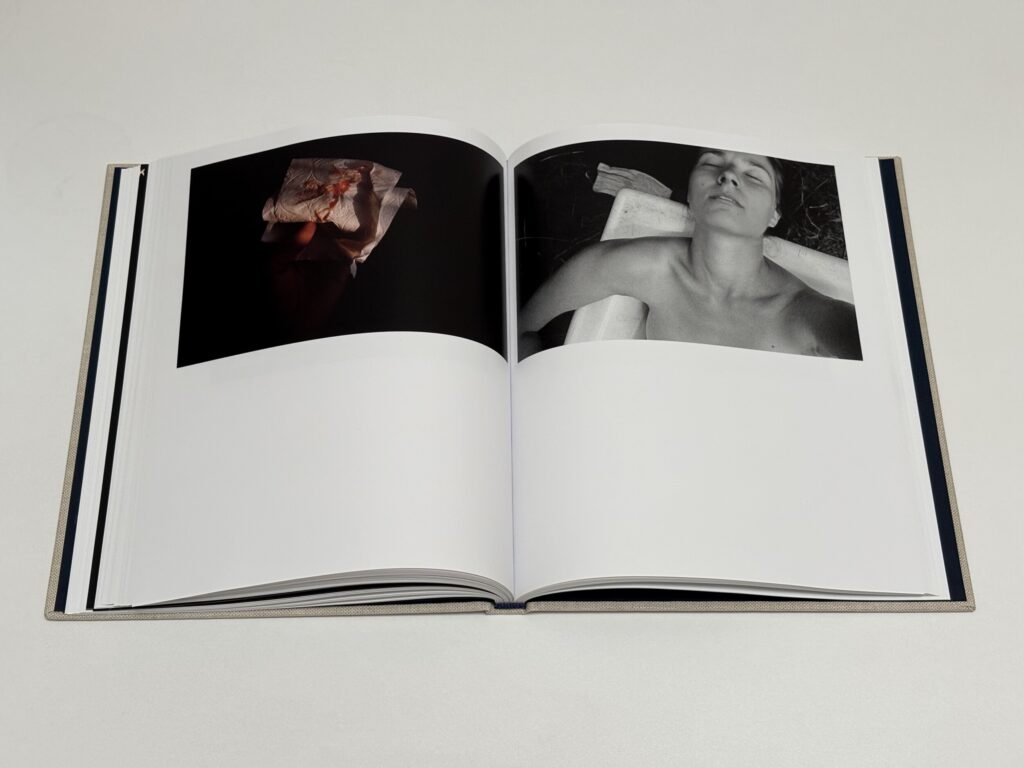
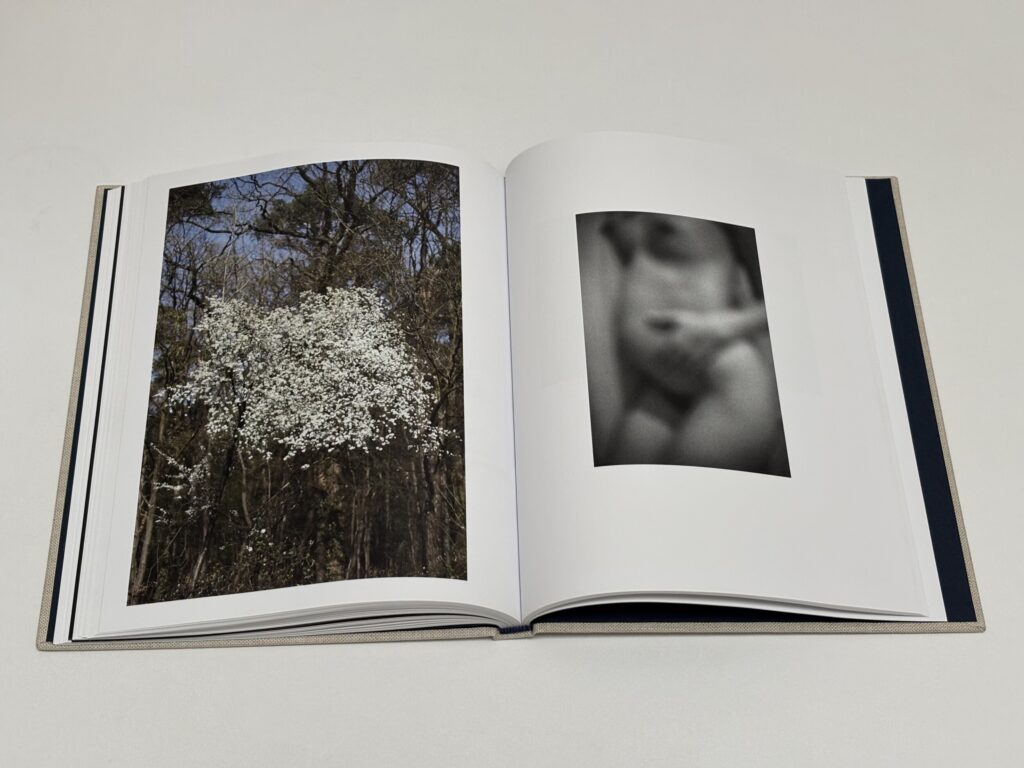
Comments/Context: Over the past decade, an increasing number of photobooks have turned their attention to the less visible and less frequently discussed experiences of motherhood. Carmen Winant’s My Birth (reviewed here) was among the first to reclaim the act of childbirth with striking openness, presenting it as both a deeply personal and profoundly empowering experience. In her self-published book The Quickening (reviewed here), Ying Ang documented the emotional terrain of new motherhood with remarkable intimacy and honesty. Other artists have broadened the conversation by exploring subjects often left on the margins, from the frustrations and emotional toll of infertility treatment, as seen in the work of Elina Brotherus, to the deliberate choice not to become a mother, addressed by Jackie Dives. At the same time, books such as Cole Barash’s Stiya (reviewed here) and Adrian Samson’s Mother (reviewed here) have expanded the discourse by offering nuanced perspectives on fatherhood and the experience of becoming a parent.
The new photobook by the German artist Janine Bächle continues this important conversation. Becoming Parents is a deeply personal photobook about pregnancy, childbirth, and early parenthood. Combining autobiographical photography with diary material and personal documents, Bächle creates a work that is as emotionally demanding as it is visually compelling. Drawing on photographs made between 2016 and 2024, Bächle constructs an intimate chronicle of pregnancy, birth, caregiving, partnership, and shifting identity. Rather than presenting parenthood as a linear journey of fulfilment, she depicts it as an ongoing state of uncertainty and negotiation, where joy and resentment, tenderness and frustration, attachment and doubt coexist in constantly changing proportions.
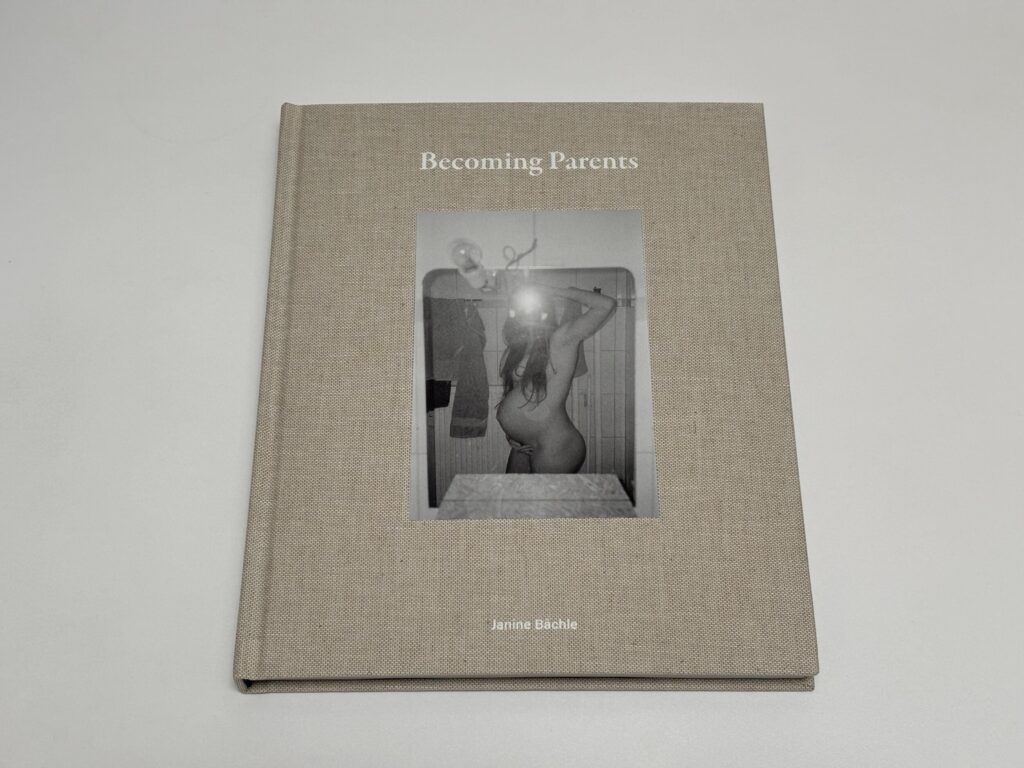
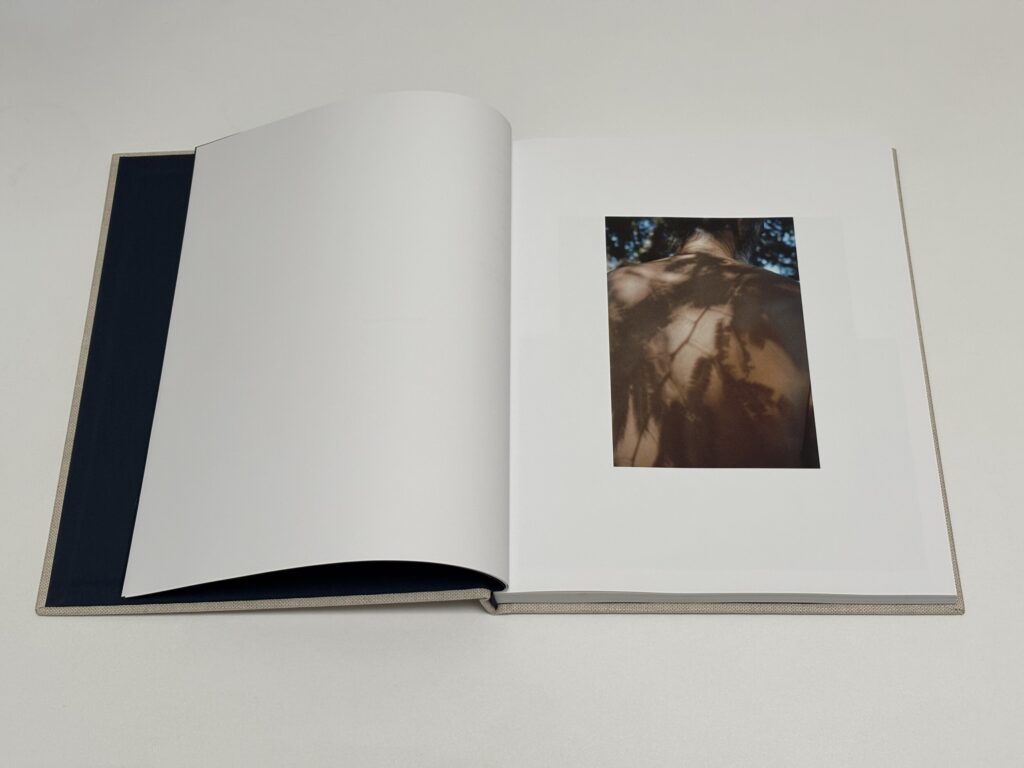
As an object, Becoming Parents is as thoughtfully constructed as it is emotionally resonant. The cover features a tipped-in black-and-white photograph of Bächle photographing her pregnant nude body in a bathroom mirror, an intimate image that immediately establishes the book’s autobiographical nature. Inside, the photographs vary in scale and placement, creating a dynamic rhythm across the pages, while generous white space allows individual images room to breathe. Bächle’s reflections appear throughout, adding texture and moments of pause to the visual narrative, while longer diary entries are gathered toward the end of the book. An index of photographs appears at the end of the book listing captions along with thumbnails.
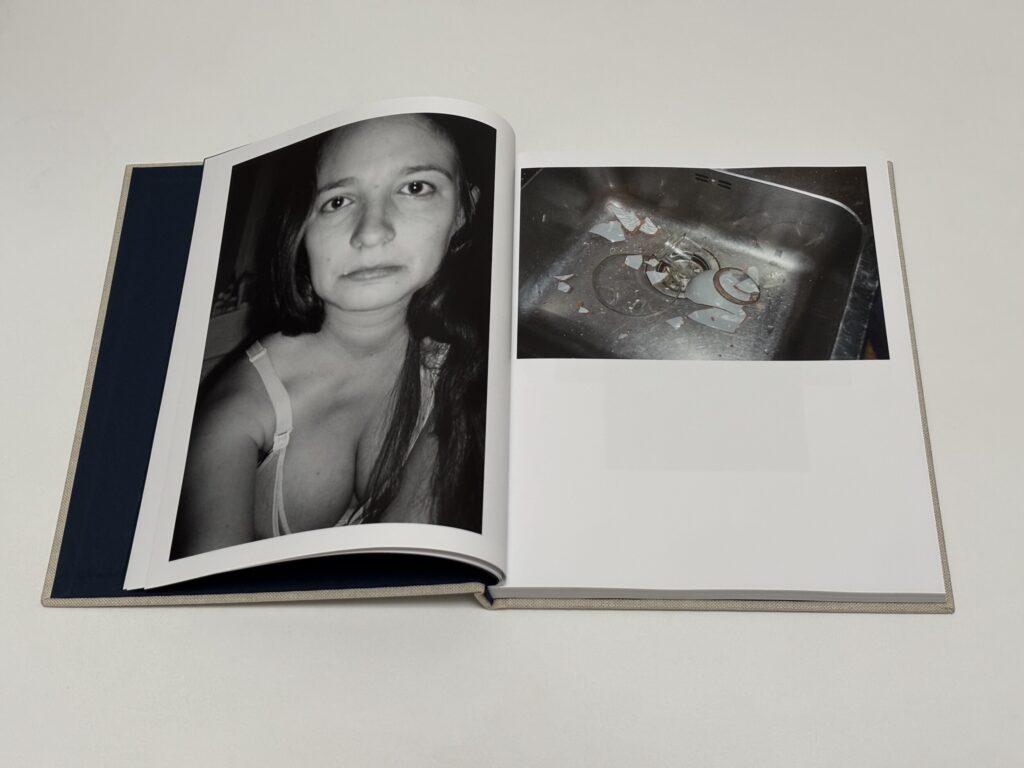
The photographs are remarkable for their emotional range. Bächle captures moments of tenderness and intimacy, but never isolates them from the broader realities of caregiving. In one spread, a black-and-white self-portrait captioned “I should have napped this afternoon” is paired with an image of a shattered ceramic cup in a sink, a quiet yet potent reminder of the exhaustion and fragility that run through daily family life. Throughout the book, expressions of love and connection are interwoven with signs of repetitive labour, physical depletion, and psychological strain. Rather than reinforcing romanticised notions of parenthood, Bächle reveals the constant negotiation between expectation and experience, creating a body of work that is as honest as it is emotionally resonant.
Pregnancy occupies an important place in the narrative. The changing body is observed with unusual directness, stripped of the aesthetic conventions that often transform pregnant women into symbols of fertility or maternal perfection. Bächle’s photographs show physical fact: bodies stretch, leak, swell, heal, and weaken. She shows them as central components of a lived experience that remains underrepresented in visual culture despite being nearly universal.
The domestic scenes also build on this honesty and vulnerability. Children appear not as idealized subjects but as active forces reshaping every corner of family life. Toys accumulate. Rooms become contested spaces. Time fragments into interruptions and routines. The photographs convey the sensation that family life rarely settles into stable compositions. Even when the pictures appear formally ordered, there is frequently an undercurrent of tension suggesting how quickly balance can give way to chaos.
One of the book’s most interesting achievements is its treatment of care work. The tasks of feeding, cleaning, comforting, carrying, and supervising often seem resistant to dramatic representation precisely because they occur endlessly and without clear narrative resolution. Bächle addresses this challenge by making accumulation itself a photographic strategy. Individual images may depict ordinary moments, but together they create a picture of care as an immersive, relentless condition. Parenting emerges not through symbolic gestures but through repetition.
Becoming Parents is a valuable contribution to contemporary conversations about parenthood. Bächle offers a perspective that is both courageous and compassionate, avoiding idealization while remaining attentive to the emotional significance of family life. The book’s greatest strength lies in its embrace of vulnerability, contradiction, and ambiguity, resulting in a rare photographic portrayal of parenthood that feels authentically lived. Rather than presenting family life as a neatly resolved narrative, Bächle acknowledges its complexities, showing how love and fulfillment can coexist with fear, exhaustion, frustration, and uncertainty. By making space for these competing emotions, Becoming Parents offers a nuanced and deeply truthful account of what it means to navigate the transition to parenthood.
Collector’s POV: Janine Bächle does not appear to have gallery representation at this time. Collectors interested in following up should likely connect directly with the artist via her Instagram page (linked above).