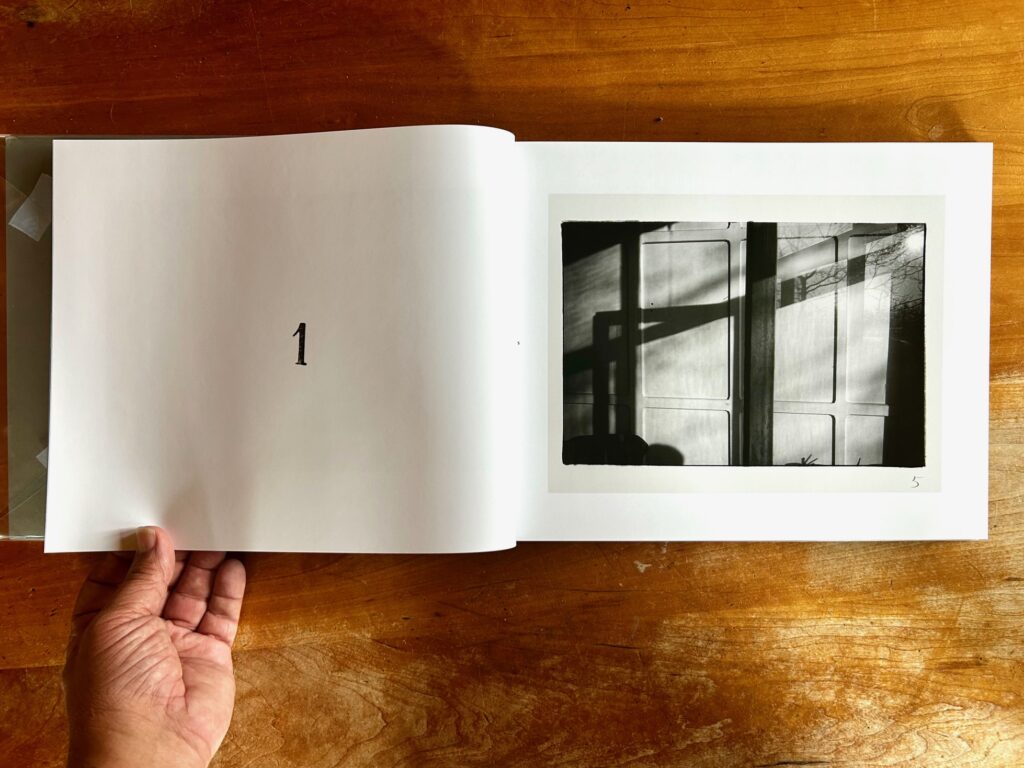
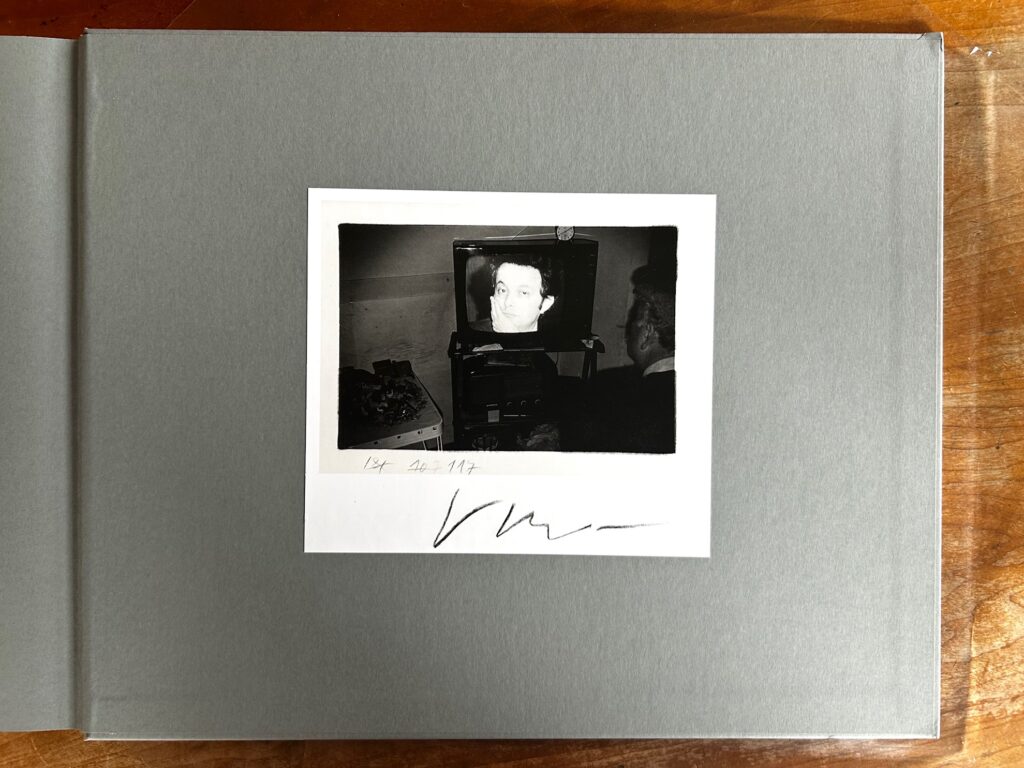
JTF (just the facts): Published in 2026 by MACK Books (here). Hardcover with tipped-in image, 30 x 24 cm, 160 pages, with 150 monochrome reproductions. Includes an interview of the artist by Antonello Frongia. Design by the artist and Morgan Crowcroft-Brown. In an edition of 1000 copies. (Cover and spread shots below.)
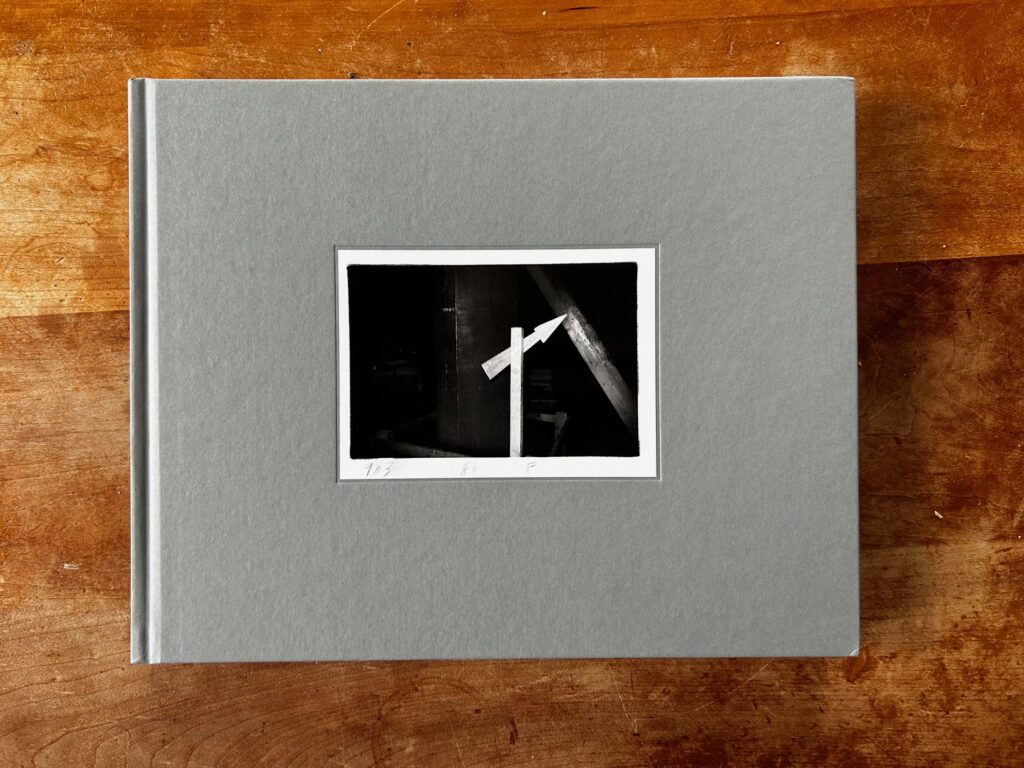
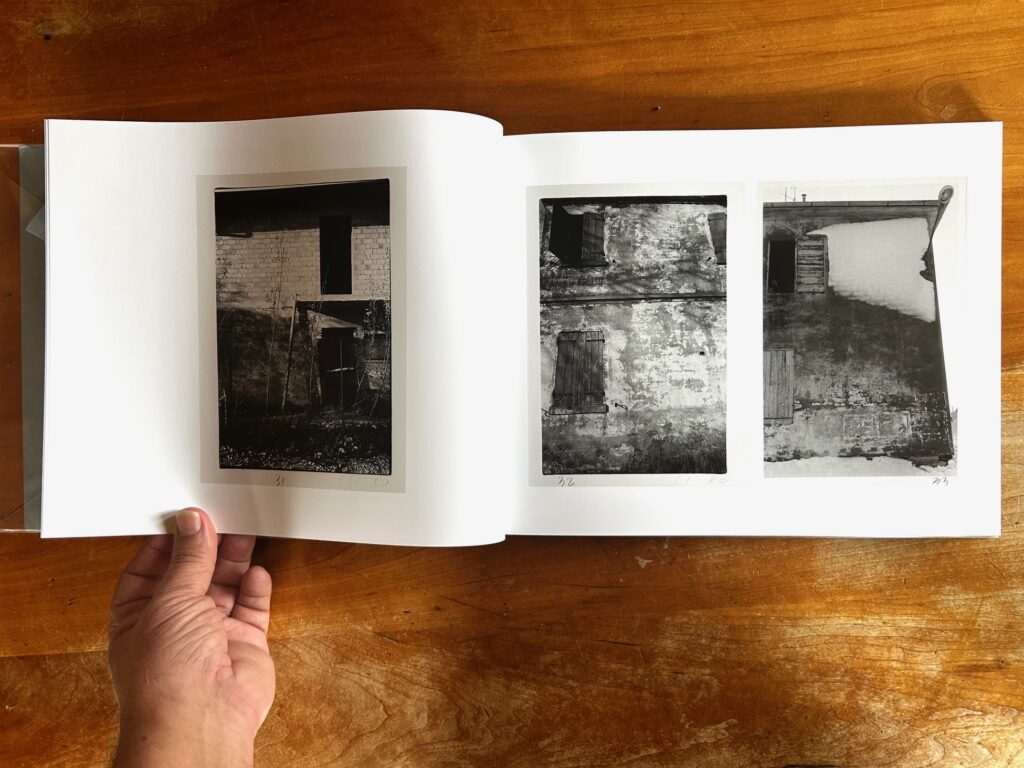
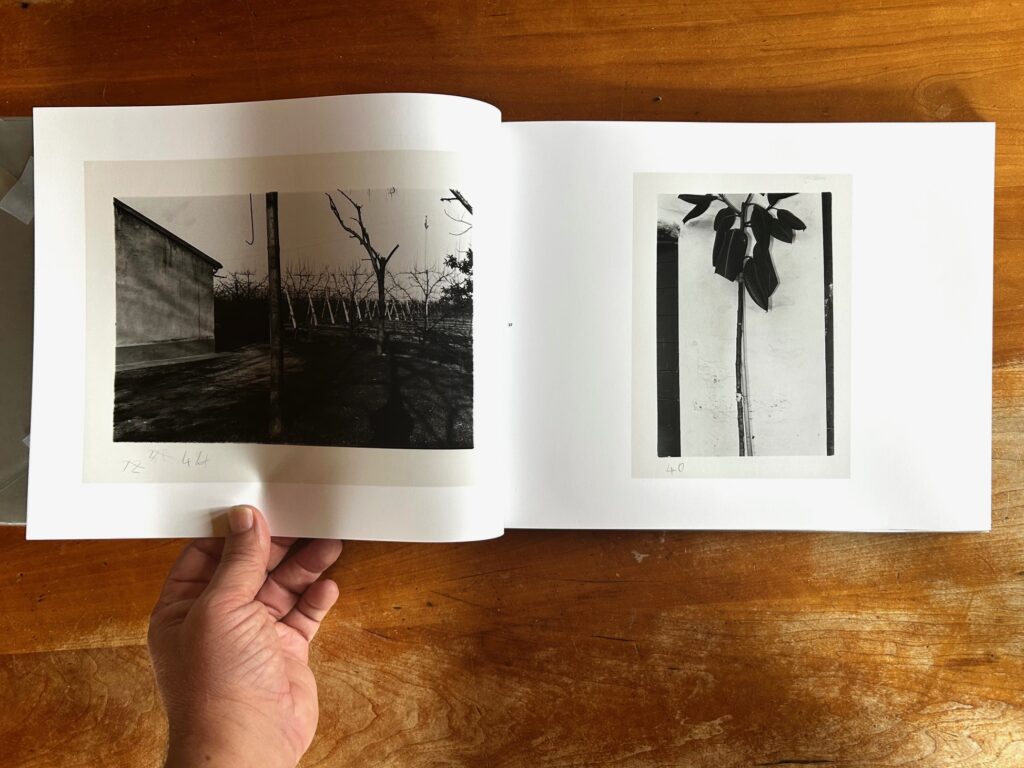
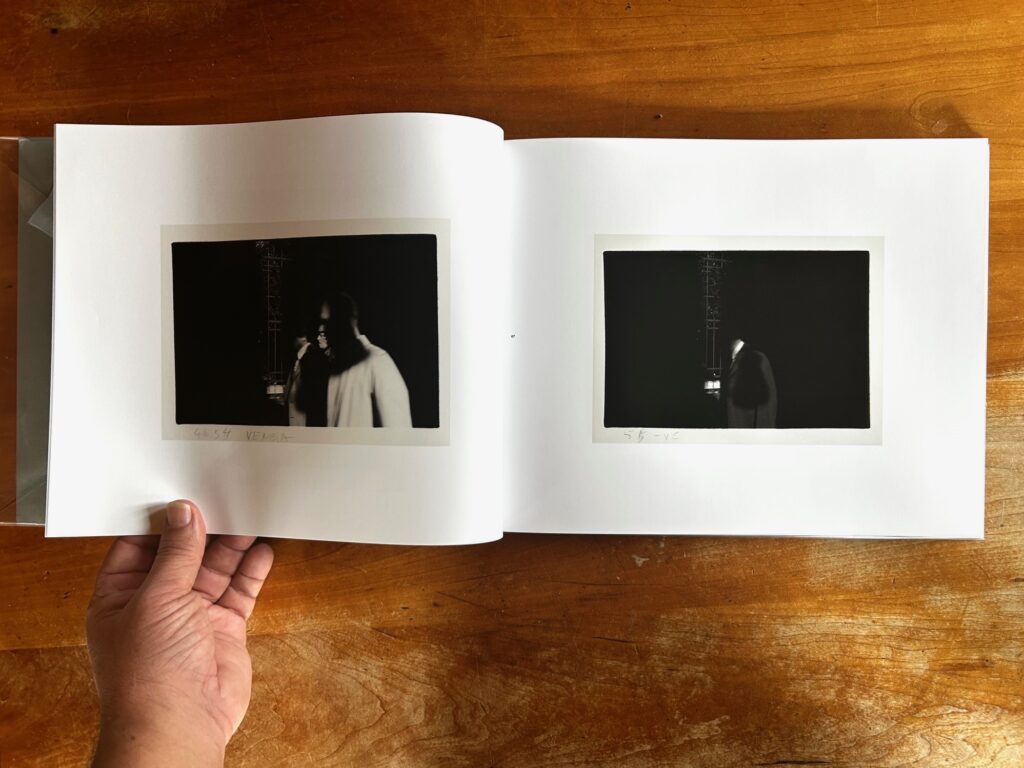
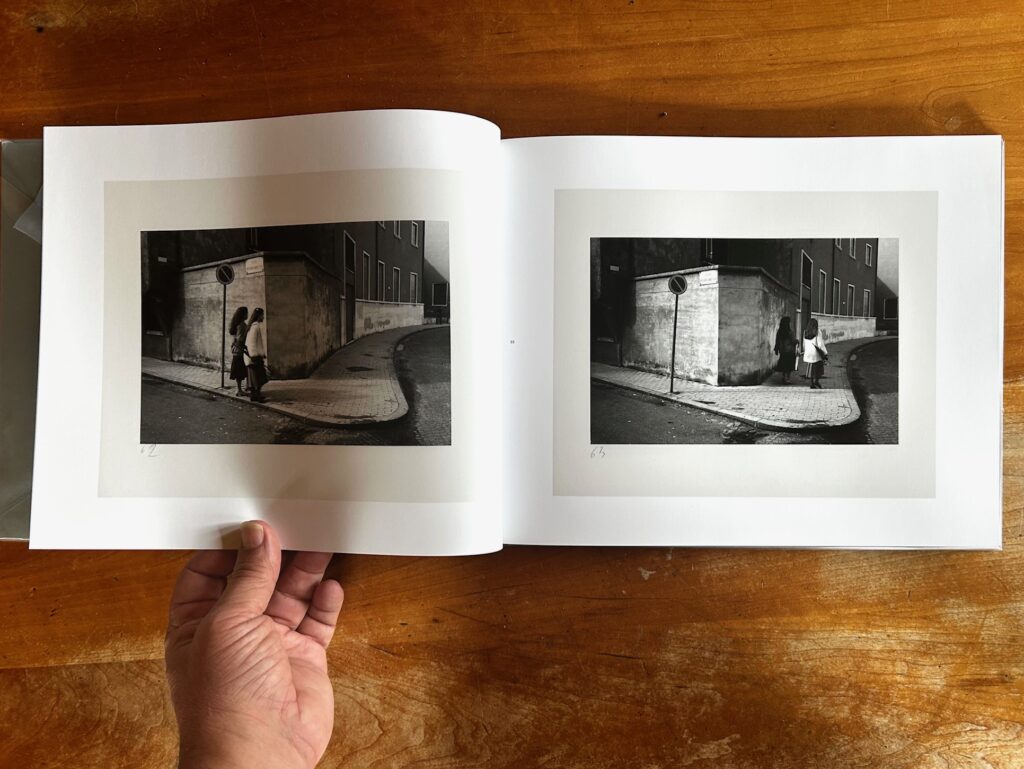
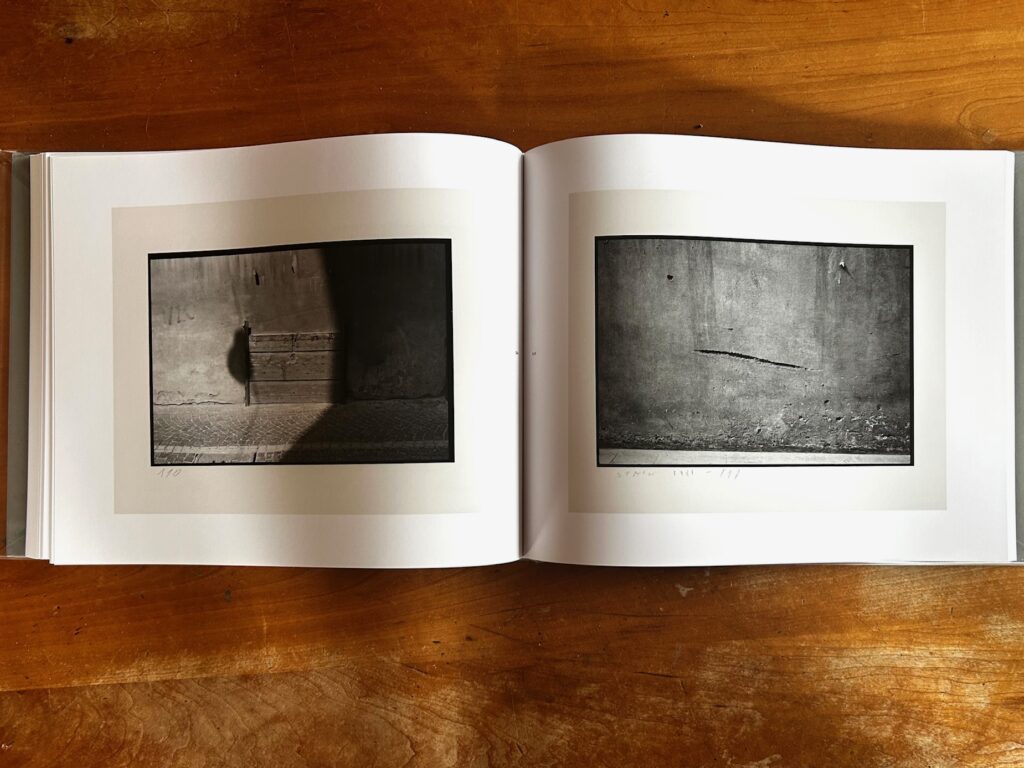
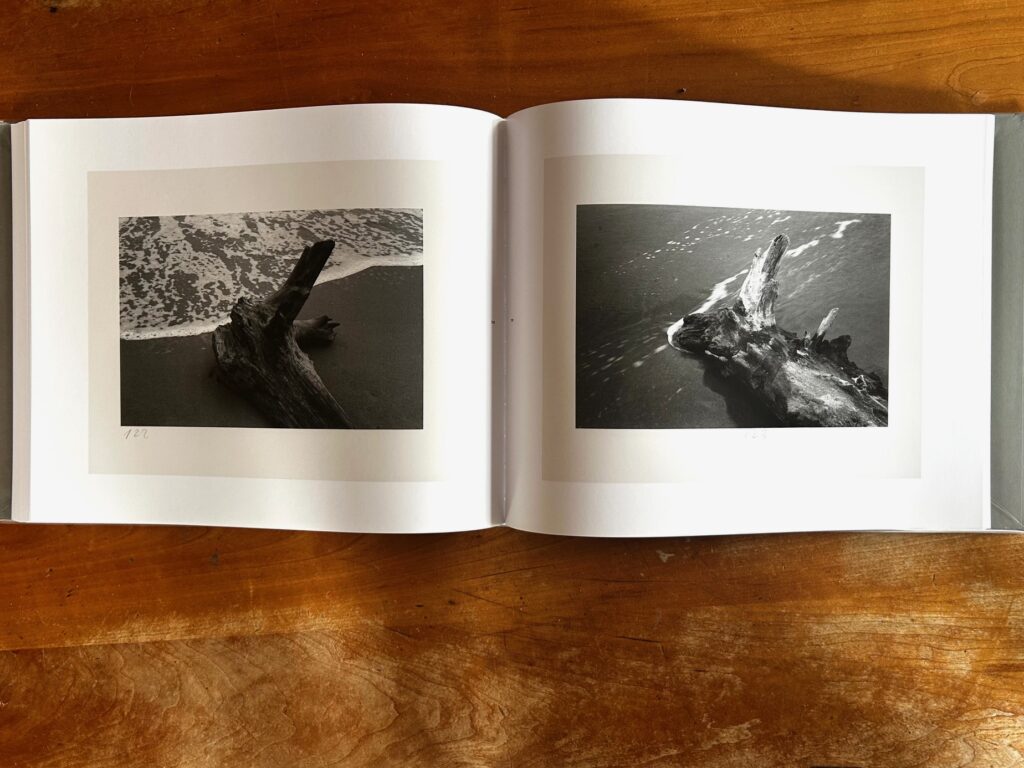
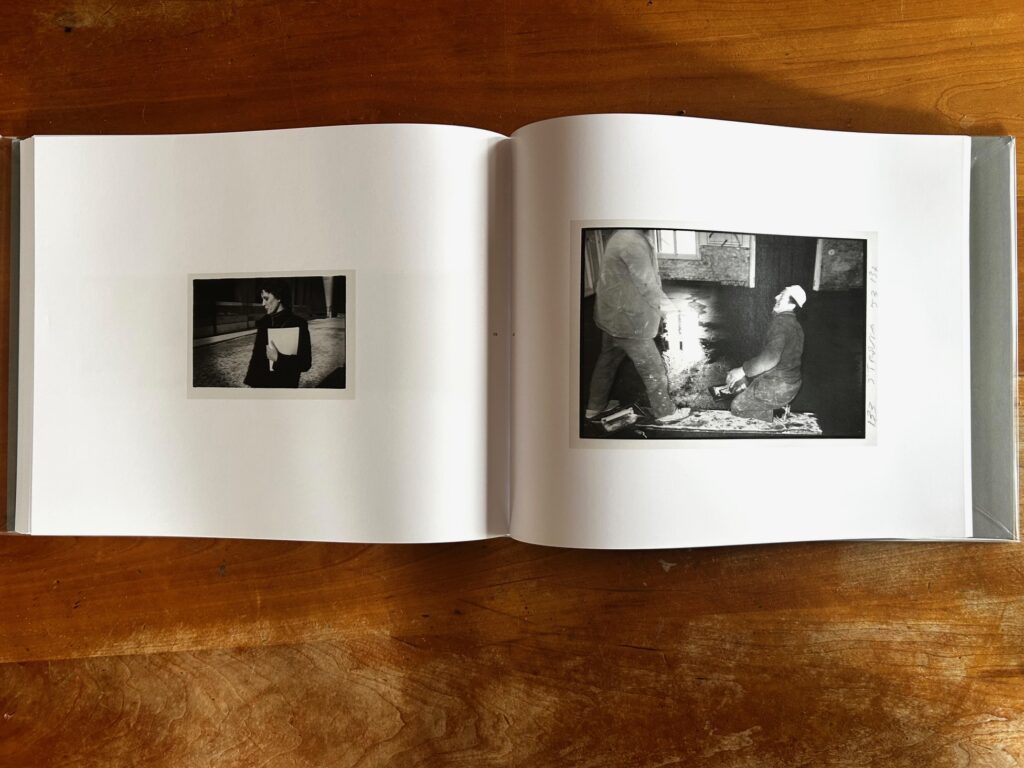
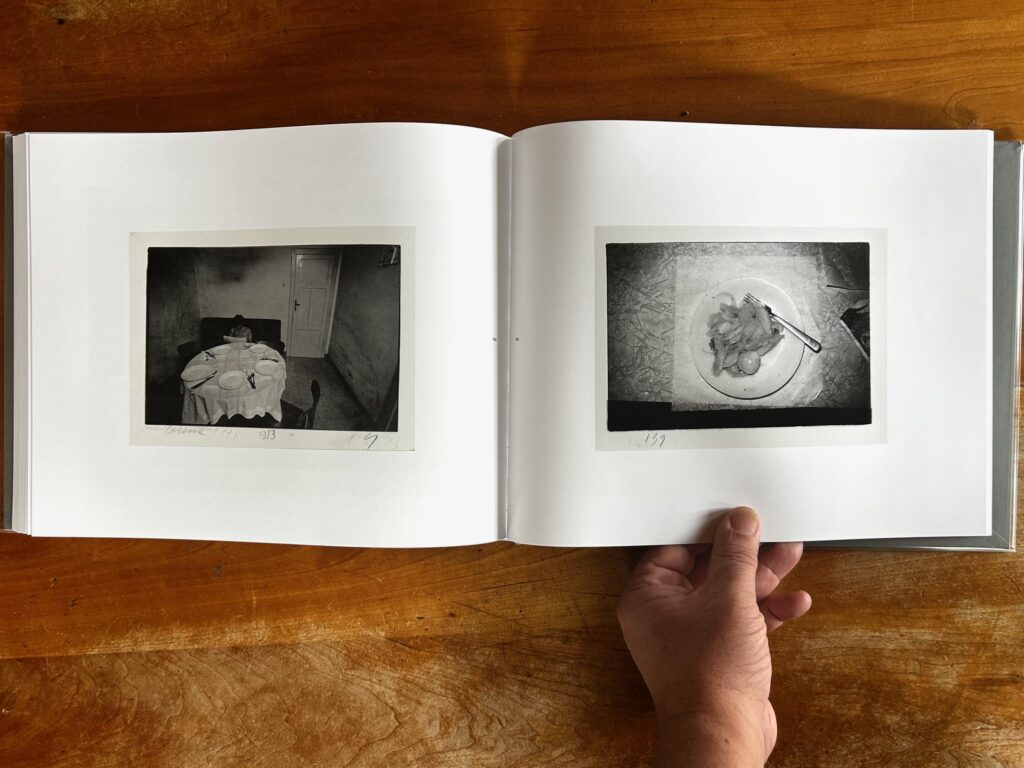
Comments/Context: It’s been gratifying to observe the developing partnership between the Italian photographer Guido Guidi and the London-based Mack Books. When they first joined forces for the 2013 monograph Preganziol, 1983, Mack Books was just 3 years old, while Guidi was enjoying his golden years at 73. Their relationship was something like a May-December bromance: young energetic publisher falls for late career master. A spark was ignited, then conflagration.
Their initial foray proved combustible indeed. Preganziol, 1983 sold out, expanding the audience and collector base for both Mack and Guidi in the process. In the 12+ years since, the relationship has flourished. They’ve made eight subsequent photobooks together, each one pulling a core sample from Guidi’s photo vault. True to Mack form, every book has been well conceived, sequenced, and printed. Four have sold out. Theirs has been a match made in publishing heaven.
As any relationship progresses, one gradually learns more about a partner. Their history, family, quirks, and habits are revealed, internalized, and hopefully cherished. This period of deepening appreciation might describe the current state of affairs between Mack and Guido Guidi. In the early stages of their collaboration, Guidi was cast as a virtuoso of analog color. Monographs like Veramente (reviewed here), Per Strada, Tra l’altro, and Cinque viaggi found him roaming the Italian countryside near his Cesena home, view camera in tow, stopping on occasion to capture sunlit walls, cobblestone vistas, and serial pedestrians. Mack’s books typically reproduced his prints near actual size, complete with their original color casts and darkroom quirks. His wistful hues were a distinctive feature, recognizable at a glance. Not only had Guidi refined a unique photographic voice, he’d integrated it with a working method and lifestyle. Throw these elements together, and Guidi modeled the Platonic ideal of a contemplative visionary.
Guido Guidi’s oeuvre remains as exemplary as ever, with unexplored pockets still left to be unearthed. But a funny thing has happened of late. As Mack has dug ever further into the back catalog, Guidi’s persona has transformed from color guru into black-and-white aesthete. Recent Mack books have probed his early photo career, beginning in the late 1960s, when he worked exclusively in monochrome.
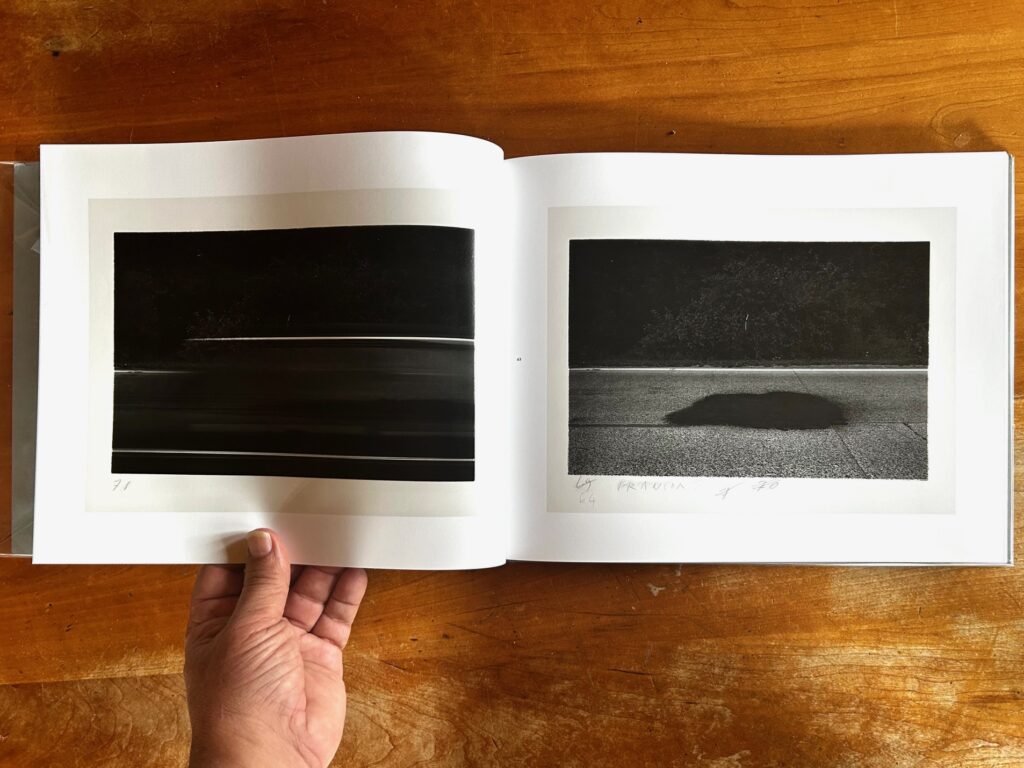
As Guidi recalls these halcyon days, “I had much more energy. I worked unstoppably, but I devoted my time and resources to photographing rather than printing.” This quote is excerpted from his latest monograph Album, 1969-82, and the book drives home the point with scads of pictures printed as raw drafts. The book follows closely on the heels of Di sguincio from 2023, with a third book planned to complete an eventual trilogy. The first two (and presumably the third, when published) share a similar design, era, and photographic style.
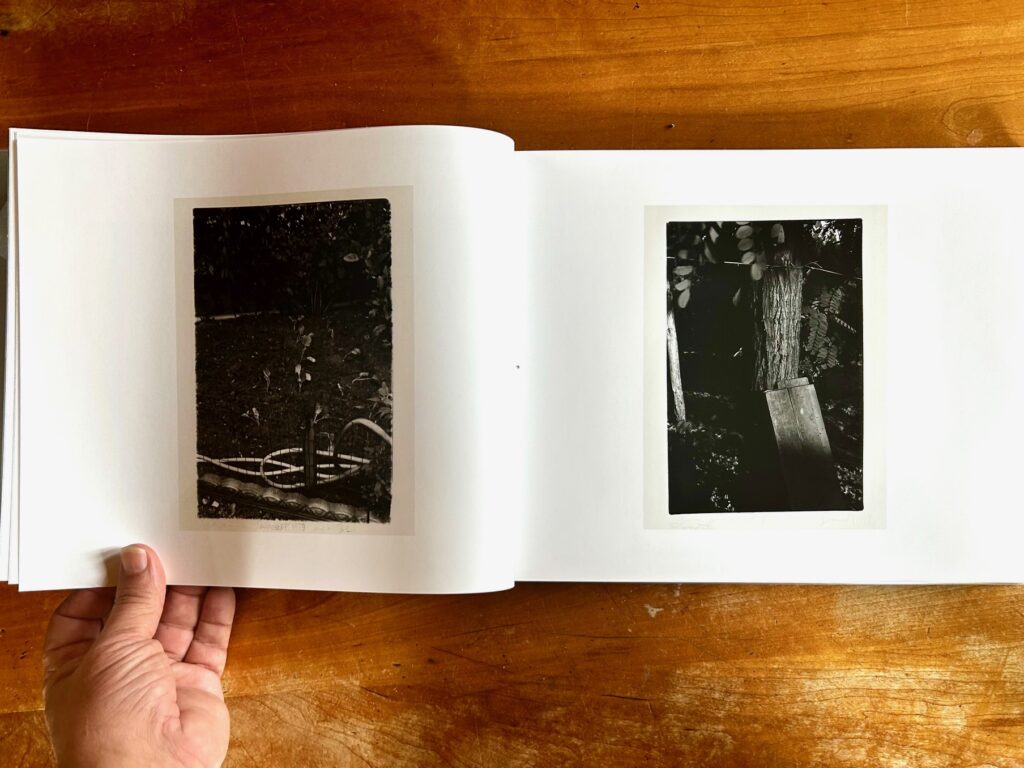
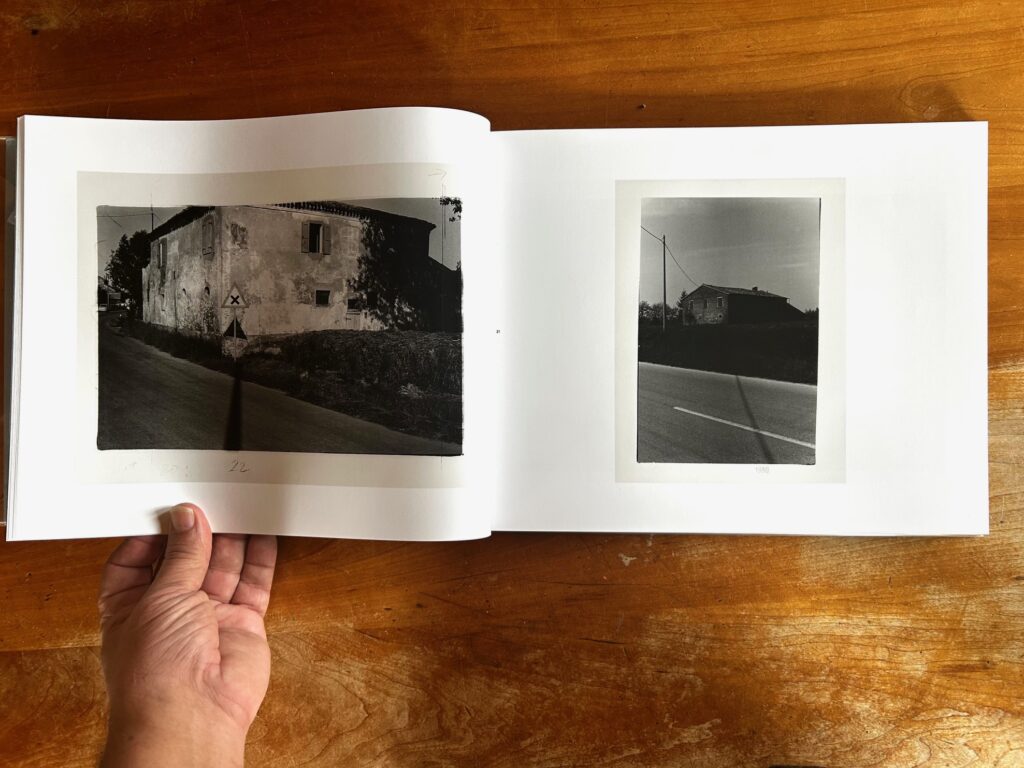
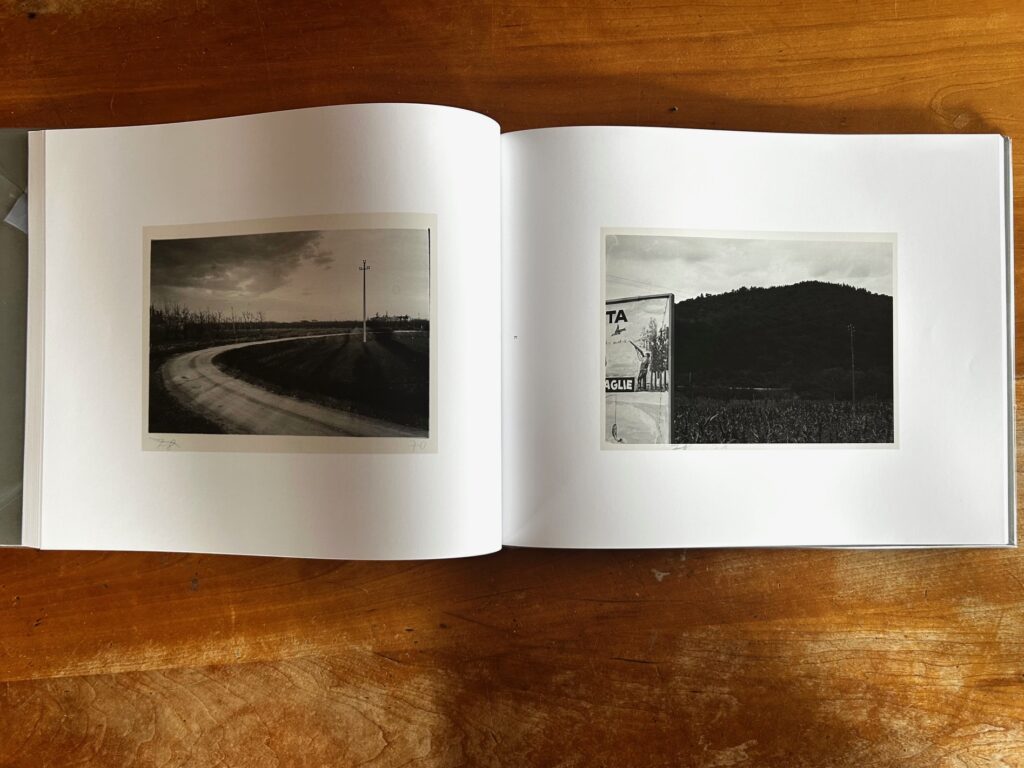
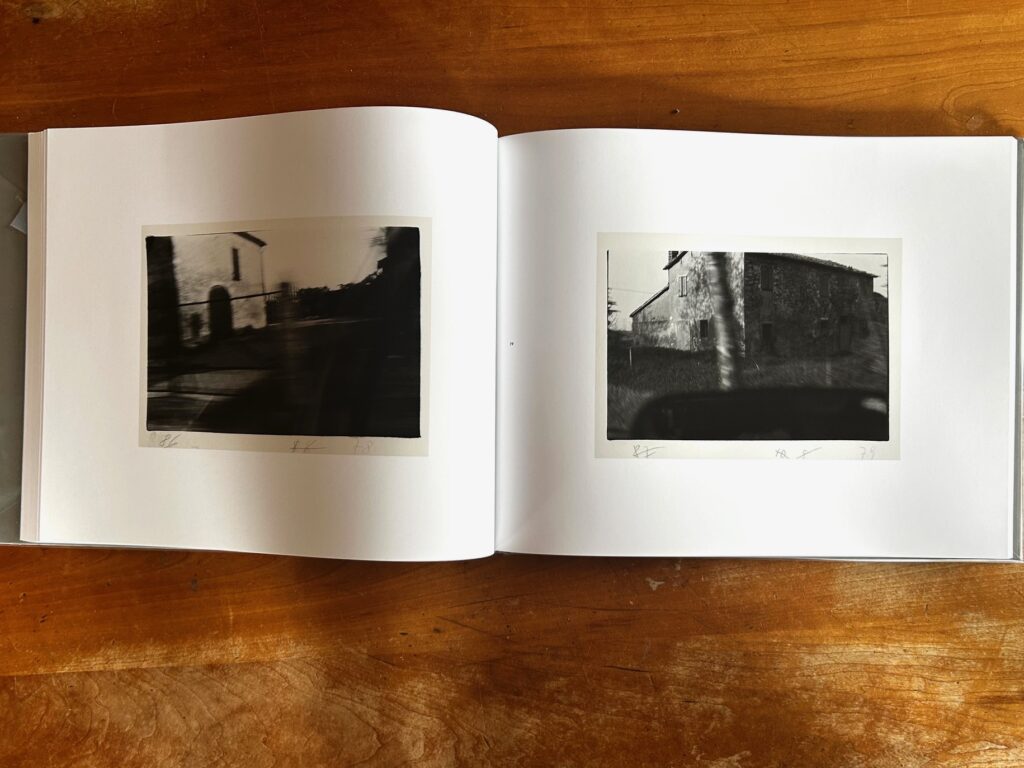
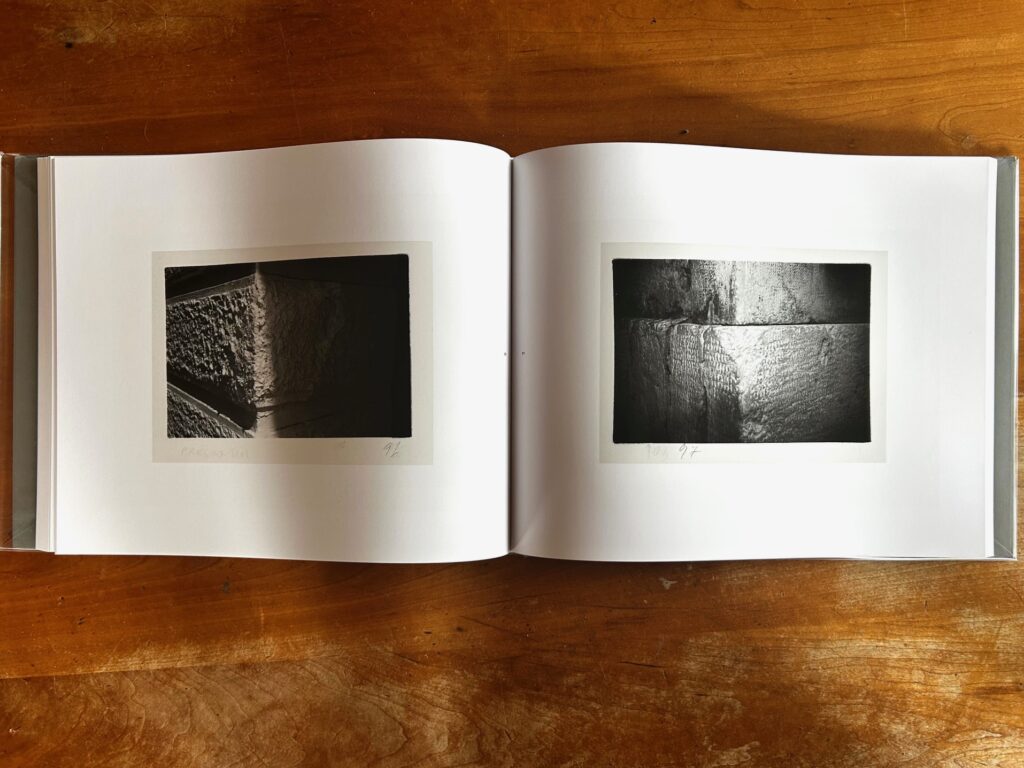
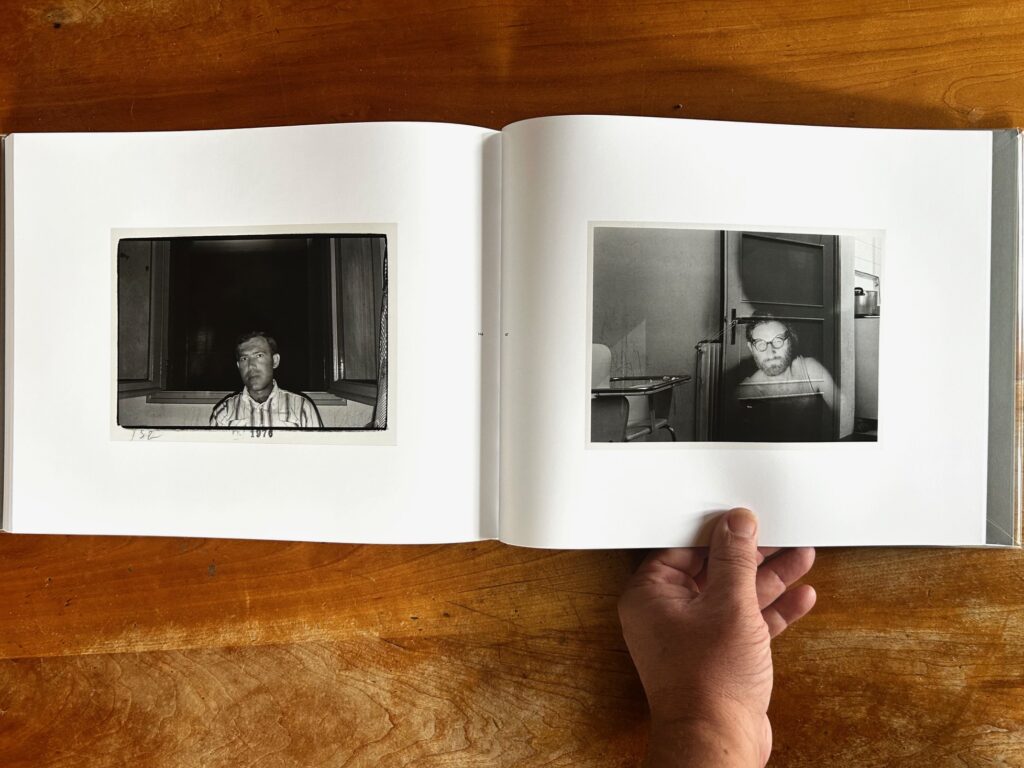
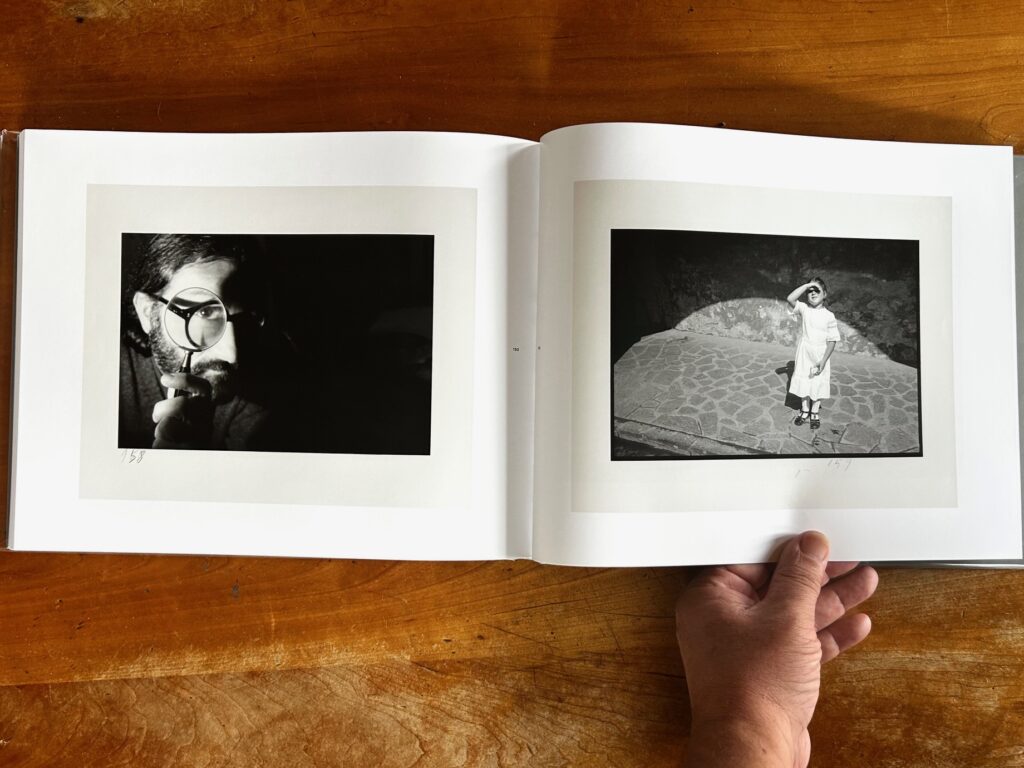
Although the title years suggest a broad span of years, many of the photos in Album 1969-82 (or at least the ones captioned by date in the rear index) are drawn from a narrow period in 1979-80. Like many photographers at the time, Guidi favored small format cameras to capture serendipitous moments found in passing. Black-and-white was the flavor of the day (notwithstanding colorful outliers like his colleague Luigi Ghirri), realized through film exposures and gelatin silver prints. All of these traits are showcased in Album 1969-82. Guidi’s old work prints are laid the page exactly as they might have appeared in a stack on his 1980 desk, with smudges, pencil markings, and intact yellowing edges. Mack’s reproduction quality is exceptional, and the images here feel very close to silver gelatin originals.
Even if he hadn’t yet transitioned to large format color at the time, the roots of Guidi’s later evolution are evident. As in his mid-career work, Guidi’s eye settles here and there on quiet social landscapes showing orchards, street pavings, tree trunks, and shadows. He has a patient eye and a nose for moody lighting. As the book progresses we begin to see more people, with social engagements and portraits thrown into the mix. There are a few Guido Guidi selfies, and flash snaps of friends. At one point Duane Michals appears in a surprise cameo portrait, sitting on a ladder. Taken collectively, the unspoken implication of this series is that Guidi always had a camera at the ready. Every moment was available. Everything was fair game.
With seemingly no ability or impulse to turn off his camera-brain, durations lingered. Moments stretched, morphed, or compressed. The subject here isn’t so much Italy or its artifacts but Guidi’s lifelong fascination with time. His obsession manifests through sequenced series, e.g. pedestrians passing in turn by a stucco wall, waves lulling up a sandy beach, and blurred scenery shot from a moving car. A photograph of wrist watches clustered together puts an exclamation point on a central frustration: Guidi always been at war with photography’s time freezing limitations. Welcome to the club. Expressing the fourth dimension has been an eternal headache for the medium. No matter, Guidi keeps pushing, whether in color or monochrome, small format or large. If it’s any solace, Album 1969-82 seems to establish a detente with the clock.
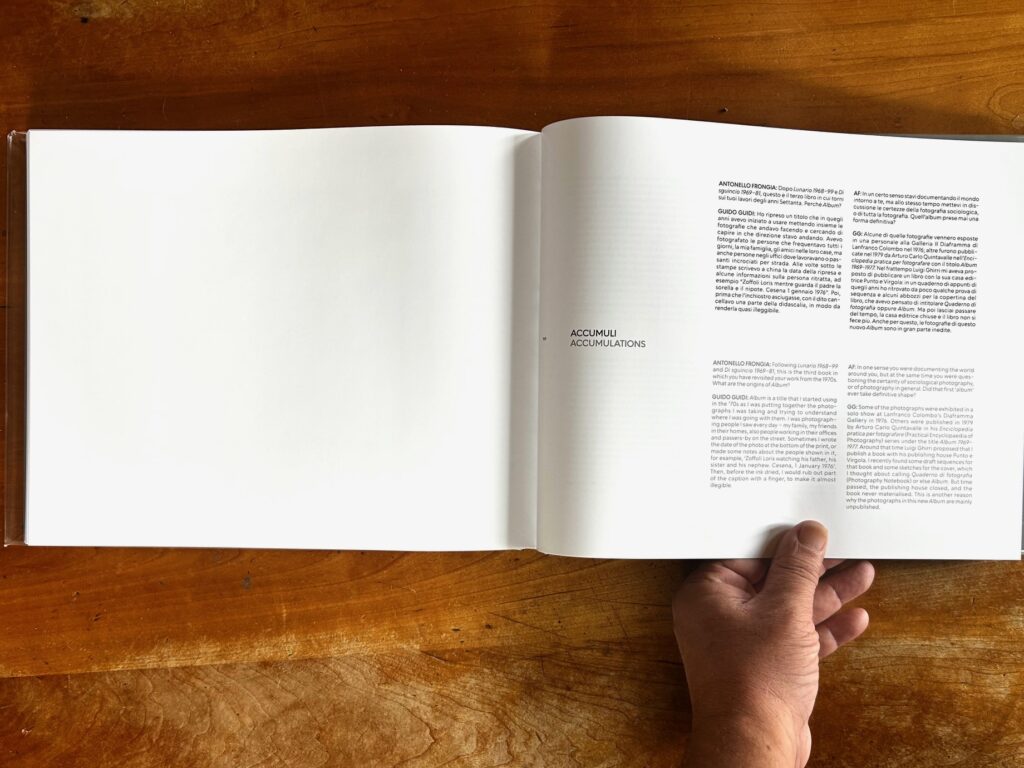
Perhaps this uneasy truce helped pave the way for sidetracking. For a while this project was on Guidi’s front burner. He shot and developed the series in the 1970s, and some of the photos appeared in a contemporaneous show. There were plans afoot to sequence and publish them in book form, under Ghirri’s imprint. The working title would be Quaderno di fotografia (rough translation: Photography Notebook, a precursor to Album).
But the momentum was short lived. Ghirri’s publishing company folded, Guidi moved on to other things, and eventually the notebook was shelved. Oh well, just one more unrealized project in photo history. These and other details are illuminated in the book’s text, a brief interview of Guidi conducted by Antonello Frongia. He admires the “anarchic freedom” of Guidi’s eye, and draws out some interesting reflections and memories.
It’s fun to speculate what might have happened had Quaderno di fotografia been published way back when. Perhaps Guidi’s wider audience might have come to him earlier, or understood him differently. Maybe Collector Daily would have addressed him more regularly? In any case, that path would have better fit the conventional photo model, beginning in monochrome and then switching to color. As it stands now, Mack’s books have introduced him in reverse, inserting a delicious twist in his reception.
That said, traces of Quaderno di fotografia still linger. Many of the print margins in Album 1969-82 are inscribed with numbers referring to their original place in the sequence. The correspondence to the current page numbers is generally close. Mack has done its best to honor the flow of the original book draft. Even better, none of these photos have been published before now, heightening their interest. The book is a true time machine back to 1980. If its chronology is inverted, it’s just another small skirmish in Guidi’s ongoing war against time. At 85, he seems to be winning.
Collector’s POV: Guido Guidi is represented by Large Glass Gallery in London (here) and Viasaterna in Milan (here). Guidi’s work has an inconsistent secondary market history at this point, so gallery retail remains the best option for those collectors interested in following up.




Blake, thanks for this review. I am a huge fan of Guidi and his color work but this book also looks great! Ghirri will always be #1 for me as I am close to Adele Ghirri but Guidi is right there with him!!! Great review! So appreciate Collector Daily especially now that we lost Photography Magazine a while ago