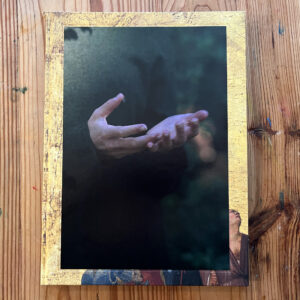
JTF (just the facts): A two-room installation of photography and other works, on the first floor of the museum. The exhibit was curated by Lindsey Berfond with Hitomi Iwasaki. (Installation shots below.)
The following works are included in the exhibit:
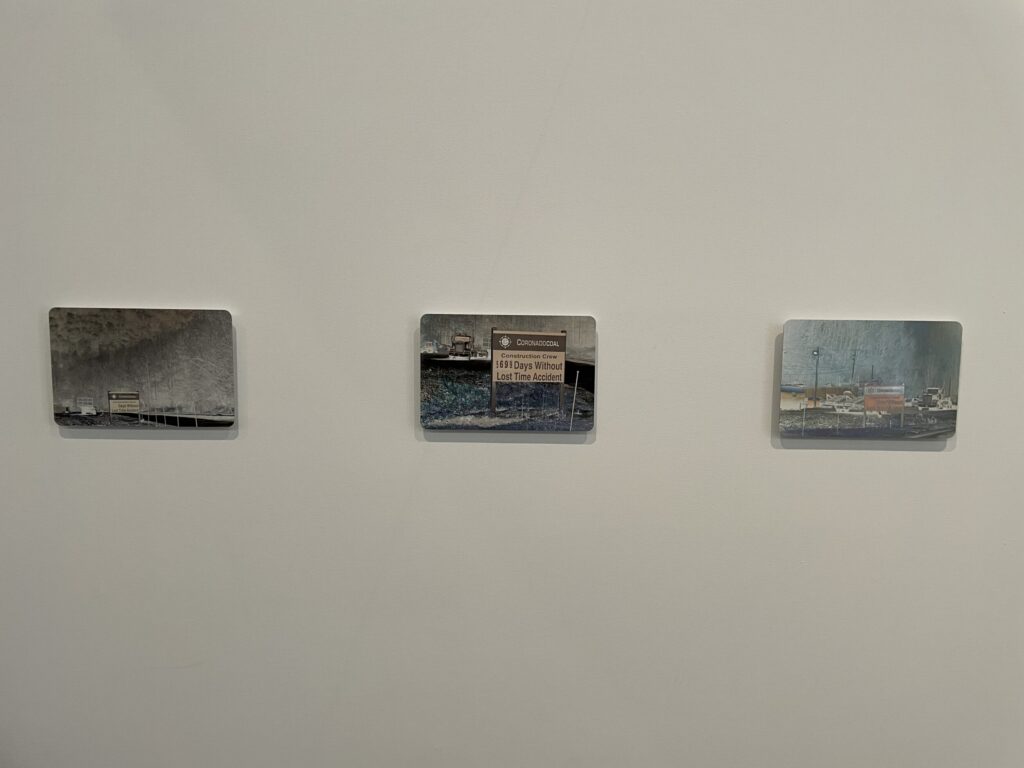
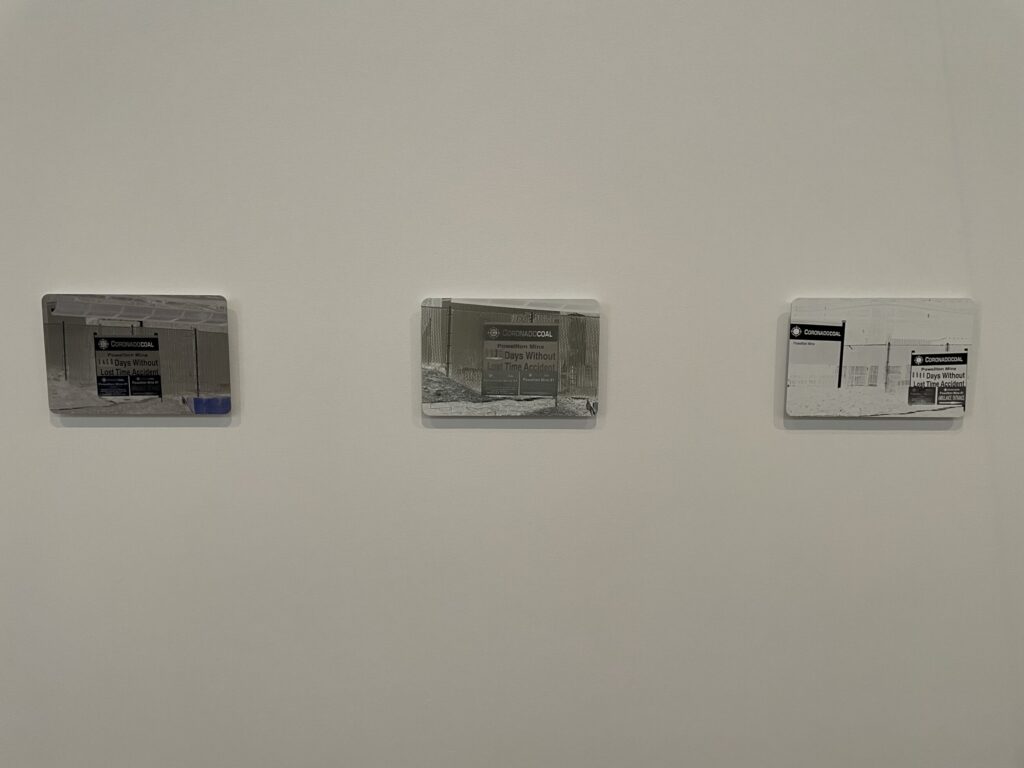
- 2 pigment prints on adhesive vinyl, 2025
- 1 set of 4 pigment prints on adhesive vinyl, 2025
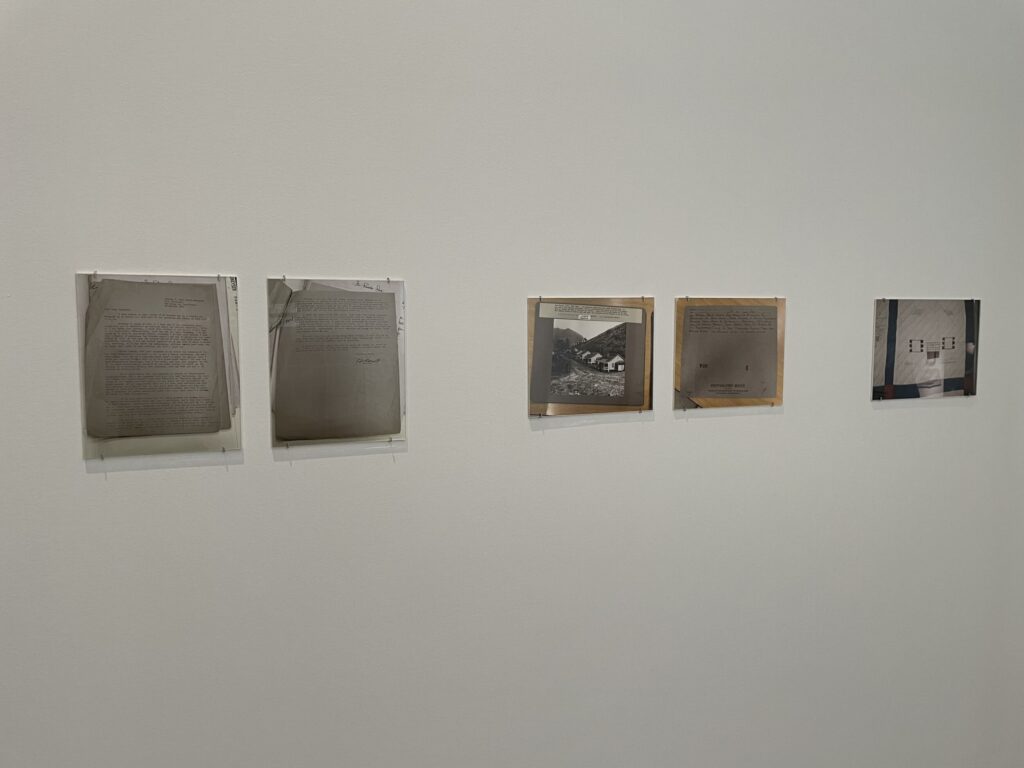
- 3 pigment prints on clear film and coal-covered nails, 2025
- 5 pigment prints, 2018, 2024
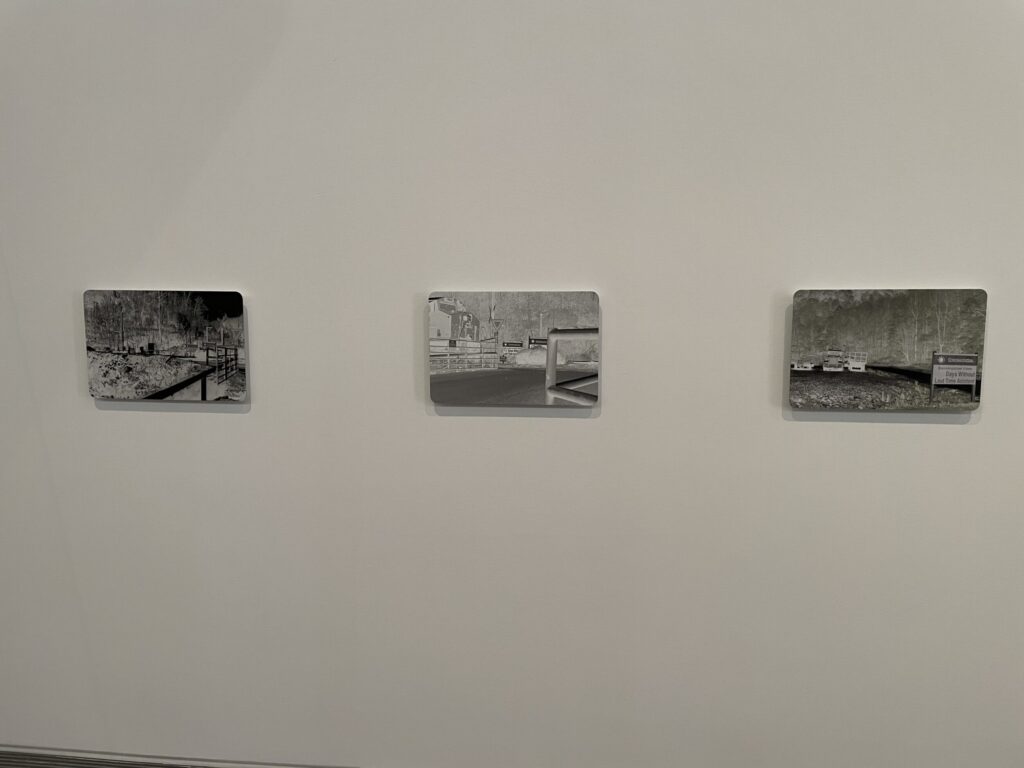
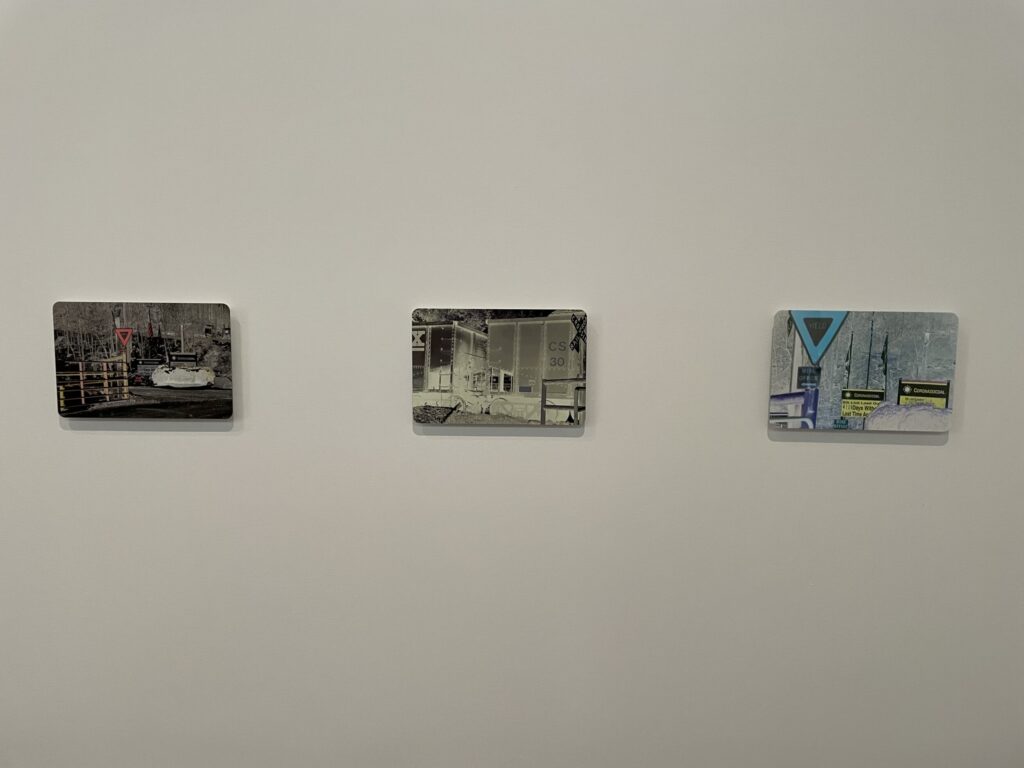
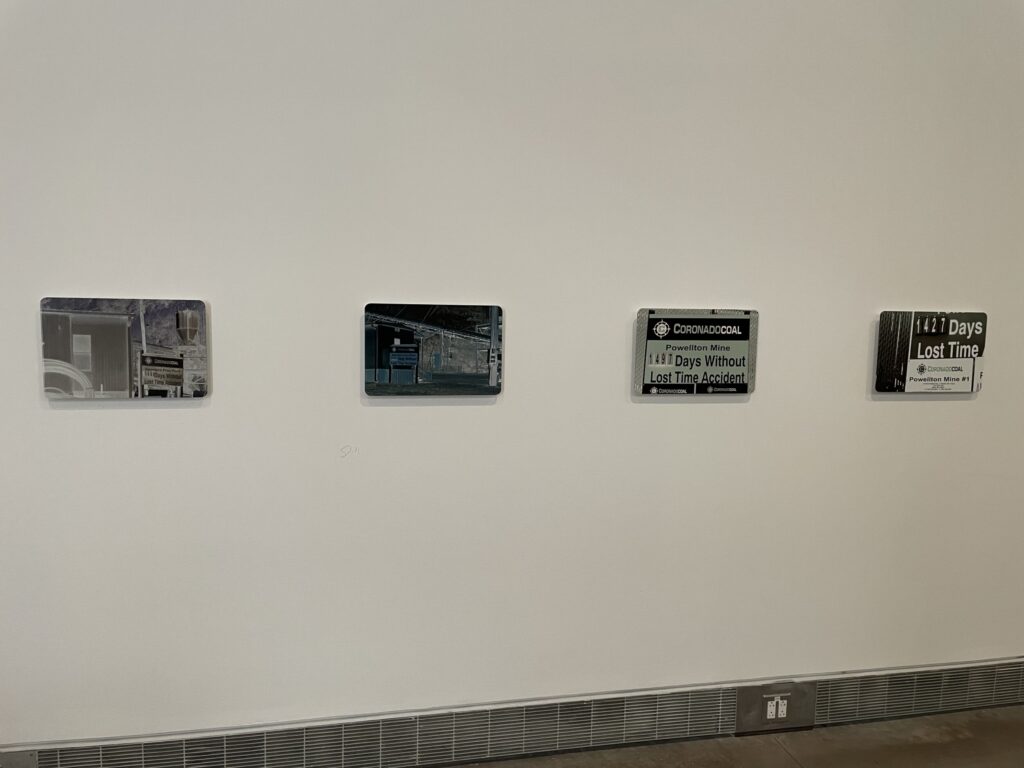
- 31 UV prints on powder-coated steel, 2024, 2025
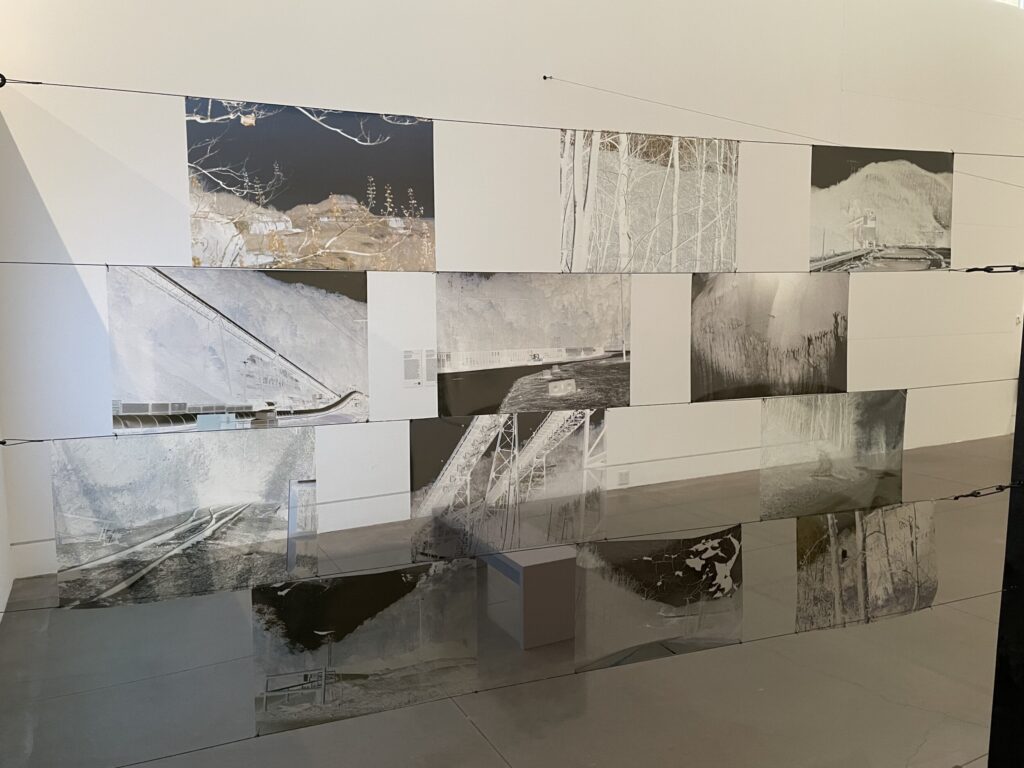
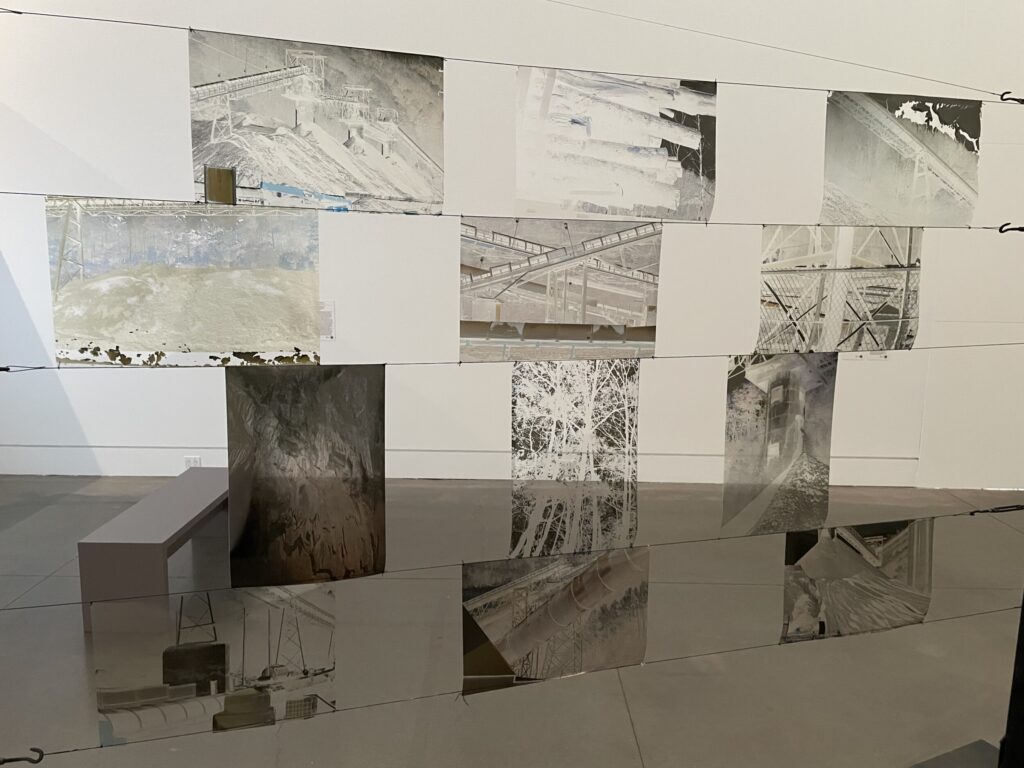
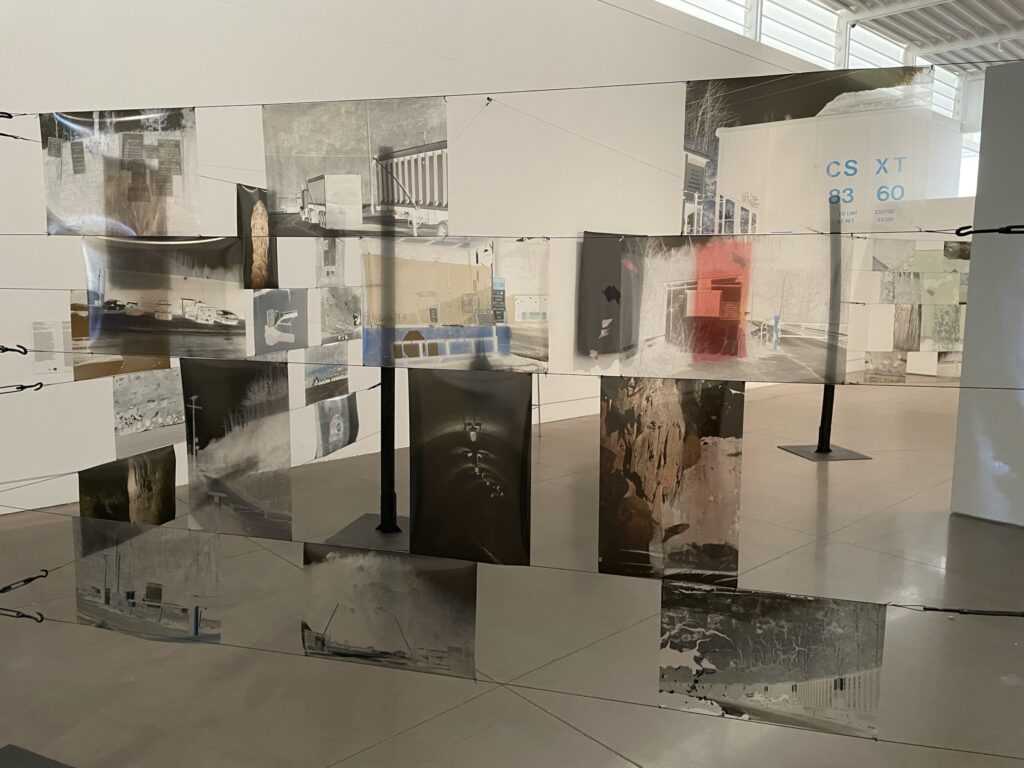
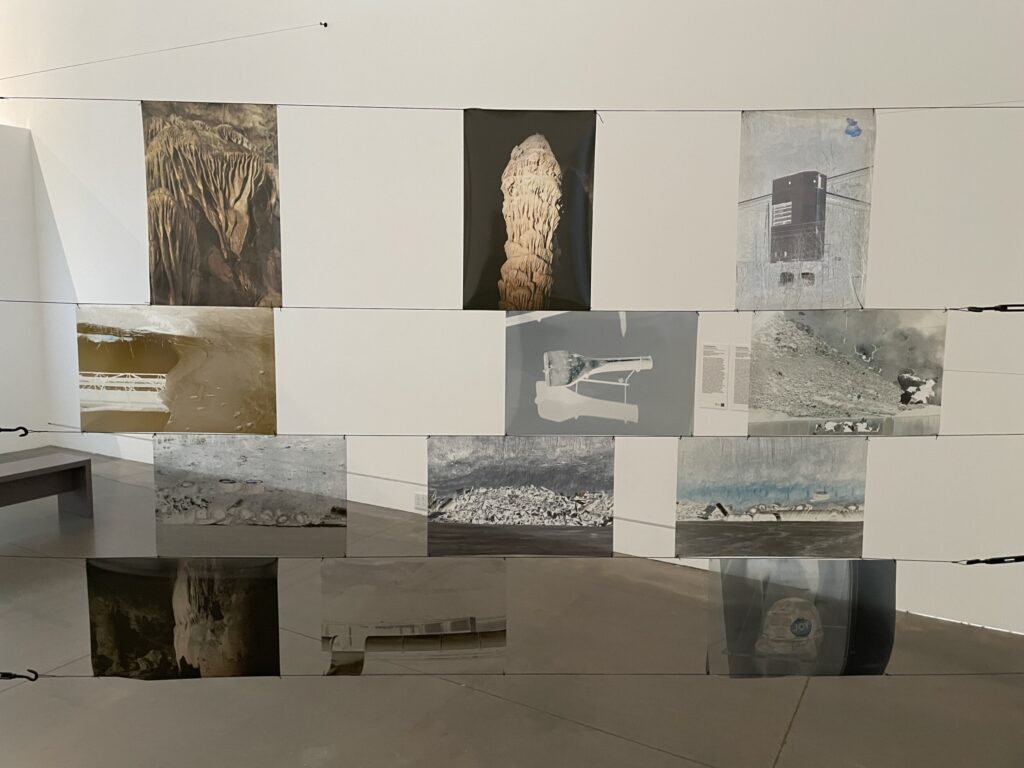
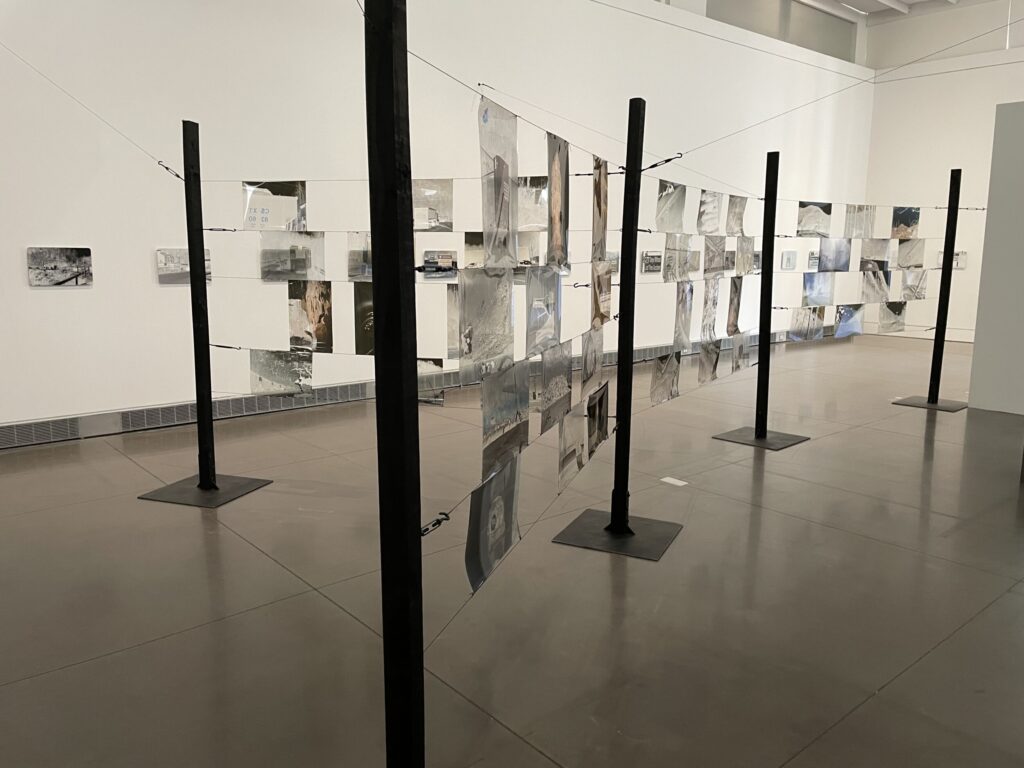
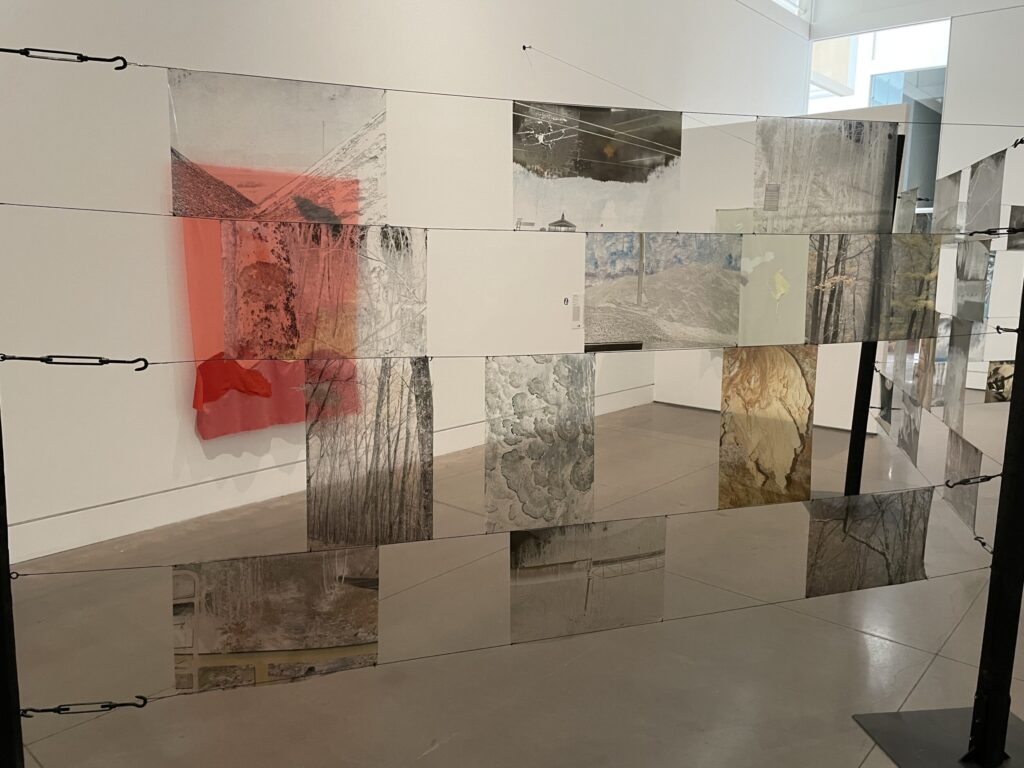
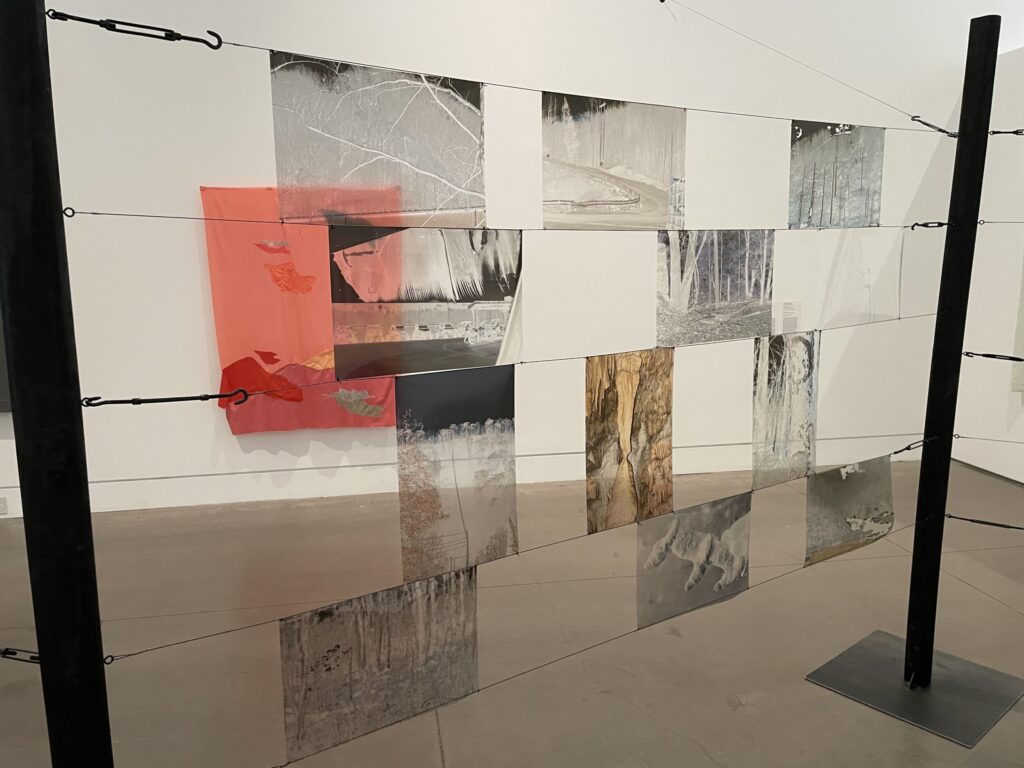
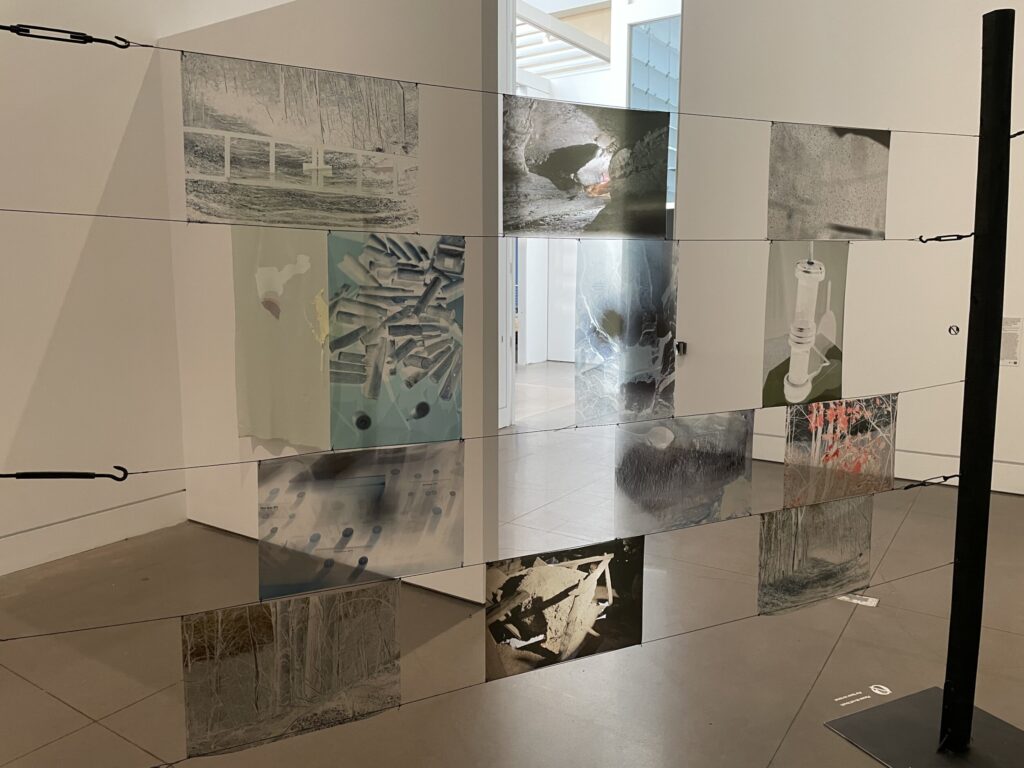
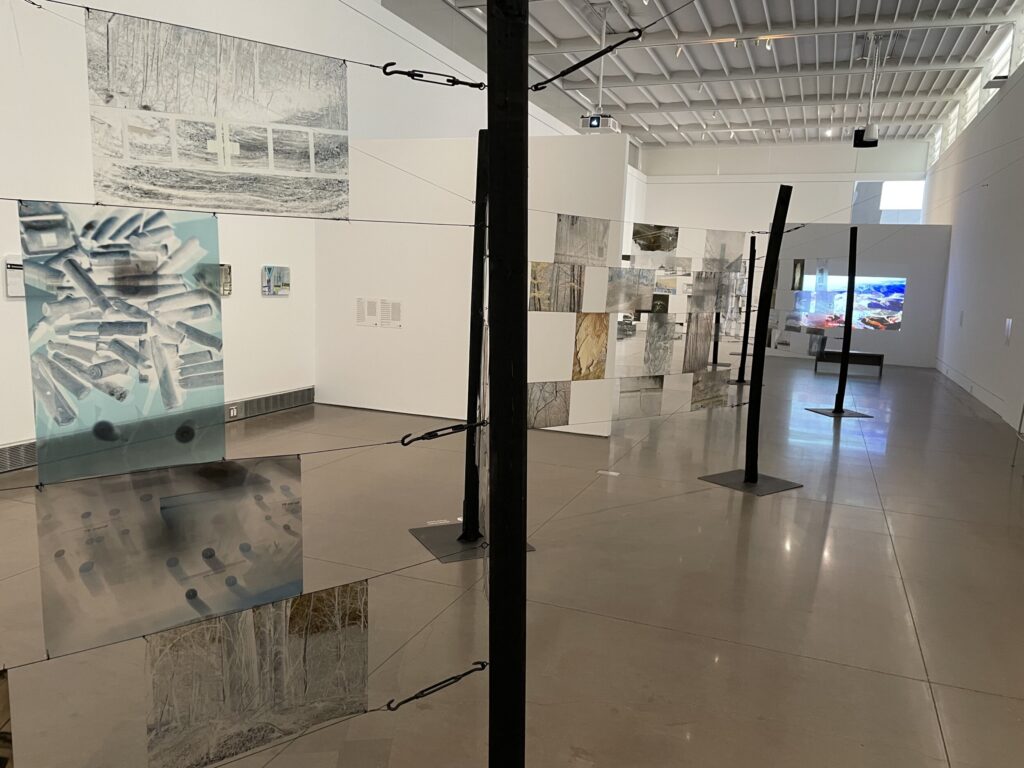
- 1 installation of 84 pigment prints on clear film, wood, metal cables, gear, and steel stands, 2025 (in two parts)
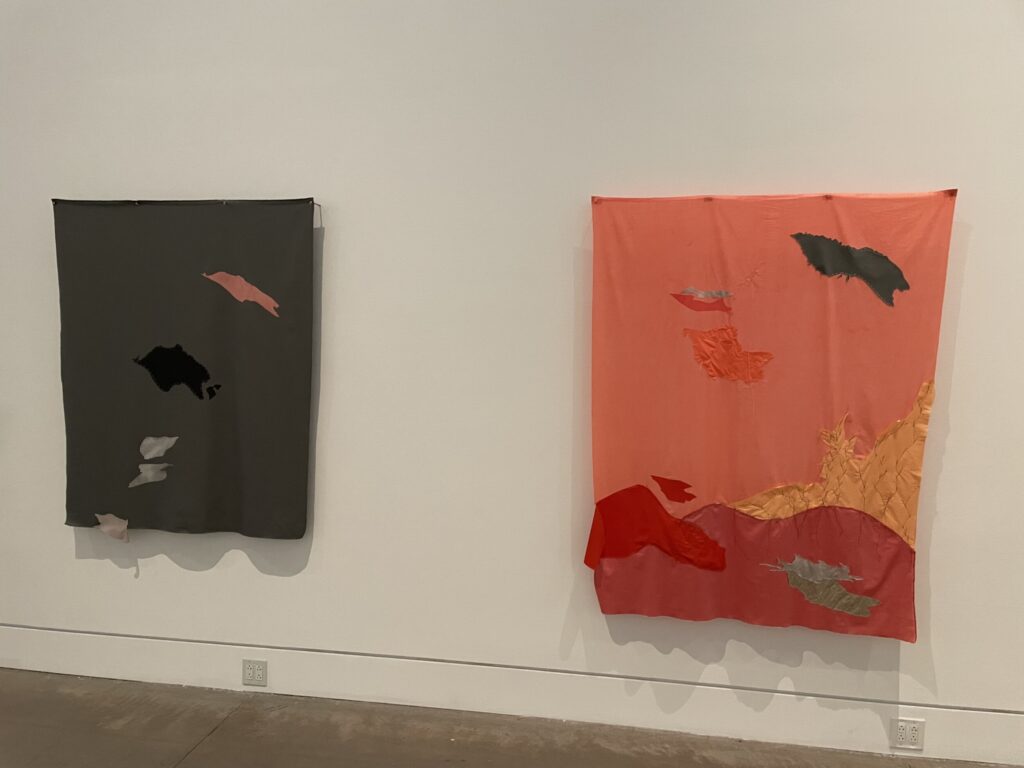
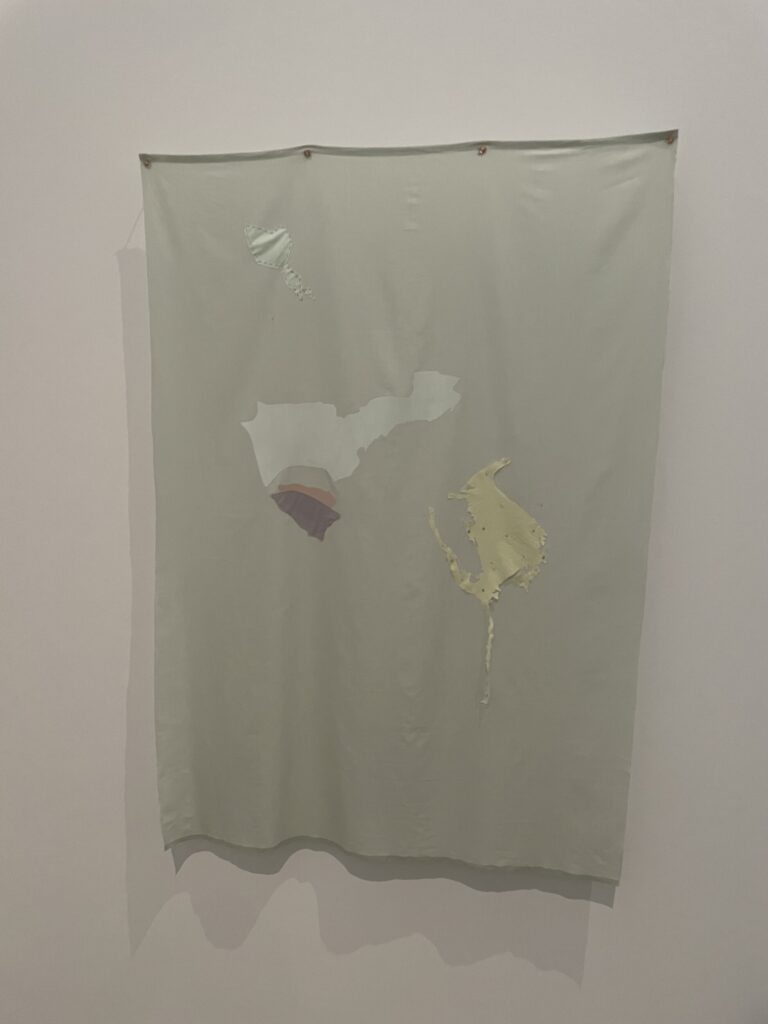
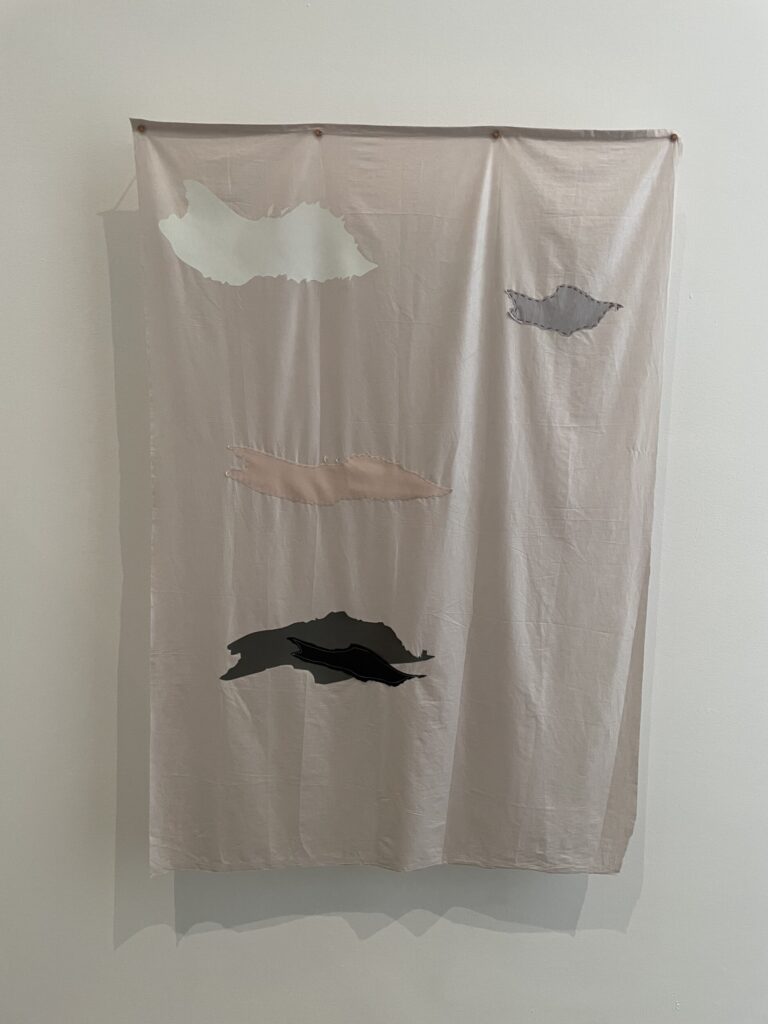
- 4 fabric, thread, and copper nails, 2025
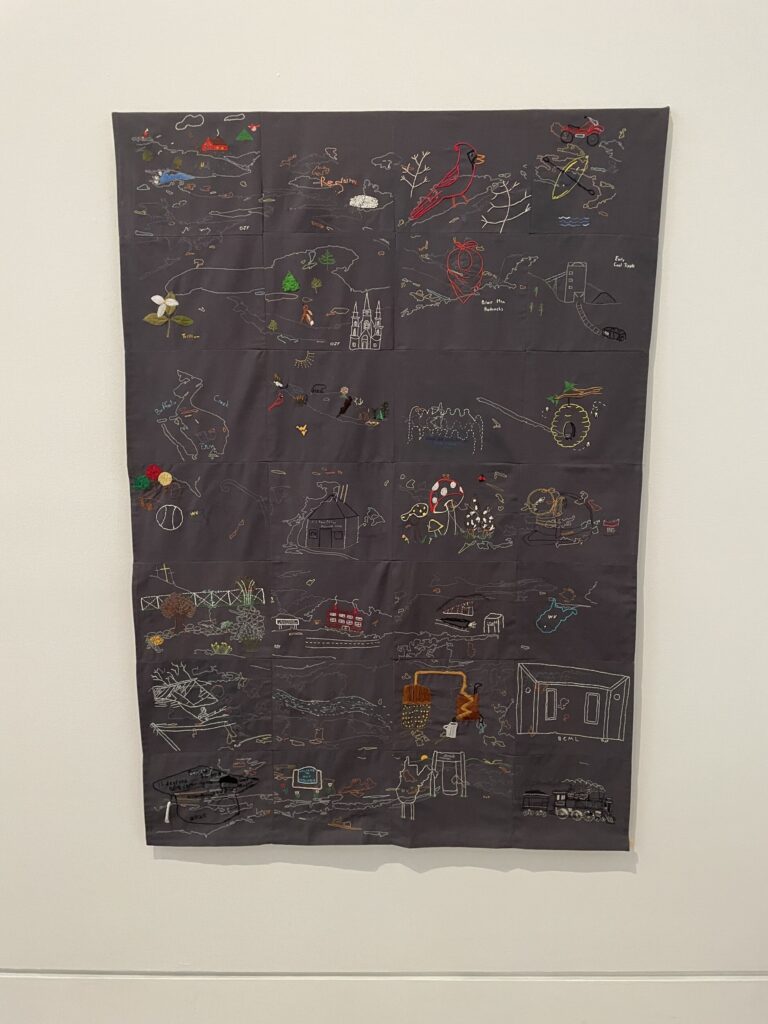
- 1 digital and hand embroidery on cloth, 2024
- 1 digital and hand embroidery on cotton, 2023-2025 (with various collaborators)
- 2 arrangements of aluminum, 2025
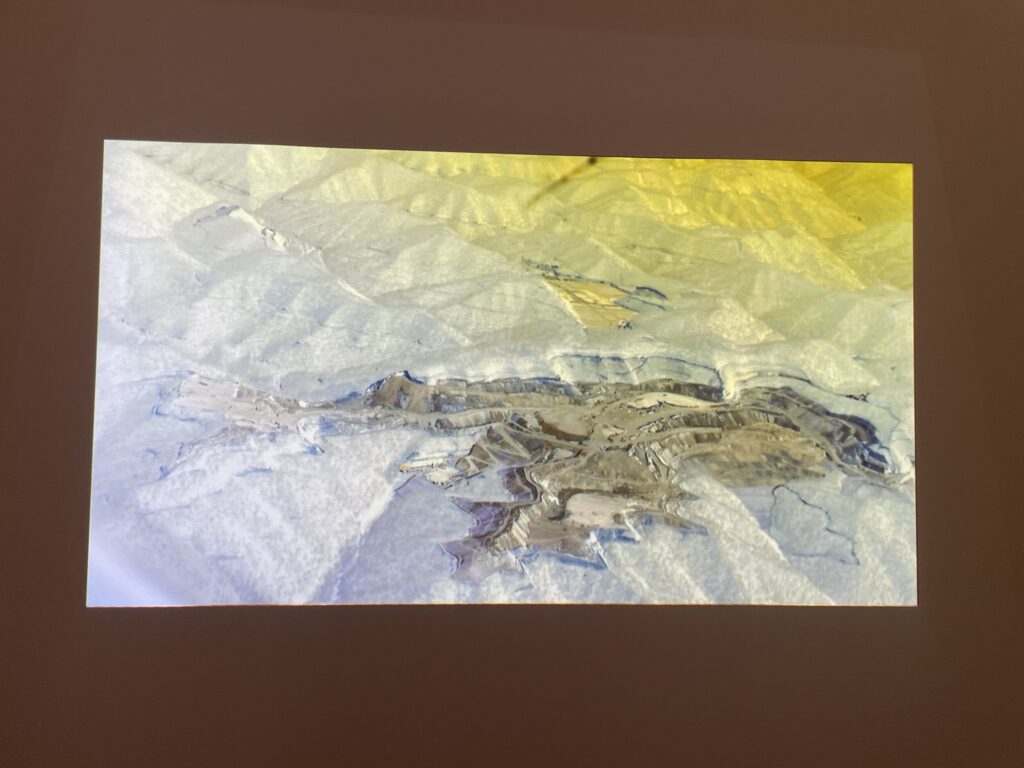
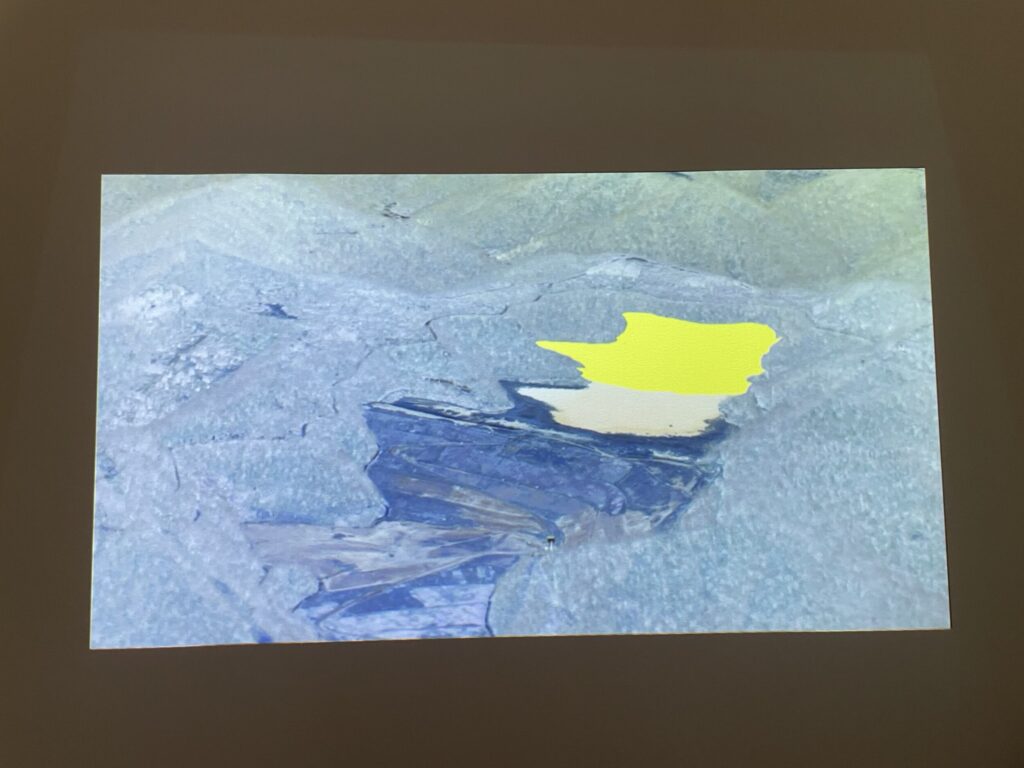
- 1 HD video, color, sound, 15 minutes 37 seconds, 2025
- 1 HD video, color, 7 minutes 48 seconds, 2025
- 1 HD video, color, sound, 30 minutes 13 seconds, 2024
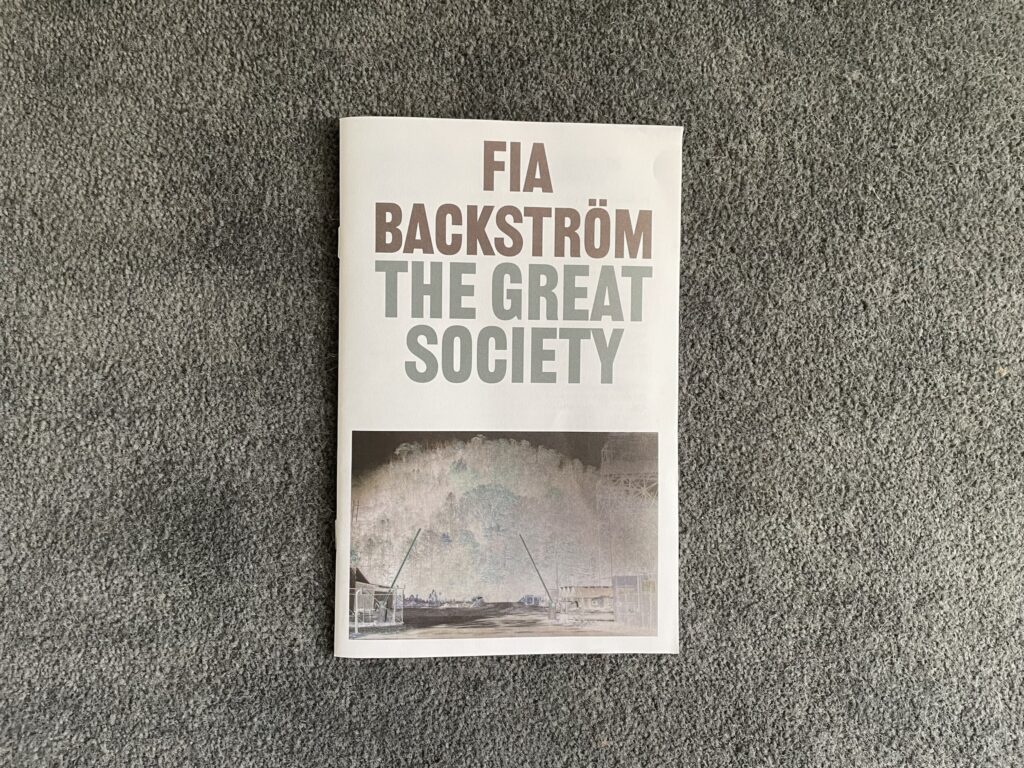
A small zine has been published by the museum to accompany the exhibition. 32 pages, including various image reproductions and film stills, essays by Eric Rosenberg and Kevin Lotery, and a note from the curators. (C0ver shot below.)
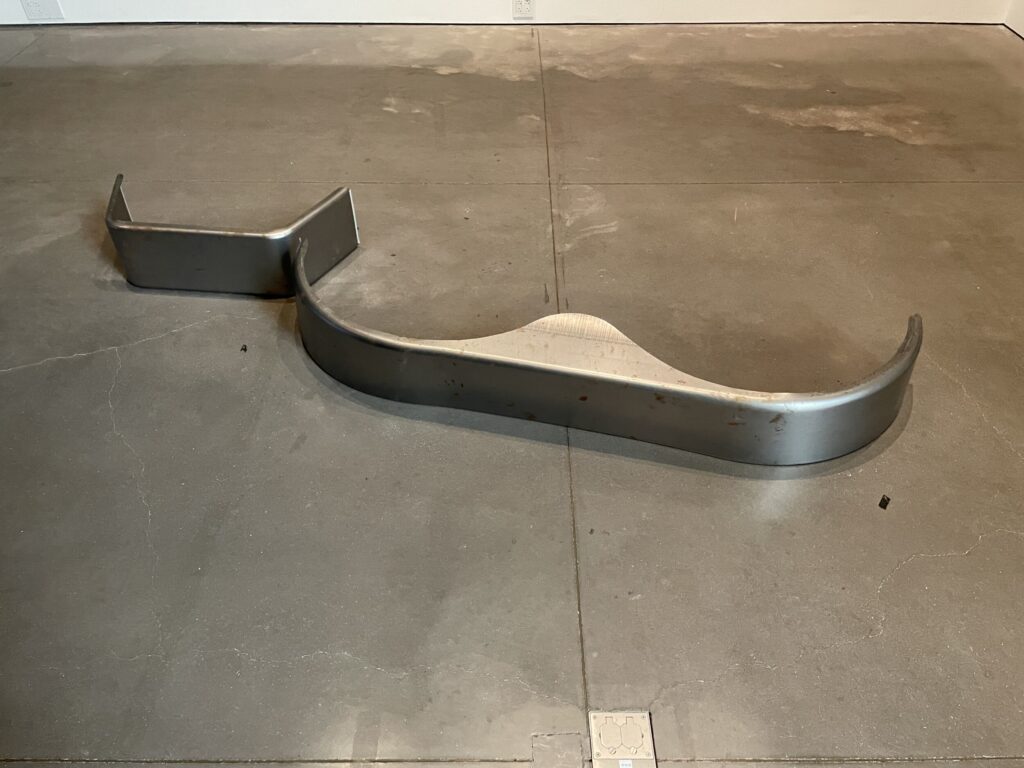
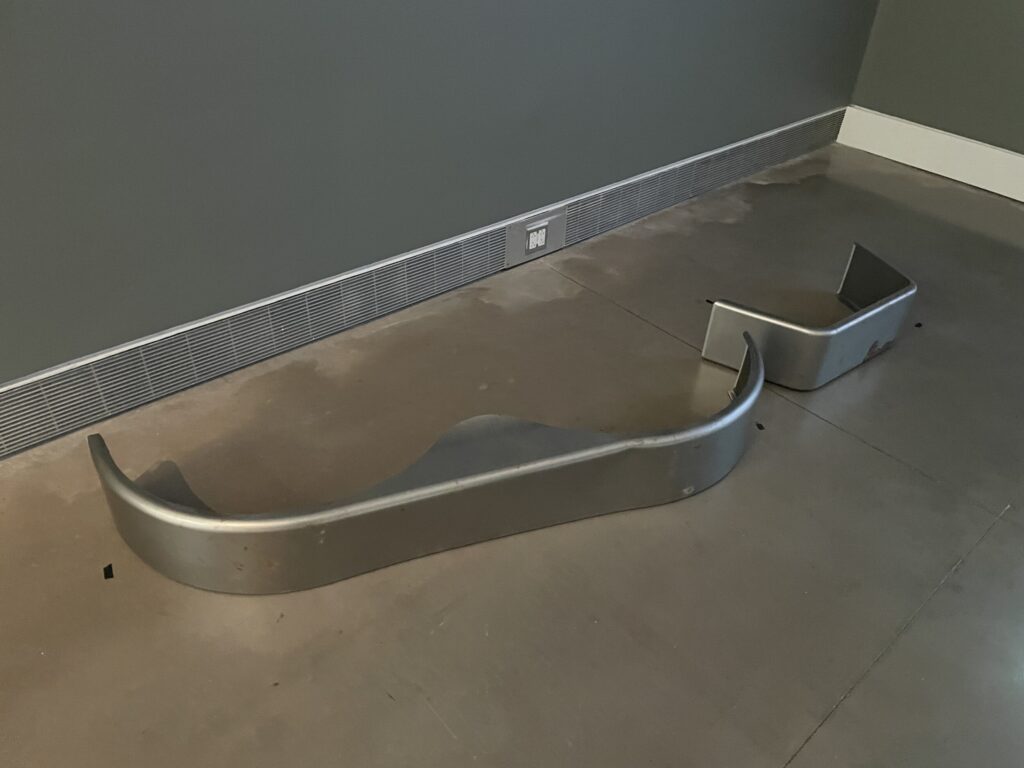
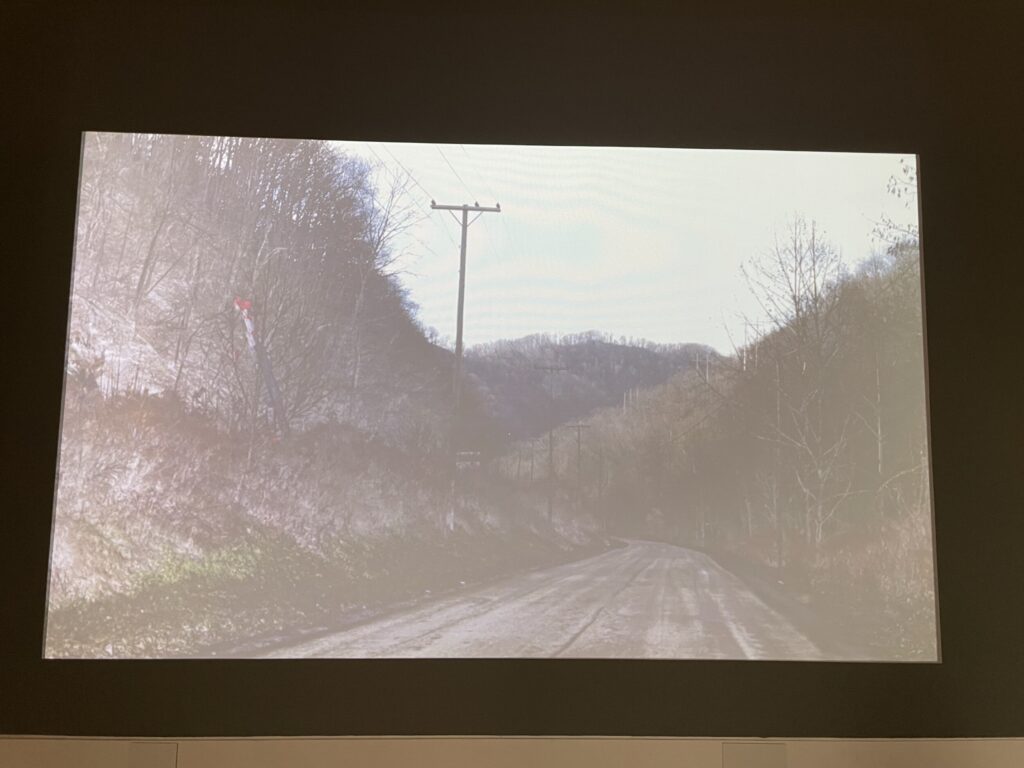
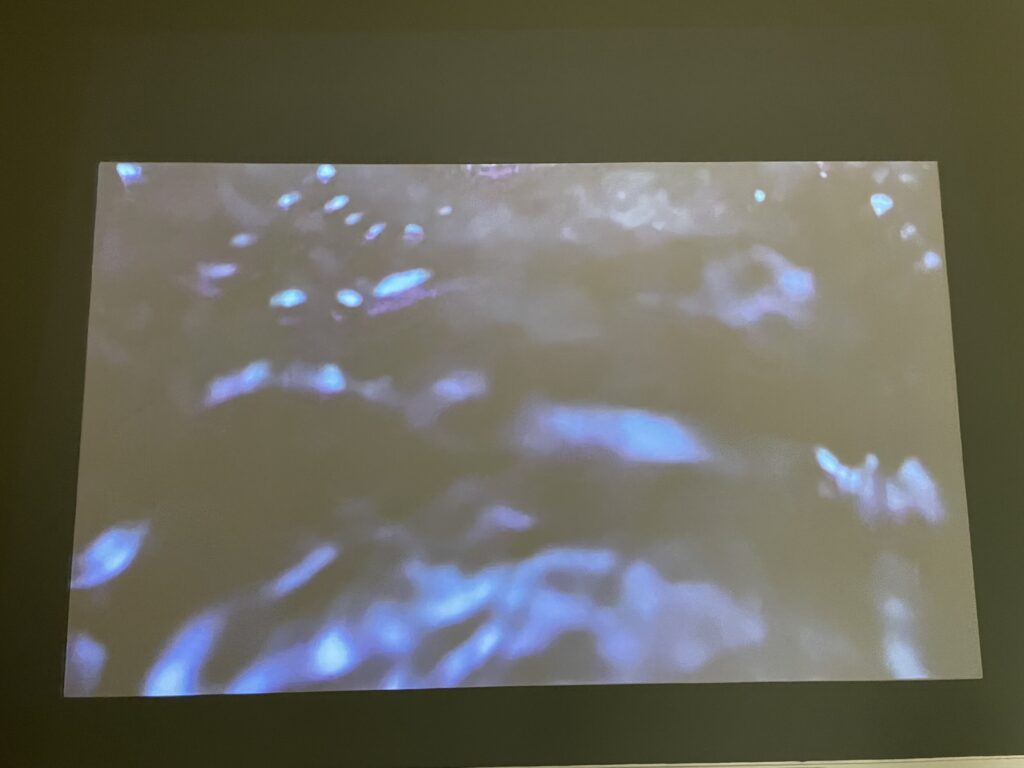
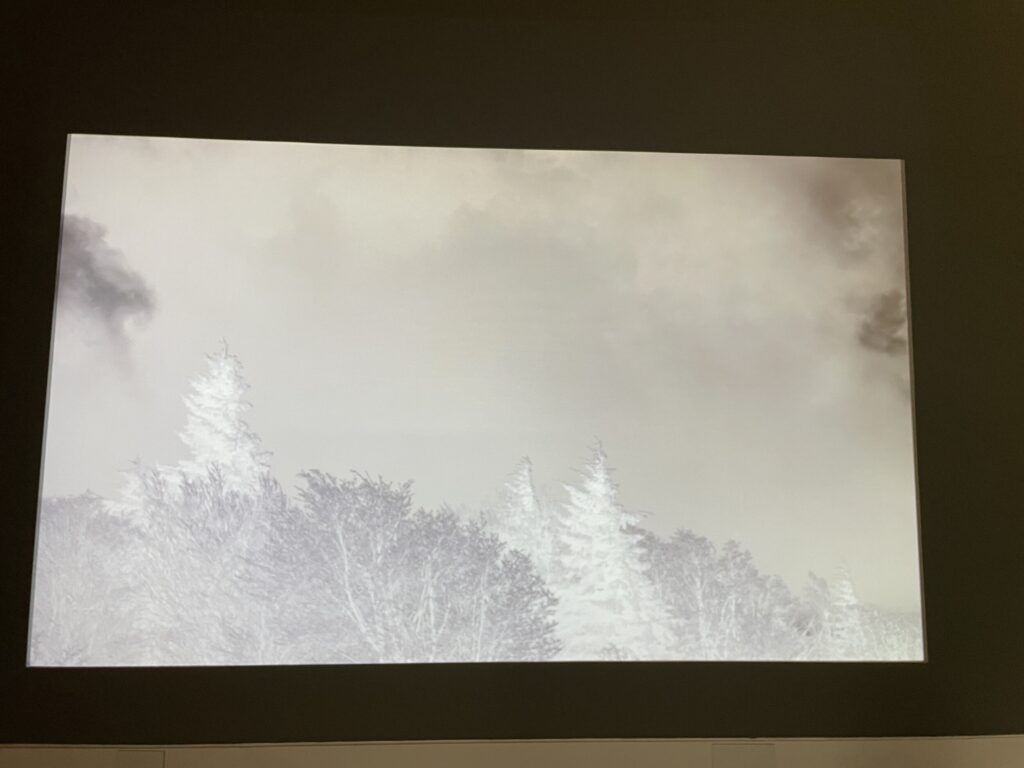
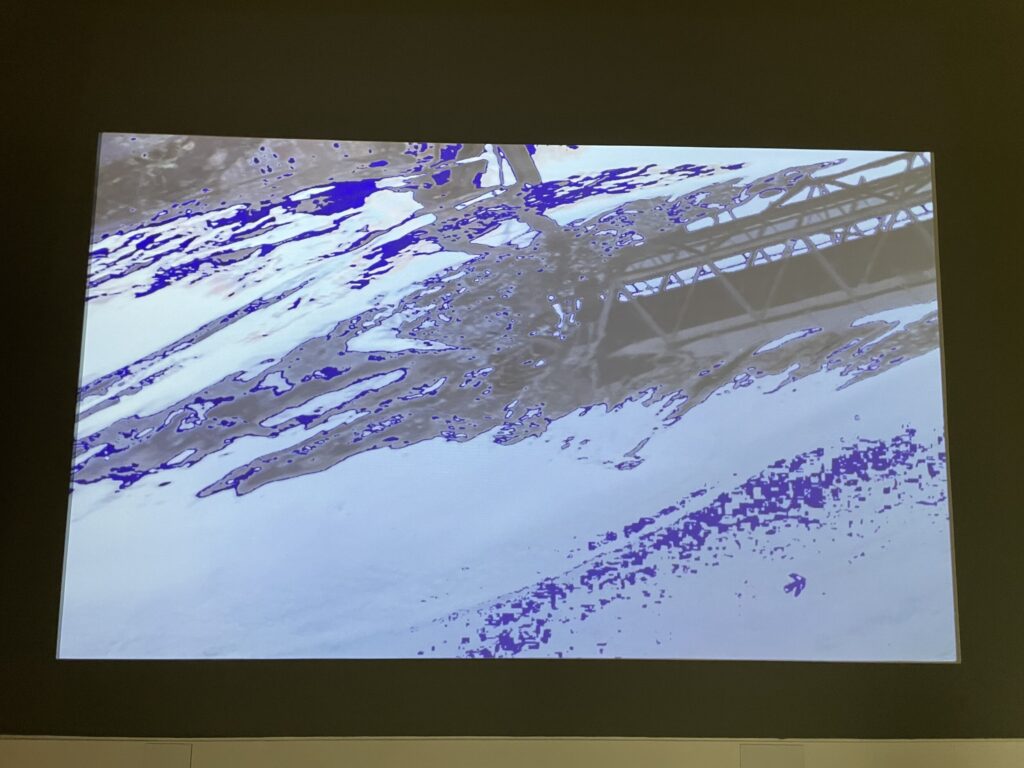
Comments/Context: Photography and trauma have an enduringly complex artistic relationship. At first glance, it seems obvious that using images to compassionately witness instances of trauma and devastation, and to empathetically document the people, places, and ongoing reverberations of those events are important and necessary tasks, and even urgent in many cases. And yet, the very real nuances of who exactly is behind the camera and what stereotypes and embedded points of view they bring to the process of investigating such events and situations quickly becomes evident, especially when the witnesses are outsiders (by some definition) rather than members of the family, community, or other group that has been directly affected.
This fraught photographic reality has been particularly visible in images made of life in the mountainous Appalachian regions of West Virginia across the past century, where harsh living conditions, coal mining, and poverty have often led to photographs and media projections that have reinforced negative prejudices about the people who live and work there. So when a contemporary artist steps into any Appalachian project today, he or she must inherently wrestle with these historical representations and how they might affect the telling of new photographic stories.
The Swedish artist Fia Backström (who was just recently awarded a 2026 Guggenheim Fellowship to support her work) has spent the better part of the past decade making trips to the area in and around Buffalo Creek, Virginia, methodically exploring the local region and getting to know its residents. This is the heart of American coal country, and in particular, the location of a devastating 1972 disaster, where a coal slurry dam collapsed, creating a flow of black water and sludge that rushed down the nearby valley, killing more than a hundred and leaving the land covered with toxic waste. Of course, such regions have a long history of coal mining accidents and localized environmental crises, often amplified by instances of corporate and even governmental misdeeds and corruption, but the lingering traumas of the Buffalo Creek incident were what attracted Backström’s artistic attention. Even fifty years later, the community was still recovering from its many wounds, and Backström was interested in both the history of what actually happened there as well as the evidence of collective resilience and resistance that had gone largely unnoticed.
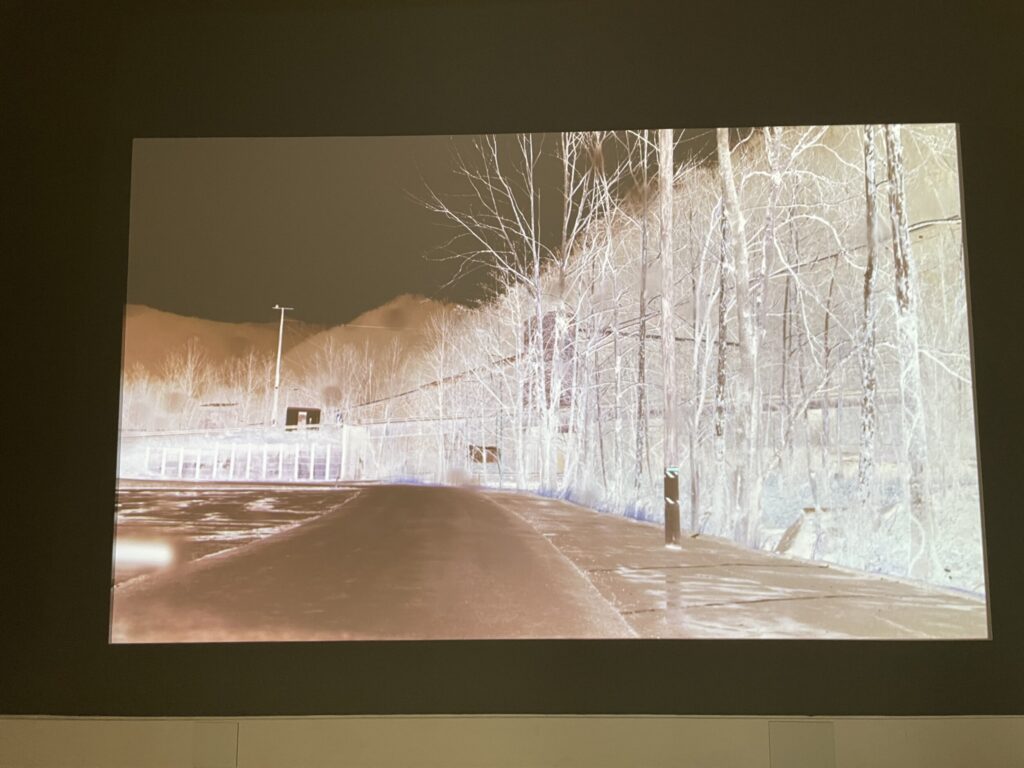
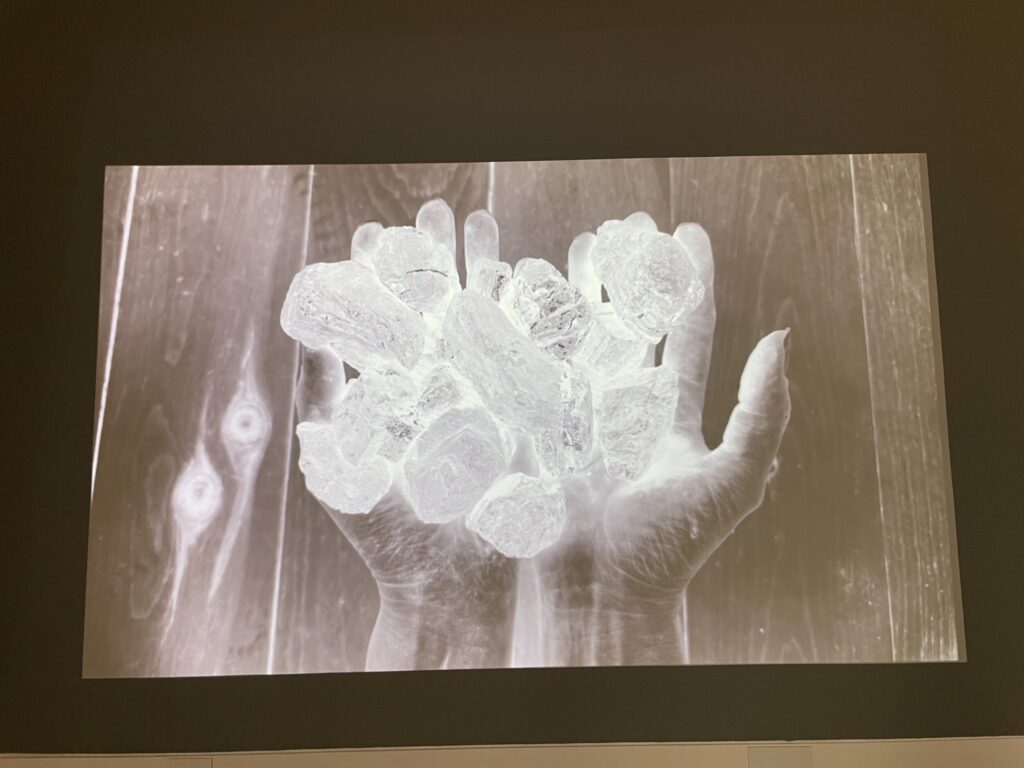
While photography lies at the heart of Backström’s approach, “The Great Society” (as this exhibition is named) includes not only photography, but also several videos, text-based works and “docu-poetry”, sculptural installations, interviews and source documents, and embroidered textiles, alluding to the fact the layered story she wanted to tell required multiple vantage points and methods. The central feature of the exhibit is an installation of poles and wires (meant to echo the look of the electrical towers and wires that crisscross the Virginia mountains) in the middle of the gallery that houses a selection of photographs printed on transparencies, with sets of twelve images placed on each section, almost like clothes on a clothesline or panels of a quilt. “Sacrifice Zone” gathers together photographs of various subjects – mountain and forest views, mining facilities and infrastructure, cave formations, and other less identifiable technical fragments, all seen in eerie reversed tones and poisoned colors, reflecting the sickly mood of the current environment. Backström’s inversions are unsettling, and the participatory nature of the installation activates those emotions more fully, with the viewer’s movements turning the work into a shifting constellation of ominous imagery.
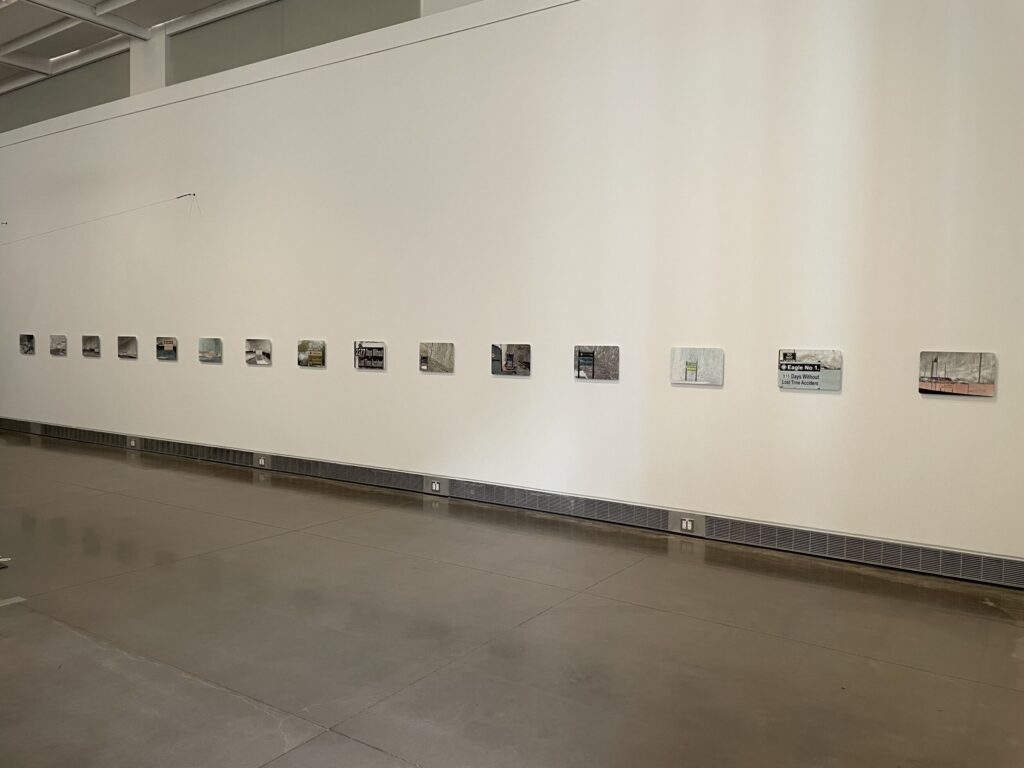
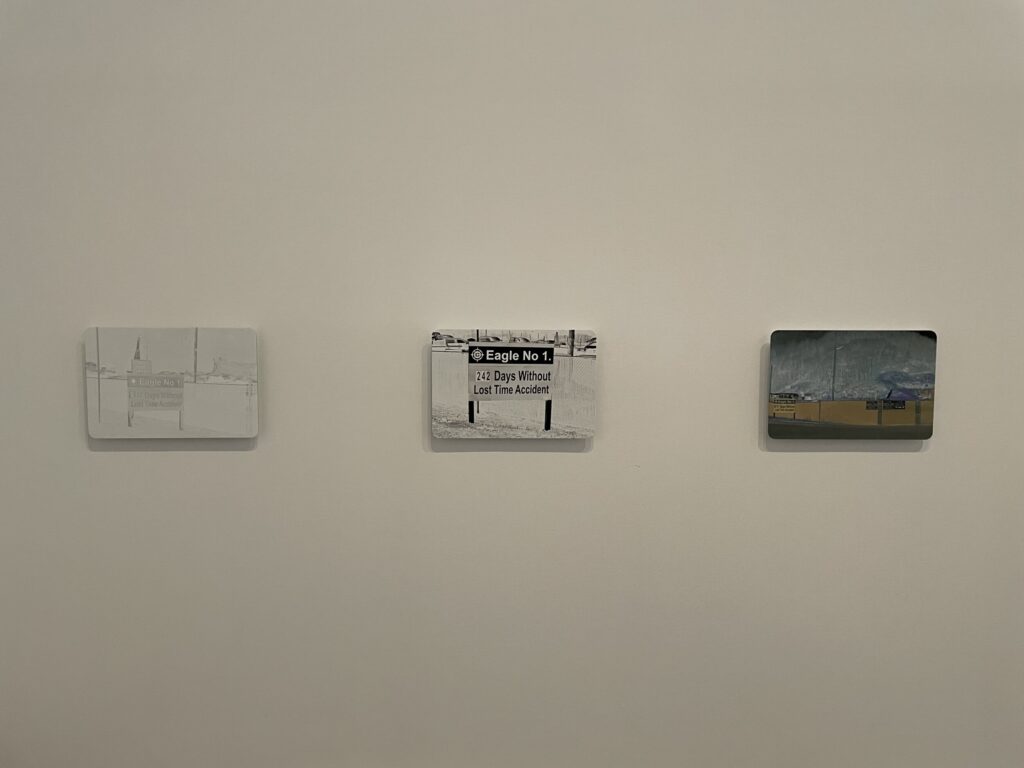
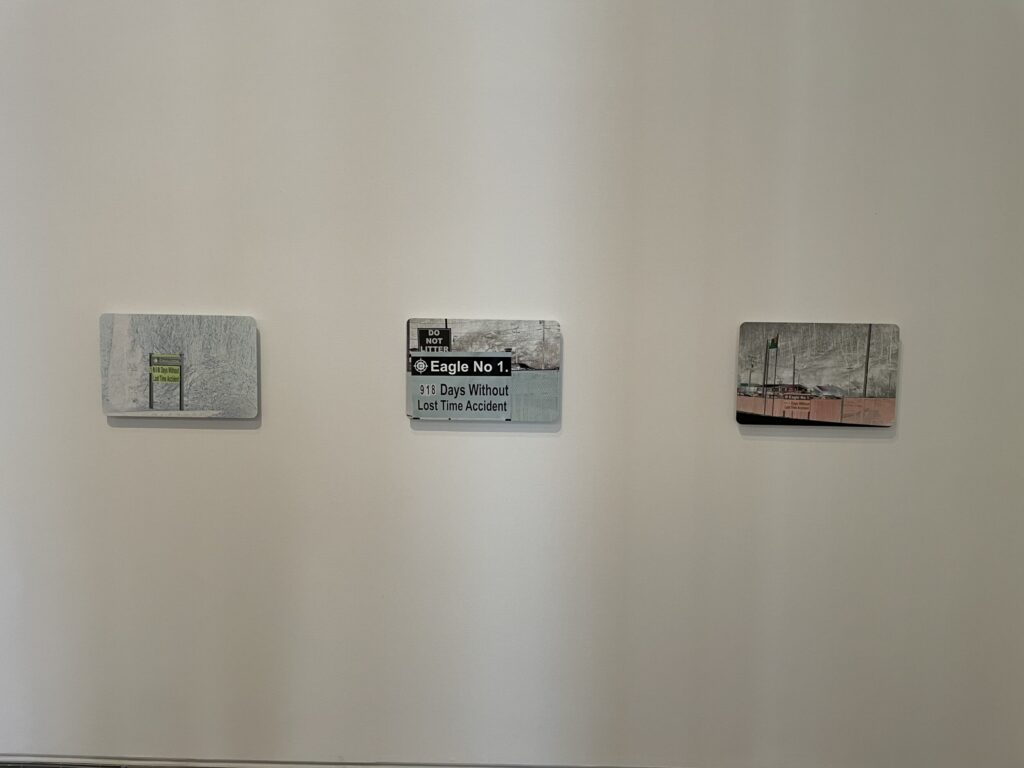
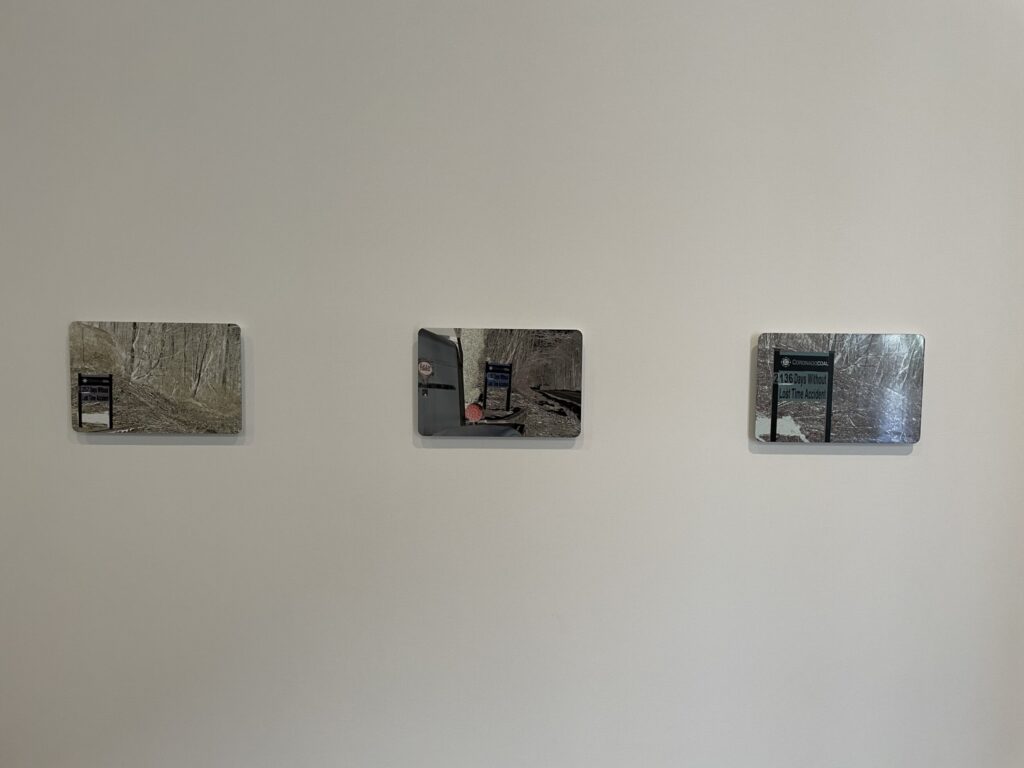
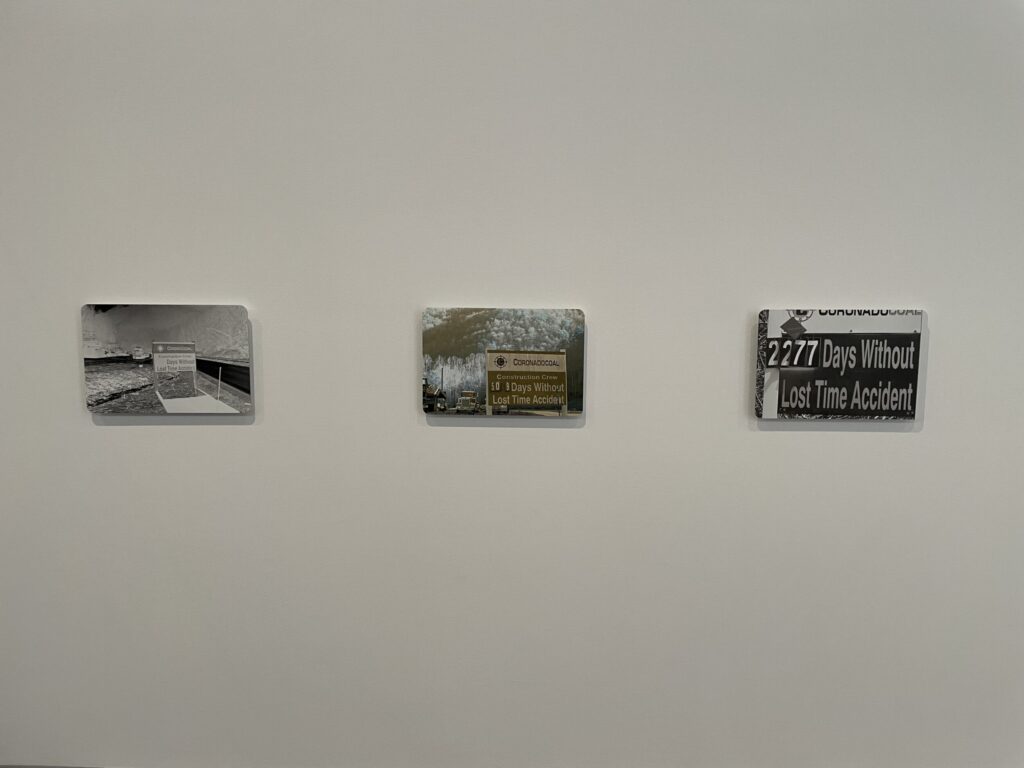
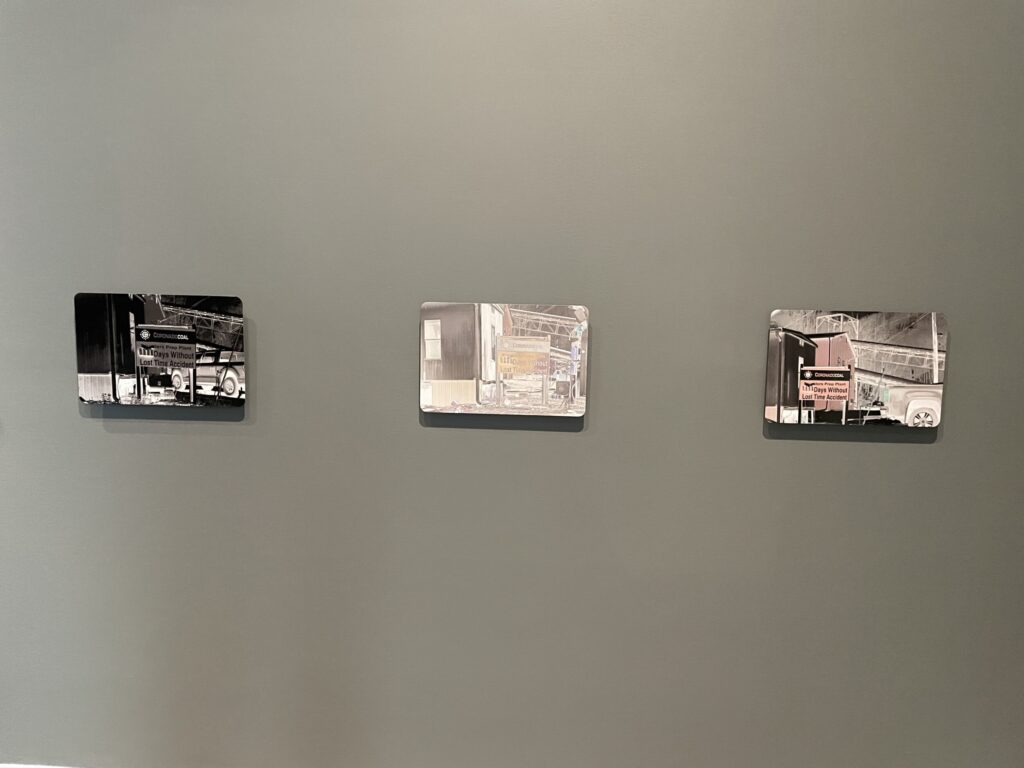
As we might have expected, the local mining companies were not exactly eager to have Backström nosing around and taking pictures, so she was essentially denied access inside the heavily surveilled fences and barriers that surround the facilities. Her response was to make images of what was visible from the nearby roads and pathways, including the exterior signs that proudly announce the number of sequential days of safe operation (even when the number is left blank). She has then turned images of these “Days Without Lost Time Accident” signs into inverted art objects, tweaking the color values and printing them on steel like the original displays. Her signs circle the gallery walls, featuring numbers large and small, offering an indirect public record (and subtle indictment) of the effectiveness of safety practices both followed and ignored. In the aftermath of the Buffalo Creek accident, the mining company blamed “God’s hand” for the collapse of the dam, which conveniently shifted responsibility to a divine intervention less legally liable.
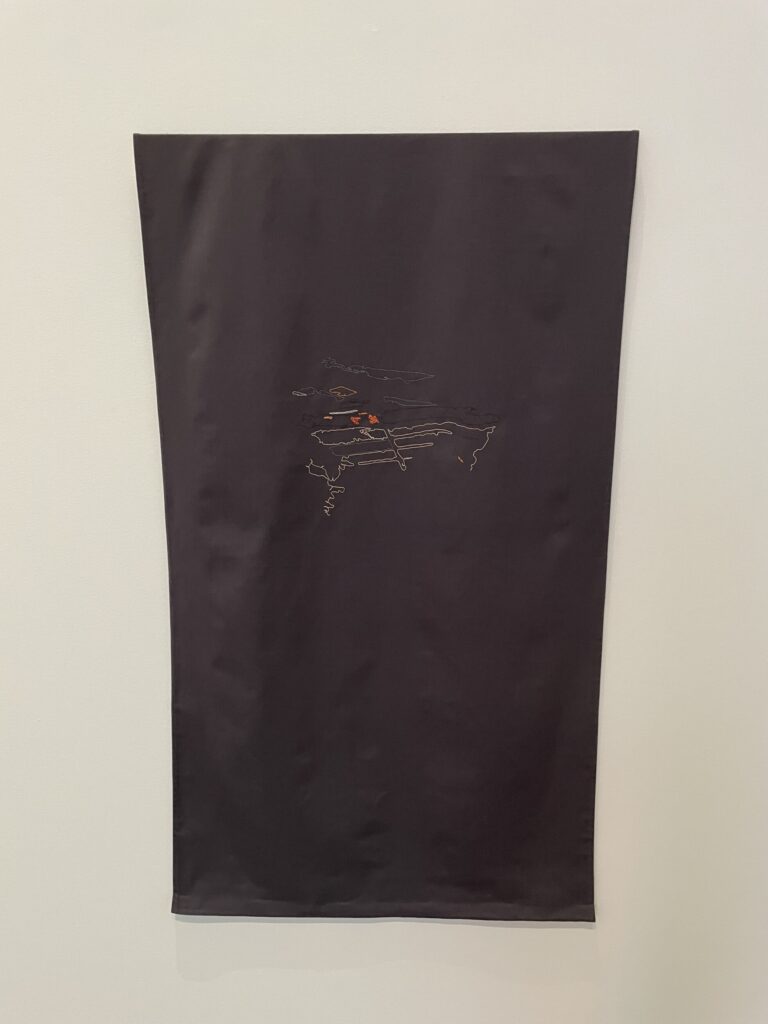
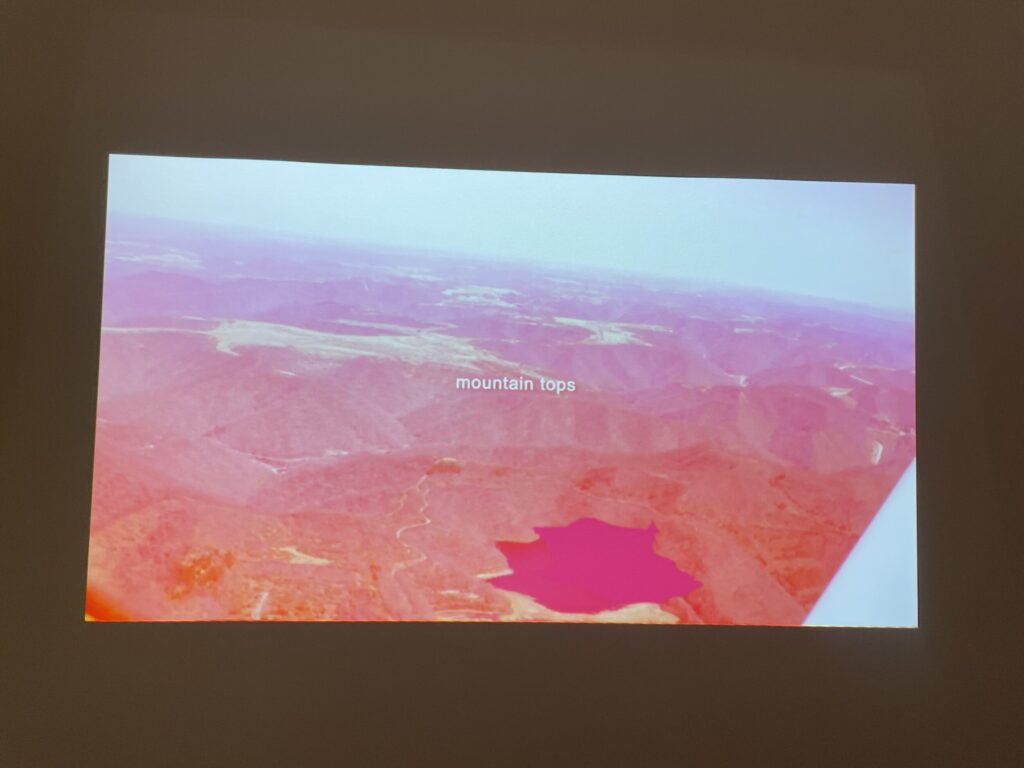
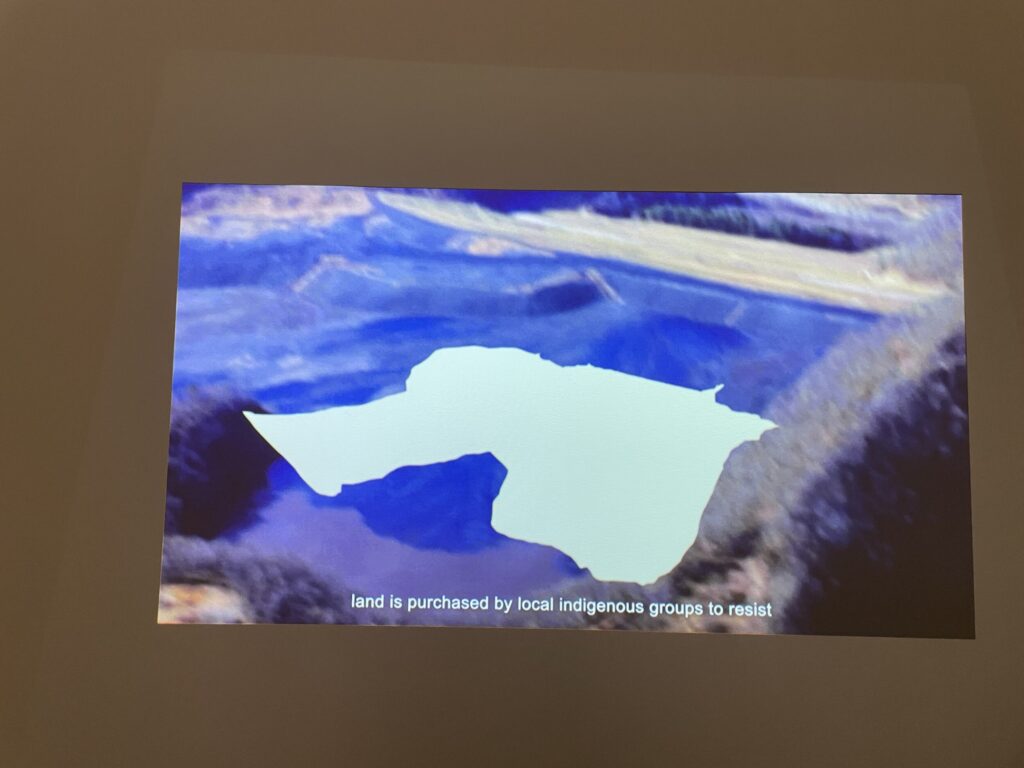
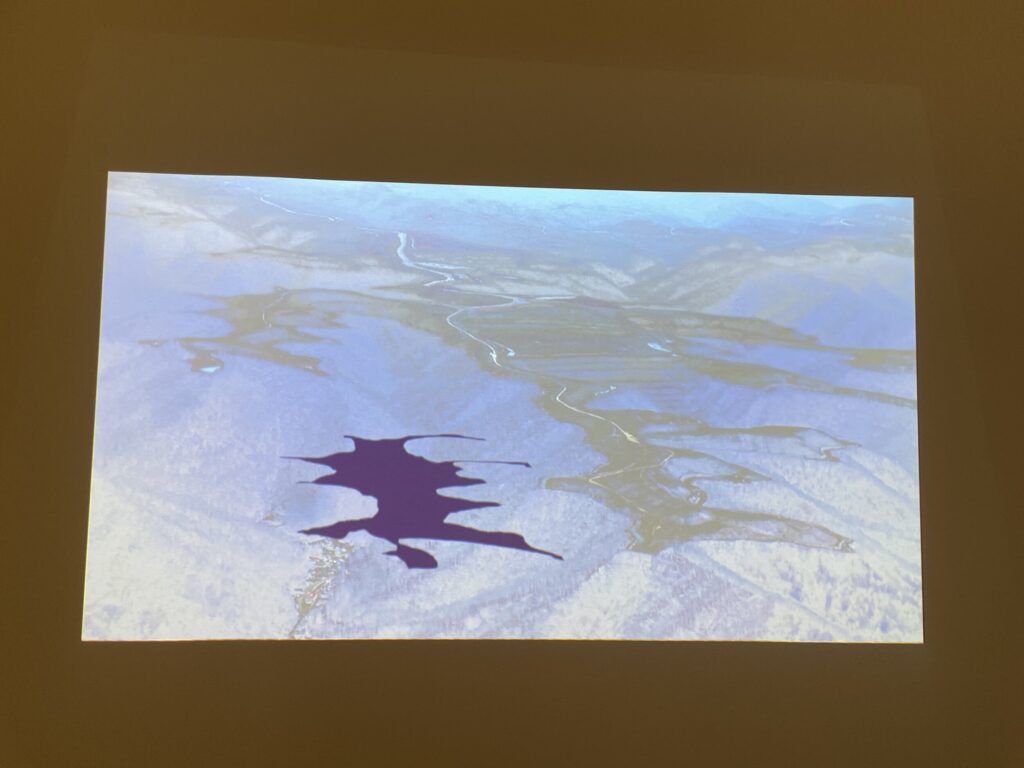
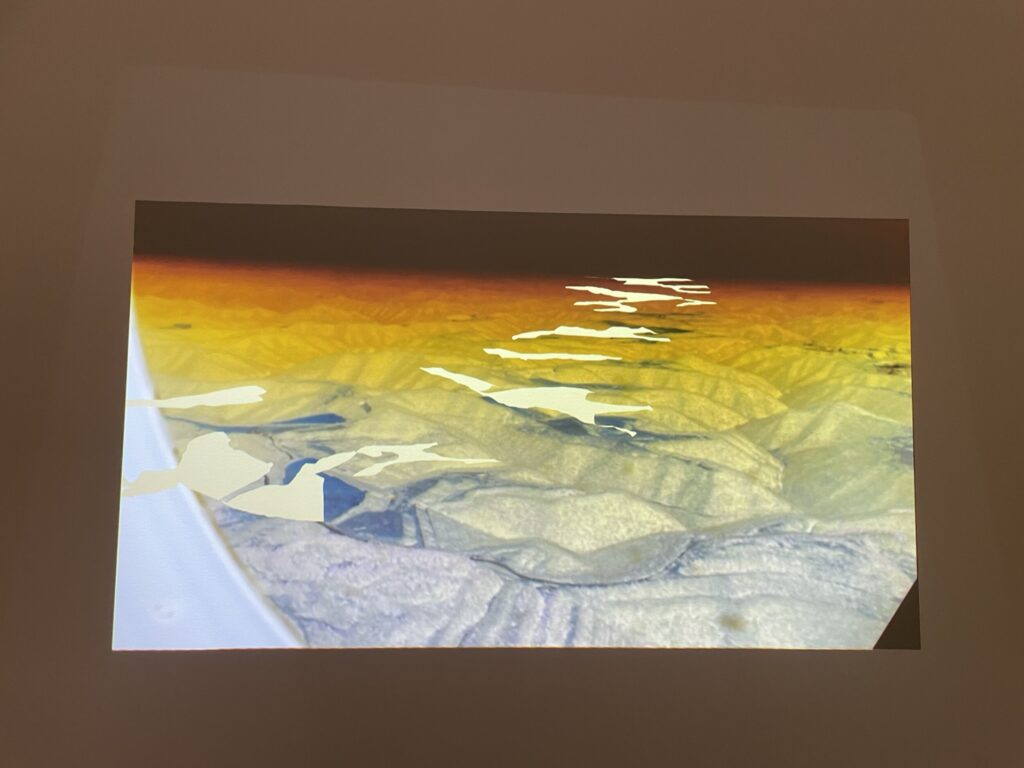
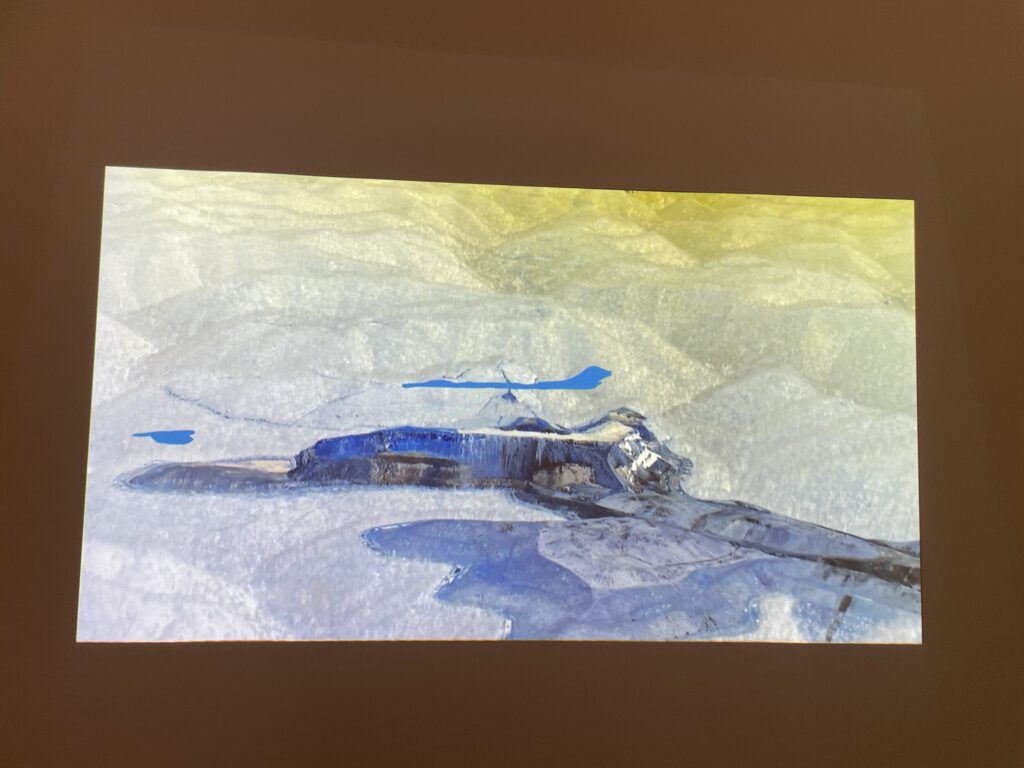
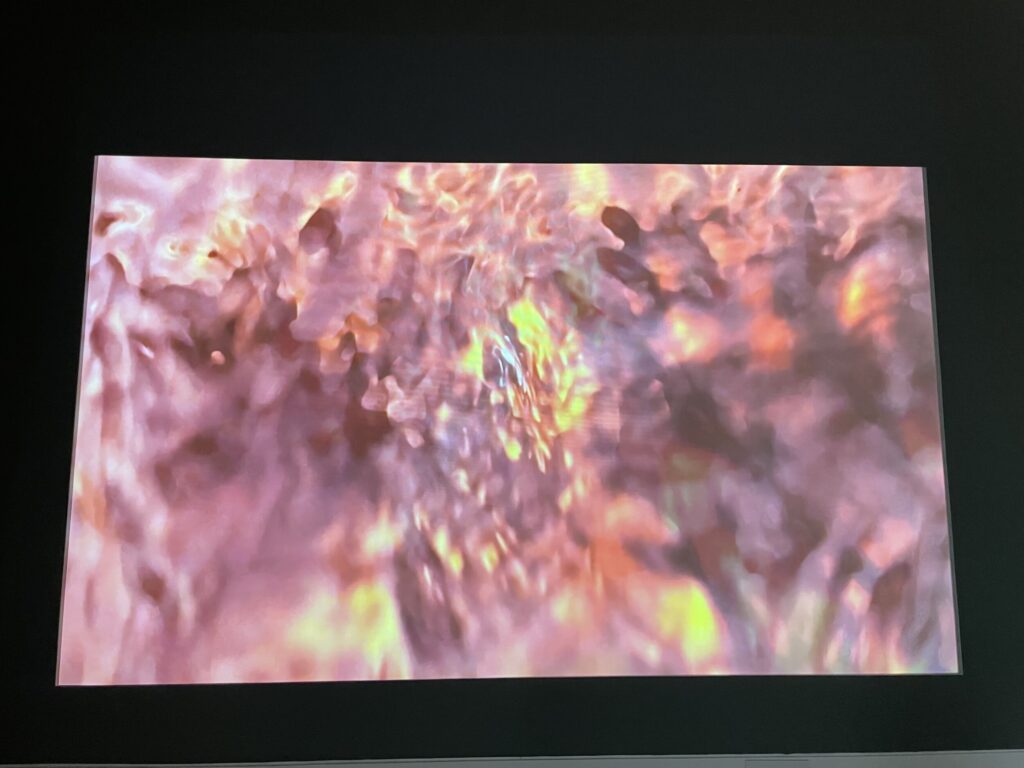
Often stymied by what she could reasonably access with her car, Backström took to the air in a rented airplane and made videos of the strip mining facilities spread across the mountains. Again, she has used inverted tonalities and sickly colors to make the mountains look diseased, and when she’s come nearer to mountaintop mines, she’s added in color animations highlighting the slurry pools and runoff lagoons that are slowly leaching chemicals and leftovers into the land. These abstract forms hover and move around as the plane makes its way across the landscape, applying the colored shapes to different locations. Back on the ground, Backström then enlisted a group of local women to assist her in making embroidered textiles in these same jagged shapes; the effect is conflicted, with the implied danger of the pools reimagined with hand-crafted collective engagement, almost like literally stitching the community back together in the face of these ongoing threats and traumas.
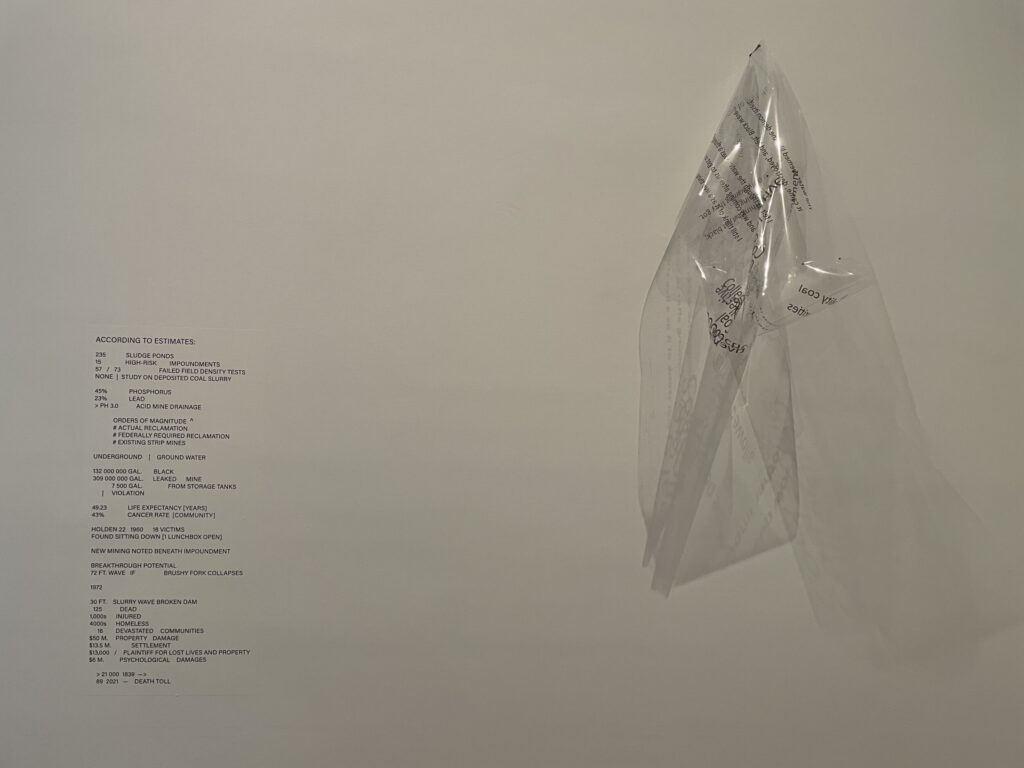
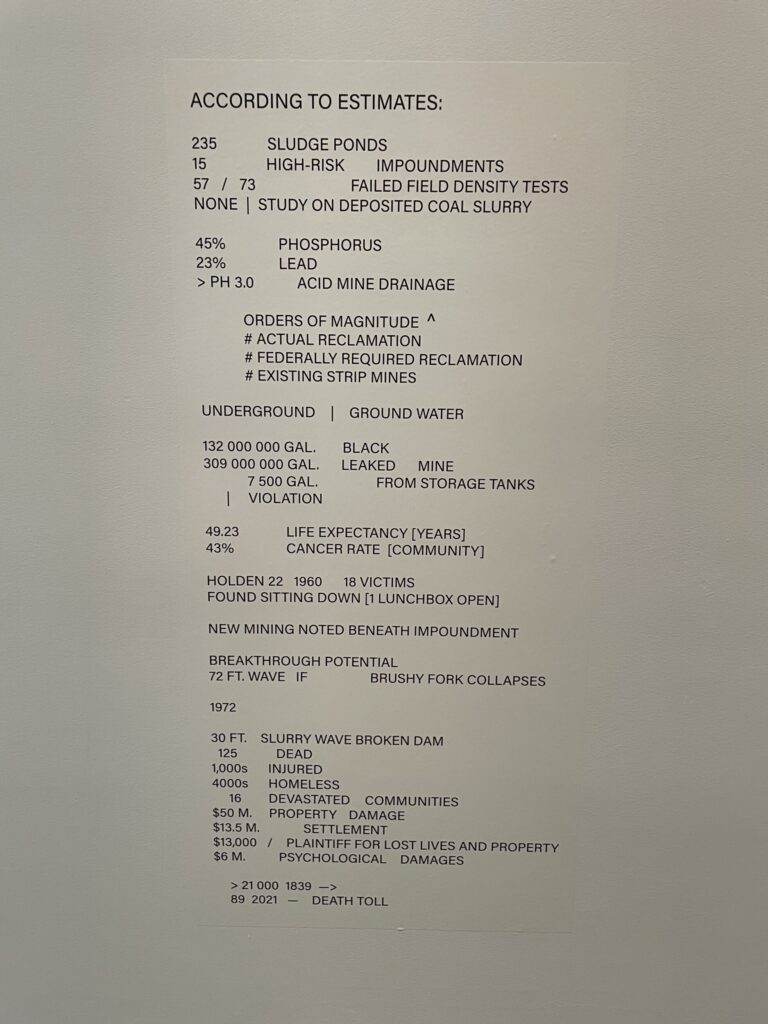
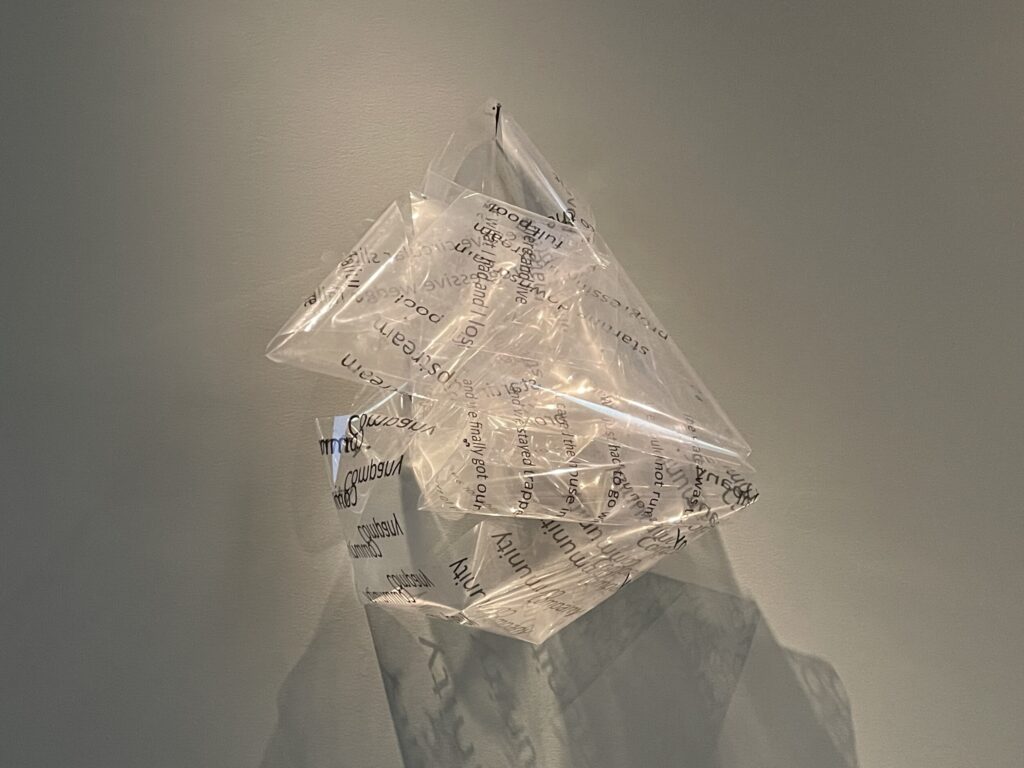
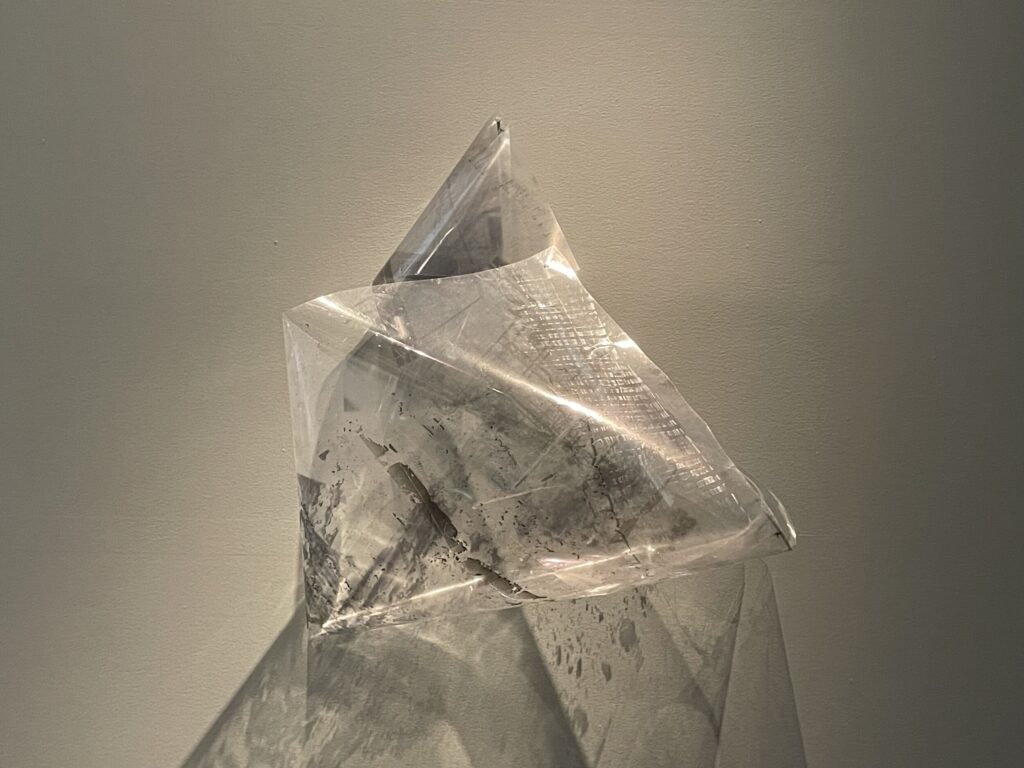
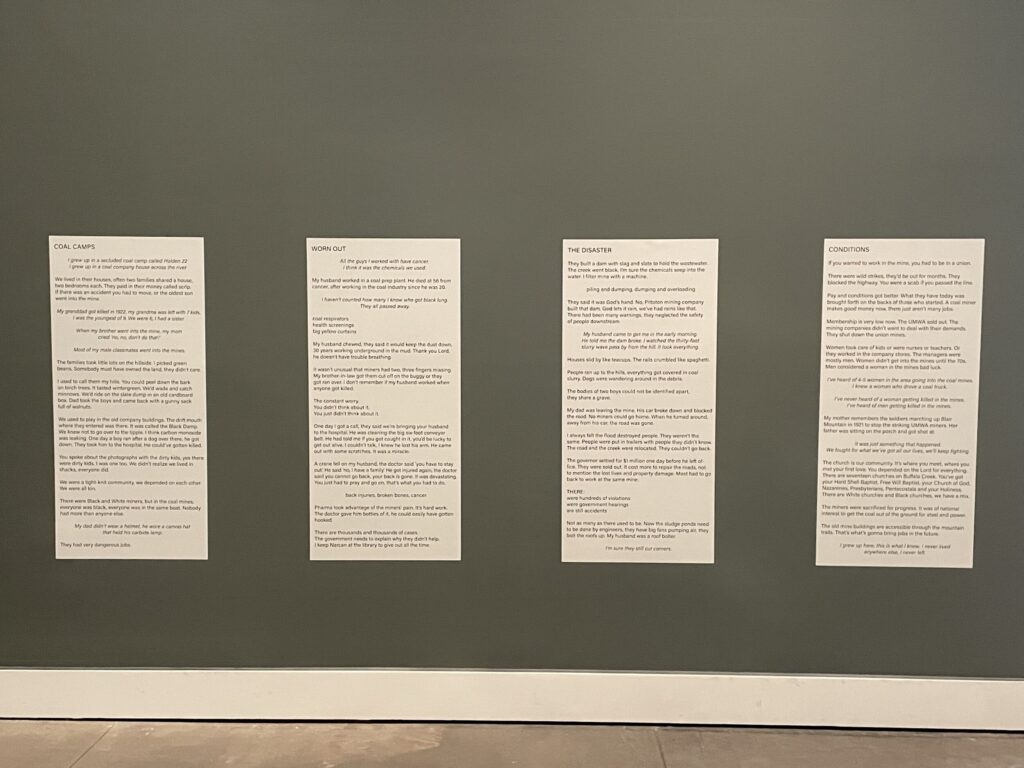
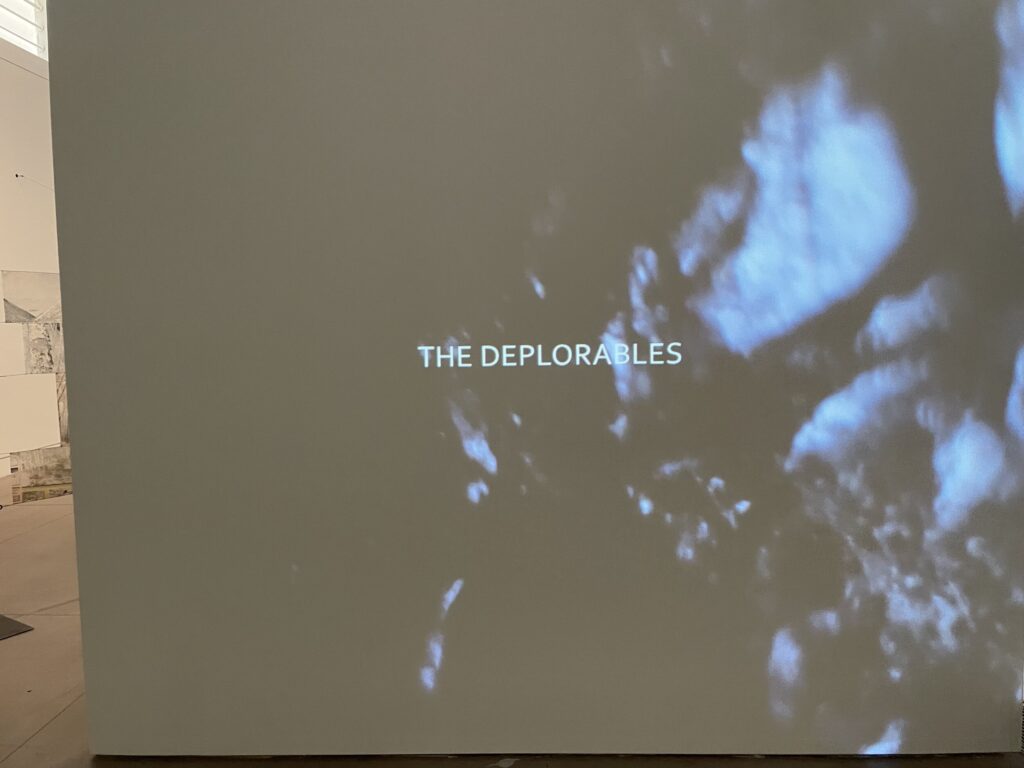
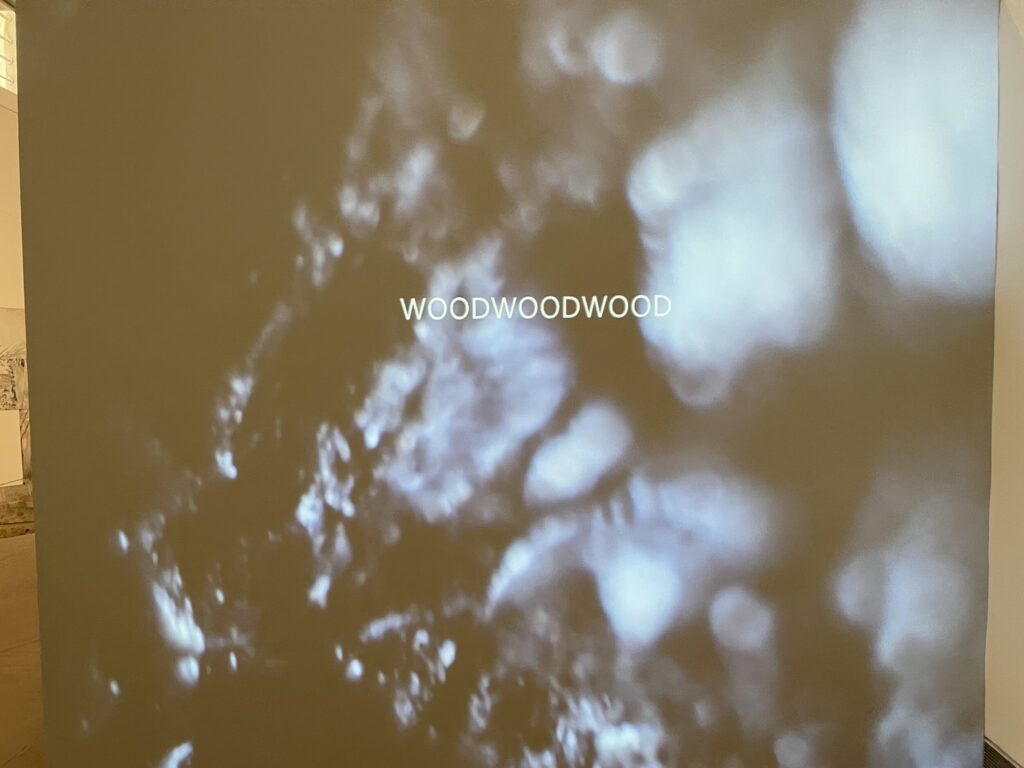
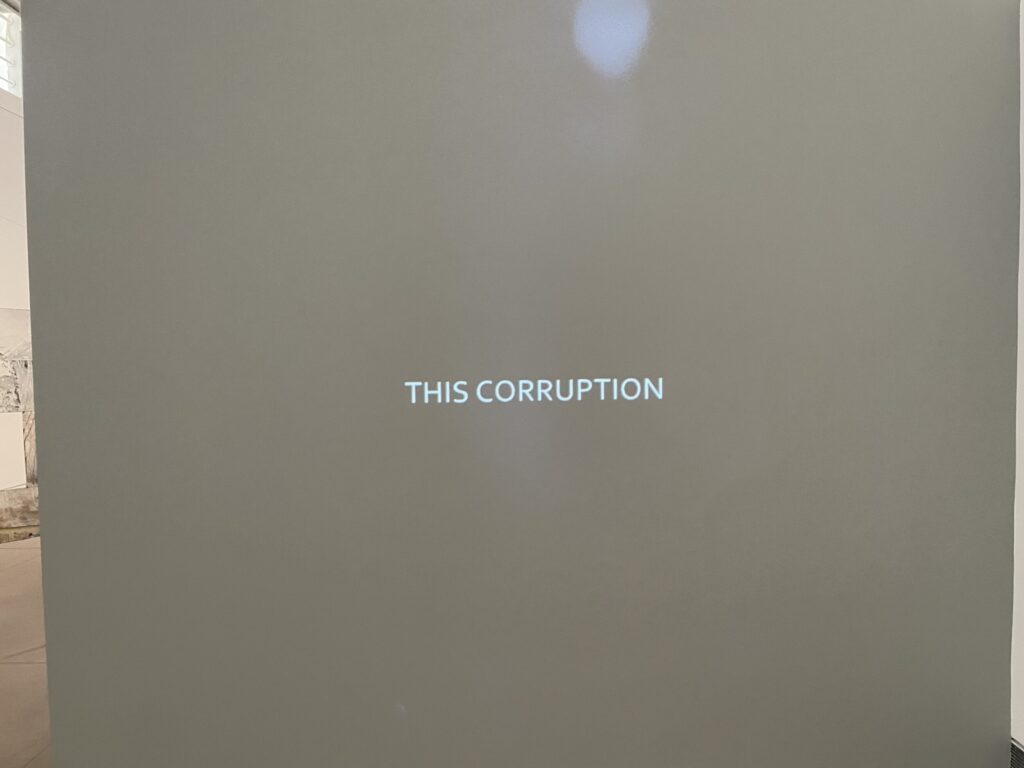
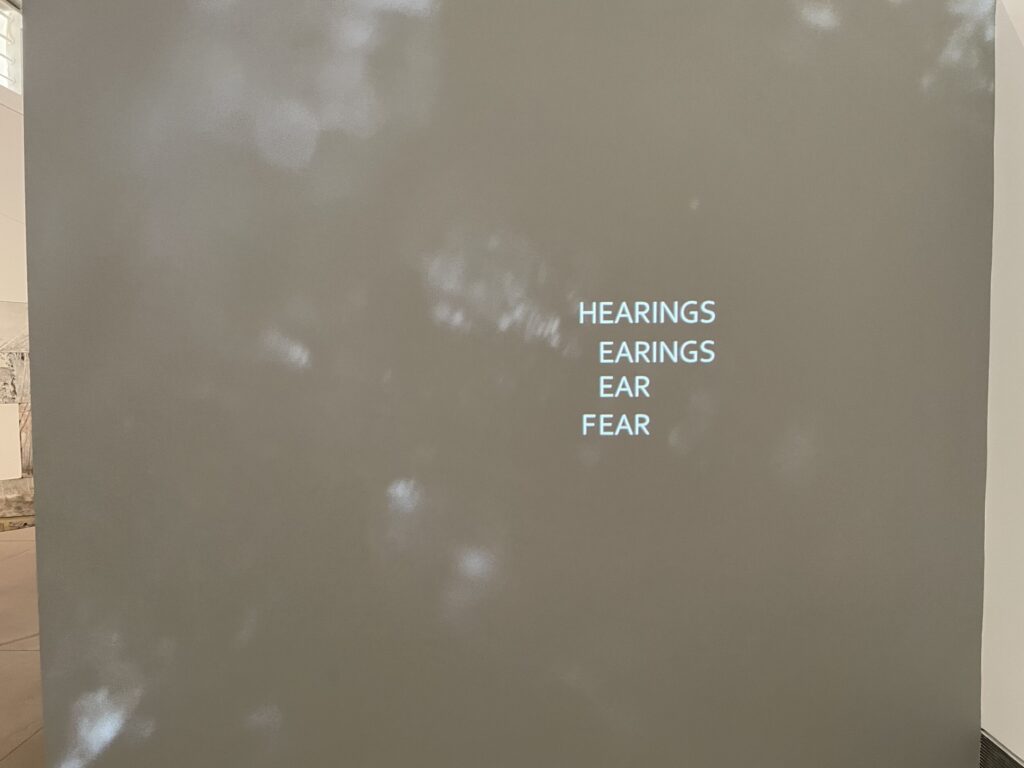
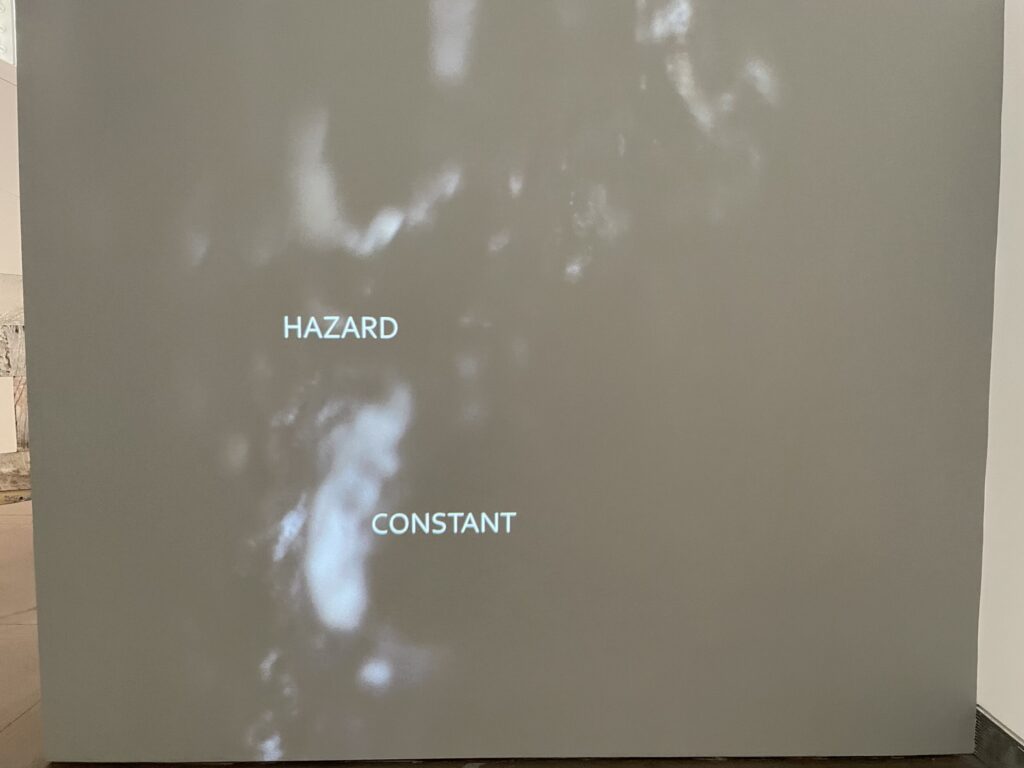
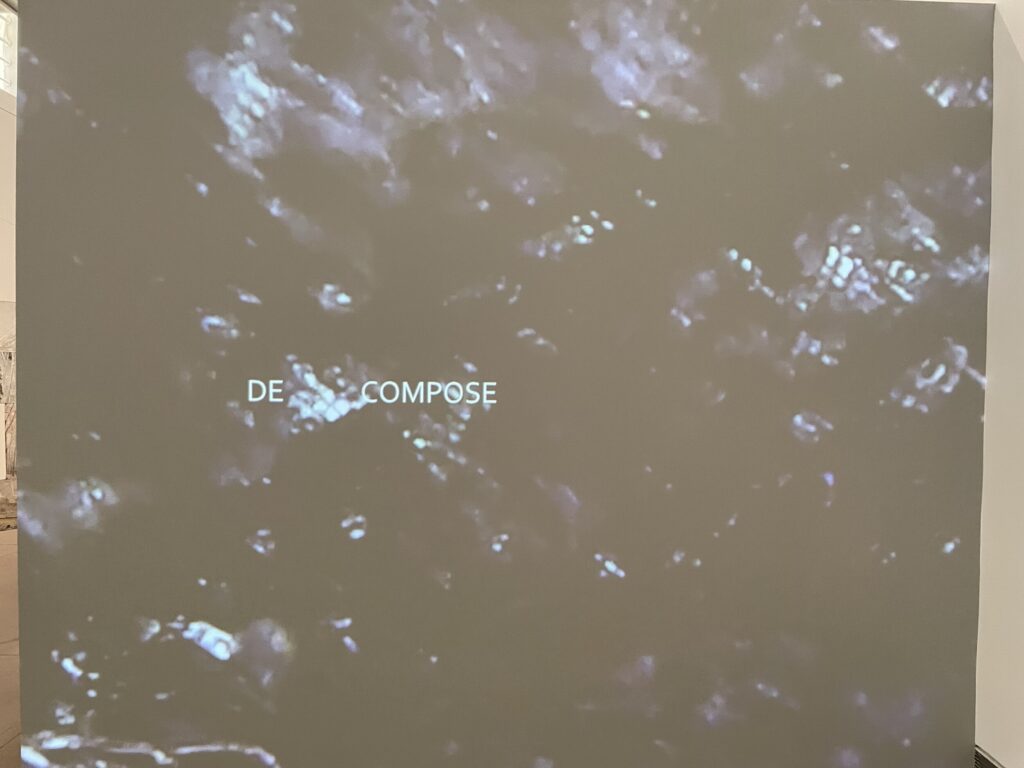
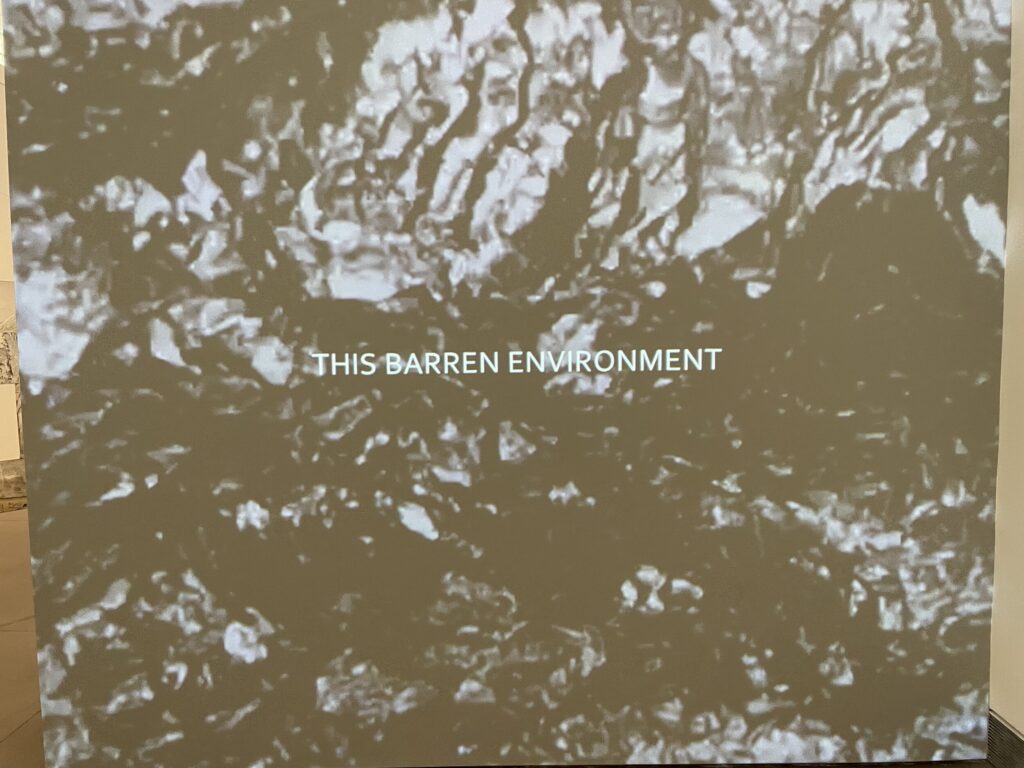
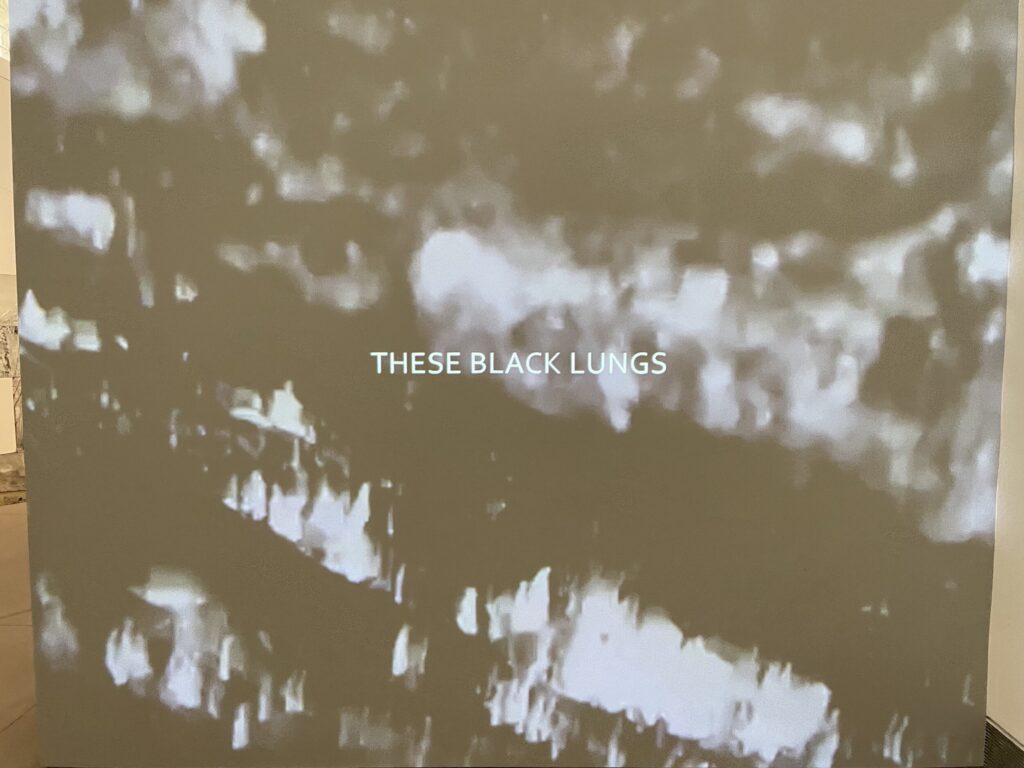
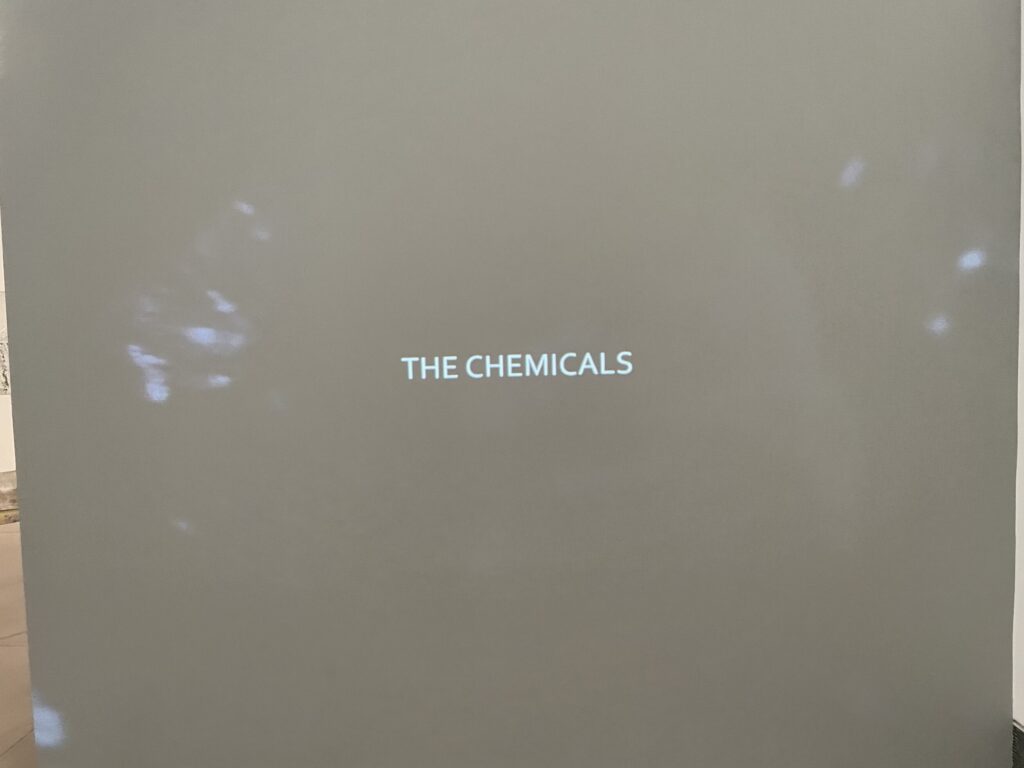
Words and language provide the connective tissue in many of the other projects included in “The Great Society”. Text panels are filled with resonant statistics and first-person testimonies and remembrances, with some of these analytical/poetic snippets then printed on clear plastic sheets and twisted into crumpled balls hung high on the walls, making those very same words essentially illegible. Another video (titled “The Black Damp”) lingers along the rocky black face of various coal deposits, with words, phrases, and letter combinations telling the story of the trauma in poetic fragments, set atop the rough textures. And the final video in the show (titled “The Mud Wave”) takes a more diaristic or journalistic approach, with the artist offering a spoken voiceover from her own perspective, tracing the progression of the project as abstract washes of splashing water and inverted photographs (like those seen elsewhere in the show) punctuate her thoughts and reactions.
Seen from all of these different angles, the fundamental underlying truth of the Buffalo Creek story starts to comes through – in essence, Backström is artistically arguing that we’ve lost track of the cause and effect relationship in this situation, mistaking the stereotypes we apply to the region for the actual (and ongoing) traumas these communities have faced. Her artworks document the violence, the disrespect, the neglect, and the vulnerability of this place, her reversals of tonality and poetic turns of phrase asking us to recalibrate our attention. In the end, Backström offers no easy answers or tidy solutions, but instead offers a memorably evocative alternate interpretation as seen from the ground (and air), using her sophisticated artistic tools to reveal what’s long been obscured.
Collector’s POV: Since this is a museum exhibition, there are of course no posted prices. Backström does not appear to have consistent gallery representation at this time, so interested collectors should likely follow up directly with the artist (linked in the sidebar).