JTF (just the facts): Co-published in 2026 by Deadbeat Club Press (here) and Fw:Books (here). Softcover (9.25 x 11.25 inches), 116 pages, with 58 black-and-white photographs. Includes essays by Taous Dahmani. Design by Hans Gremmen. (Cover and spread shots below.)
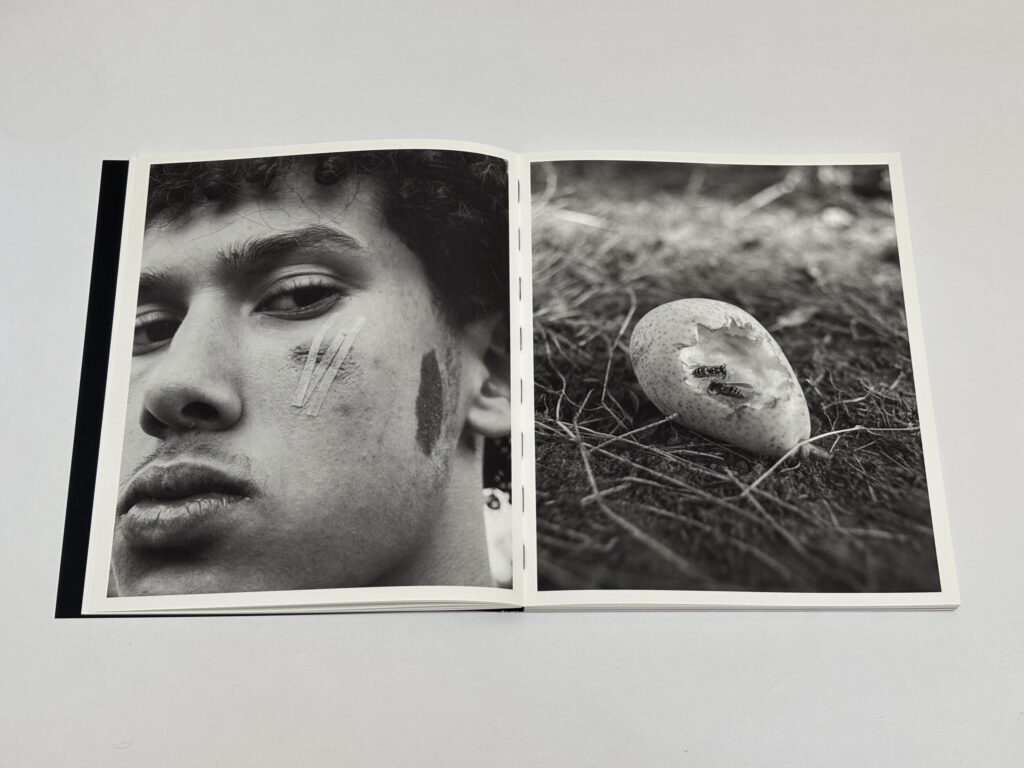
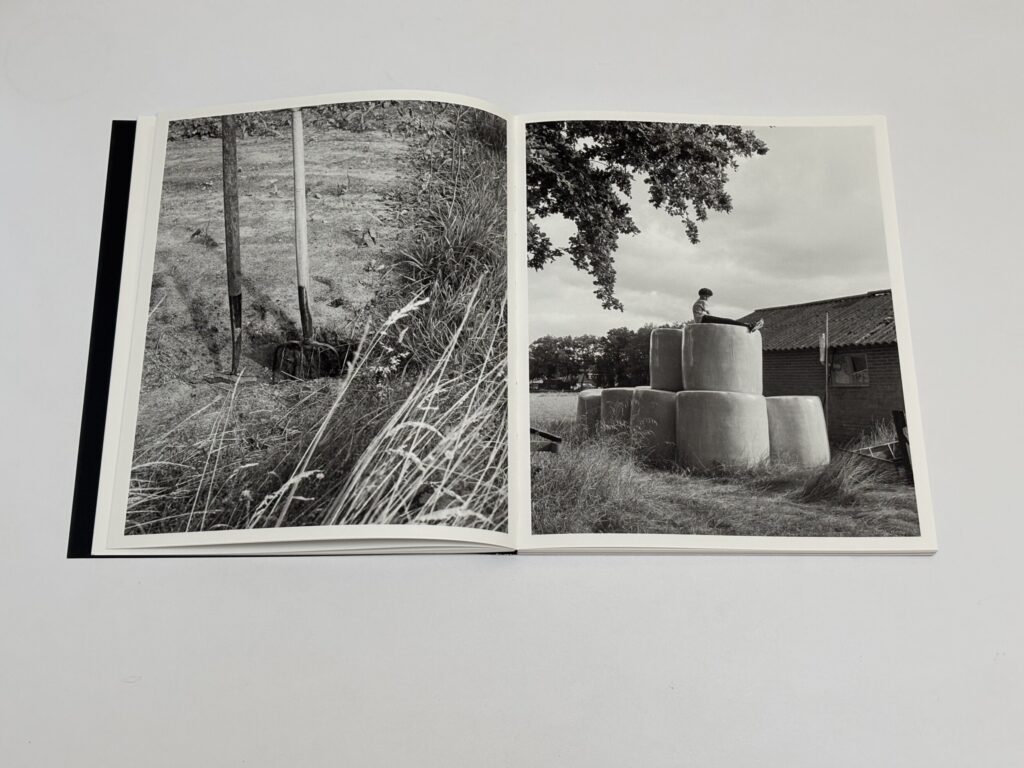
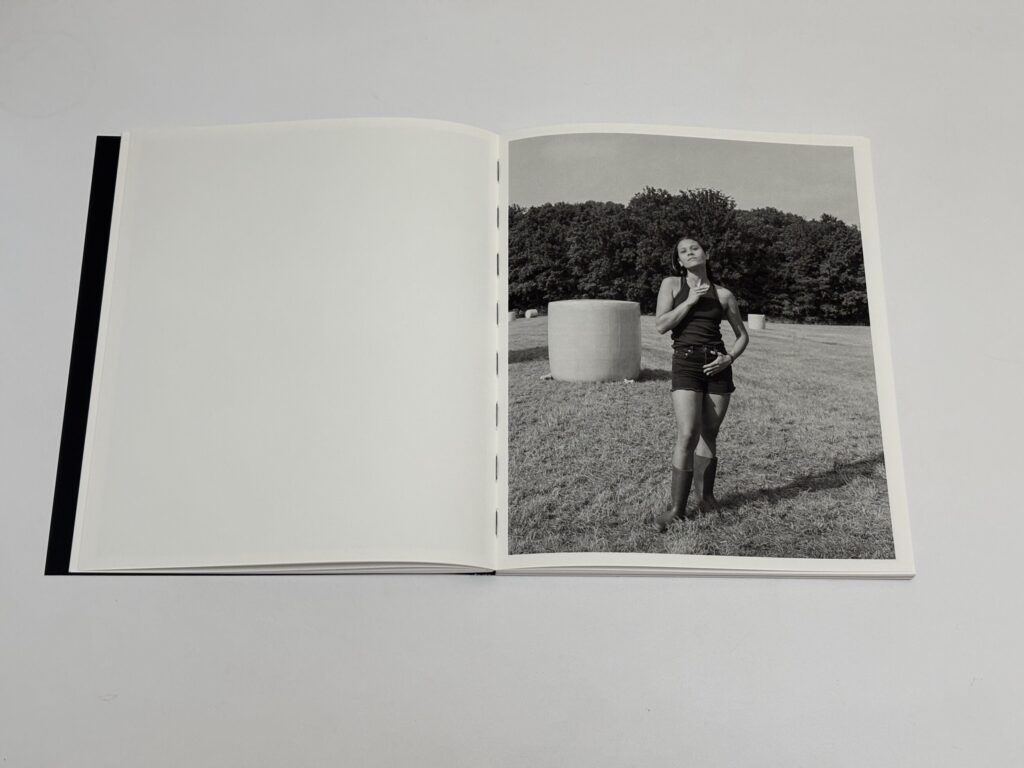
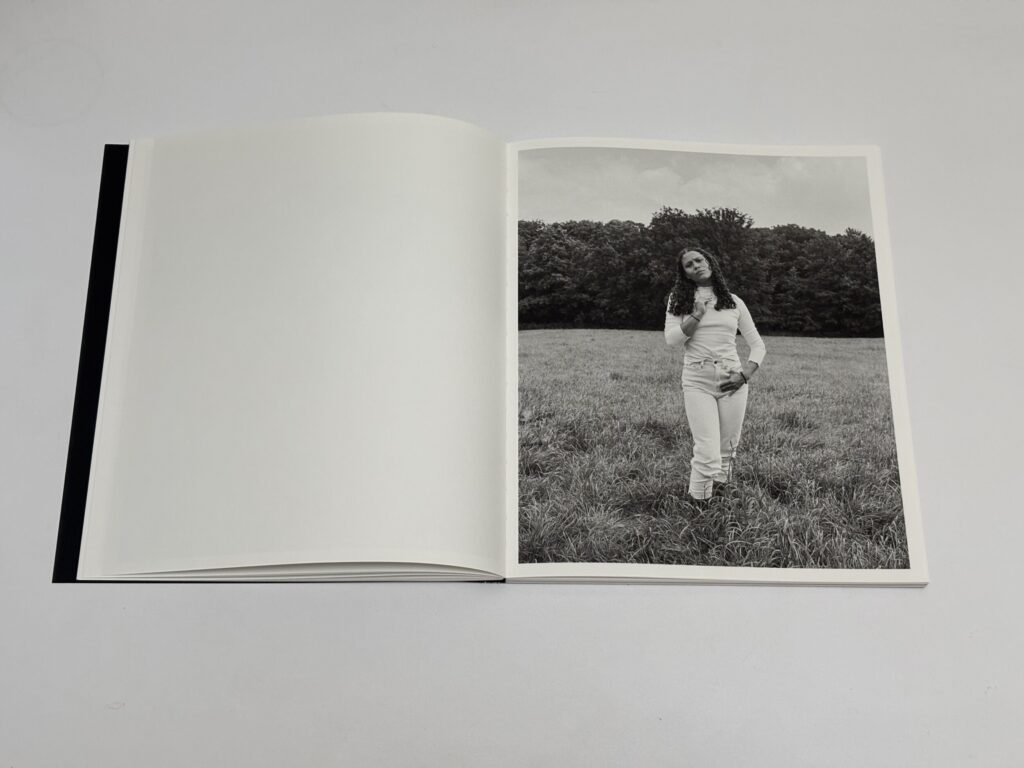
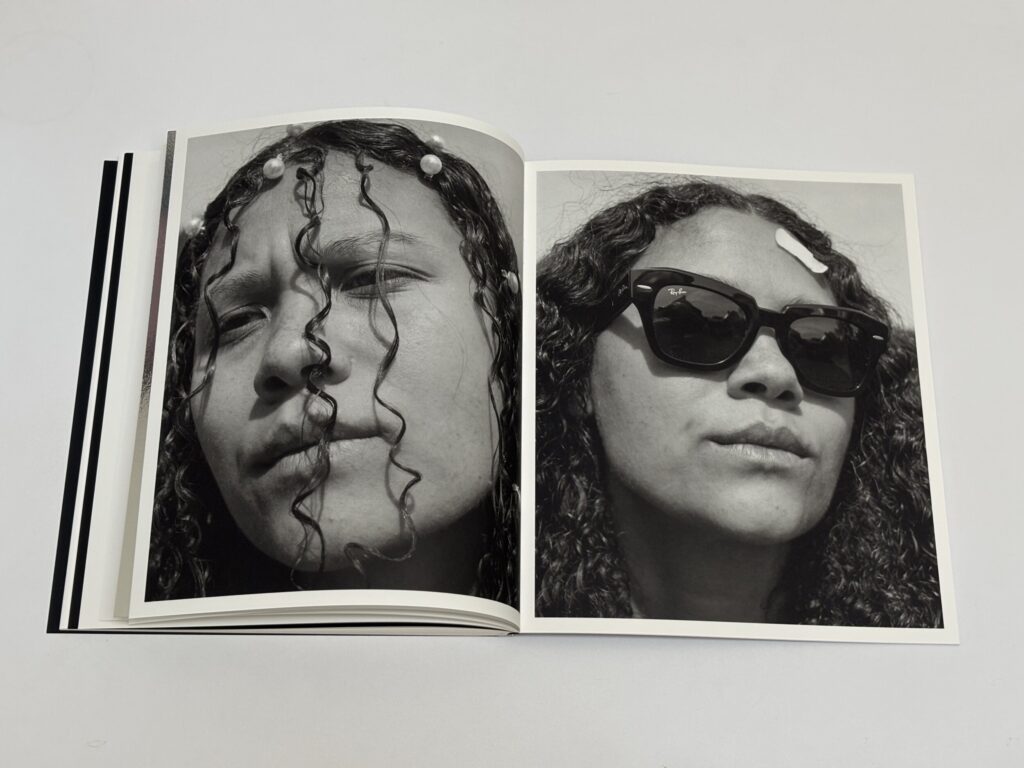
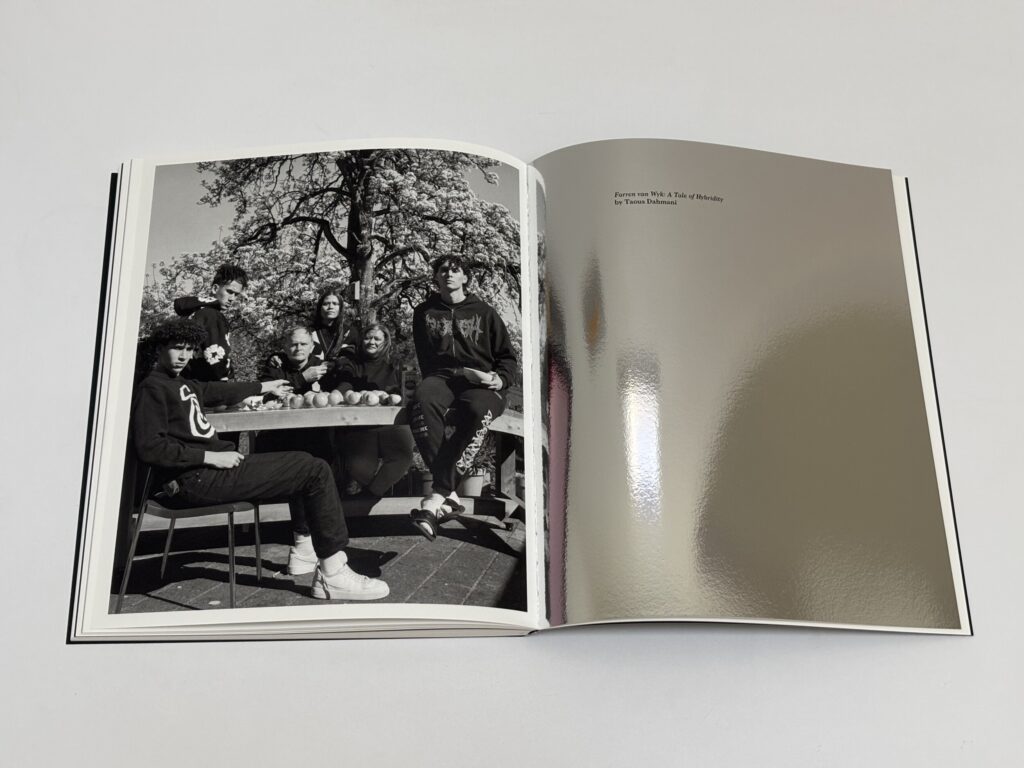
Comments/Context: Farren van Wyk’s debut monograph, Mixedness is My Mythology, transforms personal history into a powerful meditation on identity, belonging, and self-definition. Drawing from her experience as a South African-born artist raised in the Netherlands, van Wyk examines the cultural, historical, and emotional terrain that exists between nations, races, and inherited narratives. The result is a work that is both deeply autobiographical and politically resonant, offering a compelling exploration of what it means to live within the complexities of a mixed identity.
At the heart of the project lies the artist’s relationship to the intertwined histories of South Africa and the Netherlands. Born in 1993, during the final year of apartheid, and later raised on a Dutch farm, van Wyk occupies a space shaped by migration, colonial legacies, and racial classification. Her family history includes grandparents who were designated “coloured” under apartheid and subjected to displacement through segregation policies. Rather than presenting these histories as distant facts, van Wyk weaves them into a living visual language that reveals how historical systems continue to shape contemporary identities and emotional lives.
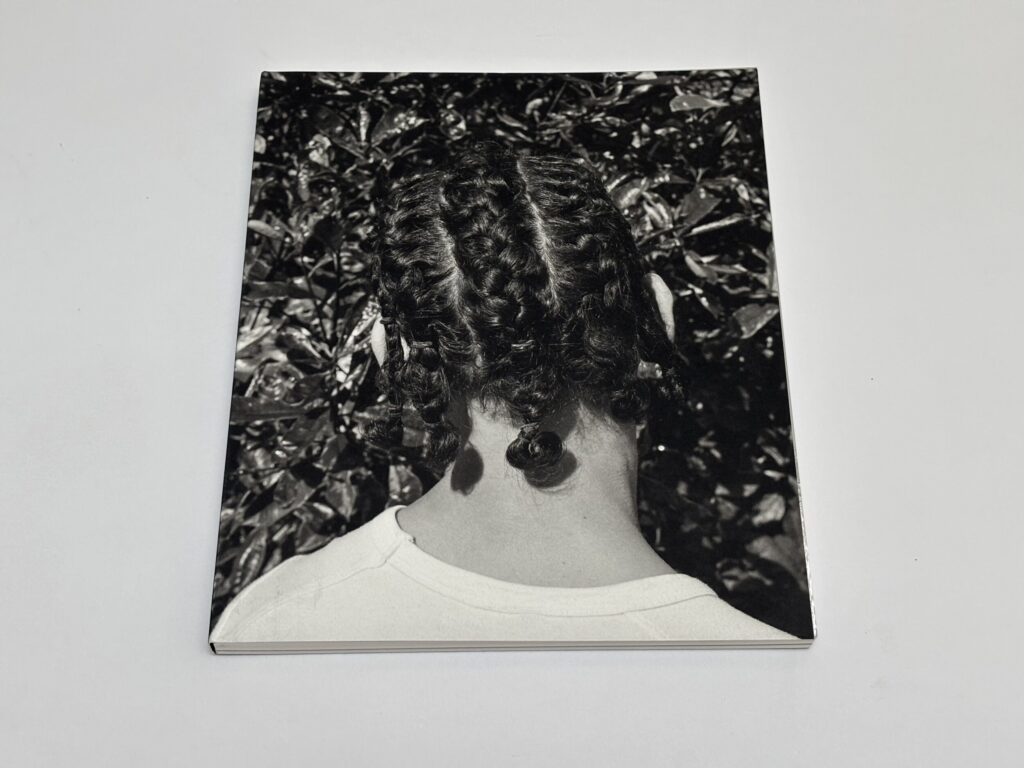
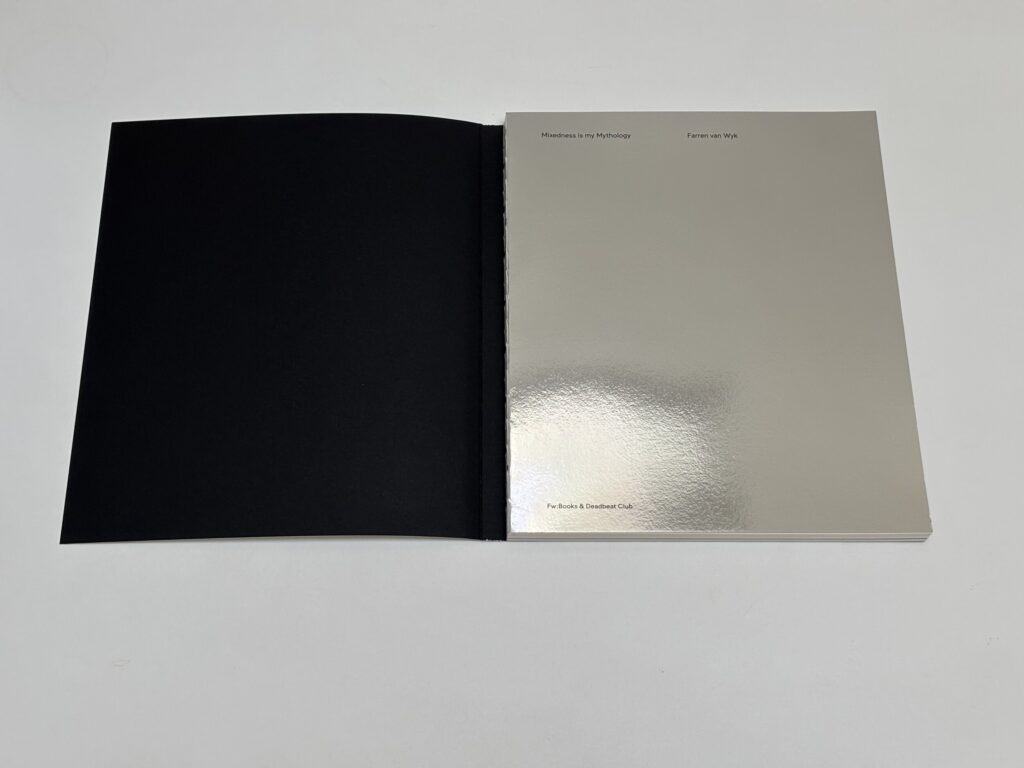
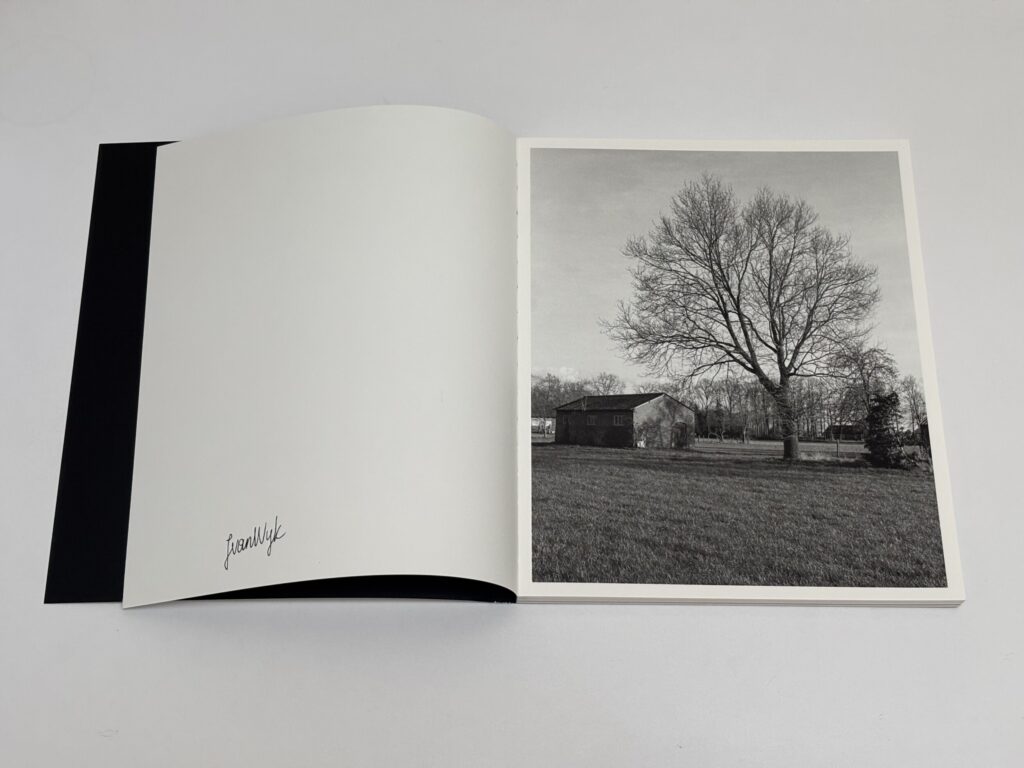
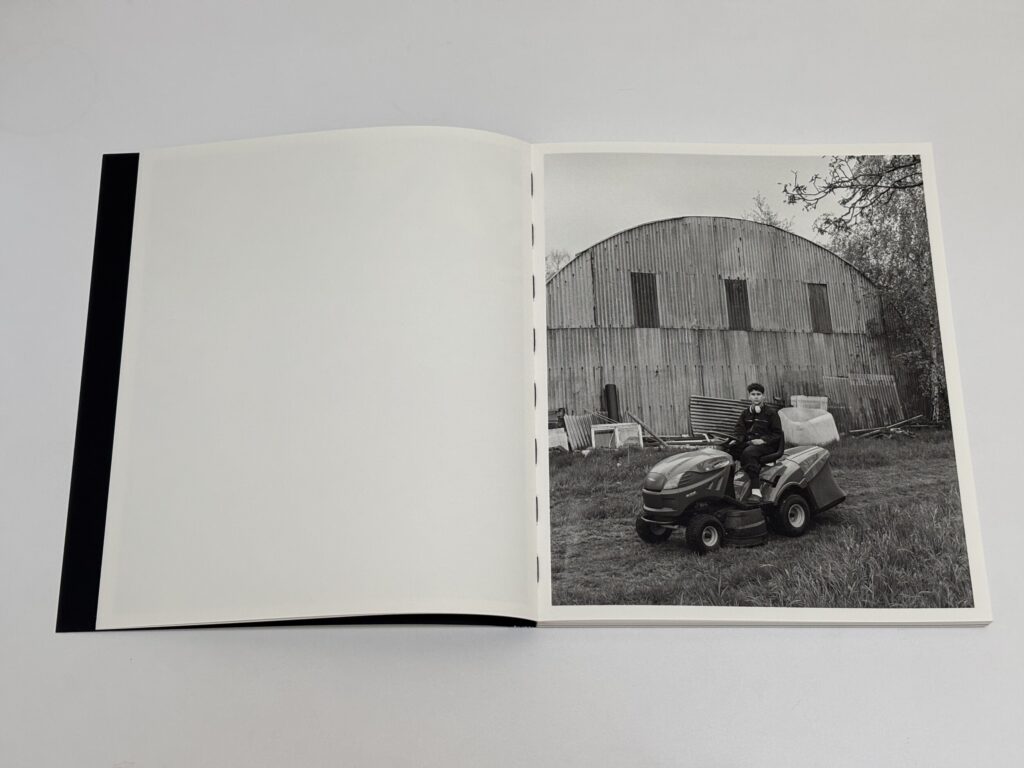
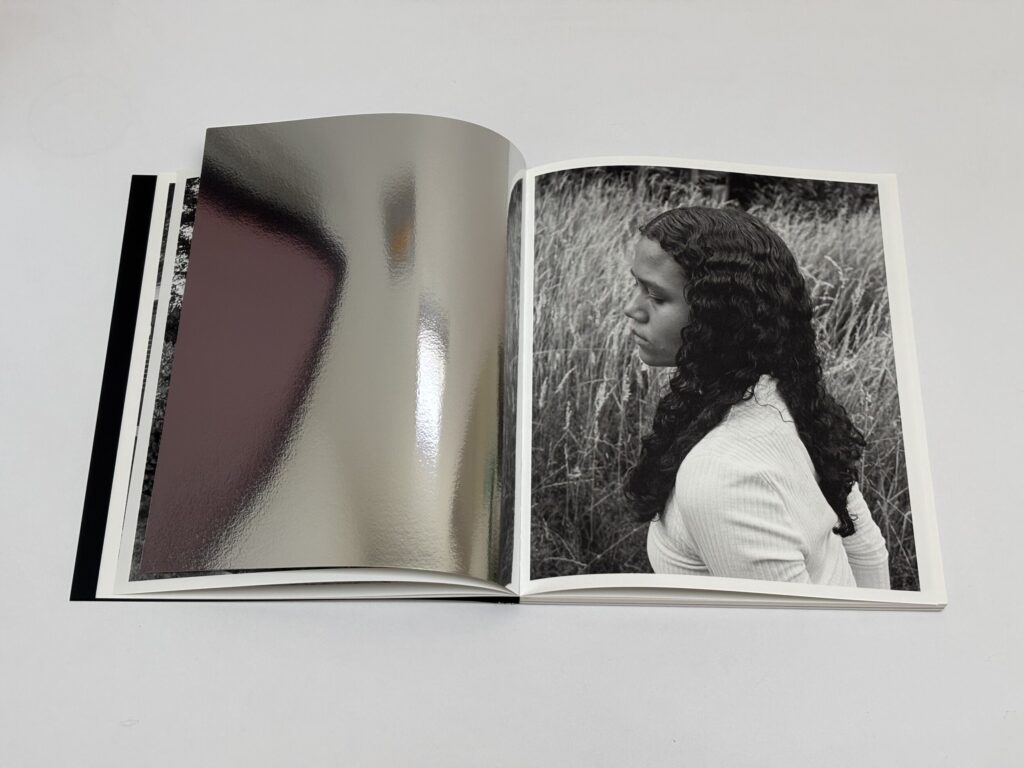
From the moment it is picked up, Mixedness is My Mythology feels like an exciting photobook. A black-and-white photograph of carefully braided hair against a backdrop of foliage takes up the entire cover, creating a striking first impression. The book opens with a mirror-like page, subtly placing us inside its themes of identity, observation, and self-reflection before a single word is read. Inside, the photographs are presented with admirable restraint: each image is reproduced at a consistent size, framed by a thin white border, and arranged one or two per spread. The photobook also easily lies flat, allowing the work to be viewed without distraction. Beautifully designed and produced, it is a thoughtfully crafted object, distinguished by its excellent printing.
Rather than following a linear narrative, the photographs accumulate meaning through association and repetition. Portraits, landscapes, symbolic objects, and staged scenes engage in a visual conversation with one another. Mixed identity is not something that can be neatly summarized; it emerges through fragments, memories, relationships, and contradictions. The structure of the book reinforces this understanding.
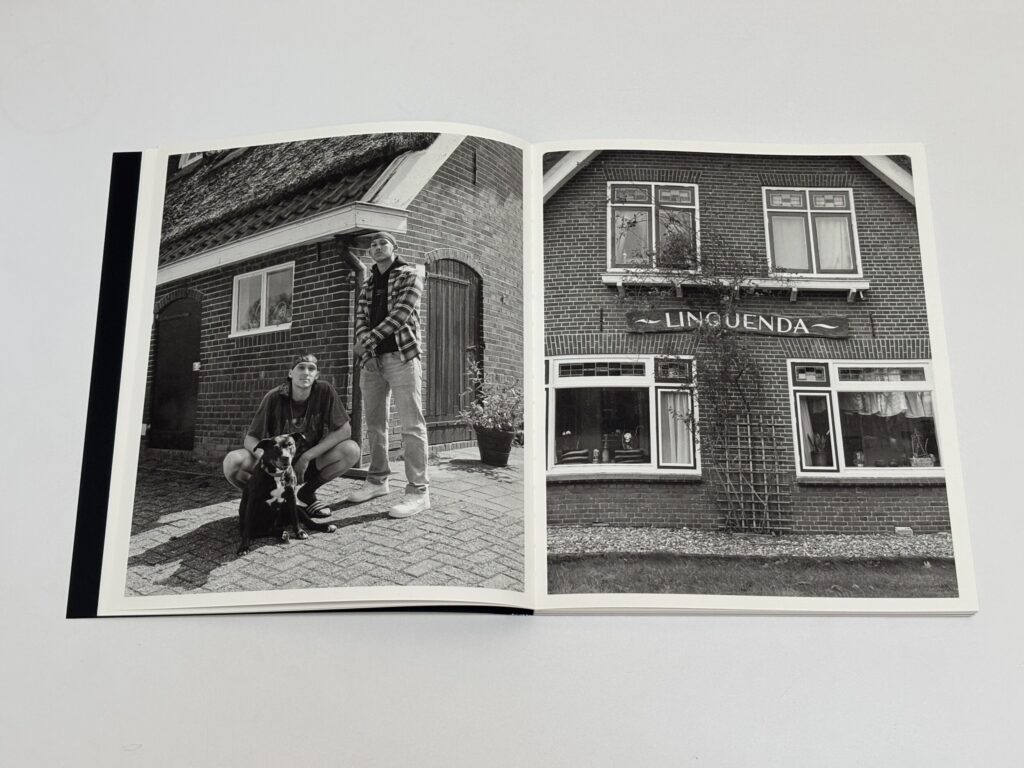
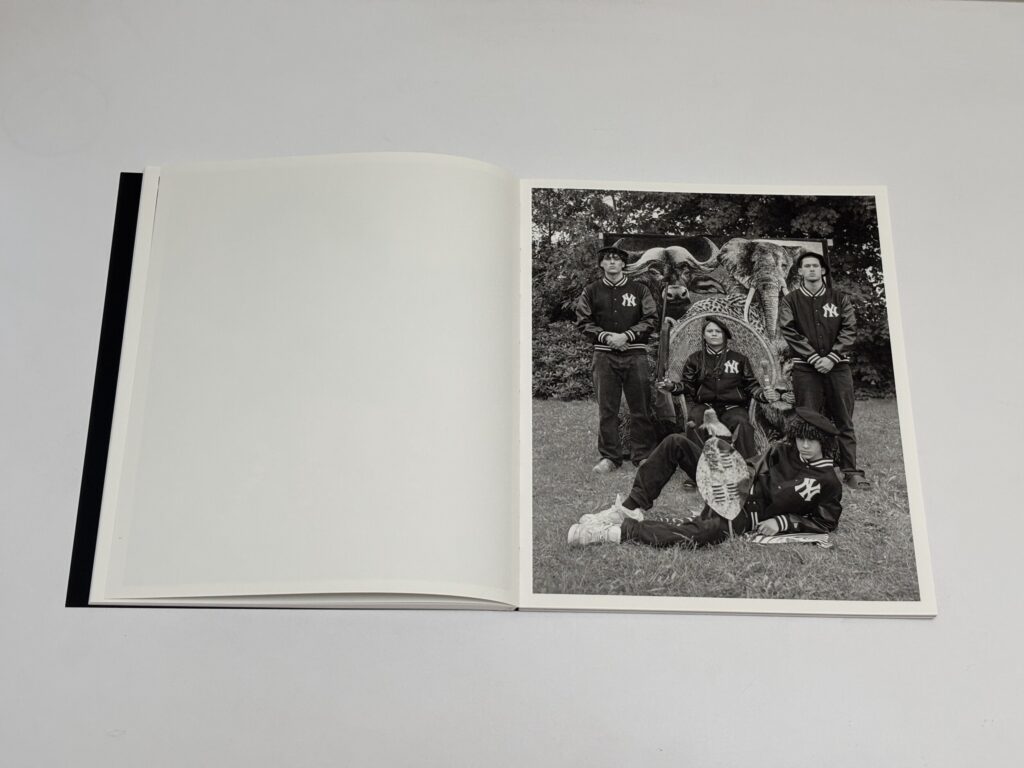
The book begins with photographs of a Dutch farm that serves as the backdrop for much of the project and carries significant symbolic weight. Often associated with white Dutch rural life and shaped by the legacy of colonial history, the setting becomes an unexpected space where South African heritage, African diasporic influences, and contemporary youth culture intersect. Family members appear in scenes that may initially appear culturally out of place, yet the images gradually challenge that perception, revealing how such assumptions are rooted in conventional ideas about identity and place. Through these careful juxtapositions, van Wyk shows that identity cannot be limited by geography, history, or inherited expectations.
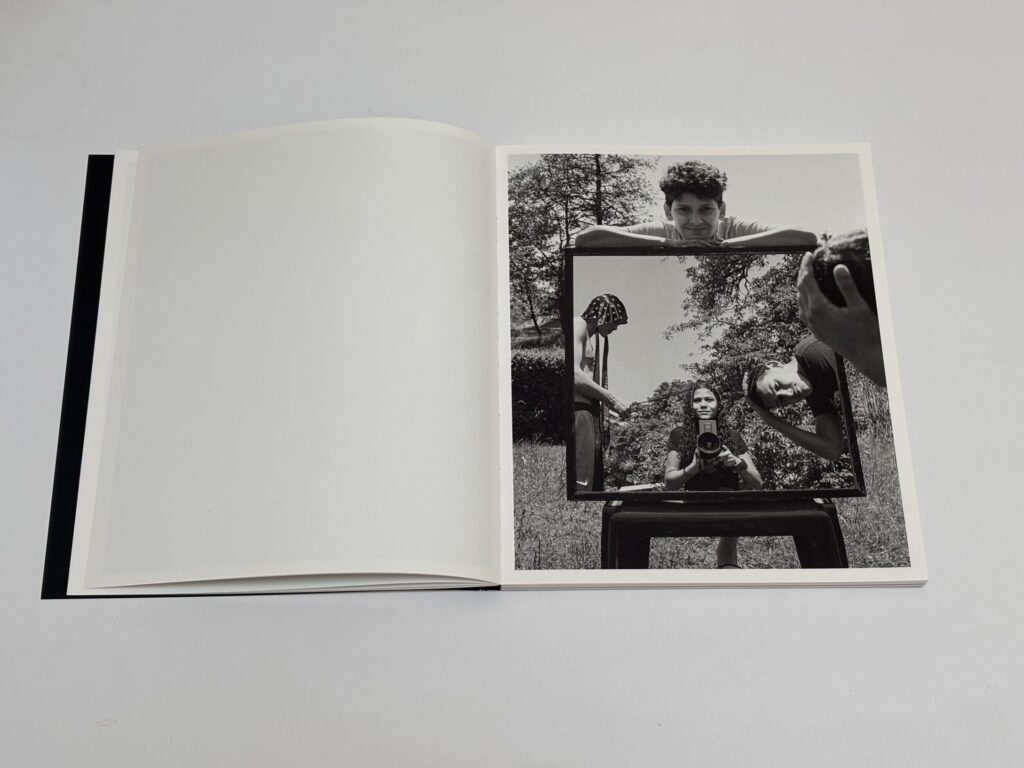
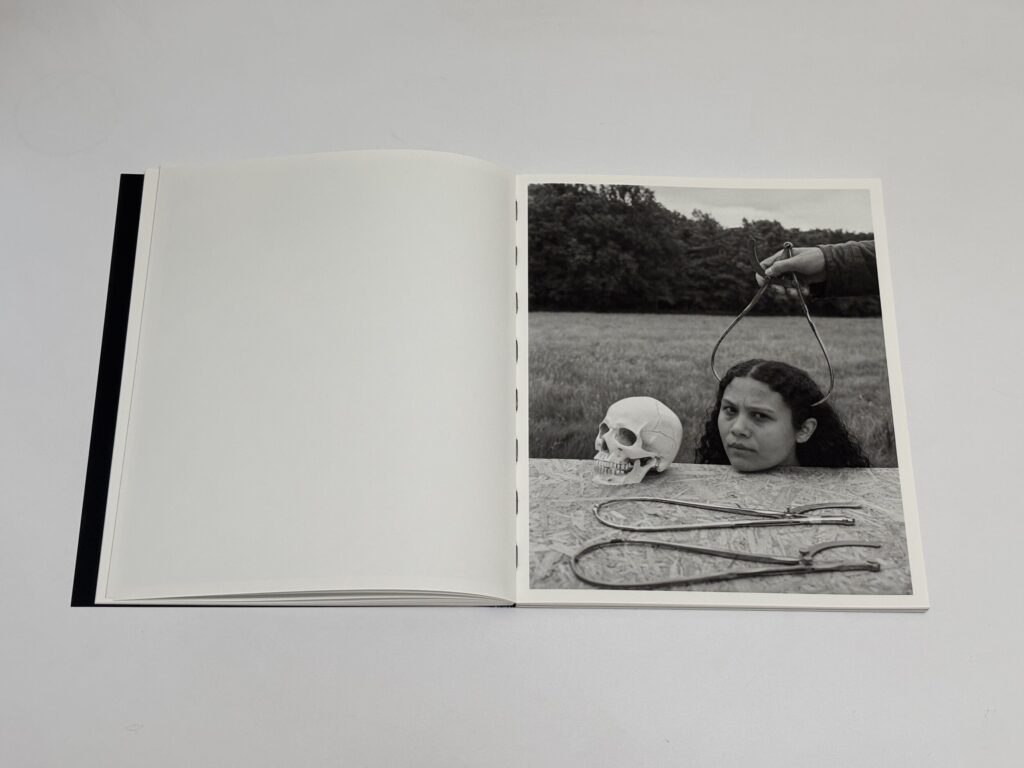
One photograph presents a layered portrait built around a large mirror placed outdoors on a chair, creating an interplay between direct view and reflection. At the center of the mirror’s reflection stands the photographer, holding a camera; around her are her three brothers, whose bodies are partially framed by the mirror. The image becomes a thoughtful meditation on self-representation, belonging, and the many ways we come to see ourselves. In another photograph, van Wyk’s head emerges behind a rough wooden table, positioned beside a human skull, while oversized calipers hover above her head. The unsettling arrangement juxtaposes life, death, and measurement, inviting reflection on how identity is examined, classified, and ultimately confronted with mortality.
Hair appears as a powerful recurring motif, functioning as a visual marker of identity, cultural connection, self-fashioning, and resistance. While many photographs address large themes such as colonialism, migration, and mixed-race identity, hair often becomes the intimate, everyday detail through which these broader histories are made visible. In many of van Wyk’s portraits, hairstyles are presented not as decorative elements but as deliberate expressions of belonging. Waves, braids, carefully groomed textures, and other styles appear repeatedly throughout the work, positioning hair as a way of actively constructing and overly defining identity.
One spread pairs two images depicting the intimate process of cutting and styling van Wyk’s brothers’ hair outdoors. By focusing on hands, tools, and the transformation of appearance, the photographs elevate an everyday act into a ritual of self-fashioning. Hair becomes a symbol of cultural expression and care, emphasizing the role of touch, attention, and transformation in the ongoing process of becoming oneself.
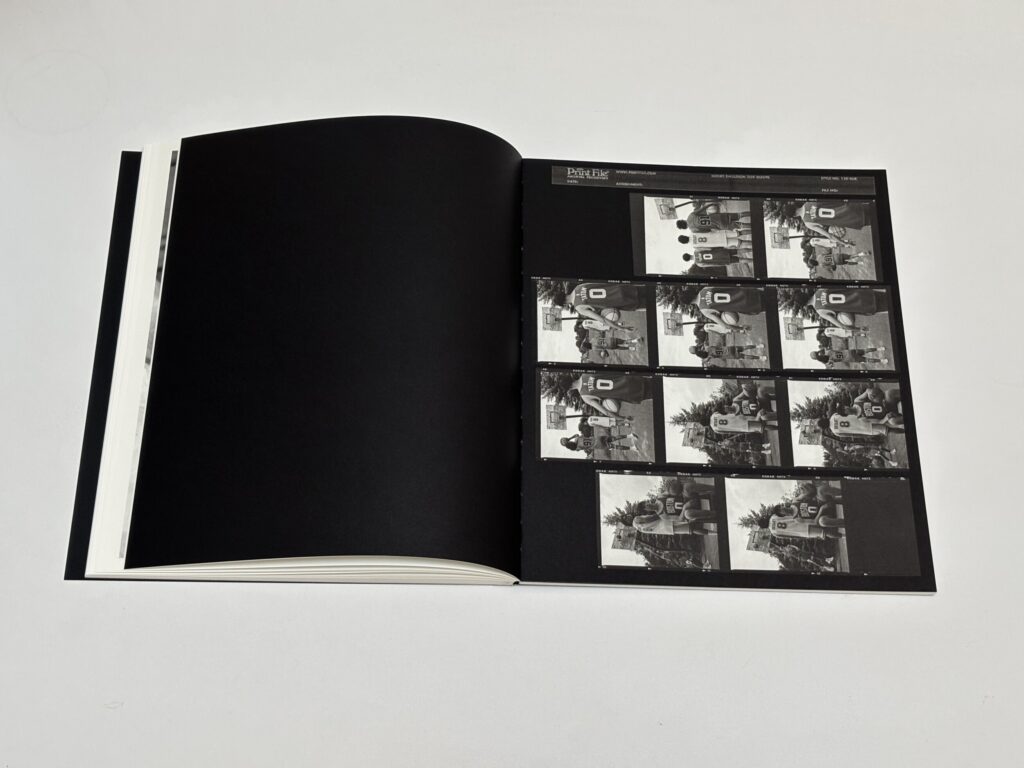
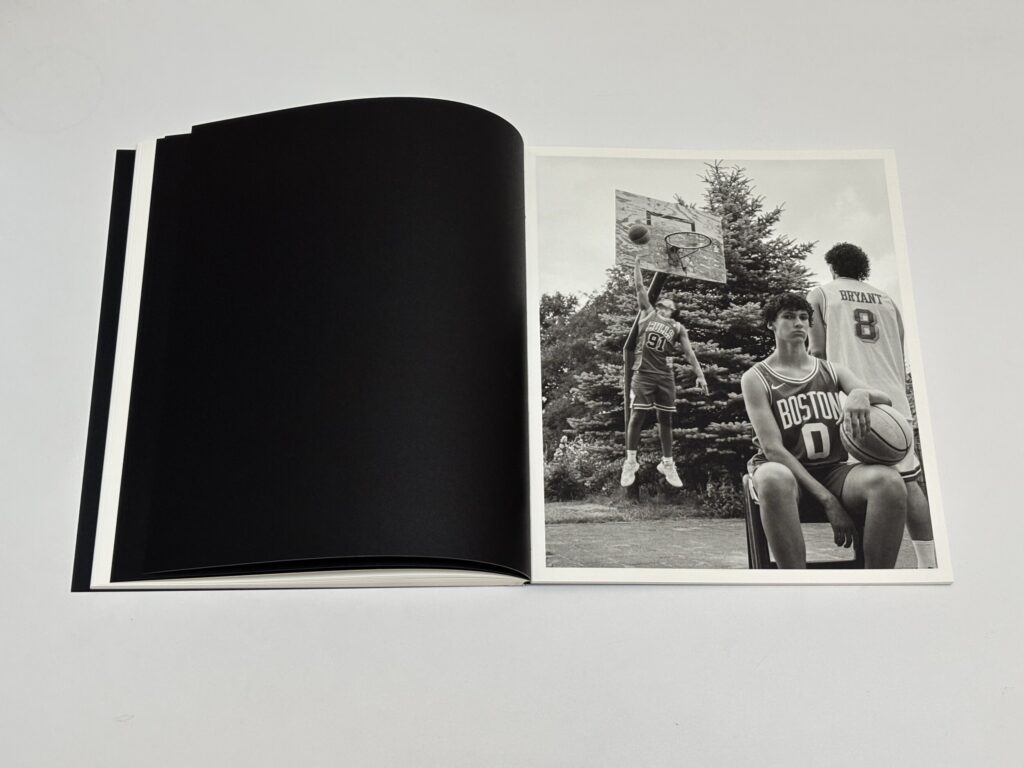
One of the most intriguing aspects of Mixedness is my Mythology is the way Van Wyk brings together visual symbols that are often understood as belonging to entirely different cultural worlds. Throughout the series, African signifiers of wealth, ancestry, and status, such as animal hides, horns, and other references to pastoral traditions, appear alongside Yankees t-shirts, basketball jerseys, sneakers, and elements of contemporary Black American youth culture. Rather than presenting these references as conflicting identities, Van Wyk allows them to coexist naturally within the same visual space. The result is a powerful rejection of the idea that cultural identity must be singular, pure, or historically fixed. The hides and horns evoke ancestral memory and cultural tradition, while the sportswear reflects the influence of contemporary Black diasporic culture. Together, they form a visual language that mirrors the realities of mixed identity, where heritage and modernity exist side by side rather than in opposition. The juxtaposition is central to the project’s message: mixedness is not a form of fragmentation, but a space where different cultural worlds can coexist and enrich one another.
The book also engages with broader questions of diaspora and transnational identity. As migration continues to shape personal and cultural experiences, van Wyk’s work reflects on what it means to belong to more than one place, history, or tradition. Her photographs suggest that identity need not involve choosing between different origins but rather finding ways for them to comfortably coexist. In this context, mixedness appears less as a condition of division and more as an ongoing negotiation of culture, memory, and belonging. Her recurring reference to the “grey area” between black and white functions as both a visual motif and a conceptual framework, inviting a more open understanding of identity and its complexities.
The second to last image in the book is a family portrait, in which van Wyk, her parents, and brothers gather around a table, while large tree branches spread dramatically across the upper portion of the composition. A row of oranges sits prominently at the centre of the table; they serve as both a visual anchor and a reminder that even the most ordinary objects can carry the weight of political and cultural histories. The portrait is paired with a reflective page asking us again to reflect on our own assumptions.
As a debut monograph, Mixedness is My Mythology is an impressive achievement, distinguished by its intellectual rigor, emotional sincerity, and visual sophistication. Van Wyk skillfully weaves personal experience with broader historical and cultural themes, balancing intimate family portraits with searching reflections on identity, belonging, and representation. Through carefully composed and symbolically rich photographs, she reflects on inherited ideas of race and identity while creating space for alternative forms of self-definition. At once an exploration of family history, agency, and life beyond fixed categories, the book considers how individuals and families make meaning from histories shaped by displacement and division. Embracing the richness of cultural intersections, van Wyk has created a moving and deeply relevant work that speaks not only to her own experience but also to anyone who has inhabited an in-between space and sought to transform it into a place of belonging. As a sophisticated artistic statement in book form, Mixedness is My Mythology is one of the strongest photobooks published this year.
Collector’s POV: Farren van Wyk does not appear to have consistent gallery representation at this time. Collectors interested in following up should likely connect directly with the artist via her website (linked in the sidebar).