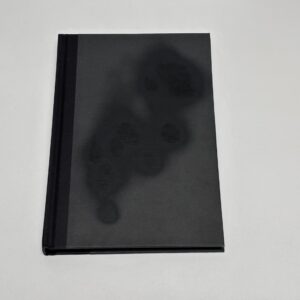
JTF (just the facts): Published in 2026 by Deadbeat Club Press (here). Softcover (9 x 11 inches), 64 pages, with 58 black-and-white photographs. Design by Hans Gremmen. (Cover and spread shots below.)
Avalanche is also available in a special edition (here). This version includes a signed book and a signed and numbered gelatin silver print (8 x 10) printed by the artist. The book/print combination comes in a specially designed slipcase. In an edition of 20.
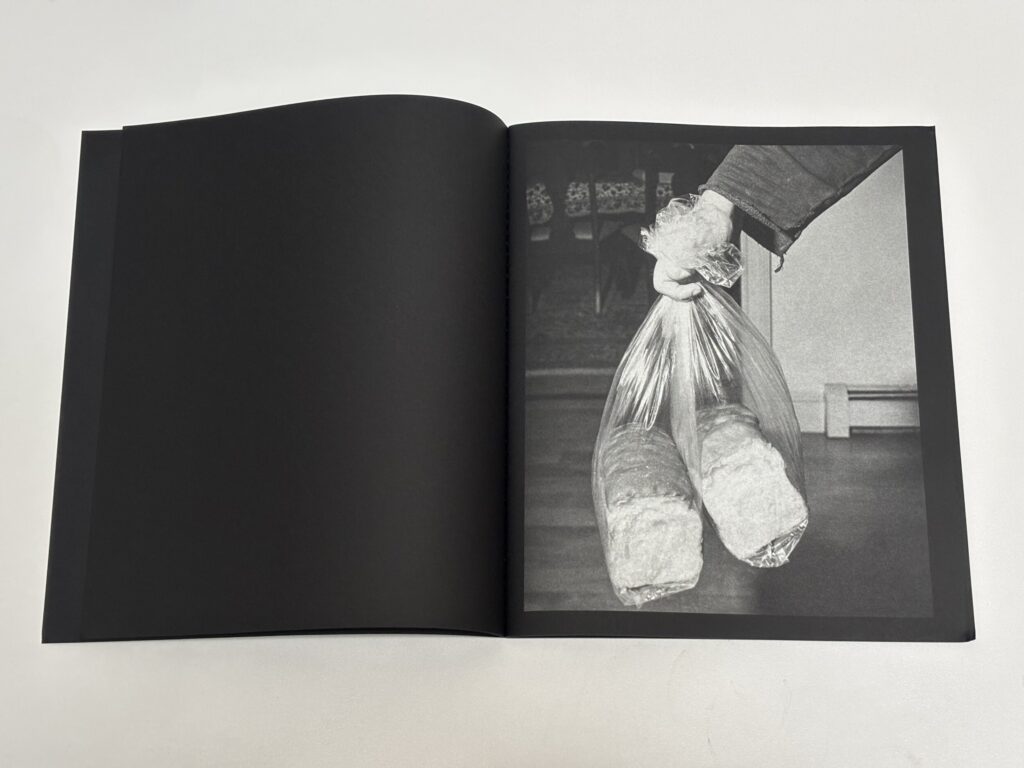
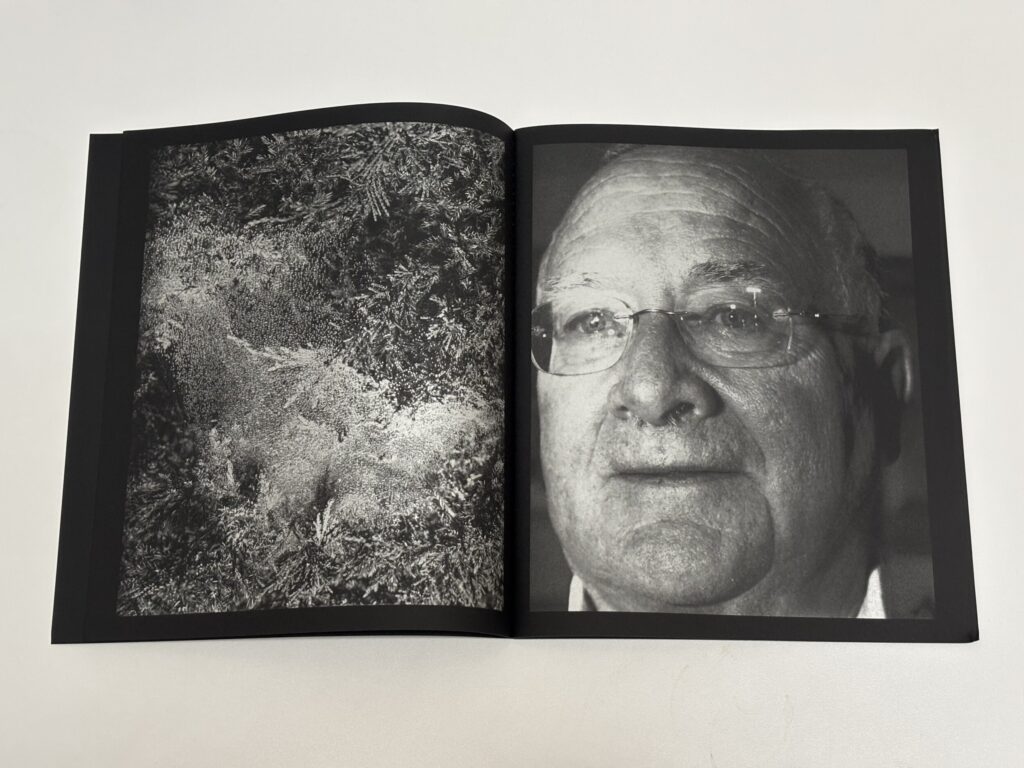
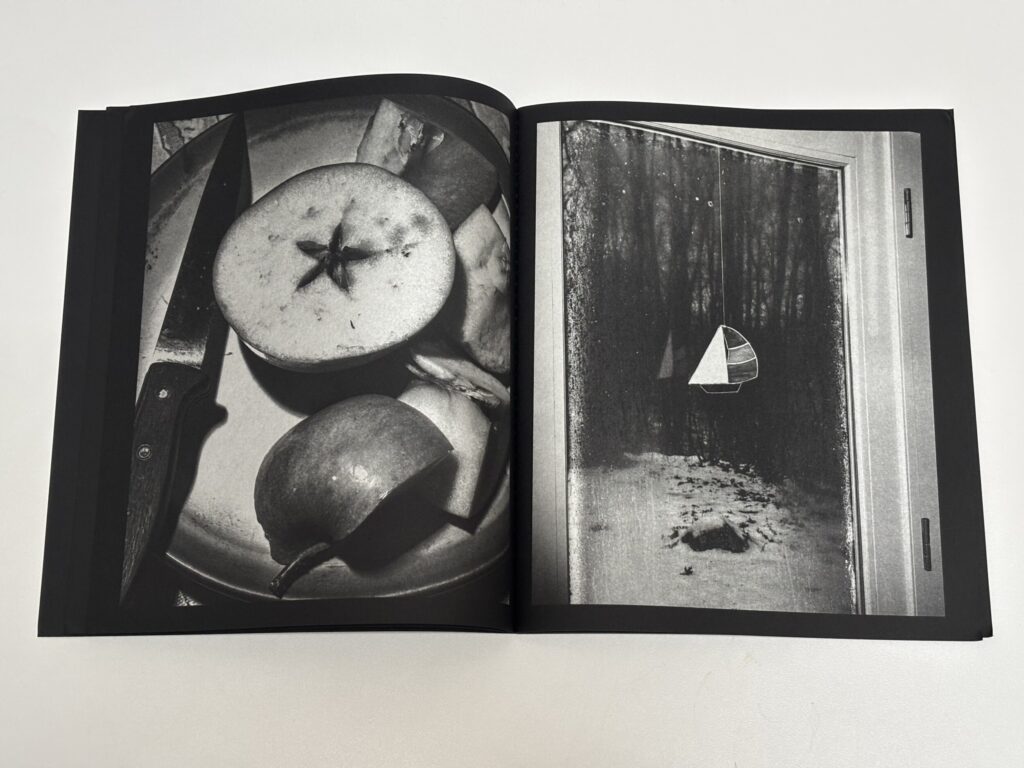
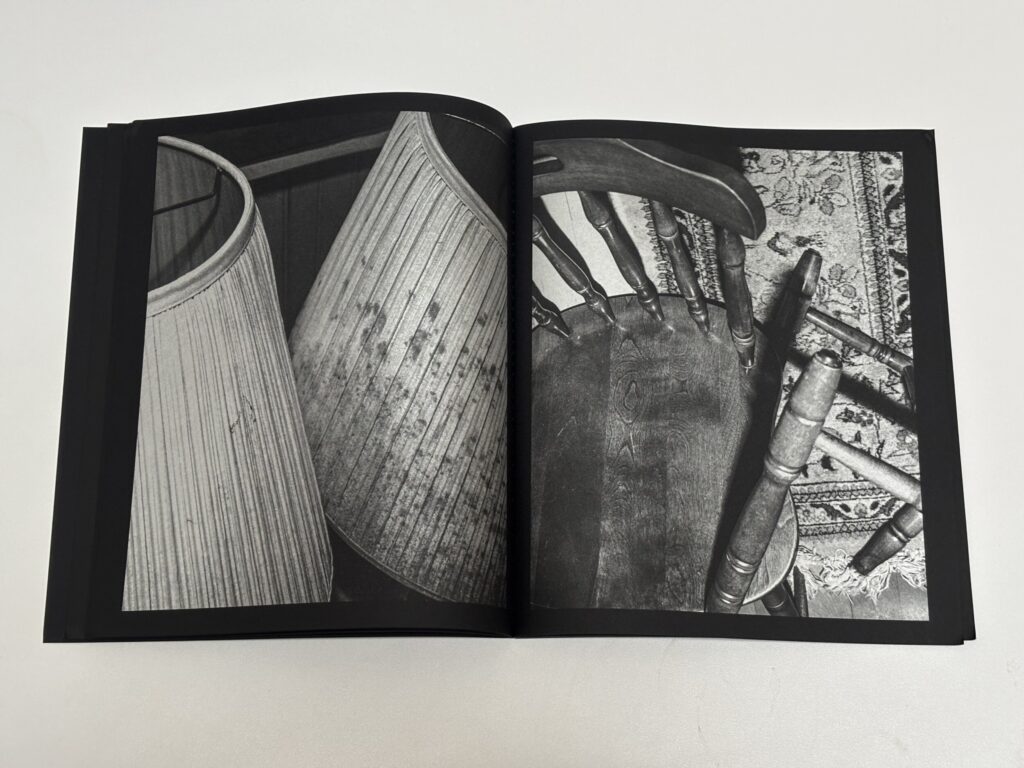
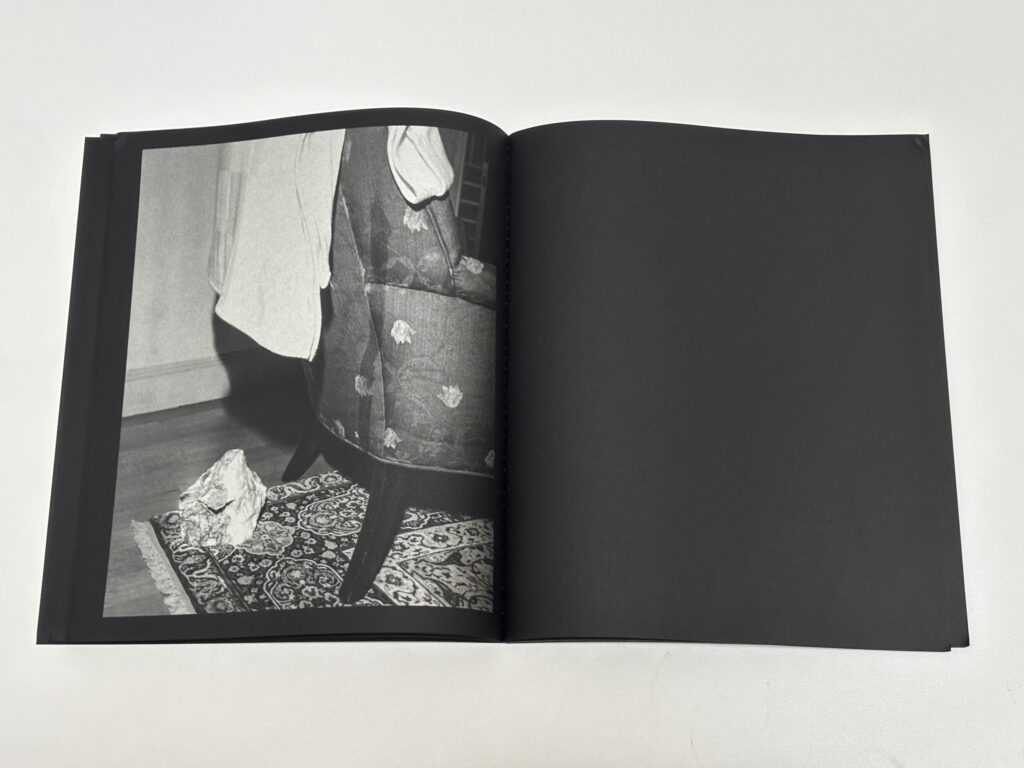
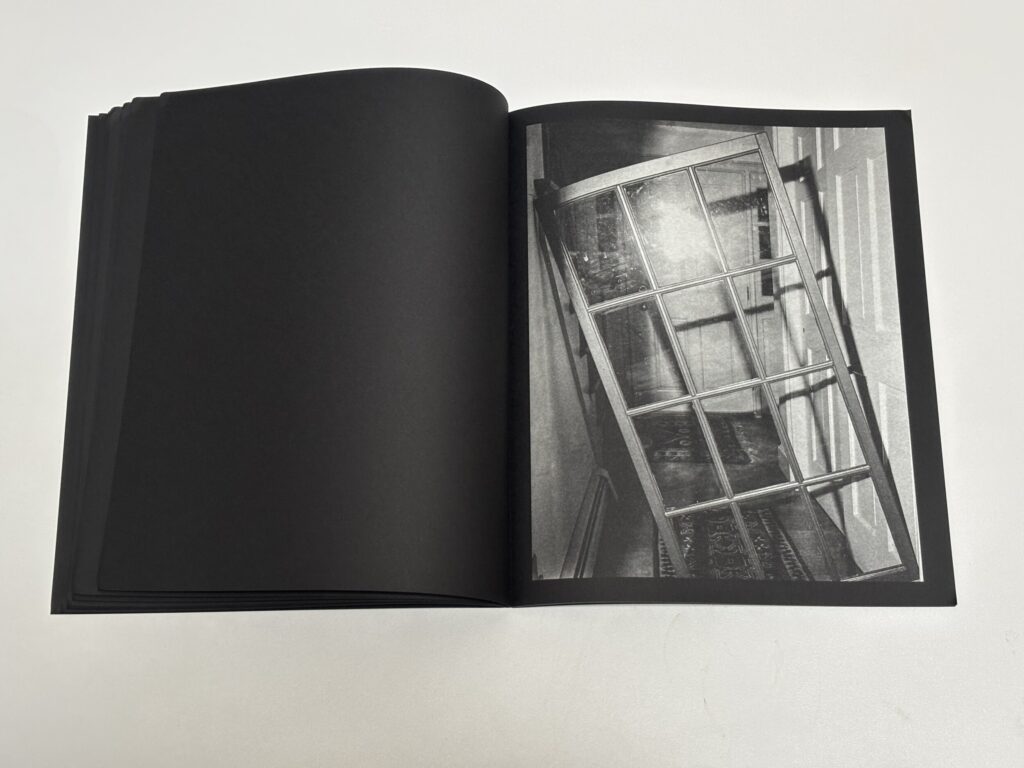
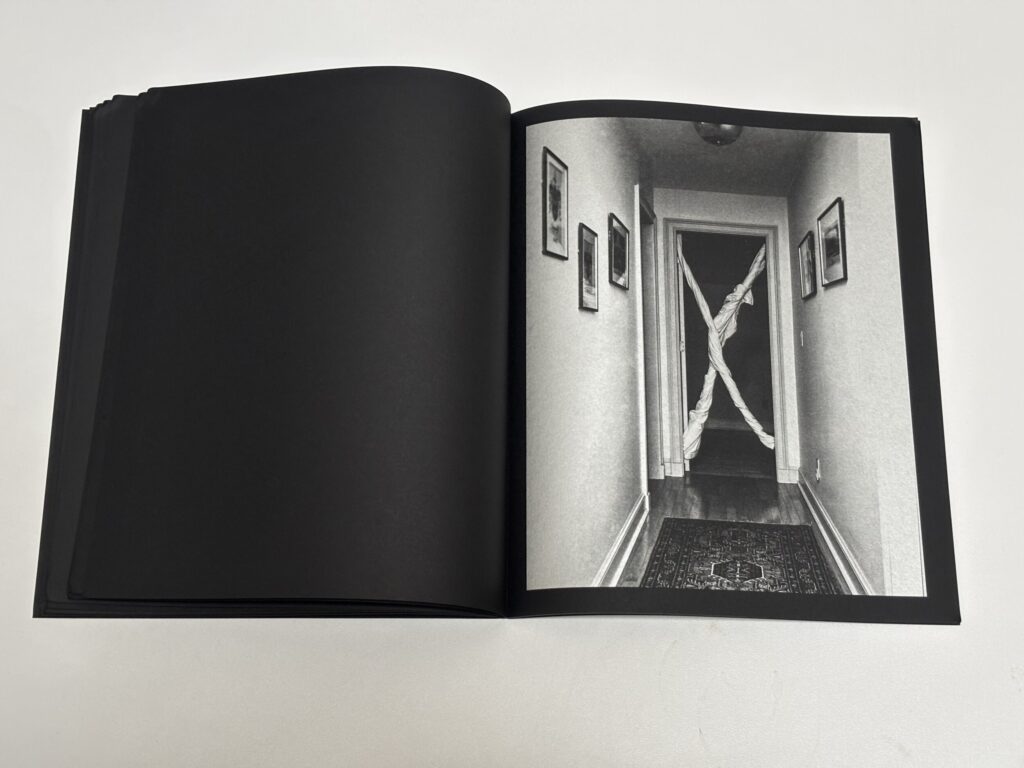
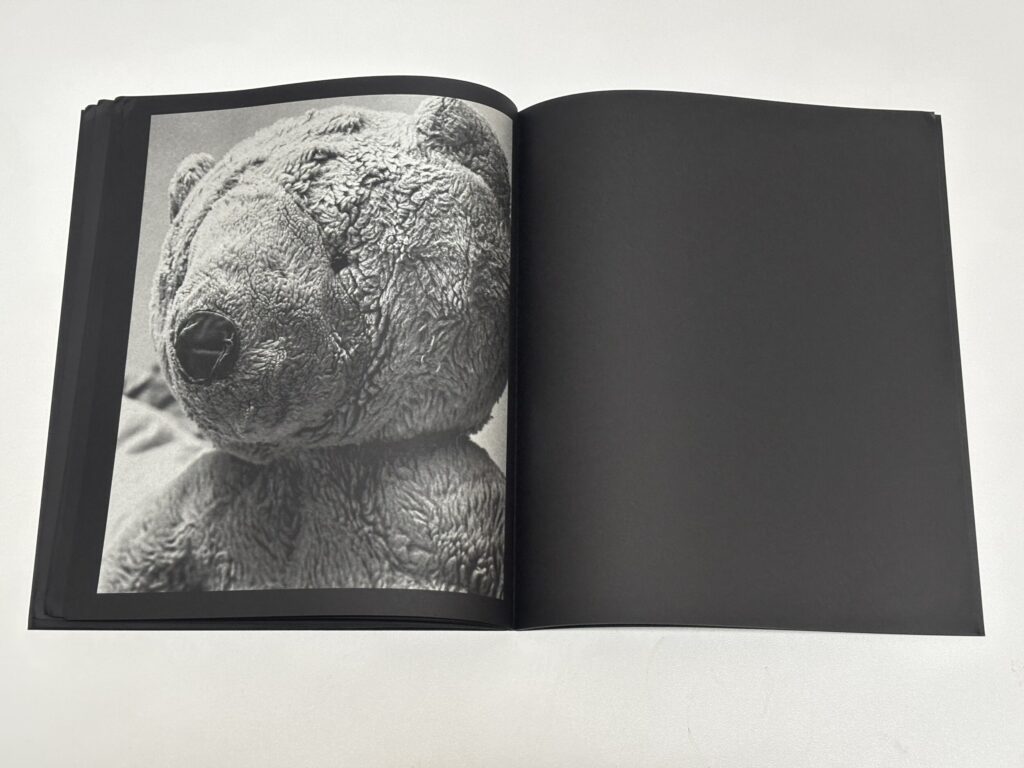
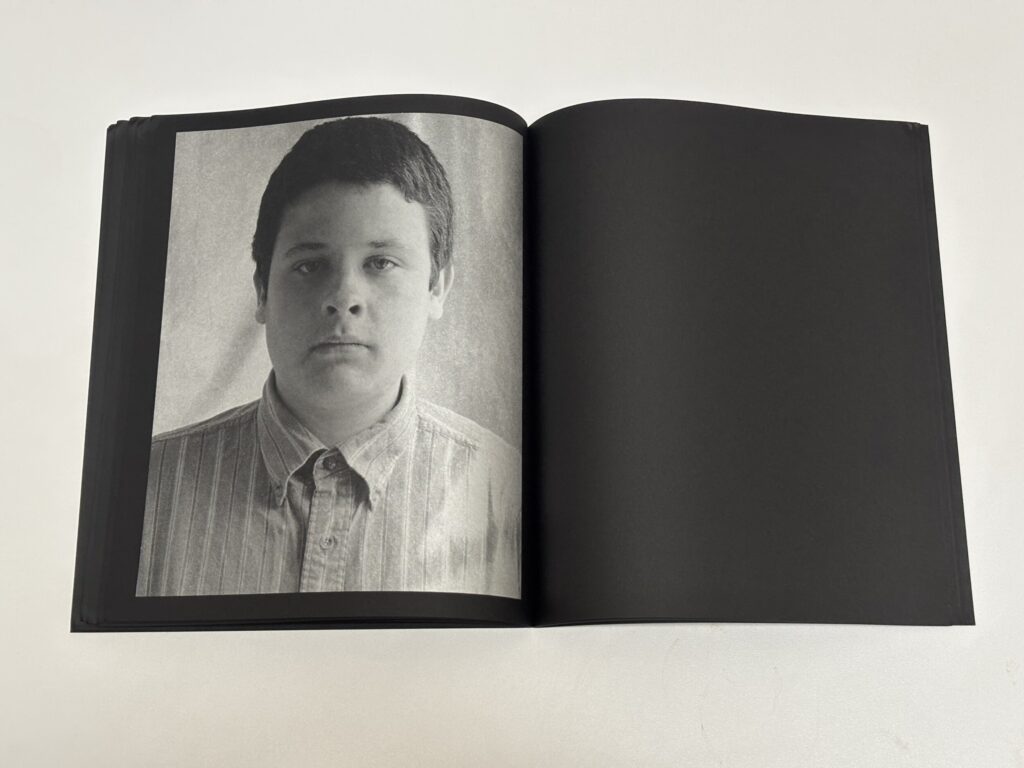
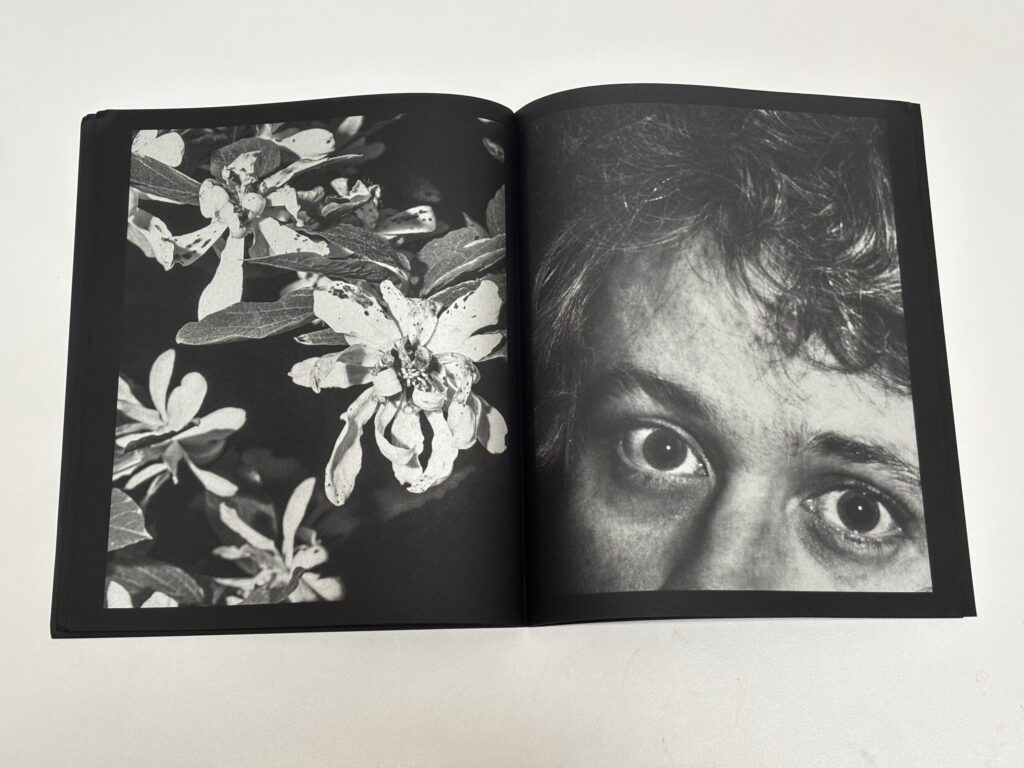
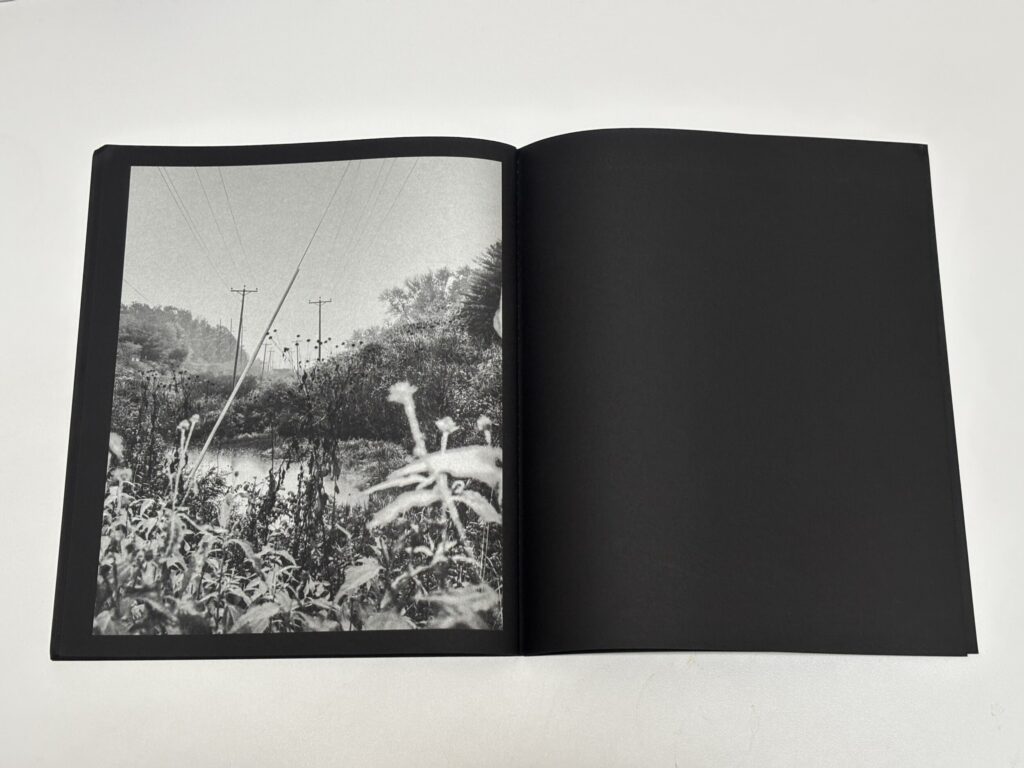
Comments/Context: Andrew D. McClees’s Avalanche is a photobook built from an unusual act of return. Set entirely within his father’s house, the project revisits a domestic environment shaped by memories of isolation, neglect, and emotional distance, yet it avoids the familiar conventions of autobiographical photography. McClees approaches the house as a psychological terrain, using photography to transform ordinary rooms and objects into fragments of a larger interior condition. Avalanche is less concerned with what happened than with how certain places continue to inhabit memory long after they have been left behind.
Many contemporary photobooks centered on family histories are driven by acts of recovery, excavation, and reckoning. They revisit buried stories, untangle inherited tensions, and seek new forms of understanding through personal narrative. In I Carry Her Photo with Me (reviewed here), Lindokuhle Sobekwa undertakes an intimate search for the traces of a lost sister, while in My Olive Tree, Memouna (reviewed here), Naïma El Kadi returns to Morocco to navigate the complexities of her divided personal and cultural inheritance. Avalanche takes a somewhat different approach. McClees leans into uncertainty and dislocation. The photographs appear to have been made in a state of sustained vigilance, where the familiar has become strange and the ordinary carries a quiet emotional charge. This approach shifts the project away from confession and toward atmosphere, allowing us to experience the house not as a location to be explained but as a space to be felt.
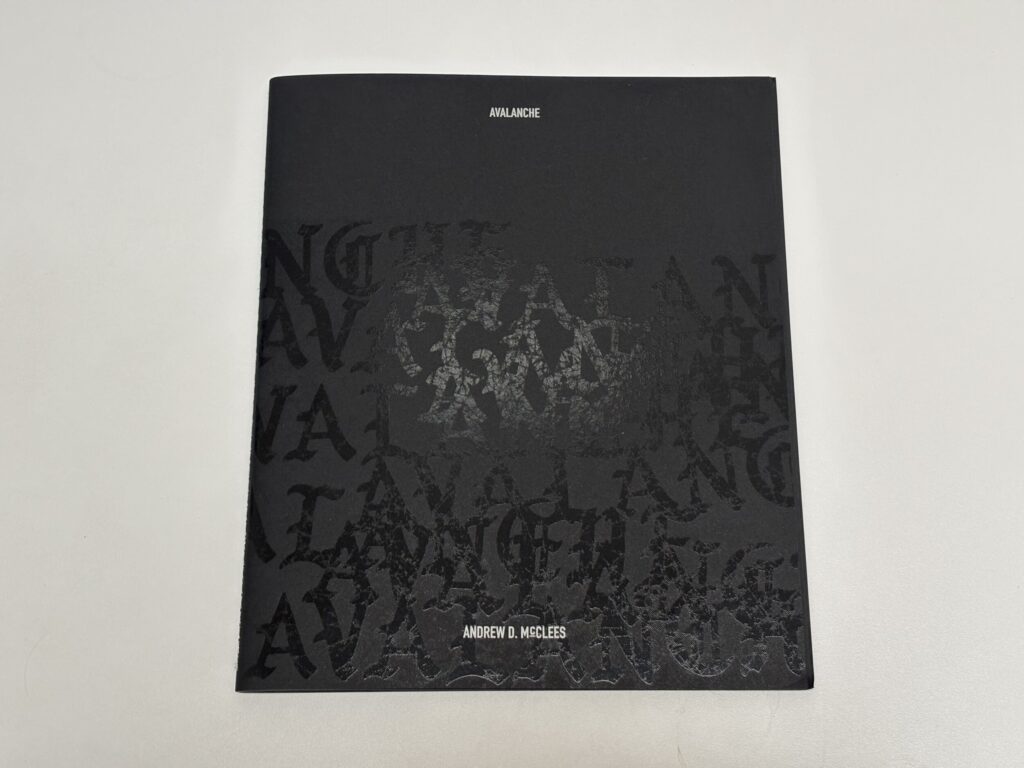
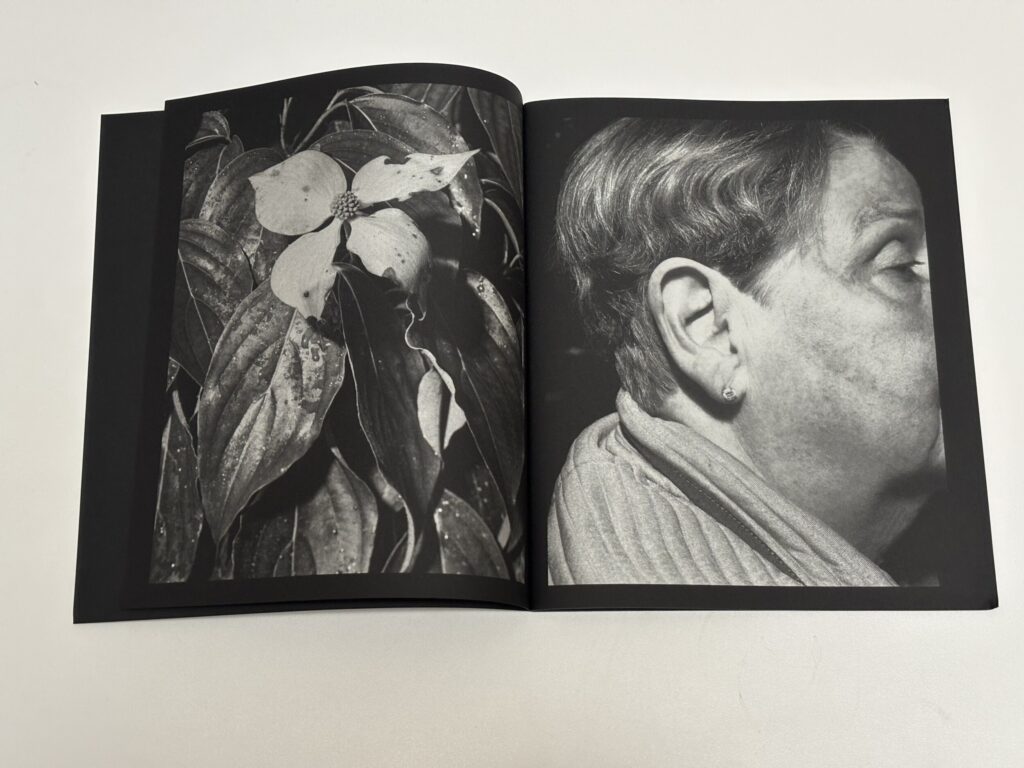
Avalanche is equally compelling as a photobook object. The slim, singer-sewn softcover volume, with its exposed silver stitching running along the spine, immediately signals the care invested in its production. The cover establishes the book’s dark, psychologically charged atmosphere through an understated yet sophisticated design. Against a matte black field, the title appears in small white type, while oversized repetitions of the word “Avalanche” gradually emerge through a glossy black-on-black treatment, hovering between visibility and concealment. Inside, the visual strategy is carried through with remarkable consistency. The photographs are reproduced in silver ink on black paper and presented at a uniform scale, creating a rhythmic visual flow that reinforces the book’s immersive mood. The absence of captions and page numbers further removes distractions, allowing the images to unfold as a continuous psychological passage.
Photographed with a large-format view camera across two periods, in 2008 and again between 2022 and 2024, Avalanche emerged from an archive of more than 1,900 4×5 negatives that were ultimately distilled to just 37 images. This rigorously selective process is reflected in one of Avalanche‘s defining strengths: its concentration. By confining the work to a single house, McClees establishes a formal constraint that sharpens the project’s focus. The photographs operate within a remarkably consistent emotional register, with the house functioning simultaneously as subject, setting, and conceptual framework, binding the sequence into a cohesive whole.
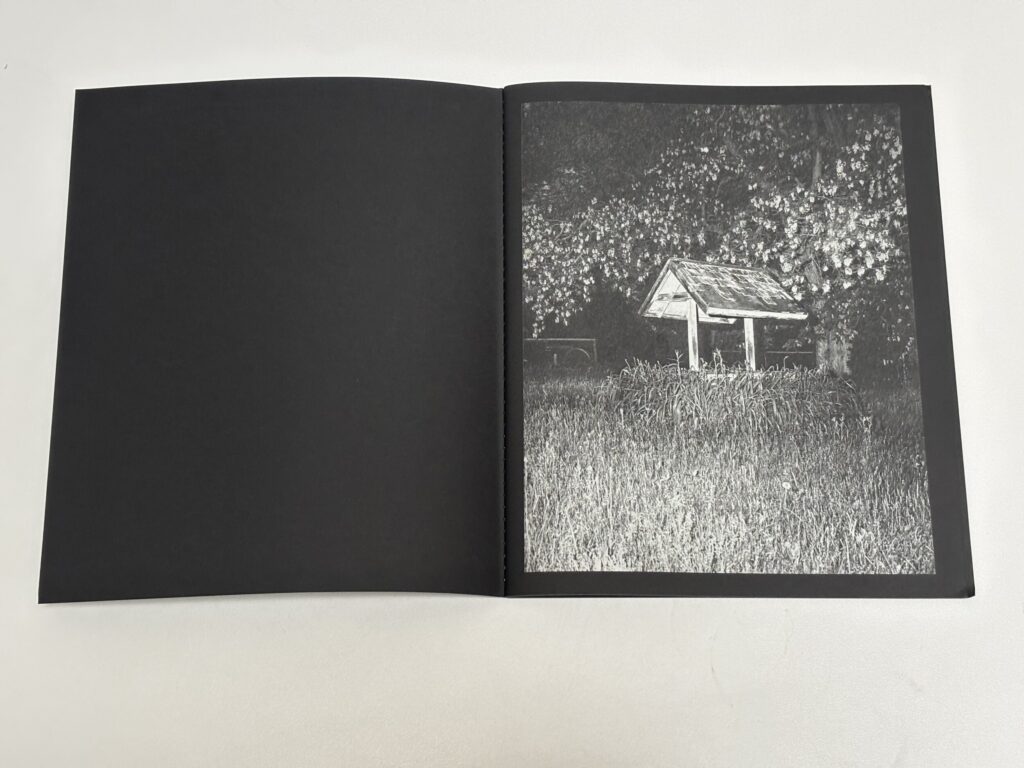
The opening image shows an overgrown well emerging from a ring of tall grass, illuminated by flash and surrounded by deep darkness; the scene feels at once mundane and faintly uncanny and the intense contrast flattens textures and drains the landscape of any comforting familiarity, transforming an otherwise ordinary backyard feature into a solitary architectural fragment suspended in an atmosphere of quiet unease. A couple of pages later, a photograph isolates a mold-stained corner where two walls meet the ceiling, turning an unremarkable sign of domestic decay into an image of lingering psychological weight; the dark stain becomes a visual embodiment of the unresolved histories that quietly permeate the house.
Throughout the sequence, McClees cultivates an atmosphere that occasionally edges toward the language of horror. Signs of decay, water stains, neglected interiors, and tightly cropped domestic details accumulate into an atmosphere of quiet unease. The recurring use of flash serves as both an amplifier of attention and a source of tension, forcing mundane objects into sharp relief and encouraging prolonged scrutiny. Even a seemingly ordinary teddy bear takes on an uncanny quality, its presence serving as a poignant reminder that childhood memories can be as disquieting as they are comforting.
The photographs point toward difficult histories, but they do not attempt to resolve them – there are no visual revelations waiting. Instead, McClees acknowledges the persistence of unresolved feelings. Memory is presented not as a puzzle that can be solved but as a condition that continues to shape perception in the present. And this restraint gives the work much of its power. The photographs maintain a careful balance between personal specificity and emotional openness. It is clear that the house carries deeply individual significance for the artist, yet the images remain accessible because they tap into broader experiences of estrangement, vulnerability, and return. Most of us know what it means to revisit a place from childhood and discover that familiarity has become complicated. McClees builds his project around this unsettling recognition.
Avalanche demonstrates how effectively form and content can work together. The constrained setting, compressed framing, dark tonal palette, and distinctive production choices all work toward the same goal. Nothing feels incidental. The book establishes its psychological atmosphere early and sustains it with impressive consistency from beginning to end.
In the end, Avalanche is less concerned with documenting a house than with examining the feelings and memories associated with it. McClees transforms a familiar domestic setting into a site of ambiguity, memory, and confrontation, creating photographs that hover between observation and invention. The project succeeds because it trusts atmosphere over explanation and suggestion over certainty. It makes visible the uneasy ways in which places continue to inhabit us, long after we believe we have left them behind.
Collector’s POV: Andrew D. McClees does not appear to have consistent gallery representation at this time. Collectors interested in following up should likely connect directly with the artist via his website (linked in the sidebar).