JTF (just the facts): Published in 2026 by roshin books (here). Hardcover (27 x 22.5 cm), 88 pages, with 79 black-and-white photographs. Includes texts by the artist and Risaku Suzuki (in Japanese and English). Design by Katsuya Kato. In an edition of 900 copies. (Cover and spread shots below.)
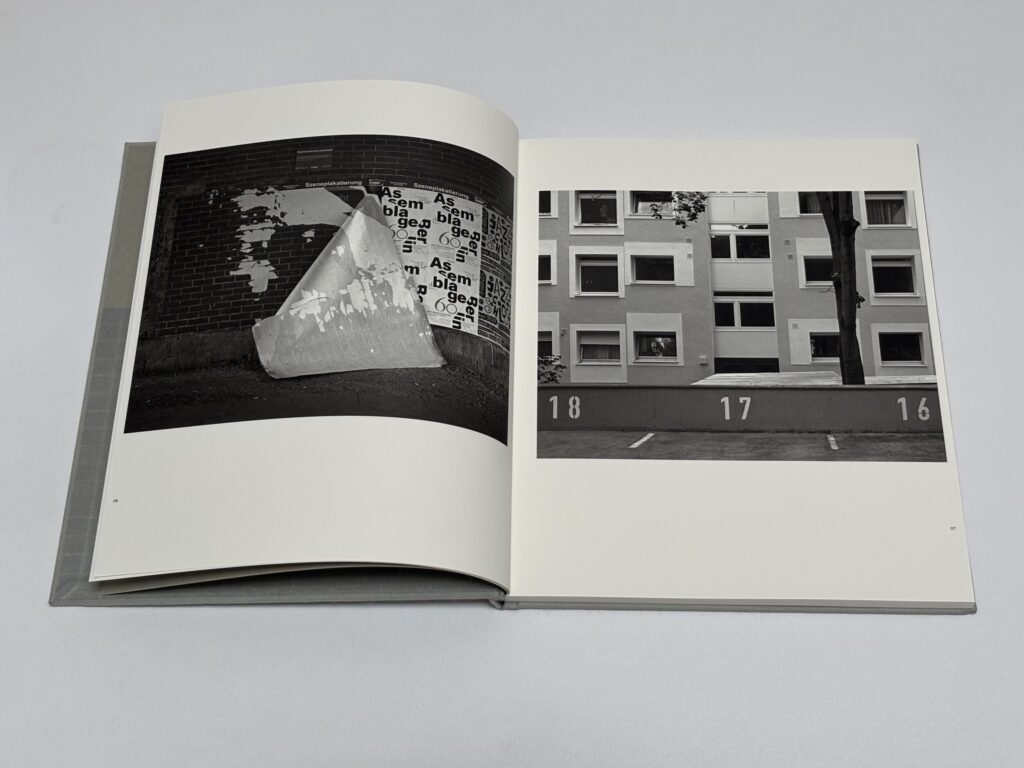
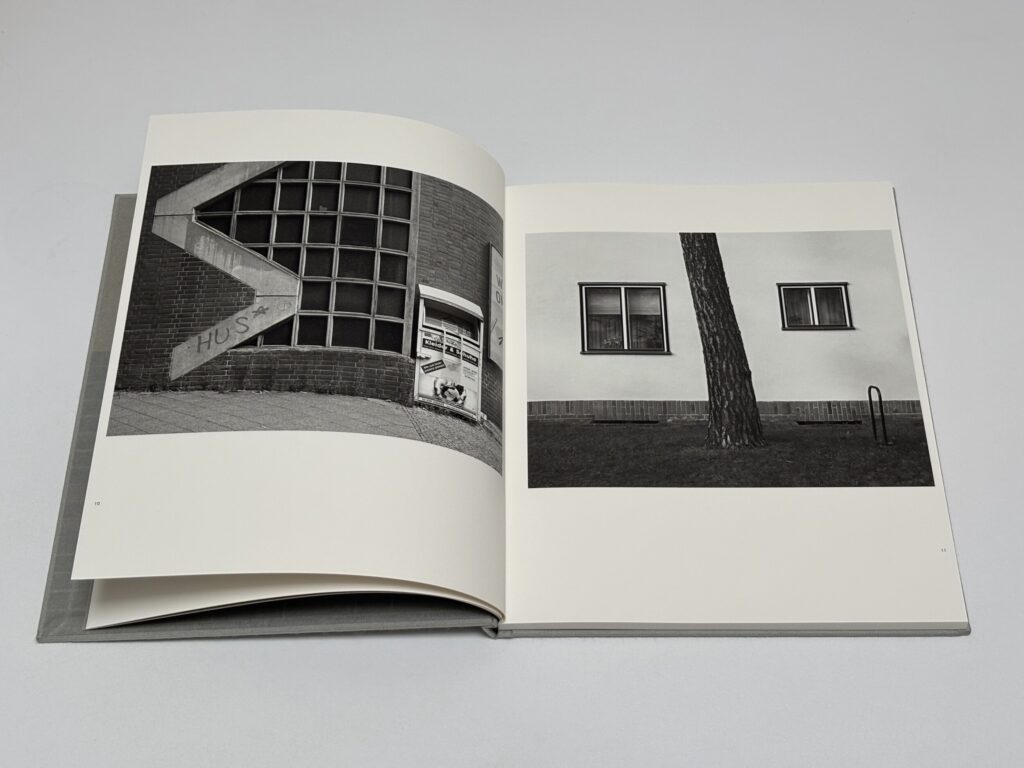
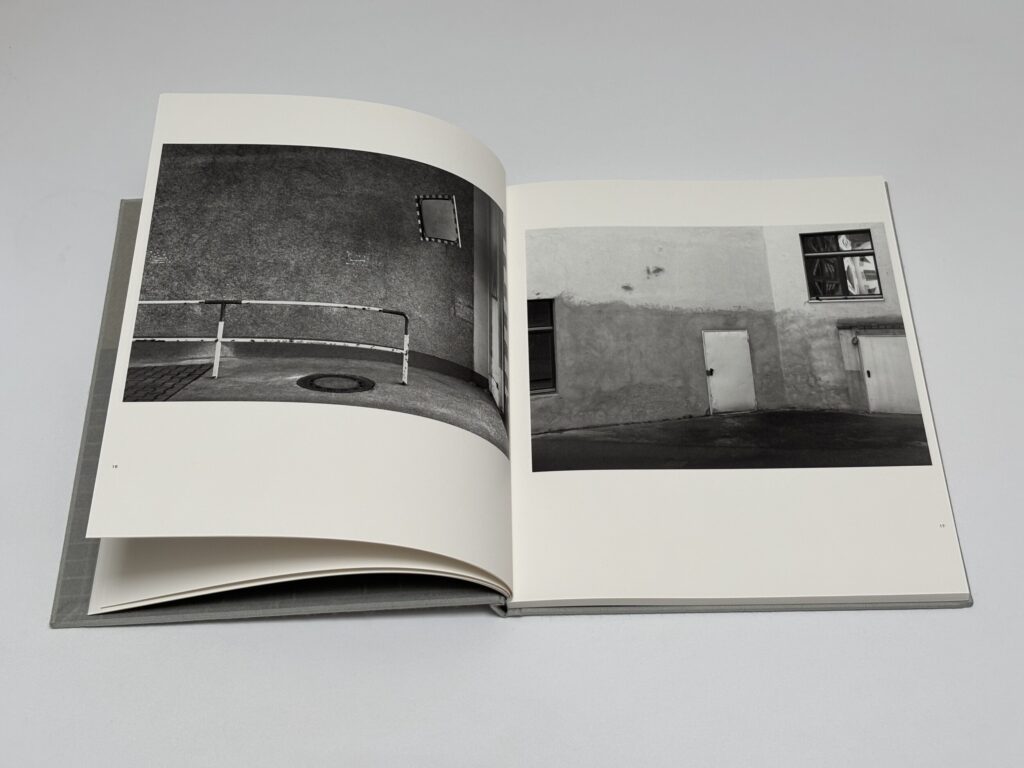
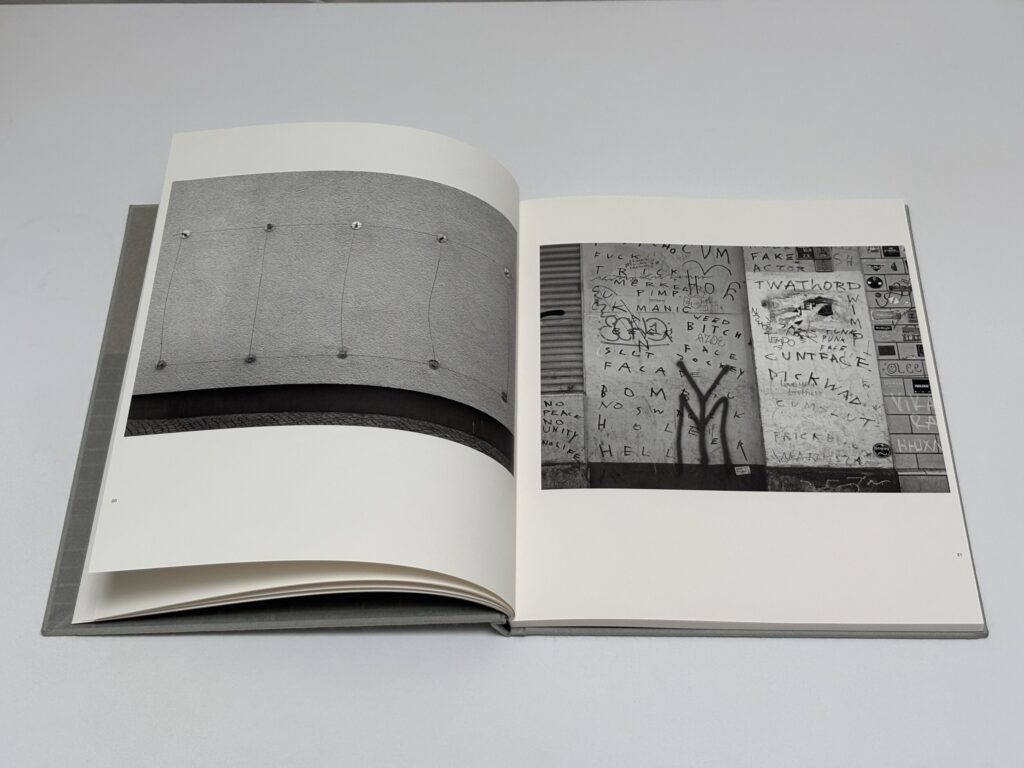
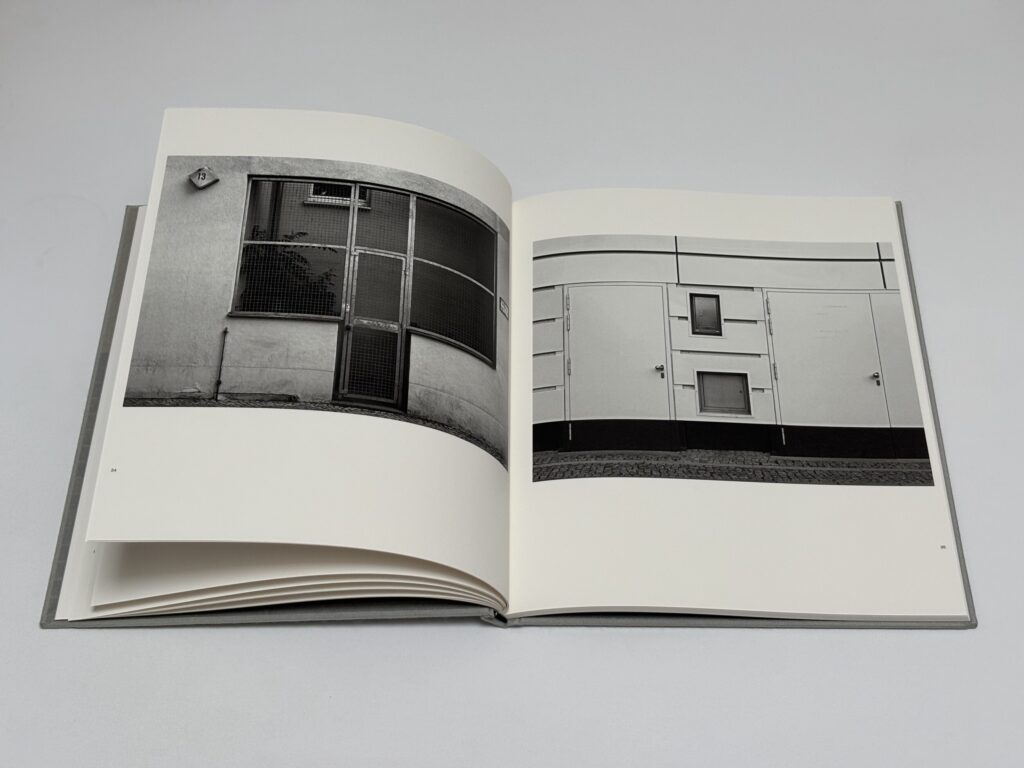
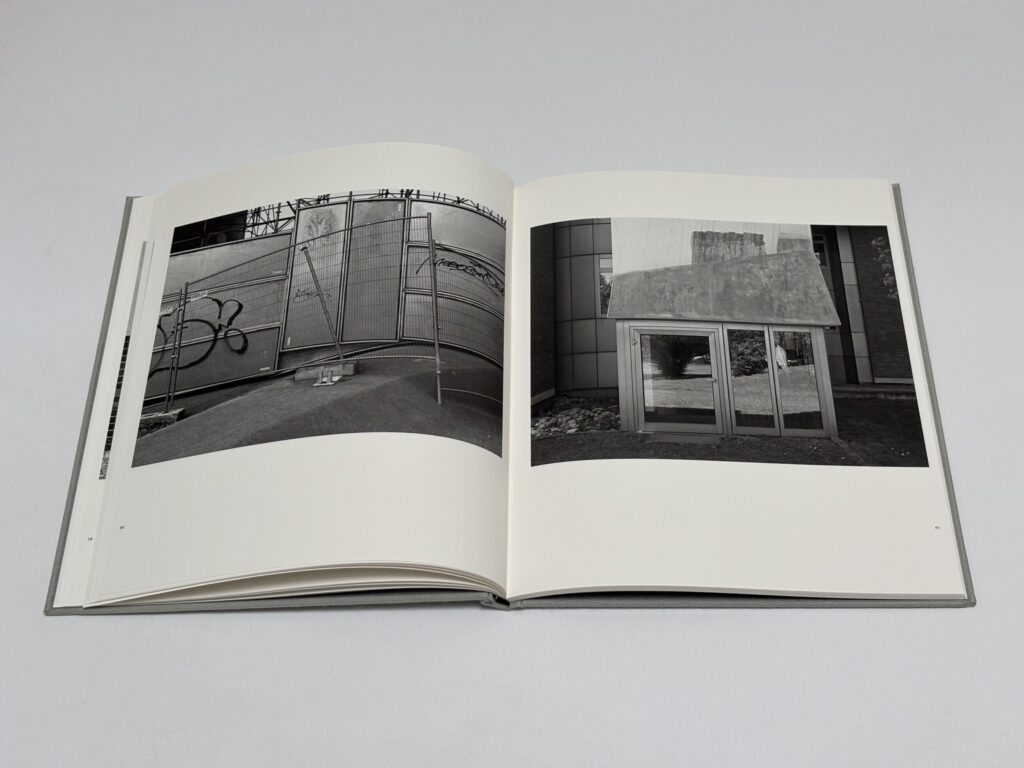
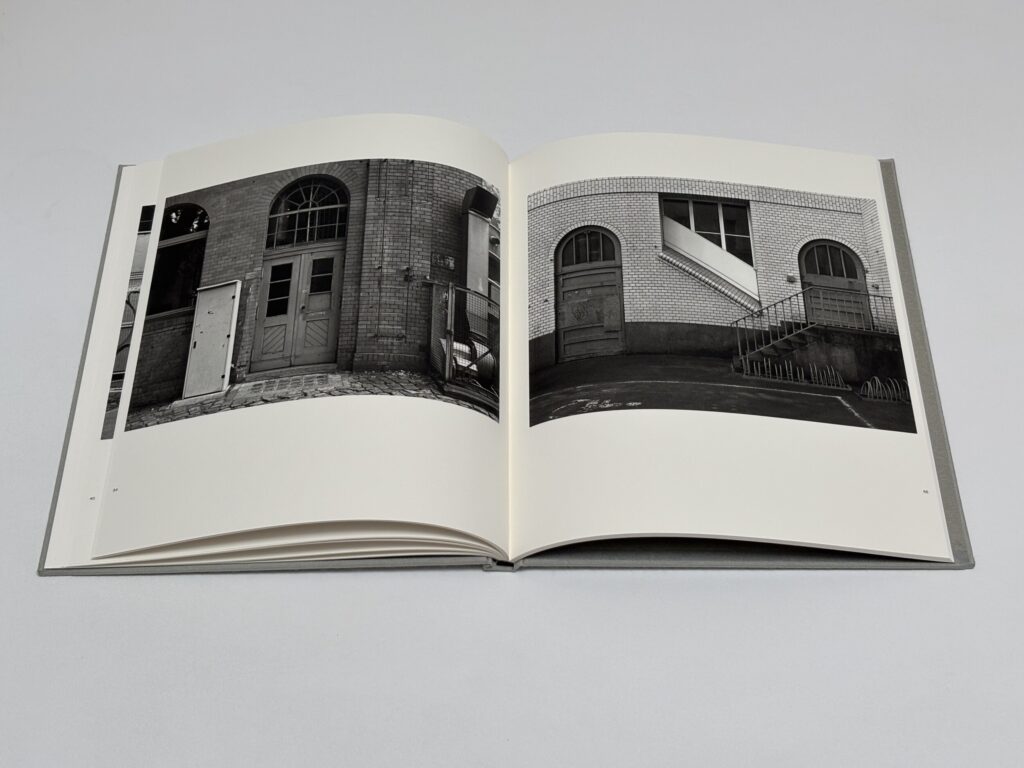
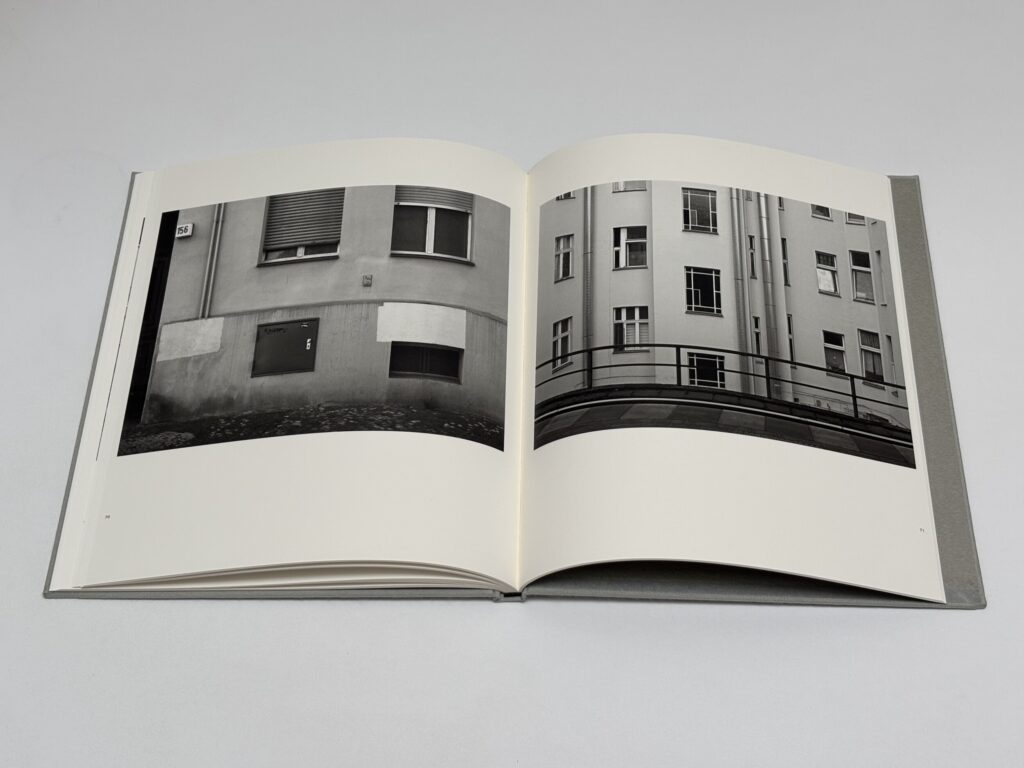
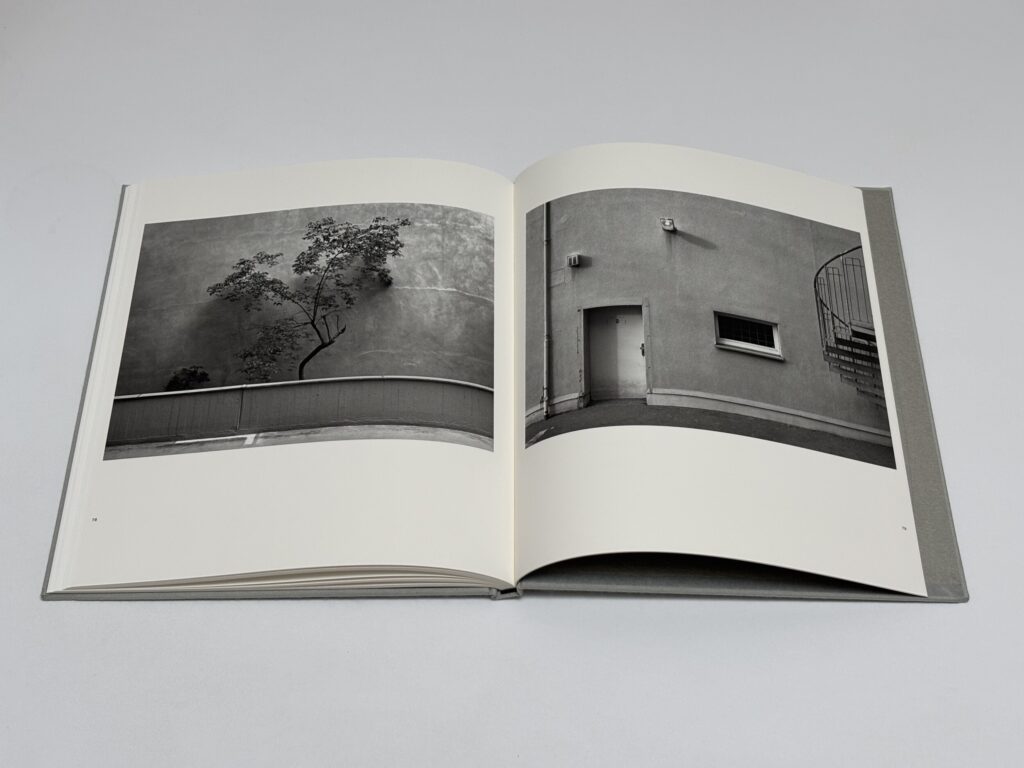
Comments/Context: Yasutaka Kojima’s Nakaima | Berlin is a quietly remarkable photobook, one that transforms the ordinary surfaces of a city into a meditation on time, perception, and presence. As the third installment in Kojima’s ongoing urban trilogy (following New York and Tokyo), the book reflects a decade of living and working in Berlin between 2015 and 2025, distilling that experience into seventy-nine black-and-white photographs that are at once rigorously formal and deeply contemplative.
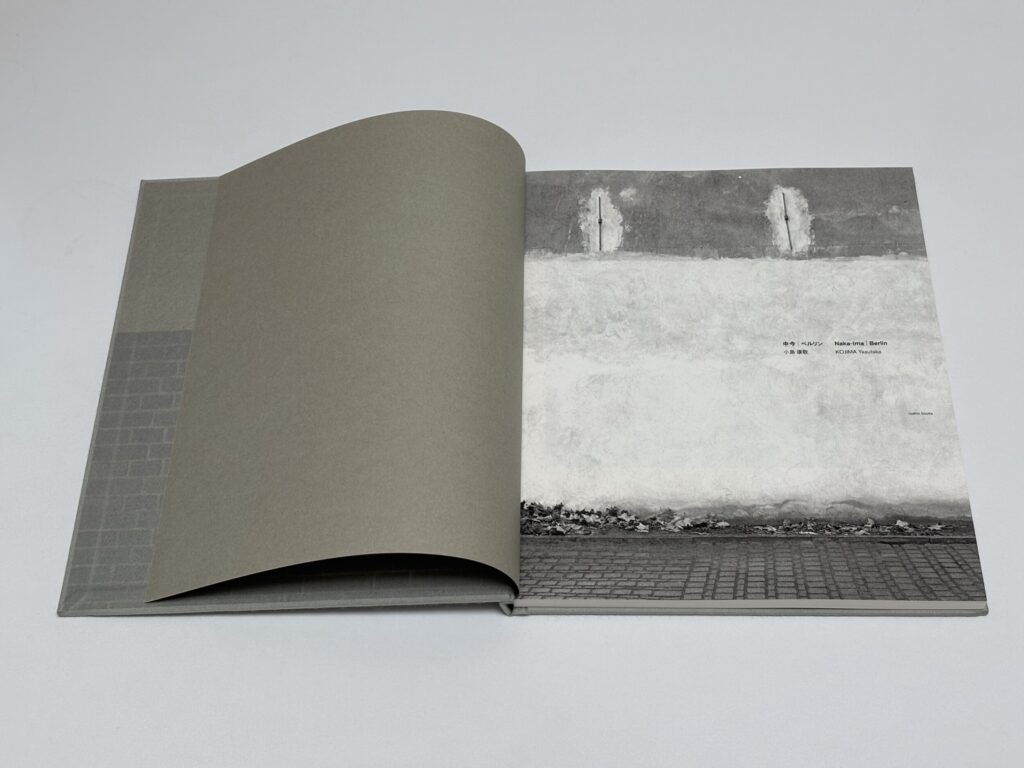
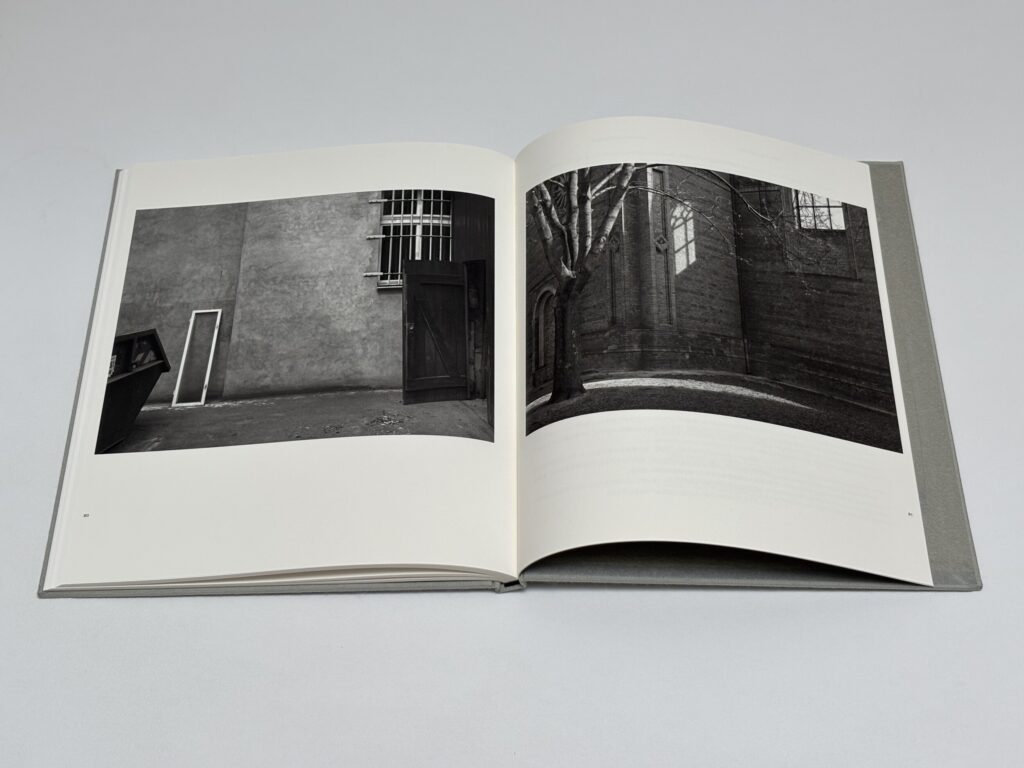
At first glance, the subject matter appears almost disarmingly simple. Kojima photographs walls, doors, entrances, courtyards, staircases, windows, fences, and the countless architectural details that populate Berlin’s built environment. These are not iconic landmarks or dramatic urban scenes. Instead, they are fragments of everyday space, often overlooked in the rush of city life. Yet Kojima possesses a rare ability to make these modest subjects feel significant. Through careful framing and a precise understanding of spatial relationships, he turns mundane architectural elements into images that invite sustained reflection.
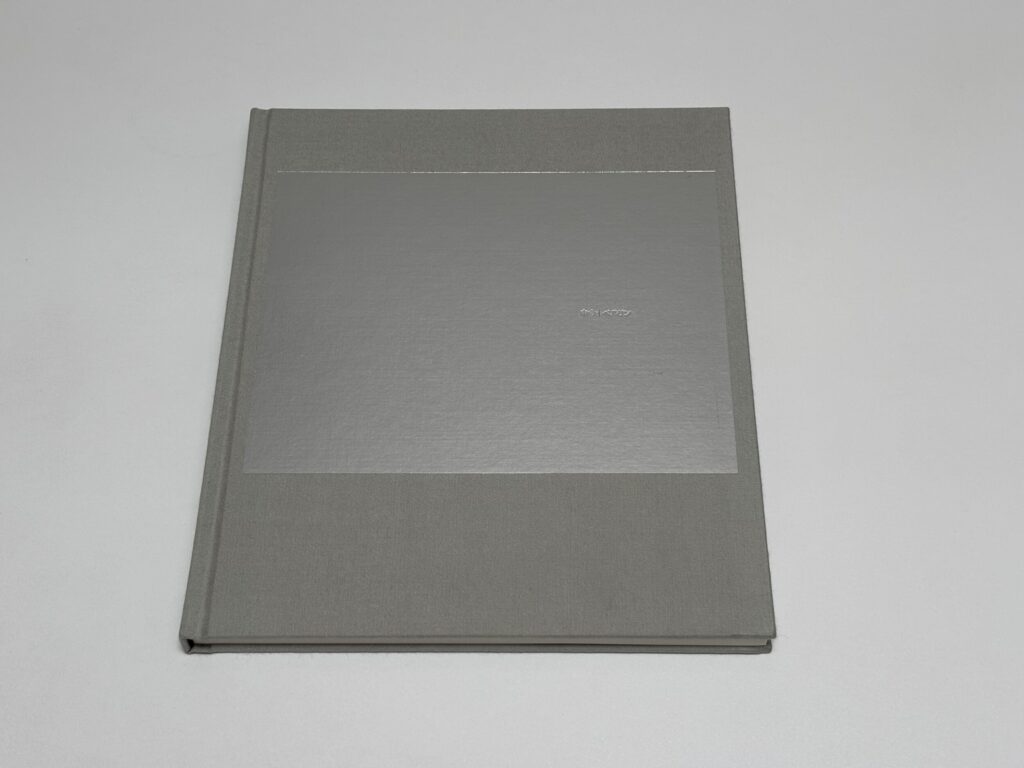
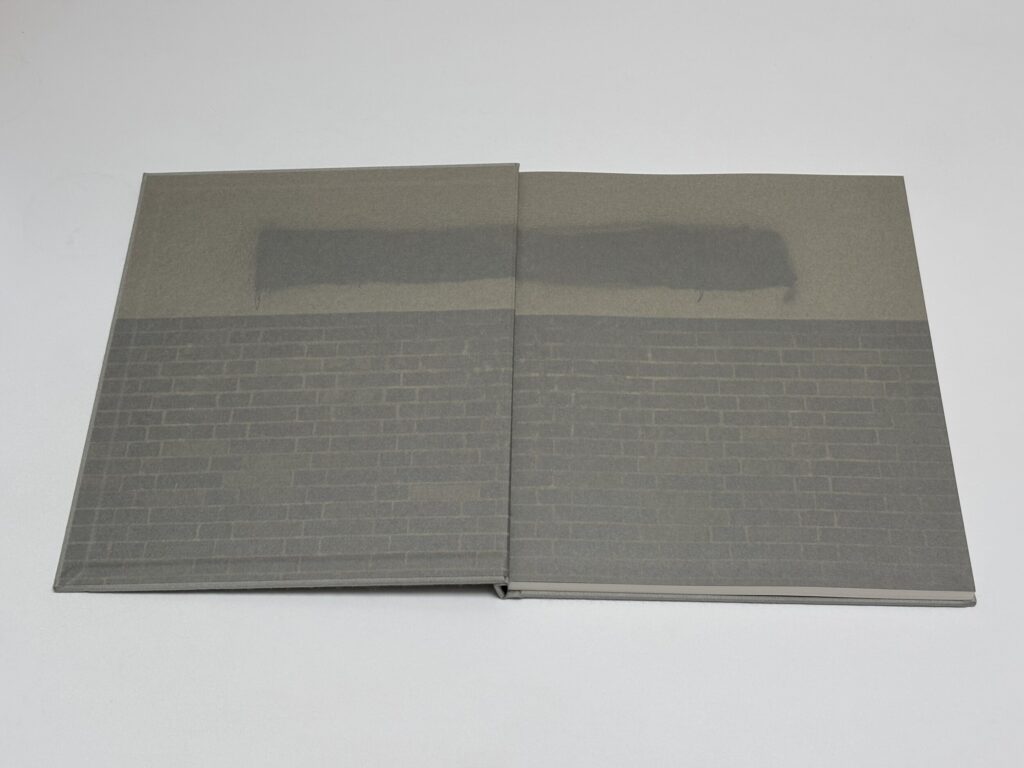
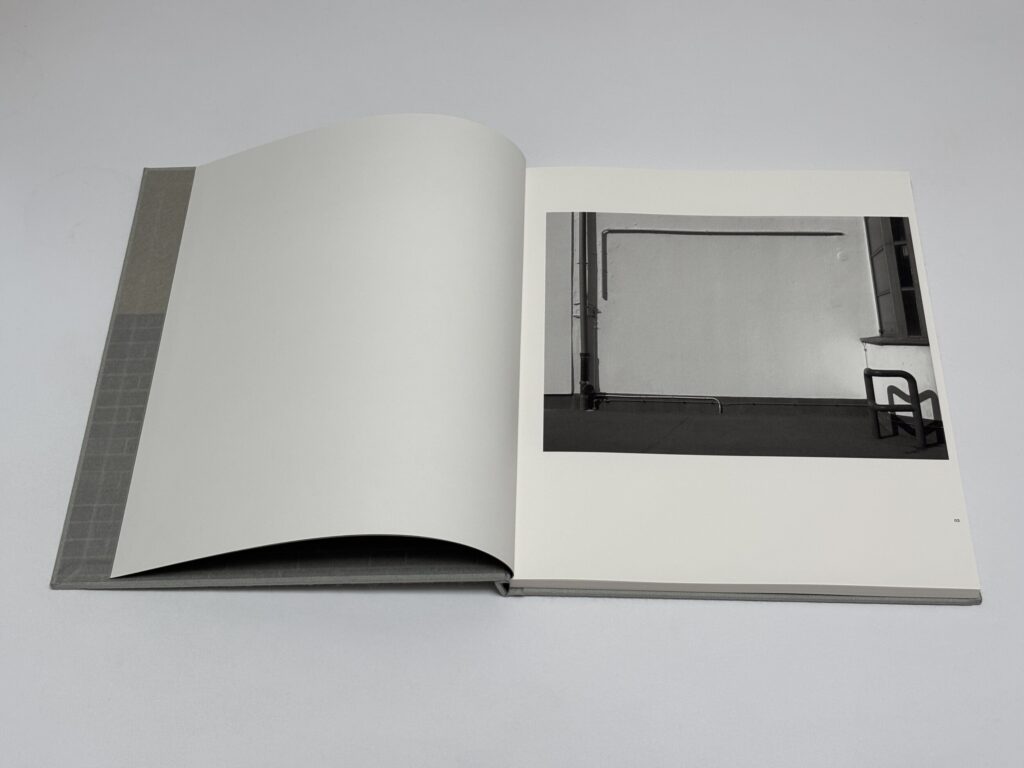
The book’s design is perfectly attuned to its content. Bound in light grey cloth, the cover is dominated by a large metallic silver rectangular panel embossed with the title in Japanese. The title, artist’s name, and publisher are printed in black on the spine. The endpapers feature images from the series reproduced in silver, creating a subtle visual echo of the cover design. Each photograph, matching the dimensions of the rectangle on the cover, contributes to a cohesive and uninterrupted visual rhythm throughout the book. Page numbers appear discreetly in a small font near the lower outer edge of each page, adding to the publication’s understated elegance. Texts by photographer Risaku Suzuki and the artist are placed at the end, providing a fitting conclusion to the volume. Minimal yet carefully considered, the book’s design beautifully complements and enhances its content.
Kojima’s approach is notably consistent. Rather than pursuing either abstraction or straightforward documentation, he works somewhere between the two. Photographer Risaku Suzuki has described this as a “transitional distance”, a position that avoids both emotional intensity and strict formal detachment. This measured perspective shapes the character of the photographs. The images do not rely on obvious symbolism, yet they encourage careful observation. Graffiti, cracks in plaster, flowerpots, railings, and shifting patches of light become recurring visual elements, contributing to a body of work that is both attentive and open to interpretation.
The title refers to the Shinto concept of nakaima, often translated as the eternal present or the living moment suspended between past and future. Kojima does not illustrate this idea directly. Instead, he allows it to emerge through the rhythm of the photographs themselves. The images are characterized by stillness. Human figures are largely absent, and yet traces of human activity are everywhere. A doorway suggests passage. A staircase implies movement. A courtyard hints at lives unfolding beyond the frame. In these spaces, time seems neither frozen nor progressing; it circulates gently, creating the sensation of inhabiting a continuous present.
The photographs themselves display exceptional formal discipline. Kojima flattens three-dimensional space in ways that recall certain traditions of Japanese photography while remaining distinctly his own. Vertical and horizontal lines establish subtle tensions across the frame. Repeating shapes generate visual rhythms. Light and shadow are employed with restraint, never for theatrical effect but to reveal texture, depth, and balance. The monochrome palette contributes significantly to the work’s atmosphere, stripping away distractions and directing attention toward structure, surface, and form.
Kojima’s practice is defined by a remarkable sense of continuity and discipline, qualities that demand patience from the viewer. The photographs reveal themselves gradually, without dramatic gestures or obvious narrative cues. Rather than offering a fixed interpretation, Kojima creates space for contemplation, where meaning emerges through close observation and repeated viewing.
Nakaima | Berlin is a thoughtful exploration of urban space that reflects Kojima’s sustained engagement with the city over a period of ten years. Its strengths lie in its quiet attentiveness and measured approach. Through careful observation, Kojima encourages us to look more closely at the everyday environments that often go unnoticed. The book leaves a lasting impression not through any single photograph, but through the cumulative effect of its images and the patient, reflective mode of seeing they foster.
Collector’s POV: Yasutaka Kojima does not appear to have consistent gallery representation at this time. As a result, interested collectors should likely follow up directly with the artist via his website (linked in the sidebar.)