JTF (just the facts): Published in 2026 by Ediciones Anómalas (here). Softcover with jacket (18.5 x 24 cm), 104 pages, with 70 color and black-and-white photographs. (Cover and spread shots below.)
Cypsela is also available in a special edition (here). This version includes a signed book and a platinum-palladium print (17 x 22 cm), numbered and signed by the artist. The edition consists of 5 different images, with 6 prints of each.
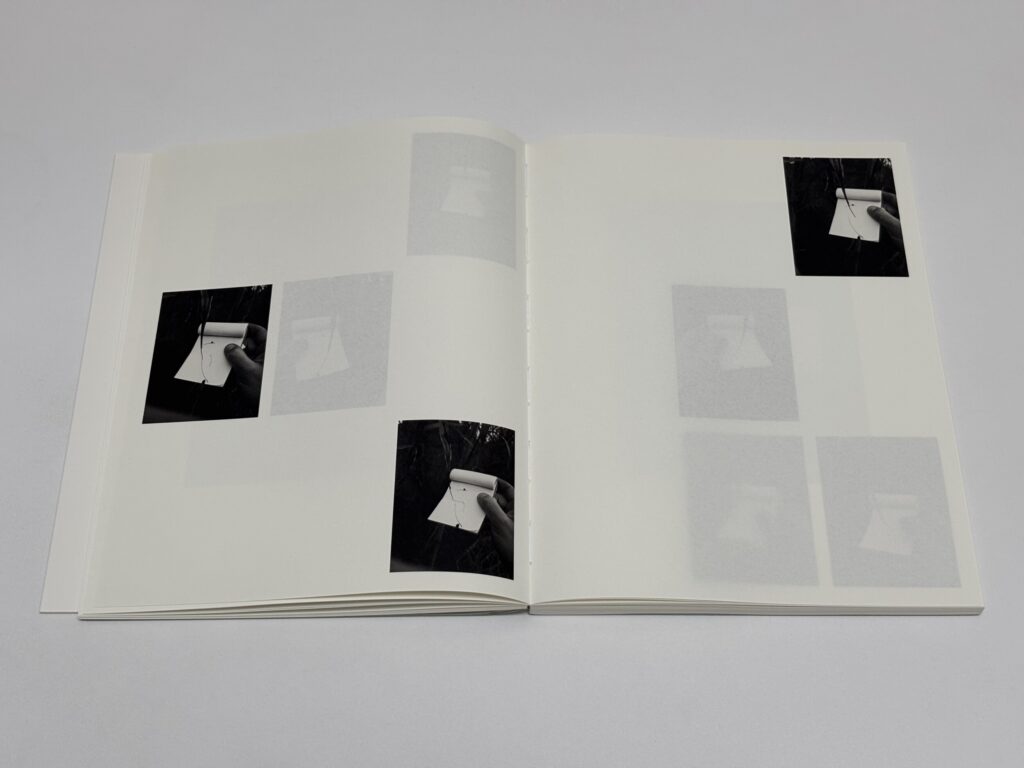
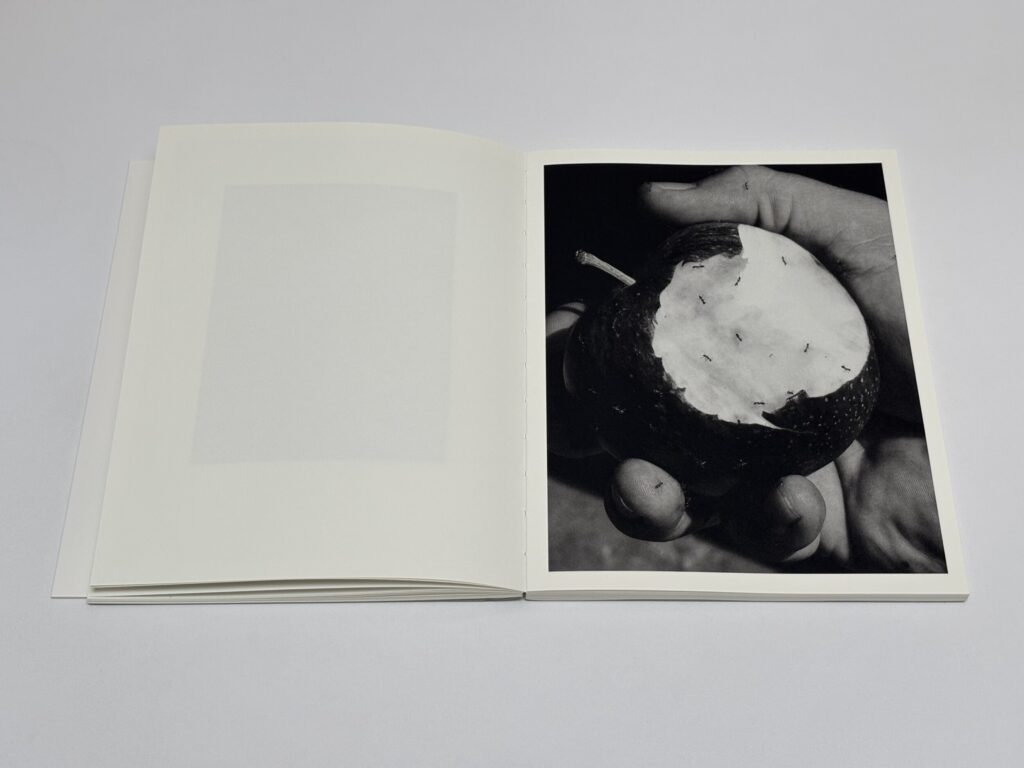
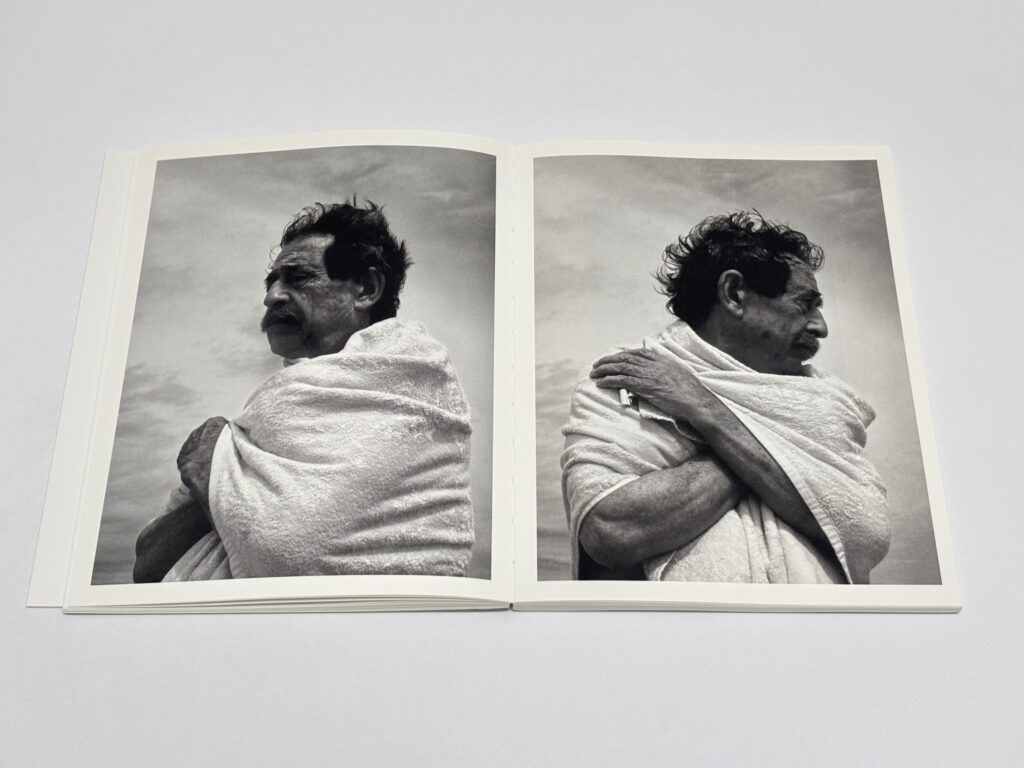
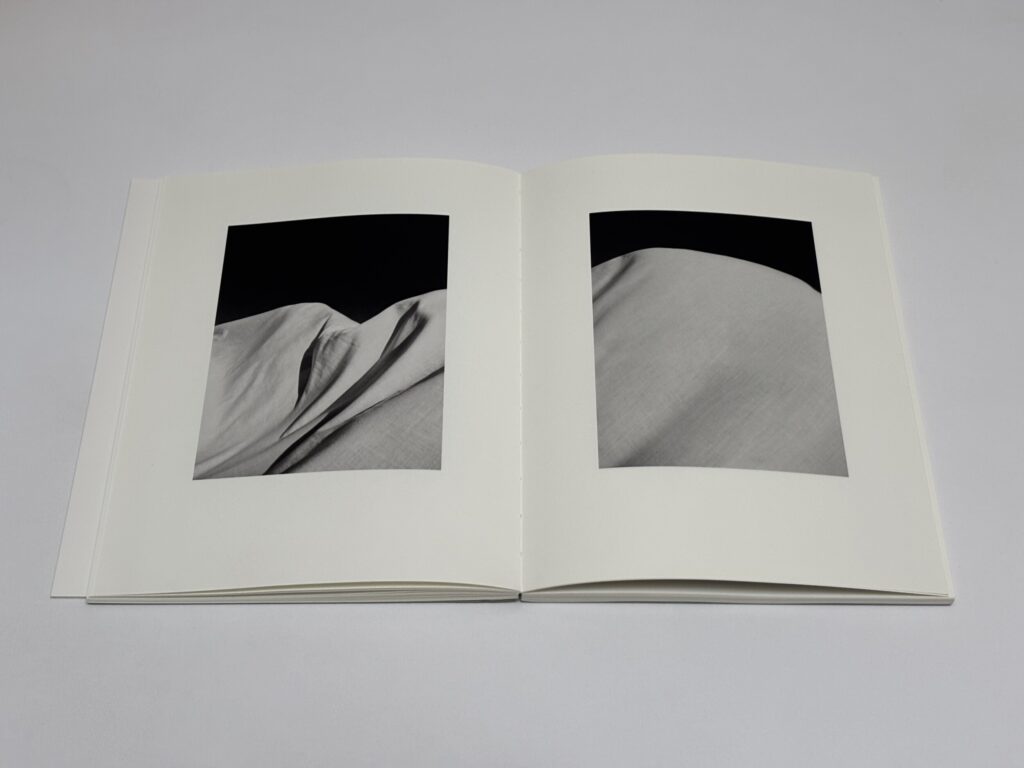
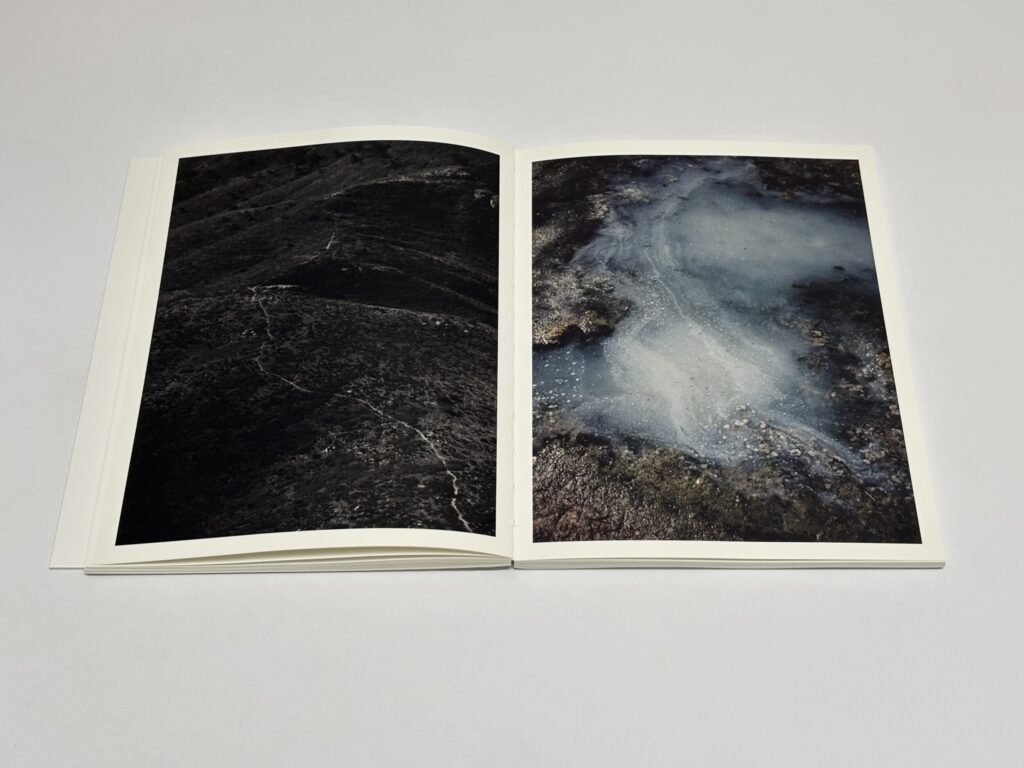
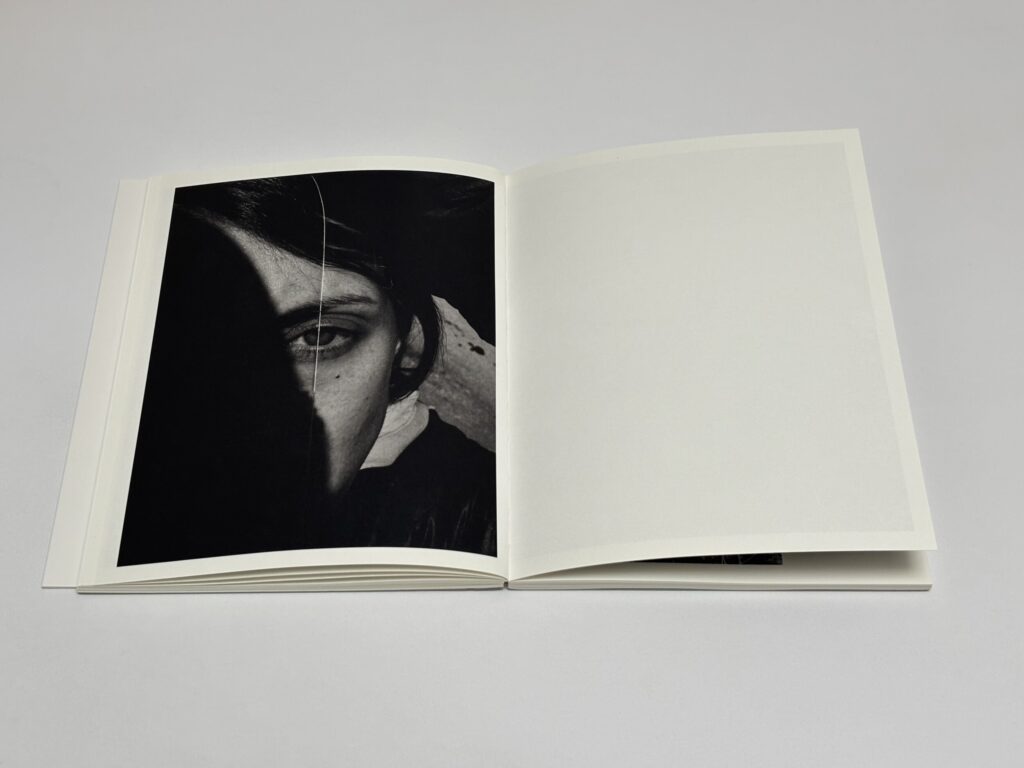
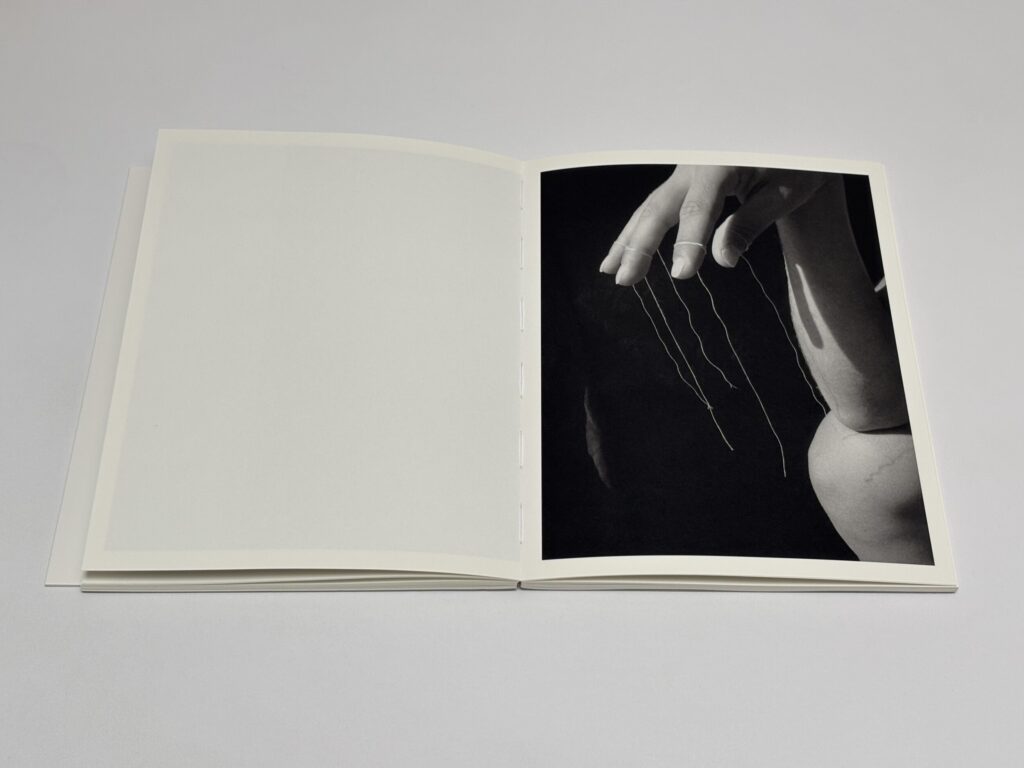
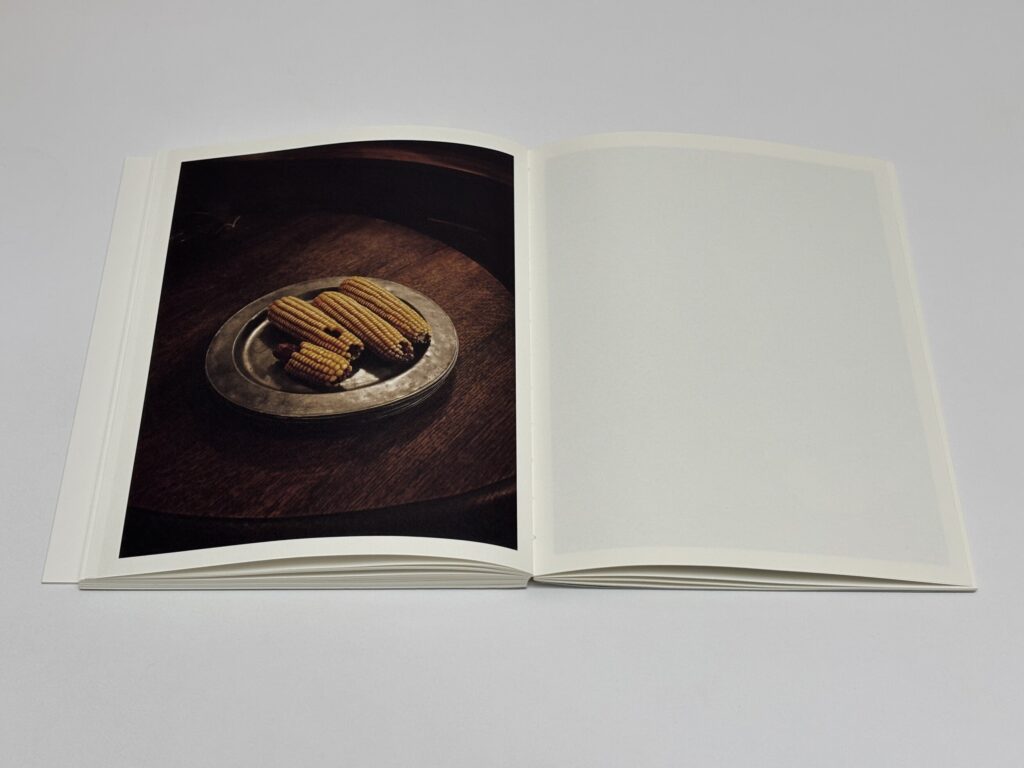
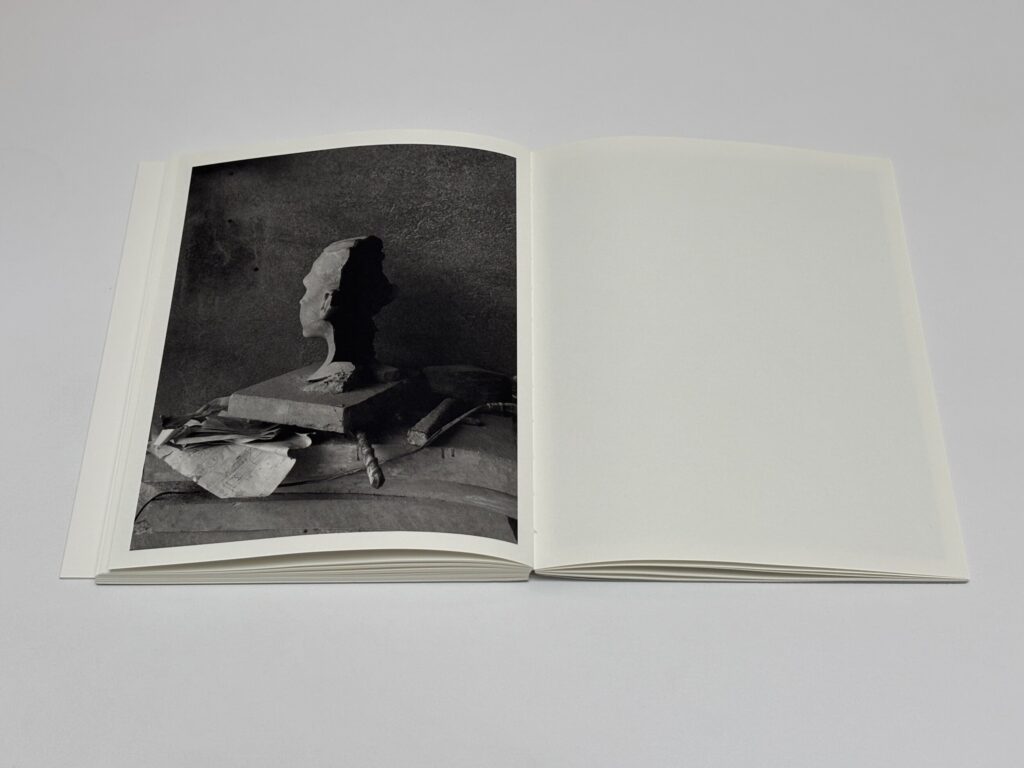
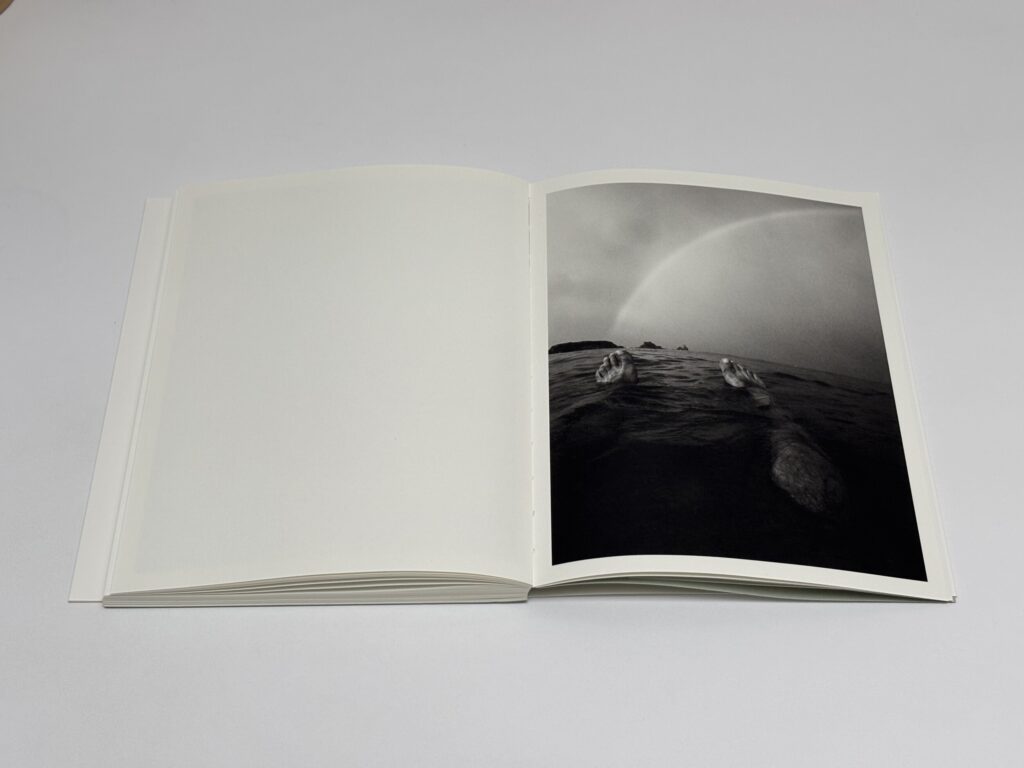
Comments/Context: Cypsela is a book about a place that may never have existed, and that uncertainty becomes its central strength. In this new project, Salvi Danés returns to the Empordà region of Catalonia, a landscape that has occupied his imagination for years, using the myth of the lost city of Cypsela as a framework for an exploration of memory, belonging, and the slippery boundary between history and invention. The project extends concerns already present in his earlier work, particularly Transmontanus, where he first began a sustained engagement with this territory and its emotional resonances. Cypsela feels less like a departure than a deepening, an opportunity to revisit familiar ground with greater patience, nuance, and confidence.
Danés has long been interested in the ways places hold stories. In his earlier book A les 8 al bar Eusebi (reviewed here), he transformed a Barcelona prison and the neighboring bar into a dense, cinematic stage of observation, suspicion, and social interaction. The photographs operated via atmosphere, building tension from fragments, gestures, and partial views. While Cypsela shares an interest in narrative construction, its ambitions are different. The mood is more reflective than suspenseful, more archaeological than investigative. Instead of examining the social choreography of a specific site, Danés turns toward the landscape itself, searching for traces of an absence.
The premise is deceptively simple. A lost city, possibly real and possibly invented, hovers over an existing landscape. Rather than attempting to solve the mystery, Danés uses it as a lens through which to reconsider the territory itself. The project places the Empordà in a space between physical observation and speculative reconstruction, proposing that landscapes are never merely geographic facts. They are repositories of stories, emotional projections, inherited narratives, and slices of remembered experience. They are suggestive fragments that accumulate into a poetic field of associations. The result is a body of work that appears less concerned with evidence than with resonance.
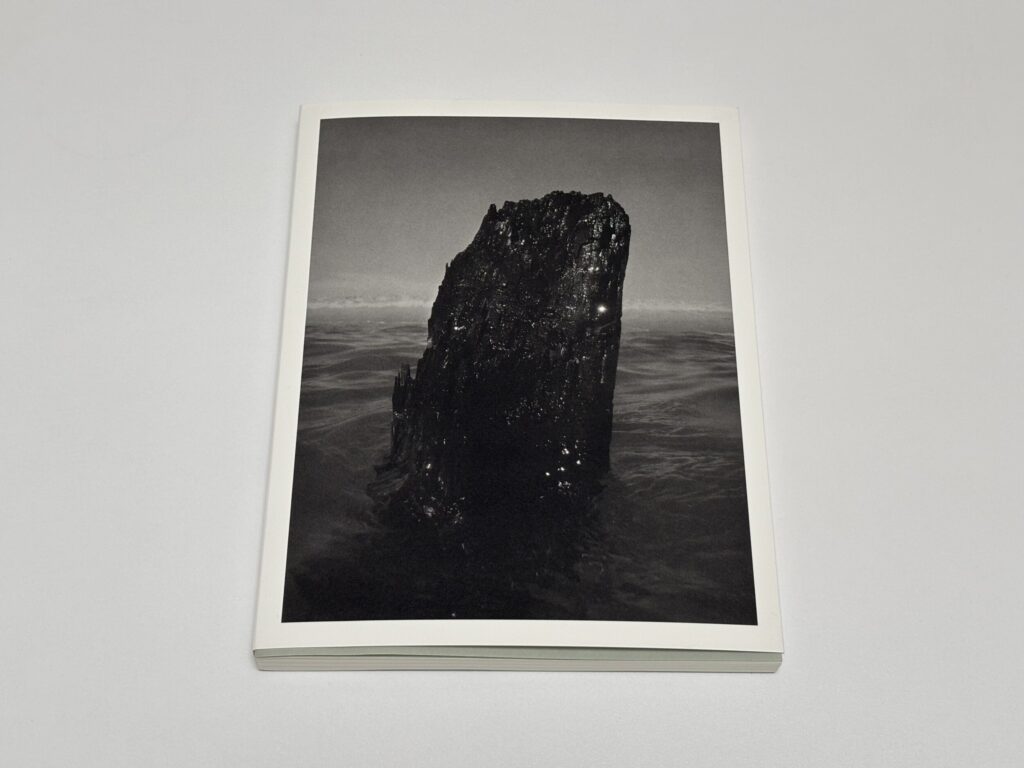
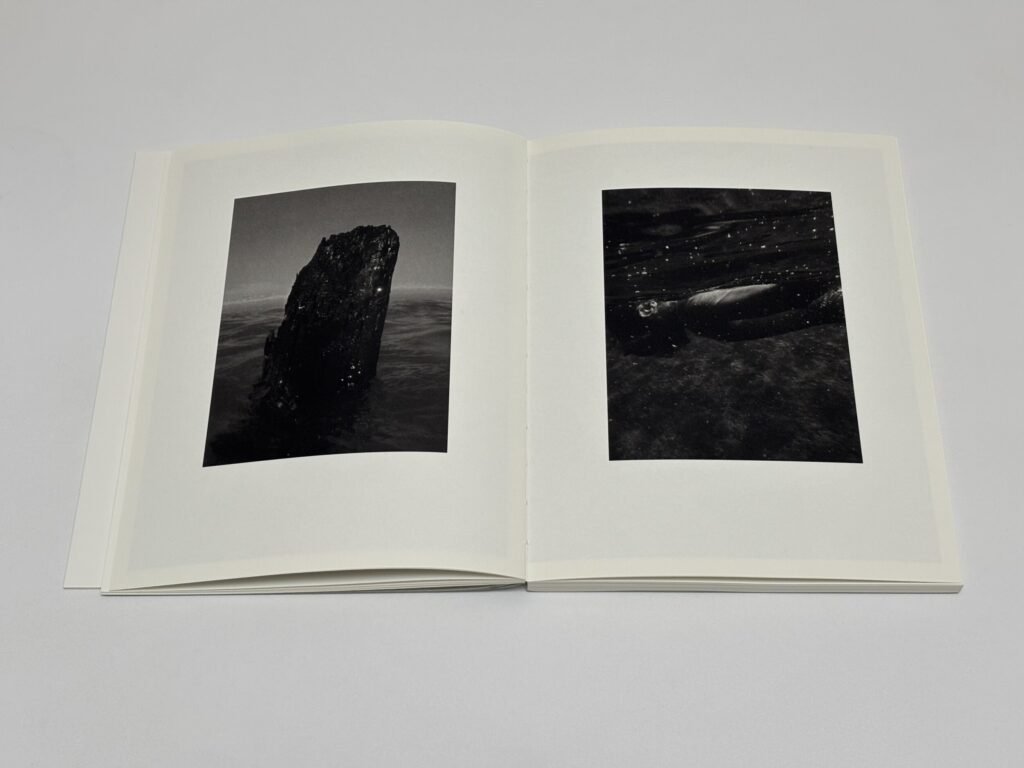
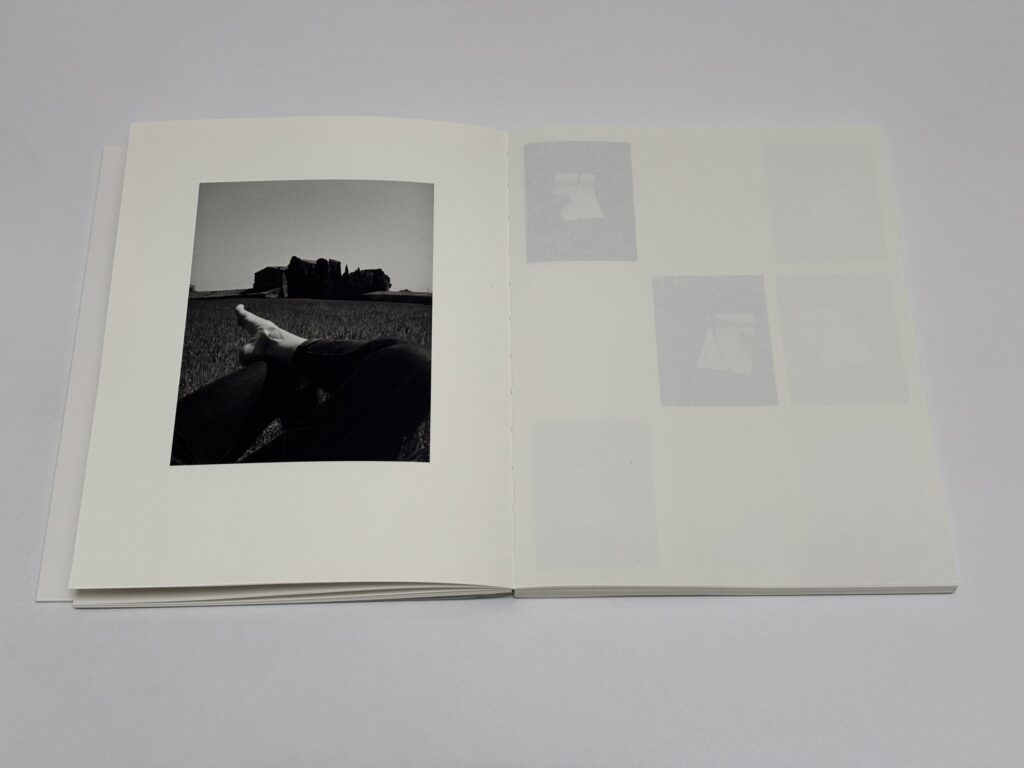
As a photobook, Cypsela feels exciting and elegant. Comfortable in the hand, its compact format encourages intimate and close looking. The cover features a black-and-white photograph of a dark, ambiguous form, perhaps a weathered tree stump or a jagged rock formation, emerging vertically from still water, setting the tone for the book’s atmosphere of mystery and uncertainty. Inside, the images vary considerably in scale and placement, creating a visual rhythm that feels dynamic yet unforced. Larger images alternate with smaller reproductions, allowing moments of visual expansion and compression to guide the sequence. Beautifully printed and designed to open flat with ease, the book invites an immersive engagement, making the experience of turning its pages all the more rewarding.
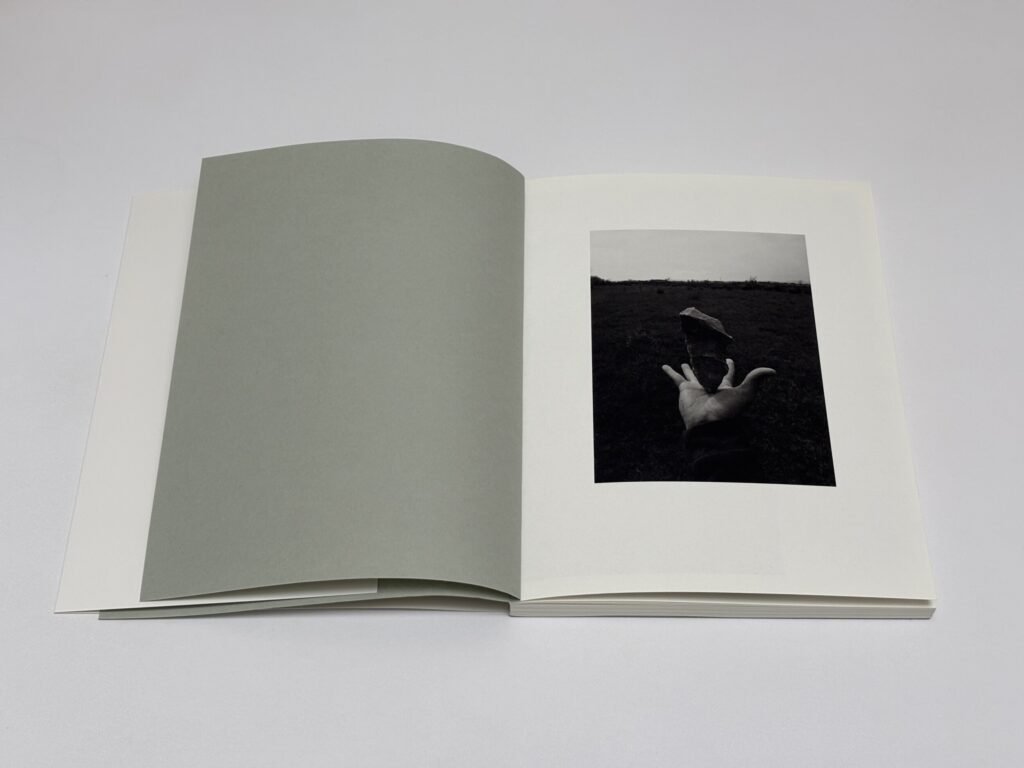
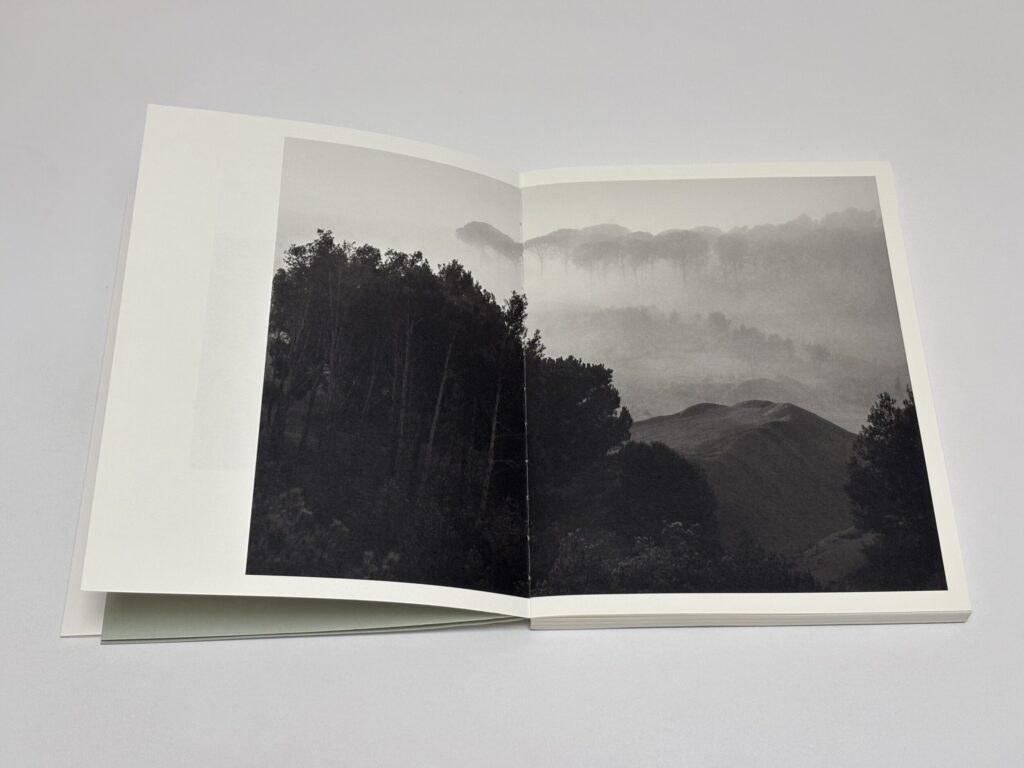
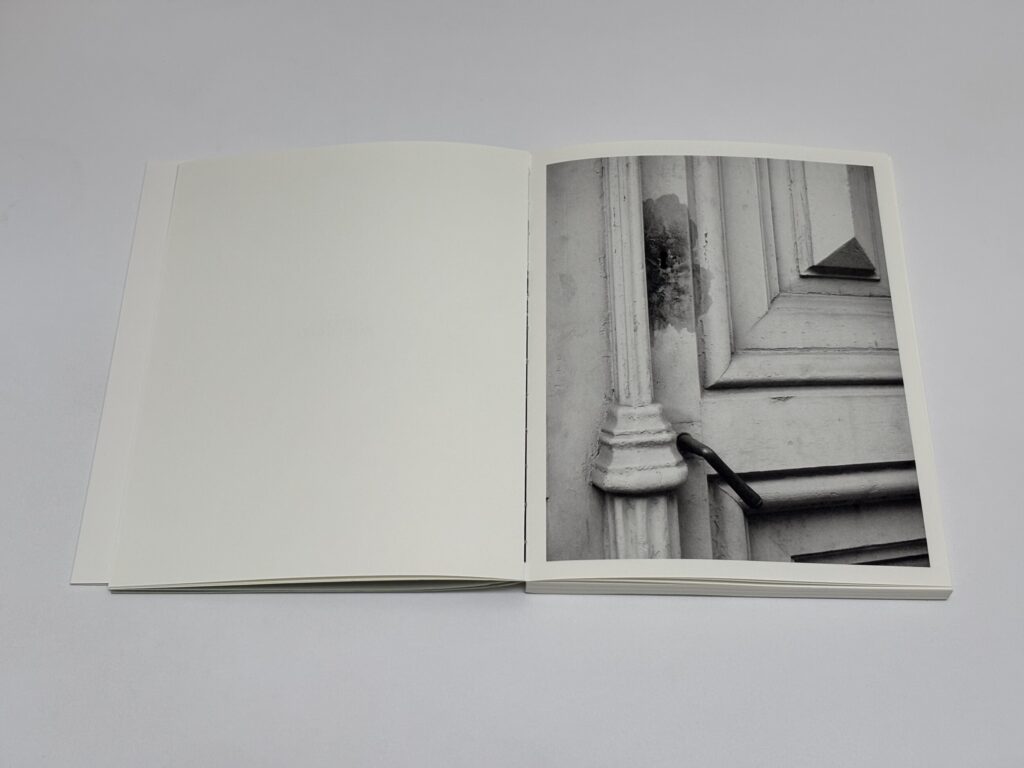
The sequence begins with an outstretched hand presenting a large pointed stone against the backdrop of an expansive landscape. Part offering, part clue, the image functions as a quiet prelude to what follows. A misty panorama layered with trees, hills, and fog comes next, its veiled forms introducing the project’s atmosphere of uncertainty and discovery. After these opening gestures the title and artist’s name appear, followed by a tightly cropped view of a weathered door, a threshold image that seems to invite us further into the book’s unfolding world.
A lost city cannot be photographed directly. Its presence can only be inferred through traces, moods, and imaginative projections. Danés understands this challenge and doesn’t force a literal solution. The images suggest that myth survives because certain landscapes continue to generate belief. The coast, the sea, the winter atmosphere, and the recurring sense of isolation all contribute to a visual environment where disappearance remains plausible.
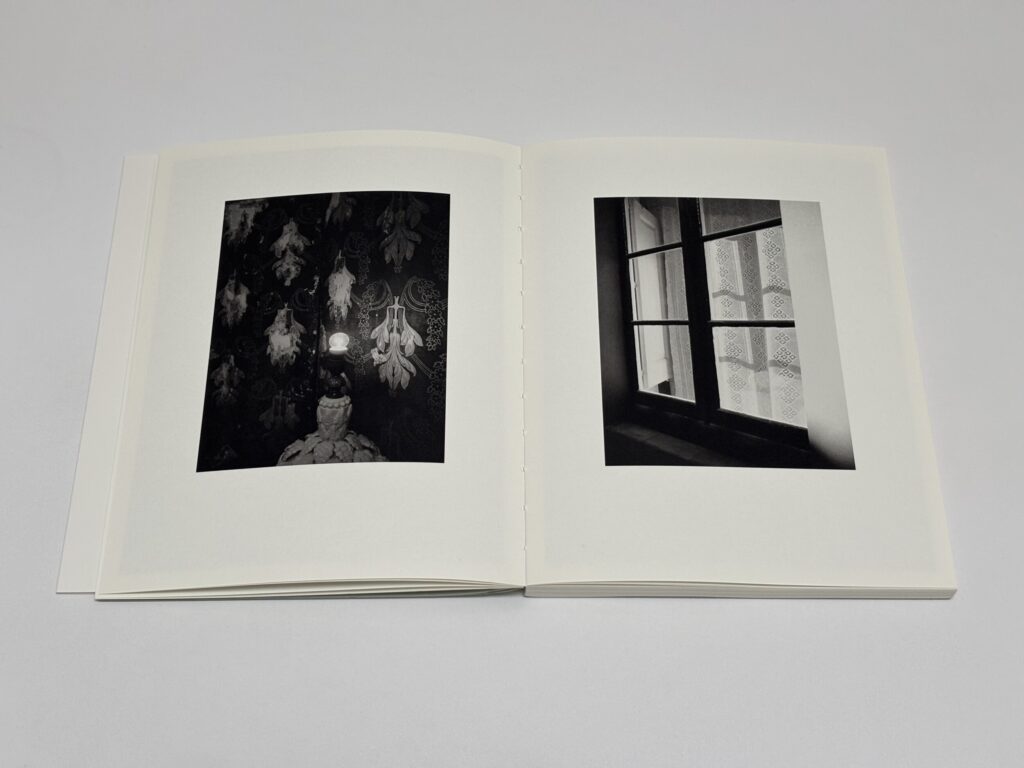
The work accumulates through associations, and images converse through atmosphere rather than plot. A rocky shoreline might be followed by a darkened interior, a distant figure, or an ambiguous fragment of terrain. The transitions feel intuitive, not explanatory. This approach requires patience but it also produces a richer form of engagement. Meaning emerges gradually, through repetition and echo, rather than through straightforward storytelling. Danés’ images possess a quiet intensity, and even when the subject matter hints at grand themes such as myth, history, and collective memory, the photographs remain grounded in observation. The mythical city provides a conceptual framework, but Danés avoids the temptation to illustrate legend directly. Instead, he trusts the photographs to carry ambiguity, and that confidence allows the work to remain open, inviting us to engage.
Cypsela transforms a local legend into a meditation on the nature of the place itself. Danés recognizes that landscapes are never neutral. They are constructed through observation, memory, imagination, and storytelling. By embracing the ambiguities surrounding the mythical city, he creates a project that is as much about photography’s limitations as its possibilities. The camera cannot recover a lost civilization, but it can reveal the emotional and symbolic structures that allow such civilizations to endure in collective consciousness. The book encourages us to look at a landscape not as a fixed reality but as a layered and unstable construct, where history, fiction, and personal memory continually overlap. Danés chooses ambiguity and atmosphere, and this choice gives Cypsela its quiet power and its lasting depth. Its images linger not because they resolve a mystery, but because they understand that some places derive their meaning precisely from remaining beyond reach.
Collector’s POV: Salvi Danés does not appear to have consistent gallery representation at this time. As a result, interested collectors should likely follow up directly with the artist via his website (linked in the sidebar).