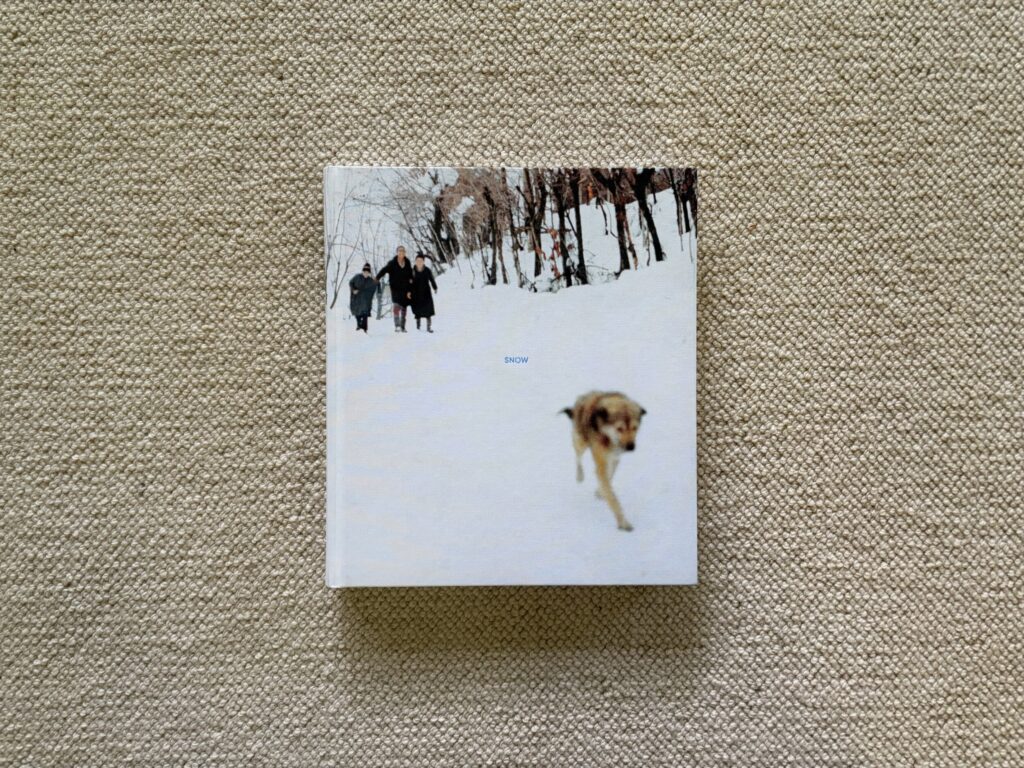
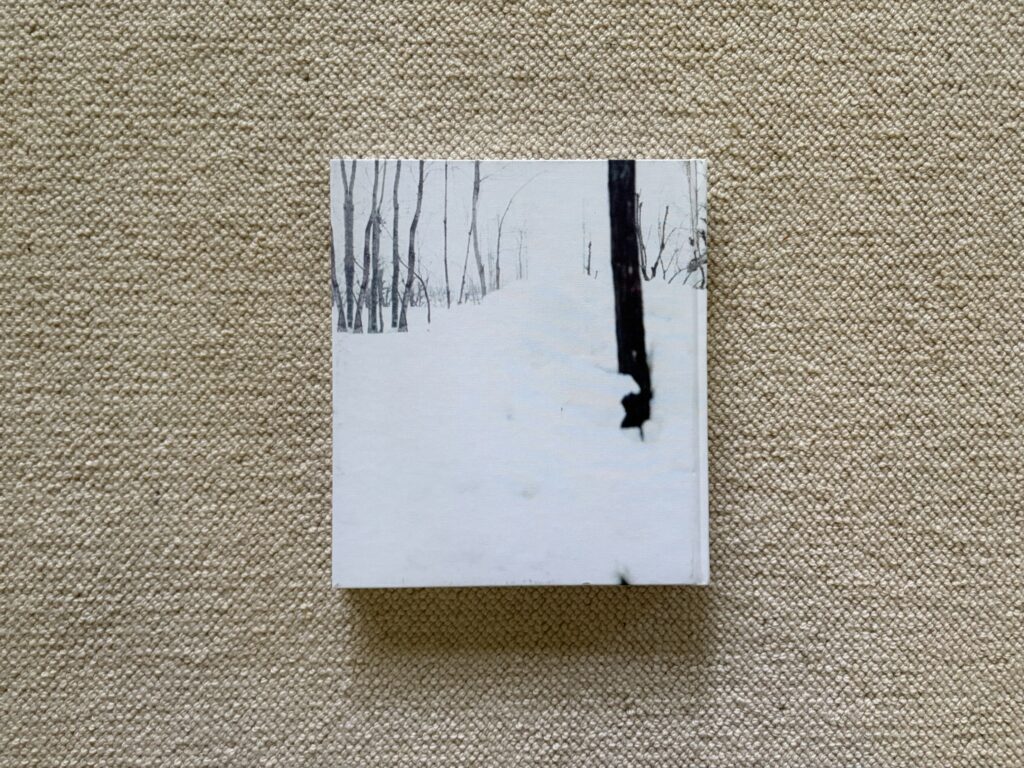
JTF (just the facts): Published in 2026 by MACK Books (here). Debossed linen hardcover, 24 x 27 cm, 256 pages, with 175 color reproductions. Includes a short text by the artist. Design by the artist. (Cover and spread shots below.)
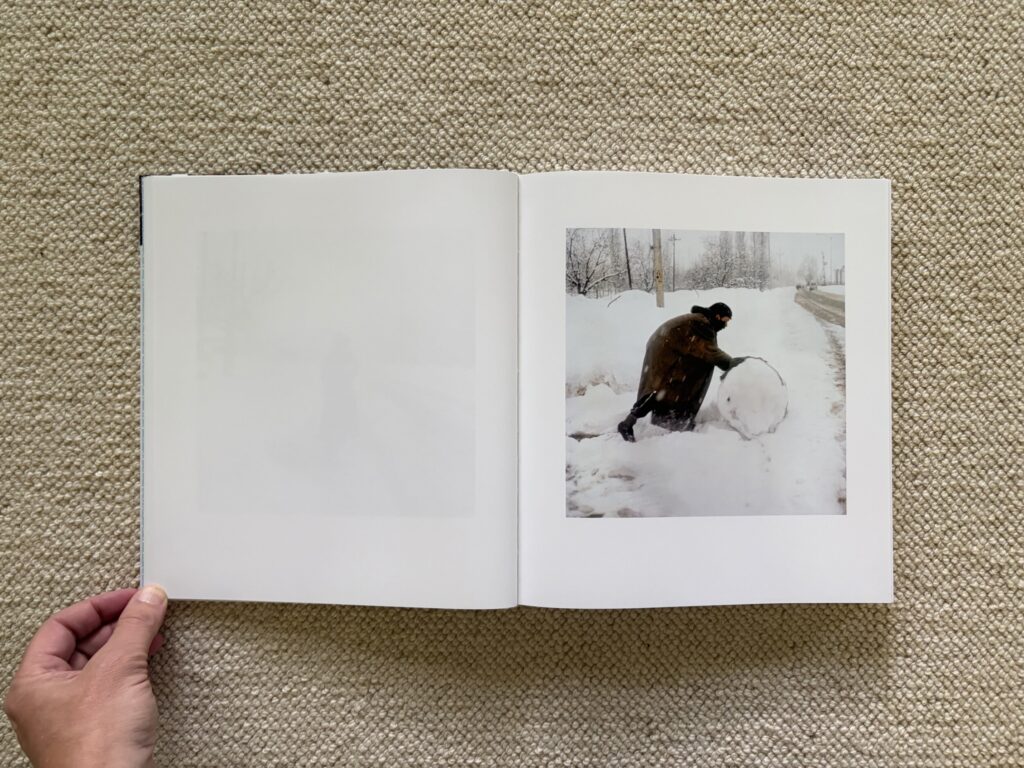
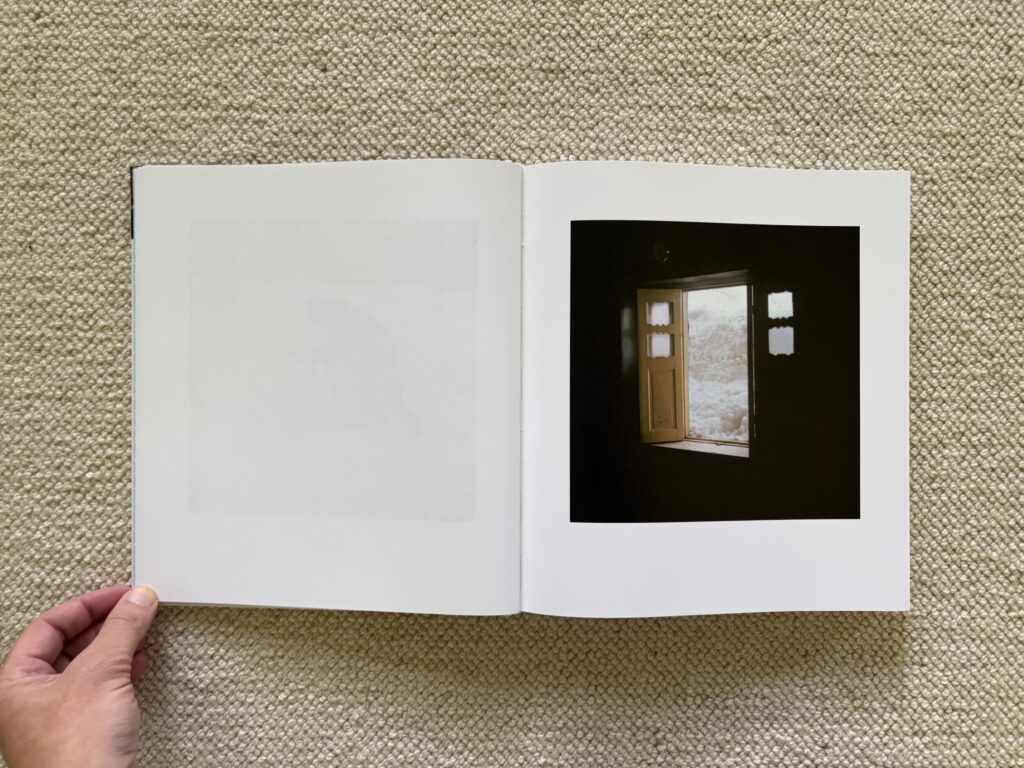
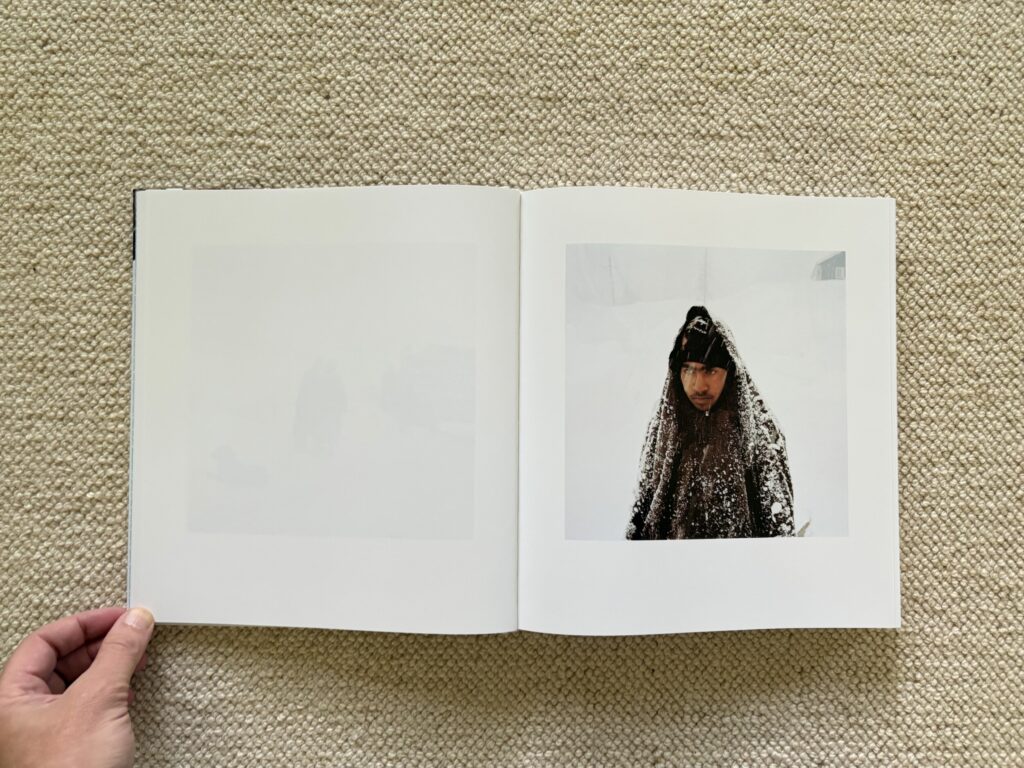
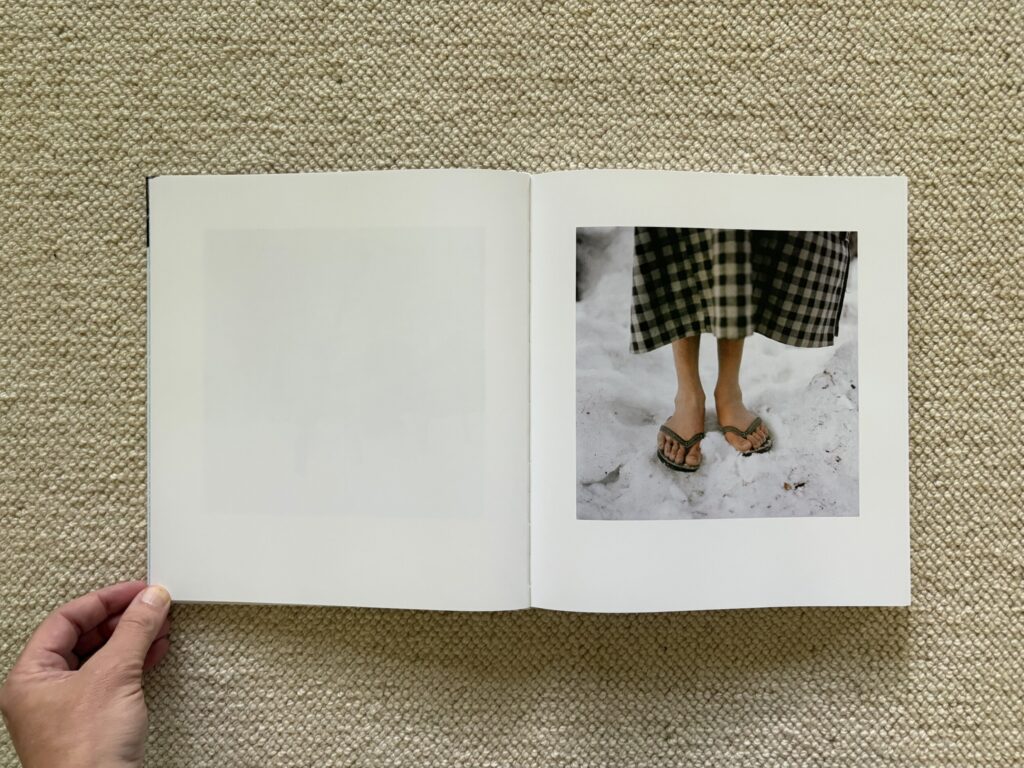
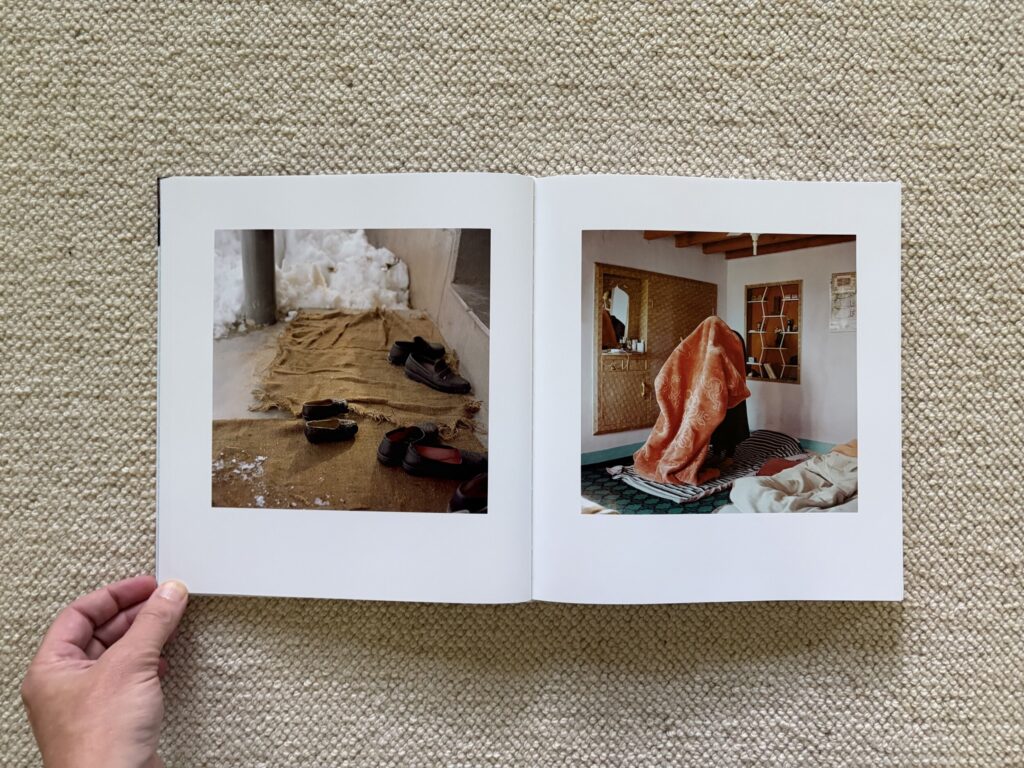
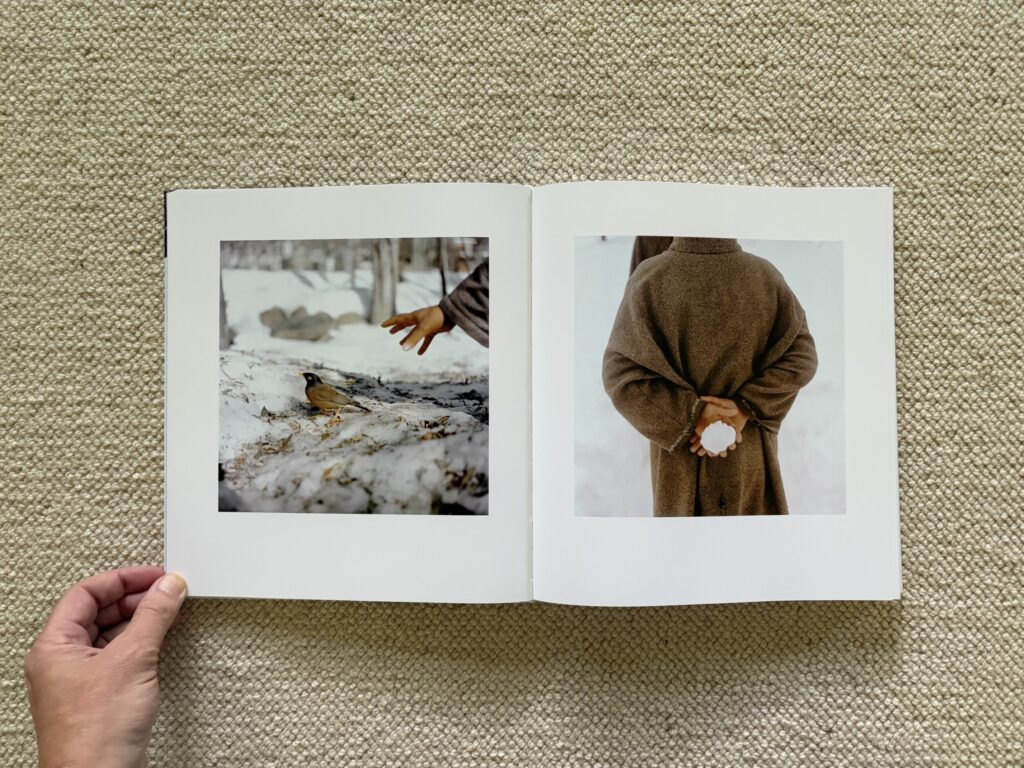
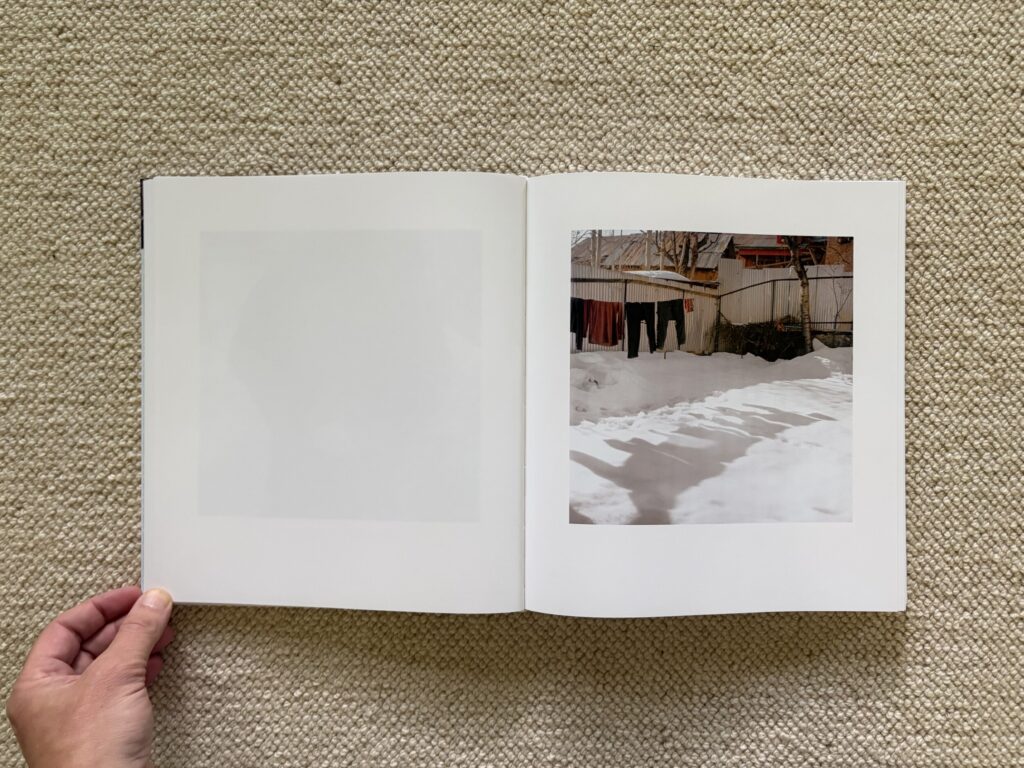
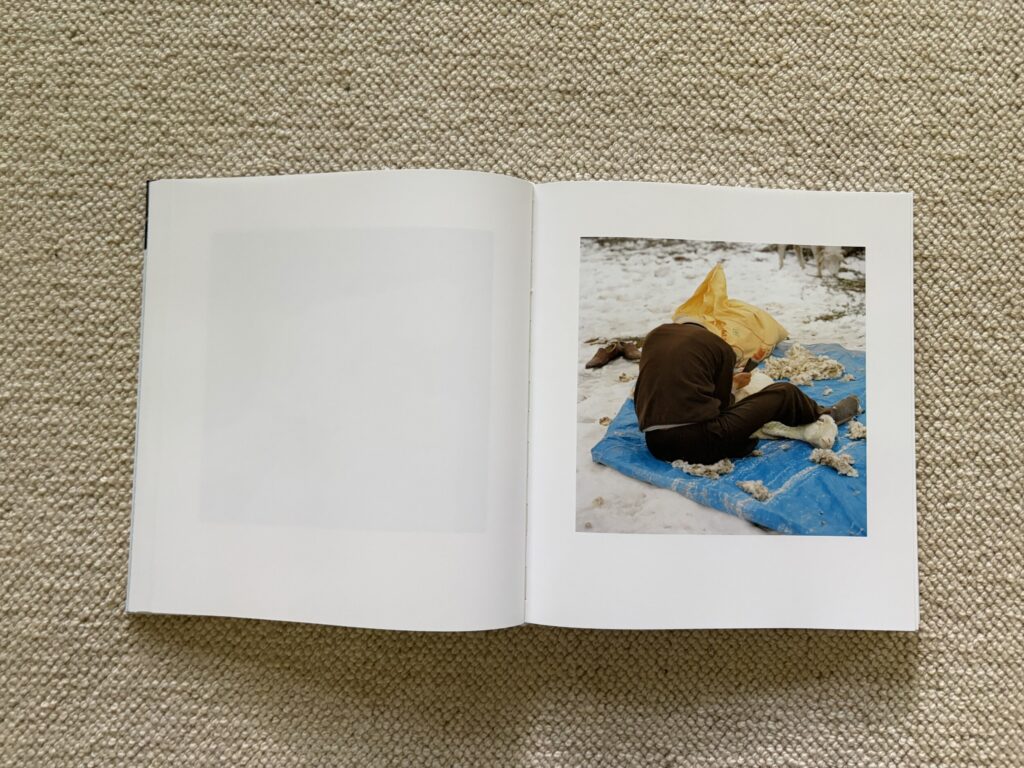
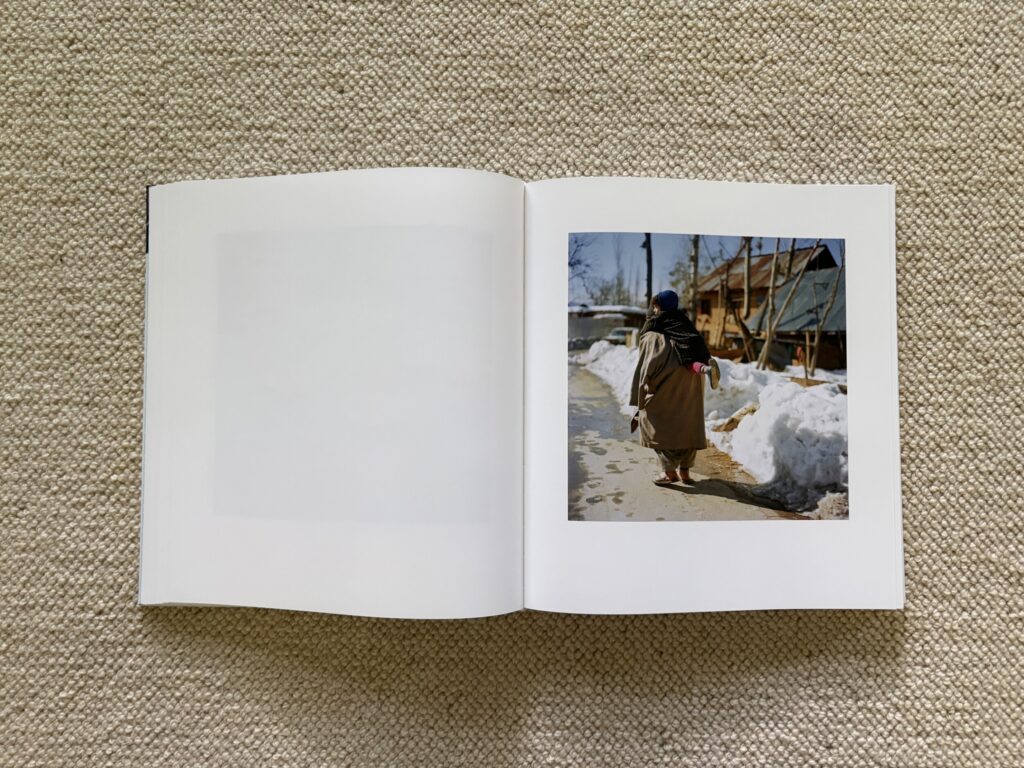
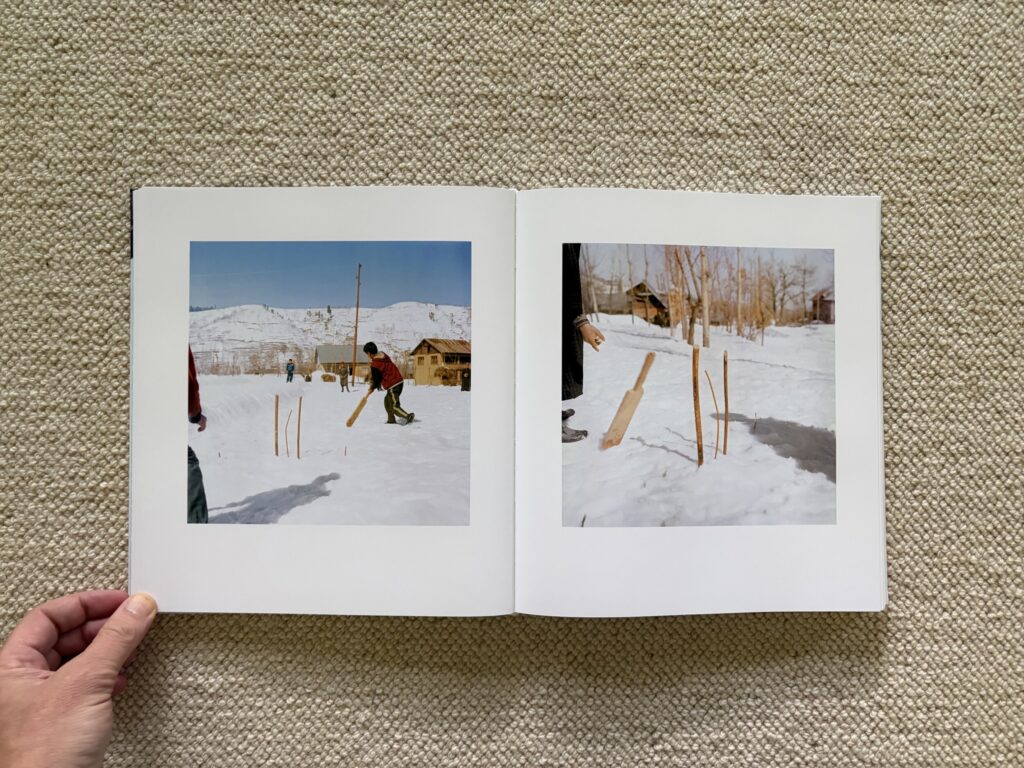
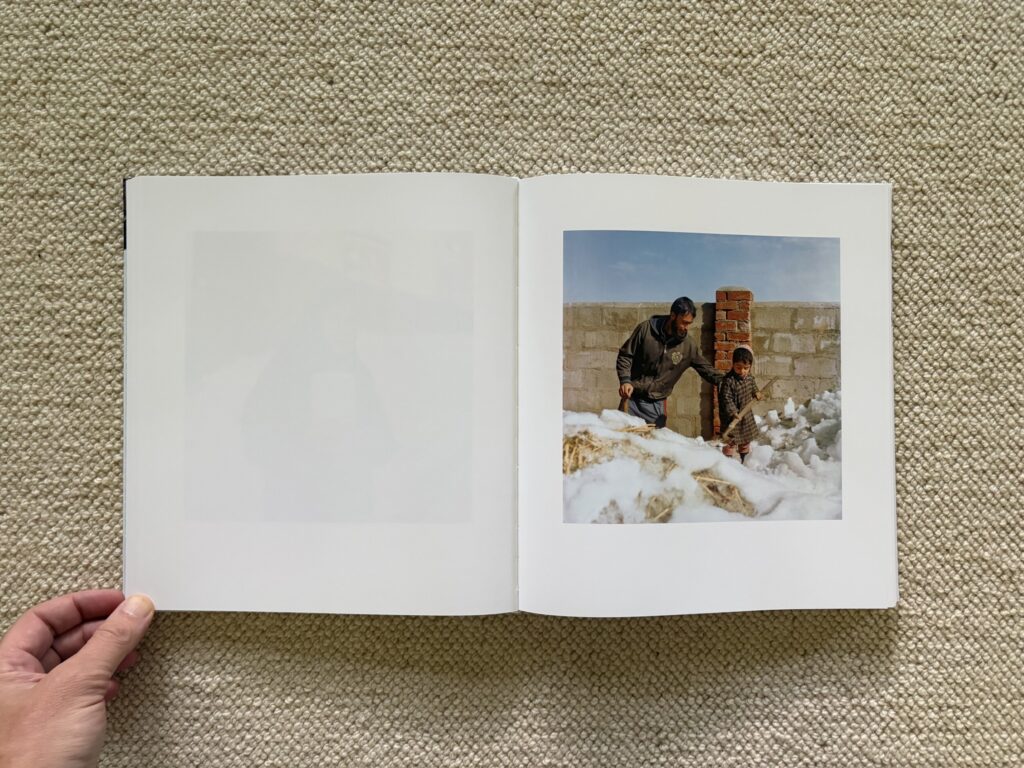
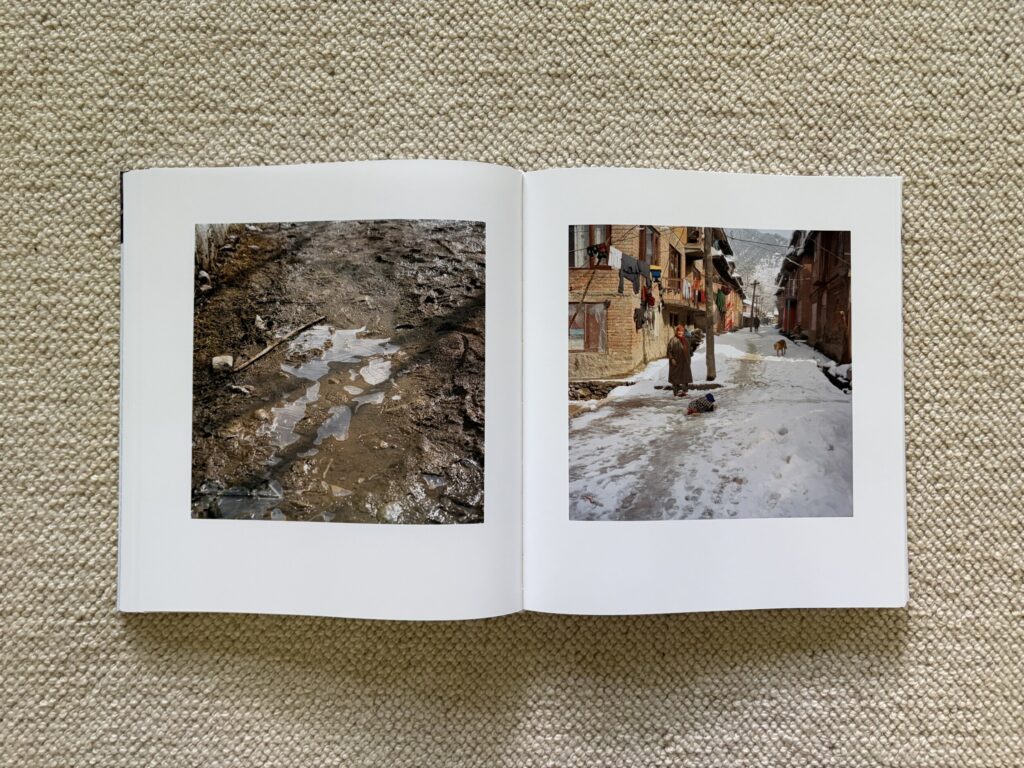
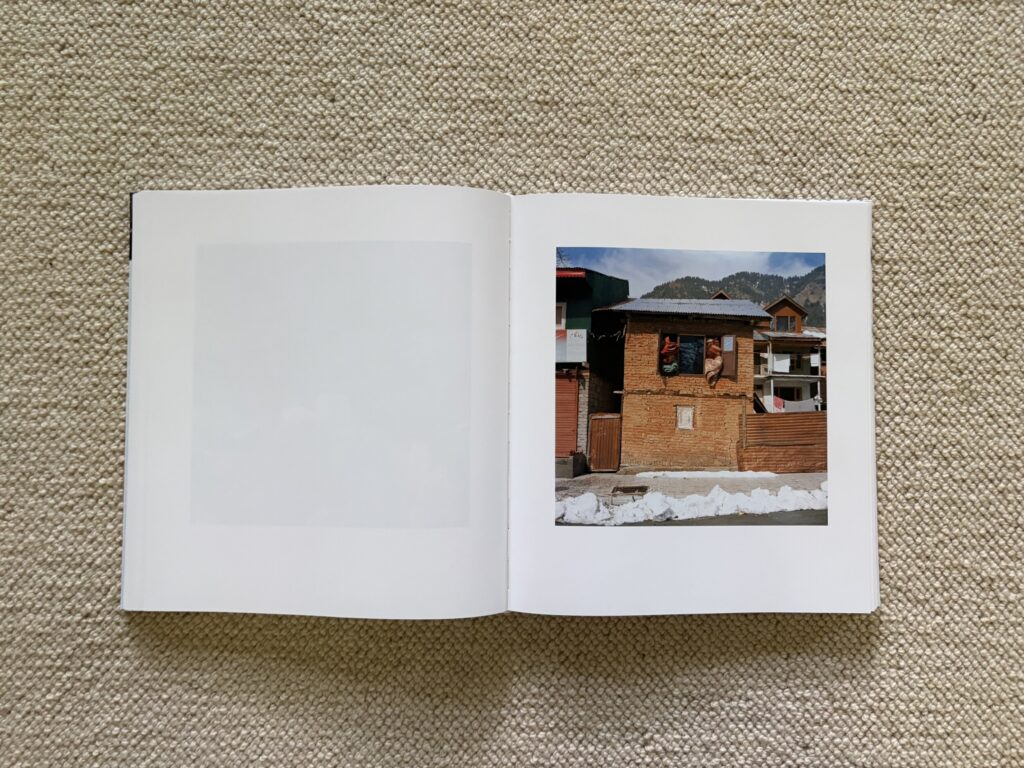
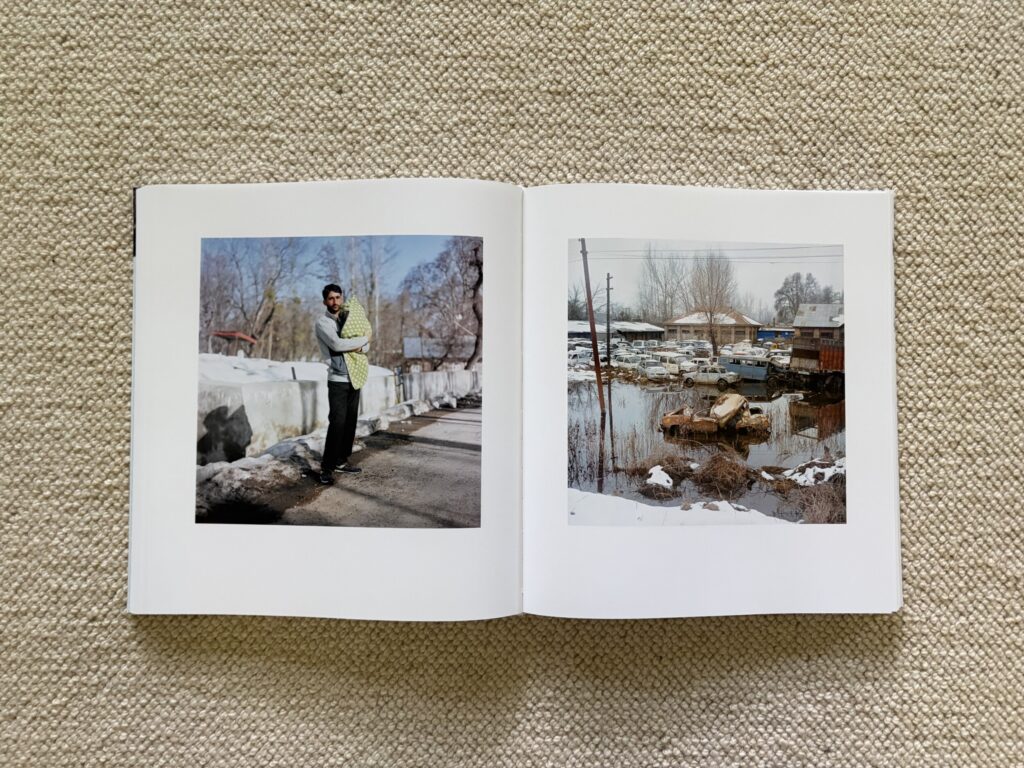
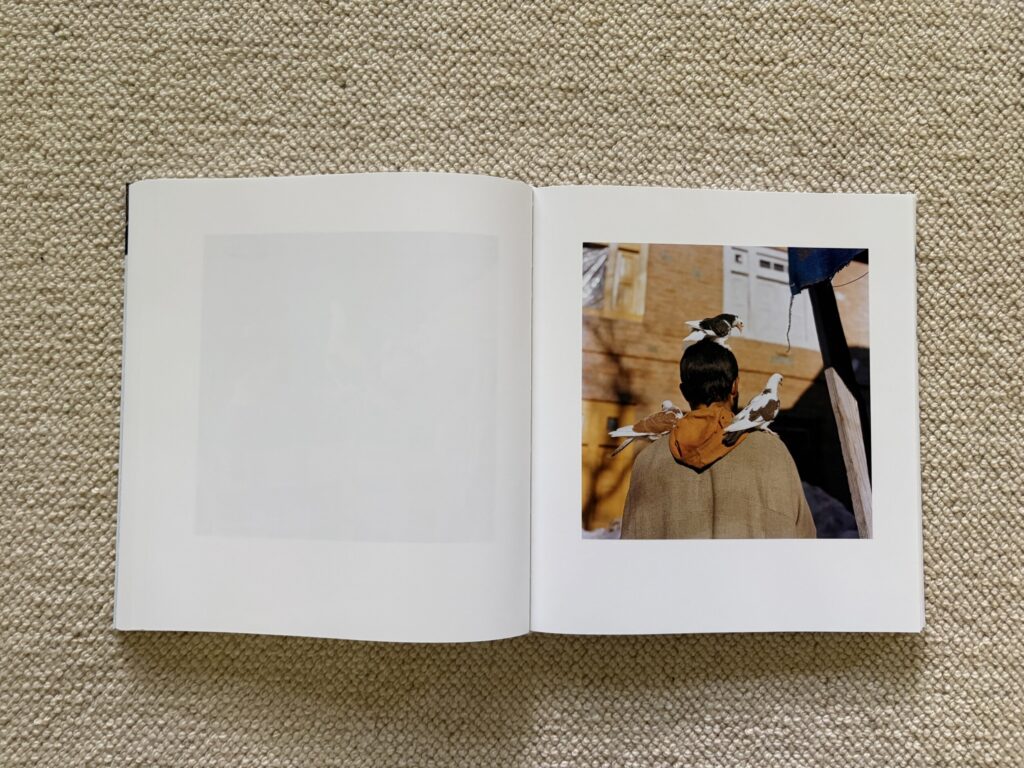
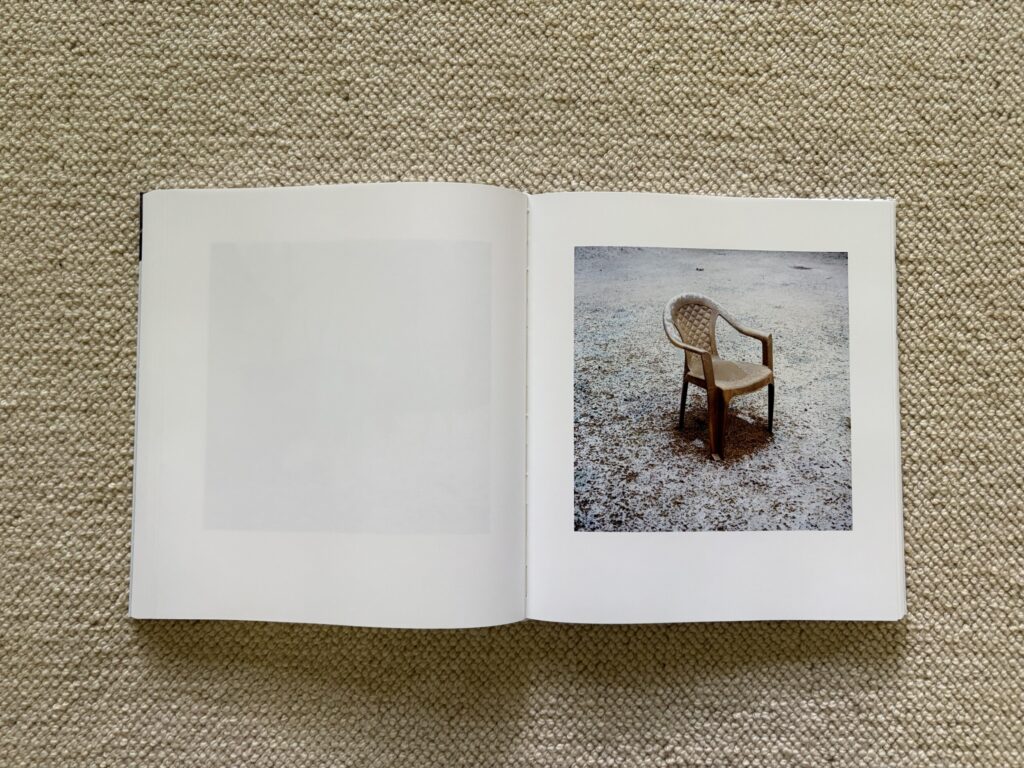
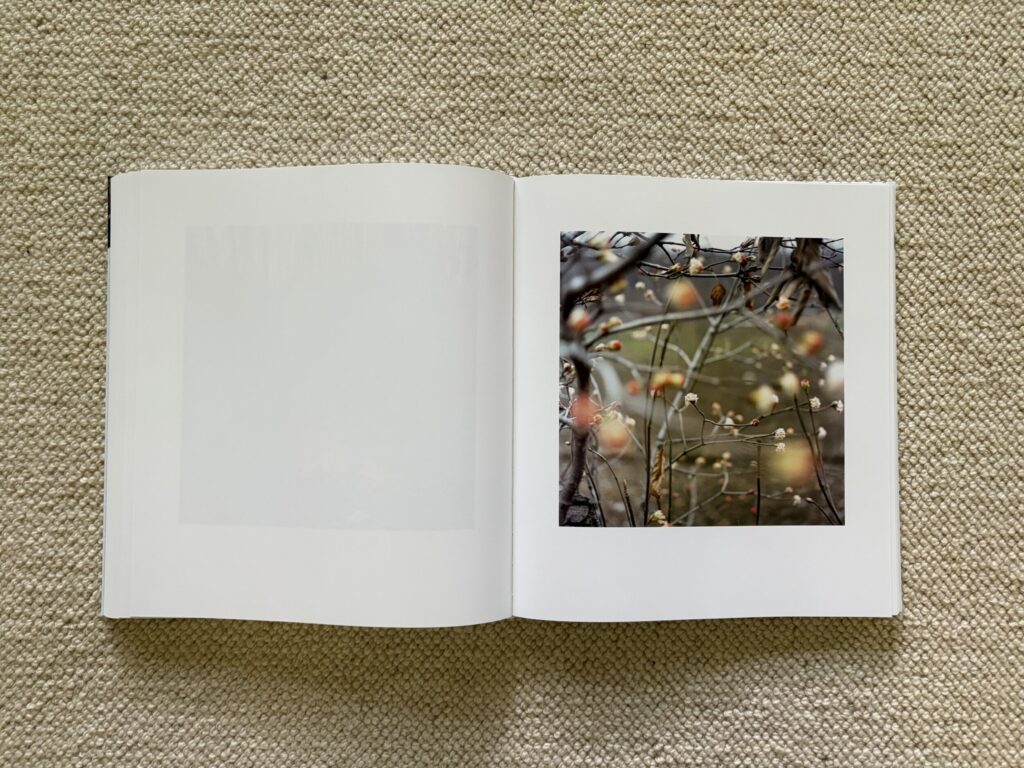
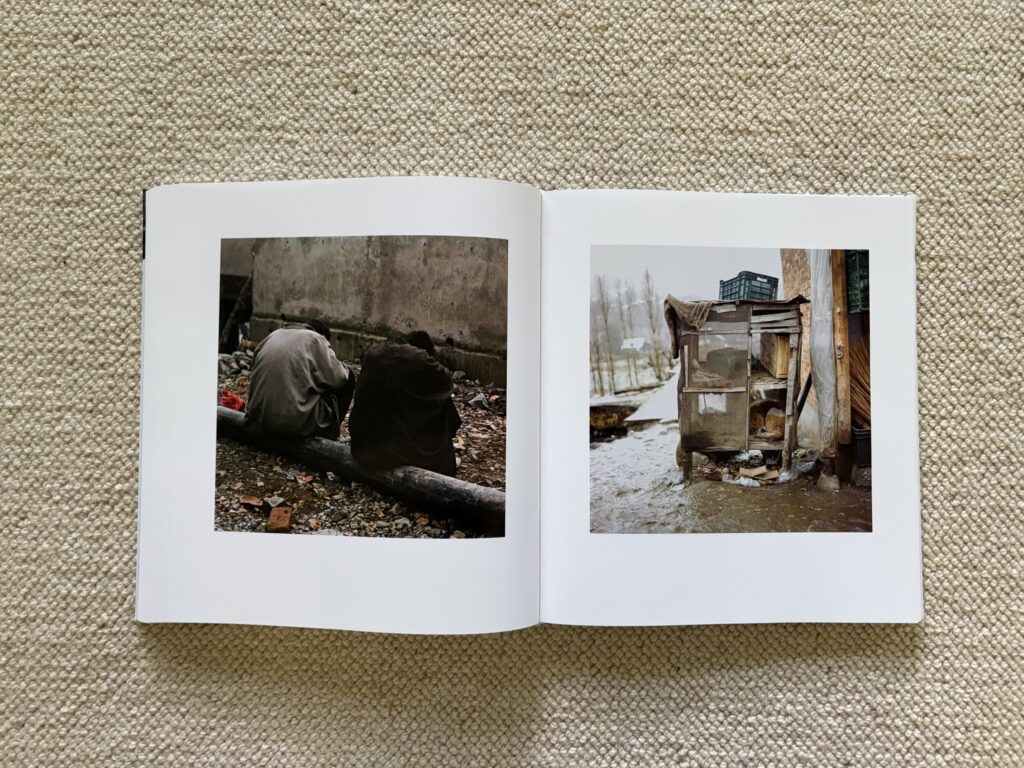
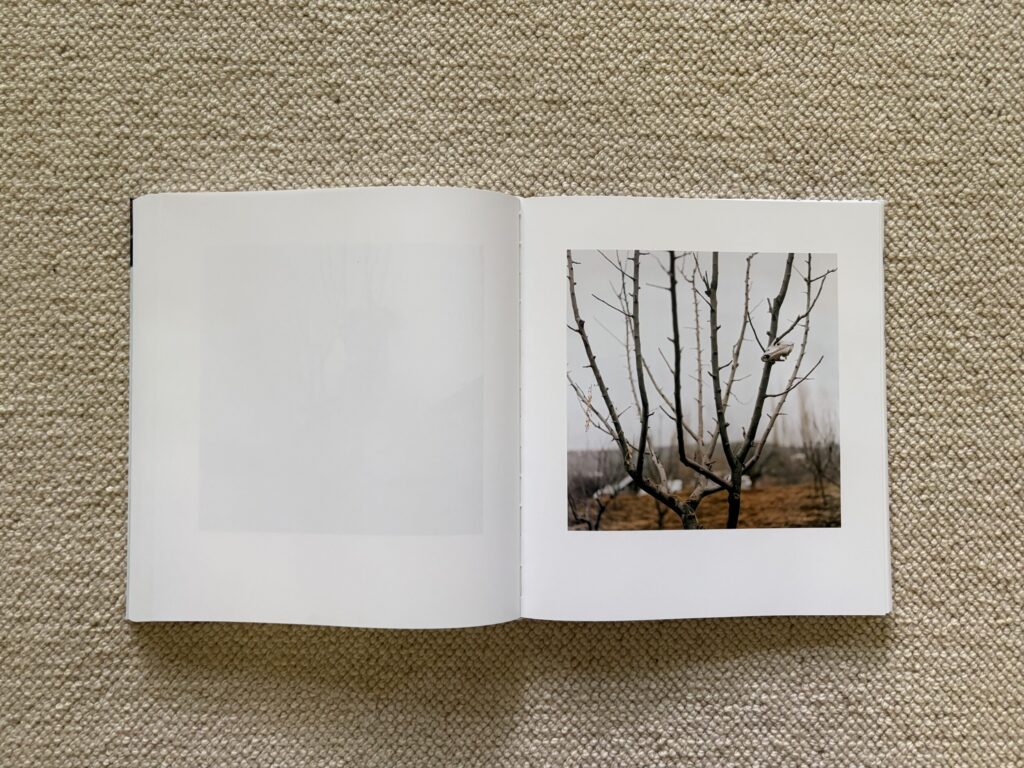
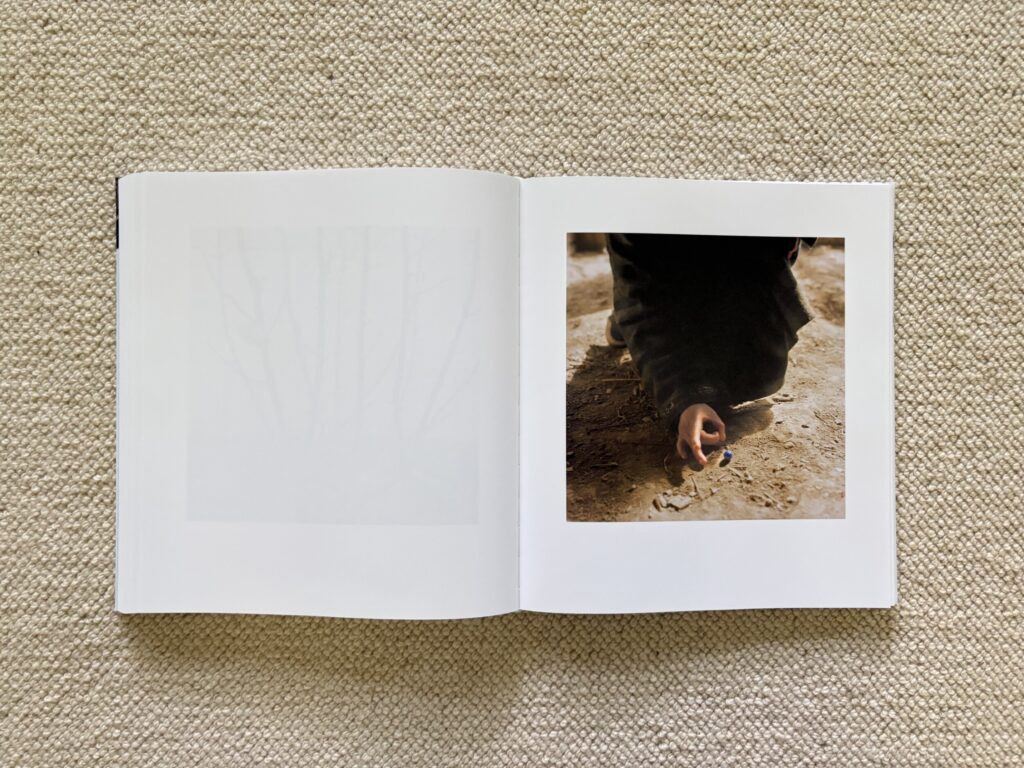
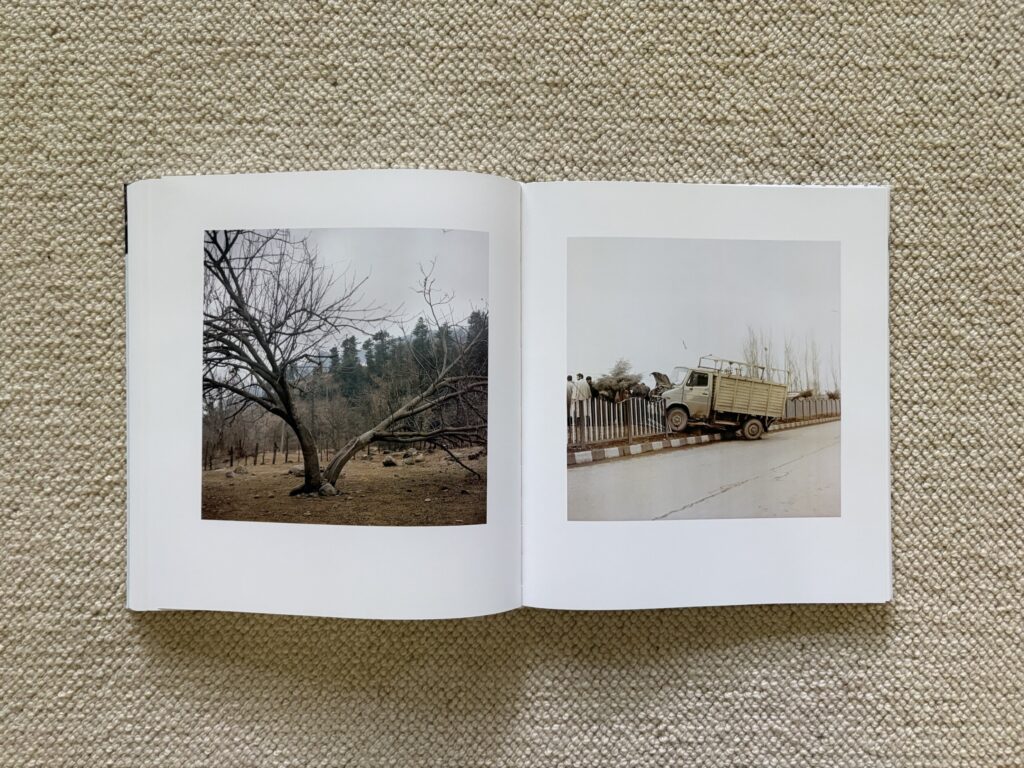
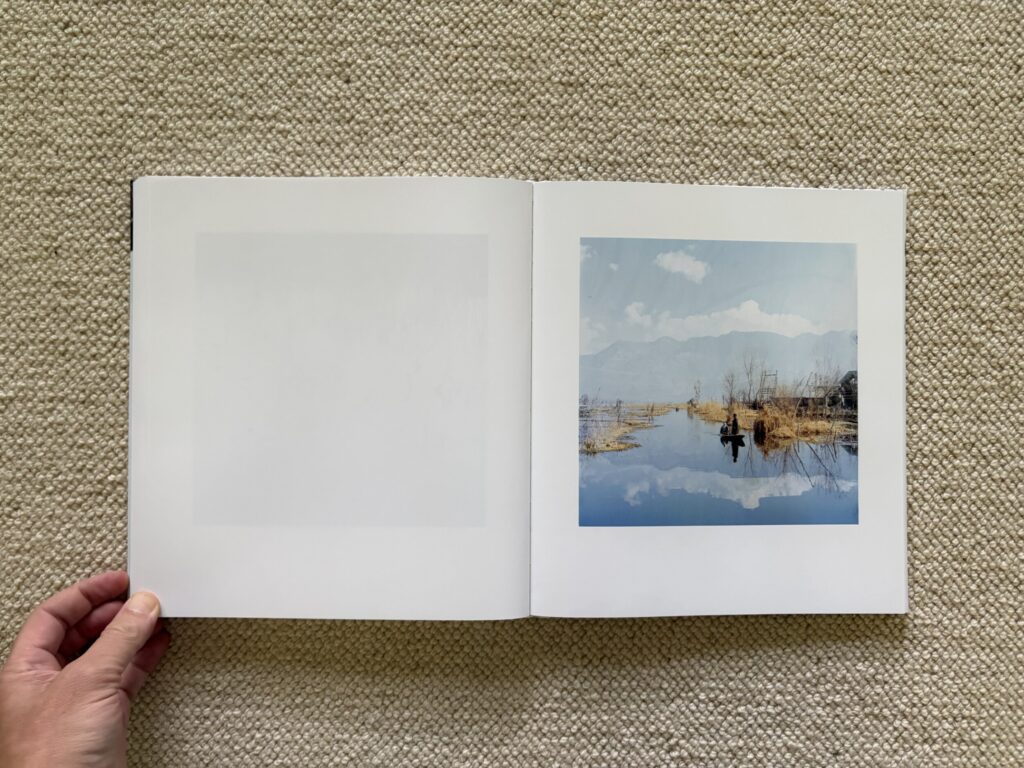
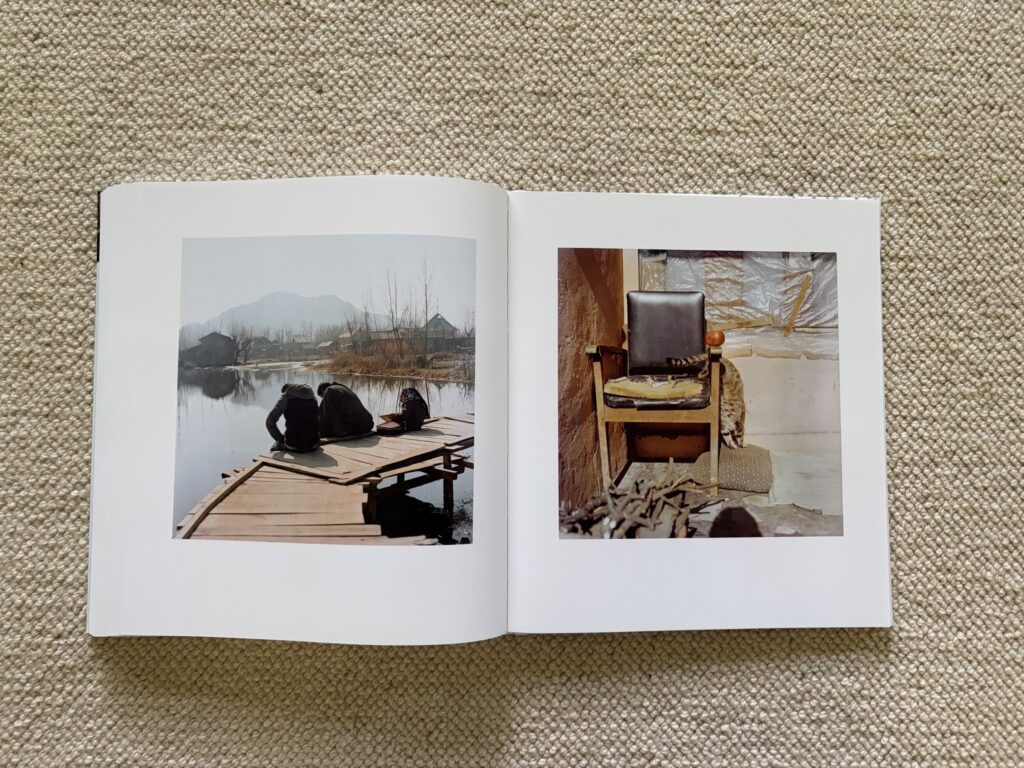
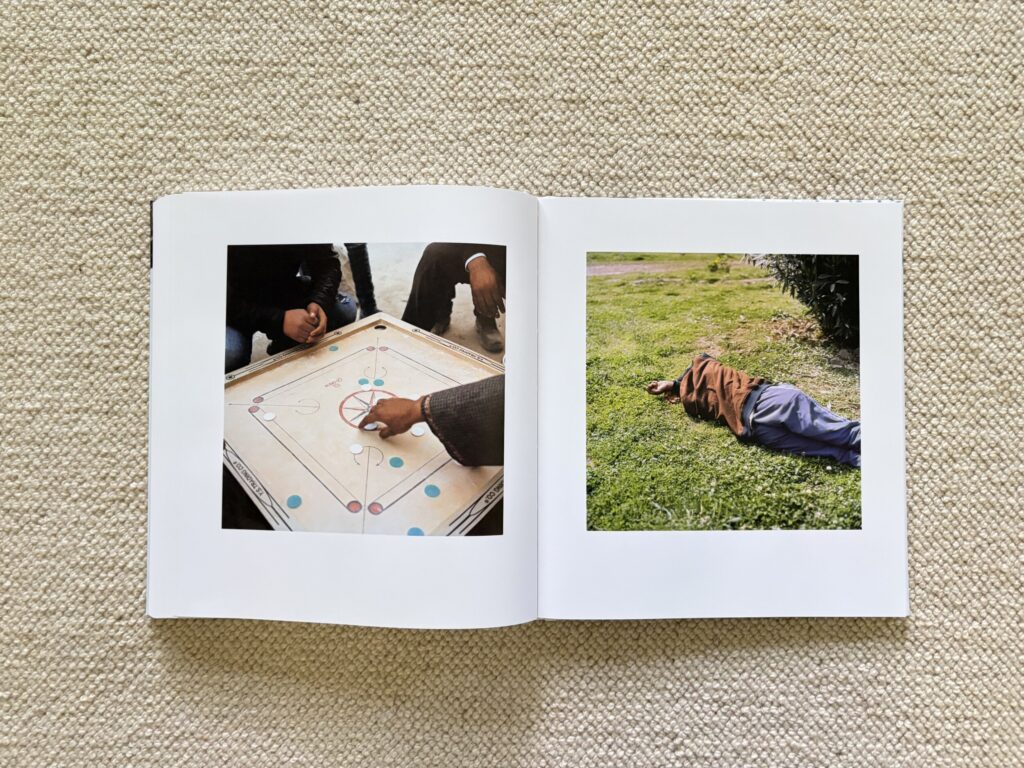
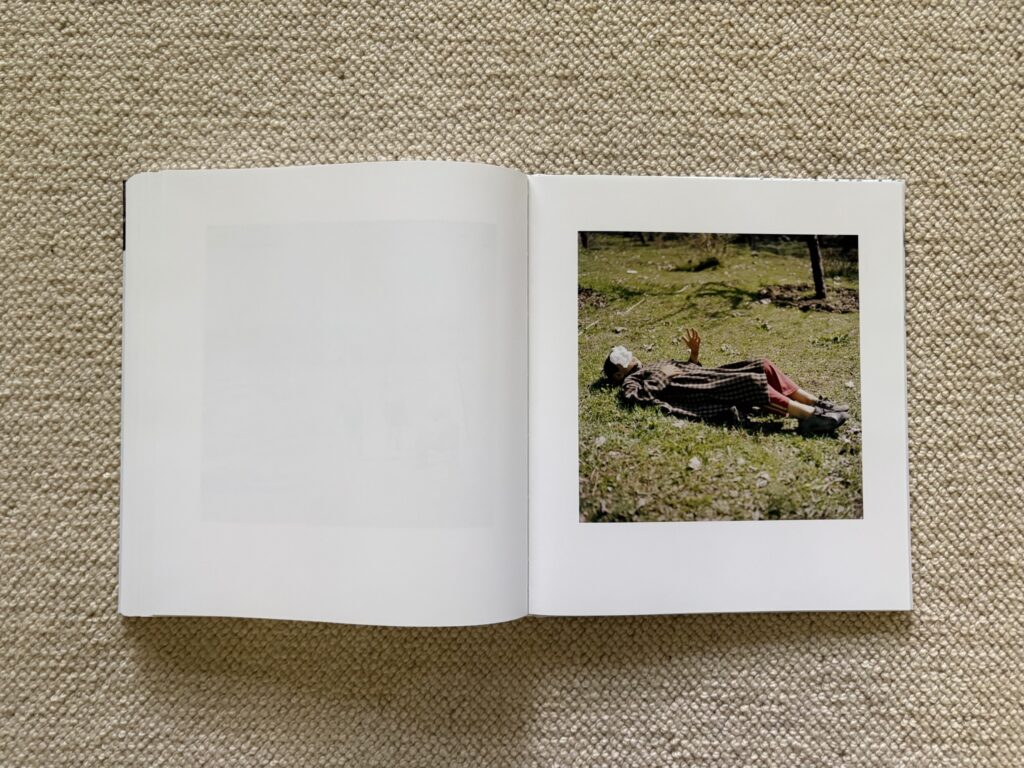
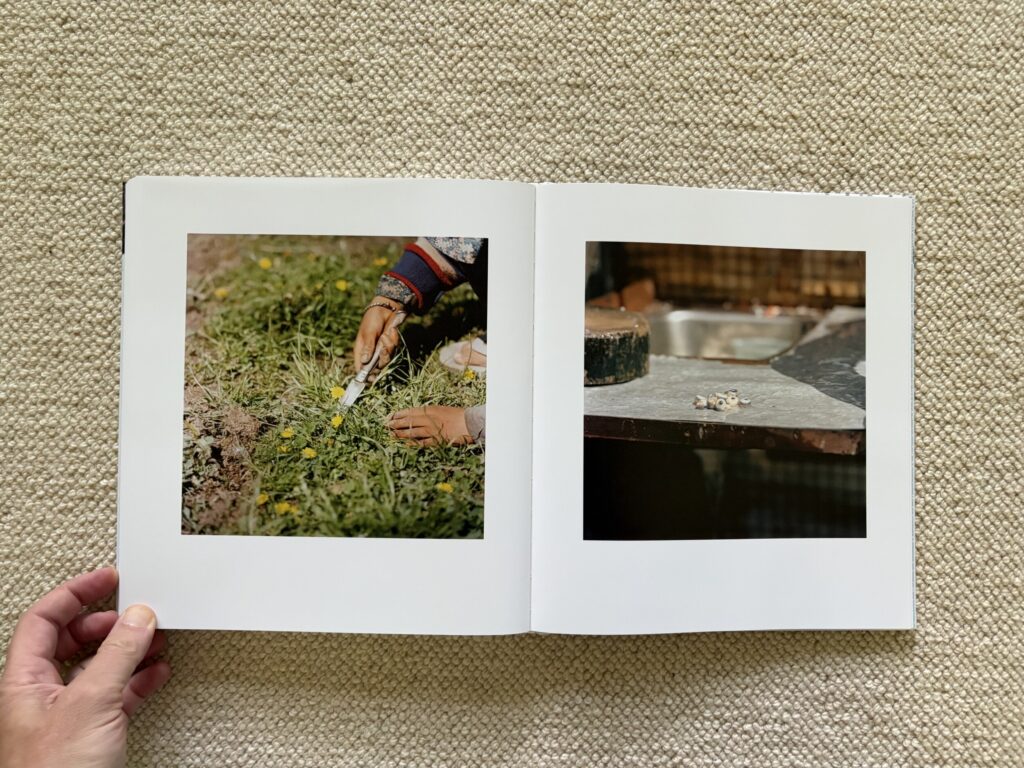
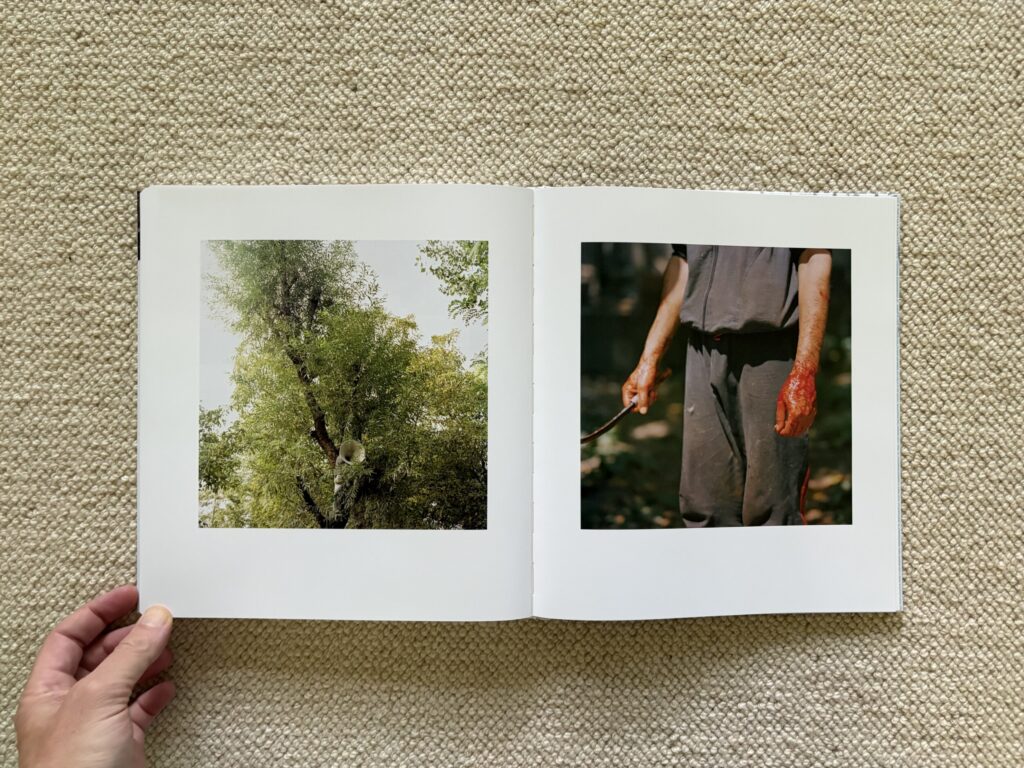
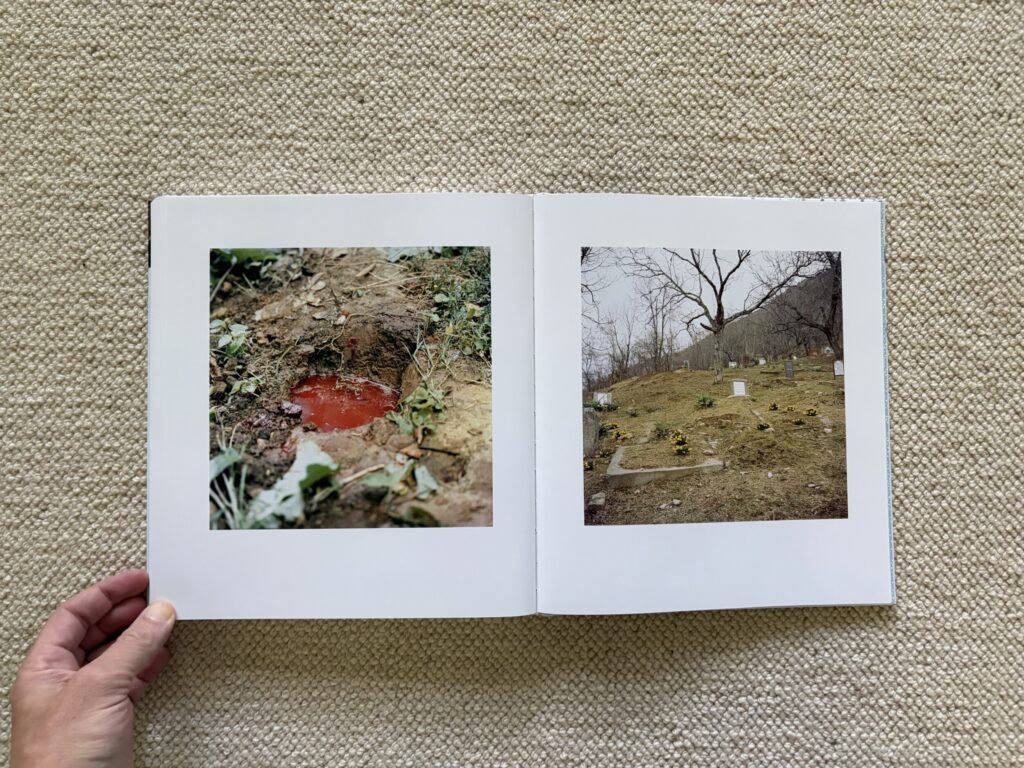
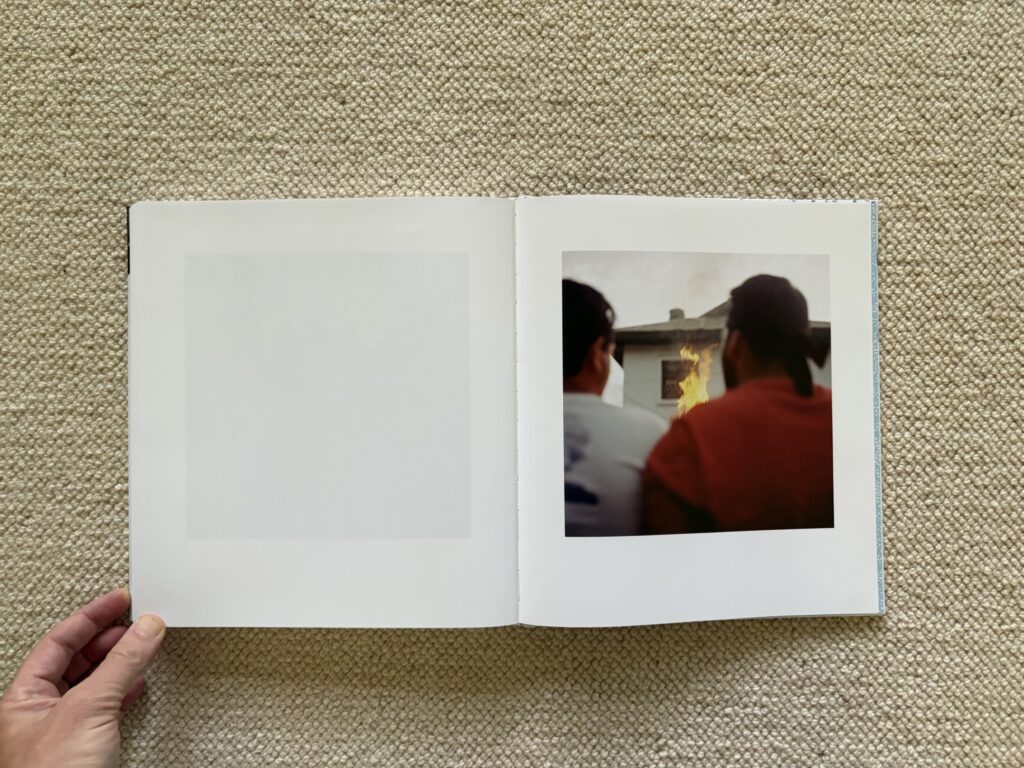
Comments/Context: Since the partition of India and Pakistan in 1947, control over the region of Kashmir has continued to be hotly contested. Multiple wars and flashpoints have taken place between the two nations in the succeeding decades, with China entering into the mix with its own claims on particular areas, and an unstable semi-autonomous status often in question. Against this charged and unsettled political backdrop, one of the world’s most beautiful places beckons, with Himalayan mountain vistas and boat rides on Dal Lake in Srinagar drawing both foreign and domestic tourists in the warm months. But of late, for aspiring visitors to the region, the question always seems to be “is it safe to go to Kashmir now?”, with militarization always visible and security always tight.
Sohrab Hura started working on a project in Kashmir in 2015, only to have his visits upended by India’s revocation of Kashmir’s special status in 2019 (bringing the territories back under Indian government jurisdiction). For many Indians, Kashmir is a place to experience the unlikely wonders of snow, so Hura’s project centered on community life in winter and early spring, or as the locals call the shifting seasons “Chillai Kalan” (harsh cold), “Chillai Khurd” (small cold), and “Chillai Bachha” (baby cold). Hura’s photobook Snow gathers together images made in these various moments, even though in his mind, the political status of the region makes the work necessarily incomplete.
In his early career, Hura was a prolific photobook maker, and we’ve had the chance to consider his work in several different phases, from more diaristic and family-focused beginnings in his 2015 photobook Life is Elsewhere (reviewed here) and his 2018 photobook Look It’s Getting Sunny Outside!!! (reviewed here) to reaches outward in his 2019 photobook The Coast (reviewed here) and his 2020 photobook The Levee (reviewed here). Along the way Hura joined Magnum Photos, his continued artistic progress culminating in a strong early career retrospective at MoMA PS1 in 2025 (reviewed here), which included a tight selection of these images from his time in Kashmir.
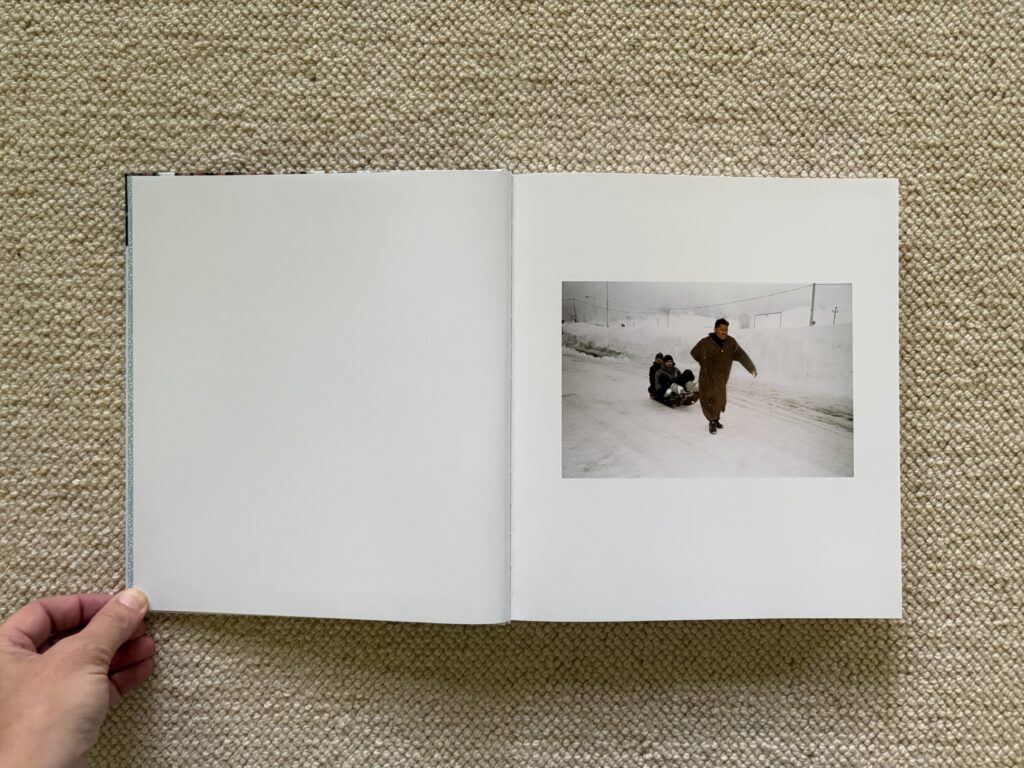
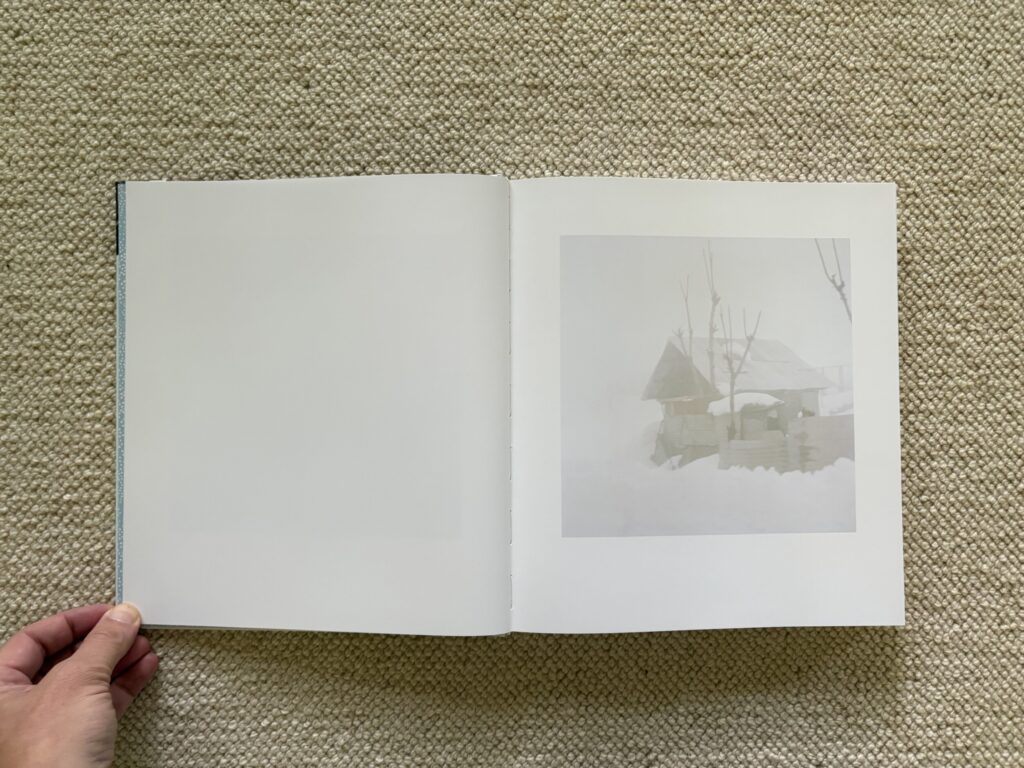
There is a calmness to Hura’s images of Kashmir that is initially a bit distant, but then slowly builds into warmth and intimacy. Snow anchors us in the icy depths of winter, and generally flows through to the melting and greening of springtime. The book opens with several whiteout scenes, with men playfully pulling a sled, thick whiteness blanketing the views, and ravens watching from the bare trees. Hura’s images attentively track small winter discoveries, from stuck buses, snow piled up to the windows, and buried cars, to large snowballs, faint footpaths, and a snuggled cat warming feet. There is a wonder to his eye that feels embracing, a handful of held snow seeming somehow magical and bundled up children (and one man in flip-flops) testing their footing in the mysterious snowy whiteness.
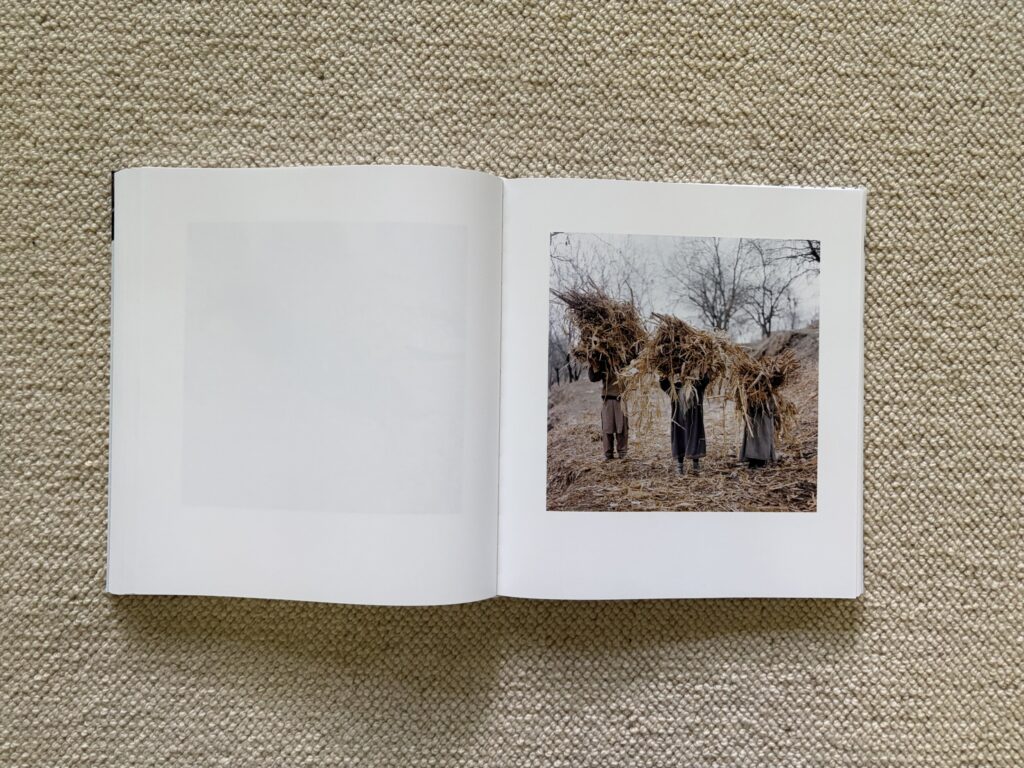
As the winter trudges on, Hura settles into more everyday community rhythms. Chores still need to be done, water needs to be carried, walking paths through the snow need to be cleared, and shoes need to be left at the doorway so as not to track snow inside. But soon the sun starts to peek through the winter gloom, and the first signs of warming (and mud) start to appear. Snowball fights ensue and snow sculptures are built, laundry is hung to dry outside, sheep shearing begins, and dogs chase each other through the melting wetness. The ravens still watch overhead, of course, but Hura sees a tingle of joy emerging from the freeze – a child carried on an elder’s back, a makeshift game of cricket set up in the snow, some father and son outdoor chores, and the beginnings of outdoor gatherings of friends and families.
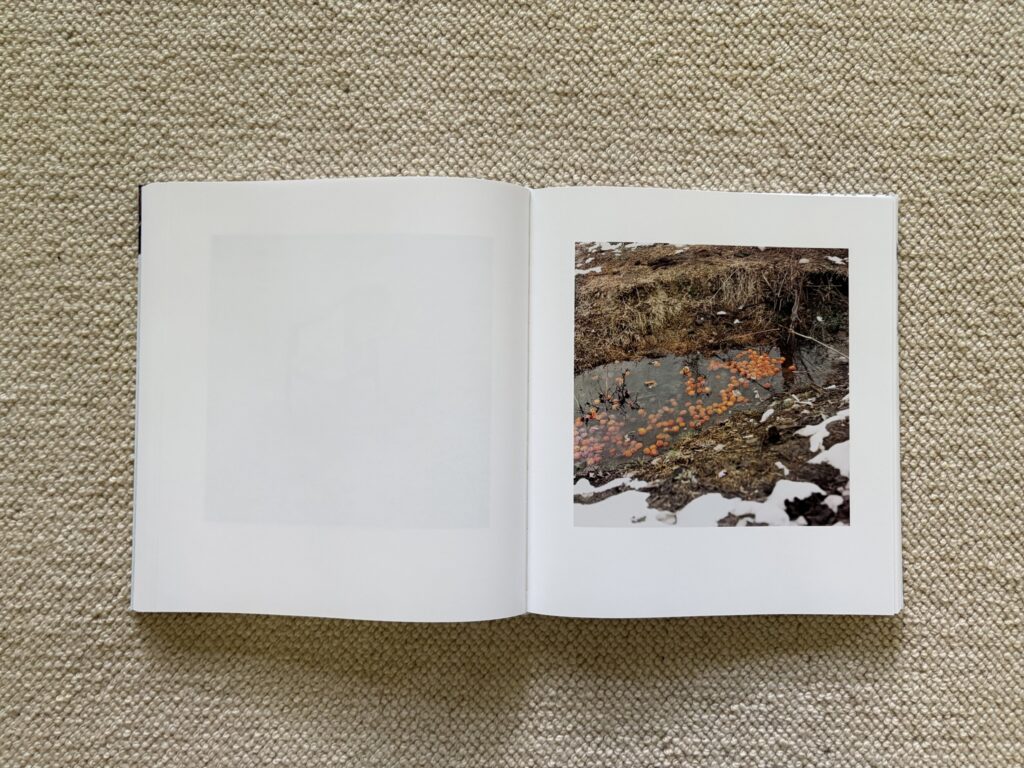
Even with so much mountain beauty lingering in the distance, Hura’s photographs are remarkably grounded and modest. He’s not particularly interested in that natural grandeur (even when it offers lovely reflections or rugged background vistas), but in the slow transitions in everyday life that follow the changing of seasons. As the sun warms the villages, the cats come out, the bedding is brought outside to air out, the tubers are planted, the horses frolic, and the first buds appear on the trees. Hura seems to find grace in even the most eccentric of these overlooked moments – pigeons resting on a man’s head and shoulders, an arching kiss of melting snow, and some windfall oranges gathering in a watery ditch.
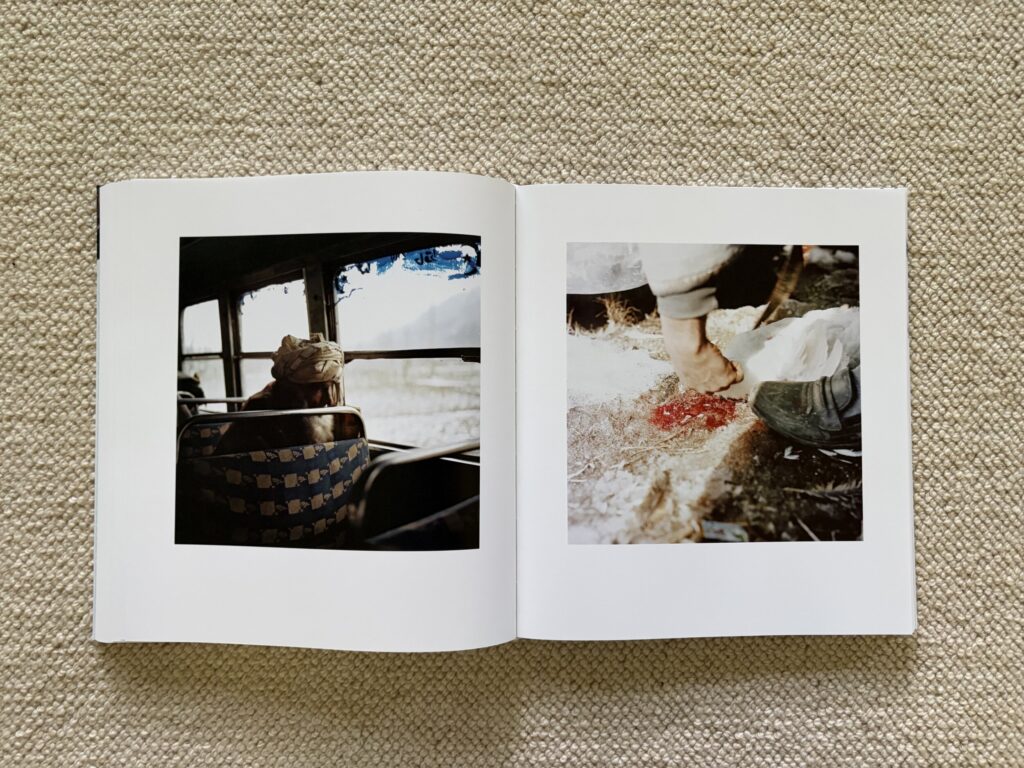
But as the pages of Snow flip by, Hura continues to watch and wander, catching glimpses of the juxtaposition of everyday farm violence and military tension. Blood runs from chickens with severed heads, castrated sheep, and birthing cows, darkening the river water and pooling in puddles, twists of barbed wire cast shadows, a loudspeaker silently shouts from the trees, and gravestones are visited in the rain, with a few heavily armed and bulky soldiers seen in passing. To further emphasize the simmering mood, Hura finds “Resistance is Life” scratched on a wall, fires burning, and women standing in solidarity blocking a road, offering a sense of political action underneath the lovely blossoming trees. And the ravens hover above, looking down on the hunched figures, crashed trucks, split trees, burst pipes, and growing junk heaps, seeming to understand the struggle in the air. And when we look more closely at Hura’s images, these murmurs seem to get louder – encroaching shadows, a dead bird dangling from a post, a circle of burnt residue, an animal skull hung in a tree, a pile of eyeballs.
Hura manages these evolving moods with subtlety, the uneasiness seeming to creep up just as the progression of the winter moves along. In a certain way, I can now understand why Hura might consider this body of work unfinished, as Snow doesn’t come around to a neat conclusion – it leaves us with lingering contradictions, where the simple beauty of agricultural life in the verdant mountain valleys of Kashmir brushes up against the unresolved roughness of soldiers, blood, and the ominously always present ravens.
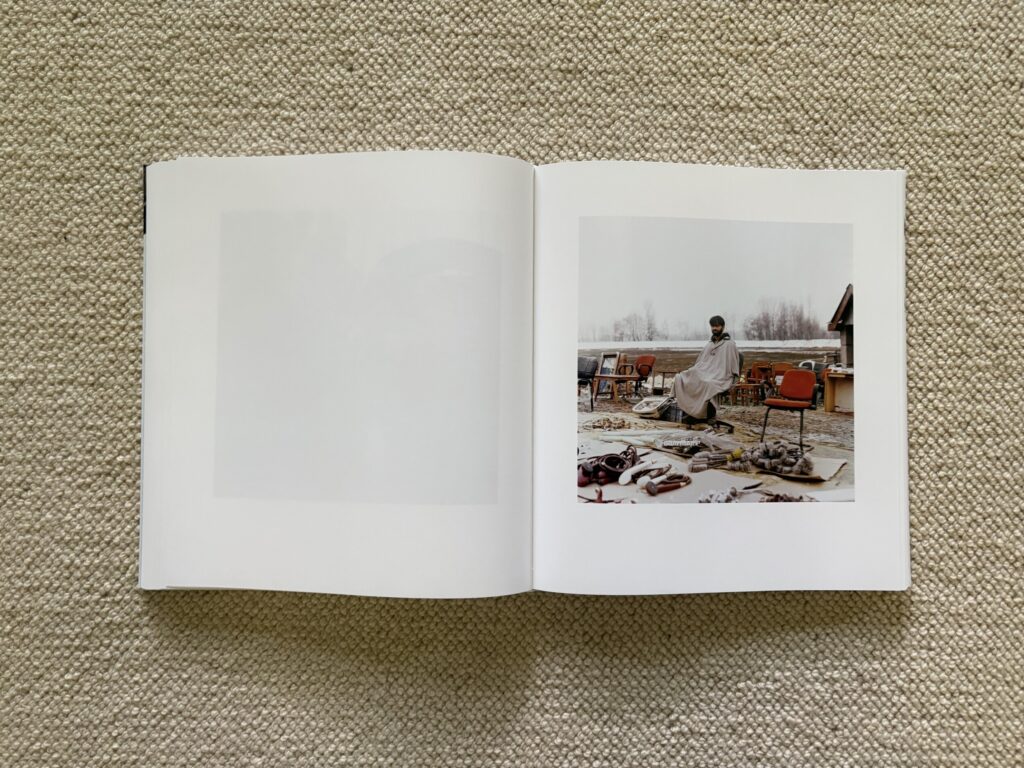
One of the intriguing choices Hura and MACK made with this photobook is how visually expansive it is. Clocking in at 175 images, it’s a patient dive into Hura’s project that rather than a tightly controlled selection. There’s another version of this book which narrows the focus to 50 images or so, at which point, every page turn becomes more insistent and powerful, but the softer, more meandering story Hura is telling might be lost. And instead of using a tipped in cover photograph, Snow is wrapped in image-printed linen, giving it both a tactile touch and a visually enveloping whiteness, hitting two senses at once. Lightly spotted blue endpapers further reinforce the snow theme, with dots that swirl and cover the blue like a snow storm, and the images are printed on pages with broad luxurious white spaces, creating a rhythm of page turns that feels slow and deliberate.
Ultimately, Hura’s Snow is compelling because it humanizes a point of political friction. The ongoing conflict in Kashmir isn’t simply an abstraction, but it takes place as a simmering backdrop to everyday lives and changing seasons, where repetitions, hardships, and joys come and go in predictable ways. Hura’s use of the changing weather provides a tidy visual framework for these flows, offering him a place to sit and watch as the world goes by. His resulting observations are consistently sharp and keen, but also quietly compassionate and humble, not reading too much into the resonant details he finds. This understated approach leaves plenty of room for us as viewers to enter his story, and to feel the honest richness of the lives he has taken the time to document. The snowmelt can of course be seen metaphorically, as an awakening of sorts, and as the sun begins to shine, the muffled emotions of the frozen winter visibly turn hotter. Perhaps this story doesn’t actually end well, and the friction erupts into something far more damaging, which is a viable reason to leave it unfinished. As it stands, Hura has left us with the open-ended makings of the narrative we can only imagine; whether it leans toward beauty or violence is up to us.
Collector’s POV: Sohrab Hura is represented by Experimenter in Kolkata and Mumbai (here), and by Magnum Photos (here), where he became a nominee in 2014 and a full member in 2020. His work has not yet found its way to the secondary markets, so gallery retail remains the best option for those collectors interested in following up.