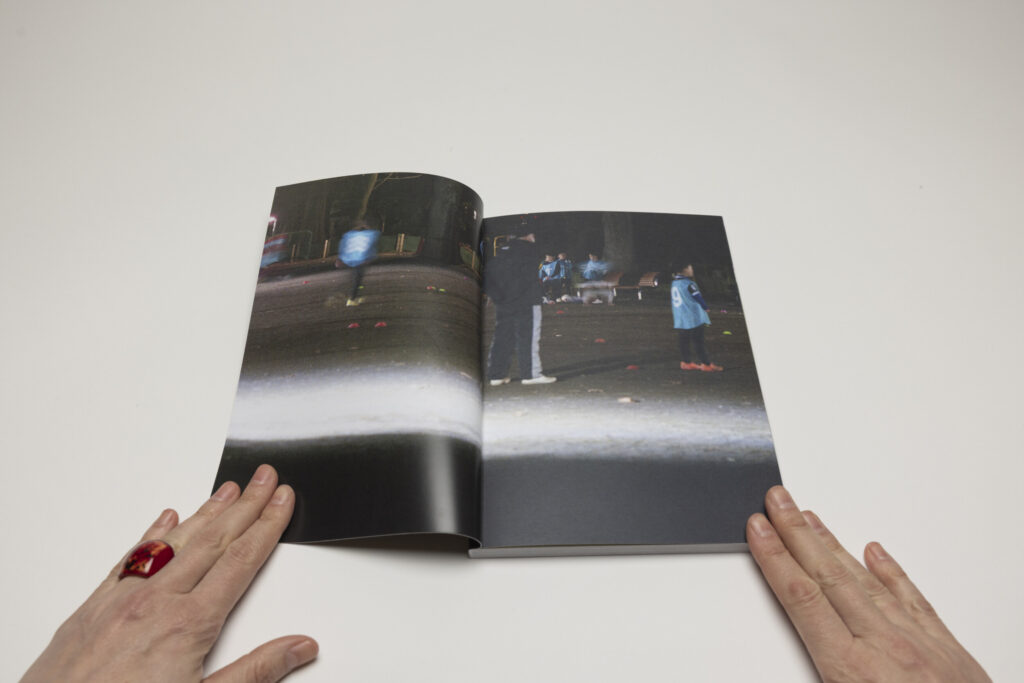
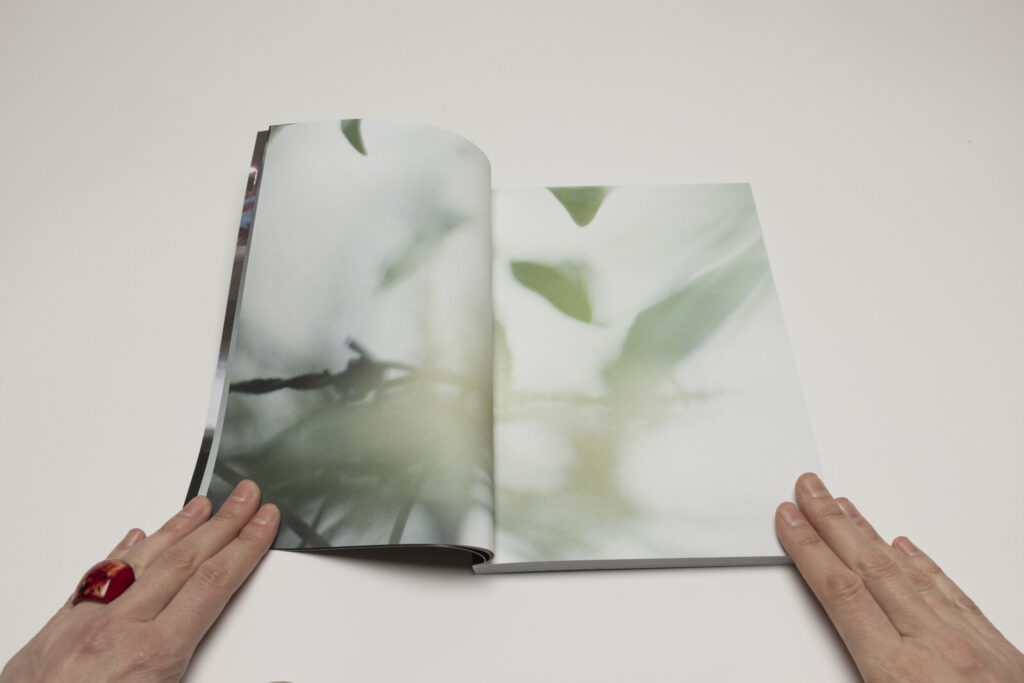
JTF (just the facts): Published in 2026 by Photobook Daydream Editions (here). Softcover (9.84 x 6.43 inches), 108 pages, with 63 color images. In an edition of 50 copies. (Cover and spread shots below.)
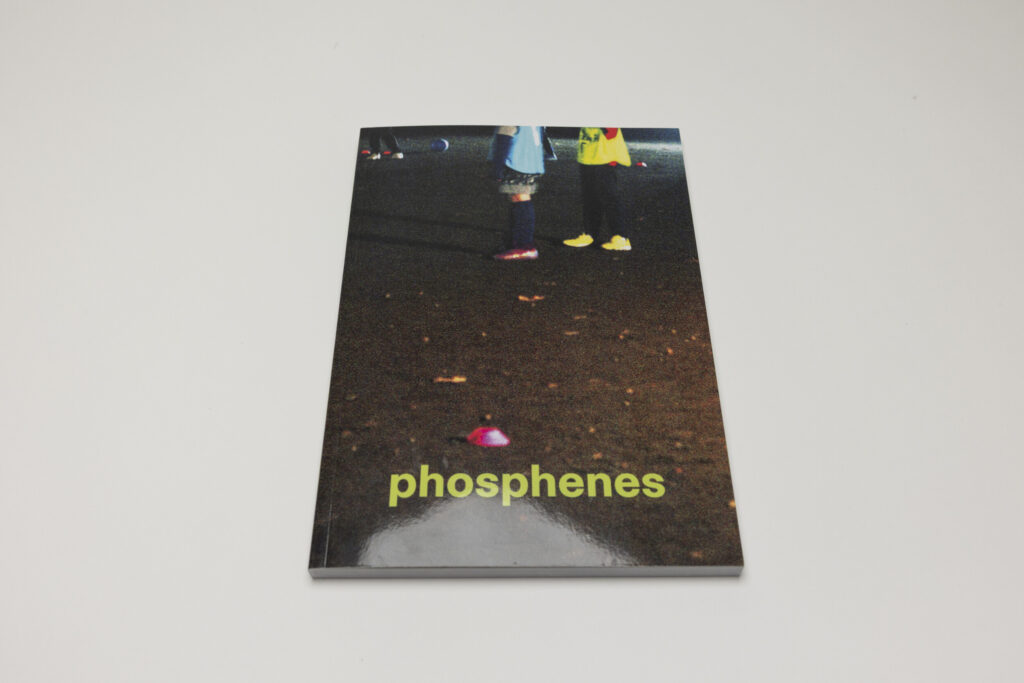
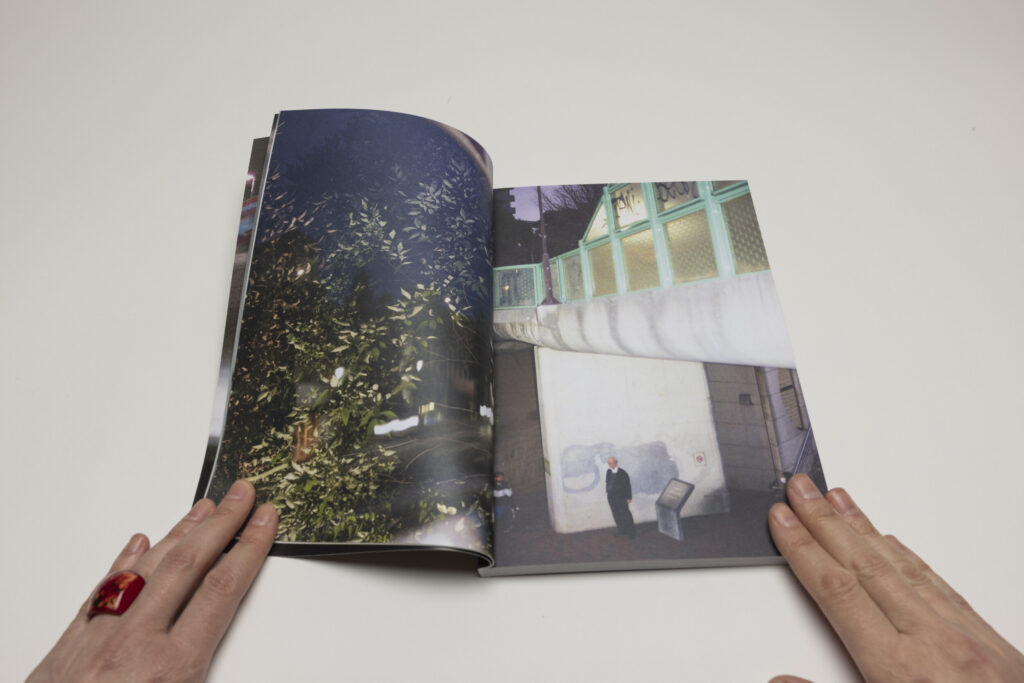
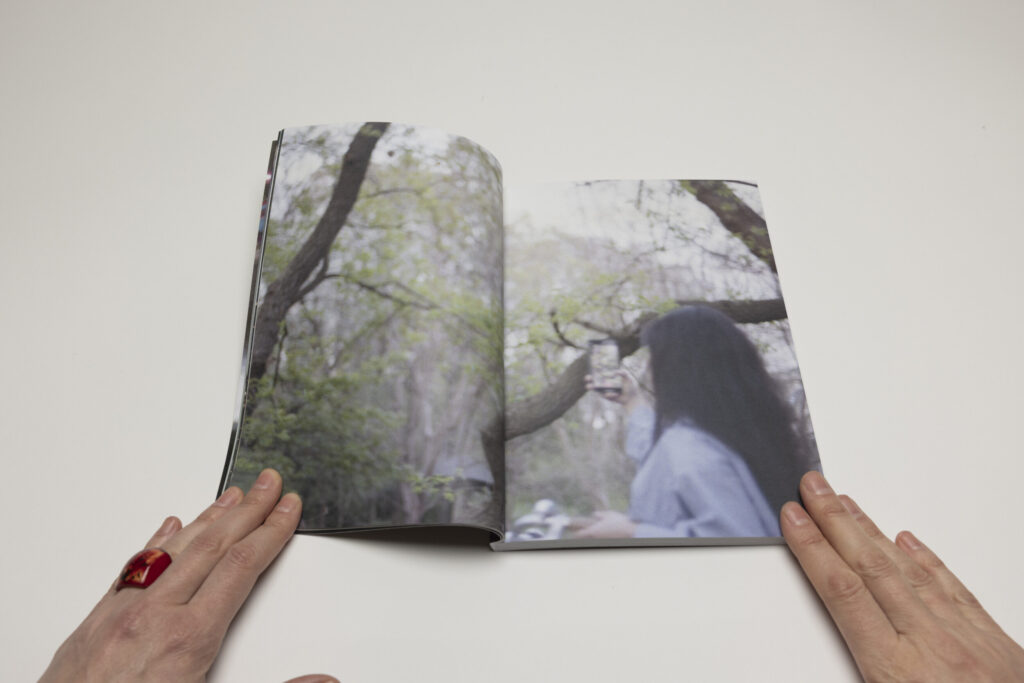
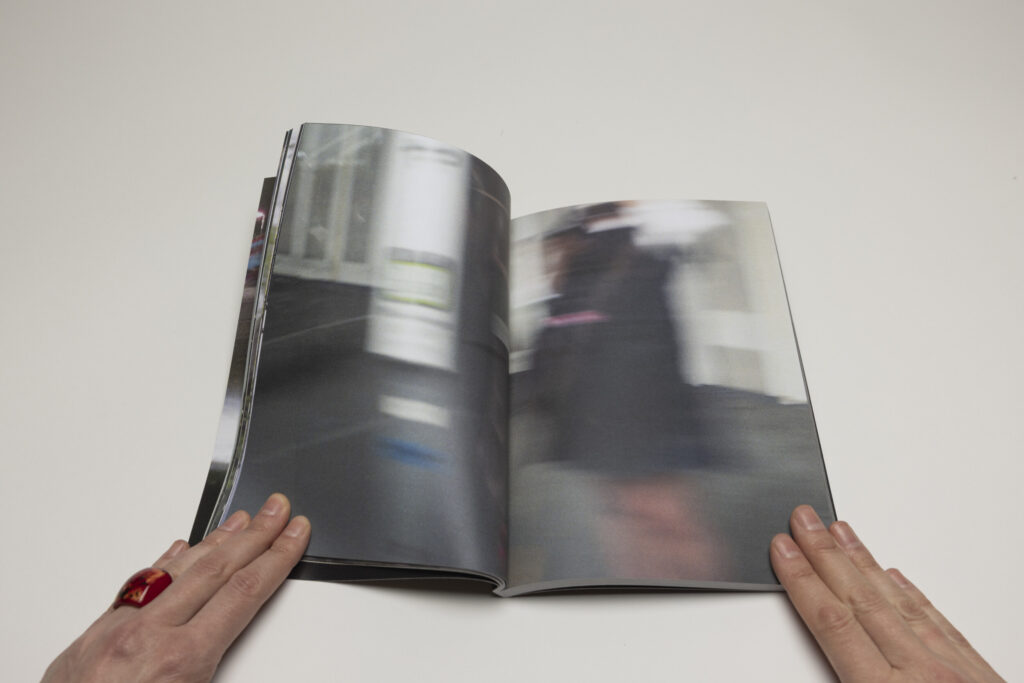
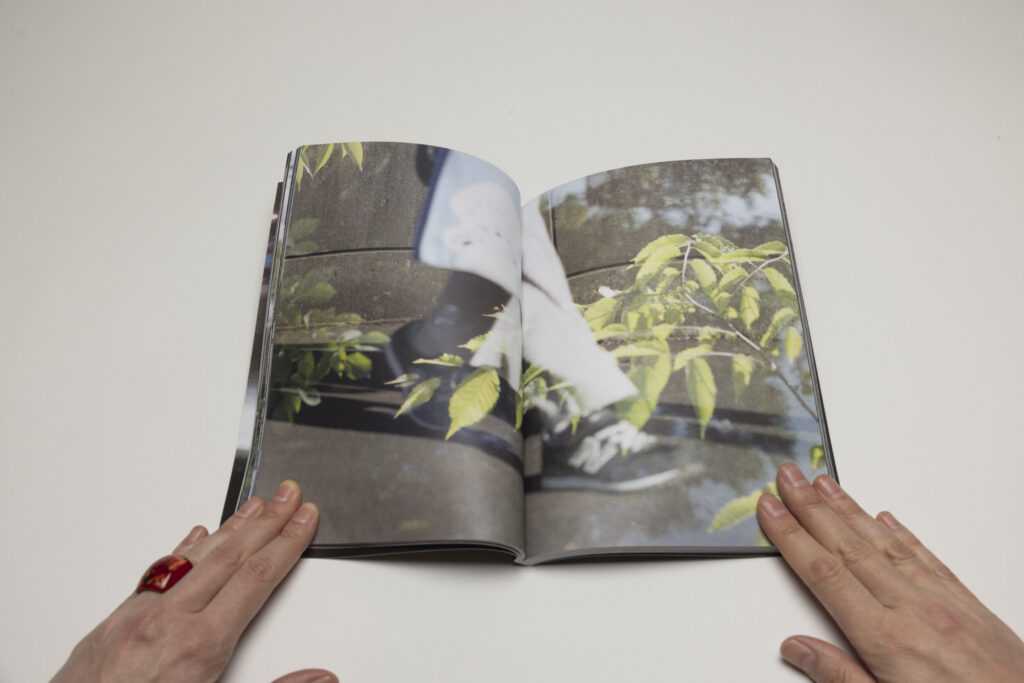
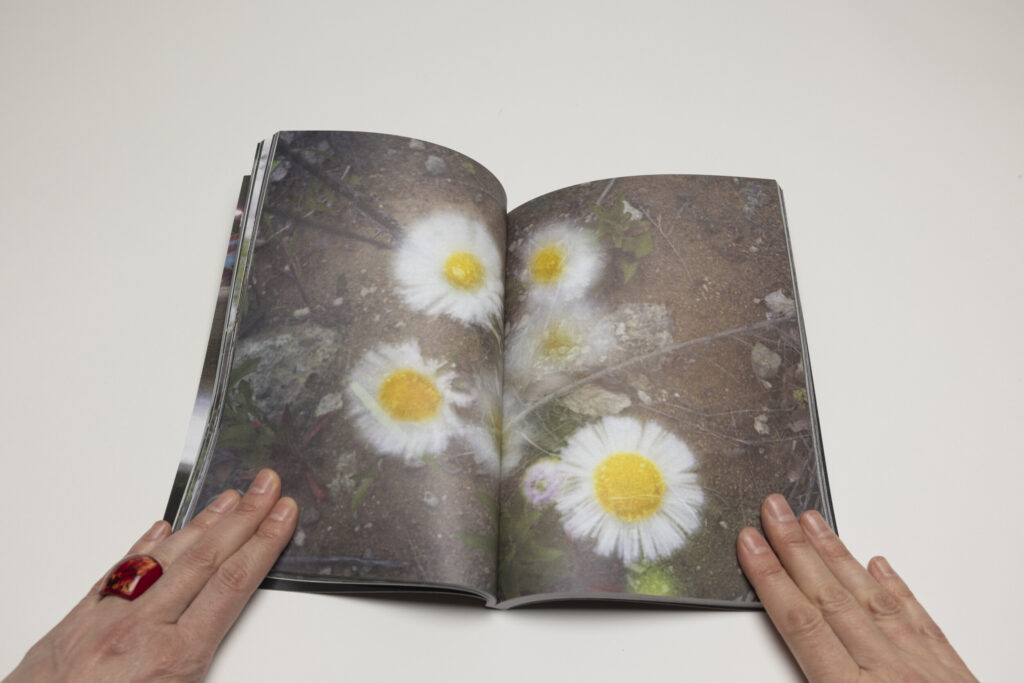
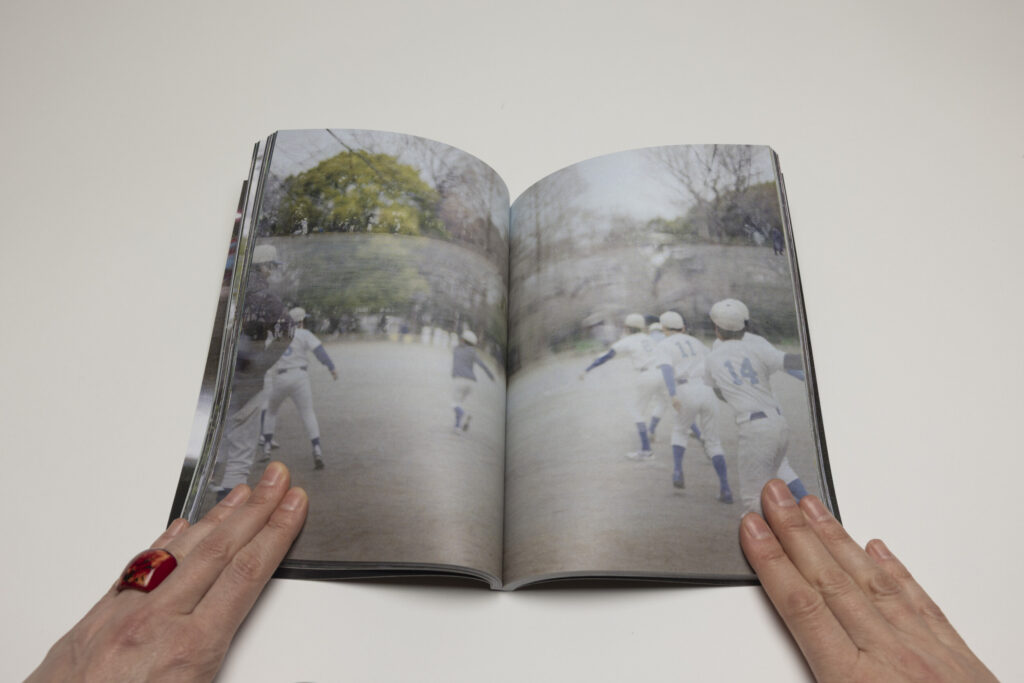
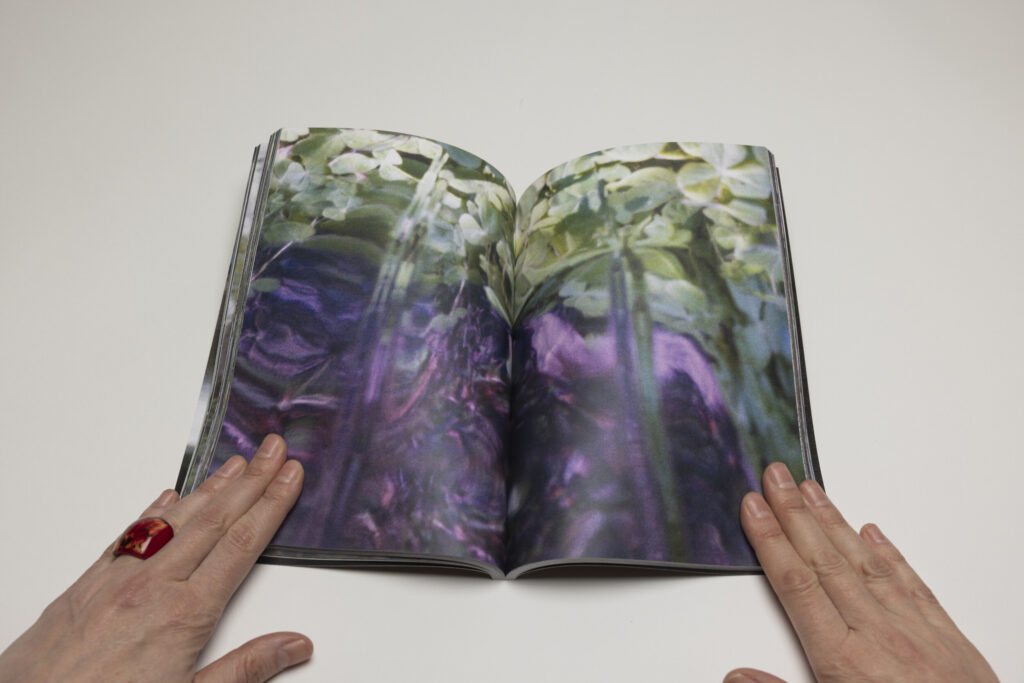
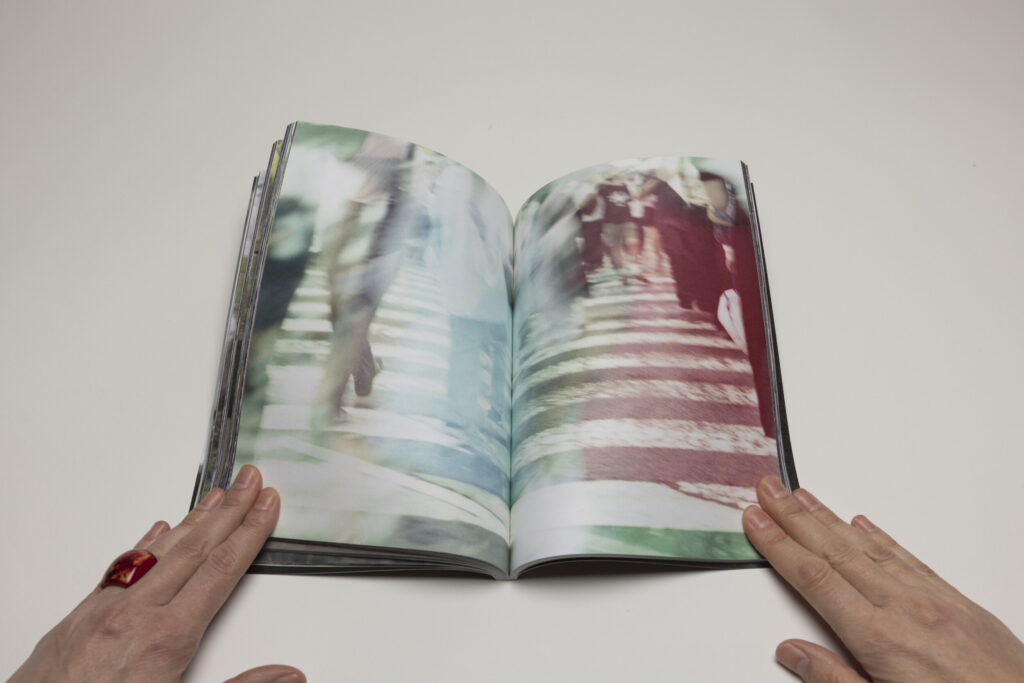
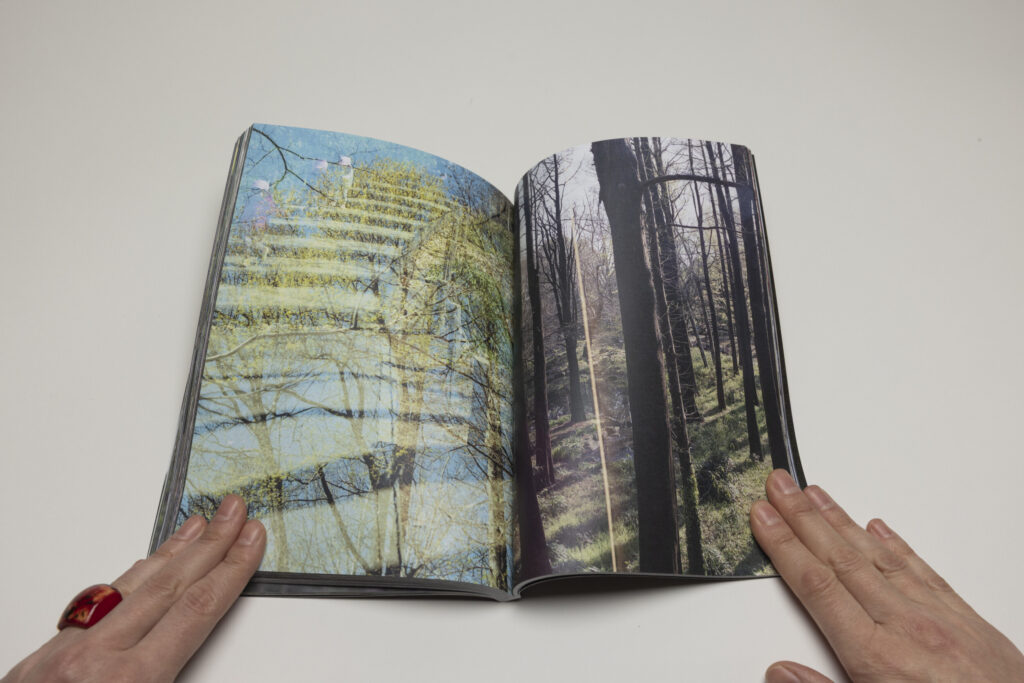
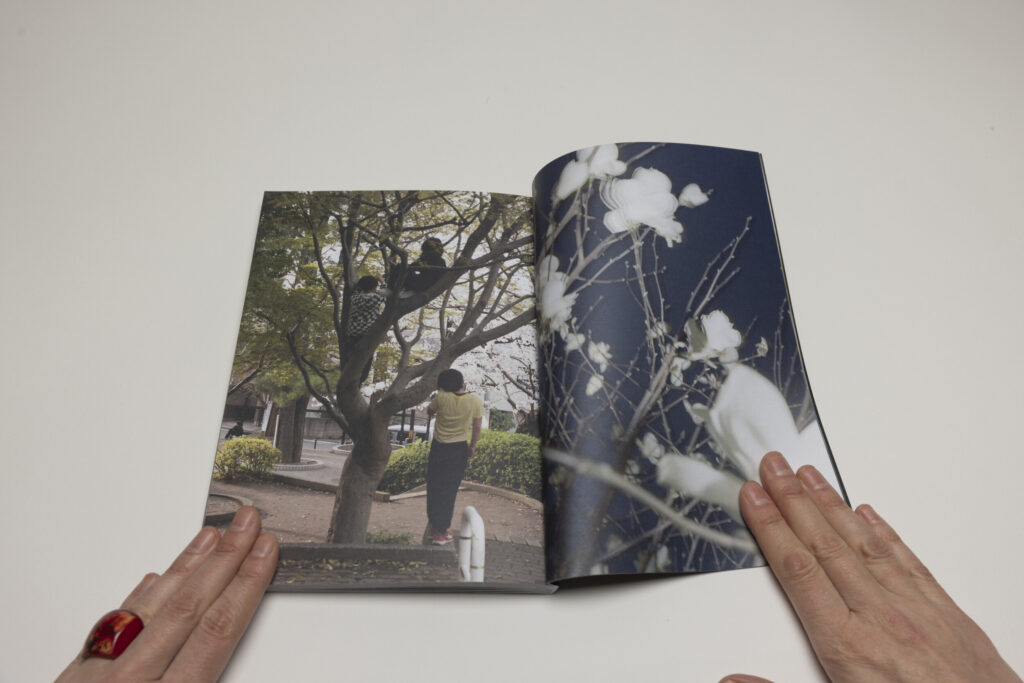
Comments/Context: Viktorija Makauskaite is a Lithuanian architect and interdisciplinary artist working in Japan. Her practice is grounded in architectural thinking, exploring the ways people engage with space, environment, and often-overlooked urban landscapes. She has published several photobooks, most recently phosphenes, published by Photobook Daydream Editions as their tenth title. Phosphenes centers on a phenomenon familiar yet seldom named: the fleeting bursts of light perceived behind closed eyes, the shimmering constellations shaped by pressure, memory, or imagination. These ephemeral visions form the conceptual and emotional core of the book.
At first glance, phosphenes may seem understated. Its images often hover near abstraction: grainy textures, fragments of bodies, dimly lit interiors, shadows dissolving form, etc. Yet this apparent minimalism conceals a deeply charged emotional undercurrent. Rather than providing clear narratives, Makauskaite constructs a visual language of suggestion and ambiguity. Her photographs are less concerned with documenting external reality than with mapping the internal register of experience – how it feels like to see, recall, and even misremember.
The title is more than a poetic gesture; it establishes a framework through which the work can be read. Phosphenes occur without external stimuli – they are the mind’s own projections, influenced by neural activity, pressure, or memory. Makauskaite’s photographs operate in a similarly liminal space: they feel at once real and imagined, anchored and elusive. This ambiguity becomes the defining rhythm of the book. Viewers are not offered stable ground; instead, they are encouraged to dwell within uncertainty, to allow images to unfold gradually and subjectively.
Materiality plays an essential role in this experience. The sequencing of images is deliberate and slow, evoking a kind of visual breathing. Photographs appear and recede like thoughts: some repeating motifs, others interrupting the flow with unexpected shifts in tone or perspective. There is a palpable sense of pause between images, as though each photograph requires time to resonate. This pacing mirrors the way memory operates; not as a continuous film, but as fragments assembled through association.
Throughout phosphenes, Makauskaite demonstrates a keen sensitivity to light, not just as a technical element, but as a psychological force. Light in these images is often diffused, obscured or fractured. It leaks through curtains, glints off surfaces, or dissolves into grain. Rarely does it illuminate fully; instead, it reveals selectively, creating pockets of visibility within surrounding darkness. This selective illumination becomes a metaphor for perception itself; the idea that we never see everything, only what surfaces to our awareness.
The human body also recurs throughout the book, though rarely in full view. Limbs, hands, or blurred silhouettes appear intermittently, suggesting presence without settling into a fixed identity. These partial glimpses echo the book’s broader sense of fragmentation. The body becomes another site of ambiguity – both subject and object, both perceiving and perceived. By avoiding conventional portraiture, Makauskaite allows her subjects to remain fluid, existing as shifting presences within a wider emotional landscape.
Memory runs quietly but persistently through the work. Rather than depicting specific events, the images evoke the experience of remembering itself: the way details soften, blur, or slip away. Some photographs resemble afterimages, briefly lingering before fading; others feel like moments on the edge of disappearance. This subtle tension between holding on and letting go gives phosphenes a sense of quiet urgency.
Makauskaite does not impose how the images should be understood; instead, she invites an open-ended visual narrative. This openness is a deliberate strategy. It acknowledges the inherently subjective nature of perception, that what we see is always shaped by our internal states. In this sense, the photobook becomes a collaborative space, completed by the viewer’s participation.
Other artists have also examined the complexities of vision through the photobook form. In Sokohi (reviewed here), Moe Suzuki reflects on her father’s gradual loss of sight due to glaucoma, translating an intimate, familial experience into visual narrative. More recently, Line Bøhmer Løkken has addressed her daughter’s vision loss by printing images of textured surfaces onto thin, translucent paper, evoking a fragile and shifting perceptual field (reviewed here). Such works often lean toward softness, blur, and atmospheric ambiguity; not to simulate impairment directly, but to suggest how seeing can become uncertain, partial, and contingent.
Ultimately, phosphenes is a meditation on vision. It asks fundamental questions: What does it mean to see? How do memory and sensation shape perception? Can images capture what is felt but not fully articulated? Makauskaite does not offer definitive answers, but rather gestures toward the complexity of these questions. In doing so, she creates a work that is both elusive and deeply resonant. Like the phosphenes it references, the book leaves traces that linger beyond the immediate experience. Its images continue to flicker in the mind, resurfacing in unexpected ways, long after the final page has been turned.
Collector’s POV: Viktorija Makauskaite does not appear to have consistent gallery representation at this time. Interested collectors should likely follow up directly with the artist via her website (linked in the sidebar).