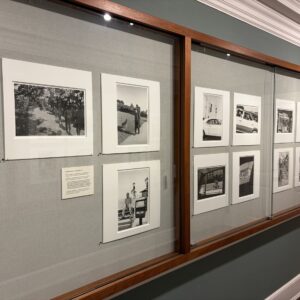
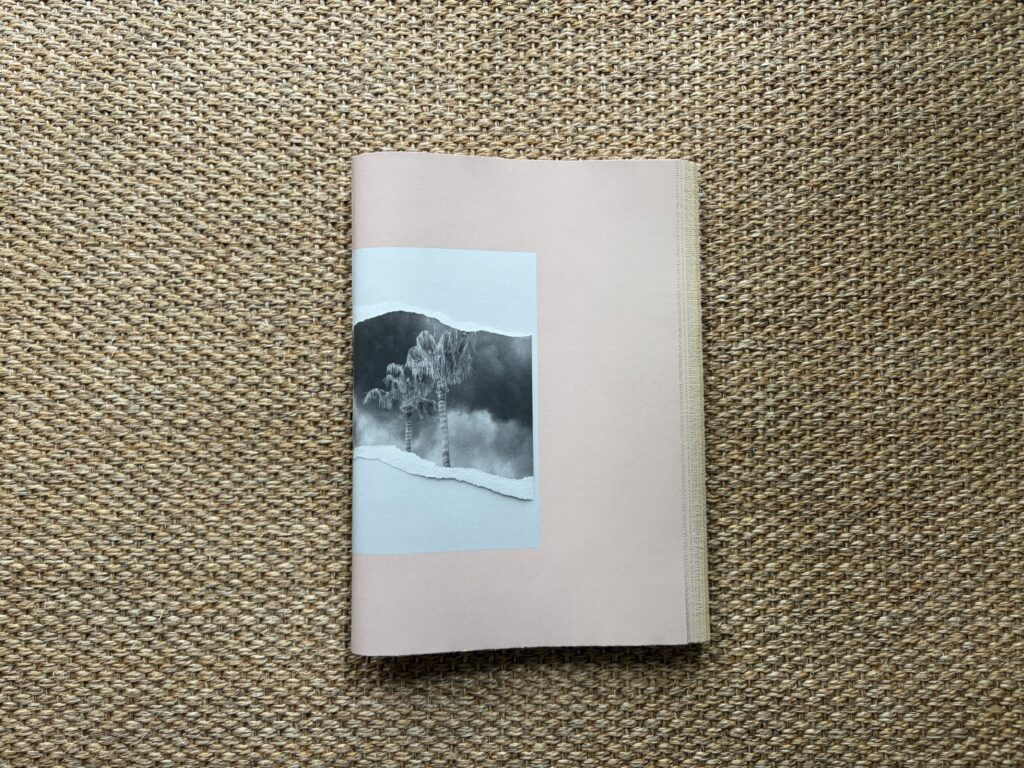
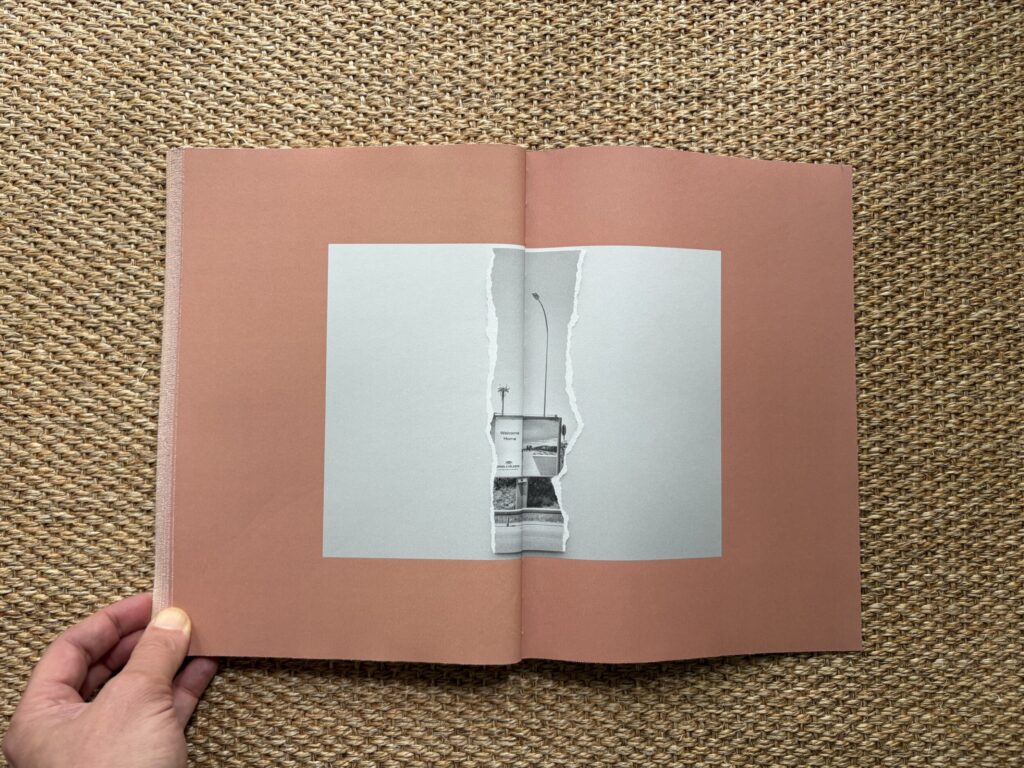
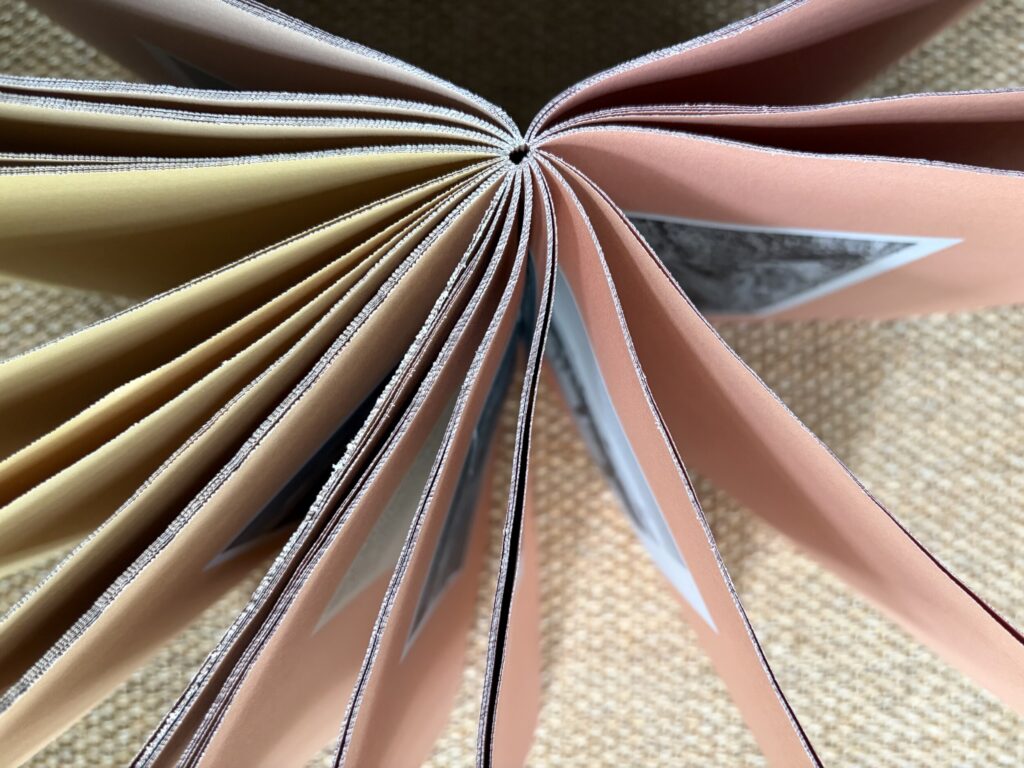
JTF (just the facts): Self-published in 2026 (here). Saddle-stitched softcover, 27 x 19.3 cm, 106 pages, with 54 black-and-white reproductions. Includes essays in Catalan/English by Xavier Bassas and the artist. Design by Fiorenza Pinna. In an edition of 700 copies. (Cover and spread shots below.)
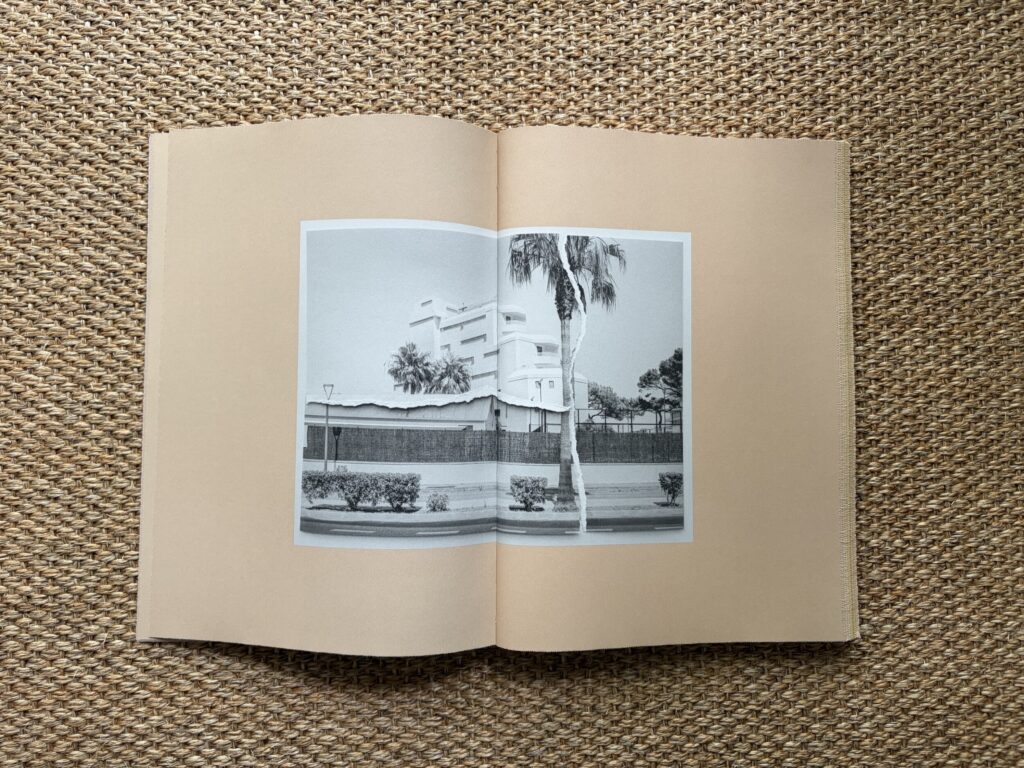
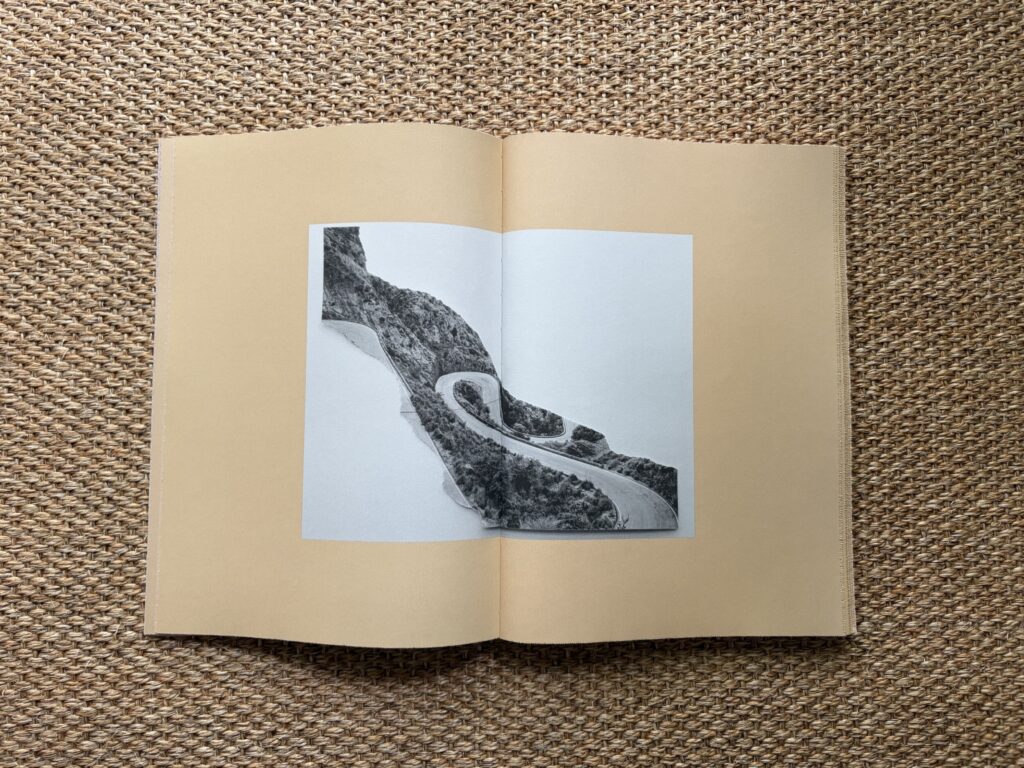
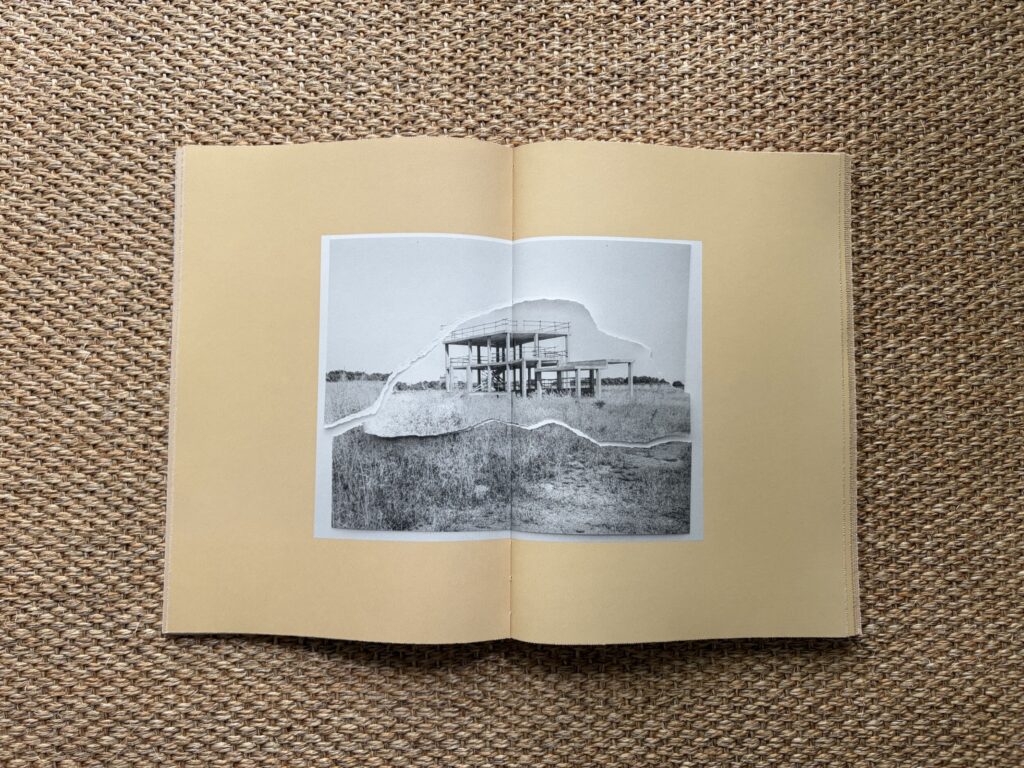
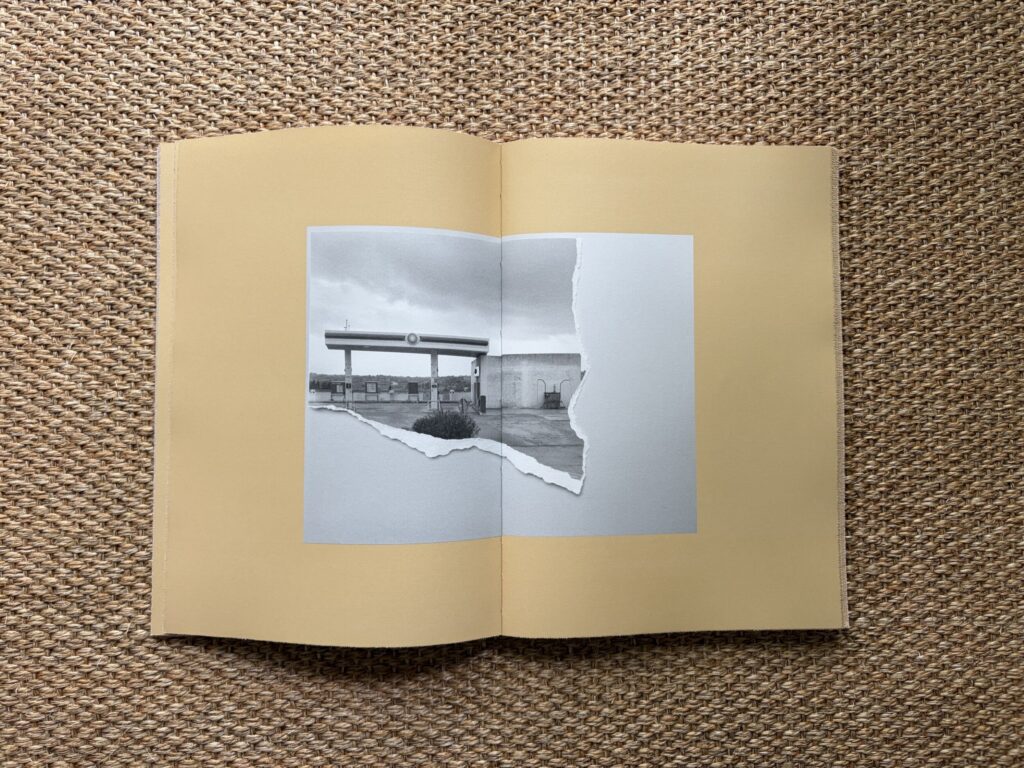
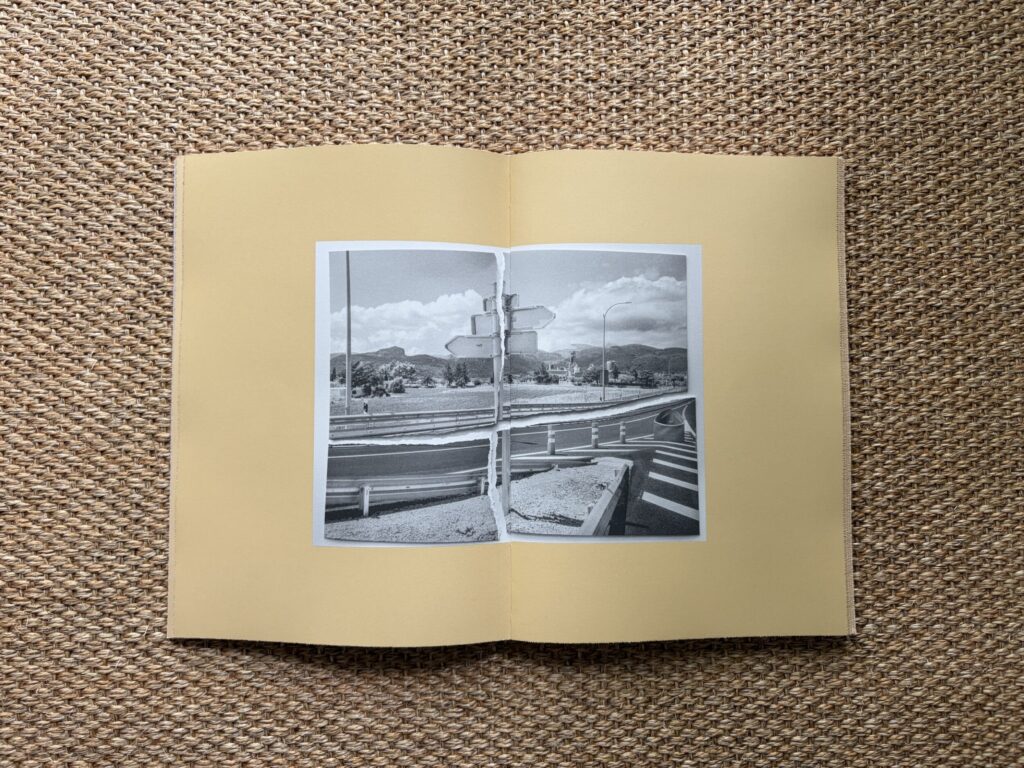
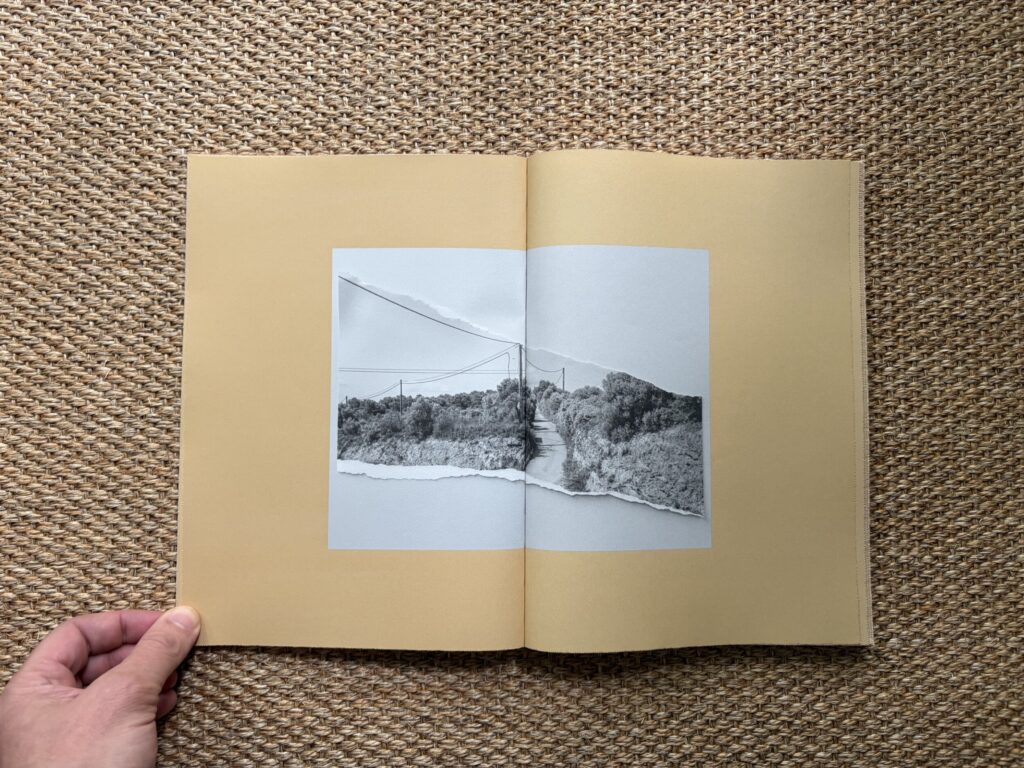
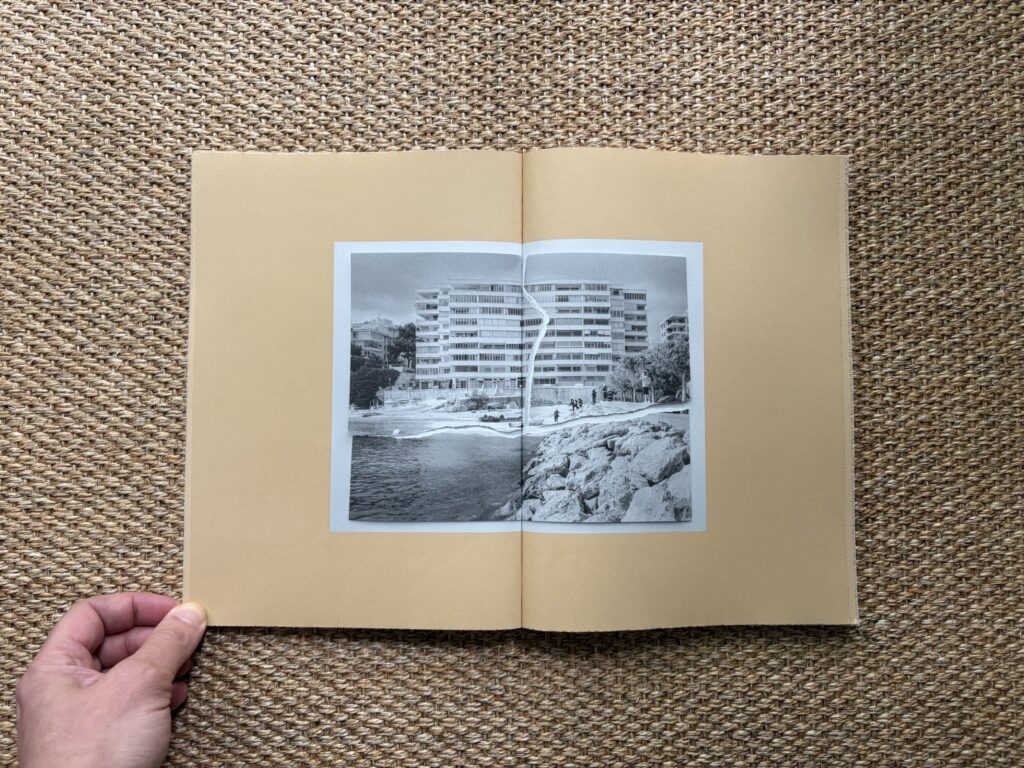
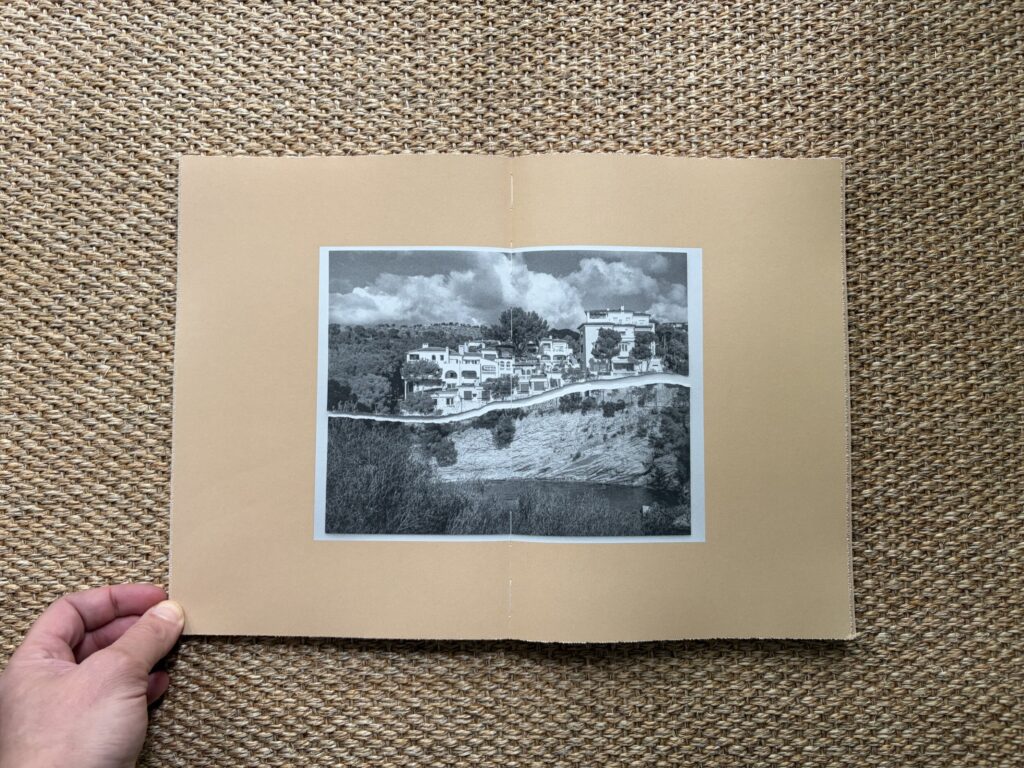
Comments/Context: We’re still a little too close to the end of the global COVID 19 pandemic to be entirely ready for thorough look back at that singular historic and artistic moment. But what is already altogether clear is that the traumatic years of the outbreak, with their isolations and dislocations mandated by quarantines, lockdowns, and travel bans, provoked a wide range of powerful artistic reactions and adaptations, all around the world.
In the past few years, dozens of photobook projects have slowly surfaced, each directly considering the personal conditions of the pandemic in different ways. Some photographers were forced to stay at home, working alone for the first time or making improvised images of whatever was at hand. Others focused on the painful separations of their families – the mask wearing, the Zoom calls, the school closures, the stilted rituals of broken birthdays and holiday celebrations, and the divided sadness of separated deaths. Still others bravely ventured out into the eerily silent world to make images of the empty streets, boarded up storefronts, and vacant lots, watching as the everyday rhythms of life ground to a surreal halt. To this mix then add in plenty of urgent stories of valiant doctors, health care workers, and overlooked grocery clerks stepping into the breach, and just as many quiet reflections on long artistic careers, with available hours and days spent digging through old archives, storage boxes, and forgotten memories. Seen together, there is a complex story to be told about all of these artists and their individual artistic responses to the collective situation, and so a rich institutional accounting of the varied photography strategies of the pandemic will be necessary sometime soon.
The pandemic lingers as a resonant though largely invisible backdrop to Toni Amengual’s self-published photobook TERRA FERMA, acting as the catalyst for the Spanish photographer to come to grips with his long simmering concerns about how life had been changing (for the worse in his mind) on his home island of Mallorca. Over the past several decades, Mallorca has become an increasingly popular tourist destination, its calm rocky hills now brashly interrupted by clusters of coastal hotels, condo developments (both finished and unfinished), and fancy houses, with the associated infrastructure of airports, highways, electrical towers, gas stations, swimming pools, tennis courts, and the like to service all the visitors sprinkled in between. But when the pandemic hit, the tourists vanished (of course), and Amengual, stranded on the island himself, found the right moment to document how the rugged landscape has been transformed.
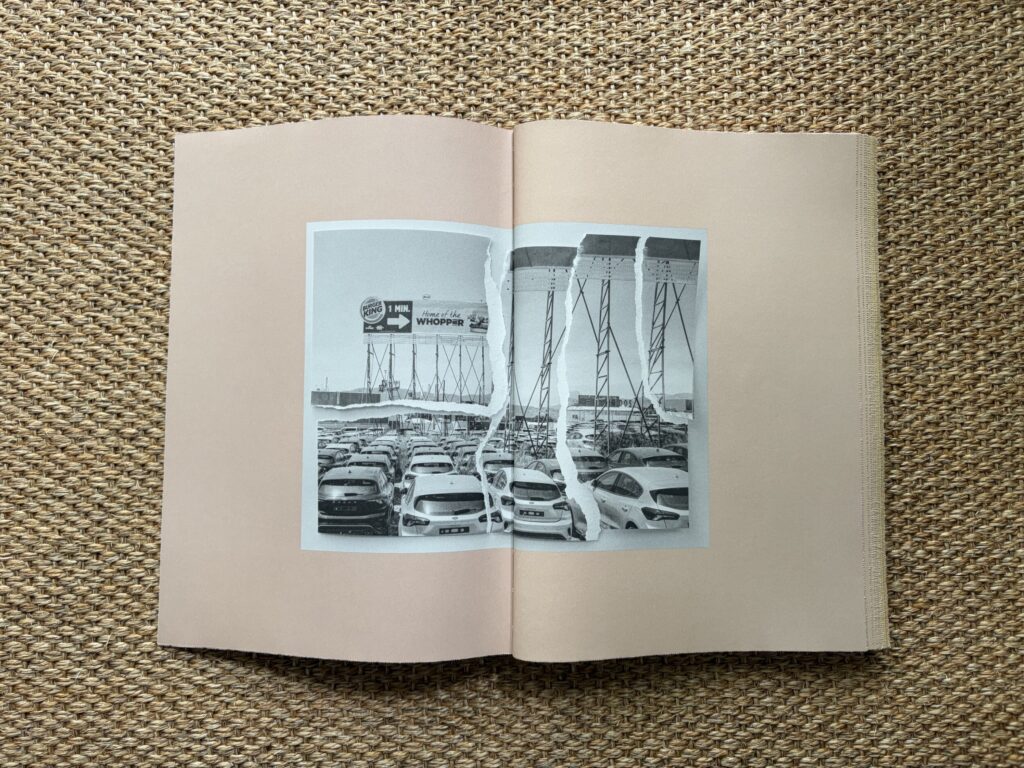
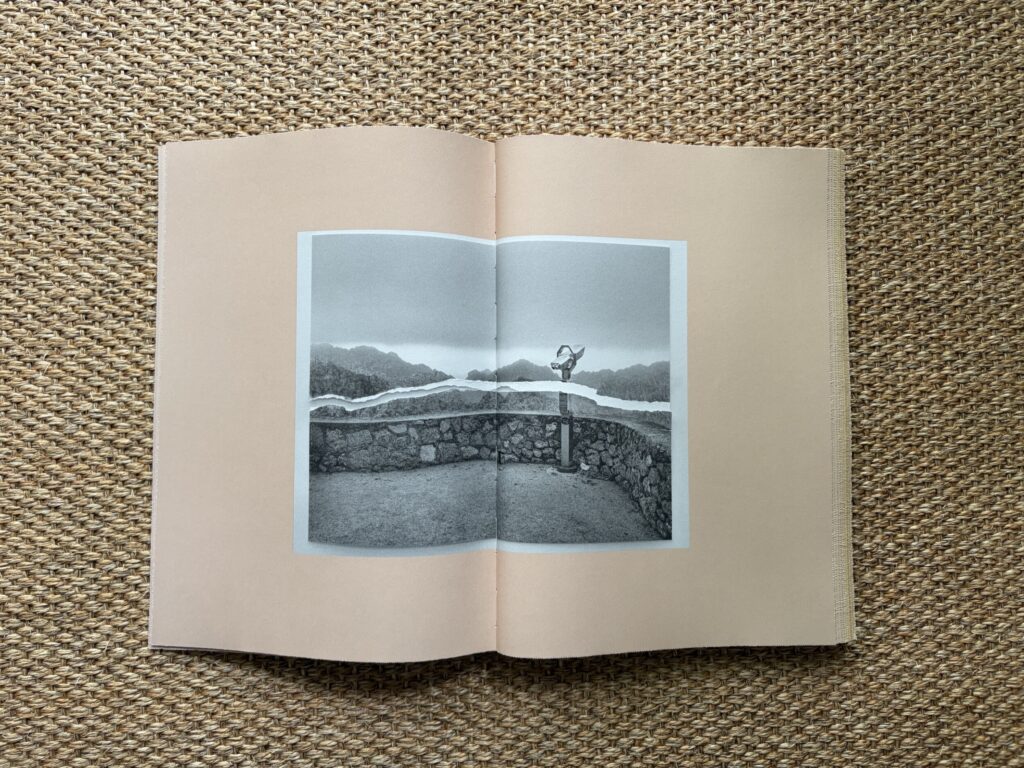
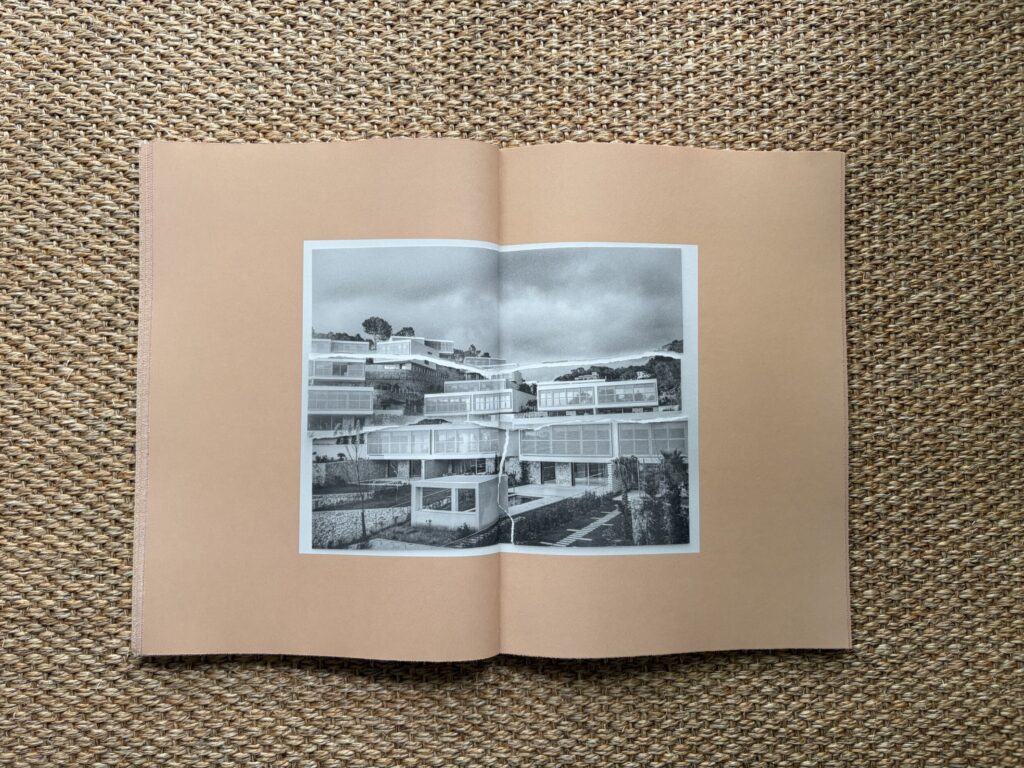
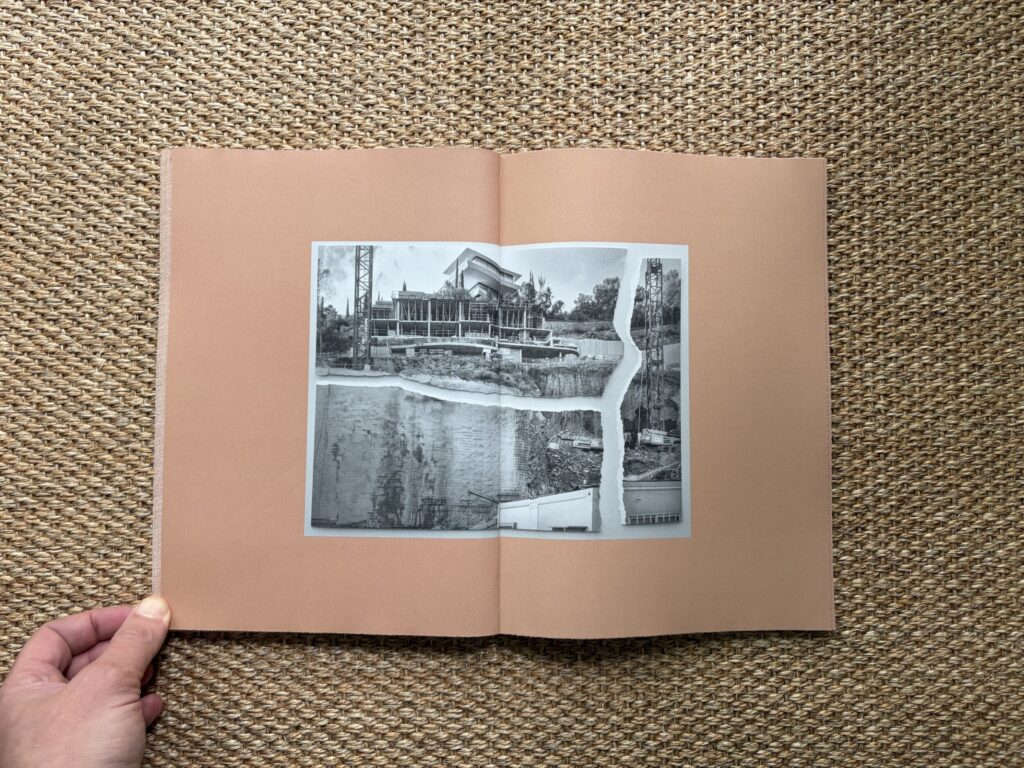
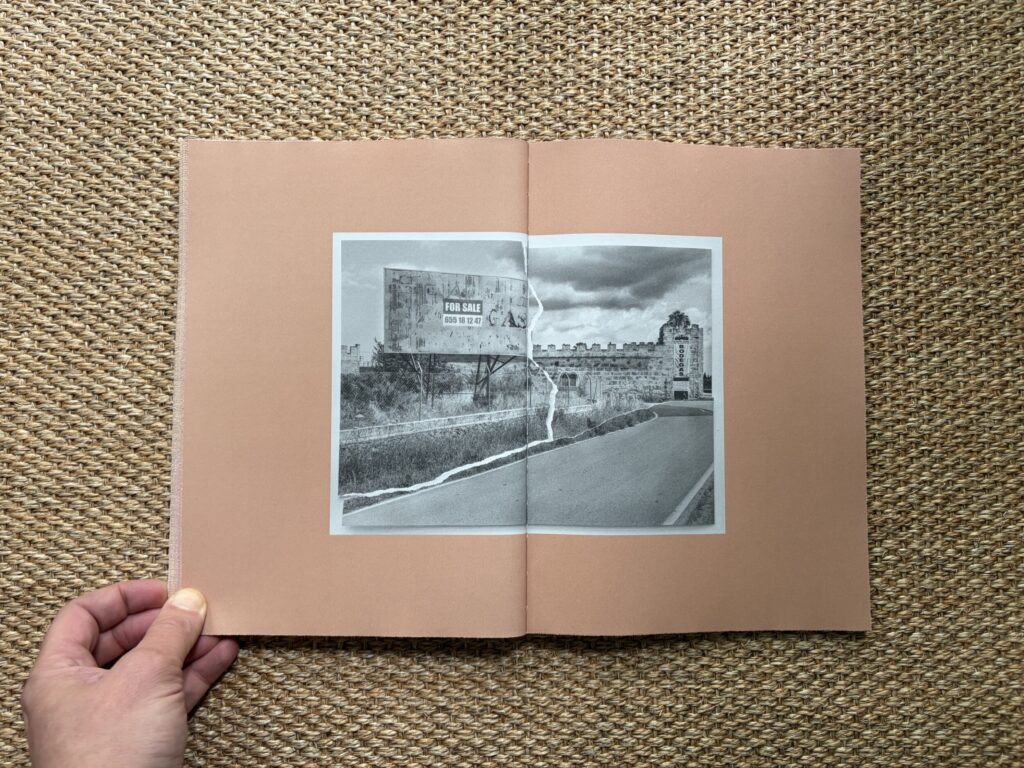
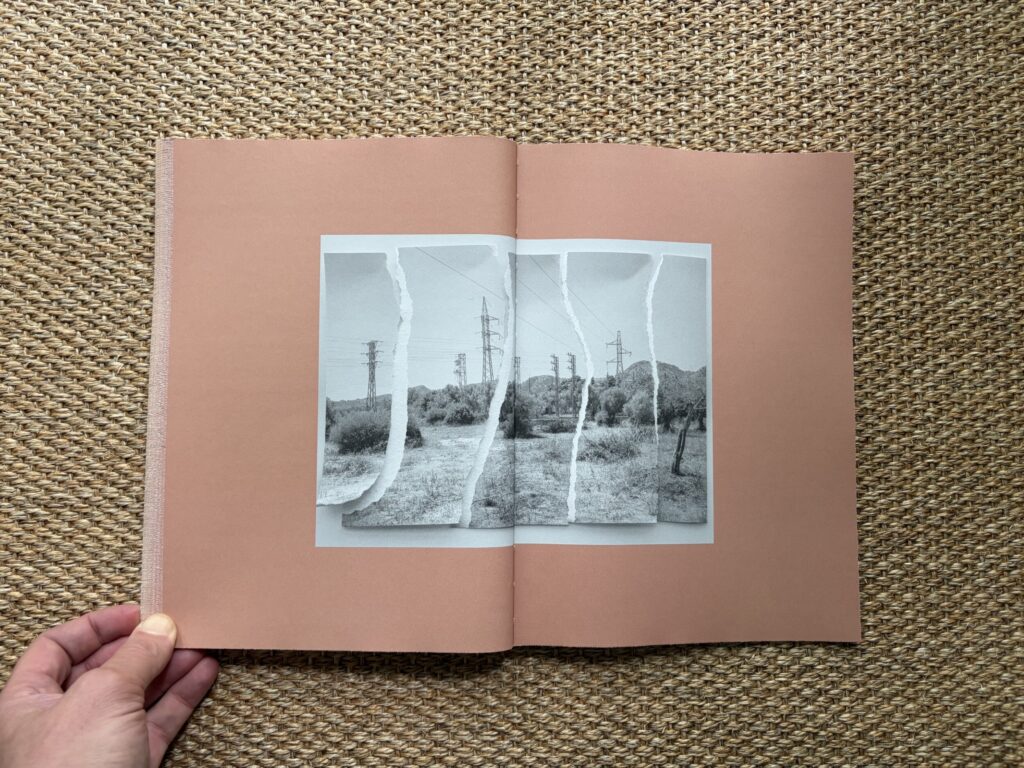
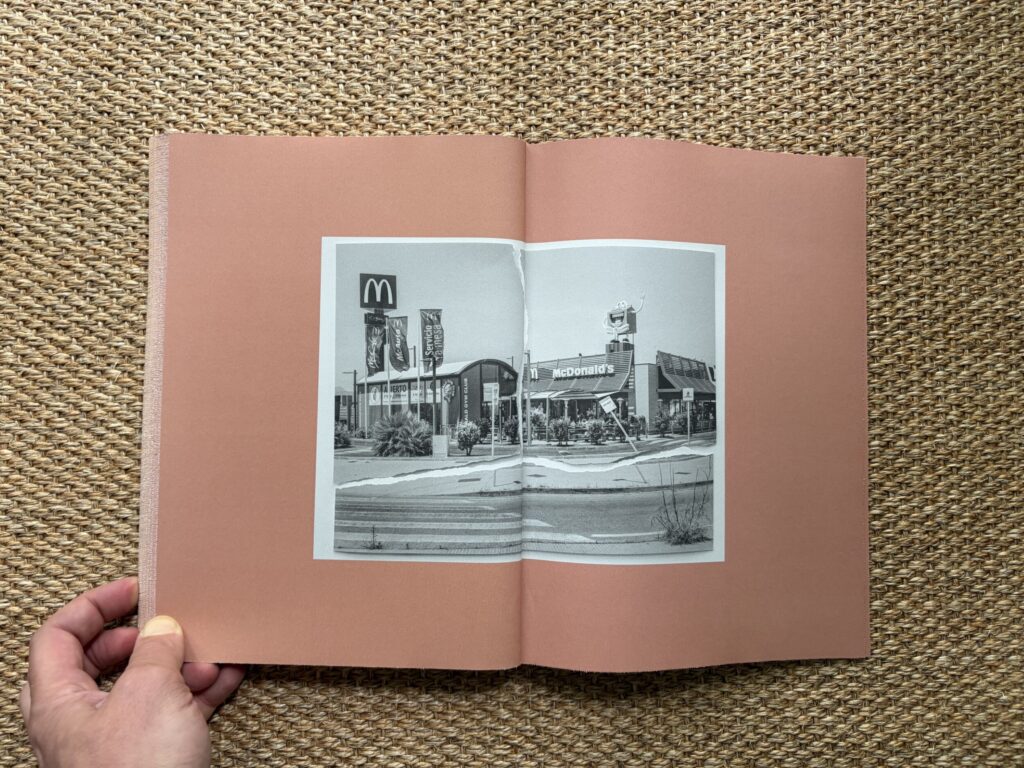
Amengual’s black-and-white photographs of contemporary Mallorca are overtly indebted to the conceptual and aesthetic frameworks of the New Topographics photographers, who took an incisive look at the development and suburbanization of the American West of the 1970s. Photographers like Robert Adams, Lewis Baltz, Joe Deal, and others didn’t flinch from documenting the environmental degradation and harsh ugliness of newly built housing communities in places like Colorado, Nevada, and California, and it’s clear that Amengual has channeled some of that same deadpan outrage into his adjacent images of the spread of tourism infrastructure in Mallorca. His photographs draw attention to the grim contrast between the rocky hills and dry sweeps of the ancient land and the hard edged intrusions of new multi-story buildings, concrete pilings, flat-roofed gas stations, multi-lane roadsides, airport tarmac, tunnel cuts, vista points, electric wires, and billboards that both physically and emotionally disrupt the natural balance of those views. In picture after picture, Amengual captures a dispiriting sense of overreach and consumption, the construction projects and building complexes becoming ever more hollow, hulking, and invasive.
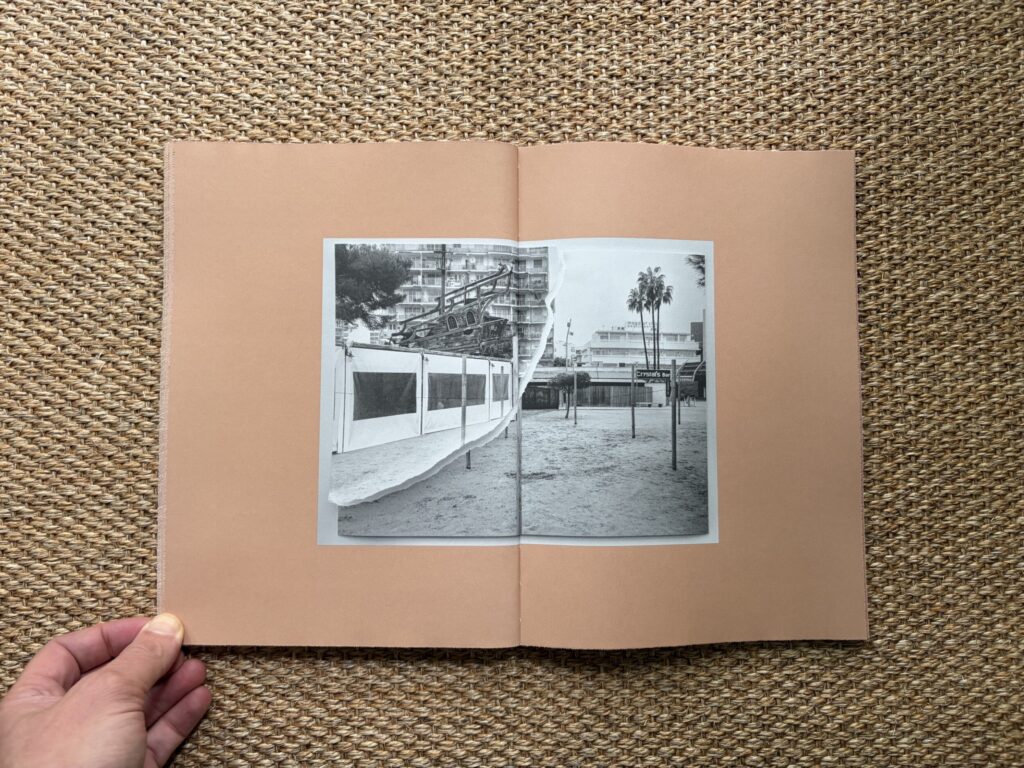
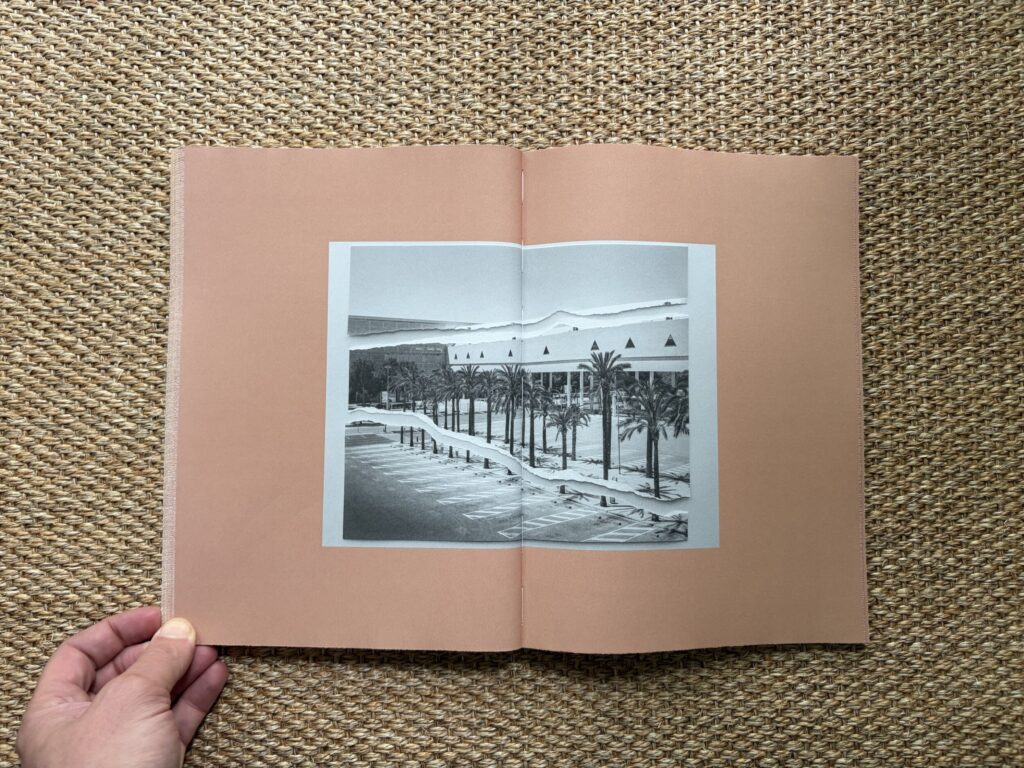
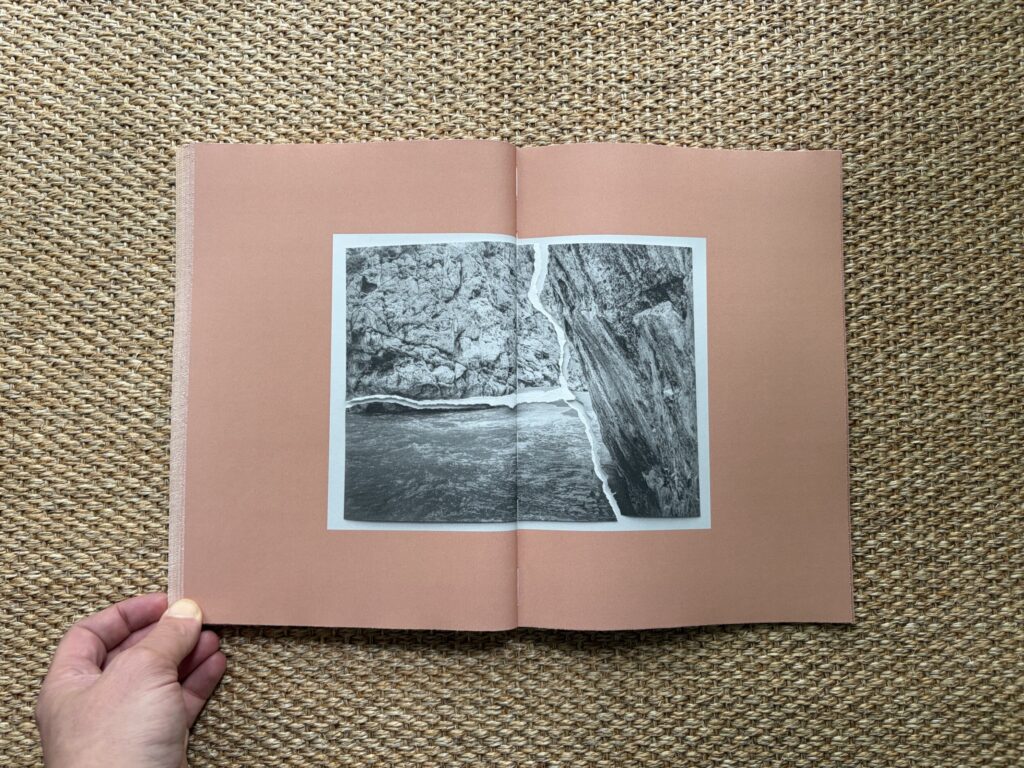
But TERRA FERMA isn’t just a parade of black-and-white images of man-altered Mallorca. Amengual has gone several steps further in his own artistic process, making physical paper prints of his photographs, individually ripping and tearing them, and then rephotographing his results, and it is these modified pictures that fill the pages of the photobook. Some of the prints have been torn into several pieces and then carefully reassembled, their ragged white edges now cutting through the scenes like jagged marks. Other prints have been turned into fragmented scraps, with part of the picture ripped away, leaving only a portion of the original image visible, creating a sense of removal, destruction, or isolation, especially when the fuller frame of empty whiteness is left as a backdrop. As a physical gesture, the ripping recalls Thomas Barrow’s ice pick cancellations from the 1970s (reviewed here), albeit with a different kind of violent rejection and intervention.
Amengual’s rough rips provide the artist with a cleverly malleable layer of potential commentary. He can rip away what he doesn’t like, leaving voids that we fill with our own imagination. He can use his tears as formal elements, as lines that break, divide, echo, or interrupt other compositional structures. He can make interventions that draw attention to particular built subjects, or he can simply bisect a view with a gestural slash like a second horizon. Each image presents its own opportunities for material reinterpretation, and Amengual’s dismantling rips are consistently inspired, making the ugly even uglier, or reminding us of how a scene might look without so much built clutter. There is an expressiveness to his rethinking process, which allows a freer sense of improvisation, reaction, and even emotion to enter what are otherwise precisely controlled and executed photographs.
The innovative design and construction of TERRA FERMA as a photobook object complement Amengual’s bold photographic lacerations. Fascinatingly, the photobook essentially has no cover – the book comes opened to a light pink page with a ripped image of palm trees, but aside from its color tint, this page is no different than any other, and no other page features the artist’s name or the book’s title. The binding of the book is effectively circular, so the book bends back on itself on any open spread, so while there is a lovely color progression that takes place – from light pink and light tan onward page by page through subtly darkening variations of yellow, mustard, light brown, orange, dusty pink, and rust, like the colors of a soft sunset or the Mallorcan soil – there is no real beginning or end to TERRA FERMA, just a flow that can be entered and exited at any spot. The pages are printed on a paper stock just a bit heavier than newspaper and the edges are left a little jagged (perhaps from torn perforation), reinforcing the tactile paper-centric nature of Amengual’s approach. As the pages turn, we can almost feel the roughness of Amengual’s photographic tears on the tips of our fingers, while the color shift reminds us of the continued passing of time that lies underneath Amengual’s project.
What stands out about TERRA FERMA is Amengual’s ability to liberally take inspiration from the New Topographics photographers without becoming overly or simplistically derivative – he has successfully appropriated the mindset and aesthetics of that earlier time, and then applied these lessons to a contemporary reality even more starkly influenced by climate change, environmental degradation, and overtourism. The wounds he sees happening to the land in Mallorca are just as shortsighted and damaging as the ones Adams and the others saw in the sprawling suburbs of America half a century ago, but the forces at work are slightly different, and Amengual has adapted his approach to amplify the particular vulnerabilities and frictions he sees in his homeland. In both cases, there is a strong sense of wanting to photographically expose things that are hiding in plain sight, and to provide visual warnings to those who might not be paying close enough attention. In this way, TERRA FERMA feels like an elegantly crafted alarm, ringing out to those who might hear.
Collector’s POV: Toni Amengual is represented by Rocío SantaCruz Gallery in Barcelona (here). Amengual’s work has little secondary market history at this point, so gallery retail likely remains the best option for those collectors interested in following up.