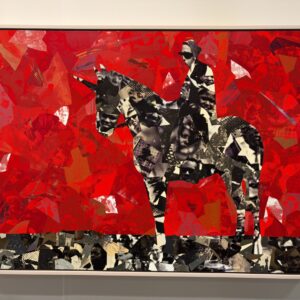
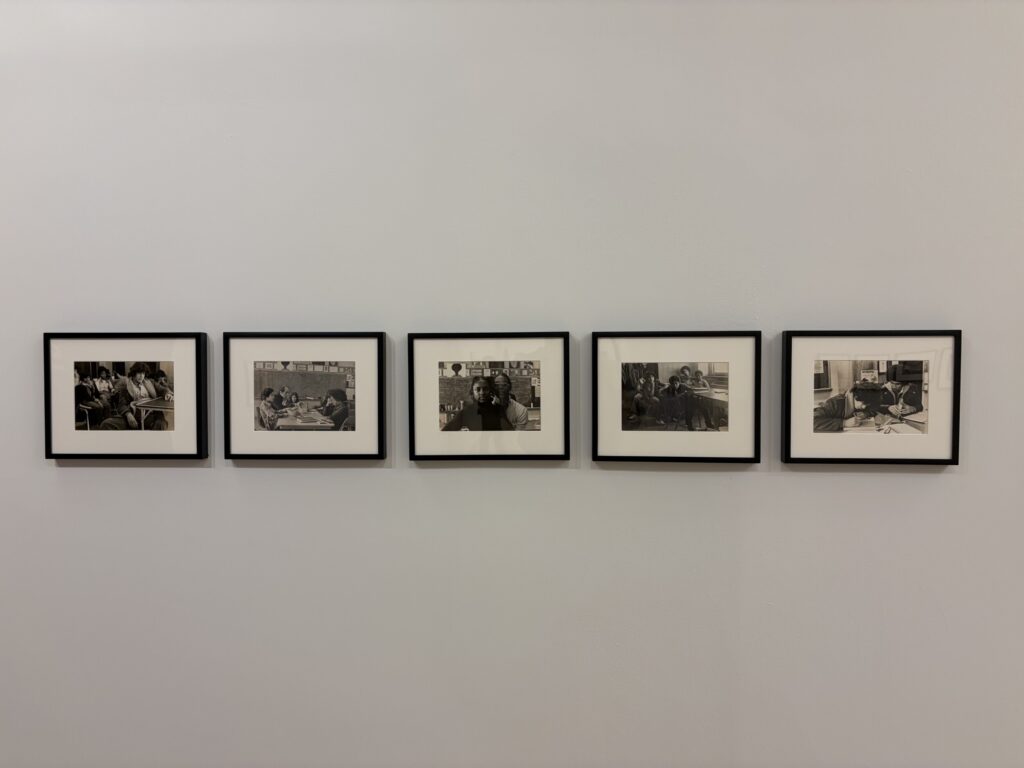
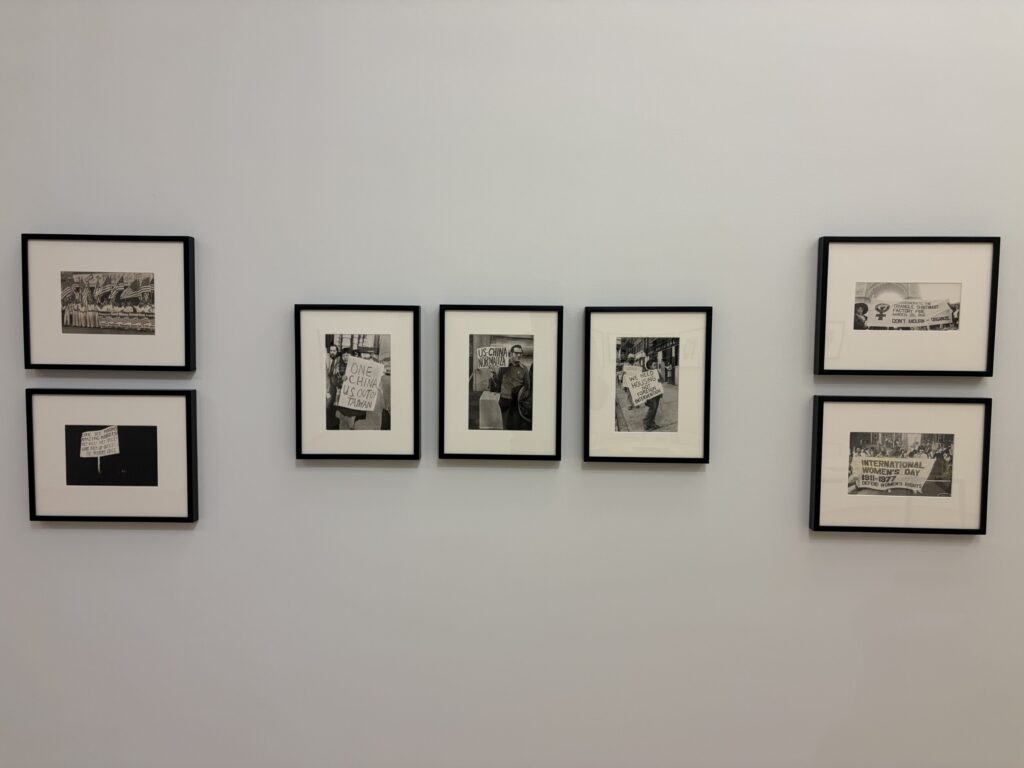
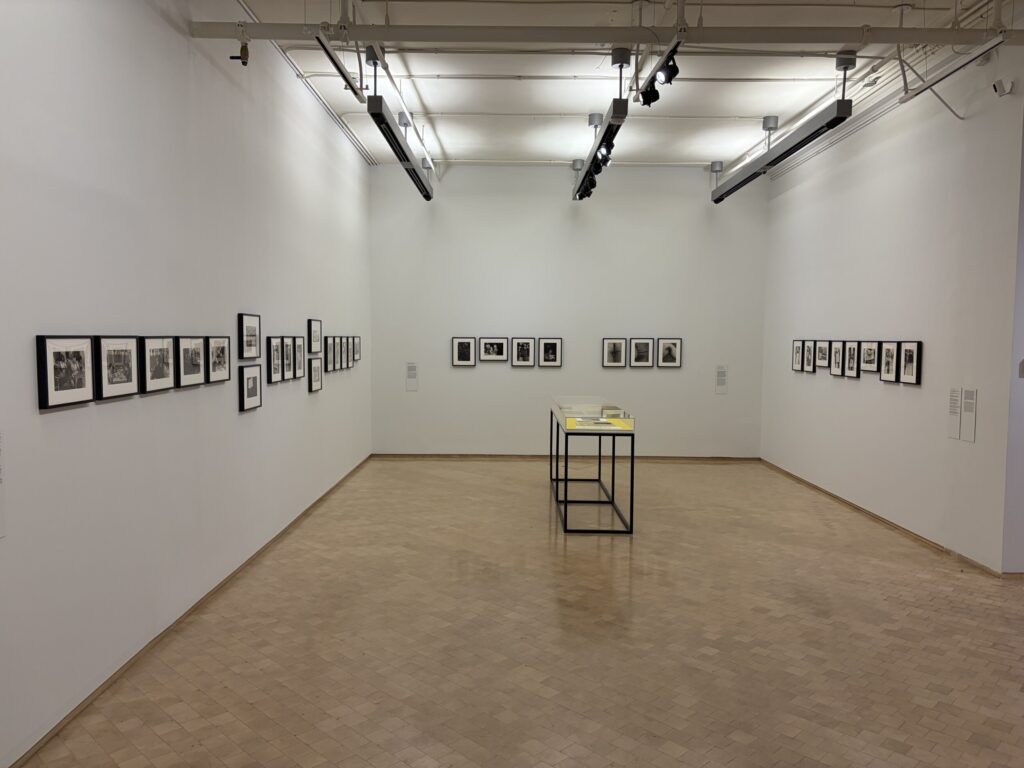
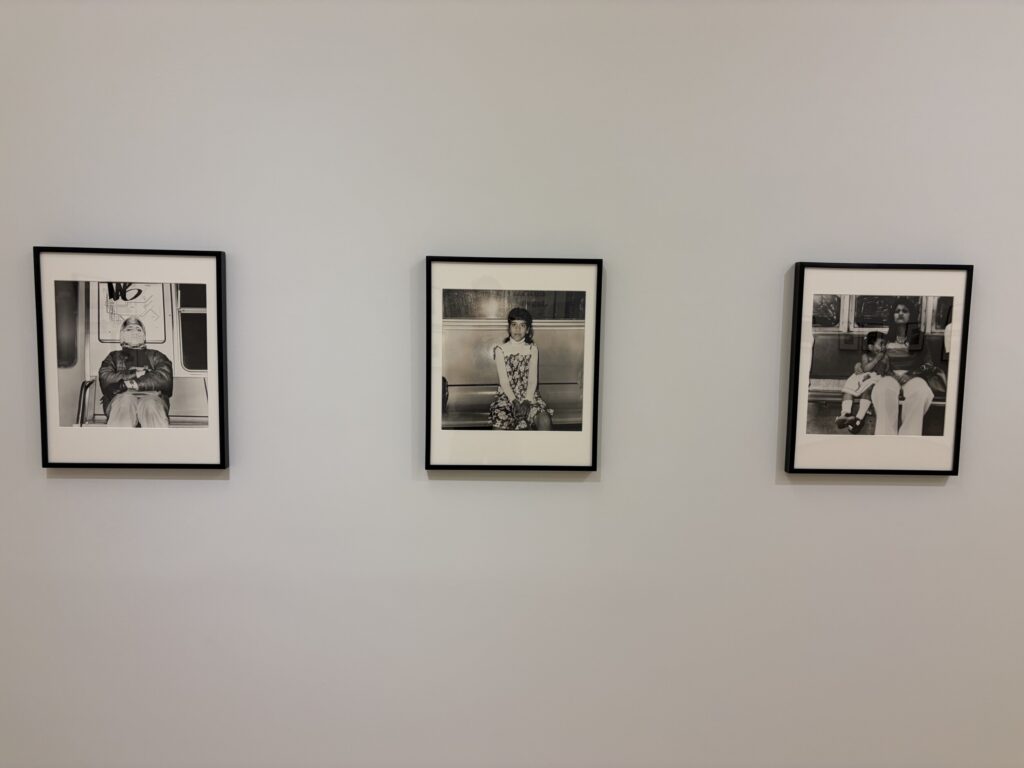
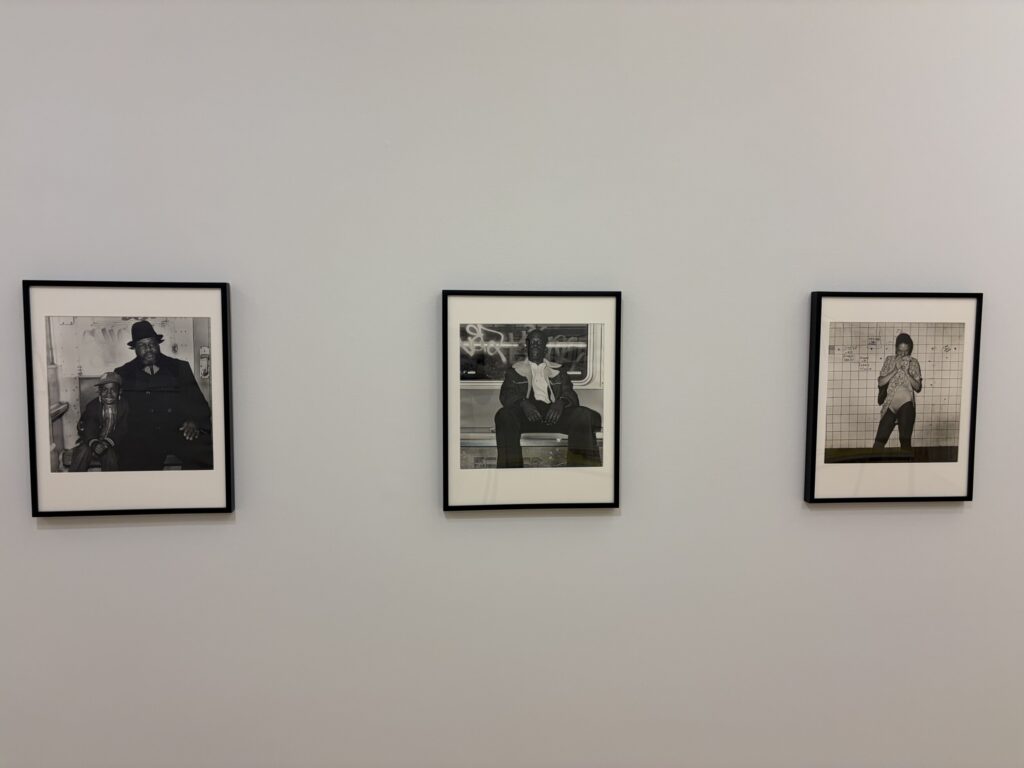
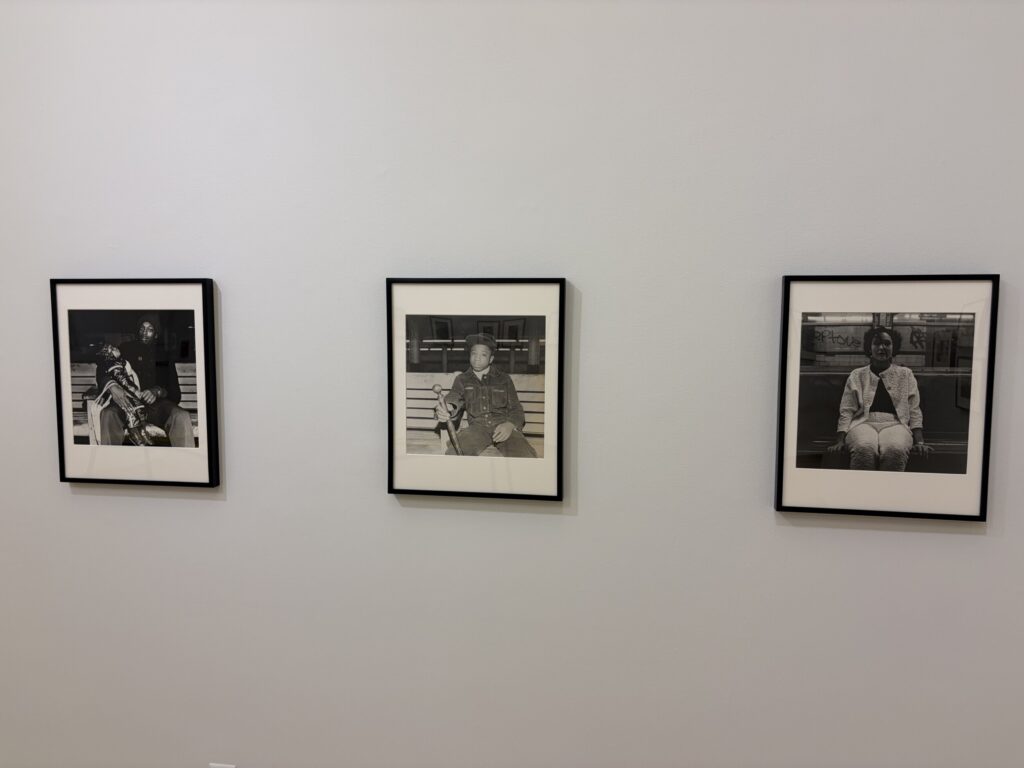
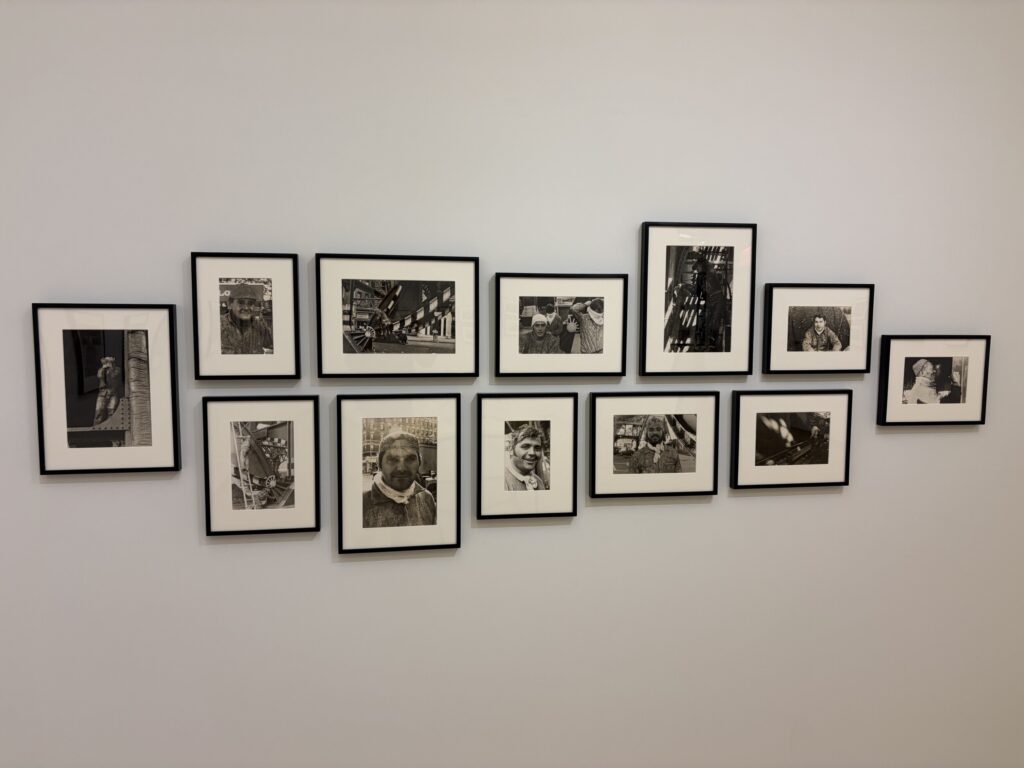
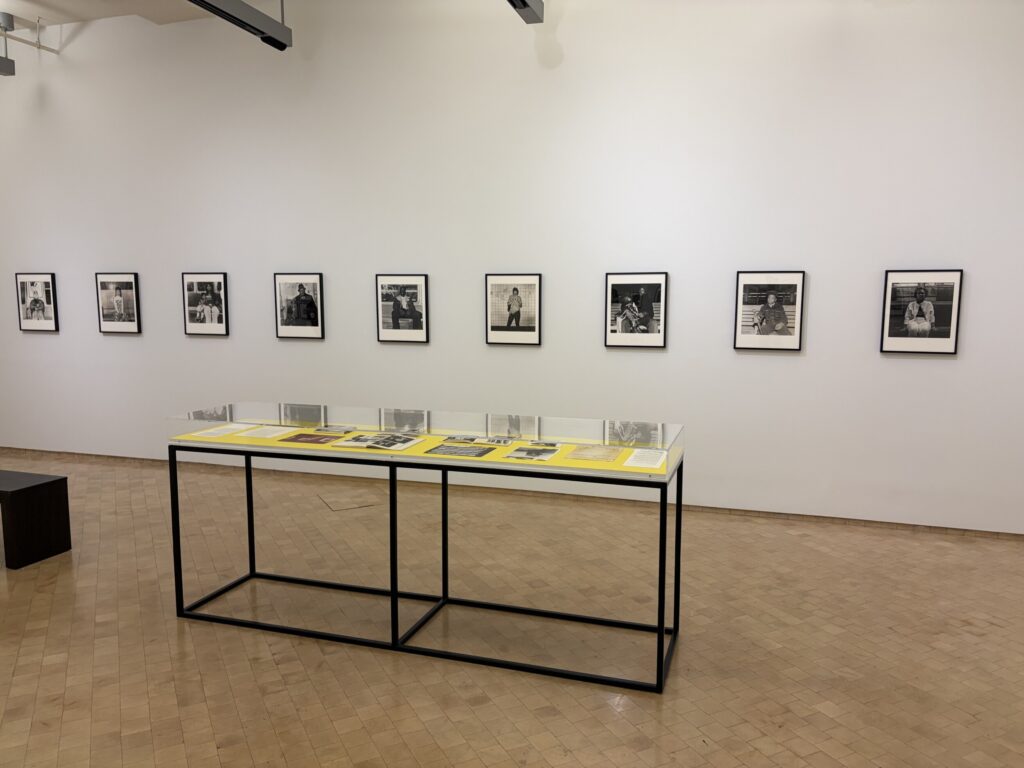
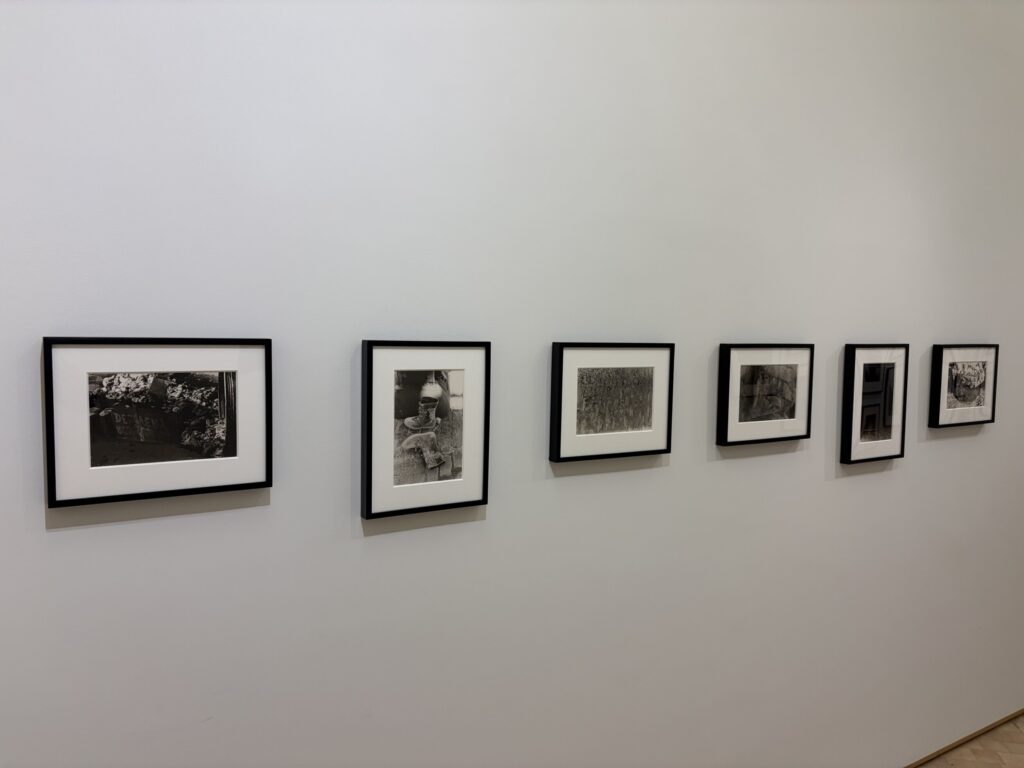
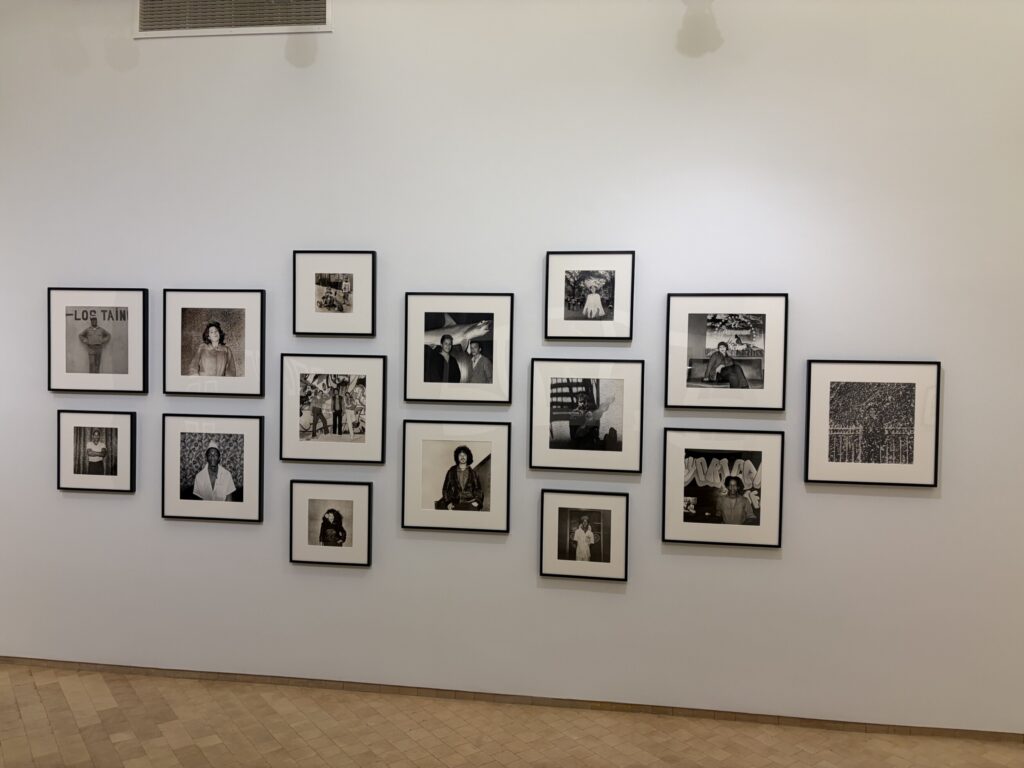
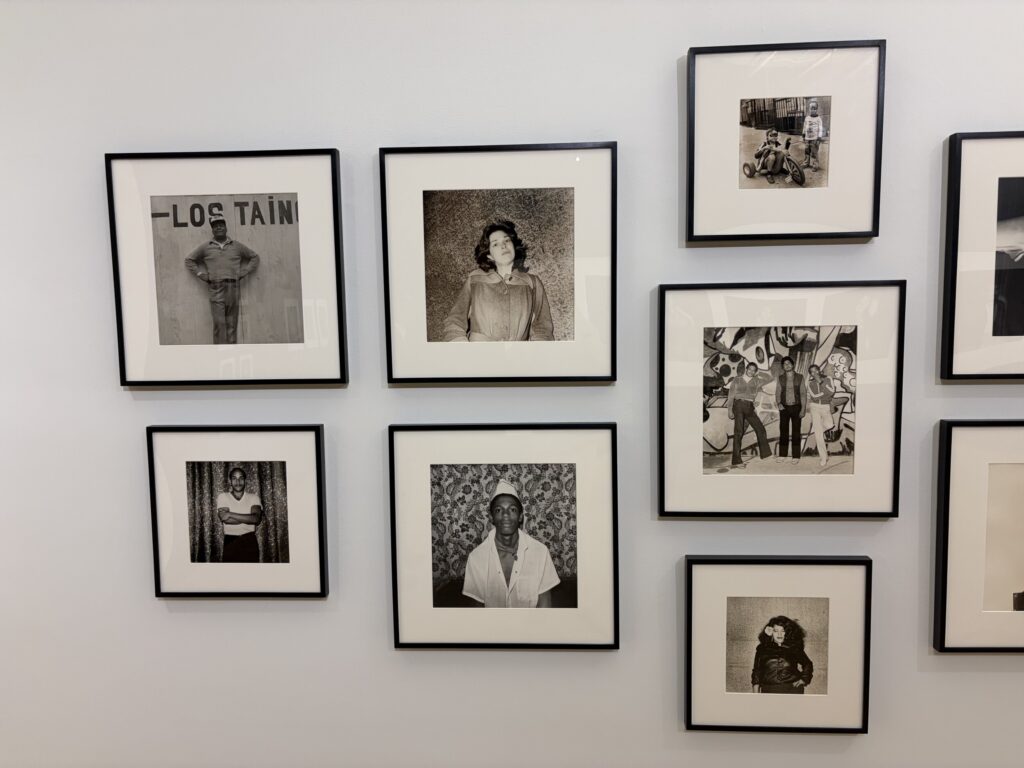
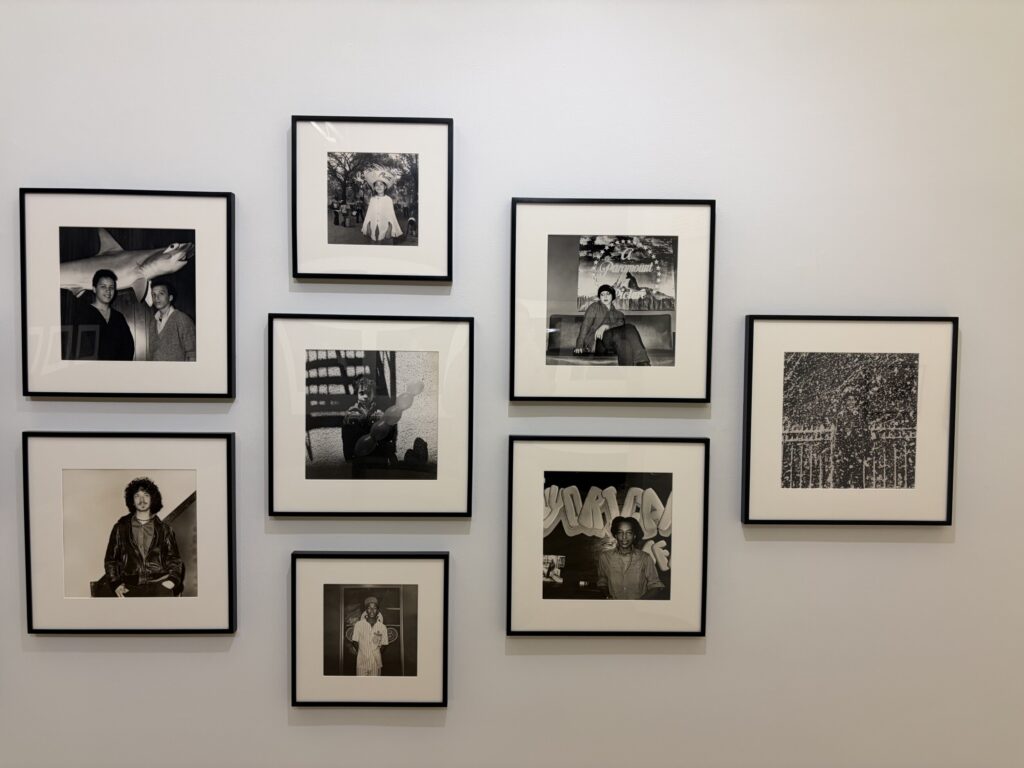
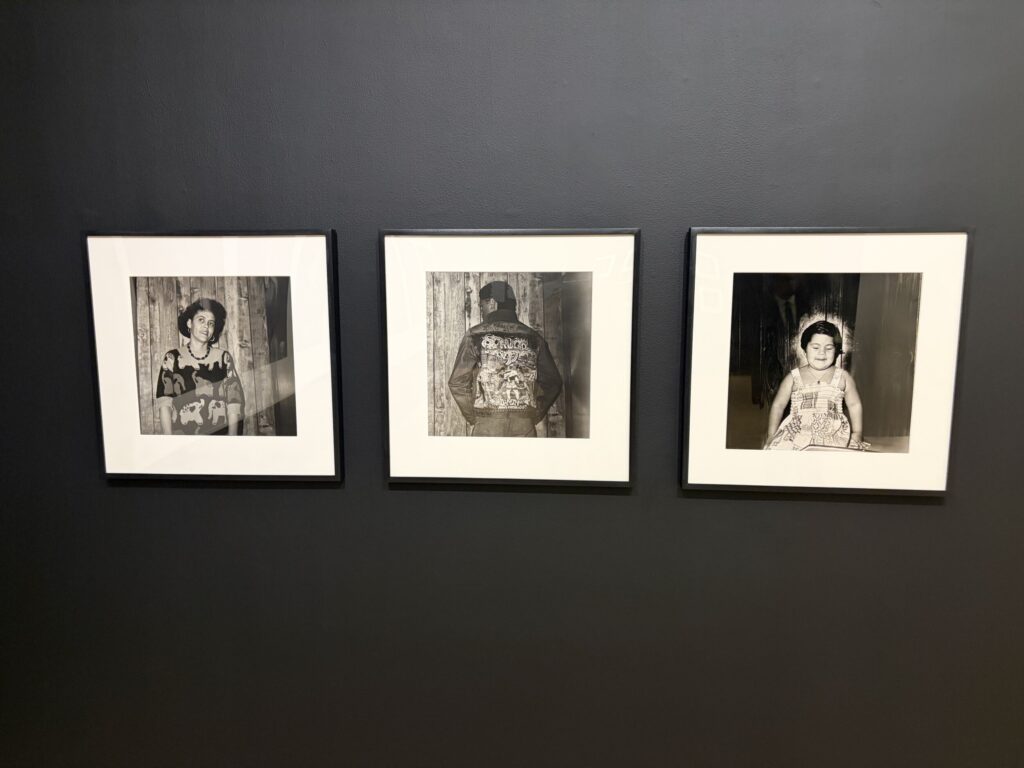
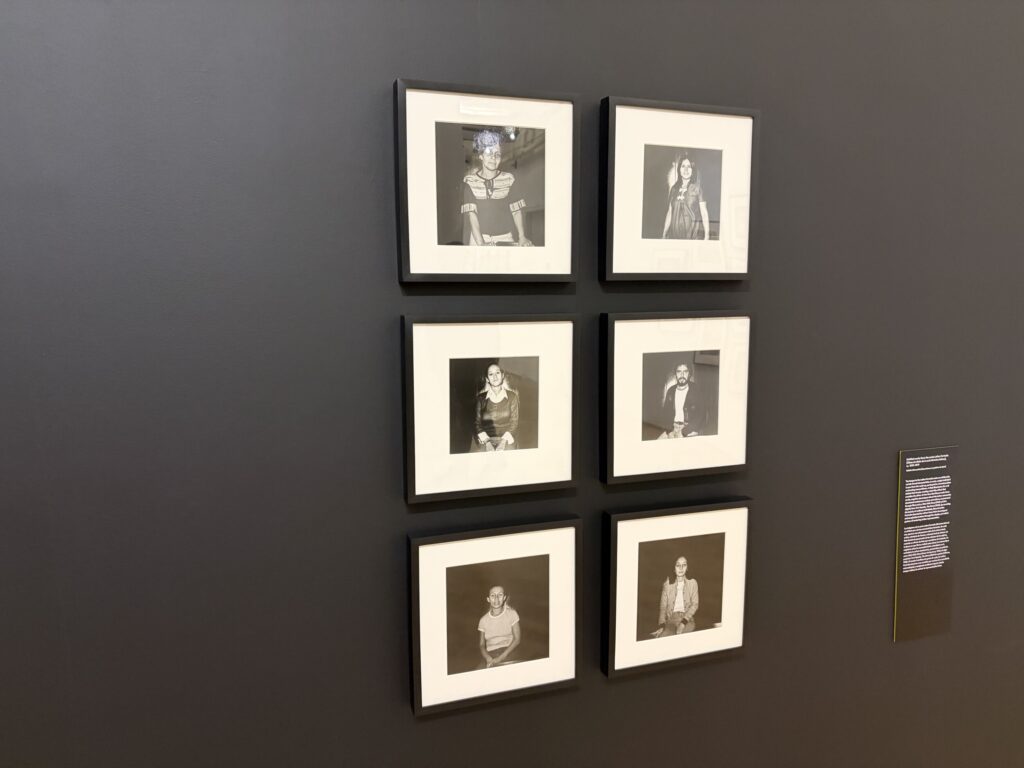
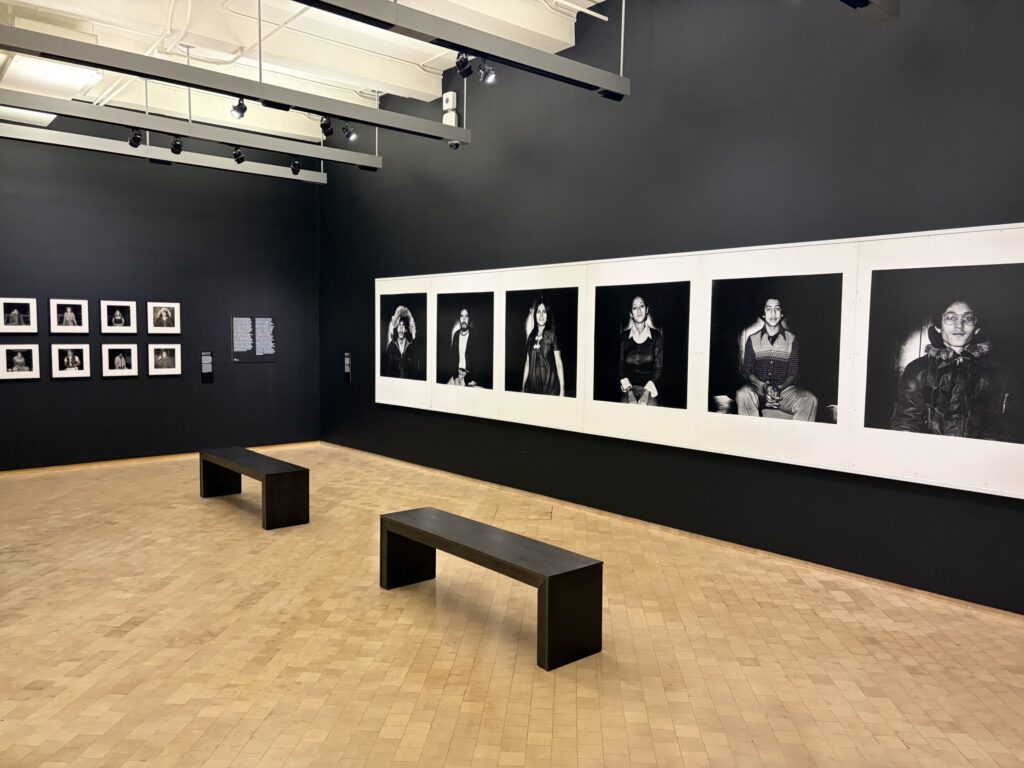
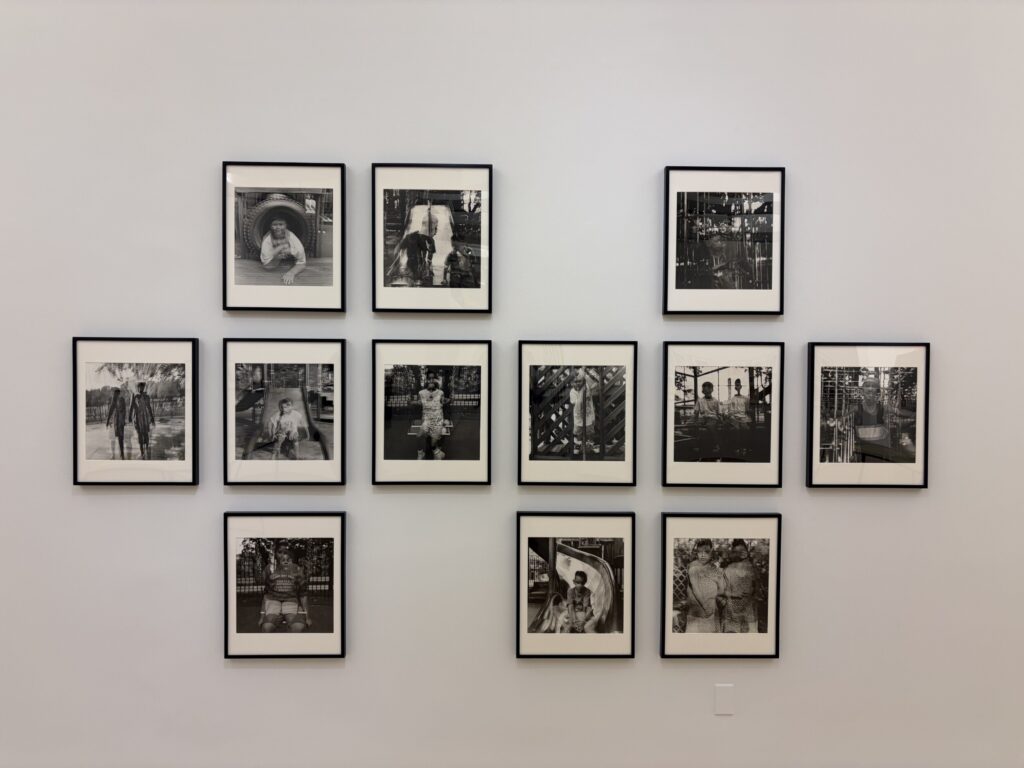
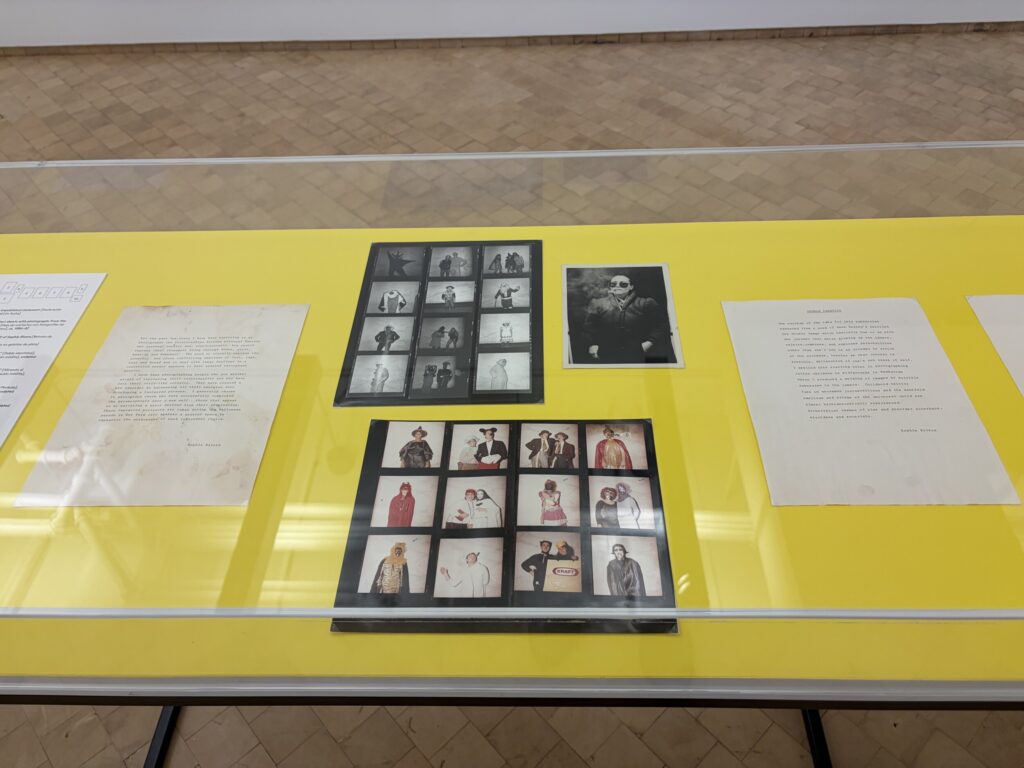
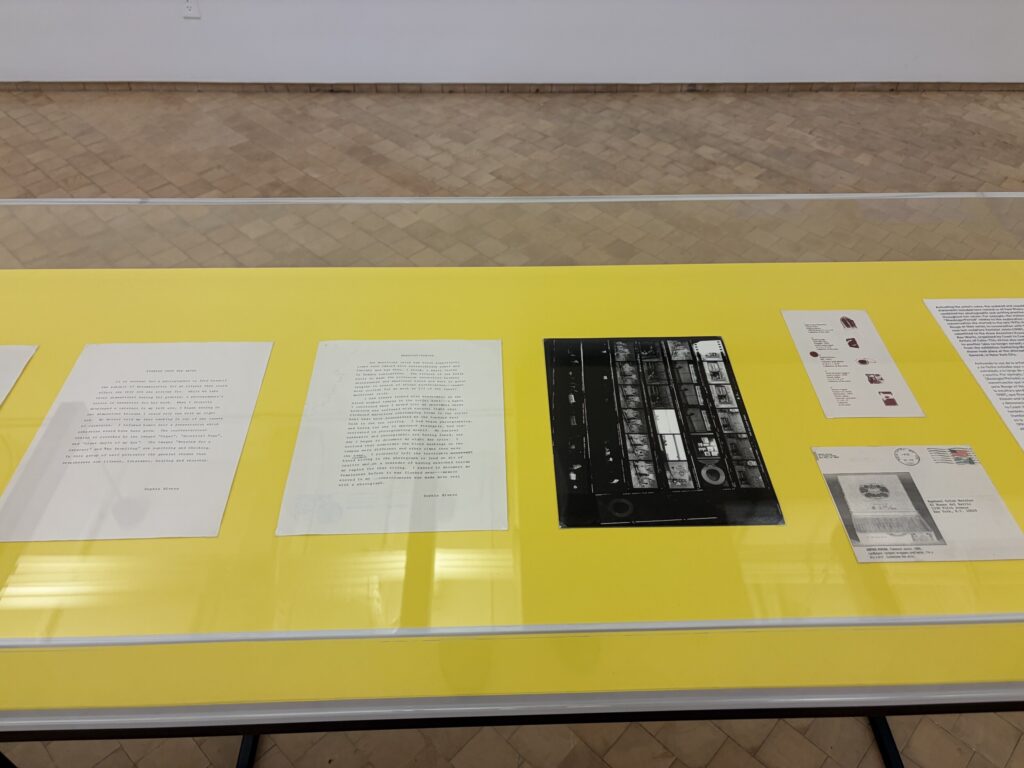
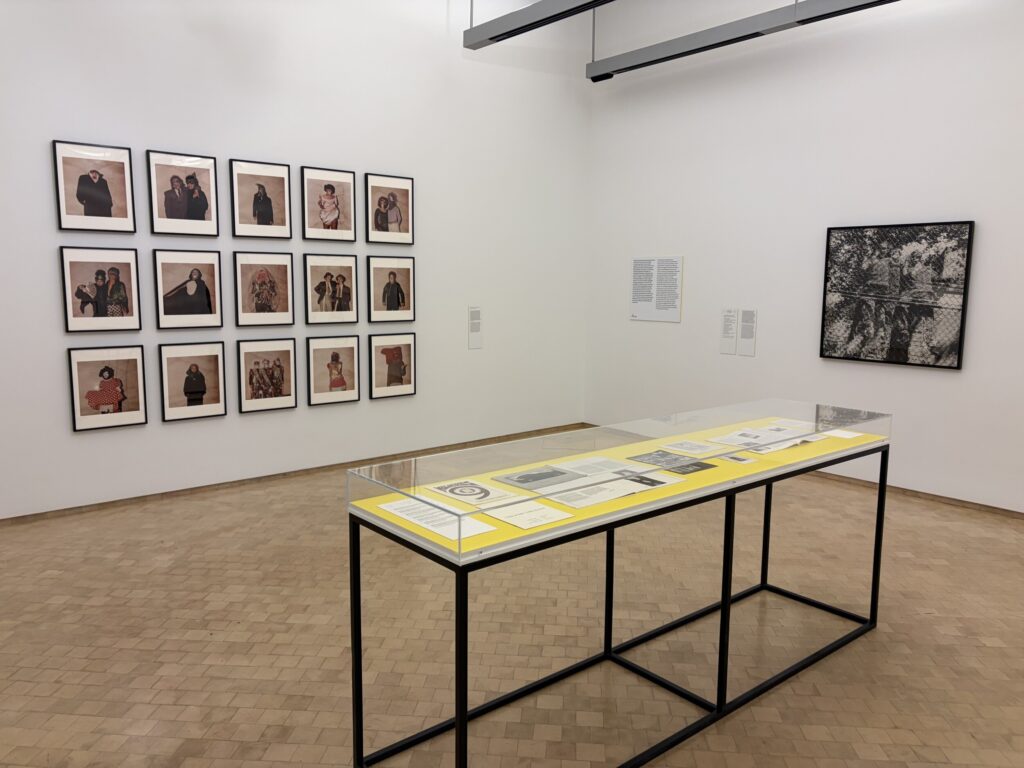
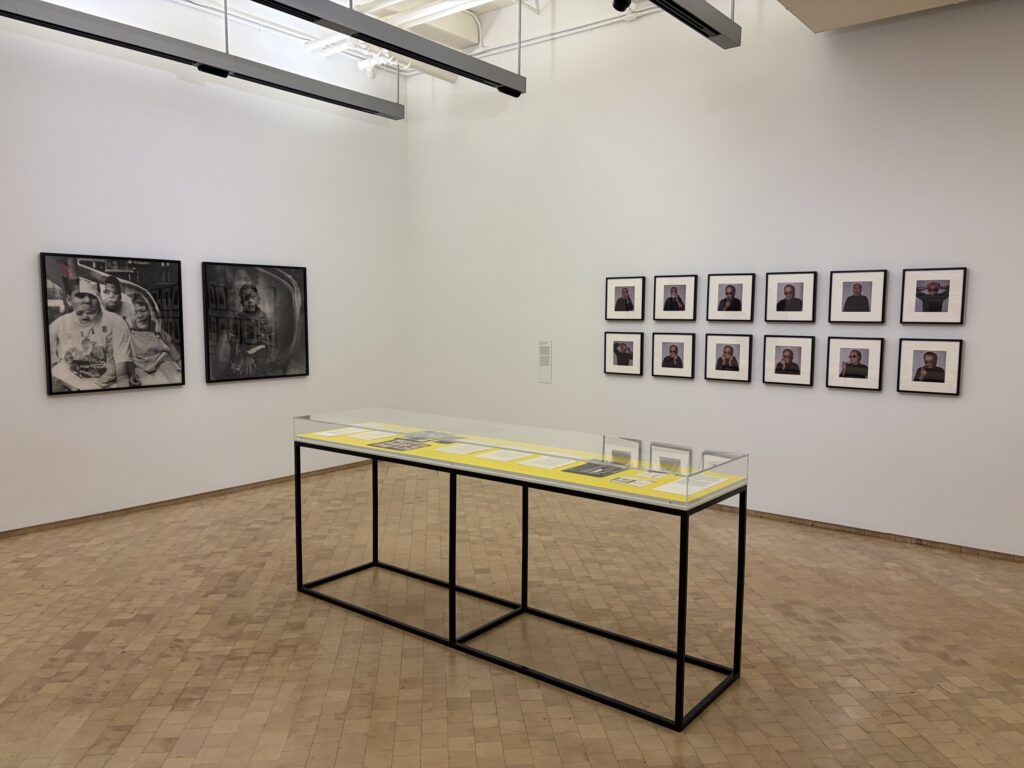
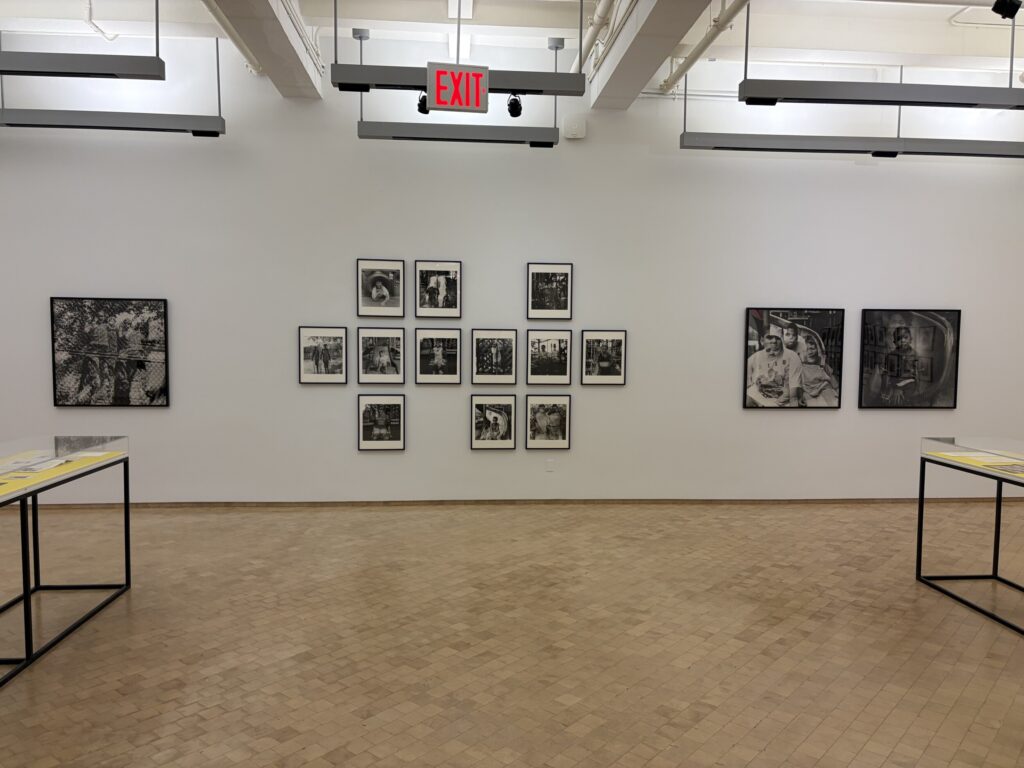
JTF (just the facts): A retrospective exhibition, with images variously framed and matted, and hung against white and black walls in a series of connected rooms on the museum’s main floor. (Installation shots below.)
The exhibition includes the following works:
- 17 gelatin silver prints, 1976, 1977
- 4 gelatin silver prints, c1973
- 3 gelatin silver prints, c1973
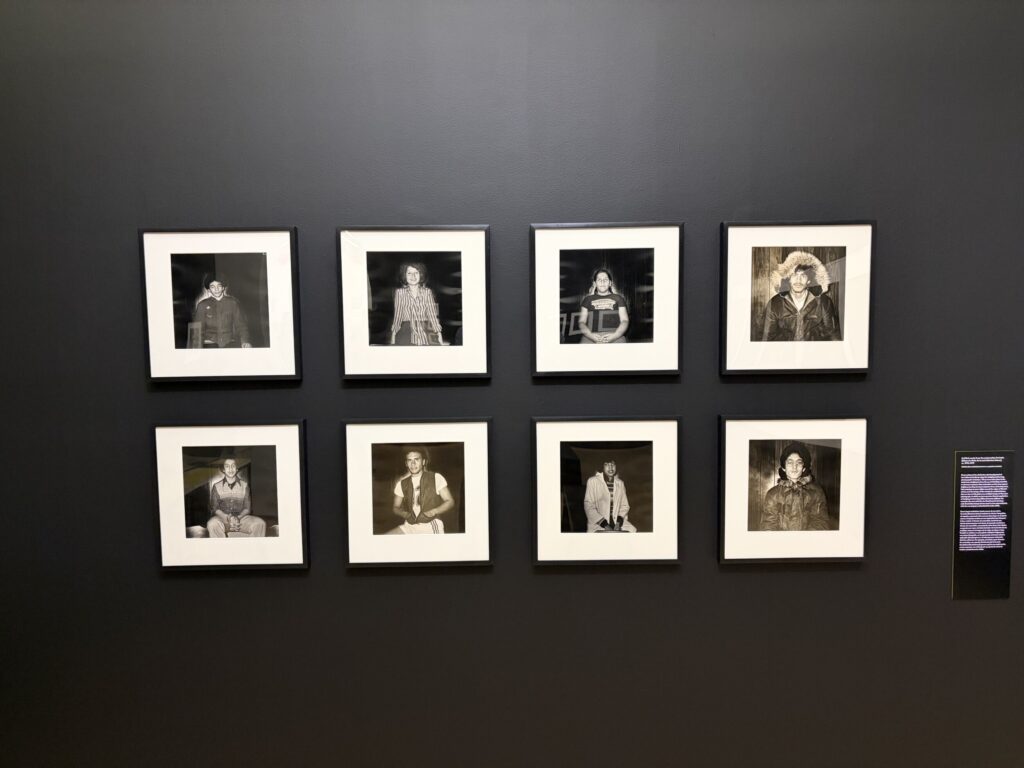
- 8 gelatin silver prints, 1976, 1977
- 2 gelatin silver prints, c1973
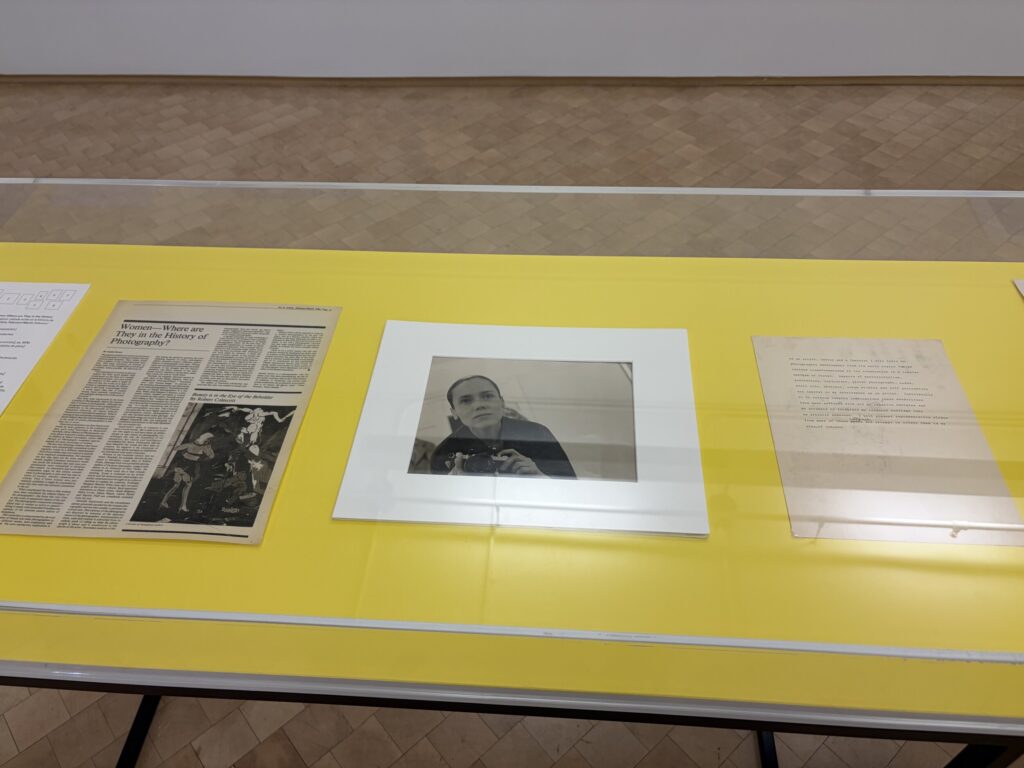
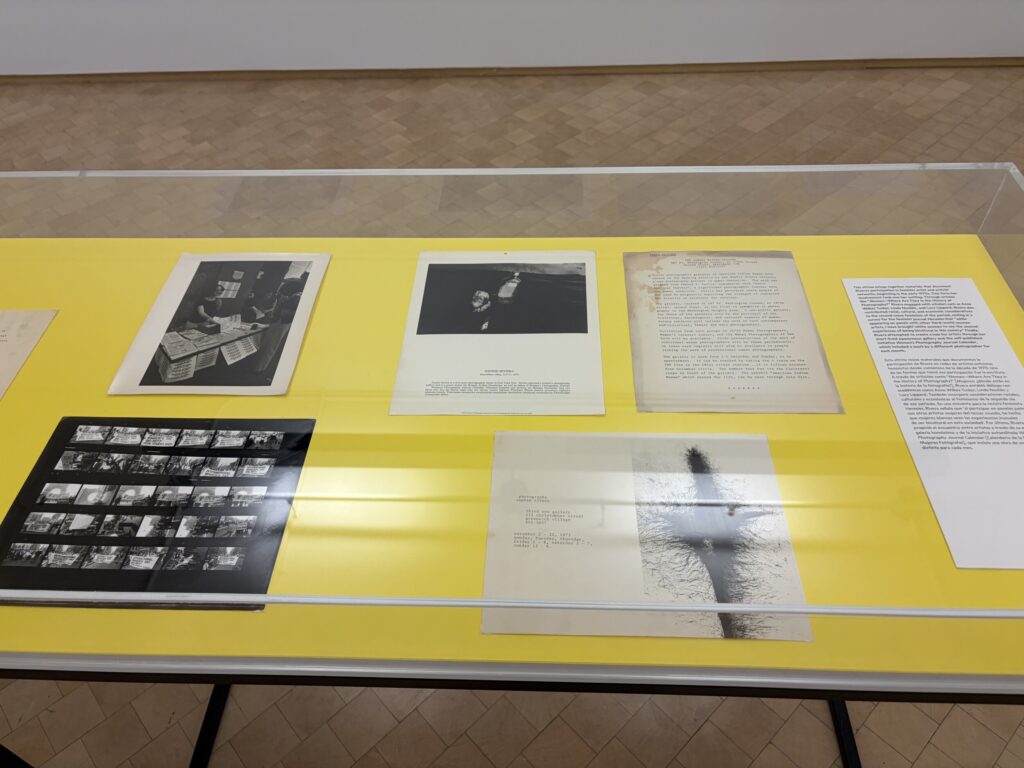
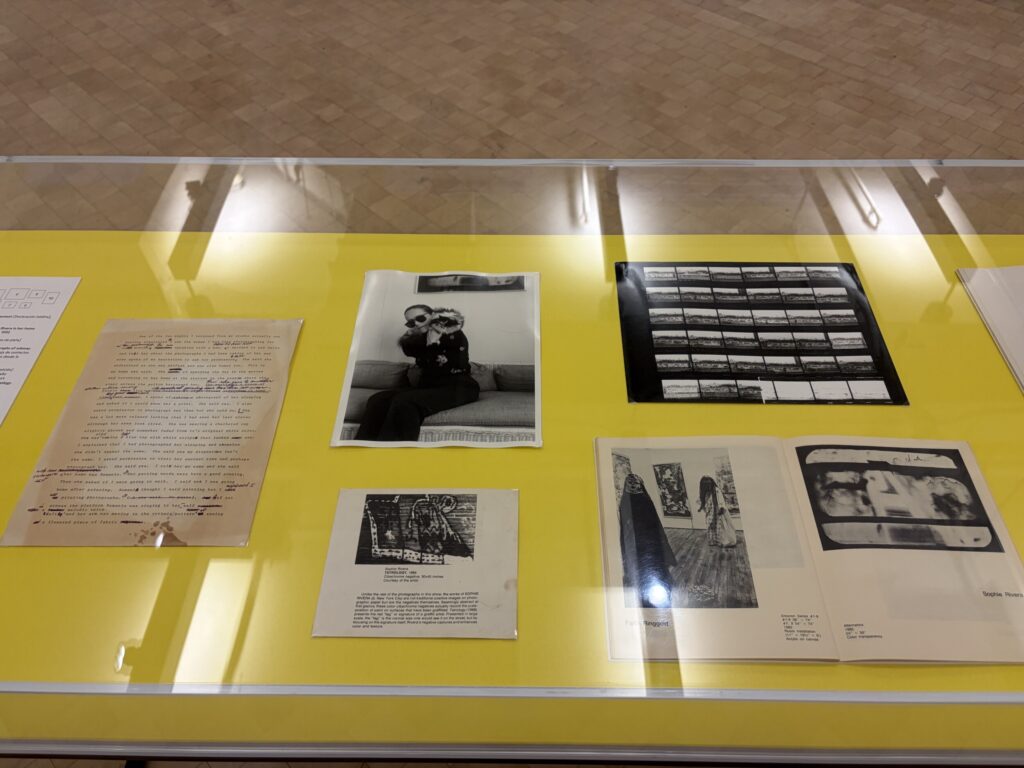
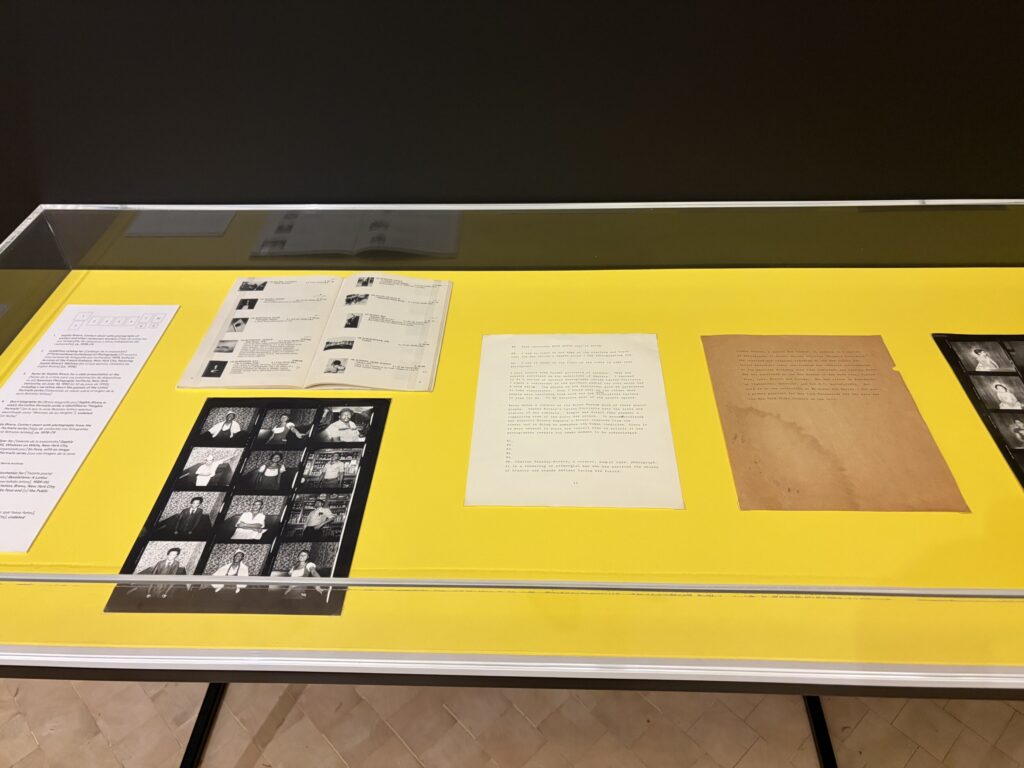
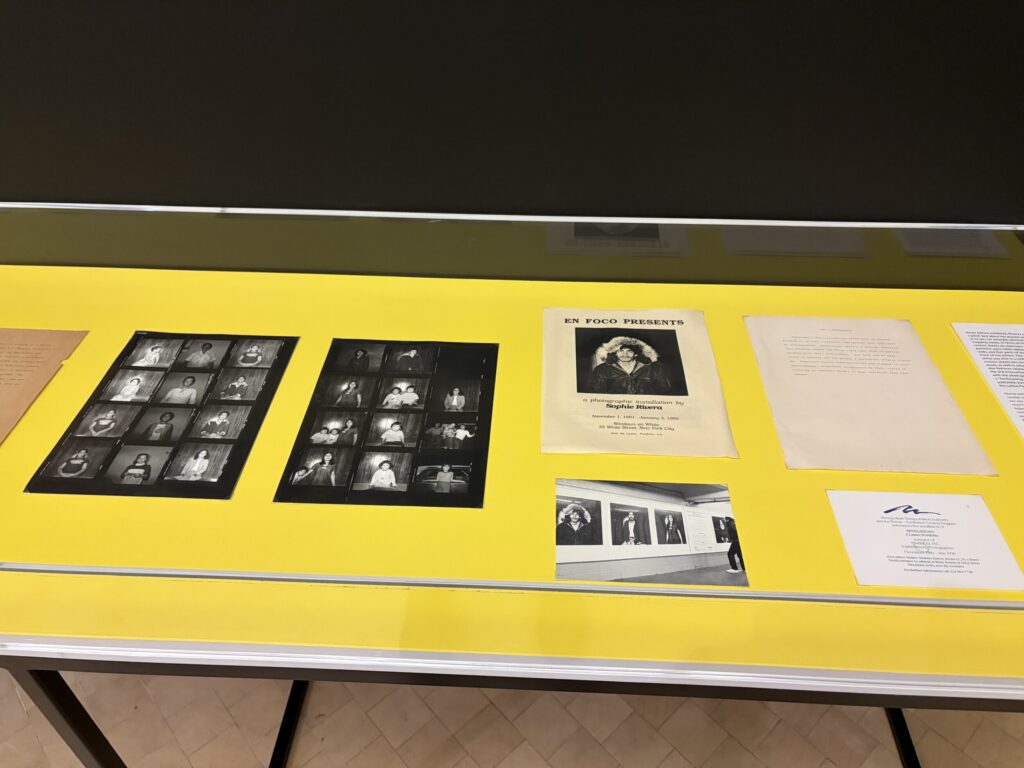
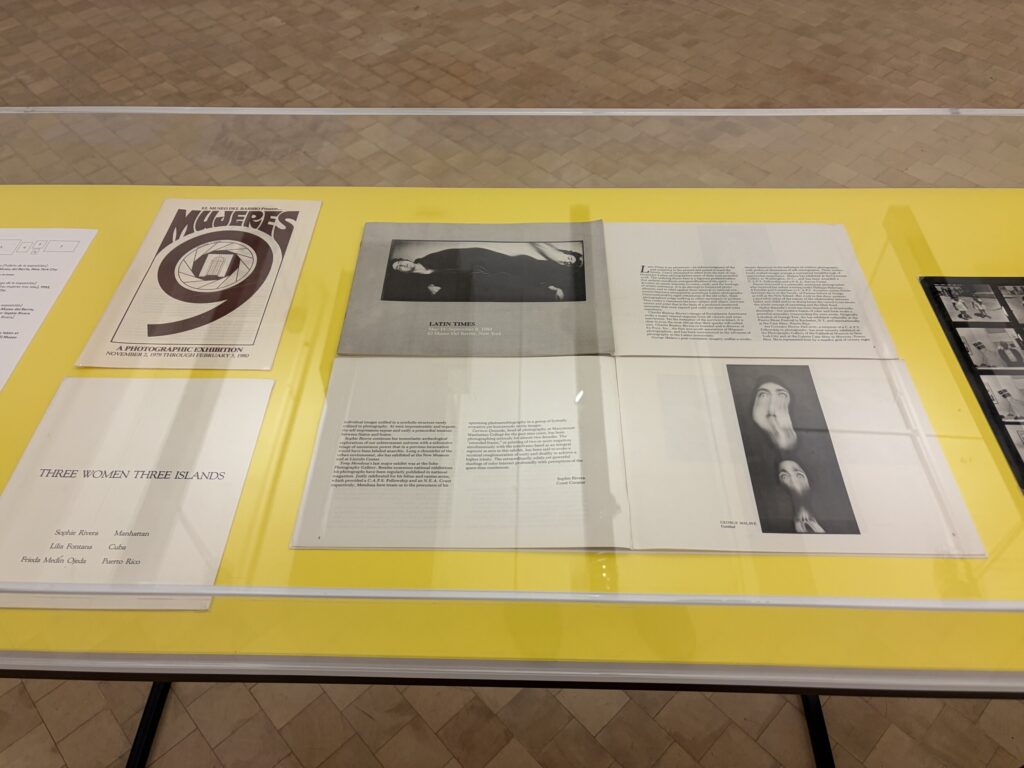
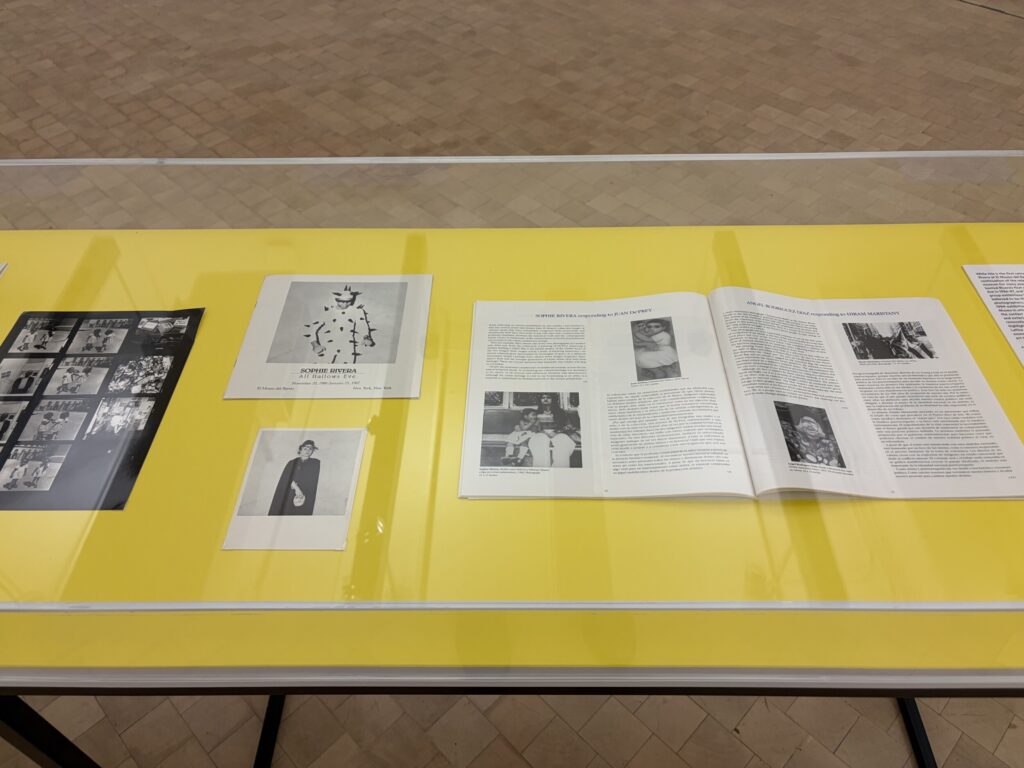
- (vitrine): 1 newspaper, 1984; 1 gelatin silver print (self-portrait), c1970; 1 statement, n.d.; 1 gelatin silver print, 1976; 1 contact sheet, 1977; 1 calendar page, 1973; 1 press release, 1975; 1 exhibition flyer, 1973
- 4 gelatin silver prints, c1970s-1980s
- 1 color print, 1975/1986
- 2 gelatin silver prints, c1970s
- 9 gelatin silver prints, 1970s-1980s
- 4 gelatin silver prints, c1970s
- 4 gelatin silver prints, c1975-1980s
- 3 gelatin silver prints, c1970s-1980s
- 9 gelatin silver prints c1970s-1980s, c1982
- 12 gelatin silver prints, mid 1970s
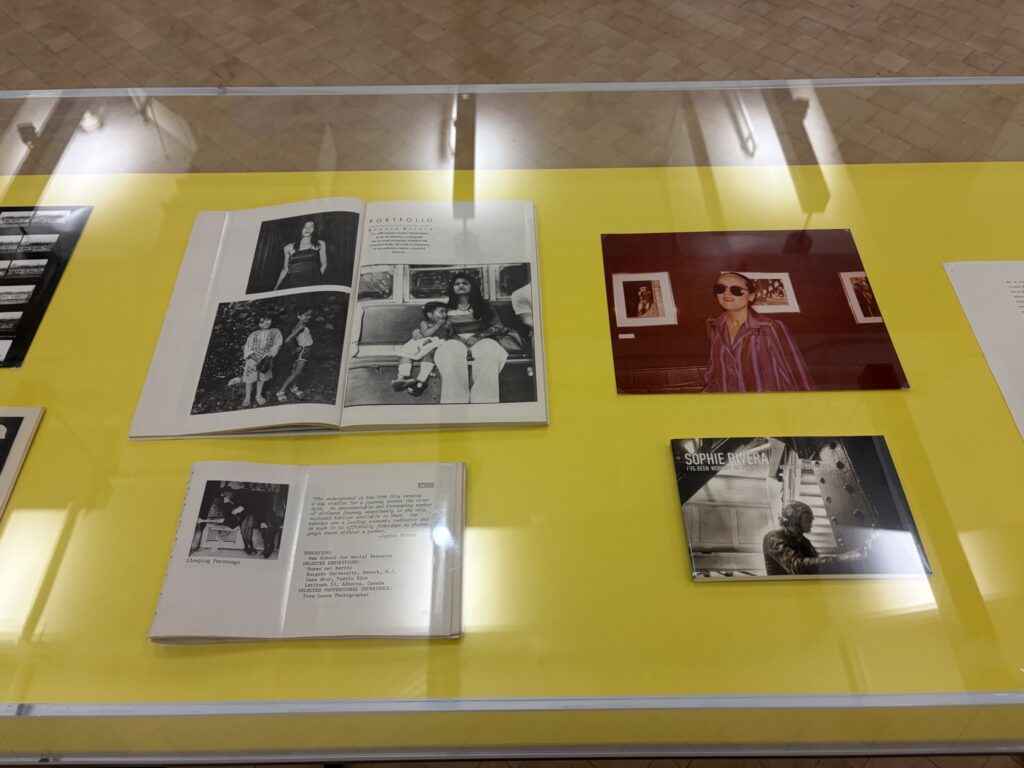
- (vitrine): 1 statement, n.d.; 1 gelatin silver print by Barbara Yoshida, 1992; 1 contact sheet, c1970s; 1 exhibition card, 1987; 1 exhibition catalog, 1982; 1 magazine spread, 1989-1990; 1 exhibition catalog, 1984; 1 color photo, mid 1970s; 1 book. 2001; 1 statement, n.d.
- 6 gelatin silver prints, c1973
- 15 gelatin silver prints, c1970s-1980s, 1975-1980s, 1978, c1980, 1982, 1983
- 1 gelatin silver print, c1978
- (vitrine): 1 contact sheet, c1978-1979; 1 exhibition catalog, 1978; 1 notes, 1992; 1 bio, n.d.; 2 contact sheets, c1978-1979; 1 exhibition flyer, 1991-1992; 1 exhibition postcard, 1989-1990, 1 statement, n.d.
- 8 gelatin silver prints, 1978-1979
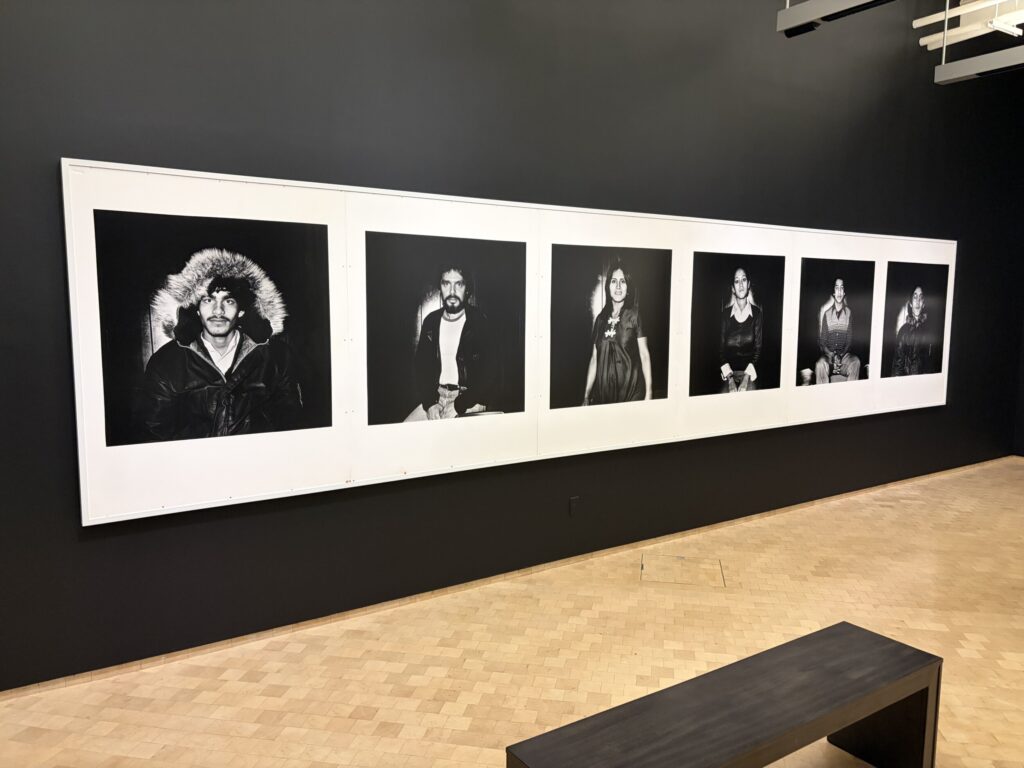
- 1 gelatin silver print on PVC mural, 1978-1979/1989
- 3 gelatin silver prints, 1978-1979
- 6 gelatin silver prints, 1978-1979
- (vitrine): 1 exhibition brochure, 1978-1980; 1 exhibition catalog, 1983; 1 exhibition catalog, 1984; 1 contact sheet, 2009; 1 exhibition catalog, 1986; 1 exhibition postcard, 1986; 1 exhibition catalog, 1994
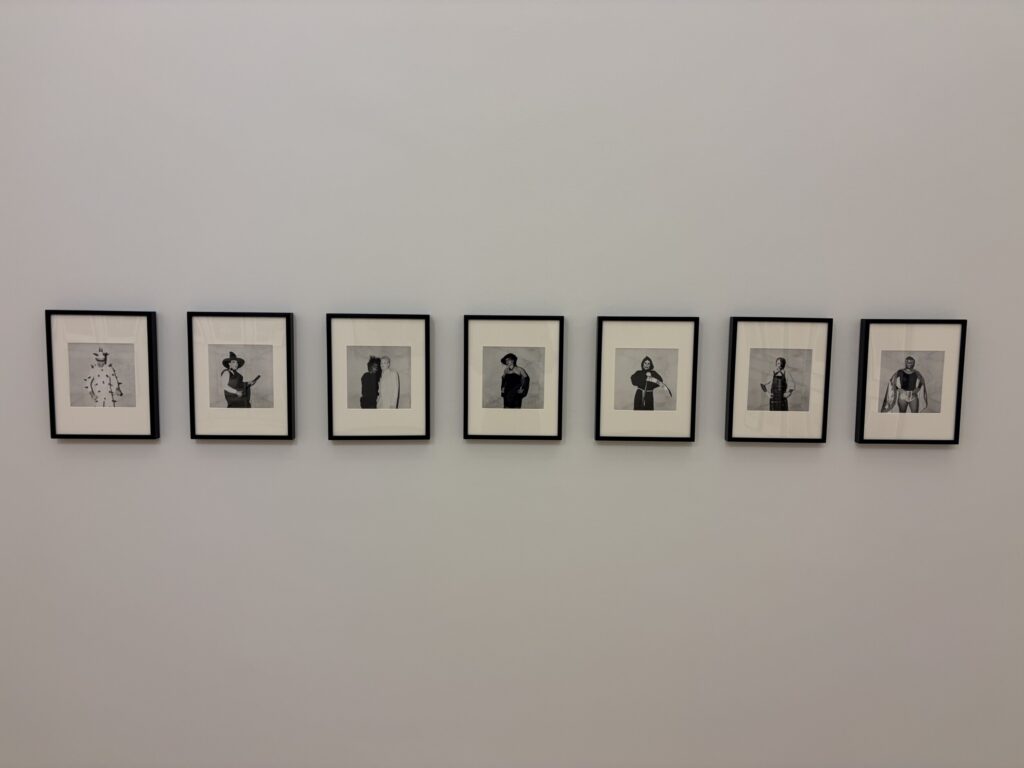
- 7 gelatin silver prints, 1986, 1987
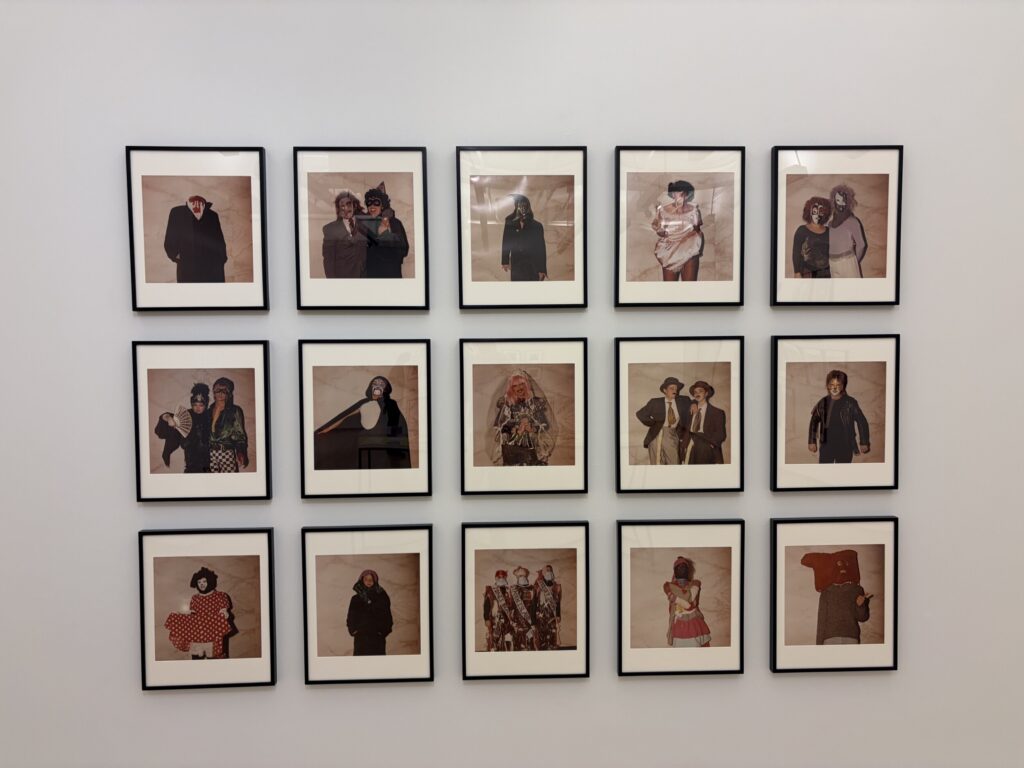
- 18 color prints, 1986-1987
- 1 gelatin silver print, 1994-1995
- 12 gelatin silver prints, 1995
- 2 gelatin silver prints, 1995
- 12 color prints, mid 1980s
- 8 color prints 1976-1978
- 6 gelatin silver prints, 1976-1978
- (vitrine): 1 statement, n.d.; 2 contact sheets, 1986-1987; 1 gelatin silver print by Arlene Gottfried, 184; 3 statements, n.d.; 1 contact sheet, 1976-1977; 1 exhibition postcard, 1993; 1 exhibition postcard, 1989
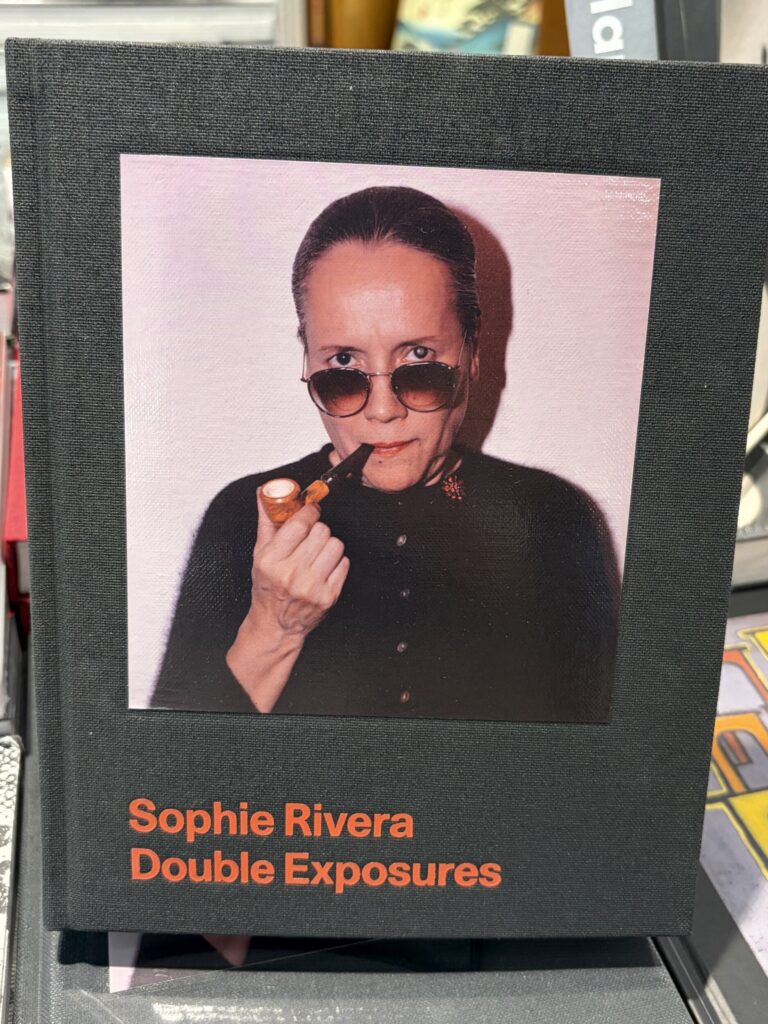
An accompanying catalog has been co-published by Aperture (here) and the museum. Hardcover, 8 x 10.25 inches, 272 pages, with 125 image reproductions. Includes essays by Susanna V. Temkin, Deanna Ledezma, Elisabeth Sherman, and Serda Yalkin. (Cover shot below.)
Comments/Context: The dominant trend in contemporary photography for the better part of the past decade has been the centering of personal identity and making it the primary framework through which the resulting art is understood. This approach foregrounds a photographer’s gender, race, nationality, sexual orientation, heritage, and other personal factors, and makes an argument that these facets of identity powerfully shape and inform the artistic choices being made and the stories being told. It’s a line of thinking that says we must internalize who artists are first to successfully engage with the richness of the art they have created.
Not surprisingly, seeing photographers and photography in this way has also brought attention to plenty of historical artists who were under appreciated or overlooked during their working years, and whose contributions are now, through this lens of identity, being reevaluated and perhaps better understood. In the case of Sophie Rivera, the subject of this handsome retrospective exhibition, her identity – as a woman (and a feminist), a New Yorker of Puerto Rican descent, a community activist, and an artist who got her start in the 1970s – provides most of the pivot points from which her photographic career can be most easily explored.
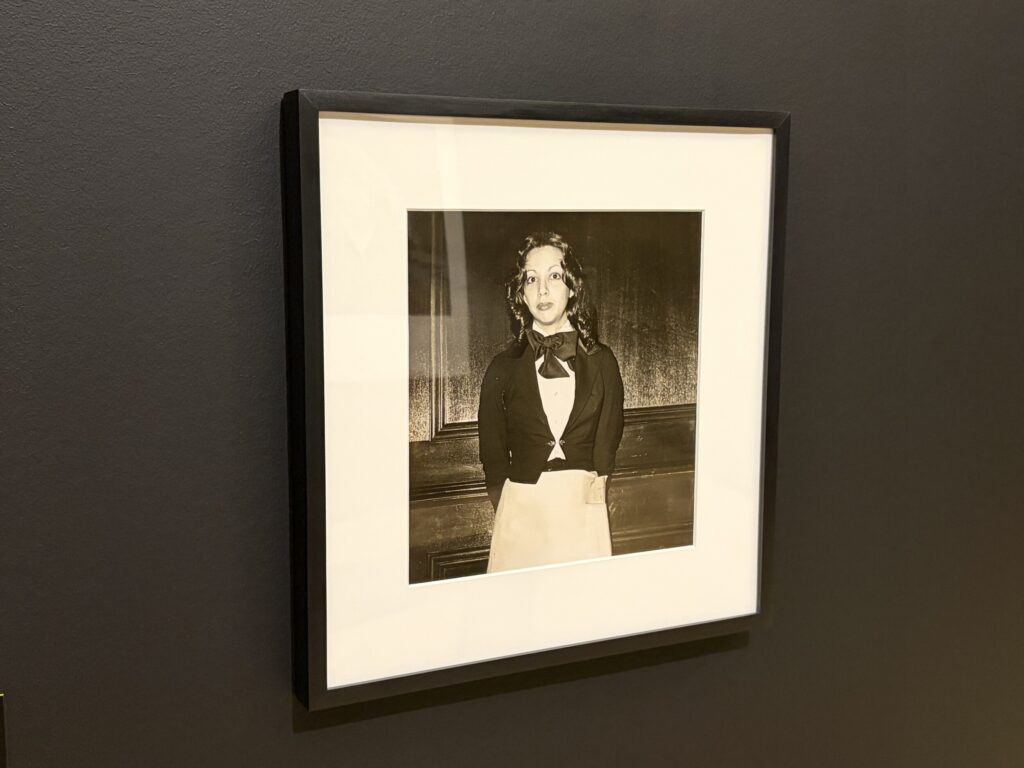
Rivera is likely best known for her series of “Latino Portraits” that she made in the late 1970s. The project began in 1978 with a flash lit image of a Puerto Rican waitress standing against a dark wood paneled background, and soon expanded out to include a wide range of everyday Nuyoricans. Using the same compositional formula for all of the portraits, with each sitter seen in a three quarter pose directly facing the camera, Rivera started to darken many of the backgrounds in the darkroom, creating a soft haloed effect around her sitters. The show gathers together nearly two dozen of these photographs in different sizes, each face seen with quiet confidence and knowing respect. A decade later, groups of these portraits were printed on mural size panels and installed at the Yankee Stadium subway station, offering New Yorkers a chance to see themselves and their neighbors in ways that the local Puerto Rican community hadn’t really been seen and celebrated previously, and one of those original murals is included in the exhibition, recreating that inclusive sense of up-close face-to-face engagement.
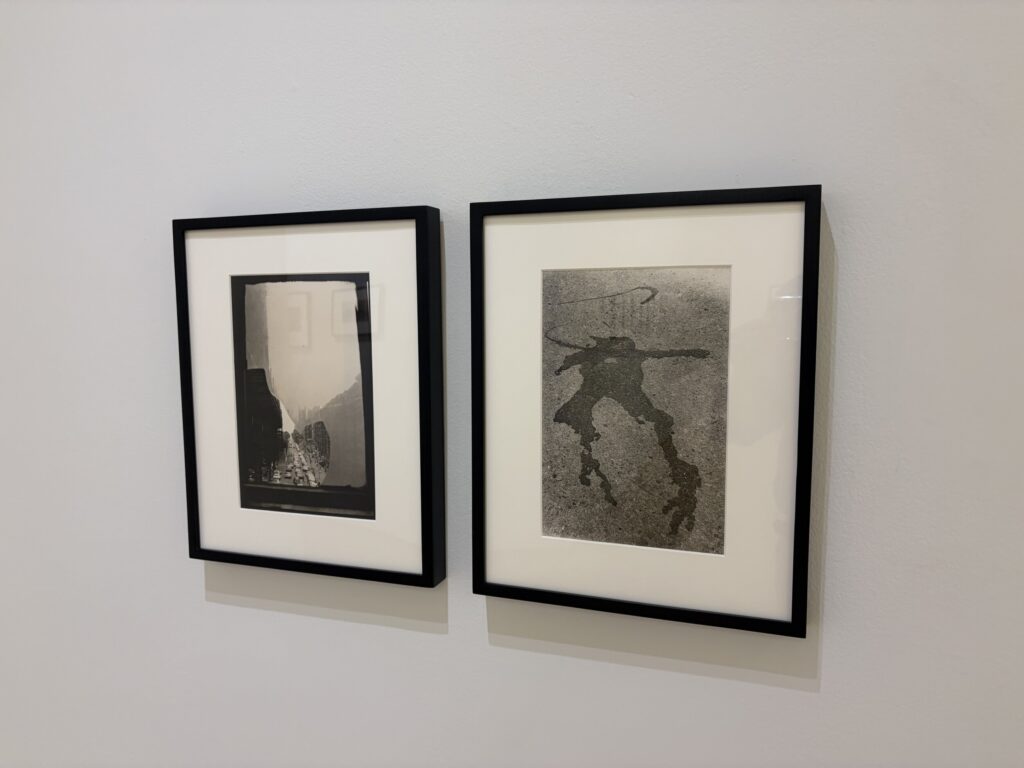
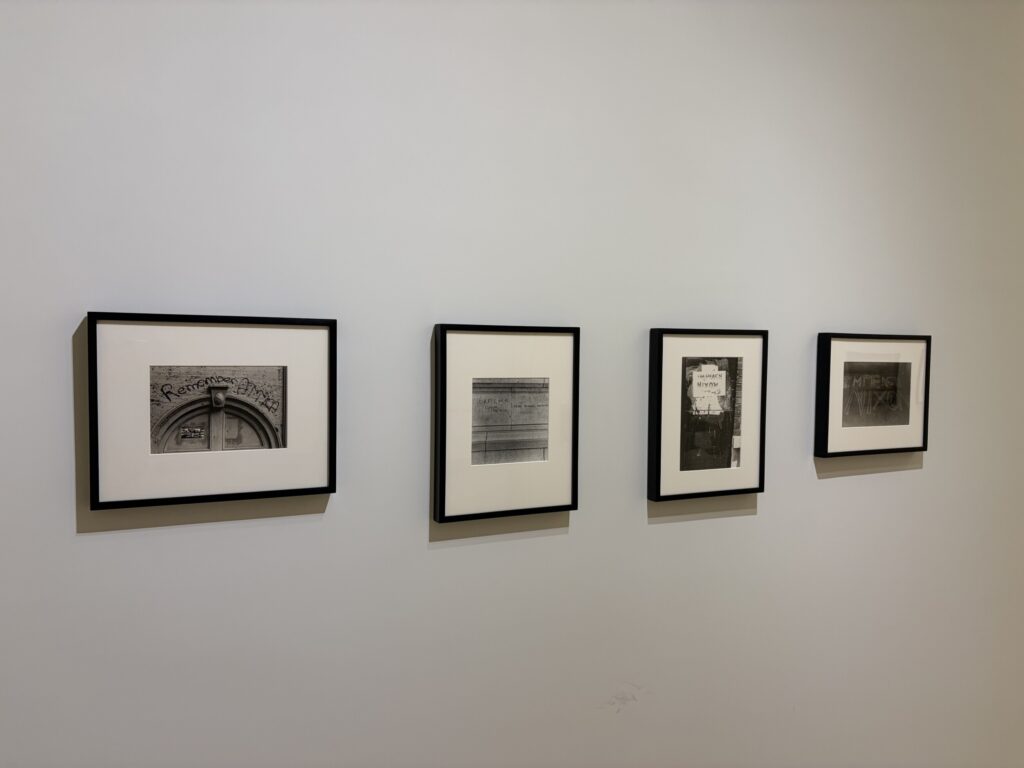
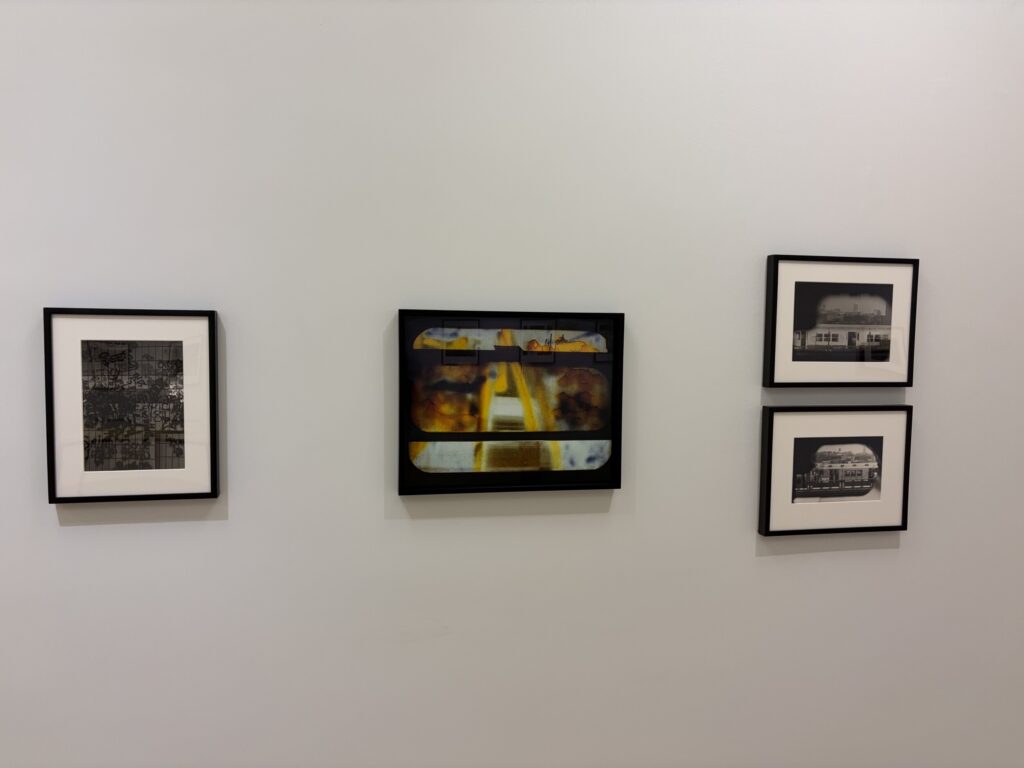
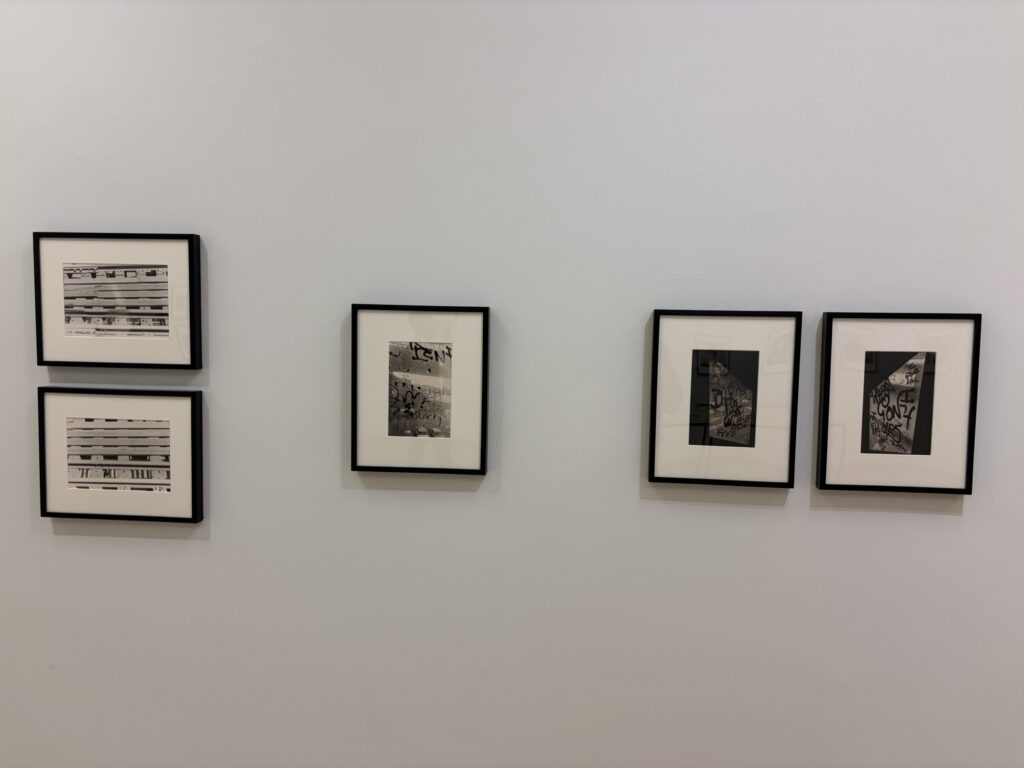
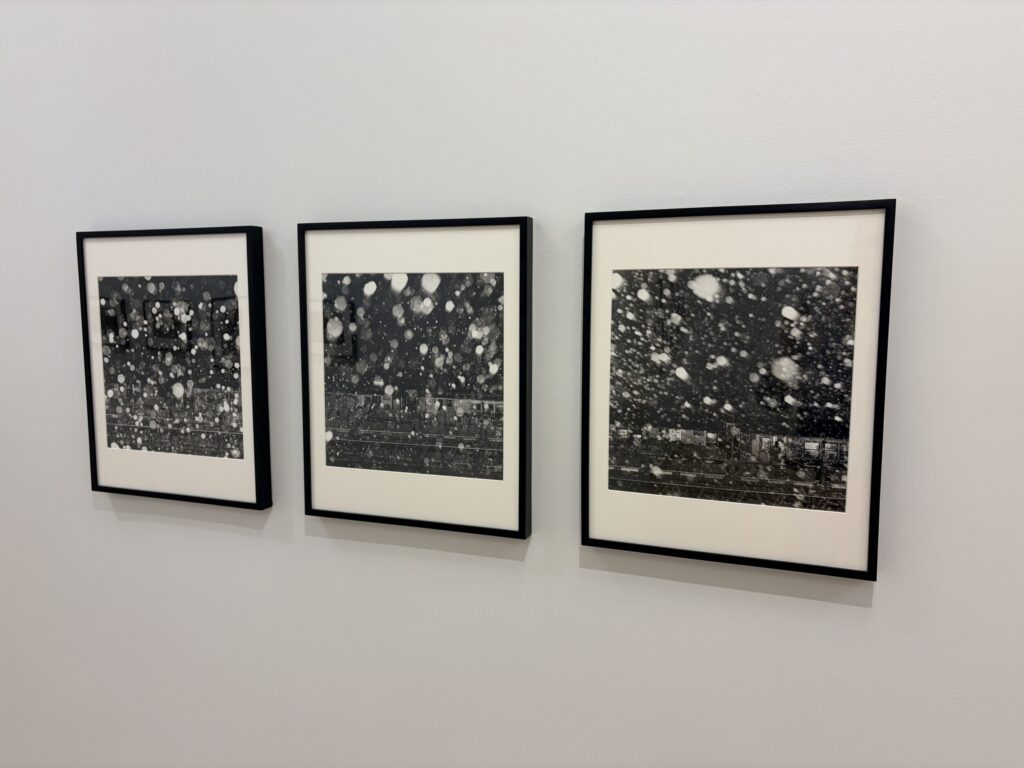
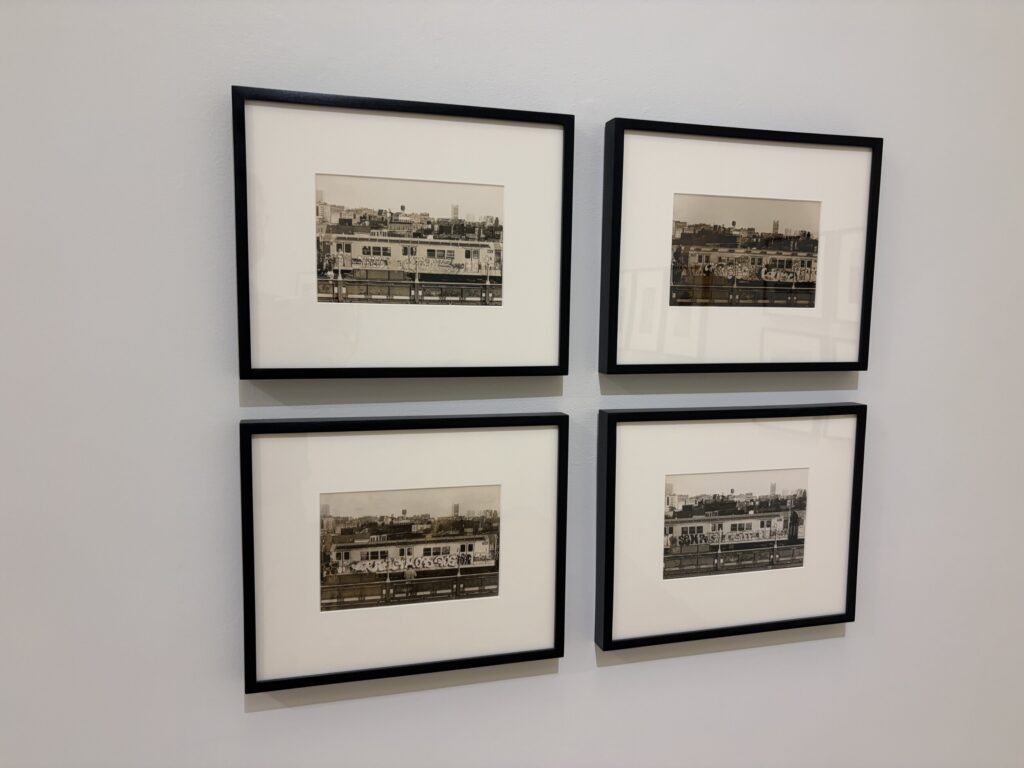
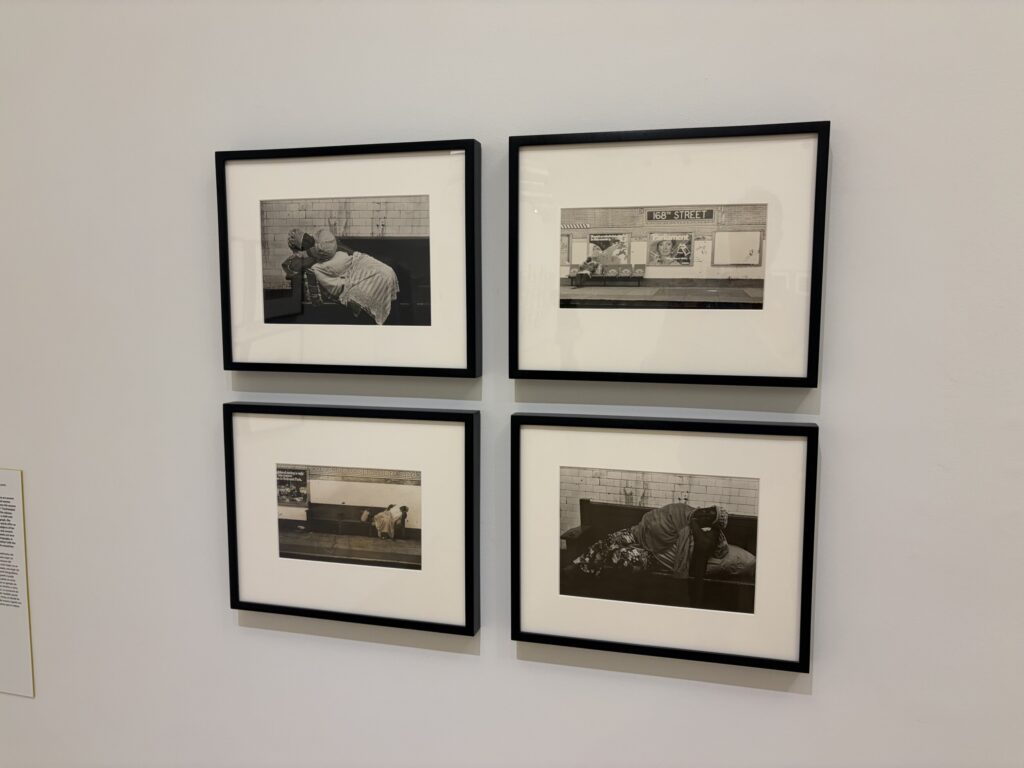
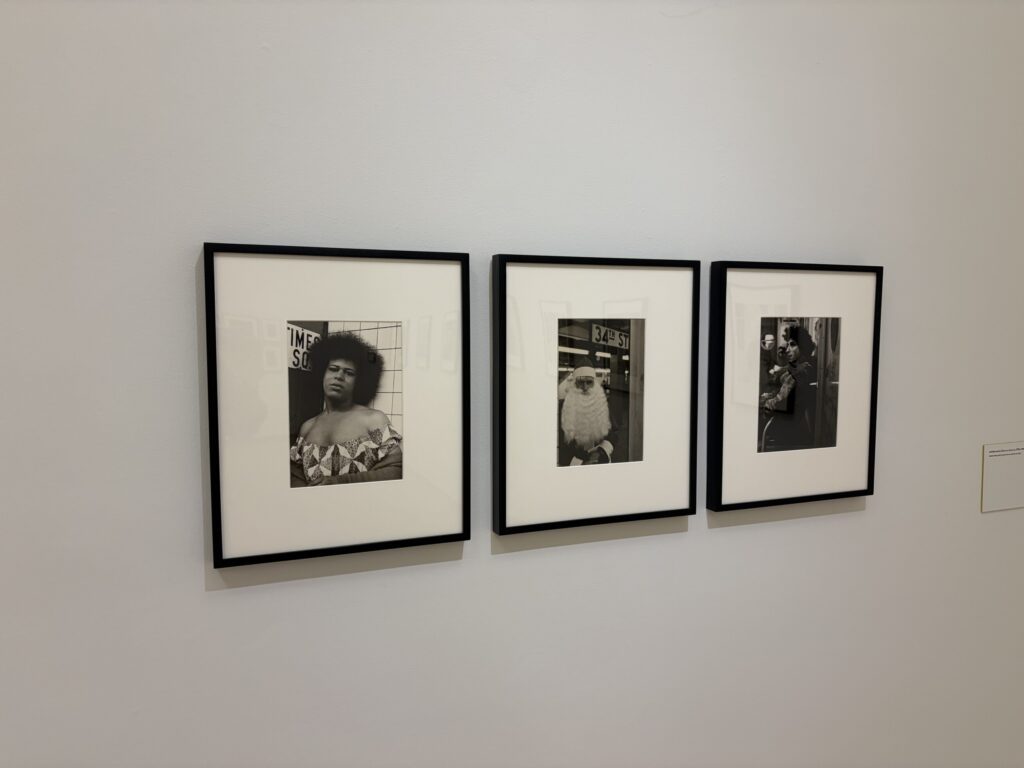
Like countless other New York street photographers, both before and after her, Rivera was also seduced by the subway as a broad subject, making views of its graffiti-covered trains and architectural stations and portraits of passing New Yorkers on platforms and in subway cars. Her compositional innovations here were quiet but meaningful: veiled views through dirty subway car windows, graffitied panes, and slatted walls (including one near abstraction in a seething yellow); squared off train car portraits taken from her apartment window (like those made by Gordon Matta-Clark); and dappled night studies in the falling snow. When she turned her camera to the melting pot of her fellow New Yorkers, she saw their quirks, eccentricities, and struggles with consistent empathy. She connected with parents with children (both sleeping and awake), kids on their own, a woman eating a sandwich, a homeless woman, and a man in a Santa Claus suit, among many others, each small session handled with attentive openness and trust.
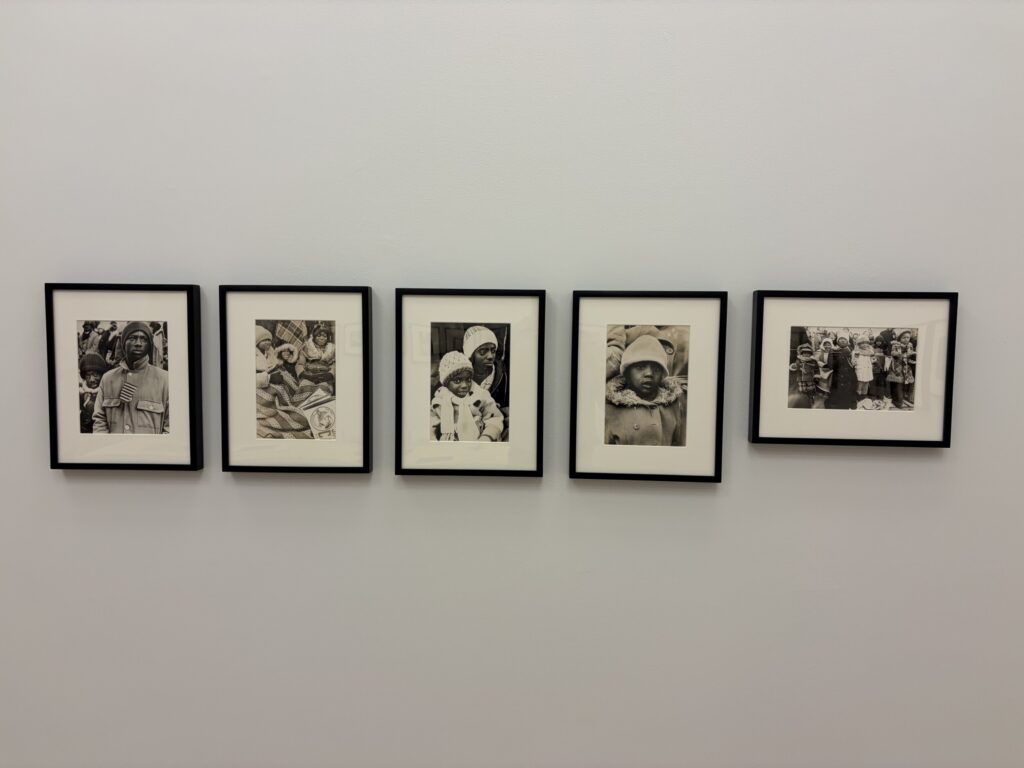
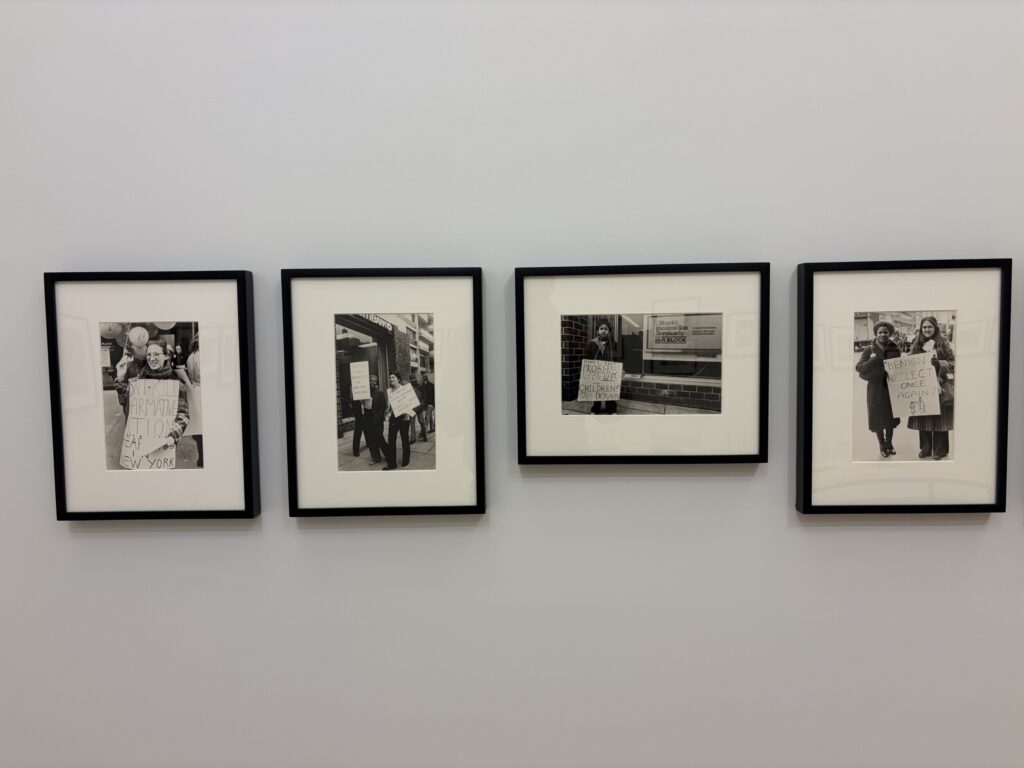
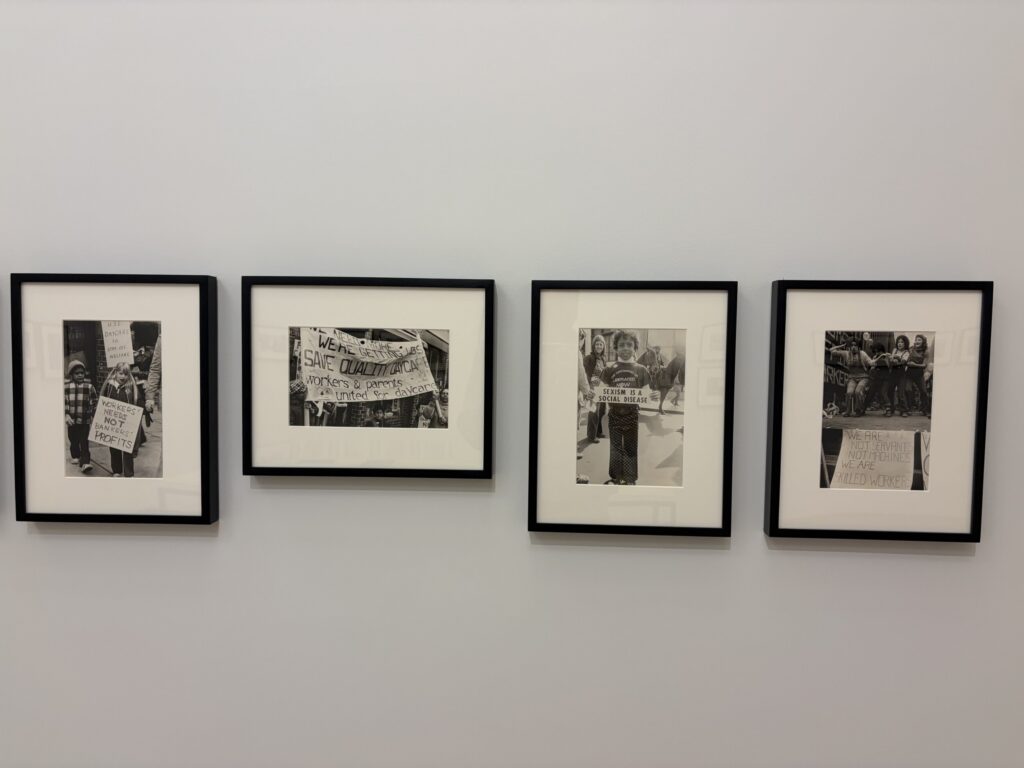
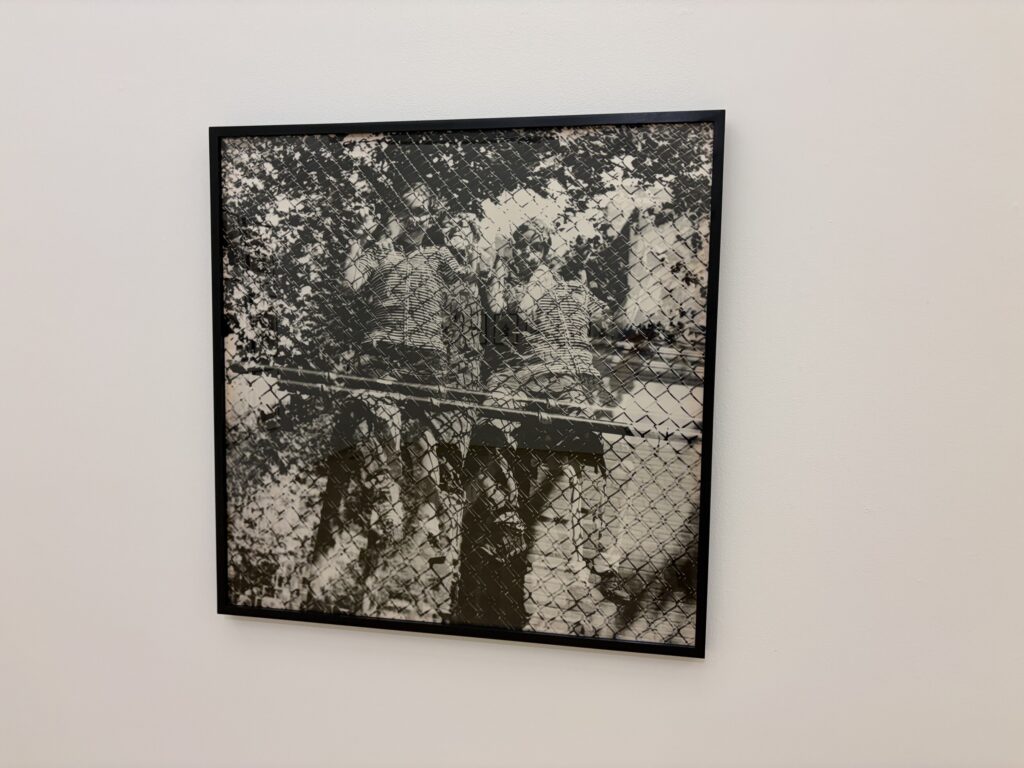
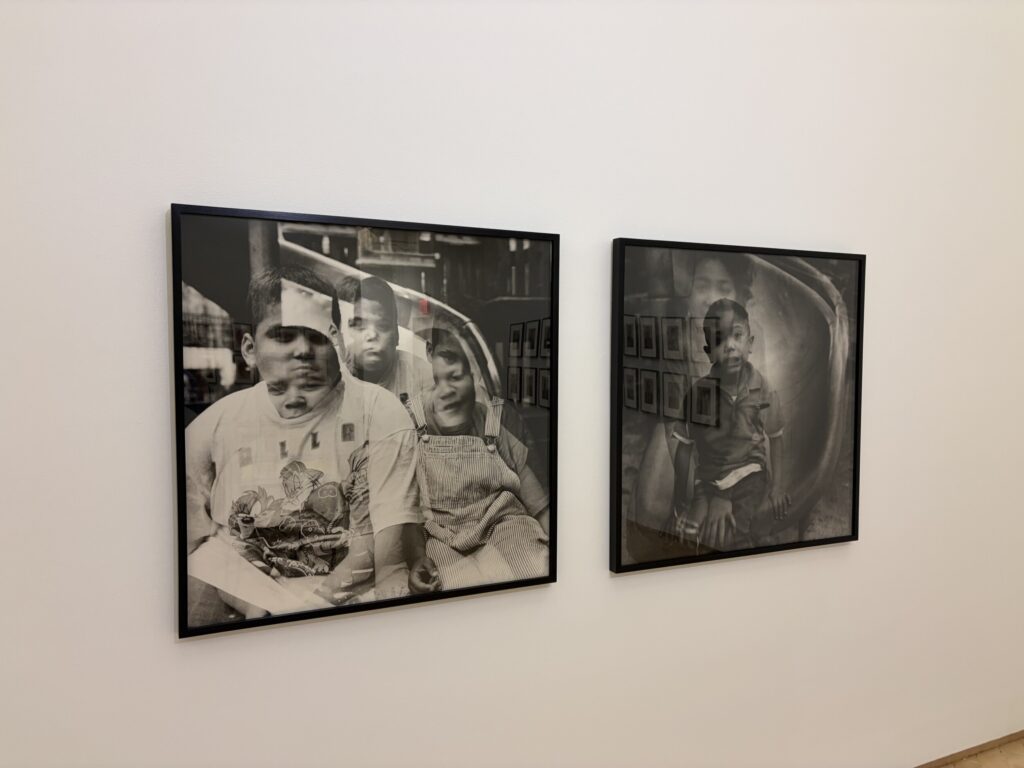
This retrospective covers several decades of Rivera’s work, drawing a through line connecting her genuine interest in New Yorkers of all kinds, but particularly those who were under represented in the mainstream media. Her early photojournalism efforts track teens in school, protests and marches of various kinds, and black and brown faces at the Carter inauguration parade, and another series of images from the mid 1970s follows the workers painting the 125th street viaduct, capturing both the complexity of their work and the warmth of their faces. A decade later, Rivera made images of adult Halloween goers in costume, where alternate personas and identities were being tried out with cleverness and style. And in the 1990s, she turned to multiple exposures to capture children on New York City playgrounds, with slides, swings, and jungle gyms populated with elegantly shifting repetitions of faces and bodies in the midst of their own changes.
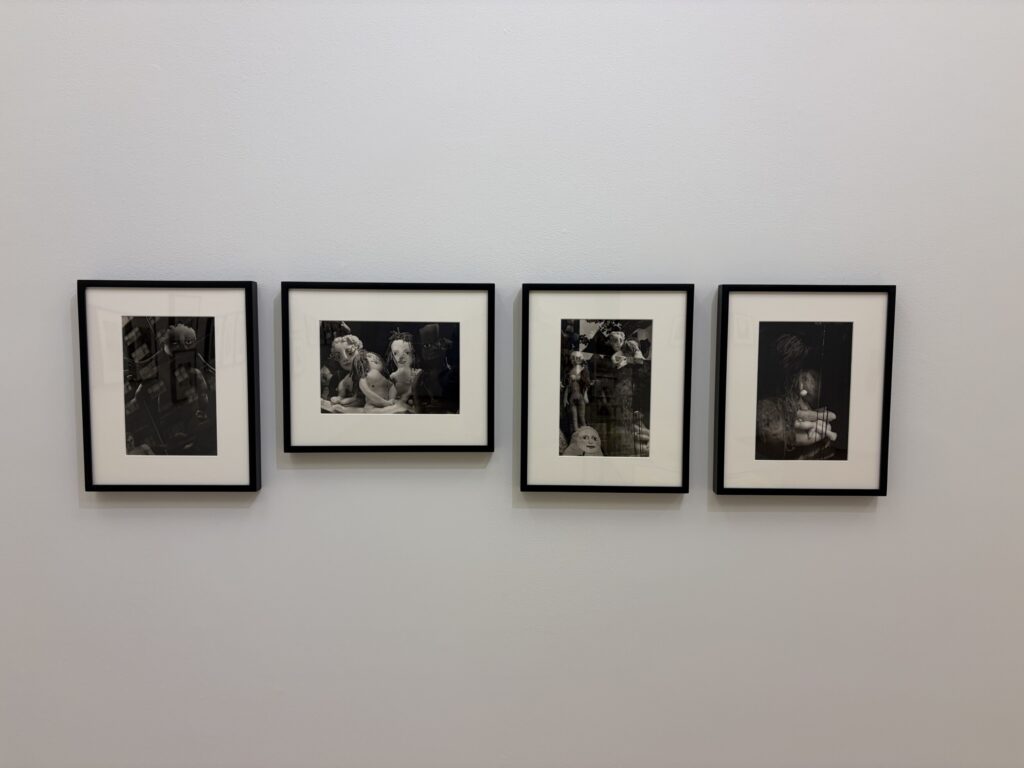
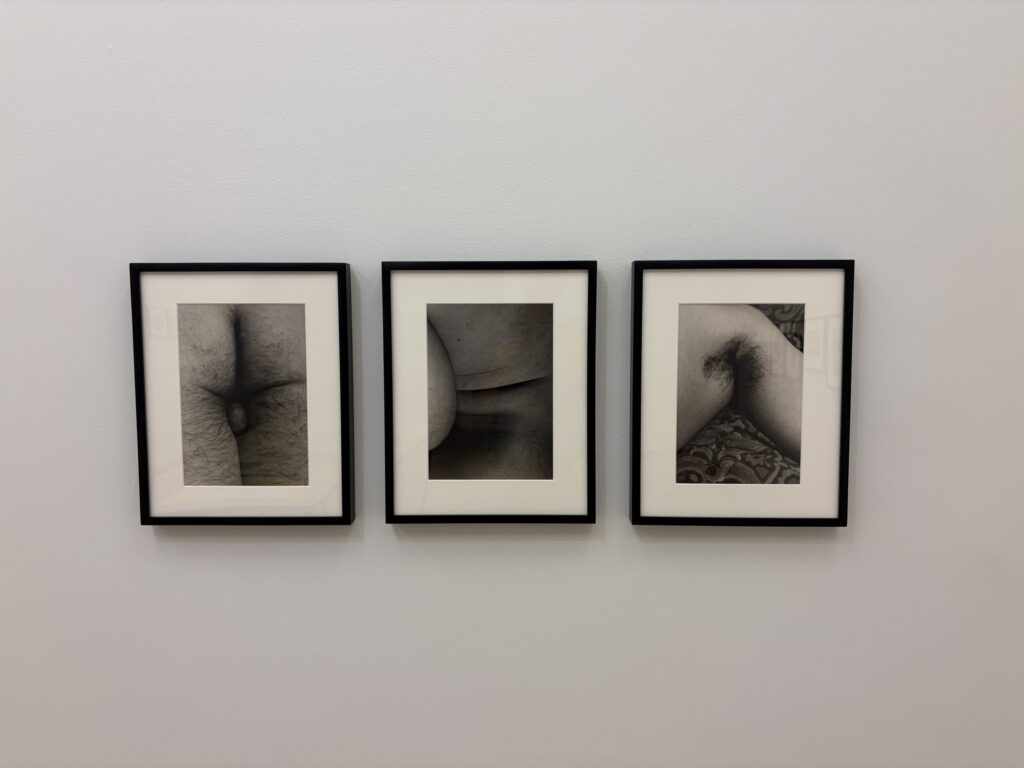
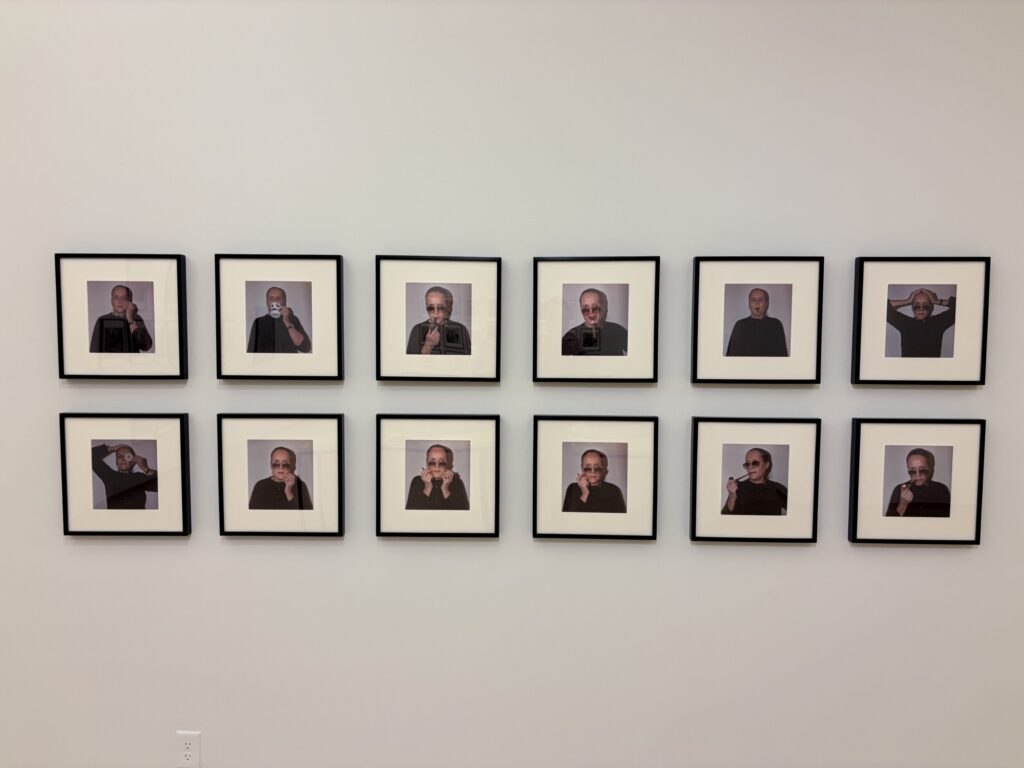
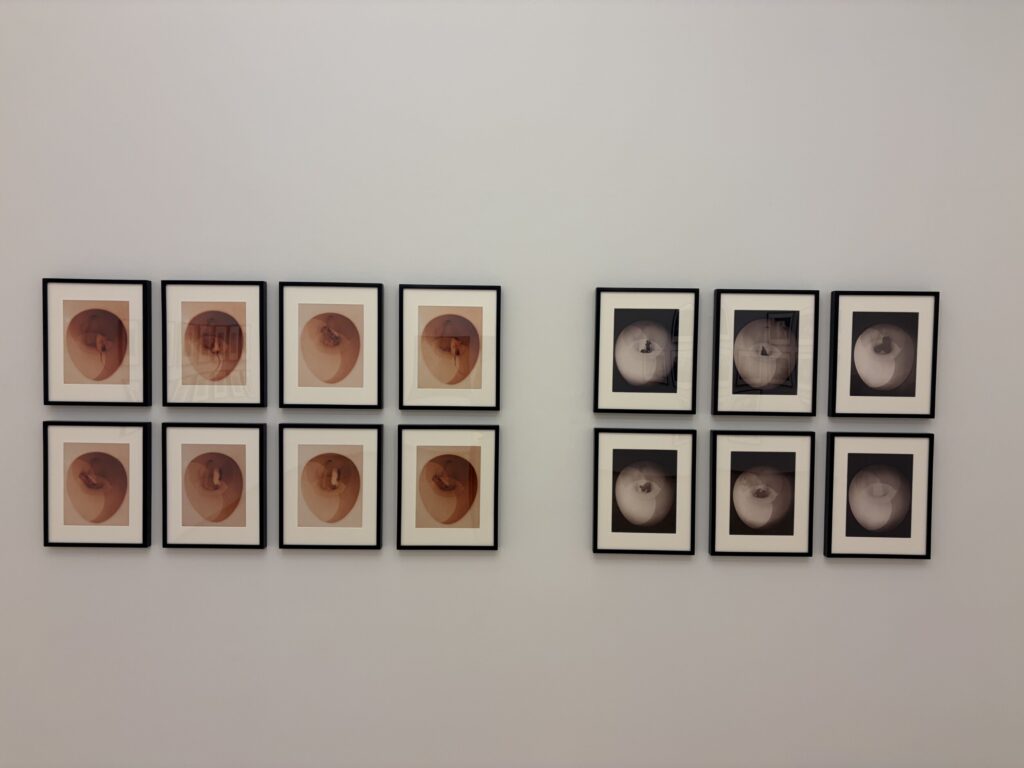
A feminist thread can also be readily identified throughout Rivera’s career. Early images of women’s rights protests, dolls in storefronts (made while studying with Lisette Model), and a few male nudes later give way to performative self-portraits (with cigars, pipes, and sunglasses) and toilet bowl still lifes filled with used tampons. In between, Rivera’s portraits of women repeatedly meet them where they are, particularly observing the lives and visible challenges of women with care and authenticity.
While the vitrines in this exhibit are filed with Rivera’s exhibition postcards, announcements, and catalogs from several decades, attesting to her hard won artistic success along the way, it’s clear that the curators of this retrospective still felt they needed to offer a summary reevaluation of Rivera’s contributions to photography and Nuyorican visual culture. As seen here, her career feels like a welcome counterbalance to other New York narratives we are already familiar with, a constant exercise in active representation of those marginalized and left out, particularly those from the larger Latino community in the city. Rivera was clearly committed to using her camera to facilitate and encourage visibility and belonging, and this overdue recalibration should help to bring her powerfully engaged eye to a wider audience.
Collector’s POV: Sophie Rivera’s estate does not appear to have consistent gallery representation at this time, nor is her work readily available in the secondary markets. En Foco (here) is likely the best resource for those collectors interested in following up.