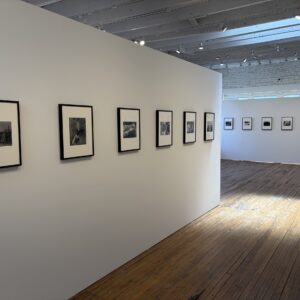
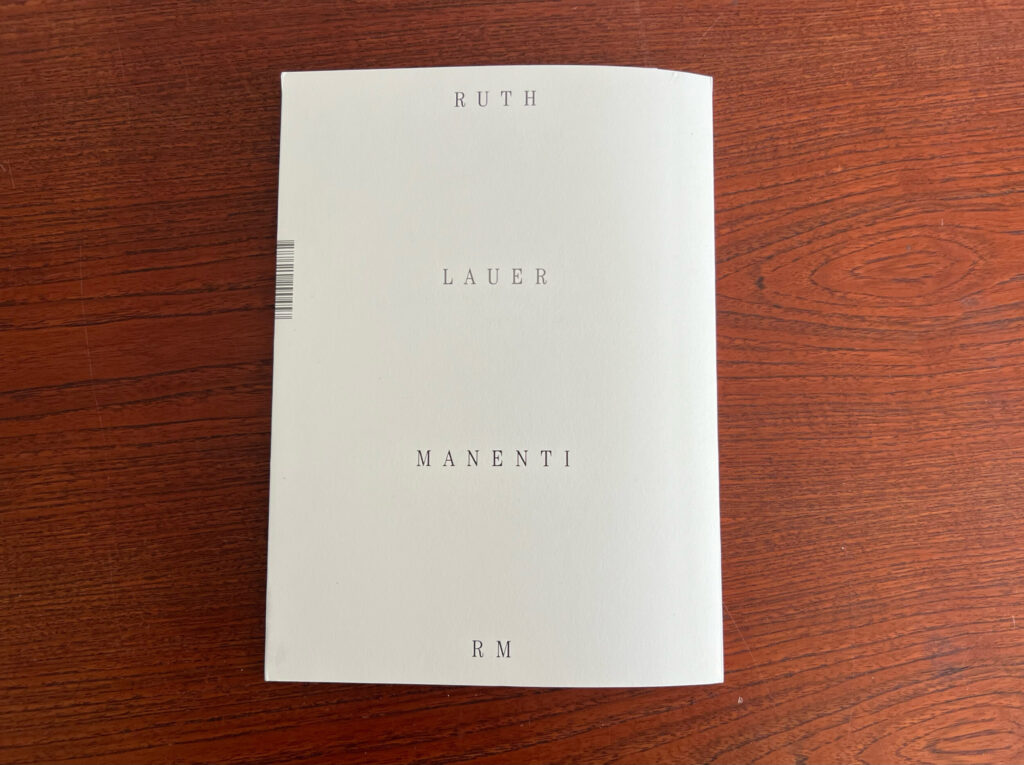
JTF ( just the facts): Published in 2026 by Editorial RM (here). Softcover with Swiss binding, 9.5 x 13 inches, 88 pages, with 39 black-and-white image reproductions. Includes text by the artist. Design by Ramón Pez. (Cover and spread shots below.)
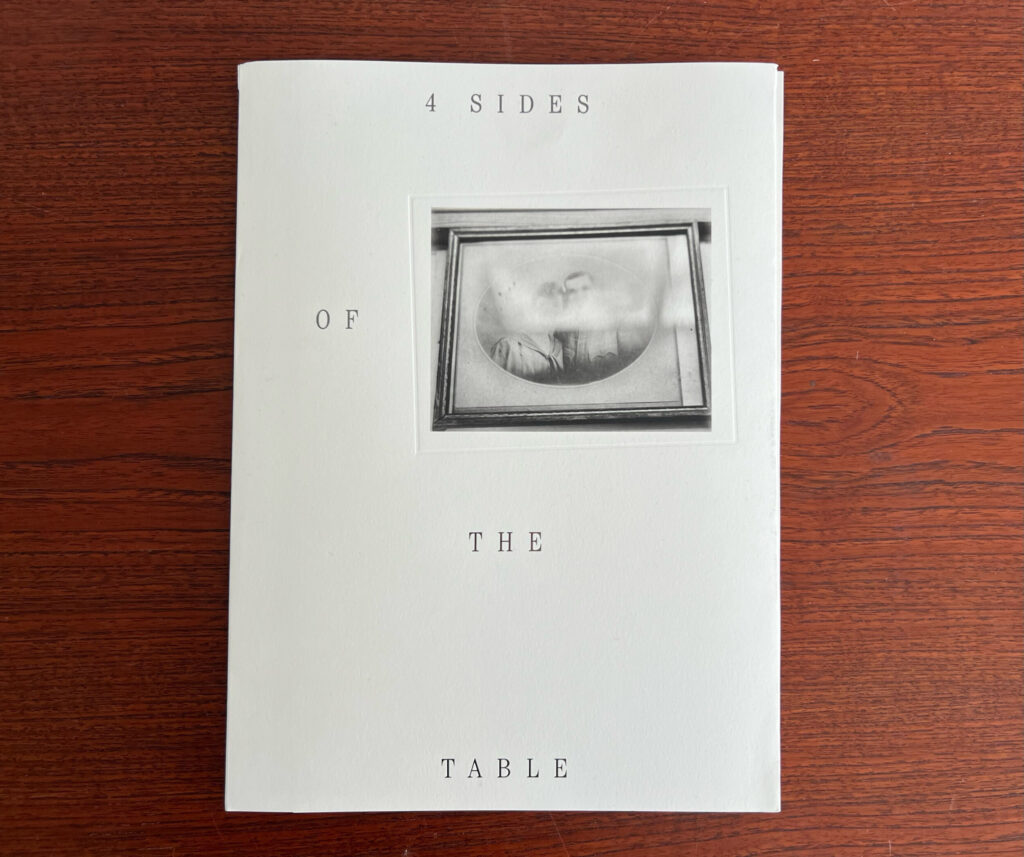
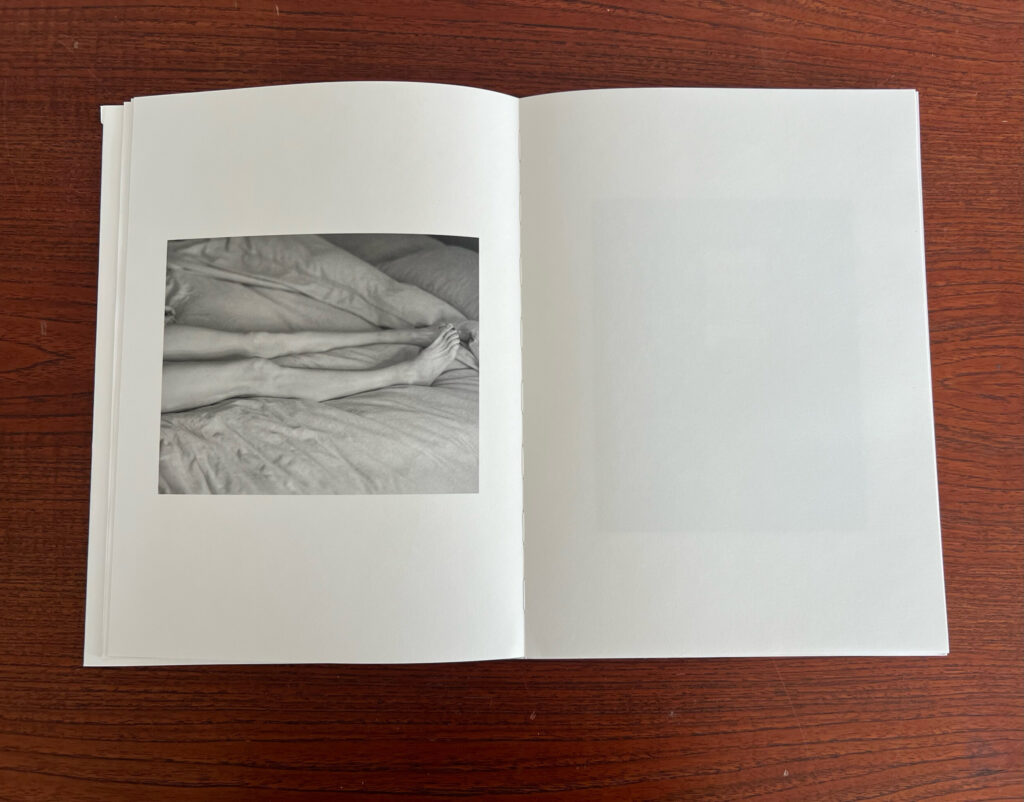
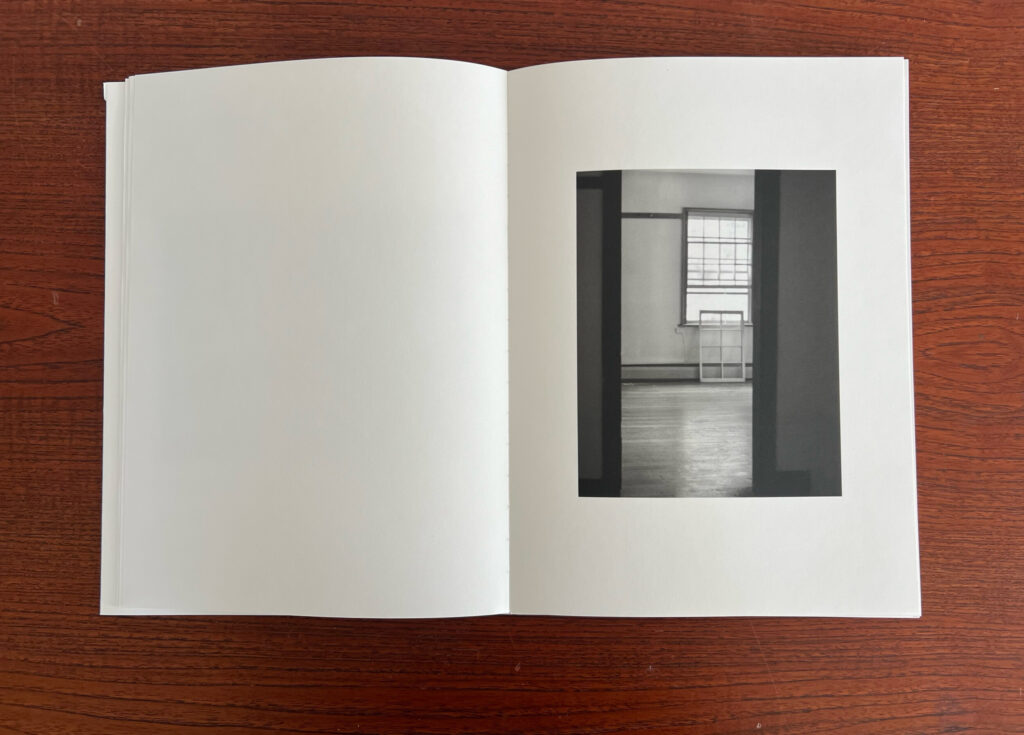
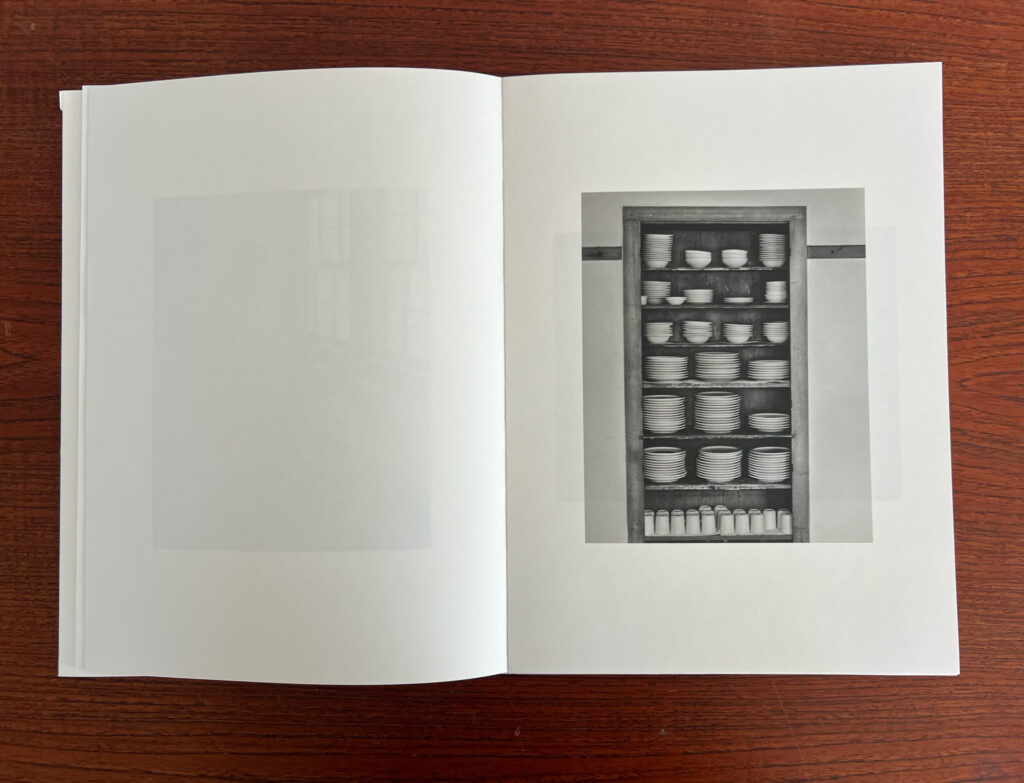
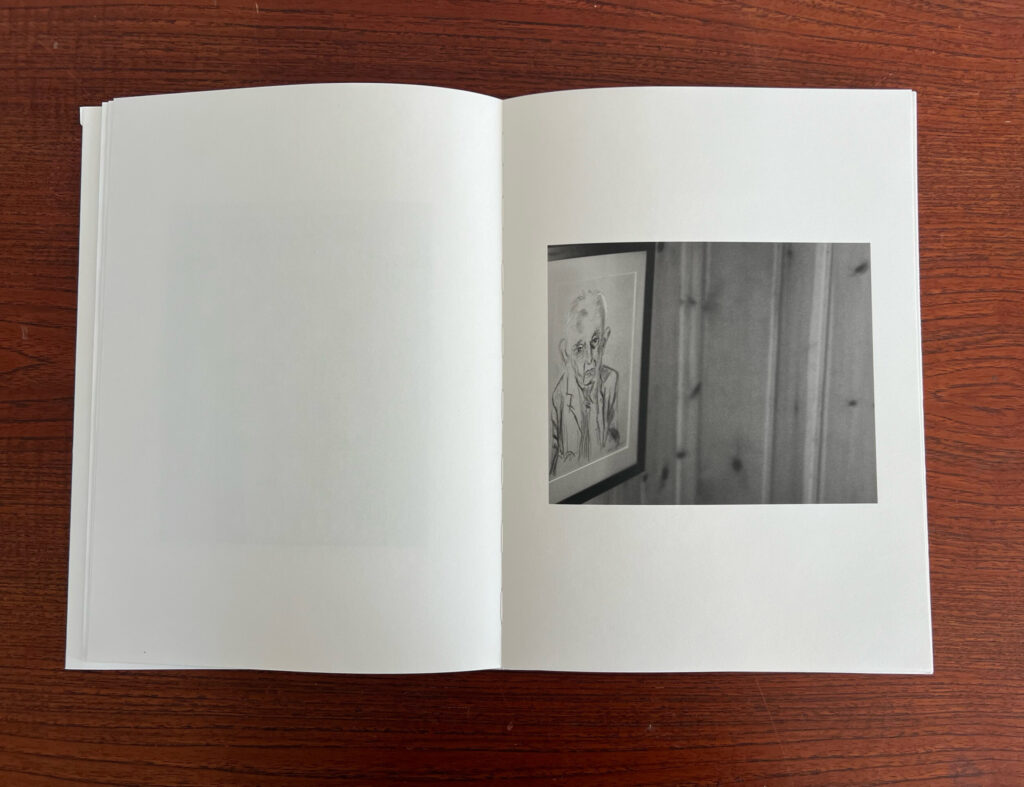
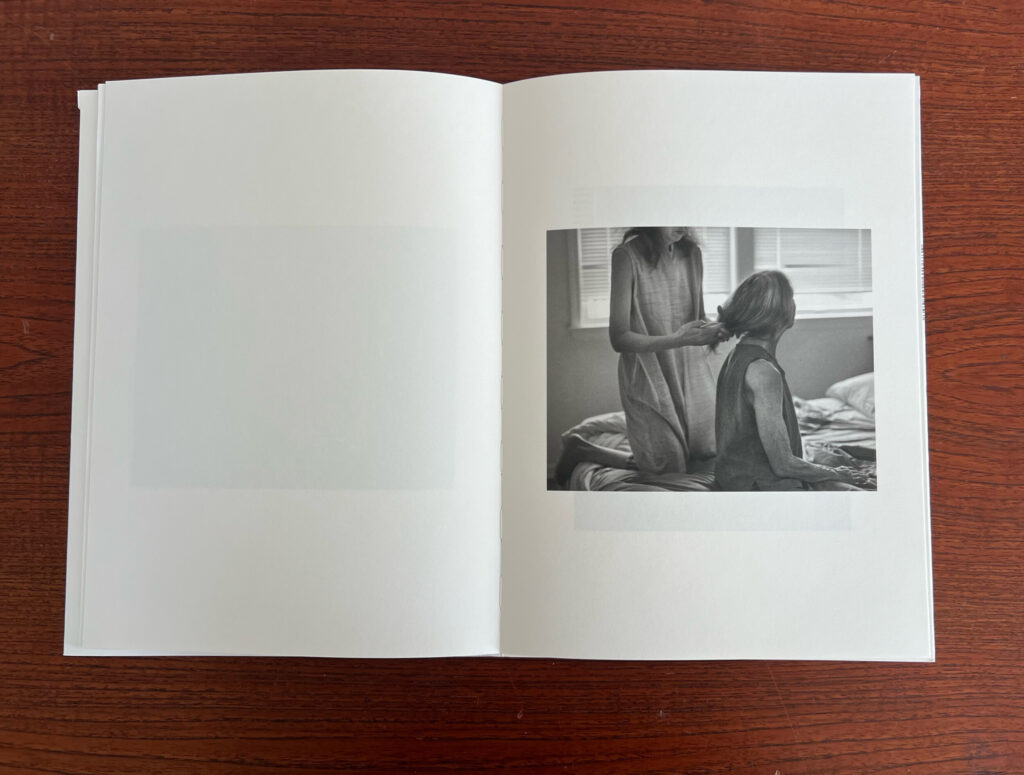
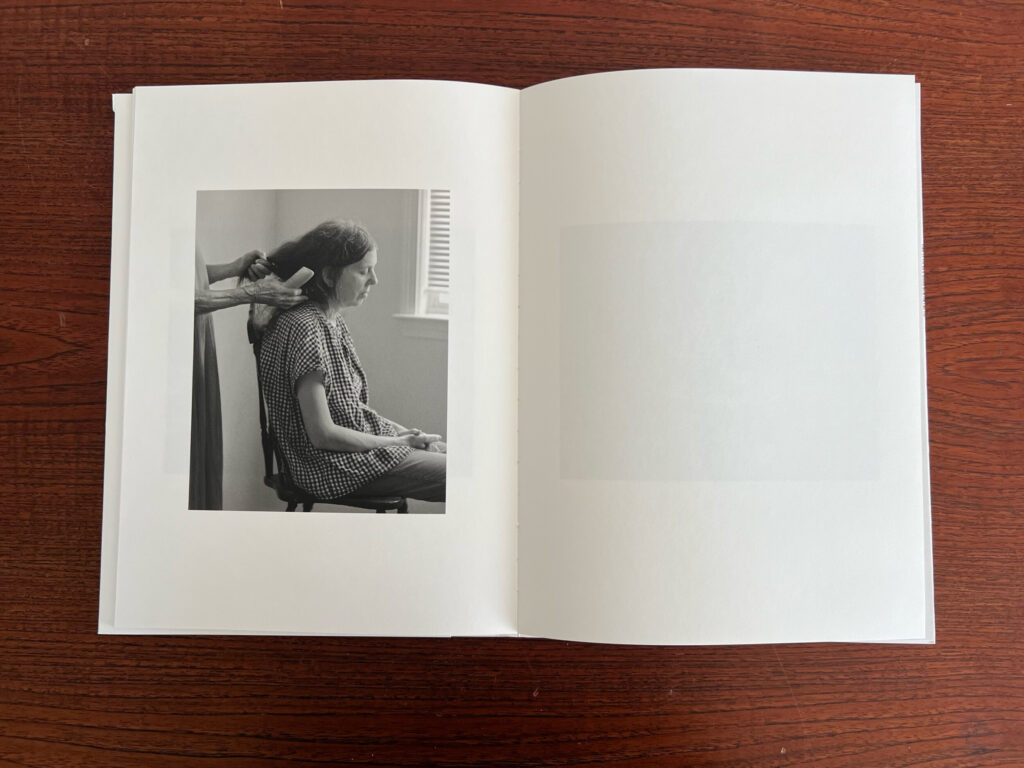
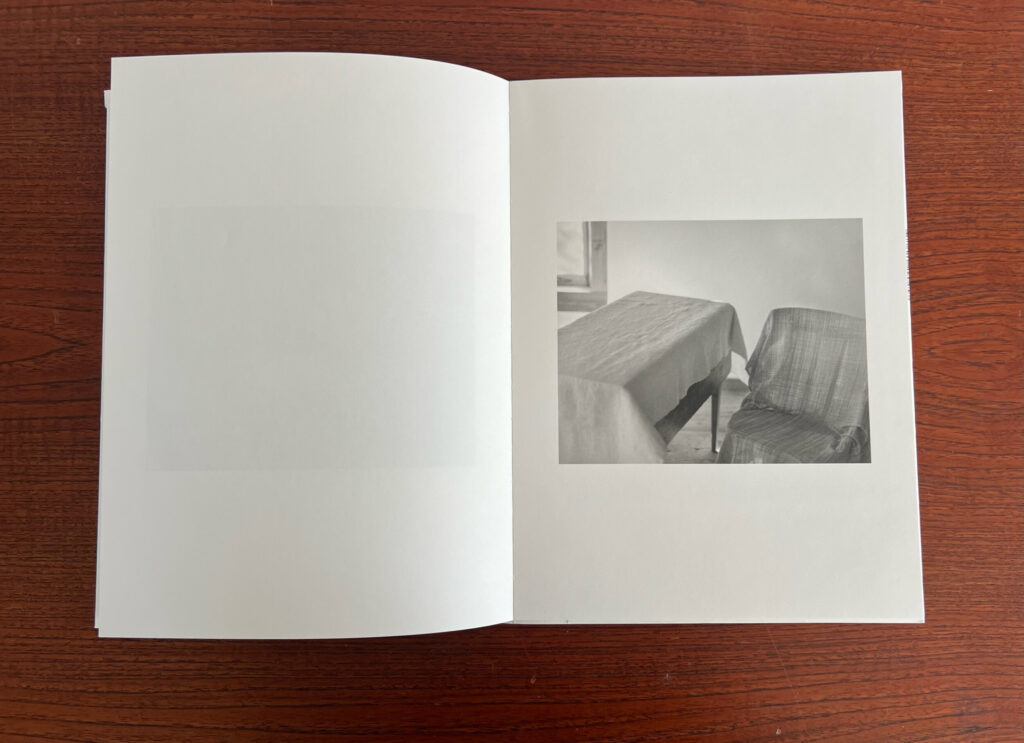
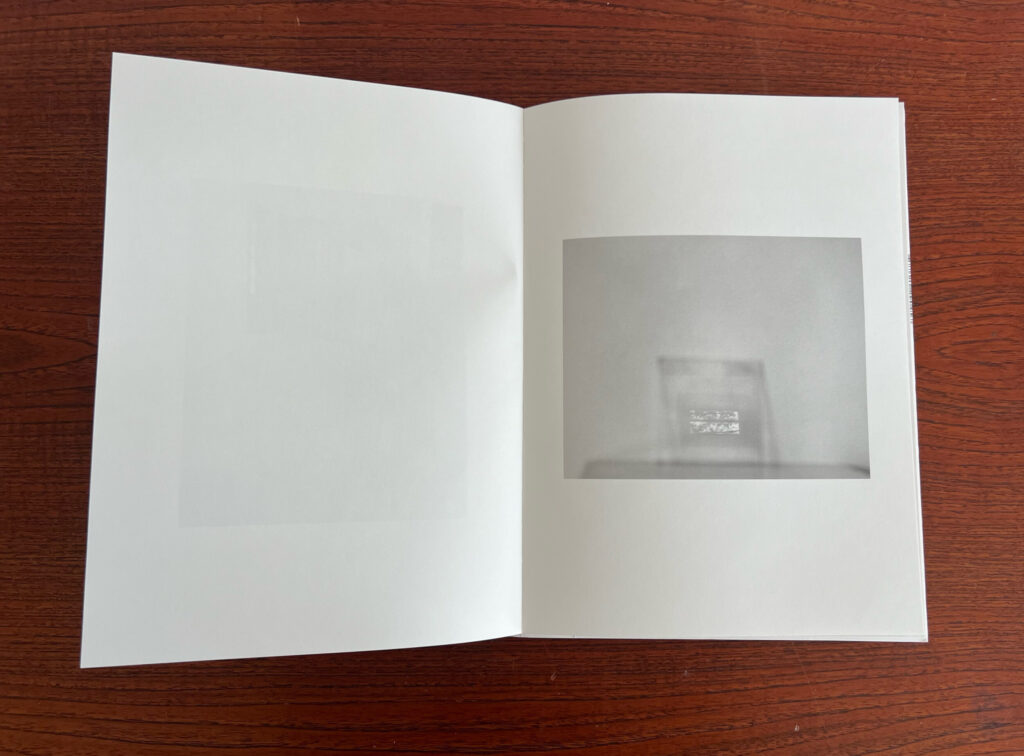
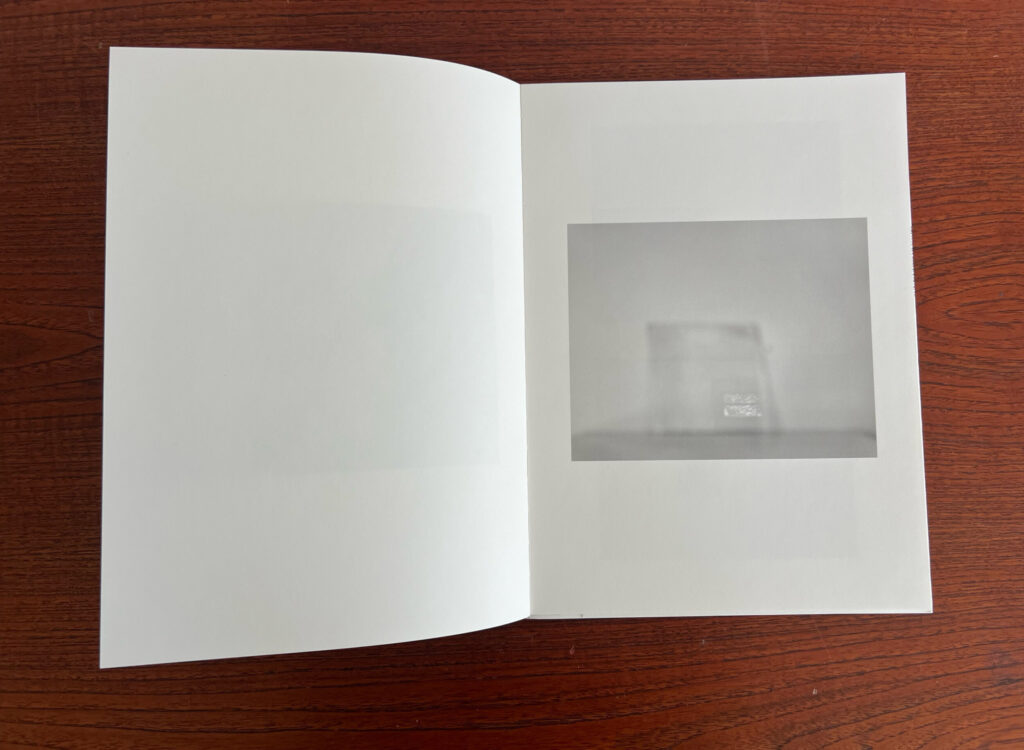
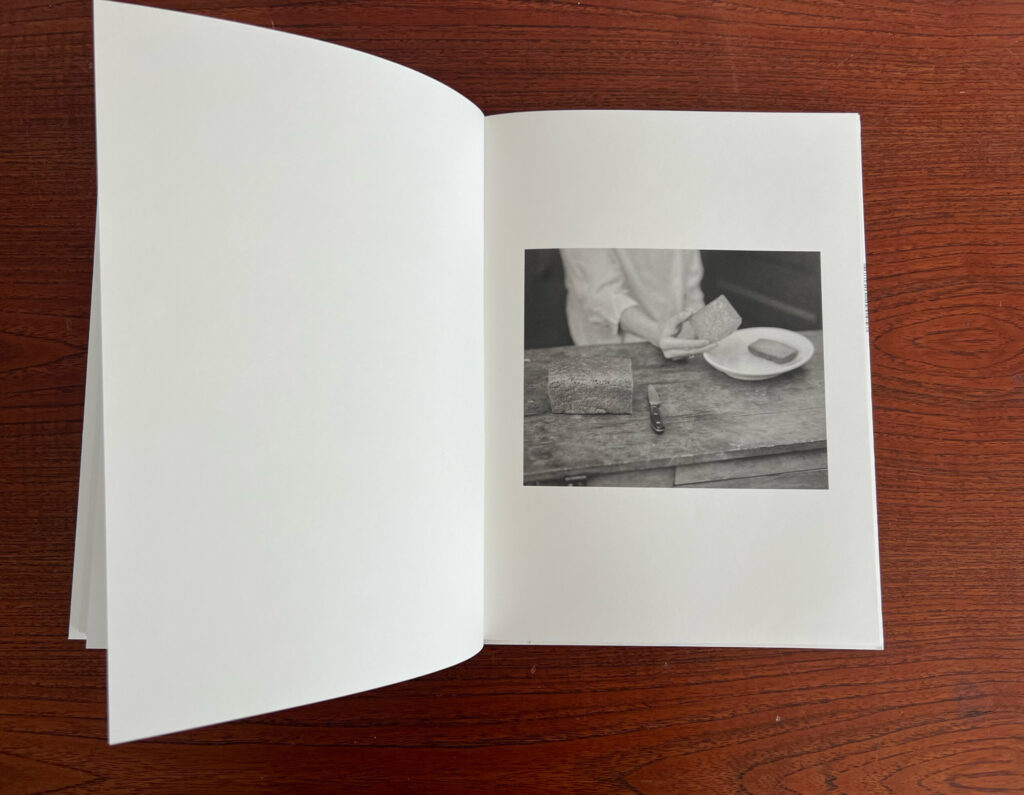
Comments/Context: Ruth Lauer Manenti’s second photobook, 4 Sides of the Table, published earlier in 2026 by Editorial RM, serves as a direct continuation of her first book from 2024, I imagined it Empty (reviewed here). Like its predecessor, this new volume is deeply intimate, tender, and beautiful. It welcomes the reader into a world of profound observation and great reverence, focusing on quiet, complex scenes found near the artist’s home. The work was created between 2022 and 2024, a period during which Manenti was pursuing her second MFA, this time in Photography at the limited-residency program at the Hartford Art School. Following the rapid success of I imagined it Empty, which won the Star Dummy Award and was published with Editorial RM, the publisher was quick to agree to a follow-up effort.
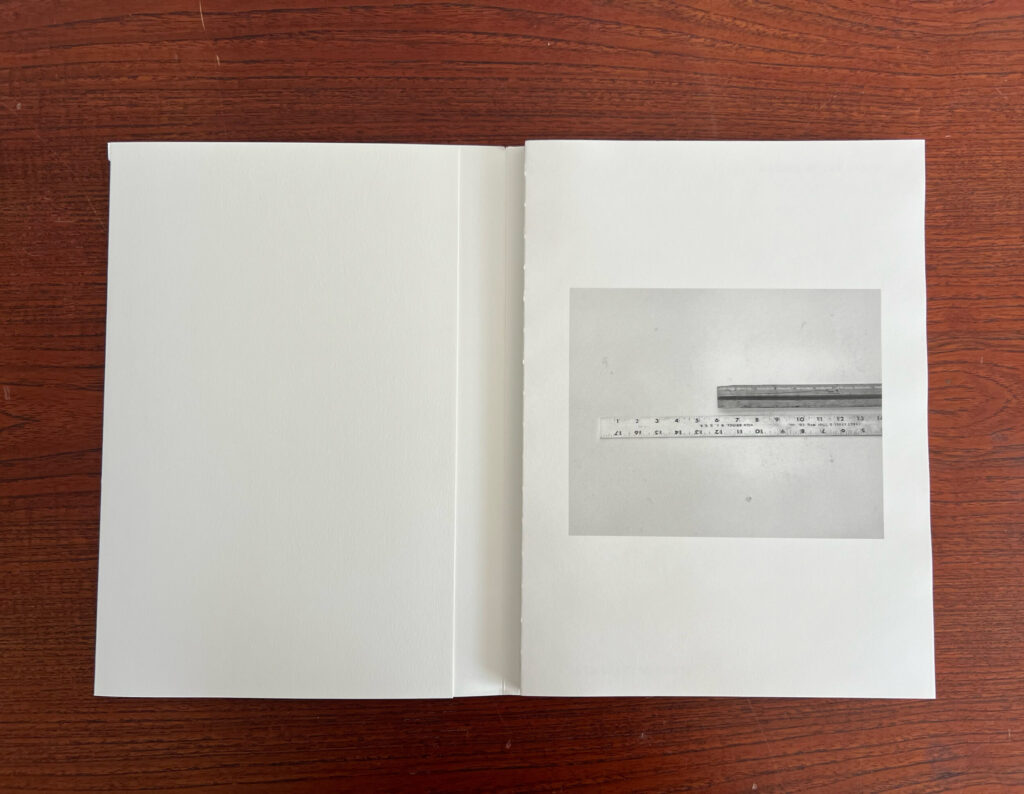
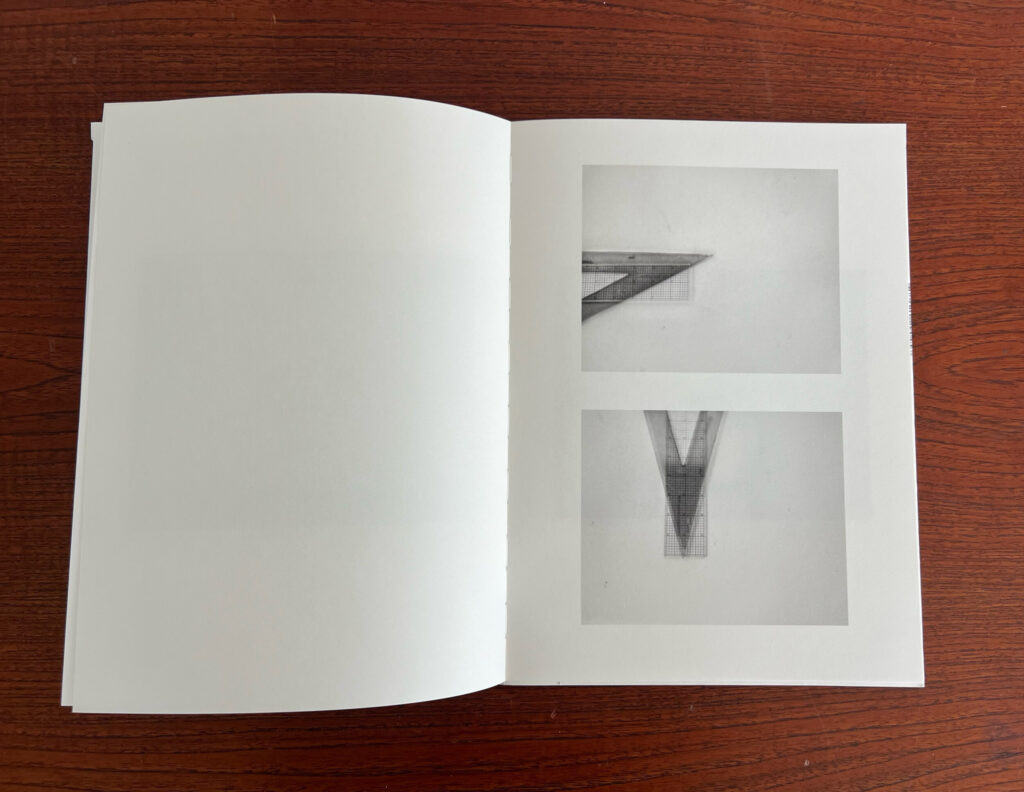
The photographs in 4 Sides of the Table were made with a 4×5 view camera. The implicit slow looking, observational nature of working with this large tool render very carefully framed scenes around a home, presumably one belonging to the artist or to the woman who is seen often alongside Manenti or on her own, her mother’s best friend June. The opening of the photobook begins with a photograph of two rulers, entering the frame from the right hand side. This choice establishes a central, recurring visual and conceptual motif throughout the work: measuring equipment. The presence of these instruments, conventionally associated with precision, scale, and analysis, serves as a powerful symbol implying a search for reason, order, and a systematic understanding of the world.
However, there is a tension between this implied rationality and the book’s deeper felt subject matter. A significant portion of the human experience explored—specifically, aspects rooted in spirituality, intuition, and profound internal feeling—is positioned as existing outside the scope of such empirical tools. These deep, often ineffable elements of the human condition are presented as things that inherently cannot be measured, quantified, or contained by any system of linear measurement or logical framework. The visual vocabulary of the ruler thus becomes a counterpoint, highlighting the limitations of pure intellect and objective analysis when confronting the vast, immeasurable landscape of spiritual and emotional life.
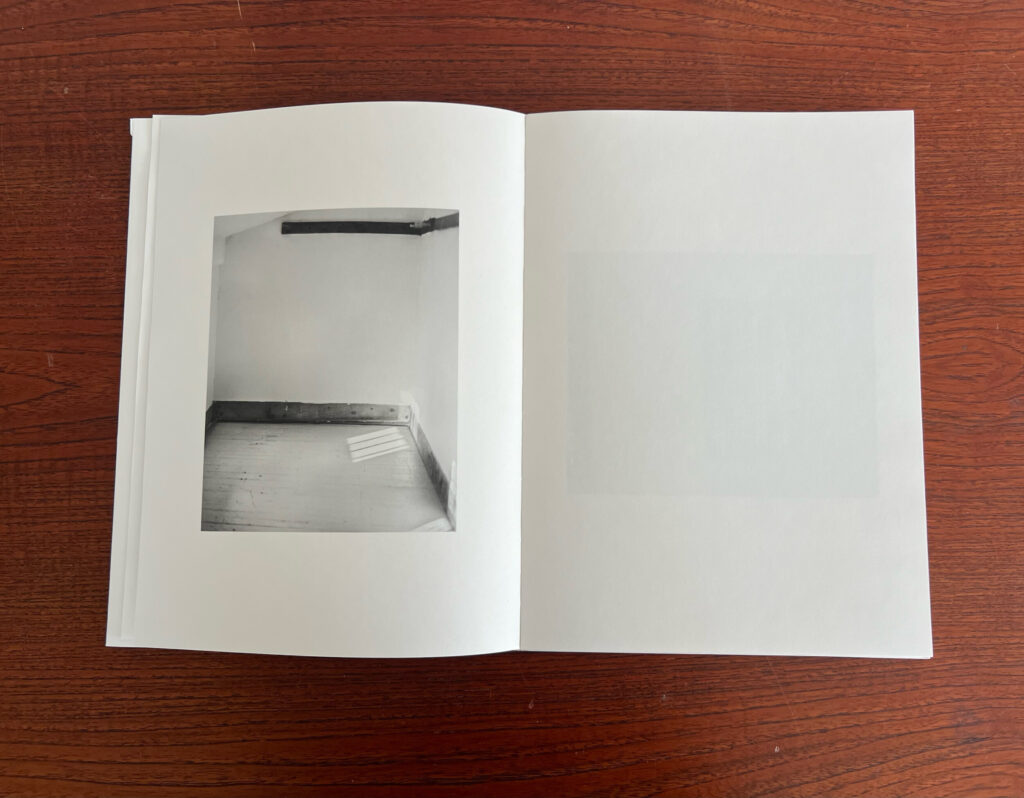
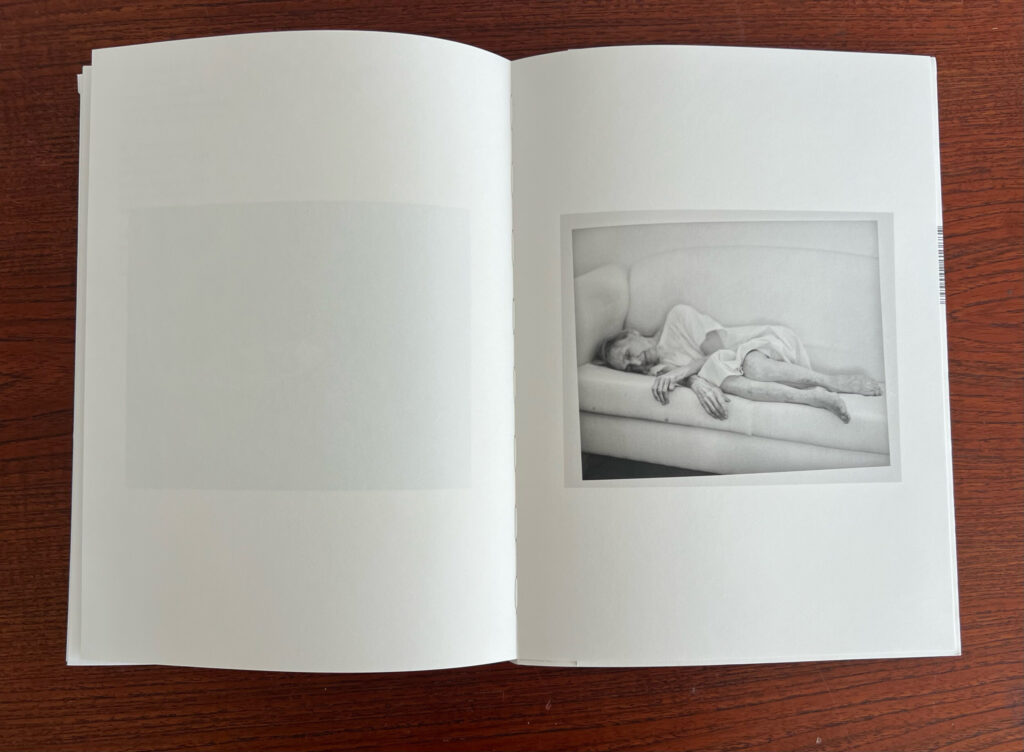
Manenti’s photographs capture more than just technical tools like rulers and protractors; they feature many tactile surfaces. The images include linens, wood, ceramics, and even homemade vegan bread—all objects rich in touch, texture, and, crucially, human connection. Beyond the various still life scenes, other photographs depict views of empty rooms, light flares in a room, fragmented legs and arms (both young and old), as well as portraits of Ruth and June, depicted at times together, as in an image where Ruth is seen tying June’s hair up or one where June is carefully brushing Ruth’s hair. Yet these images that could at a quick glance feel performative, actually become less about staging for the camera as a form of theater and more about grieving and care, as does the tone of the book overall. Manenti is a master of observing, photographing ordinary, everyday subjects and transforming this restrained material into engaging, tender imagery.
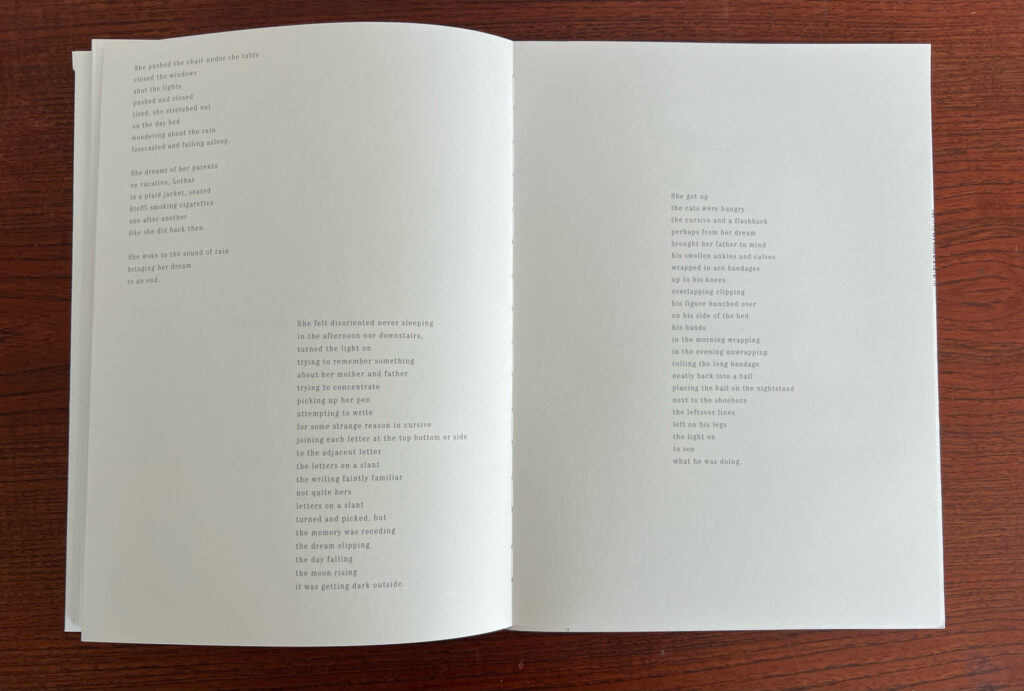
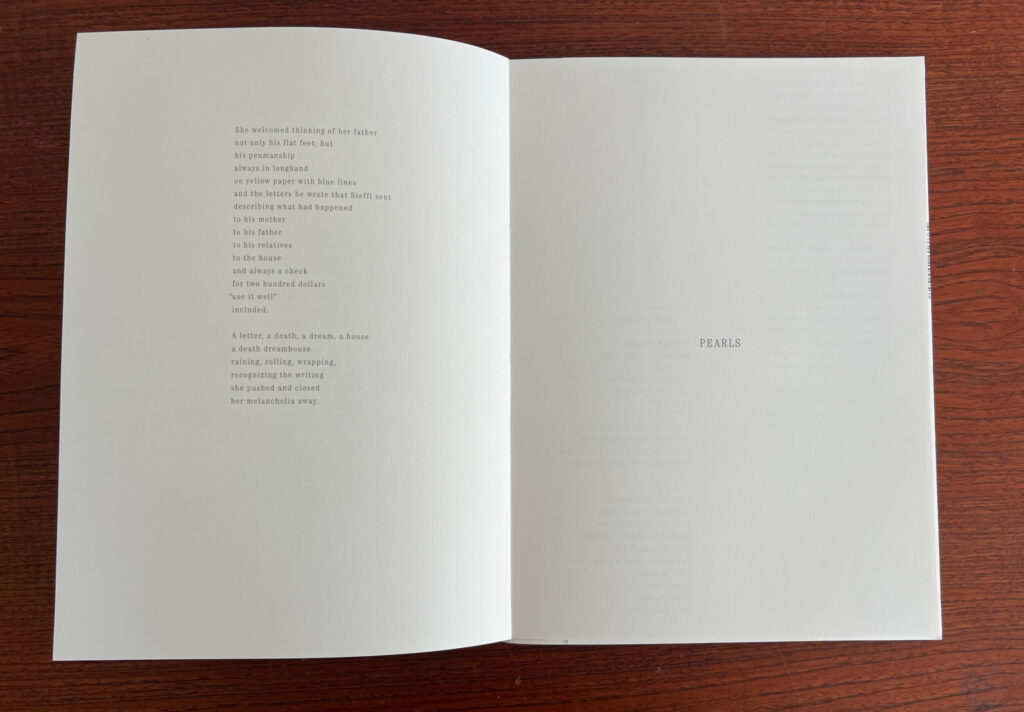
Manenti’s black and white palette demonstrates exceptional sensitivity and familiarity with her film. The luminosity and ethereal quality she achieves in her prints mystifies many of my students. Manenti’s visual grammar is remarkably distinctive, yet a shared artistic lineage with figures such as Francesca Woodman and Agnes Martin is present. Within this photobook, the qualities of the greyscale are amplified to feel even more like drawings as rendered on the medium weight, matte, uncoated paper that has been chosen. The photobook incorporates two poems by the artist, “226 Harrogate Road” and “Pearls”, toward the conclusion of the image sequence. Her writing is marked by attentiveness and nostalgia, conveying a tone that is both contemplative and melancholic. These poems extend an invitation to revisit the photobook to appreciate the specific details articulated by the writing, which the photographs alone cannot fully convey but are ultimately reanimated by once the poems have been read.
This sophomore photobook is a gift. It rewards slow, deliberate engagement not quick flipping of its pages. A reader could easily miss this book’s power by looking too haphazardly. The photographs are characterized by subtlety and quiet, yet they possess a tremendous depth that invites prolonged contemplation. Manenti is sharing beauty and intimacy that then reveals something more. She is not simply documenting scenes; she is intentionally and tenderly sharing moments of raw beauty and deep intimacy. This deliberate sharing acts as a window, which, upon closer inspection, reveals a layer of universal human experience: the cycle of death, grief, and subsequent transformation. While death and loss undeniably take a part of us, leaving behind a void, they are inextricably woven into the fabric of a life cycle that inherently offers something in return to those who remain. This return is not a simple replacement for what was lost, but rather a profound new perspective, a deep well of empathy, and an acute appreciation for the delicate nature of existence. To receive this subtle, hard-won gift—this ‘return’—the observer, or the survivor, is challenged to remain fundamentally open and observant. It requires a willingness to look beyond the immediate pain and recognize the quiet, almost camouflaged beauty that coexists with grief, allowing the images to facilitate a deeply personal and ultimately transformative dialogue about the full spectrum of being.
Collector’s POV: Ruth Lauer Manenti does not appear to have gallery representation at this time. As such, interested collectors should likely follow up directly with the artist via her website (linked in the sidebar).