JTF (just the facts): A wide-ranging group show (of more than 50 artists and 150 total works on view) installed in a series of galleries and single rooms on the 1st, 2nd, and 3rd floors of the museum. The exhibit was organized by Jody Graf, Elena Ketelsen González, Kari Rittenbach, Sheldon Gooch, and Andrea Sánchez. (Installation shots and video stills below.)
The following photographers/photo artists are included in the show:
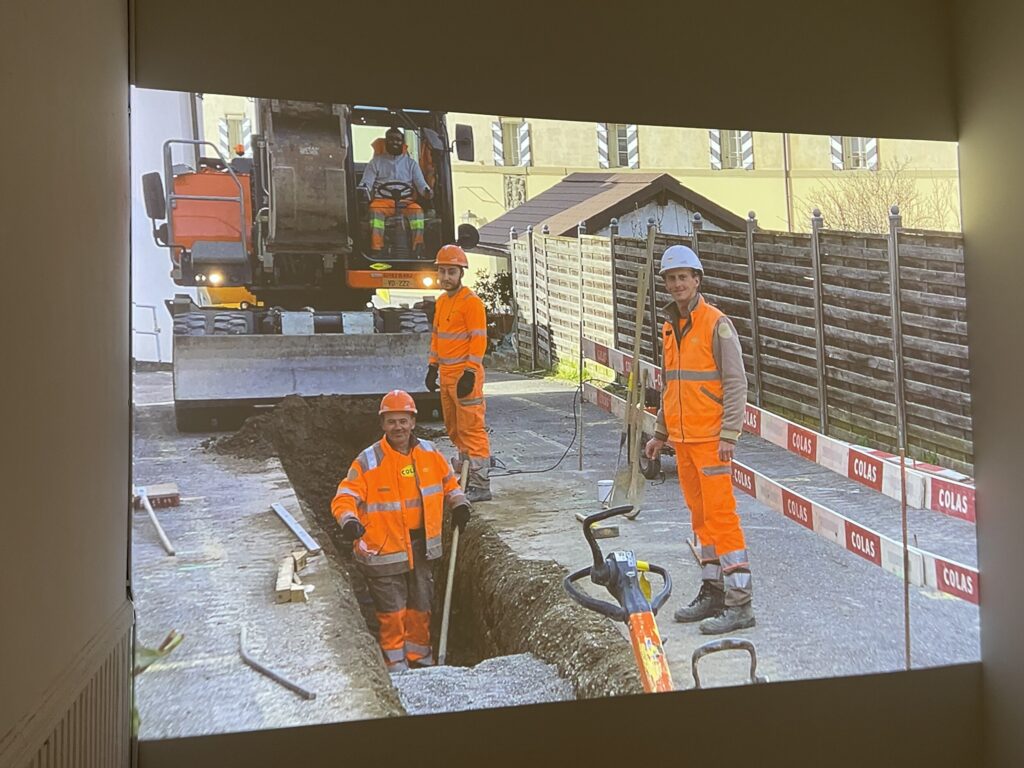
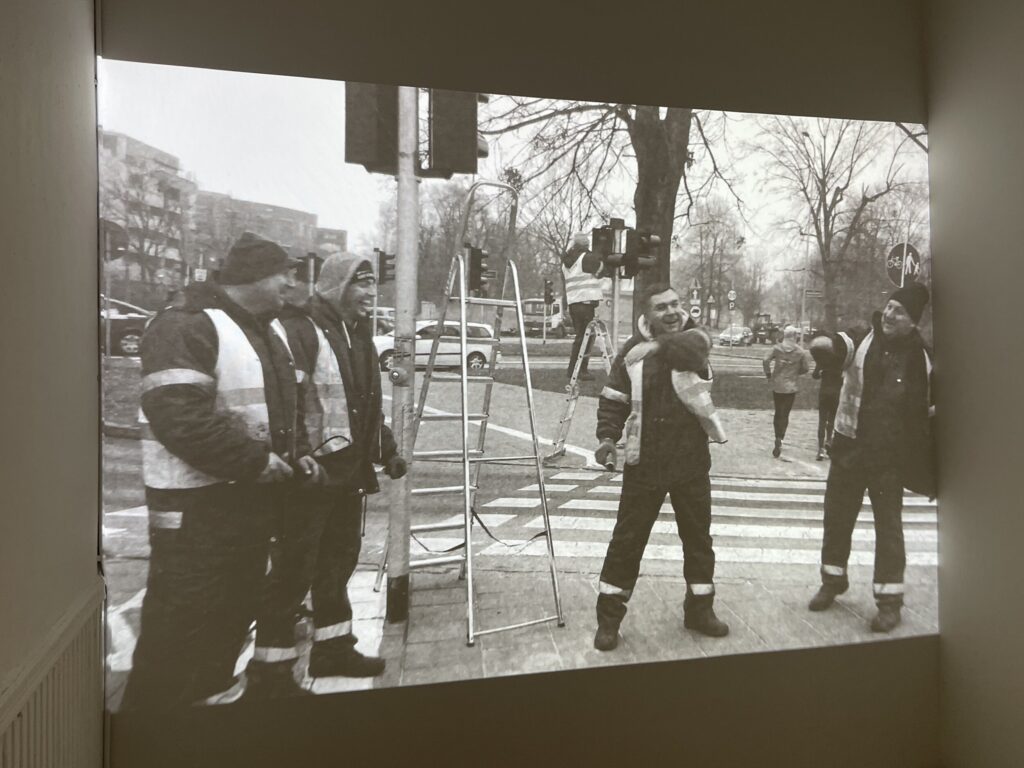
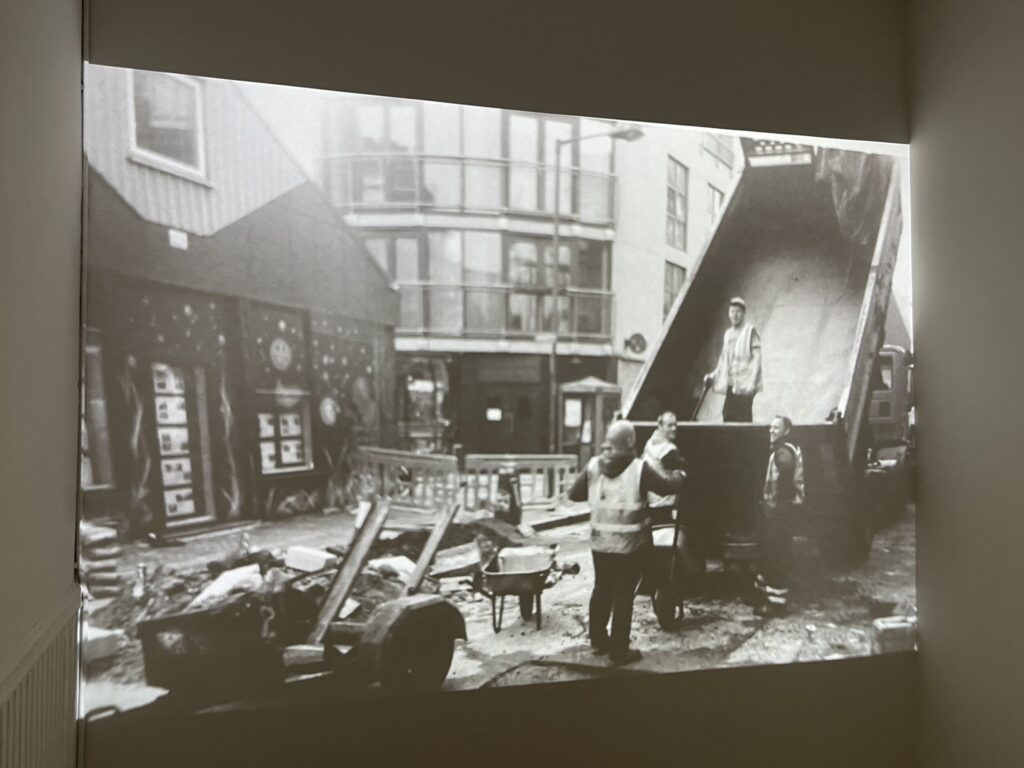
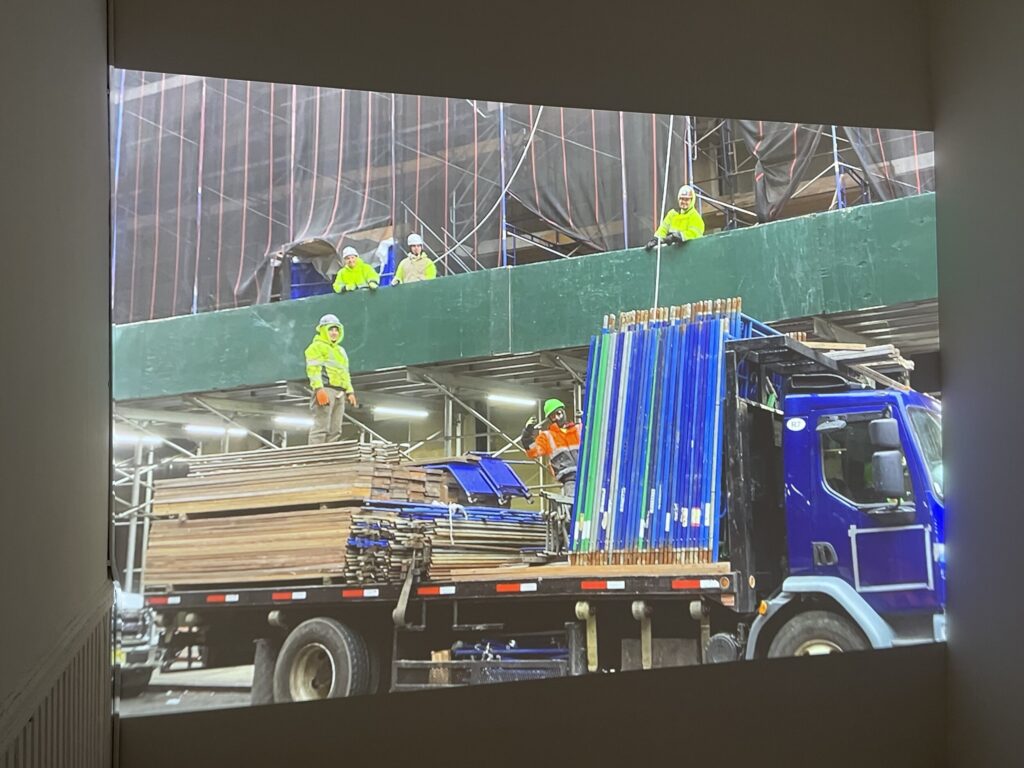
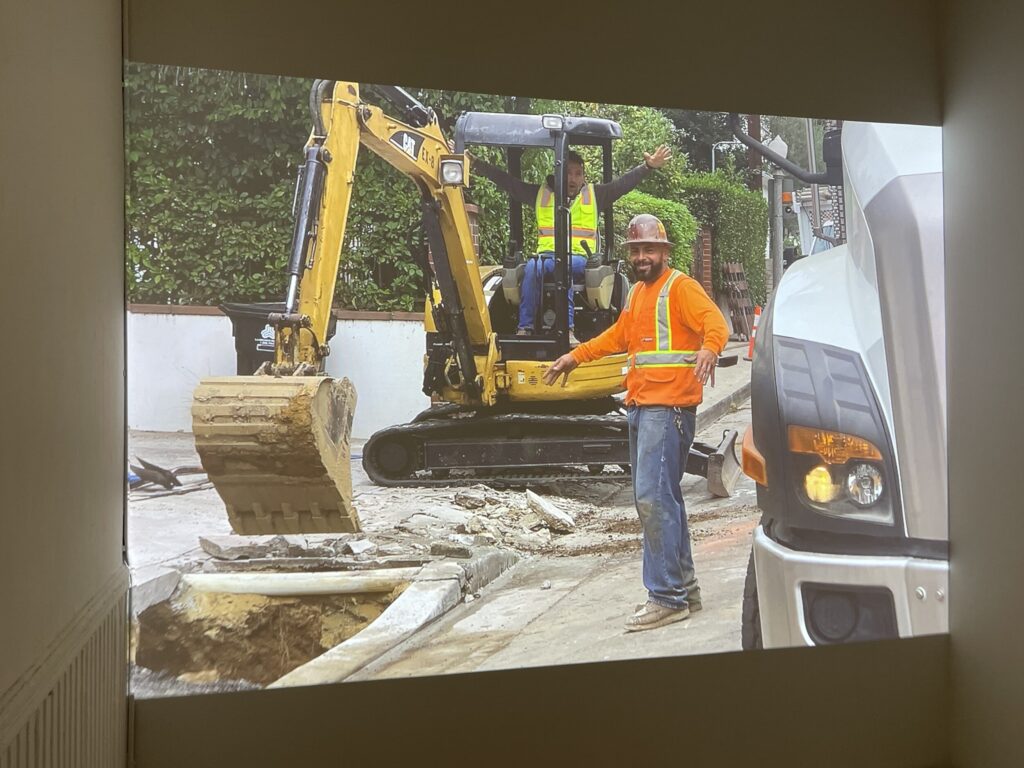
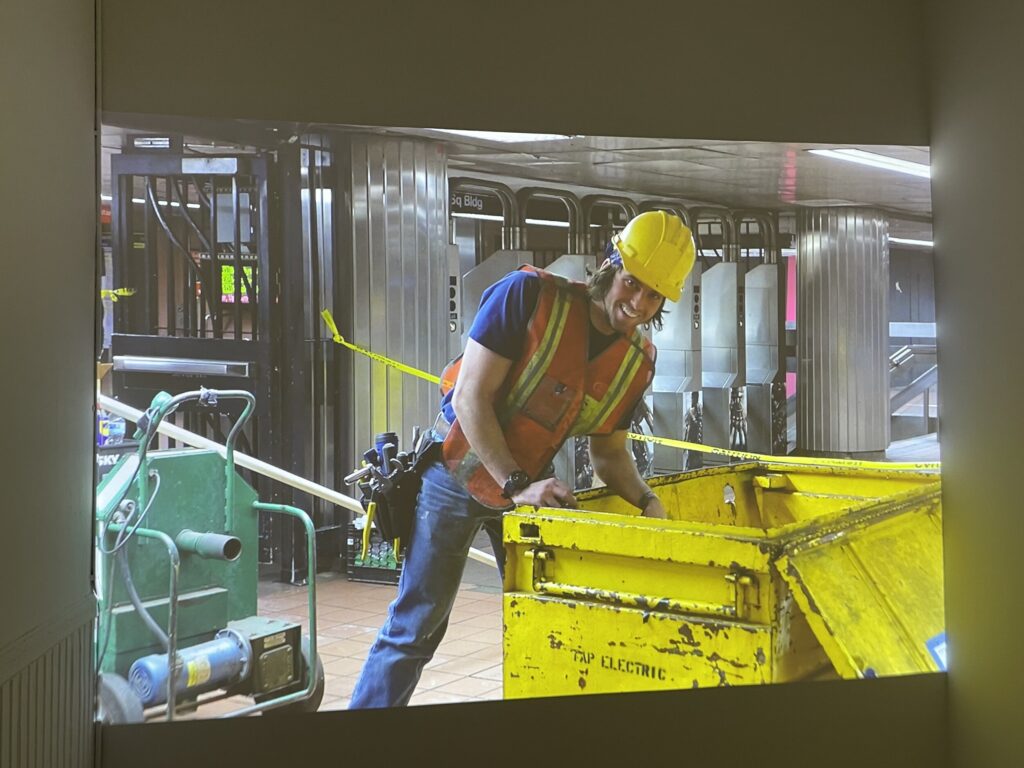
- Marie Angeletti: 1 digital slide show, 2026, 15 minutes 50 seconds
- Rachel Handlin: 6 digital pigment prints, 2018, 2025
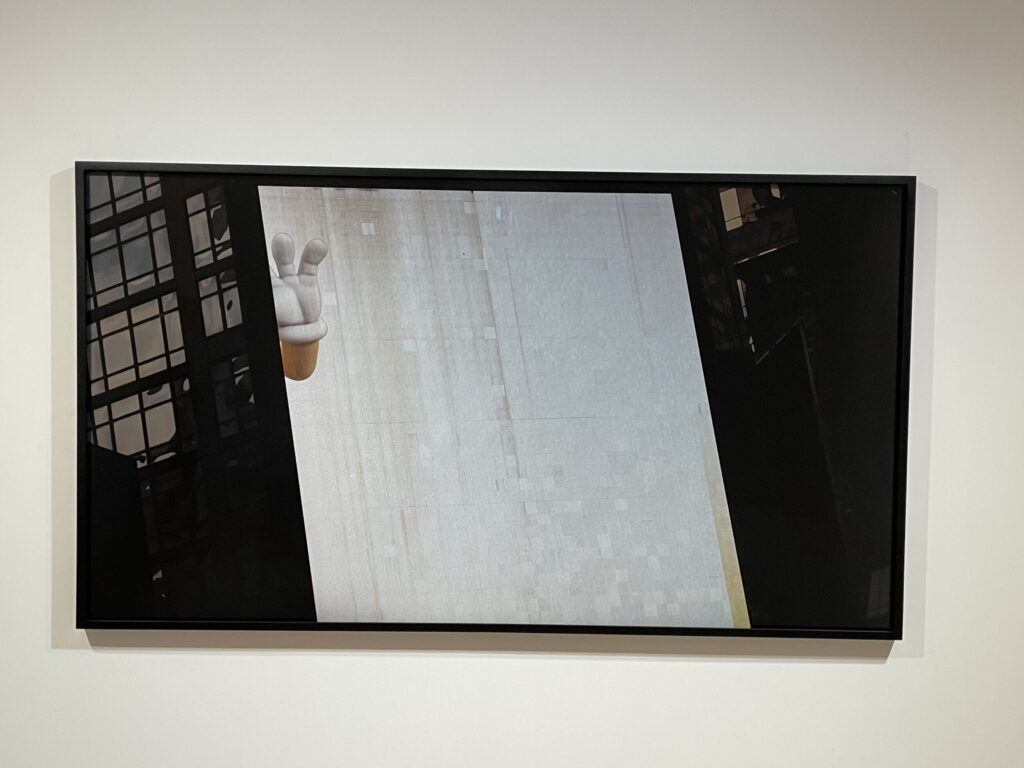
- André Magaña: 1 giclee print on cotton rag, 2026
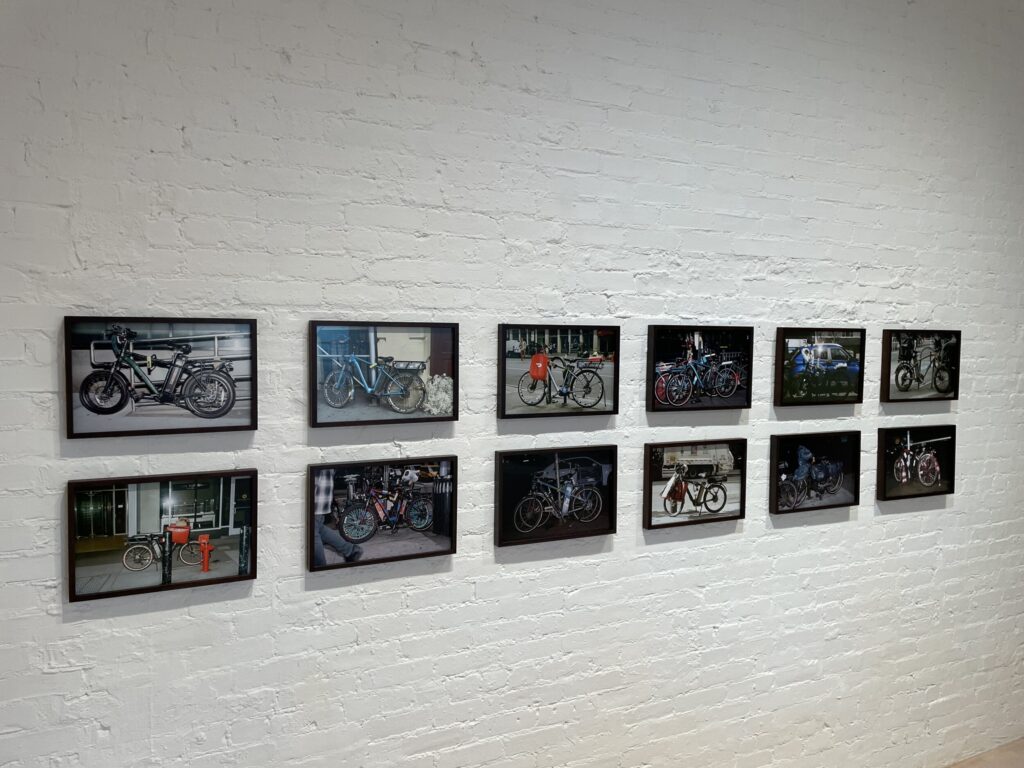
- Fields Harrington: 12 digital inkjet prints, 2024-2025
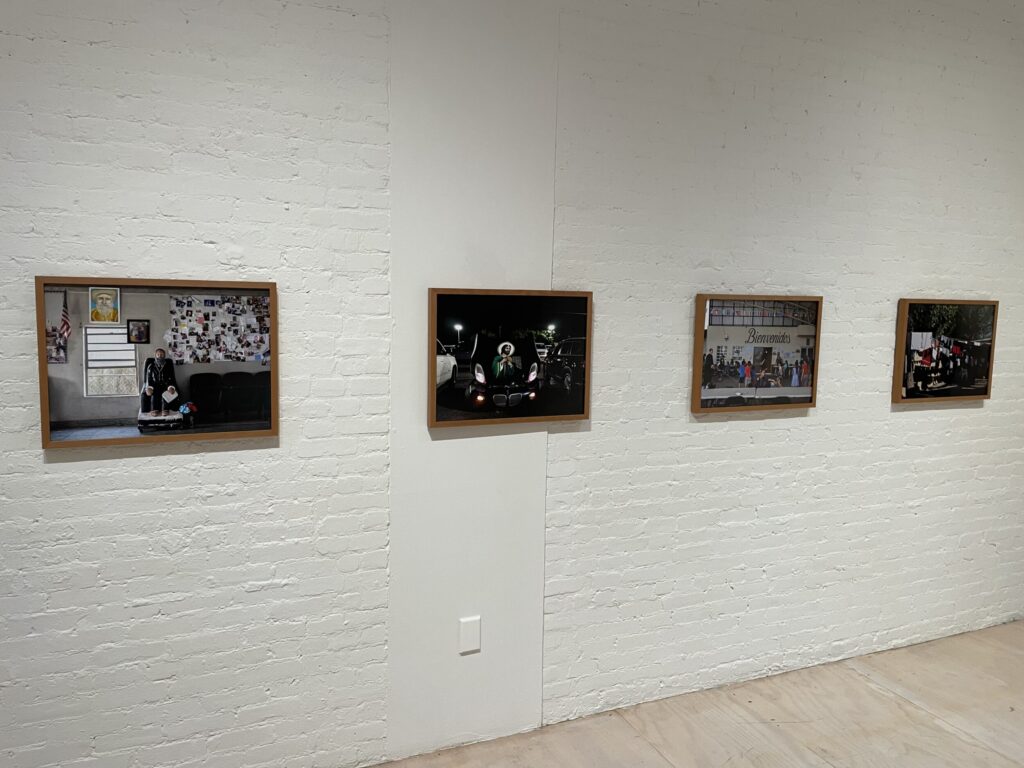
- Cinthya Santos-Briones: 9 chromogenic prints, 2024
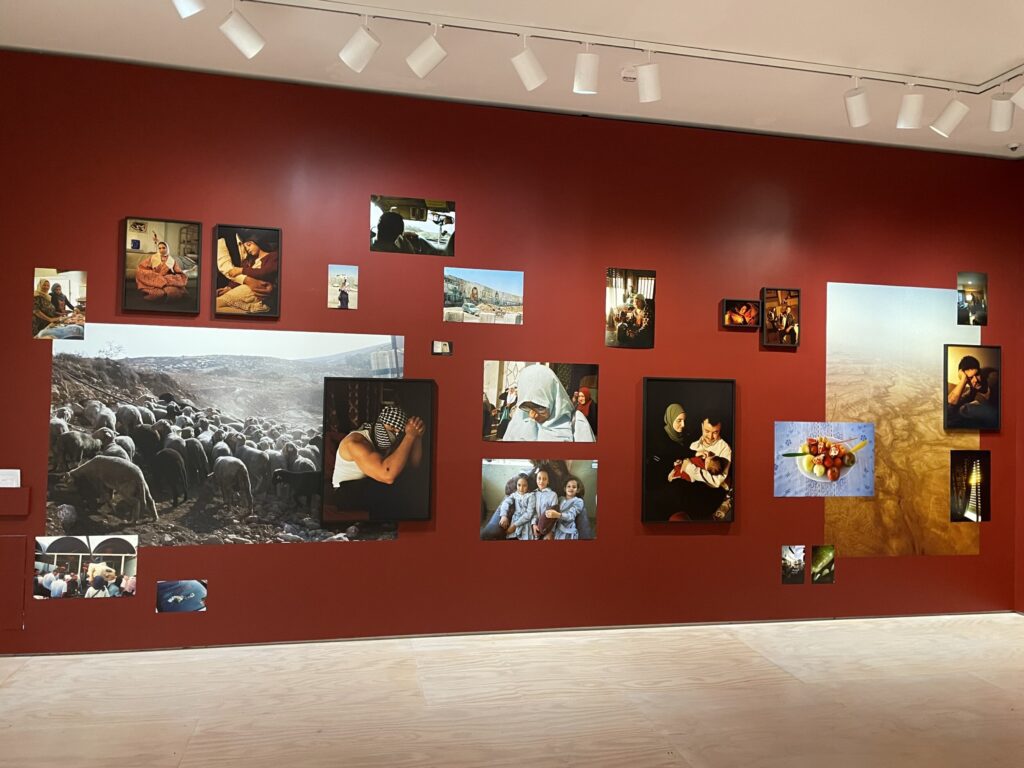
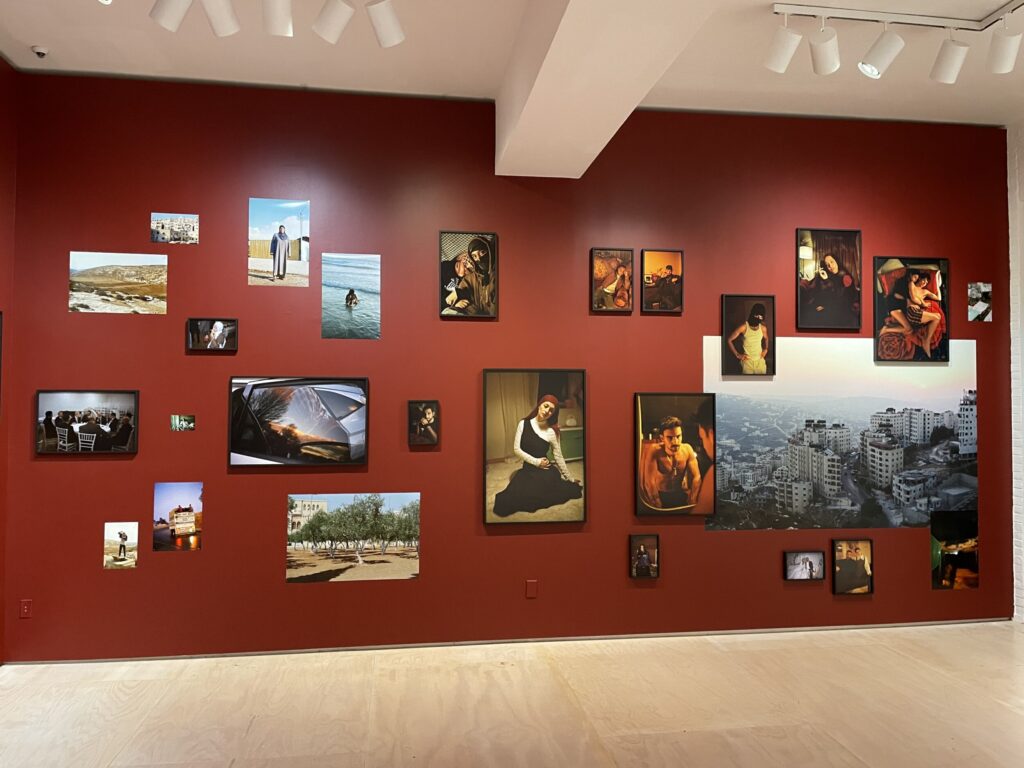
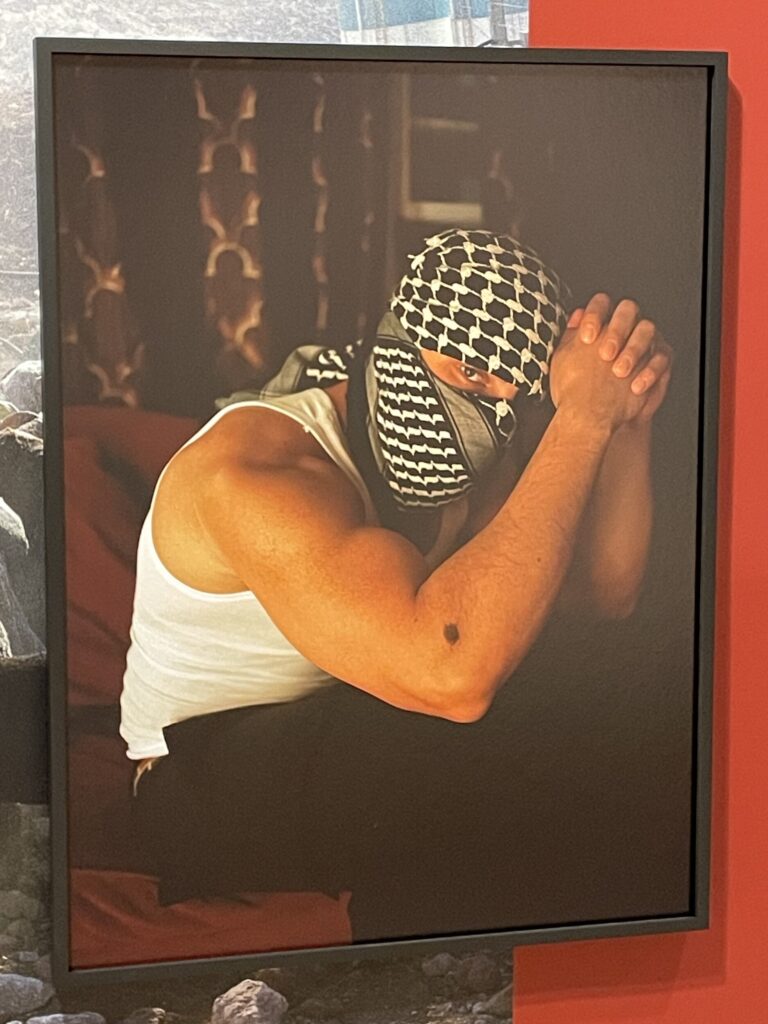
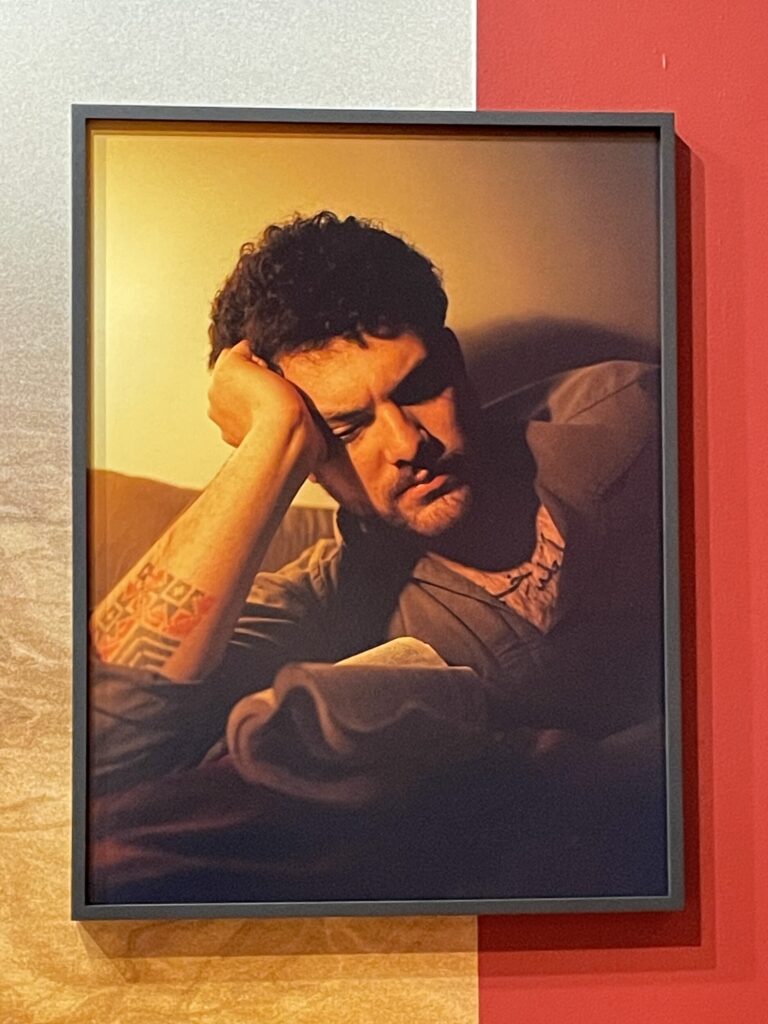
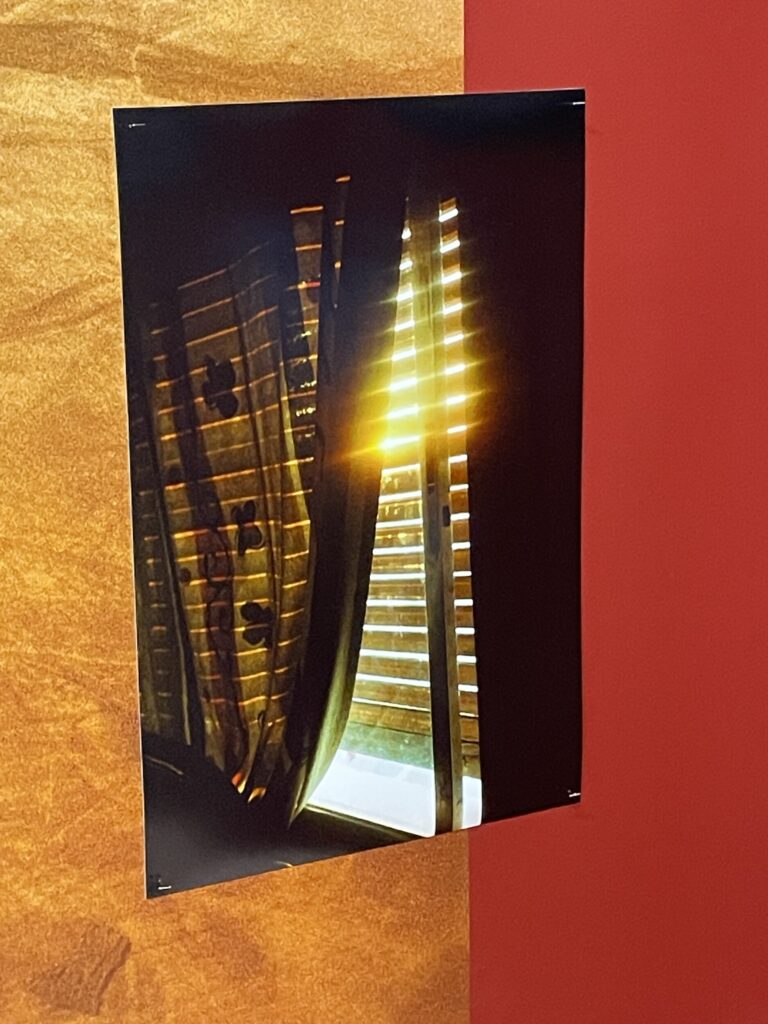
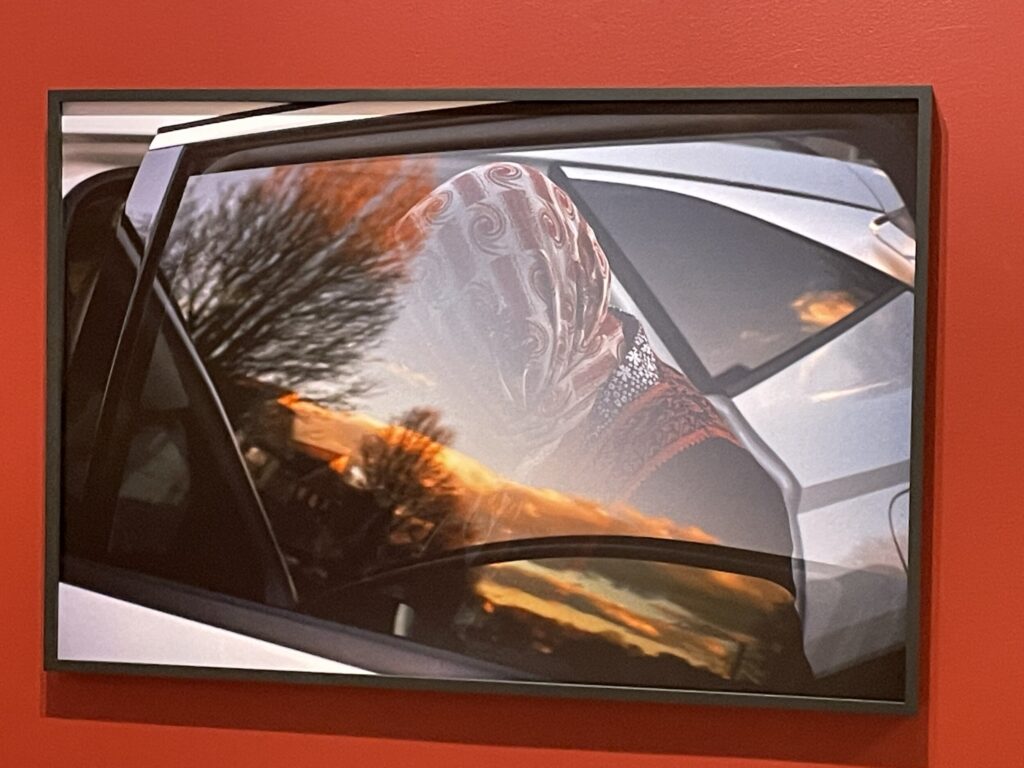
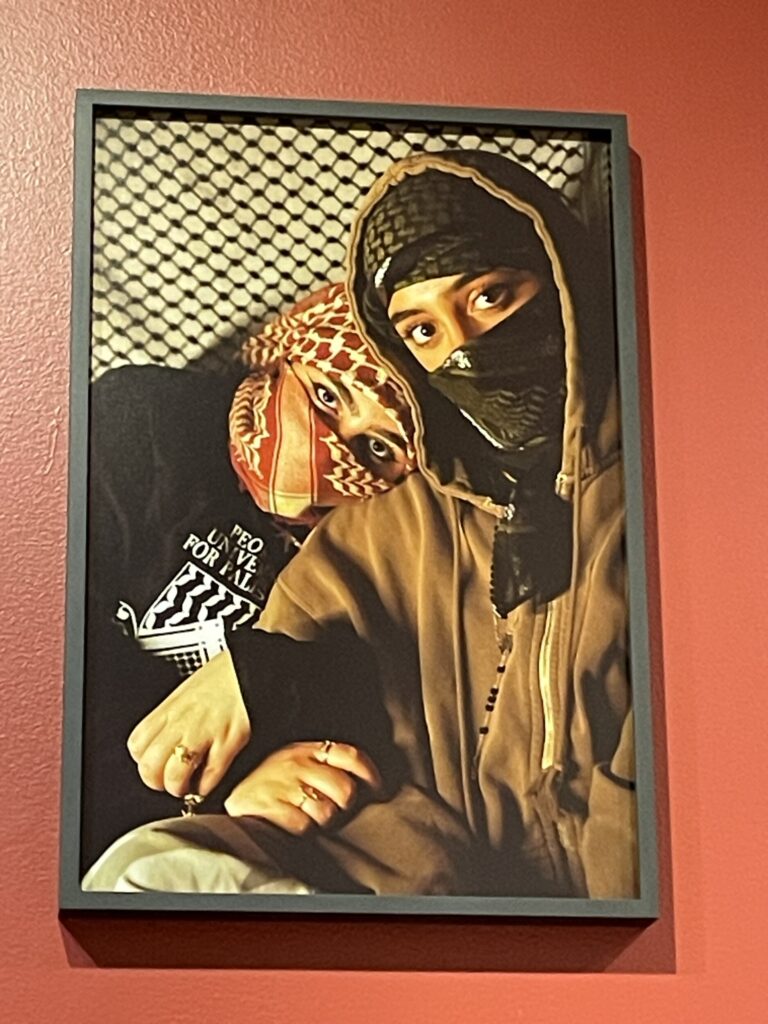
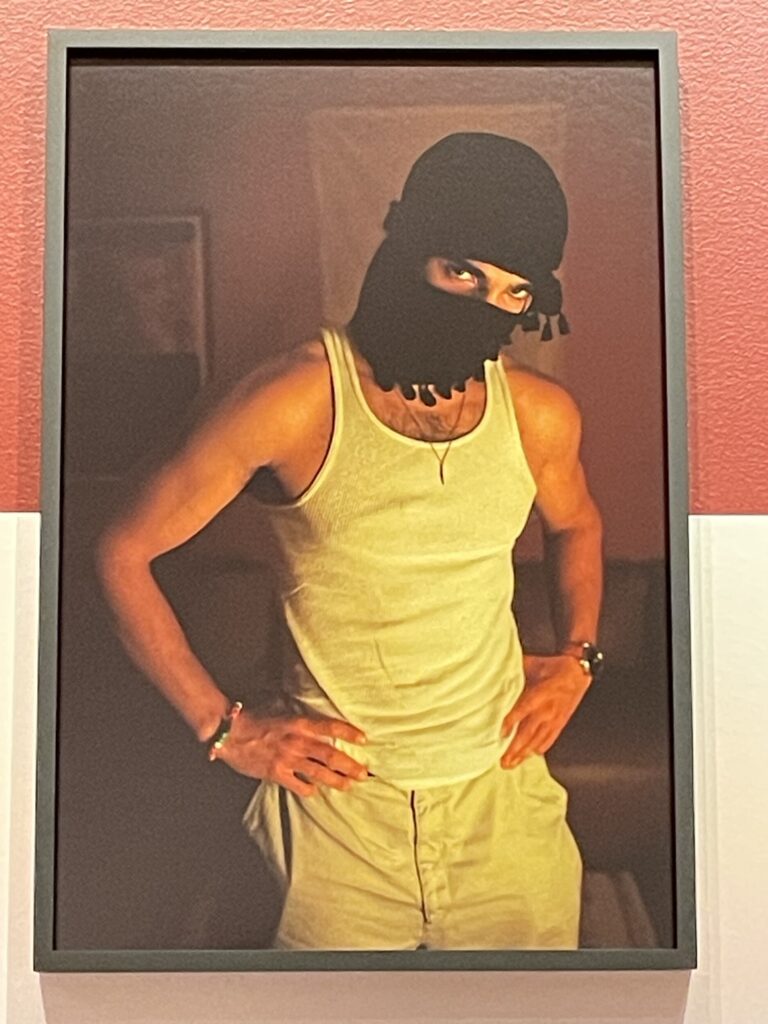
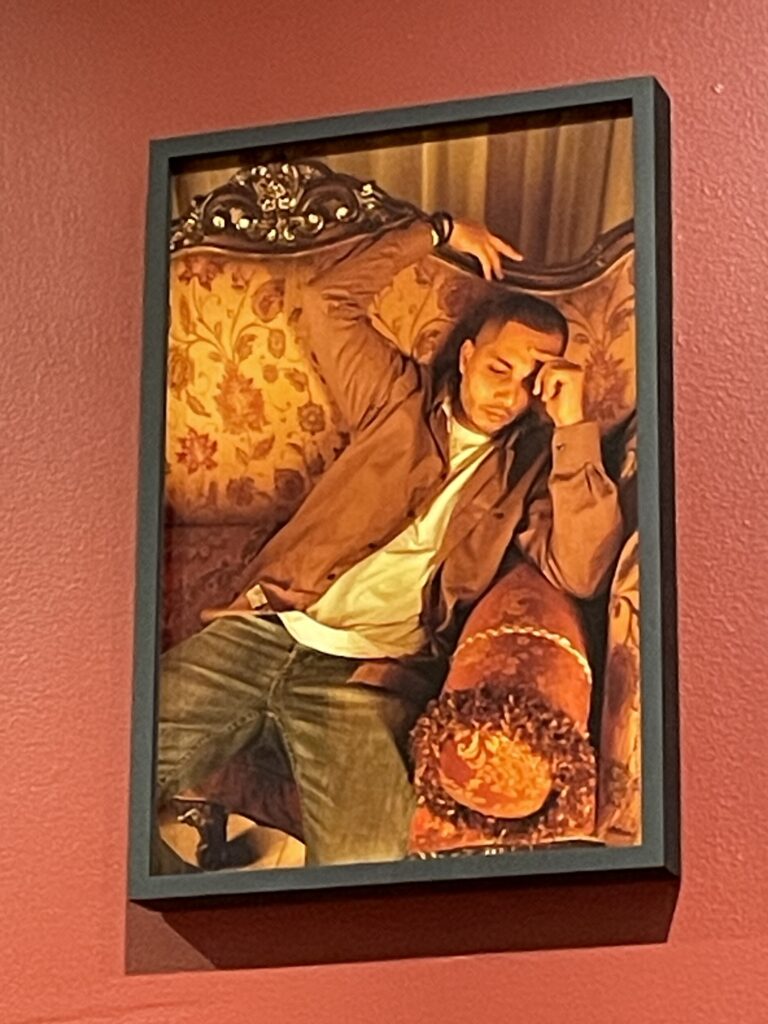
- Dean Majd: 50 archival pigment prints and vinyl, 2016, 2018, 2022, 2023, 2024, 2025, 2026
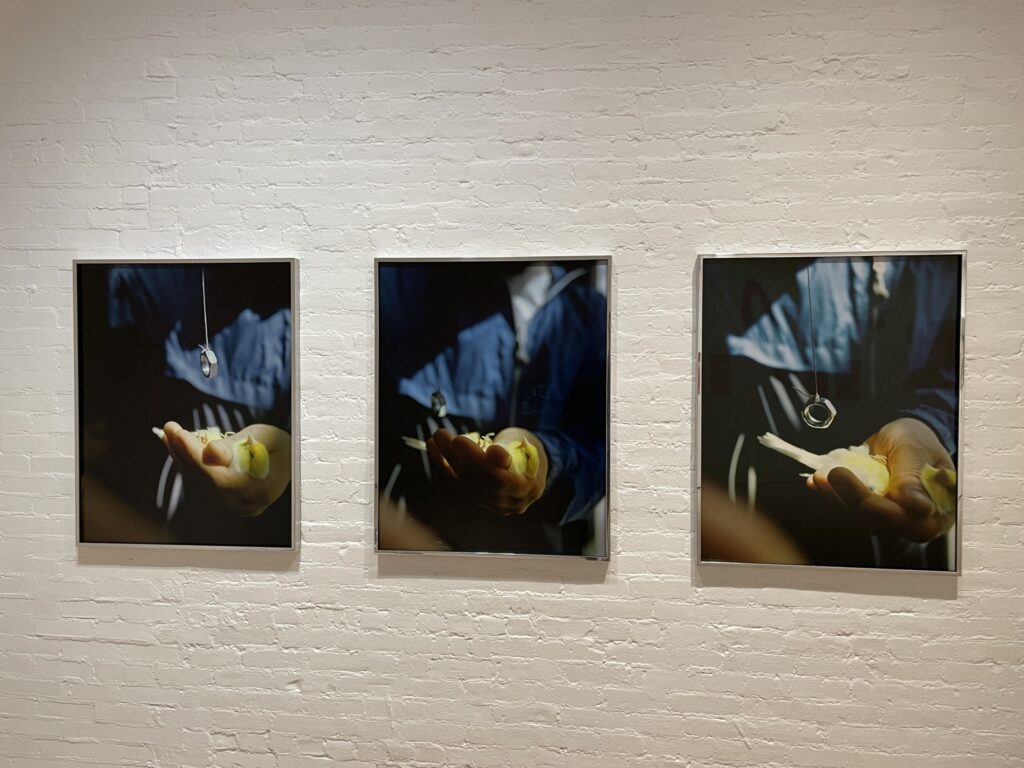
- Mary Helena Clark: 3 archival pigment prints, 2025
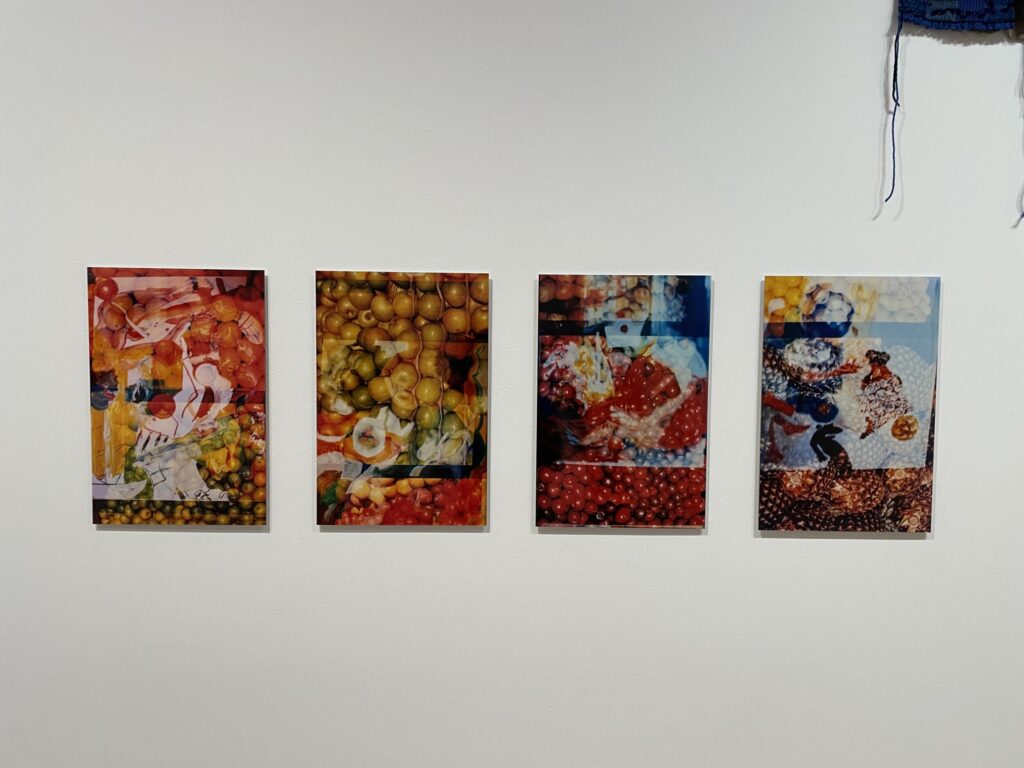
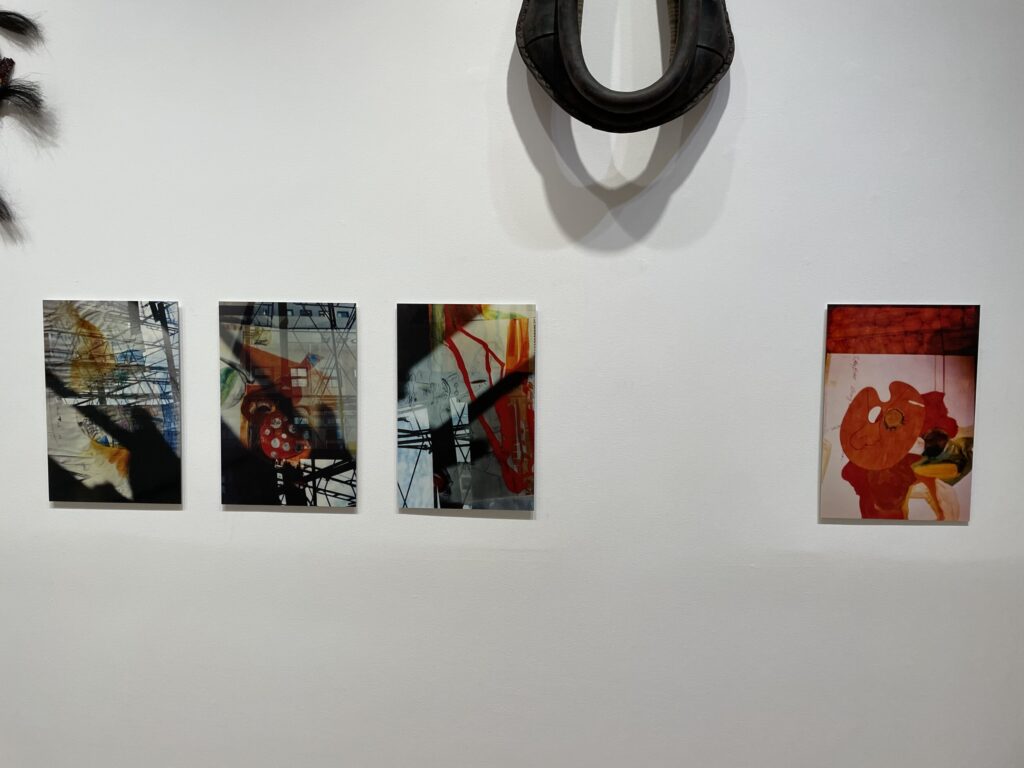
- Candace Hill-Montgomery: 8 digital chromogenic prints mounted on Dibond, 1992/2026
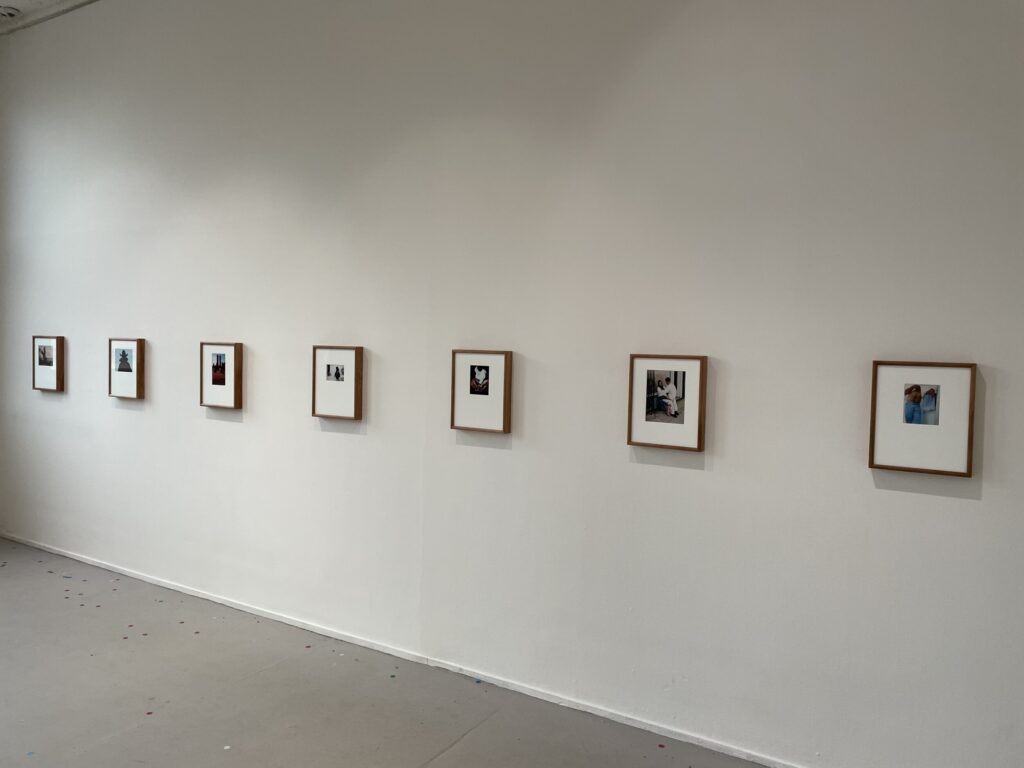
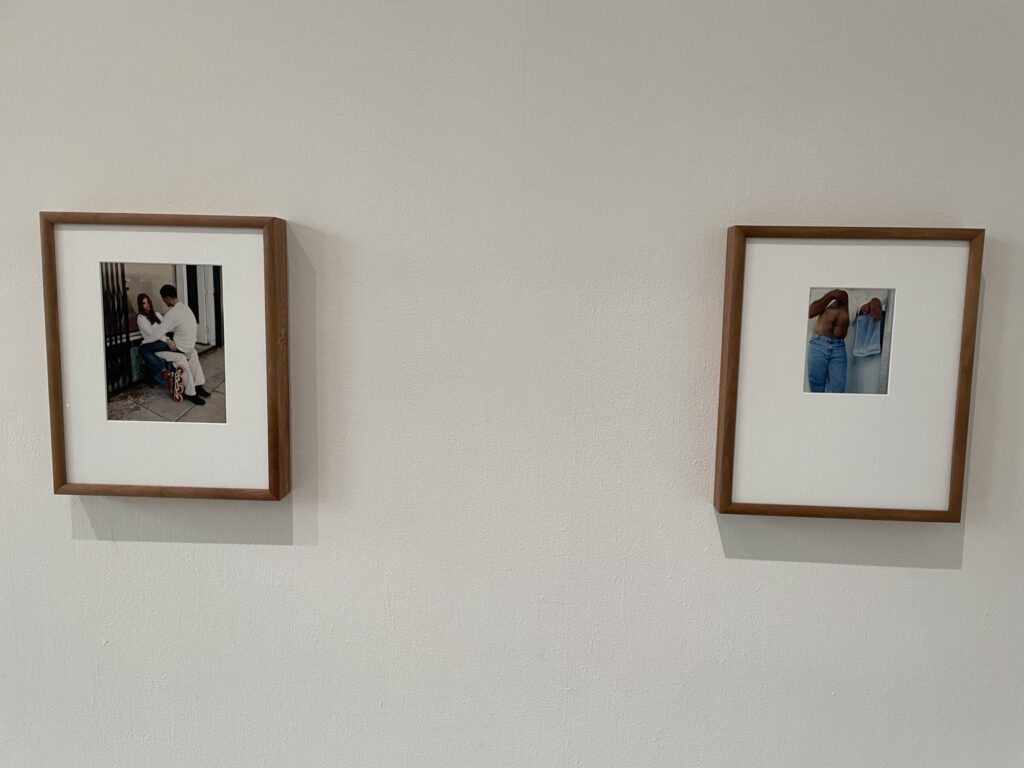
- Devlin Claro: 7 chromogenic prints, 2026
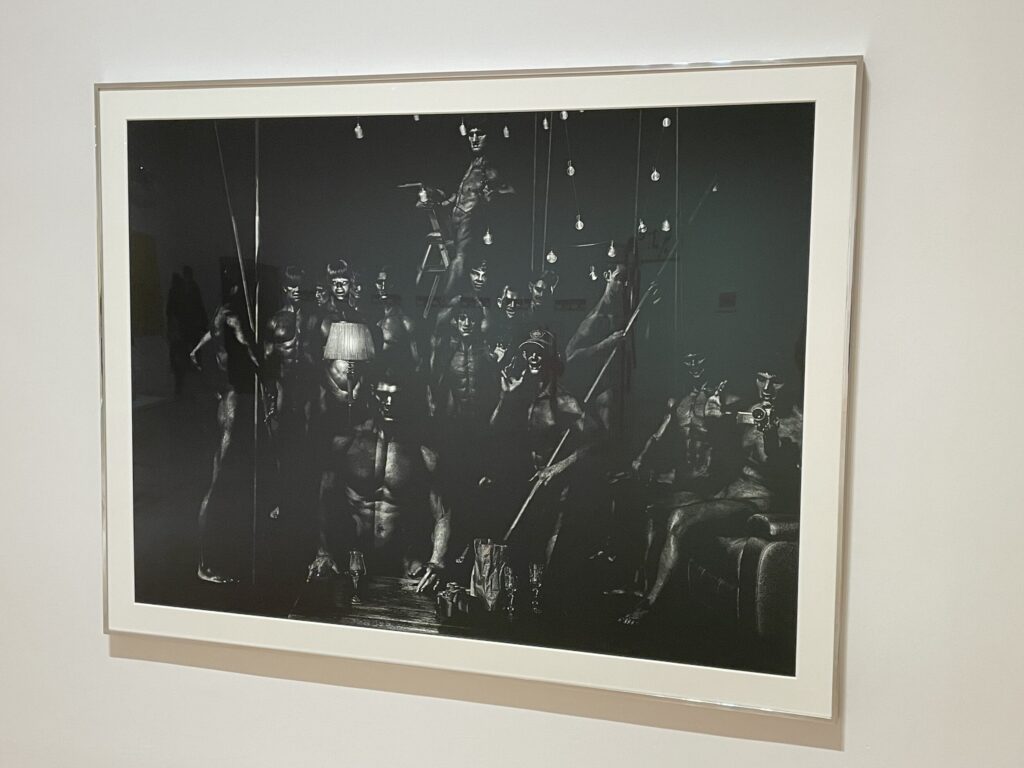
- Hardy Hill: 1 contact print from negative on fiber paper, 2026
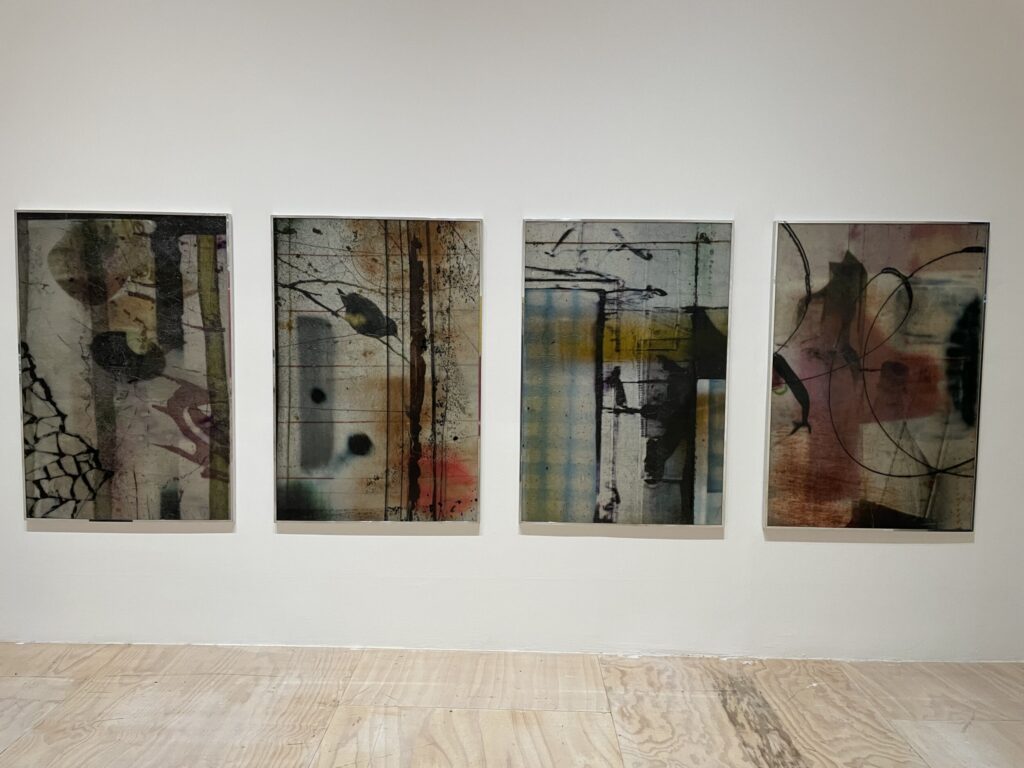
- Sofia Sinibaldi: 4 pigment-based inkjet prints on tissue paper, acrylic medium, backboard, aluminum frame and acrylic glass, 2026
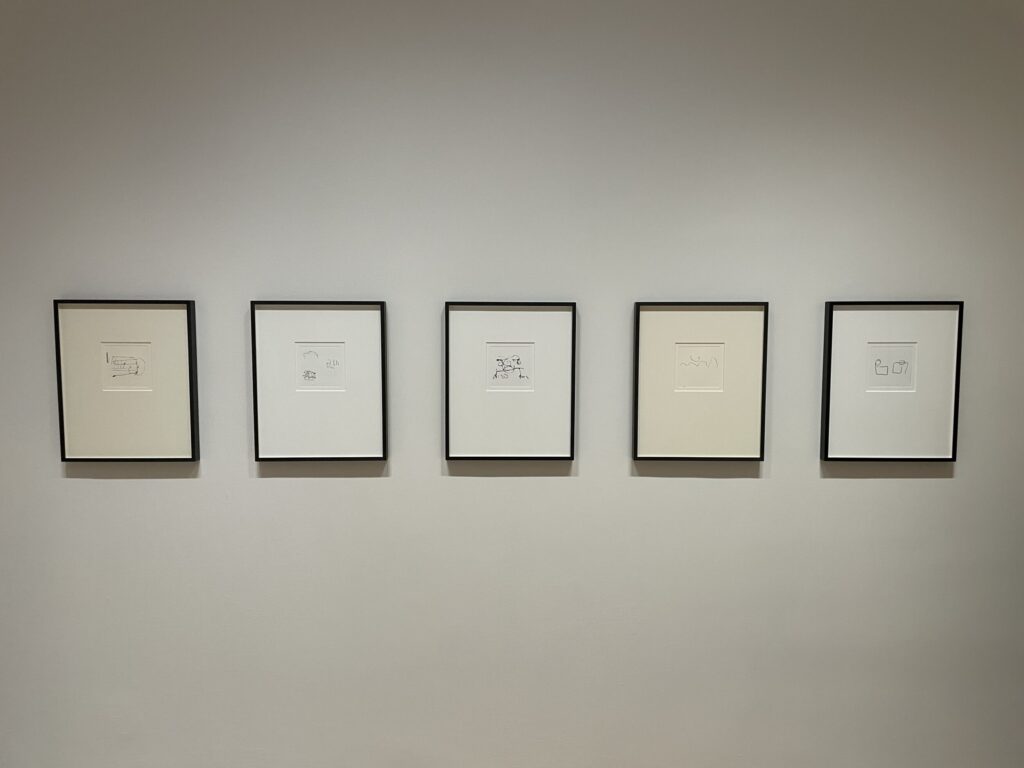
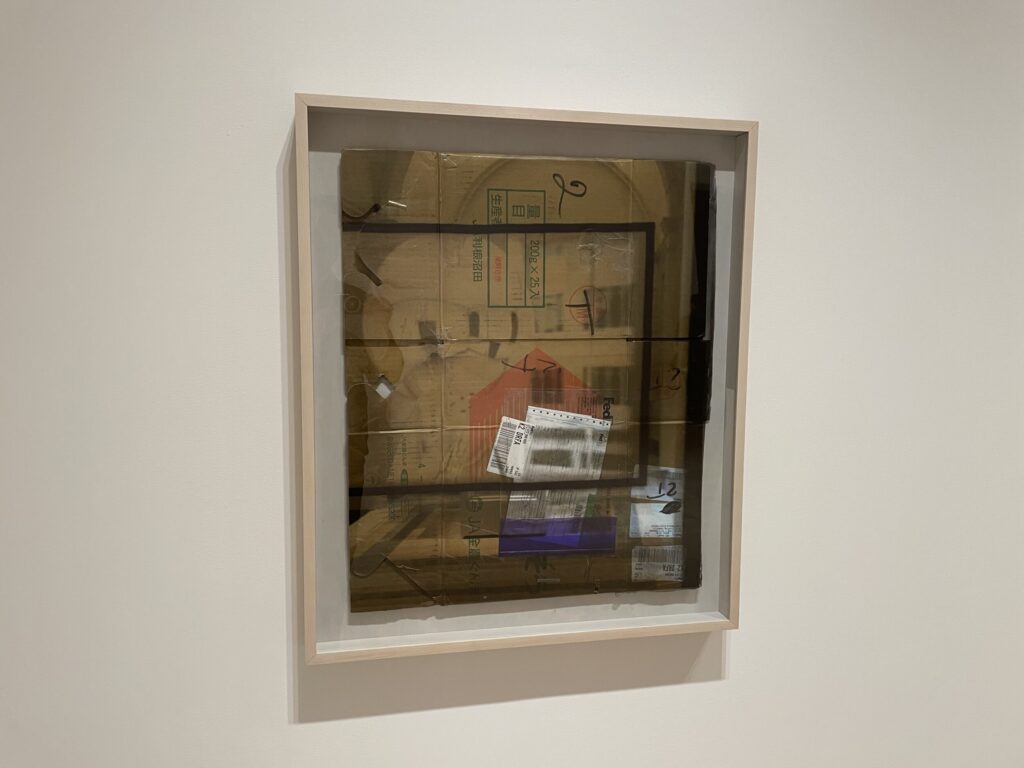
- Taro Masushio: 5 photogravures on mat board, 2026; 1 UV print on found cardboard
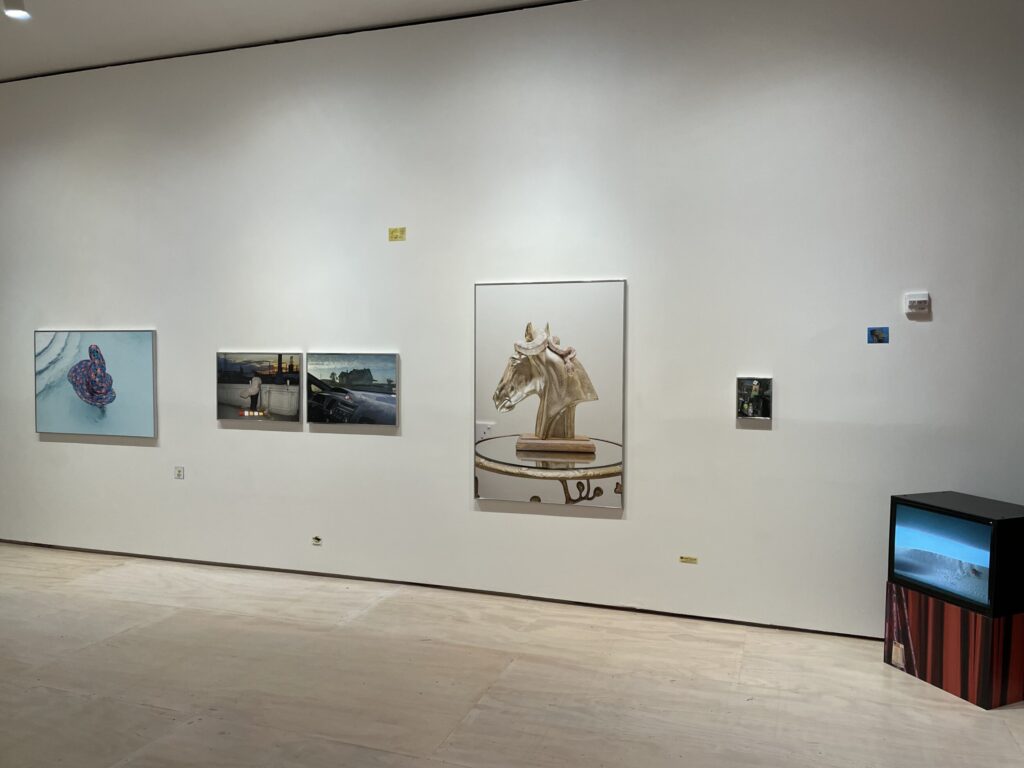
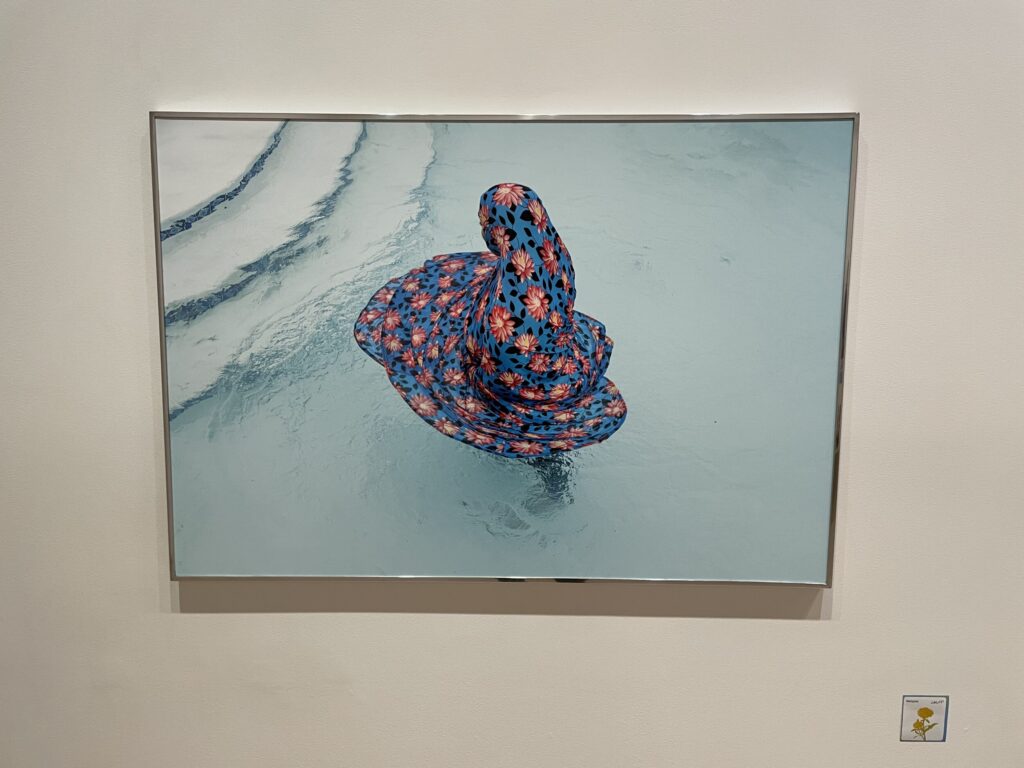
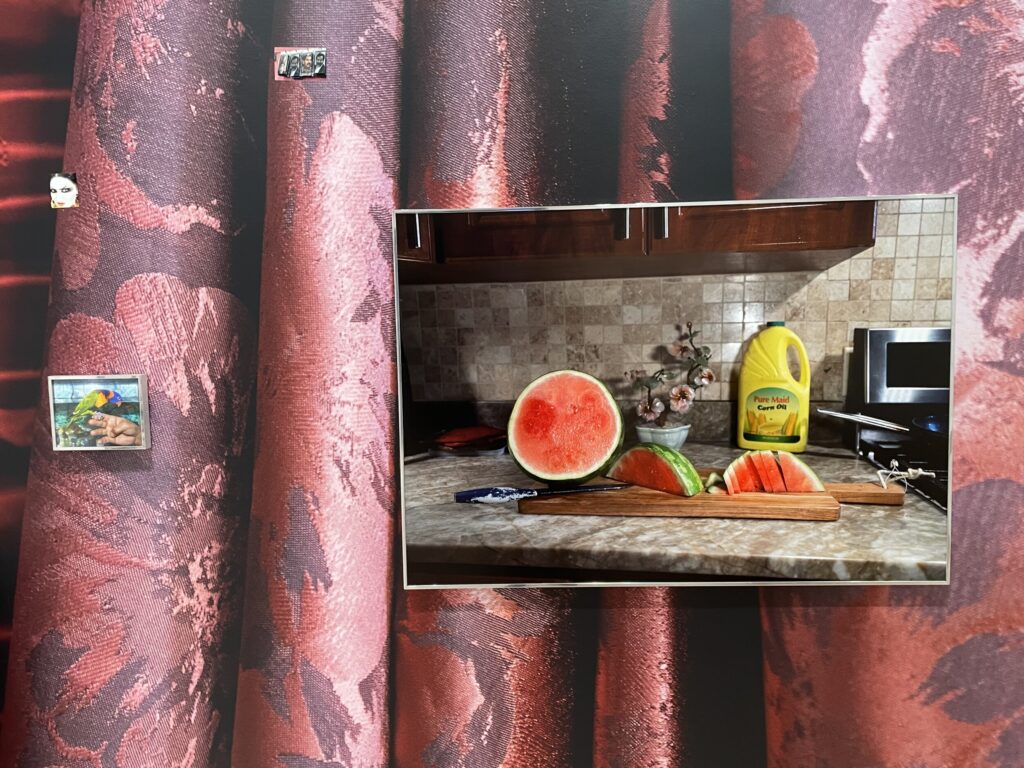
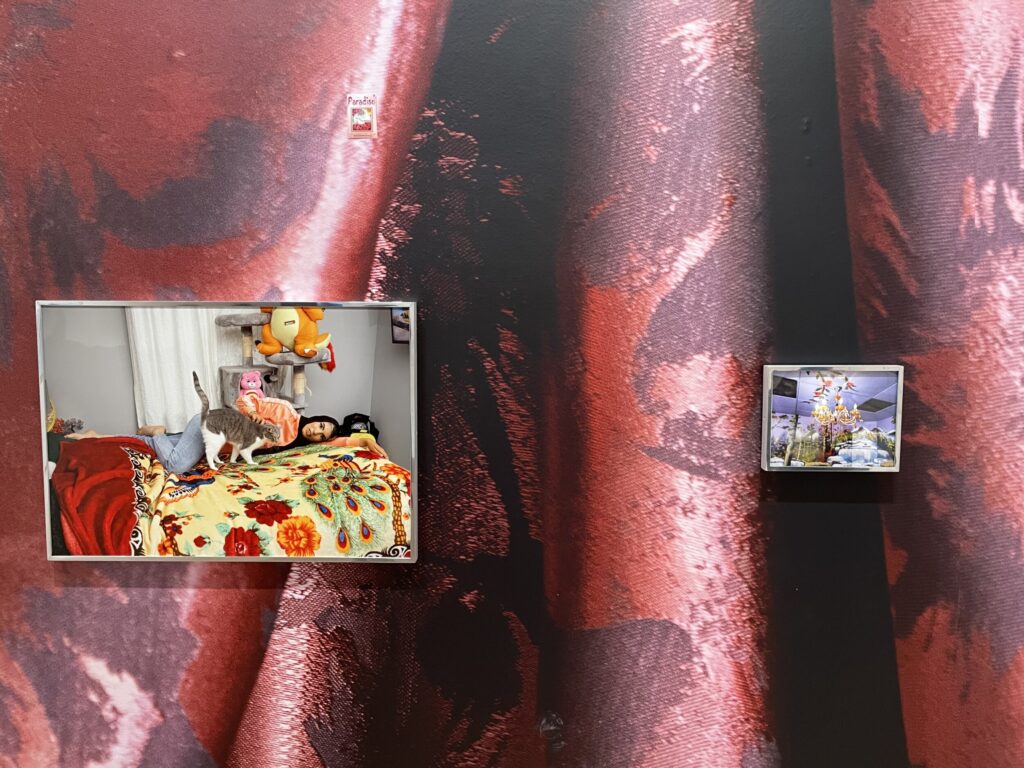
- Farah Al Qasimi: 9 inkjet prints in custom frames, 2022, 2024, 2025; 1 digital video (color, sound), 4 minutes, 2024; 1 adhesive vinyl, 2024; stickers
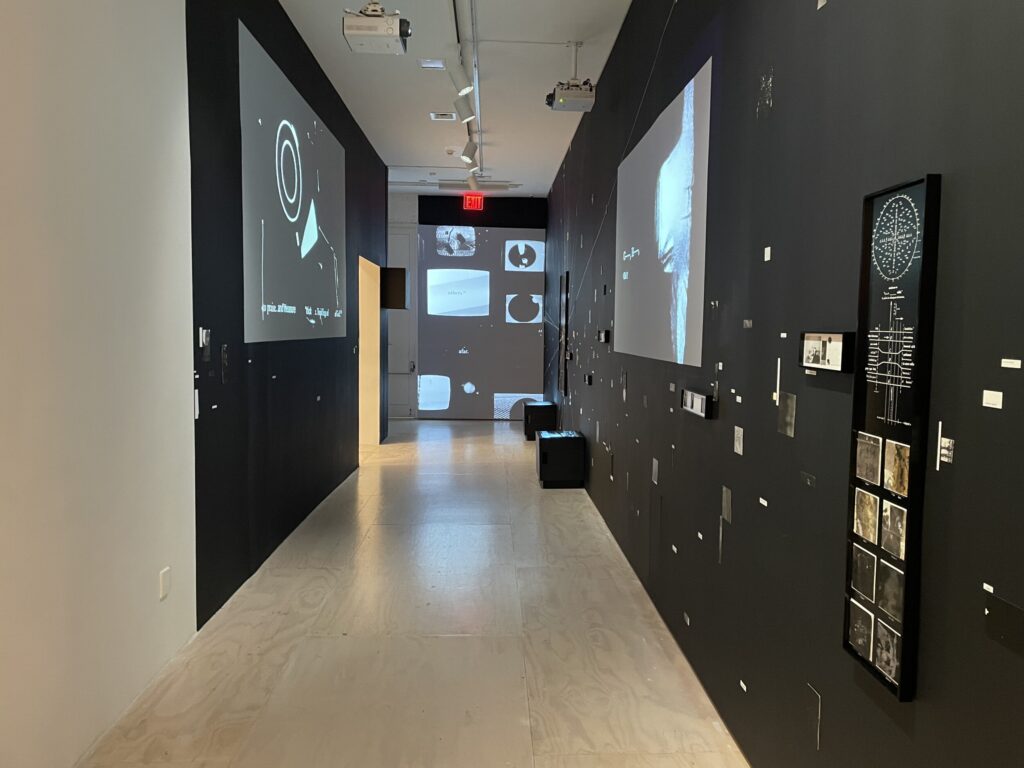
- Kameelah Janan Rasheed: 1 installation with videos (black and white, sound) and works on paper, 2026
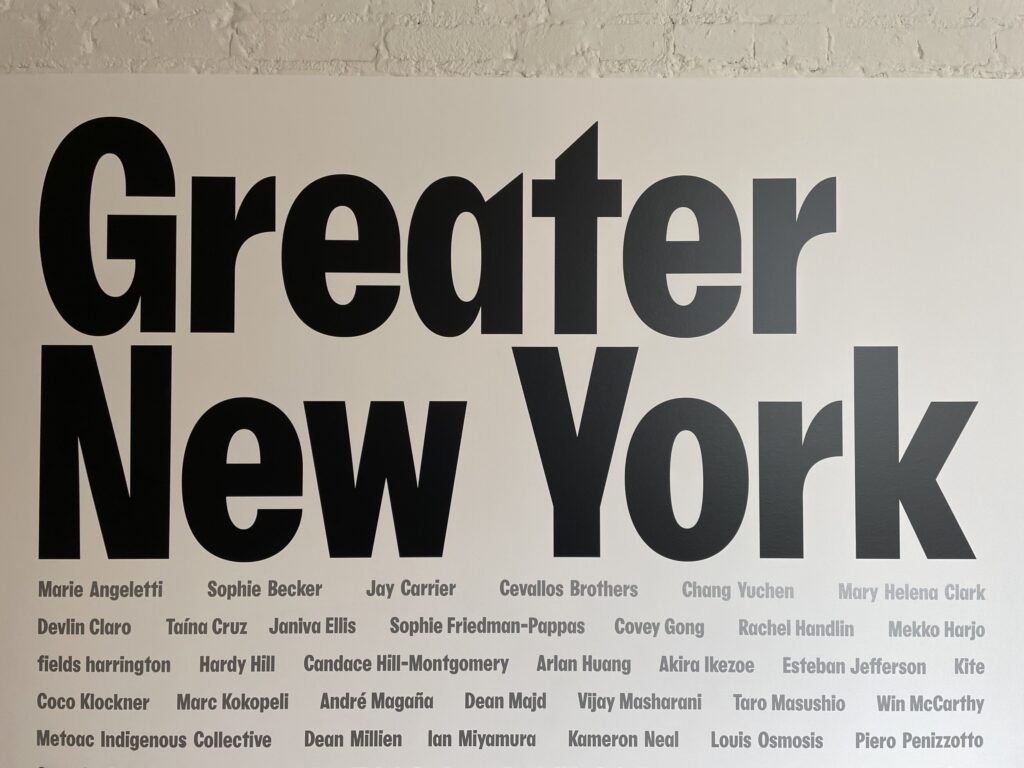
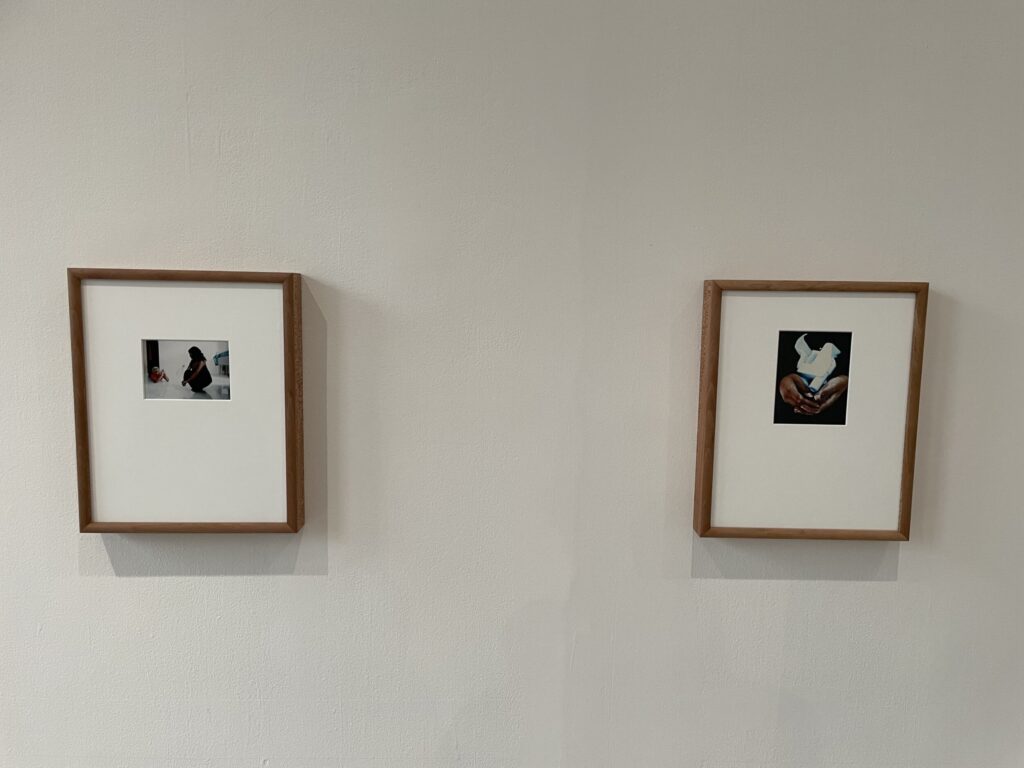
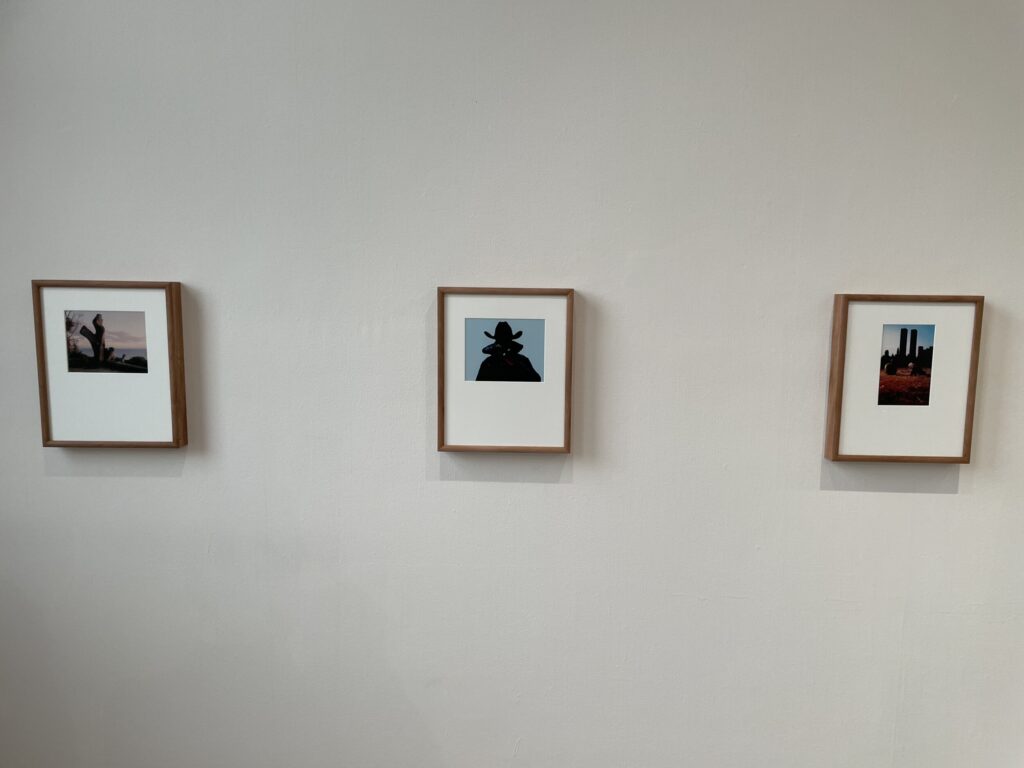
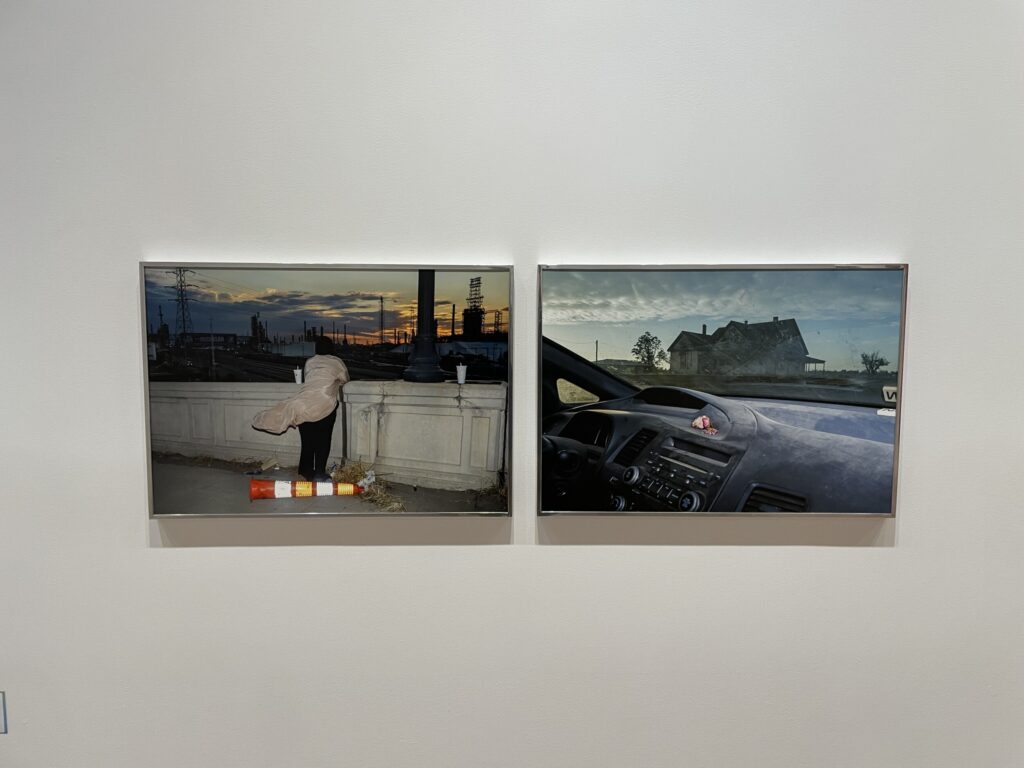
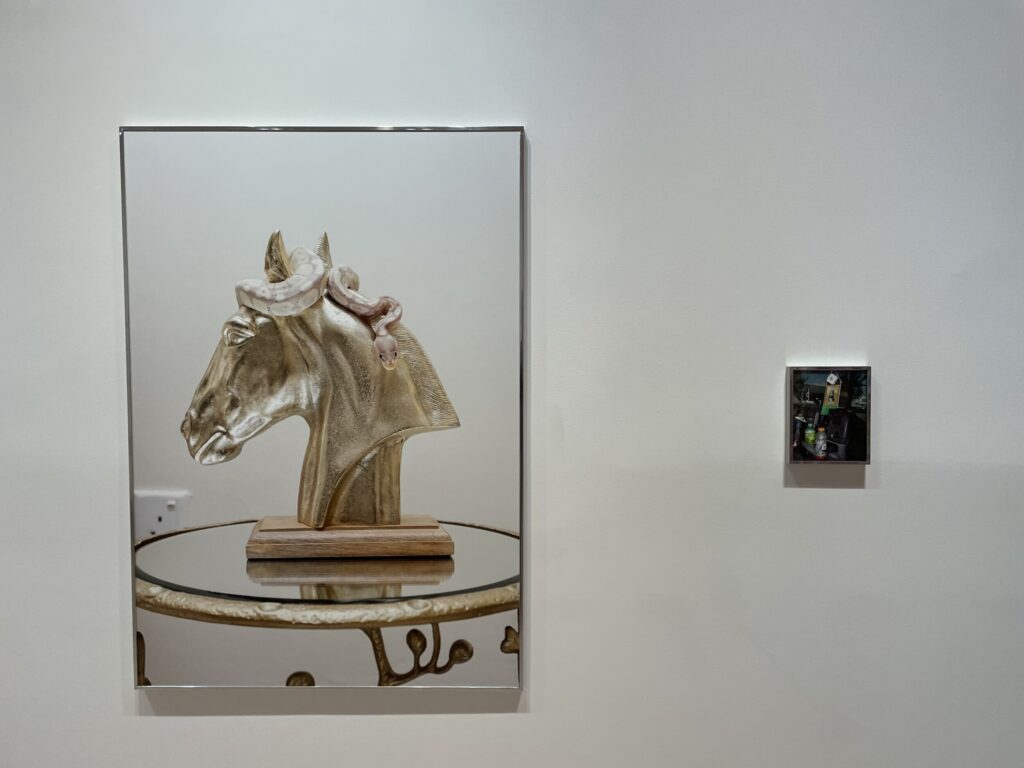
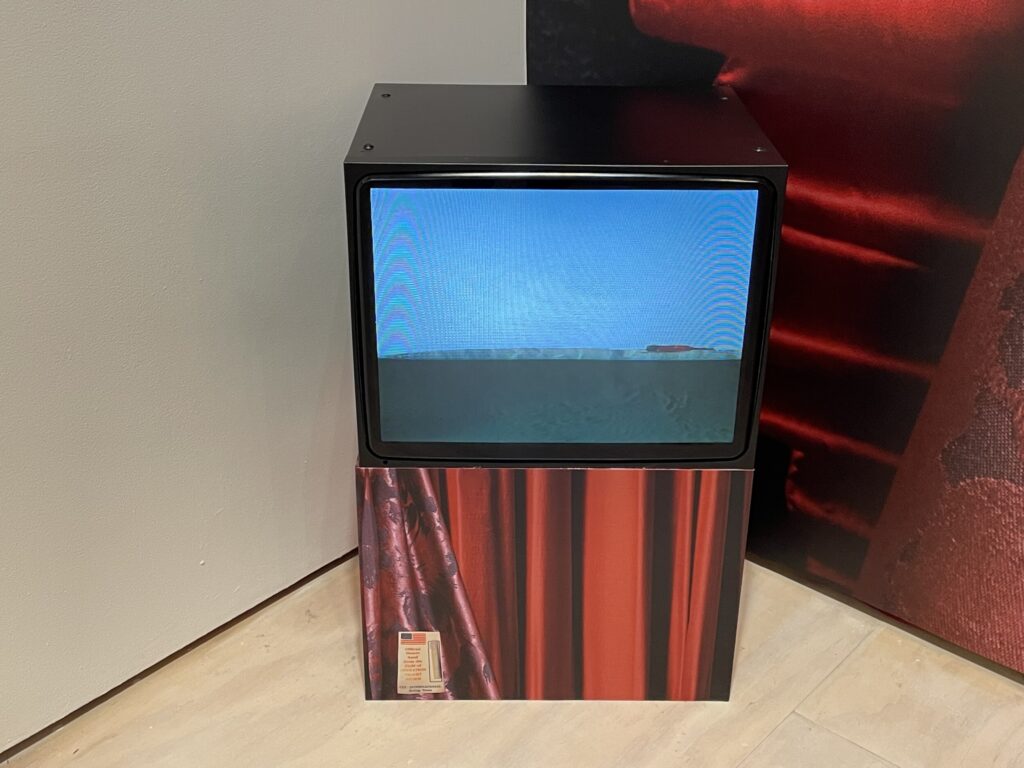
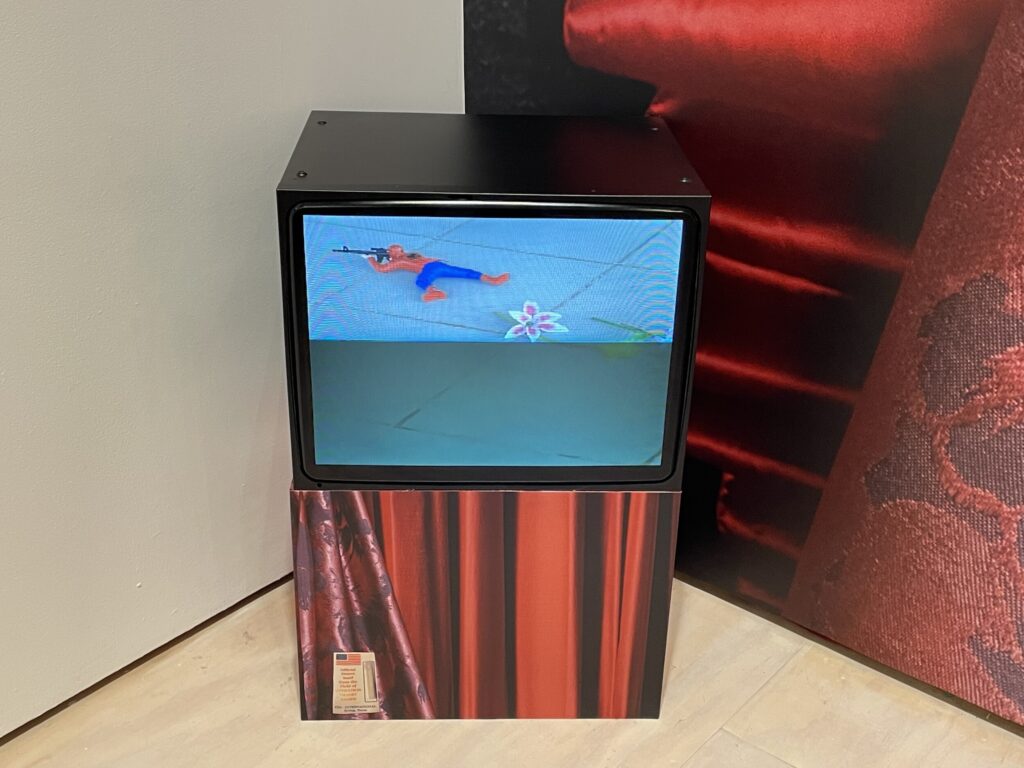
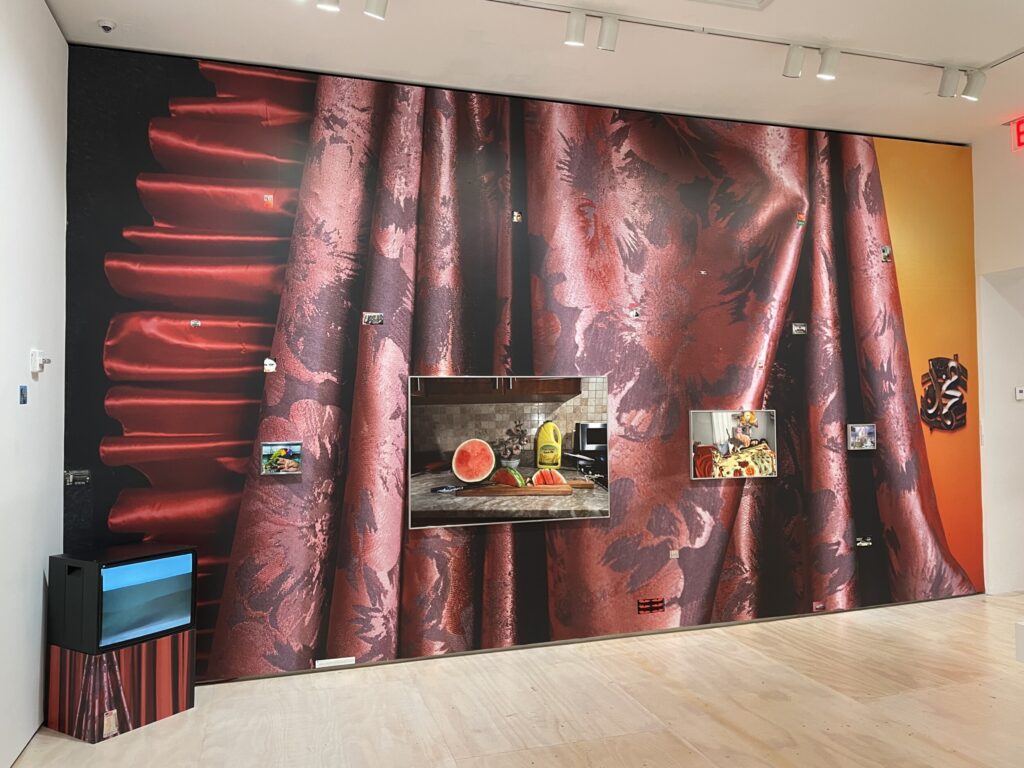
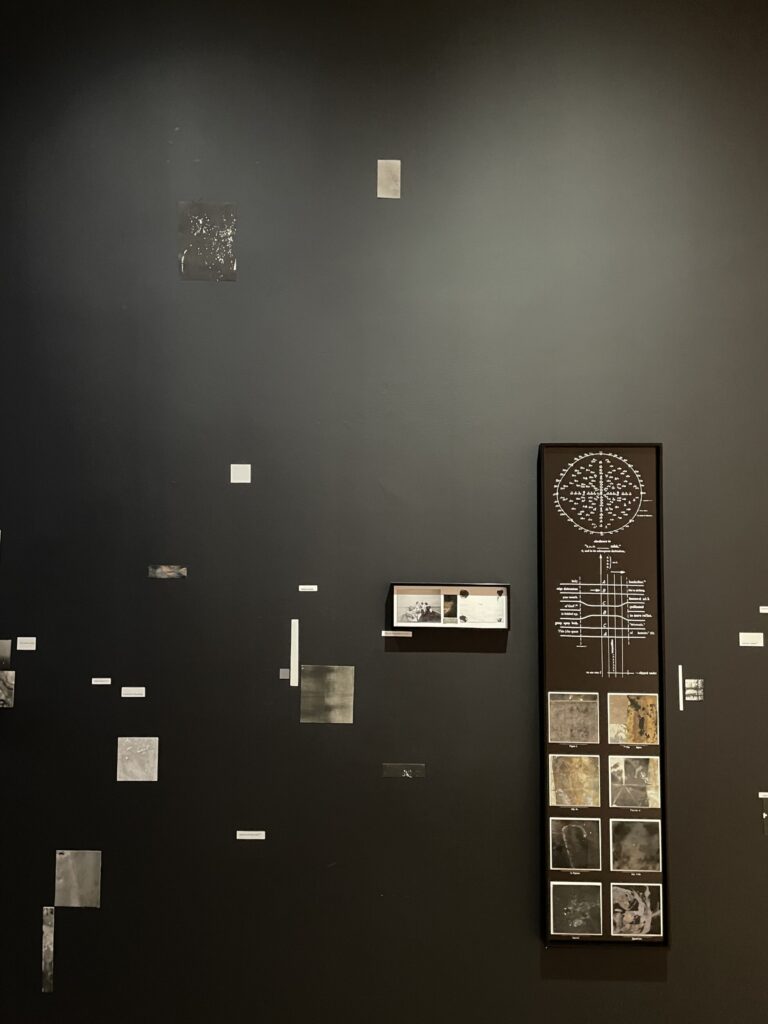
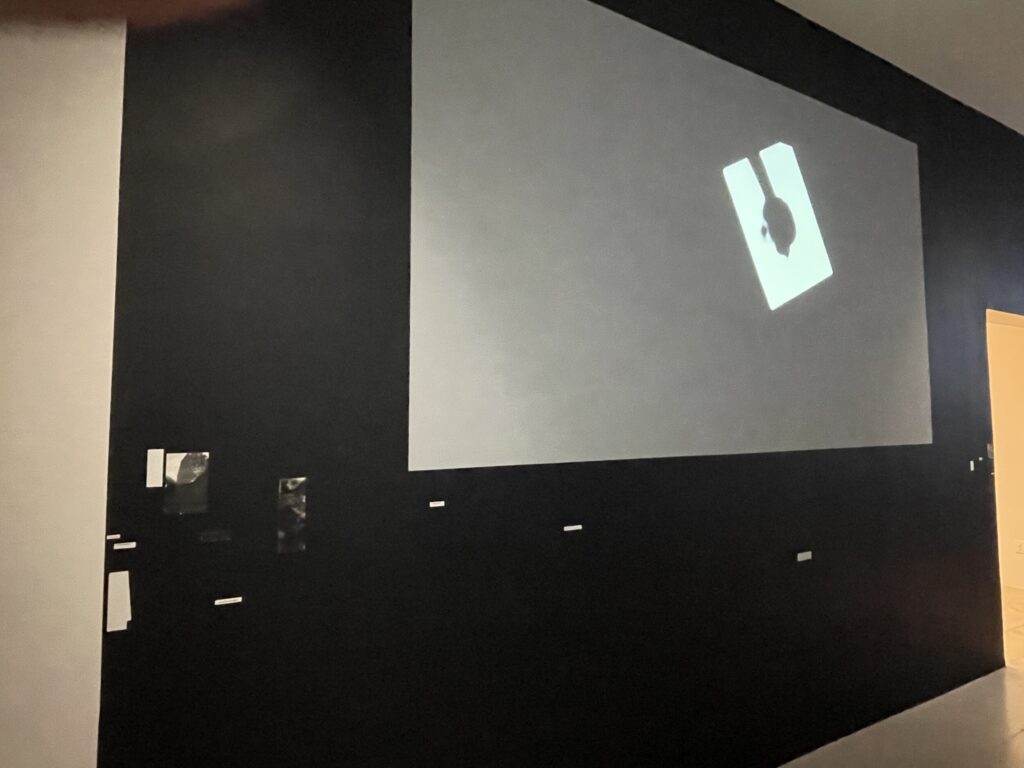
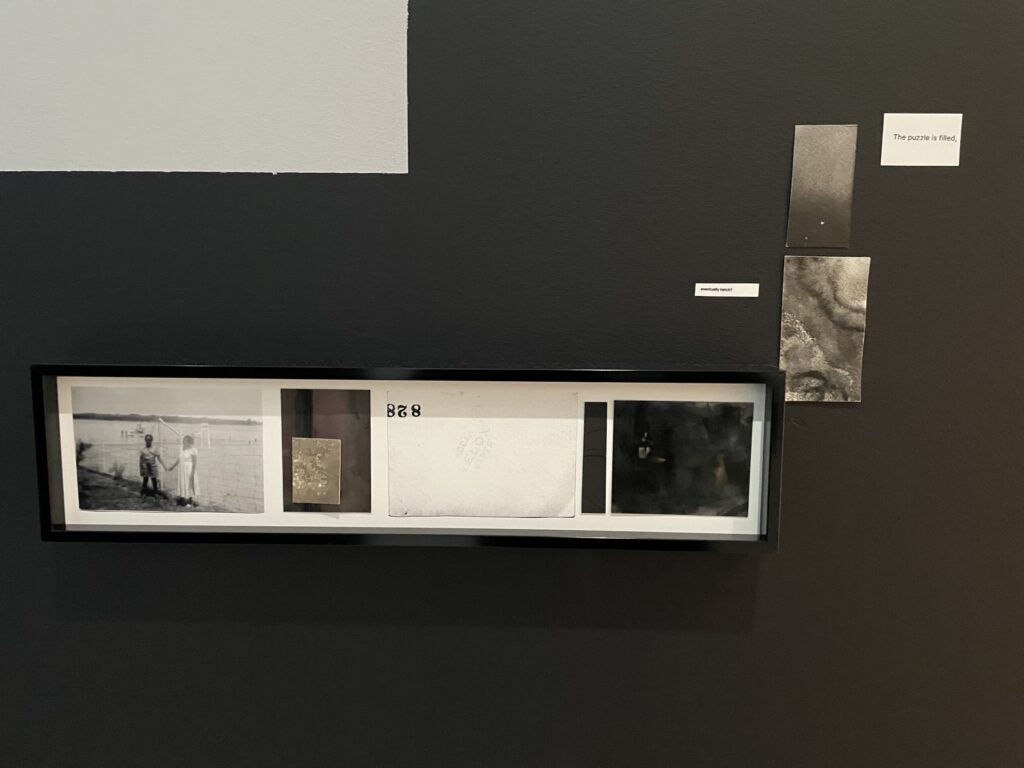
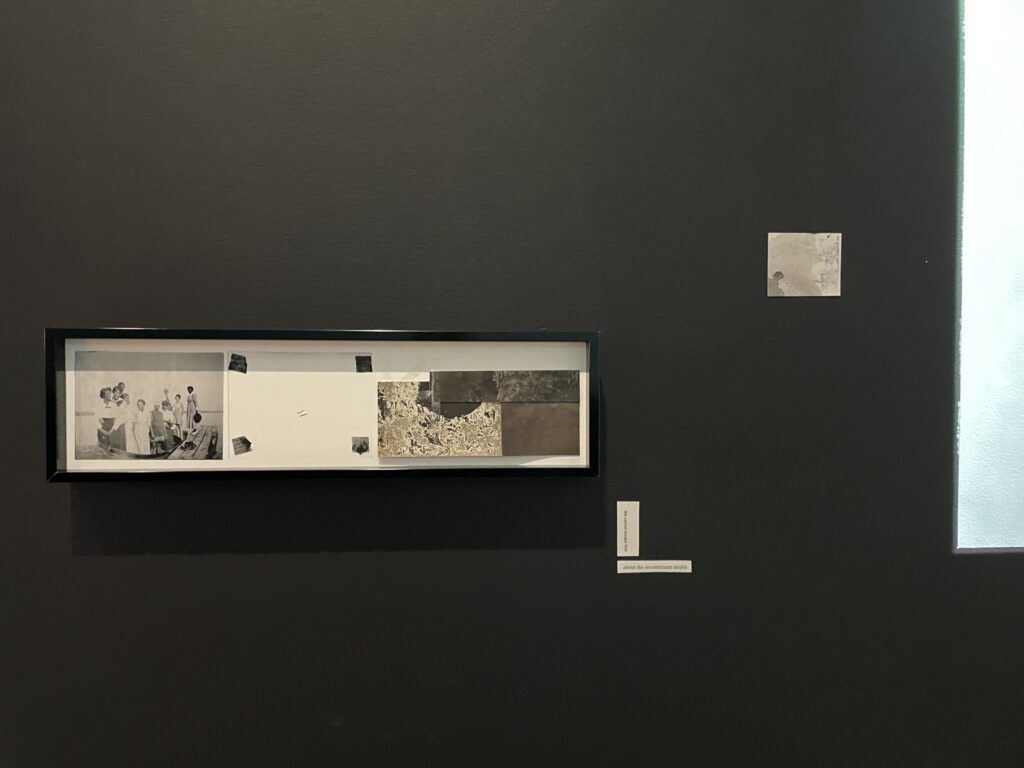
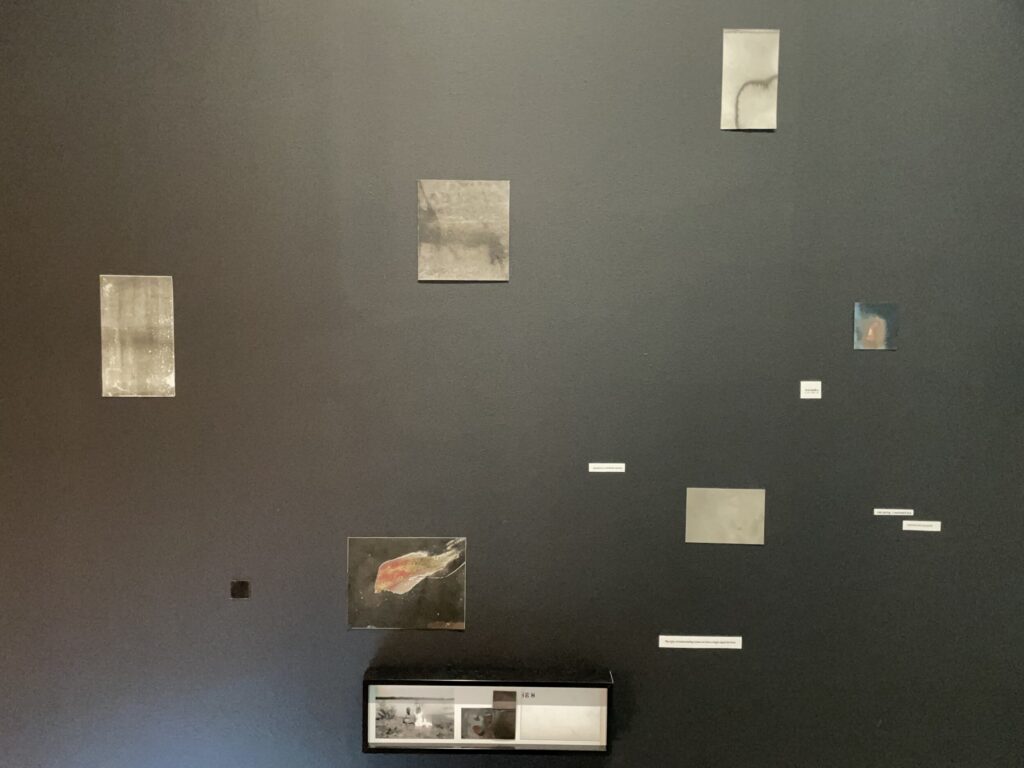
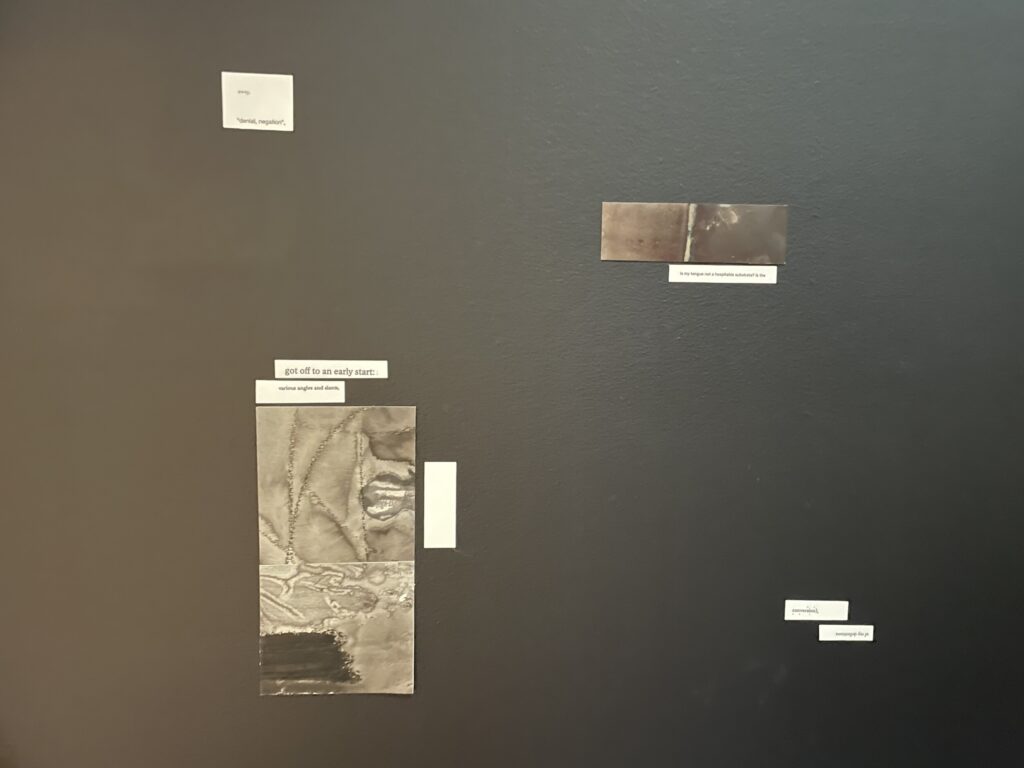
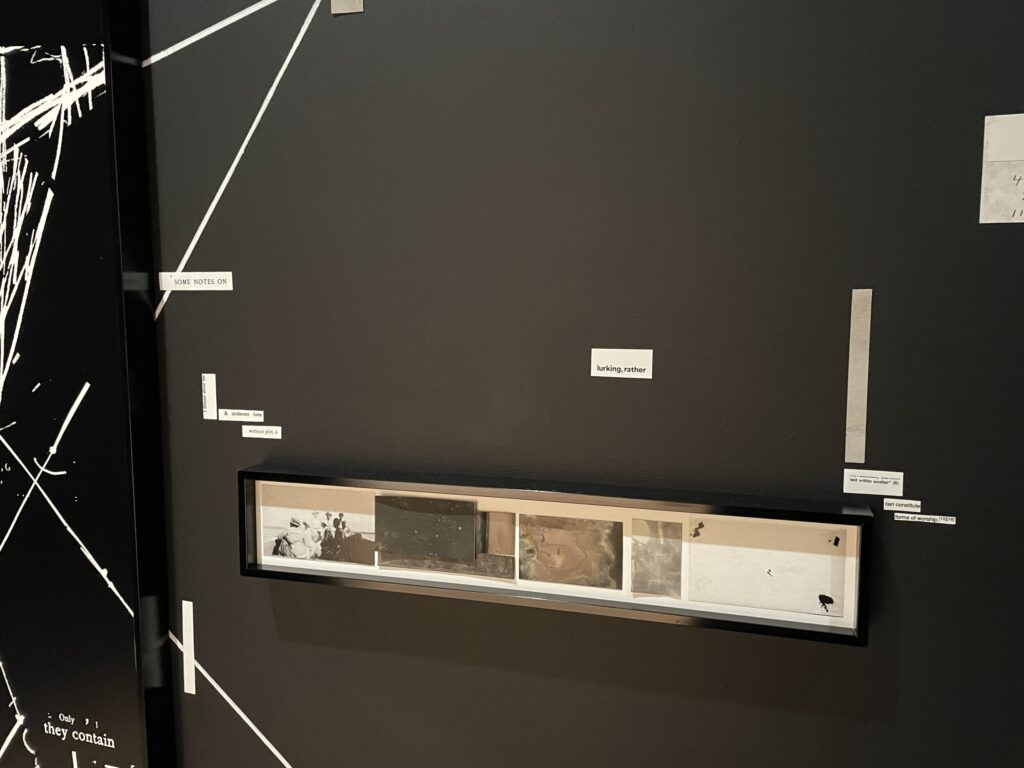
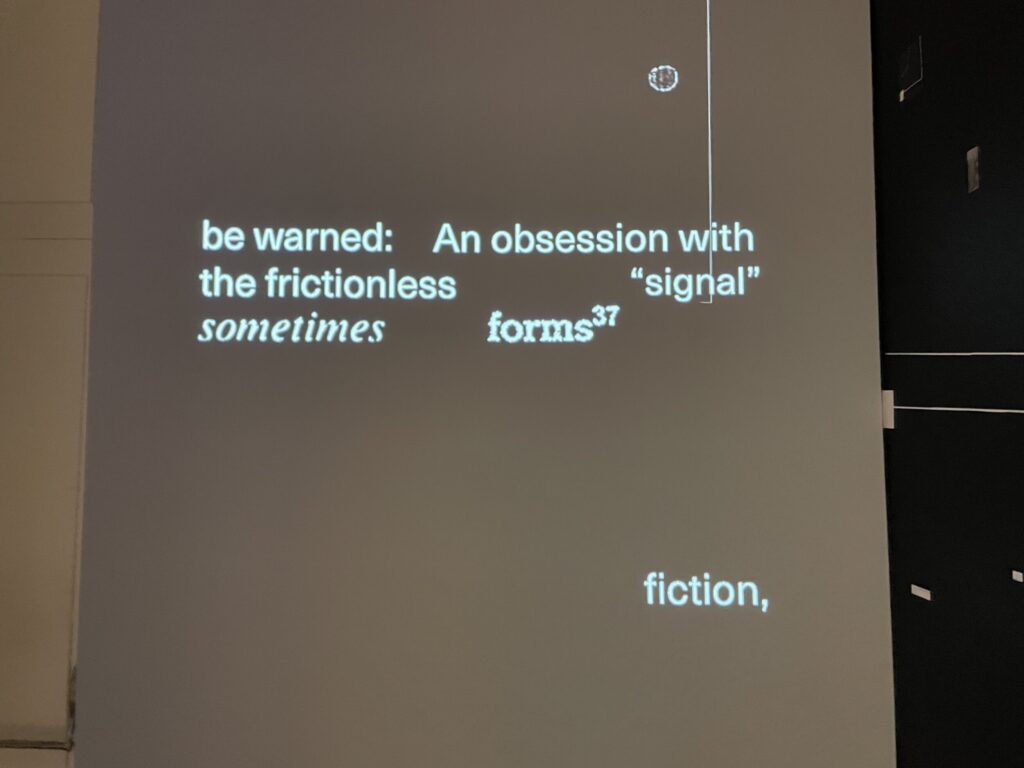
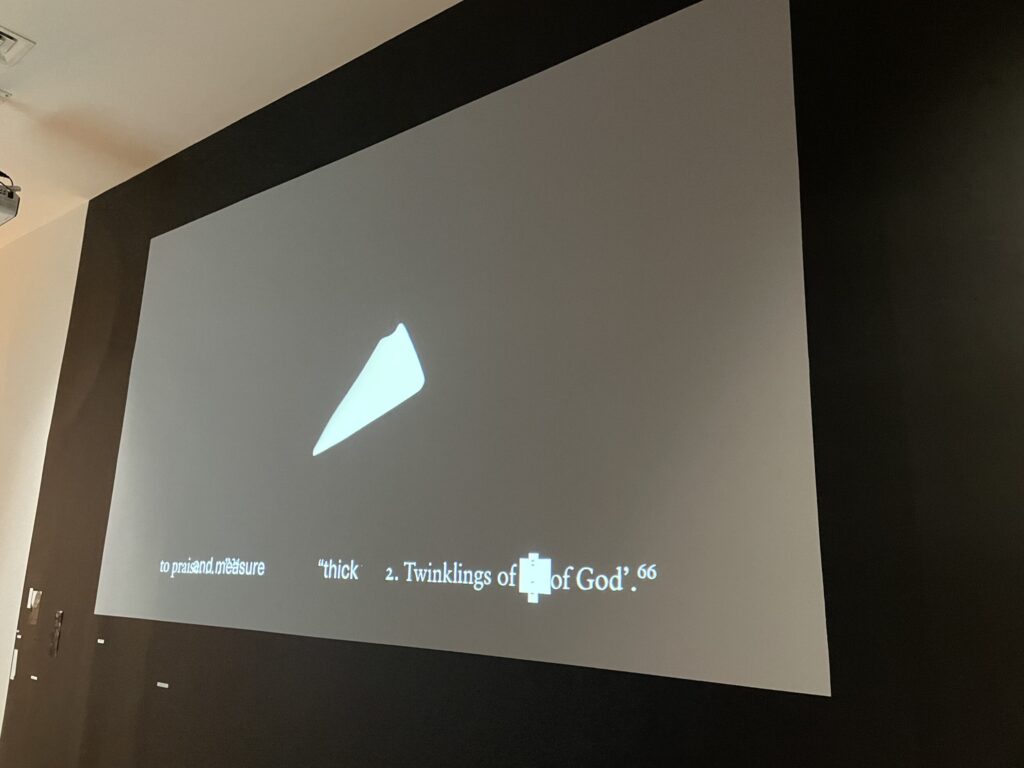
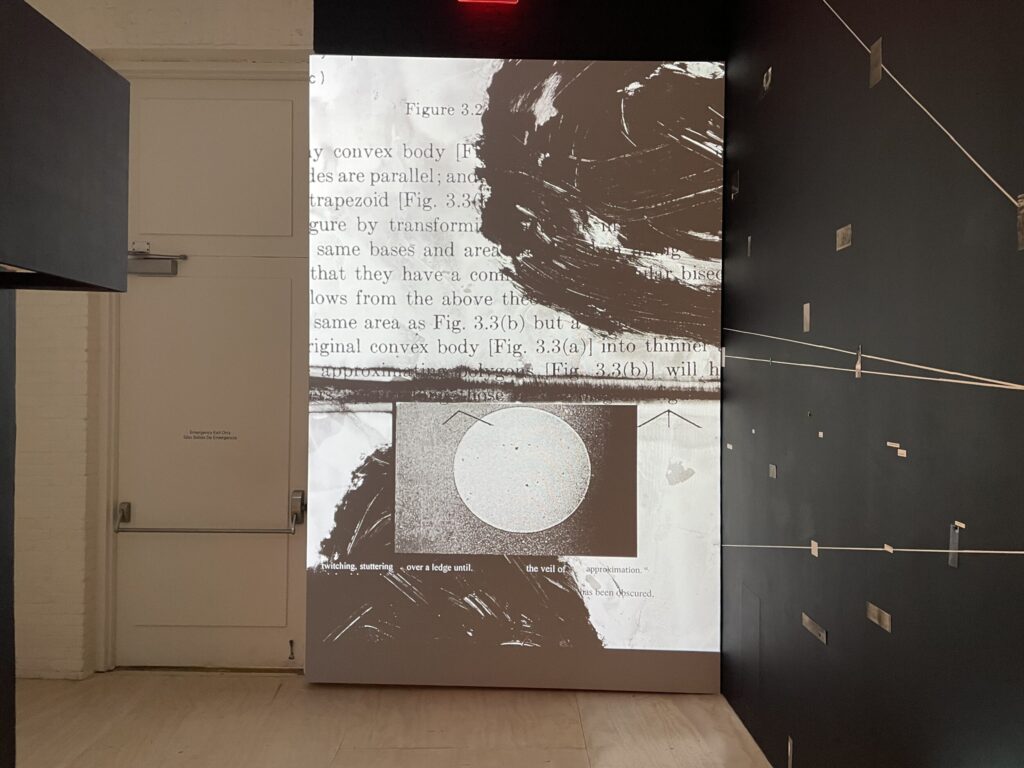
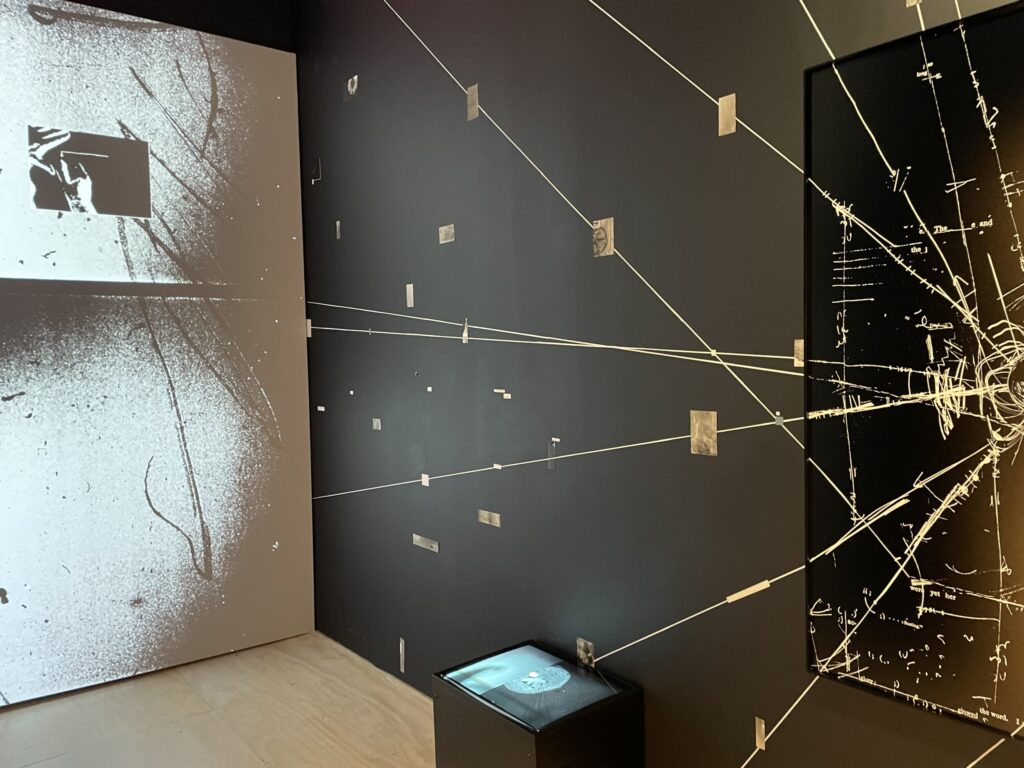
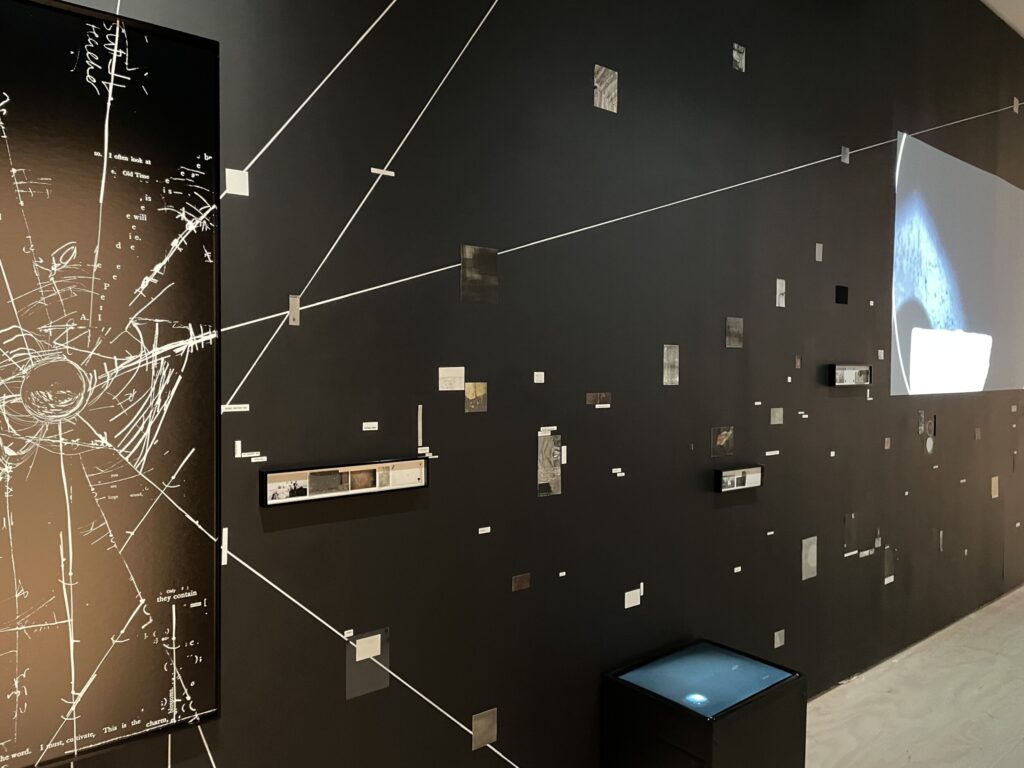
Comments/Context: Depending on your perspective, five years is either an eternity or the blink of an eye in a place like New York City, and this duality forms the underlying framework for MoMA PS1’s once-every-five-years “Greater New York” survey of recent art made here in its home city. Since the last iteration of this show in 2021 (reviewed here), and through the tenures of three different mayors since, plenty has changed in the lives of New Yorkers, but seemingly just as many stubborn truths have continued to require attention, the shifting combinations of new and old (in economics, politics, technology, community, and countless other factors) offering local artists a permanently evolving mix of ideas and lived experiences to consider.
With an intentionally narrower curatorial purview than something like the Whitney Biennial (which scans the entirely of contemporary American art every two years), “Greater New York” can tunnel into the local art scene with more laser-like focus, particularly as this show tends to put emerging, early, and mid-career artists (many of which are lesser known) at its center. Photographically, this year’s iteration of the show is surprisingly rich, with several large wall-filling installations of work accompanying a range of smaller groupings and thoughtful inclusions, with photographs being used to sensitively wrestle with everything from the textures of urban surfaces to the complex realities of immigrant experiences.
There’s something altogether refreshing about including so much contemporary photography that is really about seeing the city itself and noticing its hidden (and not-so-hidden) rhythms. That fabric of vision takes shape here in images of parked delivery bicycles (by Fields Harrington), reflections in scooter mirrors (by Rachel Handlin), construction workers (by Marie Angeletti), flattened building angles seen while looking up (André Magaña), and the gestures of bodies interacting with public spaces (by Devlin Claro). In many ways, the living, breathing city itself has been made the direct subject of these pictures, and you don’t notice things like these unless you are observing a place with the everyday eyes of a local, where small changes or appearances present themselves as unexpected new patterns to watch and understand. Two other artists, Sofia Sinibaldi and Candace Hill-Montgomery, use their images of city surfaces as the visual raw material for further layerings and artistic interminglings, creating merged works that intentionally oscillate between the public and the private or the legible and the abstract.
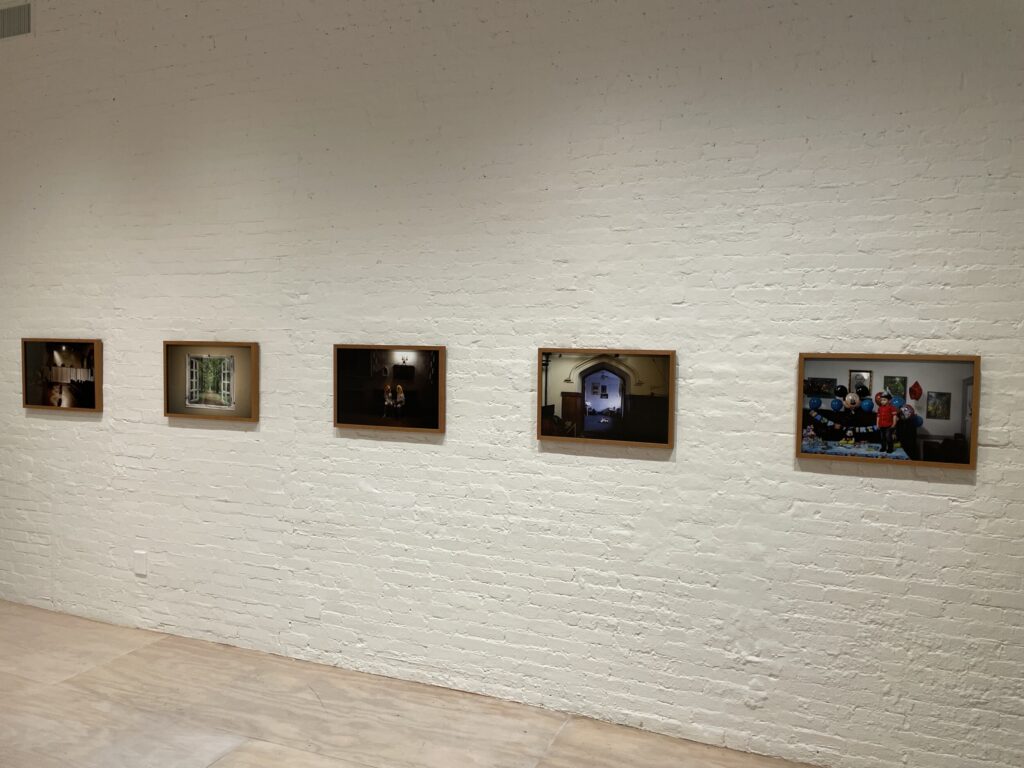
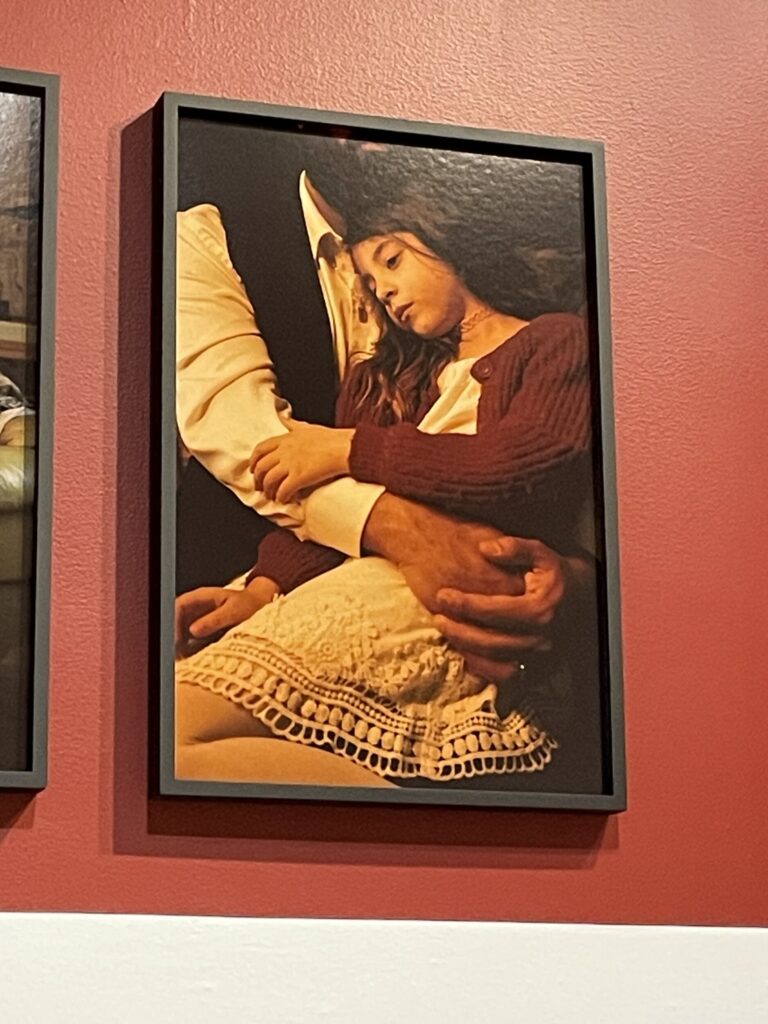
A second group of photographic projects turns to the lives of New York City’s residents, and in particular, the diversity of international subcultures, immigrant/refugee lives, and diasporic experiences to be found all over town. Dean Majd’s images of Palestinian life (mixed between the West Bank and New York) get the fullest presentation, filling two red walls with a dense cloud of images, with standout sensitively-seen portraits (many in rich tones of amber and orange light) punctuating the installation. Farah Al Qasimi also gets two walls to tell her Arab-American visual stories, her compositions opting for more indirect and symbolic moments, using a scattering of tiny found stickers to create additional connections and cultural resonances. Cinthya Santos-Briones looks more closely at mostly Hispanic refugees in more precarious immigration situations, her “Living in Sanctuary” project capturing the improvised lives made in churches, schools, and other impermanent homes, where the intimacies of birthday parties and girl talk happen in unlikely rooms. And Taro Masushio uses the cardboard care package boxes sent by his father from Japan as the physical substrate for further image printing, incorporating a physical connection to a different part of his life into his NYC aesthetics.
Many of the other photographic projects included in “Greater New York” take a much less literal approach to documenting life in the city, probing instead some of the elusive moods and psychologies that simmer in the margins of contemporary existence. Kameelah Janan Rasheed’s hallway installation is easily the most innovative of the photographic presentations in the show, taking a cue from Octavia Butler’s early hypertext definition and expanding it out into a vortex of lines, images, text snippets, videos, and other visuals that play with grammars, meanings, and nonlinear associations; it’s a mesmerizing piece, once that encourages following, decoding, and unraveling. Other works explore even more instinctual approaches to image making, from Mary Helena Clark’s “ideomotor response” photographs using a hanging metal nut to gauge the sex of a canary to Masushio’s squiggled “remove the eye” photogravures made by individuals born without sight. And out on the far definitional edge of photography lies Hardy Hill’s eerie ink drawing made on a photographic negative, offering a spooky tableau of sixteen figures emerging from the enveloping darkness, some looking back at us with their own cameras.
Since this isn’t a photography-only survey, we can’t really expect “Greater New York” to cover all of the angles of what’s been happening photographically in the city in the past handful of years, but with Majd, Al Qasimi, and Rasheed as key photographic anchors, it gets some of the major trends right, which is to be applauded. The surrounding photo works then add nuance, support, and all important context to the mix, grounding us back in the both the geography and the mentality of the city at this moment. New York will always be a place that offers a plethora of intriguing problems and contradictions to artists, which is why the fresh solutions offered in an intermittent show like “Greater New York” will always keep us looking.
Collector’s POV: Since this a museum exhibition, there are of course no posted prices, and given the large number of artists included in the show, we will forego our usual discussion of individual gallery representation relationships and secondary market histories.