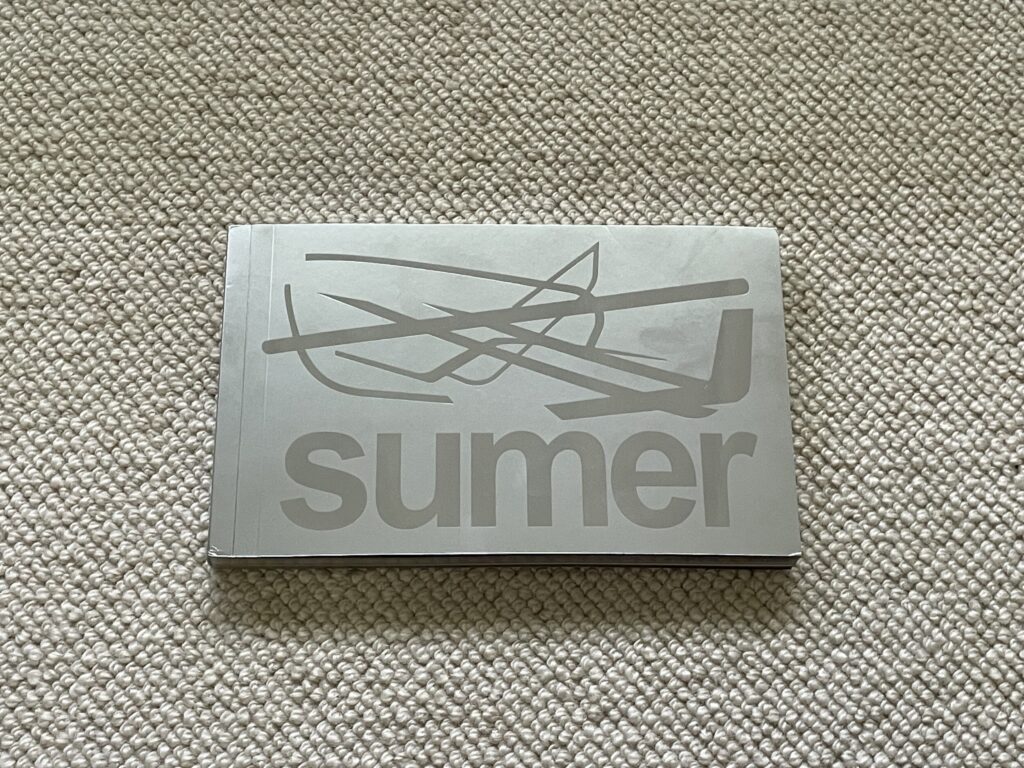
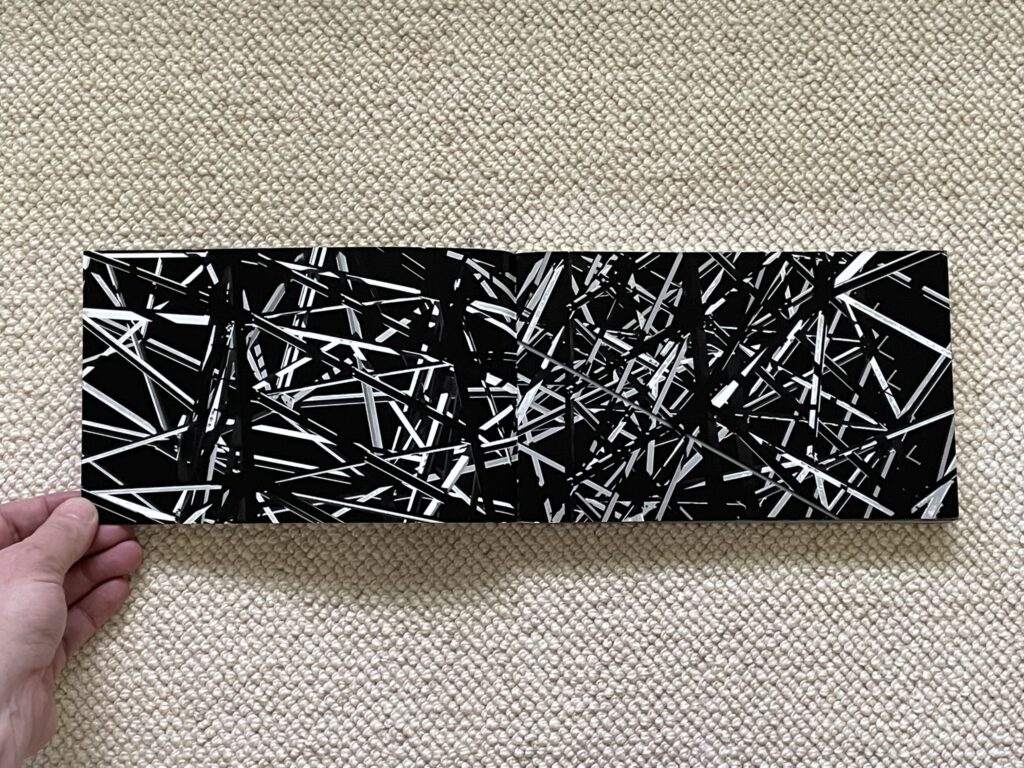
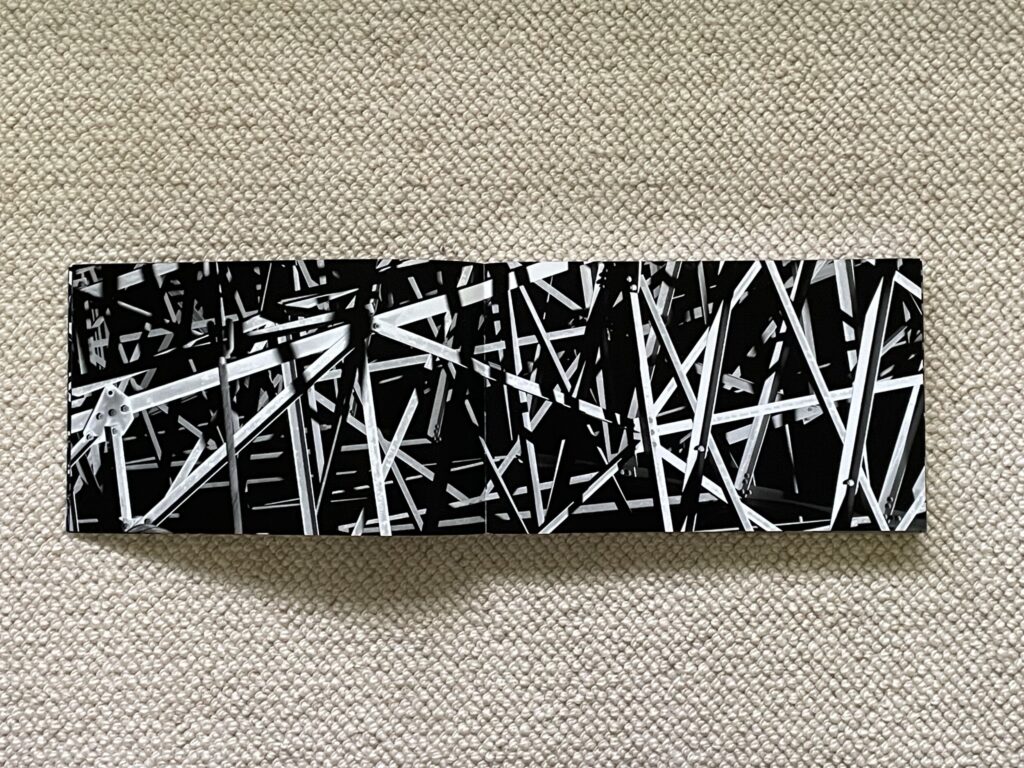
JTF (just the facts): Published in 2026 by RVB Books (here). Softcover, 21.6 x 13.5 cm, 204 pages, with 144 pages of photographs by Monzón and 64 pages of text (in French/English) by Larrue. Cover design by Antonio M. Xoubanova. Layout by Monzón. (Cover and spread shots below.)
A special edition of the photobook is also available (here), which includes a framed print (signed and numbered).
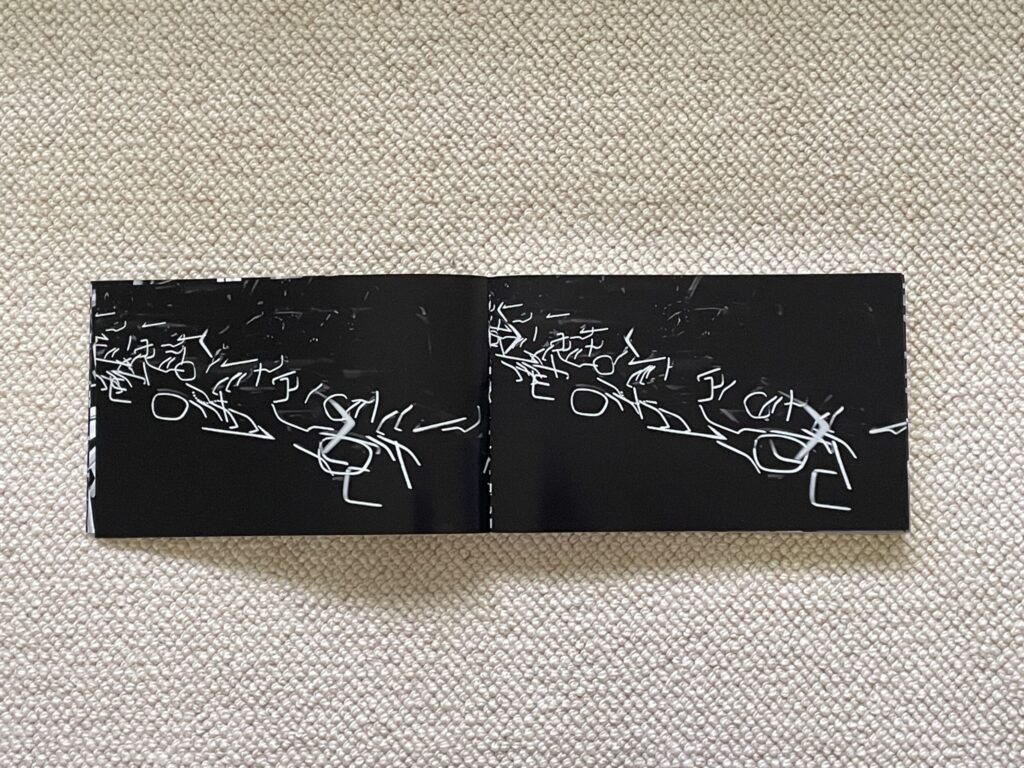
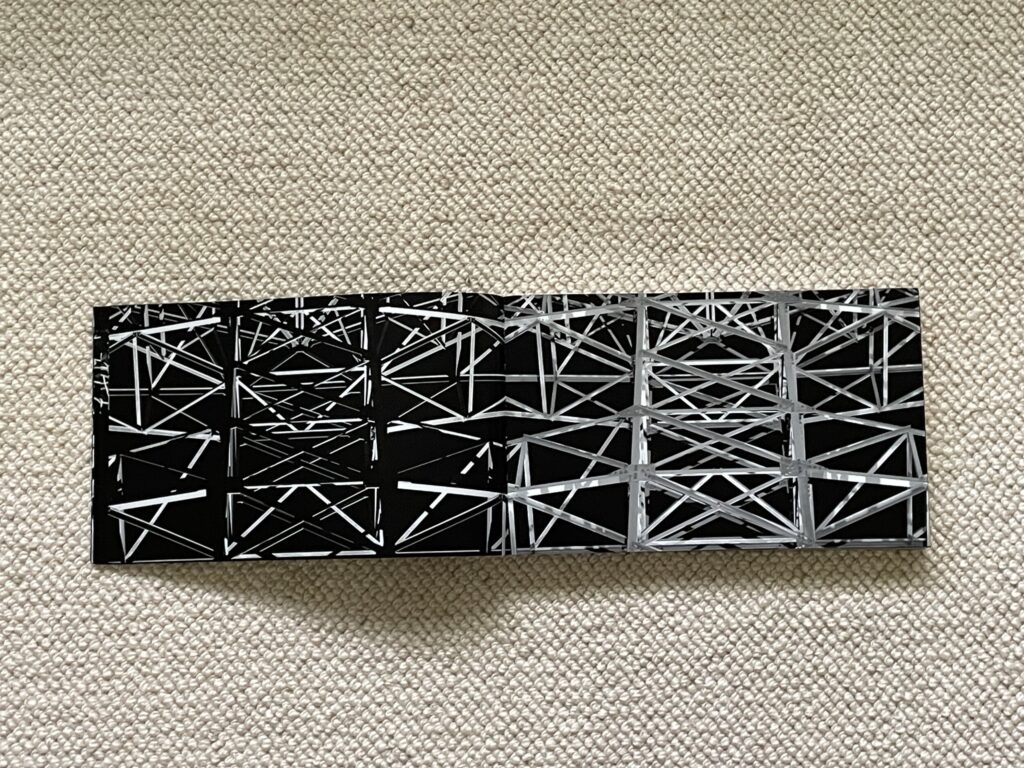
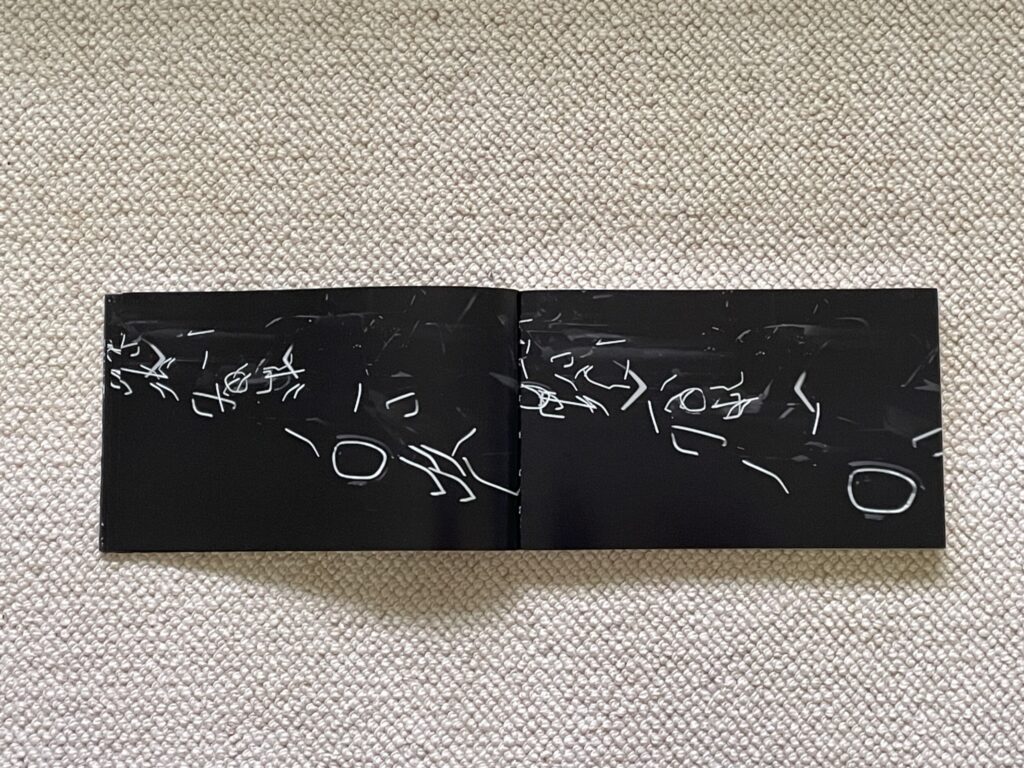
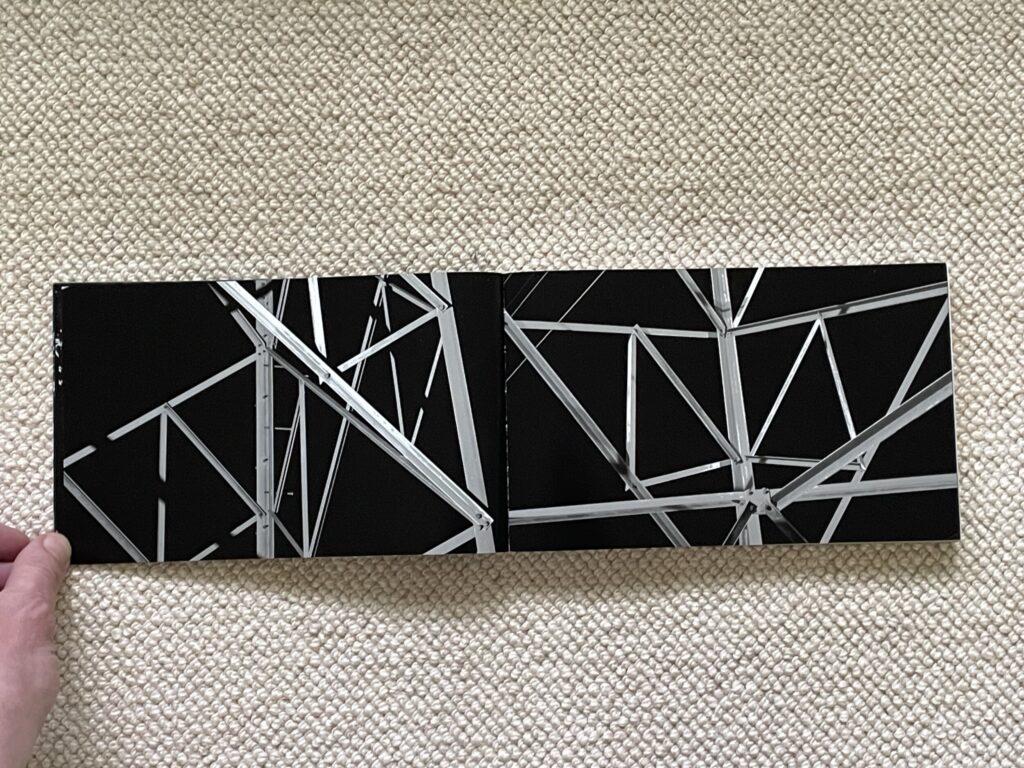
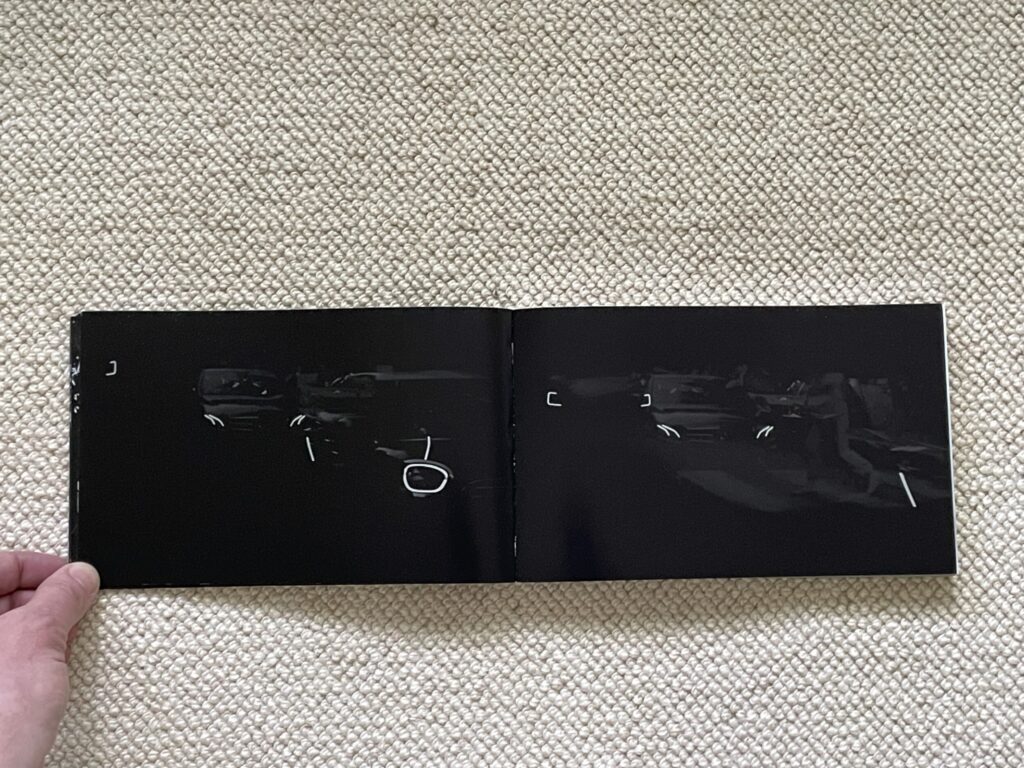
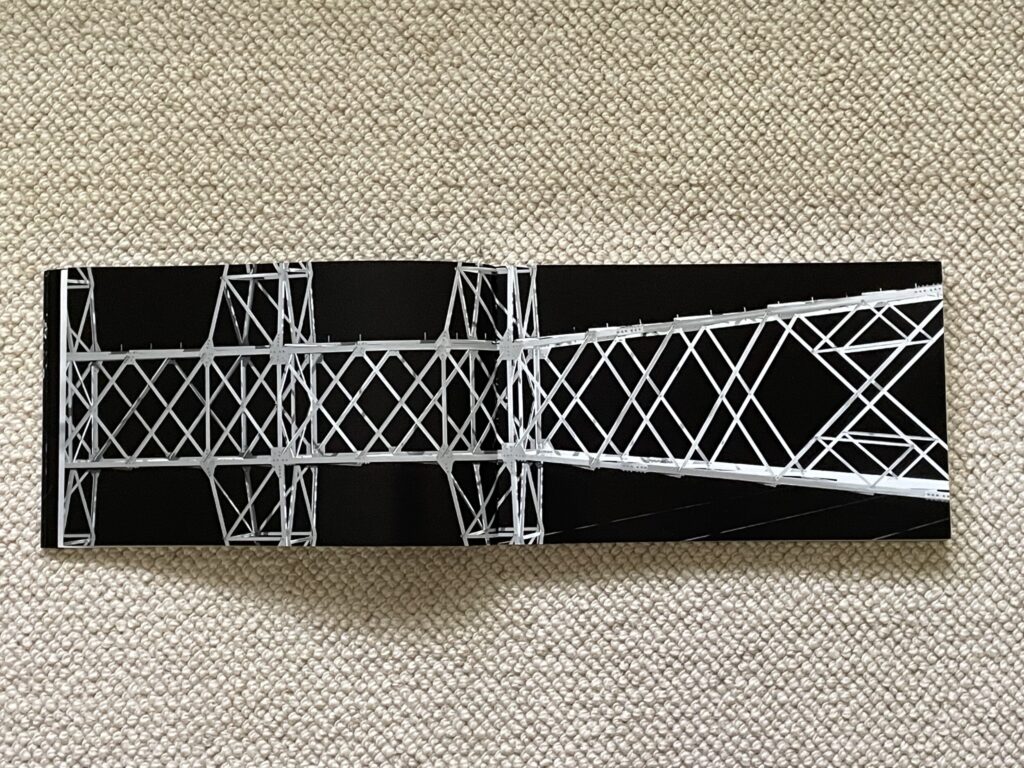
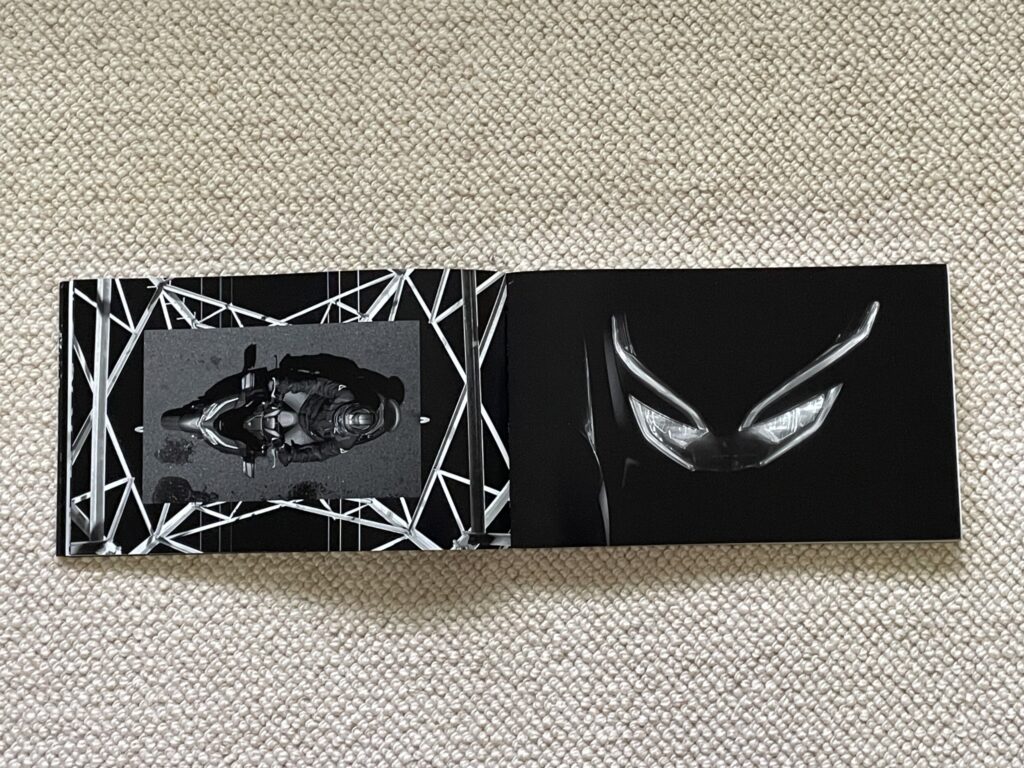
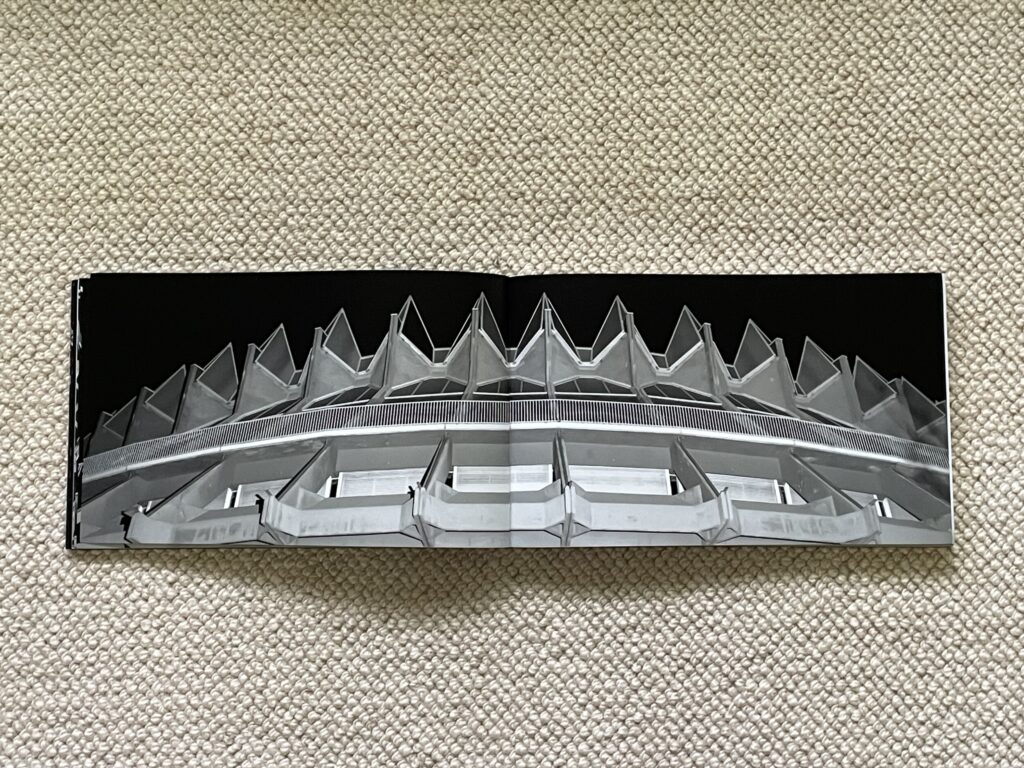
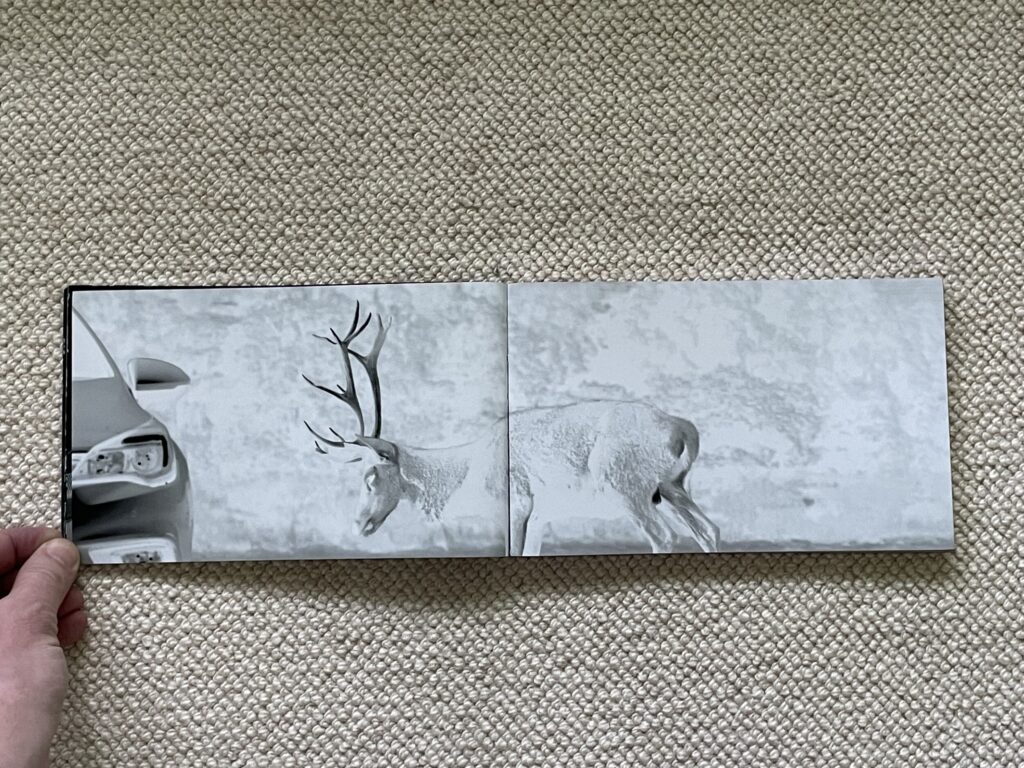
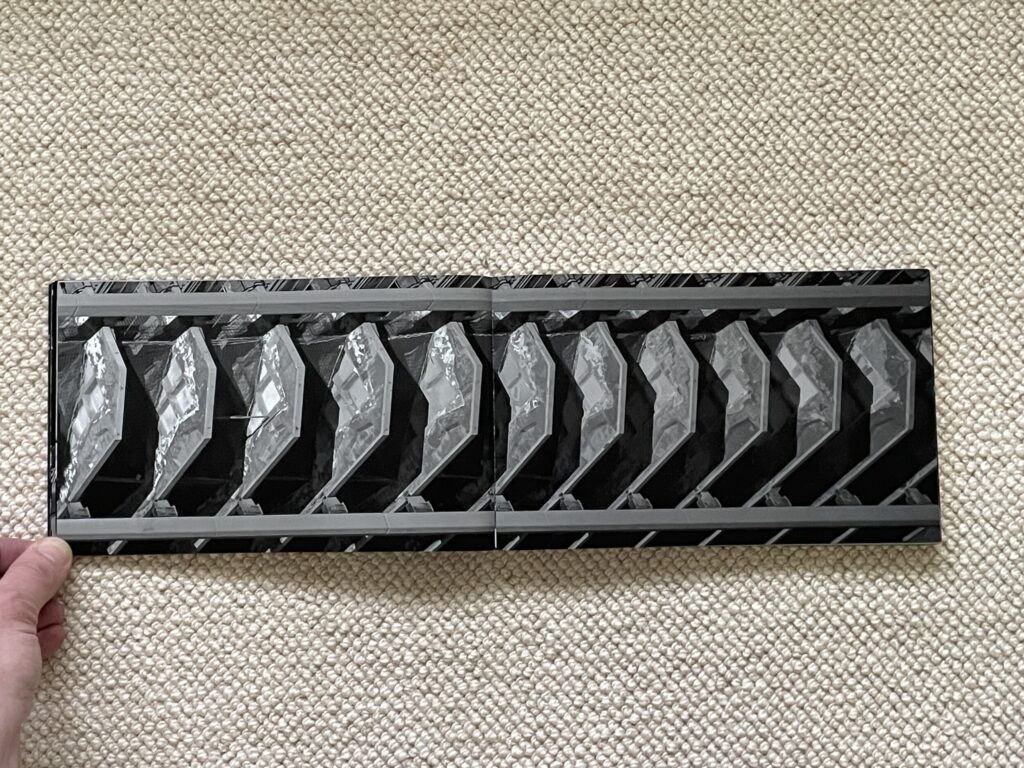
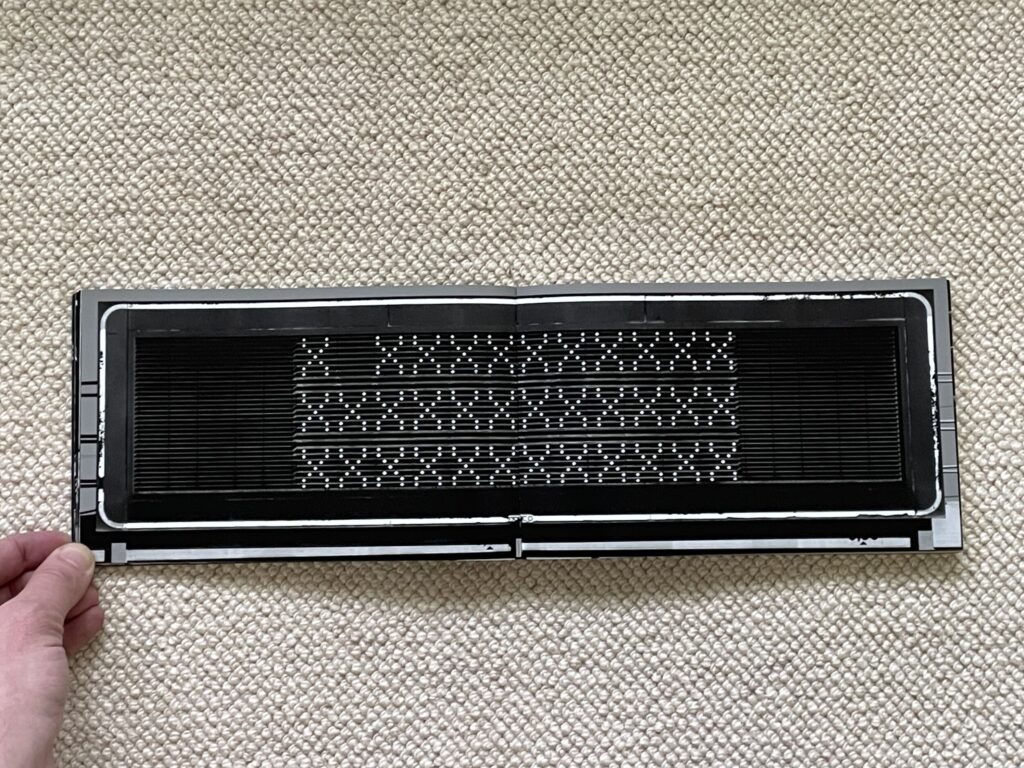
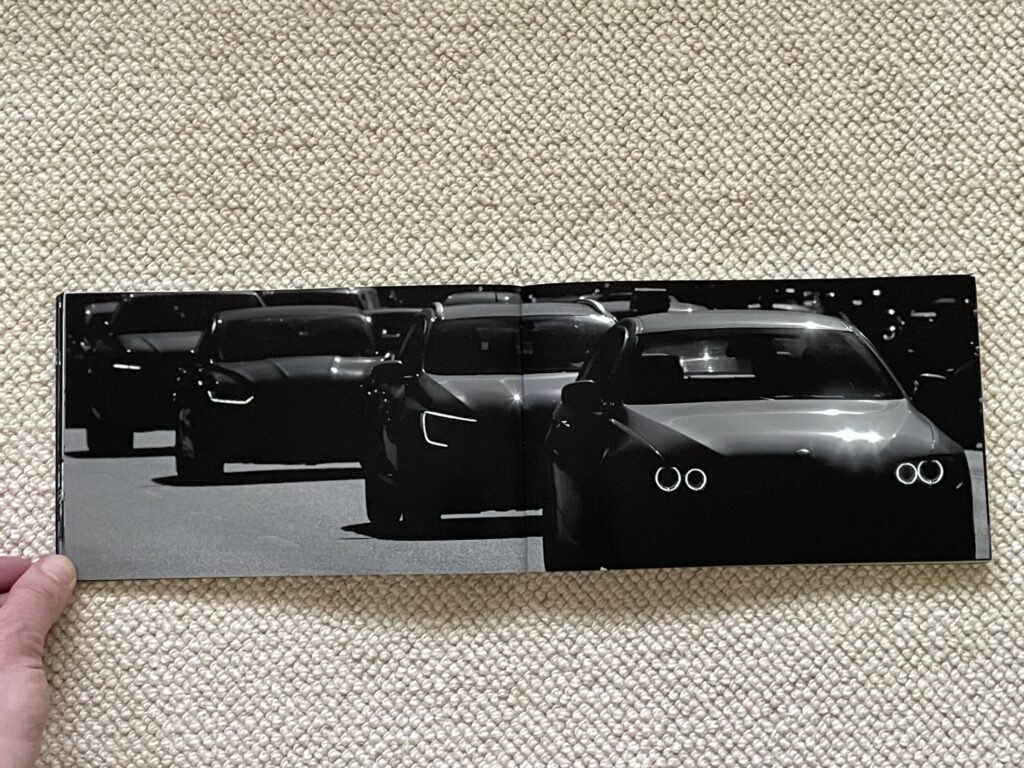
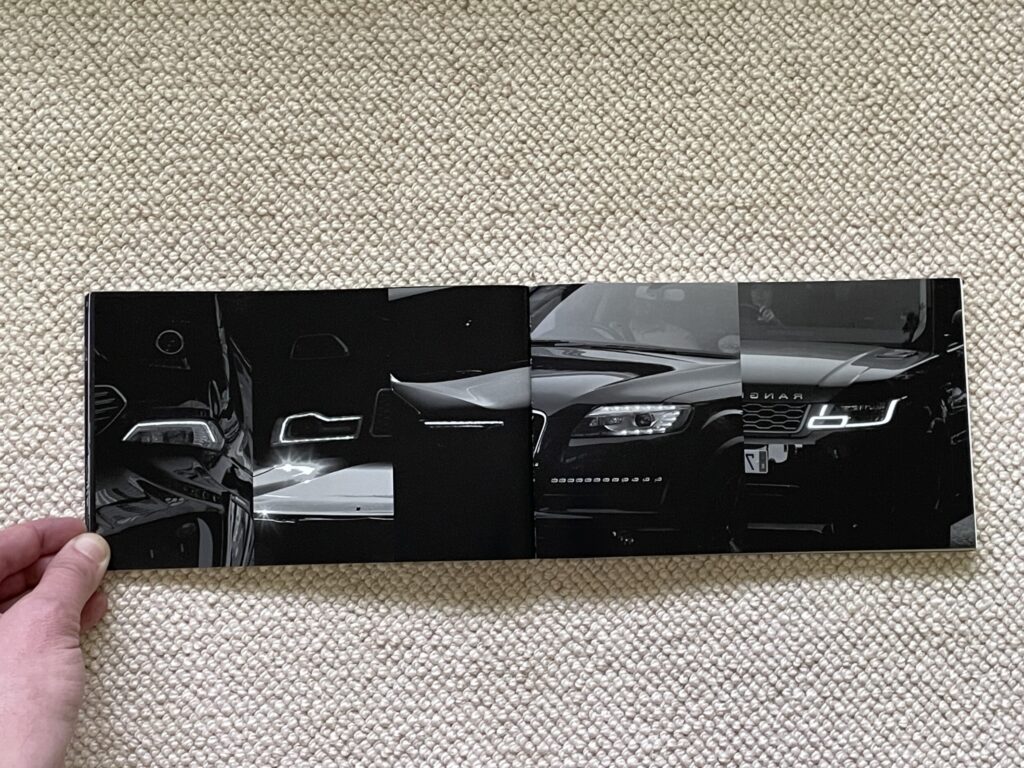
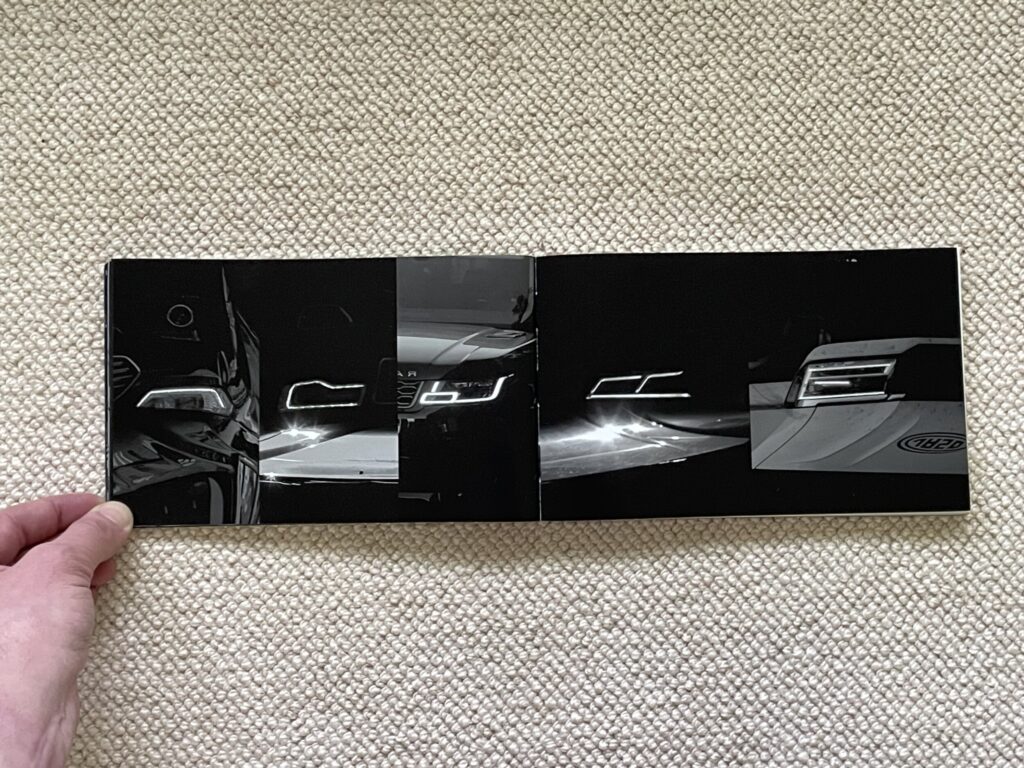
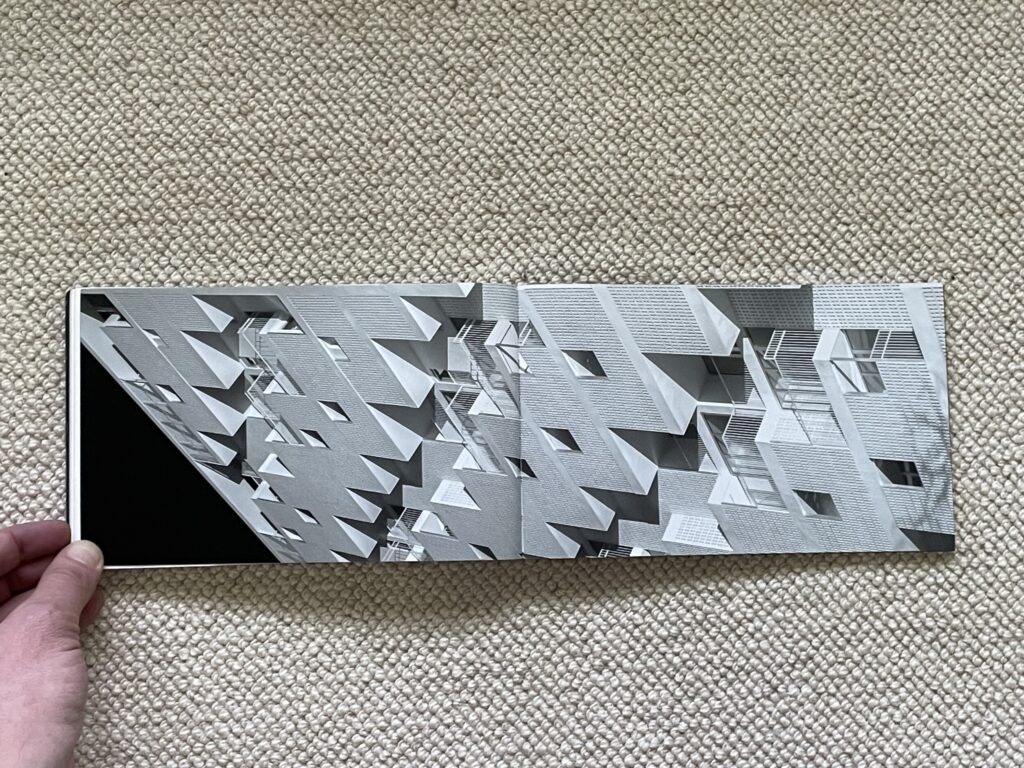
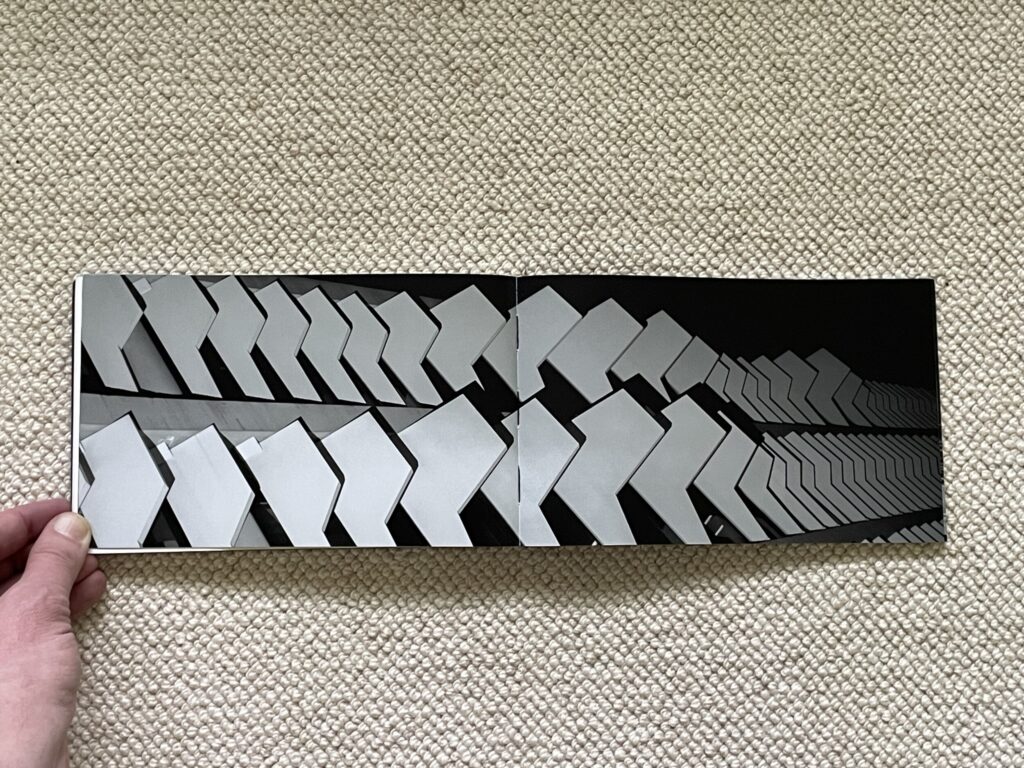
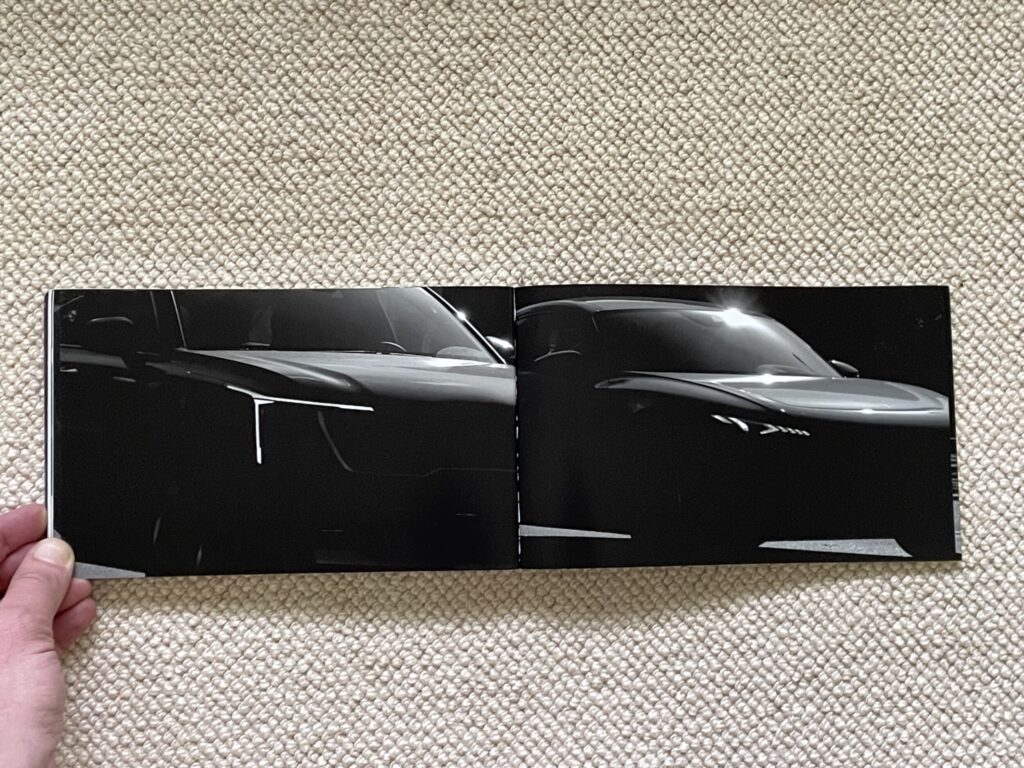
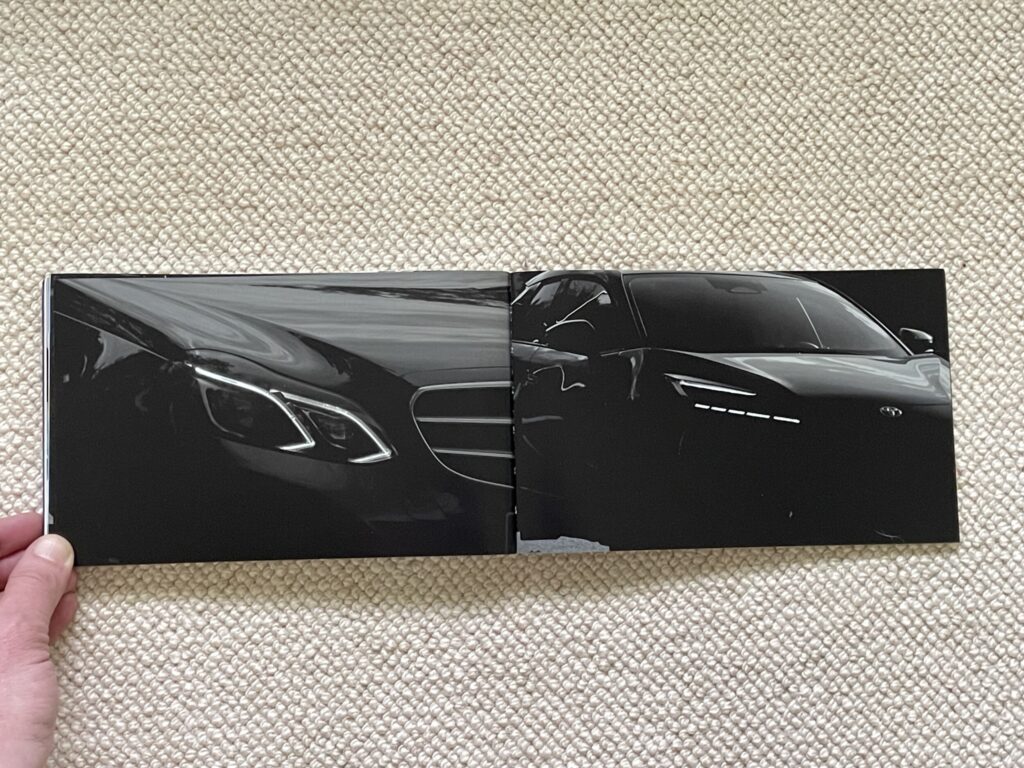
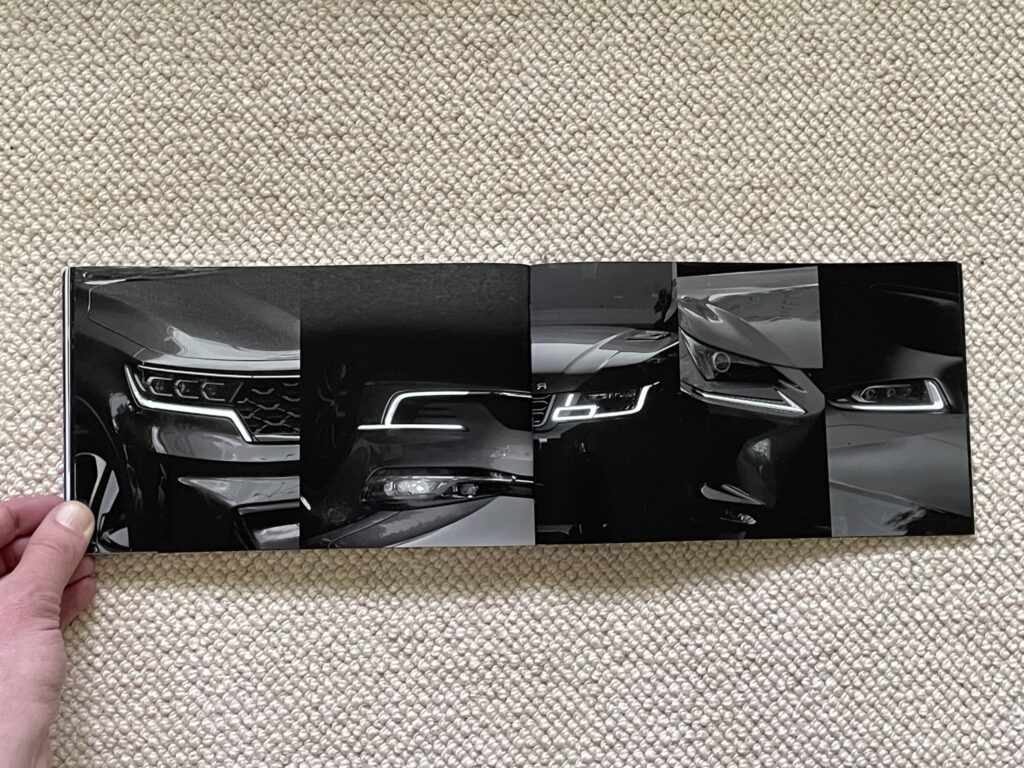
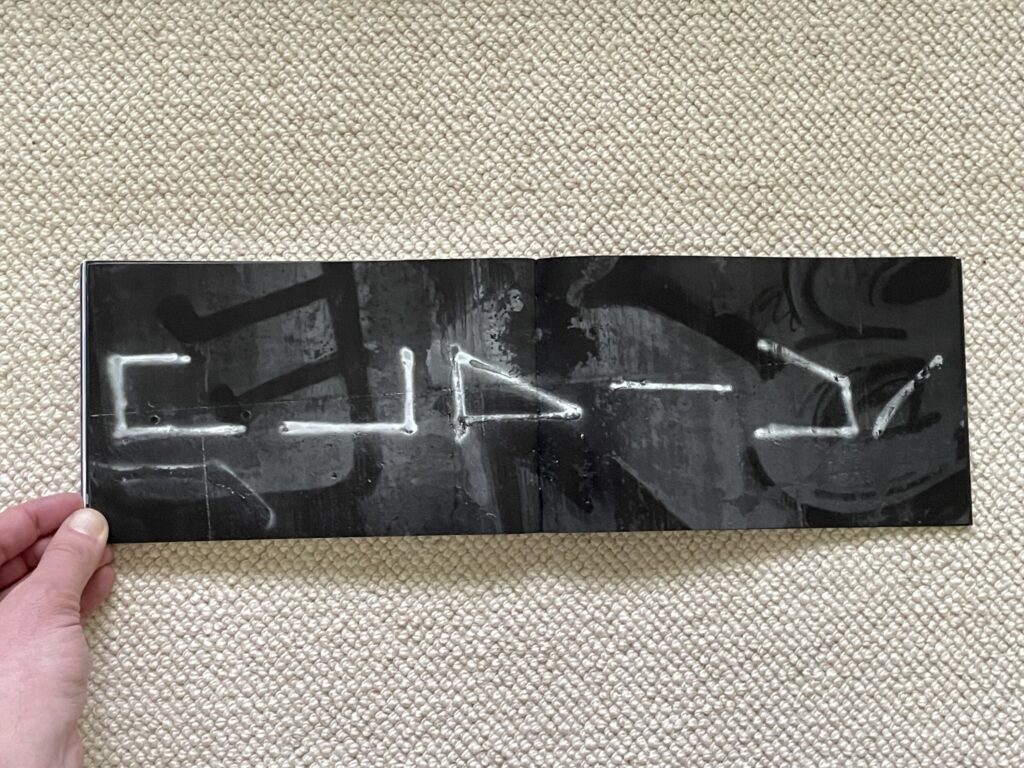
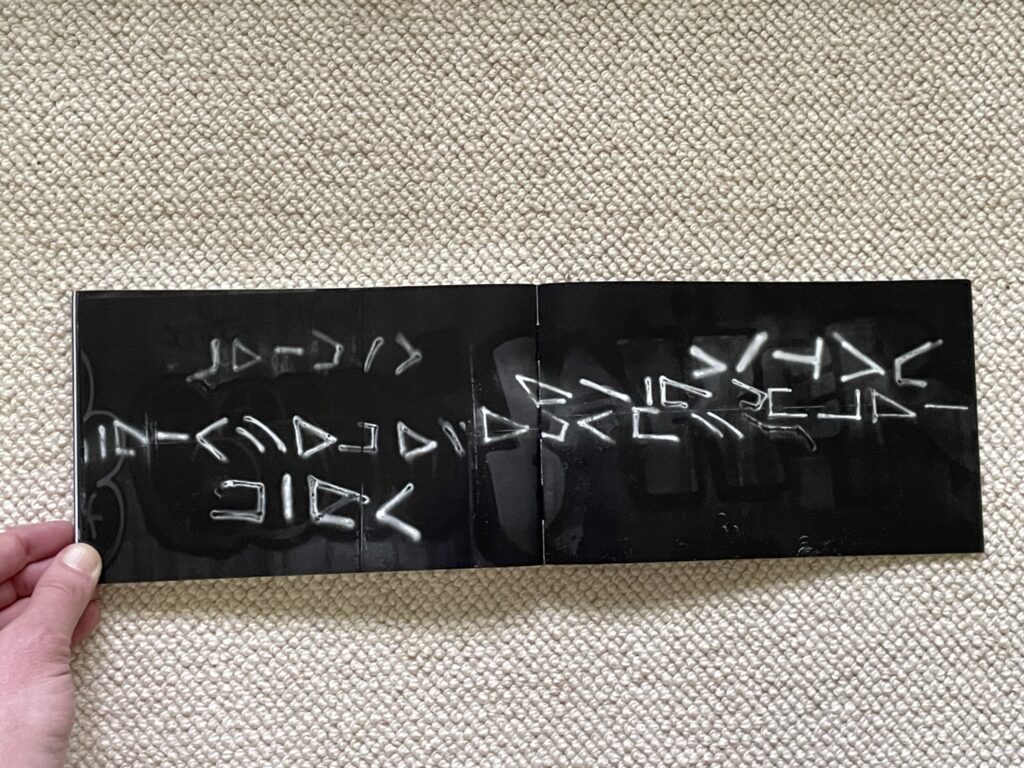
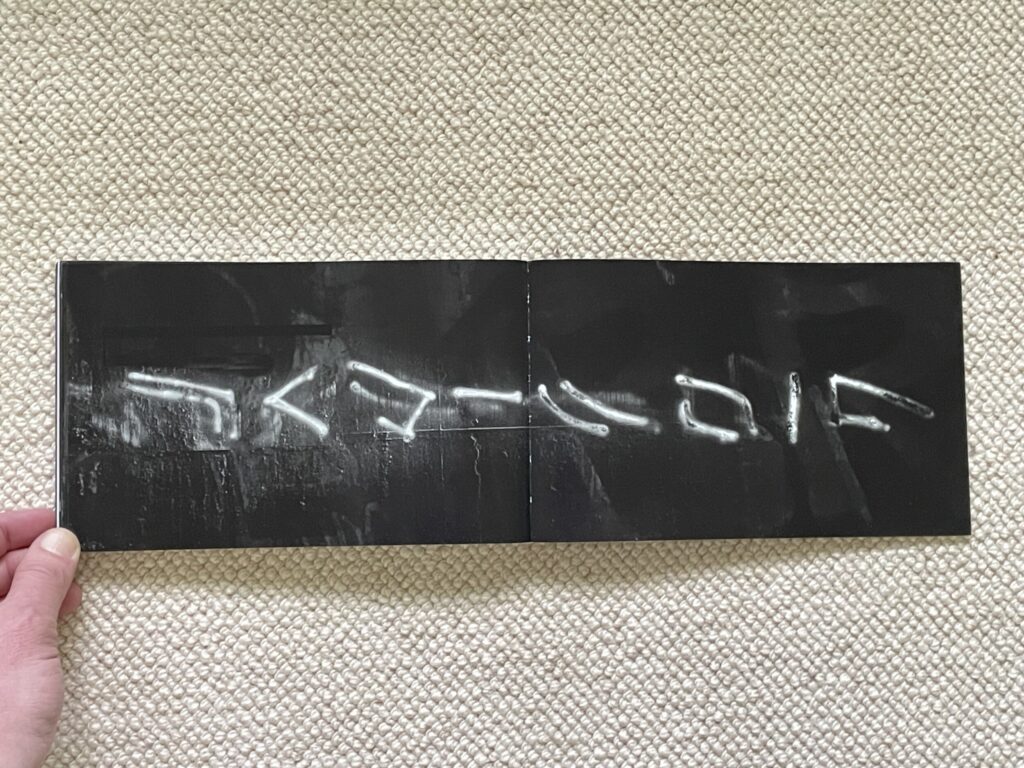
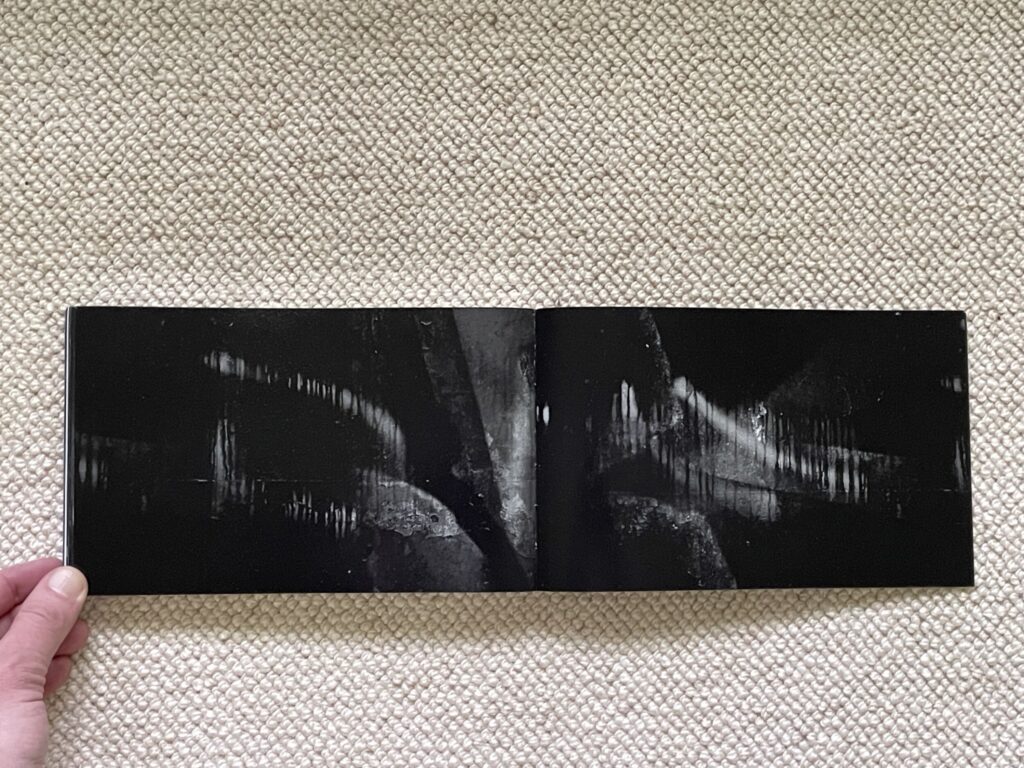
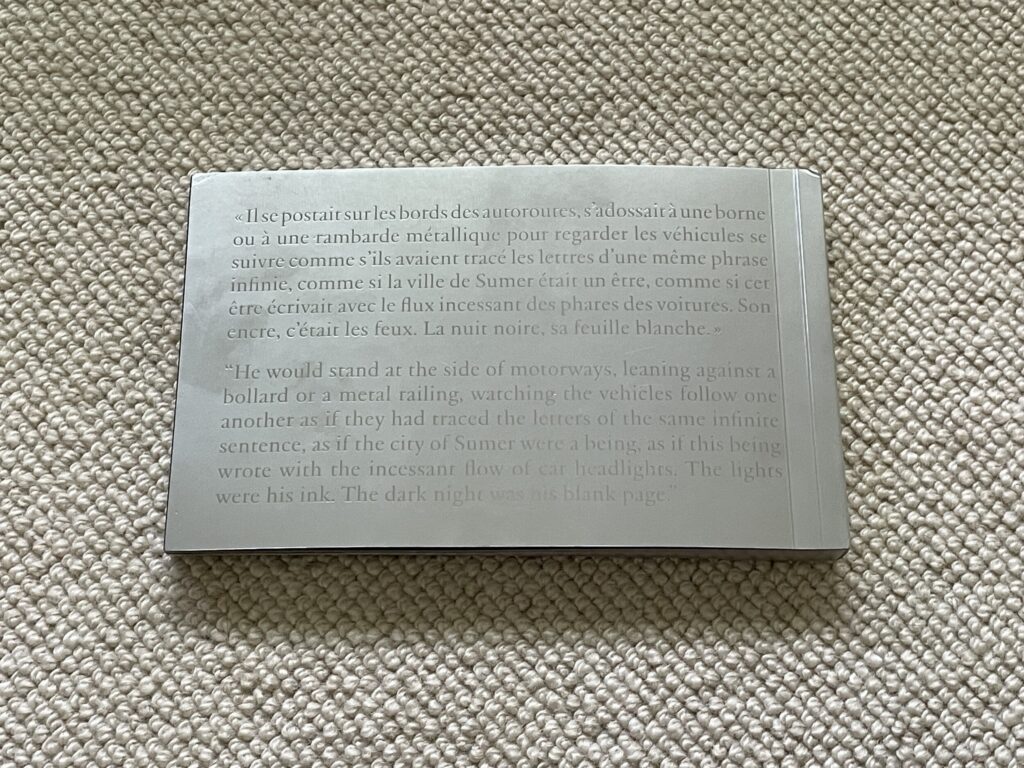
Comments/Context: Very few photobooks have an essentially even balance between images and text. Most put the photographs in a primary position, with the text, essays, or captions offered as a supporting or explanatory contribution, often at the beginning or end of the book. And a few go the other way, with the text as the central communicator, with images used to illustrate and enhance the narrative or arguments offered in the longer essays. Given those two extremes, Sumer is an unexpectedly even collaboration, bringing the contributions of the Spanish photographer Óscar Monzón and the French author Arthur Larrue into a carefully integrated whole, where both sides function more richly and fully given the close proximity of the alternate modes of thinking and storytelling.
Monzón has been interested in urban themes and motifs for much of his photographic career, most notably in cars, as seen in his 2013 photobook Karma (reviewed here). In the years since, he has continued to examine the visual rhythms of city life, where advertising and technology have become intrusively ubiquitous, in his photobooks Éxtasis (from 2017) and Order (from 2021).
As its title implies, Sumer takes its inspiration from the ancient civilization and city-states of Sumer (in modern Iraq), and in particular, its place as the birthplace of the earliest documented forms of writing (around 3300 BCE). Starting with pictographs, the first symbols ultimately evolved into more abstract cuneiform script, with linear or wedge-shaped marks inscribed on wet clay tablets. It is said that the Sumerians were originally attempting to decipher the imprints of birds in the sand, thinking the scratched tracks might be coded messages from the gods.
Monzón takes this fanciful idea of the living city communicating to its residents (in a way that they may not entirely see or understand) and updates it for the 21st century (or even further in the future). His photographs look closely at forms found in the city that might be writing or symbols: the cross hatching of metal electrical towers, the distinctively lit outlines of car and motorcycle headlights, the rigid geometric forms of windows and balconies on buildings, the arrays of Xs on electrical highway signs, and other repeated built or machined shapes that are even less easily identifiable. He photographs these subjects with an eye for extreme light/dark contrast, where deep black envelops most of the space and small areas of bright white stand out like inscribed letterforms or elusive messages. The LED borders of contemporary car headlights provide the most resonant symbology, as each car brand or model has its own styling for these decorative features, and when Monzón pushes the surroundings to darkness, the edges become blocky linear shapes that seem like signatures or stylized pictograms. As the pages of Sumer turn, these shapes pile up and repeat, eventually becoming a kind of luminous script, which Monzón then extends into snippets of spray-painted graffiti scrawled on dripping and decaying walls. The silvery “words” shine and overlap in the night, their meaning left obscure and untranslated.
In an intriguing twist, Monzón’s photographs become the creative raw material underpinning a dystopian short story by Larrue, which is placed in the center of the photobook. In Larrue’s fictional account, the photographs we’ve been looking at were taken by a vaguely delusional man (also named Óscar) who lives in the futuristic city of Sumer which now extends to cover the entire planet. Óscar lives on the margins, outside the boundaries of the privileged, who zoom around the toxic city’s highways and overpasses in their sealed cars and motorcycles. His day to day existence is spent surviving, and along the way he photographs the city, believing that the city itself is trying to communicate with him via its own language of consumer slogans and symbols. The photographs in Sumer are therefore a kind of evidence, the fictional Óscar’s documentation of images that may or may not be decipherable in some way. Larrue’s story goes on to include a car crash victim (named Gabrielle) who is saved by Óscar, and the carefully-planned tracking and hijacking of a man in his car (using photographs to identify the visual signature of the headlights), which then allows the two characters to reenter the exclusive world of connection and consumption at the center of the sprawlingly immersive metropolis. The story doesn’t end well for Óscar, who ends up back on the streets, disgusted by what he saw on the inside.
The design and construction of Sumer as a photobook object reinforce the combined vision of the photographer and writer. The silvery cover includes the book title and an abstract gathering of lines, which we can later identify as an overlapped group of headlight glyphs; the back includes a few sentences from Larrue’s story (in French and English), again set in mirror-like text, which seems to appear and disappear depending on the viewing angle. Inside, Monzón’s photographs are all printed full bleed, on glossy sheets with a metallic sheen, emphasizing the consistent contrasts between enveloping darkness and shimmering brightness in the images. The sequencing creates repeats and echoes, with some spreads gathering five or six images into a frieze-like array, which then logically leads to the graffitied symbols at the end. Larrue’s story is printed on white paper in the middle, with scratchy graphic elements as chapter numbers. Seen together, the images and text complement each other smartly, making the whole object feel well conceived and integrated.
The re-imagining of the artist as a character in the short story, and his artworks as the work of that character creates a clever conceptual framework for Monzón to play with – suddenly the pictures in Sumer are rooted in different imperatives and placed outside the context of art photography made for an art audience. In this way, the storyline provides Monzón the coverage to make photographs as someone else, opening up degrees of freedom in his aesthetic approach that might not ordinarily feel possible. Like a songwriter who inhabits various personas to tell stories from alternate vantage points, with Larrue’s help, Monzón is twisting the concept of photographic authorship with understated sophistication, adding a layer of role-playing misdirection to the central process of behind-the-camera picture making.
Collector’s POV: Óscar Monzón does not appear to have consistent gallery representation at this time. As a result, interested collectors should likely follow up direct with the artist via his website (linked in the sidebar).