JTF (just the facts): Published in 2026 by Friend Editions (here). Hardcover (9.84 x 6.43 inches), 108 pages, with roughly 300 color images. In an edition of 300 copies. (Cover and spread shots below.)
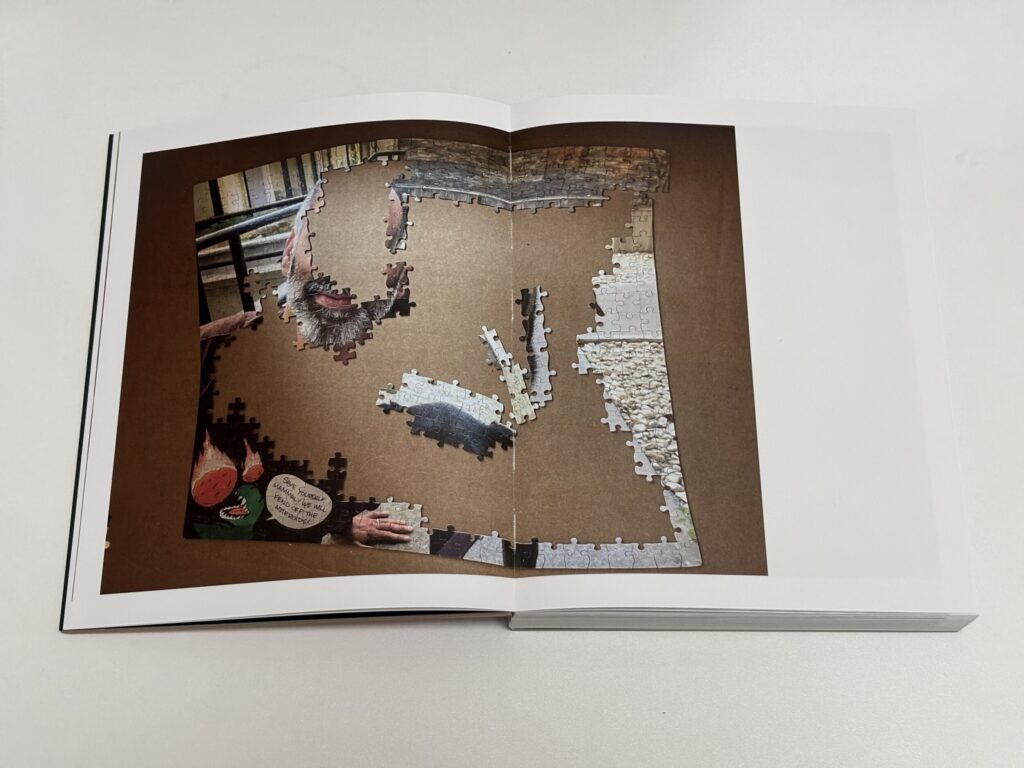
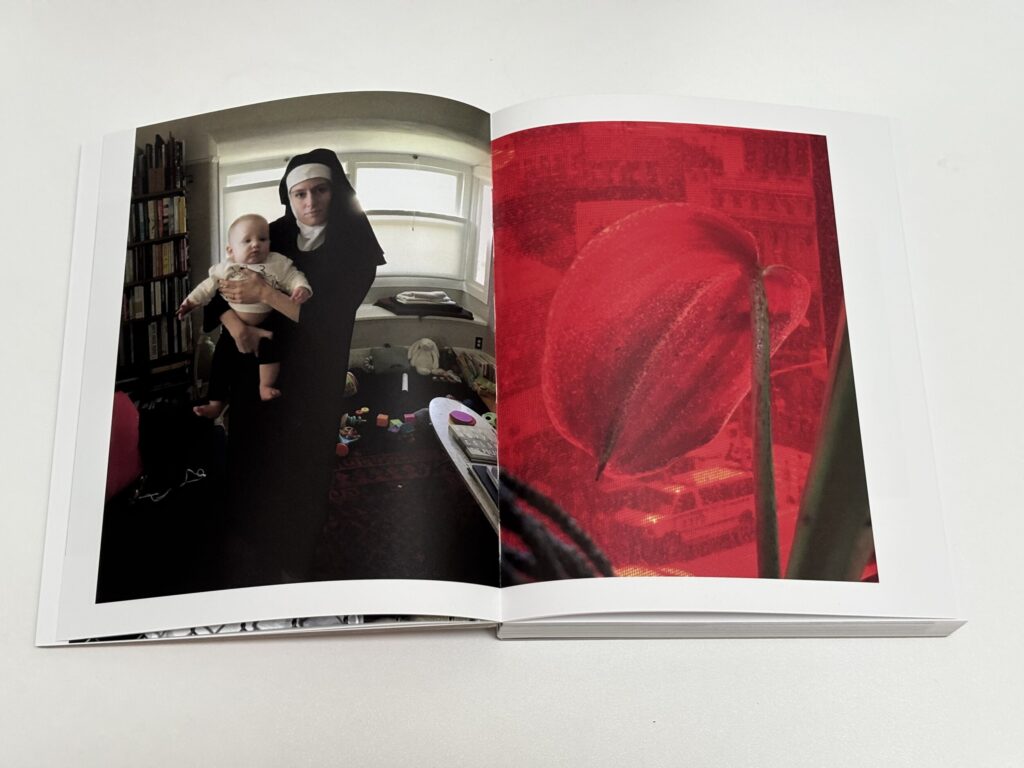
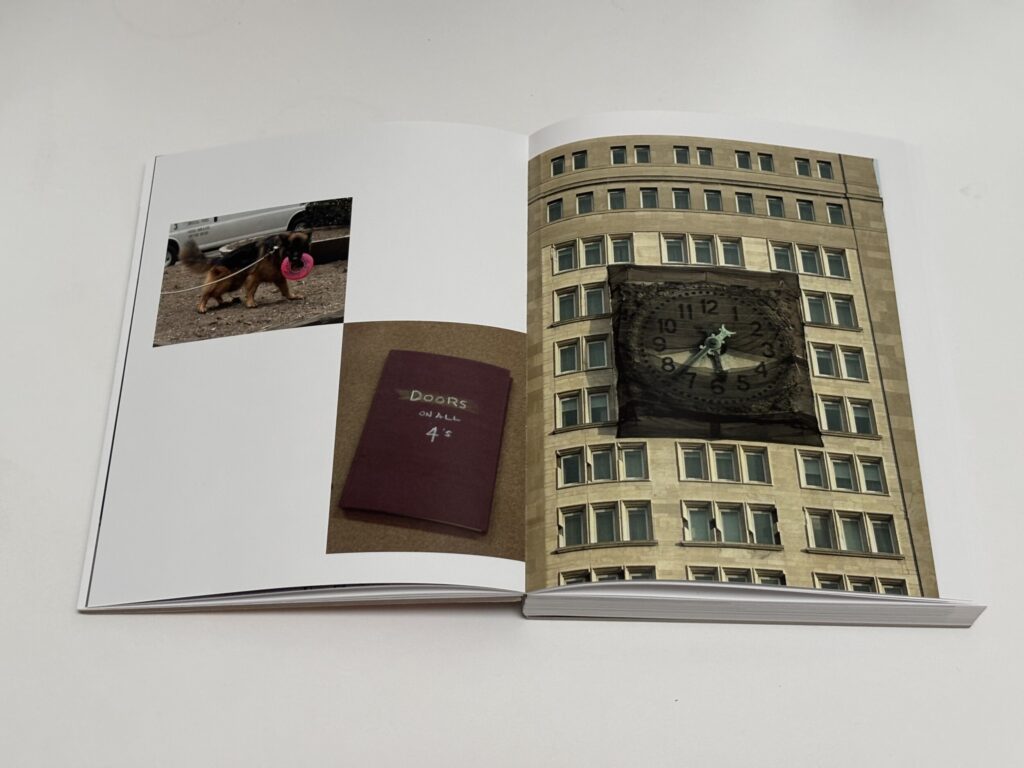
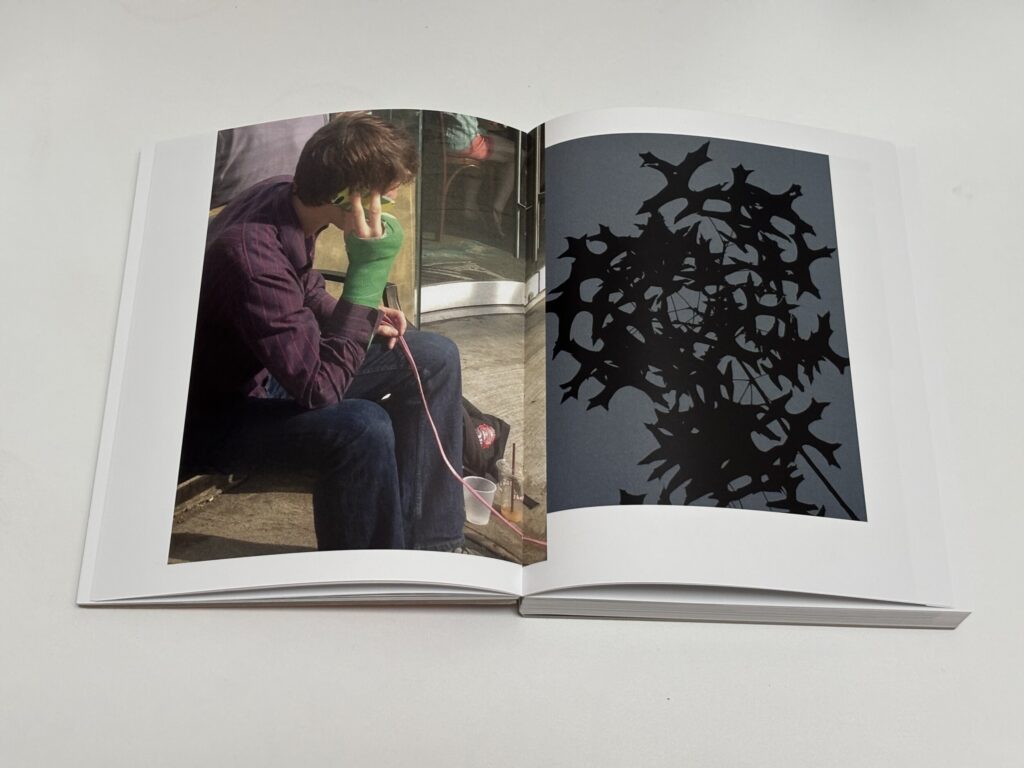
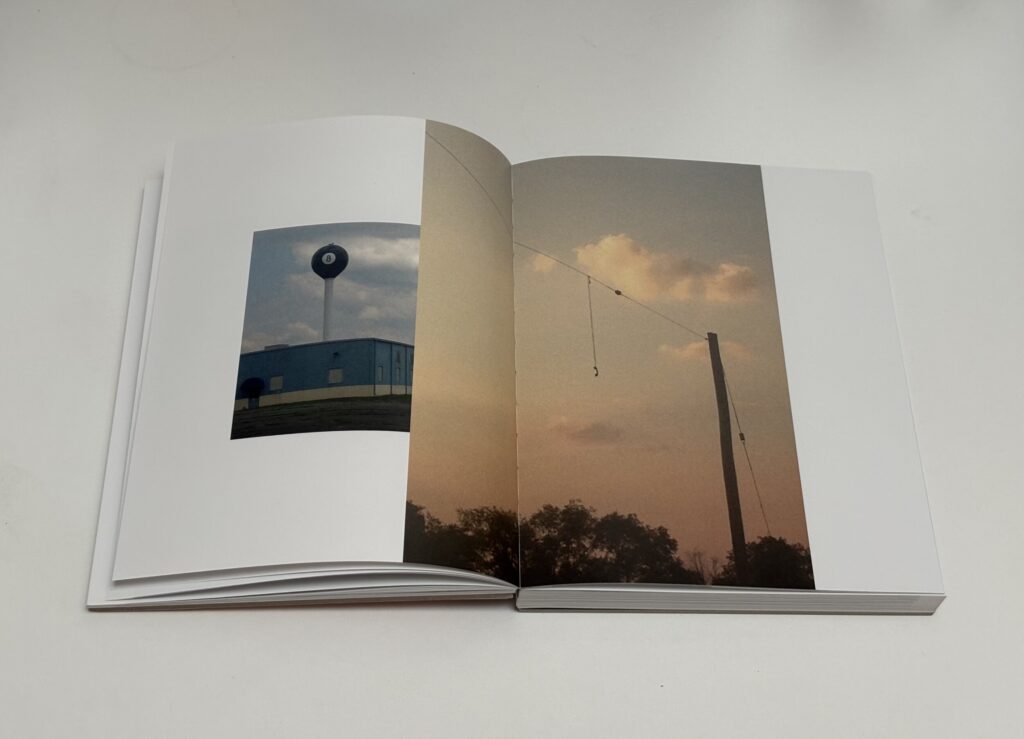
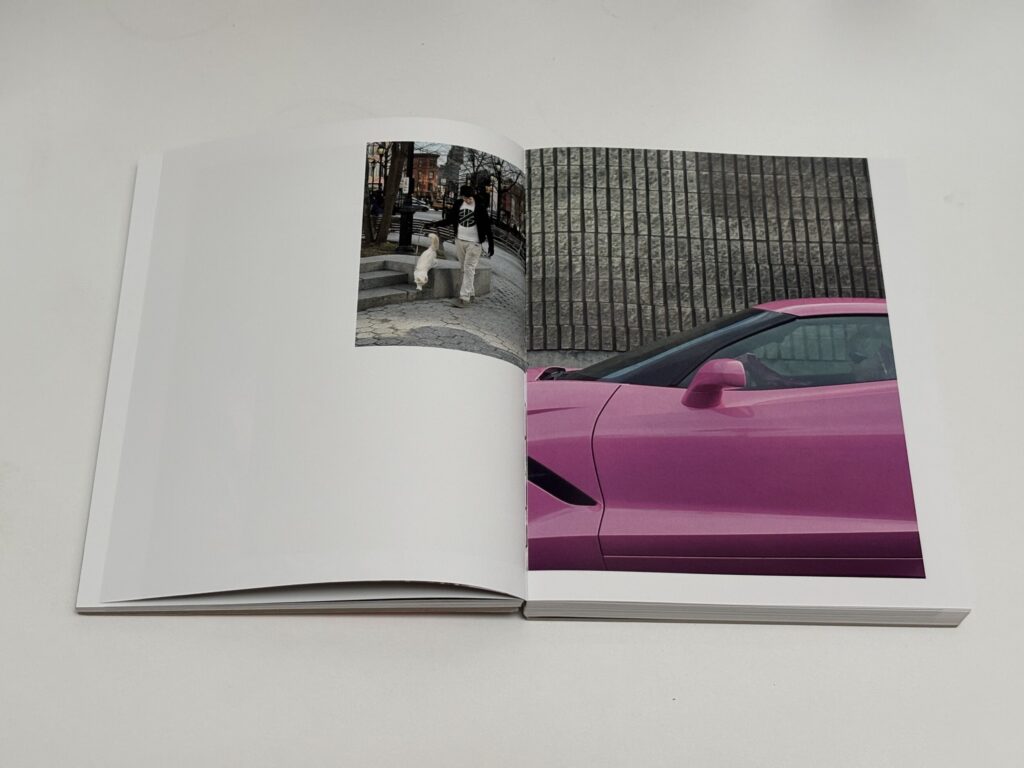
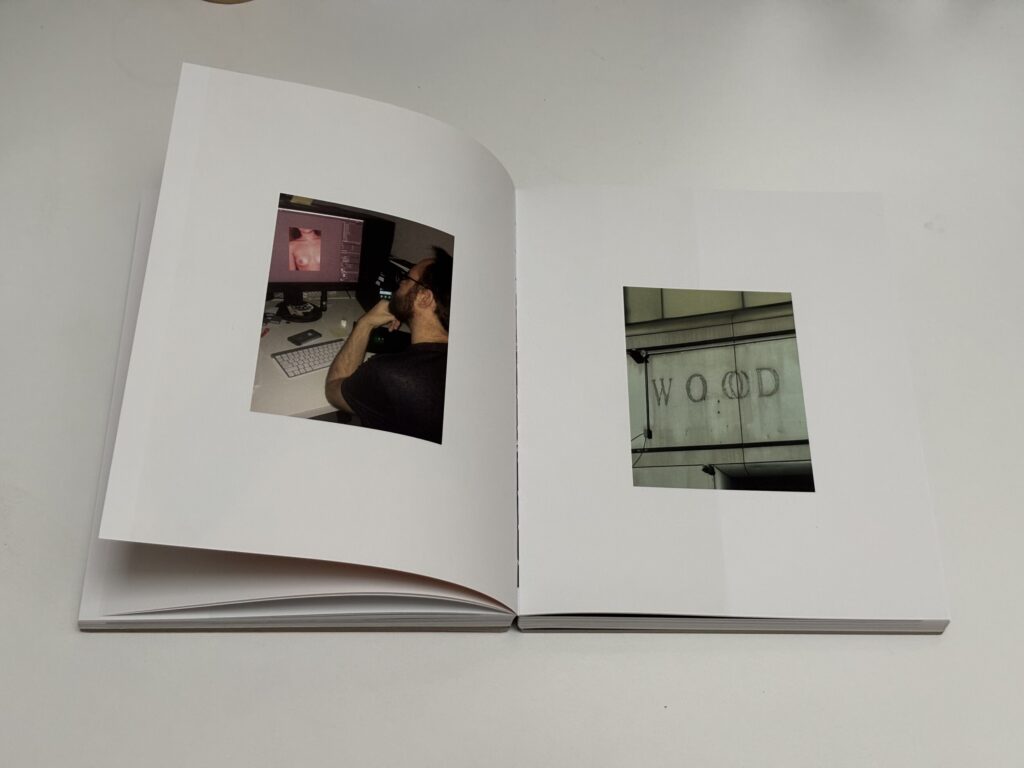
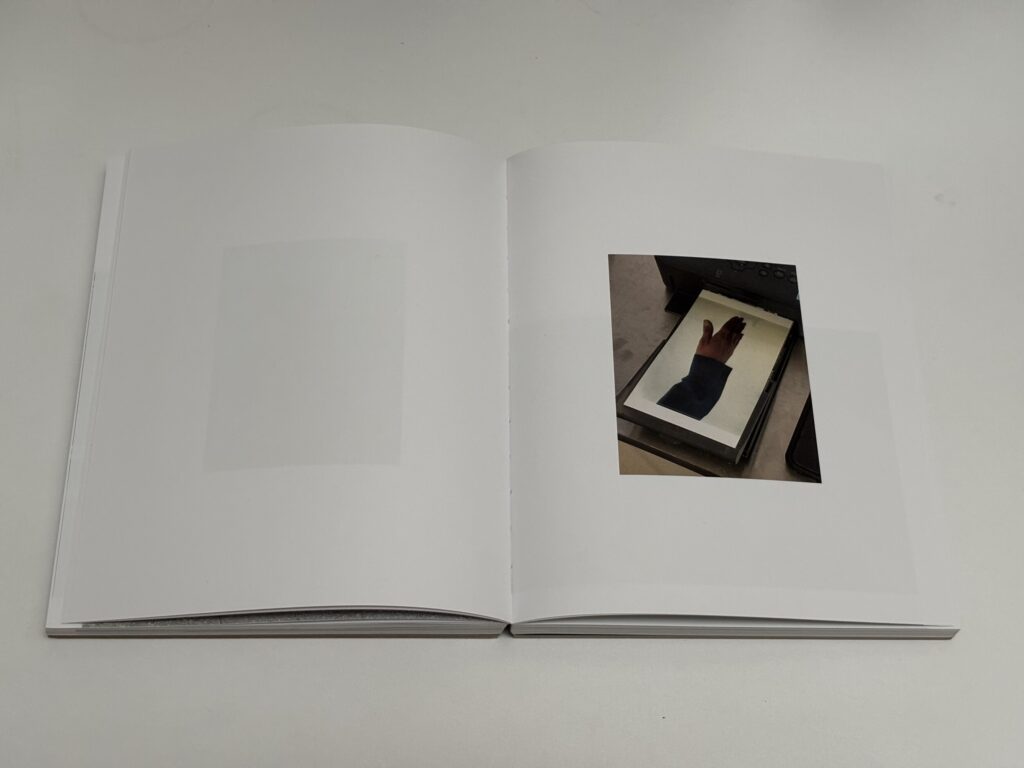
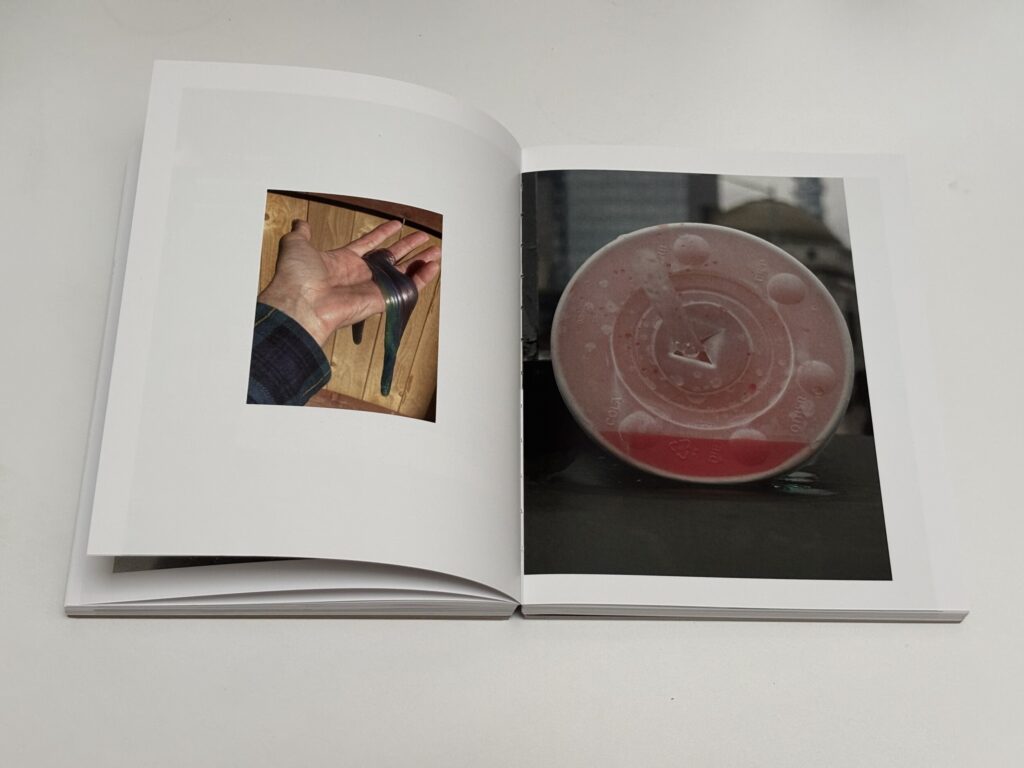
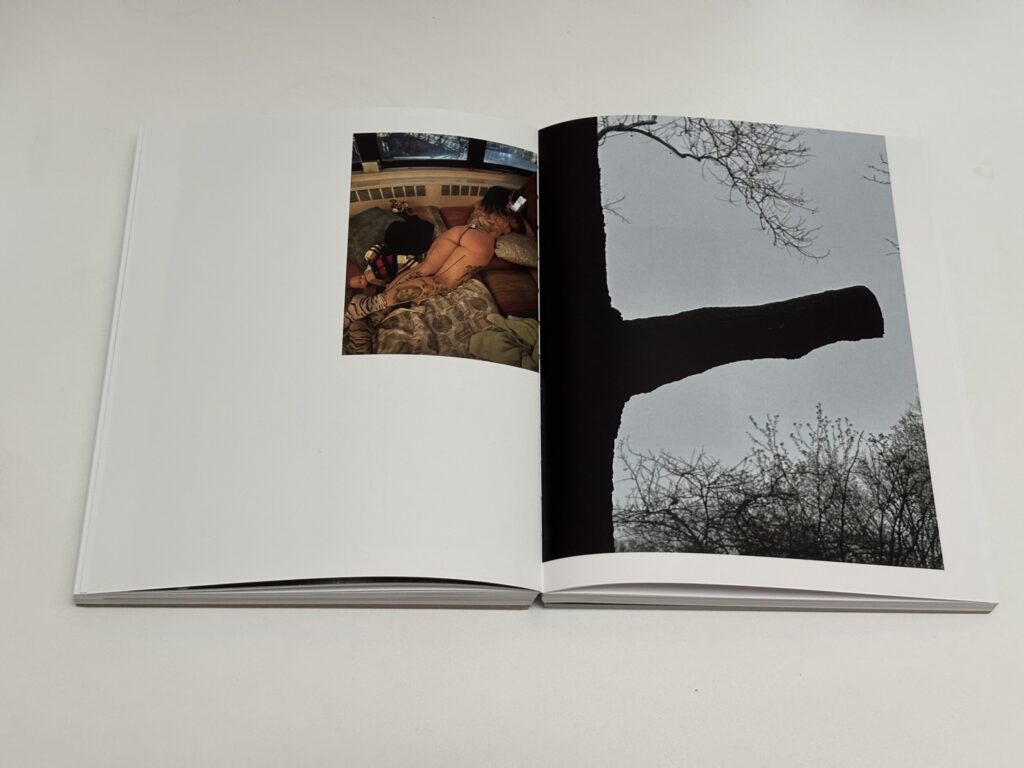
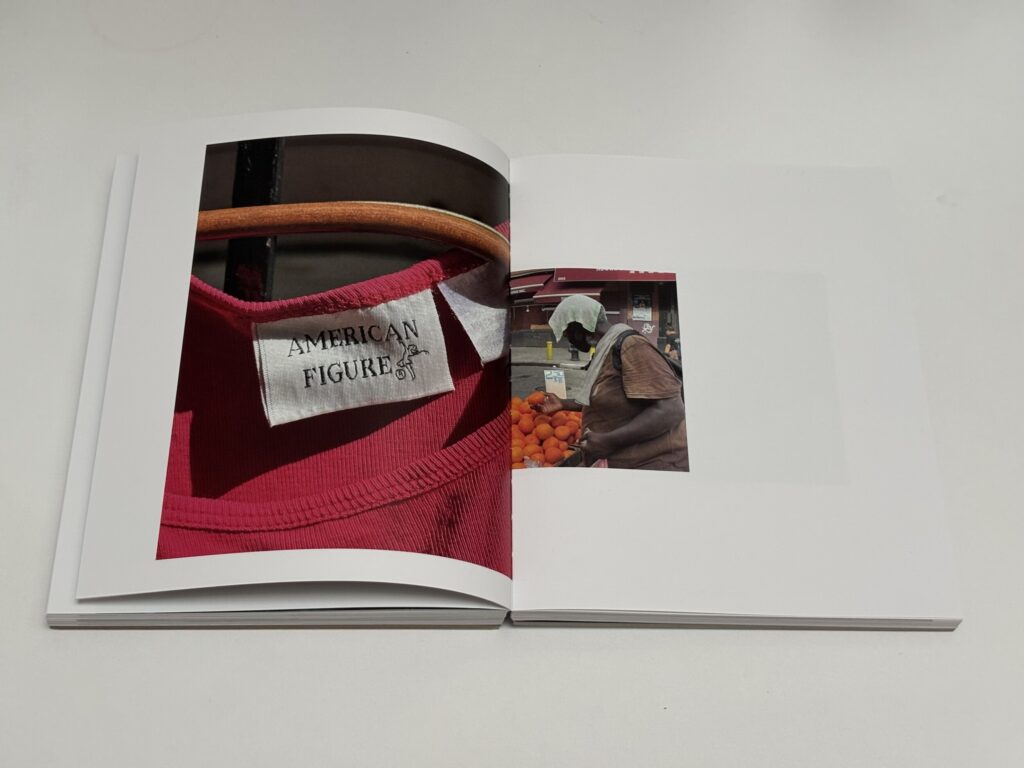
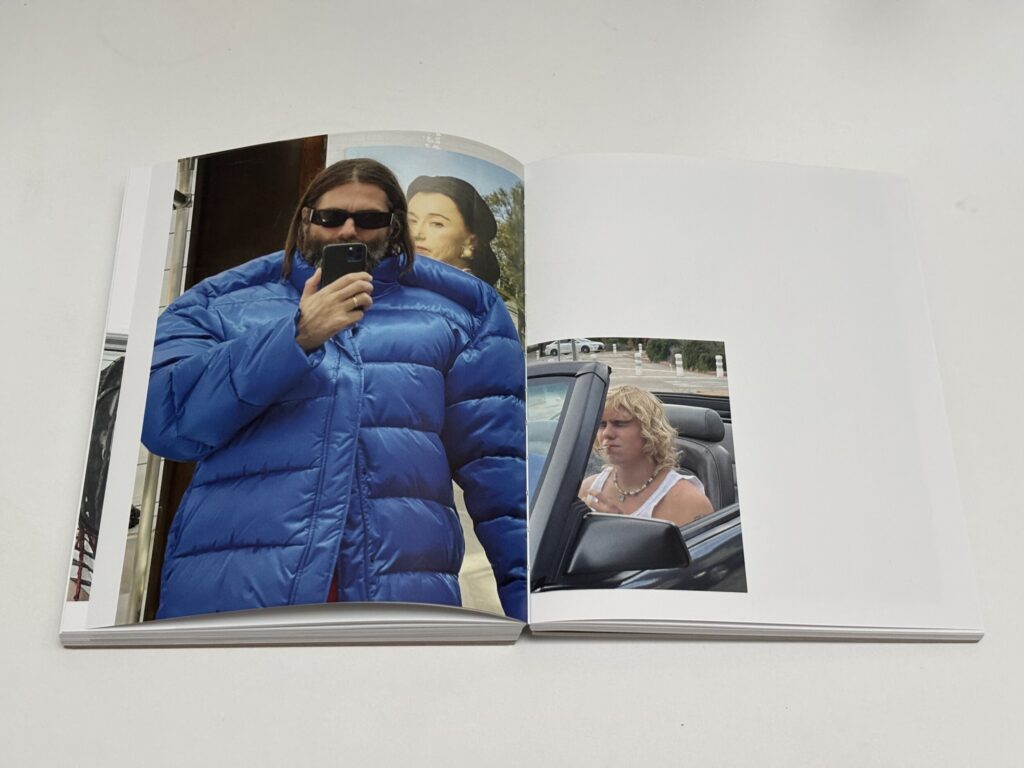
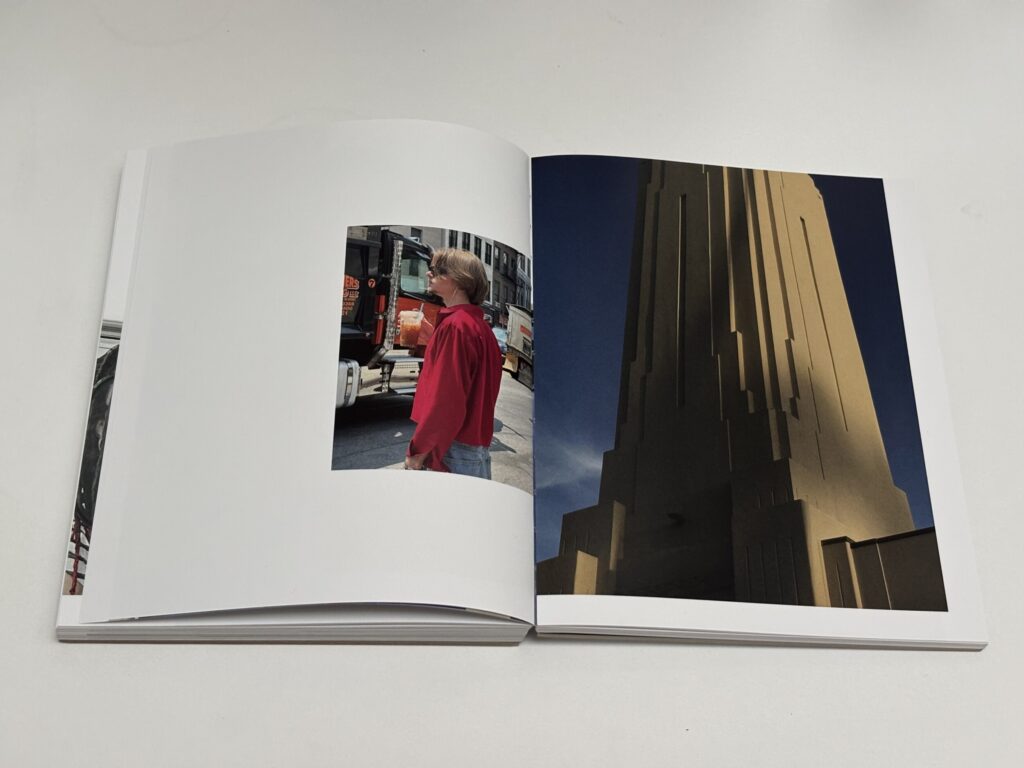
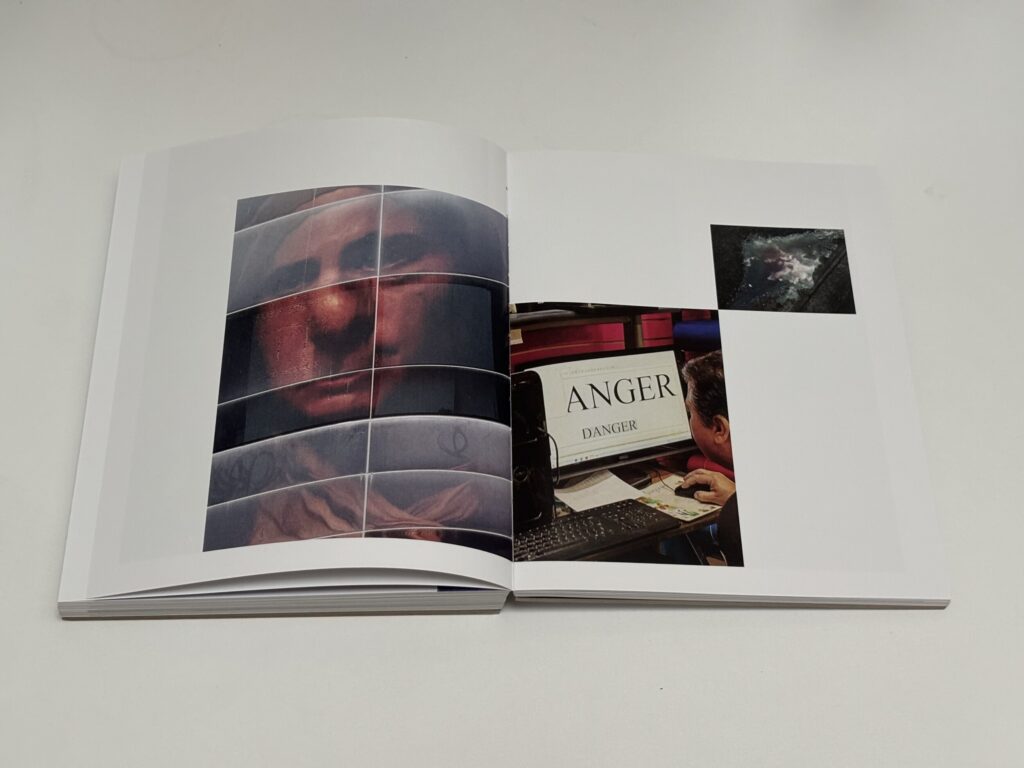
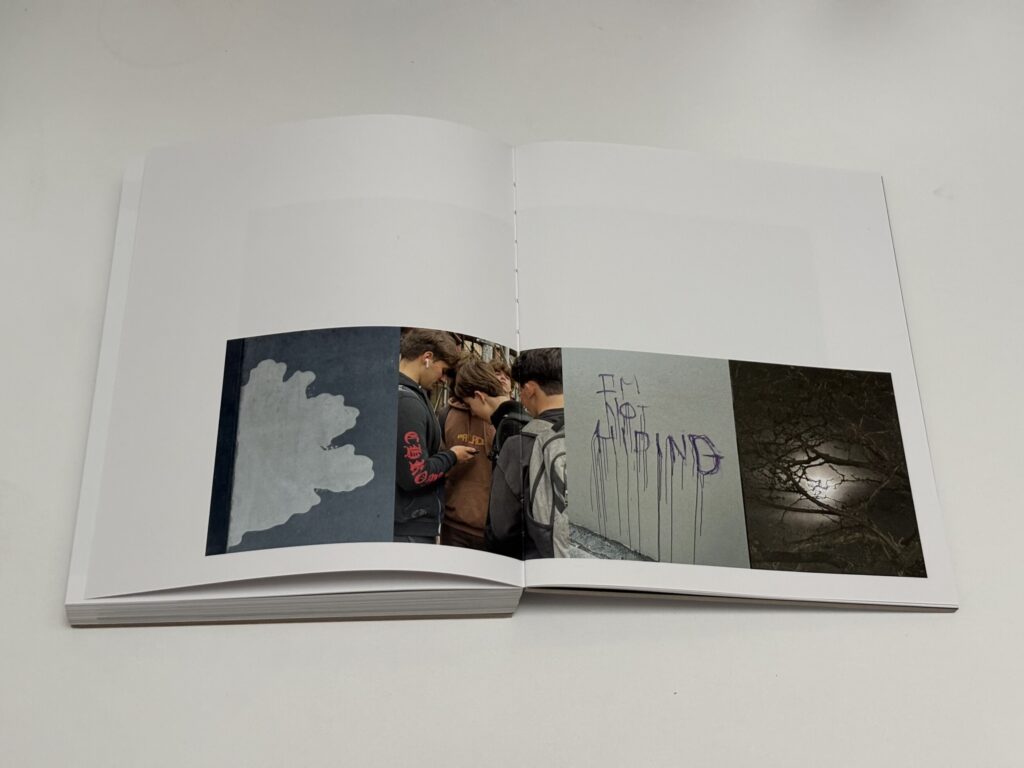
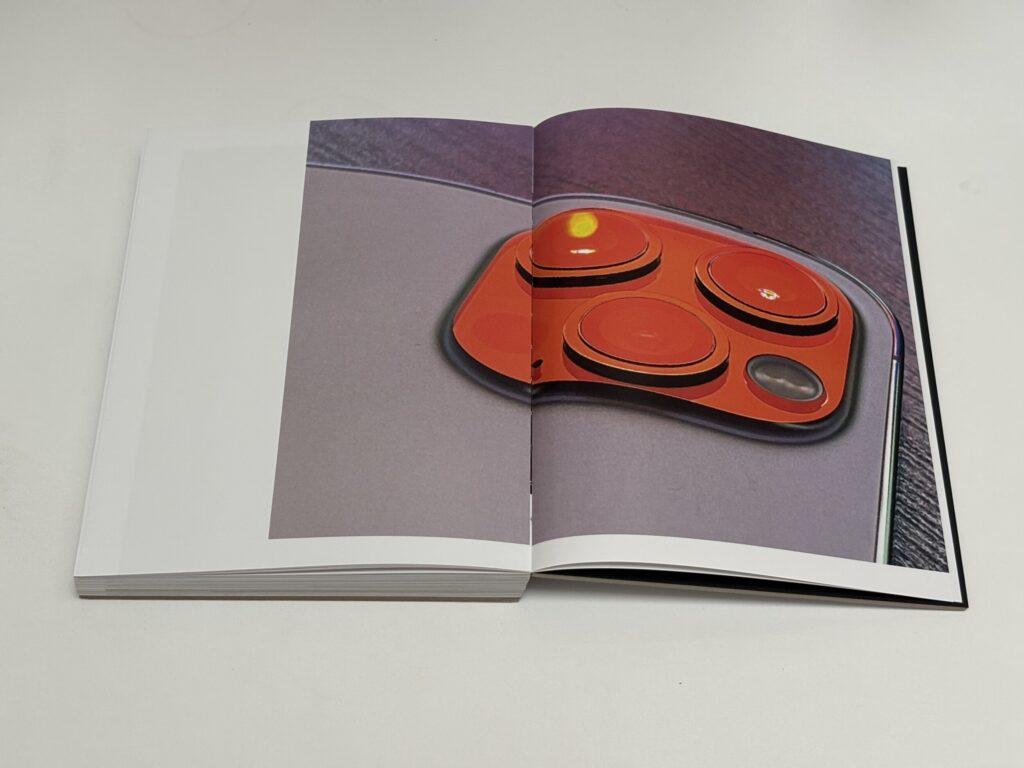
Comments/Context: Jason Nocito’s Closed Curse is a photobook that feels less like a straightforward sequence of images and more like an unsettled, shifting experience – restless, flickering, and resistant to a single narrative or mood. It sits somewhere between documentary, diary, and staged improvisation, without clearly defining where one approach ends and another begins. Nocito focuses on a sense of adolescence, emotional uncertainty, and a fragmented experience of time. The book moves through a loose constellation of images, exploring themes of anxiety, desire, and connection without following a clear storyline, leaving us in a more open, suspended state of interpretation.
The title itself, Closed Curse, suggests a paradox that resonates throughout the work. A curse implies something ongoing, a condition that persists, while closure implies an ending or sealing off. The combination of these terms evokes a state in which something has been contained but not resolved, held in suspension rather than released. This paradox mirrors the emotional dynamics of the images, where intensity is present but often muted, where expression is both offered and withheld. The book becomes a kind of sealed chamber of feeling, in which energy circulates without finding a clear outlet.
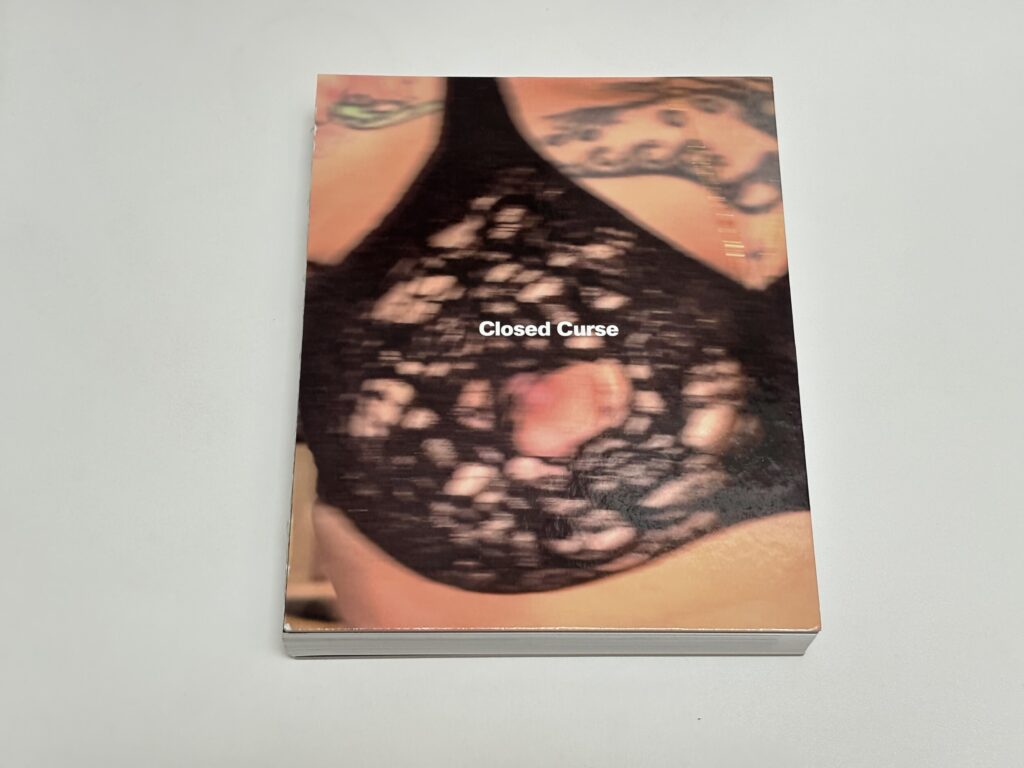
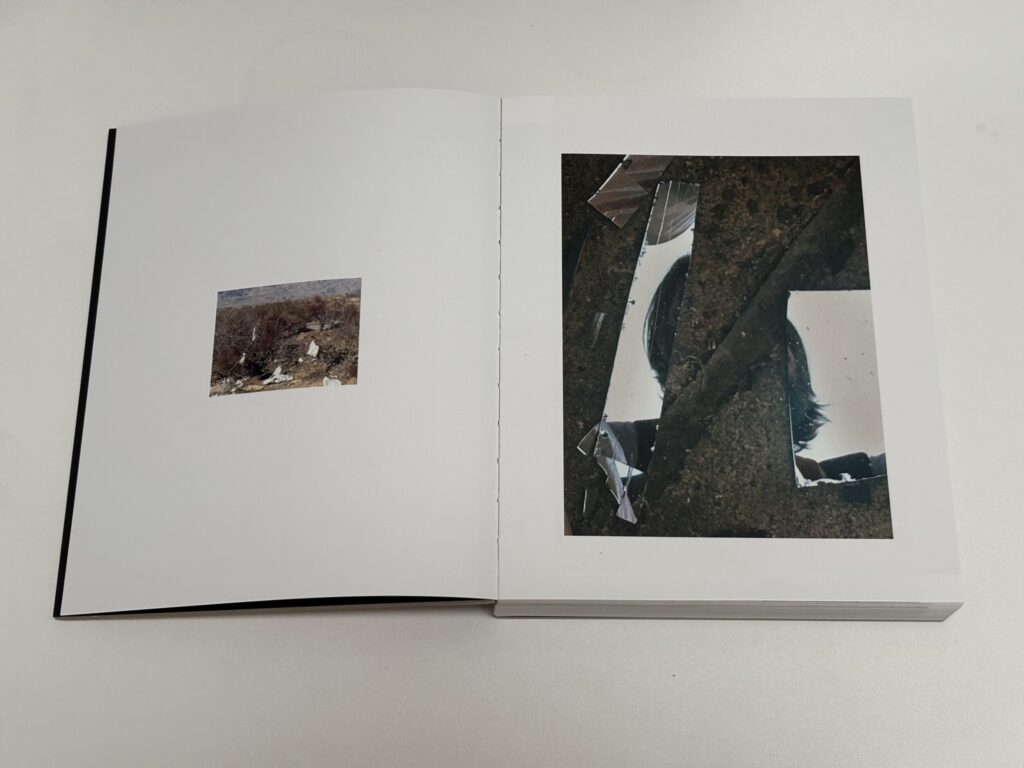
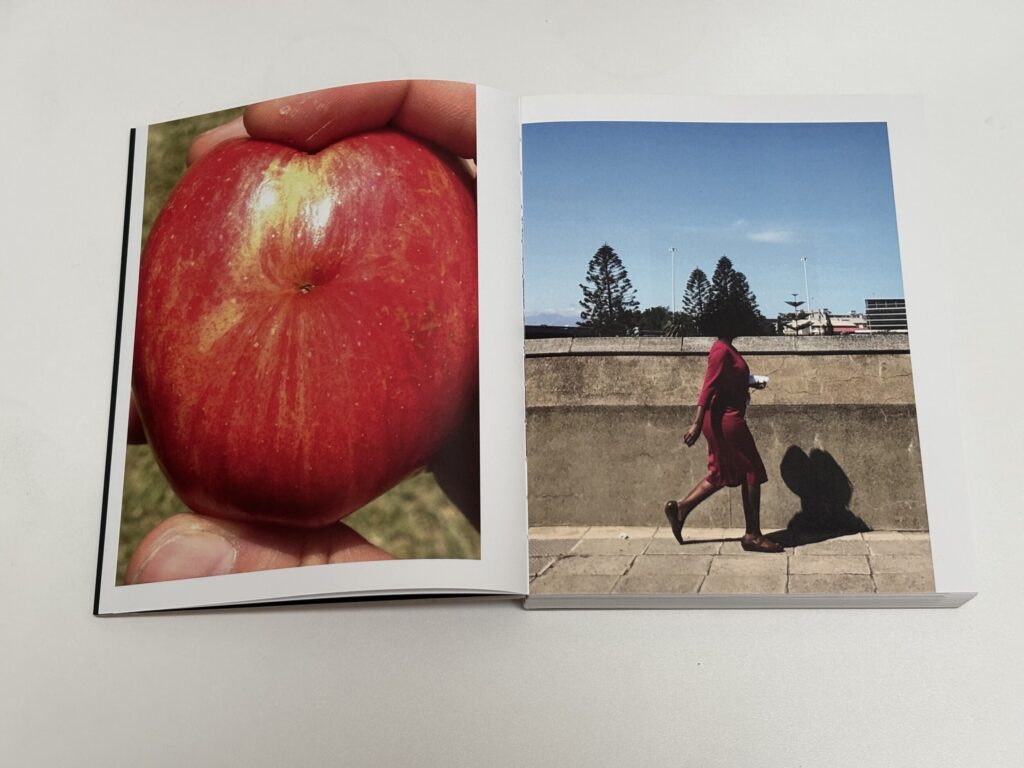
Closed Curse is a medium size book of a comfortable and intimate size. The pages are hosted between two cardboard endpieces with an exposed spine, emphasizing the object’s handcrafted and understated character. The glossy cover features a blurred close-up photograph of a black lace bra, torn near the nipple, framed by tattooed skin and indistinct jewelry details. Throughout the photobook, the images constantly change in both size and placement on the spreads, creating a visual rhythm that feels deliberately restless and intense. The design makes thoughtful use of the book’s gutter, frequently connecting images across the center fold and creating visual relationships between facing pages. There are no other texts, captions, or even page numbers, leaving it up to the viewer to puzzle out Nocito’s rich visual metaphors. Visually, the book maintains a delicate balance between chaos and control, allowing spontaneity and carefully considered sequencing to coexist throughout the experience.
Spanning fifteen years, all of the images were made with an Apple iPhone between 2011 and 2026. The visual language of Closed Curse draws heavily on immediacy. The images feel unguarded and spontaneous, placing greater emphasis on observation and atmosphere over technical precision. Blurred motion, harsh flash, and off-center compositions all contribute to a sense that these images were made in the midst of lived experience, reinforcing the sense of immediacy that runs throughout the project. This immediacy suggests closeness, even intrusion, as if the camera were embedded within a social world rather than observing it from a distance. This approach creates a feeling of proximity between the viewer and the subjects, offering glimpses into personal moments without fully revealing their context.
Nocito frequently photographs young people (friends, acquaintances, and individuals who appear to move within his social circles) capturing them in moments of vulnerability, contemplation, or quiet intensity. His shots emphasize mood and presence. A face illuminated by flash may seem confident in one image and reserved in another, while figures at rest or in motion often retain a sense of ambiguity. Taken together, these images function less as traditional portraits and more as contributions to the book’s broader emotional atmosphere.
Alongside its emotional and atmospheric qualities, Closed Curse reveals Nocito’s sharp visual wit. The book is rich with unexpected juxtapositions, playful visual echoes, and fleeting observation. Everyday objects, gestures, signs and fragments of text often take on meanings beyond their immediate context, generating moments of subtle humor and visual wordplay. Nocito also disrupts the rhythm of the sequence with images that feel strange, absurd, or deliberately out of place, preventing the book from settling into a a predictable emotional mood. These moments of visual cleverness add texture to the work, balancing its introspective qualities with curiosity, surprise and a welcome sense of play.
Throughout Closed Curse, Nocito explores moments of both closeness and separation. Subjects frequently look away from the camera, and even direct gazes reveal little about what they may be thinking or feeling. Rather than offering straightforward depictions of relationships, the images leave room for interpretation, reflecting the complexity and uncertainty that can characterize personal connections.
Closed Curse leaves us with a feeling rather than a message. It operates through accumulation, repetition, and subtle shifts in tone, inviting a mode of engagement that is intuitive rather than analytical. The images linger, not because they resolve into a coherent narrative, but because they resist resolution altogether. They evoke a state of being that is at once familiar and elusive, capturing the contradictions of intimacy, the instability of identity, and the persistent undercurrent of unease that defines this particular vision of youth.
Nocito’s strength lies in his willingness to embrace the unruly nature of his archive. Rather than imposing a clear narrative or resolution, he allows images, moods, and associations to unfold gradually throughout the book. Closed Curse remains open to interpretation. The sequencing creates a space where different emotional tones can coexist, moving between moments of connection, distance, reflection, and uncertainty. In this way, Closed Curse becomes more than a collection of photographs; it is a carefully constructed visual experience that encourages us to reflect on memory, time, and perception.
Collector’s POV: Jason Nocito is commercially represented by DS.REPS in New York (here), but does not appear to have consistent gallery representation, although a show of this body of work was recently on view at Rectangle Room at Primary Photographic in New York (here). As a result, interested collectors should likely follow up directly with the artist via his website (linked in the sidebar).