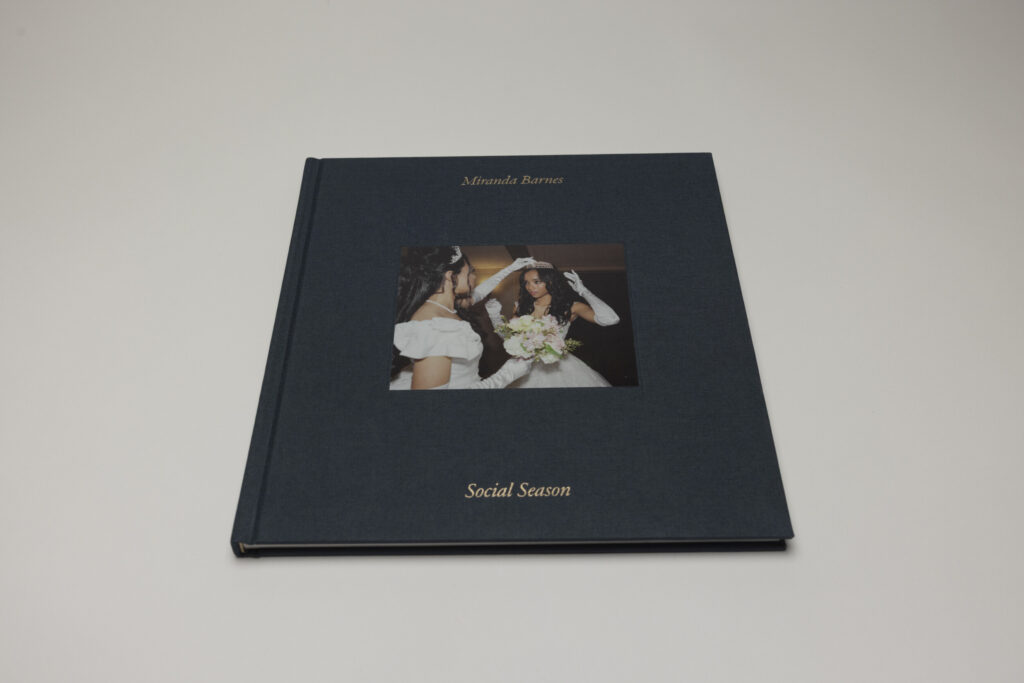
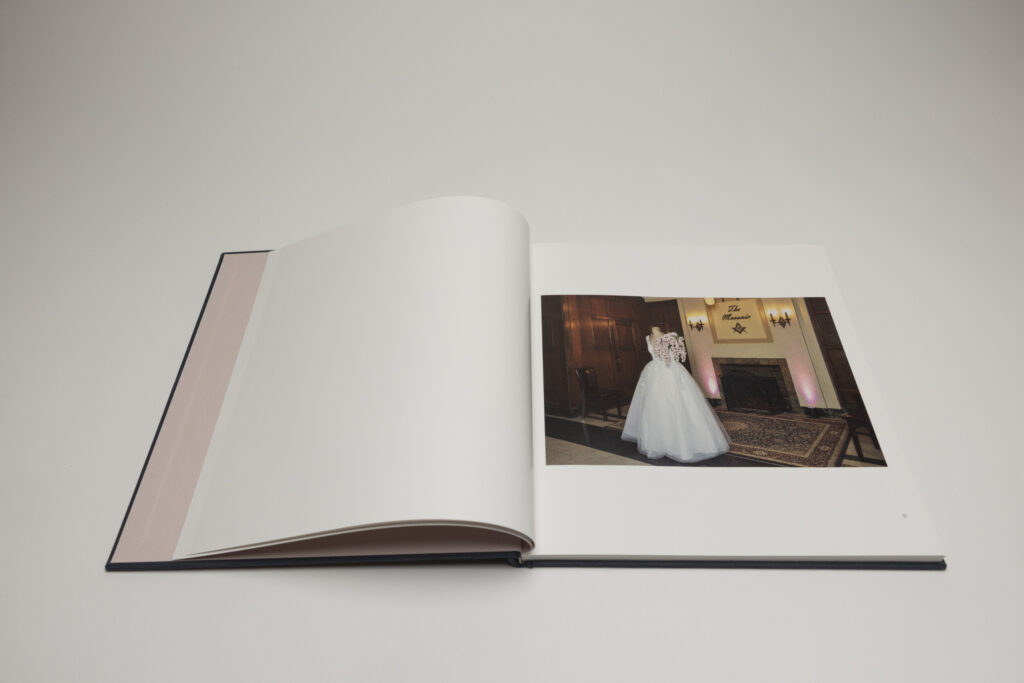
JTF (just the facts): Published in 2026 by Important Flowers (here), an imprint by MACK. Hardcover (25.2 x 26.5 cm), 104 pages, with 56 color photographs. Includes a poem by Marilyn Nelson and essay by Dr. Renita Barge Clark. Design by Anamaria Morris for Joseph Logan Design. (Cover and spread shots below.)
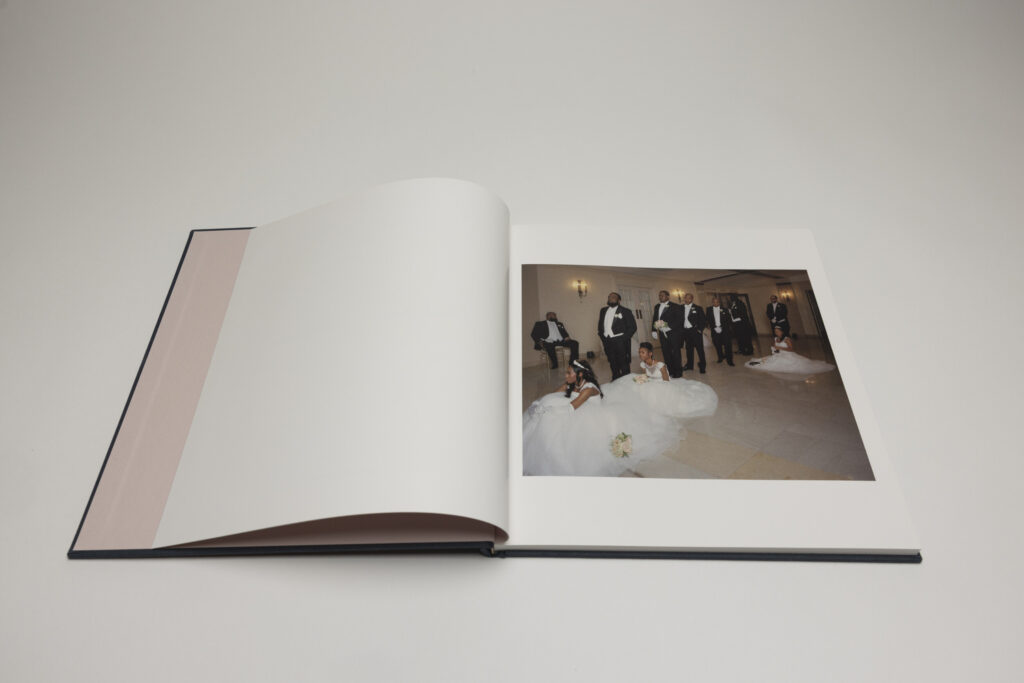
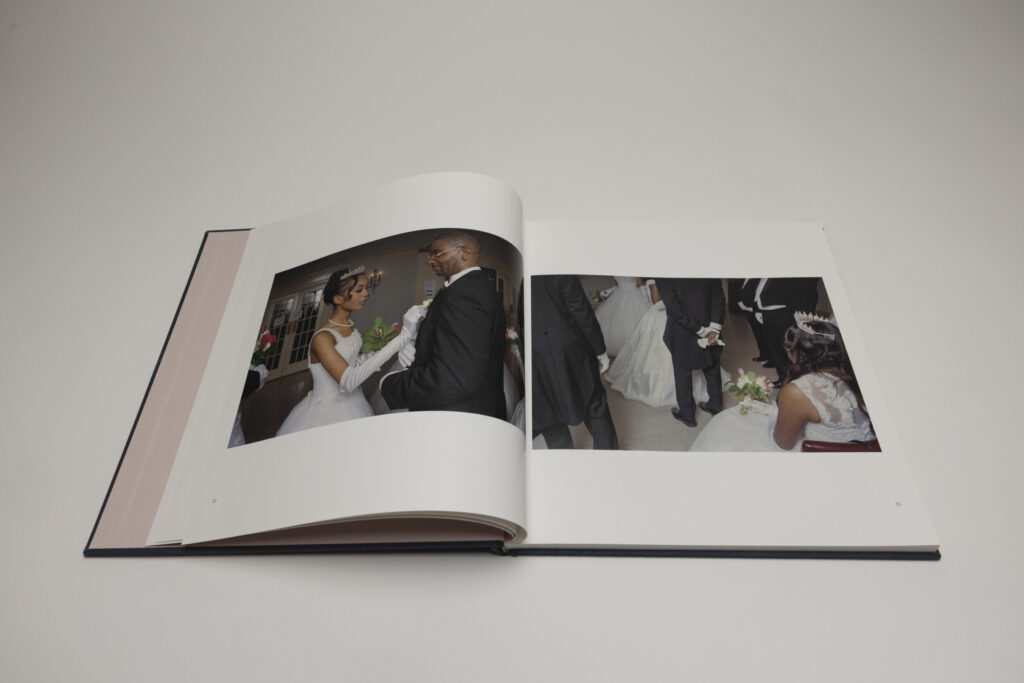
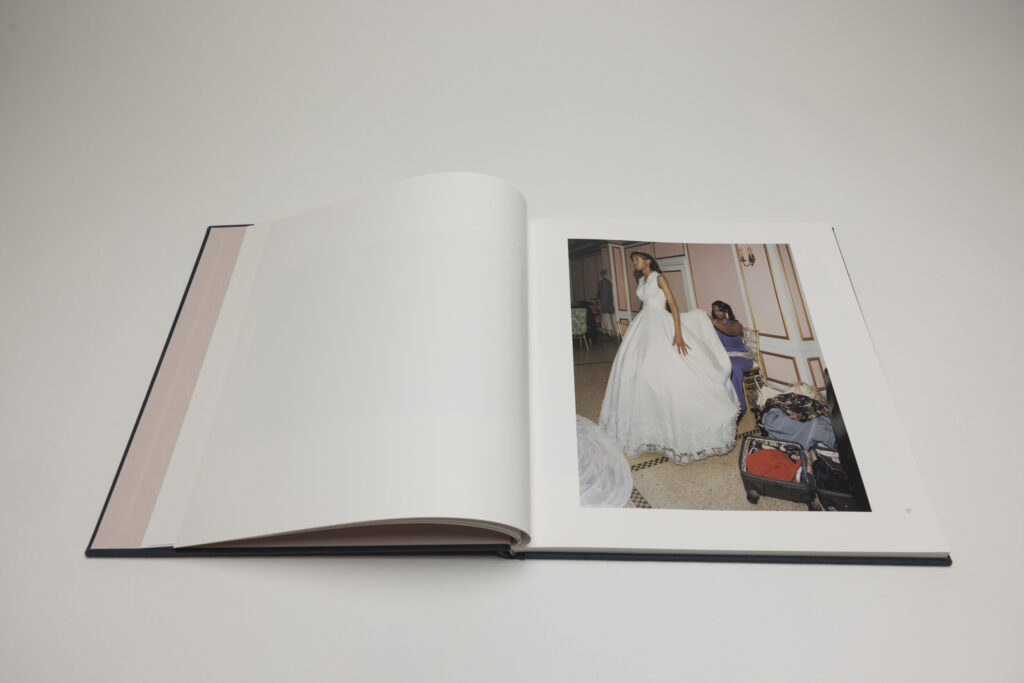
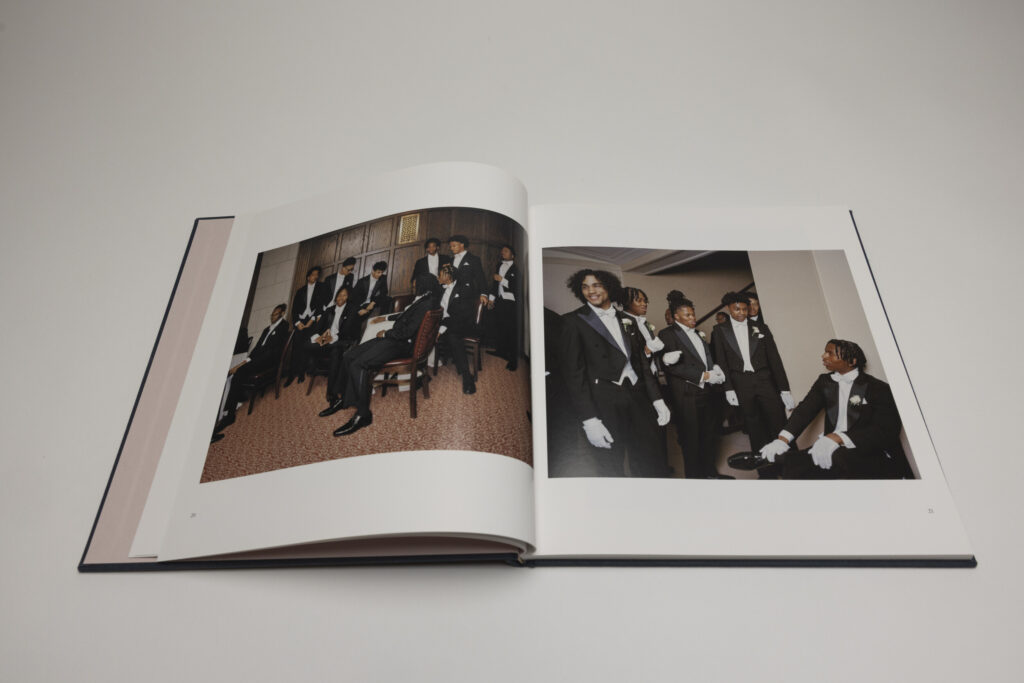
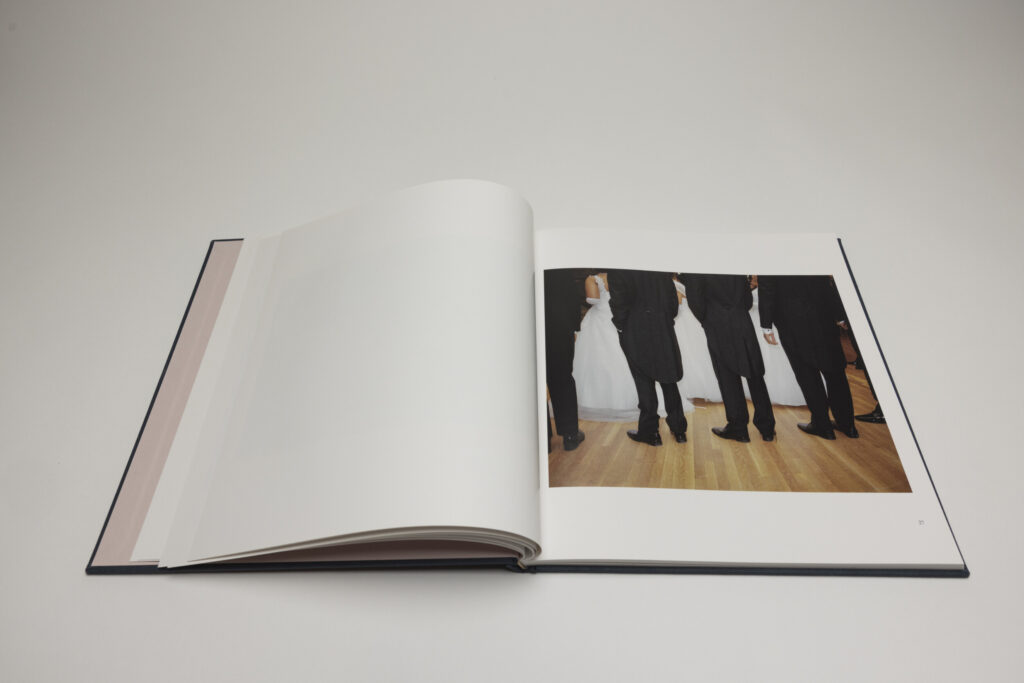
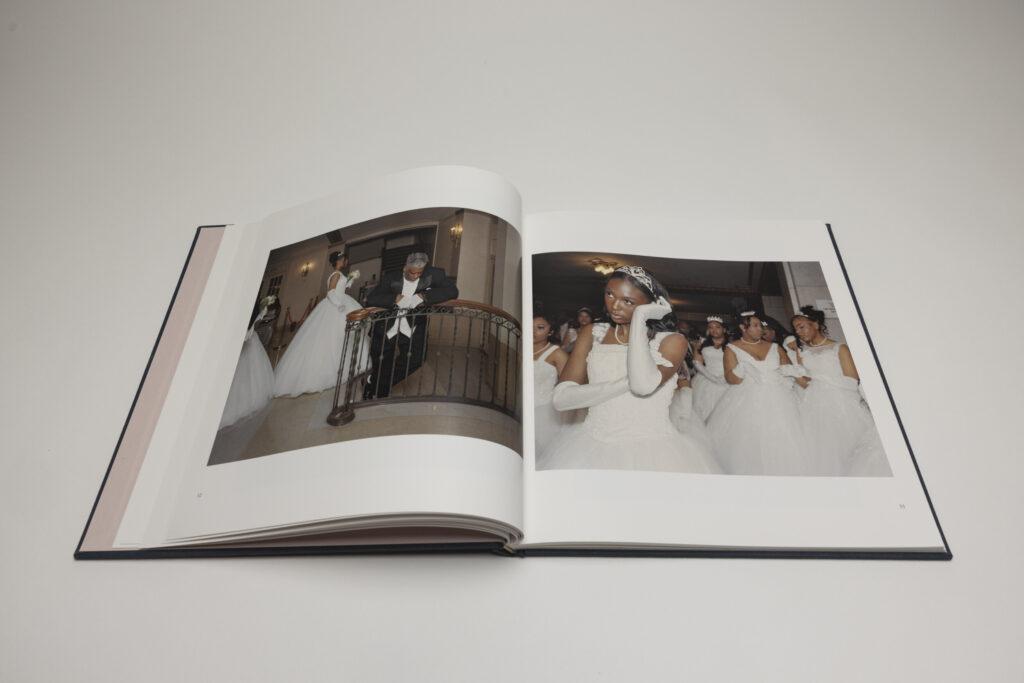
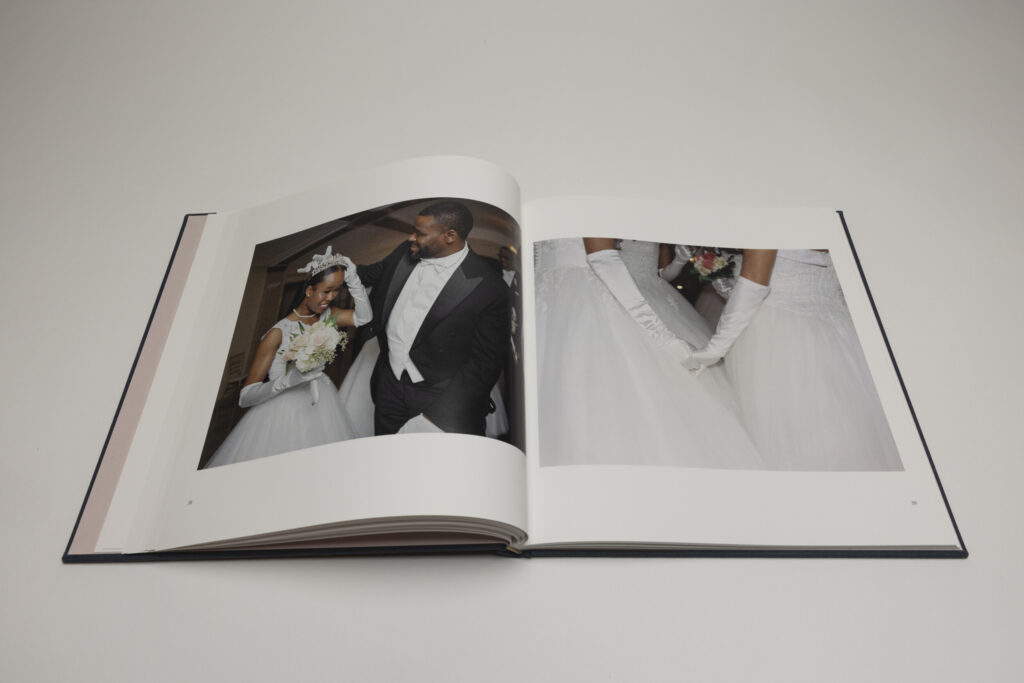
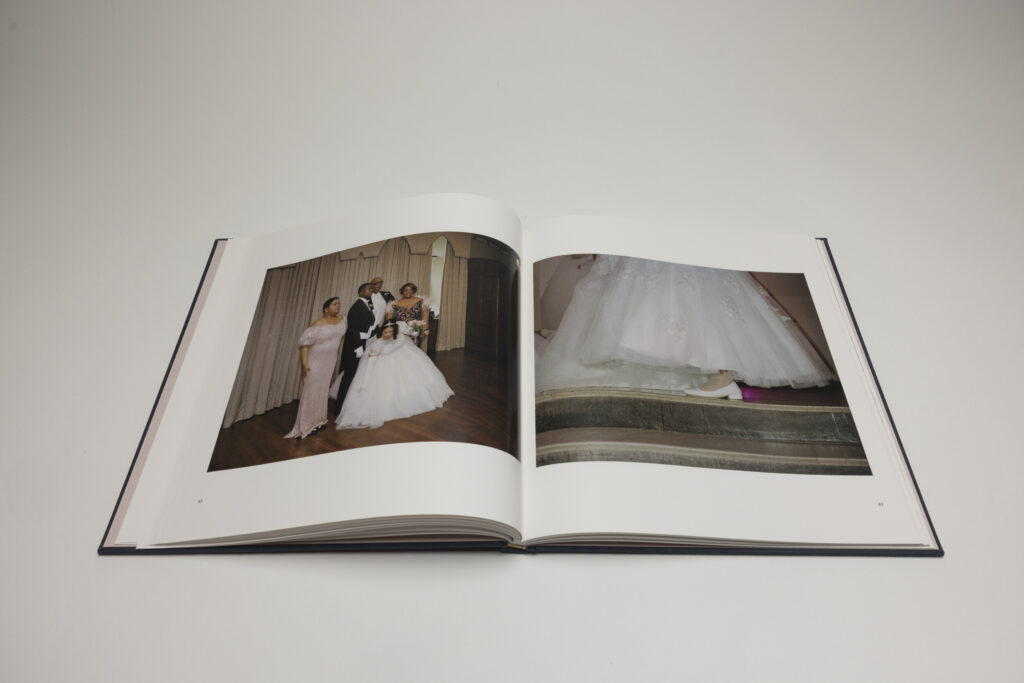
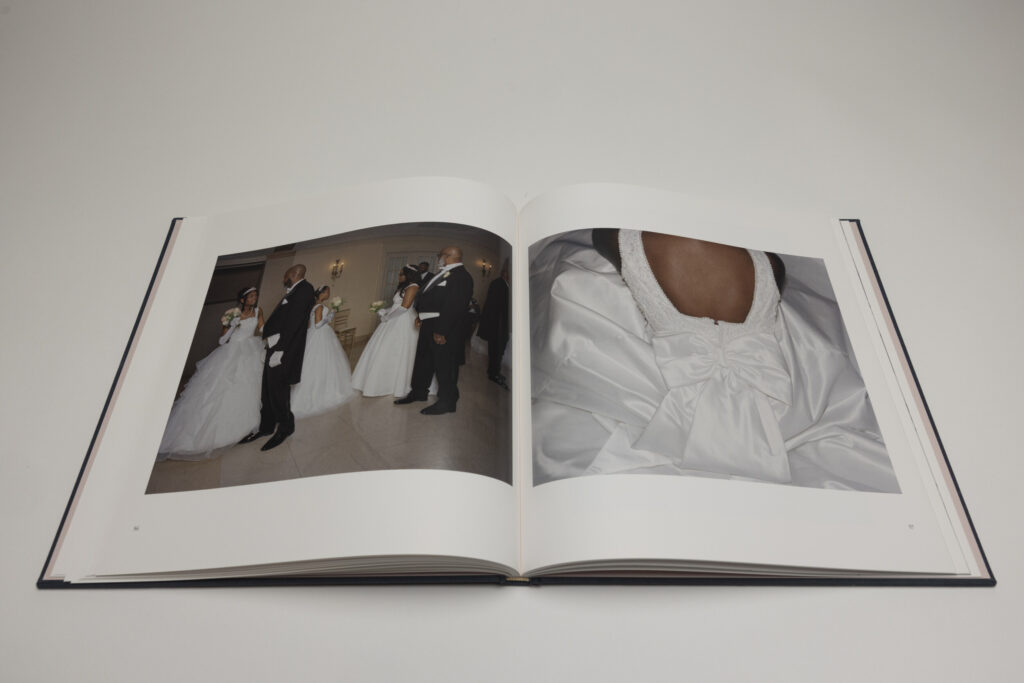
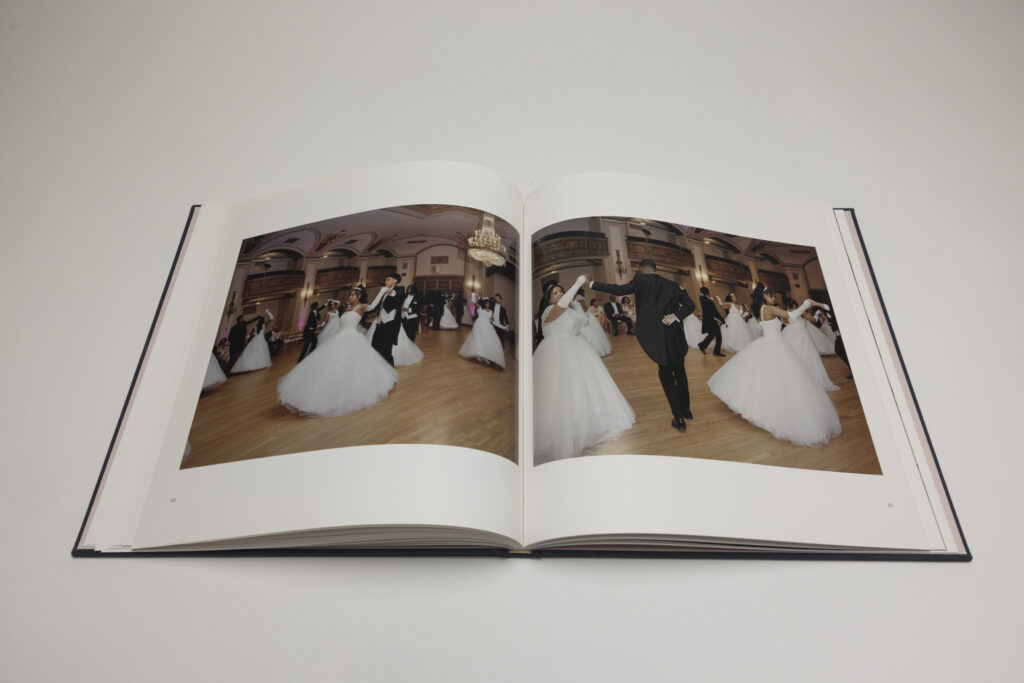
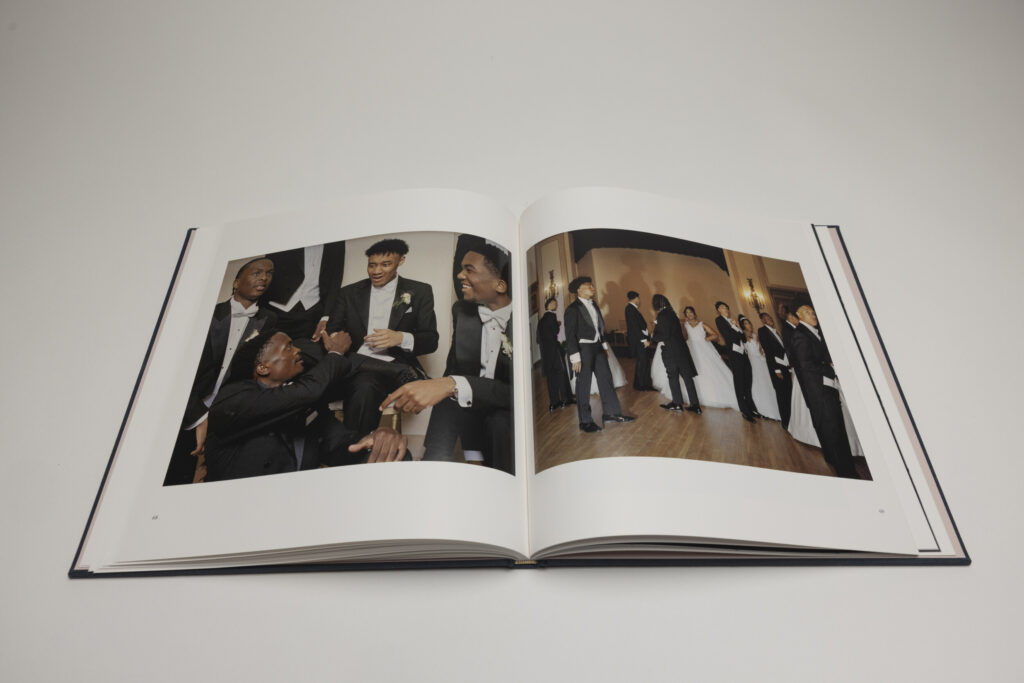
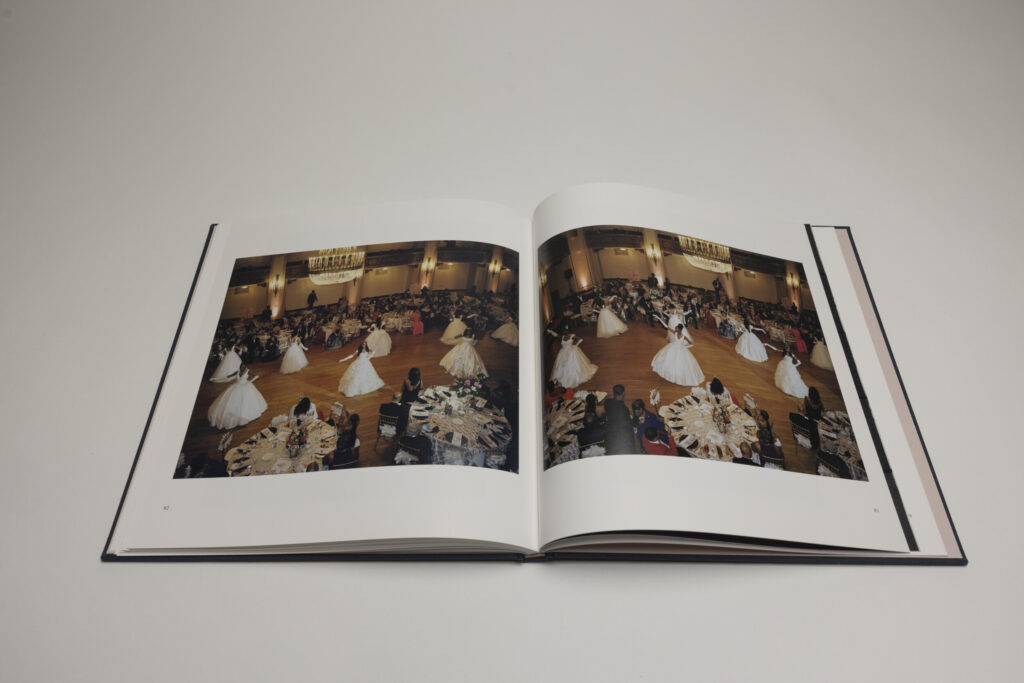
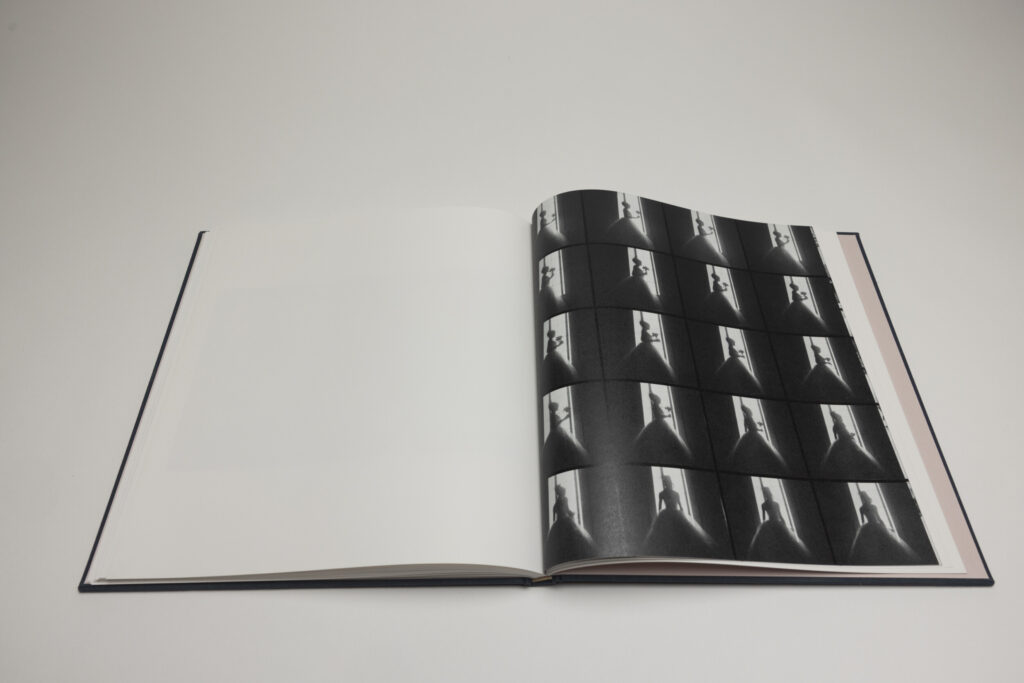
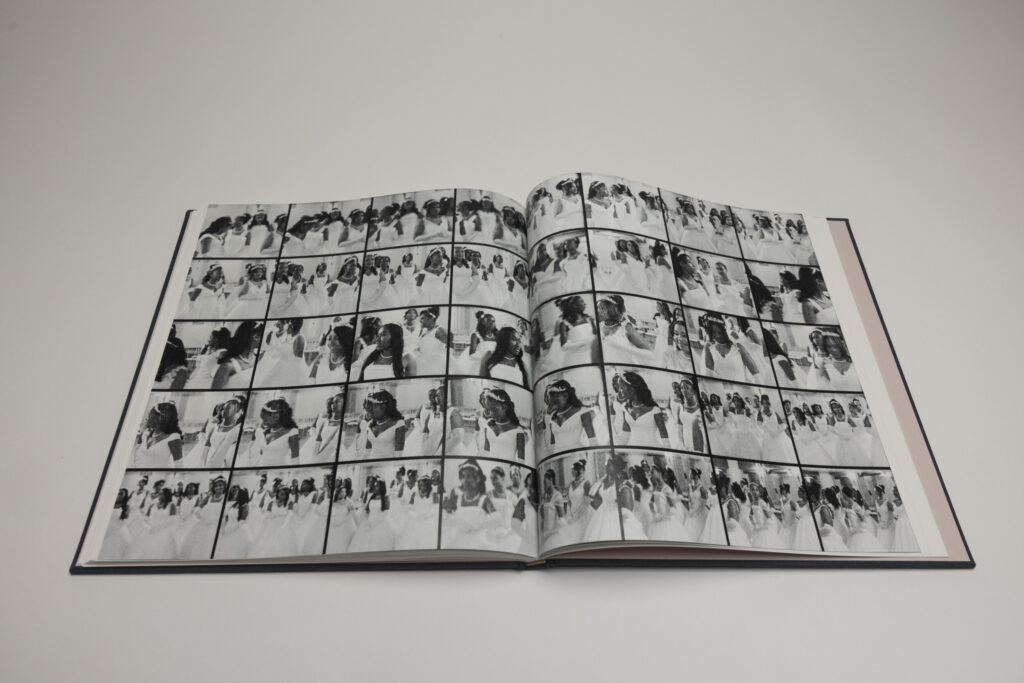
Comments/Context: Miranda Barnes’s debut photobook Social Season offers a richly observed exploration of the history and contemporary practice of Black cotillion balls in the United States. While the debutante ball originated in 18th‑century Europe as a ritual designed to introduce young women of high society to potential suitors, Black Americans began shaping their own version of the tradition as early as the late 19th century, transforming it into a vehicle for community pride, educational achievement, and social uplift.
Originally, Barnes envisioned cotillions as a single chapter within a larger inquiry into Black subcultures, an extension of her earlier work photographing cheerleaders, church congregations, Juneteenth pageants, and rodeos. But one evening inside Detroit’s Masonic Temple changed that trajectory. She quickly recognized that the cotillion demanded long-term engagement, that its complexity and emotional layers required a slower, more deliberate form of witness. The images in Social Season bear out that intuition: they feel cumulative, built from repeated returns and genuine familiarity.
From 2022 to 2025, Barnes embedded herself within the annual cycle of preparations and ceremonies organized by the Cotillion Society of Detroit Educational Foundation. Over those four years, she studied the cadence of rehearsals, the choreography of etiquette, and the emotional weight carried by the young participants as they approached their symbolic introduction into adulthood. Her sustained presence allowed her not only to witness these rites of passage but to understand the nuanced expectations (familial, cultural, and aspirational) that shape this enduring tradition.
As a photobook, Social Season is cleanly elegant, with a straightforward design and layout. It is a hardcover book in a dark blue cloth; an image of two girls in white dresses fixing each other’s tiaras appears at the center; the title and the artist name are placed above and under in gold font. The book opens with a sugar pink endpapers, a fitting color for its content. The design is restrained, allowing the images to breathe. Generous white space and deliberate pacing encourage slow, contemplative viewing. Overall, the book is beautifully constructed and printed, and its understated but refined design directs our attention to the images.
By opening the book with a poem “The Cotillion” by Marilyn Nelson, set in the mid‑1800s, Barnes establishes a continuum between past and present, showing that today’s Detroit cotillion is not an isolated or newly‑invented tradition but part of a much longer lineage of Black community‑building and cultural refinement. The poem recounts Morris’s experience as a debutante, one of the earliest written accounts of the ritual within Black society. “Cinderellas without our brooms,” Morris writes. “The ballroom looked elegant, and the band / played waltzes and quadrilles. Colored New York / danced in its finery, forgetting work, / insult, and slavery in our land.” While the details of the ceremonies may change, their deeper purpose endures. It also invites us to view the book as a cultural narrative.
Barnes’s photographs capture the interplay between ceremonial poise and the unmistakable presence of adolescence. The debutantes wear the expected signifiers of formality (white gowns, pearls, tiaras) but Barnes sees beyond these markers. She reveals a world in which formality meets youthfulness: a sideways glance, a nervous laugh, a bored slouch held just long enough for the camera to catch. She captures the debutantes as individuals navigating a moment of transition.
Clothing becomes one of the most expressive threads in the book. Barnes pays particular attention to the inventive silhouettes and elaborate detailing of the gowns – lace backs, bows, embroidered hems. Close-up images of corsages, tulle, and expertly tied bows highlight the tactile dimension of the event, foregrounding how material beauty is intertwined with aspiration, self-presentation, and familial pride.
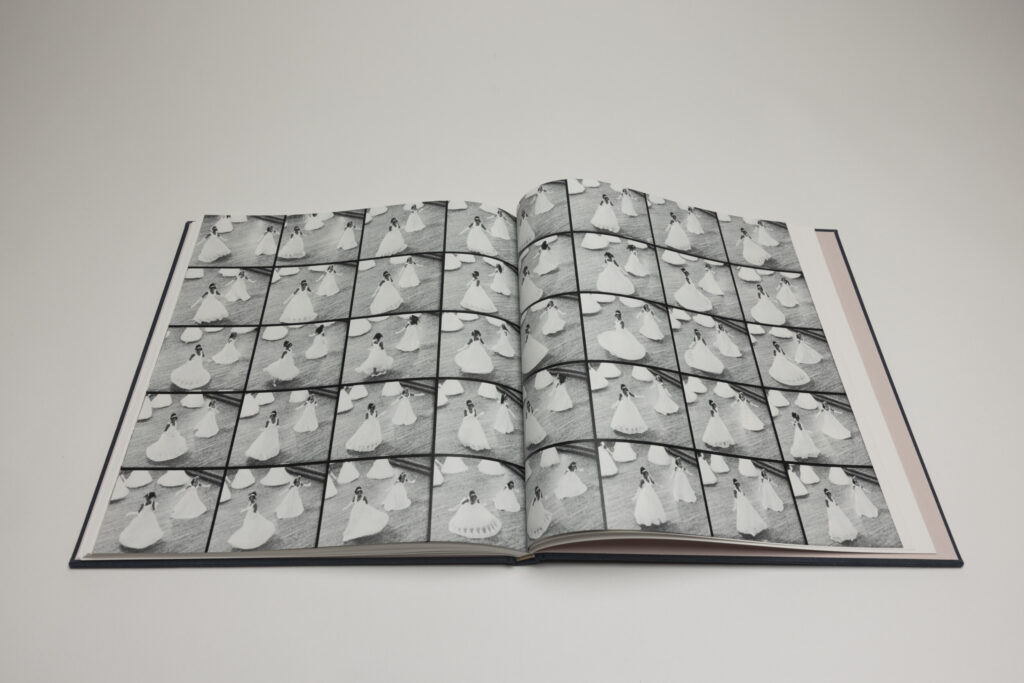
At the book’s close, Social Season shifts into a cinematic sequence (printed on a lighter paper) that gently loosens the formality established earlier. The choreography gives way to movement and release as Barnes follows bodies in motion, music changing, and postures softening once the ceremony ends. Sequenced like film stills, these images linger on gestures and transitions rather than endings, allowing the night to slip into something less prescribed. The effect resists closure, holding the participants in a suspended moment between ritual and return, where discipline dissolves into joy, fatigue, and the quiet sense of something beginning rather than finished.
Taken as a whole, Social Season is both grounded and luminous. Barnes has created a book about a world shaped by etiquette, choreography, lineage, and expectation. She attunes herself to the emotional weather of a rite of passage – the anxieties, the pride, the stillness between steps. Her sensitivity to detail, waiting, and intergenerational connection lends the work its depth and resonance. This is a nuanced portrait of a community investing in its youth through tradition, discipline, and hope. Barnes neither idealizes nor critiques the cotillion; she simply reveals it. In doing so, she expands our understanding of what ceremony can hold, and what photography, at its most attentive, can illuminate.
Collector’s POV: Miranda Barnes does not appear to have consistent gallery representation at this time. As a result, interested collectors should likely follow up directly with the artist via her website (linked in the sidebar.)