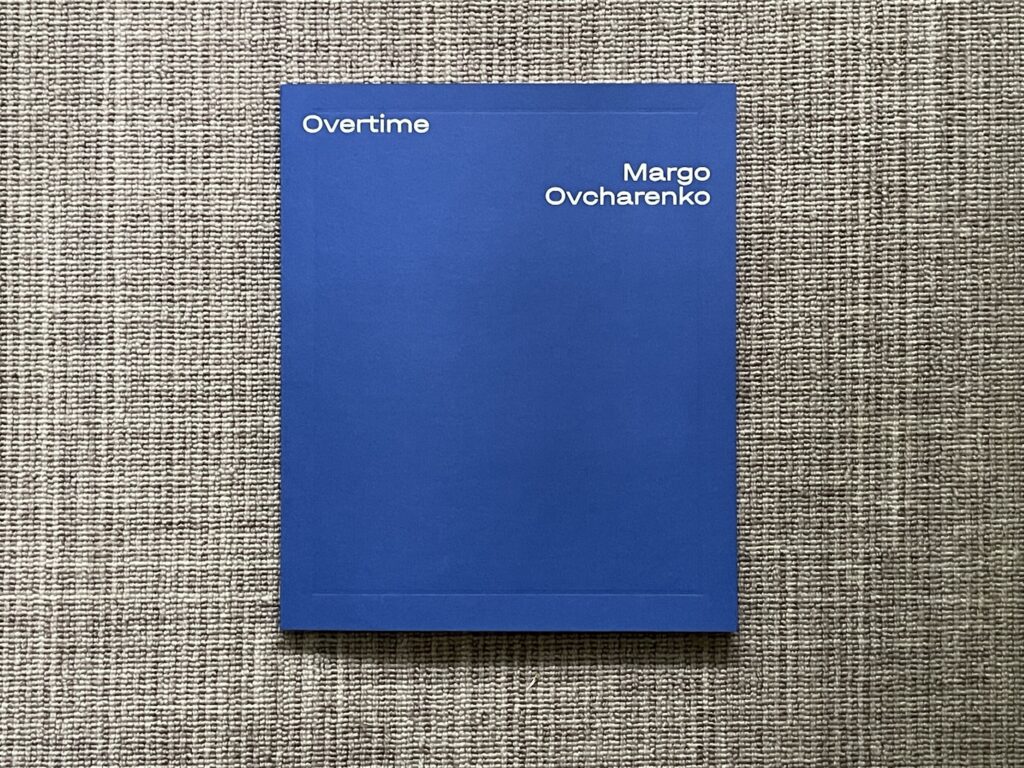
JTF (just the facts): Published in 2026 by Imageless (here). Softcover (24 x 29 cm) with folded flaps and tipped-in image, 96 pages, with 56 black-and-white reproductions. Includes game score sheets, a statement by one of the players, and artist acknowledgements. Design by Yulia Kondrateva. In an edition of 500 copies. (Cover and spread shots below.)


Comments/Context: Documentary projects that follow a single sports team over the time period of a full season are relatively common. They can take shape as an image and text series in a newspaper or magazine, a long term photographic project, or even a documentary film, and the typical arc of the narrative can range from the heights of a triumphant (but always somewhat unexpected) championship run to the hard luck depths of a season that somehow slips away. Along the way, we usually follow the progress of various practices and games, meet singular players and coaches, watch the highs and lows of personal and group struggles, and track players as they improve their skills and resiliently overcome injuries. Such a project then generally culminates with a big game, where everything comes together in a final make-or-break, win-or-lose contest. It’s a straightforward dramatic formula, and one that we’ve seen played out many times before.
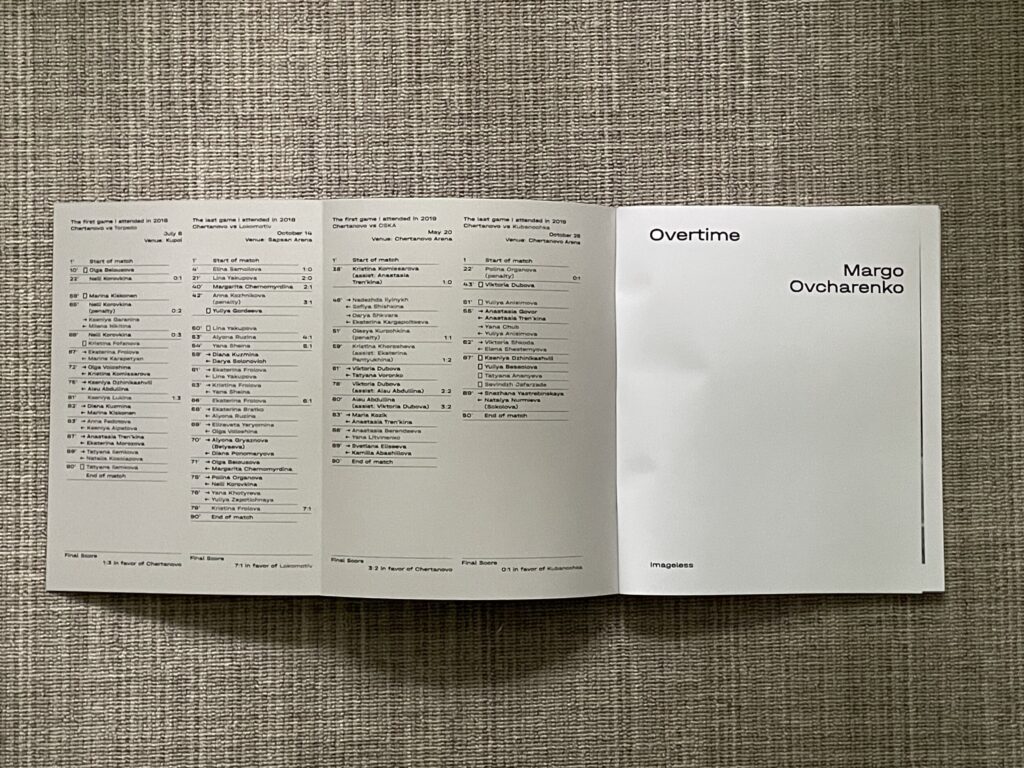
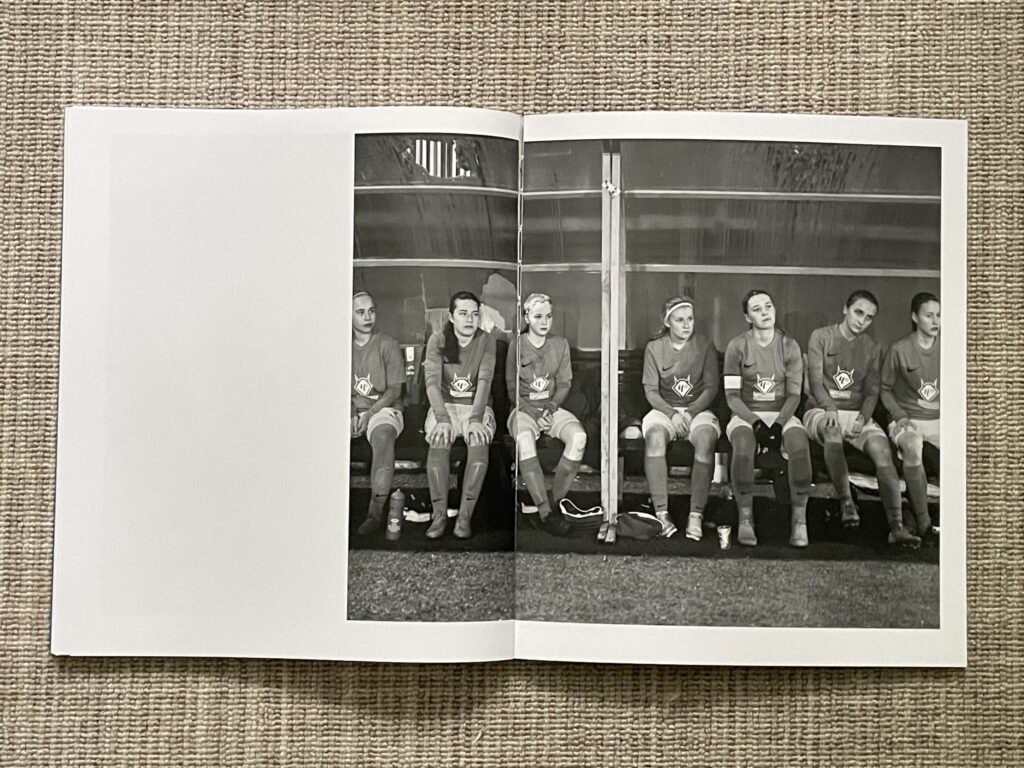
Margo Ovcharenko’s photobook Overtime takes as its subject the women of WFC Chertanovo, a women’s soccer team (and its supporting football academy) from just outside Moscow that plays in the Russian Second League, Division B, a professional league feeding up toward the Russian national team. But in charting the path of this overlooked team, Ovcharenko breaks all the usual rules and frameworks of sports documentaries that we’ve just discussed. She follows the team for a period of four seasons (from 2018-2021), and aside from providing the boxscores of the first and last games of each season (printed on the folded endpapers of Overtime), Ovcharenko isn’t seemingly interested in the wins and losses, or even the final standings. Nor does she overtly feature or single out any specific players by face or by name, so no cult of personality around the best or most charismatic players ever develops. There are of course images of practices and games, weight room visits and ice baths, injured legs and feet, and other kinds of soccer team moments we might expect, but largely Ovcharenko decides against building any neat narrative arc for the success or failure of this team. Instead, she immerses us in the intimate rhythms of the players’ lives, including their routines, the places they live and train, their quiet moments, and their interpersonal relationships, offering a sensitively observed chronicle of the touch points of an athletic life in contemporary Russia.
The history of overtly strong, healthy, and proud Soviet athletic imagery provides a kind of propaganda-laced backdrop to this project, with Ovcharenko’s black-and-white images feeling like an intentional contrast to those earlier, more politicized aesthetics. But present day politics are never very far from view in Ovcharenko’s images either. Both the artist and many of the players are of Ukrainian descent, and given that the team represents Russia in competition, the Russian invasion of Ukraine and the ongoing war there add a potent layer of friction to the celebration of any success on the field. Similarly, there is a very real conflict between the queer identities of many of the players and the state’s official position against positive queer expression and advocacy, putting the athletes in a vulnerable, compromised, and even criminalized position, where they are being asked to represent public values they don’t live or agree with themselves. So underneath this story of young female athletes trying hard to make it in the challenging world of professional soccer, there is another layer of personal visibility, belonging, safety, and identity-affirmation that is constantly at risk.
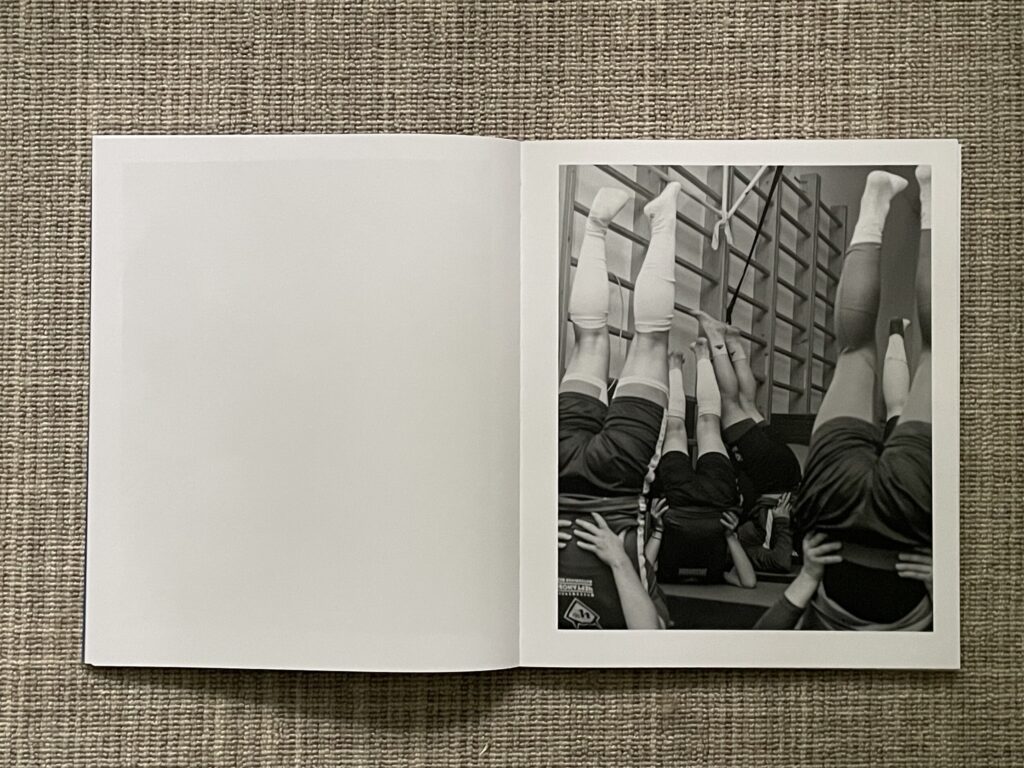
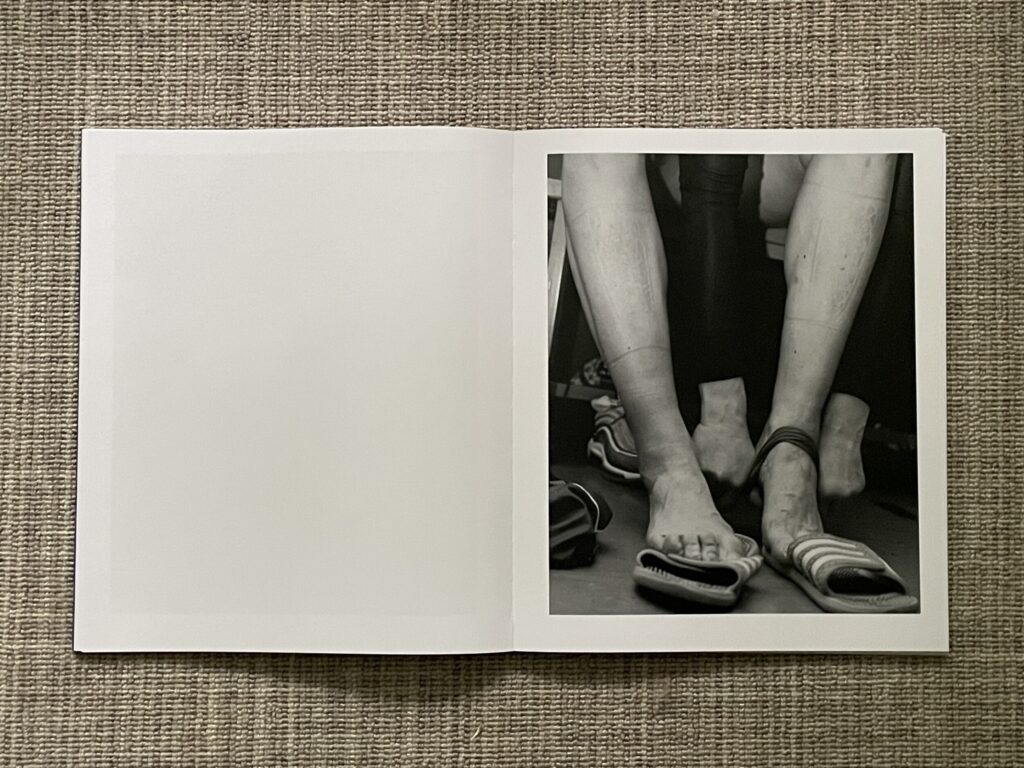
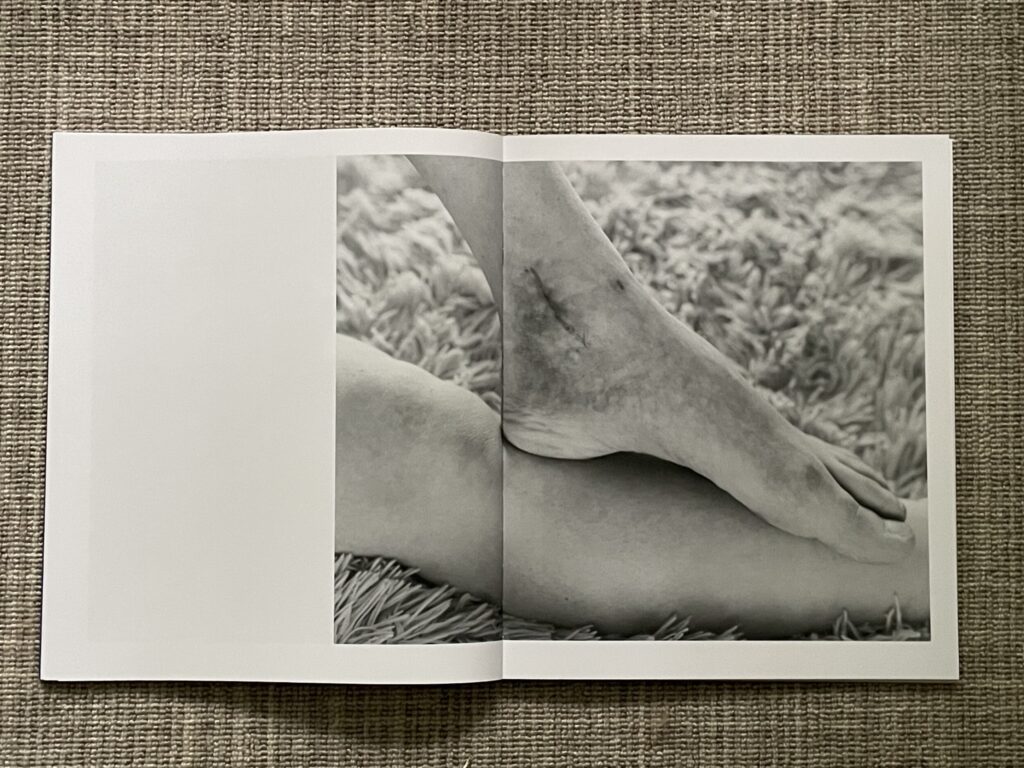
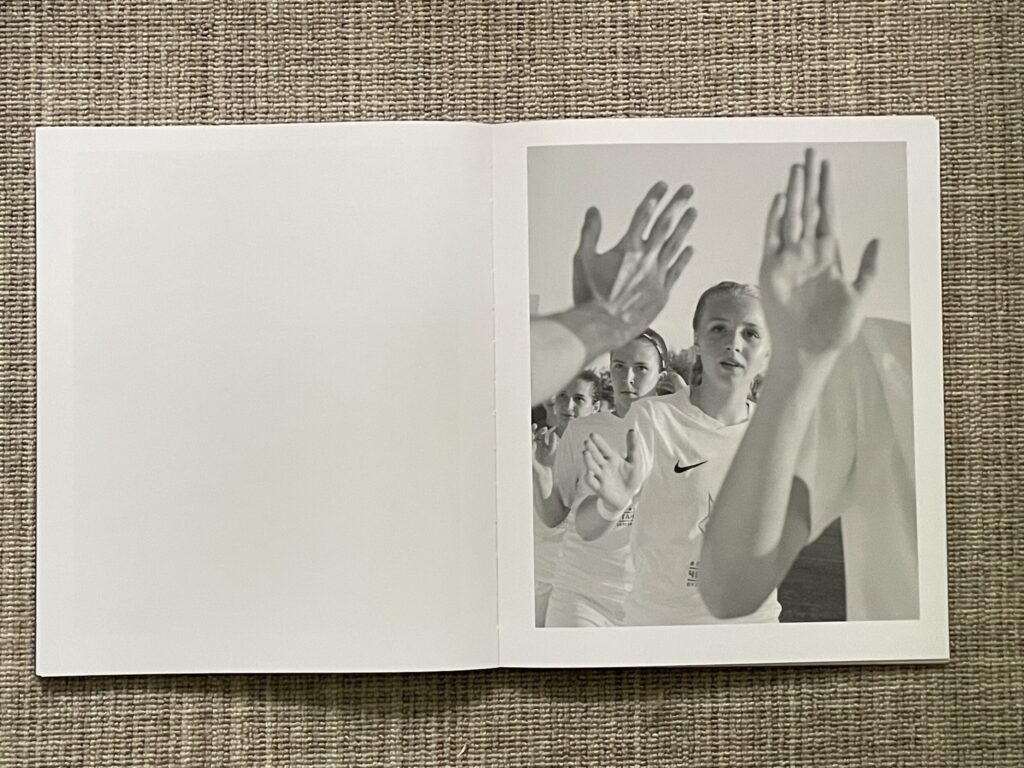
Ovcharenko is a talented and sympathetic photographer, and her images have a consistent gentleness and sensitivity that pulls us into the private world of these players. And of course, given the soccer context of this project, there are plenty of scene setting photographs that pay attention to the details of this particular athletic life. Ovcharenko watches the women put on socks, don mesh practice uniforms, and hang up their necklaces and jewelry before going out to the field, and shows us the group stretches upside down, the spotted bench presses in the weight room, and the “good game” high fives all around. Only a few details here and there – a woman on crutches, a long scar on a foot, and some legs in ice – remind us that injury is a very real part of this life, and that any future hopes can be dashed surprisingly swiftly by an ankle twisted in the wrong way.
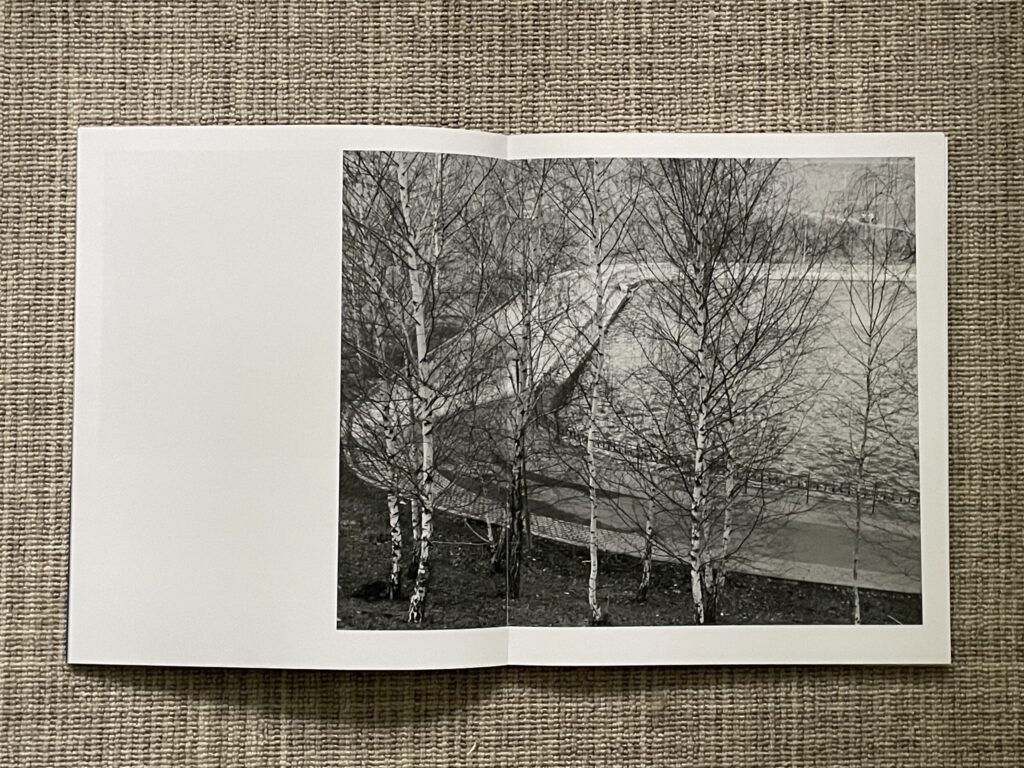
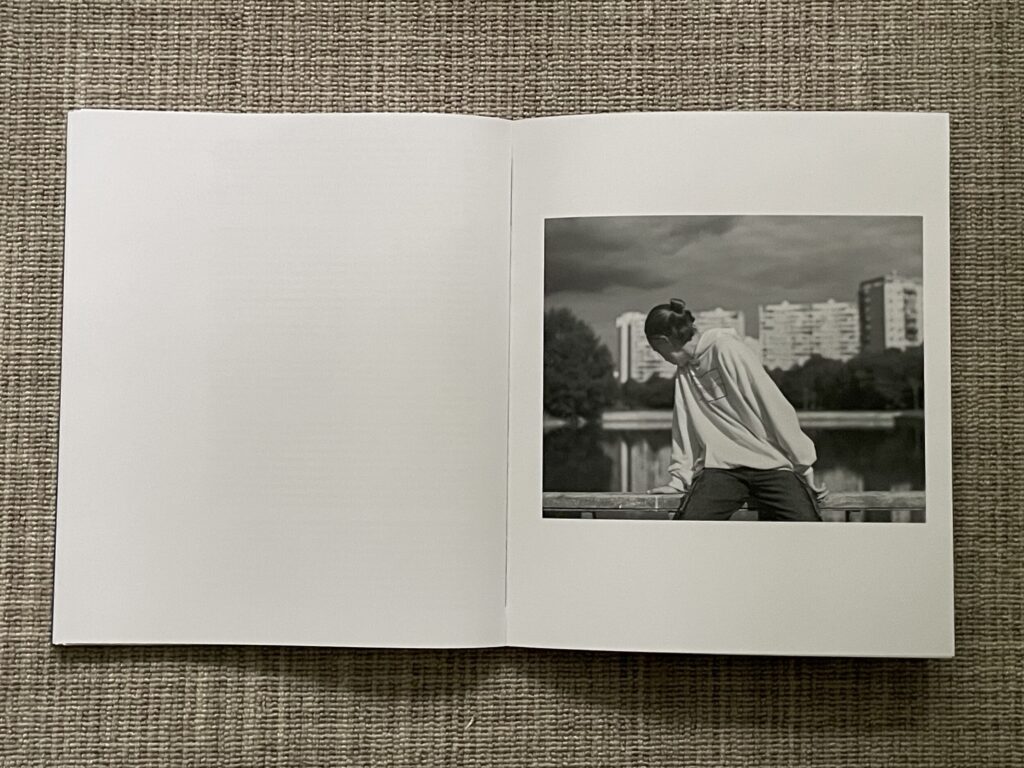
While there is often lilting grace to be found in Ovcharenko’s tight framing choices and up close intimacies, the project as a whole settles into a conflicted sense of quiet unease. Part of this trapped atmosphere comes from the way Ovcharenko shows us the training facilities, fields, and surrounding industrial landscapes the team lives within. Hulking working class apartment blocks sit among thick stands of winter trees, the views almost always blocked or interrupted. Like birds in a cage, the women and the places they inhabit are constantly seen inside or through enclosures – behind glass or plastic, through netting, within fences and railings, both literally and metaphorically closed in. The dirt landscape, the forlorn rows of empty seats, and the nearby highway overpass reinforce this sense of bounded “inside the bubble” isolation.
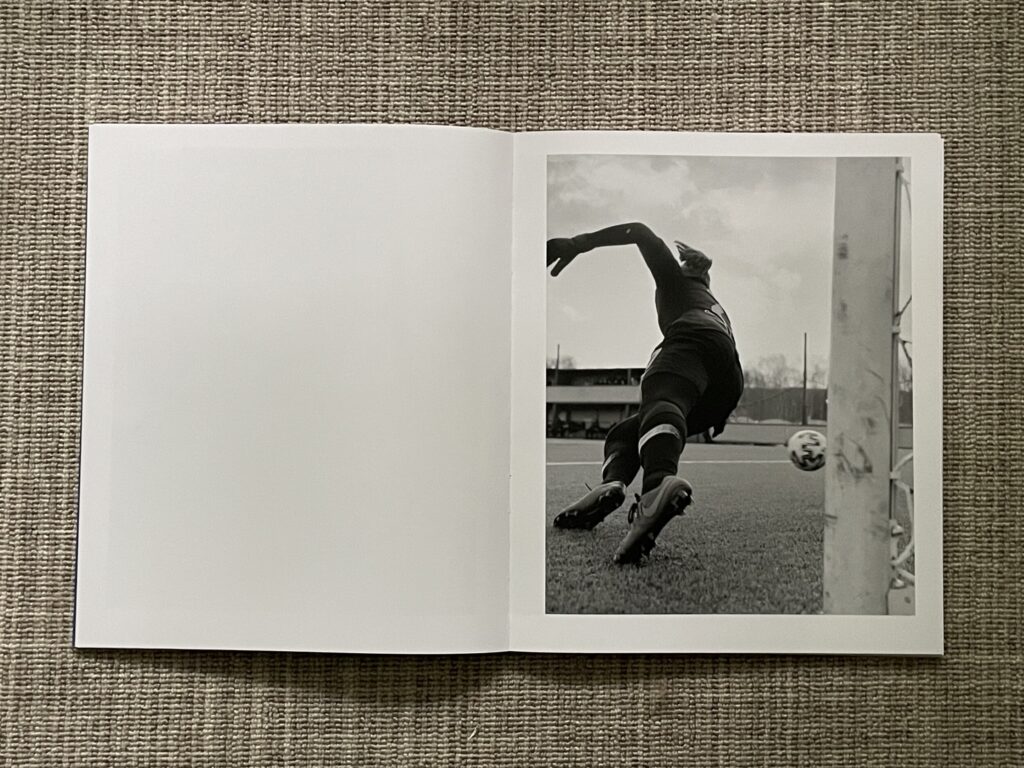
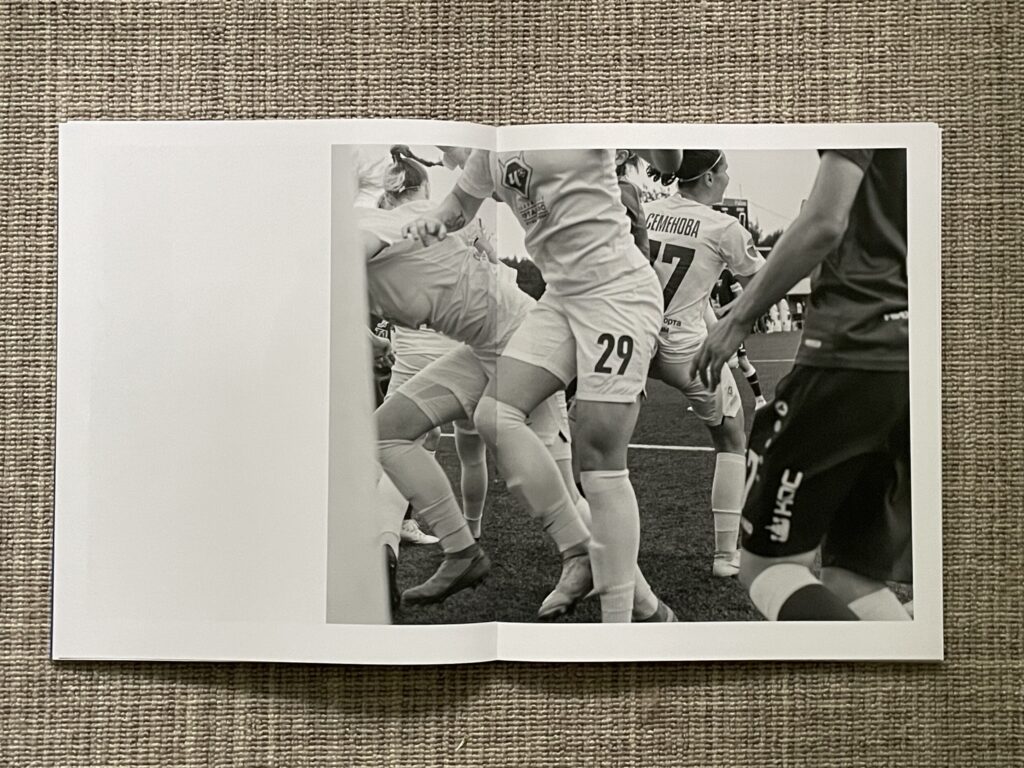
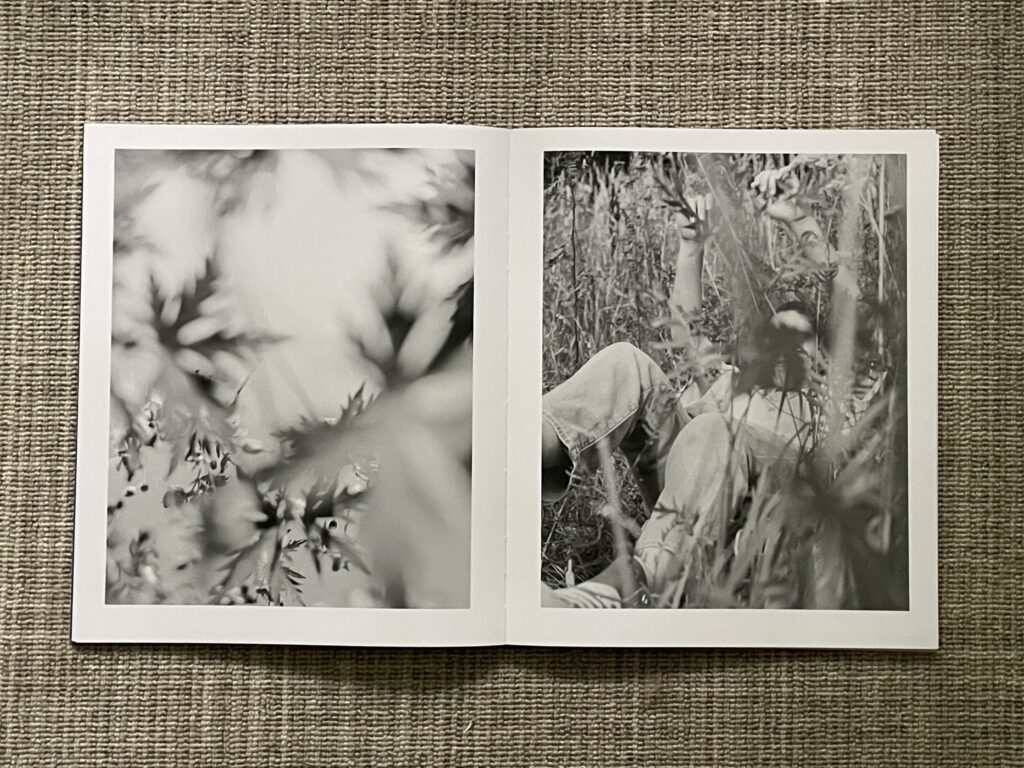
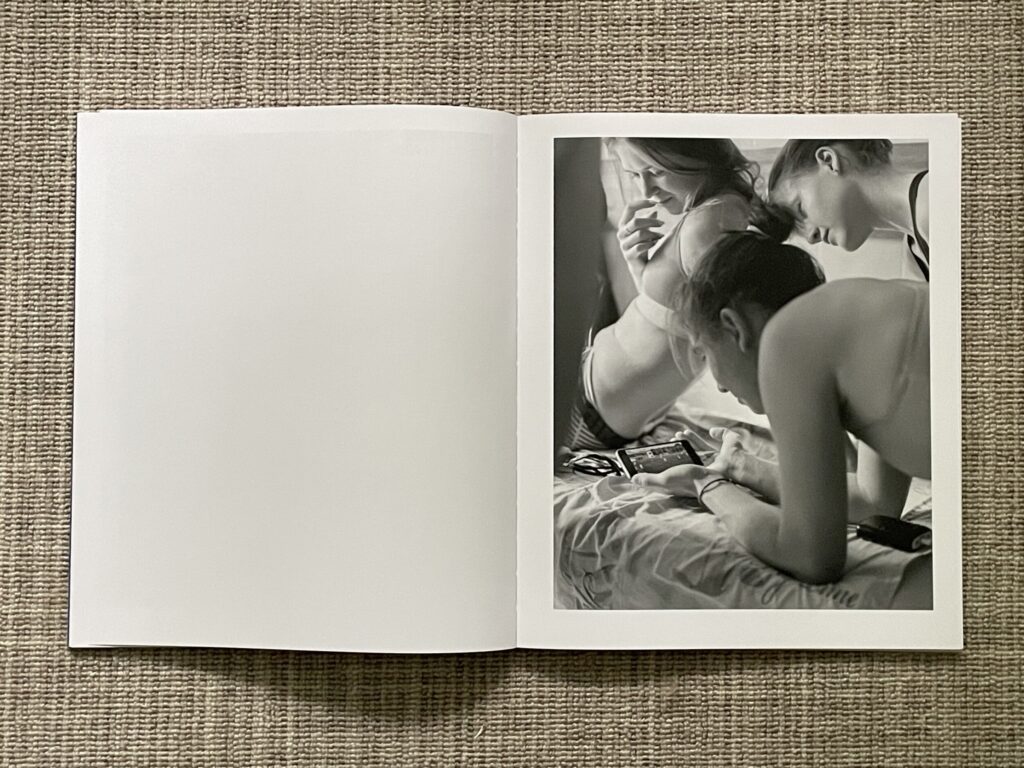
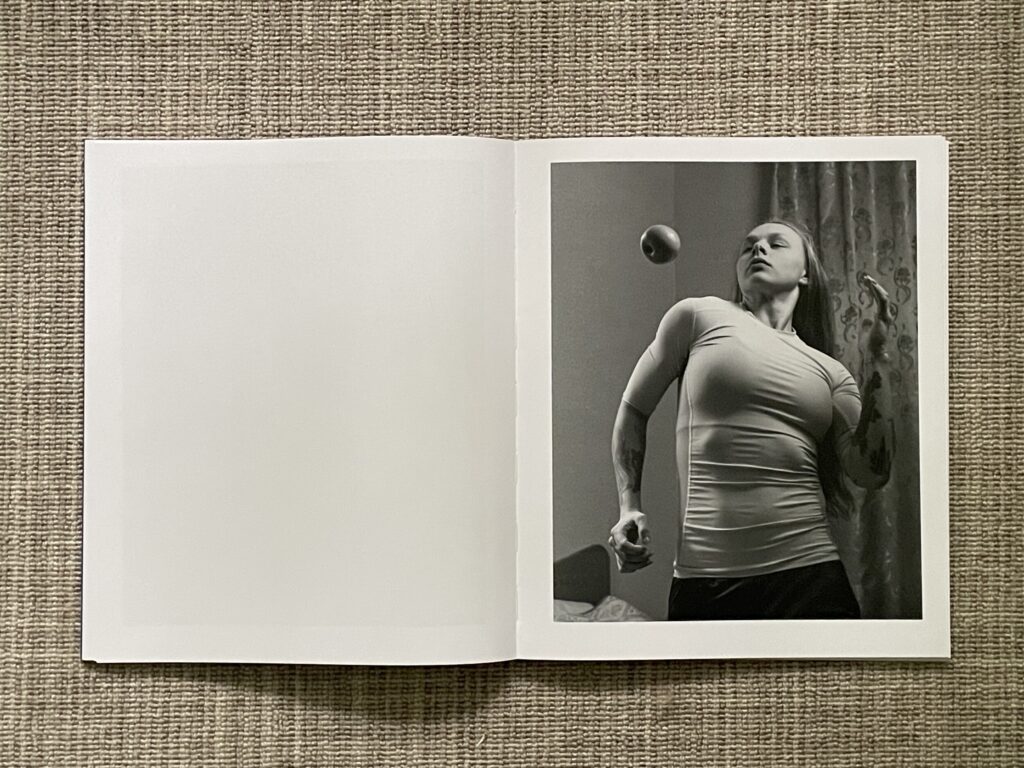
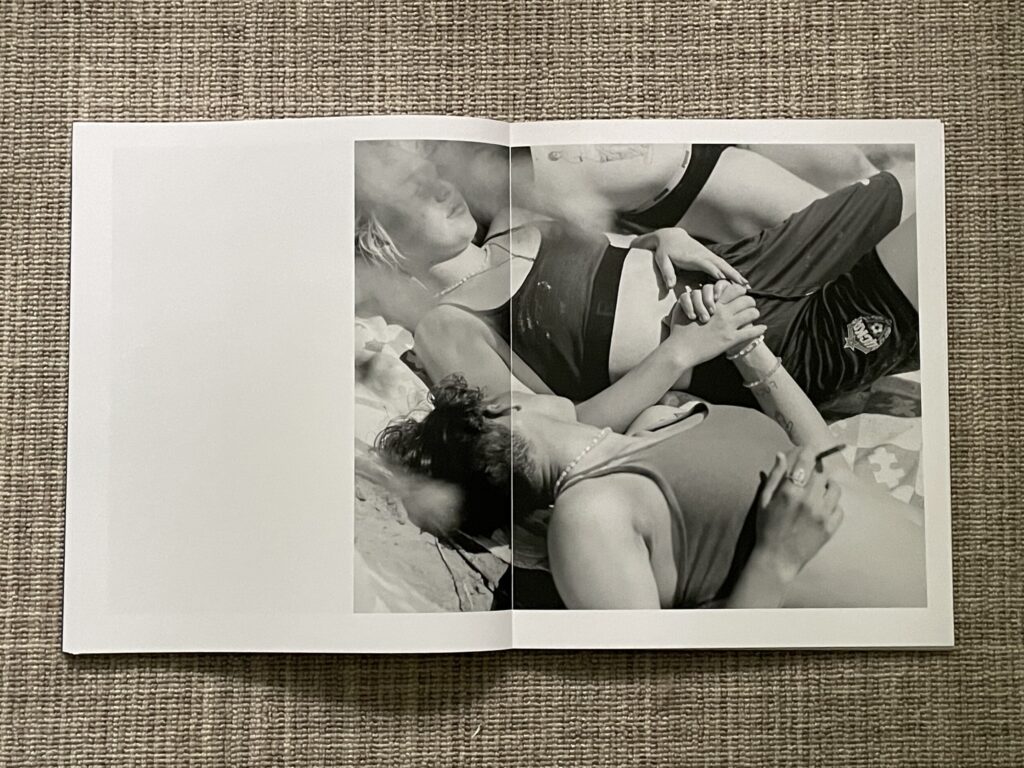
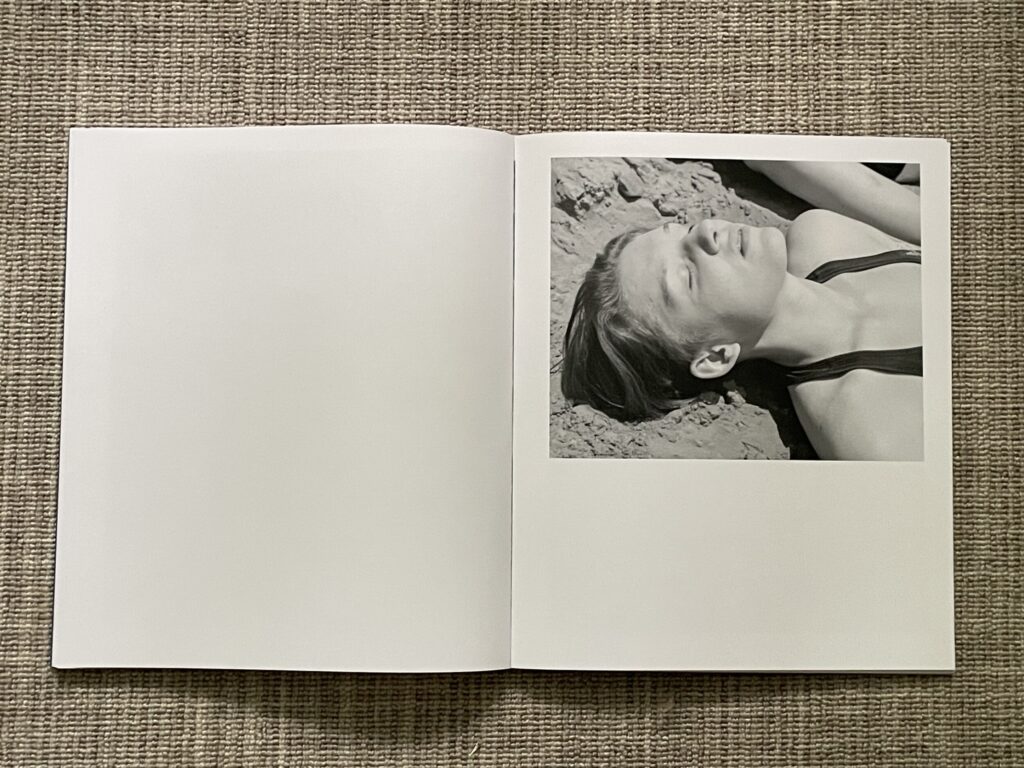
But within this world, Ovcharenko finds an unexpectedly supportive and synergistic environment, where the physical and emotional camaraderie amongst the team members feels strong. Ovcharenko pays attention to the small gestures that signal these connections of solidarity and collective identity within the team – the way they pose for a team photo, or sit on the bench together, or kick their legs together in warmups, or hover around looking at game replays on a phone. These women are serious professionals, so of course fierce determined stares and easy going confidence are both readily on view, the effortless bouncing of an apple off a woman’s shoulder like it was a ball offering a subtle flex of skill and swagger. But Ovcharenko is just as attuned to the moments of introspection and vulnerability that these women are experiencing. For every busy composition of interlocking legs or vital diving bodies in action, there is a softer response – a calm instant with eyes closed or looking away, a solitary moment curled up in a window, a face looking out with anxiousness or wariness, or a resting body obscured by leaves or dappled by sunlight.
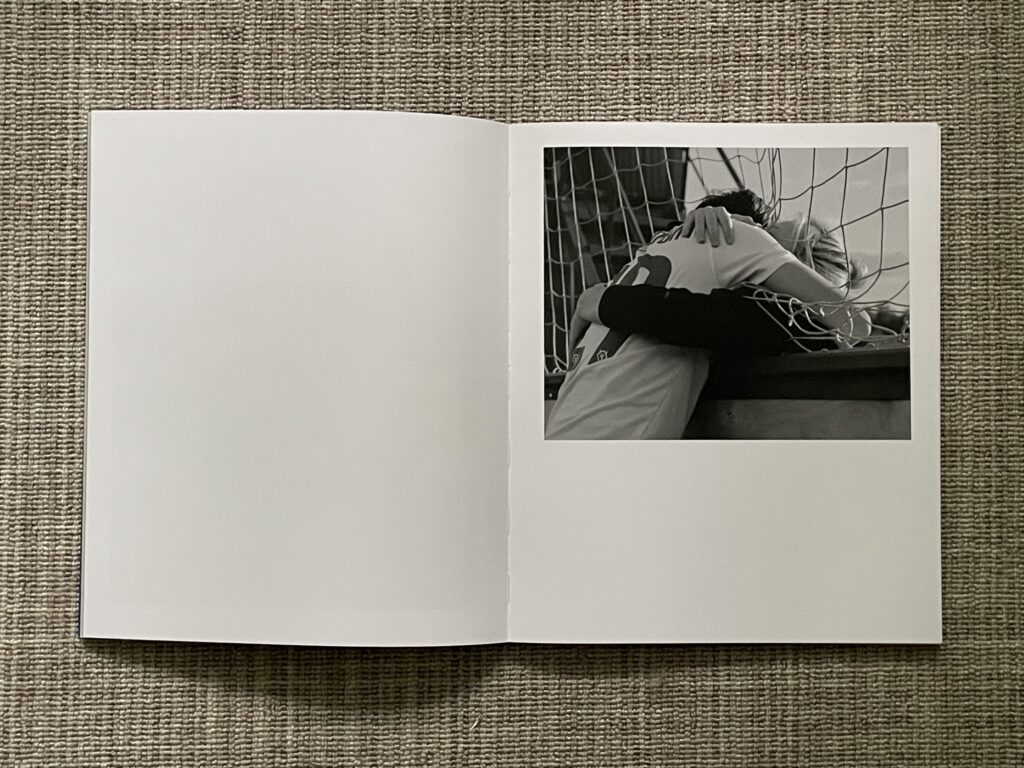
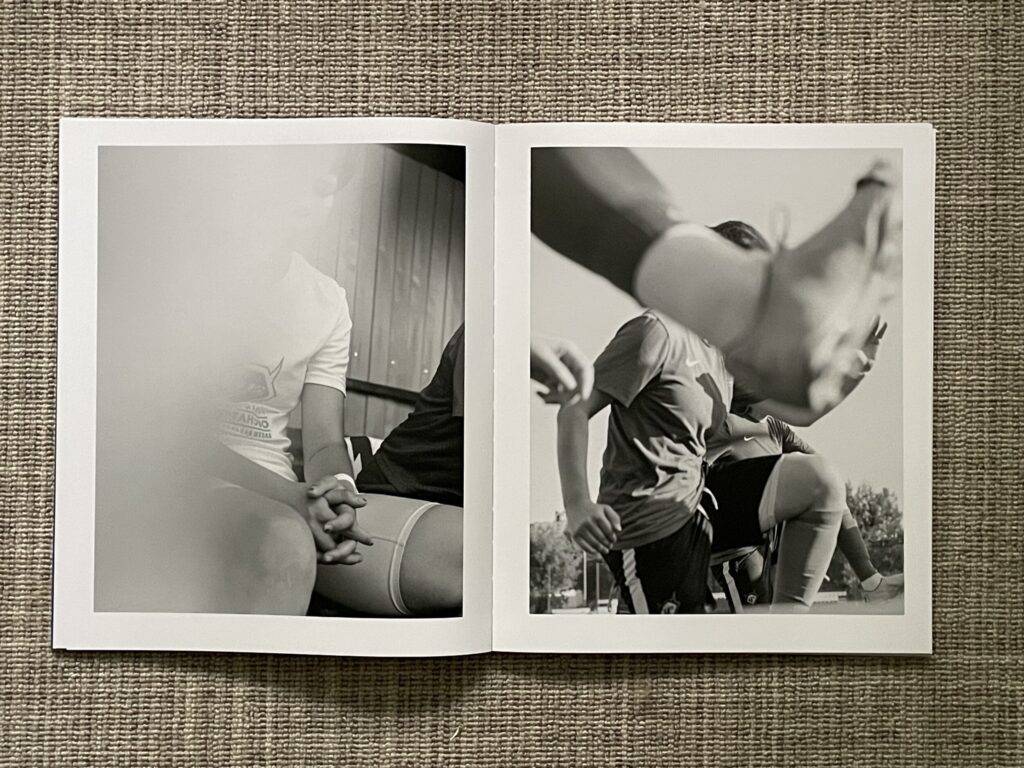
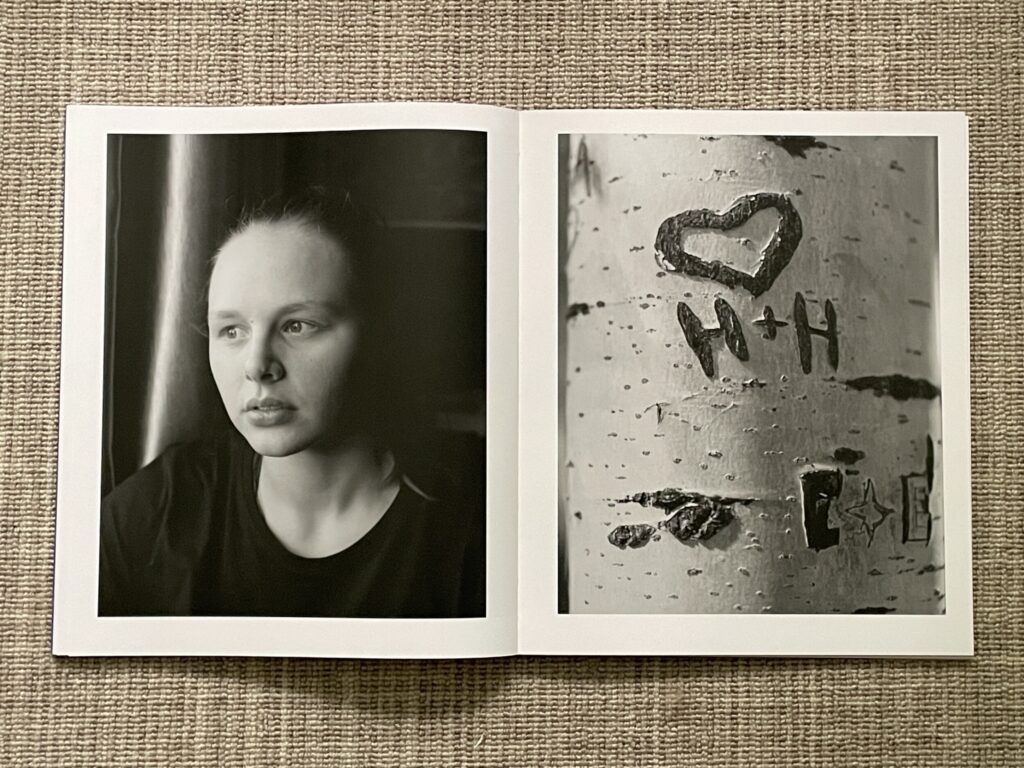
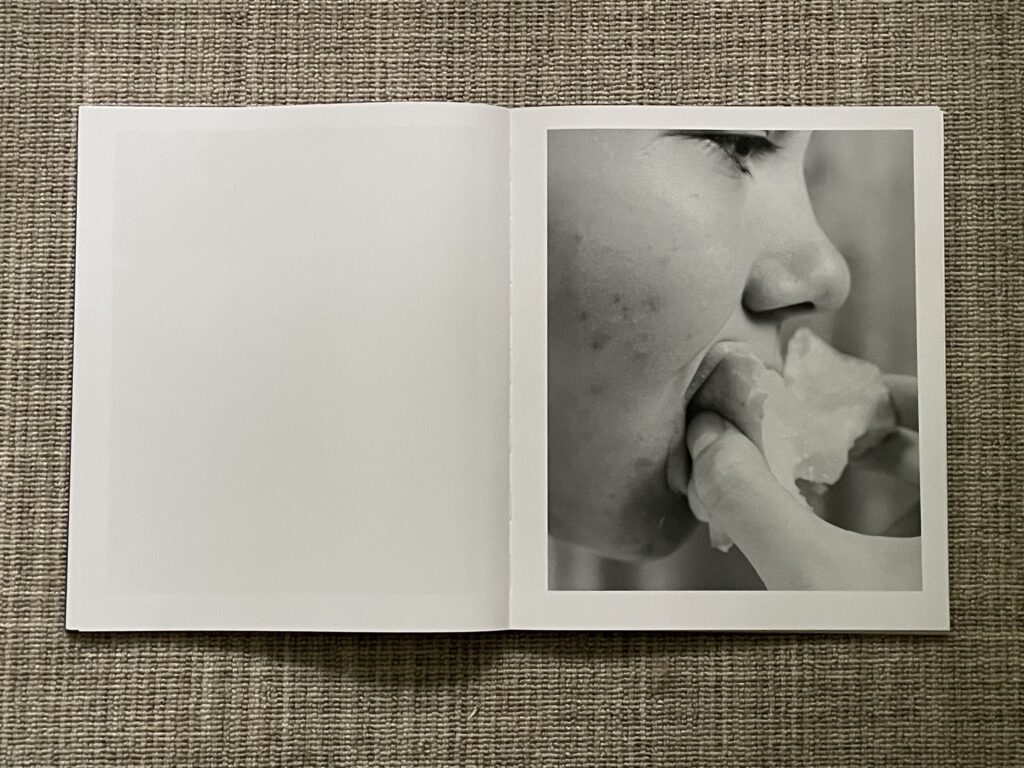
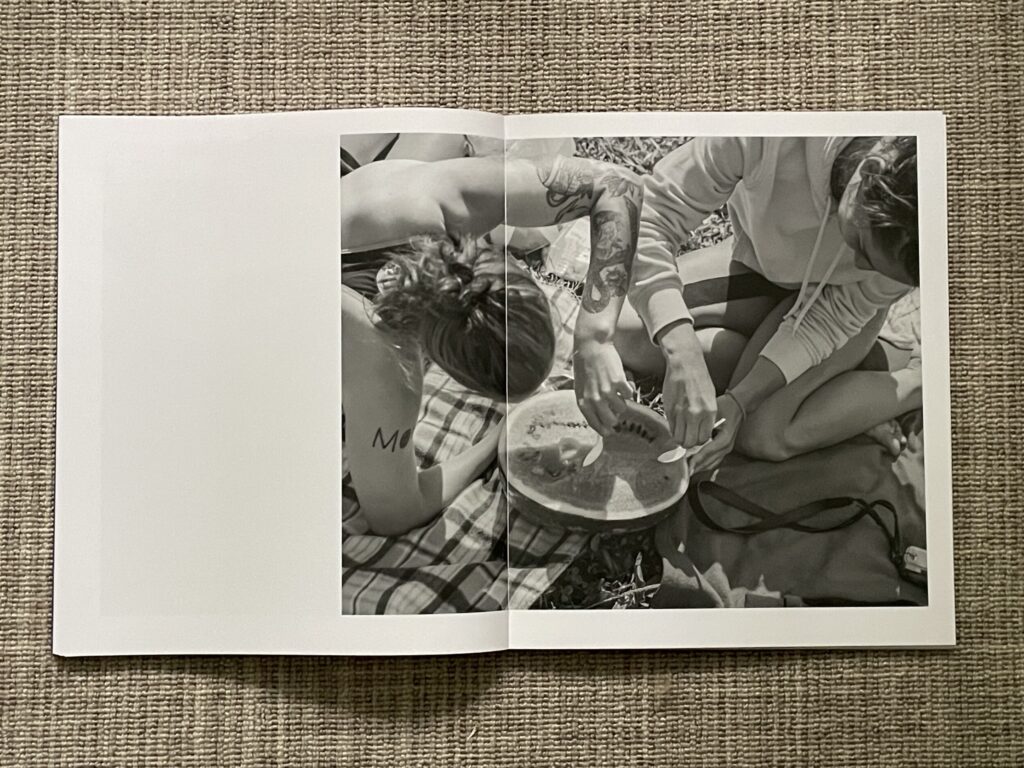
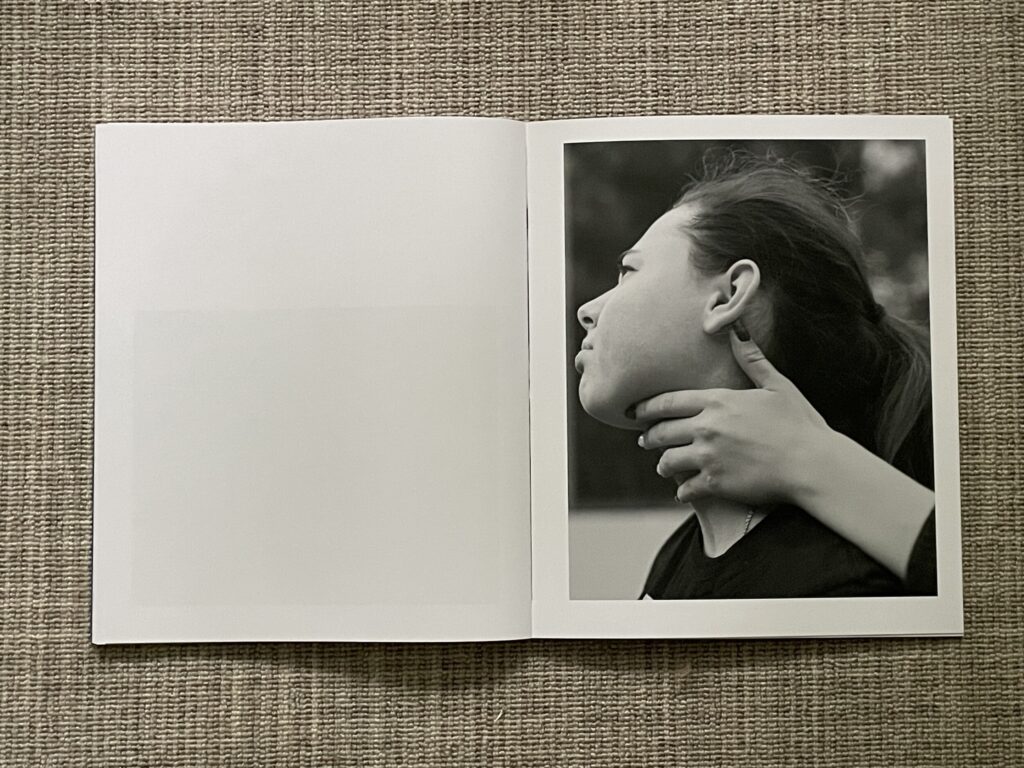
Ovcharenko then follows these gestures in deeper, tracing close up moments of comfort, assistance, validation, attraction, and affection between many of the women. These are among the strongest images in Overtime, mostly because they feel so relaxed and at ease, a refuge or safe space within the larger tensions surrounding the team. A reach around the neck, a gentle brush under the chin, hands held underwater, hands held while resting in the sun, and an embrace through the netting – each of these fleeting moments feels like a necessary release. Still other images capture a range of other small intimacies – the sharing of watermelon with spoons, the eating of succulent fruit, the late night talks by the window, the carved initials in the tree trunk, the noticing of tattoos, the lifting up and helping down. As seen intermingled into the flow of their busy athletic lives, these moments of calm and repose help preserve a modicum of balance, and Ovcharenko observes them with attentiveness and subtlety.
As a photobook object, Overtime is roomy and understated, giving the black-and-white image reproductions plenty of space to communicate. Vertical images fill one half of a spread with thick borders, while horizontal images either fill a little more than half a page or extend across the gutter in a slightly larger size, always with plenty of surrounding white space. The book begins with a tipped-in print, the choice of an image of an apple offering thematic echoes of ripening and seasons passing that will reappear later in the sequencing. In terms of design and construction, this photobook is somehow both modest and confident, unadorned but still elegant.
It’s not easy to take on a sports subject and find a way to make it fresh, but Ovcharenko has succeeded in not just showing us a trials and tribulations of a professional soccer team, but offering a layered female perspective on the game that actively engages with the complexities of the particular Russian context. Overtime shares some aesthetic moods with Sam Contis’s recent images of high school cross country runners (reviewed here), but takes us much further inside, to moments of tenderness between players that resonate with empowerment and care. In a world where the meaning of the word “athlete” is ever more politicized, Overtime provides a kind of counter narrative, where the gender roles of the female players are given richness, and the very real impacts of the clash of visibility and isolation in their lives can be readily seen. In an unexpected way, Overtime can almost be seen as a story about survival, both about succeeding in an extremely competitive athletic pursuit and about carving out an authentic and open identity within an unforgivingly constrained public reality.
Collector’s POV: Margo Ovcharenko does not appear to have consistent gallery representation at this time. As a result, interested collectors should likely follow up with her directly via her website (linked in the sidebar).