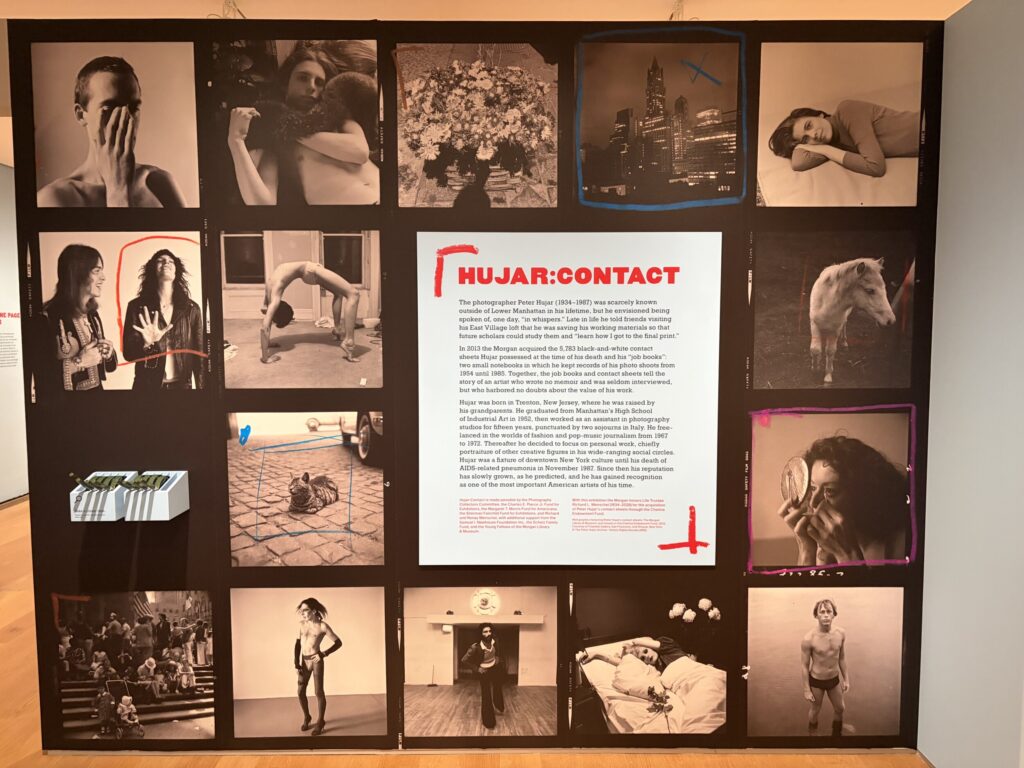
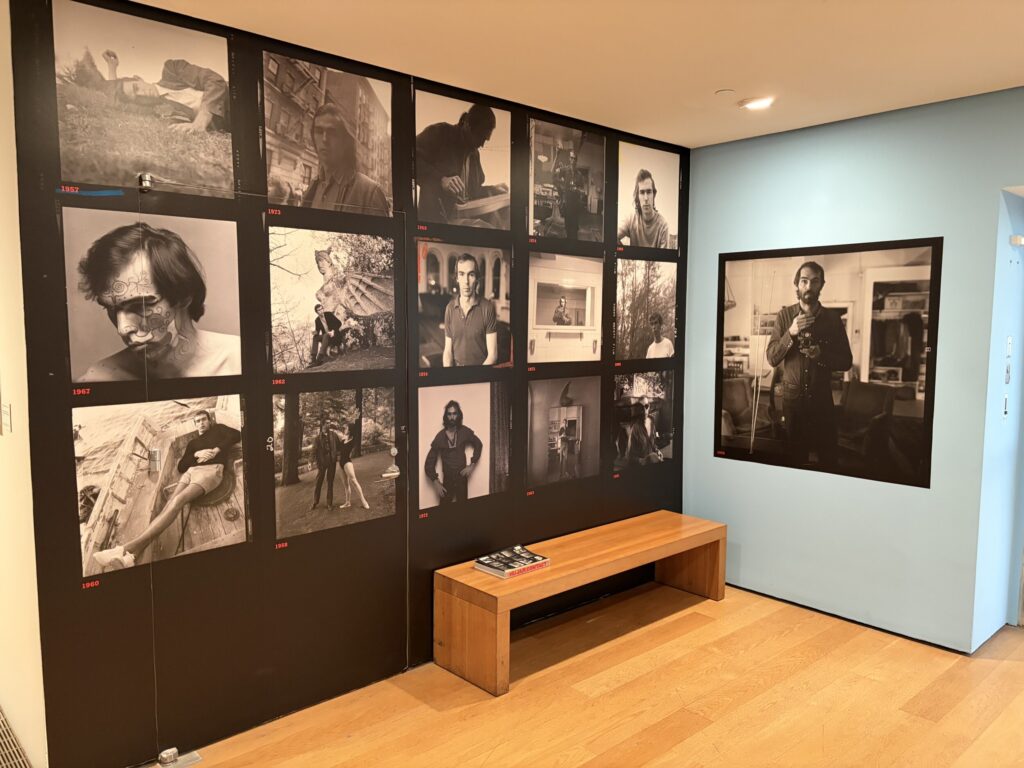
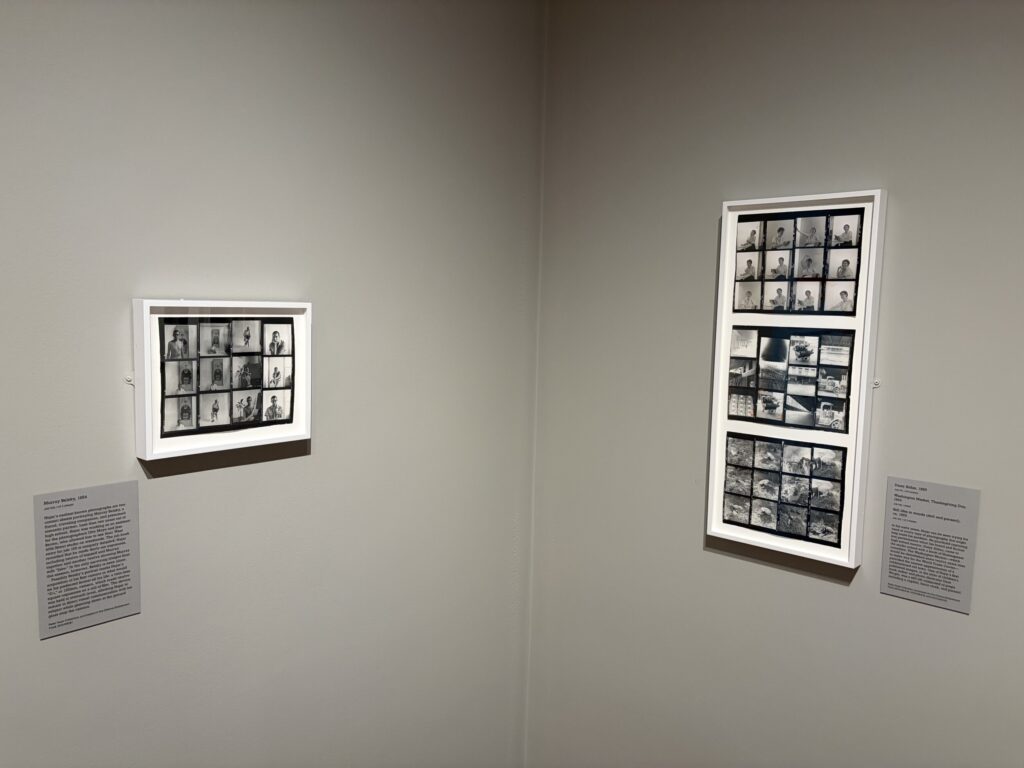
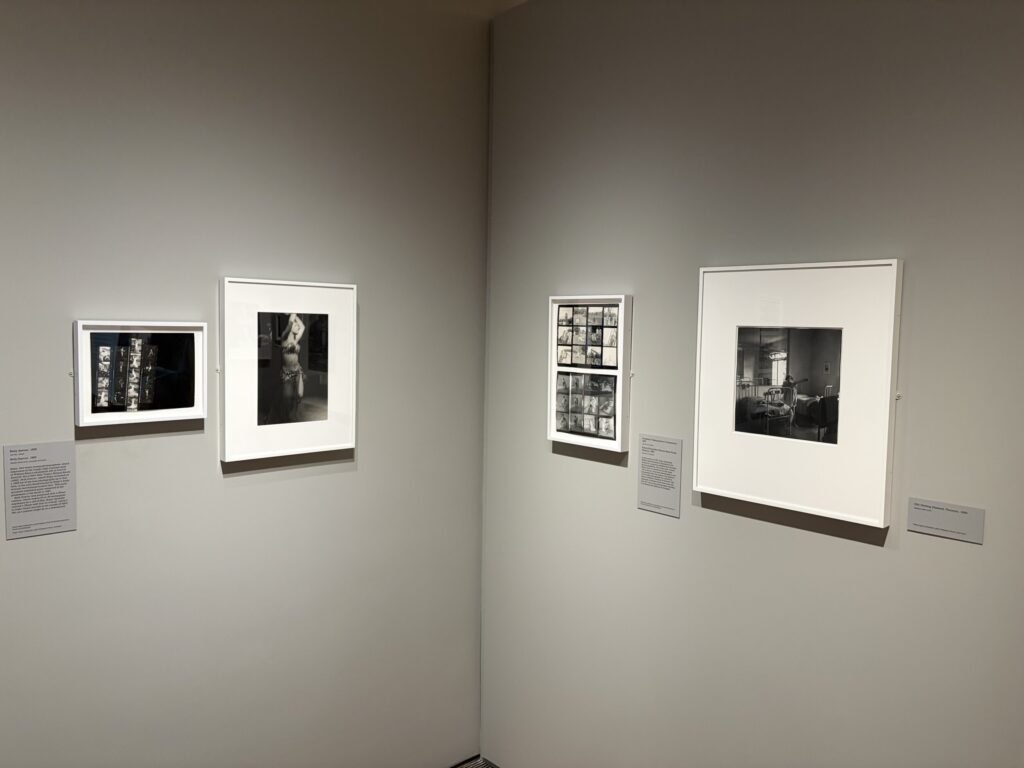
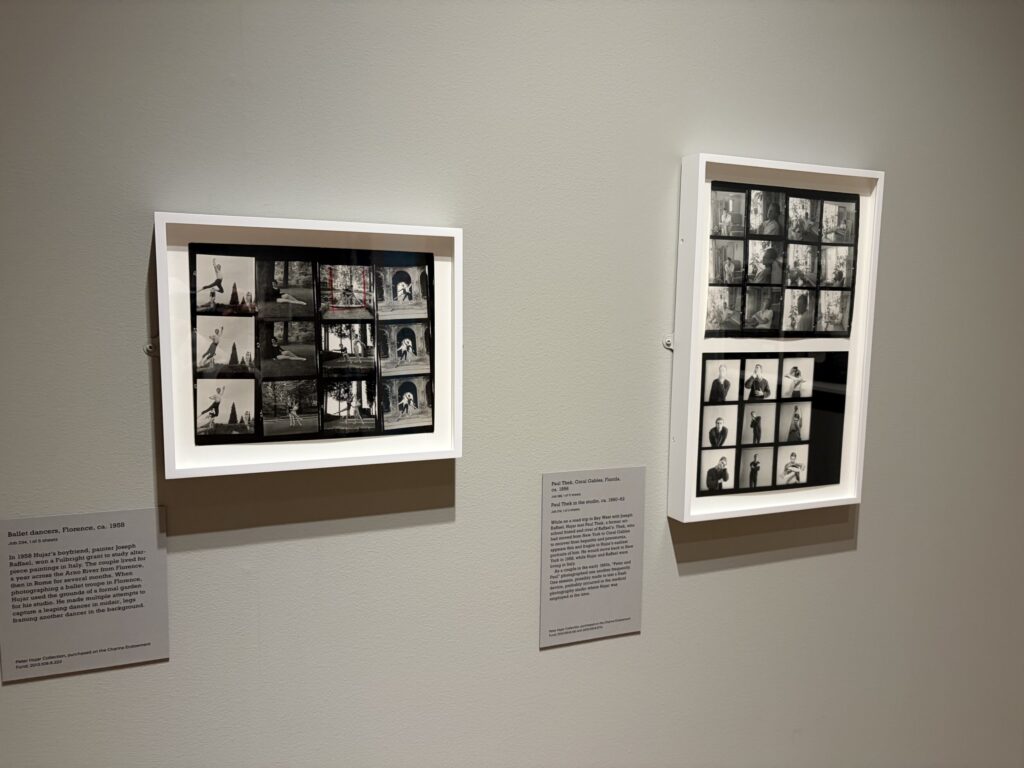
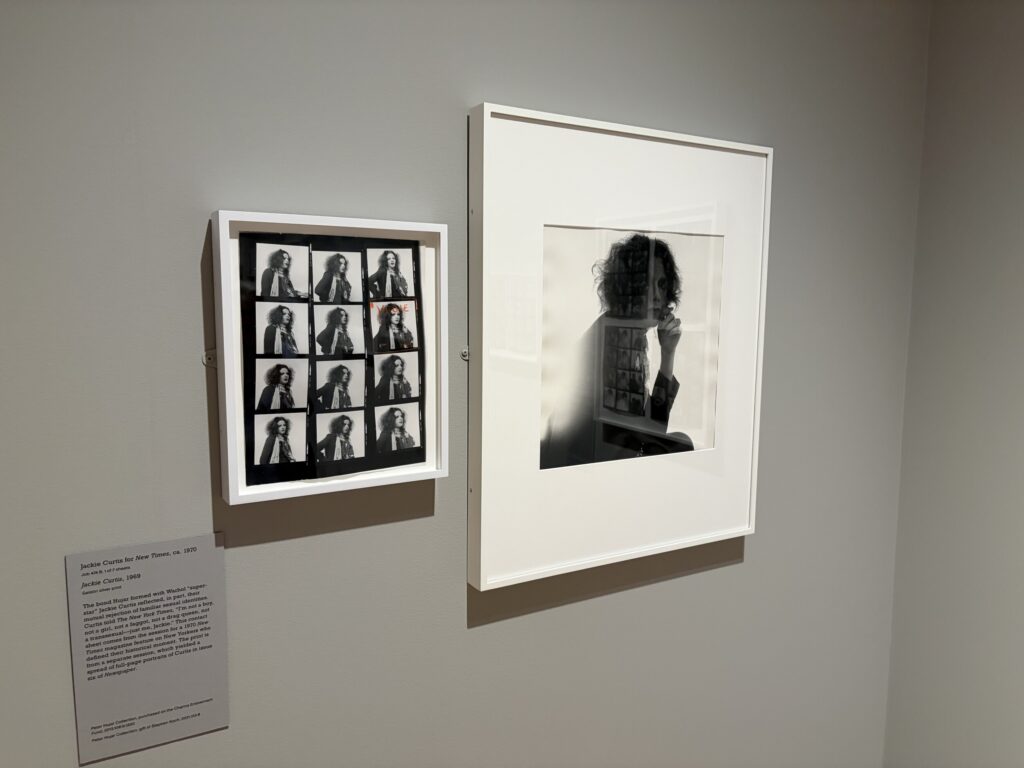
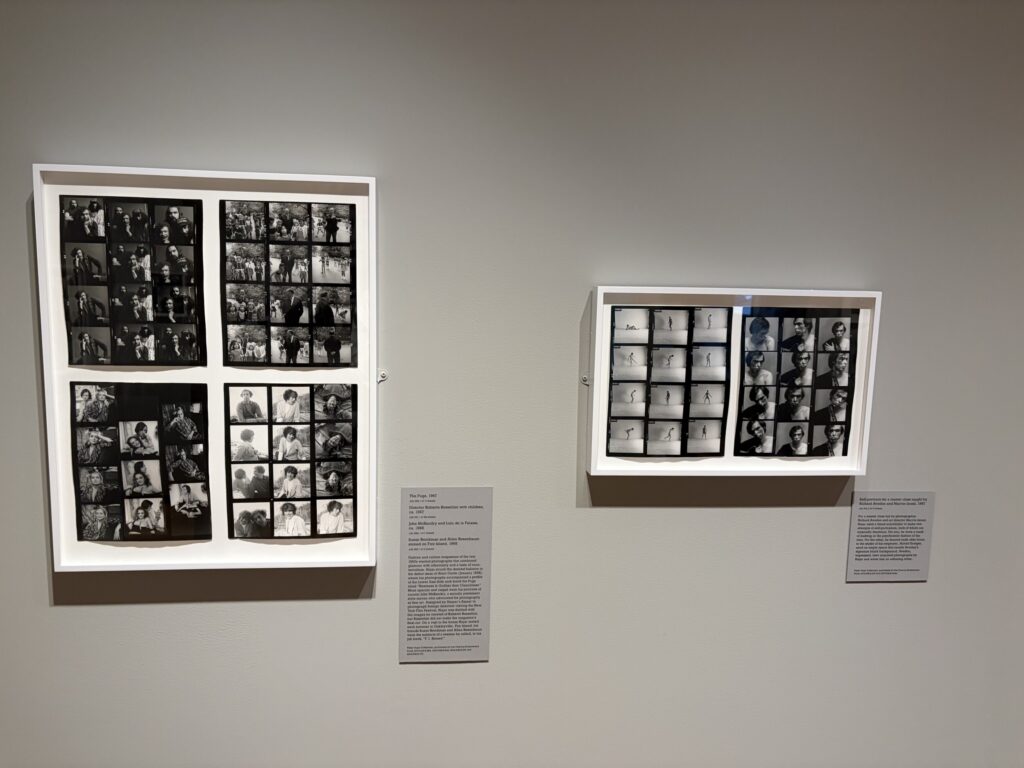
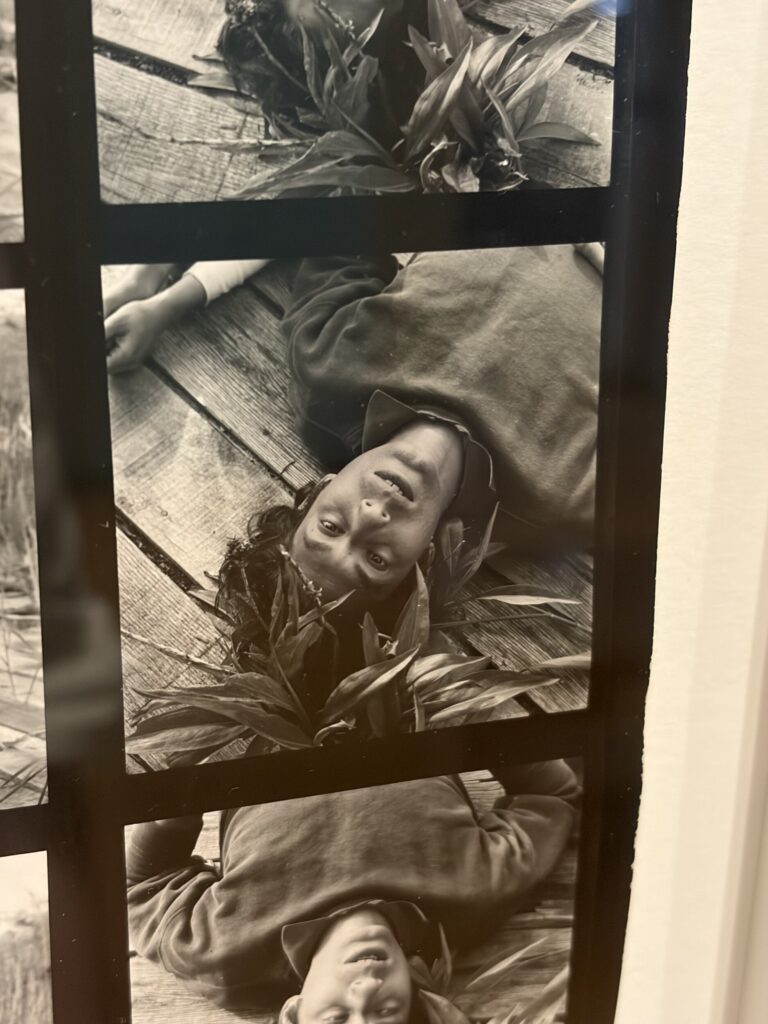
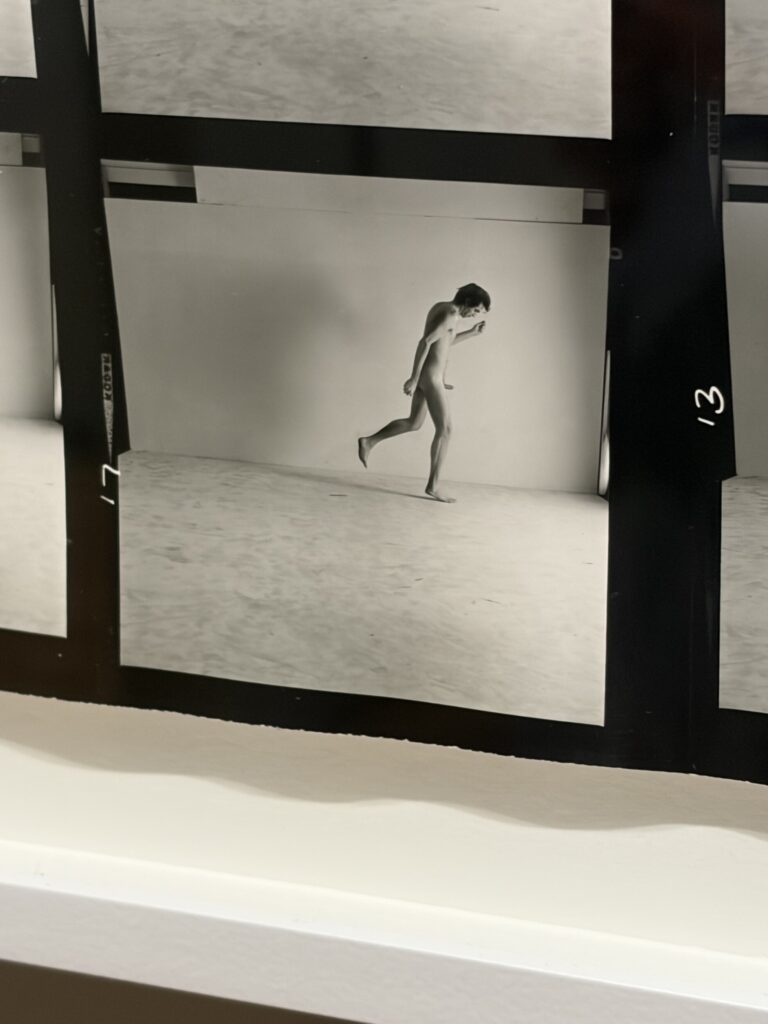
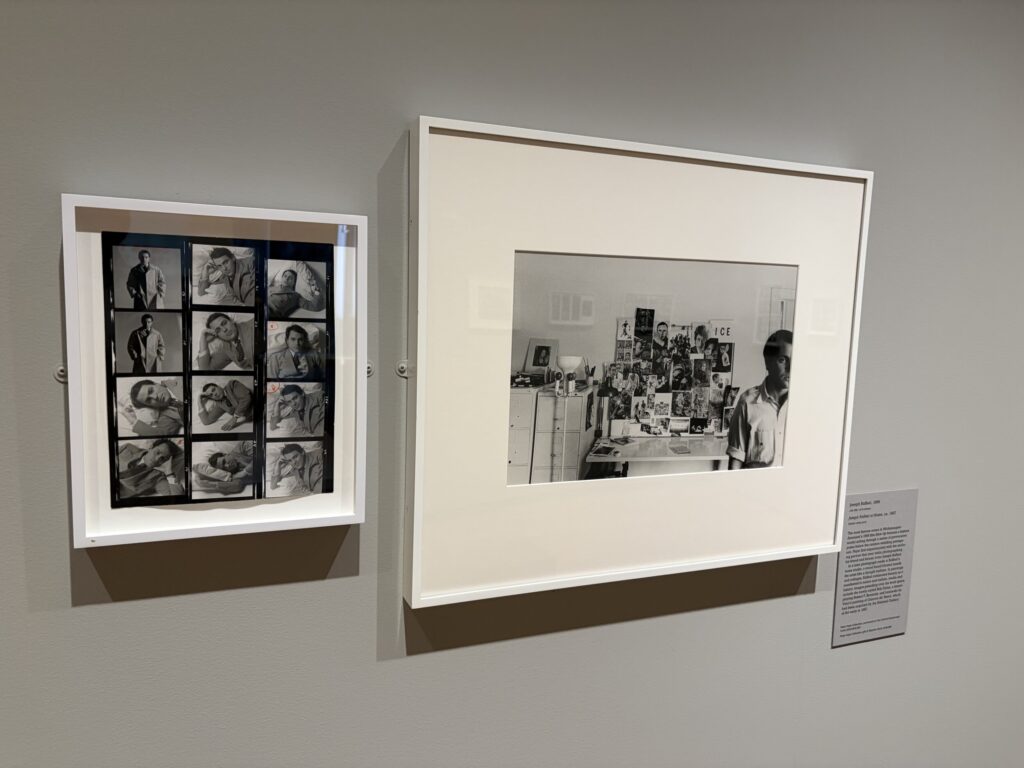
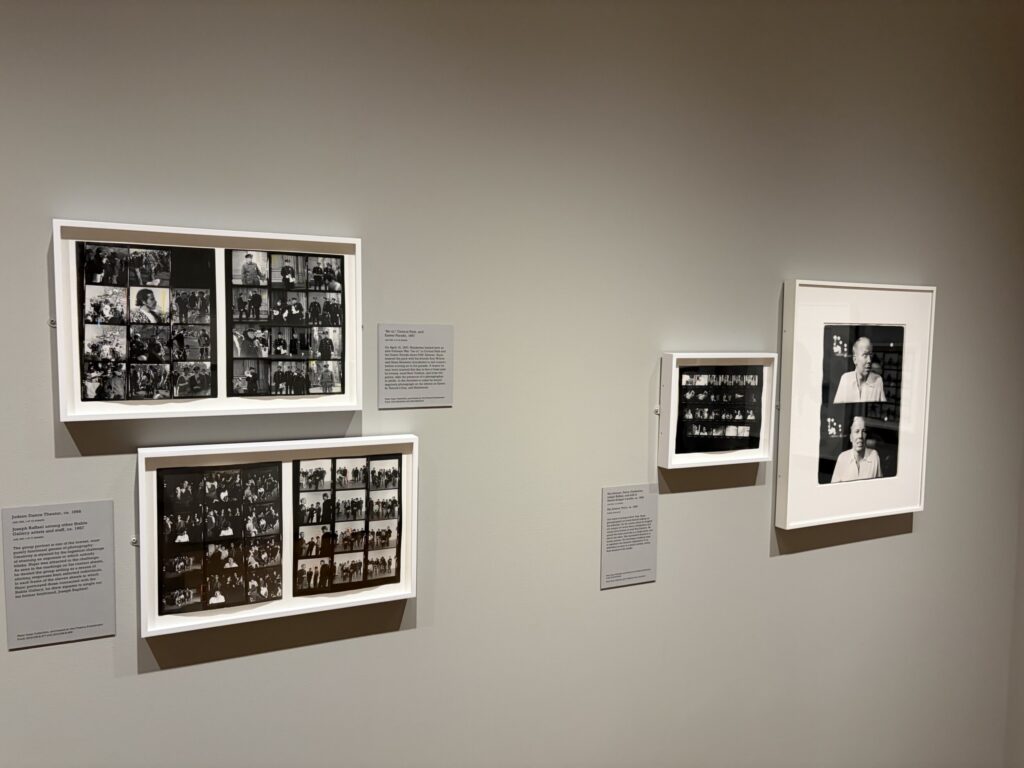
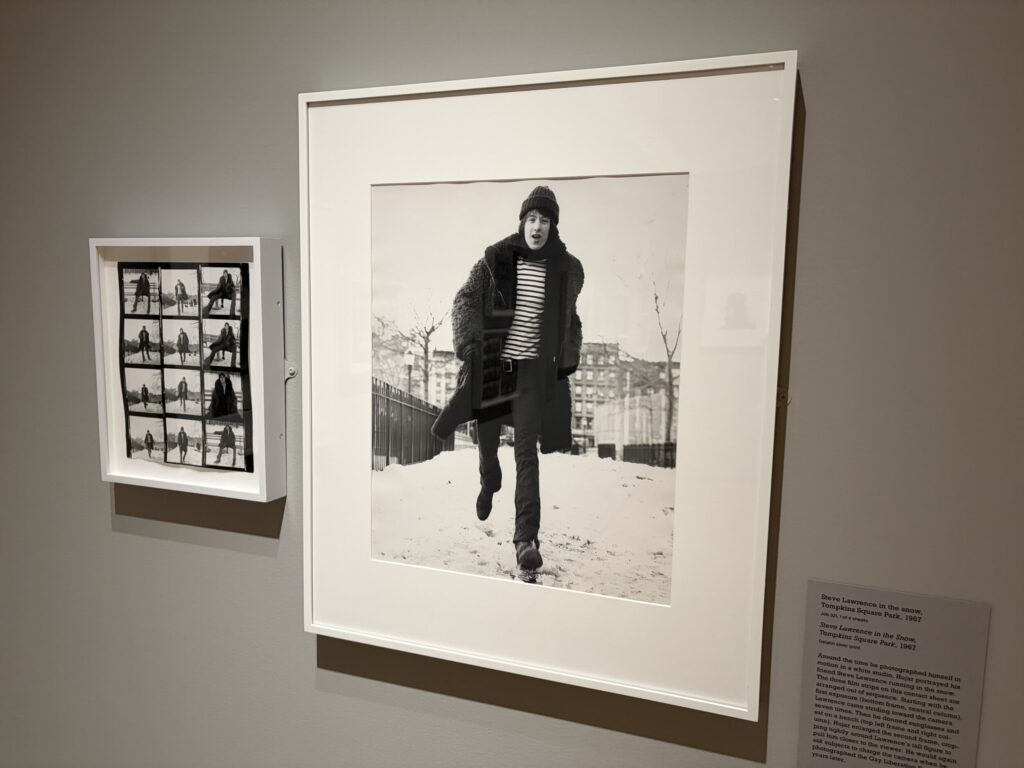
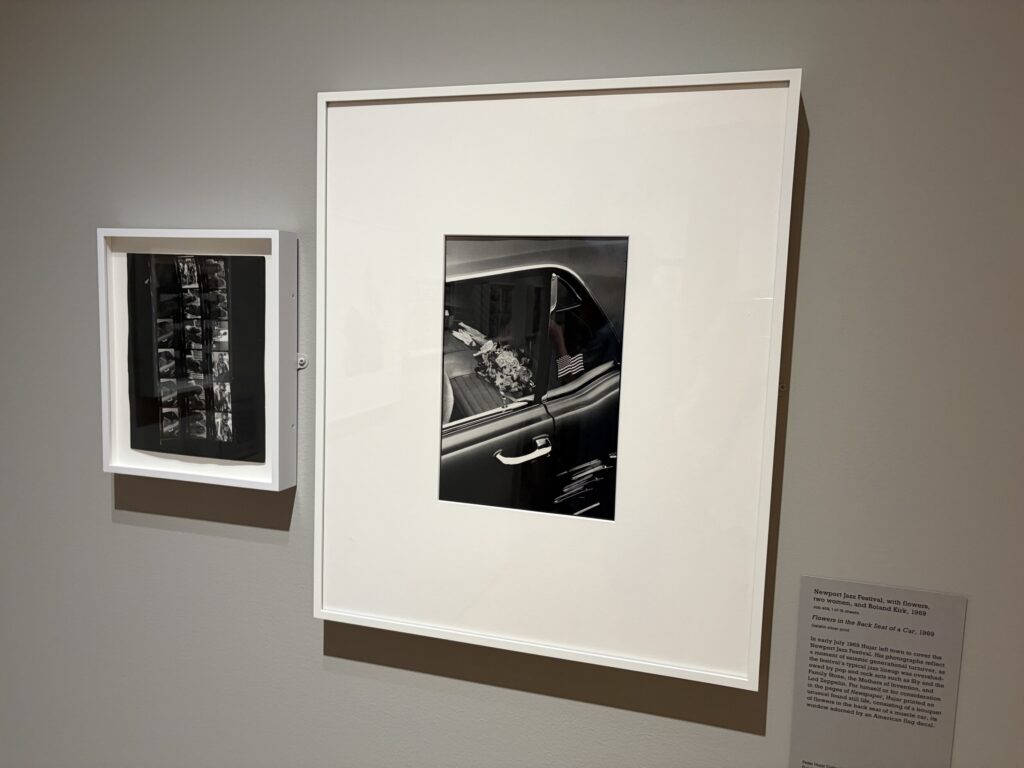
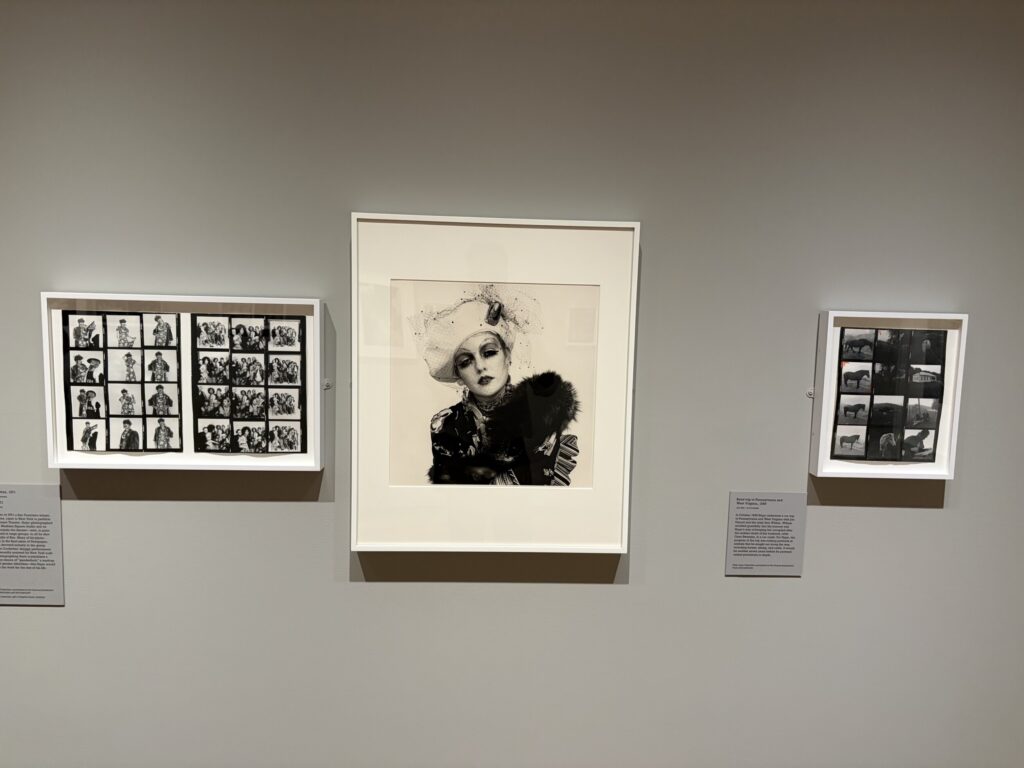
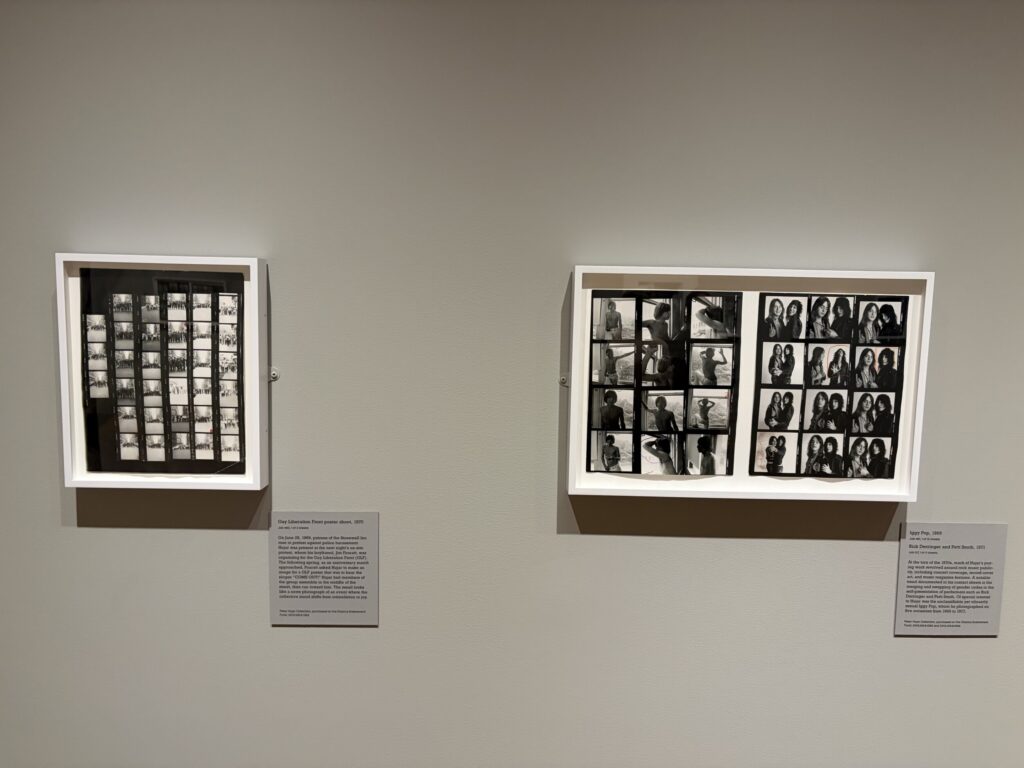
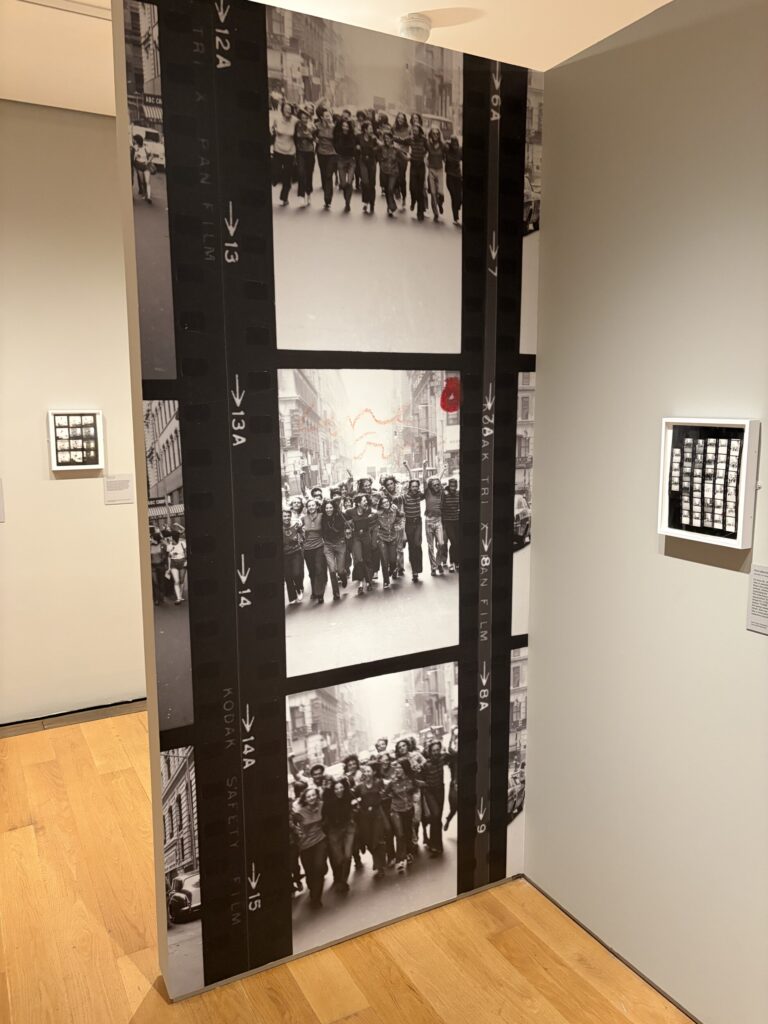
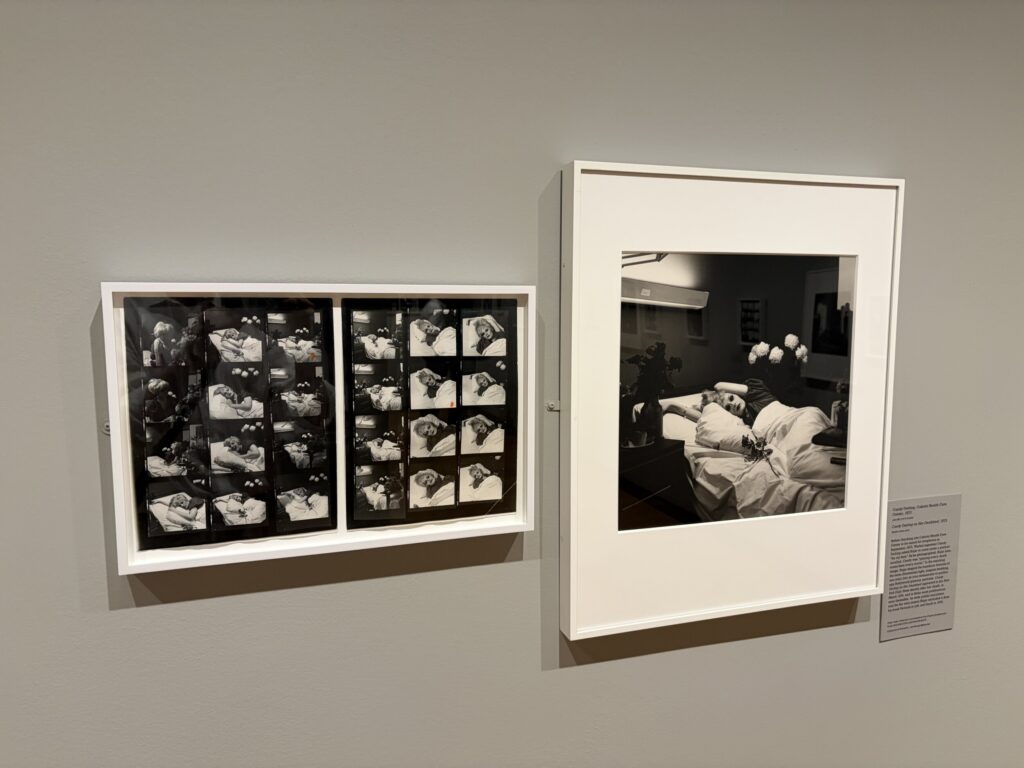
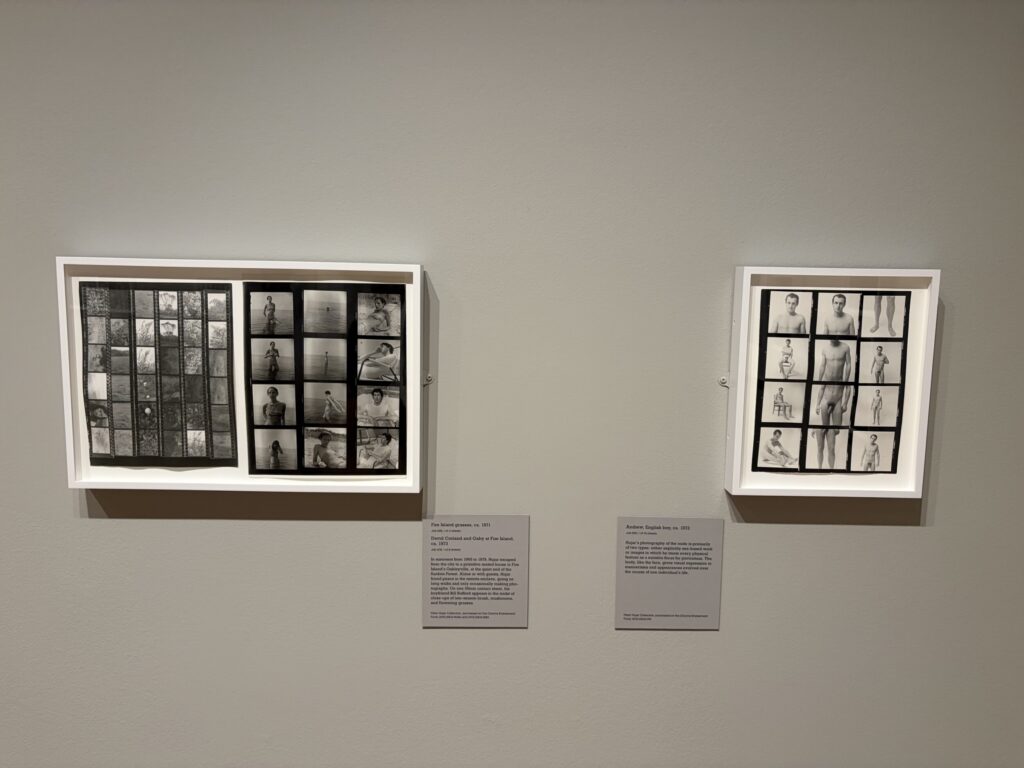
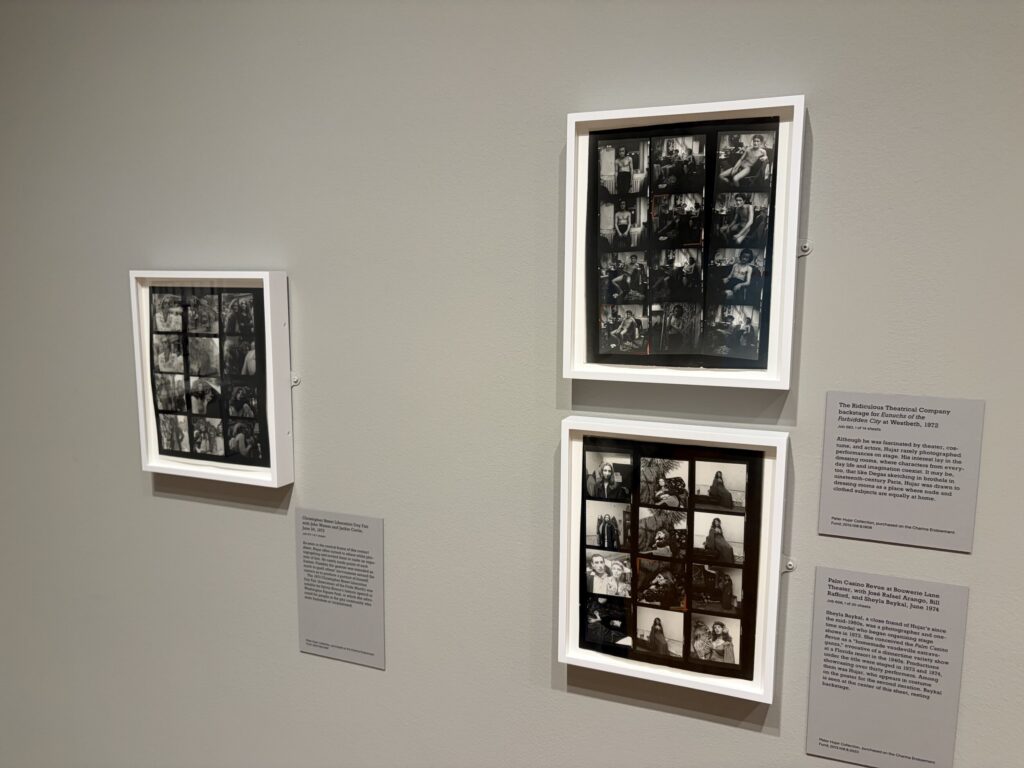
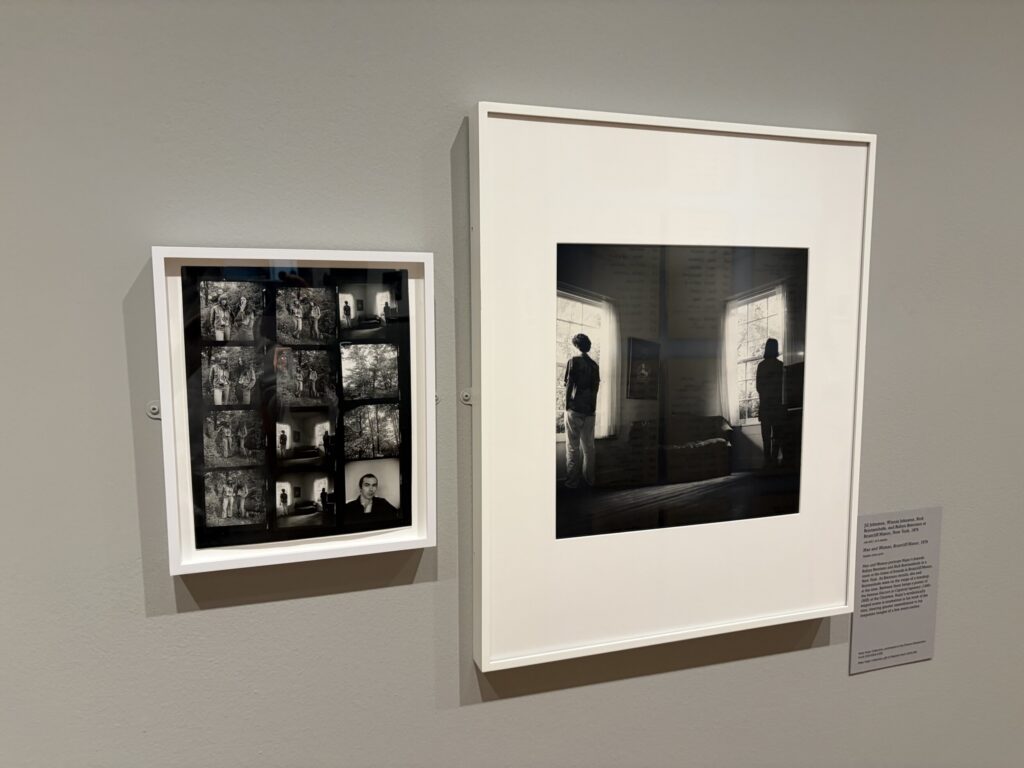
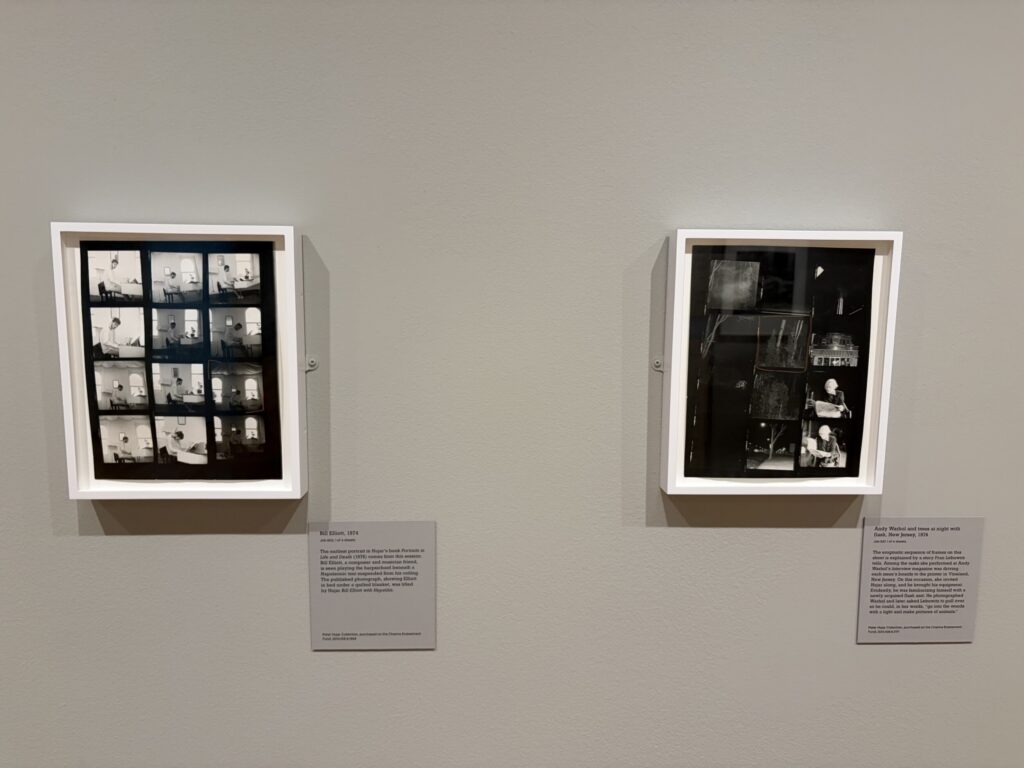
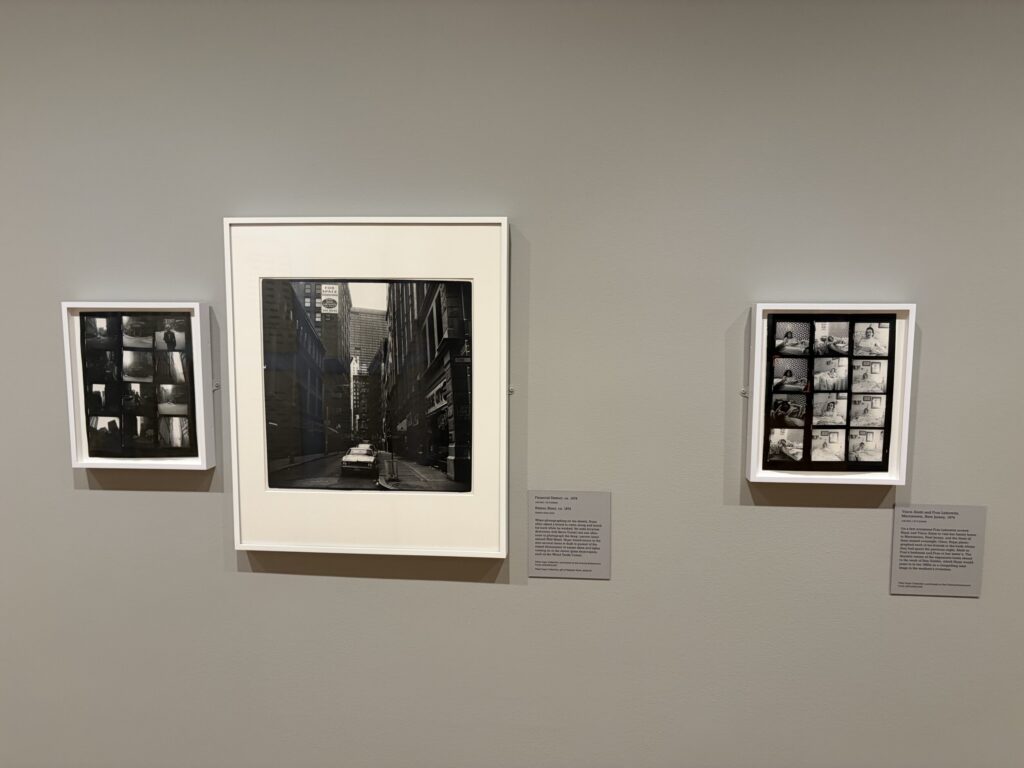
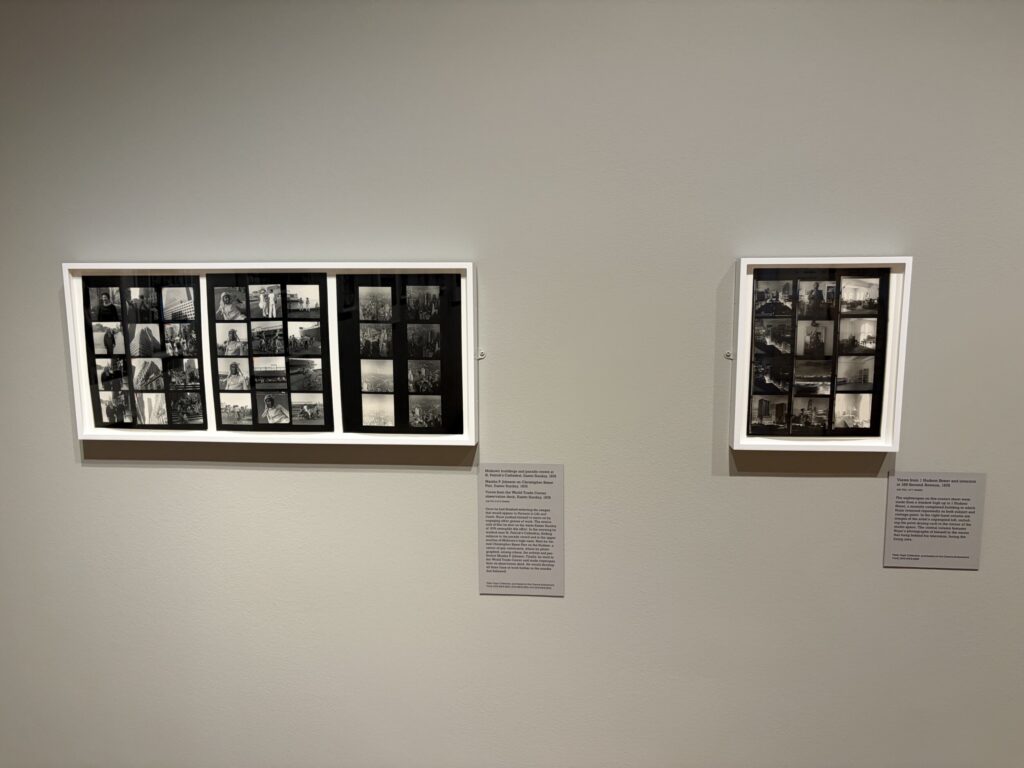
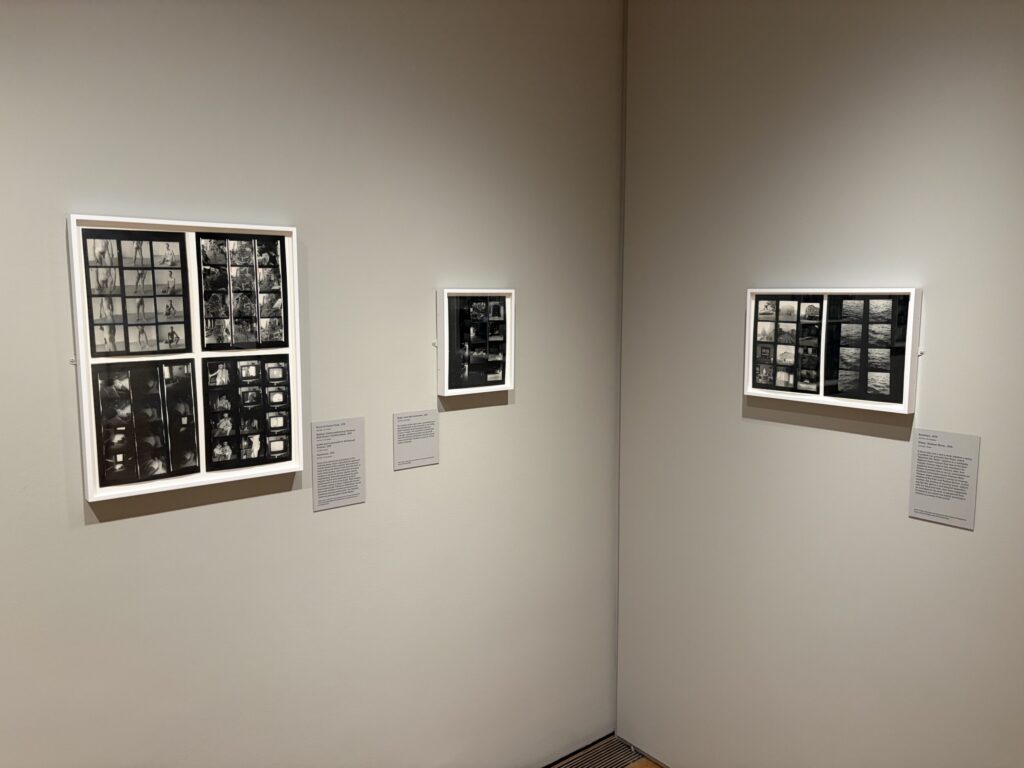
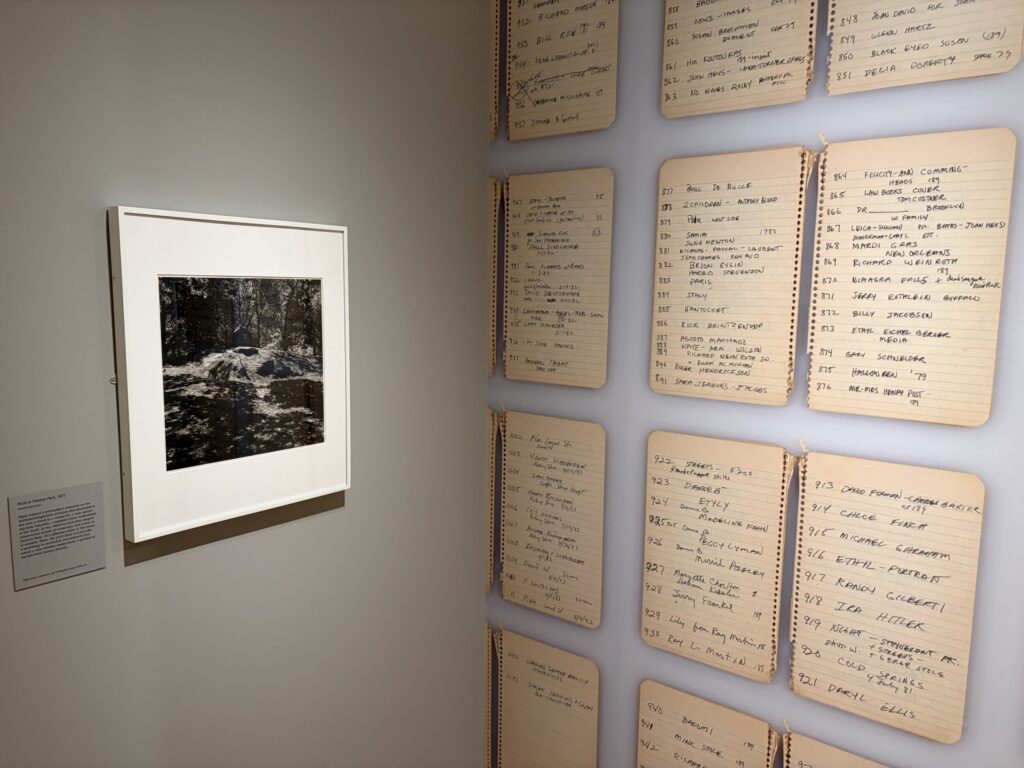
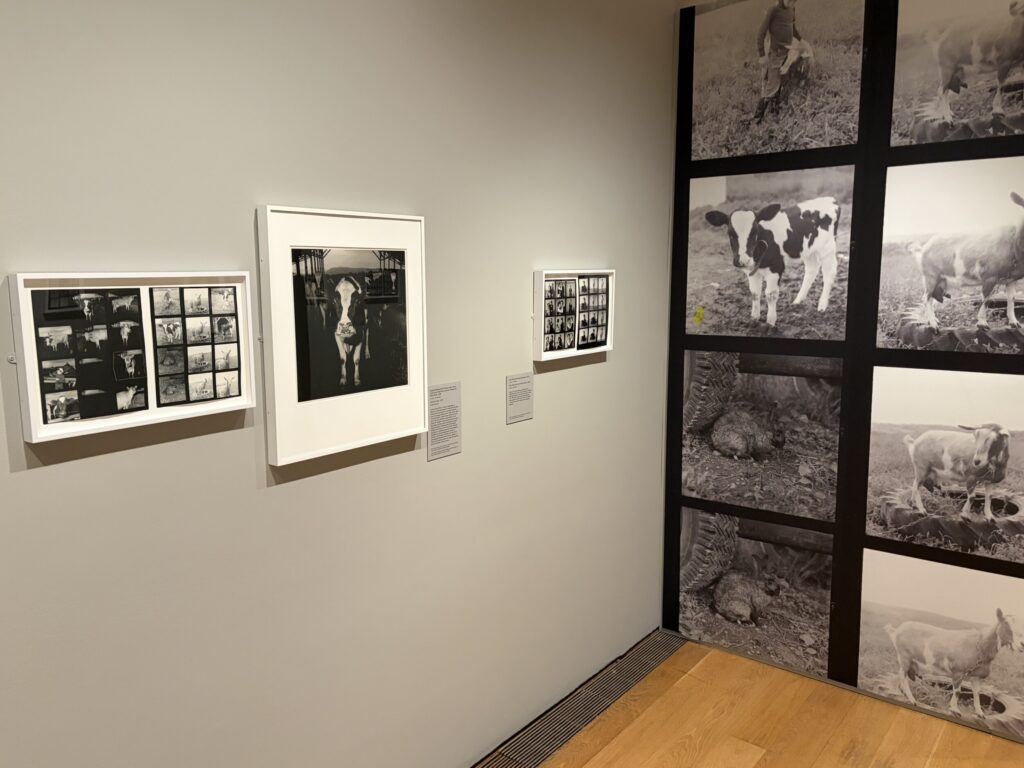
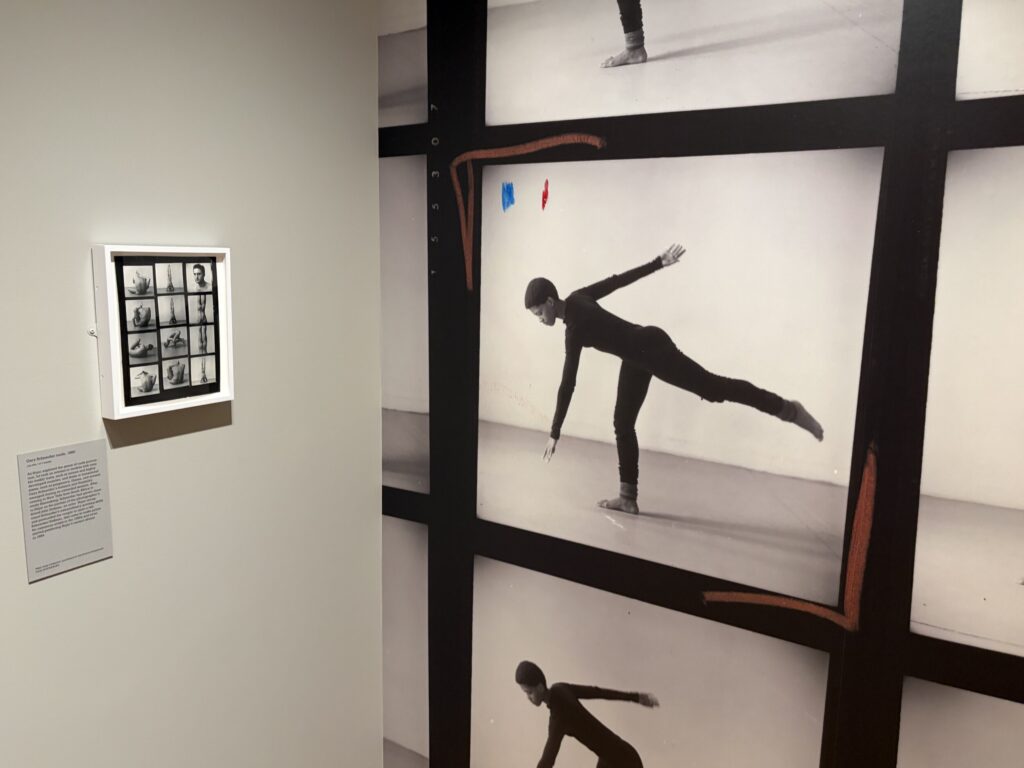
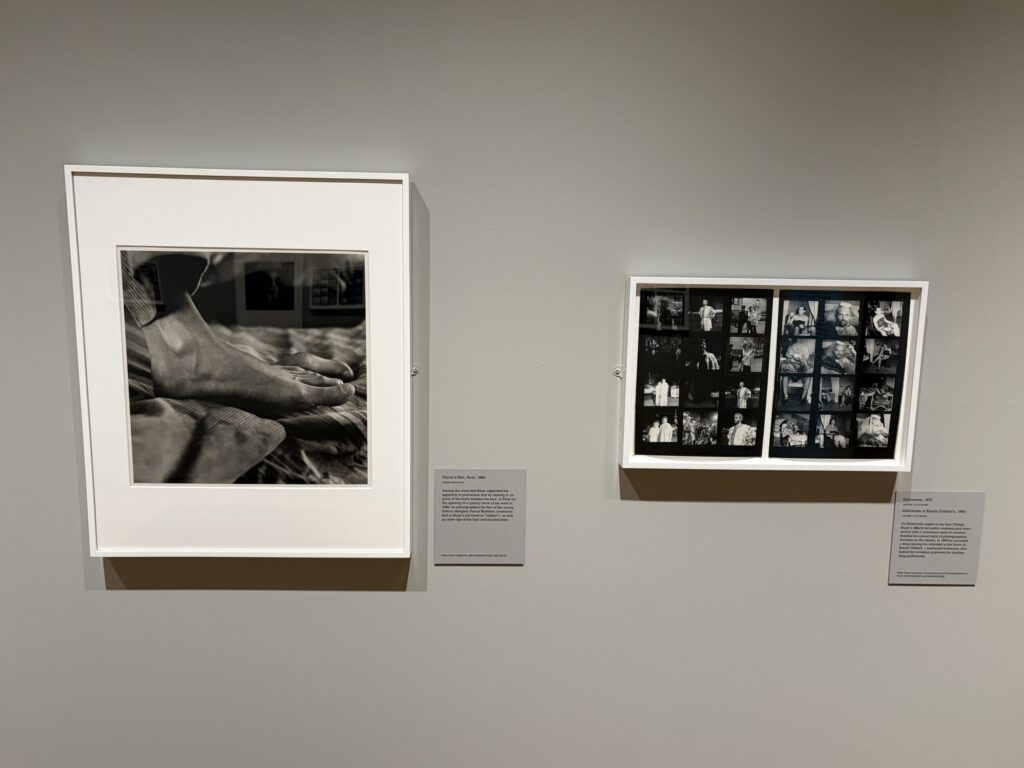
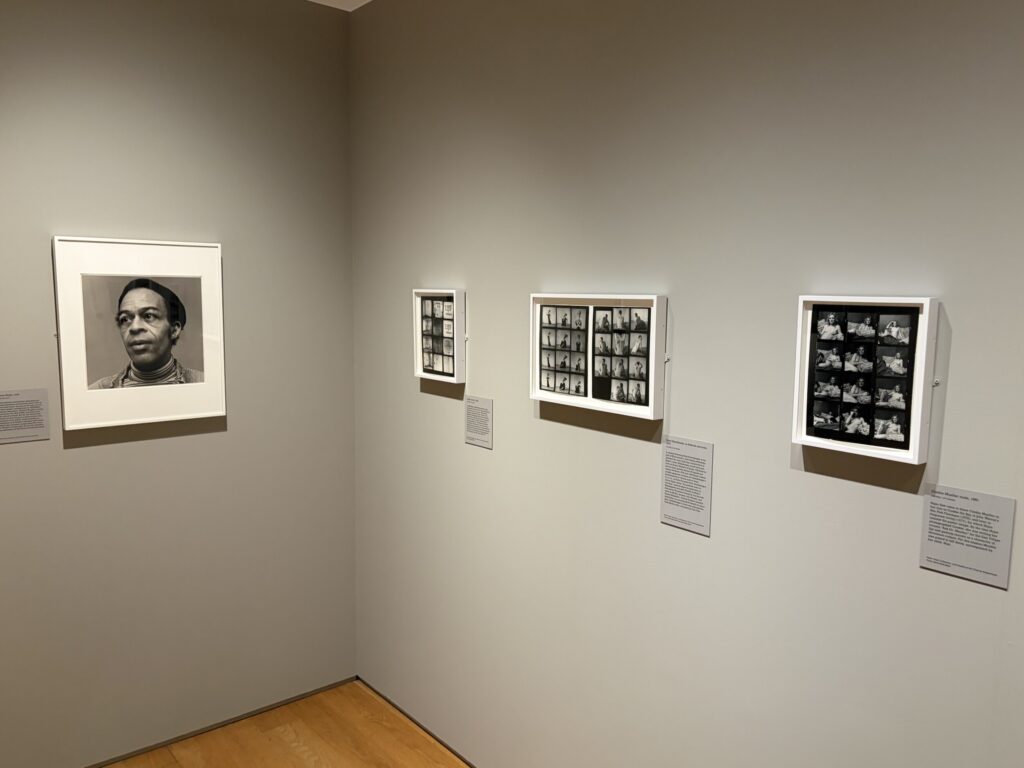
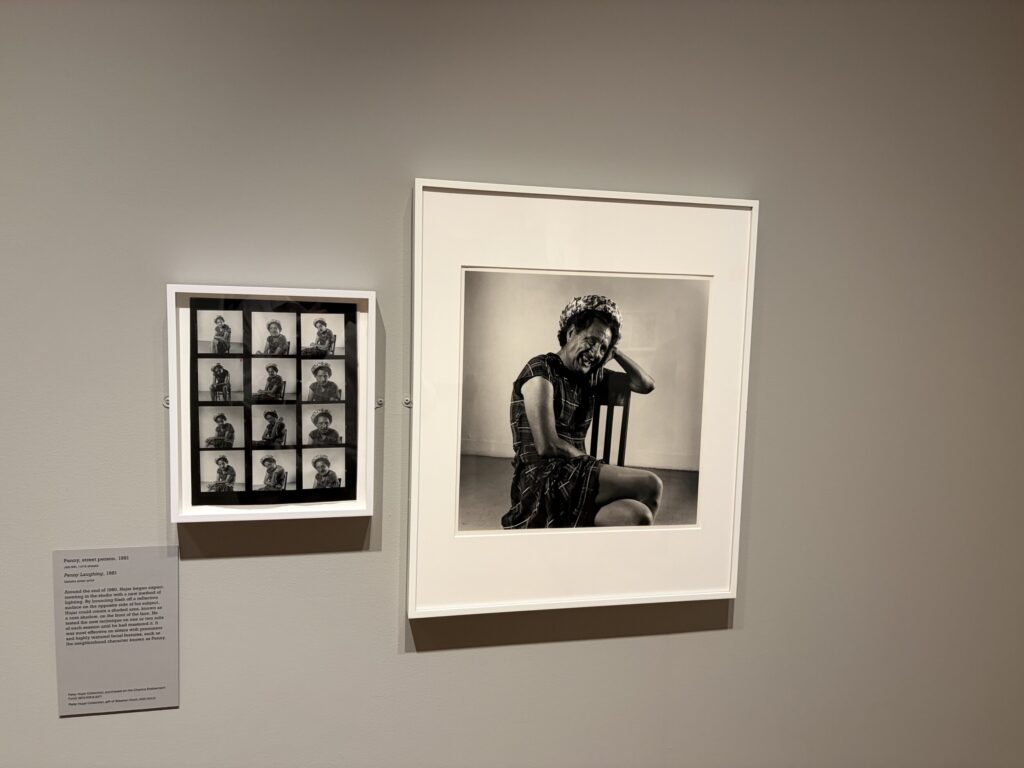
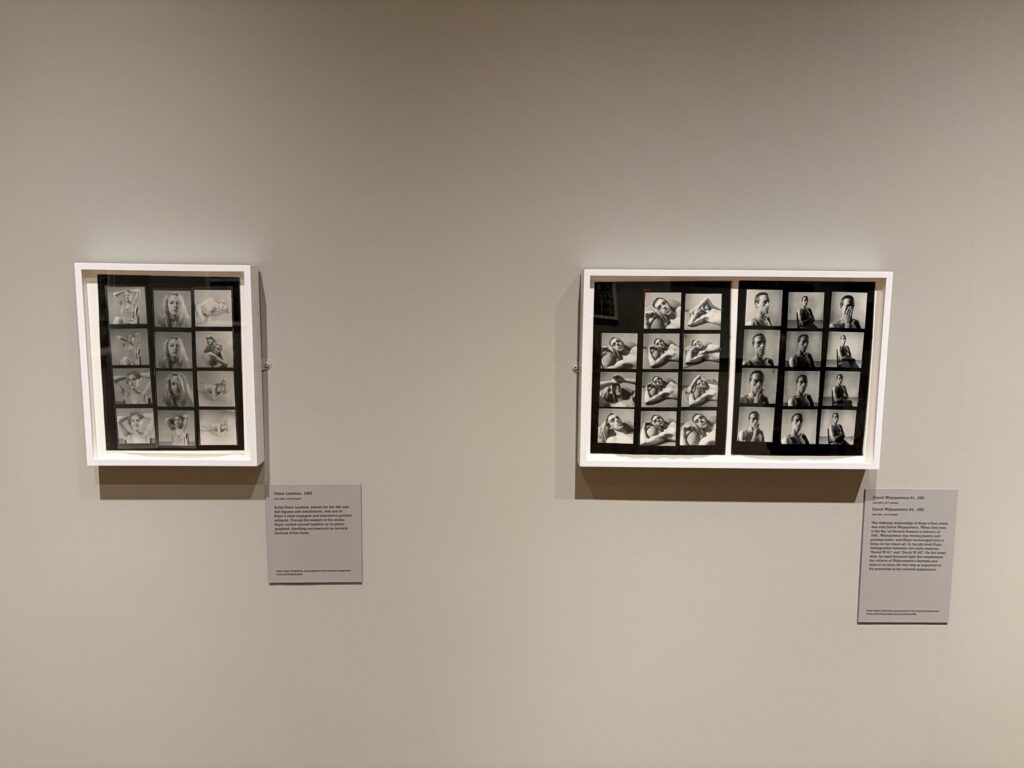
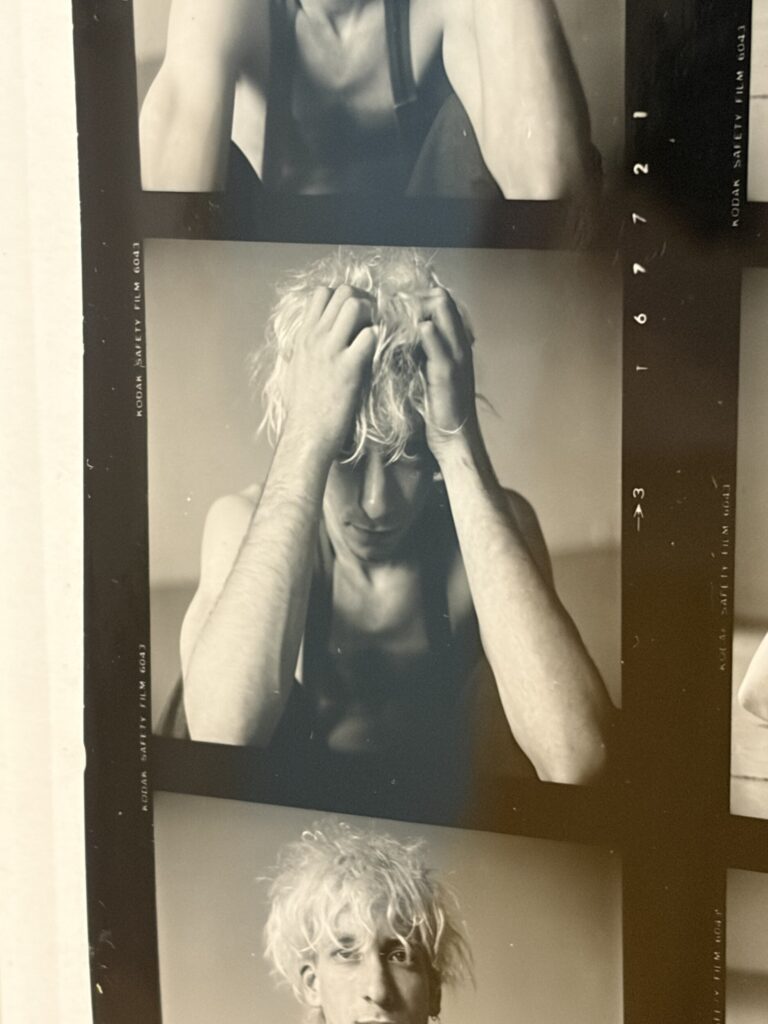
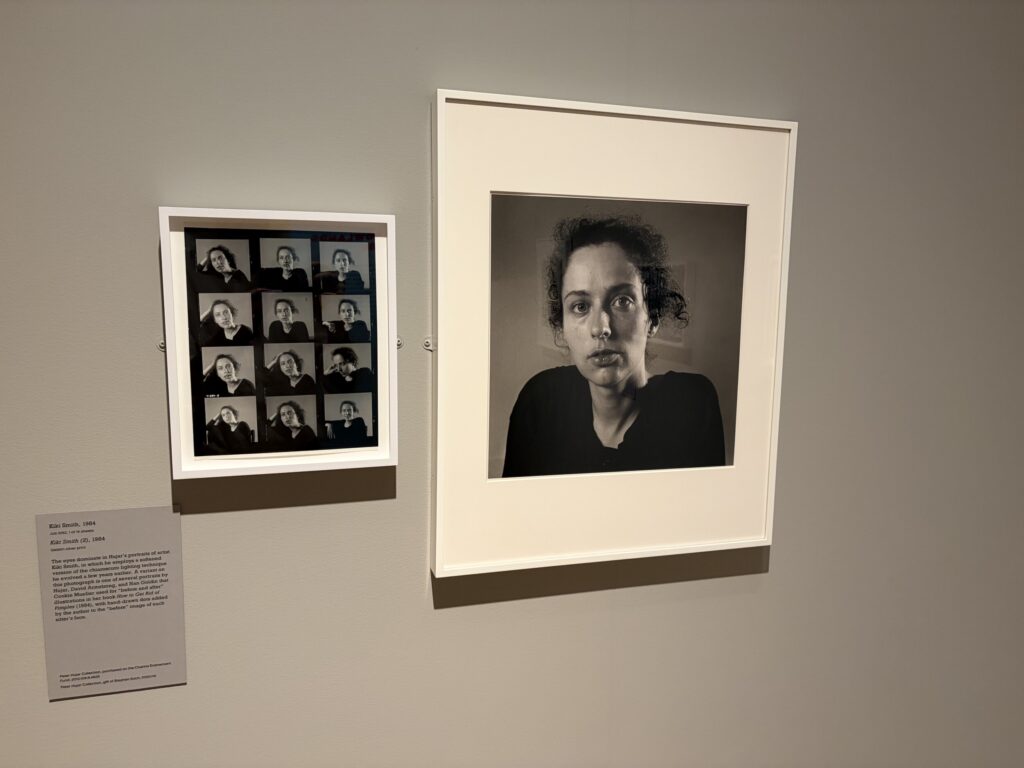
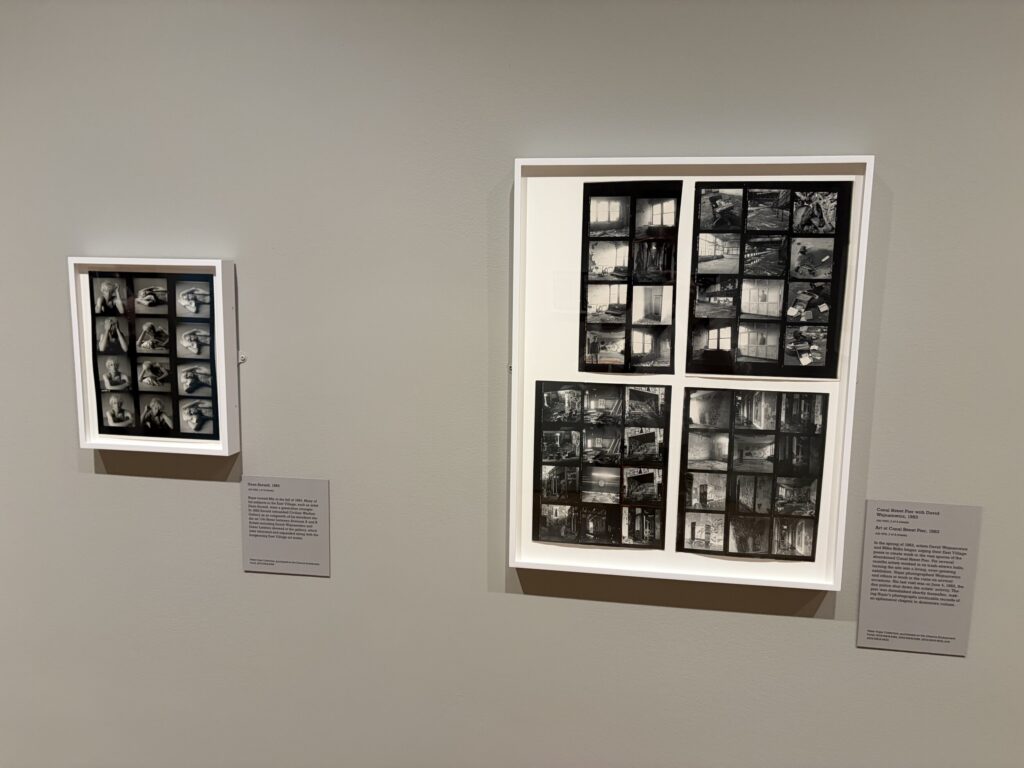
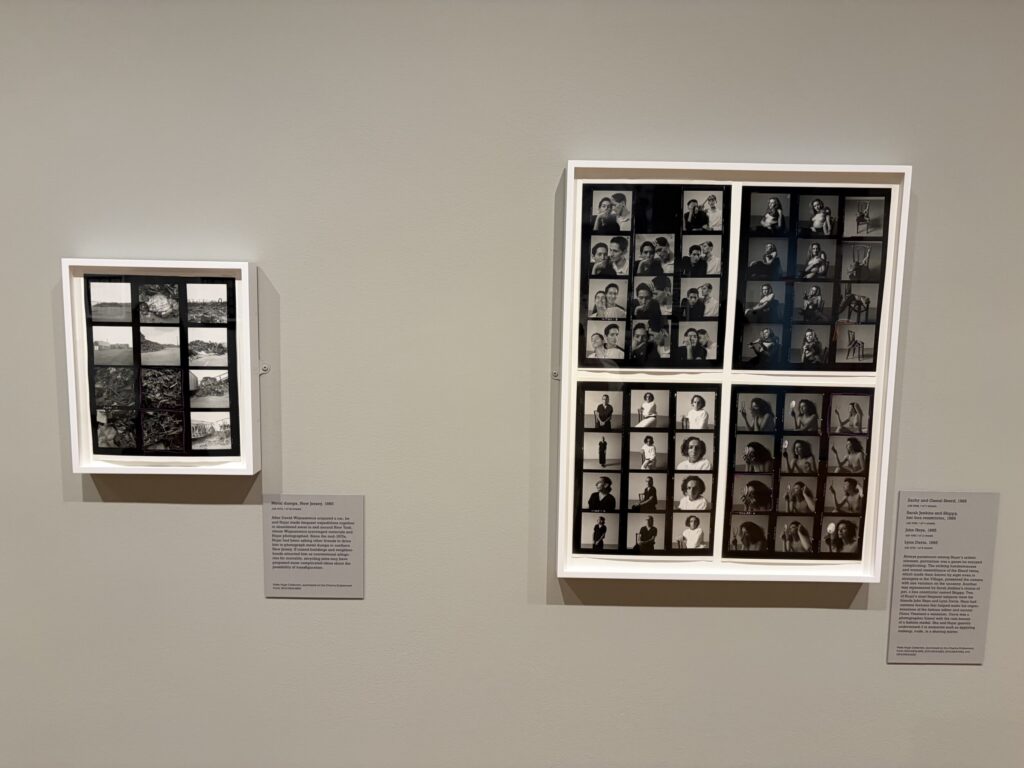
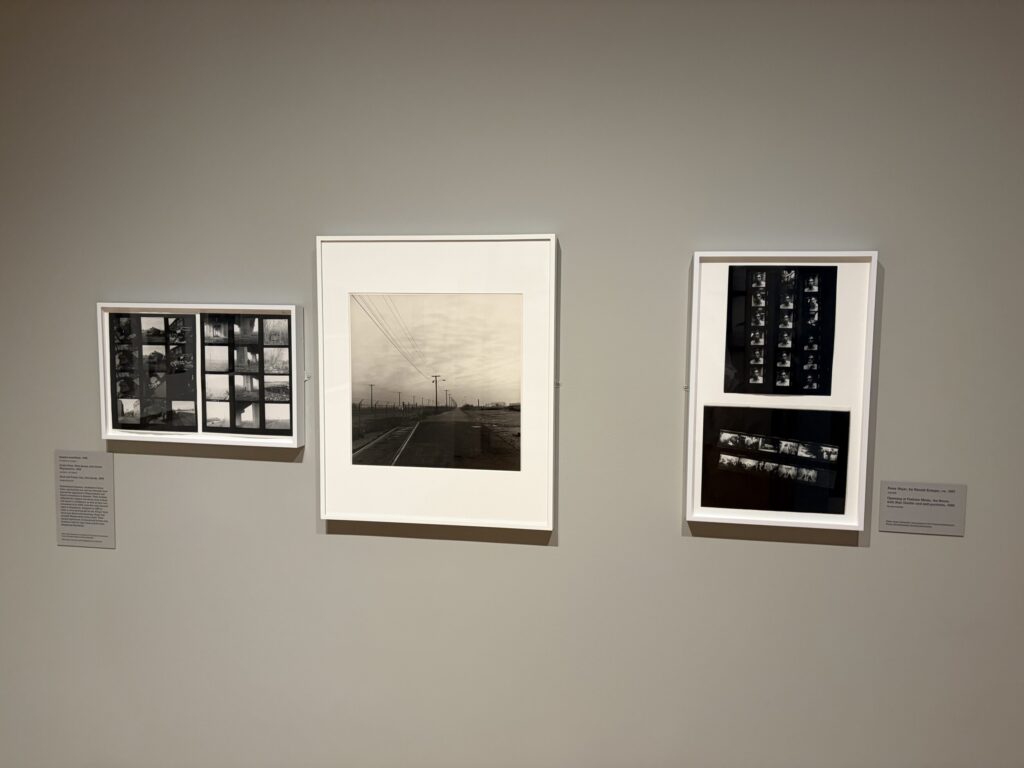
JTF (just the facts): A broad survey exhibition, organized chronologically using contact sheets and individual prints framed in white and unmatted, and hung against light grey walls (some with expansive vinyl imagery) in a series of connected rooms on the museum’s second floor. The exhibit was organized by Joel Smith. (Installation and detail shots below.)
The following works are included in the show:
Beginnings 1954-1963
- 13 gelatin silver print contract sheets, 1954, 1955, c1955, 1956, c1956, 1957, 1958, 1959, 1960-1962, 1962-1963, 1963
- 3 gelatin silver prints, 1956, 1959, 1960-1962
Onto the Page 1965-1972
- 23 gelatin silver print contact sheets, 1966, c1966, 1967, c1967, 1968, c1968, 1969, c1969, 1970, c1970, 1971
- 6 gelatin silver prints, c1966, 1967, c1967, 1969, 1971
Life and Death 1973-1976
- 36 gelatin silver print contact sheets, c1969, c1971, 1972, c1972, 1973, c1973, 1974, 1975, 1976
- 6 gelatin silver prints, c1969, 1973, 1974, c1974, 1976, 1977
Recovery 1977-1980
- 14 gelatin silver print contact sheets, 1977, 1978, 1979, 1980, 1981
- 3 gelatin silver prints, 1978, 1980
Shadowlands 1981-1986
- 20 gelatin silver print contact sheet, c1967, 1981, 1983, 1984, 1985, 1986
- 4 gelatin silver print, 1981, 1984, 1986
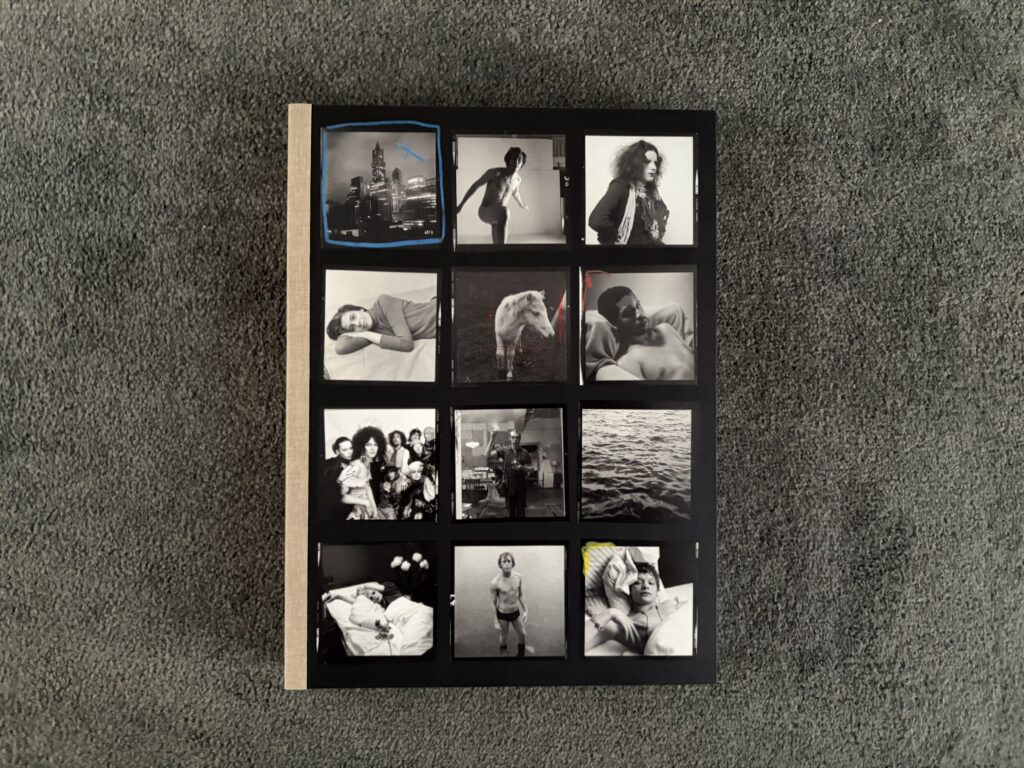
A catalog of the exhibition has been co-published in 2026 by the museum (here) and MACK Books (here). Flexicover with linen spine (8 3/4 × 11 3/4 inches), 364 pages. Includes a multi-part essay by Joel Smith, and job book annotations by Olivia McCall. (Cover shot below.)
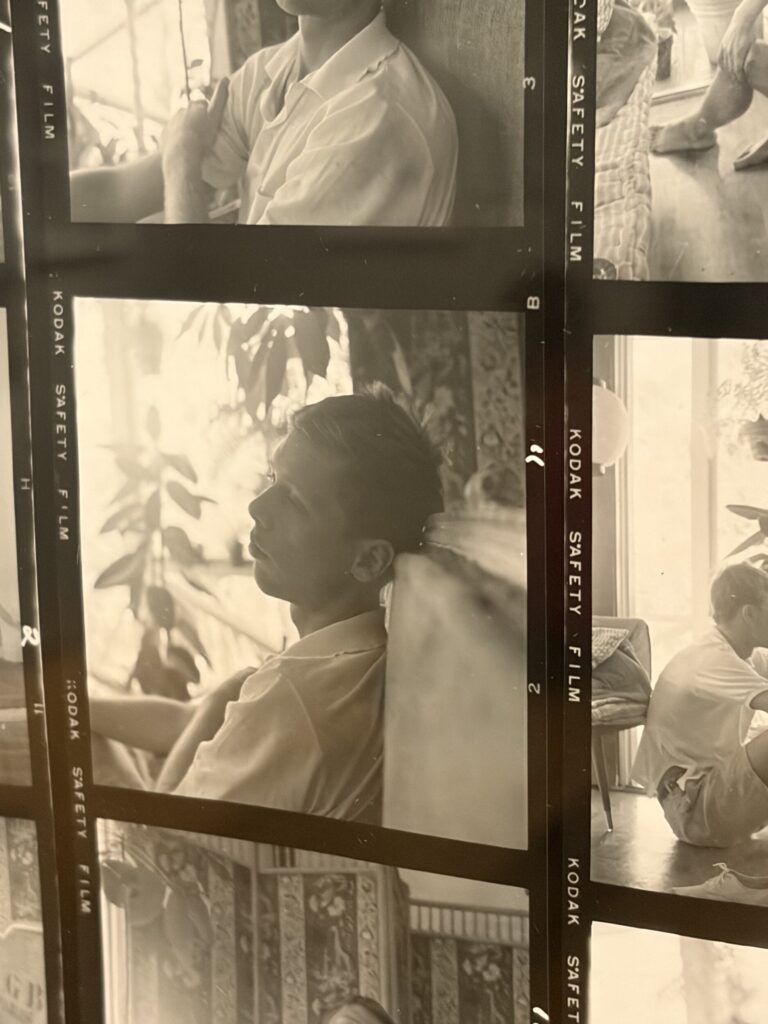
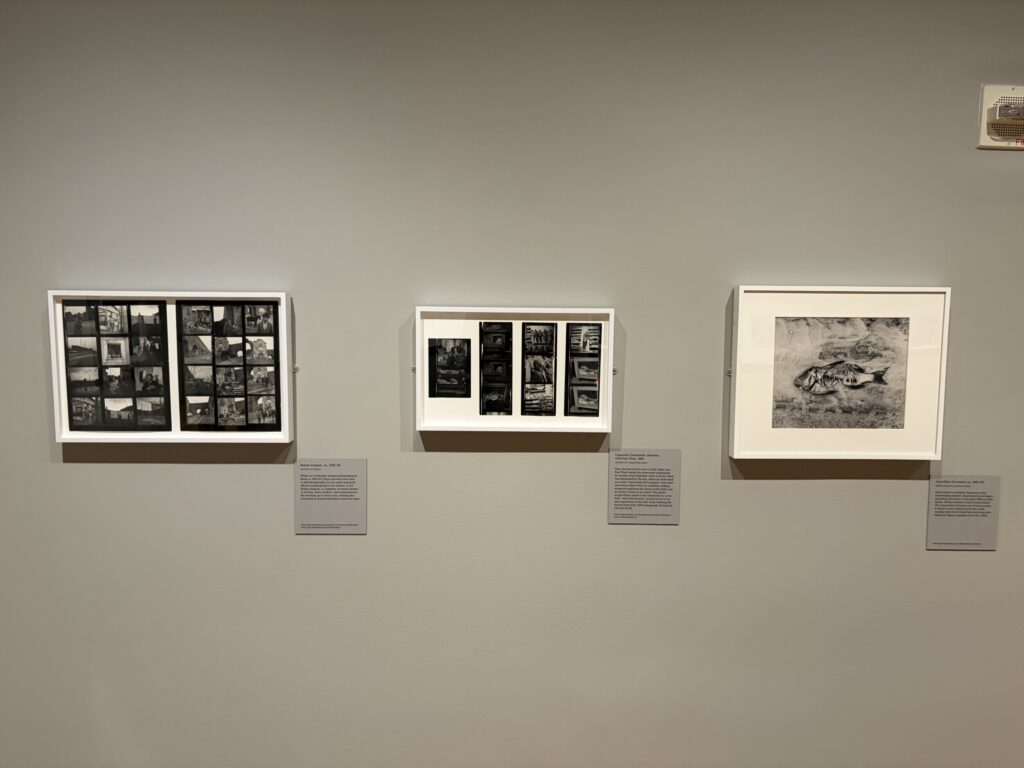
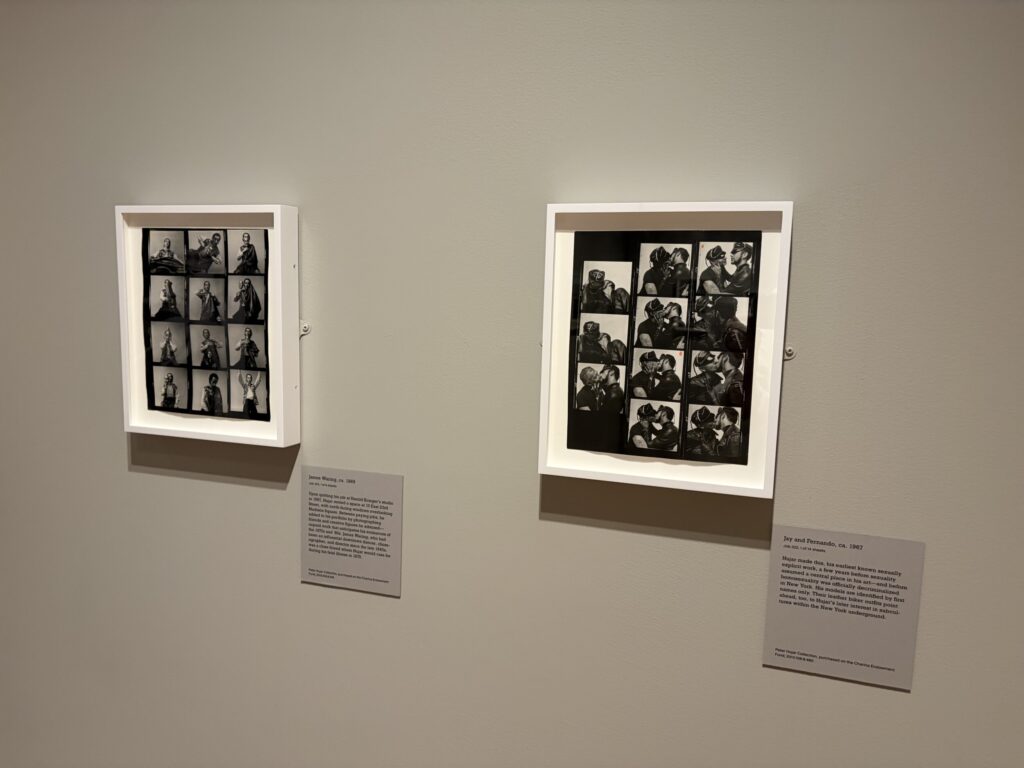
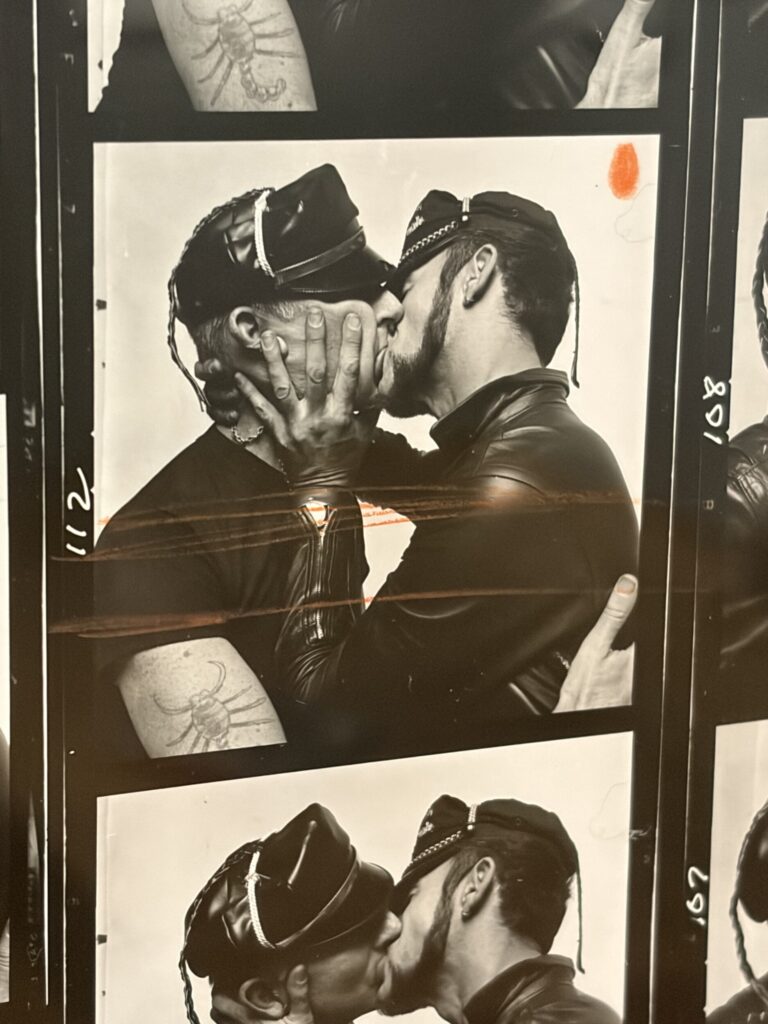
Comments/Context: The last two decades have been noticeably kind to the photographic legacy of Peter Hujar. For an artist who was consistently discouraged and disheartened by the reception to his work from the art world during his lifetime, his posthumous years have offered a growing sense of overdue recognition and momentum.
Of course, this kind of artistic rise is no accident. Hujar’s work was always solid, but with the help of key advocates in his own estate, his gallery representatives, and a growing list of institutional supporters, and the deliberate shift in the wider cultural mood to be more inclusive of artistic voices that were once marginalized or overlooked, Hujar now finds himself in favor in a way that he could have hardly imagined. Over the years, we’ve had the opportunity to consider Hujar’s work in several gallery shows (in 2009, reviewed here; in 2013, reviewed here; in 2023, reviewed here: and in 2026, reviewed here), and in a methodical flow of group show inclusions, art fair selections, auction results, Daybook discoveries, and other mentions. In particular, here at Collector Daily, Richard B. Woodward often raised his hand to wrestle with Hujar’s work, taking on his 2013 photobook Peter Hujar: Love & Lust (reviewed here), as well as his career-cementing 2018 retrospective at the Morgan Library “Peter Hujar: Speed of Life” (reviewed here).
With the acquisition of a cache of one hundred prints as well as all of the artist’s business papers, letters, log books, and contact sheets (nearly 5800) in 2013, the Morgan Library, and photo curator Joel Smith indirectly, became active custodians of a significant part of Hujar’s legacy, and between the superlative traveling retrospective (and its accompanying catalog) and this in-depth exhibition of Hujar’s contact sheets (and its accompanying catalog), the museum has been a driving force in shaping how Hujar’s story continues to be told. With the broad strokes of the Hujar argument thoughtfully laid in by the retrospective, this contact sheet show can now dig deeper, exposing us not just to the greatest hits, but to the nuances of the photographer’s eye and his art making process, as embodied in the in-between nature of his contact sheets.
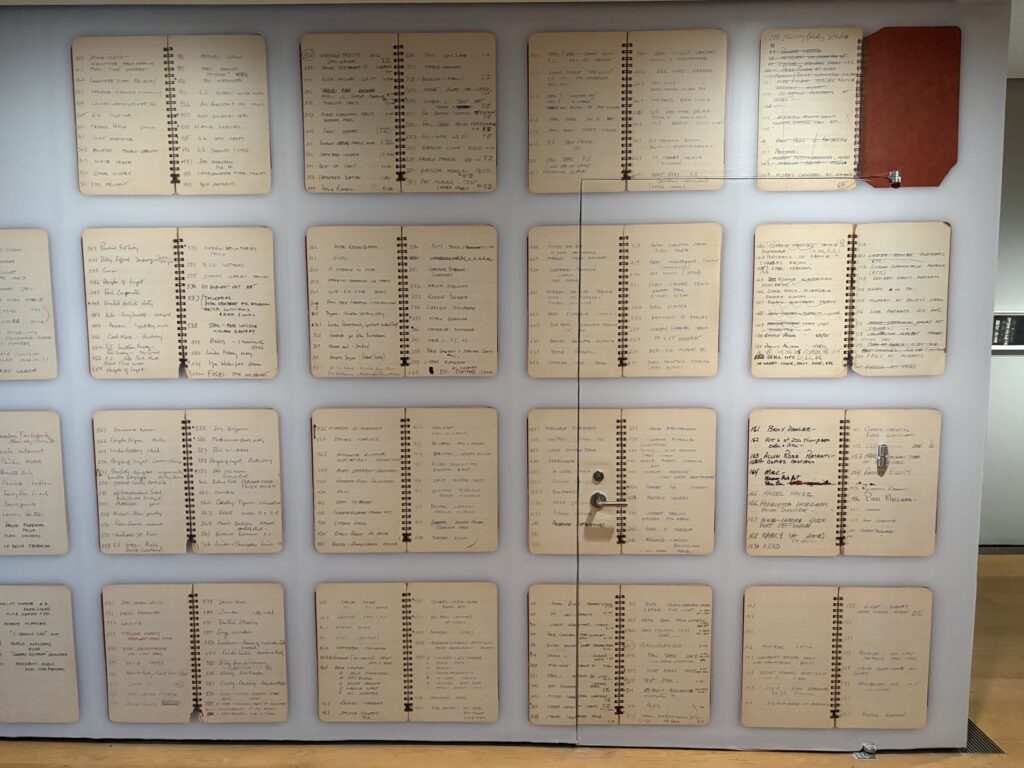
Part of the responsibility of holding an extensive artistic archive like Hujar’s isn’t just putting together exhibitions for the wider public, but also doing the behind-the-scenes work of collating, categorizing, documenting, and administering the accumulated stuff and making it easier for scholars and historians to access and understand it. So before we jump into what Hujar’s contact sheets show us, it’s worth noting the extensive work the team at the Morgan (particularly Olivia McCall) has done in terms of annotating Hujar’s job books. Throughout his career, Hujar used a couple of spiral bound notebooks to record his various shoots. Each job was given a number, which he then used to organize and store his film and negatives. The job books start with job 100 (in 1954) and run through job 1093 (in 1985), and while Hujar generally gave each job a simple description or name, the Morgan has gone back and painstakingly annotated each one, confirming its content and date and quantifying how many sheets exist, on what kind of film, etc.; all of this data is listed in the back of the well-designed catalog, providing an important reference resource to those interested in Hujar now and into the future. Congratulations are in order up front for making such a comprehensive compendium of specific detail so readily available.
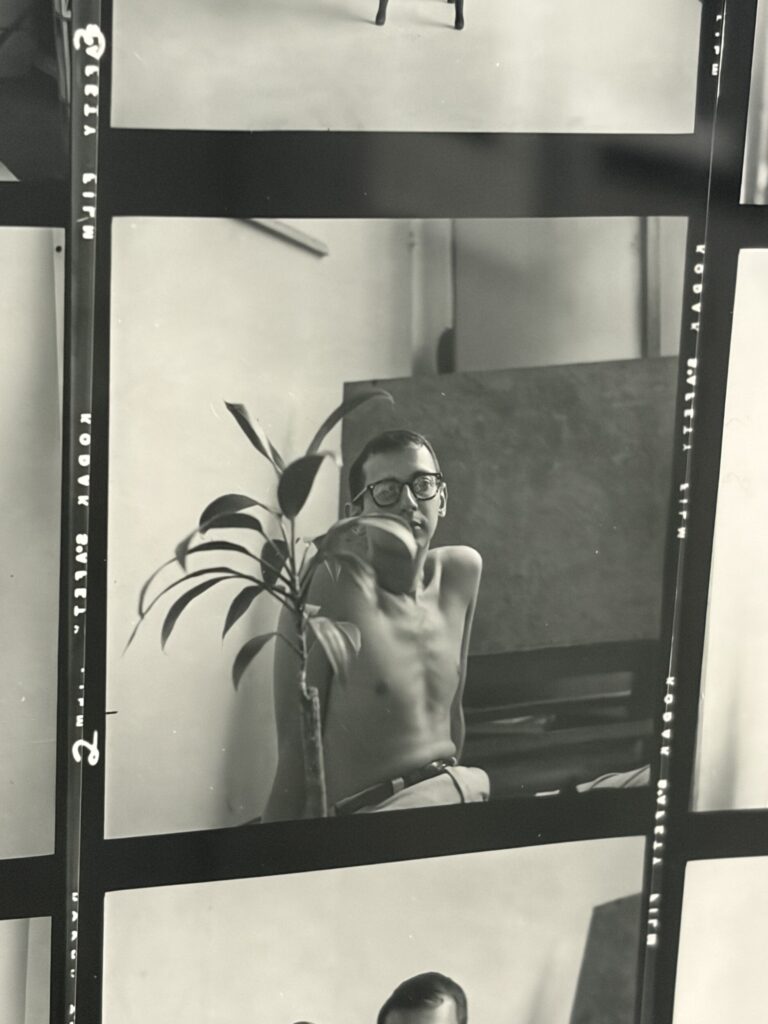
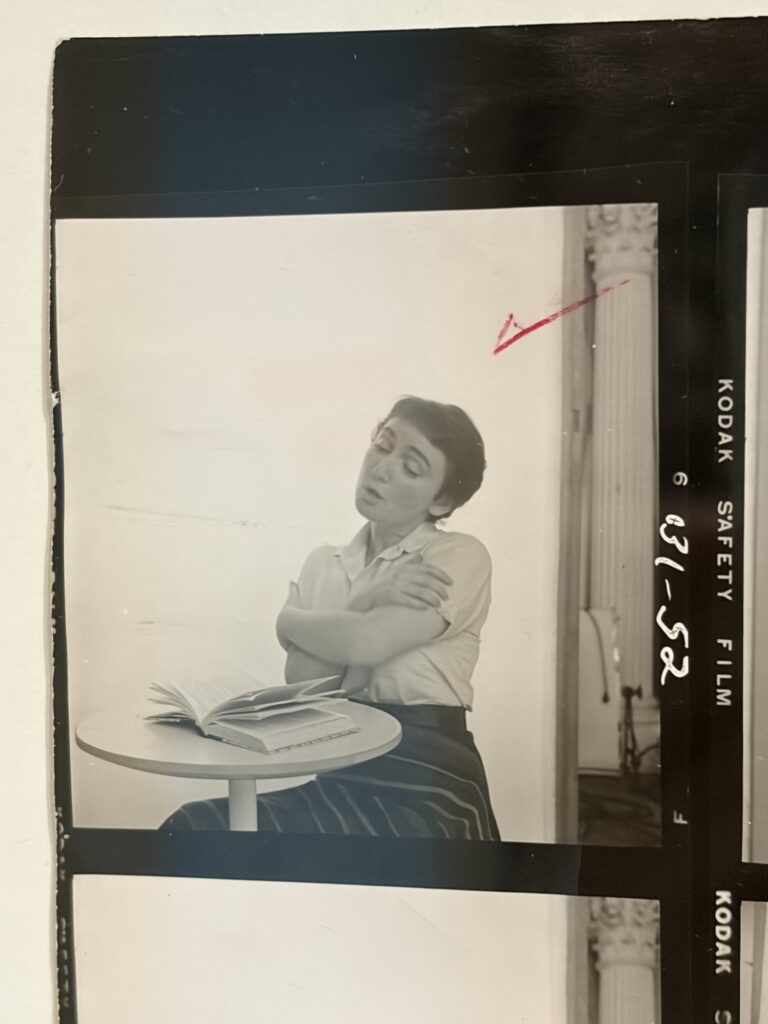
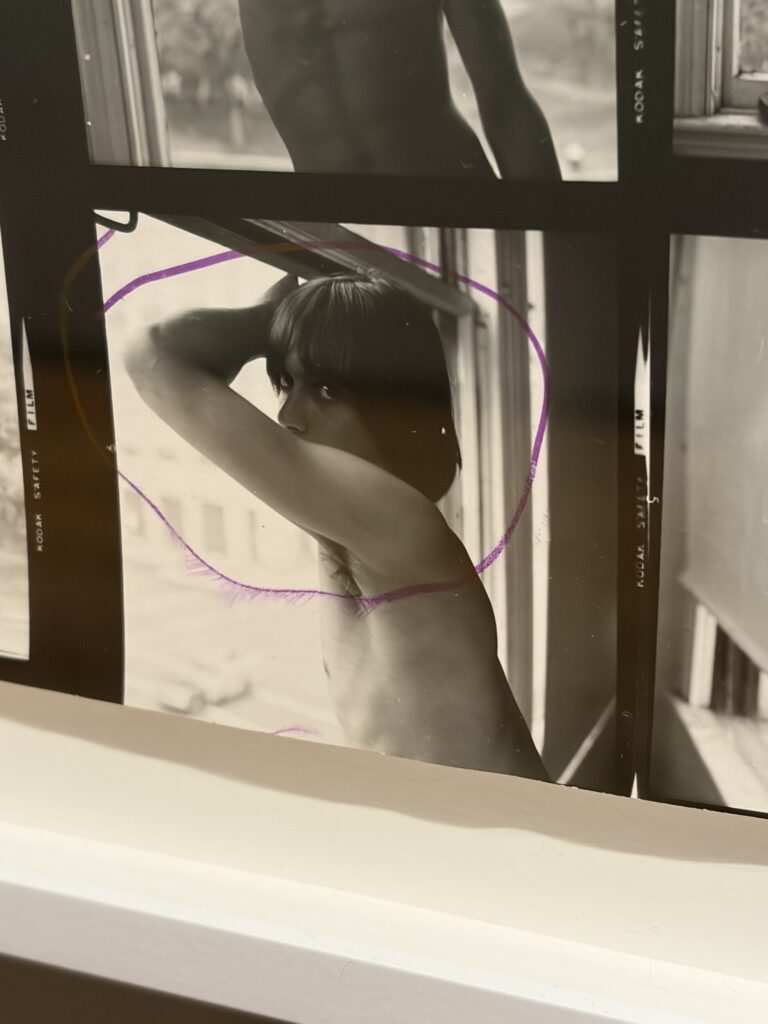
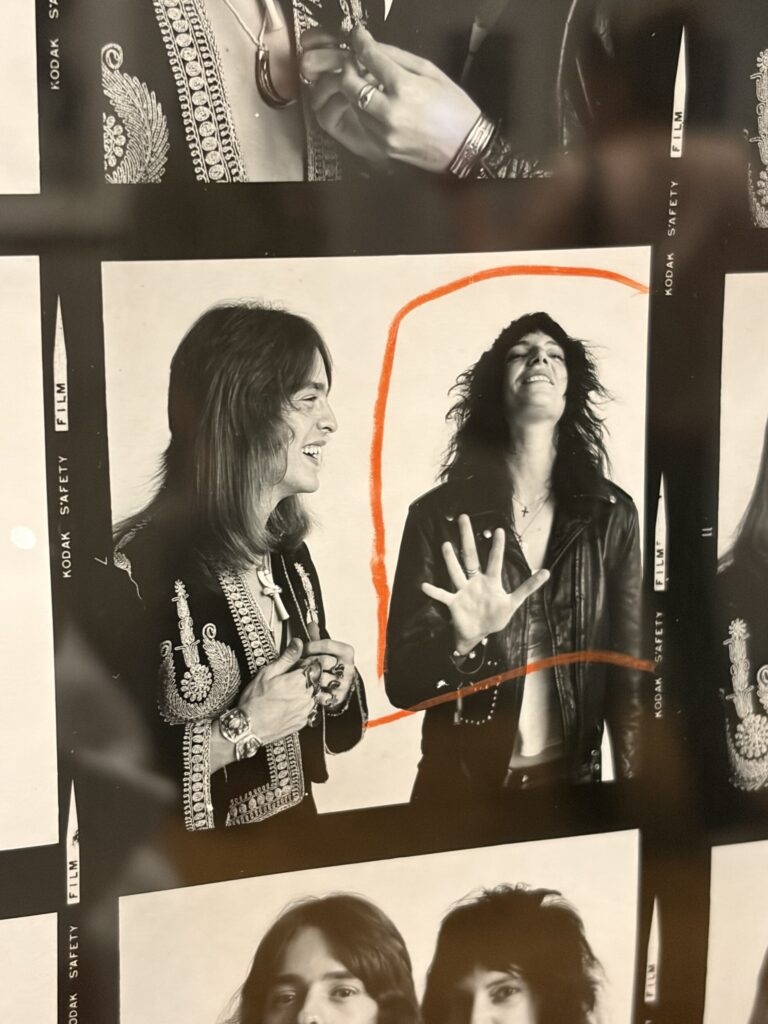
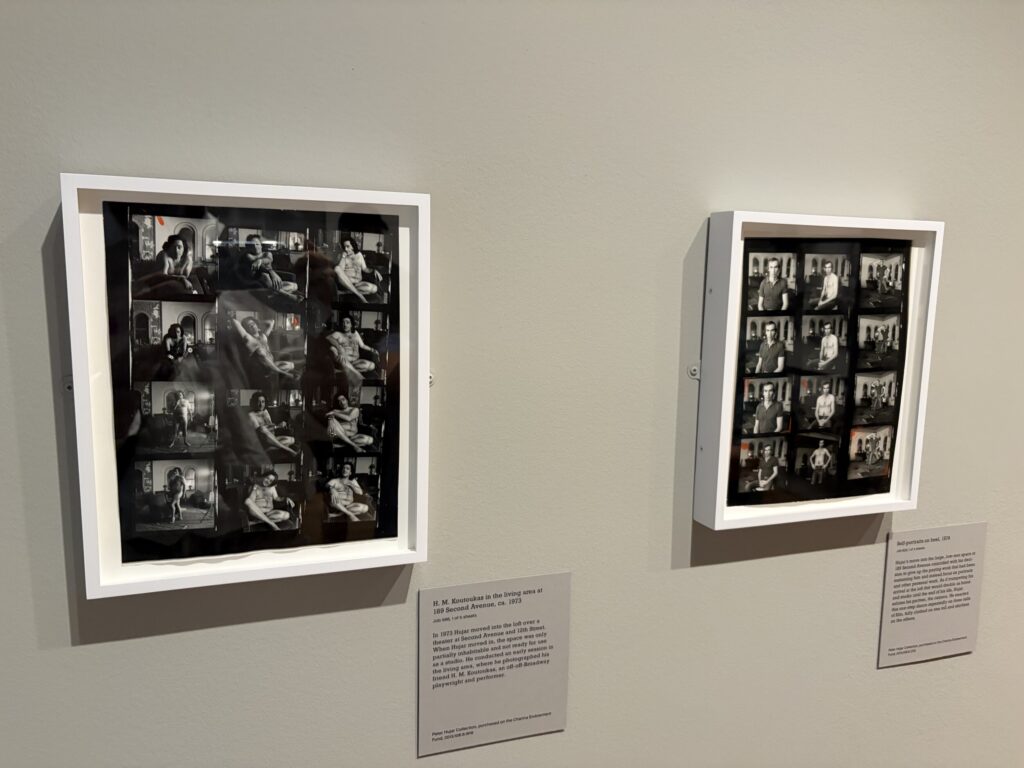
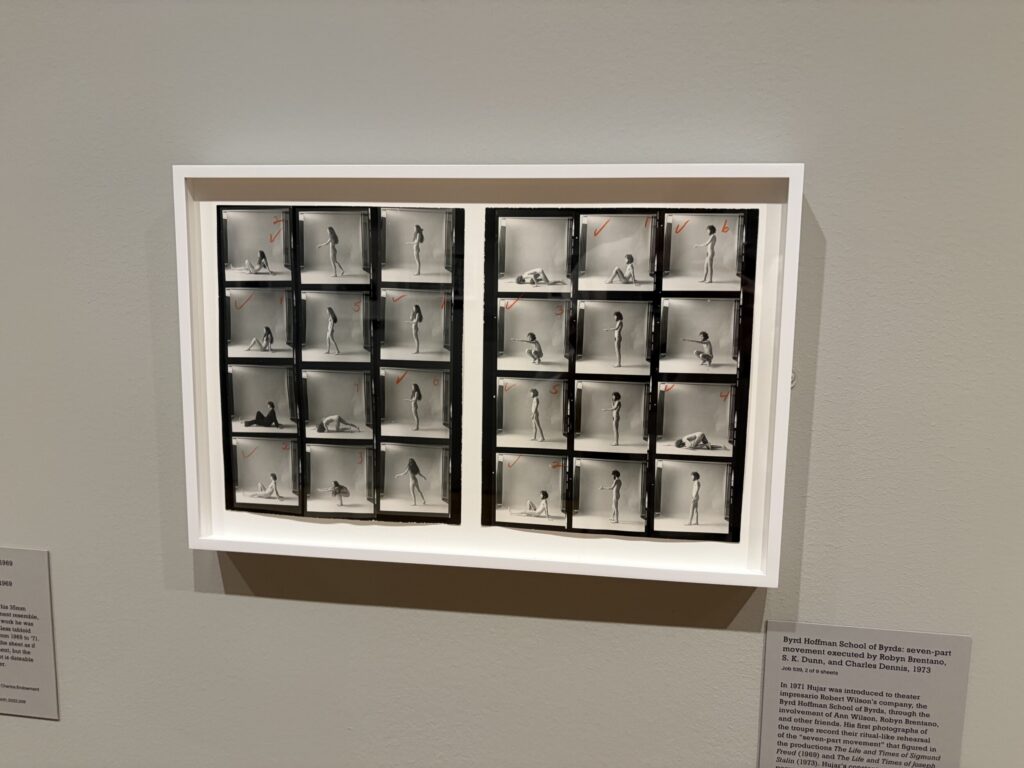
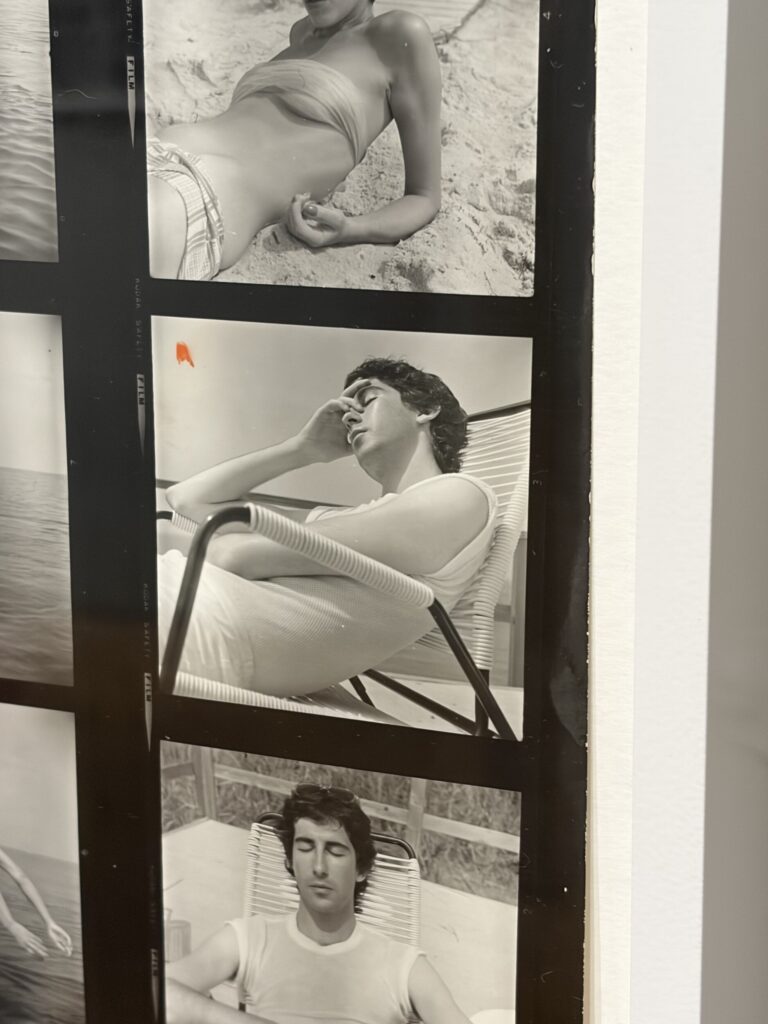
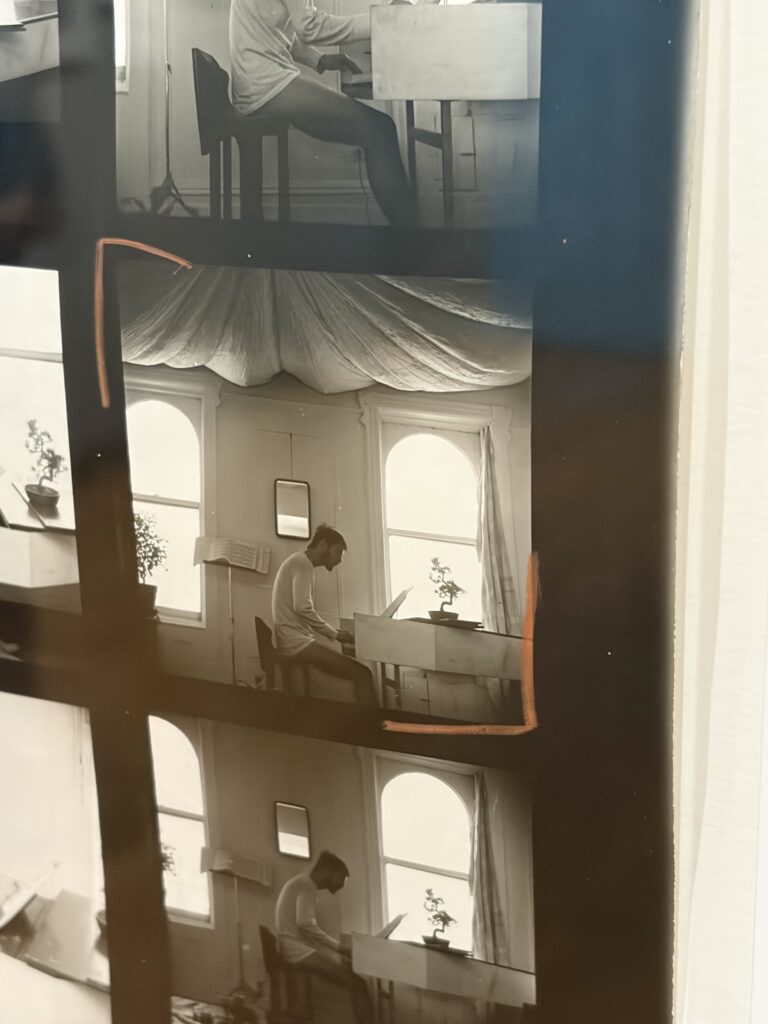
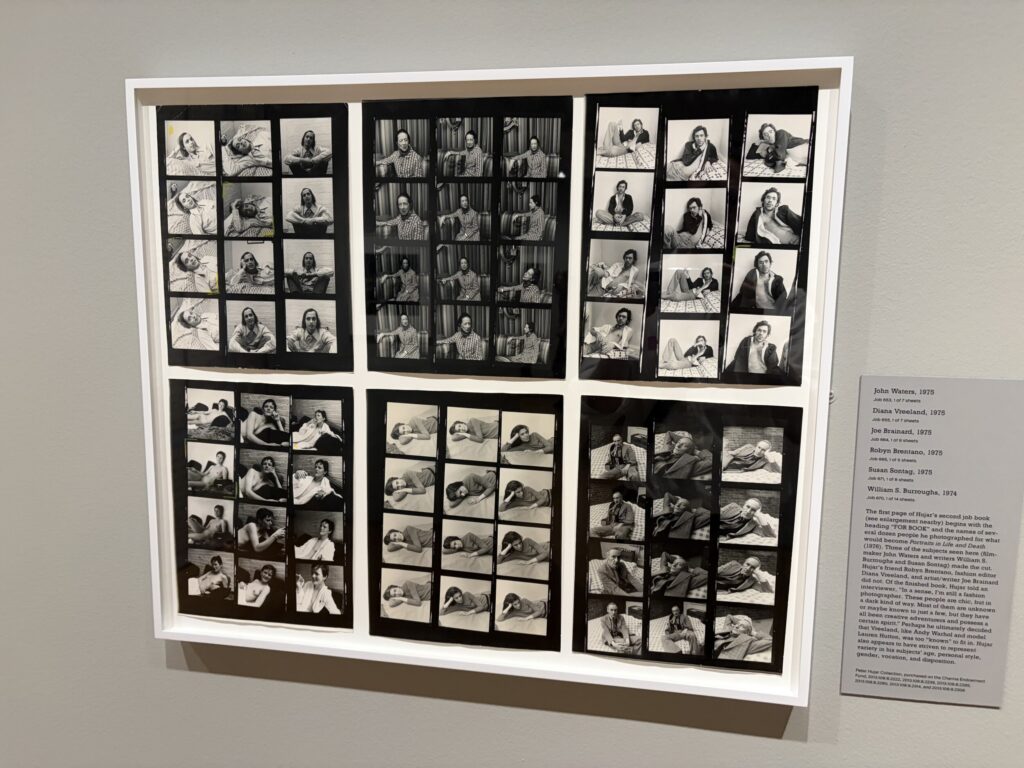
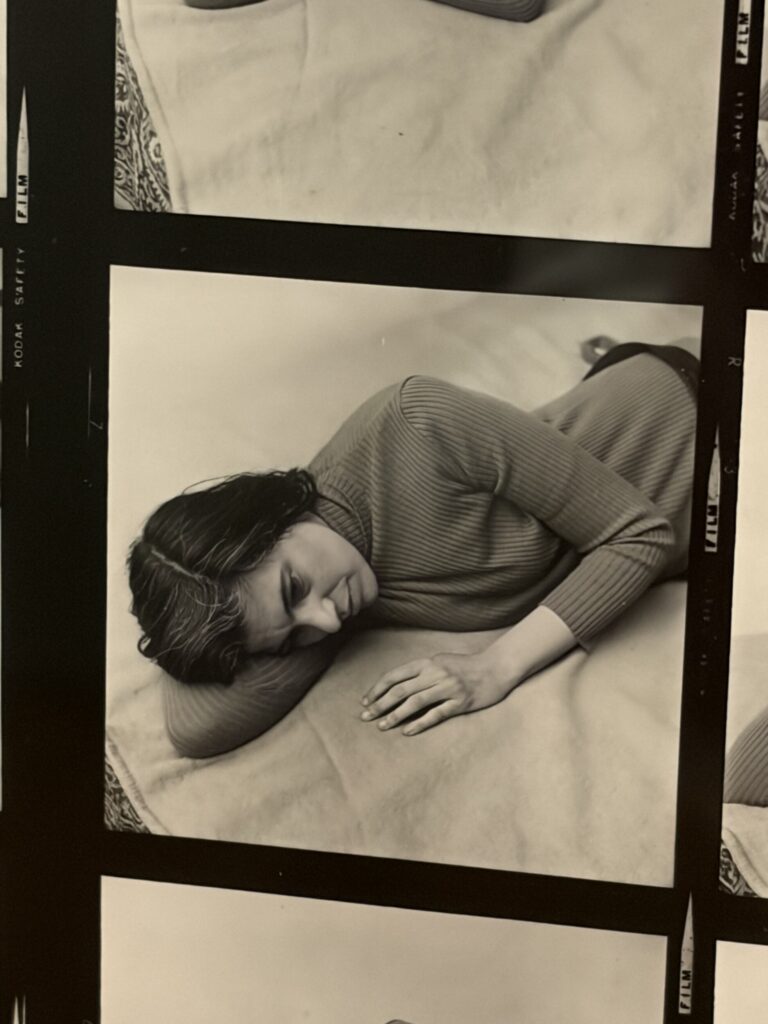
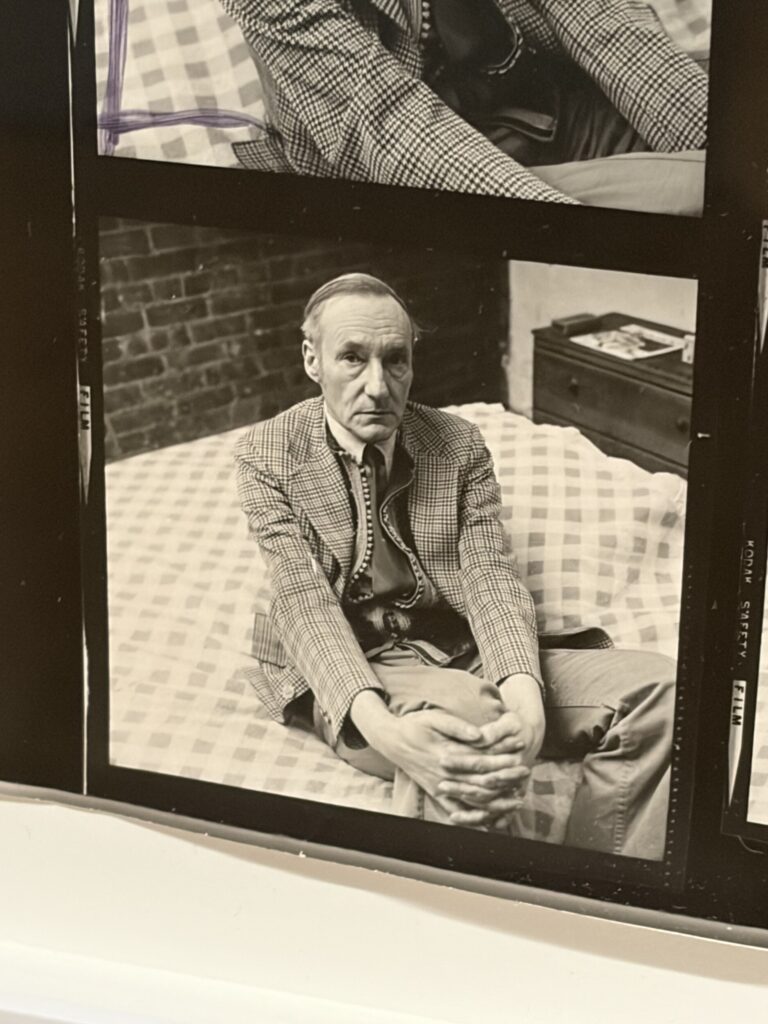
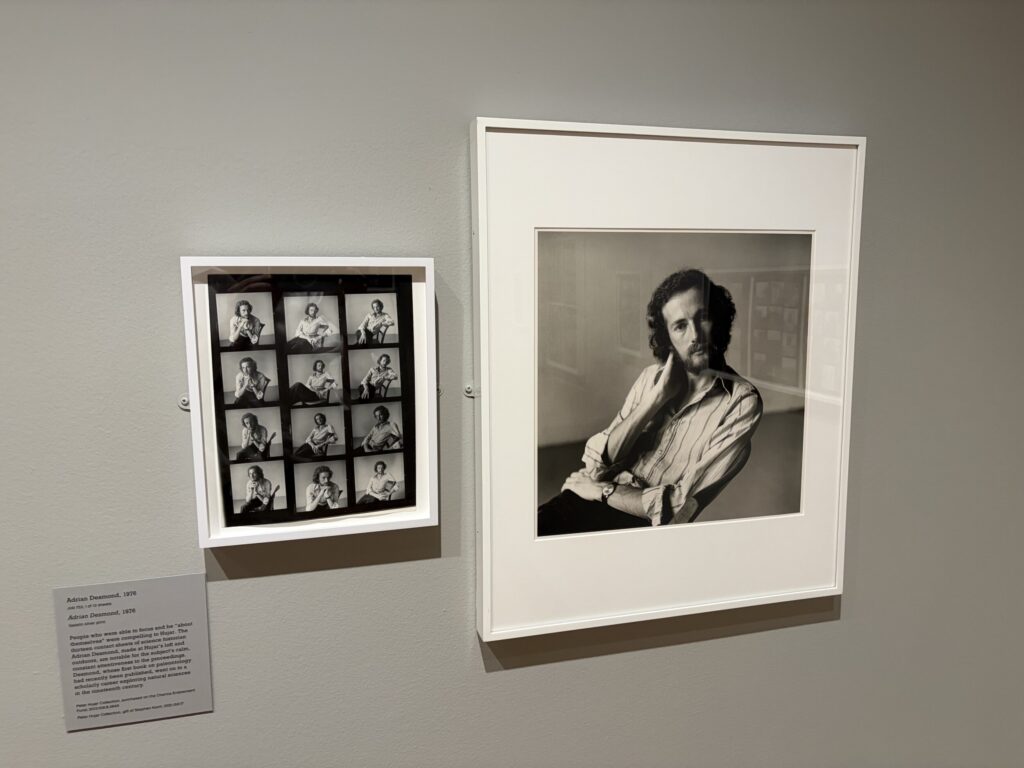
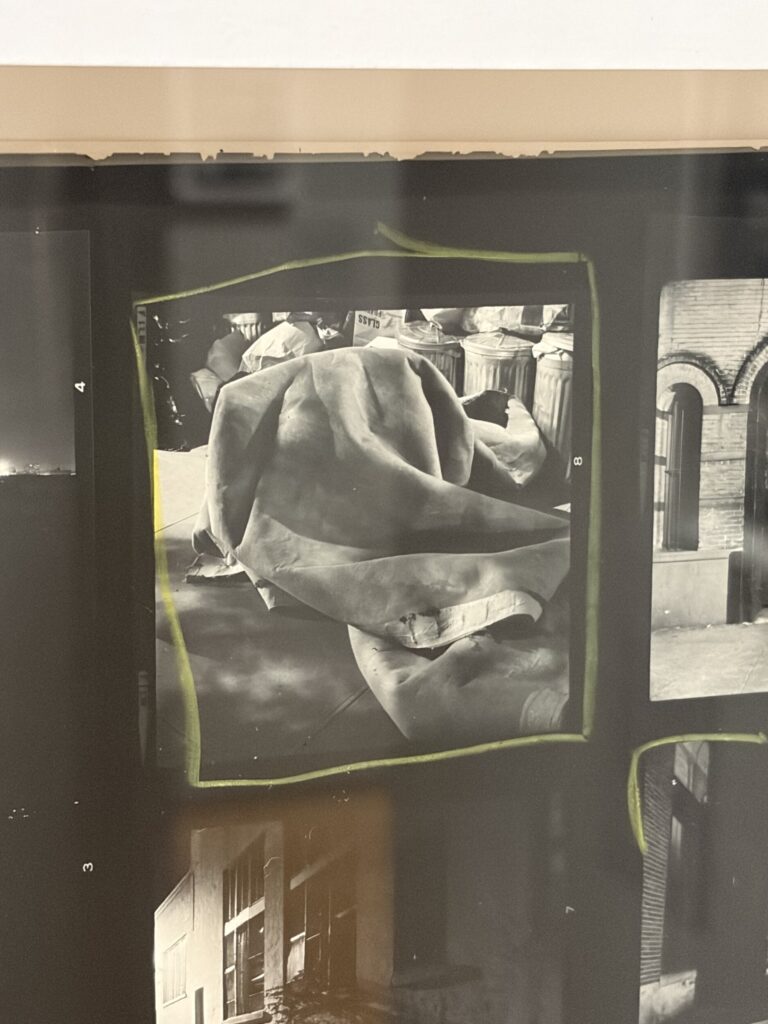
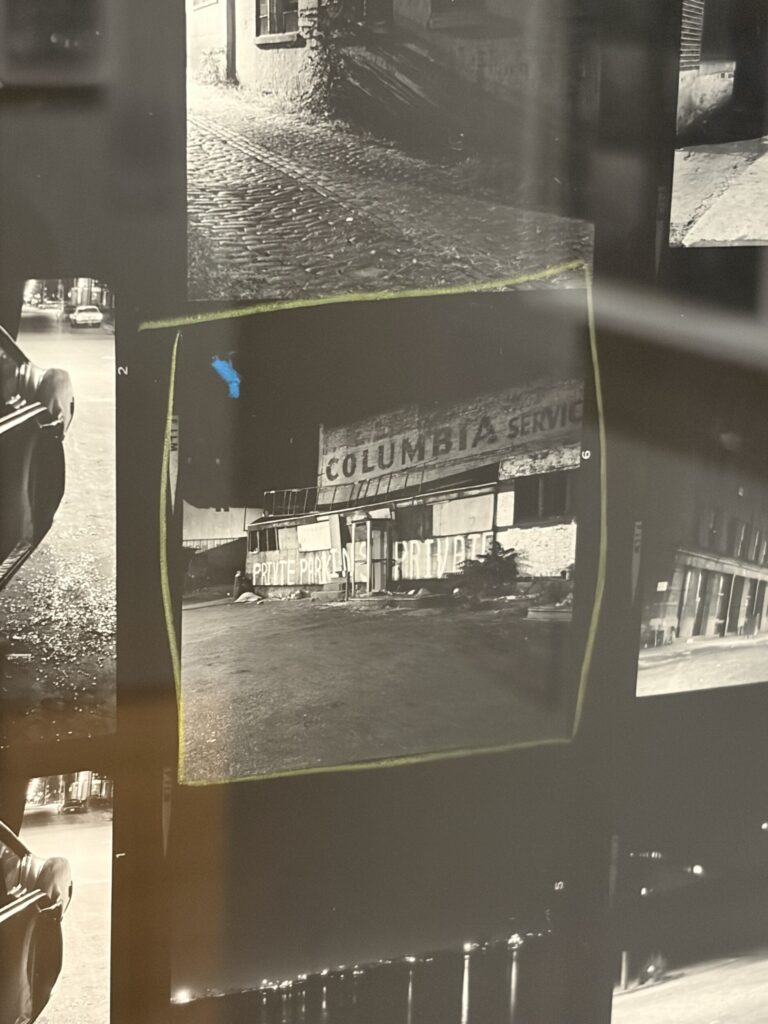
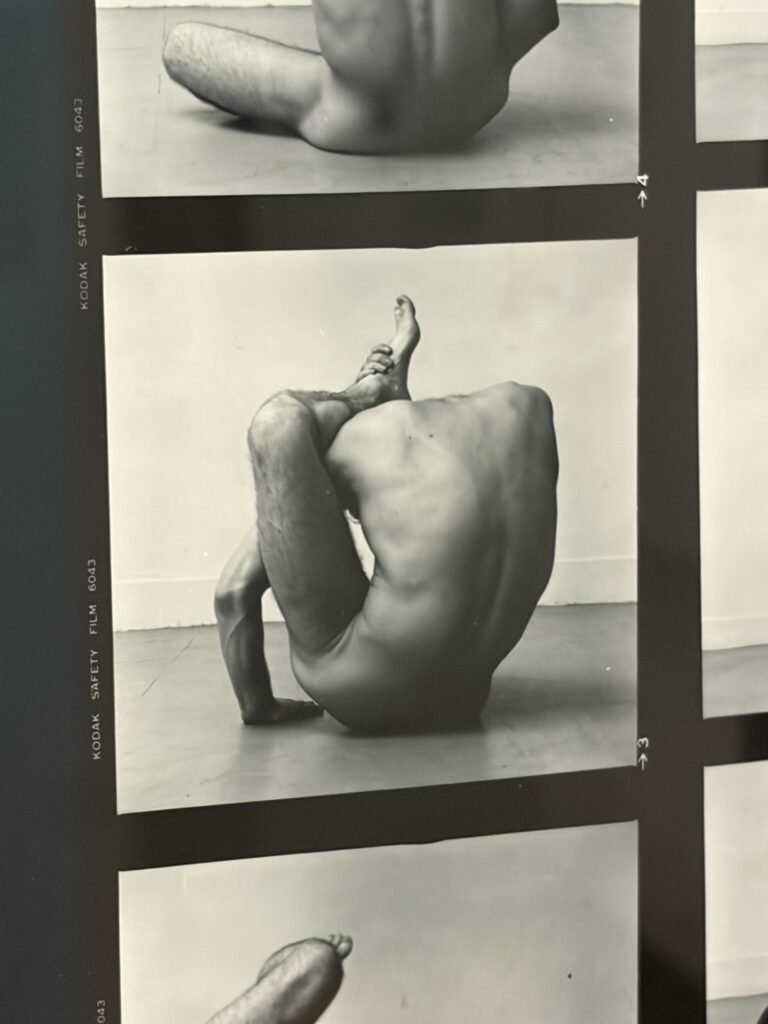
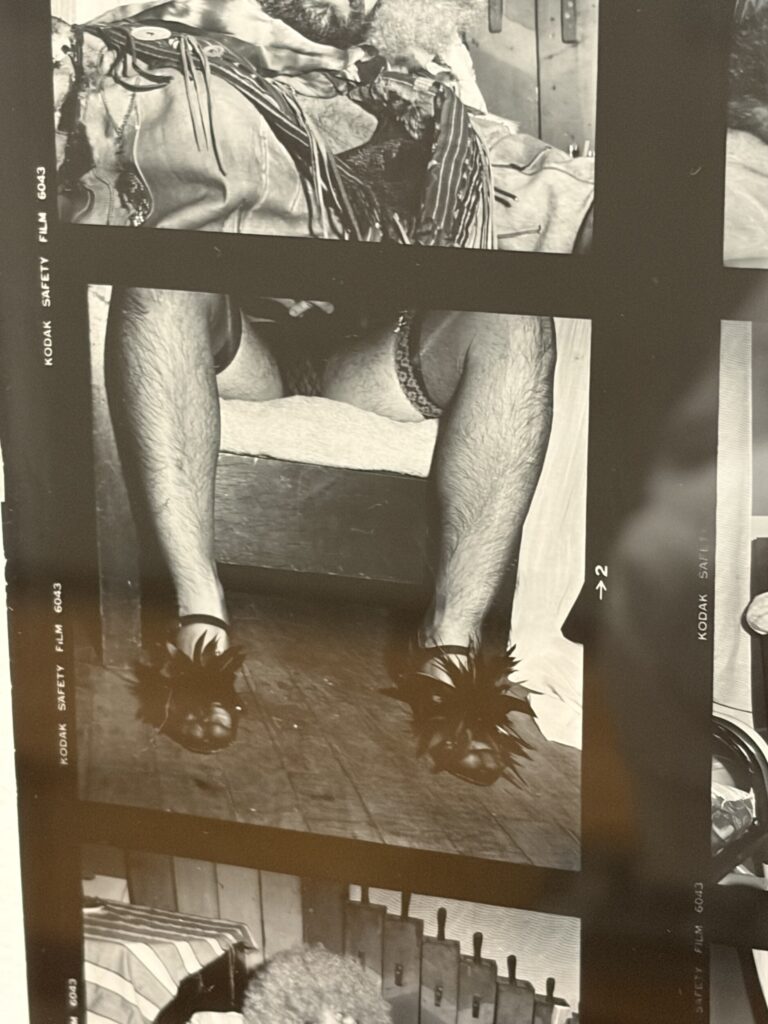
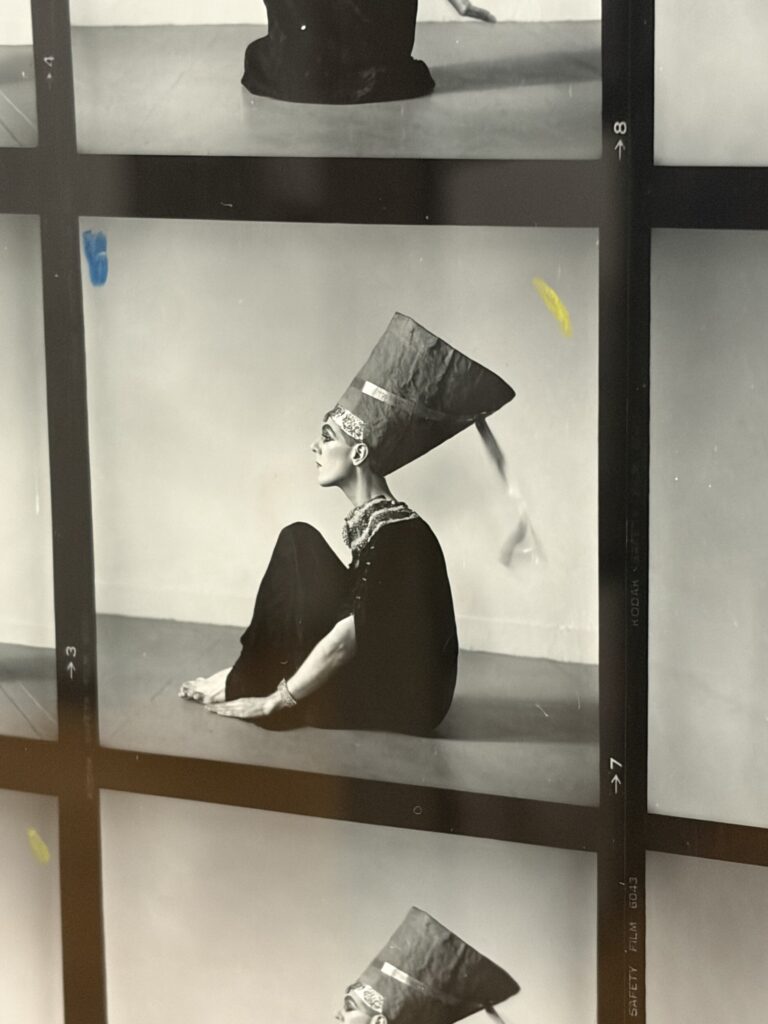
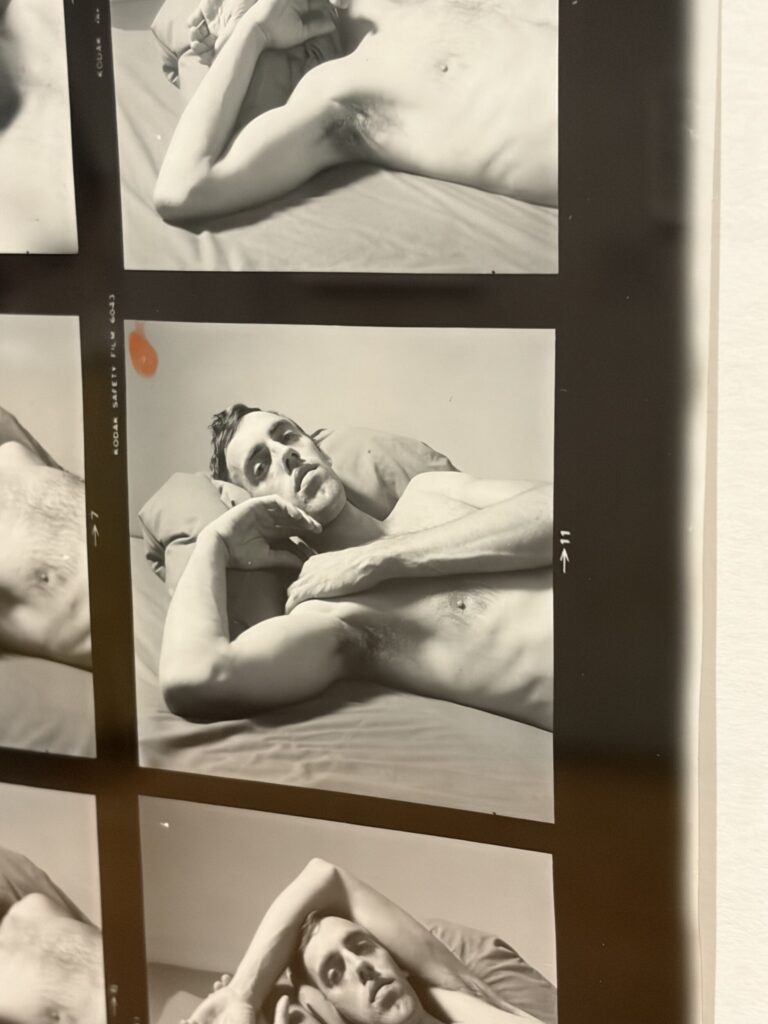
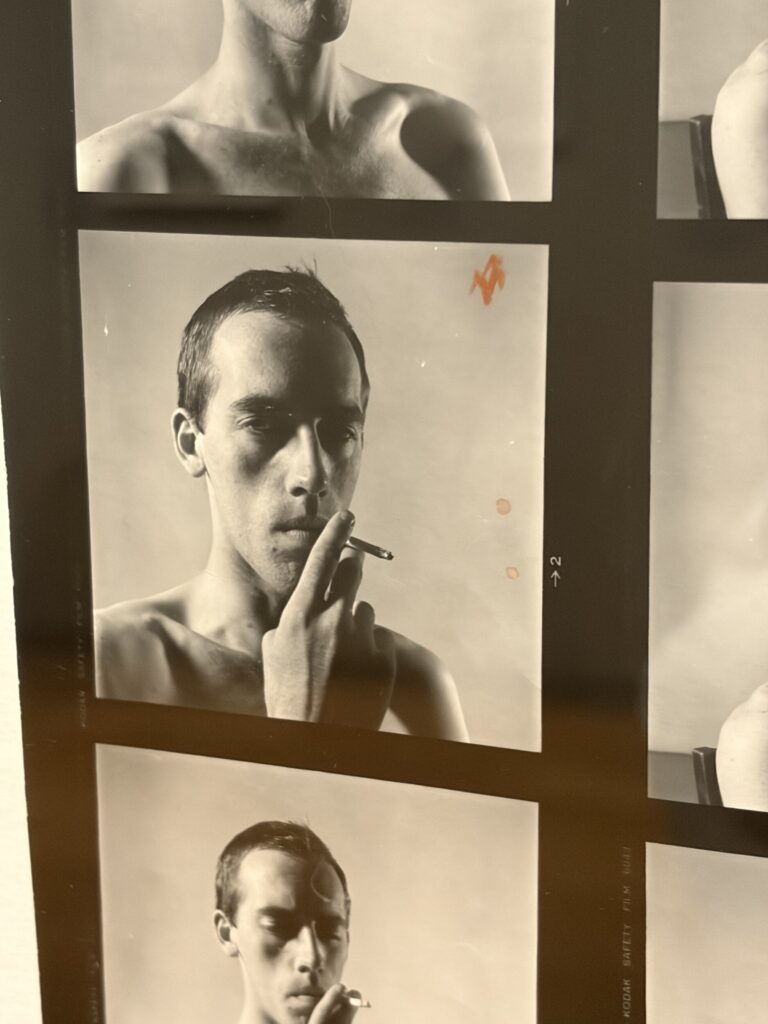
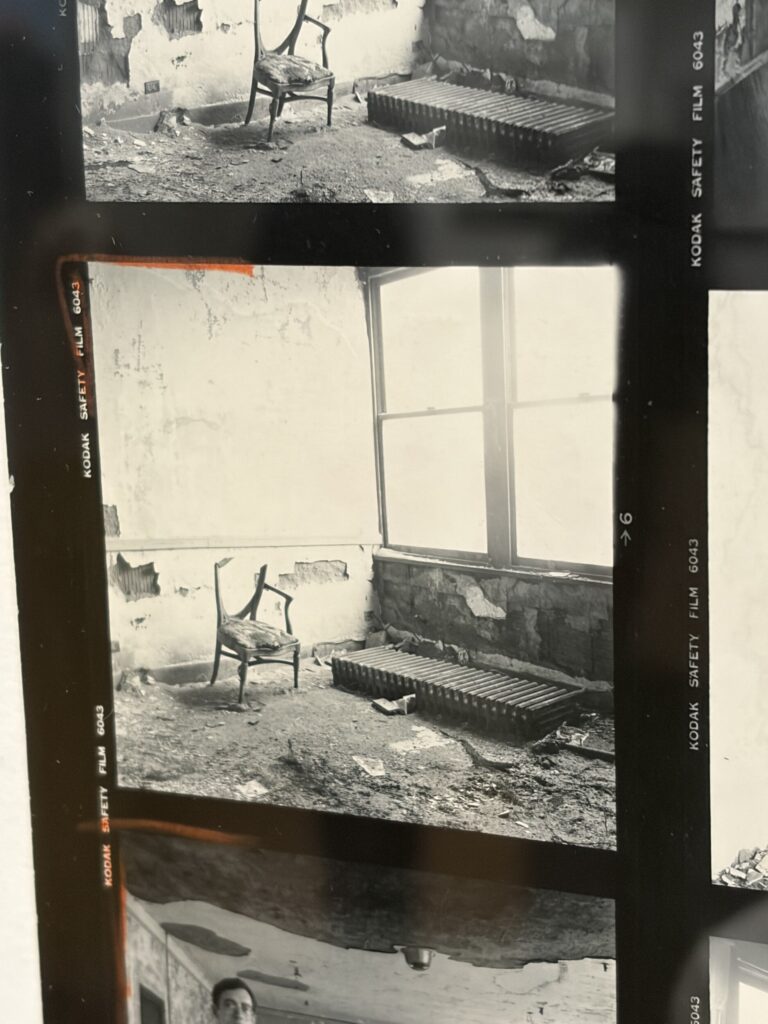
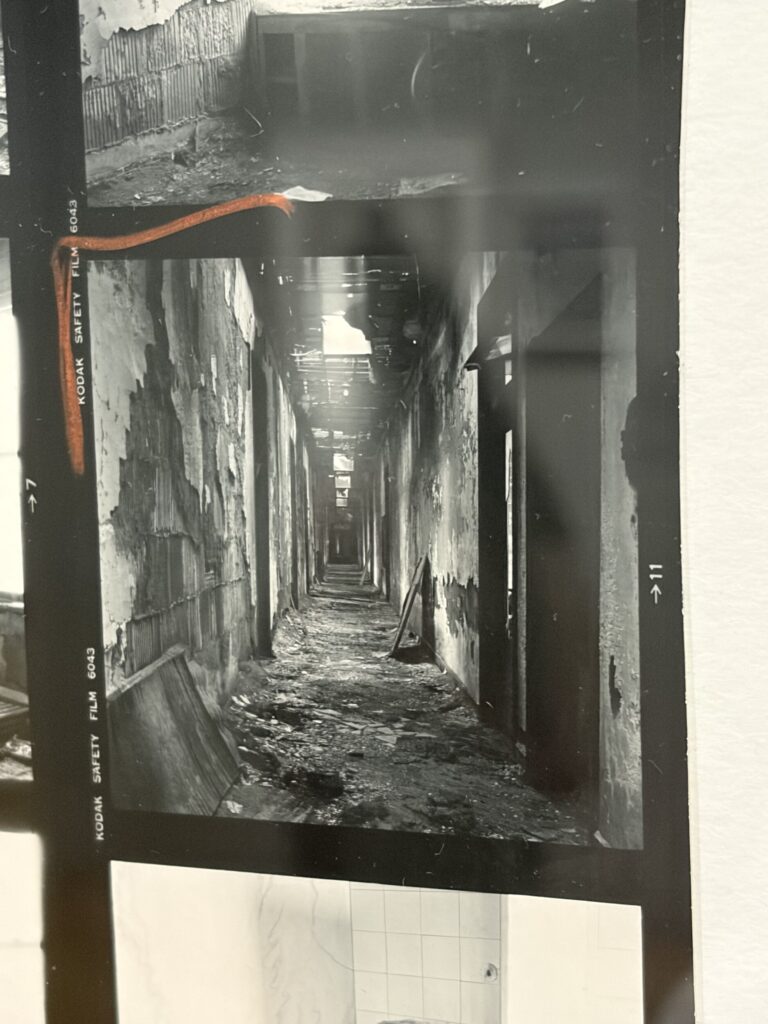
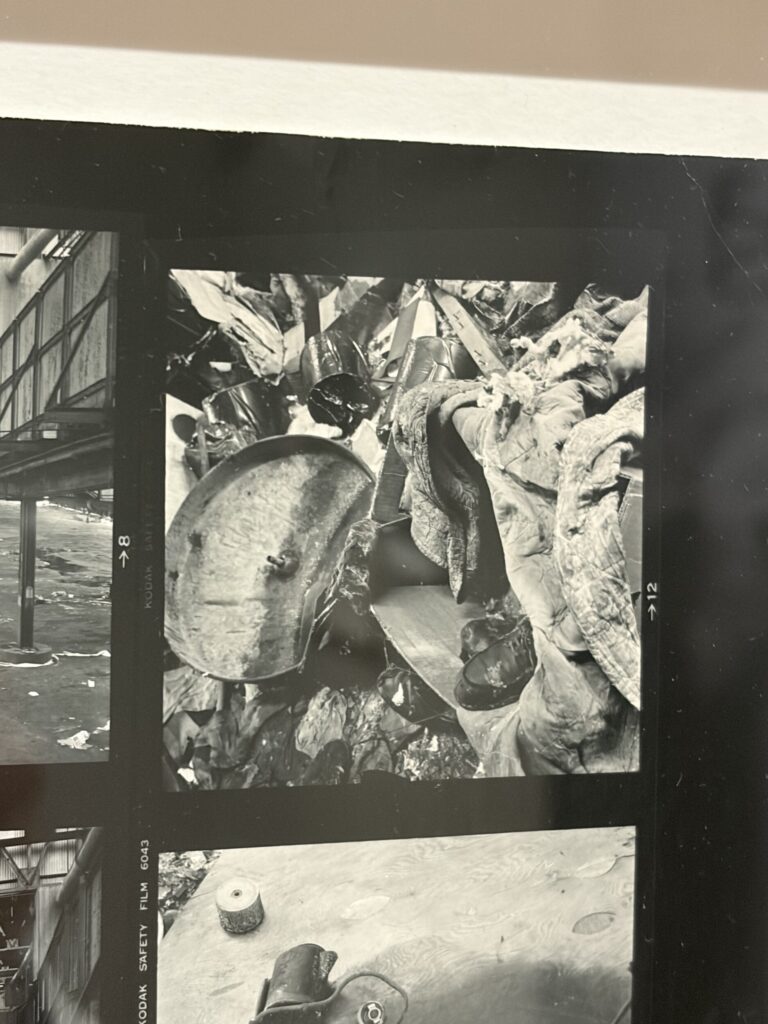
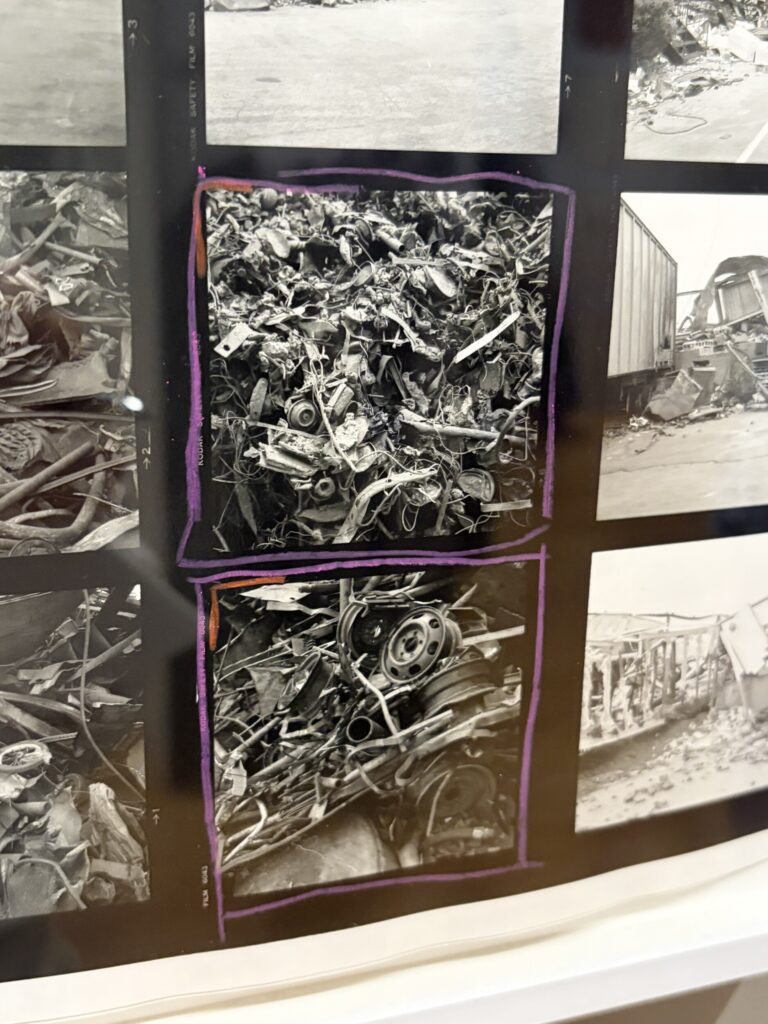
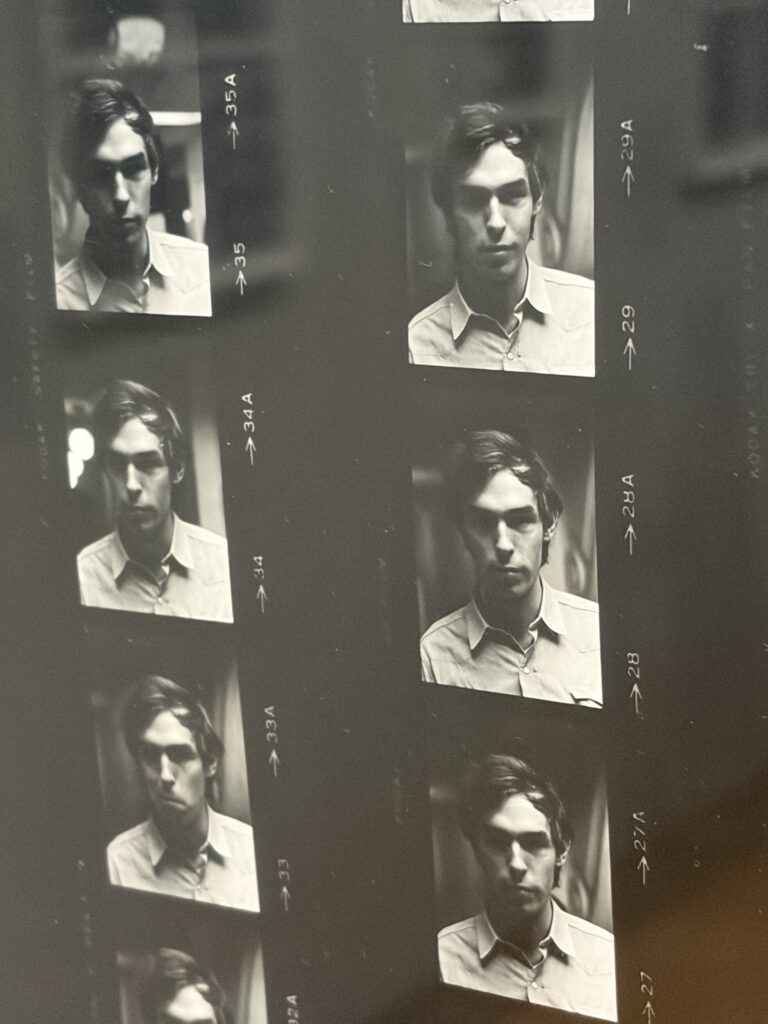
On the walls, Hujar:Contact is organized chronologically, with Hujar’s life divided into five sections, and the associated contact sheets and representative prints tucked into small spaces and “rooms” to help make the groupings more clear. And while this ordered time sequencing does help highlight how Hujar’s technique evolved over time, tracking and codifying this photographic progression isn’t really what this show does best or what is most important here. Instead, what we watch is dozens and dozens of examples of Hujar engaging with a given subject, starting with a first image and then iterating through a handful more, each frame building on learnings from the last and tweaking the pose, expression, style, or composition in search of an improvement, an opening, or a hidden emotional range. Sometimes he finds magic and sometimes he doesn’t, and both success and failures are instructive, the grease pencil markings of the frames Hujar himself selected then matched against our own assessment of the strongest options.
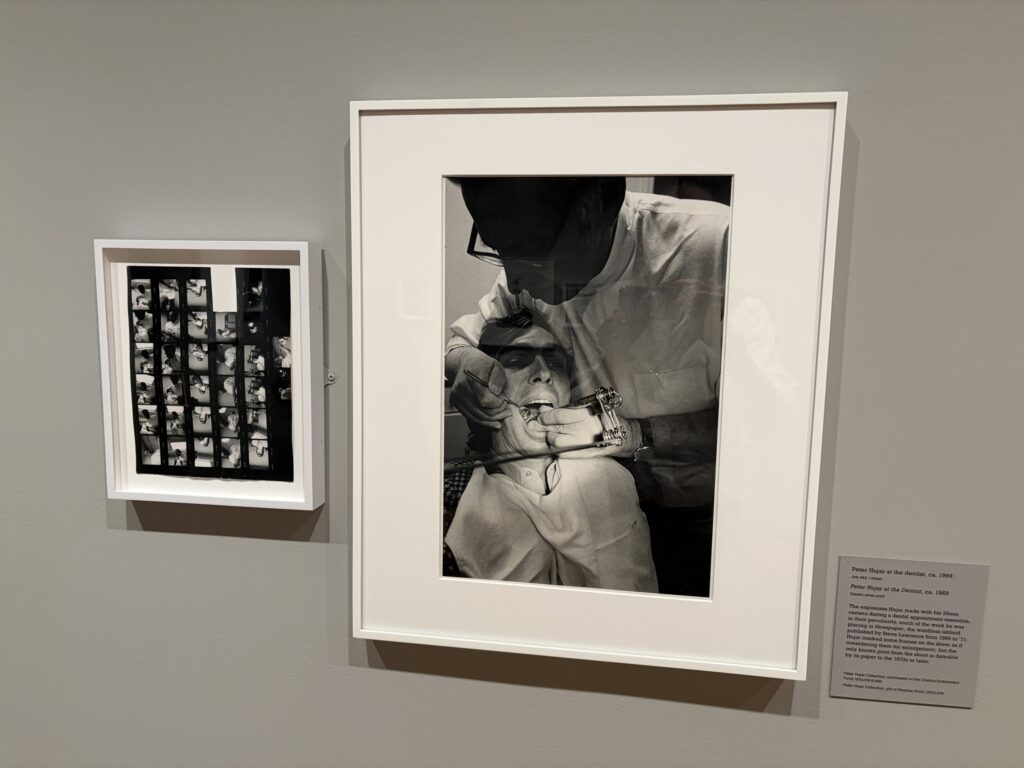
This sequential exploration and experimentation is most obvious in formal portrait sessions, but Hujar applied the same internal logic when he was shooting on the streets, at the beach, as a tourist, even in a self-portrait visit to the dentist. I imagine this almost as a waiting process or a test of patience, with Hujar methodically trying one option after another, before some switch flips and he sees the whole thing differently. We might call this a kind of sketchbook approach, or maybe just a creative process that couldn’t be entirely one-sided, but needed input from a sitter, a landscape, a decaying graffiti-covered pier, or even a cow to enhance the image-making. As seen in these contact sheets, Hujar seemed to work best in a loose flow of time, where collaboration and connection were the variables that ultimately mattered to the capturing of a durable visual essence.
In a pass through the galleries, there is the inevitable temptation to identify and perhaps even sort the still famous, the once famous, and the never famous of Hujar’s friends, lovers, fellow artists, stage actors, and other sitters, but the more time I spent with the contact sheets, the less the fame of the subject seemed worth worrying over. What interested me much more was the serendipitous process of reaching the lightning strike moment. The changing of a pose, the tilt of a head, a move a little closer, a different angle of approach, a laugh, a moment of relaxation, a moment of anxiousness or wariness, another shift, and then bang! There it is. And of course, Hujar couldn’t know whether he’d gotten or not, so he often kept going. But for students of studio portraiture, this is the master class on offer in this exhibit – watch what he was looking for, how he was moving and adapting (quietly and unobtrusively hunting even), and where he ultimately found the pivot point where something boring became something unexpectedly vulnerable or compelling.
This process is a little less compelling when applied to non-human or animal subjects, like piles of scrap metal, New Jersey dumps, Wall Street buildings, or rotting piers – the searching iteration behind the camera is the roughly the same, but there is less chance for the subject to suddenly surprise Hujar, so the contact sheets look more like any other photographer’s, where framing, exposure, and composition are being tested and optimized. In the portraits, it’s as if Hujar really didn’t know what he was looking for – he was simply waiting for it to present itself, to gestate, if he could tease it out. As a result, there is just is much learning to be had in the misfires as in the winners, in the journey as the destination, as it proves just how subtle the drama of a portrait can be.
There are plenty of highlight worthy sessions to be uncovered in Hujar’s contact sheets. There is richness and nuance to be found in the awkward tenderness of an early Paul Thek session posed on a couch near some house plants, the playfulness of Steve Lawrence in the snow, the heat of Jay and Fernando in leather, the vulnerability of Iggy Pop by a window, and the effortless cool of Rick Dettinger and Patti Smith together. Hujar similarly made the most of Bill Elliott at the harpsichord, John Waters, William S. Burroughs, Joe Brainard, and Susan Sontag on various beds, Adrian Desmond in a chair, Dean Savard with a pillow, and Lynn Davis putting on eye makeup. And then there are the more legendary sessions, with a twisting Gary Schneider in the nude, with David Wojnarowicz reclining and sitting in a chair, and Hujar’s own self-portrait sheets from a master class he took with Richard Avedon and Marvin Israel. Even the cow and dog portrait sessions sparkle with unlikely calm and self-confidence.
By providing a broad look at the context of Hujar’s best known images, Hujar:Contact fills in the backstory and significantly deepens and expands our understanding of his working process. It exchanges the precise intensity of seeing a series of finely tuned final photographs for the looser hesitancy of tagging along as an artist searches for elusive answers. In this way, the rhythm is entirely different, allowing for wandering, waiting, boredom, and uncertain contemplation. Hujar’s work has always been filled with themes of darkness, melancholy, and alienation, and the visual evidence in his contact sheets reinforces those moods, but with a quiet undercurrent of attentive resolve. He actually found what he was looking for more often than not, which is part of the reason his place in photographic history is secure.
Collector’s POV: Since this is a museum exhibition, there are of course no posted prices. A recent show of Hujar’s prints at Ortuzar Gallery here in New York (reviewed here) offers an up to date view of the prices for Hujar’s work.