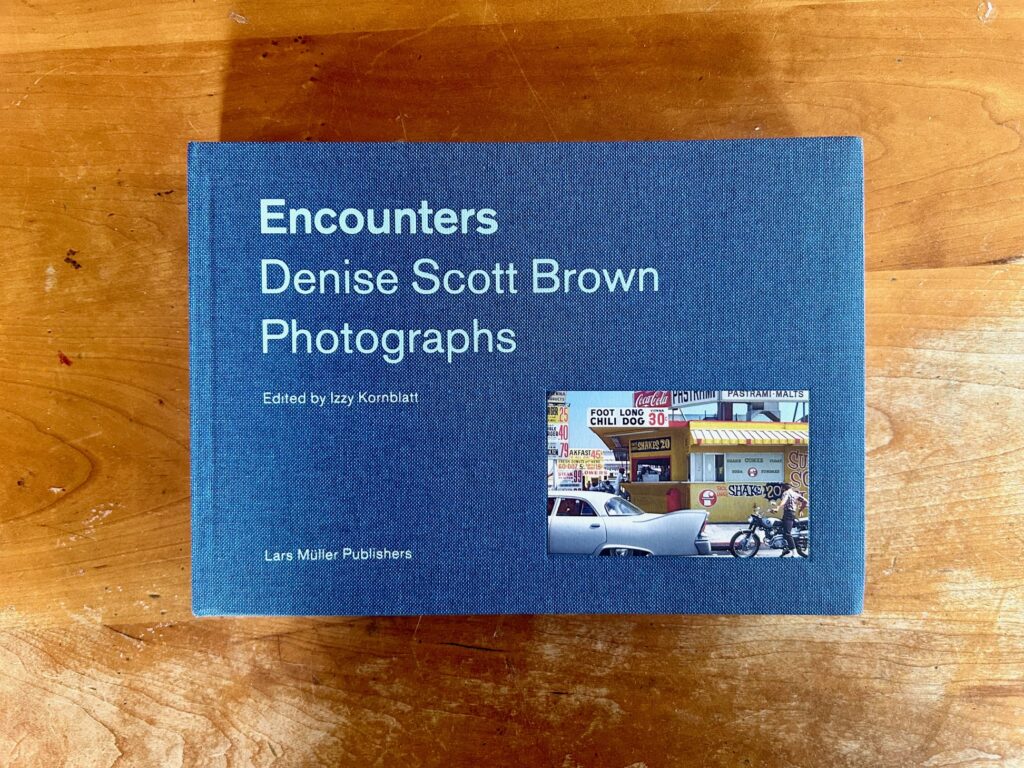
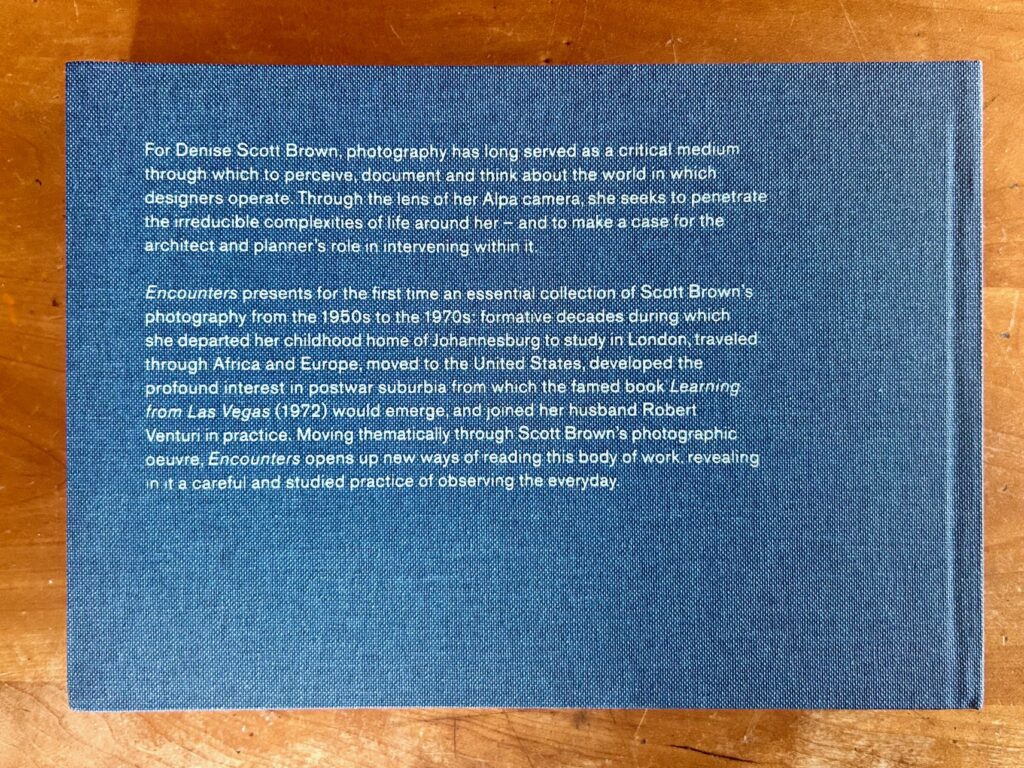
JTF (just the facts): Published in 2025 by Lars Müller Publishers (here). Clothbound hardcover with tipped in cover photograph, 24.5 x 17 cm, 434 pages including 4 tri-panel gatefolds, with 383 color photographs. Includes two essays by editor Izzy Kornblatt. Design by Lars Müller and Esther Butterworth. (Cover and spread shots below.)
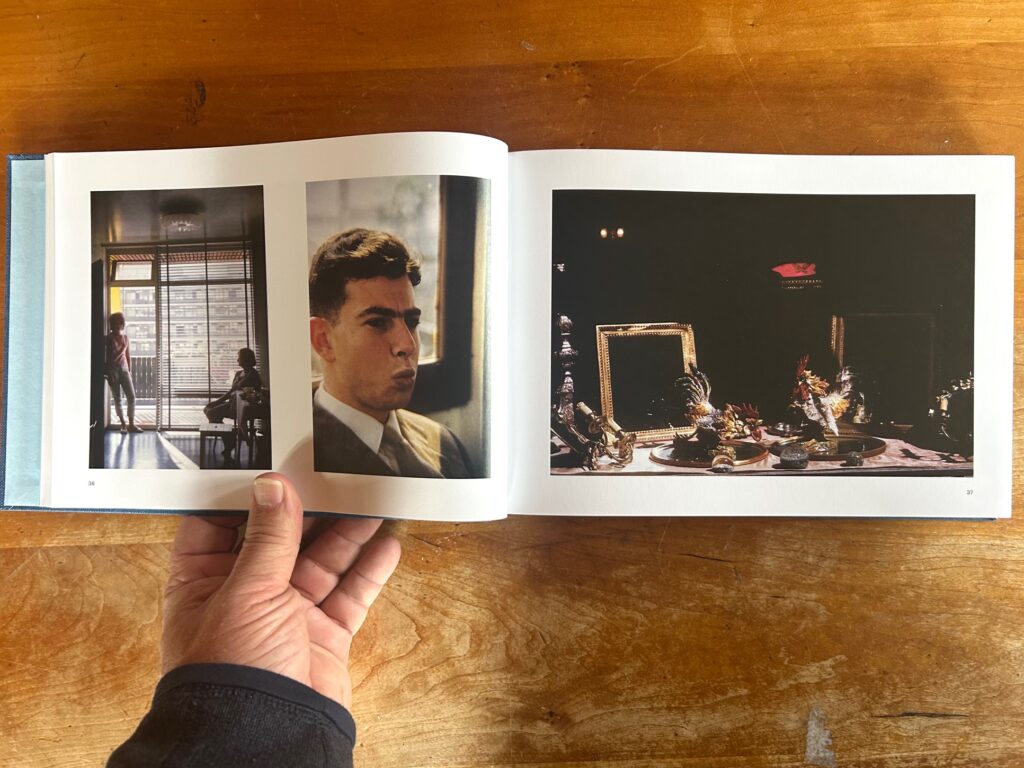
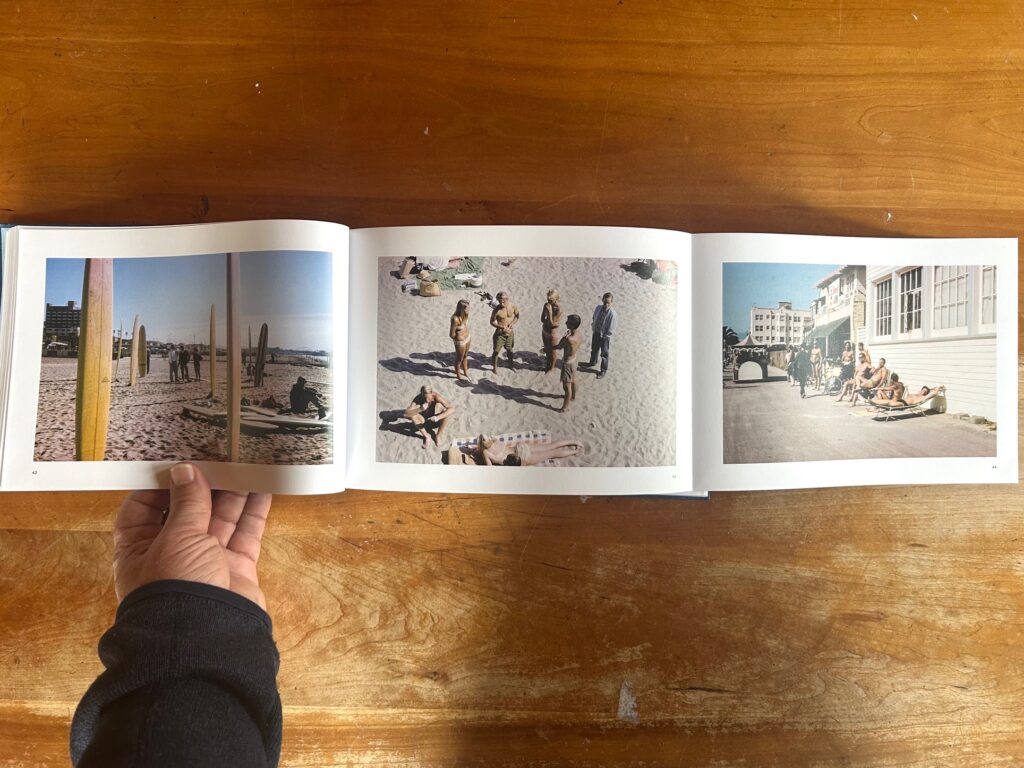
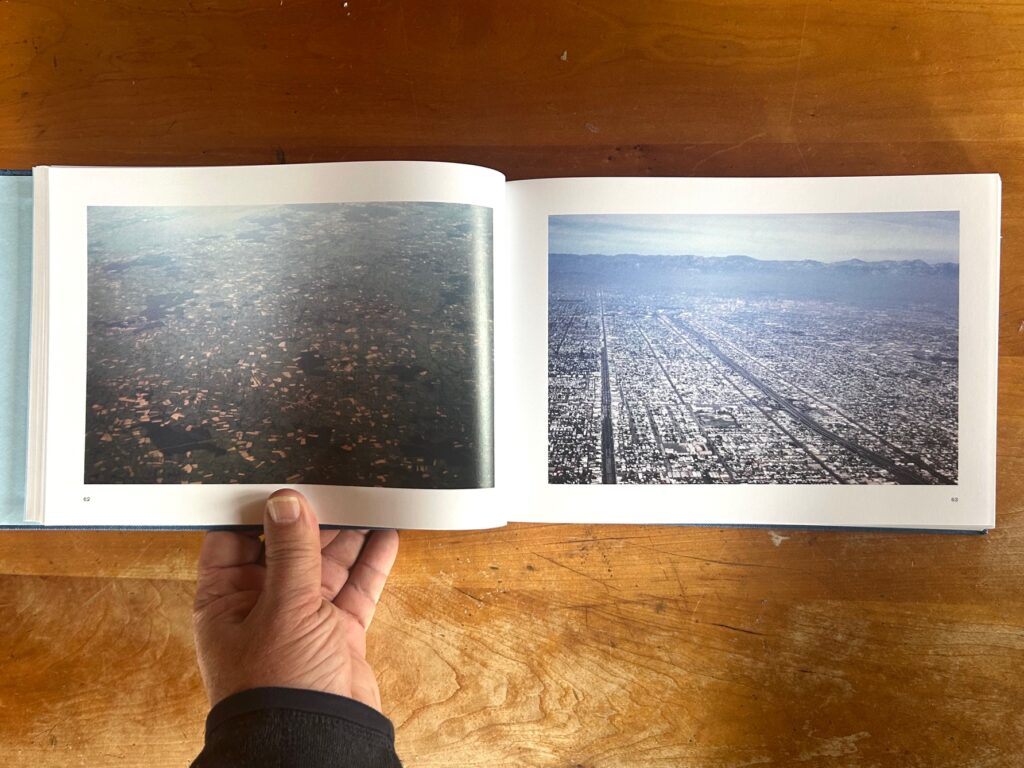
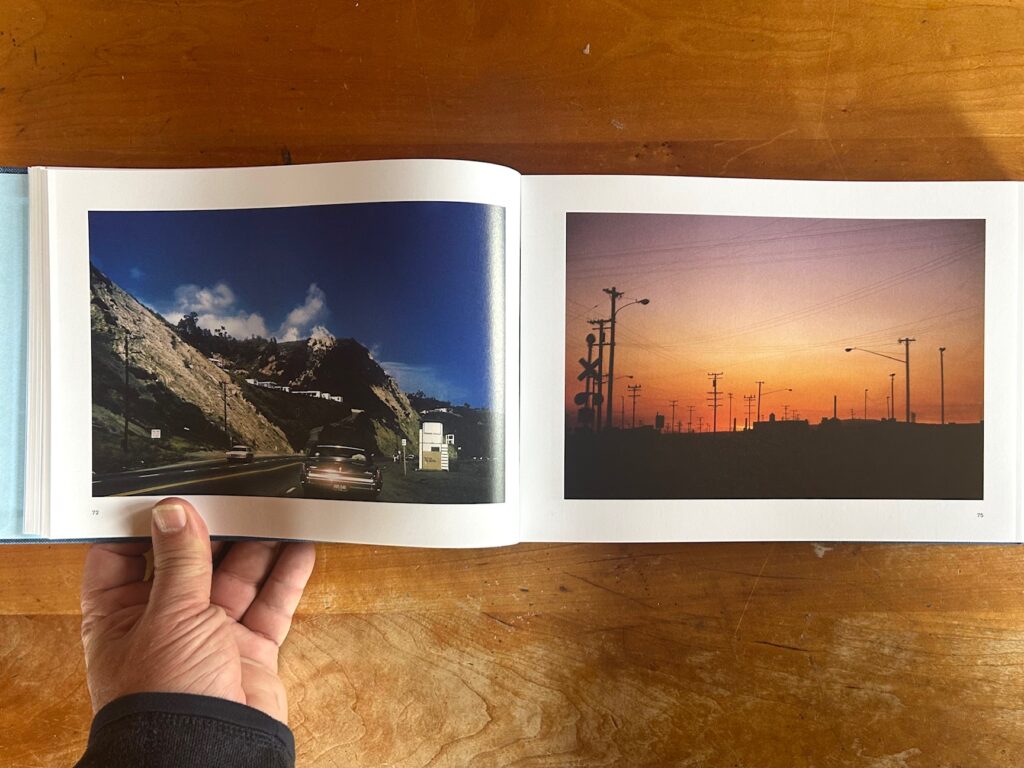
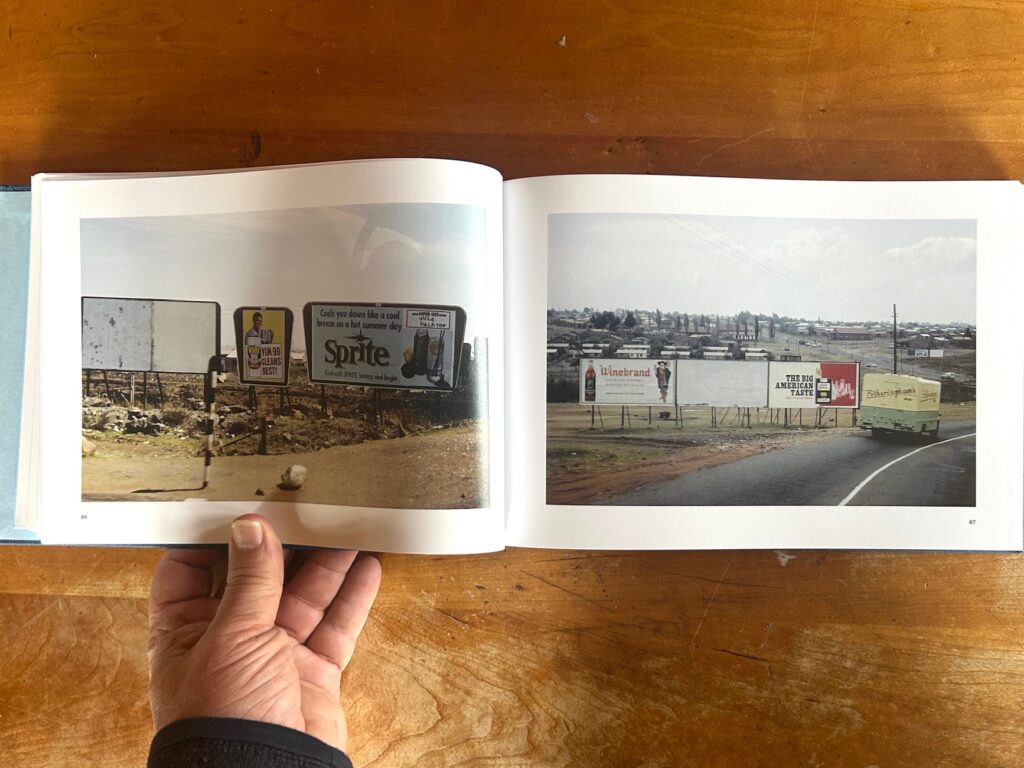
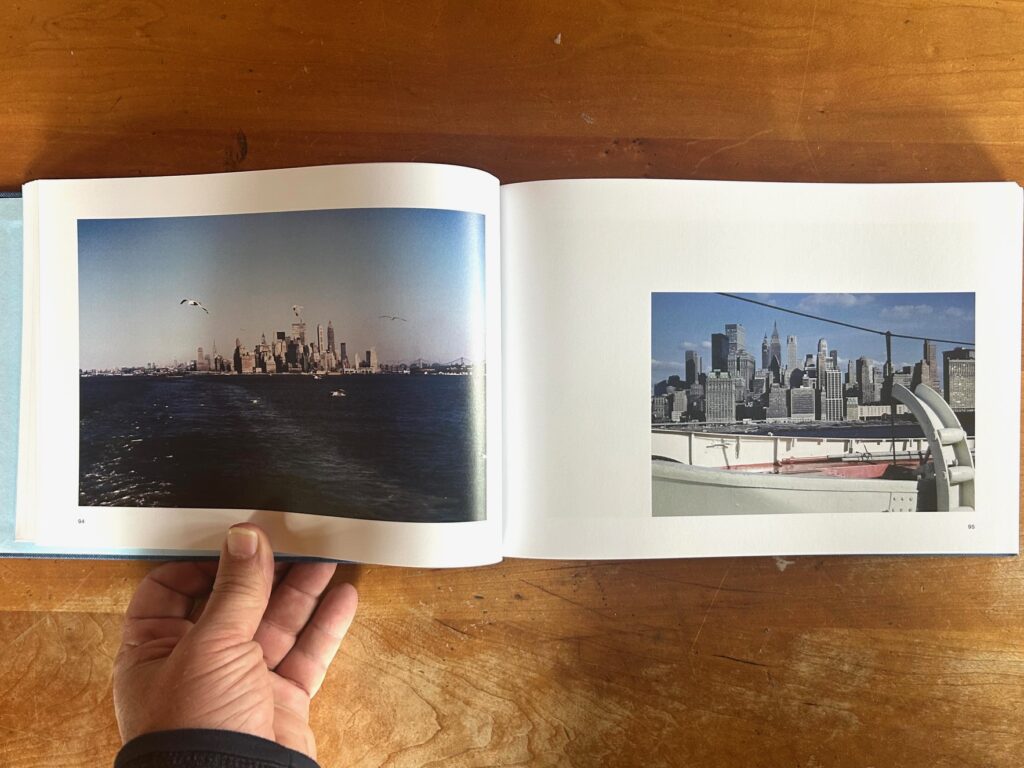
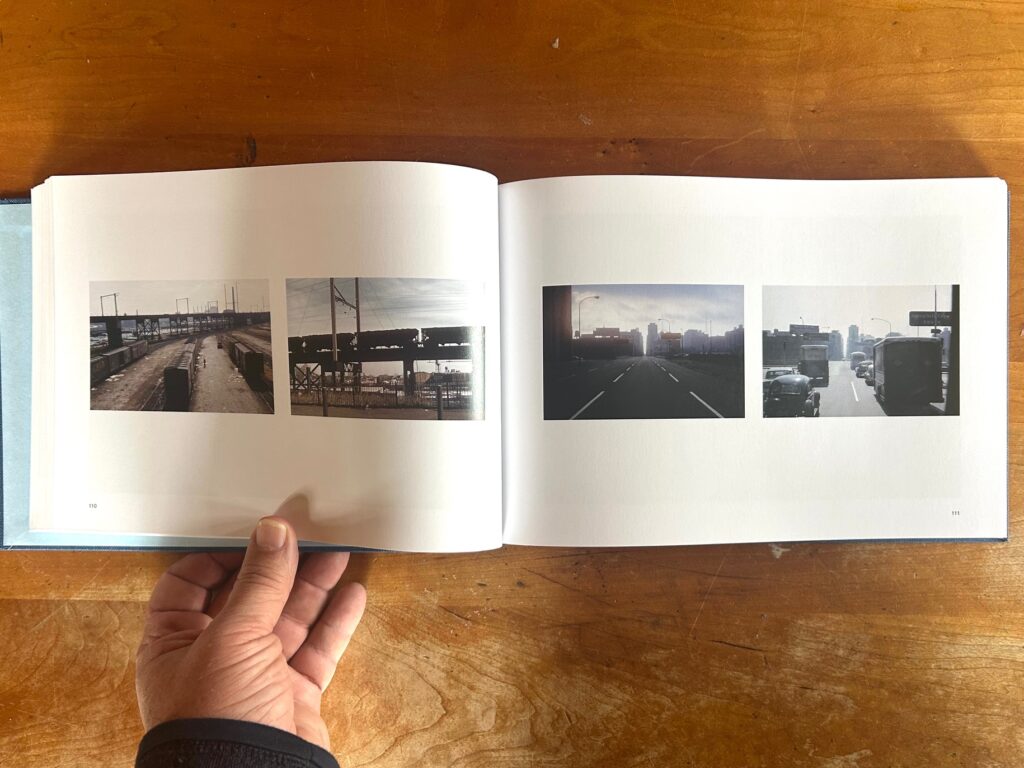
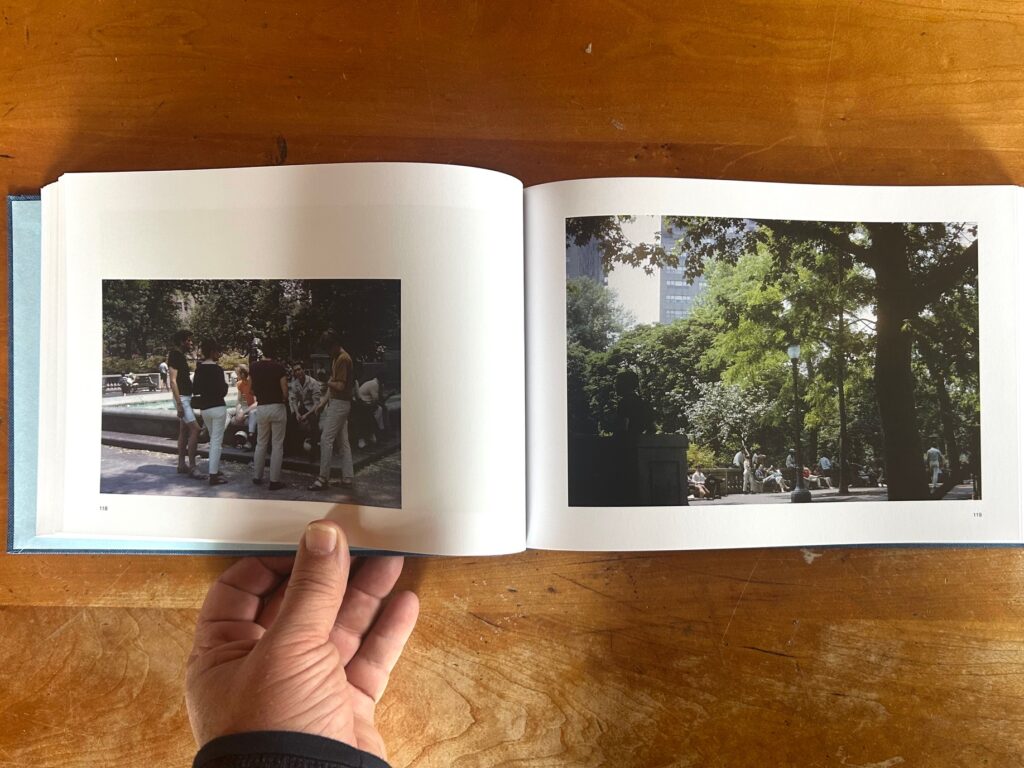
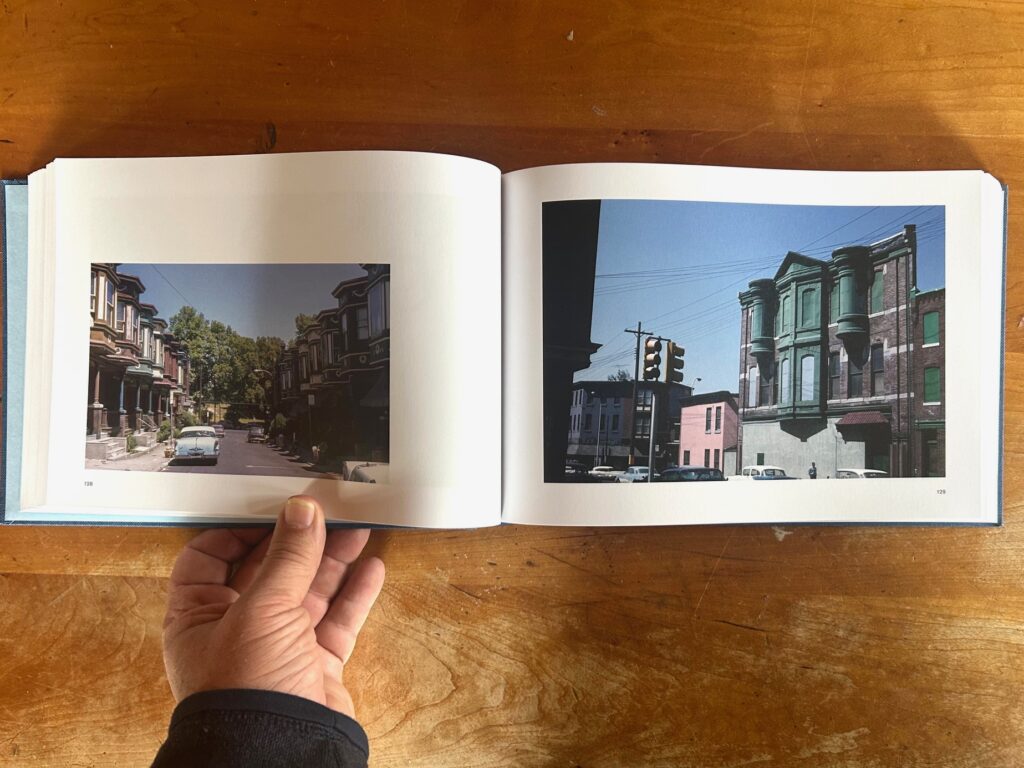
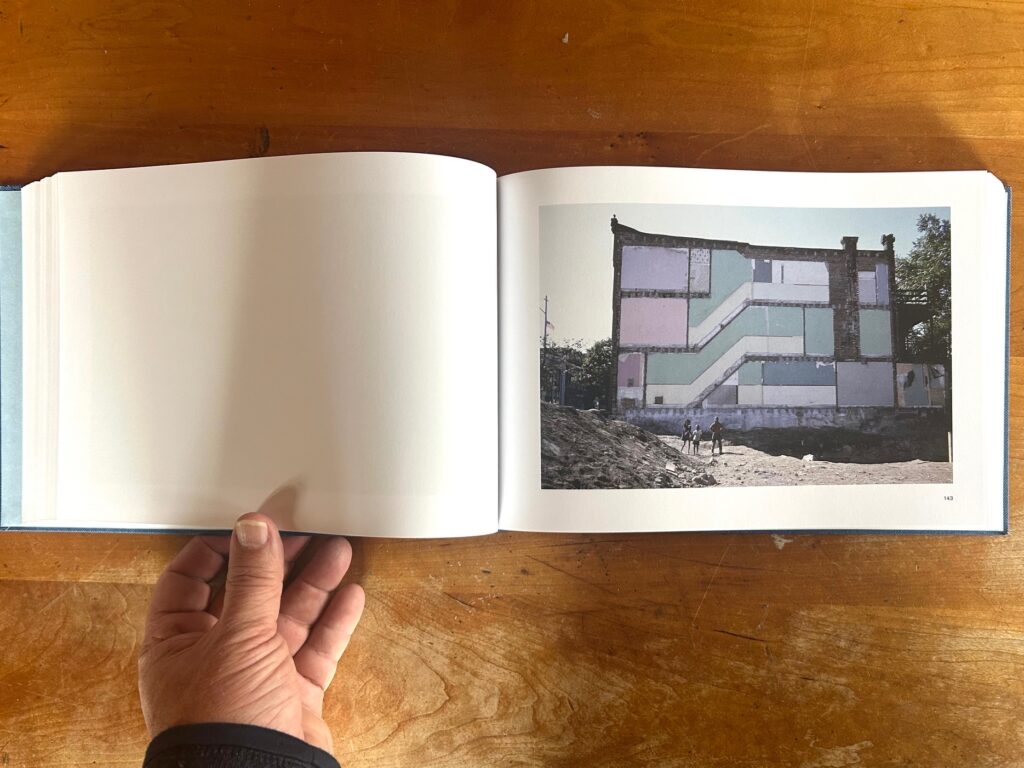
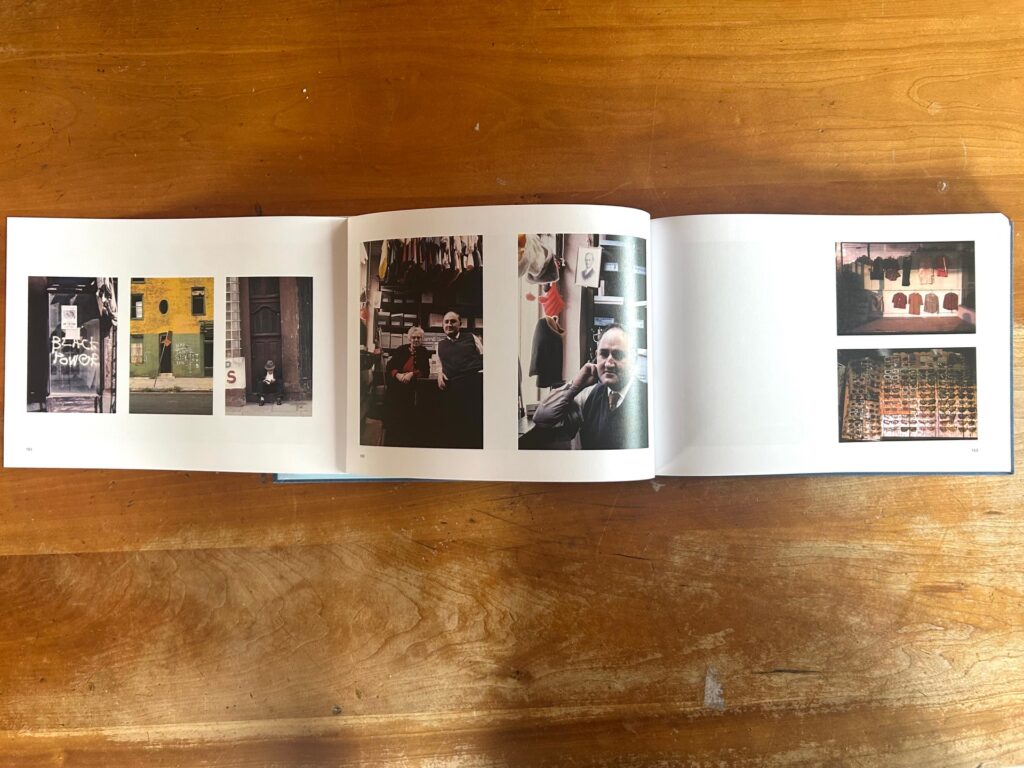
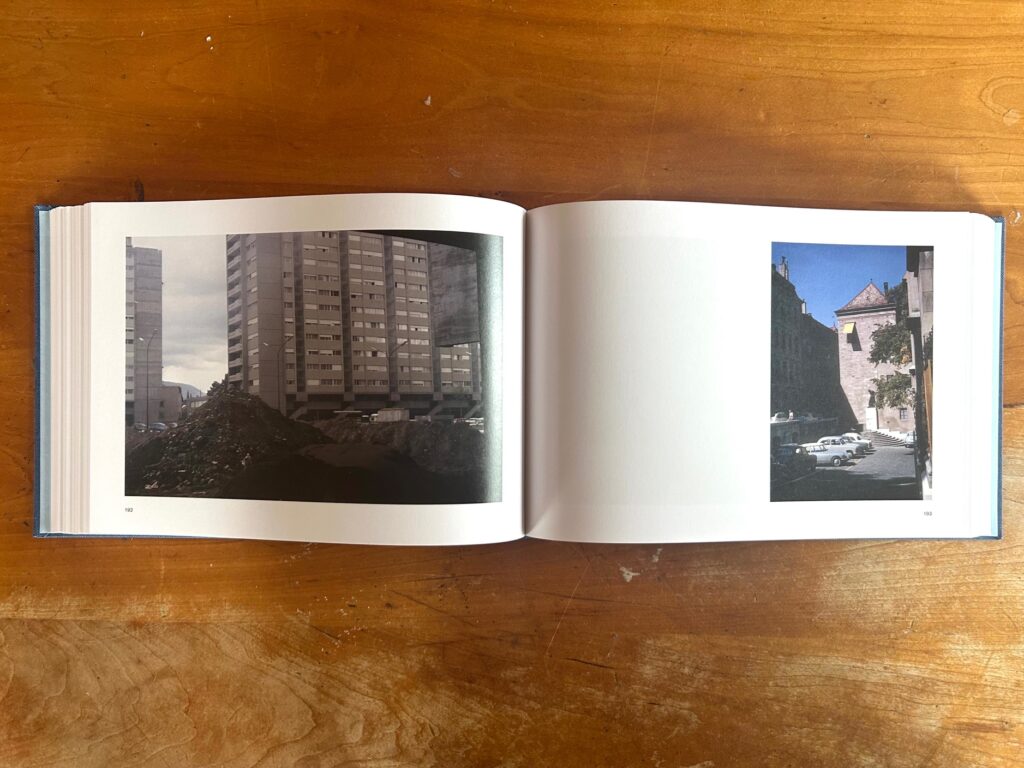
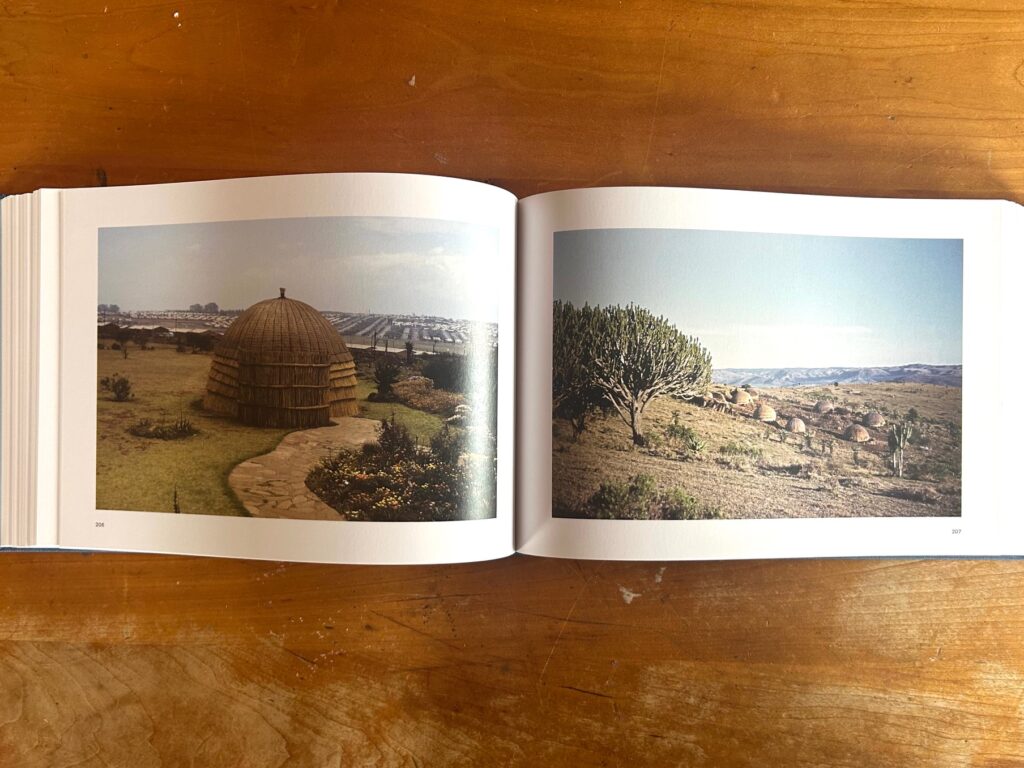
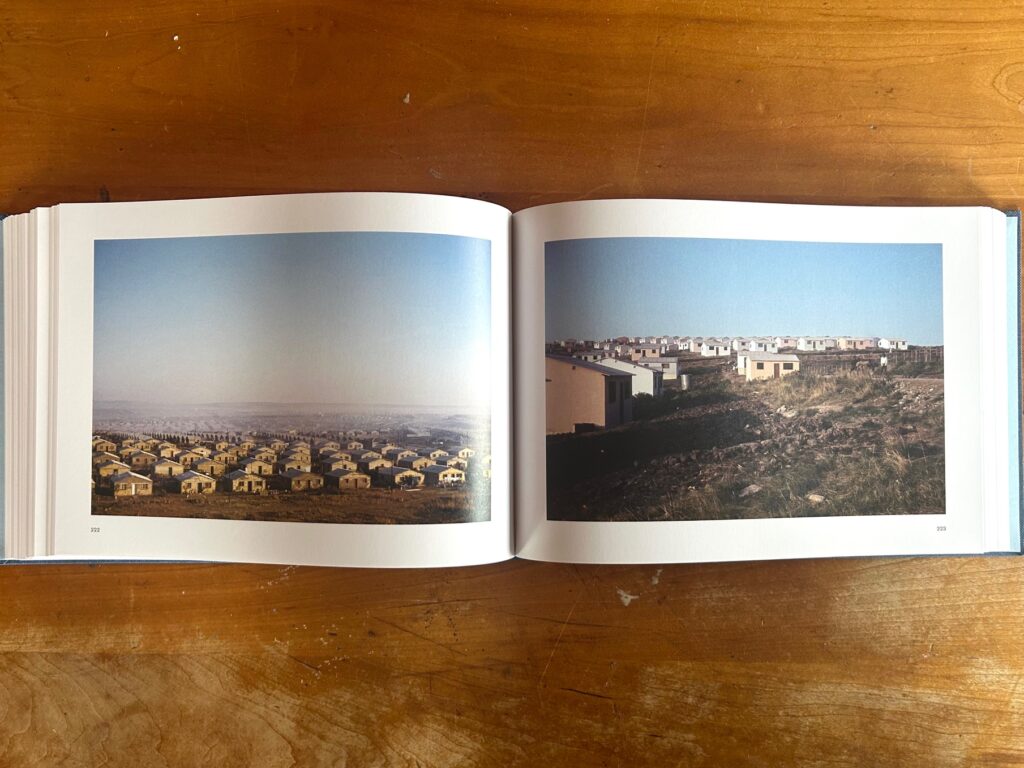
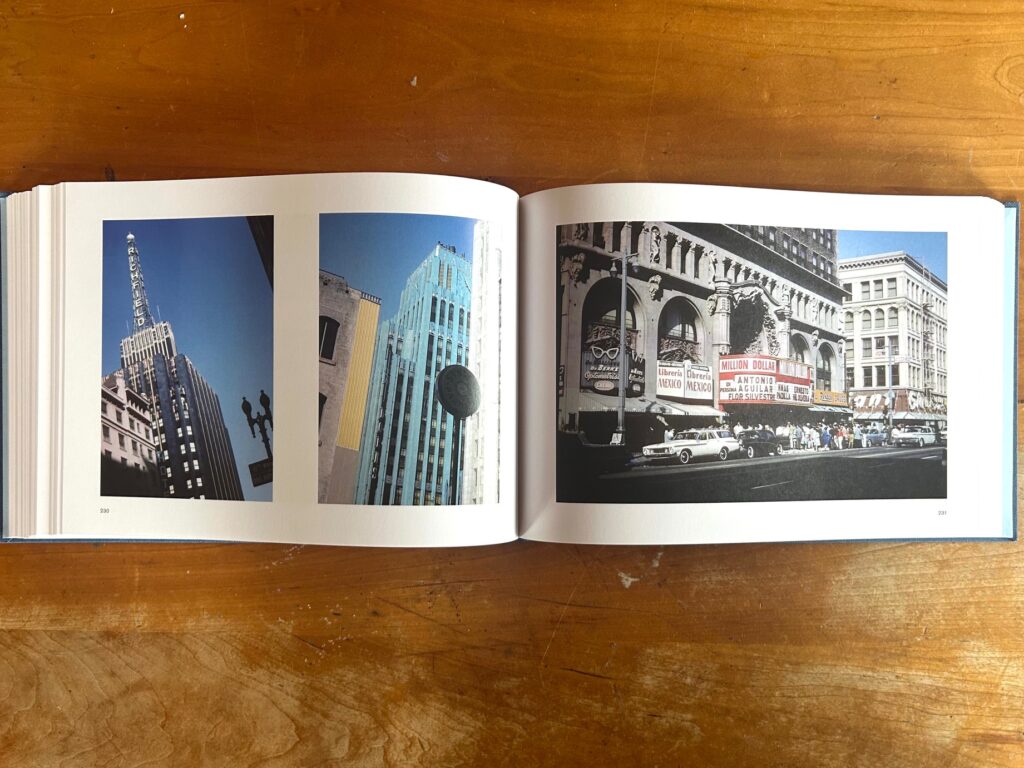
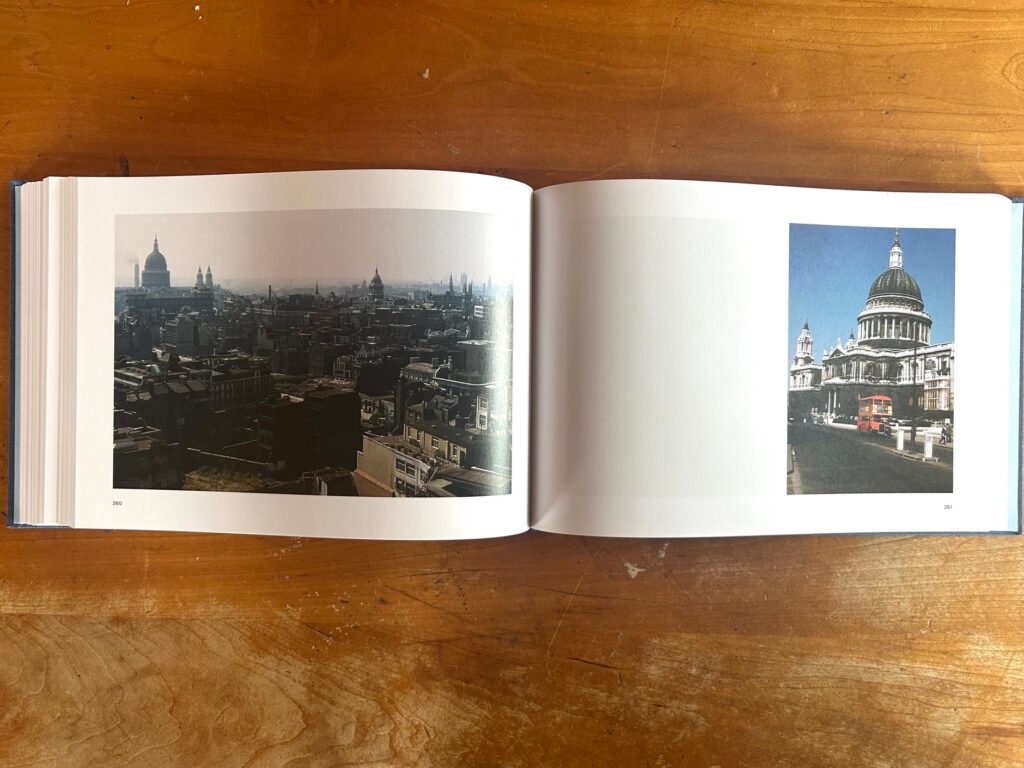
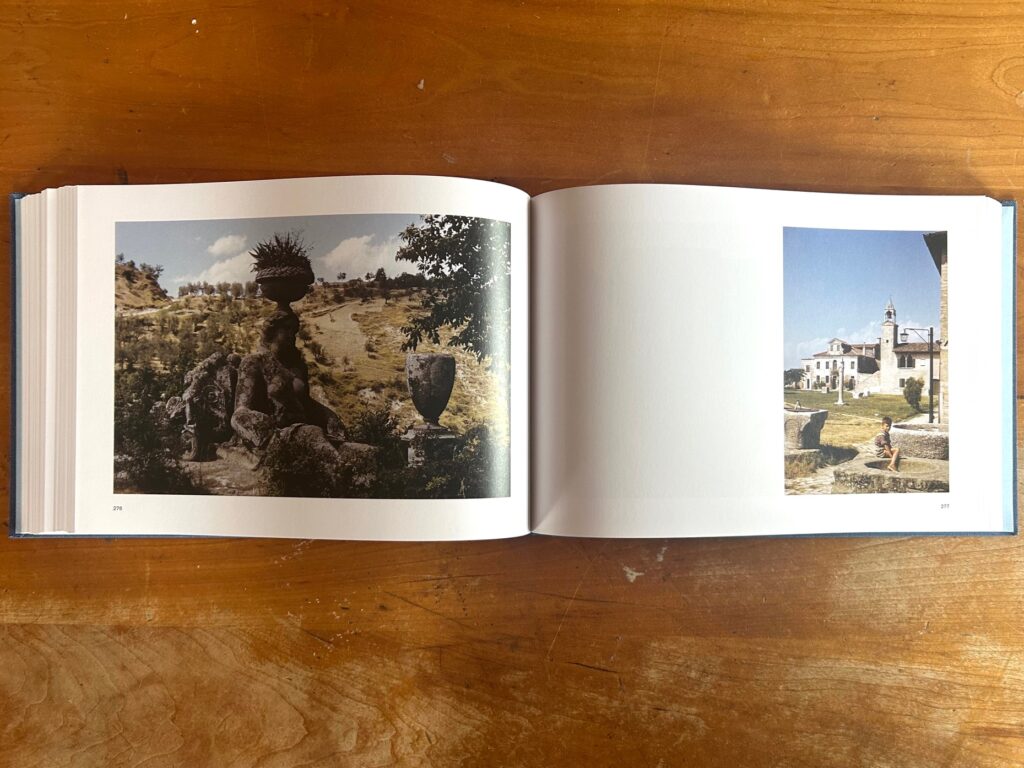
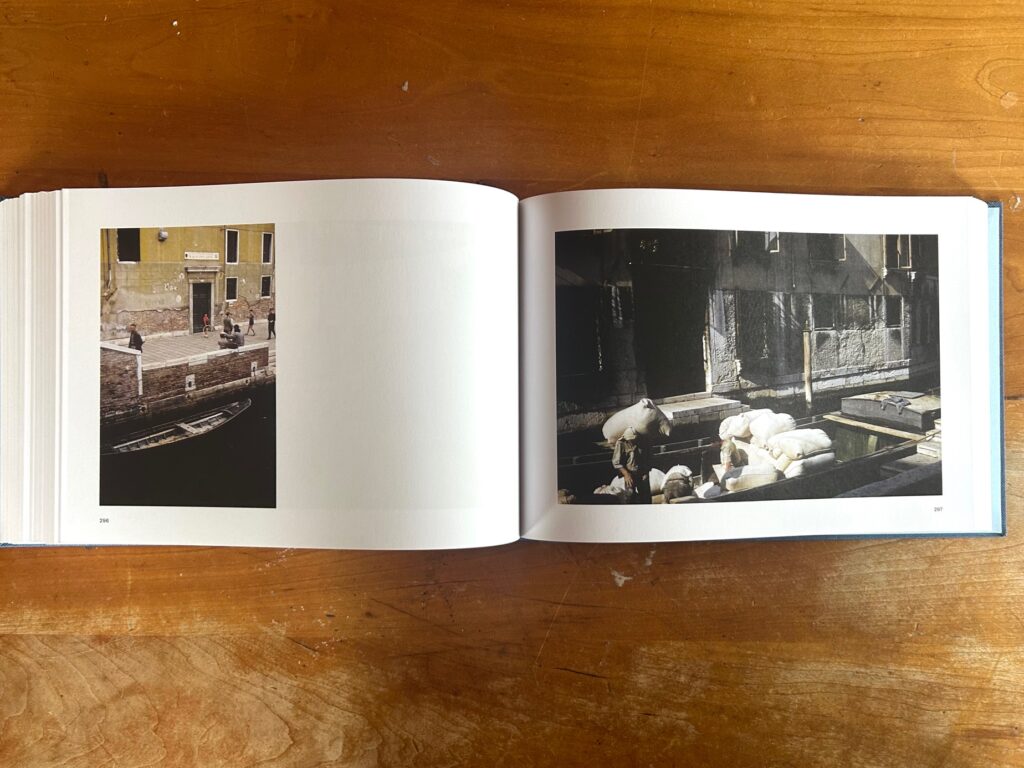
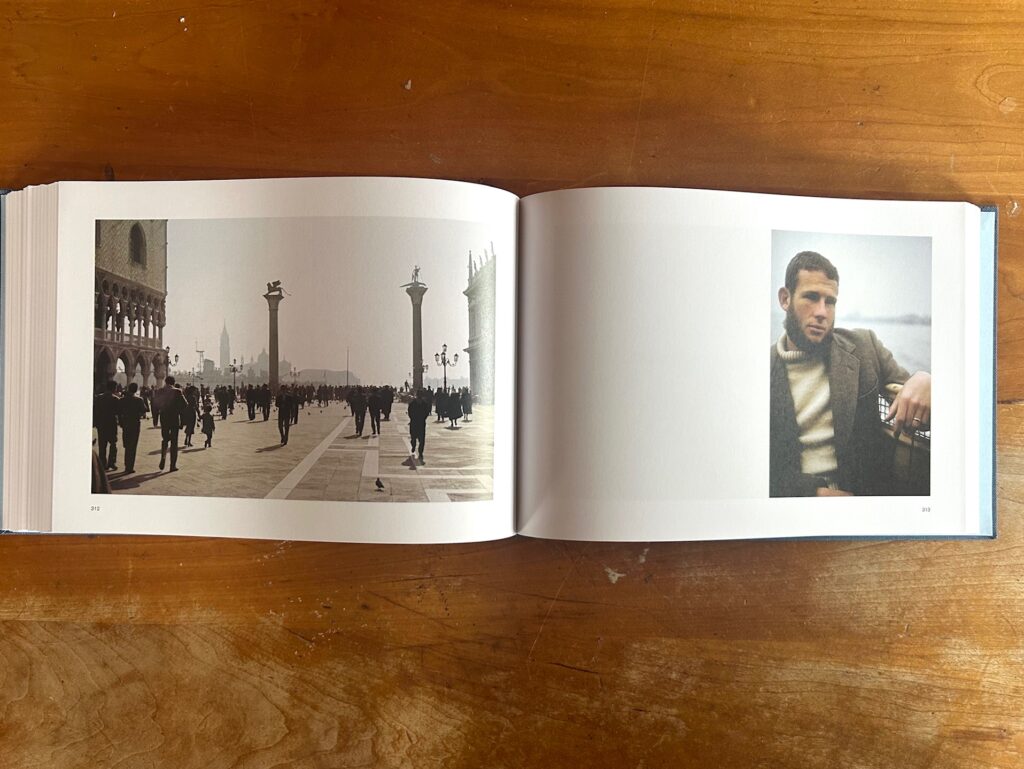

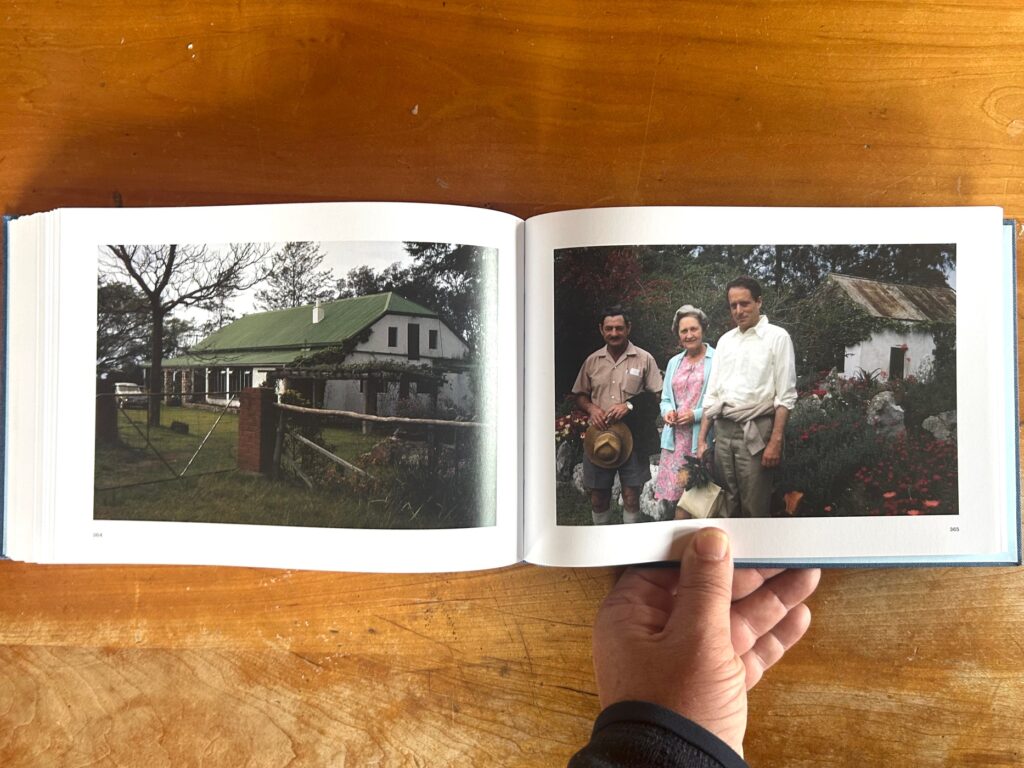
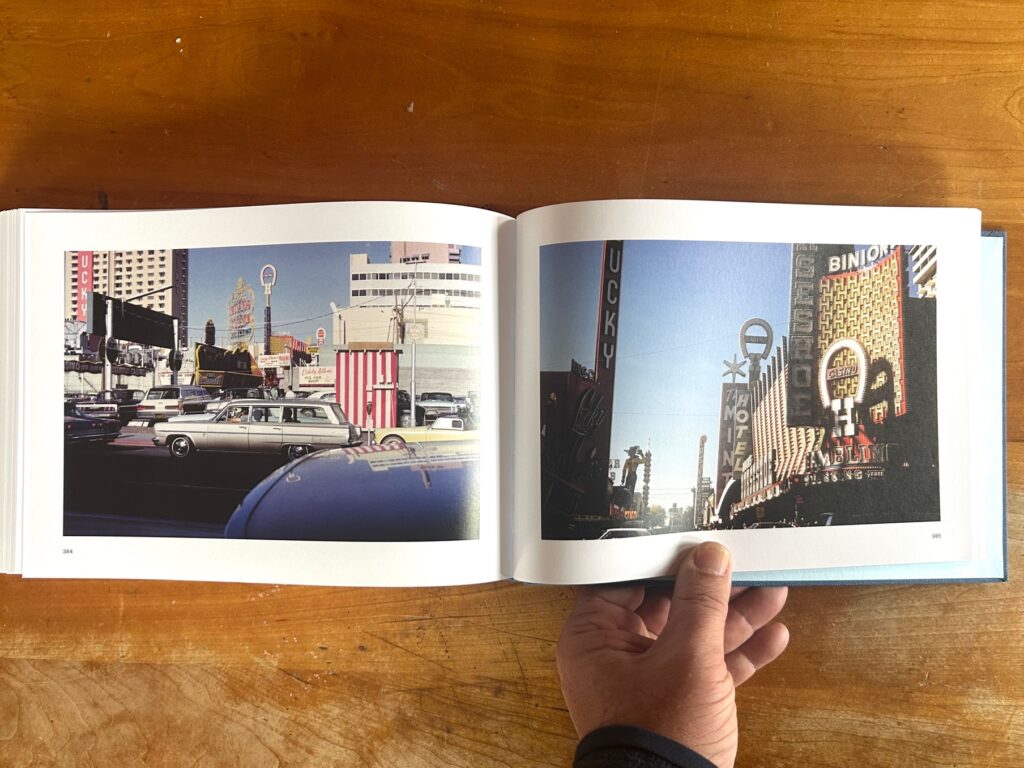
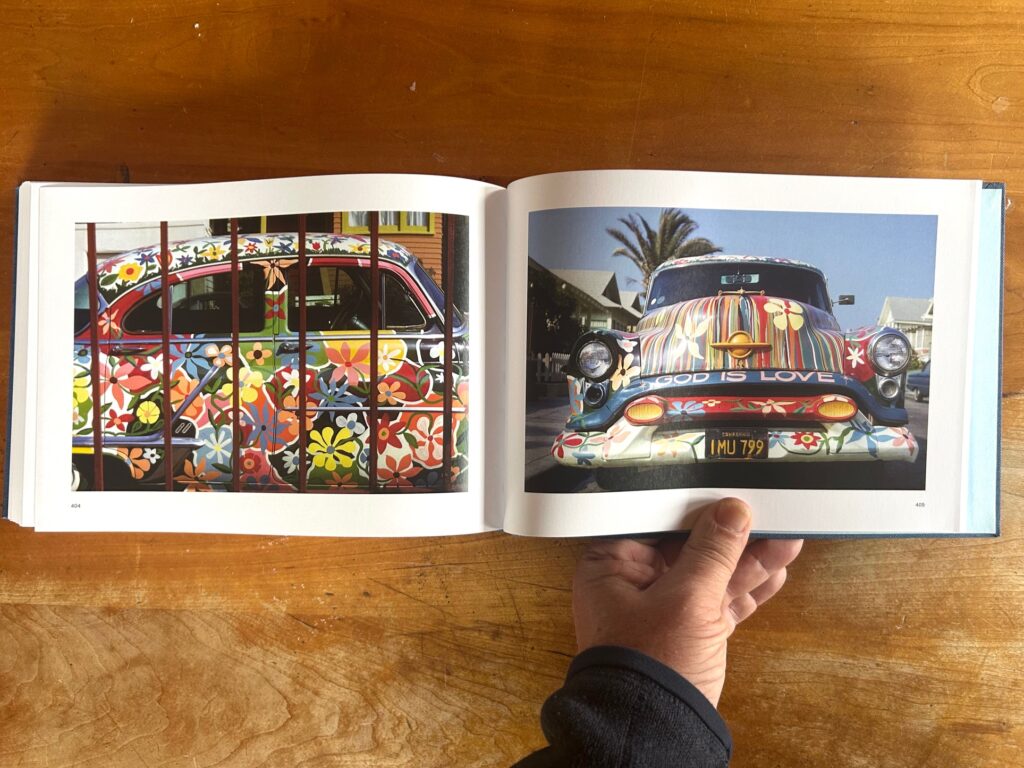
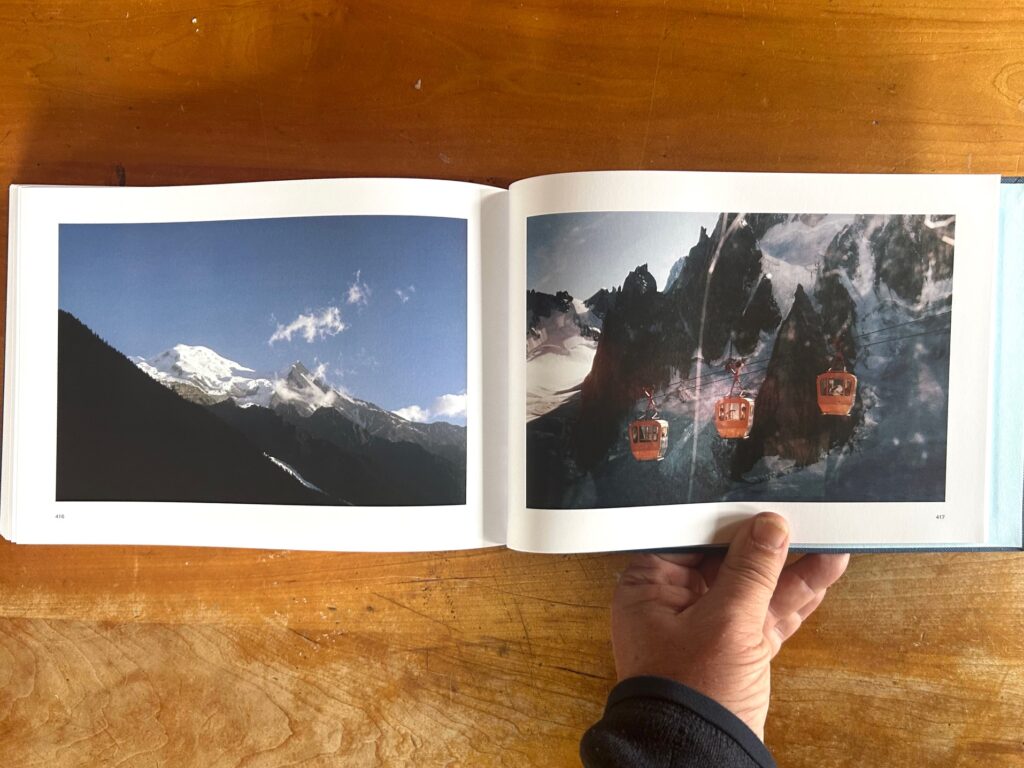
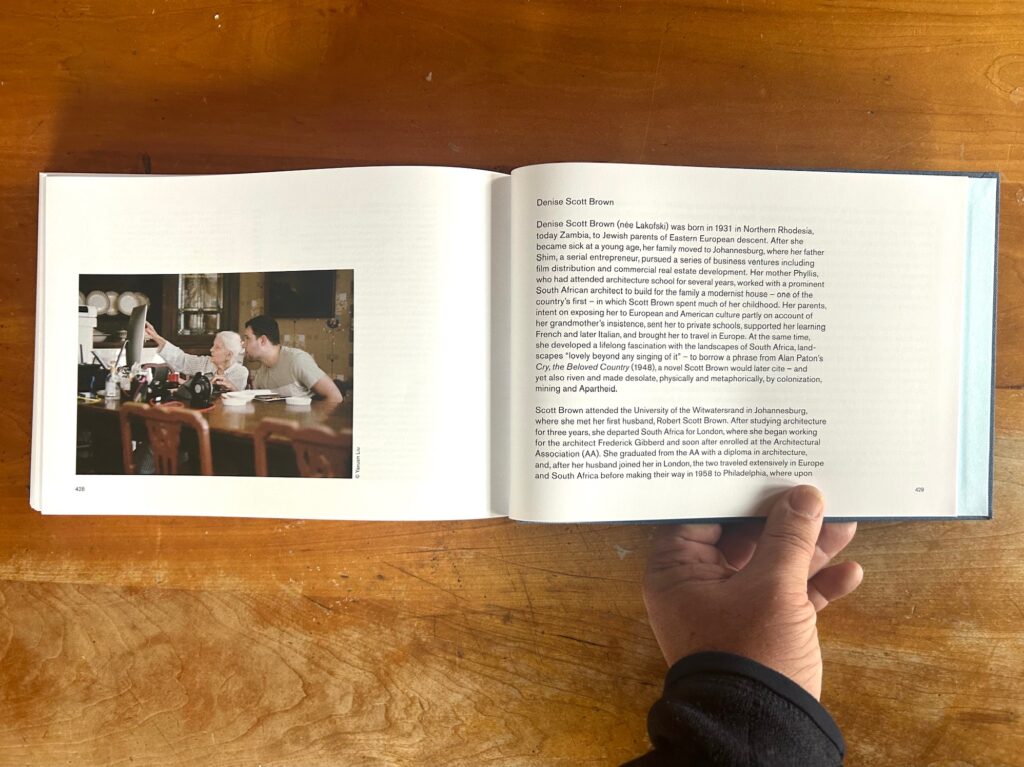
Comments/Context: At first glance, Denise Scott Brown (née Denise Lakofski) might seem like an unlikely candidate to author a mammoth book of photography. She has no training in the field, no CV or collector base, and no particular artistic inclinations. But she has been an avid shutterbug at least since the age of 26, when she purchased a small Alpa camera in a Johannesburg shop and began using it to document her surroundings. That was in 1957, and Brown has exposed tens of thousands of pictures in the seven decades since. Most can be categorized as informal snapshots and vernacular recordings. Her style is prosaic and factual, geared more around aim-and-click than aesthetic preciousness. “I’m not a photographer,” she says. “I shoot for architecture – if there’s art here it’s a byproduct.”
This last sentence provides an entree to Brown’s creative process and philosophy. For it is architecture, not photography, which forms the central thread in Denise Scott Brown’s career. She is internationally respected as an urban planner, designer, teacher, and theorist. Her list of achievements is too long to itemize here. It includes a National Medal of Arts, the Jane Drew Prize, the AIA Gold Meal, the Soane Medal, (but not the Pritzker—that’s another can of worms), and numerous academic posts, papers, and crit groups. Her various assignments and positions have taken Brown from her native South Africa to London, Boston, California, and Philadelphia. That’s where she now resides in a stately Art Nouveau home, still actively engaged in the scene at age 93.
Among Brown’s best known projects is the landmark study Learning From Las Vegas, co-authored in 1972 with Steven Izenour and Robert Venturi. In a rebuke to the modernist movement which dominated architectural thought at the time, Learning From Las Vegas took Sin City at face value, touting its crass buildings, billboards, auto-friendly sprawl, and so-called “decorated sheds” as valid forms worth studying and even emulating. In an academic world which esteemed steel and glass towers reaching for the heavens, Learning From Las Vegas landed like a ton of gold bricks. It pointed a finger sideways instead of skyward, highlighting street level gas stations, neon advertisements, and urban pastiche. The book caused a split in the urban studies community, and eventually paved the way for postmodernism.
Brown contributed numerous photographs to Learning From Las Vegas. They served the book as visual aides to illustrate its theoretical tenets. Photographs have played a similar role in Brown’s classes and lectures through the years. She has routinely employed her own pictures to help express architectural concepts. In a sense her pictures have been fingers pointing sideways, intended to direct an audience’s attention to symbols or ornamentation which they might otherwise overlook. They’ve operated as signifiers, not unlike neon lights or convention marquees.
Functionary role aside, Brown may have secretly harbored higher aspirations for her photographs. For a long while she compiled favorites into a prospective manuscript under the working title Wayward Eye: Photographs 1950-1970. That book never reached fruition, but she still honed her photo archive. In 2018, her efforts were rewarded with the exhibition Denise Scott Brown, Photographs, 1956 -1966 at Carriage Trade in New York (here, briefly noted in our Daybook here, with an exhibition catalog available here). The show cast Brown’s photos as culturally prescient. “Denise Scott Brown’s photographs from the 1950’s and 60’s seem to have anticipated the explosion of visual culture within urban settings,” touted the press release.
The Carriage Trade exhibition did foreshadow future events, but in a slightly different way. It proved to be the initial impetus toward Brown’s first photographic monograph, published in September by Lars Müller. Edited by Izzy Kornblatt and drawn from Brown’s archives at the University of Pennsylvania, Encounters packs a Vegas-sized wallop. It contains almost 400 color photographs from the 1950s and 1960s (beginning around the time she bought the Alpa and ending abruptly in 1970) packed into a squat book almost two inches thick.
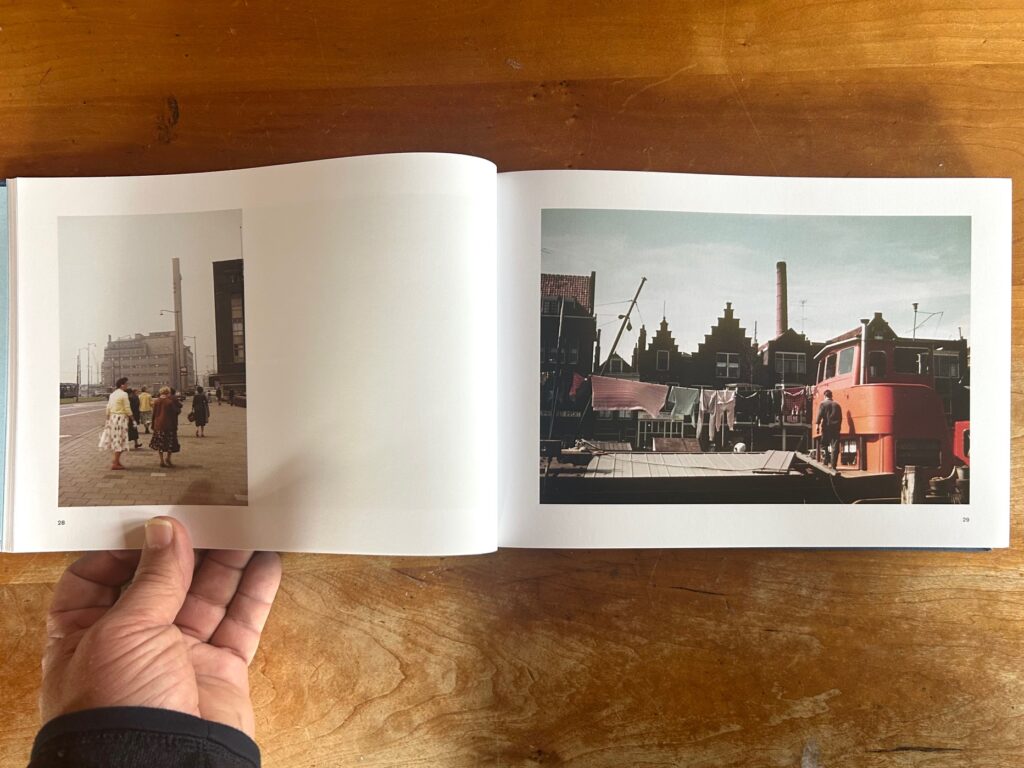
The pictures come fast and furious, a handful in every spread, all undergirded with the insistent curiosity of a dedicated observer. Brown seemed to have her Alpa always on hand. The resulting flurry came in scattershot fashion. Some photos are shot through car windshields or plane windows, others capture friends relaxing (including her late husbands Robert Scott Brown and Robert Venturi), others show kids playing in the street. The pictures are not clever or precious. If encountered individually in a family scrapbook, most could pass for vacation snaps or quick tourist impressions. Yet compiled collectively as a long term project, they manifest a quiet wisdom. Brown has long been a keen witness of the human-built environment, her trigger-finger has been busy, and she has split the difference between historical record and personal memoir.
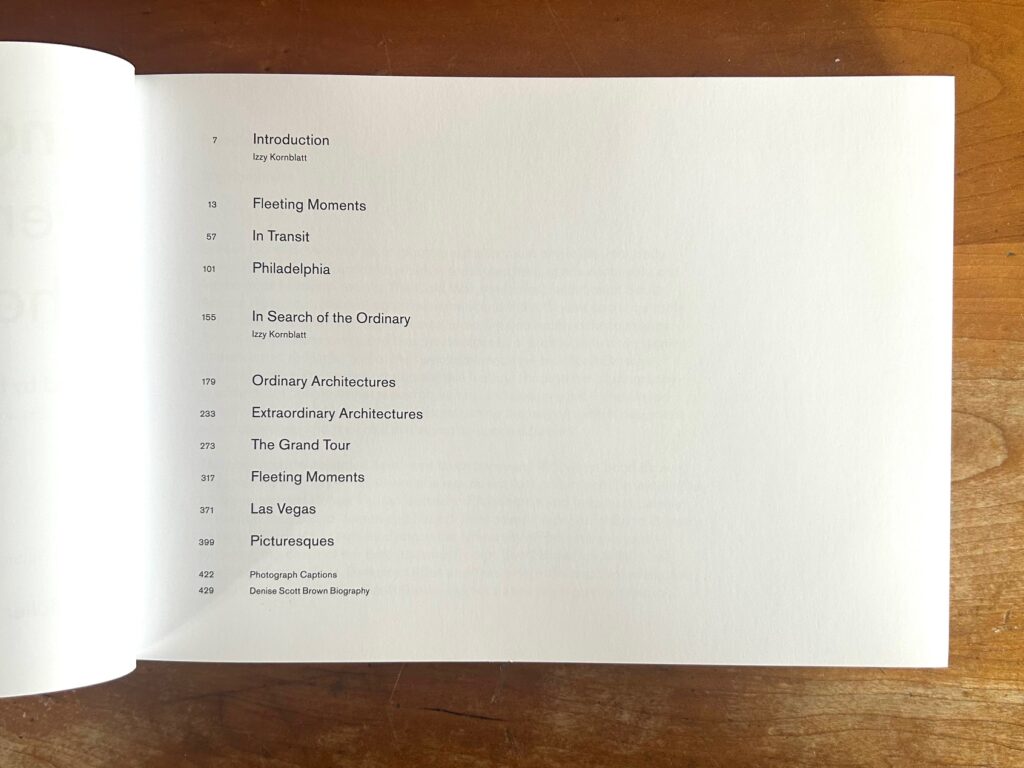
Chapter headings provide structure for her fecundity. There are groupings on “Fleeting Moments” “Transit”, and location-based sections such as “Philadelphia”, “Las Vegas”, and “The Grand Tour” (Europe). A section of “Picturesques” proposes to isolate Brown’s more aesthetically organized images, albeit without total success (quiet gems find their way into every chapter). As one might expect, there are series devoted to planning/infrastructure, for example one each on “Ordinary Architectures” and “Extraordinary Architectures”. In the former we see photos of apartment buildings, utility towers, oil pump jacks, and fast food restaurants, while the latter chapter shows structures like Watts Towers, the Gamble House, and St. Paul’s Cathedral.
These various structures were vastly different in ambition, utility, and heritage. But Brown viewed them all with patient equanimity, while her camera neutralized the spectacular. This disarming quality is a charming aspect of her style, and the through line which knits the book’s disparate subject matter. Dramatic overviews of Manhattan or St. Mark’s Plaza were merely passing fodder for Brown, no more noteworthy than pedestrians sharing lunch on a park bench or shipping cranes lining a port dock. When Brown and Venturi described “‘ugly and ordinary’ buildings and argued that their very mundaneness was all the more reason for designers to pay attention,” they were writing about bygone Las Vegas. But the same description might apply to Brown’s photographs. She had her ducks in a row, as she engaged with one decorated shed after another. Put a frame around the scene, translate to 2D film, and call it good.
Brown joins a minor tradition of amateur photographers brought into the fold of collectible fine art. Recent books by Corita Kent (reviewed here), Andre Cadere (reviewed here) and Zun Lee & Sophie Hackett (reviewed here) have mined amateur photo archives with interesting results. Omar Victor Diop interjected himself into anonymous snapshots collected by Lee Shulman (reviewed here), while Doug Rickard famously excised his own presence and expertise from his vicarious photographs (reviewed here).
These predecessors have attempted to bypass professional virtuosity and tap the overlooked potential of humdrum recordings. Why cast a porcelain sculpture when a urinal is right at hand? Indeed, one of photography’s gifts is that it blurs the boundaries between high and low art. Any amateur can potentially shoot a masterpiece. And any professional can potentially shoot a dud (in fact it is a routine component of any photographer’s practice).
Denise Scott Brown isn’t the first to curate her snapshots into a nicely produced monograph. But Encounters seems to reflect her professional philosophy in a way that belongs to her. In Brown’s architectural practice and teachings, she valued the mundane and questioned the monumental. As Kornblatt writes, “Brown argued that the study of the ordinary produced a more relevant knowledge than that otherwise available.” Now that we have a large sampling of her pictures, we see this approach dovetailing naturally with her photography. Her pictures are routine, systematic, and unflashy, sustained with a self-contained logic, and existing independent of grand theories. If Brown’s pictures were buildings, they might be a gas station on the Vegas strip or a bridge over the Delaware River. Perfunctory, captivating, and worth a moment of attention.
Collector’s POV: Outside of her architectural practice, Denise Scott Brown’s photographs have not to date had a consistent art world presence. As a result, interested collectors should likely follow up directly with the artist’s archive website (linked in the sidebar) for potential connections.