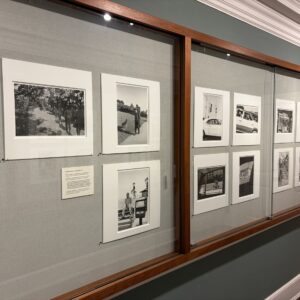
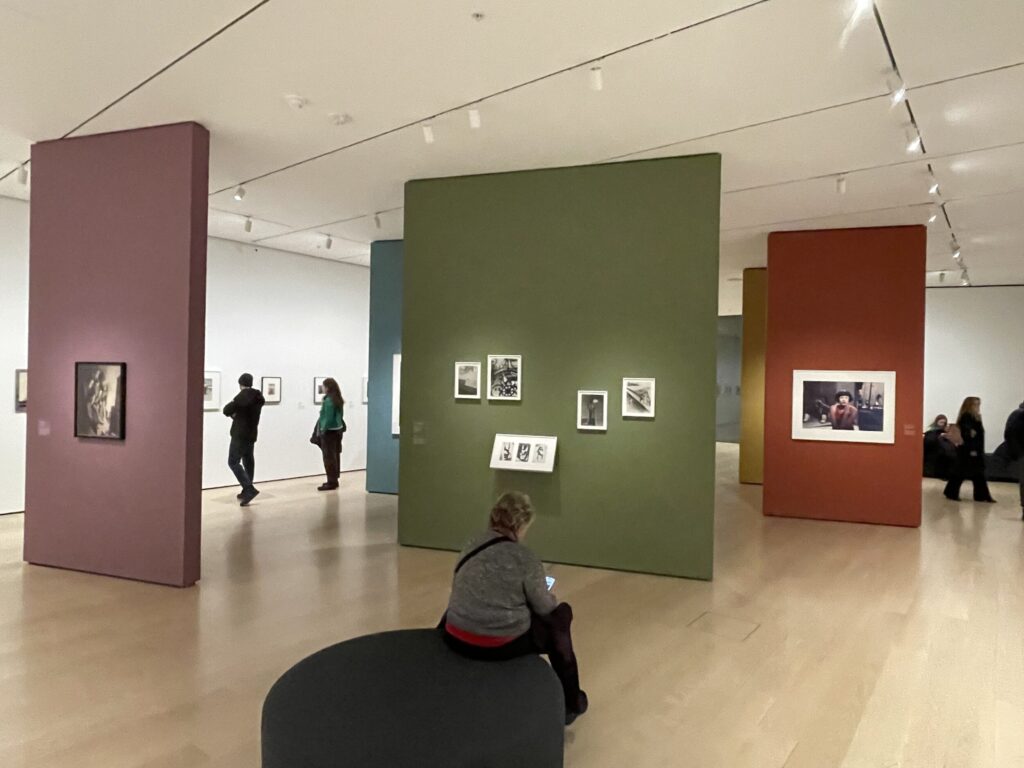
JTF (just the facts): A total of 53 photographic works drawn from a permanent collection donation made in 2019 by Robert Greenhill in memory of his wife Gayle Greenhill, hung against white walls and painted dividers in room 516 of the museum’s permanent collection galleries. The show was organized by Lucy Gallun, with assistance from Samuel Allen and Kaitlin Booher. (Installation shots below.)
The following works are included in the show:
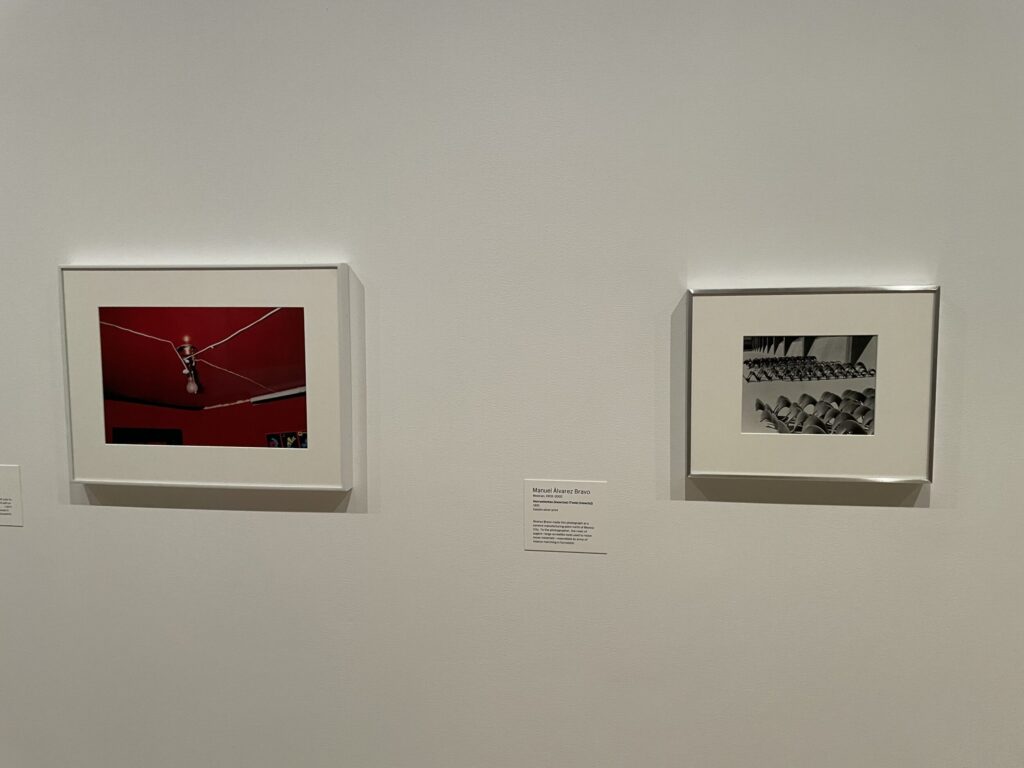
- Manuel Álvarez Bravo: 1 gelatin silver print, 1931
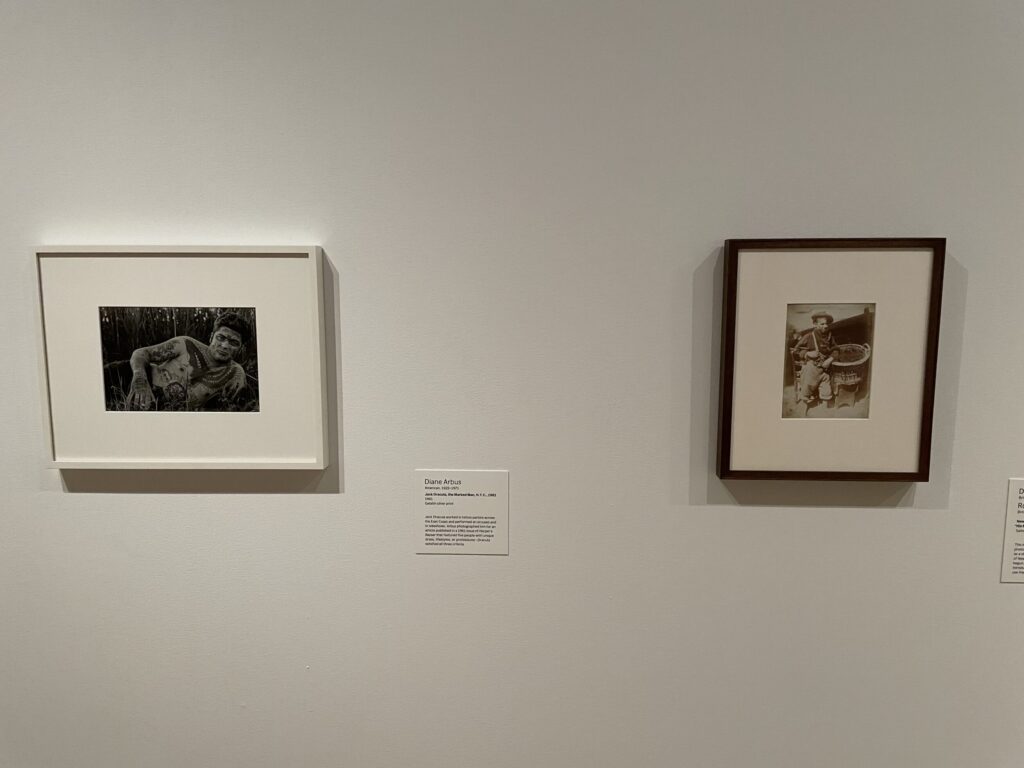
- Diane Arbus: 1 gelatin silver print, 1961
- Karl Blossfeldt: 3 gelatin silver prints, 1898-1932
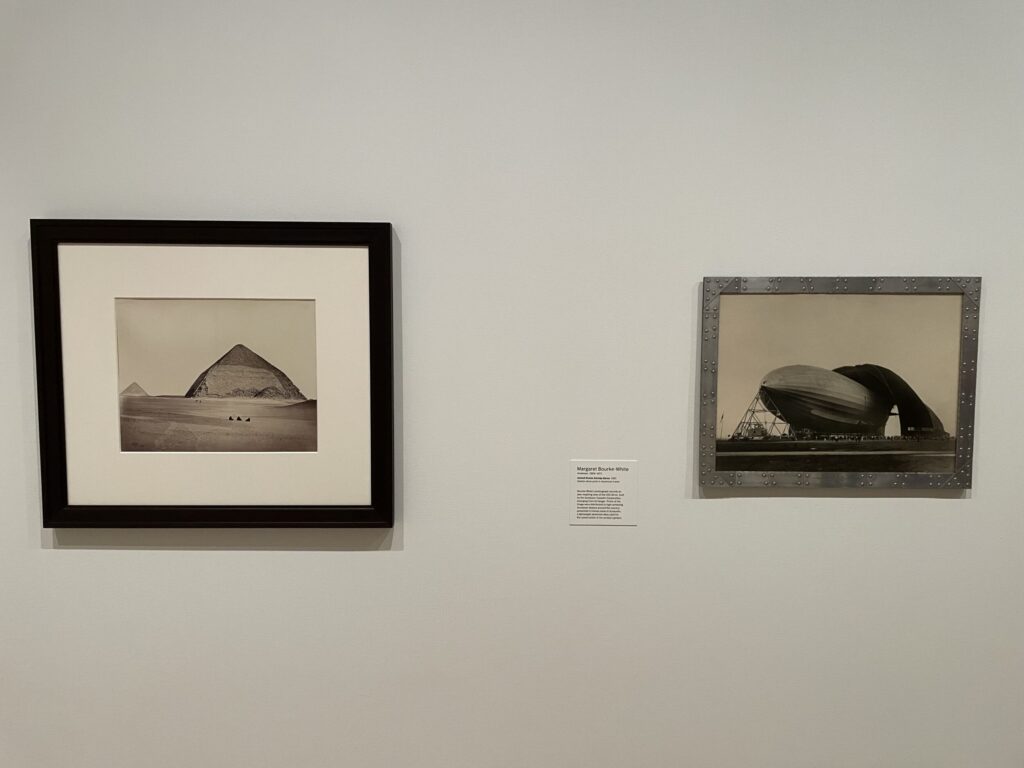
- Margaret Bourke-White: 1 gelatin silver print, 1931
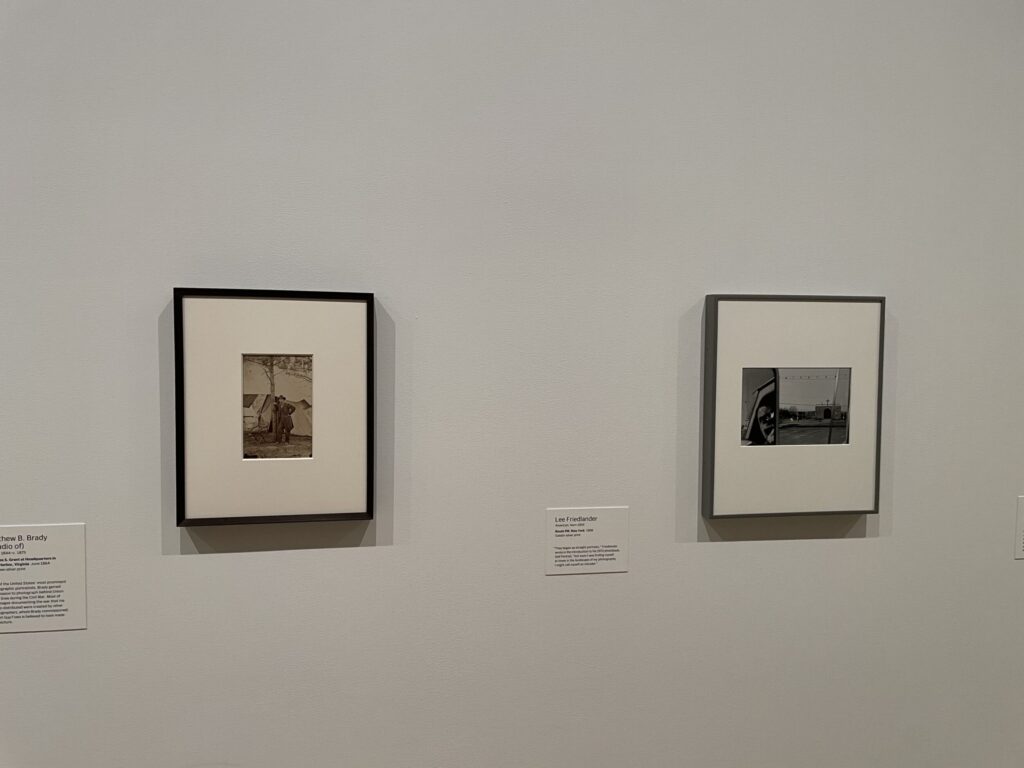
- Mathew B. Brady (studio of): 1 albumen silver print, 1864
- Harry Callahan: 1 gelatin silver print, 1945
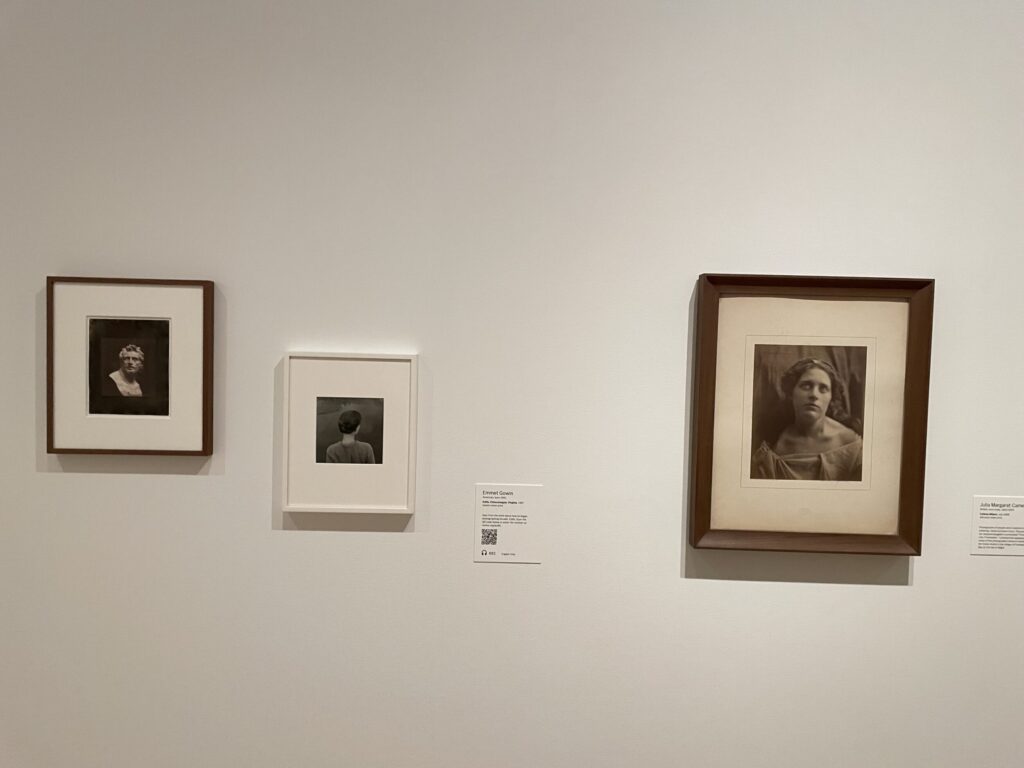
- Julia Margaret Cameron: 1 albumen silver print, 1868
- Imogen Cunningham: 1 gelatin silver print, 1957
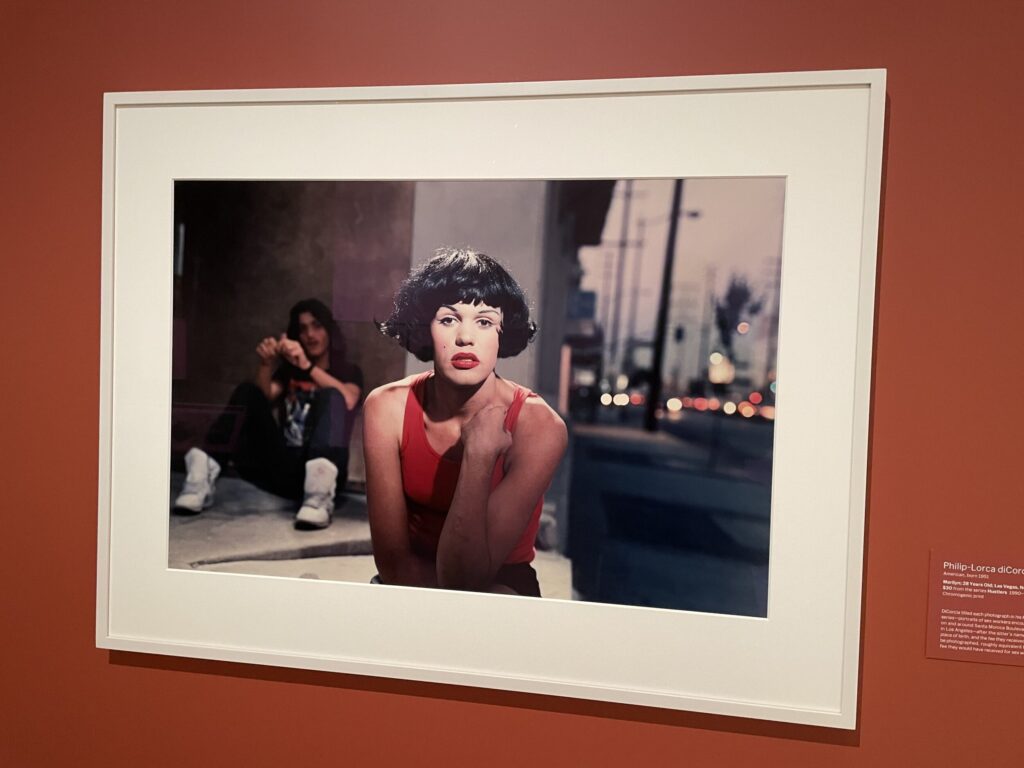
- Philip-Lorca diCorcia: 1 chromogenic print, 1990-1992
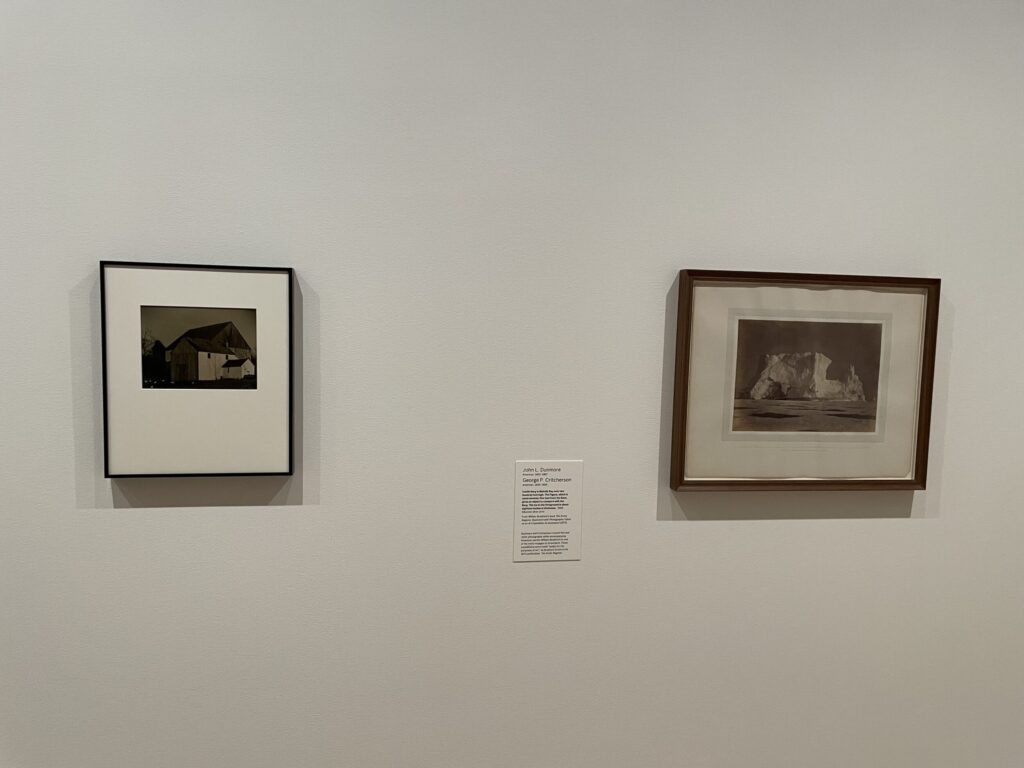
- John L. Dunmore/George P. Critcherson: 1 albumen silver print, 1869
- William Eggleston: 1 dye transfer print, 1973/1980
- Peter Henry Emerson: 1 platinum print, 1886
- Robert Frank: 1 gelatin silver print, 1958
- Lee Friedlander: 1 gelatin silver print, 1969
- Francis Frith: 1 albumen silver print, 1858
- Emmet Gowin: 1 gelatin silver print, 1967/c1990
- Jan Groover: 1 chromogenic print, c1979
- David Octavius Hill and Robert Adamson: 1 salted paper print, 1843-1847
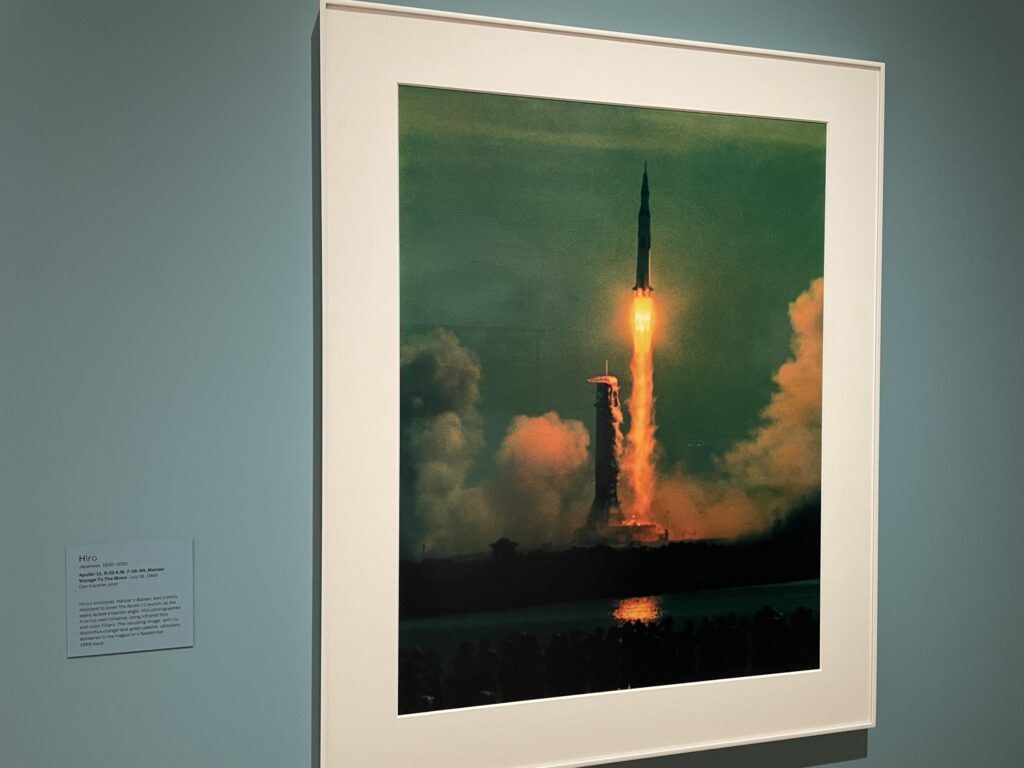
- Hiro: 1 dye transfer print, 1969
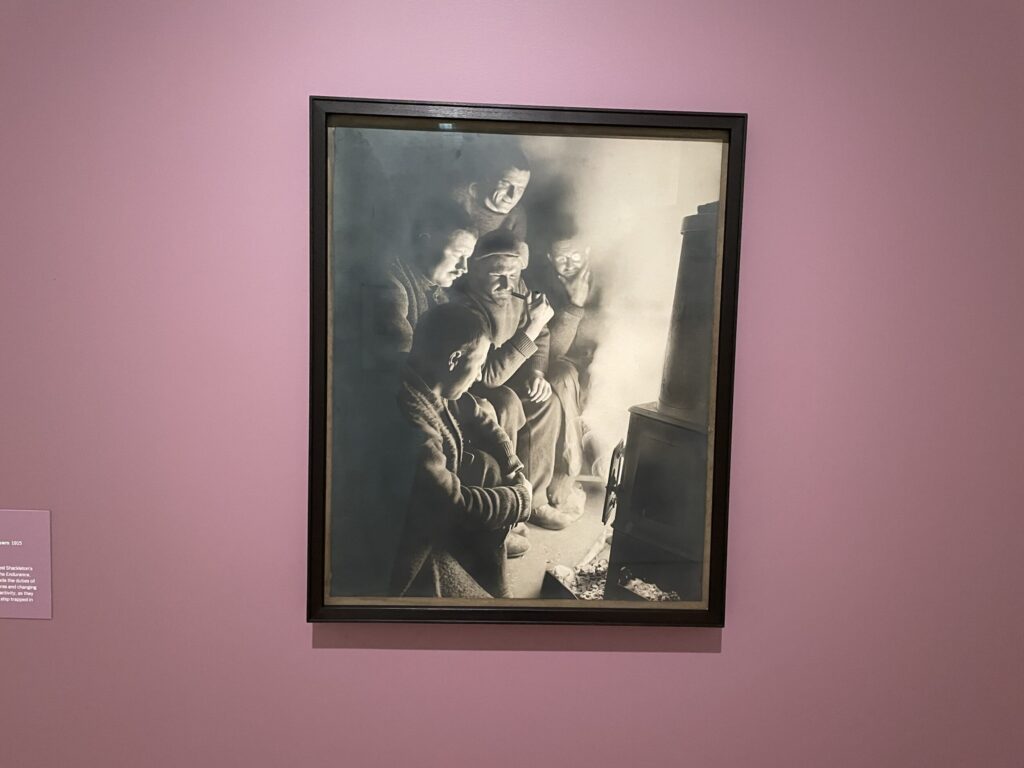
- Frank Hurley: 1 gelatin silver print, 1915
- André Kertész: 1 gelatin silver print, 1926-1927
- Man Ray: 1 gelatin silver print, 1922
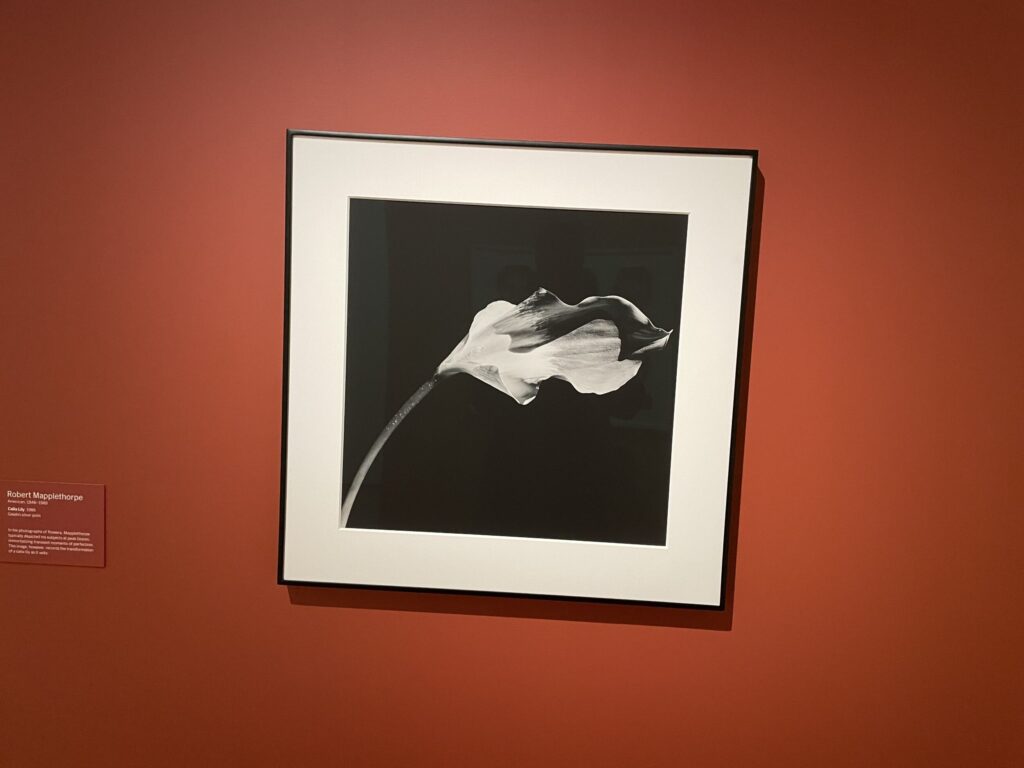
- Robert Mapplethrope: 1 gelatin silver print, 1986
- Duane Michals: 1 set of 6 gelatin silver prints, 1970
- László Moholy-Nagy: 4 gelatin silver prints, 1924, before 1927, c1929, 1929; 1 set of 3 gelatin silver prints, 1925-1930
- Henrietta Augusta Mostyn: 1 salted paper print, c1854
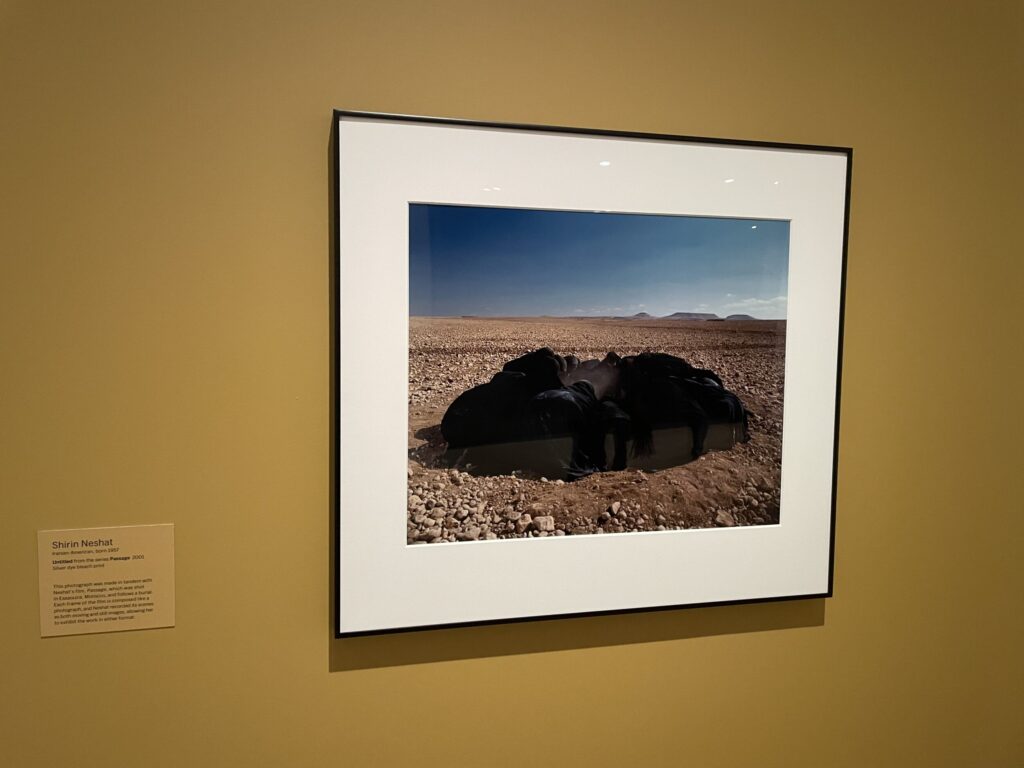
- Shirin Neshat: 1 silver dye bleach print, 2001
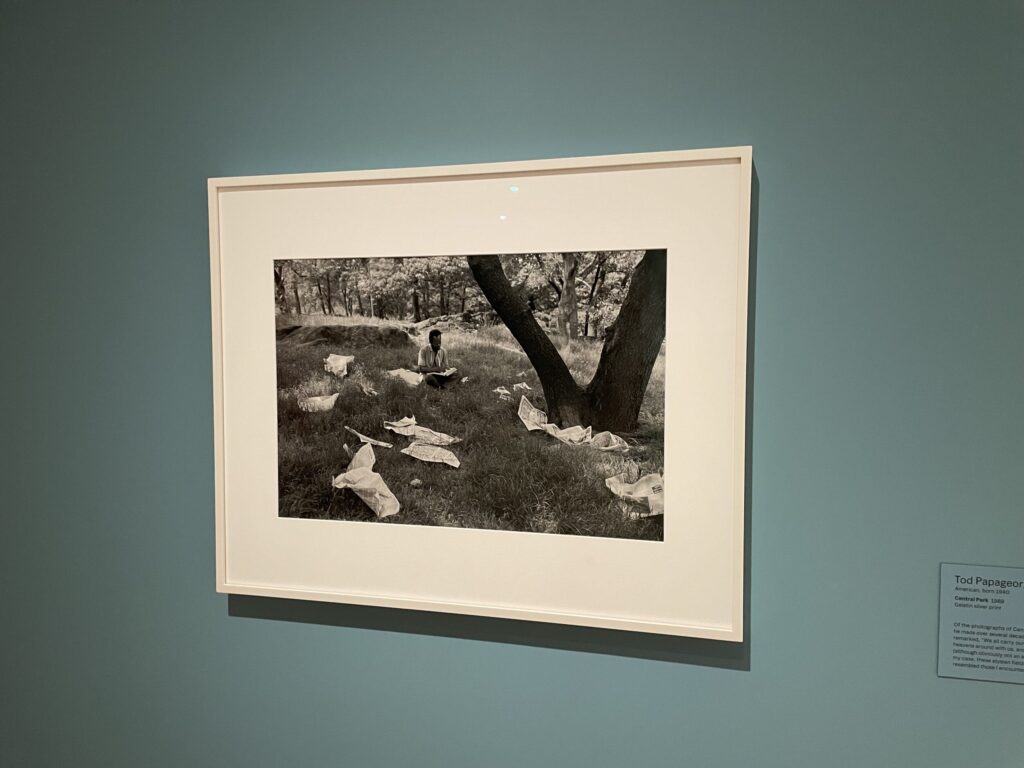
- Tod Papageorge: 1 gelatin silver print, 1989/2007
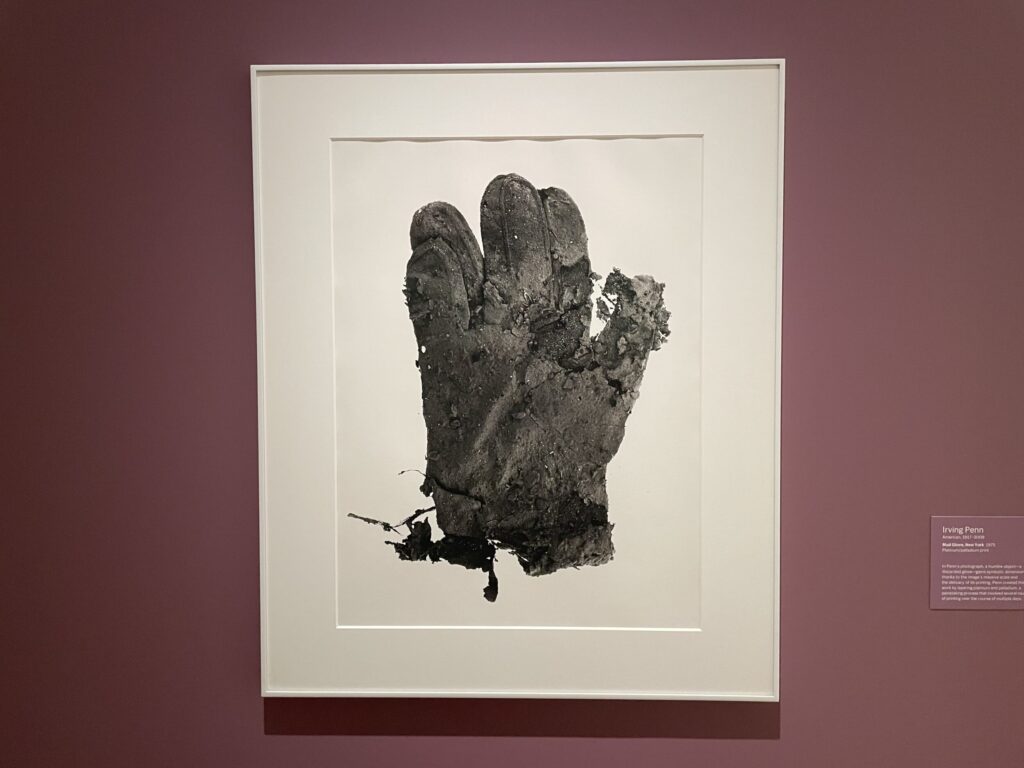
- Irving Penn: 1 platinum palladium print, 1975
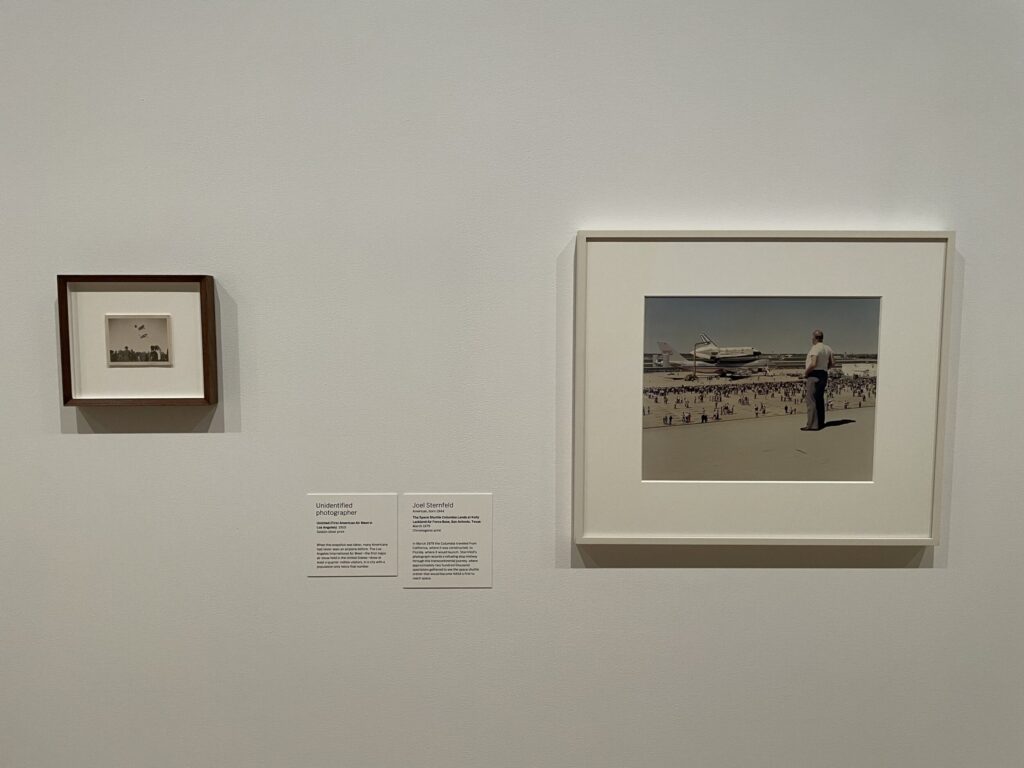
- Unidentified Photographer: 1 gelatin silver print, 1910
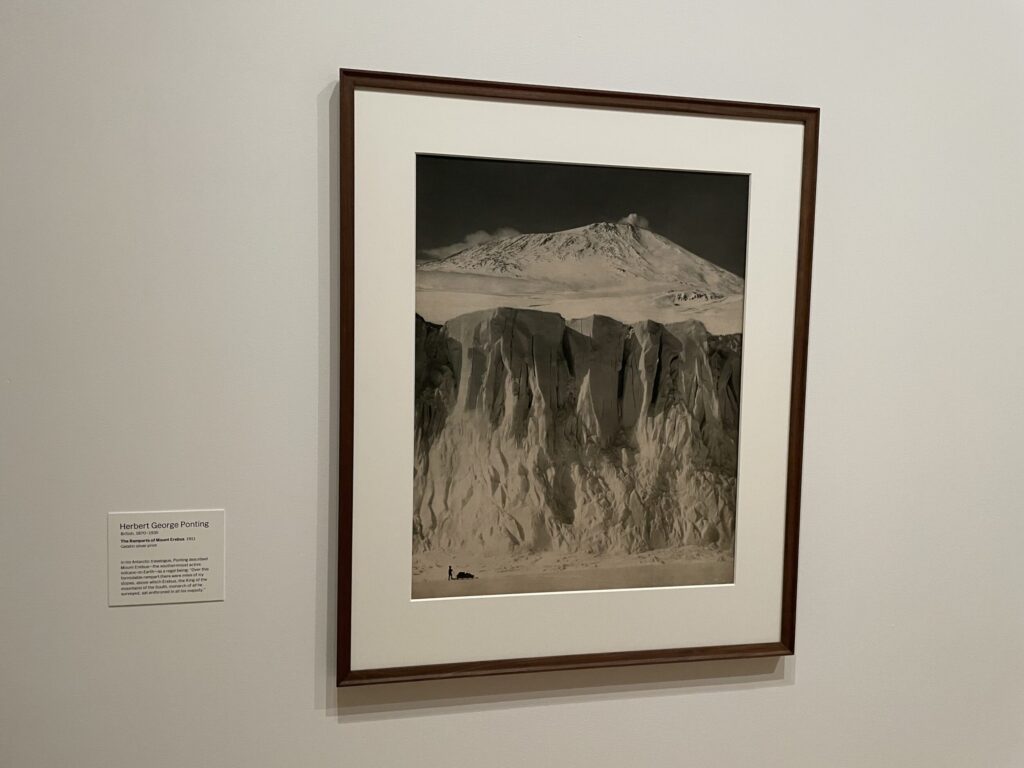
- Herbert George Ponting: 1 gelatin silver print, 1911; 1 carbon print, 1911
- Lucas Samaras: 1 color instant print with hand-applied ink, 1969-1971; 2 color instant prints, 1974, 1976; 1 collage of color instant prints, 1983
- Charles Sheeler: 1 gelatin silver print, c1915-1917
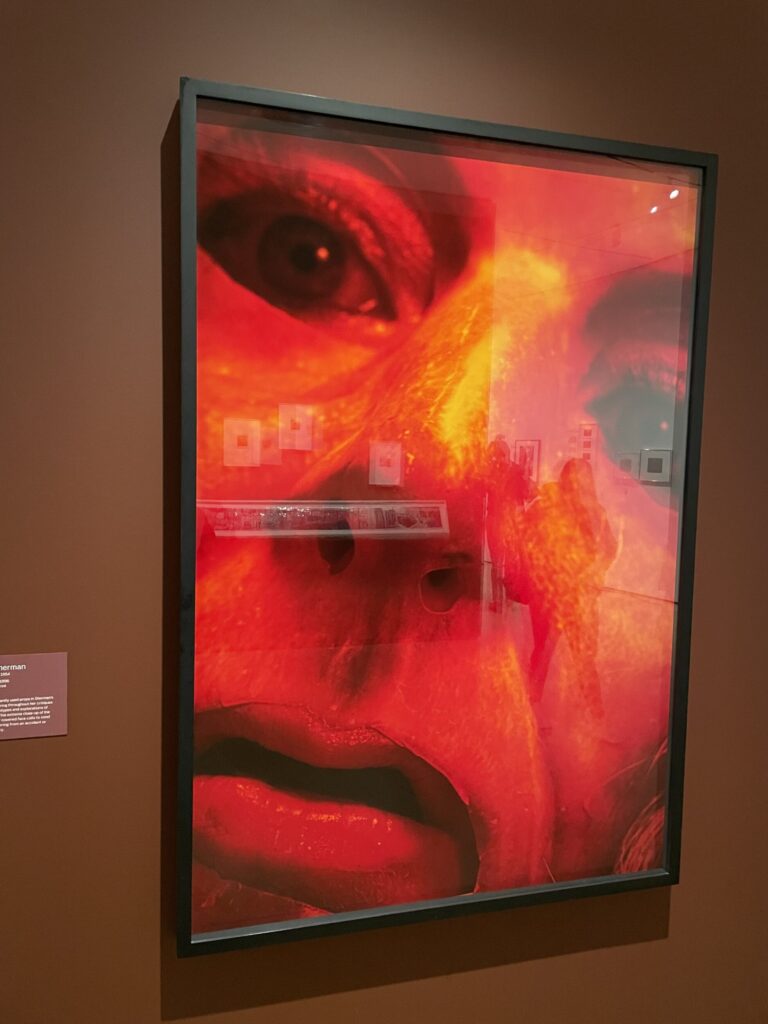
- Cindy Sherman; 1 chromogenic print, 1996
- Edward Steichen: 1 gum bichromate over platinum print, 1904
- Joel Sternfeld: 1 chromogenic print, 1979
- Alfred Stieglitz: 1 gelatin silver print, 1921
- Josef Sudek: 1 gelatin silver print, 1953
- William Henry Fox Talbot: 1 salted paper print, 1844
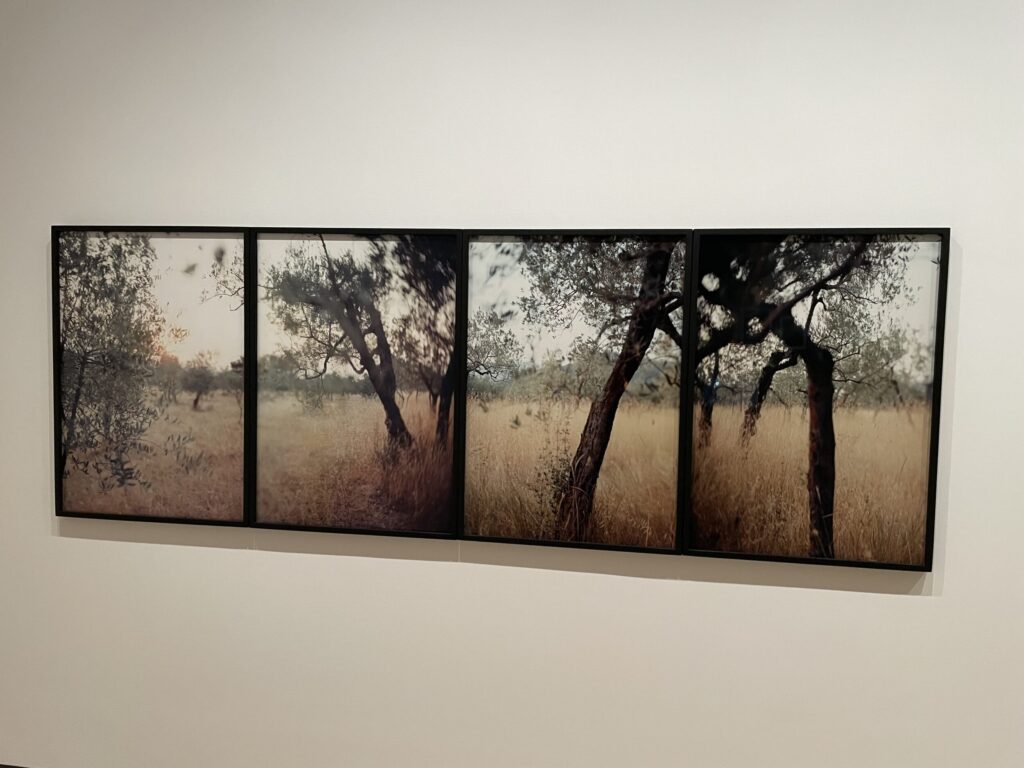
- JoAnn Verburg: 1 set of 4 chromogenic prints, 2000
- William Wegman: 1 set of 6 gelatin silver prints, 1972
- Edward Weston: 1 gelatin silver print, 1936
A catalog of the show has been published by the museum (here).


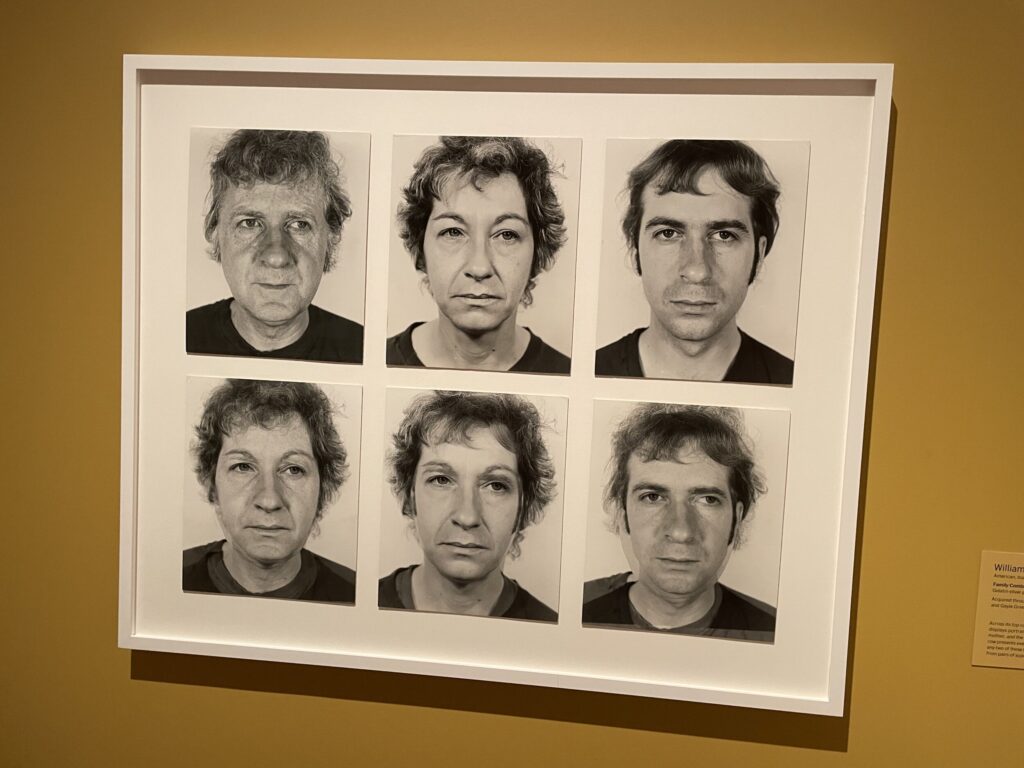
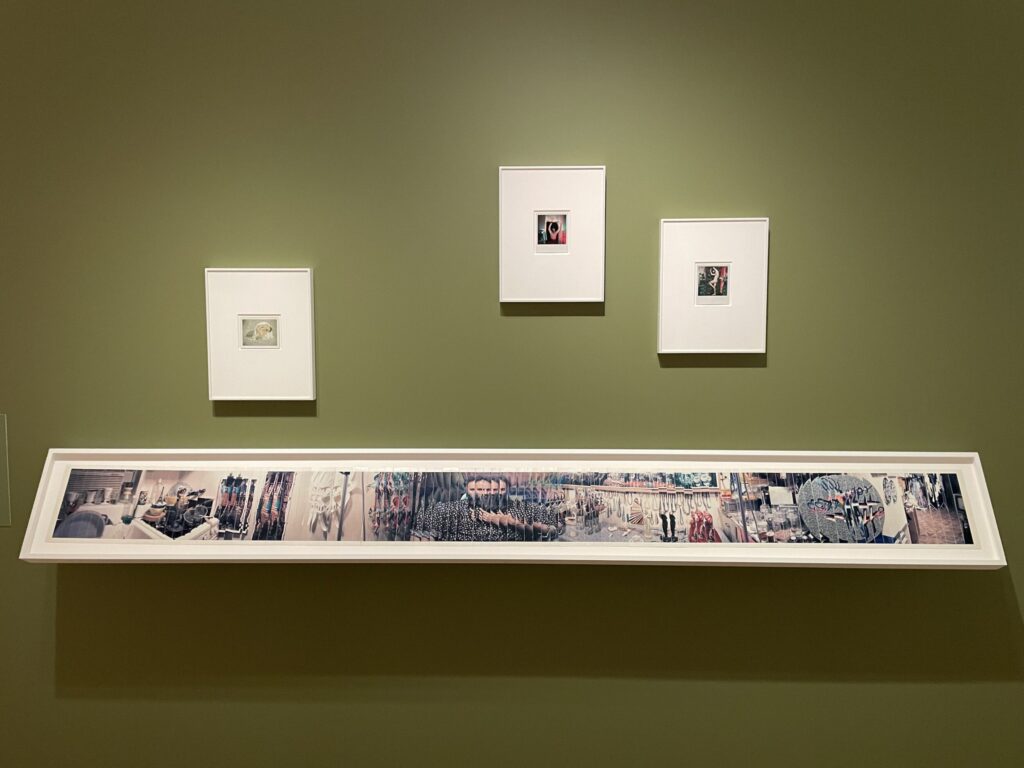
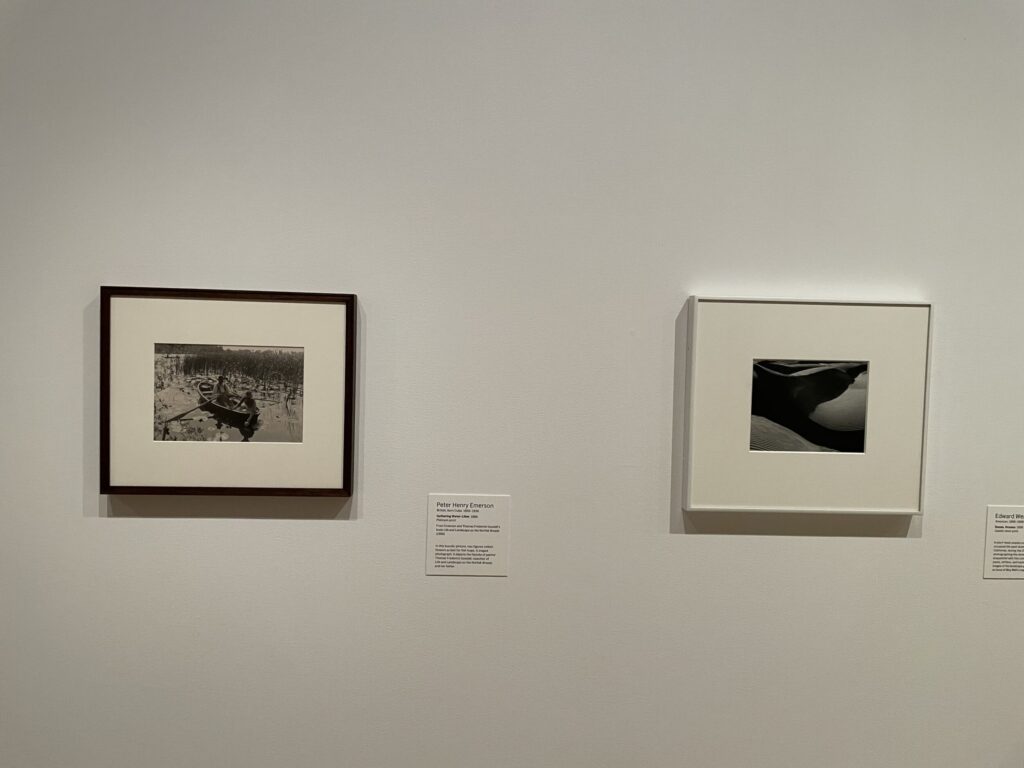
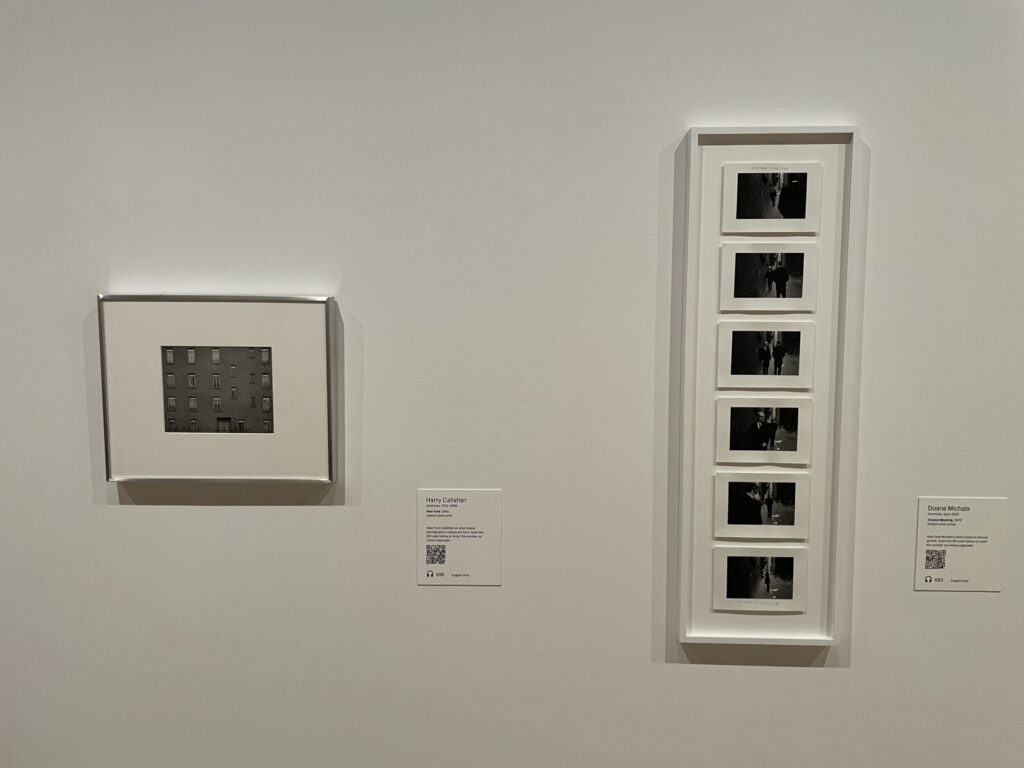
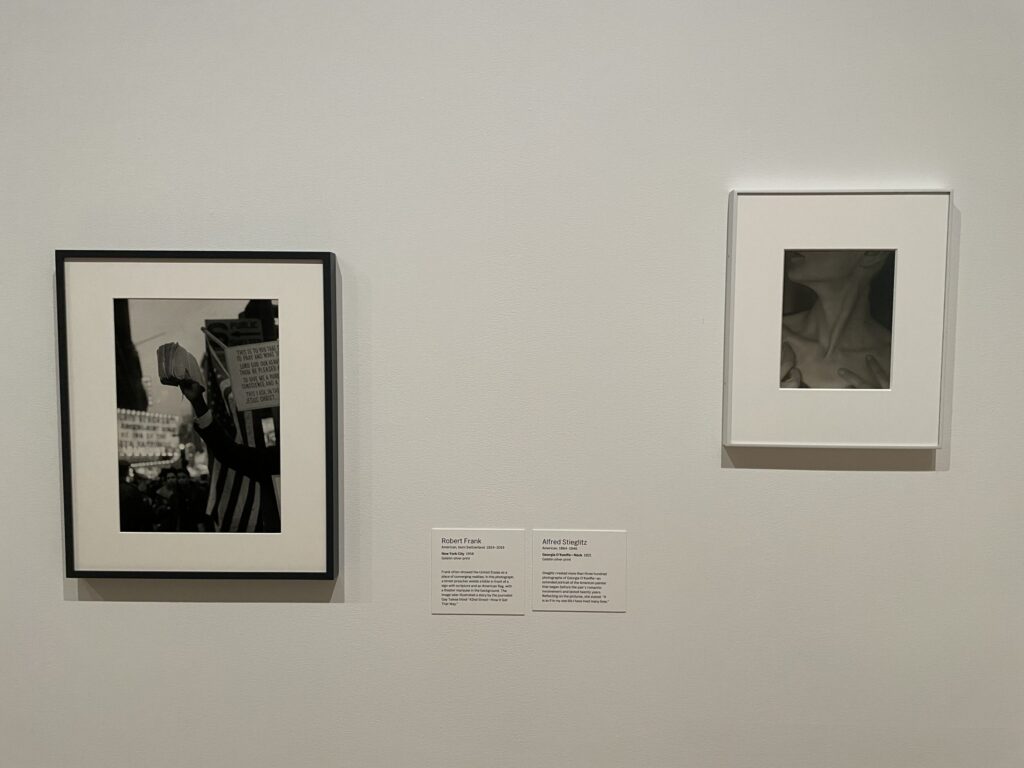
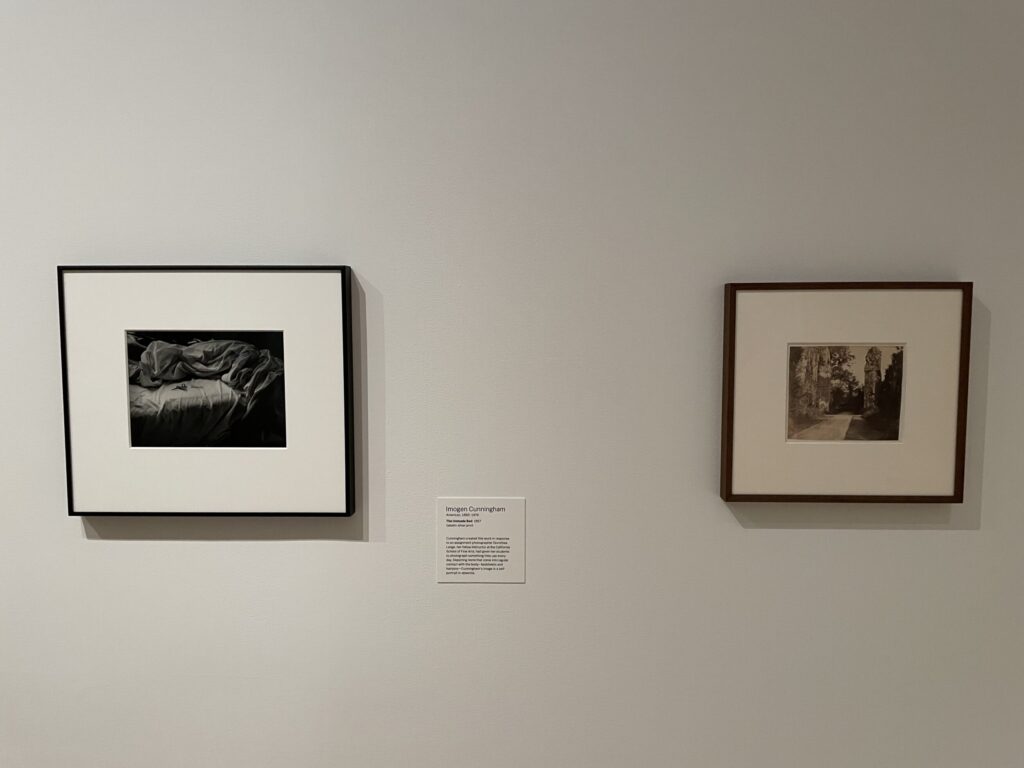
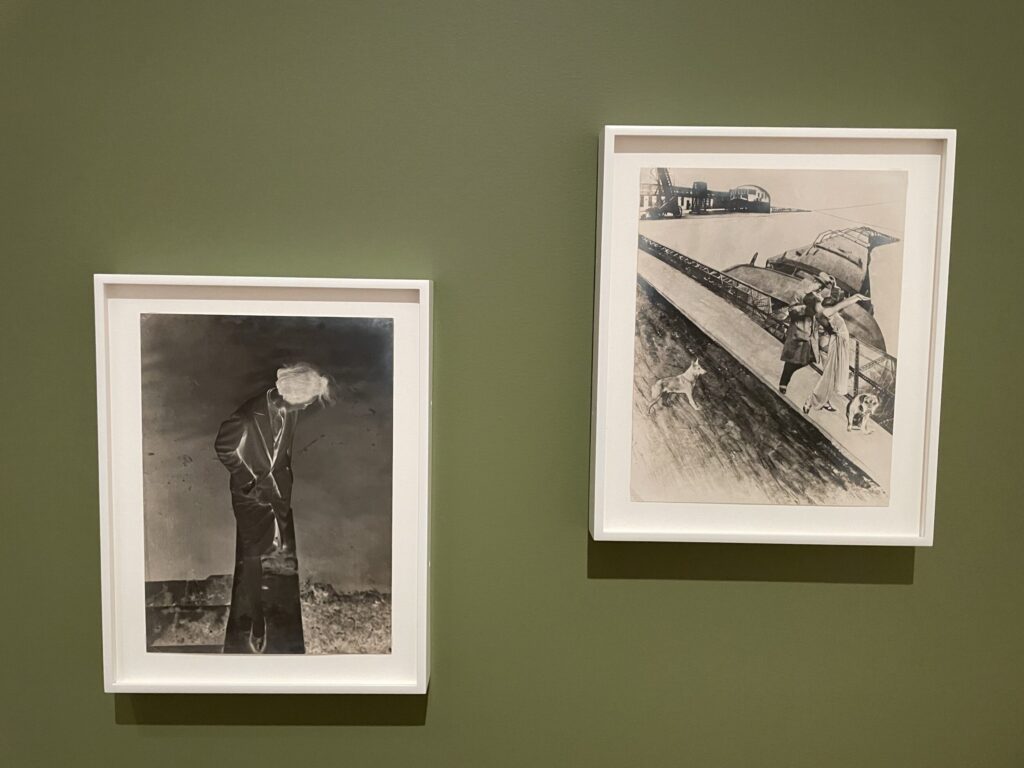
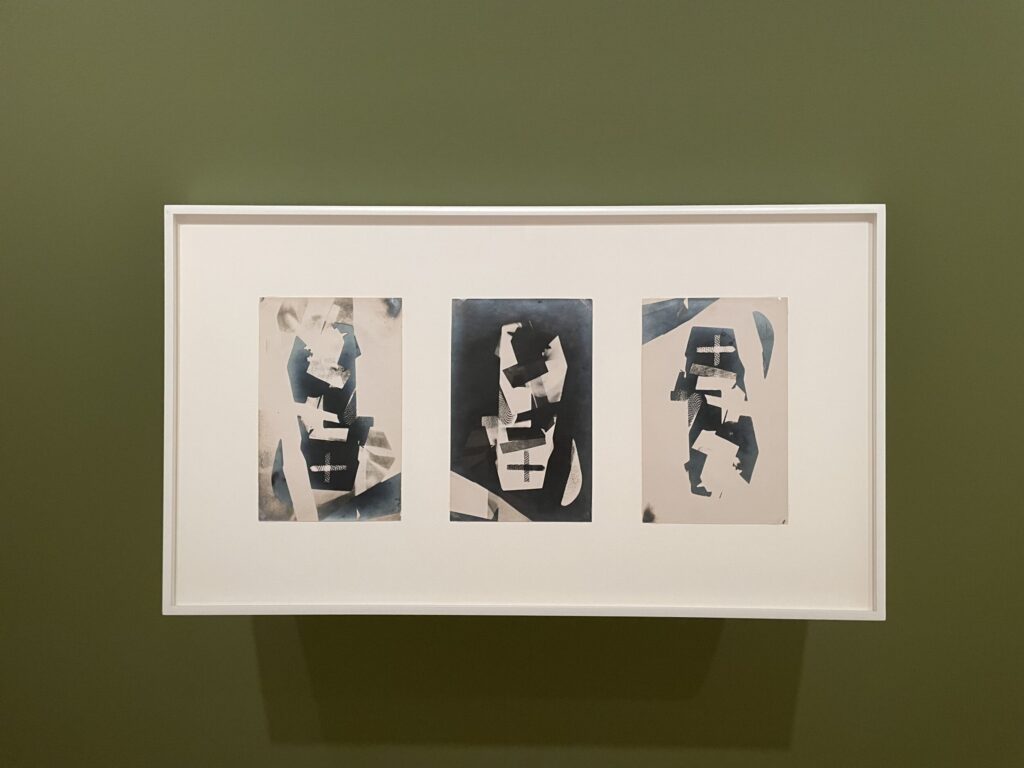
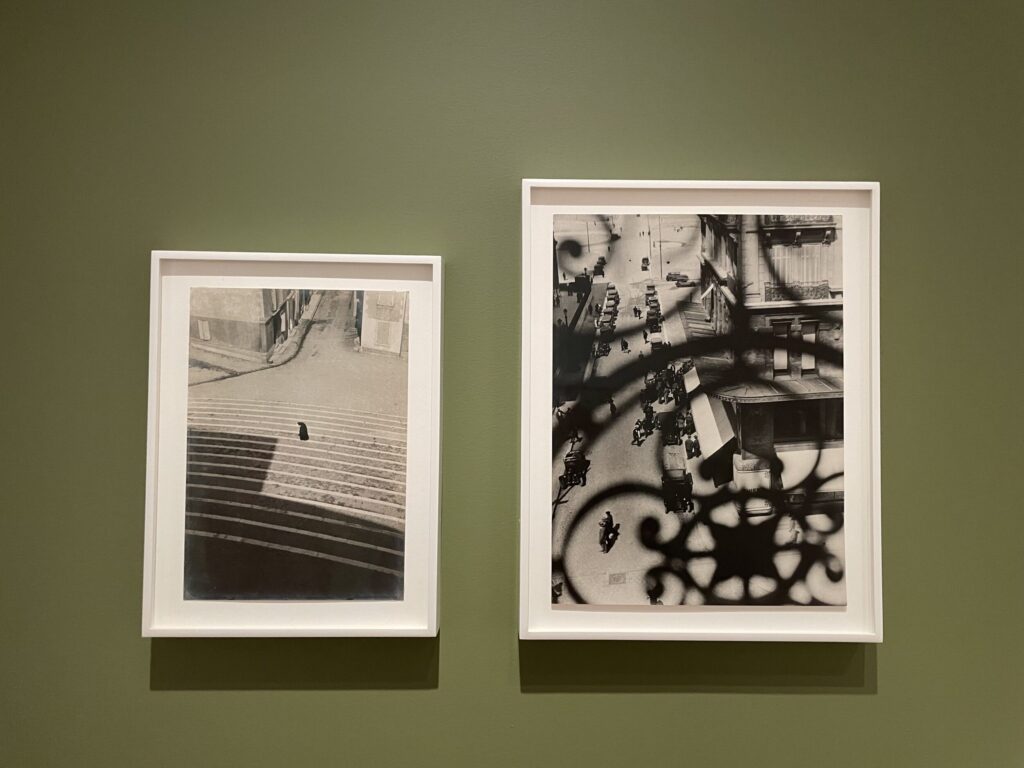
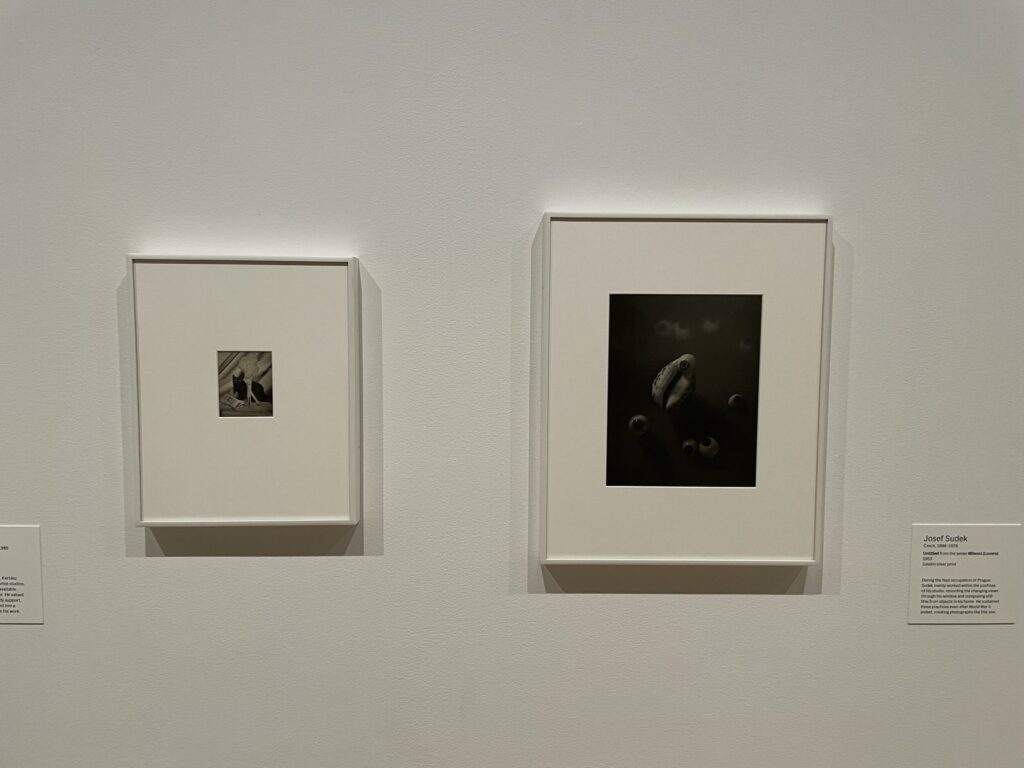
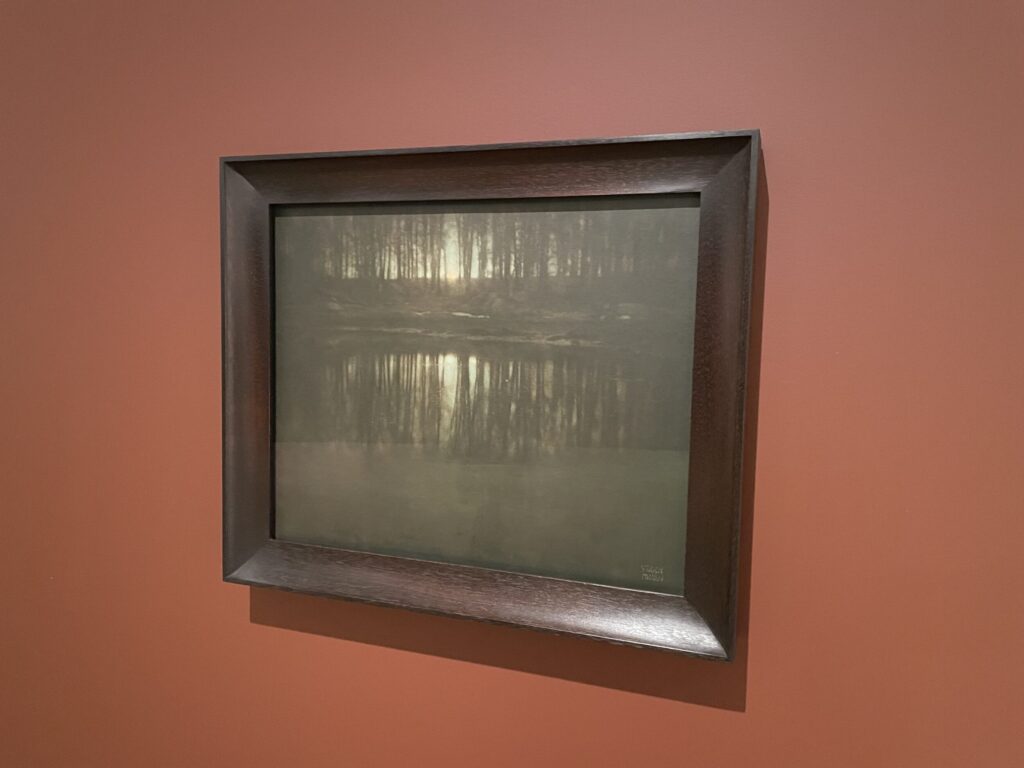
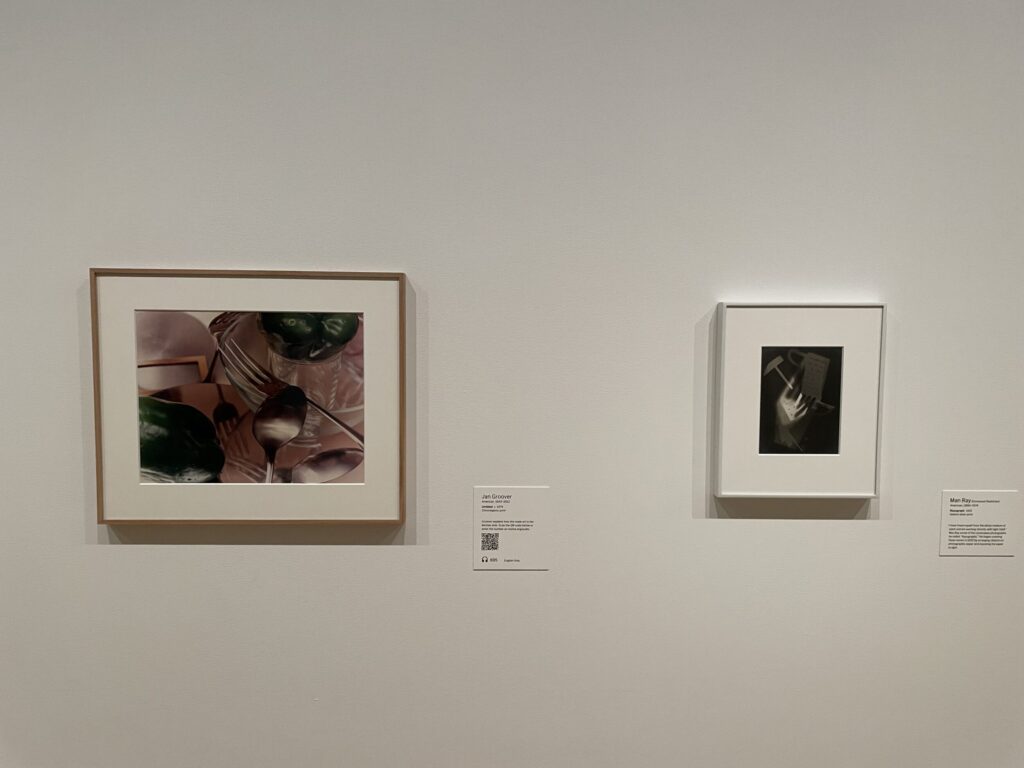
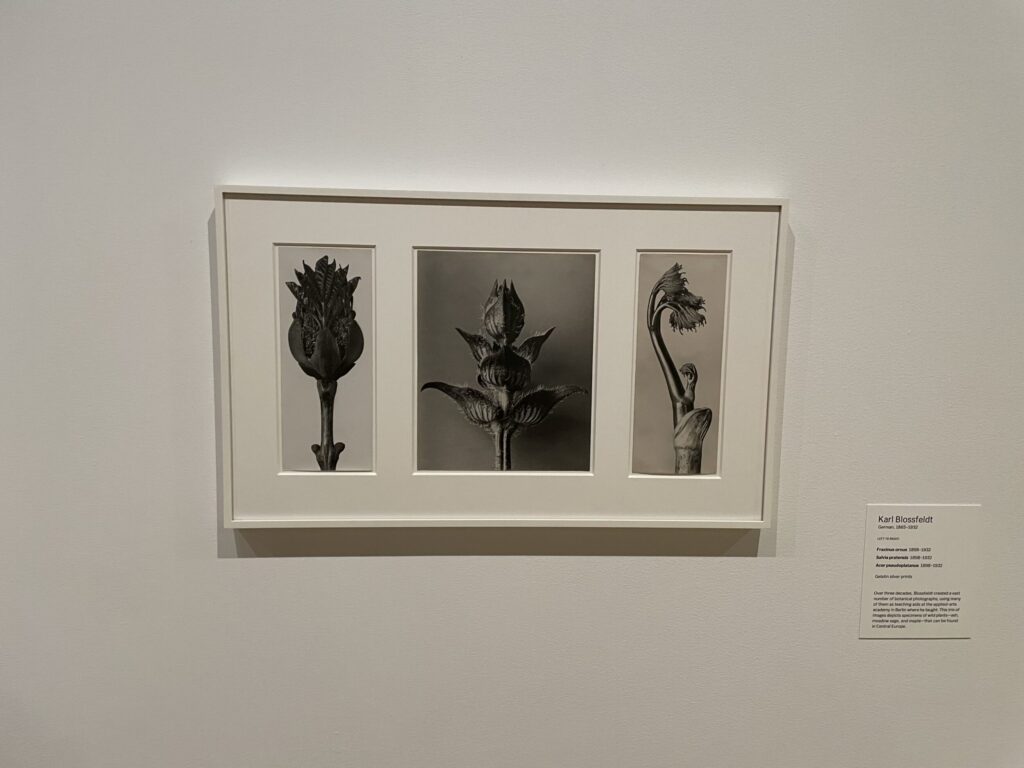
Comments/Context: Some of the first questions I tend to ask when I meet another collector are what do they collect and why do they collect it. The first part of this exchange tends to be easy, but the second almost always leads to a quick moment of awkwardness, as many collectors aren’t used to being put on the spot to articulate a rationale for their collecting process. If the answer to the first question is broad and open-ended (like “photography” or “contemporary art”), it’s often paired with a more instinctual rationale, with choices made by selecting works that move, challenge, perplex, or speak to the collectors in some meaningful way. On the other hand, if the answer to the first question is decently specific (like “American photoconceptualism from the 1970s”), a more methodical and systematic approach is likely taking place, with much narrower search criteria being used to discover possible selections. There are of course no right answers, and part of the enduring joy of collecting is crafting a collection that reflects the collector’s unique interests and point of view.
When a large collection is donated to a museum, it naturally becomes subsumed by the much more expansive permanent collection it joins, thereby losing its unique character as a particular gathering of artworks with its own internal connections and resonances. But if a collection is valuable enough or the donors are long time supporters of the museum, the collection is often given a last send off exhibit, celebrating the acquisition of the collection and honoring the donors. This exhibition, titled “Time Travelers: Photographs from the Gayle Greenhill Collection”, is just such a show. Greenhill served on MoMA’s Committee on Photography for more than two decades (from 1992 to 2013), and the Greenhill donation in 2019 totaled several hundred works spanning the history of the medium, a small subset of which is included in this sampler show.
Given the Greenhill collection’s broad scope and her longstanding connection to the curatorial team at MoMA, we might plausibly guess that her collecting rationale was balanced between selecting superlative pictures that she and her husband wanted to live with and choosing works that would fit the needs of the MoMA photography department and its long term plans for the museum’s collection. For many collectors committed to actively supporting their local art museum, this is a common method of collecting – following your own tastes (wherever they might lead) while also listening to (and learning from) the curators and helping them with acquisitions they feel are most strategic, knowing full well that at least part of your collection will ultimately land inside the museum.
The first thing that most visitors to this show will notice is that the Greenhills collected a decent number of powerhouse icons of photography, the kind of instantly recognizable rarities and collection anchors that any museum would be happy to have. These kind of riches are many and varied here, including a moody Edward Steichen moonrise, a William Eggleston red ceiling, an Alfred Stieglitz portrait of Georgia O’Keeffe’s neck, an Edward Weston study of dunes, a Robert Mapplethorpe calla lily, some Karl Blossfeldt floral specimens, a William Henry Fox Talbot bust of Patroclus, a Philip-Lorca diCorcia hustler, and a Man Ray rayograph. There is an obviousness to these choices, but that doesn’t diminish either the effort required over decades to assemble such a murder’s row of standouts or their enduring artistic importance.
What I found far more fascinating about the Greenhill collection is evidence of the opposite of a greatest hits collecting approach – while amassing many revered photographic icons, she was also making choices that consistently reflected a highly tuned eye for images by master photographers that weren’t necessarily their most famous. Again and again as I wandered through this intimate show, I came upon photographs by well known artists and said to myself, “of all the pictures made by photographer X that she could have acquired, that’s an intriguing, excellent, and smartly unexpected pick.” Who scans Irving Penn’s entire career and selects a mud crusted glove still life (it’s s knockout, by the way)? Or how about digging in to Cindy Sherman’s art, represented here not by an untitled film still or centerfold, but by a seething red 1990s era close up? This kind of confident risk taking is around every corner in this show: Josef Sudek represented by a surreal eyeballs and shell still life; Manuel Álvarez Bravo turning stacked augers into marching insects; Lee Friedlander using a side mirror to both divide a composition and make room for a self-portrait; Emmet Gowin noticing the elegant textures of his wife Edith’s twist of hair; Robert Frank isolating an outstretched arm holding a bible against an American flag and a lit movie marquee; and André Kertész turning his studio cat into a fleeting participant in a staged still life setup. These are all quietly confident photographic choices, where a little risk taking leads to a string of pictures each with its own stop-and-look friction.
I was also impressed by Greenhill’s democracy of looking, with jumps across centuries and modes of image making made with grace and panache. While no easy theme connects Charles Sheeler to Jan Groover, or Francis Frith to László Moholy-Nagy, Greenhill’s best of breed approach makes room for varied curiosity and encourages an inclusive view of what makes a photograph successful. The show opens with two stunning early 20th century Antarctic views by Herbert Ponting (with astonishingly small figures included to help us marvel at the scale of the ice formations), and then effortlessly jumps to 1970s photo-transformations by Lucas Samaras and self portrait combinations by William Wegman; such a transition would normally cause brain damage, but here they are simply worthy examples of the possibilities of the medium, as seen by a collector with a deep appreciation for the nuances of photographic expression.
As a collector myself, I find collection shows like this one to be both altogether impressive and a little bit poignant. The building of a collection like this one is an extraordinary lifetime achievement, and yet, once this show is closed, it will dissolve into the ether, drifting off like a forgotten echo, the pictures only unearthed in some other context, with the small print on the wall labels reminding us that the Greenhills helped make this possible. Such is the lot of the art collector I guess, to never really be an “owner” of any artwork but just a temporary (but enthusiastic) custodian and caretaker. With this in mind, take a detour to room 516 in the permanent collection galleries to honor not only the Greenhills’ generosity to MoMA, but also the very real passion and intelligence that sifted these specific images into a collection with richness and heft.
Collector’s POV: Since this is a museum exhibition, there are of course no posted prices. Given the large number of individual artists included, we will forego our usual discussion of individual gallery representation relationships and secondary market histories.