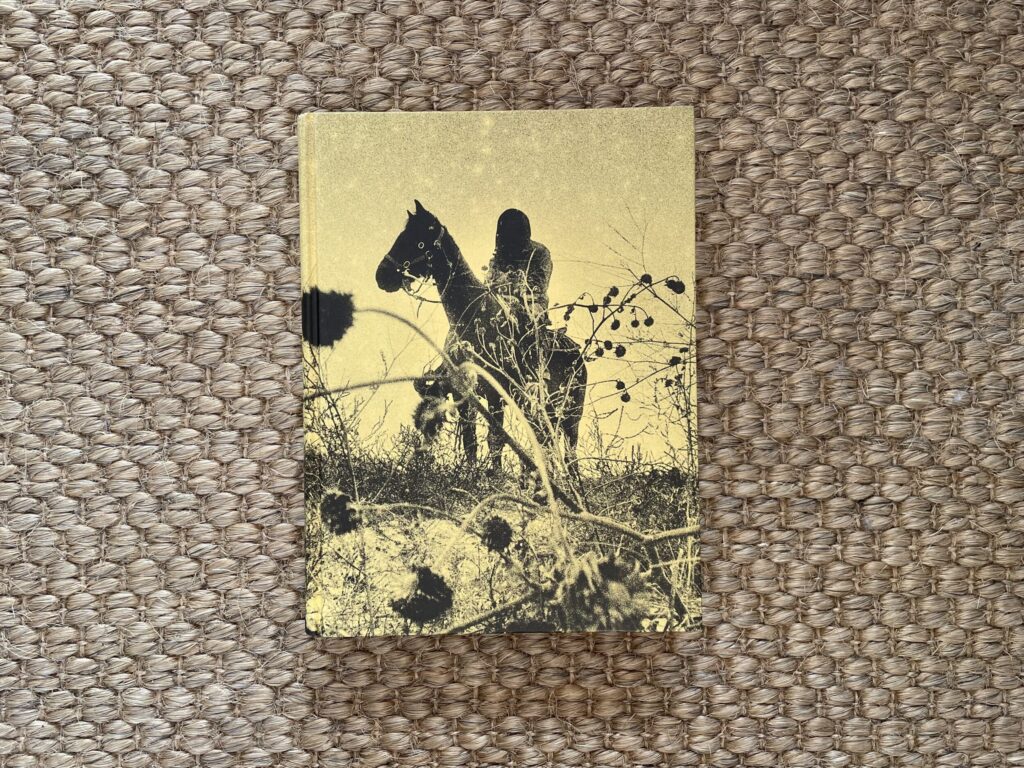
JTF (just the facts): Published in 2025 by Éditions Lamaindonne (here). Hardcover, 22.4 x 29.5 cm, 224 pages, with 150 black-and-white reproductions. Includes a series of essays by the artist (in French/English), a chronology, and a bibliography. (Cover and spread shots below.)
Aux Ombres was the winner of the 2025 Nadar Prize Gens d’images.
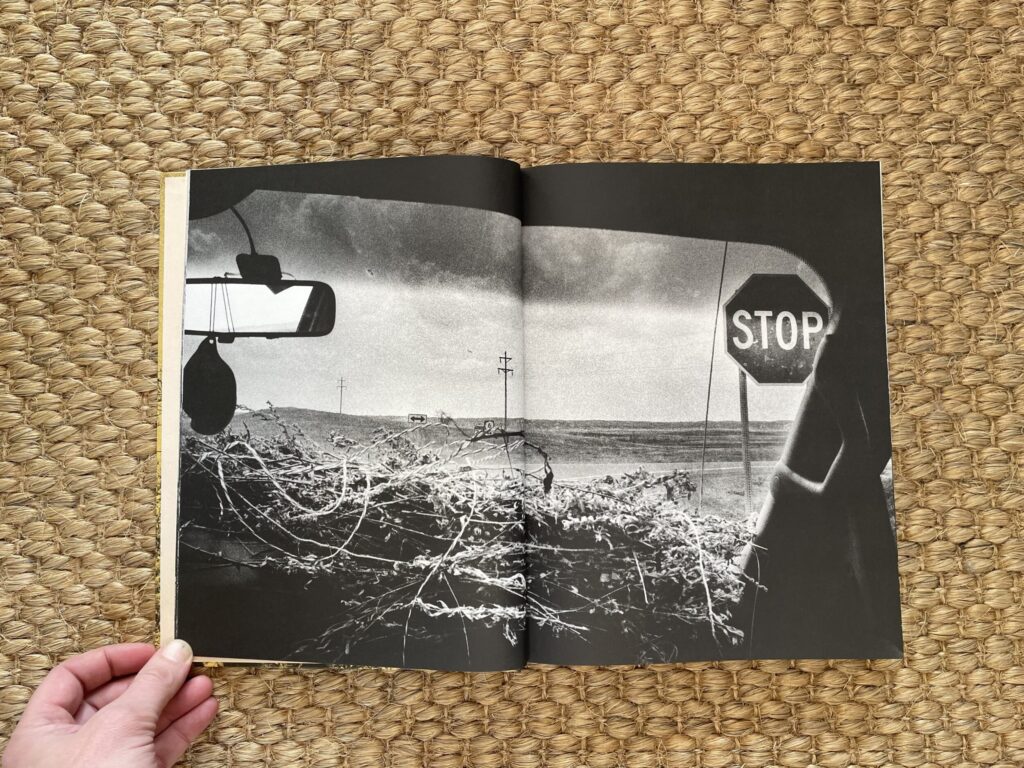
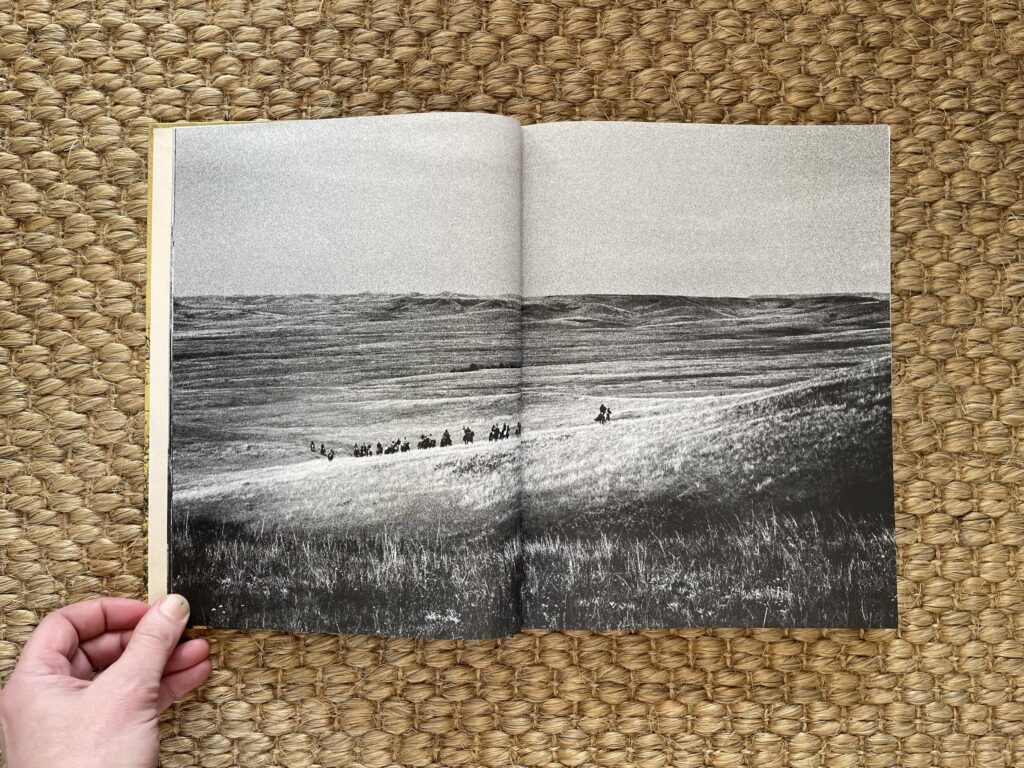
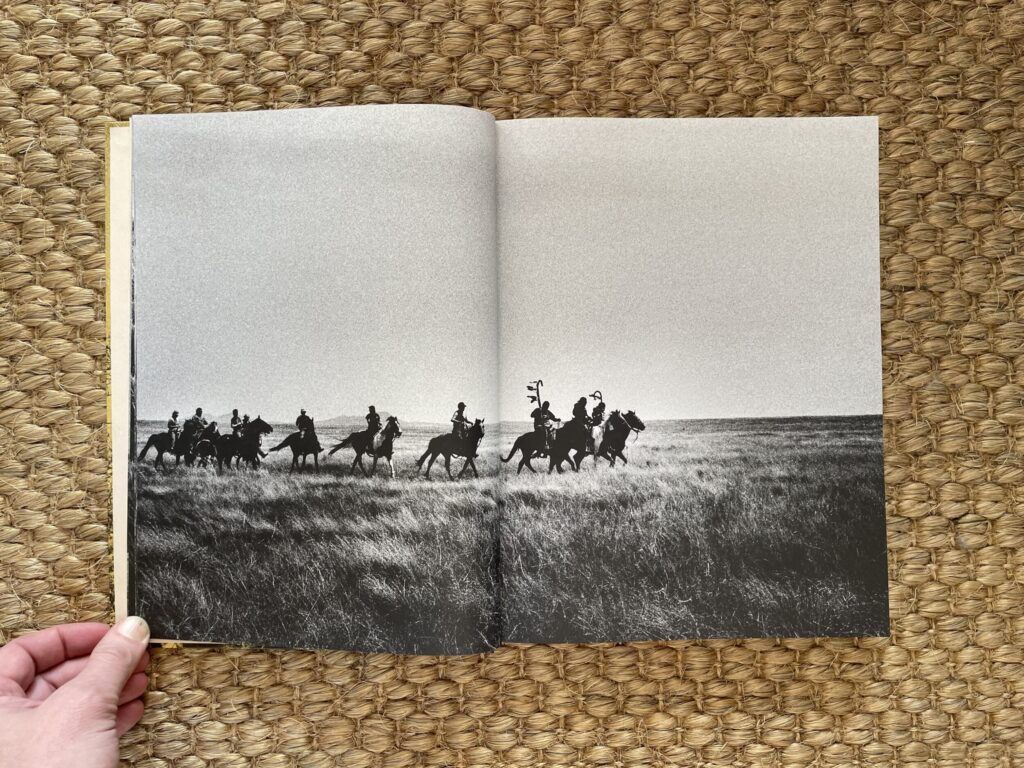
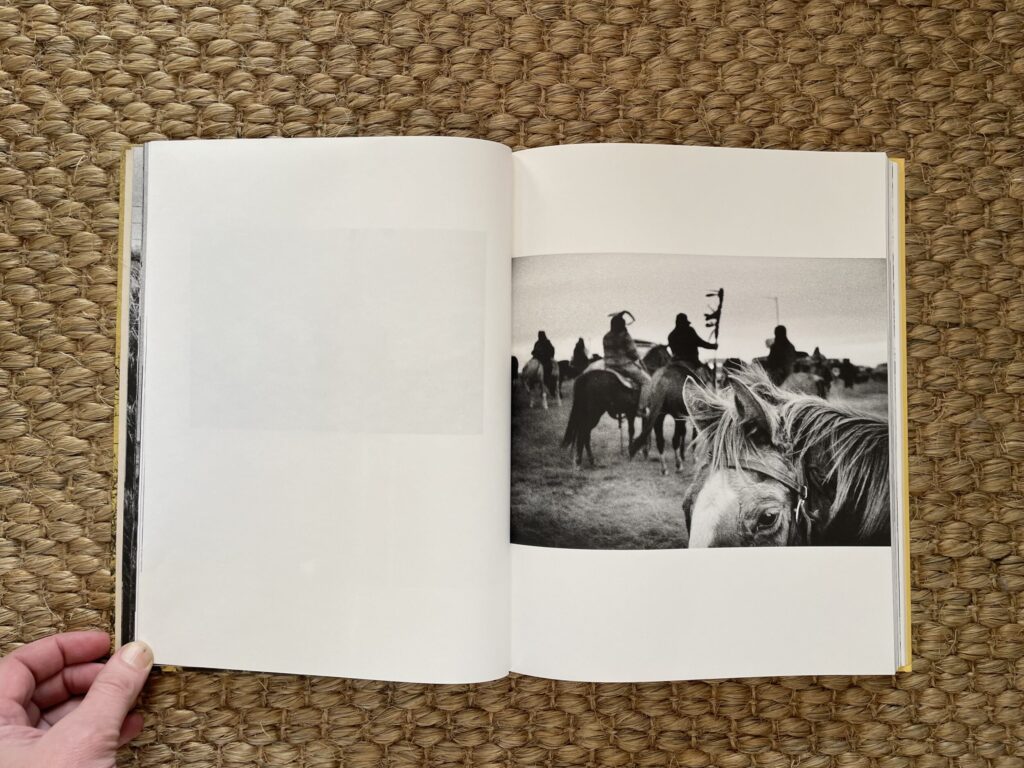
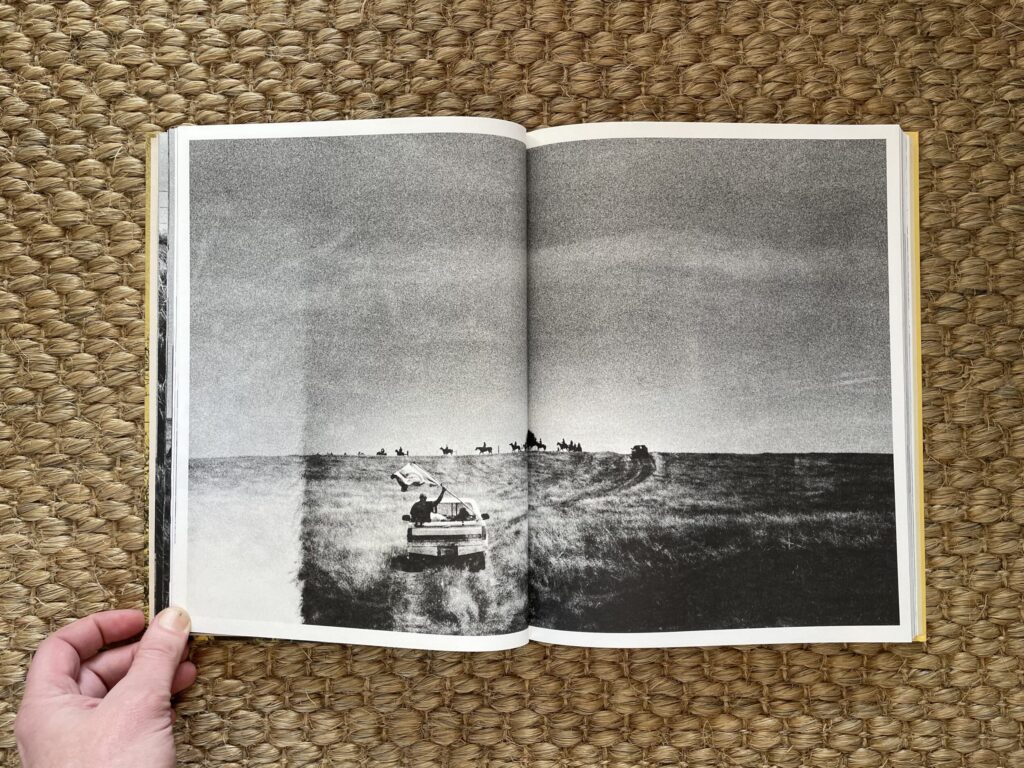
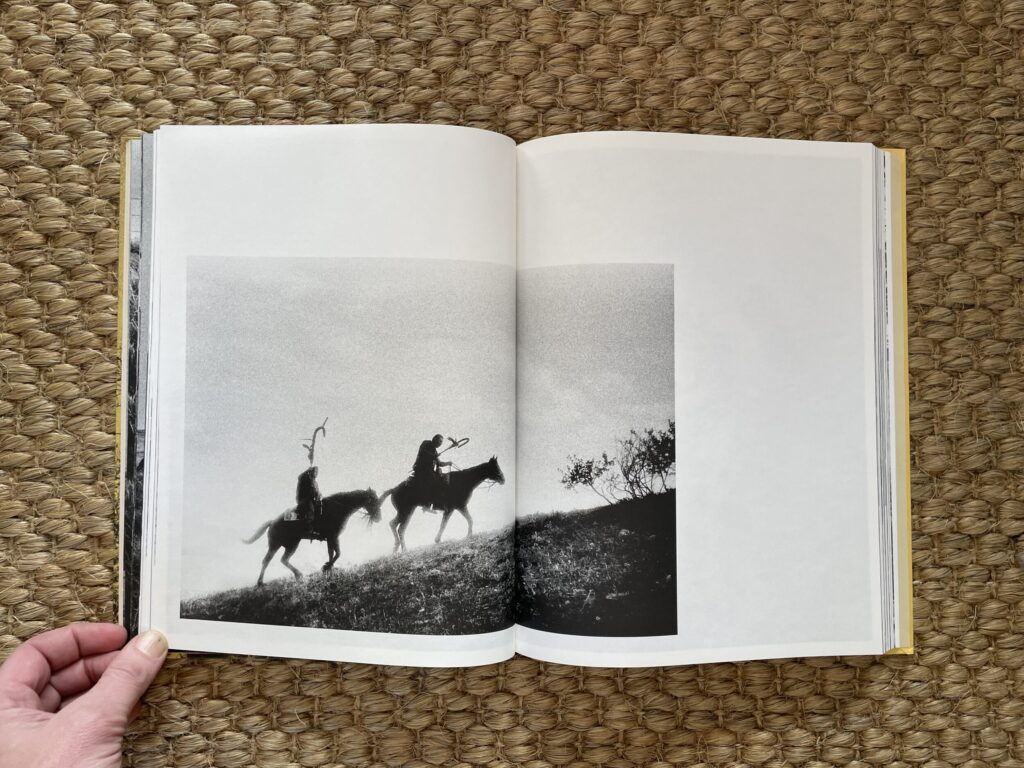
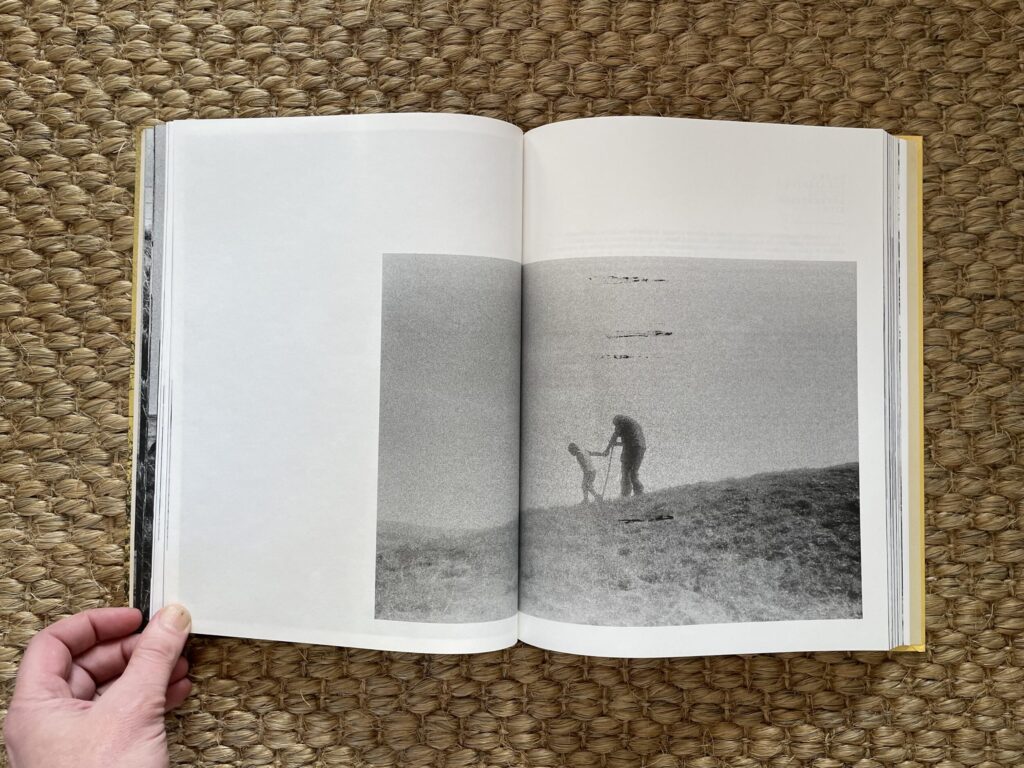
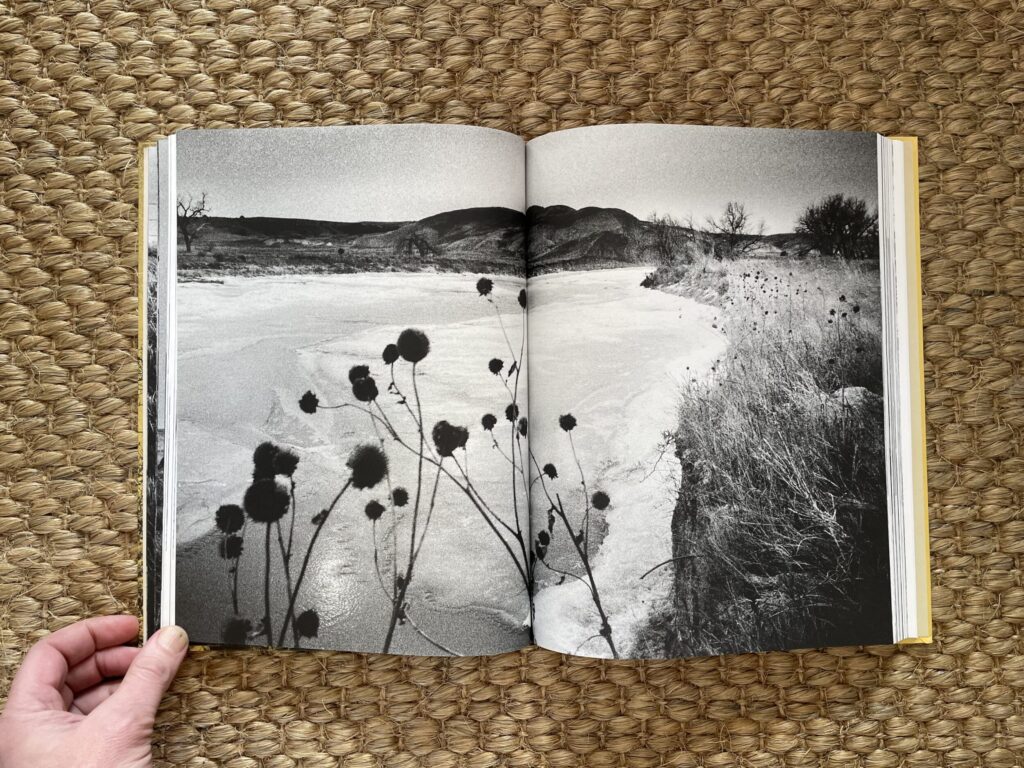
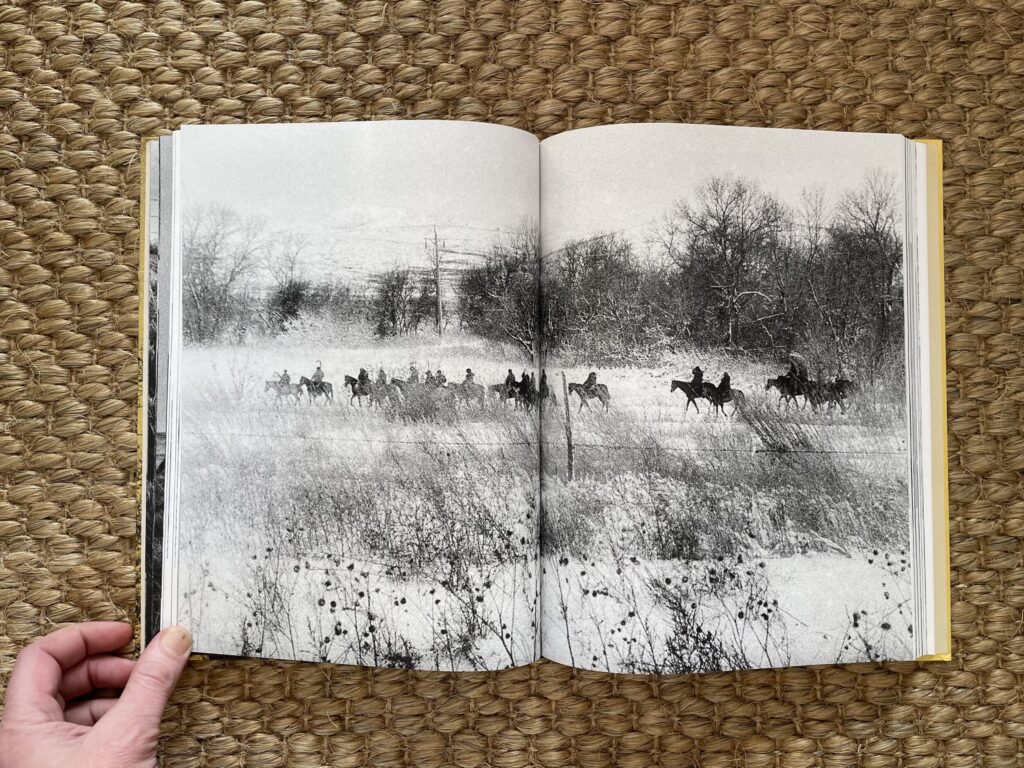
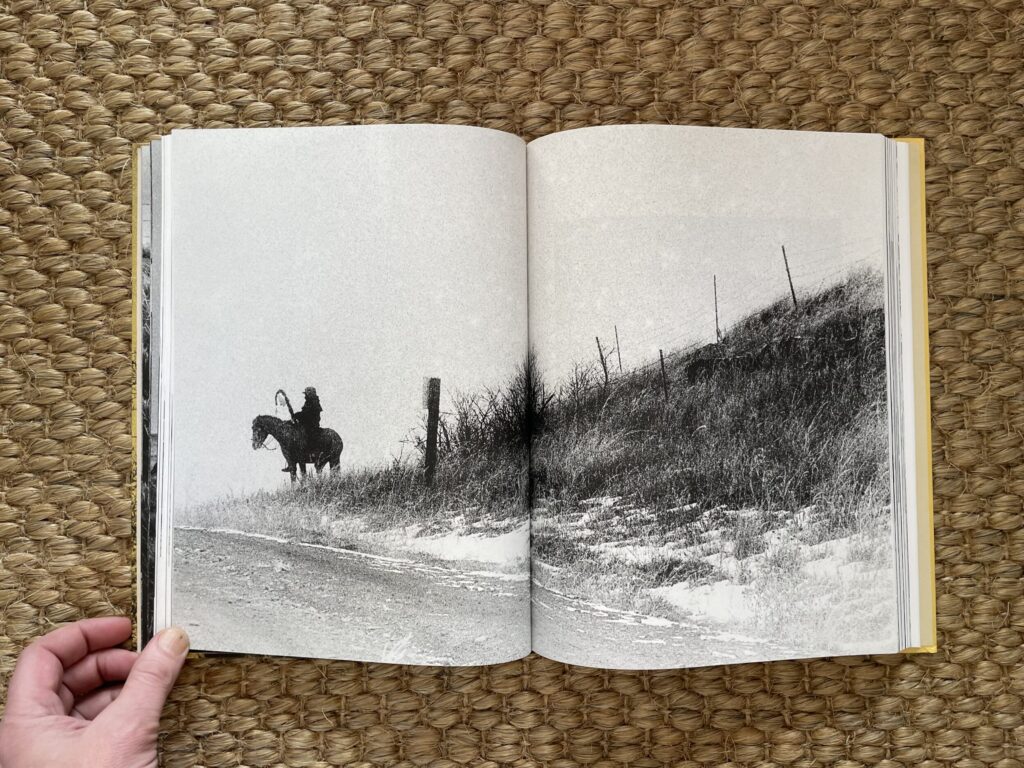
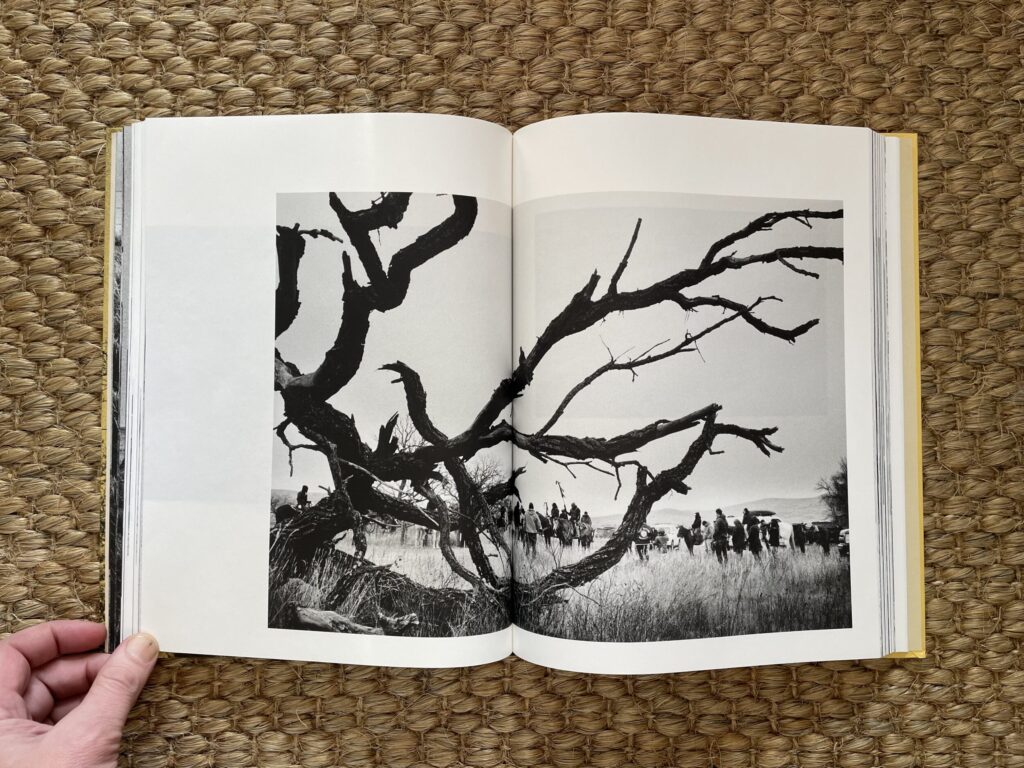
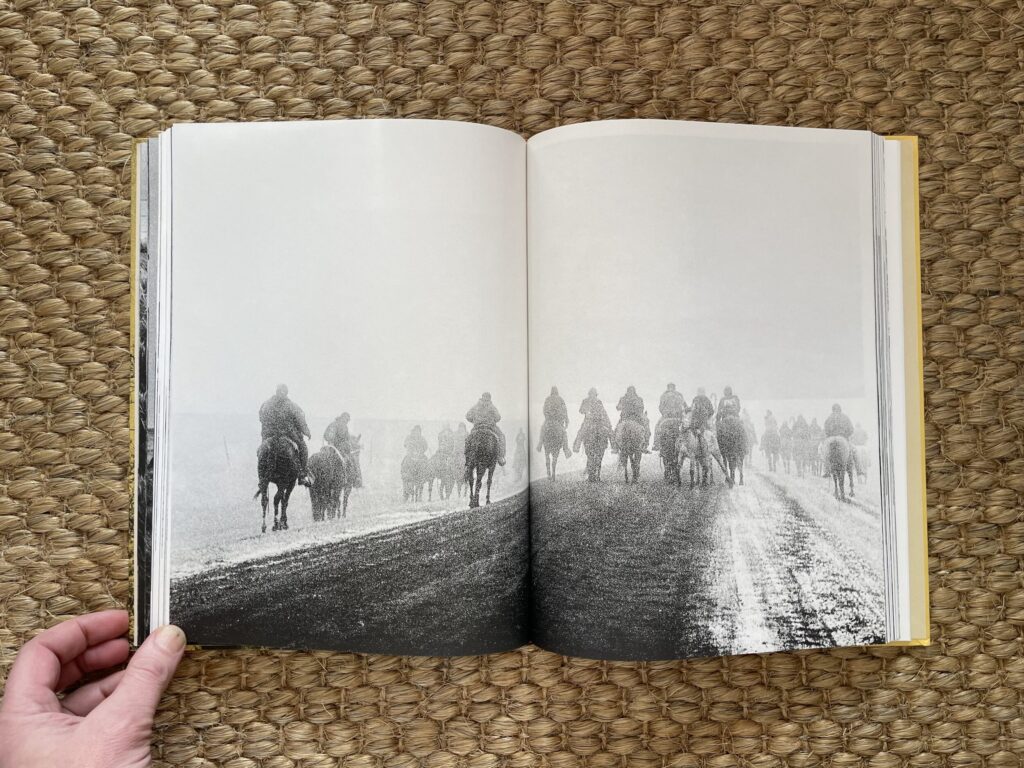
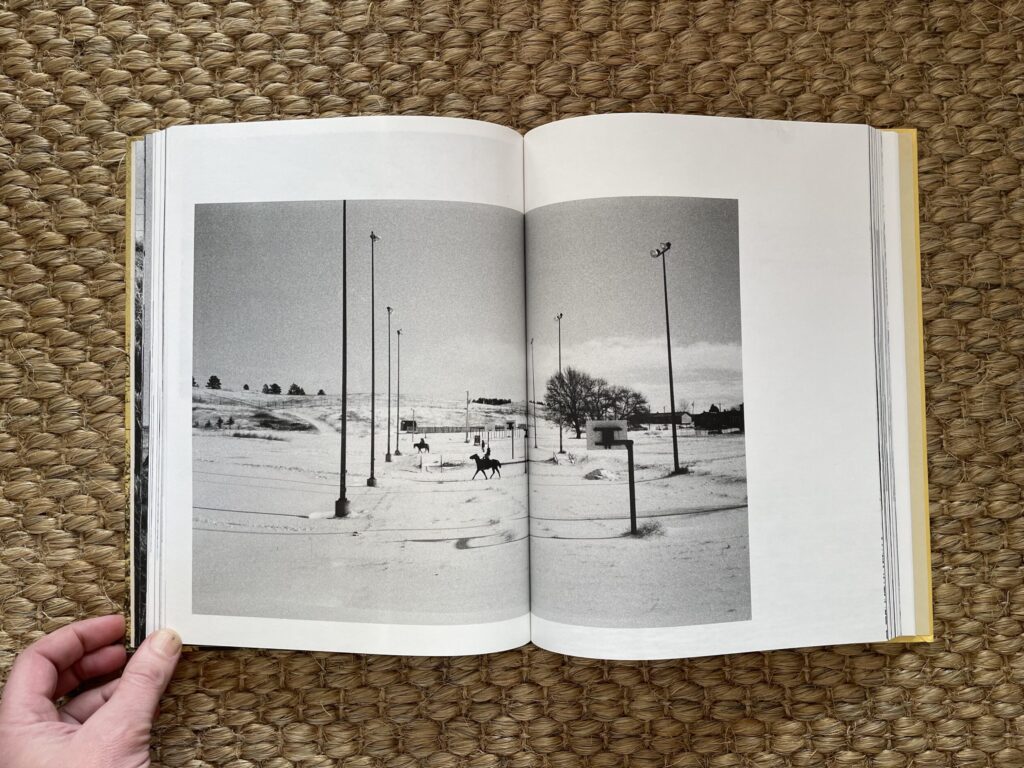
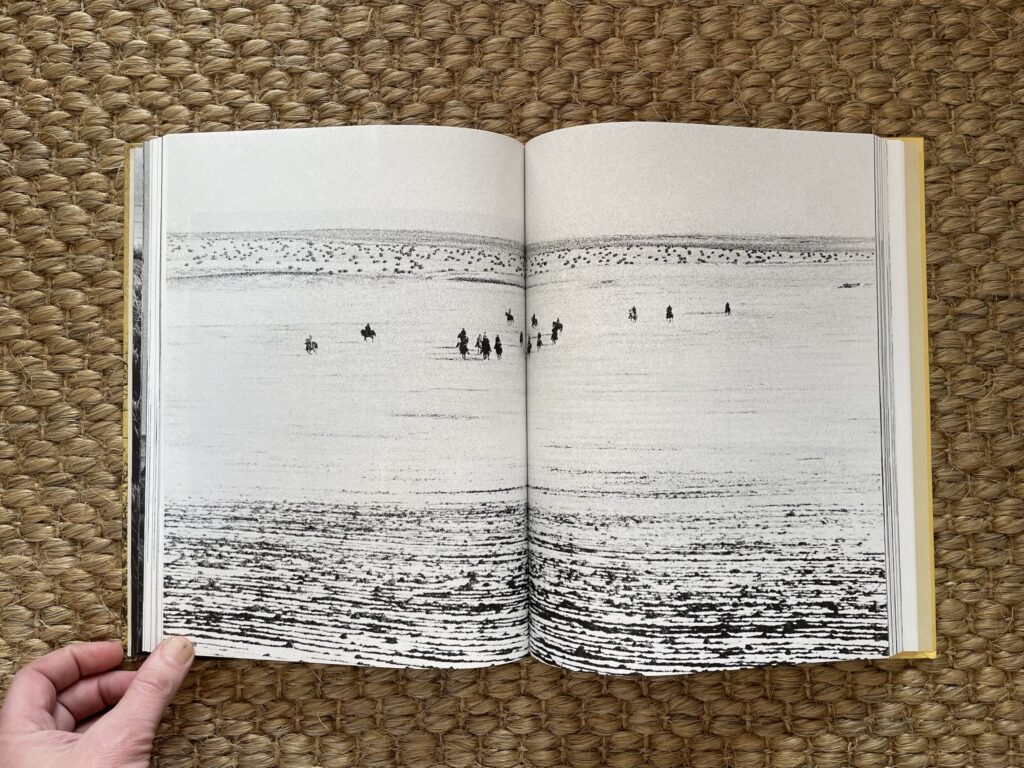
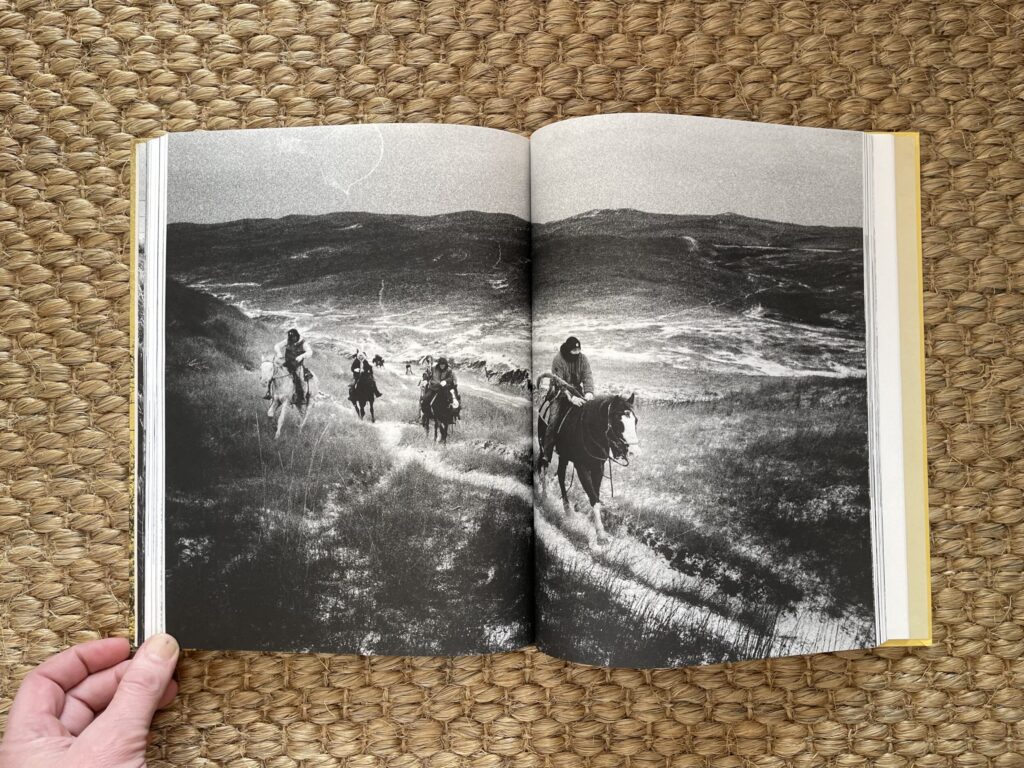
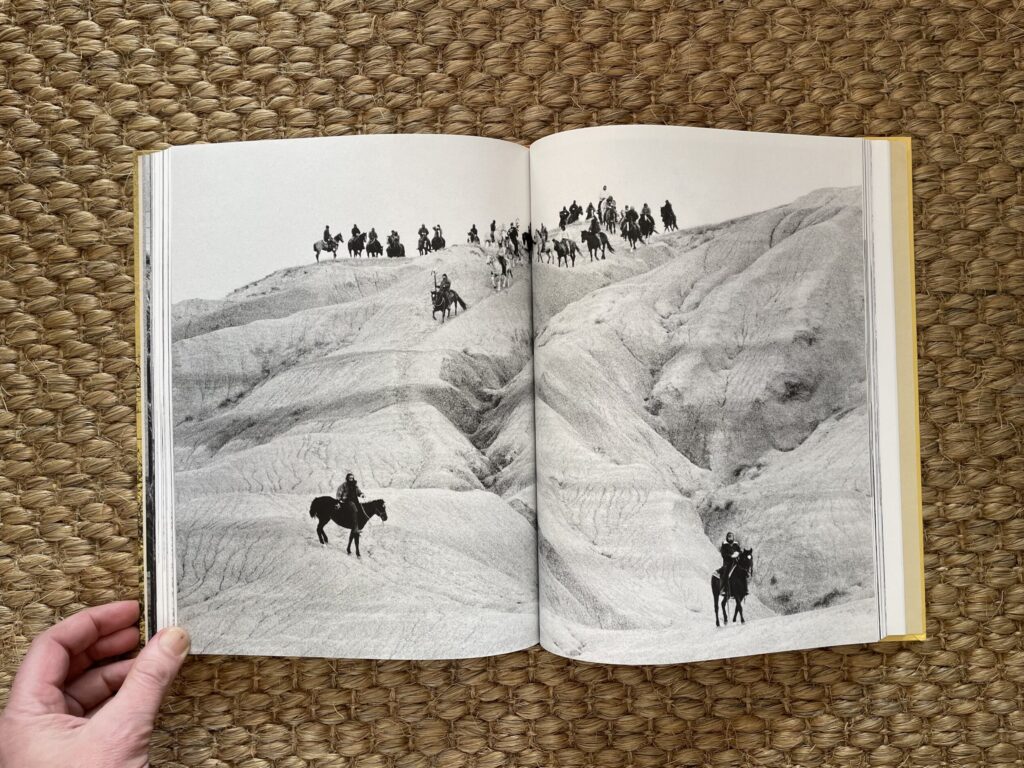
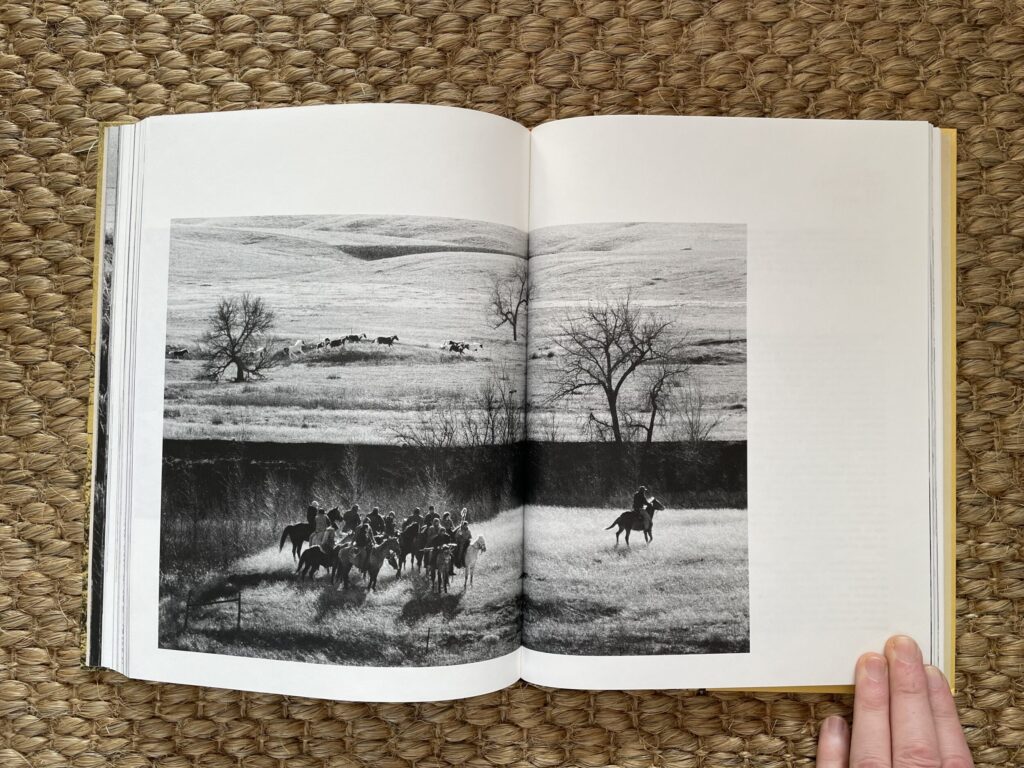
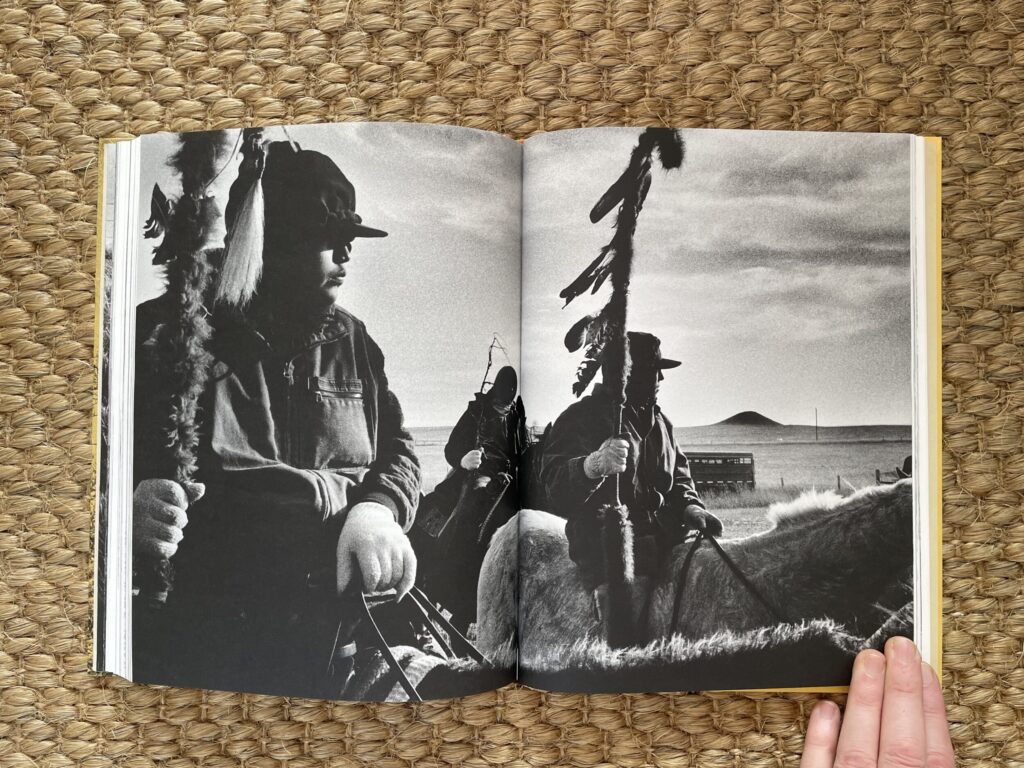
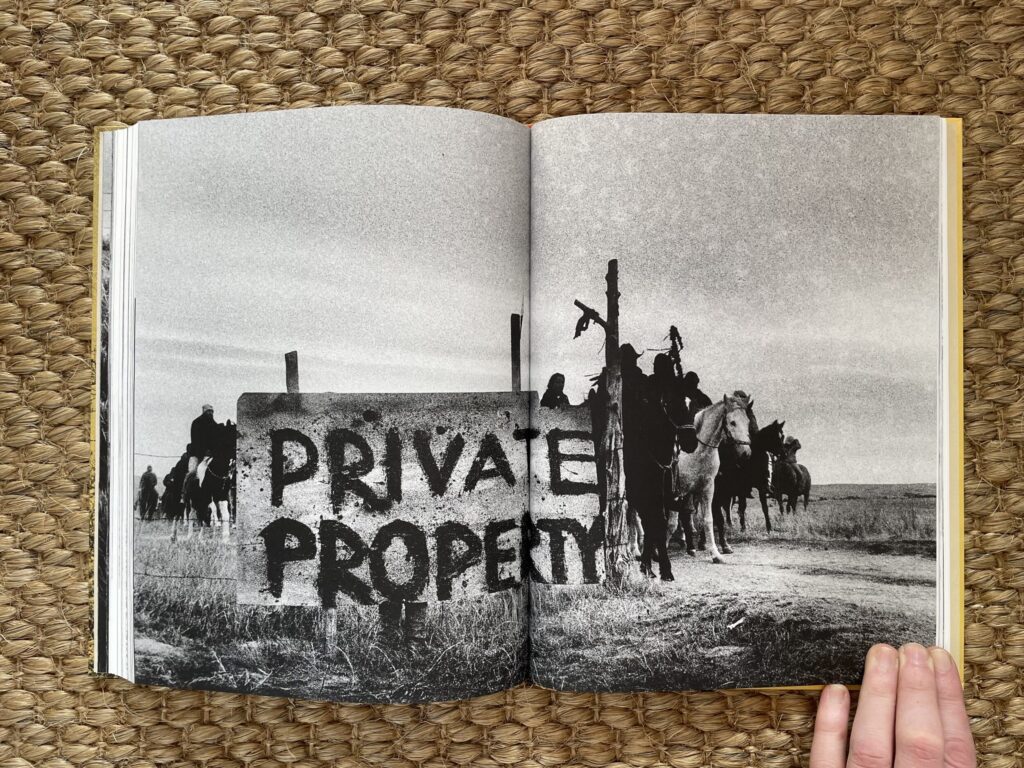
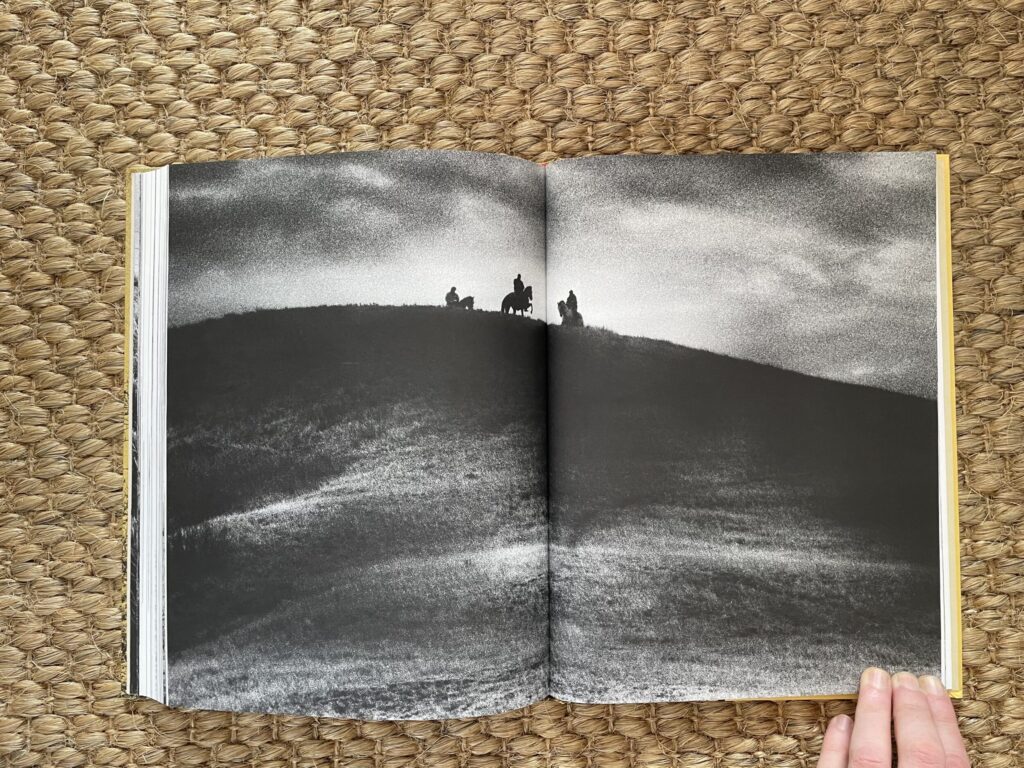
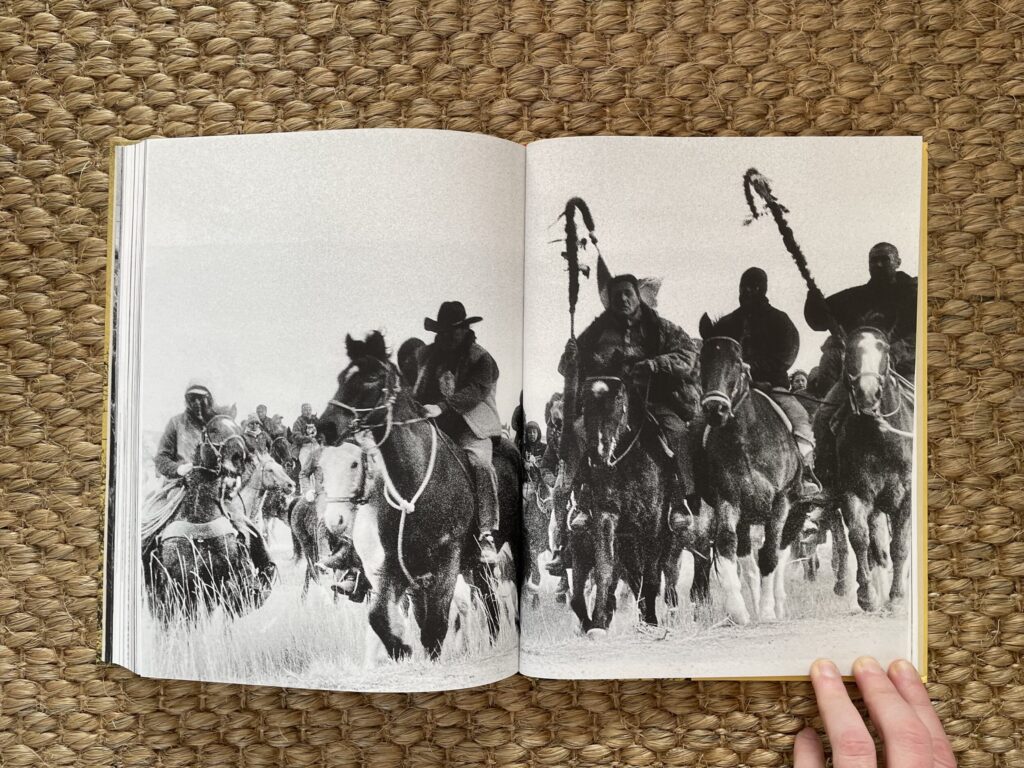
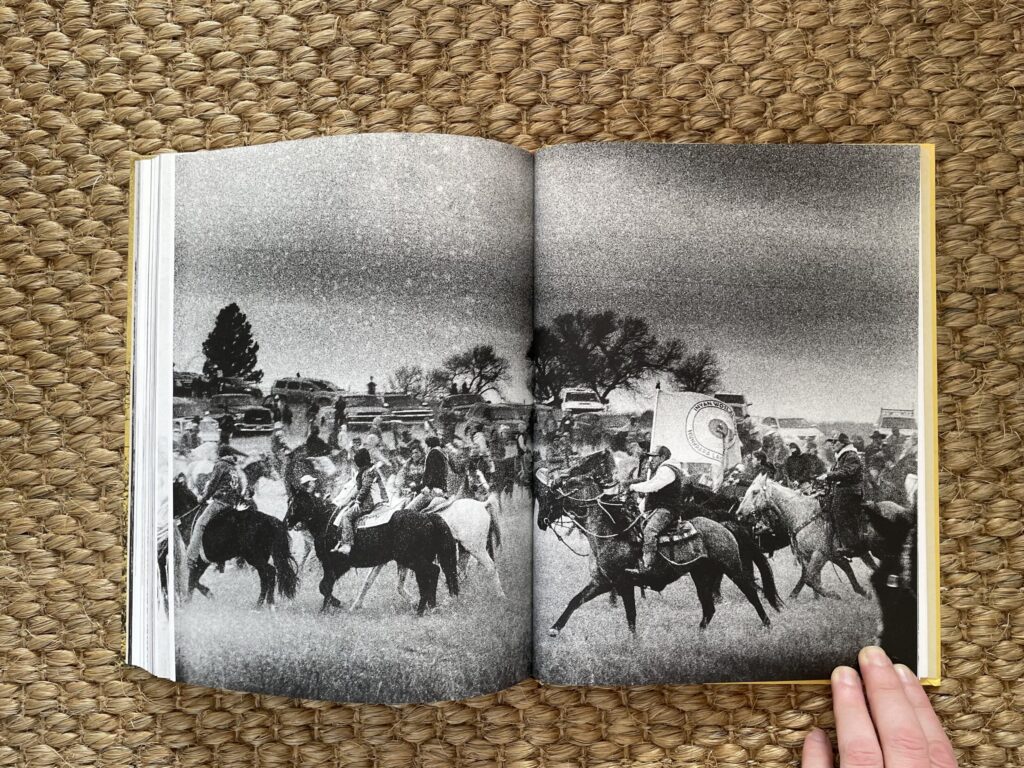
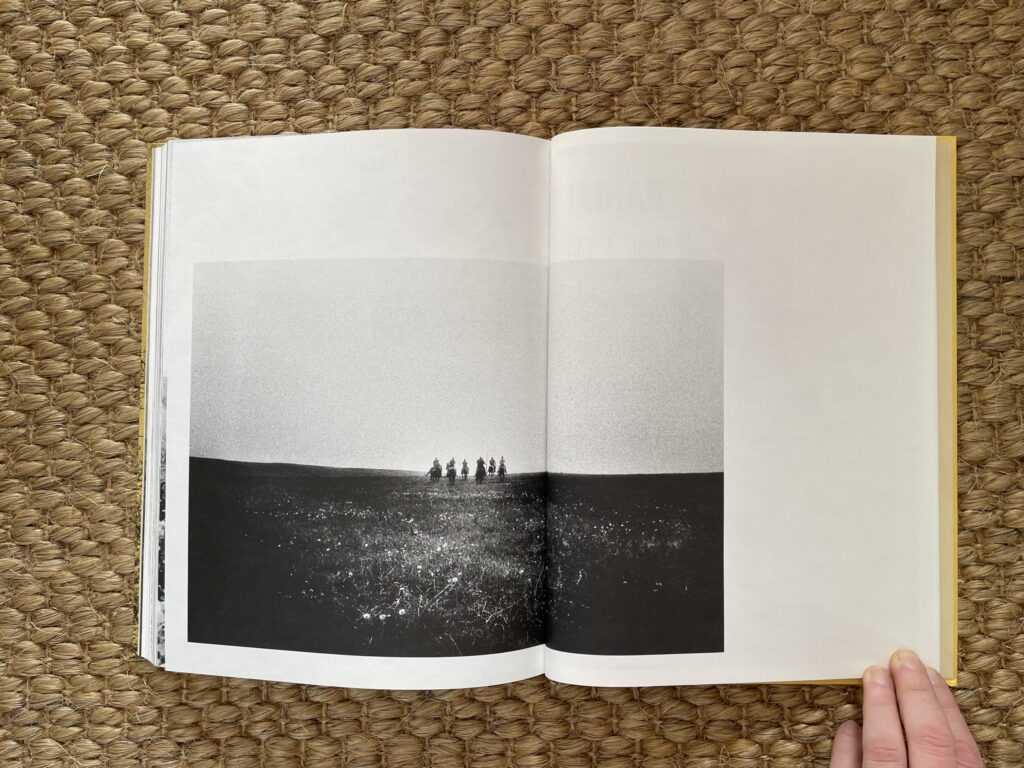
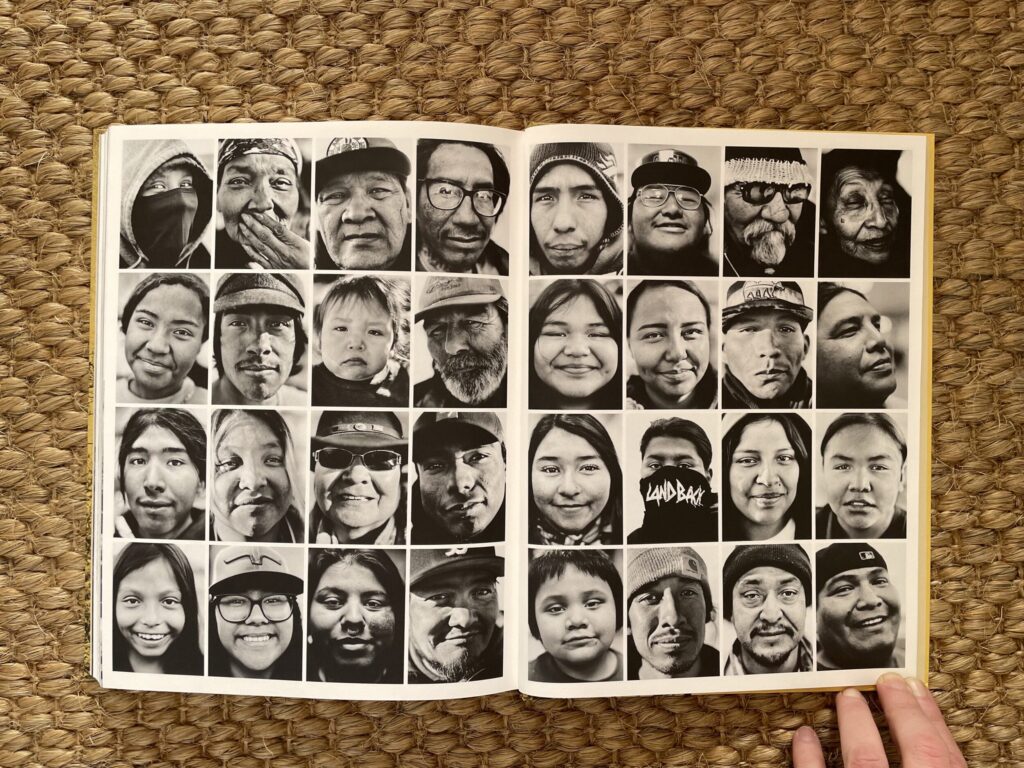
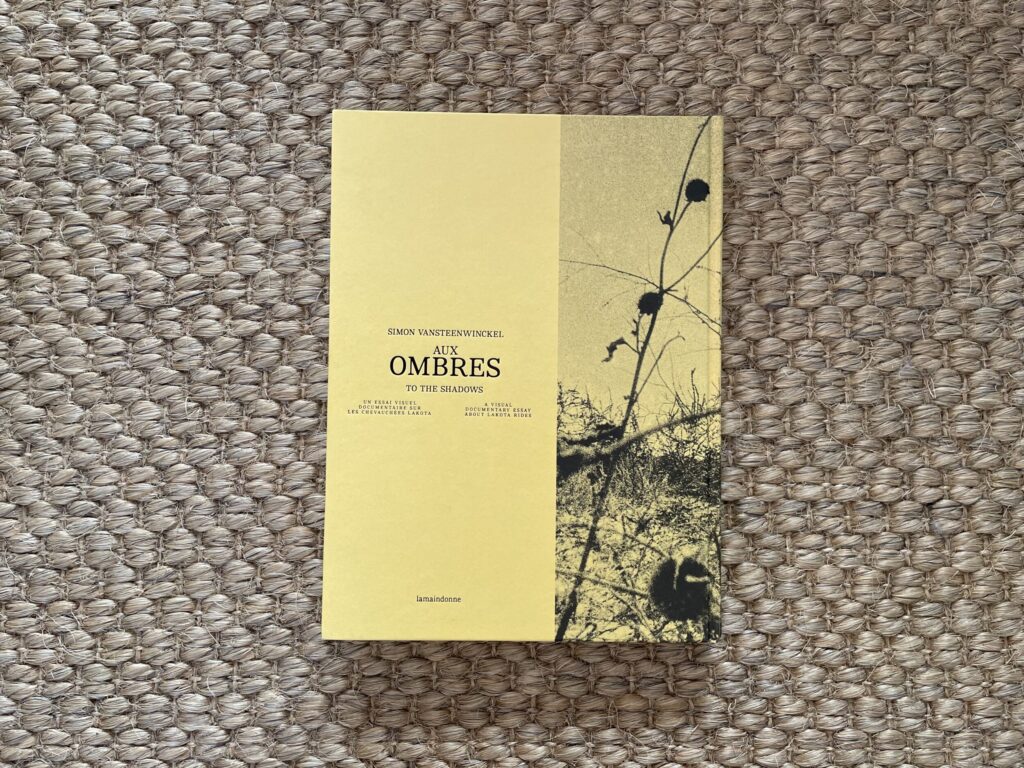
Comments/Context: A common pathway of artistic inspiration comes from the serendipitous discovery of a body of work from that past that somehow resonates with an artist so much that he or she decides to methodically unpack and follow the trail further. Perhaps this means to use a similar camera, or to consider similar subjects or stylistic approaches, or even to travel to the same original location to make new pictures. In many ways, it’s a layered exercise, of steeping in the resonances and triumphs of the old photographs while thoughtfully wrestling with new ways to see the same things.
The Belgian photographer Simon Vansteenwinckel’s initial inspiration for his photobook project about the annual Lakota ride to commemorate the Wounded Knee Massacre came from pictures made of the same event some thirty years ago now by the French photographer Guy Le Querrec. Le Querrec made his images in 1990, which at that time marked the centennial of the massacre, and were published in his photobook Sur la Piste de Big Foot (from 2000). After coming across Le Querrec’s work, Vansteenwinckel wondered about what had happened since, whether the ride was still taking place every year, and if so, whether he might tag along at some point. After struggling to find an introduction into the community, especially given that he was an artist from Europe, he got a lucky break in the form of an internet comment on one of his photos, which led to a connection with a Lakota filmmaker who had documented the rides in the past, and ultimately, to joining rides in 2023 and 2024. Aux Ombres (or “To the Shadows” in English) gathers together his photographic output from those trips.
The original Big Foot Memorial Ride is now known as Omaka Tokatakiya/Future Generations Ride, but the pathway the riders take is still roughly the same. The ride starts at Sitting Bull Camp in the Standing Rock Reservation (most recently known for the protests surrounding the building of the Dakota Access Pipeline in 2016-2017), traverses the Cheyenne River Reservation, and works its way down to Wounded Knee in the Pine Ridge Reservation, covering a distance of some 280 miles across the Dakotas in the dead of winter, just as the original riders did in 1890. It was at Wounded Knee that the American military killed and wounded roughly 350 Lakota, after a confused skirmish broke out while attempting to disarm the tribesmen; the Medals of Honor awarded to American servicemen after the events at Wounded Knee remain a disputed point of contention between the tribe and the US government.
Vansteenwinckel is quick to acknowledge (in the texts that accompany the photographs in Aux Ombres) that he understands the dangers inherent in a European outsider attempting to speak for native peoples in some manner, and readily admits that much of the media he has consumed typically offers “a caricatured and sensationalist image of Indian reservations, combining poverty, alcohol, drugs, and violence”. As a result, his mindset for this project appears to have been altogether humble and respectful, knowing he had a lot to learn before he might credibly try to tell the story in pictures. And what he discovered is that while indigenous communities still face many harsh realities in 21st century America, there are plenty of positive narratives about the beauty and resilience of native peoples that are often overlooked, and the rides are an important symbol of that positivity.
The sequencing of Aux Ombres roughly follows the path of the rides from beginning to end, starting with initial preparations up north and ending with the cemetery at Wounded Knee down south. Along the way, there are many prairies traversed, icy rivers crossed, roads followed, hills climbed, horses ridden, snowstorms endured, meals shared, and groups gathered and dispersed, the spiritual nature of the journey and the teaching between elders and the younger generation always a central part of the process. Vansteenwinckel’s pictures are pulled along by this constant momentum forward, each page turn bringing us closer to the eventual endpoint, capturing a sense of the ride as a powerful emblem of the essential movement of the strong Lakota nation.
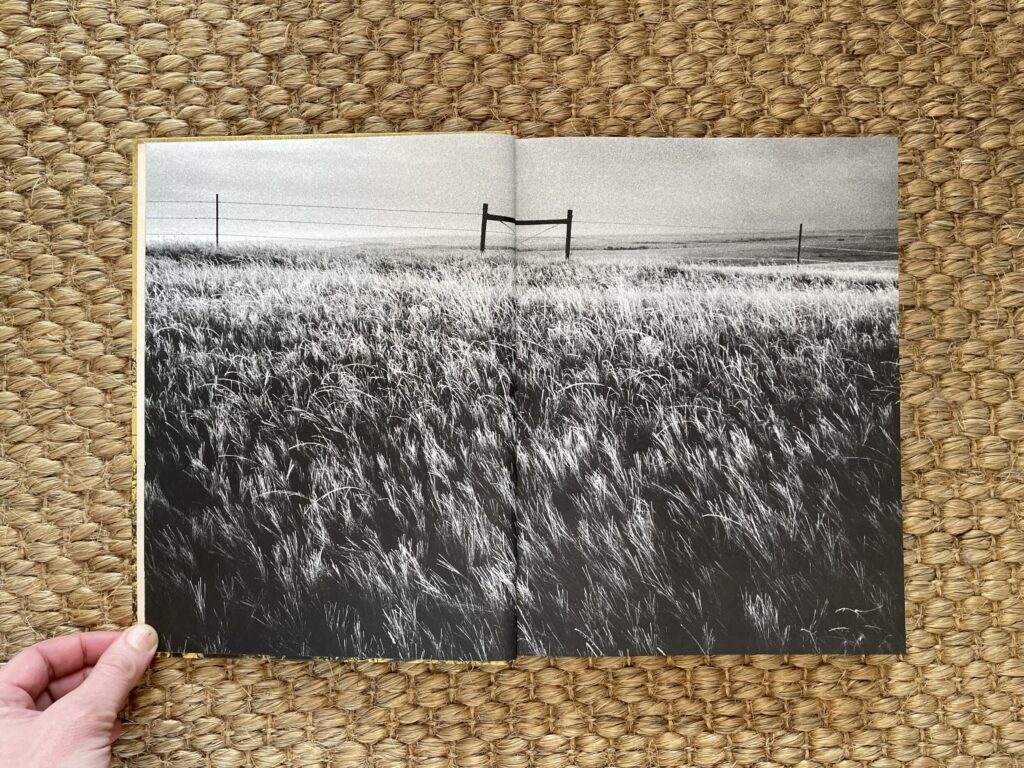
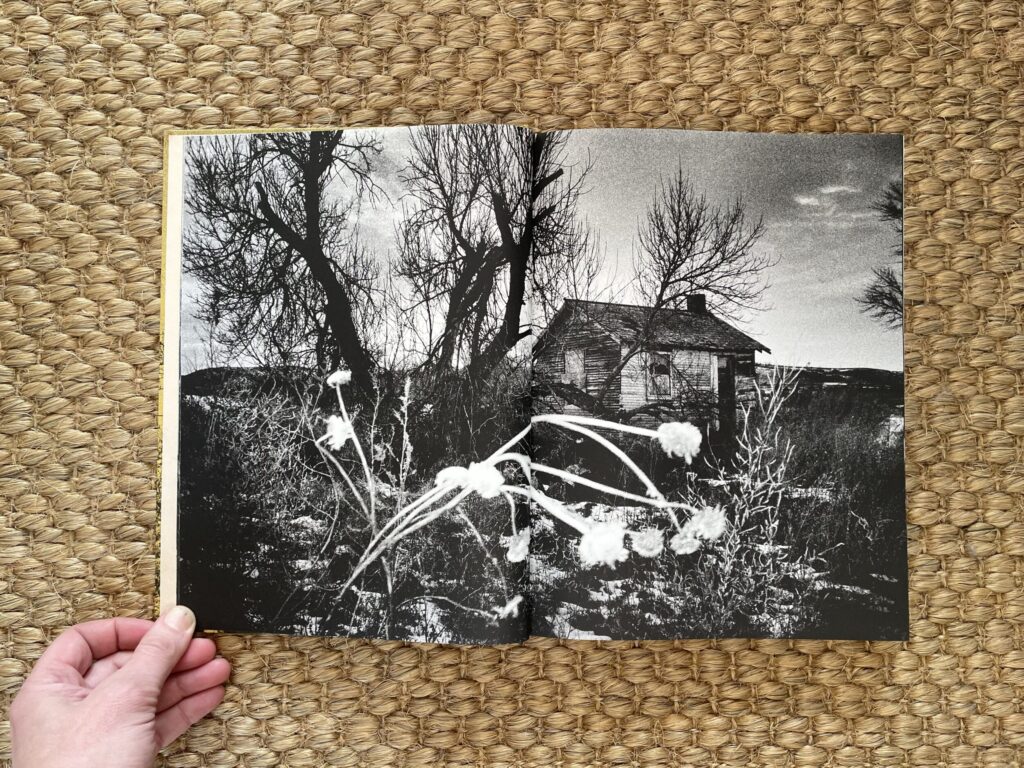
Aesthetically, Vansteenwinckel’s black-and-white photographs build on the documentary example set by Le Querrec, but then consistently extend beyond that framework to include more expressive views of both the land and the riders. Vansteenwinckel isn’t afraid to use grainy texture, deliberate blur, overexposed washed out light, artful frontal interruption (primarily by grasses, tree branches, and dried weeds), and even the distortions of the end of a film roll to amplify the moods he’s trying to capture. In some cases, the atmosphere is quietly heroic, as seen in silhouetted riders set against the expanse of the grasslands (with Vansteenwinckel well aware of the myths of the American West that his pictures reference); in others, he’s highlighting a sense of endurance or the testing of wills, when blizzards blanket the land in disorienting white or riders scramble through unforgiving rocky hills. His pictures encourage us to feel the wind, hear the rustling of the weeds, and rumble along with the movement of the horses. His aesthetic influences and reference points run the gamut from the romance of Edward Curtis’s early 20th century views of groups of native peoples traveling across the vastness of the land to the haunted traumas of Anselm Kiefer, with stubby dead flowers poking up in front of snowy desolation.
While Vansteenwinckel often opts for universality rather than specificity in his sweeping compositional choices, when he gets in closer, he does an excellent job of capturing the 21st century realities found in amongst the flow of the ride. It would be overly simplistic to call this a constant friction between old and new, but elements of that tension can be found in pictures that juxtapose cars and horses, trailers and teepees, elders and children, or a Tupac sweatshirt and a traditional staff decorated with feathers. Trucks and phones are seemingly just as common on the ride as horses, and plenty of families and kids follow along in a caravan of vehicles, watching and supporting the primary riders. Vansteenwinckel is also sensitively aware of loaded symbols like American flags and tribal banners, and the implicit constraints of “Private Property” signs and barbed wire fences across lands that were once entirely open.
The ride ends with a triumphant stampede of galloping horses, coming in to Wounded Knee and circling the presence with a silent thundering of hooves. It’s an emotional moment of collective accomplishment, one that Vansteenwinckel documents with sensitivity and compassion for both the living and the dead. While the rides don’t change conditions on the reservations, they do seem to bring the community together around a sense of common purpose and heritage, offering a counternarrative of uplift and achievement. Vansteenwinckel ends Aux Ombres with pages of thumbnail images of the many people he met along the way, each and every face seemingly filled with this same positive energy.
Both the consistent quality of the photographs and the care with which the photobook object of Aux Ombres has been created increase the likely long term durability of this project. This isn’t a photobook with just a few standout images; instead, in spread after spread (and particularly in the images printed full bleed across the spreads), Vansteenwinckel finds the pulse of something special. There is a building rhythm and momentum to the way the images are sequenced, and the interspersed texts and ephemera fill out some of the history that the pictures can’t easily convey. Engaging with Aux Ombres mimics the durational aspect of the ride itself, leaving us on the high note of all the upbeat faces.
That we Americans needed a Belgian photographer to pay closer attention to this national story of resilience feels quietly disheartening, but that omission on our side doesn’t in any way diminish Vansteenwinckel’s artistic accomplishment in this project. These are photographs that deserve institutional support in American museums and elsewhere, and this is a well-crafted and memorable photobook experience that ably pays homage to the riders past and present who actually made the journey.
Collector’s POV: Simon Vansteenwinckel does not appear to have consistent gallery representation at this time, so interested collectors should likely follow up directly with the artist via his website (linked in the sidebar).