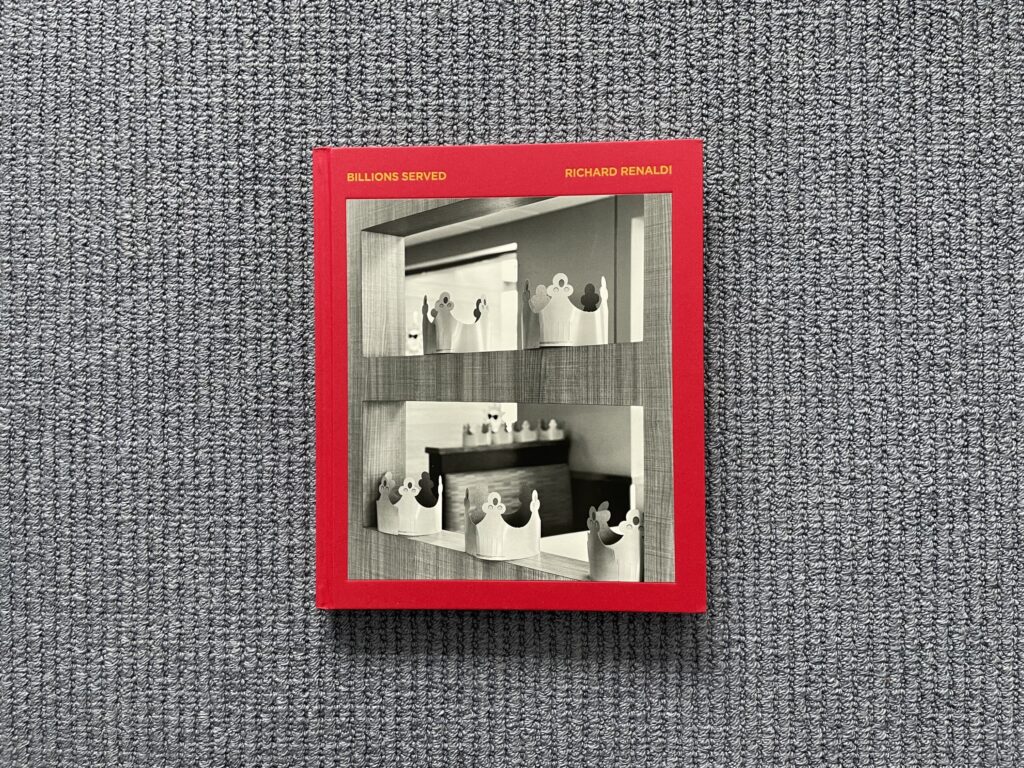
JTF (just the facts): Published in 2025 by Deadbeat Club Press (here). Hardcover, 9.5 x 11.5 inches, 132 pages, with 51 black-and-white and 50 color reproductions. Includes an essay by Seth Boyd. (Cover and spread shots below.)
A special edition of Billions Served is also available (here). Includes a signed and number book and an 8 x 10 inch archival pigment print (also signed and numbered), in a foil-stamped slipcase with tipped-on print. In an edition of 20 copies.
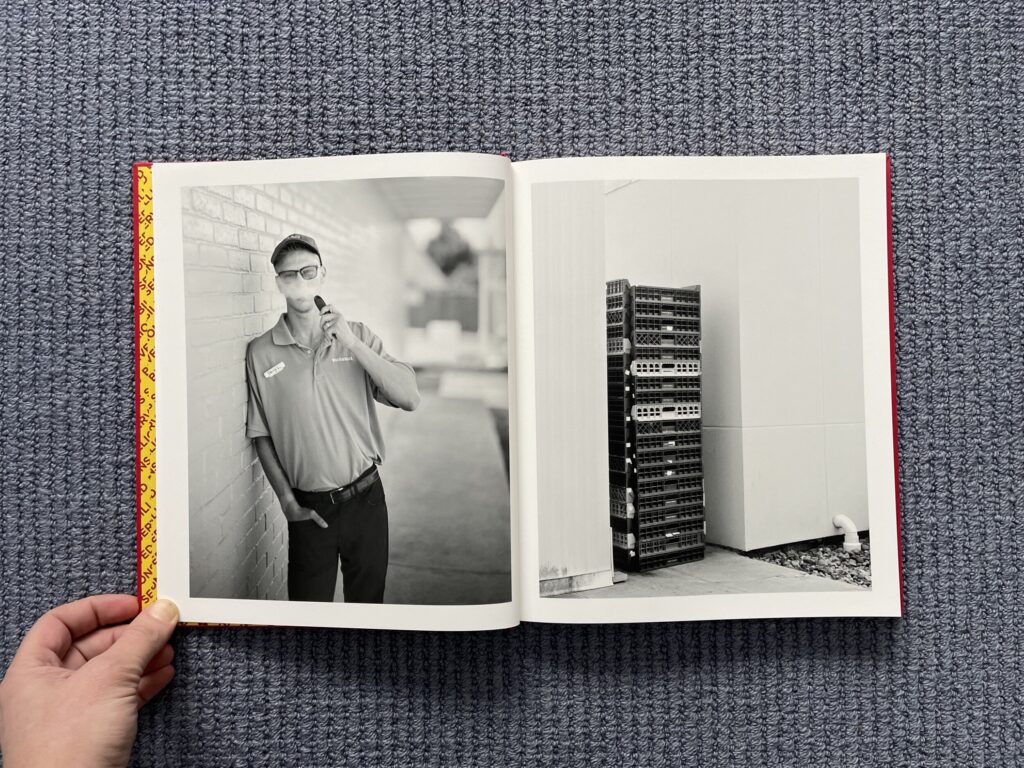
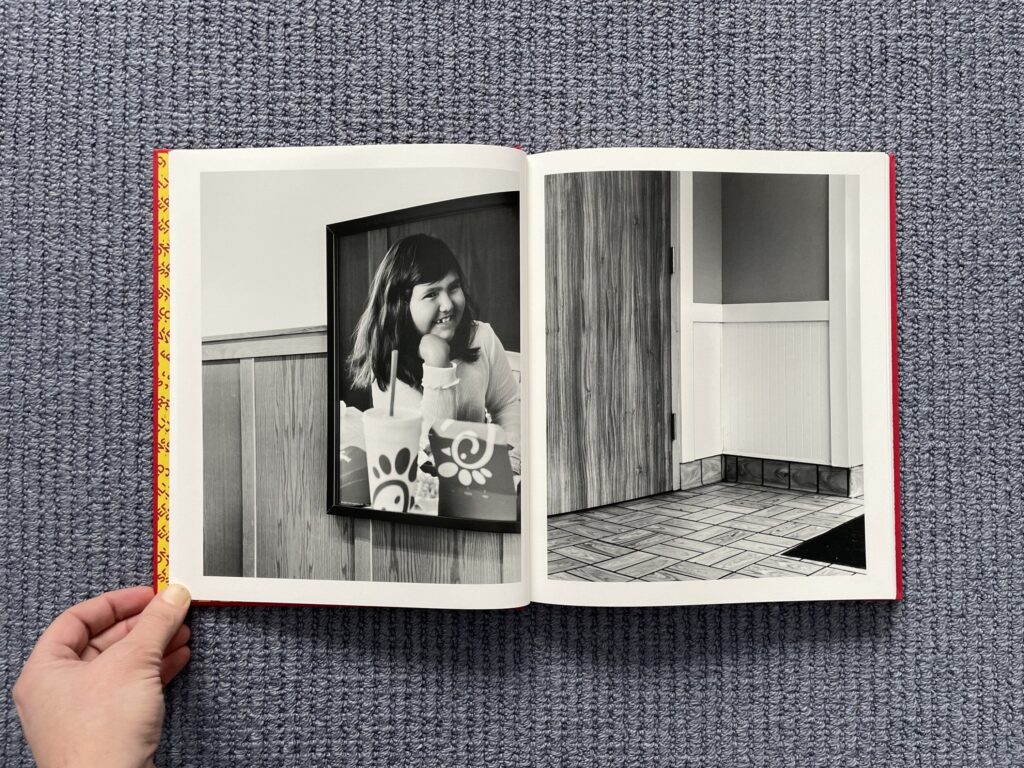
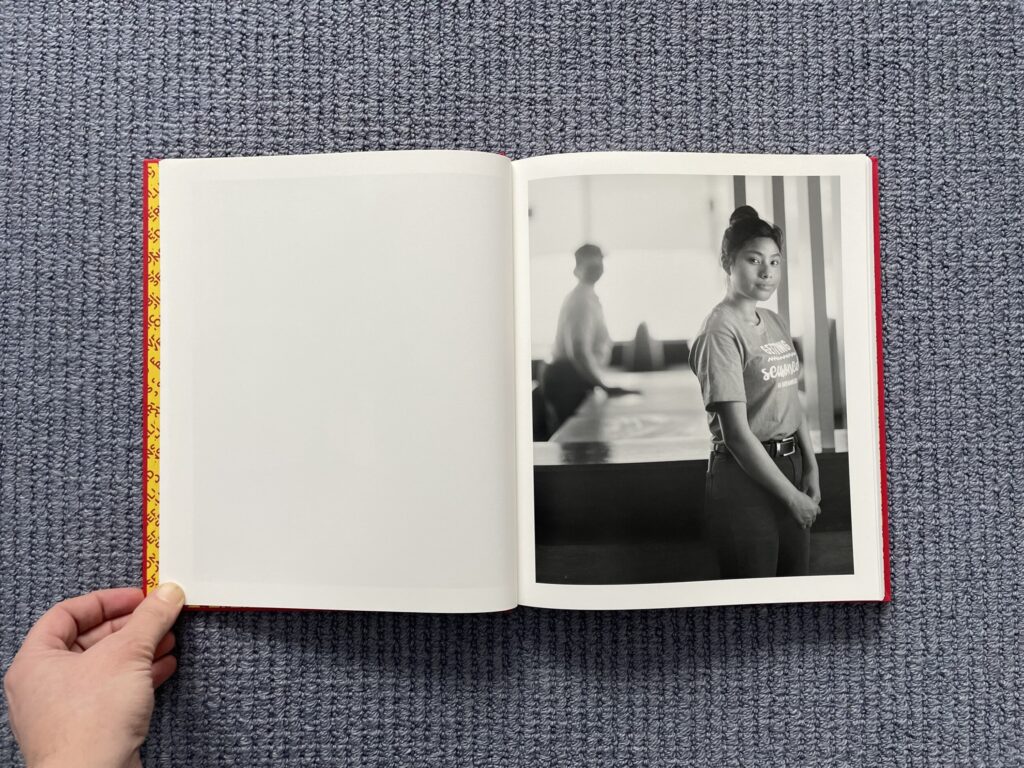
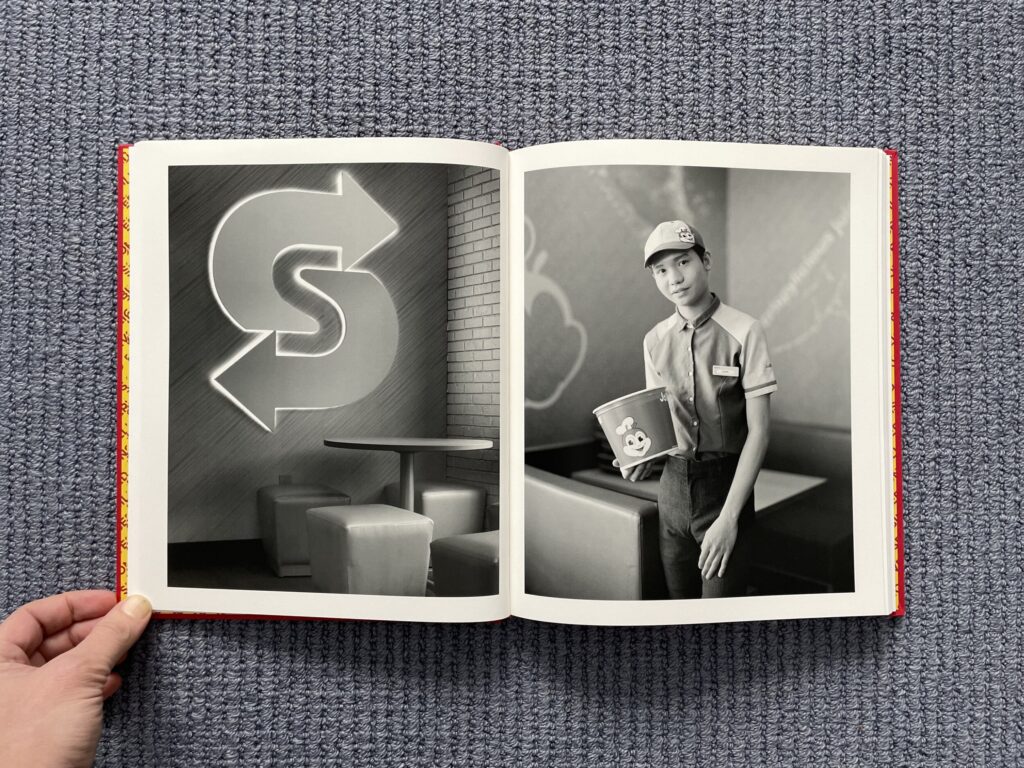
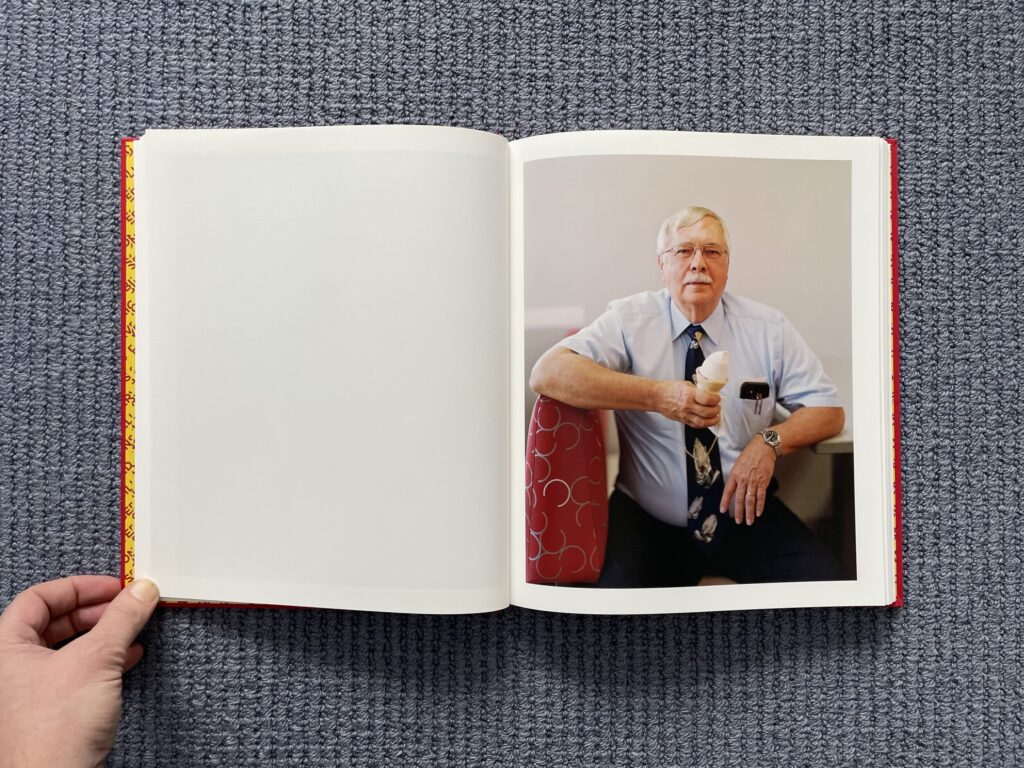
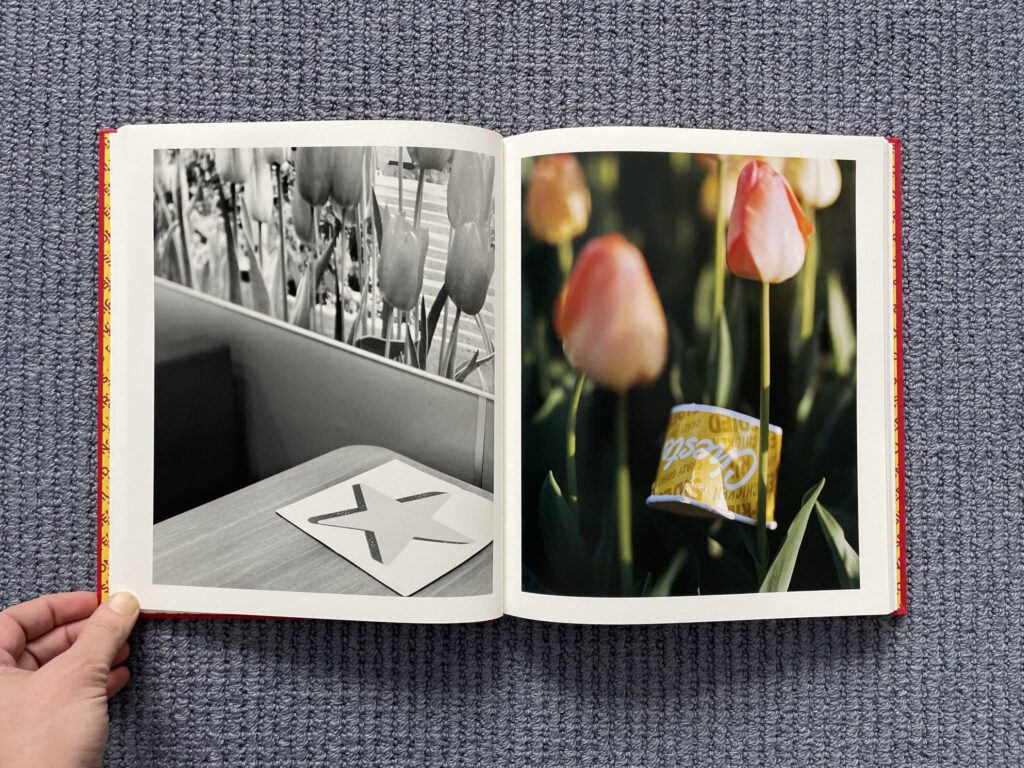
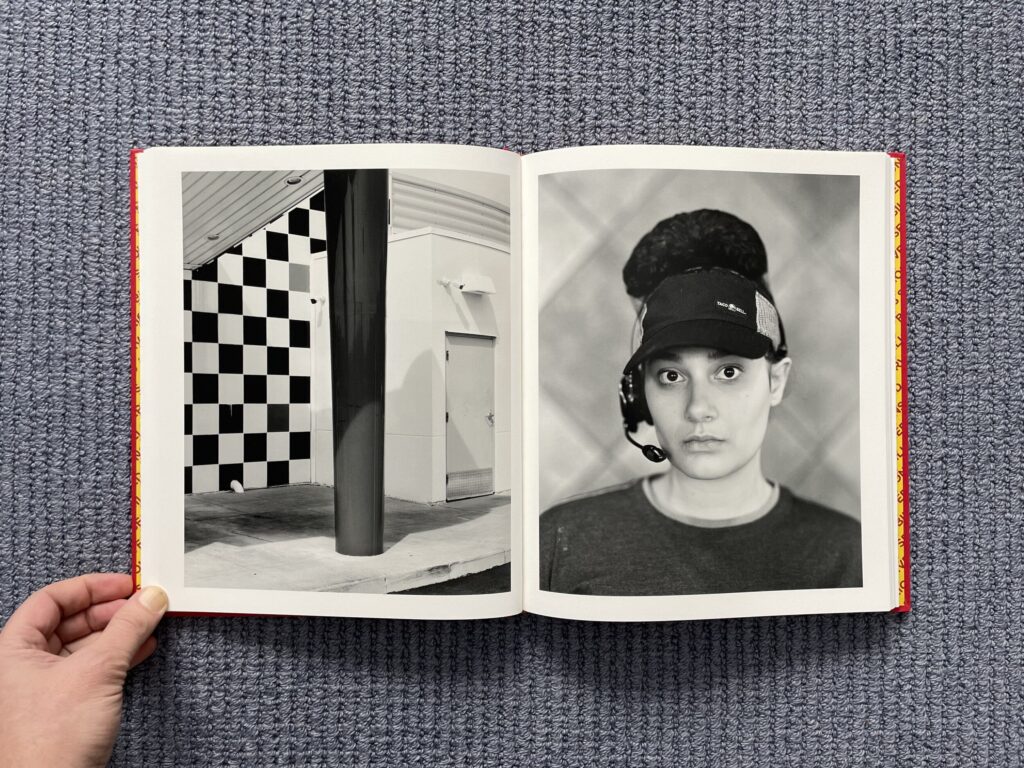
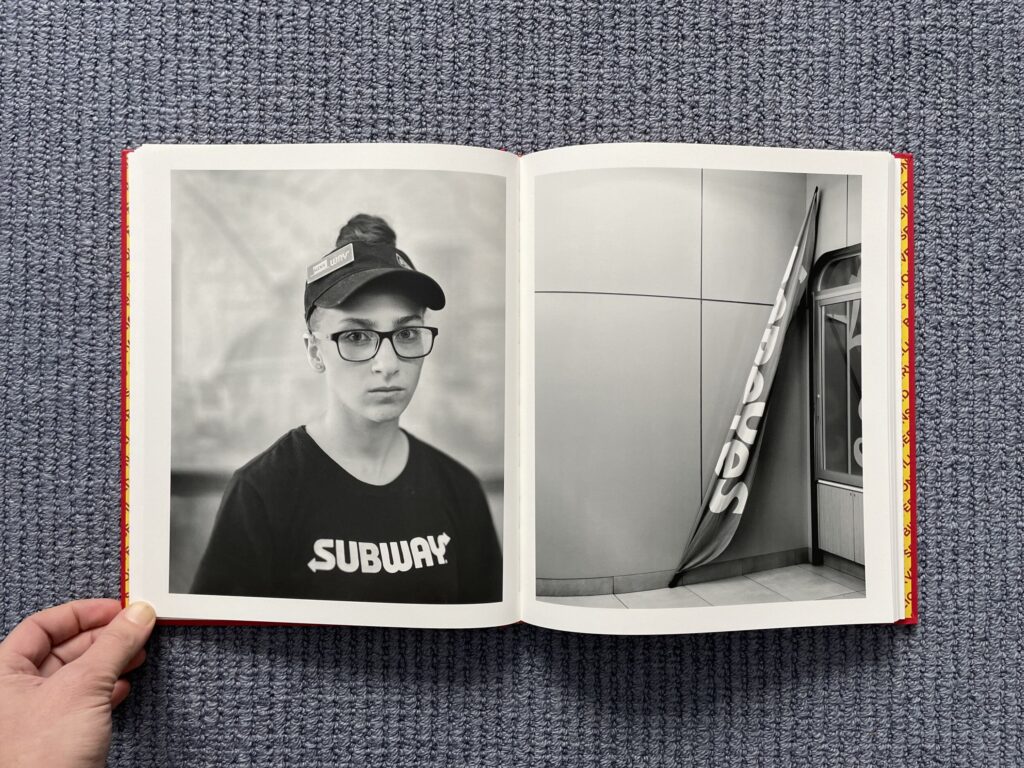
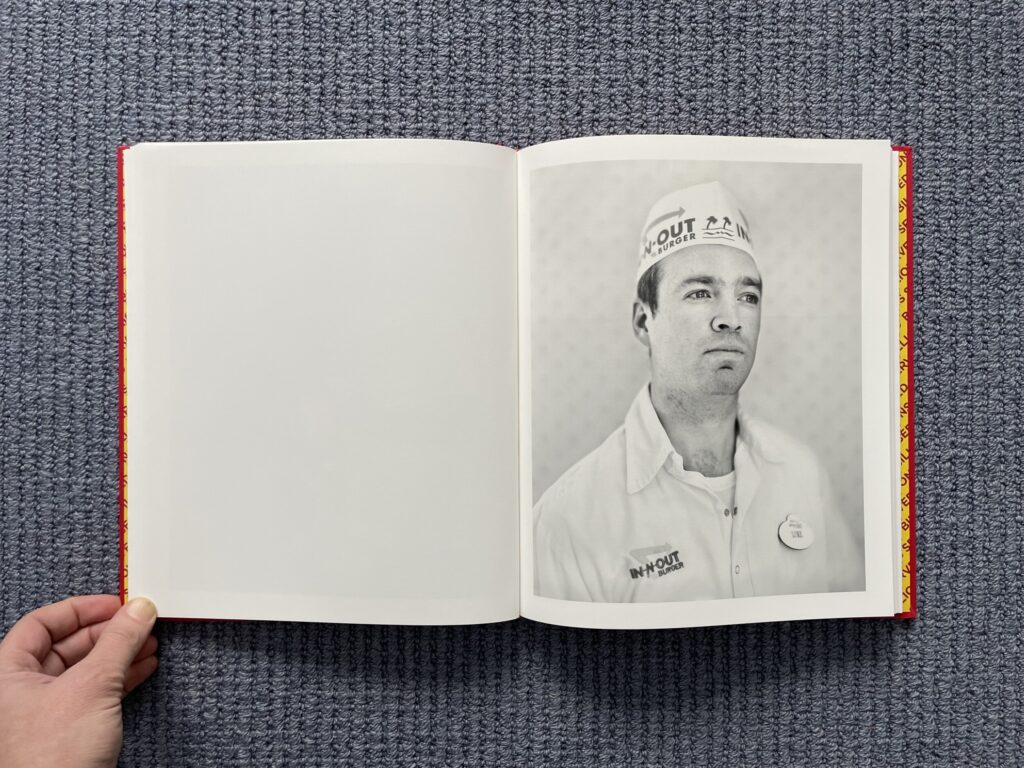
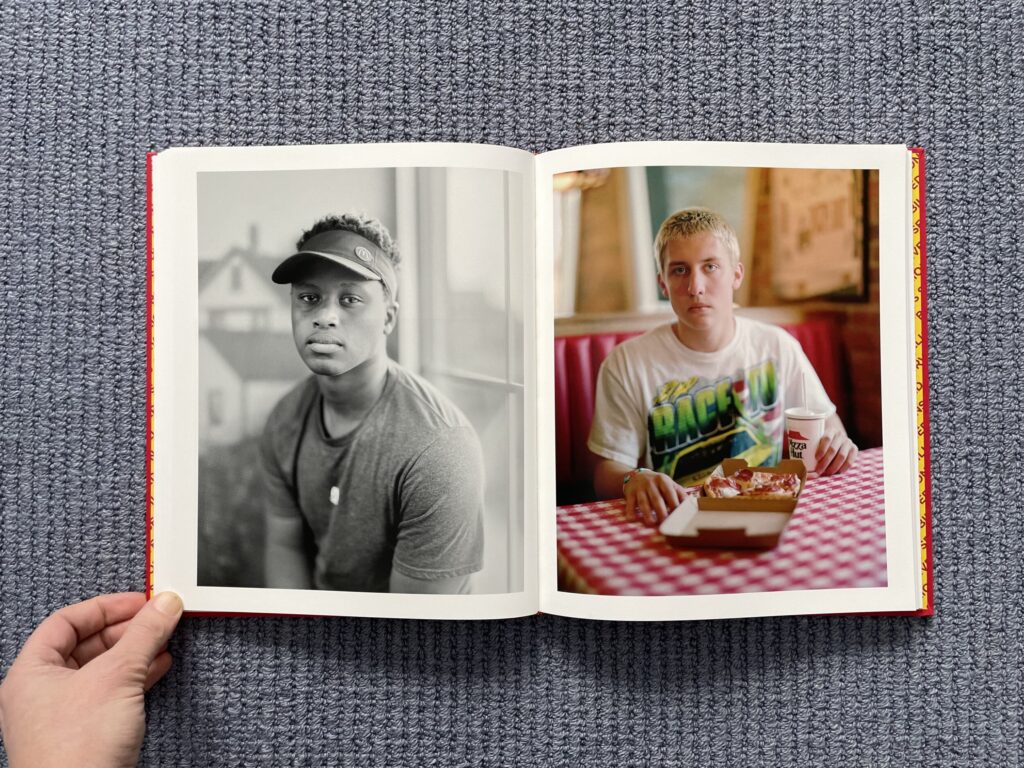
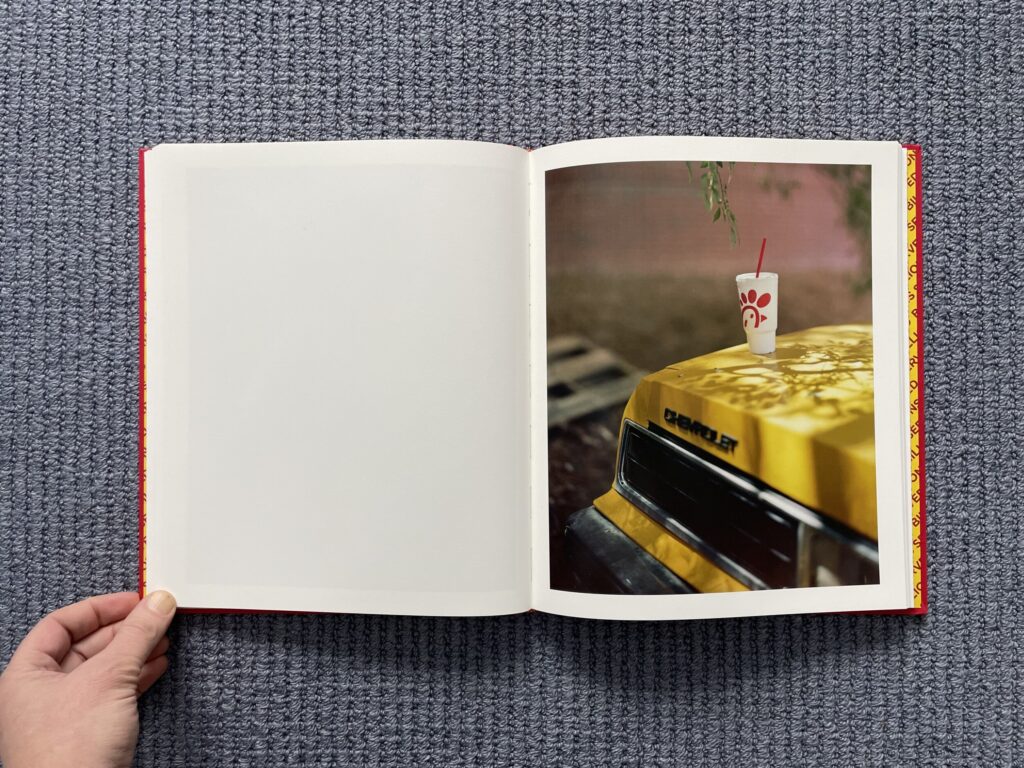
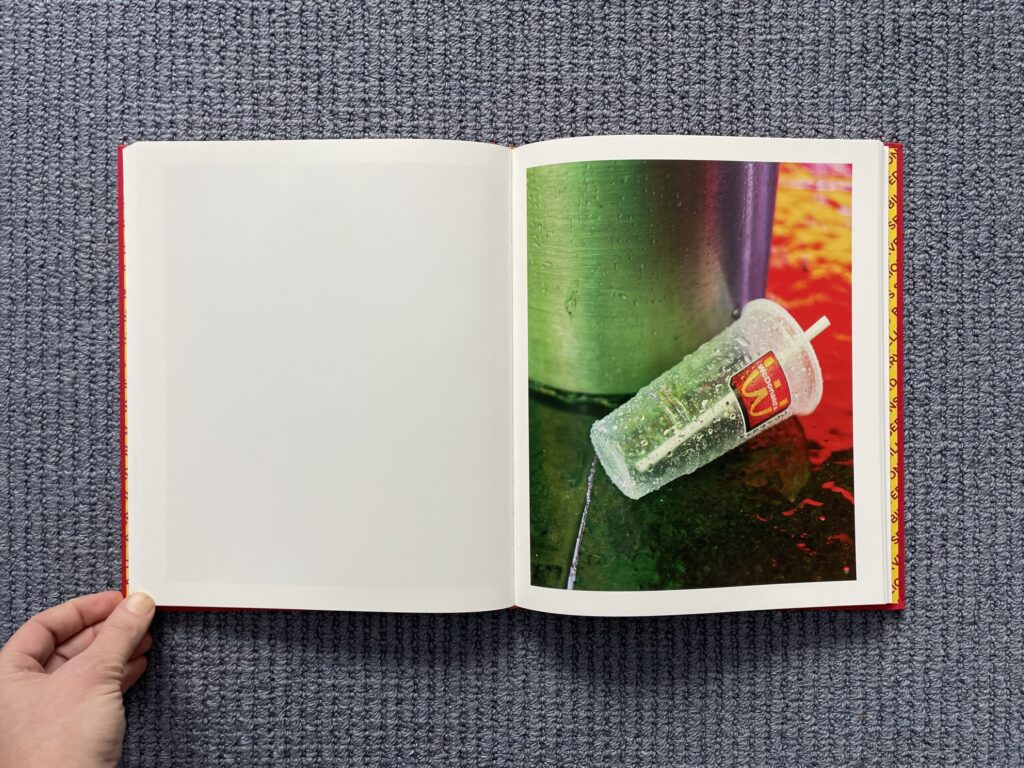
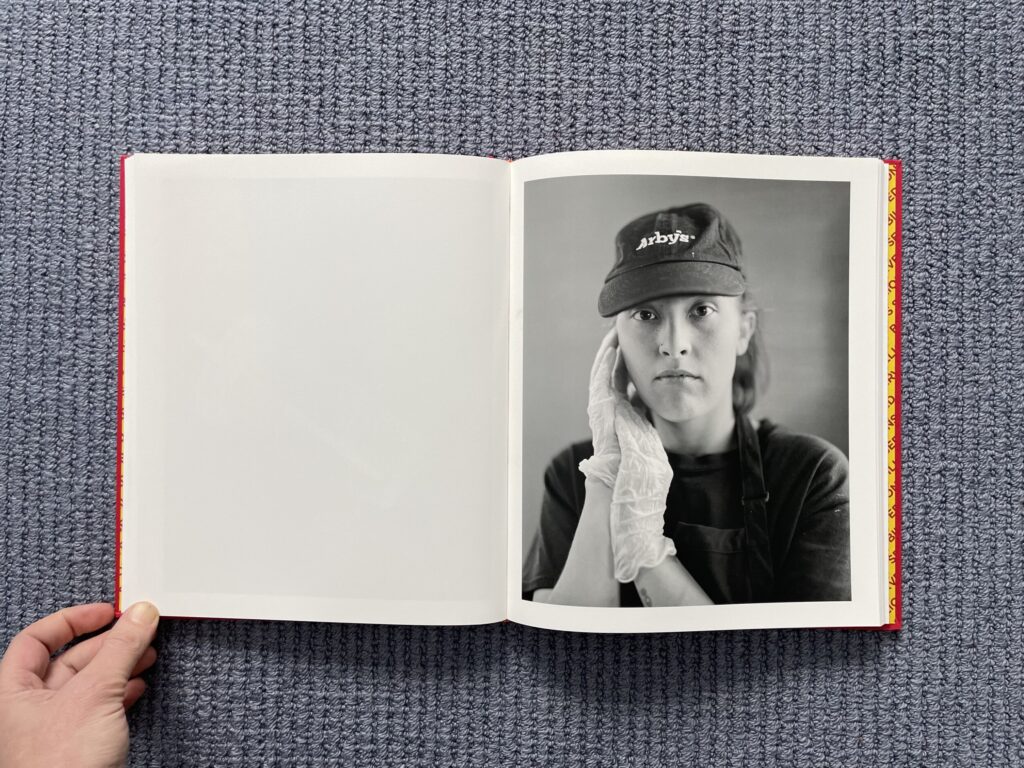
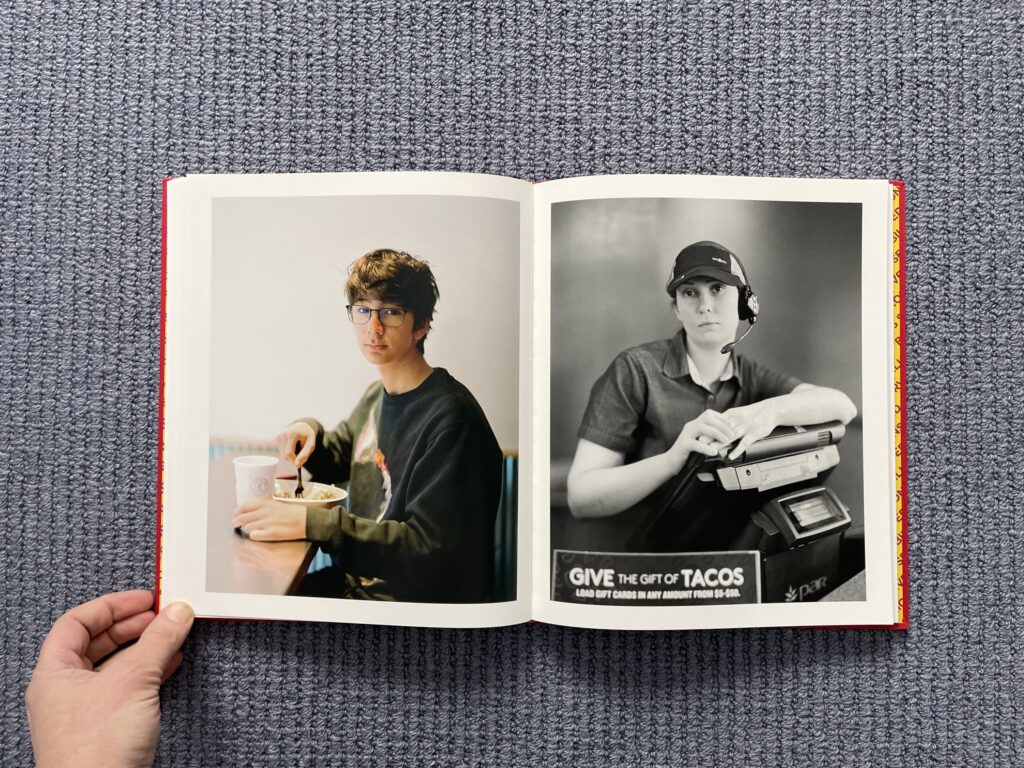
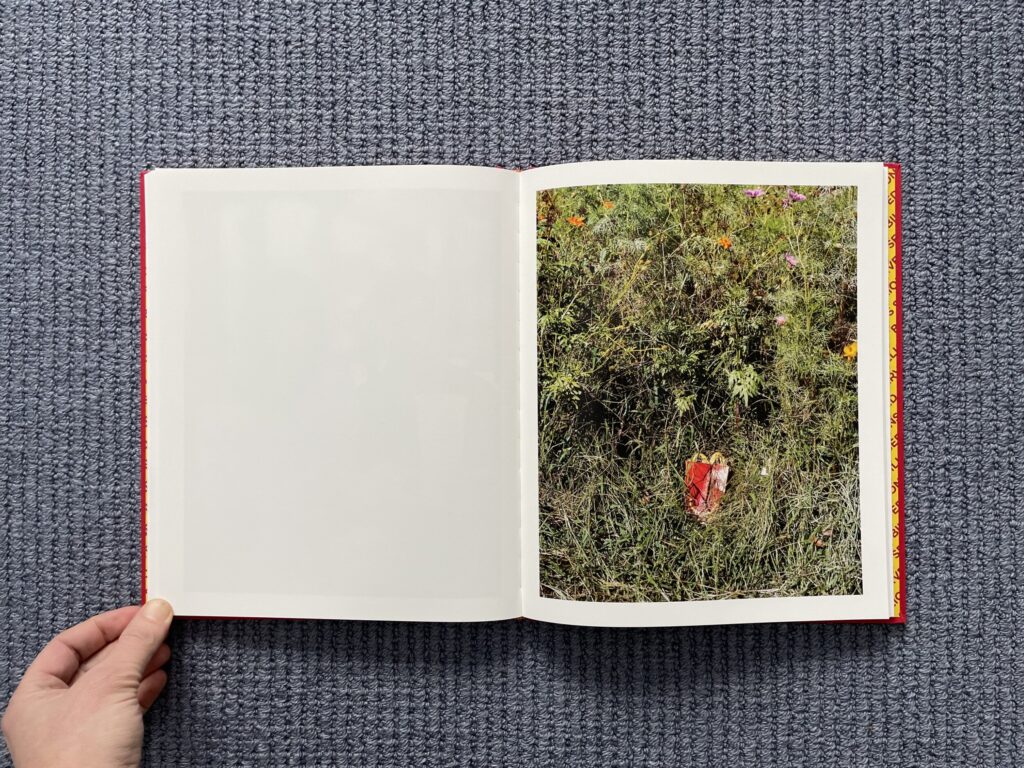
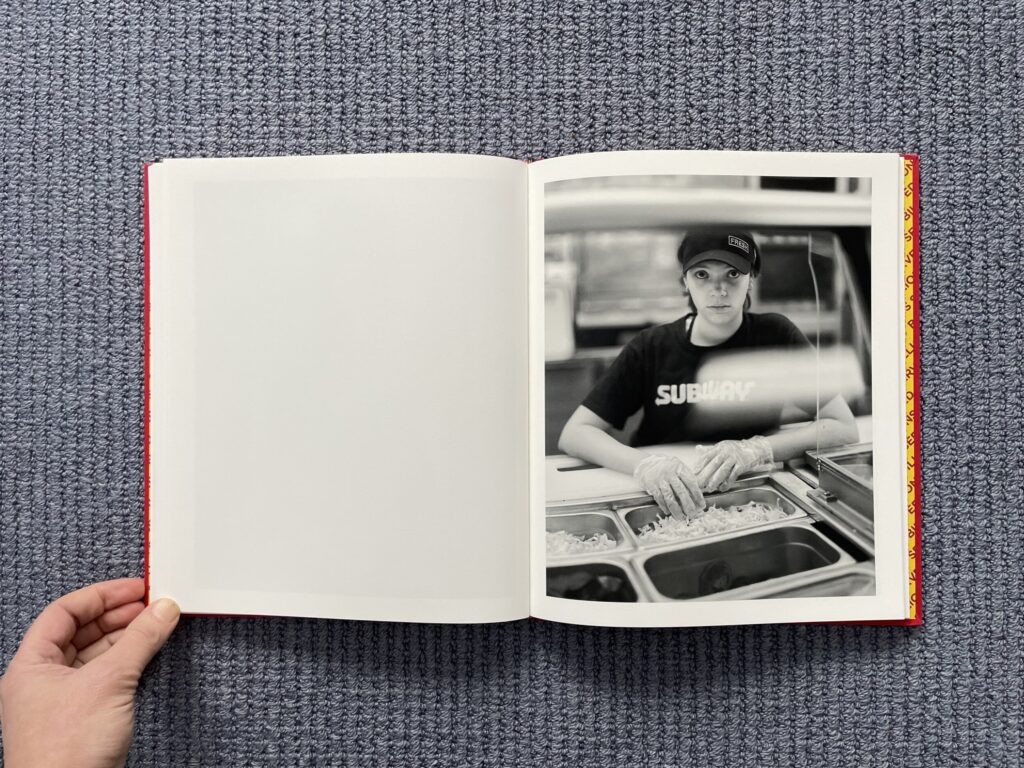
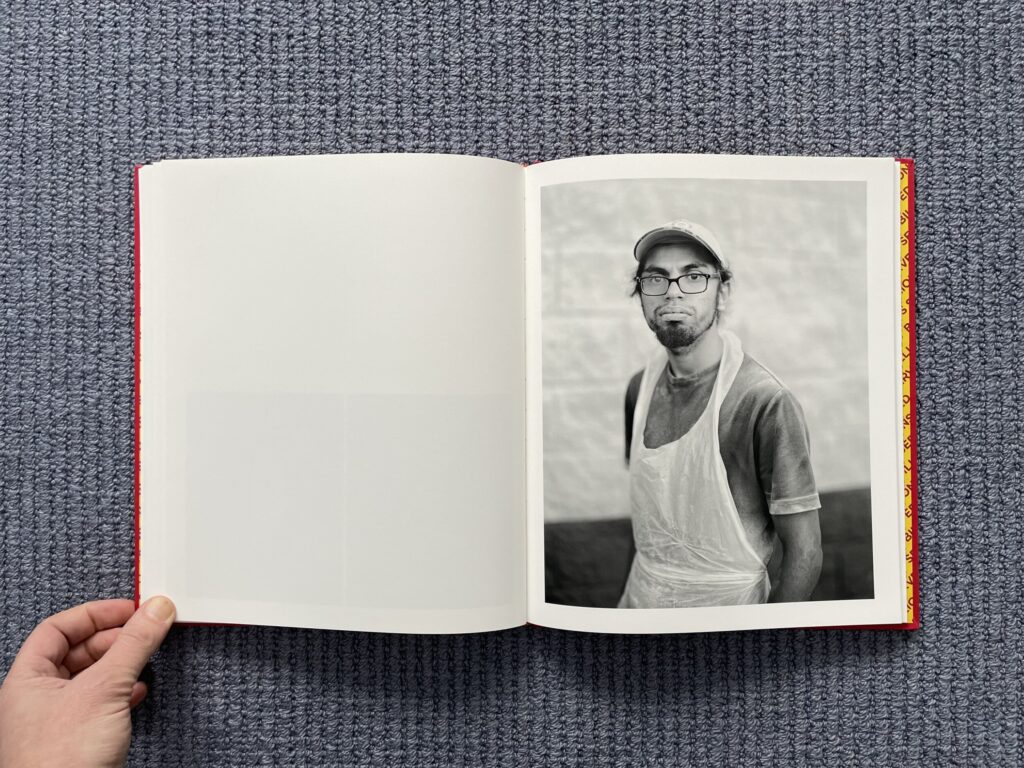
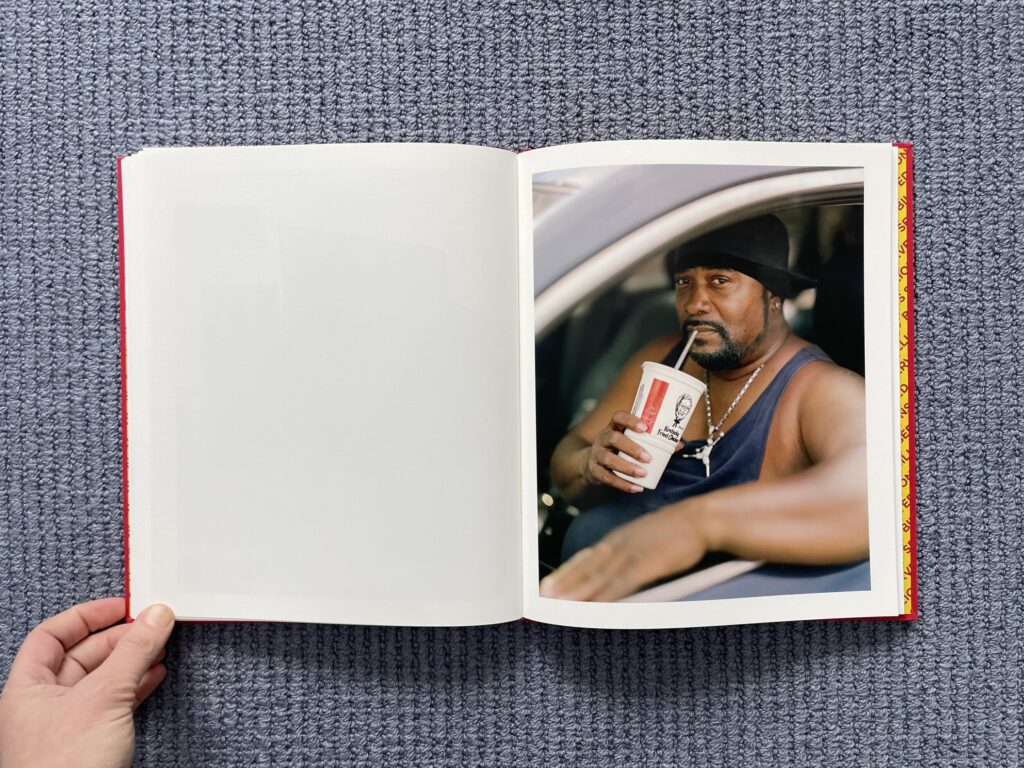
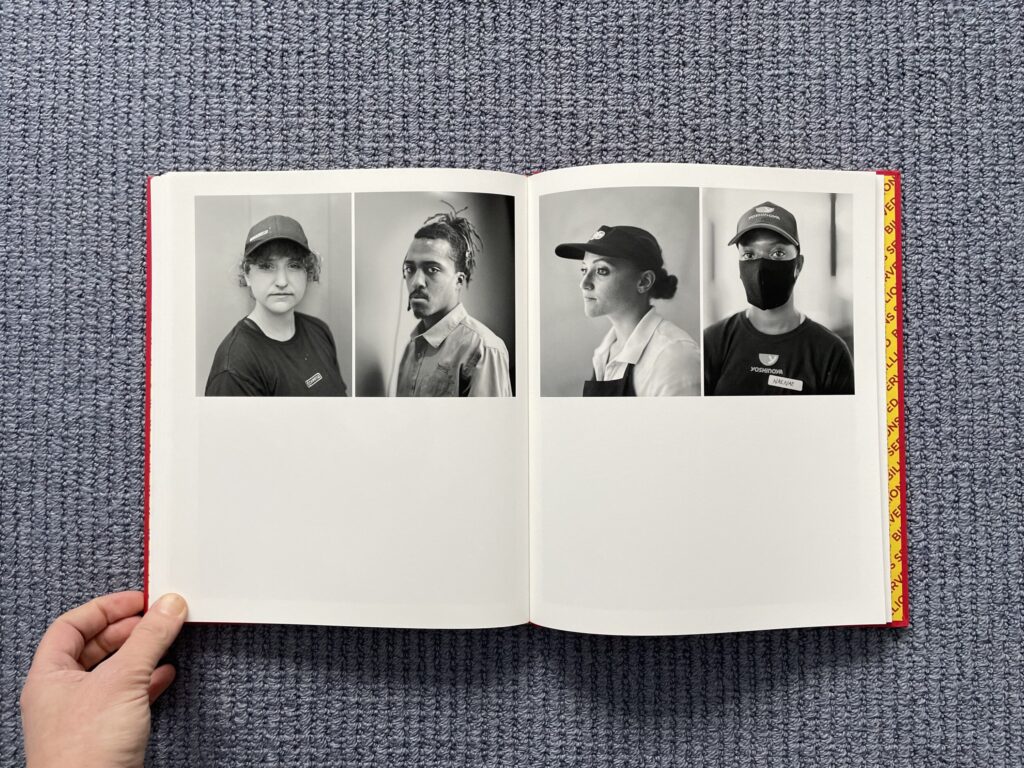
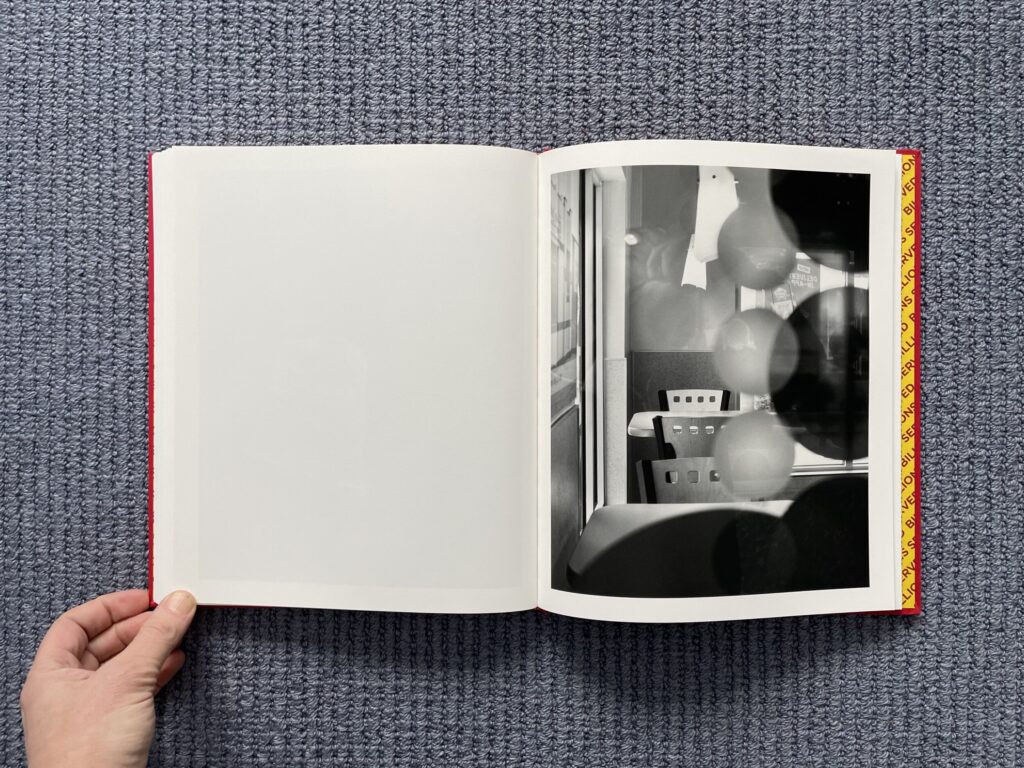
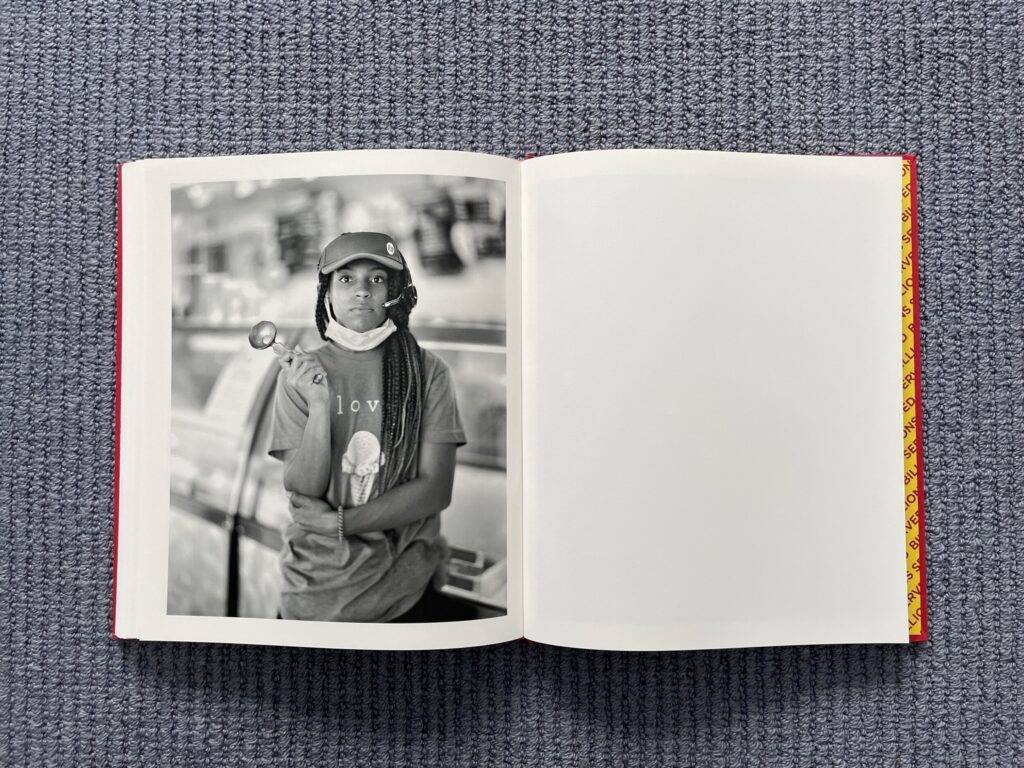
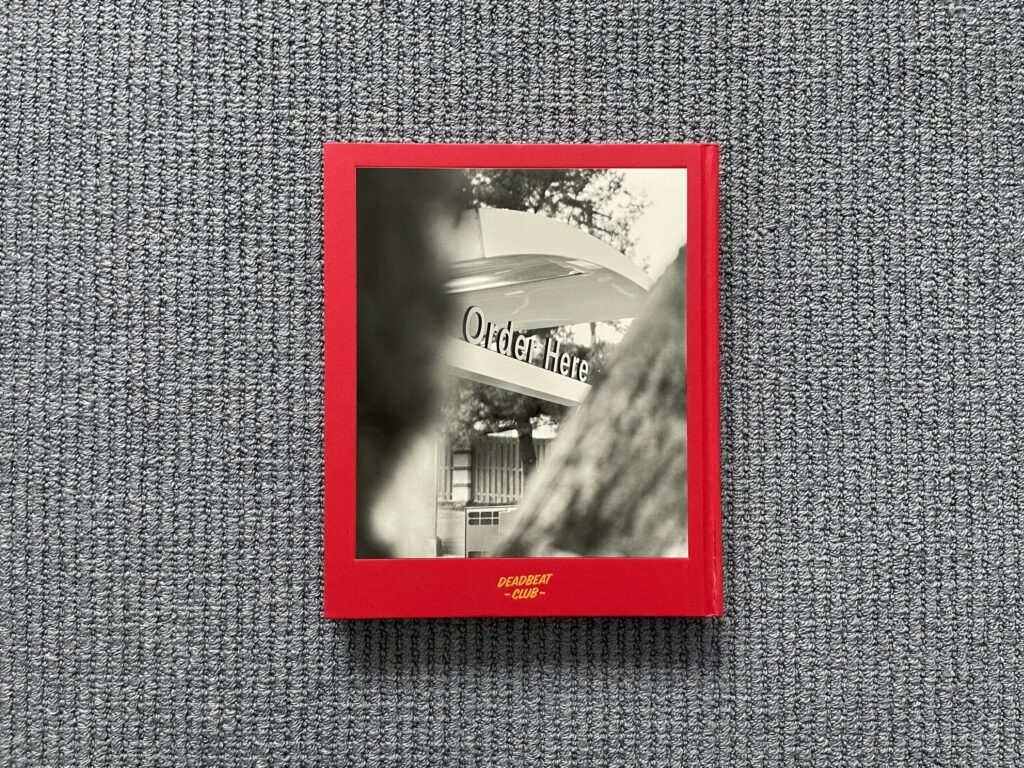
Comments/Context: There’s not much sneaking up on a portrait subject when a photographer is using a view camera. Because it takes a few minutes to set up and manipulate such a bulky device, there is no hiding, no invasive taking, no improvisational street shooting, and not much goofing around – instead, a deliberate sense of consent, engagement, and open collaboration is generally required. It’s an inherently slow approach to making photographic portraits, but that patience often leads to calmly refined pictures that are consistently precise and insightful.
Richard Renaldi has been using a large format camera since 1999, generally making sensitively seen images of people. While his best known project is undoubtedly Touching Strangers (from 2014, reviewed here as a gallery show), where he memorably asked pairs of sitters previously unknown to each other to get together for portraits, over the past two decades, he has methodically moved from project to project (and from photobook to photobook), including Fall River Boys (from 2009) and Manhattan Sunday (from 2016), publishing a handful of titles documenting different communities of people. Along that artistic journey (which included a Guggenheim fellowship in 2015), his portraits have consistently engaged with issues of class, race, gender, and sexuality in the larger context of the American experience.
The idea of using a large format camera to document the world of American fast food is of course something of a contradiction, which is exactly why it has the spark of genius. Who pays slow attention to ubiquitously forgettable fast food restaurants, their employees, and their patrons? Hardly anyone, almost by definition, which is exactly the point – starting with the spread of the interstate highway system in the 1950s and the expansion of the McDonald’s chain in the early 1960s, America has been entranced by quick faceless consumption that requires very little thinking. For someone to really slow down and look with care at the who, what, and where of fast food is altogether radical.
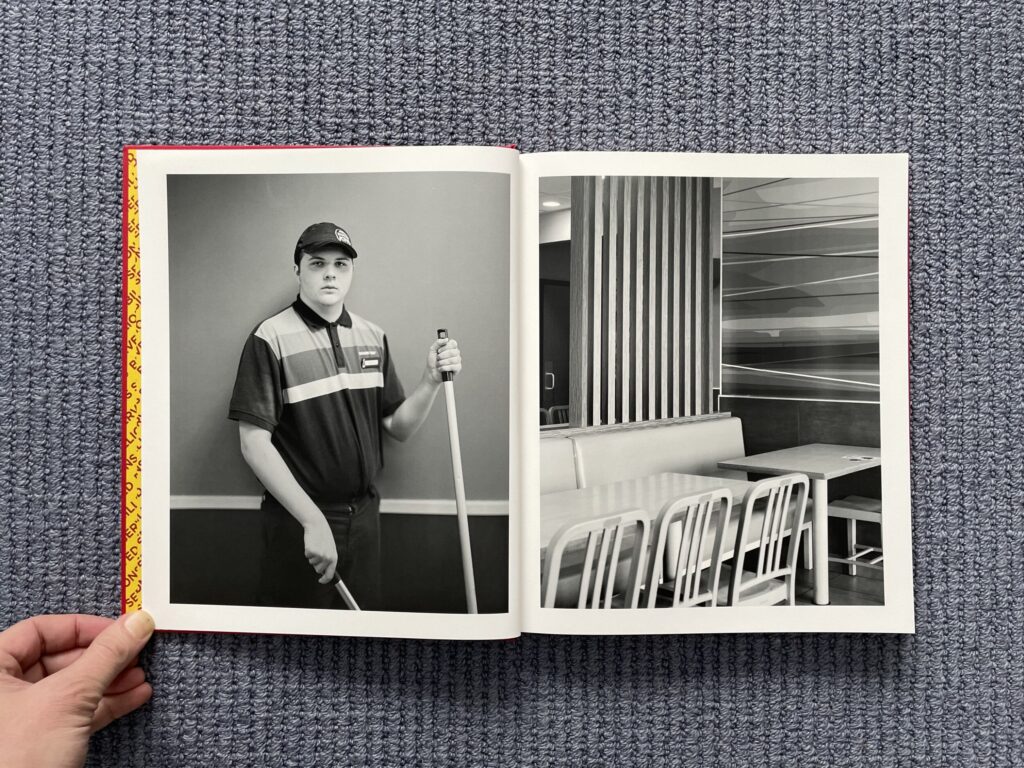
Fast food employees showed up here and there in earlier Renaldi projects, but it wasn’t until 2019 that he decided to devote an entire project to paying attention to these overlooked people. Billions Served is the result of that multi-year effort, and while it is conceptually anchored by thoughtfully seen employee portraits in black-and-white, Renaldi ultimately expanded the scope of the project to include portraits of patrons (in color), of the restaurants themselves and their interior architecture (in black-and-white), and of fast food trash (in color), interleaving the images into one integrated narrative flow. This makes the project more immersive than the employee portraits alone would have been, broadening the dynamic of server and served as well as rooting the artist’s encounters in a specific sense of place and atmosphere.
Of course, the fast food industry isn’t just about cheap meals, and Renaldi’s project quietly wrestles with some of its complexities, albeit indirectly. While other Renaldi projects have used captions and titles to give us information about people’s names, the locations, or even the exact time of day, Billions Served offers no such context, pushing us back to visual anonymity and universality – from a corporate perspective, these are people and places that are deliberately interchangeable, and while Renaldi sees his subjects as individuals, that doesn’t change the overall structure of the environment in which they work. The only identifying marks to be found in these photographs are corporate logos, letting us know we are visiting a McDonald’s, a Burger King, a Chik-fil-A, a Chipotle, a Popeye’s, a Subway, or any number of other national and regional chains that make fleeting appearances here.
Countless American dream stories have begun with first jobs at fast food establishments, and for many, there is a certain kind of nostalgia embedded in these low paying, entry level, service industry jobs. In theory, it’s a place to start, a place to learn, a place where hard work is rewarded, and a place that can lead somewhere else, once some useful skills have been attained. Whether this vision is still valid in the changing economic realities of 21st century America is perhaps less clear. Outfitted in their corporate uniforms, aprons, hats, visors, and wireless headsets, Renaldi’s fast food labor force represents a broad cross section of multi-cultural America, with an emphasis on the young; anyone older might be a manager or just down on their luck. While there are few smiles in these worker portraits, Renaldi still catches plenty of nuances – aspiration, boredom, professionalism, confusion, skepticism, dedication, pride, and more than a little weariness. He sees each worker with intimacy and compassion, acknowledging the truths on their faces.
When Renaldi turns his attention to the customers, the stakes get quite a bit lower – these are folks who have just picked up a burger and have little reason to think much about the interaction he’s asking for or what it might represent. The cheapness and convenience of fast food are perhaps the most obvious signifiers here, as the customers have all self selected to purchase and consume such a meal. The addition of color gives Renaldi a few more compositional tools to play with (particularly in terms of color pops and echoes), and he consistently stages the customers holding or near their food, creating a connection of touch (or at least proximity) between the product and consumer. Many of these images have a posed “here I am with my fries” feel, which reinforces the relaxed commonality of this humble eating experience across all kinds of Americans, from the grizzled man with his service dog to the bearded guy in a tuxedo.
When Renaldi turns his photographic eye to the restaurants themselves, we can see him actively wrestling with the corporate designers who intentionally created spaces that want to appear fresh, modern, clean, and welcoming, within a repeatable and easily recognizable corporate style. Interestingly, he never punches back, with images of messy tables, annoyed crowds waiting for their food, overflowing trash cans, long lines at the drive through, or other failures of cleanliness or care; instead, he tends to abstract the pristinely empty settings, playing with the available geometries of architecture and interior design. He notices doors, tables, booths, chairs, ordering screens, and other common infrastructure, and then isolates signage, uses cast shadows to add additional lines and planes, and thinks about angles, surfaces, and contrasts of light and dark. A few corporate artworks (images of flowers, smiling fast food eaters, perfect burgers, etc.) offer additional opportunities for visual fun with their surreally upbeat messages, but in general, Renaldi seems to be most interested in the seductively futuristic anonymity on offer, where eating fast food is just one more corporately controlled non-activity.
Renaldi’s found still lifes of discarded fast food trash are similarly artful, never quite aiming for photographic ugliness however grim the discovery might be. Indeed, there is elemental harmony in his folded Burger King crown on the sidewalk and an almost natural symbiosis in his red and yellow McDonald’s carton in amongst the overgrown wildflowers. Other colorful standouts standouts include a Chik-fil-A cup perched on a dappled yellow car hood, a McDonald’s cup in a rainbow slick, a pink and orange Dunkin’ bag nestled in among some weeds, and double quarter pounder with cheese wrapper set against rusty train tracks. This kind of garbage is essentially everywhere now, but Renaldi treats each find with outsized respect.
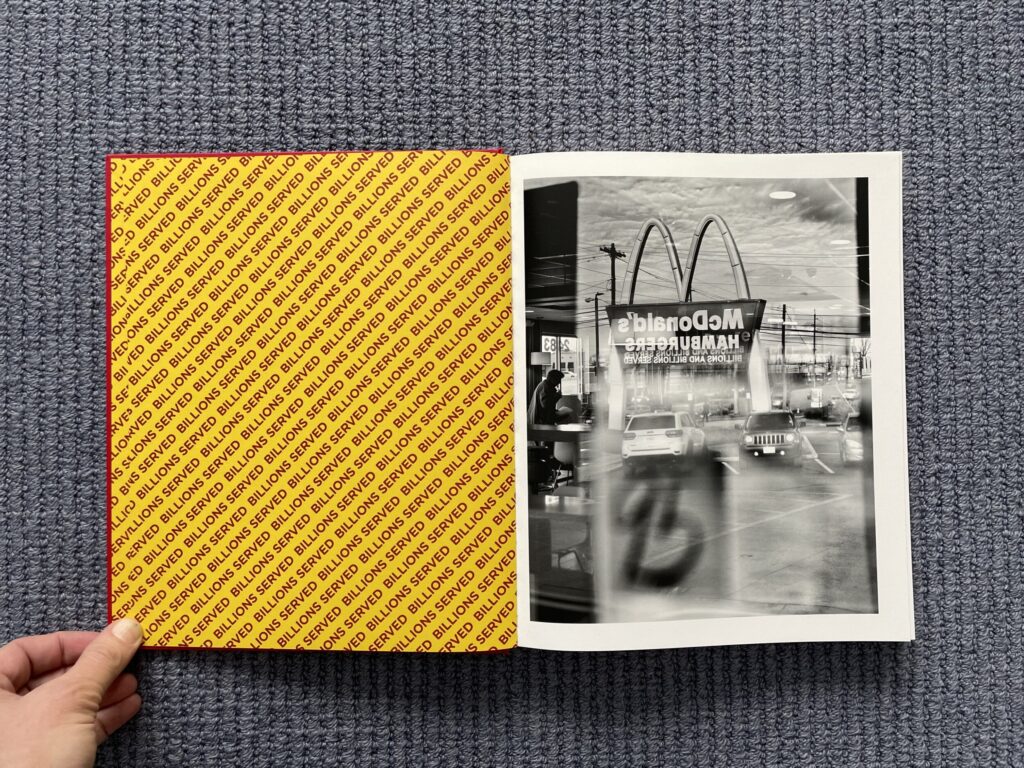
As a photobook object, Billions Served is a photographs first effort, surrounded by subtle design touches that bring the entire project together. The book is sized to allow generous image reproductions, mostly one or two to a spread with white bordering. The design keys on red and yellow, both on the cover and the end papers, with tipped in images on the front and back covers to orient viewers. Overall, it’s a straightforward approach that puts the emphasis on the images.
Billions Served begins and ends with mirage-like images of reflected windows, where inside and outside seem to merge with mystery. The two photographs feel like fitting bookends for Renaldi’s shifting fast food narrative, the appearances of the fast food world not always in alignment with its realities. He takes a humanizing eye toward this highly optimized American culinary tradition, revealing the actual people that find themselves on both sides of the counter. Even at their most deadpan, Renaldi’s engaged photographs bring us in close to memorably particular individuals, forcing us to see real faces rather than anonymous consumption. In this way, perhaps his pictures aren’t about fast food at all, but about how people are navigating a set of 21st century conditions that want to erase them.
Collector’s POV: Richard Renaldi is represented by Benrubi Gallery in New York (here) and Robert Morat Galerie in Berlin (here). Renaldi’s work has little secondary market history at this point, so gallery retail likely remains the best option for those collectors interested in following up.