JTF (just the facts): Published in 2025 by the artist (here). Softcover book with exposed binding, 21.8×16.5 cm, 135 pages, with 67 images. Includes an essay by Luís López Navarro in Spanish/English. Design by Tipode Office. In an edition of 400 copies. (Cover and spread shots below.)
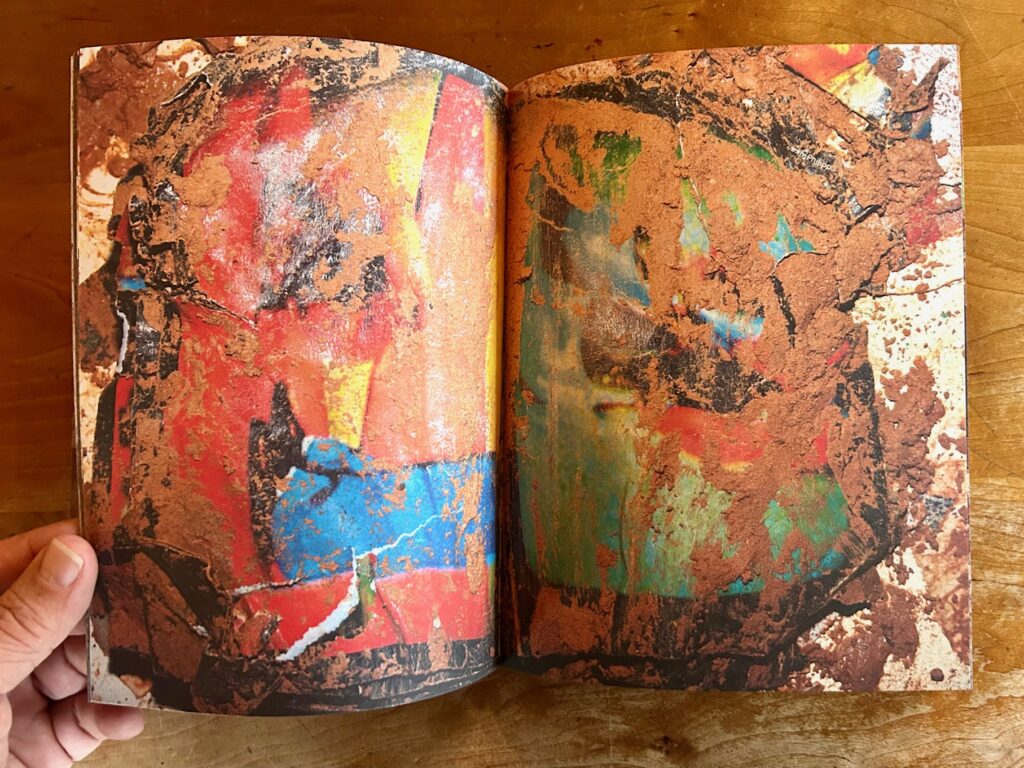
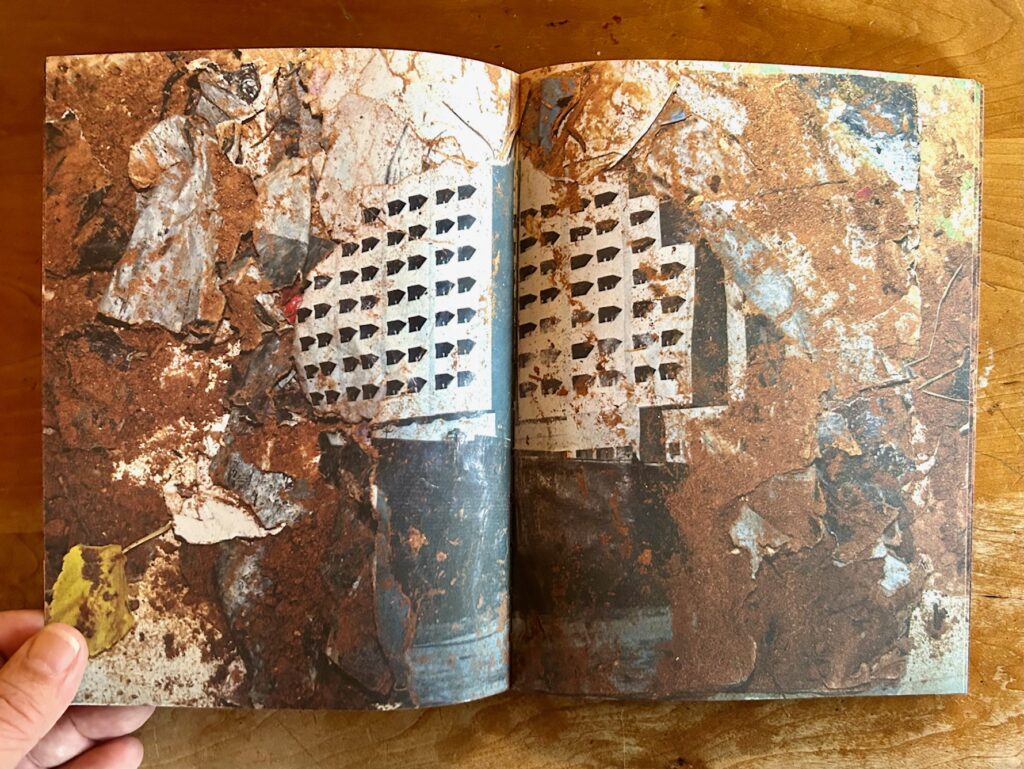
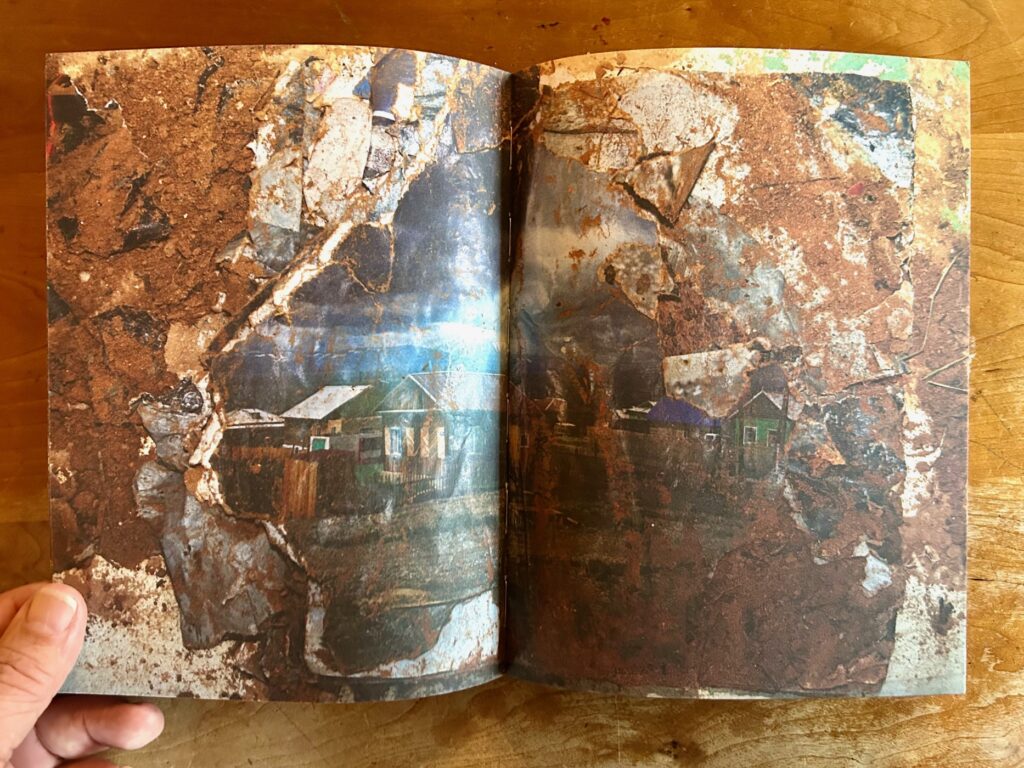
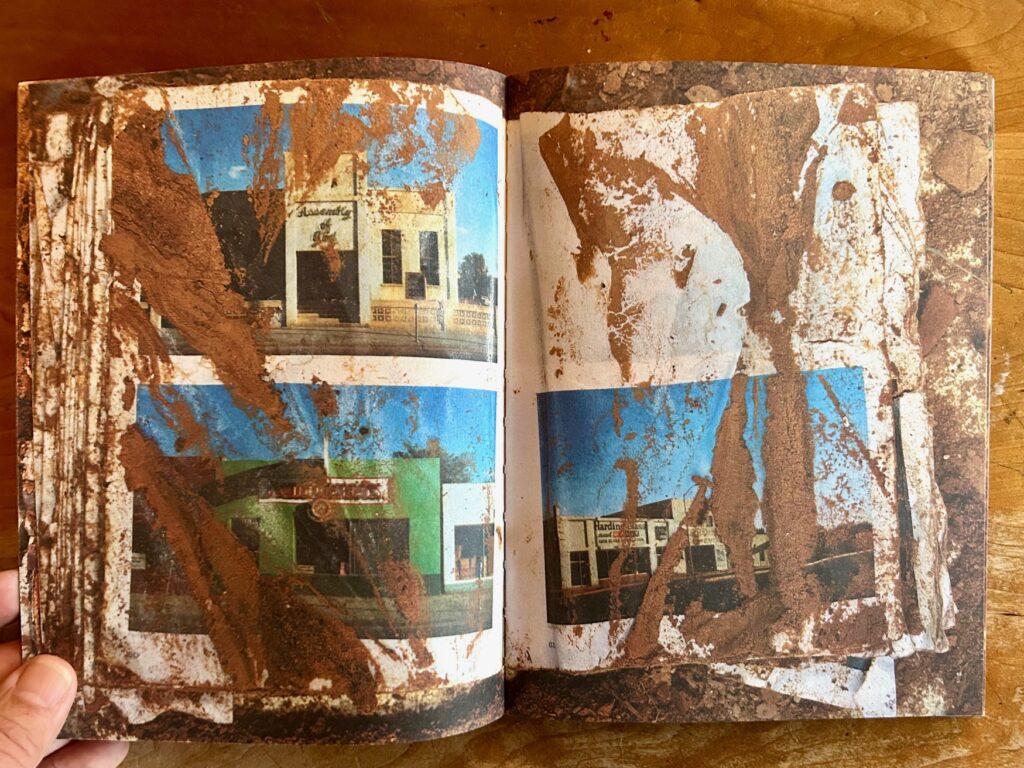
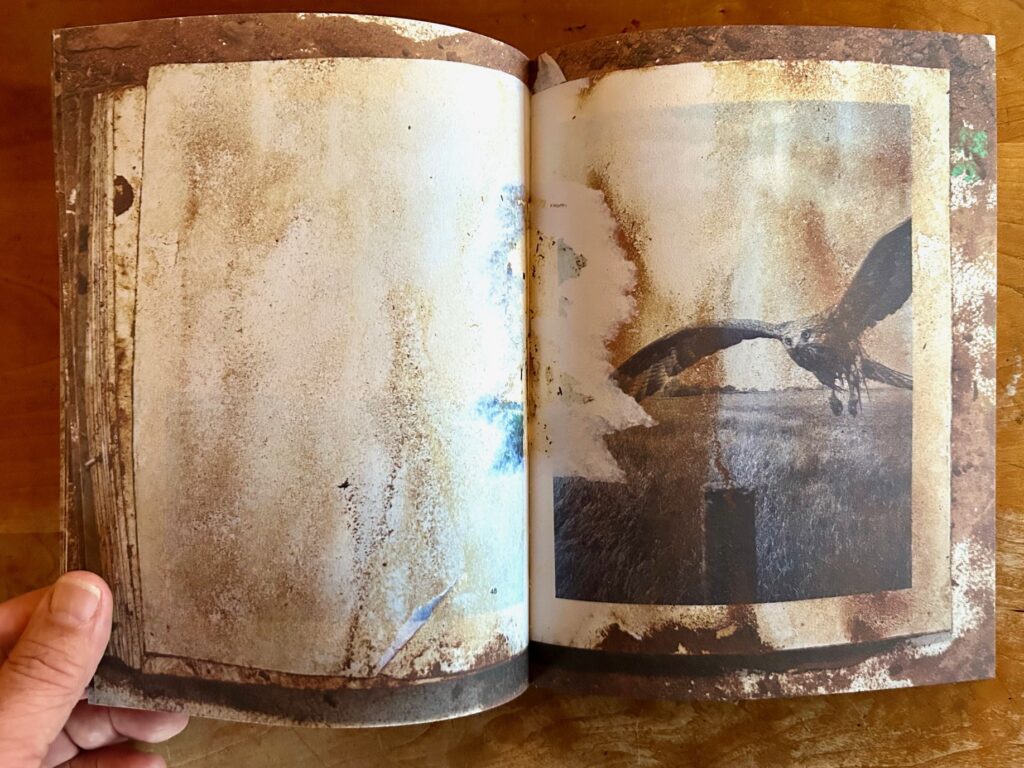
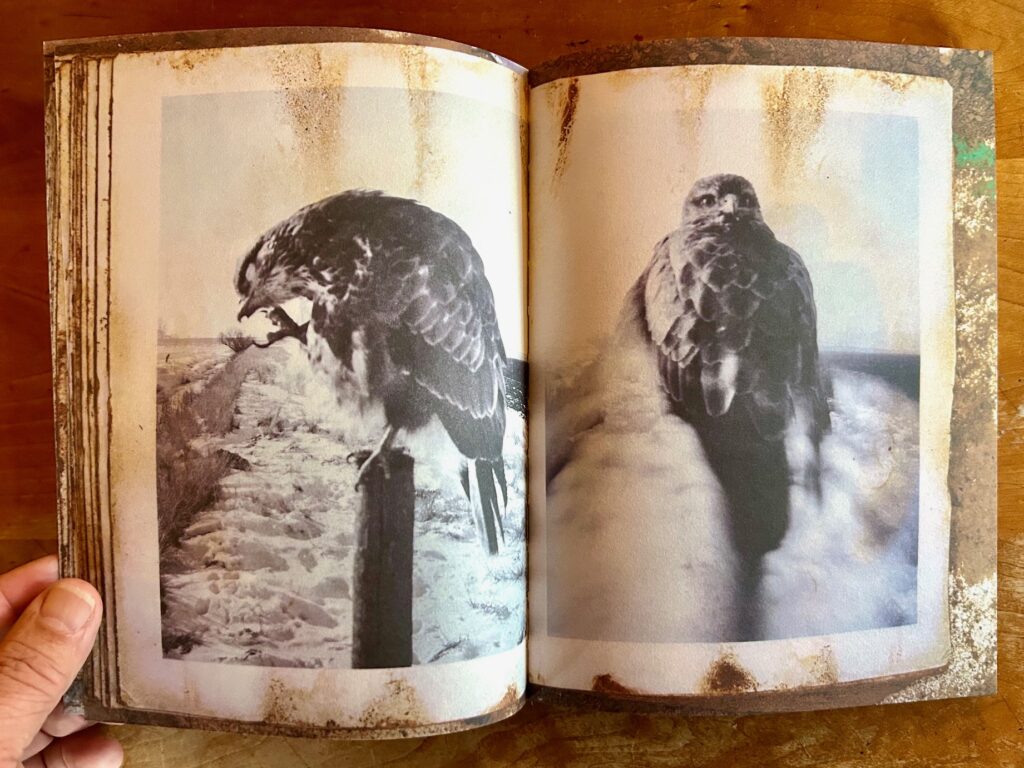
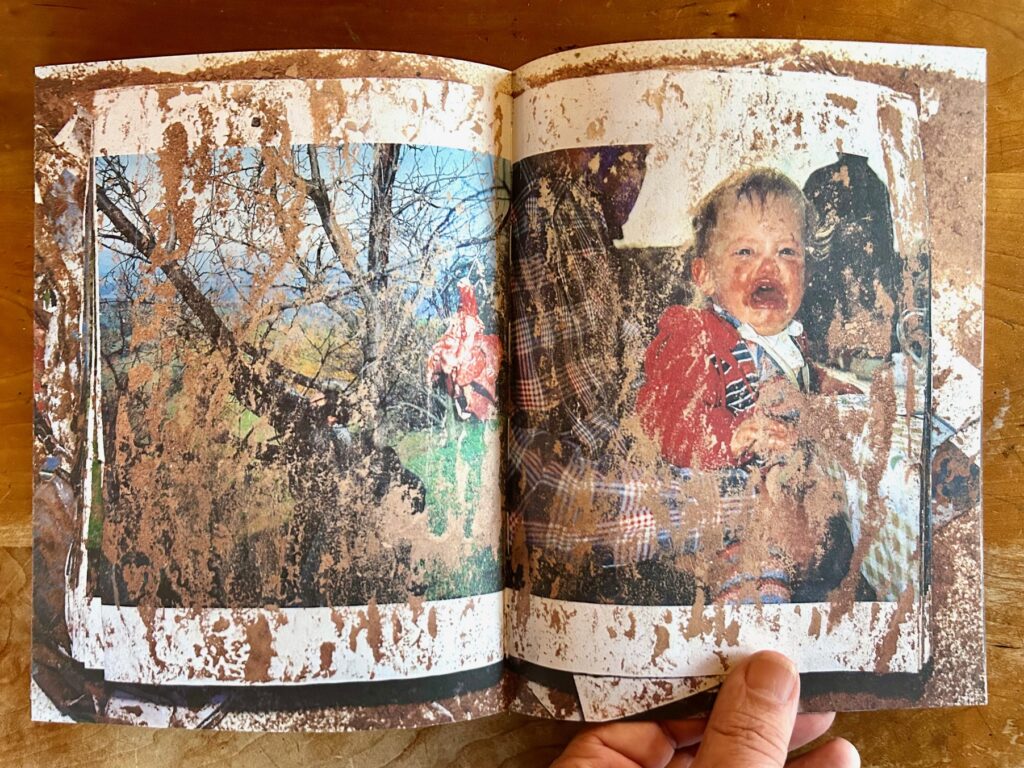
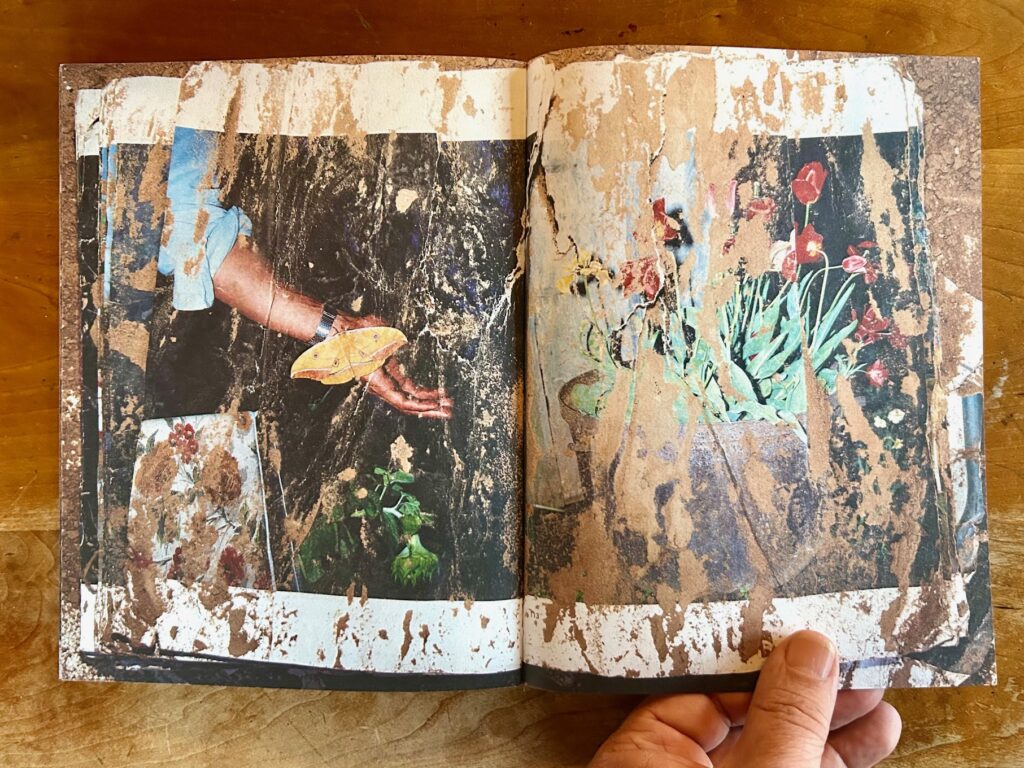
Comments/Context: Books play a special role in photography. Their two dimensional pages, manageable scale, reproducibility, and mailability create a near perfect vehicle for the dissemination of pictures. Photographers have taken advantage since the medium’s inception, broadcasting and exchanging communiques around the globe in the form of photobooks. If you are a photographer reading this—or even just an armchair admirer—chances are you’ve accumulated your own personal library. This might serve as a photography reference, an homage to creative roots, a model of intent, an assemblage of beautiful art objects, a speculative investment, a room-devouring monster, or perhaps some combination of these and other factors. I am in fact surrounded by photobooks as I write these words.
Until last fall, the Spanish photographer Ricardo Cases was fully vested in this world. He had published and distributed forty-five of his own books and zines (including los tamarindo de la concha reviewed here, TOT reviewed here, and Estudio elemental del Levante reviewed here), and he had collected a sizable library of 800 volumes by others. Ranging across styles, languages, and regions, they reflected his taste, influences, and history. In the words of Luís López Navarro, these books “helped shape his vision of photography and life.”
On October 29th, 2024, that vision was radically reshaped. Cases’ library was destroyed along with his Valencia studio in regional floods created by torrential rains. His books were washed away and presumably annihilated. Live by the photobook, die by the photobook.
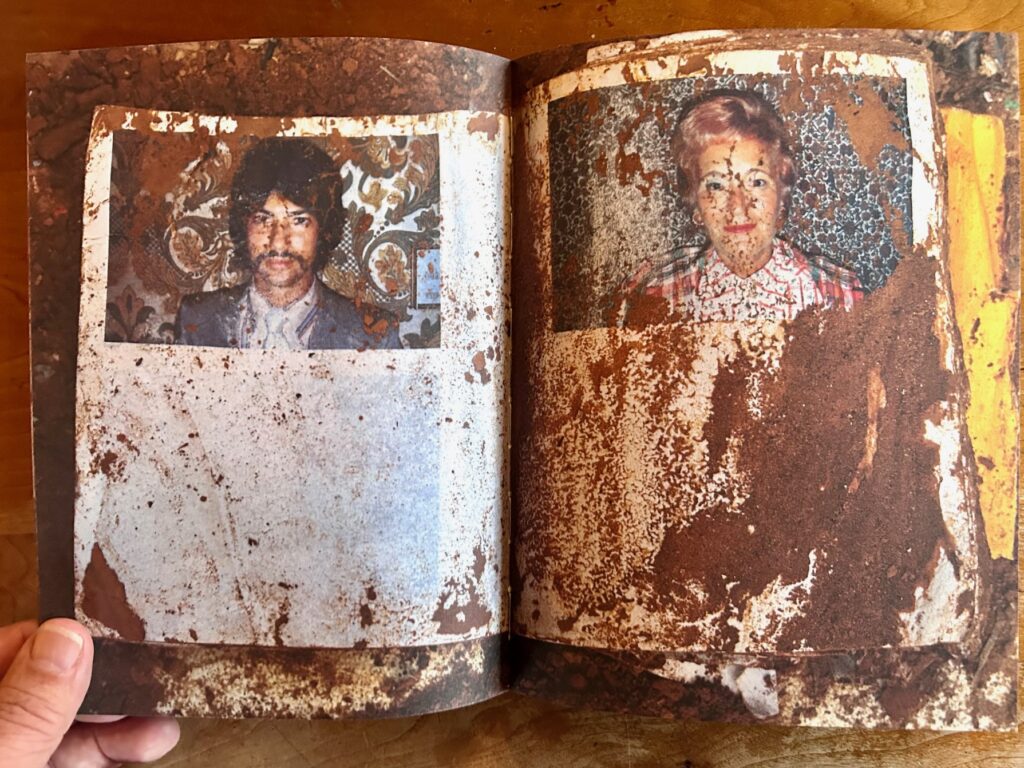
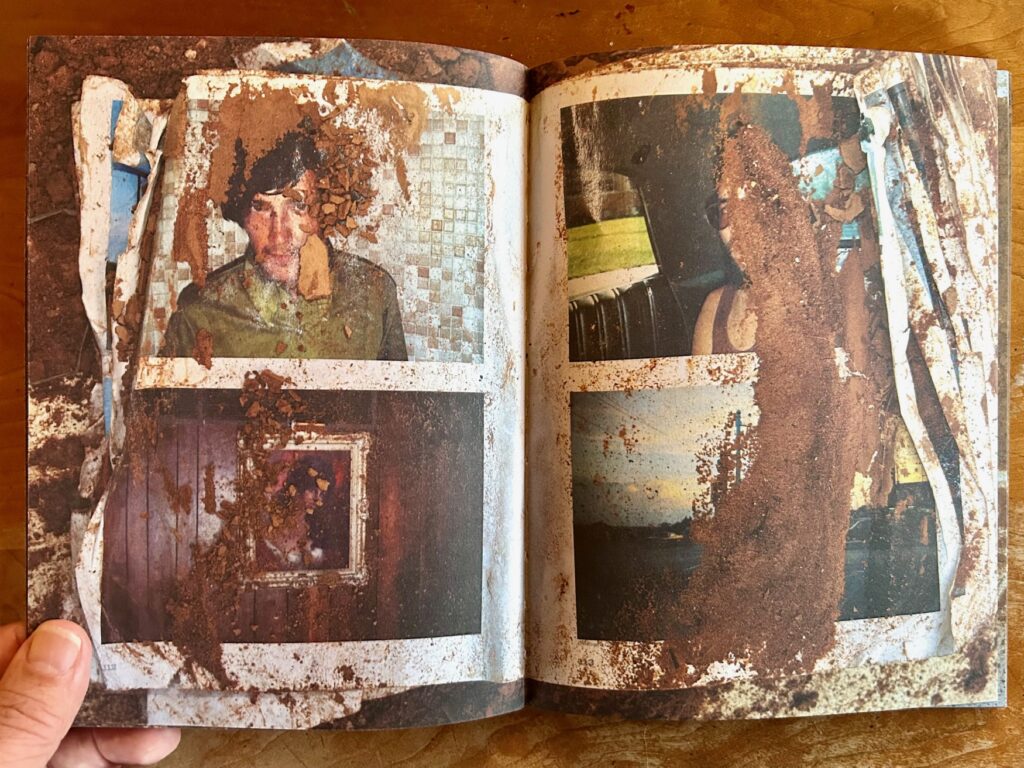
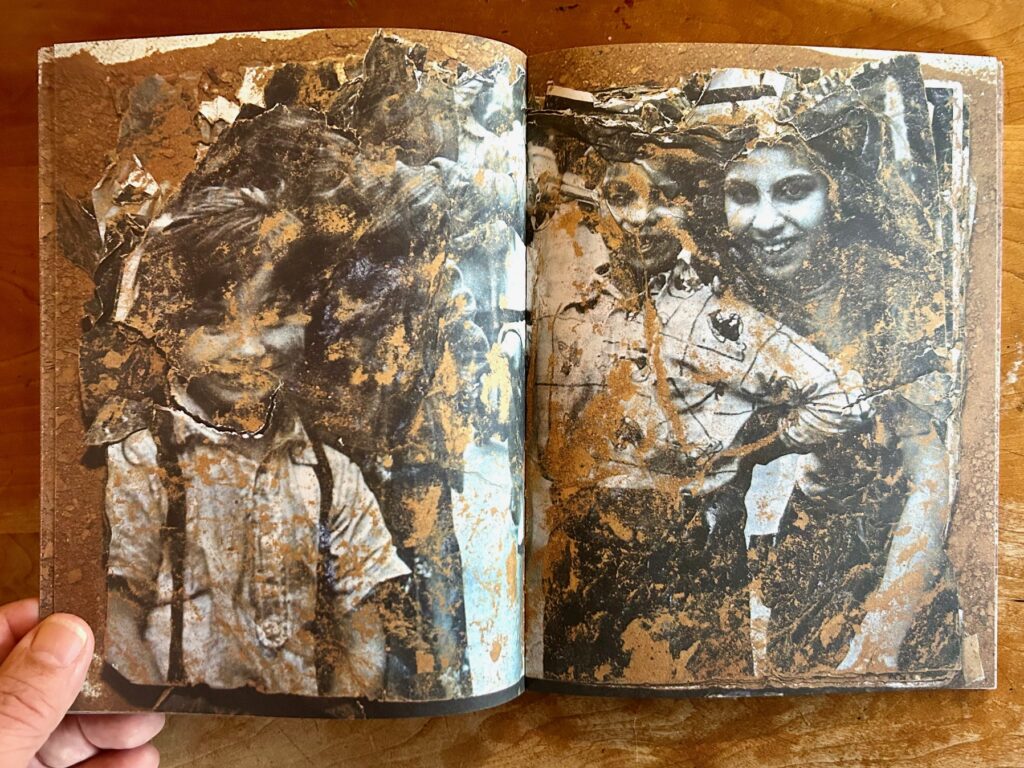
But all was not lost. After the storm had passed, Cases’ books—or at least parts of them—began appearing in the mud near his home. They were soaked, folded, depaginated, and filthy to varying degrees. Cases salvaged what he could from the remnants. Then his documentarian drive clicked in, and he began making pictures while the pages were still soft and malleable. “Photographing these books was an instinctive response to the emergency,” writes Navarro, “a way of containing the damage.”
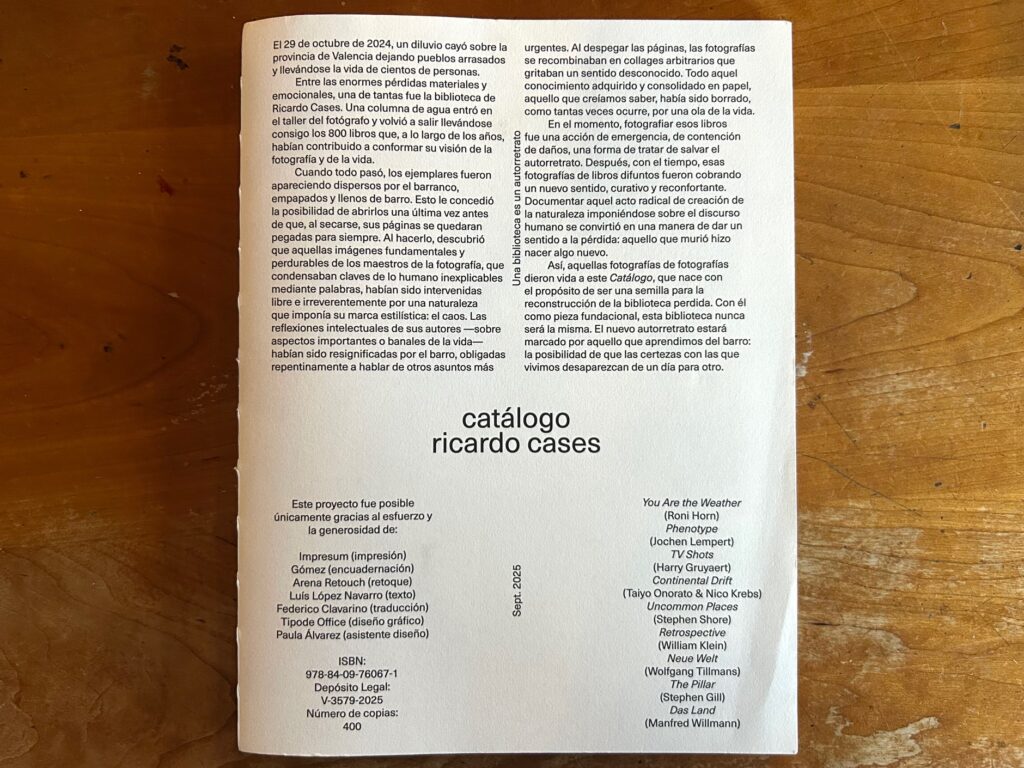
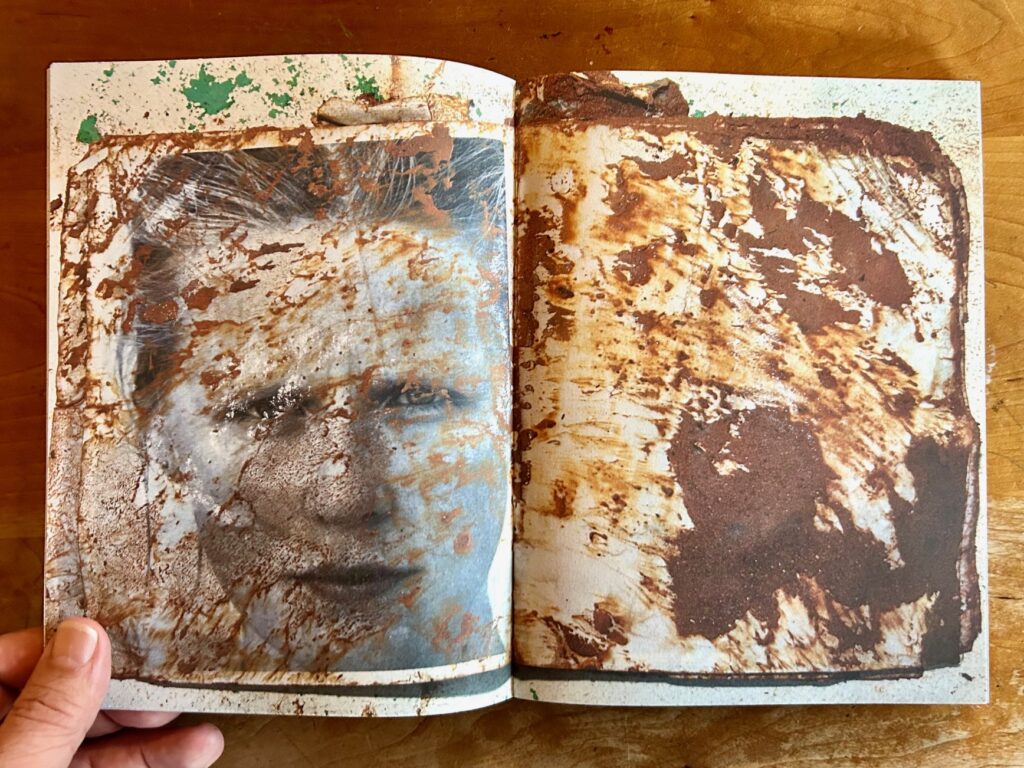
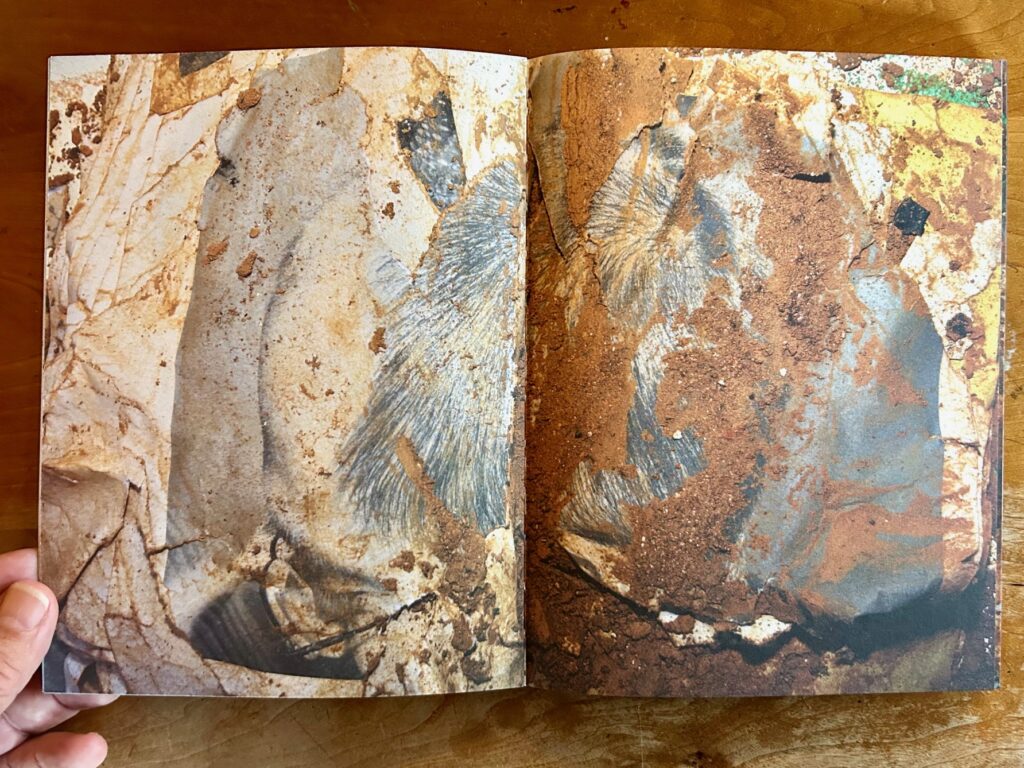
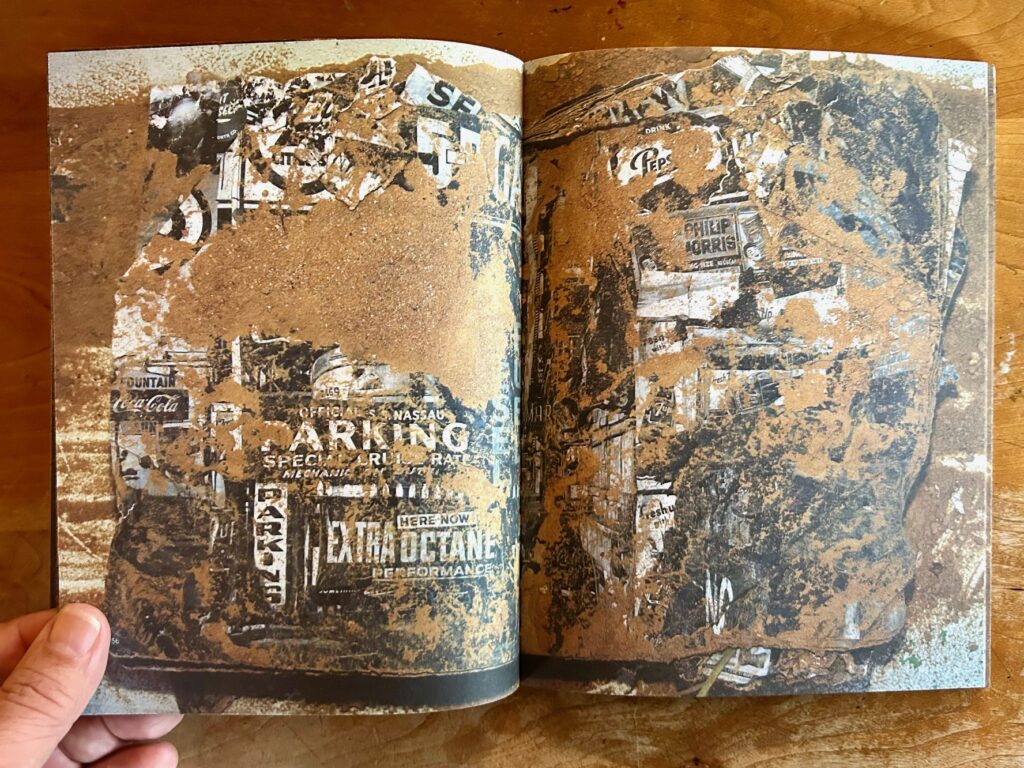
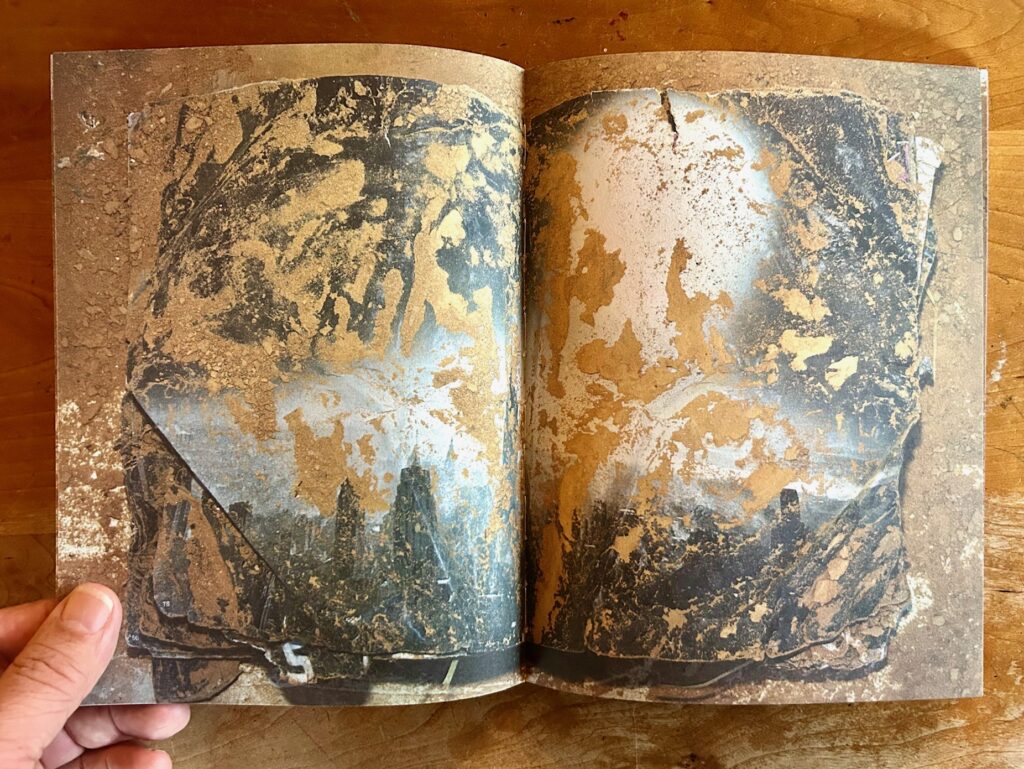
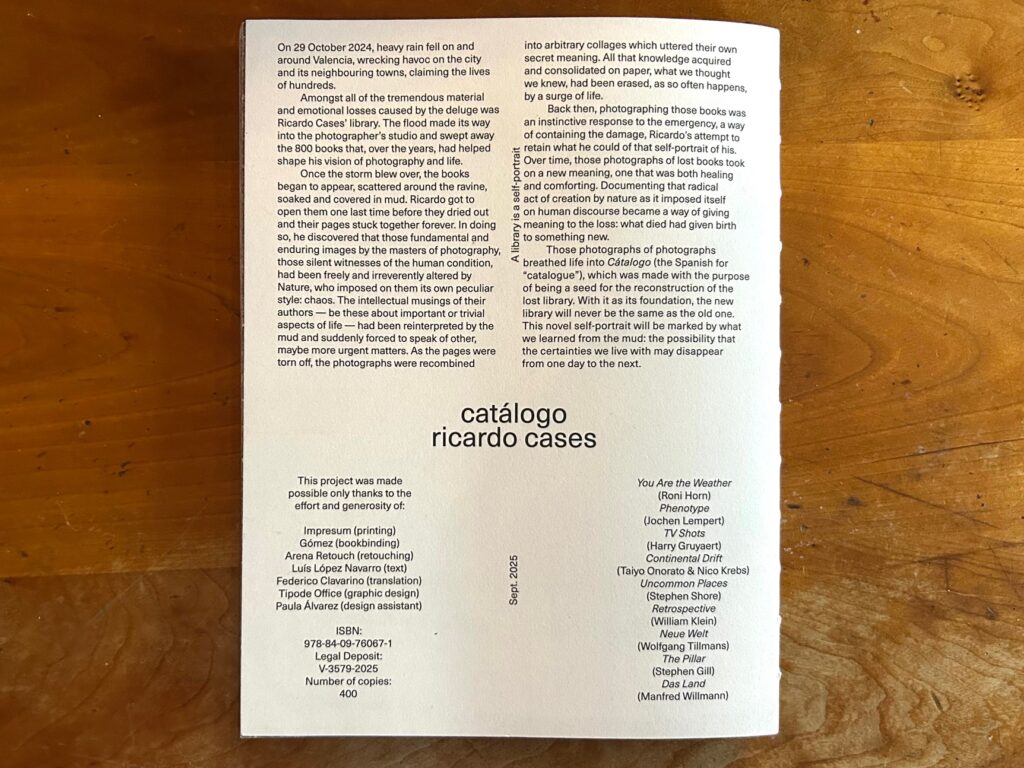
This commentary comes from the opening essay of Catálogo, which shares some of what Cases recovered from the flood. With no traditional cover or spine—torn off in a publishing storm?—this initial page serves as the entry point. It holds the colophon and table of contents in addition to Navarro’s introduction, all in Spanish. On the next page the muddy photographs begin in earnest. They continue as full bleed double spreads with no letup until the end. Readers should take a deep breath and prepare to submerge for a while. It isn’t until the very last page that the deluge recedes to reveal an olive branch of sorts, an English translation of the initial text.
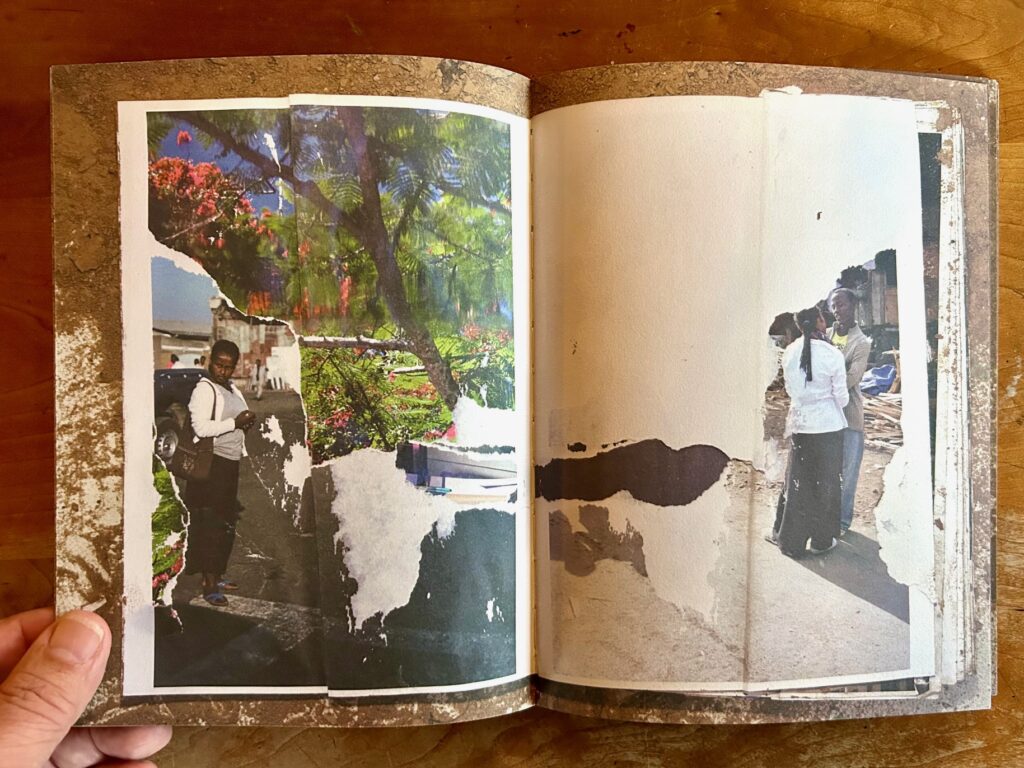
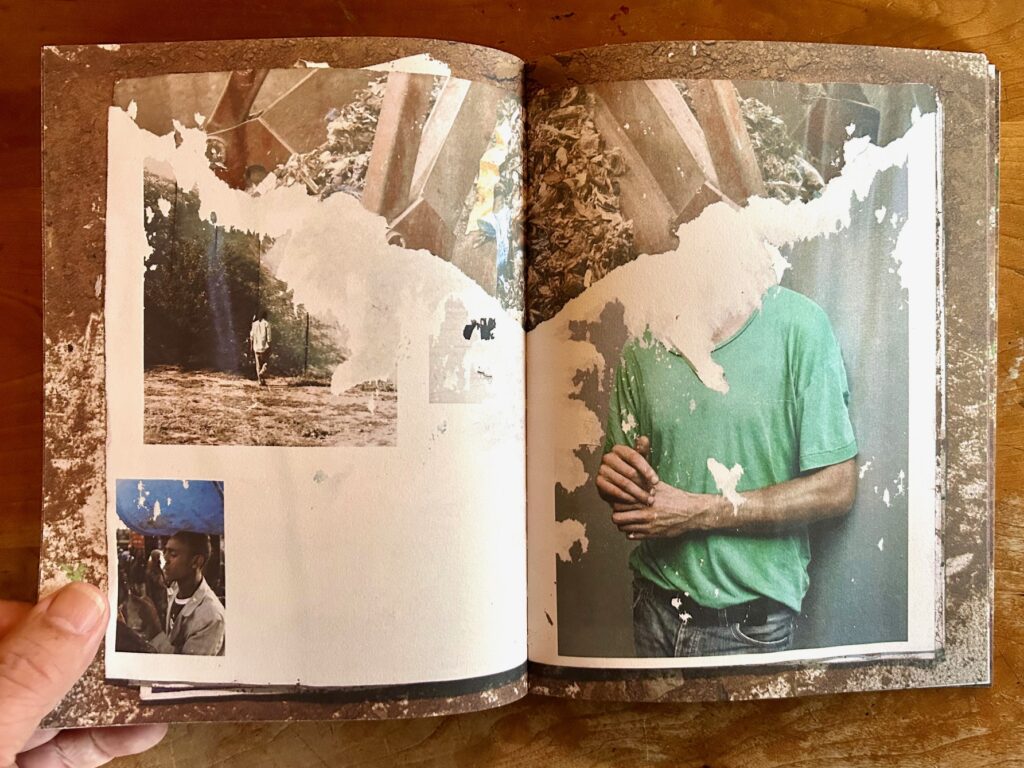
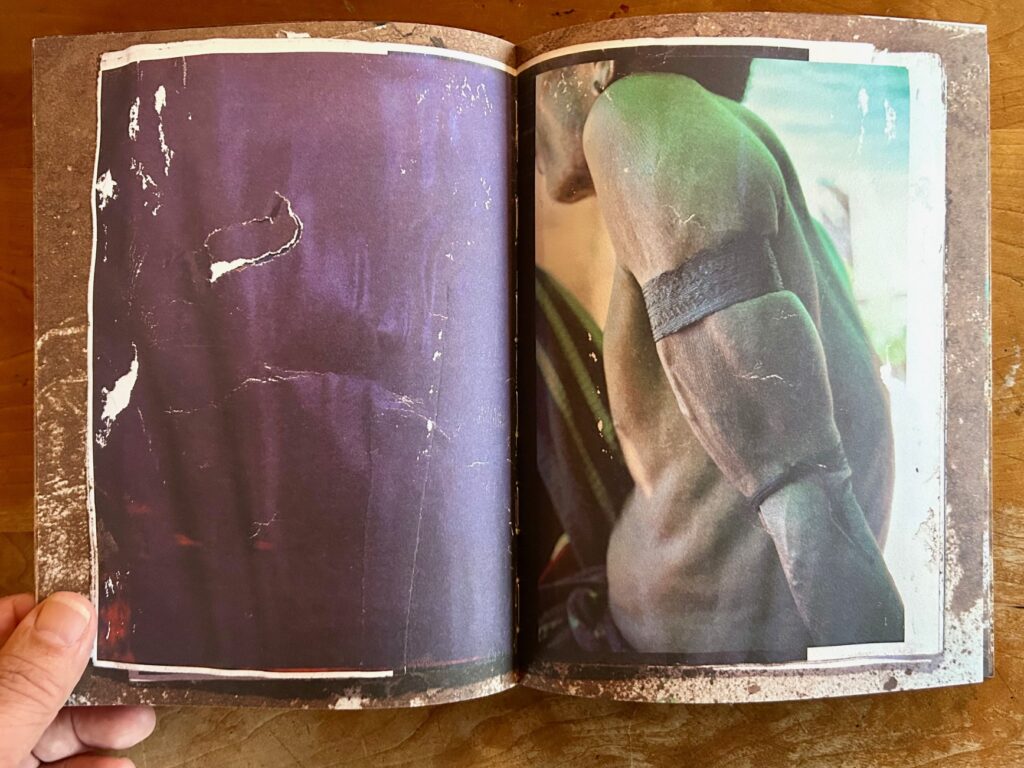
Catálogo includes images from nine recovered books. All are classic monographs which have fallen out of print. It’s not clear how these nine were chosen or sequenced, and we can only guess what else was in Cases’ antediluvian library. But if this sampling is any indication, his collection was selective, valuable, and leavened with Eurocentric sophistication. Listed in order, the salvaged books are You Are The Weather by Roni Horn, Phenotype by Jochen Lambert, TV Shots by Harry Gruyaert, Continental Drift by Taiyo Onarato & Nico Krebs, American Surfaces by Stephen Shore (mislabeled as Uncommon Places, with a corrective note), William Klein’s Retrospective, Neue Welt by Wolfgang Tillmans, The Pillar by Stephen Gill, and Das Land by Manfred Willmann.
Catálogo’s scaffolds these titles to a simple framework. Selected spreads from each book are shown in sequence. One damaged book follows closely on the last, and so on. The whole project is contained in a modestly sized package which falls in line with previous Cases titles, favoring plain materials and straightforward presentation.
Speaking of plain materials, caked mud is the primary element here. Underlying photo snippets poke through where they can. Some will be more familiar than others, depending on the audience. All have been through the wringer. Is that a TV screen showing the Weather Channel? A road trip meal? A diffused black and white enlargement? This muddy face looks vaguely familiar. Have I met this picture before? Hard to say.
Flood dirt is the secret sauce, unifying disparate titles. The reader’s eye roves the pages, looking for opportunities to get under the surface, but it’s tough going. With no explanatory text or captions, the images merge into one, and it’s up to the reader to sort out the transition points between books. This doesn’t prove too difficult, since the designs vary widely. There’s no mistaking Stephen Shore’s pictures for William Klein’s, to take one example, or Tillmans for Gill, no matter how torn, folded, or grimy.
Still, poor books! Poor pages. Catálogo serves as literary memento mori. Bibliophiles may find their thoughts drift to other projects with destructive tendencies. Stephen Gill once left his photos in the ground for months, documenting the decrepit results in his book Buried (an antecedent to The Pillar). Matthew Brandt soaked his prints in natural water sources for his monograph Lakes And Reservoirs. Found Photos In Detroit by Arianna Arcara and Luca Santese documented the long-term effects of pictures left out in the elements. Gerhard Richter’s overpaintings (reviewed here) buried his snapshots under squeegeed pigments. Closer to Cases territory, Justine Kurland sliced and diced her own personal photobook collection to create SCUMB Manifesto (reviewed here).
One key difference between Ricardo Cases and these predecessors is that the destruction was involuntary. It’s hard to browse Catálogo without feeling a wallop of empathy. With weather havoc increasingly wreaked by climate change, is any library truly secure? There but for the grace of global warming go I. Perhaps we photobook collectors are marching toward a common future closer to the chaos of Catálogo than the genteel ruins of Anastasia Samoylova’s Floodzone (reviewed here).
If Cases has thoughts on the matter, he doesn’t share them here. Too soon? Perhaps. It’s up to Navarro to put a cyclic spin on the tragedy. “All that knowledge acquired and consolidated on paper,” he writes,”what we thought we knew, had been erased, as so often happens, by a surge of life…What died had given birth to something new.” Stoicism can sometimes light the path ahead. Still, it might be easier for Navarro to swallow than Cases. It wasn’t his library.
Perhaps he knows something we don’t? He doesn’t say so directly, but Navarro’s essay includes hints of a rebuild. Catálogo is intended as a “seed for the reconstruction of the lost library.” Does this mean it will be the first book in a new collection? Will Cases try to reacquire his old titles? Salvage more from the flood? The details are unclear, but reconstruction is afoot. “With [Catálogo] as its foundation,” writes Navarro, “the new library will never be the same as the old one.” Expect more communiques from Cases in the near future.
Collector’s POV: Ricardo Cases is represented by Angeles Baños in Badajoz (here) and EspaceJB in Geneva (here), among others. His work has little secondary market history at this point, so gallery retail likely remains the best option for those collectors interested in following up.