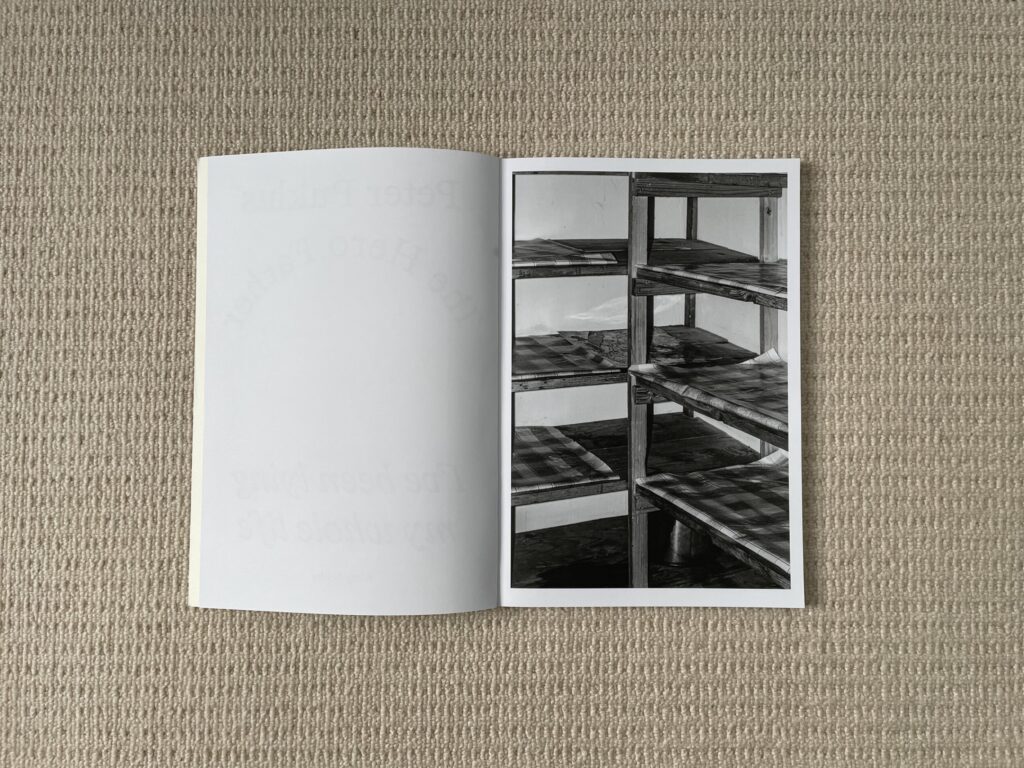
JTF (just the facts): Published in 2025 by Witty Books (here). Softcover, 22×31 cm, 104 pages, with 68 black-and-white and color reproductions. Editing and art direction by Tommaso Parrillo. Design by Studio Grand Hotel. (Cover and spread shots below.)
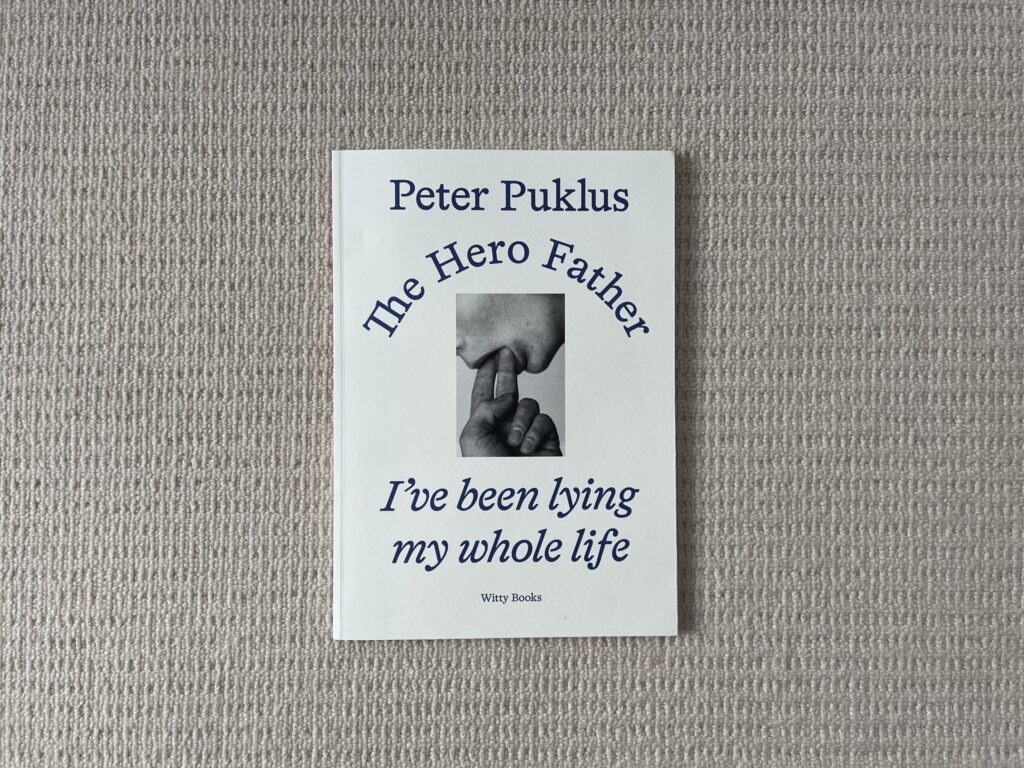
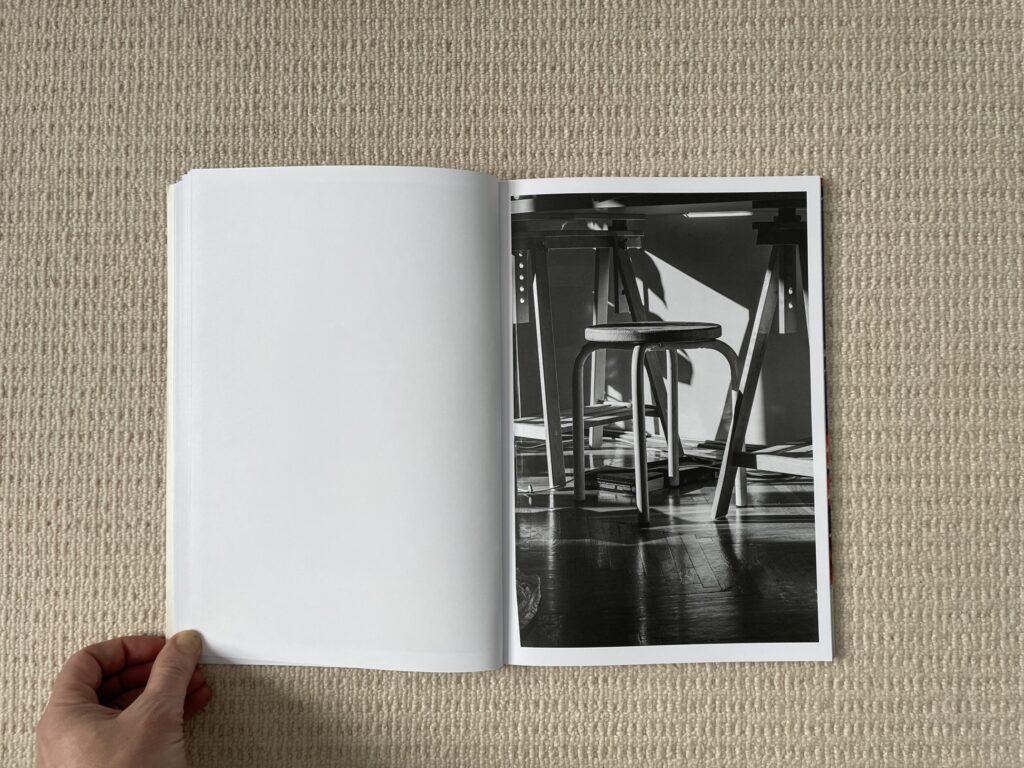
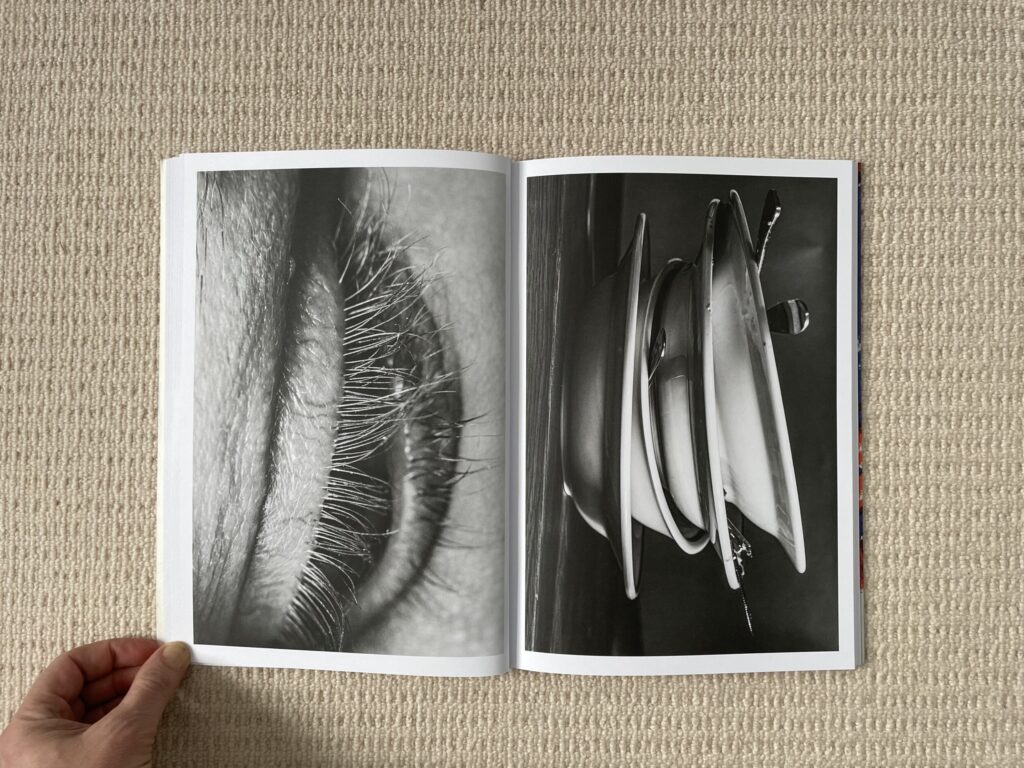
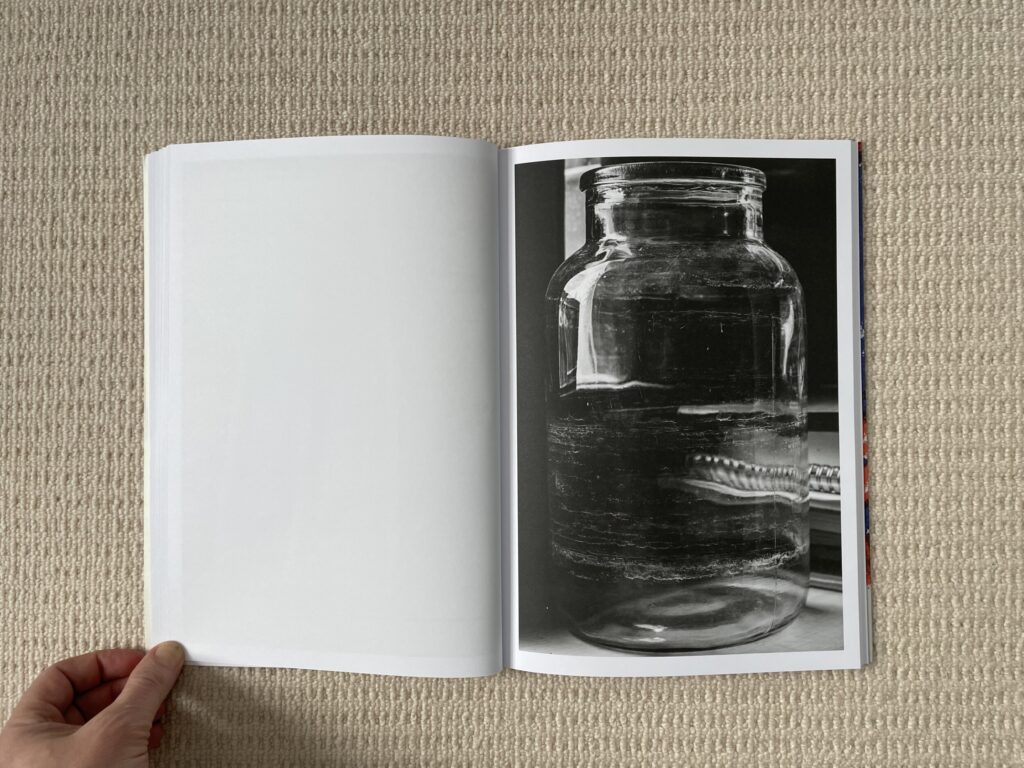
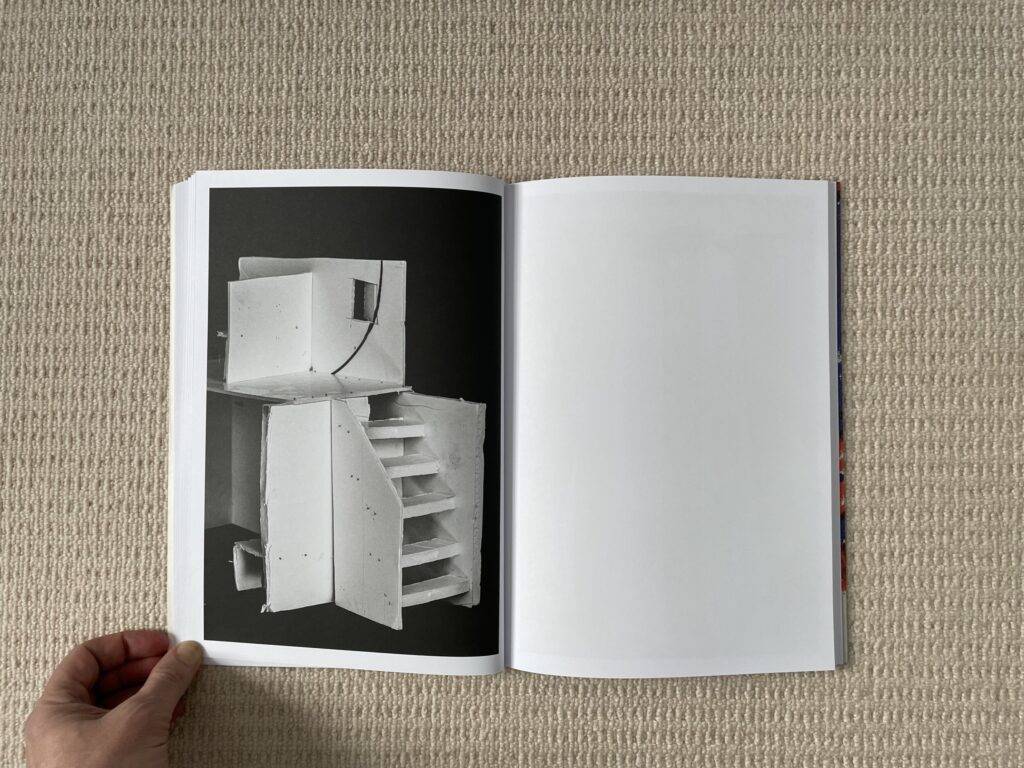
Comments/Context: When I saw the title and subtitle of Peter Puklus’s photobook The Hero Father, I’ve been lying my whole life I had to smile. As the father of two twenty-something children myself, the very real tension between being that perfect father as defined by society (and my own expectations) and the actual reality is a rich subject to consider, so his topic hooked me from the get go.
As it turns out, Puklus has been using photography to think about these intimate familial issues for several years now, with The Hero Father actually following on from his 2021 photobook project The Hero Mother (subtitled How to build a house). In that first effort, he explored the roles and stereotypes surrounding newly married couples beginning their lives together. His pictures had a playful formality that was seductively biting, skewering the ideas of a husband doing manly things like swinging a sledge hammer, chopping wood, and ultimately designing and building a house for his wife, who appears nude and distant, posed on a pedestal or protected by the outline of a model home. Along the way, Puklus included images of sculptural arrangements of wood blocks, twisted plastic pipes, bricks, stacked sawhorses, and drywall screws, having fun with the subtly erotic ridiculousness of it all, which was of course somehow also quite serious.
The Hero Father picks up that line of quietly subversive thinking about traditional male and female roles, reprising and amplifying some the ideas about male building and then extending them further into the realm of protecting the home, caring for his wife, and providing for the (growing) family. And as the subtitle implies, Puklus cleverly uses his photographs to open a window into his own anxieties and vulnerabilities as a father, visually acknowledging that he doesn’t have it all figured out, as much as he (and others) might hope or expect.
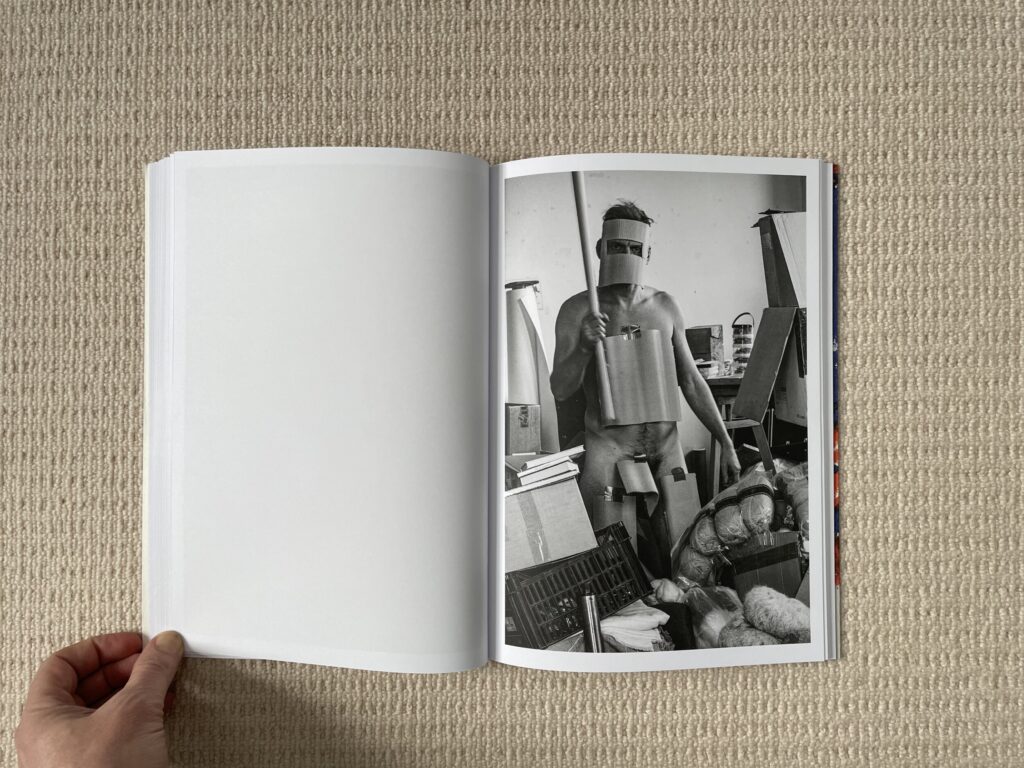
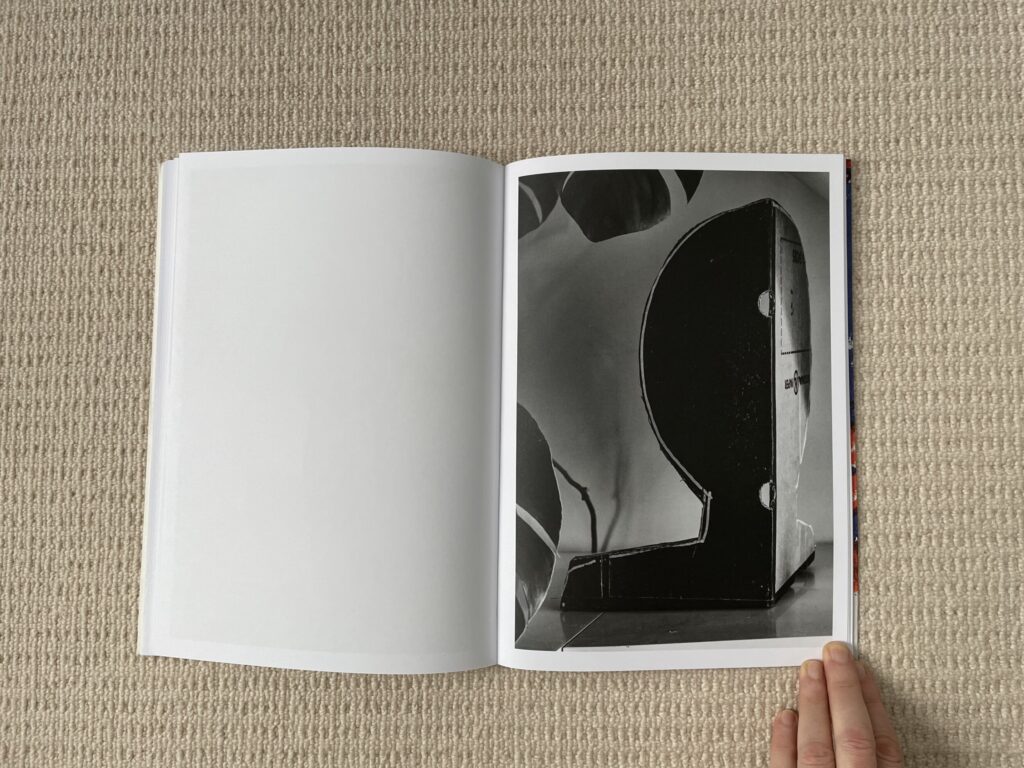
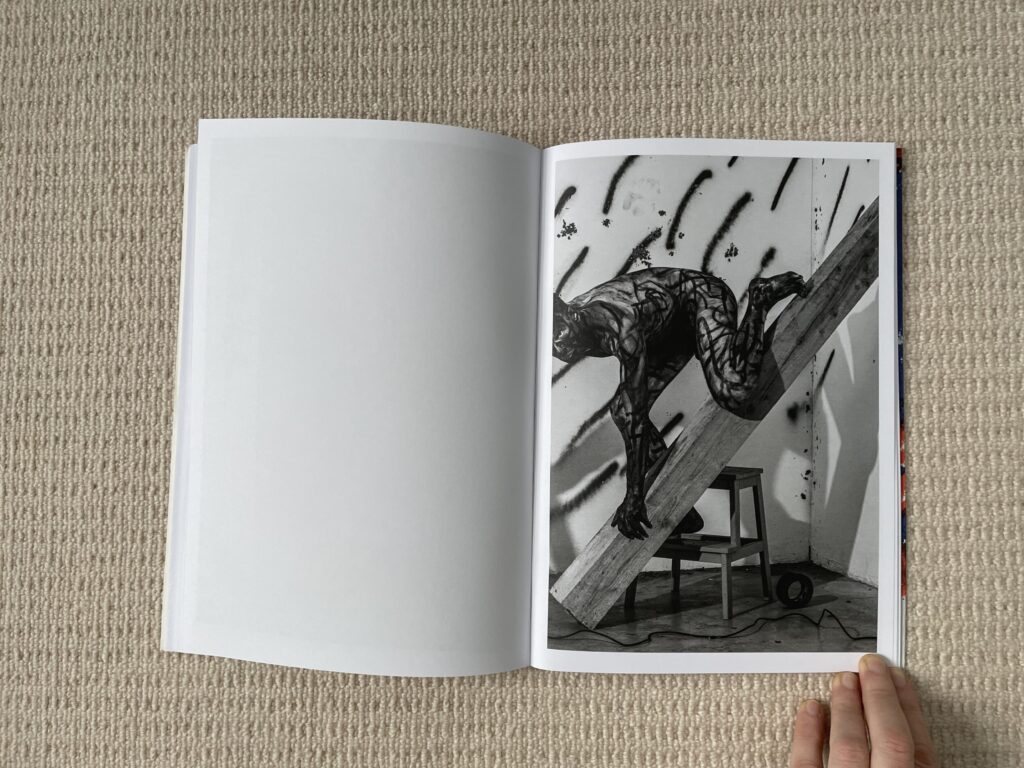
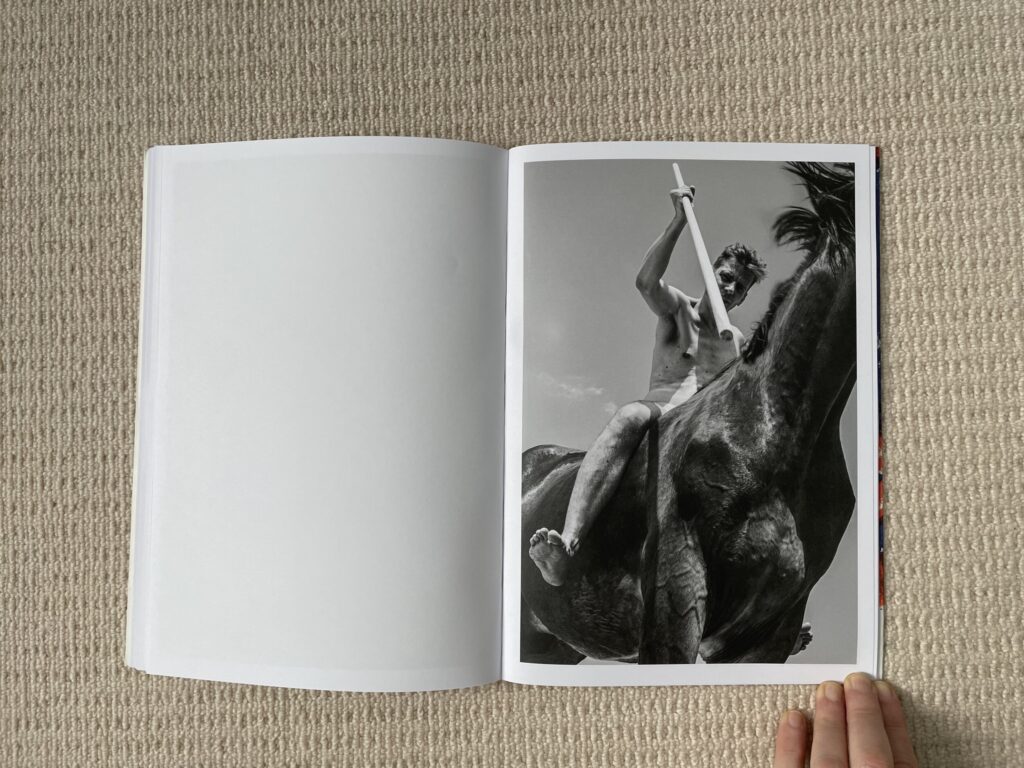
Puklus isn’t afraid to use himself as a subject, and The Hero Father includes everything from full frame facial portraits to a range of standing and posed nudes of the artist. Many of these images overtly wrestle with the tropes of male heroism, but as filtered through improvisational playacting. Puklus prepares to fight evildoers wearing cardboard and duct tape knight’s armor, rides a horse nude brandishing a wooden lance, crawls along a wooden beam like a lithe beast covered in black charcoal markings, and stands confidently on the hood of car surveying his domain, each naked pose a triumphant proof of his manliness.
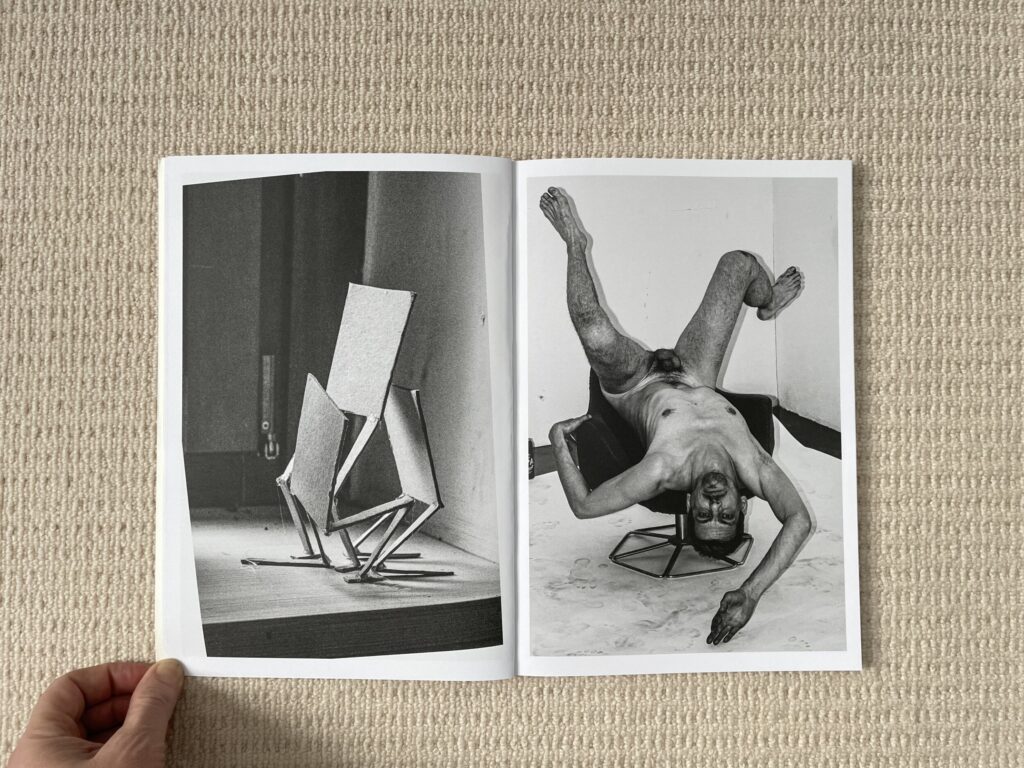
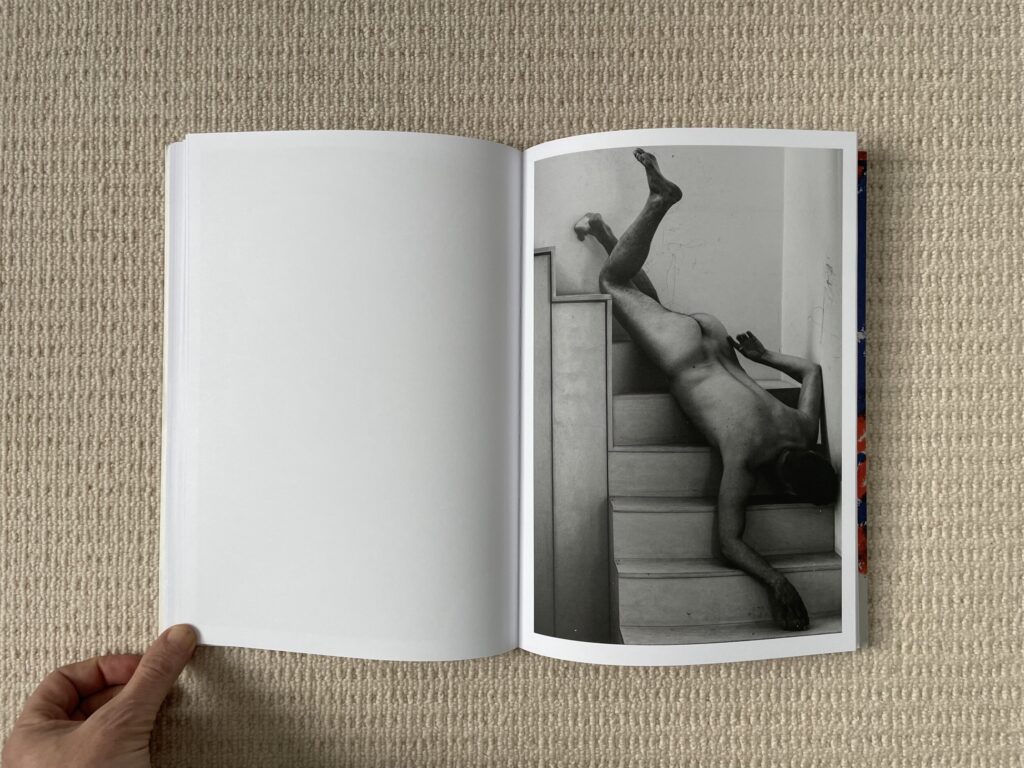
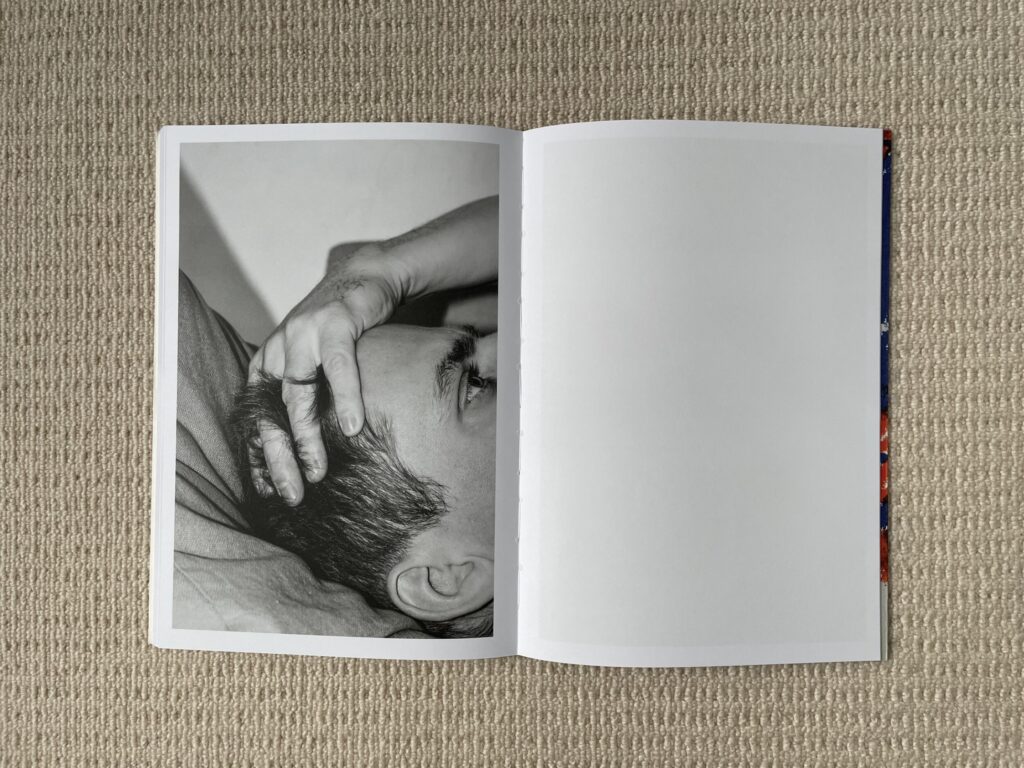
These images are then balanced by more quietly conflicted photographs, which see the perfect father as actually fallen, tumbled, exhausted, contemplative, and often vulnerable. Close ups capture moments of facial anxiousness and hands-in-hair frustration, while wider views document the nude Puklus dramatically splayed on the stairs, draped over a rolling wooden pallet, and upside down on a living room chair, his body made sculptural and his fragility brusquely exposed.
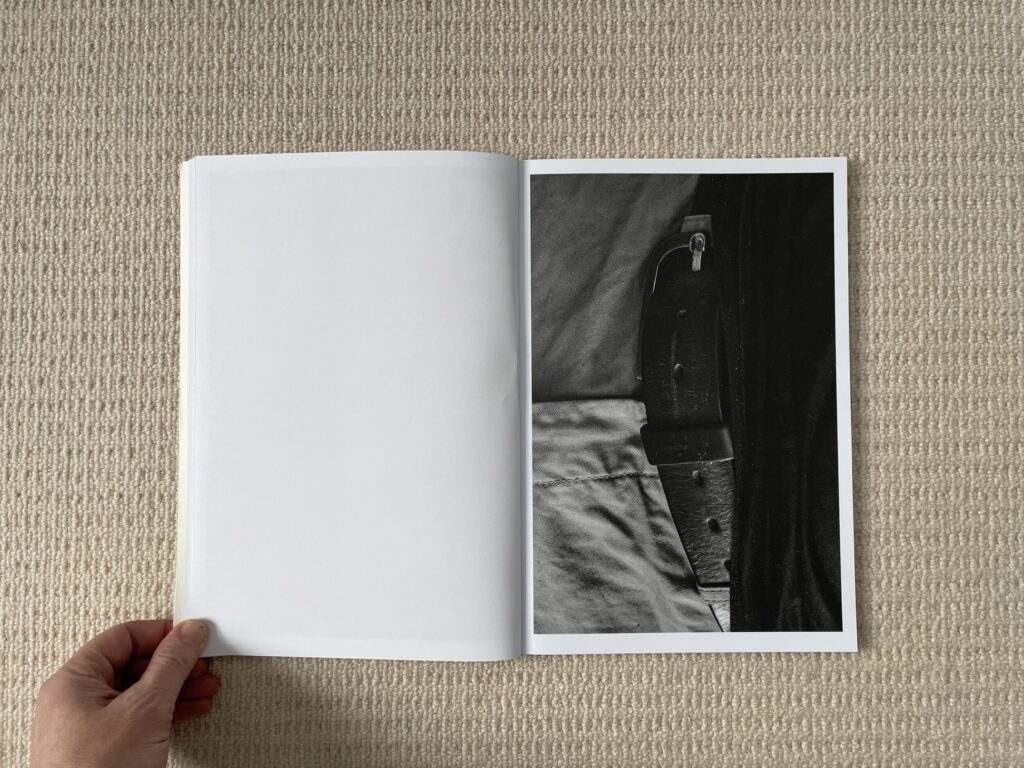
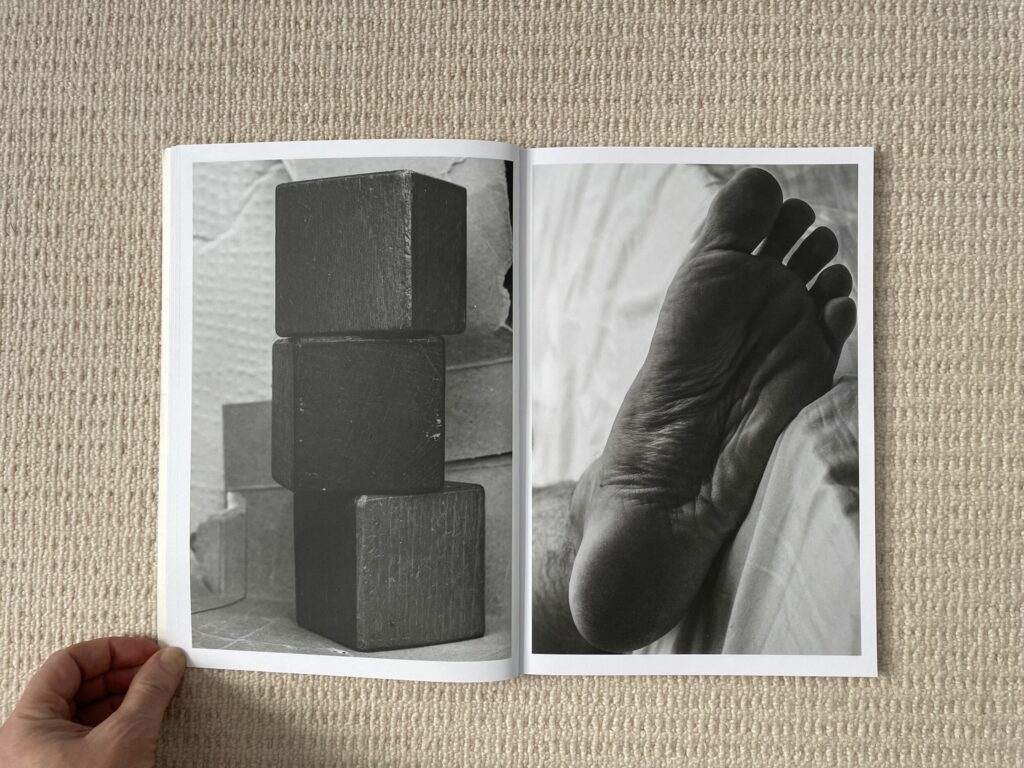
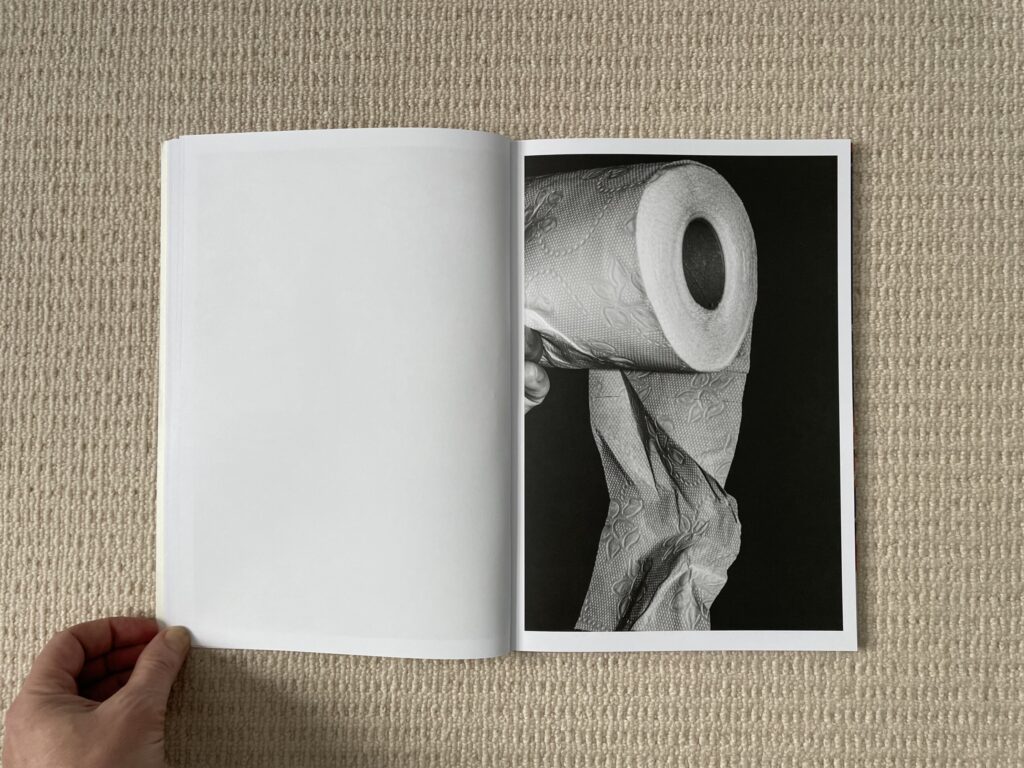
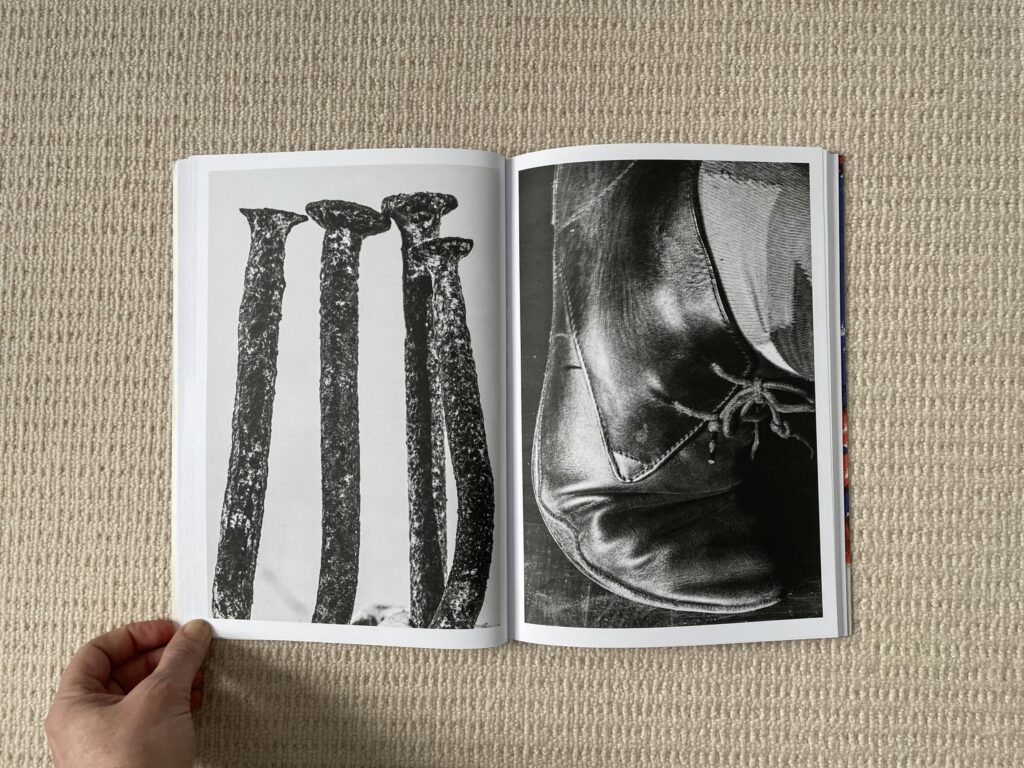
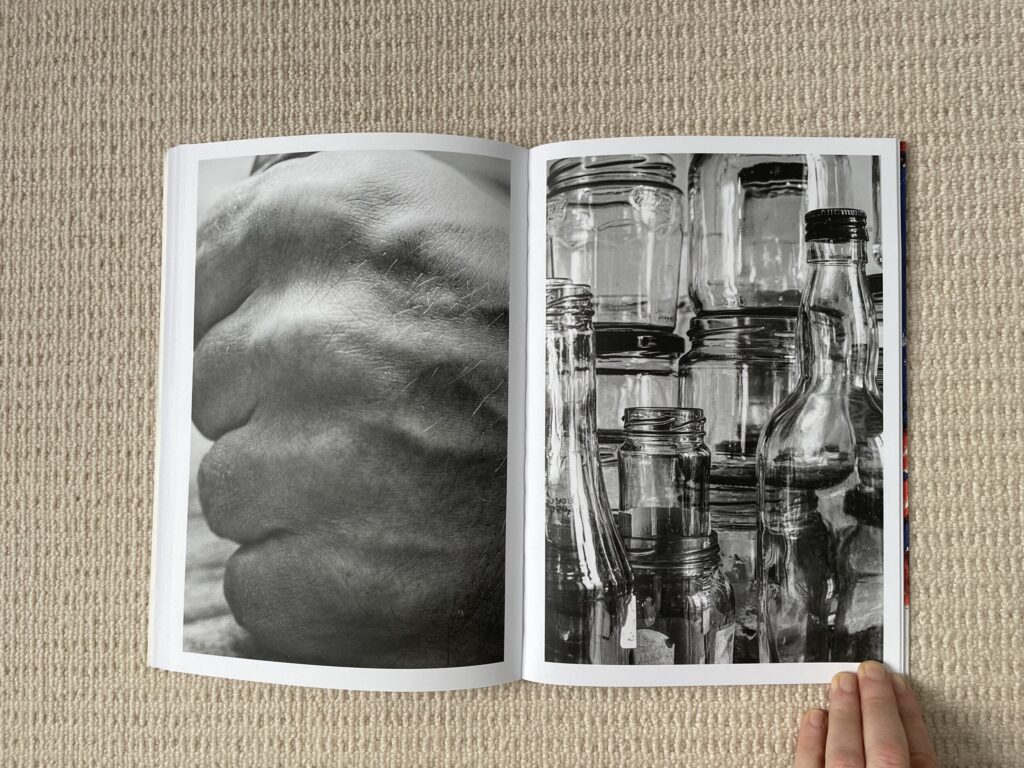
The back and forth visual dialogue between these two sides of the father is then broadened and given context by a return to images of built things, like hand crafted sculptures, clay blobs, stacked blocks, and gatherings of nails, and tightly cropped pictures of constructed and lived in spaces at home, like wooden shelves, the lines and shadows of a stool underneath a table, and cluttered views of a kitchen counter and a favorite reading spot. Puklus also has a particular flair for small disorienting still life observations, which are sometimes rotated to better fit the dimensions of the book, thereby further abstracting their subject matter and highlighting their formal qualities even further. He looks closely at his own belt, his hanging pants, his feet and fists, a cascading roll of toilet paper, various pieces of glassware, a buttered slice of toast, and a rubber-banded roll of currency, and sees unlikely visual echoes between eyelashes and stacked dishes, and between his wife’s bent leg in the bathroom and a group of bottle nozzles. These images give an unexpected charge to the everyday mundane things around the house, making the whole environment of the home feel slightly off kilter.
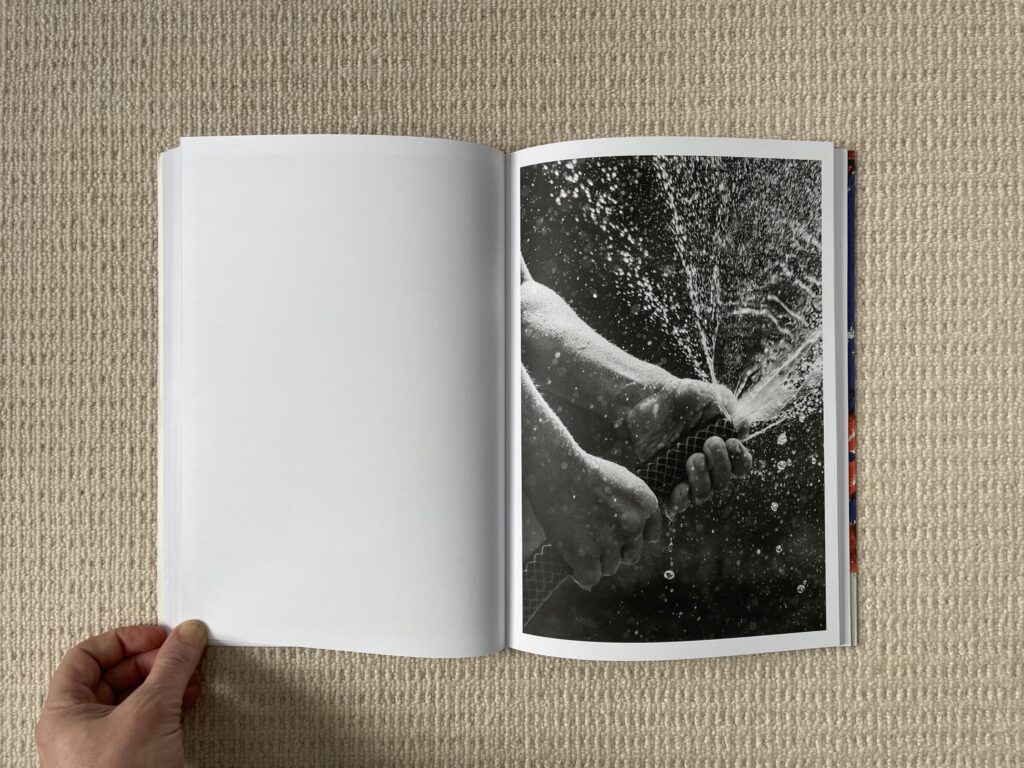
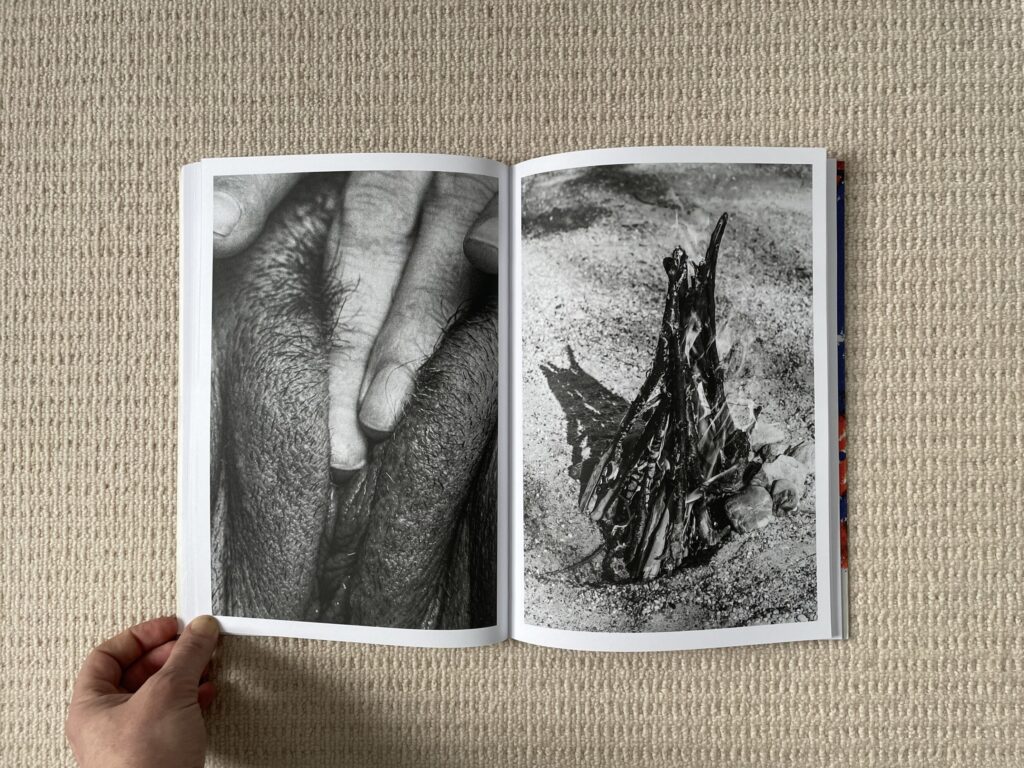
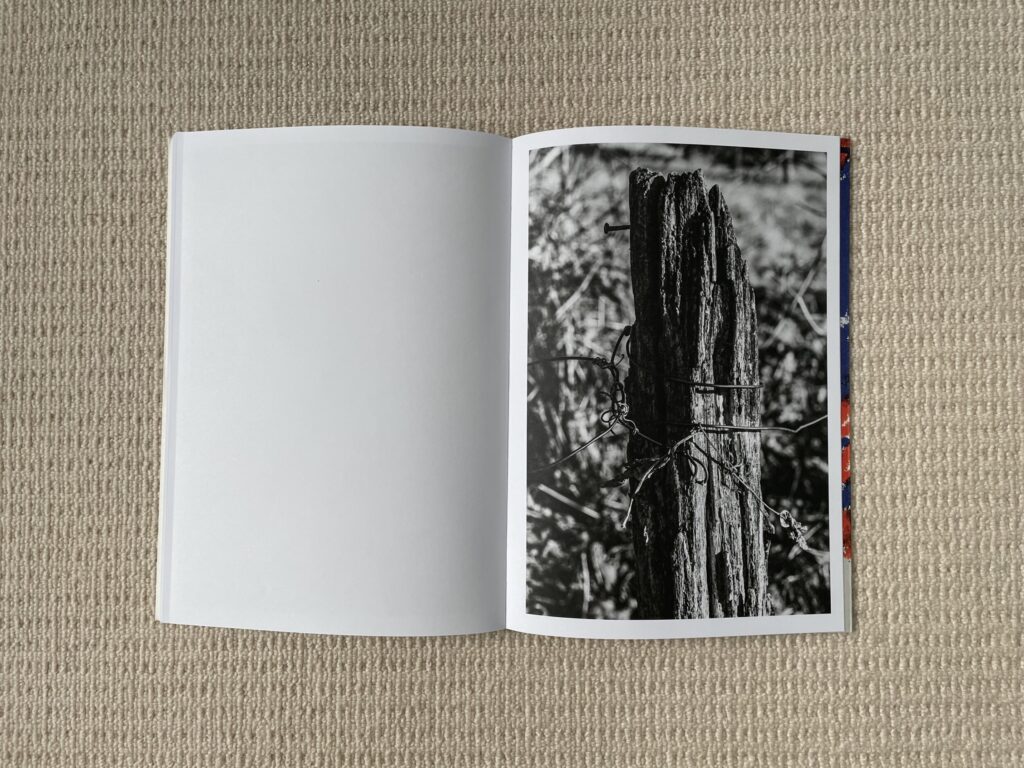
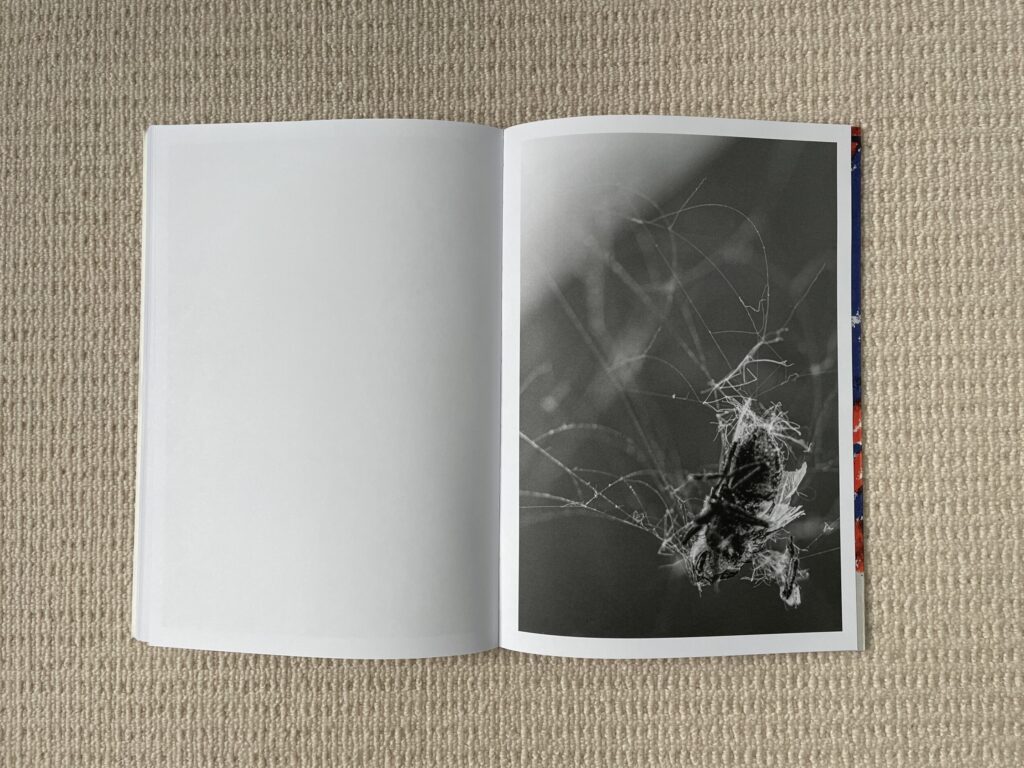
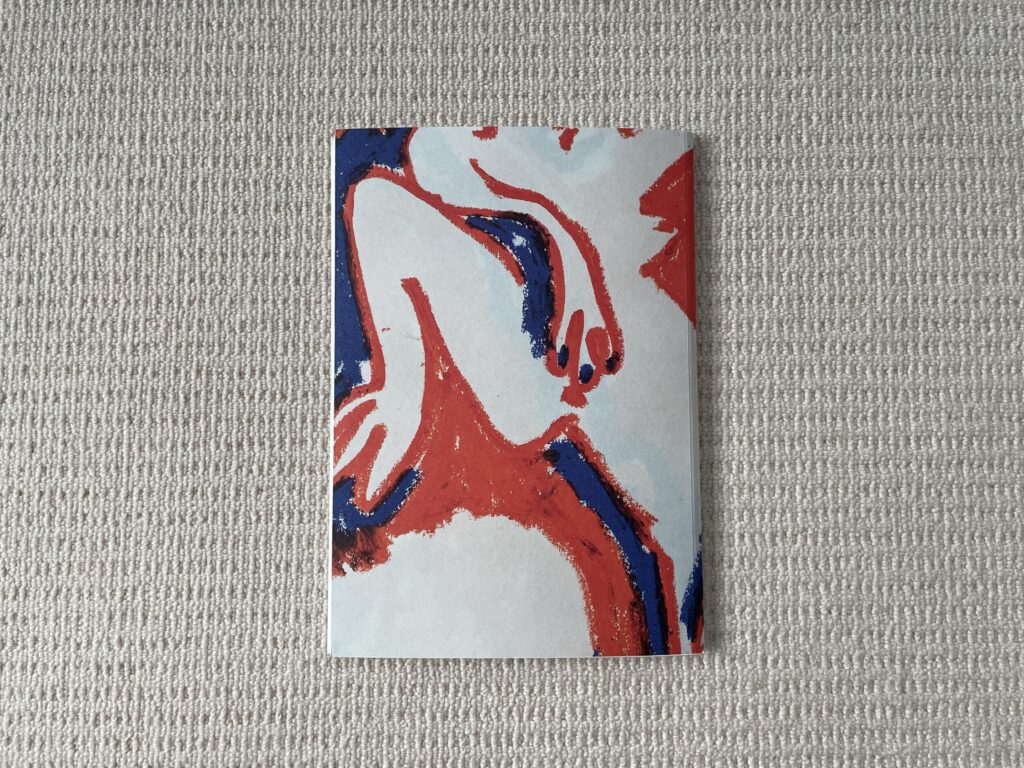
While Puklus’s own nudity is a consistent motif throughout The Hero Father, most of those nudes don’t really have a particular atmosphere of sexiness or seduction. But in the second half of this photobook, Puklus does turn his attention to the care and pleasure of his wife, again seemingly struggling with stereotypical roles and expectations. Most of his vaguely sexualized images are cheekily suggestive or indirect, like upskirt and running shorts peeks or winking shape suggestions like cooking sausages, a bursting garden hose, the V of a hanging lightbulb, or the triangle shape of a burning campfire. The one overt kiss picture seems altogether awkward (as does the frothing mouth of a dog nearby), giving way to more intimate images of touching and self pleasuring. Flies and mosquitoes also make appearances throughout The Hero Father, their annoying presence felt on skin, in the kitchen, and on a clothesline (the fly suggestively landed on some panties), the bugs eventually skewered on the head of a pushpin and tied up in a spider’s web. This bound reference is also seen in an image of wire twisted around a rotten fence post, so we’re left with potential similes of the father as irritant or as simply tied in knots, at least when it comes to the seductively nude female body that ends the photobook (and jumps to the back cover in painted form).
In terms of design and construction, The Hero Father is resolutely pared down, but in a way that successfully pushes the photographs forward. It’s a vertically-oriented big pictures design, with vertical images filling one half of a spread with a small white border. Horizontal images are rotated to adapt to the design, so every spread is a setup of one or two vertical pictures. There are no page numbers, no captions, and no essays to distract us from the photographs, and a simple cardstock folded cover wraps it all together, with a splash of female color at the very end. In general, the book has a terrific hand feel, the pages tactile and the images larger than expected, drawing us deeply into Puklus’s fatherly world.
What I like best about The Hero Father is its smart mix of confidence and self-deprecating humility. There is something fresh and risky about Puklus’s perspective on his masculine role, and his willingness to sensitively explore its mythologies and truths. We’ve seen other books about the trials of new husbands, young fathers, and the like, but Puklus’s effort feels a bit less obvious and saccharine than some of those vantage points – it’s durability lies in its attempts to push into and linger within the discomfort and uncertainty of some of these fatherly moments, and then to find unorthodox ways to visualize them. The paired set of images on the stairs makes his point elegantly – not only has Puklus let his child fall down the stairs, he’s fallen too, all while doing his very best to live up to a powerfully invisible set of expectations.
Comments/Context: Peter Puklus is represented by Glassyard Gallery in Budapest (here), Robert Morat Galerie in Berlin (here), and Klotz Shows in Brussels (here). His work has little secondary market history at this point, so gallery retail likely remains the best option for those collectors interested in following up.