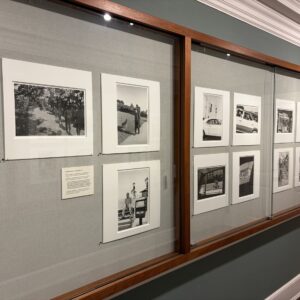
JTF (just the facts): Co-published in 2026 by 1080Press and CPW Press (here). Softcover (8.5 x 11.5 inches), 40 pages, with 64 image reproductions. Each book includes a silver gelatin print tipped-in on the front cover. Includes the essay “My Brother’s Keeper” by the artist, first published in The New York Times Opinion section on June 11, 2025. In an edition of 250 copies. Edited by Raymond Meeks and designed by Vladimir Nahitchevansky. (Cover and spread shots below.)
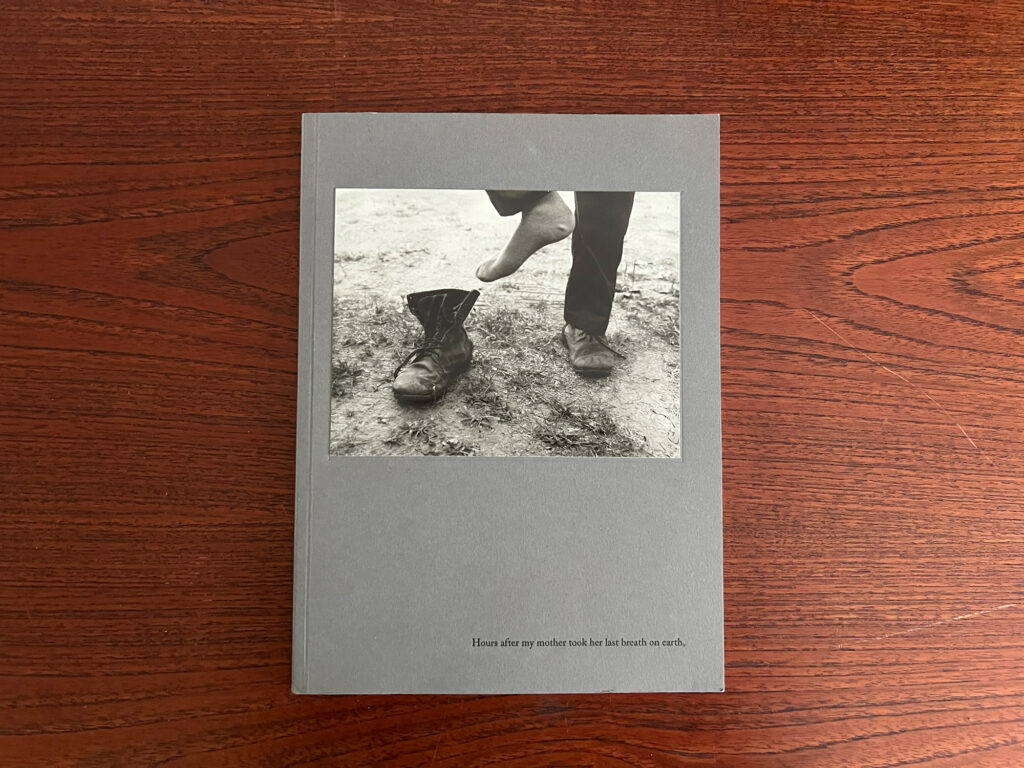
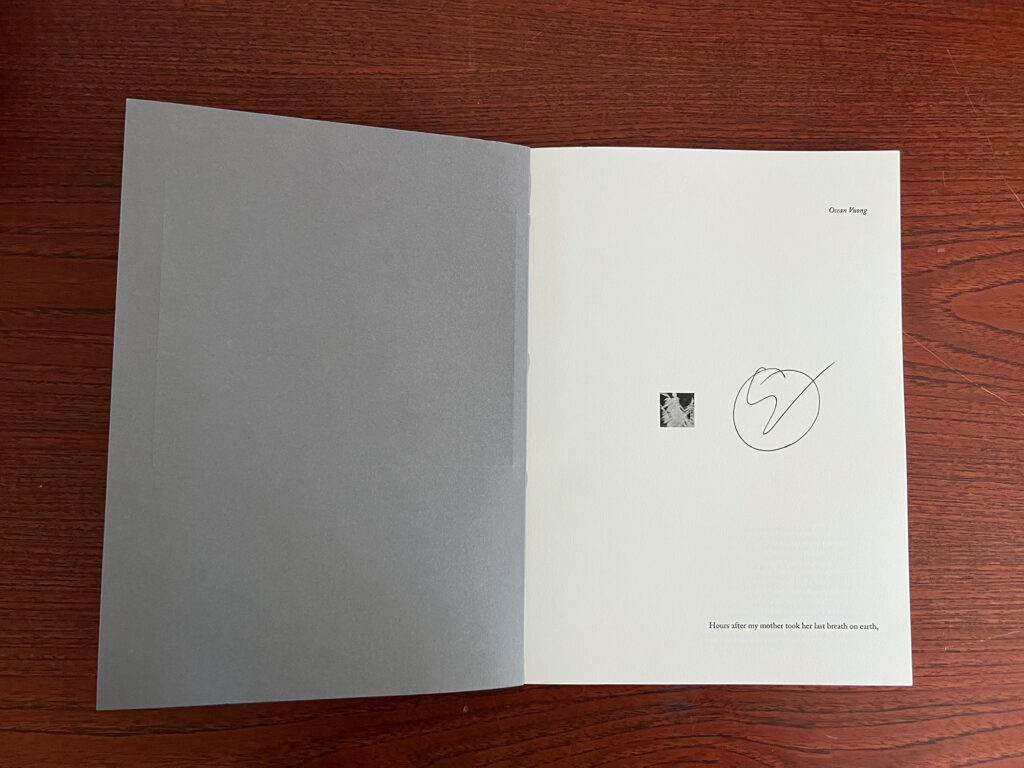
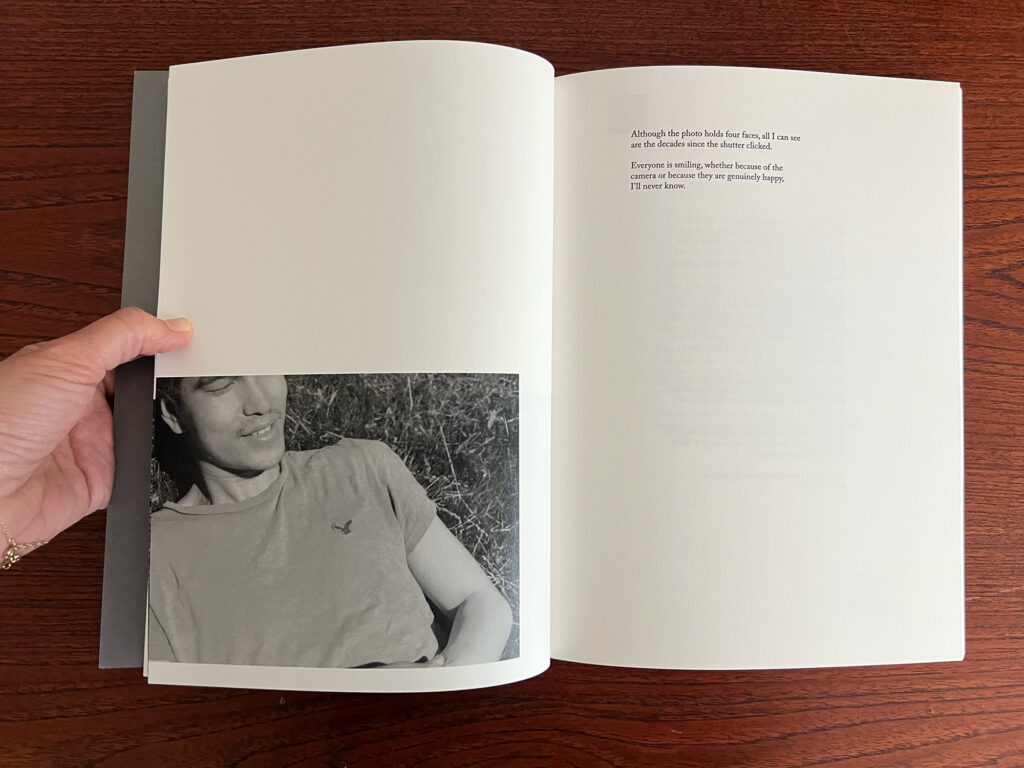
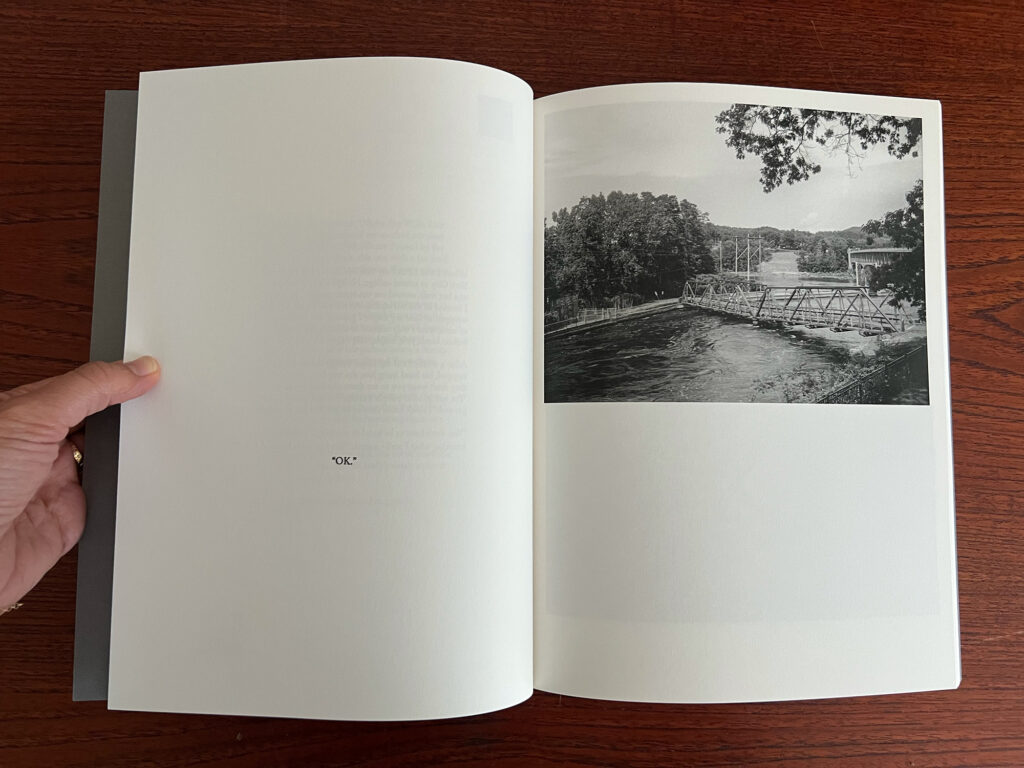
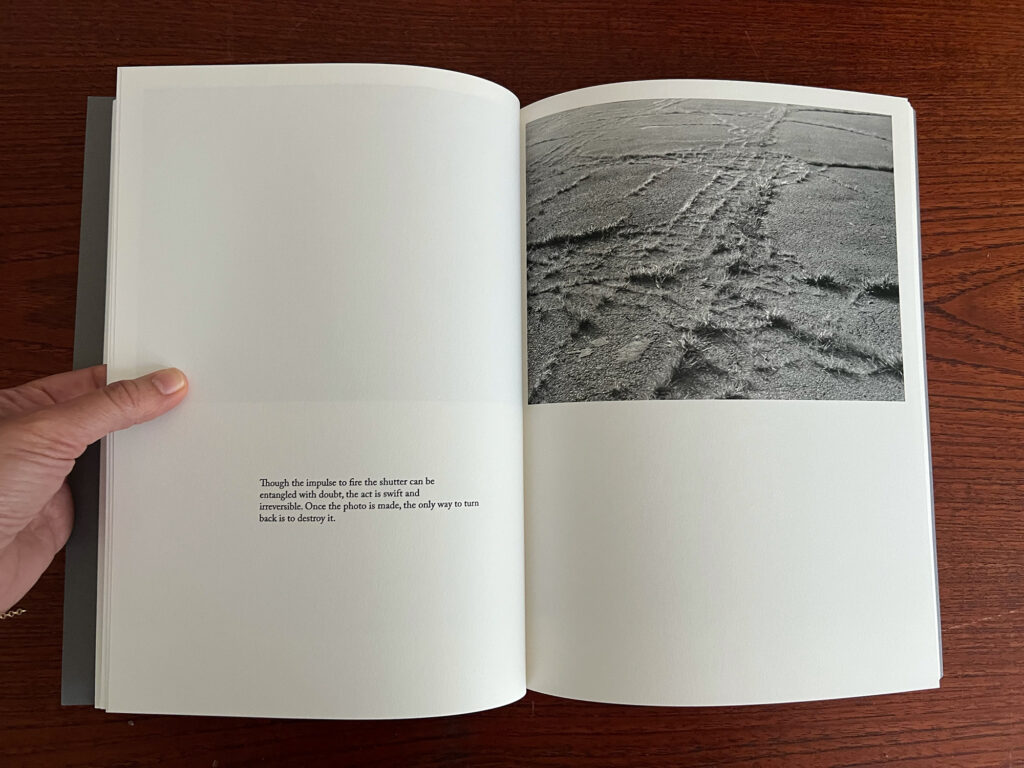
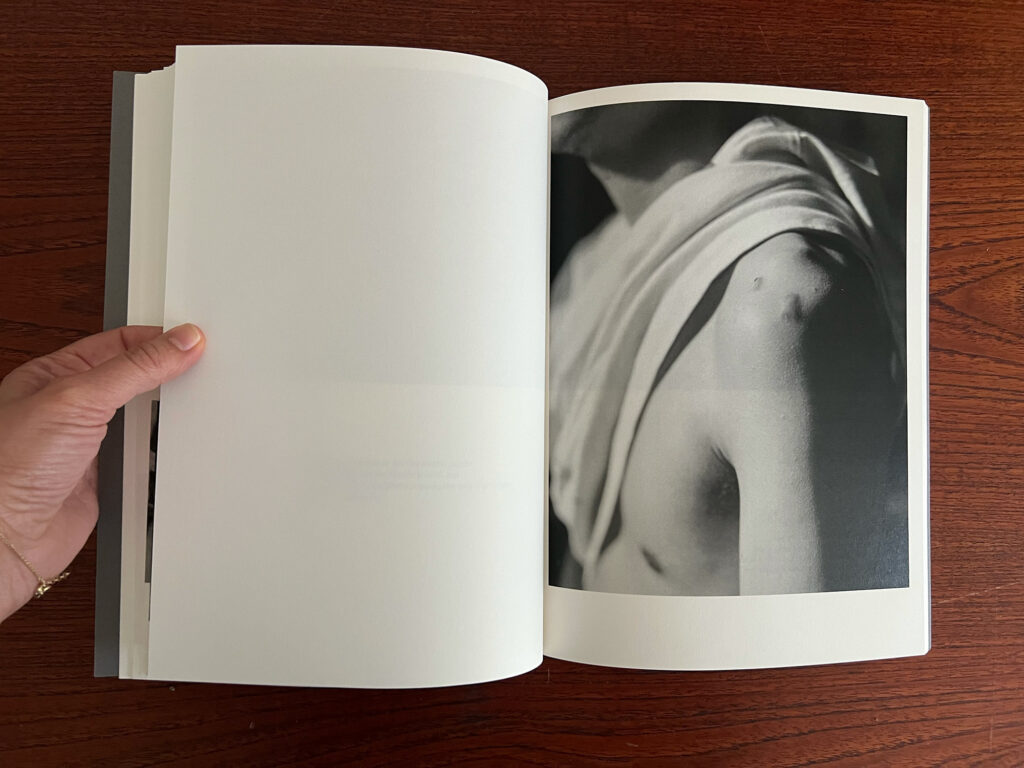
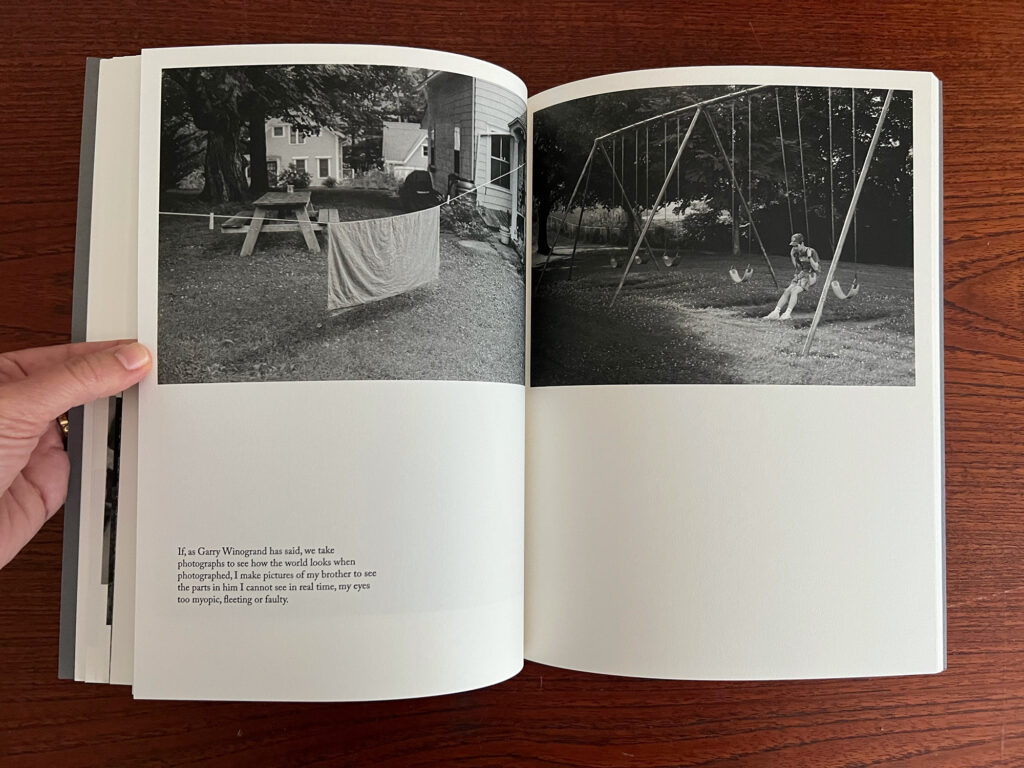
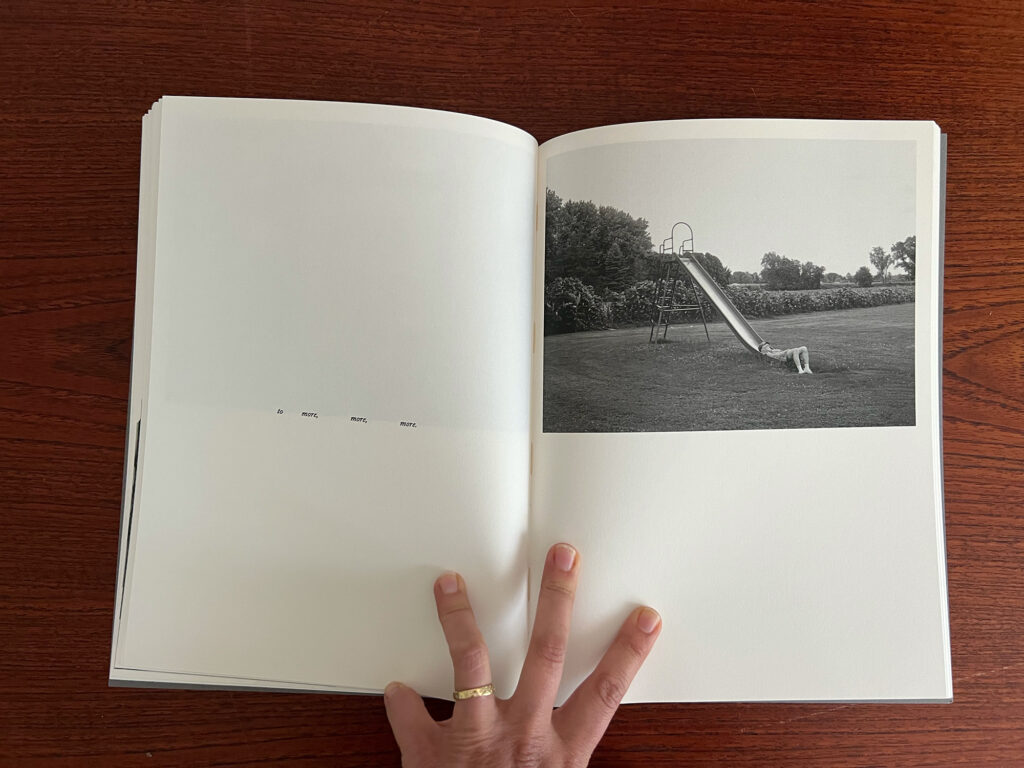
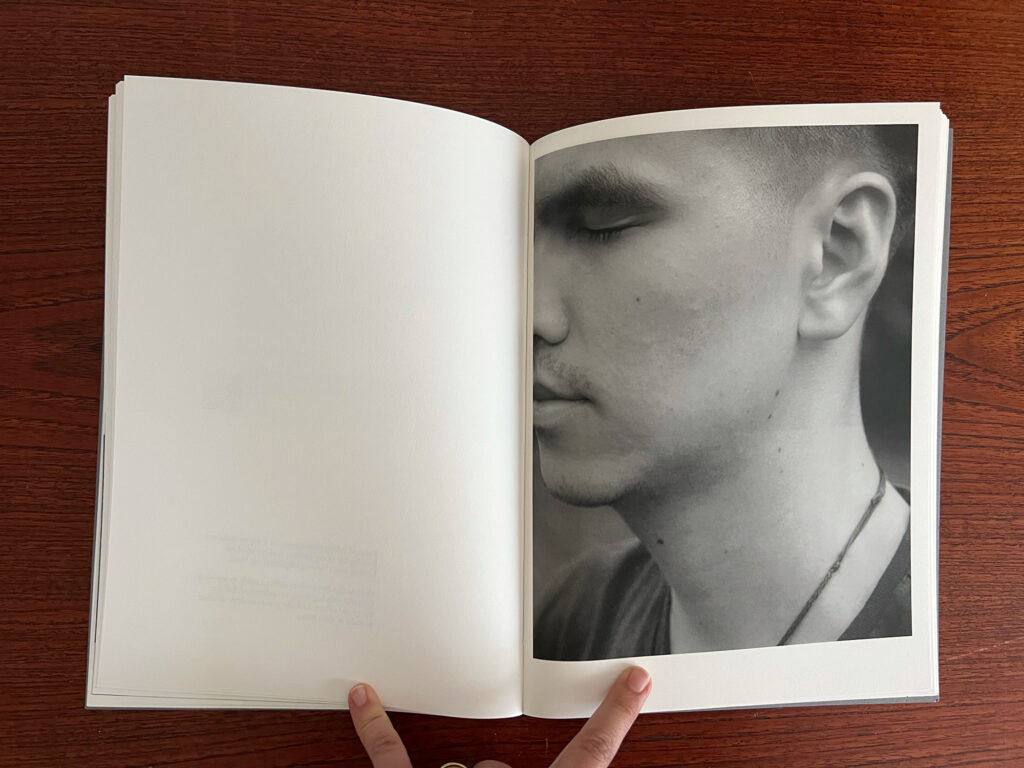
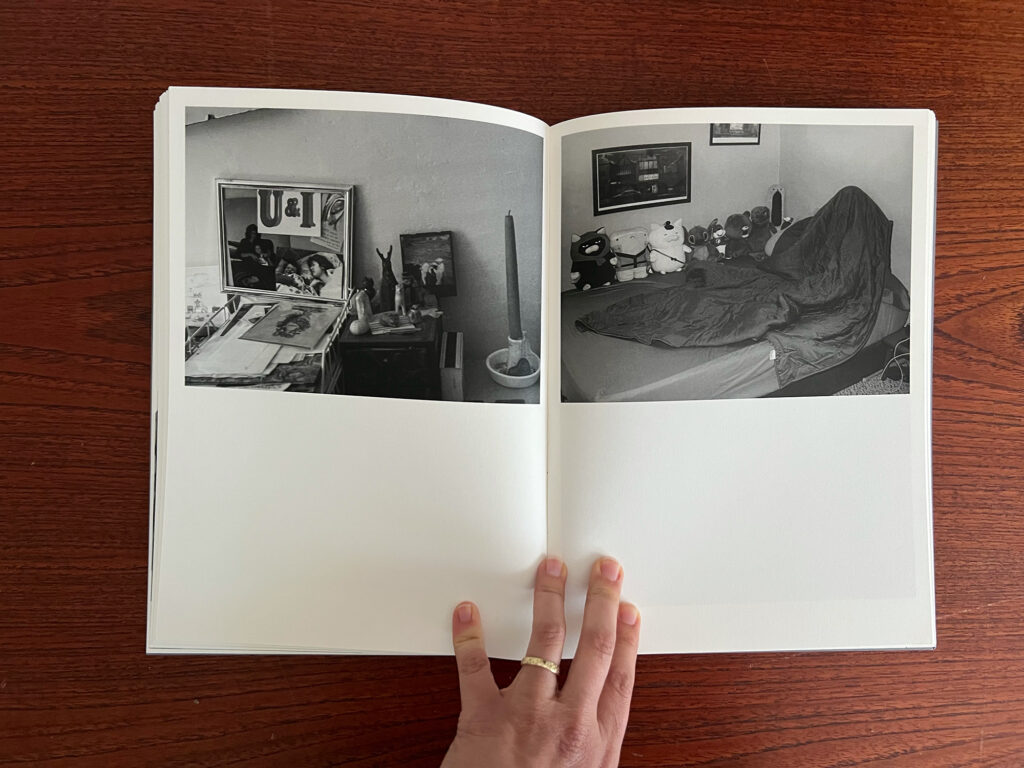
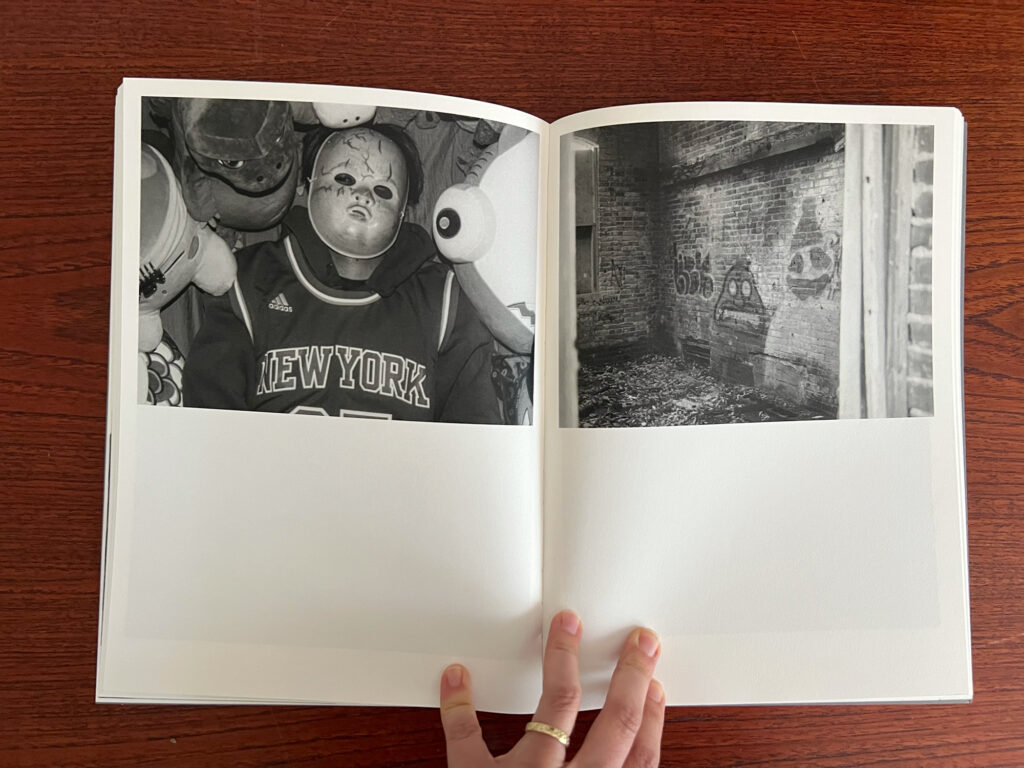
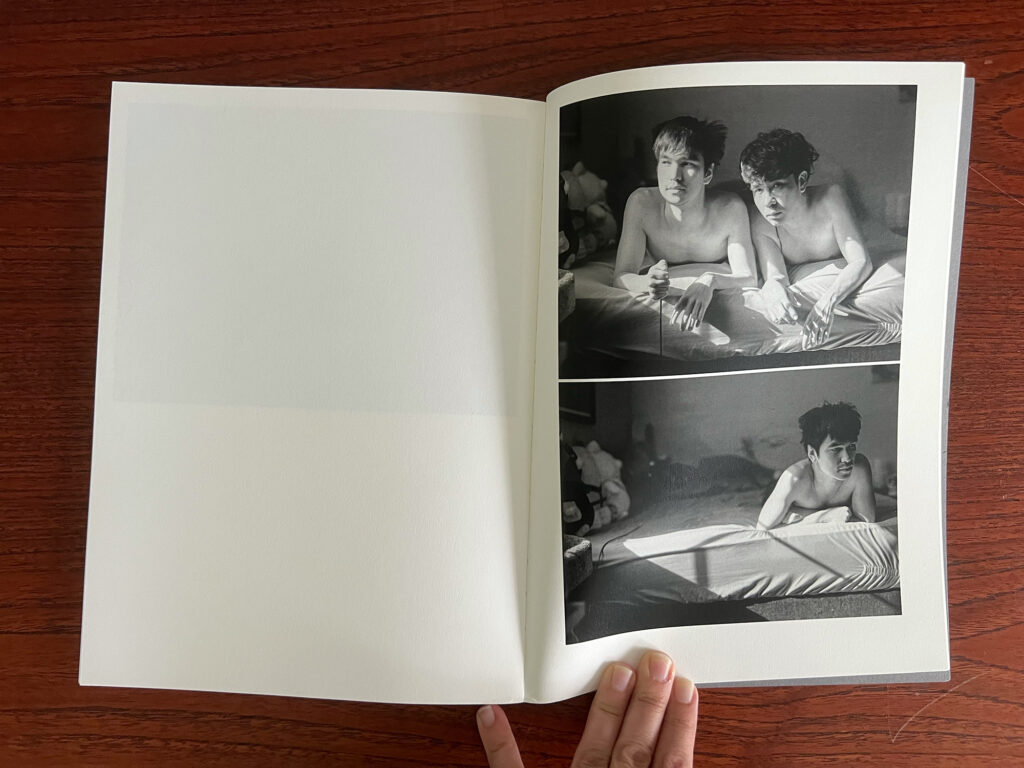
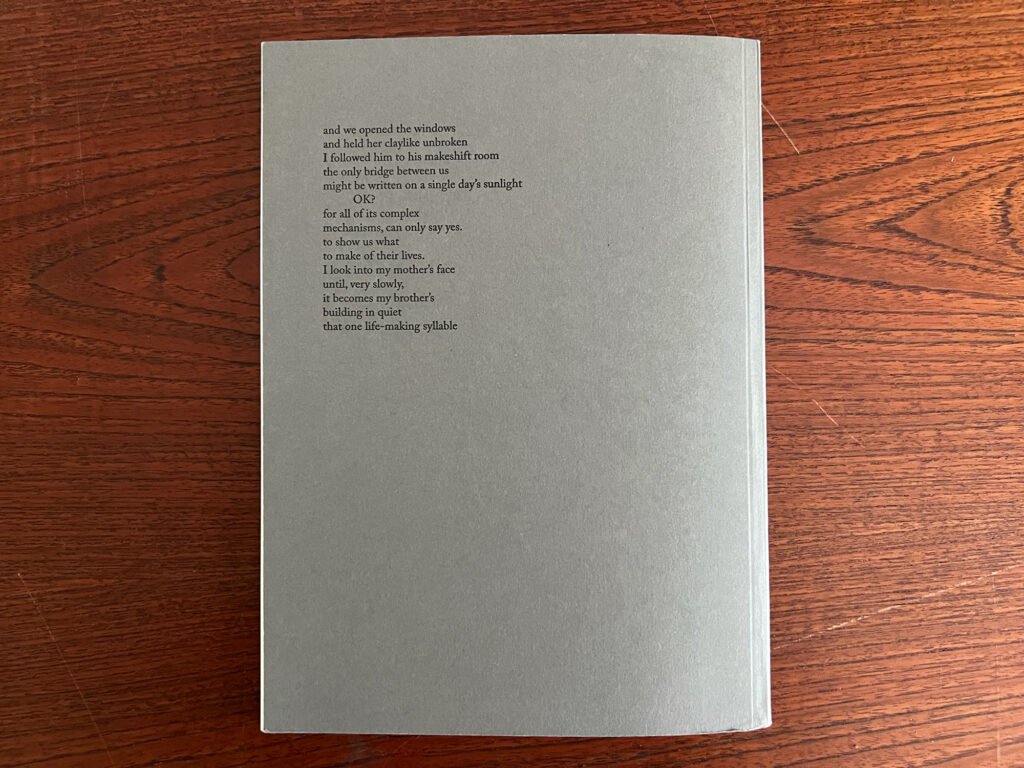
Comments/Context: Ocean Vuong—celebrated novelist, essayist, poet, MacArthur Fellow, and author of the books On Earth We’re Briefly Gorgeous, The Emperor of Gladness, and Time Is a Mother—broadens his creative reach with his first photobook, Hours after my mother took her last breath on earth, published on the occasion of his first photography exhibition, “Sống”, at The Center for Photography Woodstock in Kingston, New York, earlier this year. Vuong was born in Ho Chi Minh City in 1988 and raised in a working-class Vietnamese American family in Hartford, Connecticut. His literary and photographic works draw on intergenerational experiences of diaspora that followed the Vietnam War, known in Vuong’s native country as the Vietnamese Resistance War Against America.
Vuong’s breakout photobook continues his tradition as an author of work that is poignant and nuanced, describing the immigrant working class experience in the United States with honesty and sensitivity. The images and writing of Hours after my mother took her last breath on earth, centers on the up-close body of photographs of Vuong and his younger brother, made as the two navigated their new reality following their mother’s death. The photobook extends Vuong’s deeply personal vision as it masterfully weaves together words and images, creatively adapting the original New York Times Opinion editorial into a profound piece of artwork.
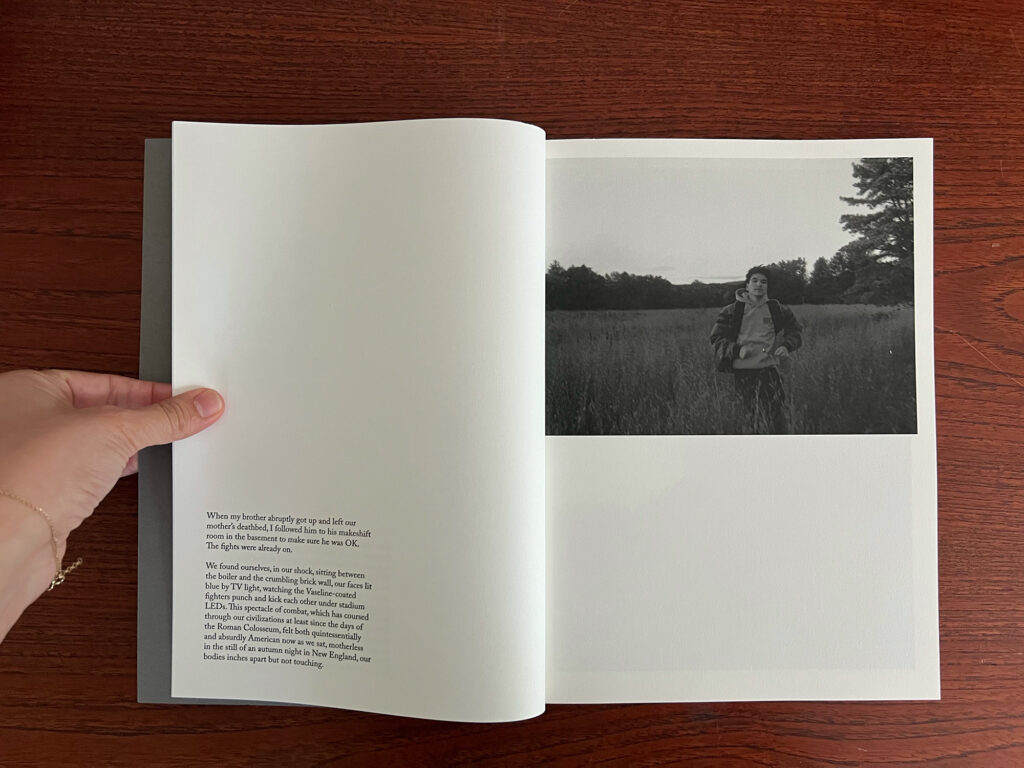
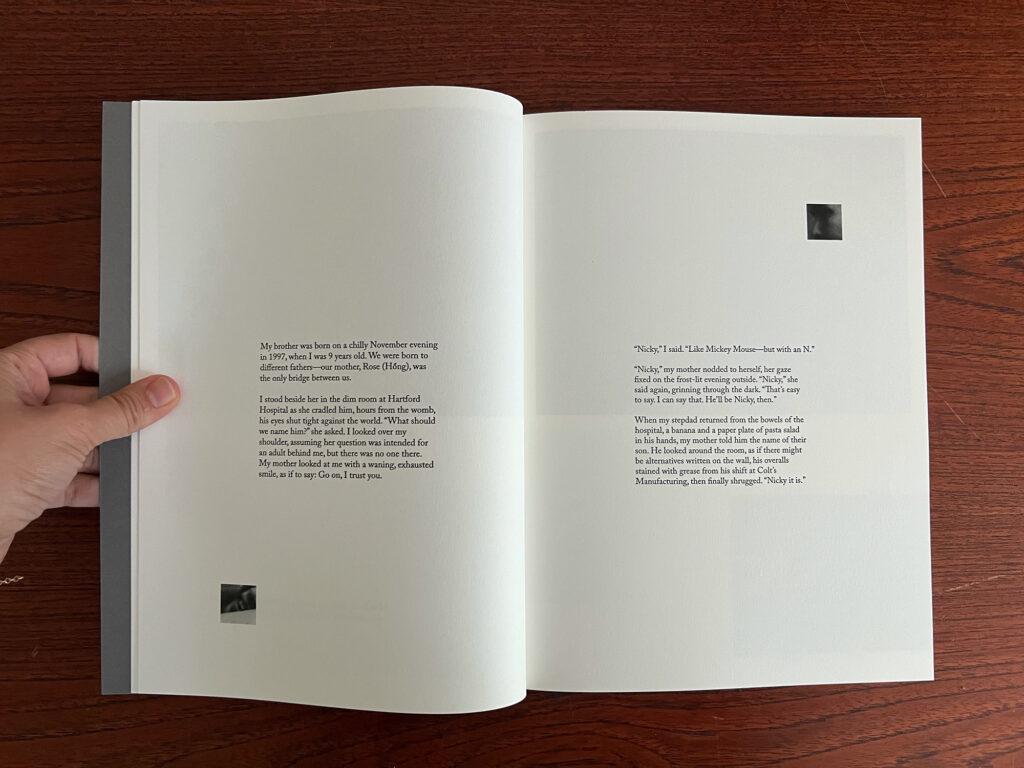
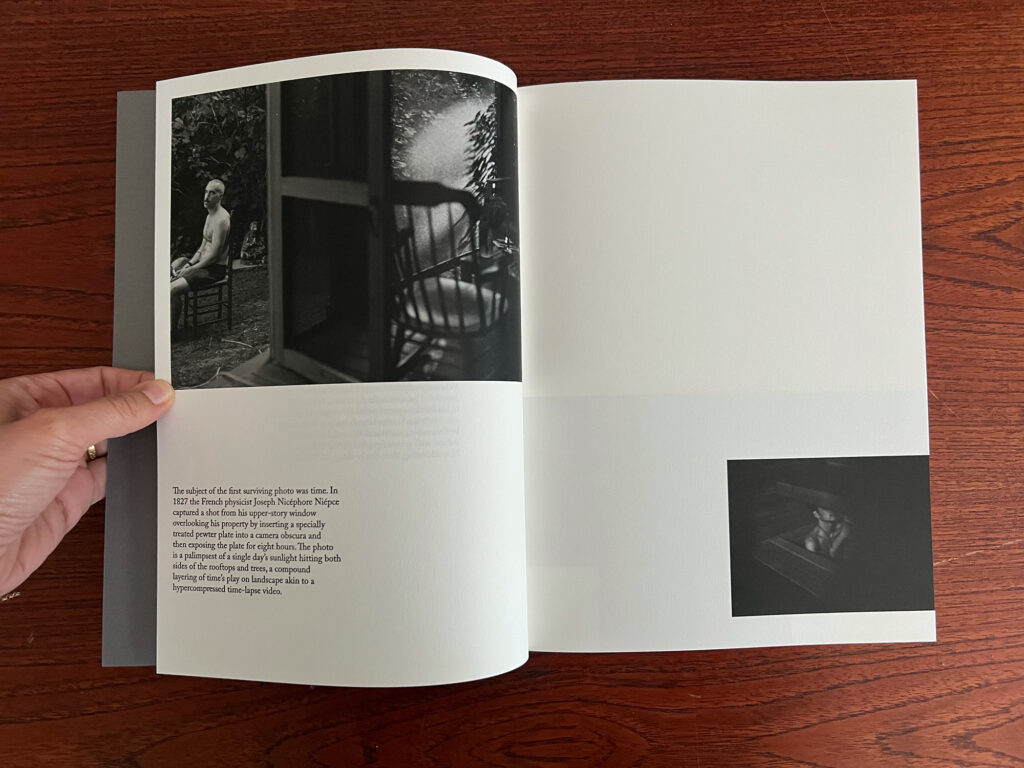
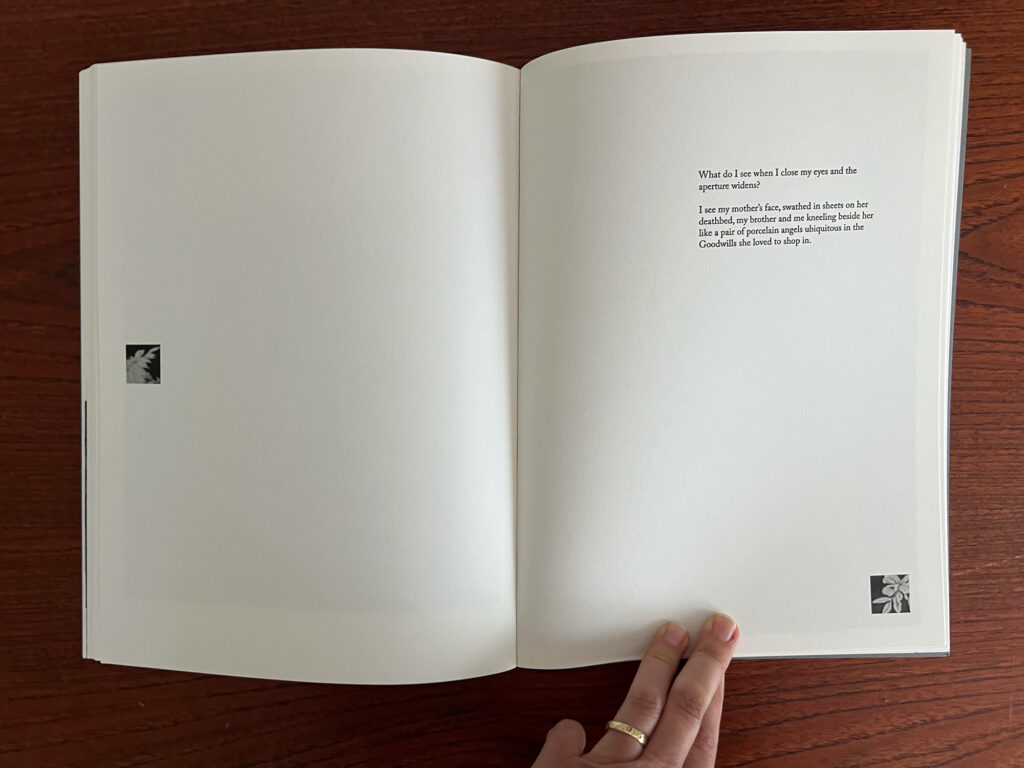
Anytime a photobook is a hybrid image text work, there is the chance, if not the likelihood, that readers will peruse the images without the text. This tendency likely stems from the primary nature of the medium, where the visual narrative commands more of the reader’s attention than text on the page. However, the orchestration of written words within this volume is remarkably potent, not only because of its author’s high level of craft but because of the unique design and text layout on the photobook’s pages. It is no longer paced like an editorial. Much of the text is relegated to the beginning of the book, with no more than two stanzas on a single page. As one moves through the photobook’s pages, the text decrescendos until there are several text-free image pages. On several occasions, especially near the conclusion of the photobook, the prose descends across the spreads in an elegant, rhythmically spaced manner, reminiscent of a raindrop’s delicate descent. On pages where larger blocks of text appear, small square images–excerpts of larger photographs reproduced in full on other pages–stylistically frame the text on lower left and upper right edges, placed in a way that adhesive corners might hold a photograph printed image in a family album.
Some of the most striking text in the photobook is not that about his family and the rituals that the family followed after the destabilizing loss of a loved one, but rather it is Vuong’s meditation on the differences between photography and writing:
Unlike writing, which is a vocation mired with maybes, the camera, for all of its complex mechanisms, can only say yes. Photography is, for me, a medium of unanimous affirmation, the shutter creating a yes so total, so entire, nothing in its frame can be denied presence.
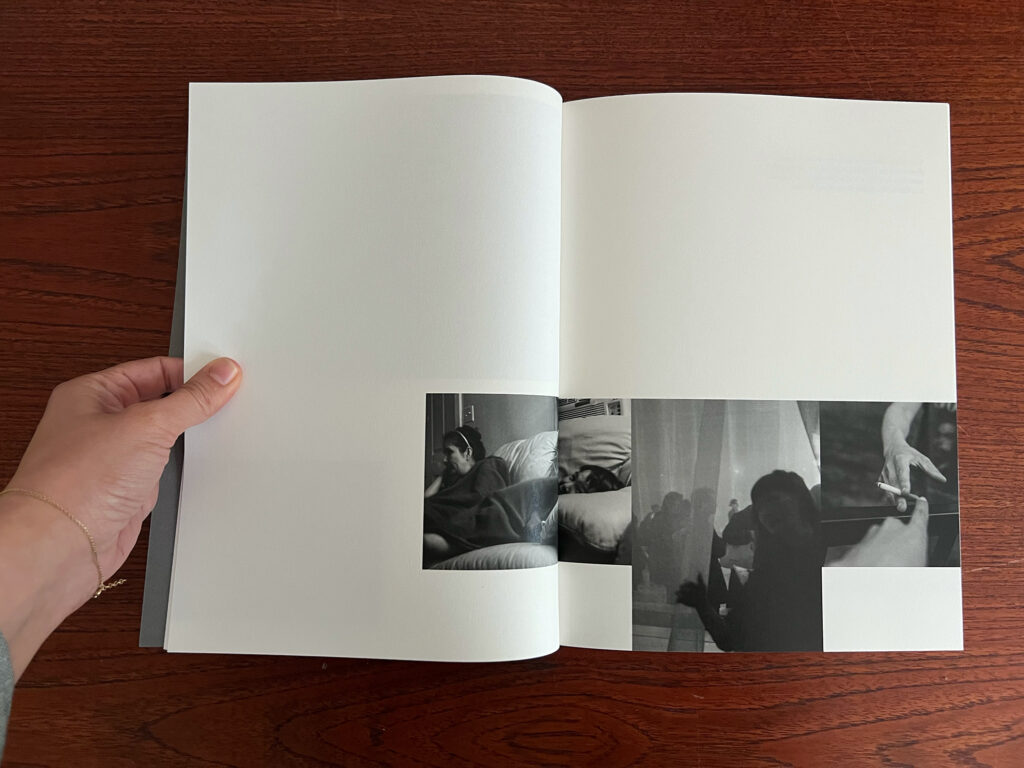
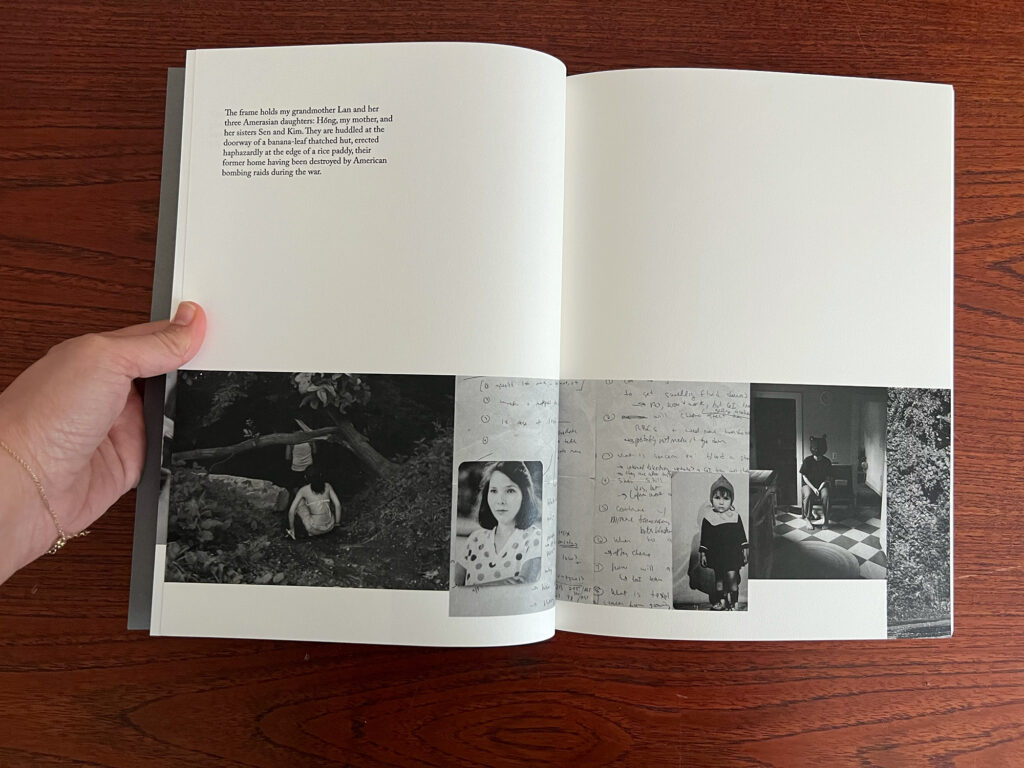
The sequencing within Hours after my mother took her last breath on earth, is characterized by a tender, intimate quality. Following the initial text pages, the book introduces a portrait of Nicky, Vuong’s younger brother and the central figure of the narrative arc. The progression then shifts into a timeline-style sequence that runs along the bottom of multiple spreads, functioning as a non-chronological time-lapse of their history over twenty years to define the foundation of their lives. There is no space between these images and they run like a continuum. After this comprehensive visual summary, the pacing slows to a more deliberate rhythm, featuring single images per page. This transition brings the viewer into a present where Nicky is seen through the lens of his older brother and primary caretaker, and the rhythm slows, allowing for careful observation of individual portraits, still lifes, and landscapes.
While several photographs within the photobook appeared in “Sống” and in the original New York Times essay, the photobook deliberately pivots from these earlier iterations to create a different experience unique to the photobook. In Hours after my mother took her last breath on earth, Vuong has transitioned every image into black and white, despite the fact that some were rendered in color in previous presentations. This monochromatic rendering fosters a unified sense of temporality and luminance, weaving together a consistent atmospheric and tactile thread. By eschewing the previous mixture of palettes, this translation provides a meditative coherence that underscores the work’s collective gravity, grounding the viewer in a singular, uninterrupted study of its subjects.
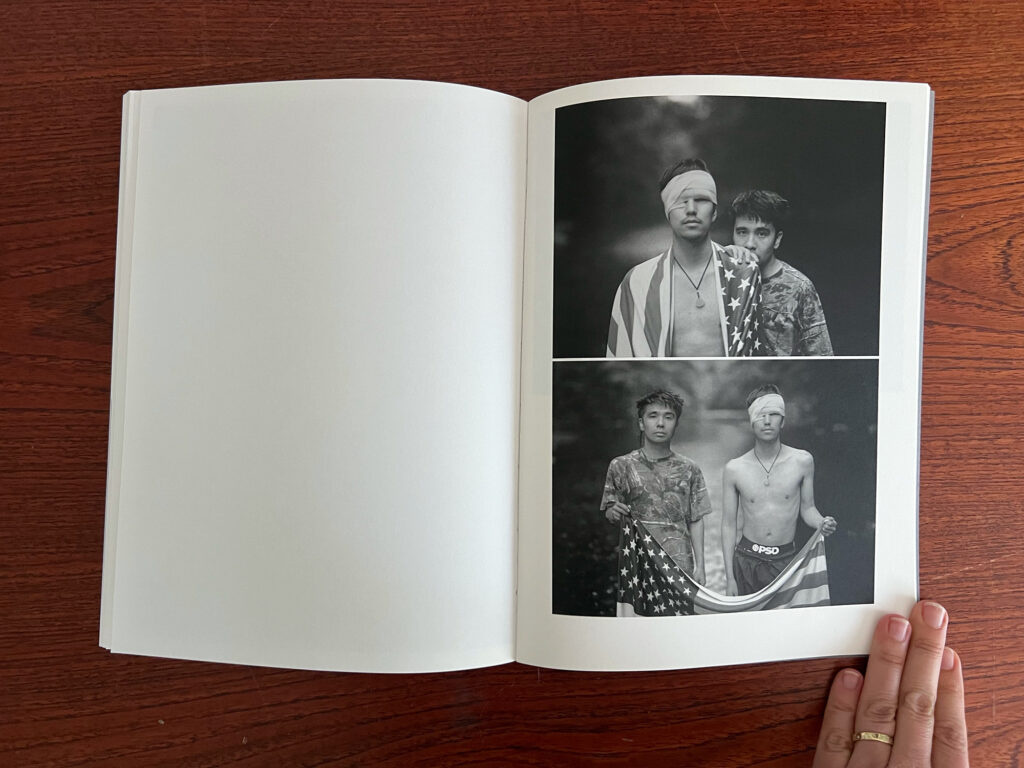
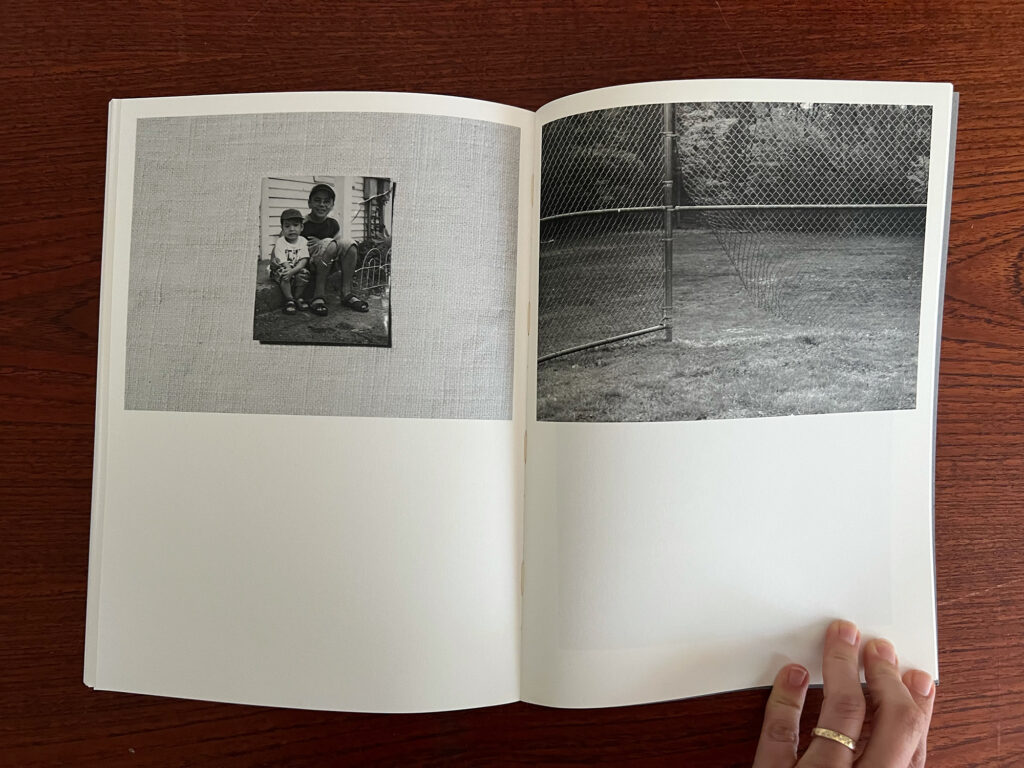
The photobook concludes with three pages focused on the brothers side-by-side, allowing a different type of study of the two. The first is a stack of self-portraits, the one near the top of the page shows Nicky wearing a flag standing next to Ocean, while the photograph beneath it, made mere moments later, depicts the both brothers holding the flag together. The next example depicts a childhood picture of the pair, a photograph of a photograph on a textured surface. The third and final, another stack of portraits, appears to be the most contemporary of the images in the photobook. The top portrait is of the two brothers, Nicky on the left holding the shutter release with Ocean on the right, while the bottom portrait features only Nicky, this time without the cable release, with Ocean presumably behind the lens releasing the shutter. The text after this contemporary set of portraits describes a complex psychological event: “I look into my mother’s face, until very slowly, it becomes my brother’s.” This sentiment invites the viewer to again imagine the blurring of time, places, and faces, all over again.
Hours after my mother took her last breath on earth, is a poignant and nuanced meditation on the intimate connection between brothers, tempered by the crucible of mutual sorrow and the shifting duties that emerge after the destabilizing loss of a single mother. This photobook is potent and thoughtful; a sentiment that would remain even if the work were produced by an artist without the author’s significant esteem. Indeed, it is not the celebrity of Ocean Vuong that commands the reader’s attention, but rather the deeply personal content and particular vision of the work itself. The photobook’s resonance lies in its collective gravity, masterfully weaving together the delicate friction between a subjective visual narrative and written language. Through deliberate orchestration of layout, pacing, and aesthetic design, Vuong skillfully transforms the project into a profound affirmation of a shared reality, capturing their grief and growth as it is framed by images and reframed by text and ultimately shaped within the form of the photobook.
Collector’s POV: Ocean Vuong does not appear to have consistent gallery representation at this time. As such, interested collectors should likely follow up directly with the artist via his website (linked in the sidebar).