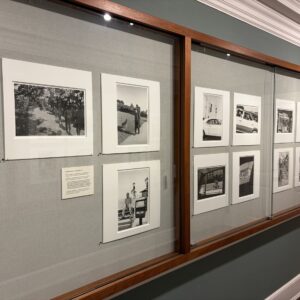
JTF (just the facts): Published in 2025 by Artpower International (here). Hardcover (28.5 x 25 cm), 168 pages, with 64 black-and-white photographs. Includes short texts by the artist. (Cover and spread shots below.)
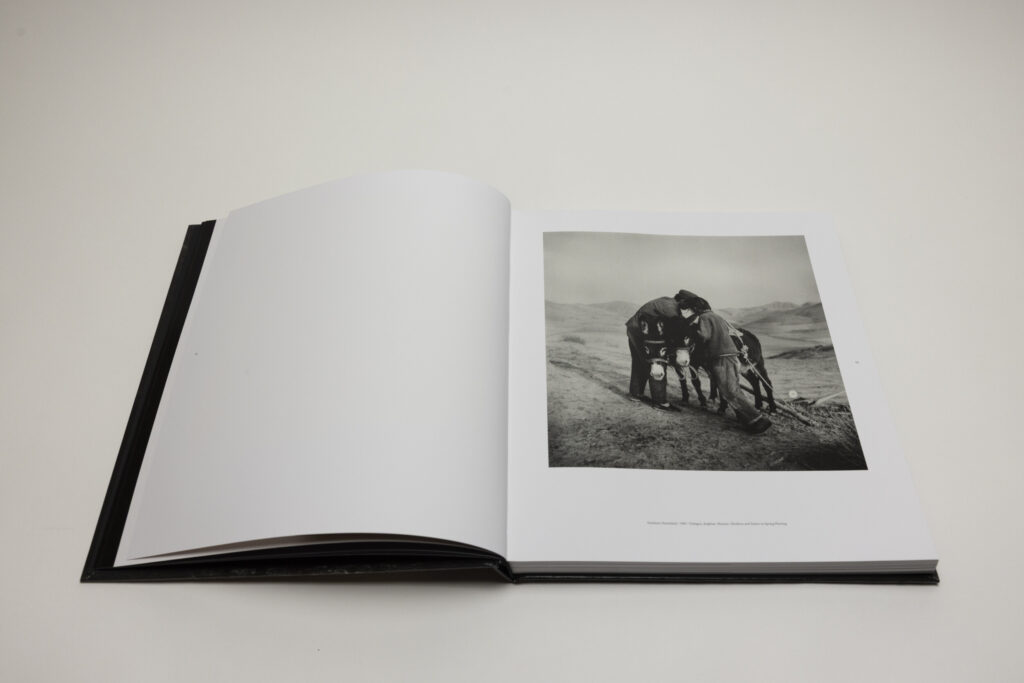
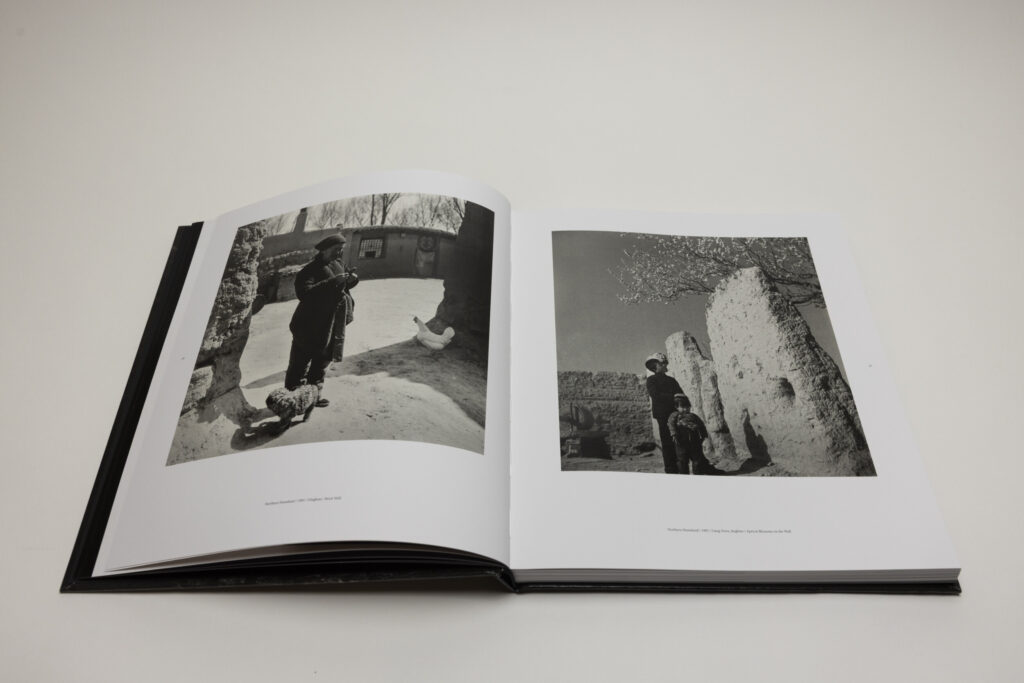
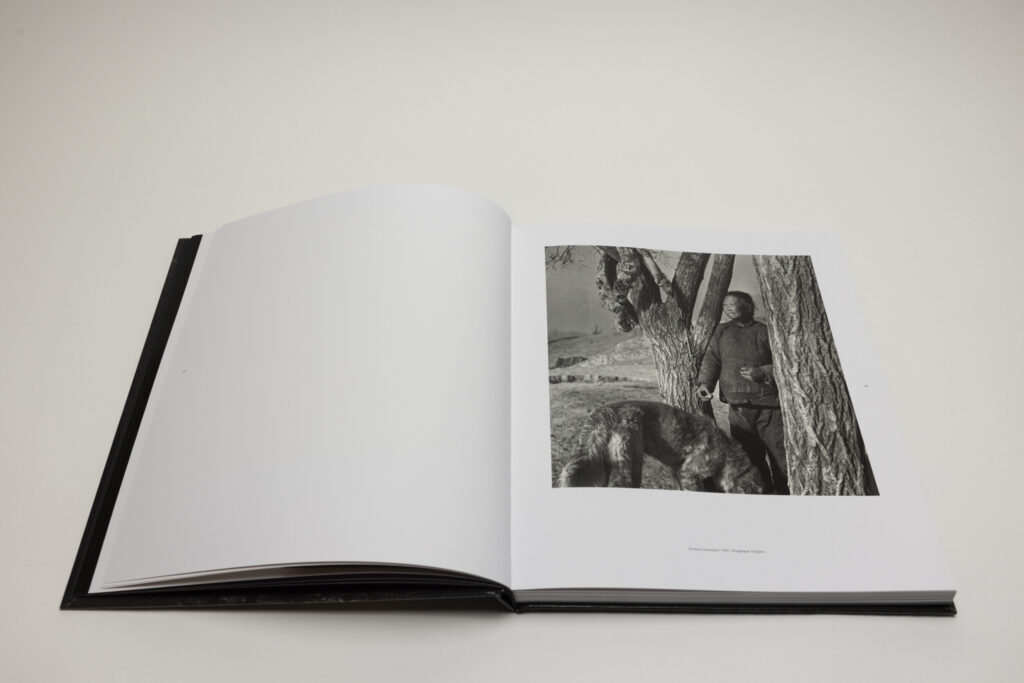
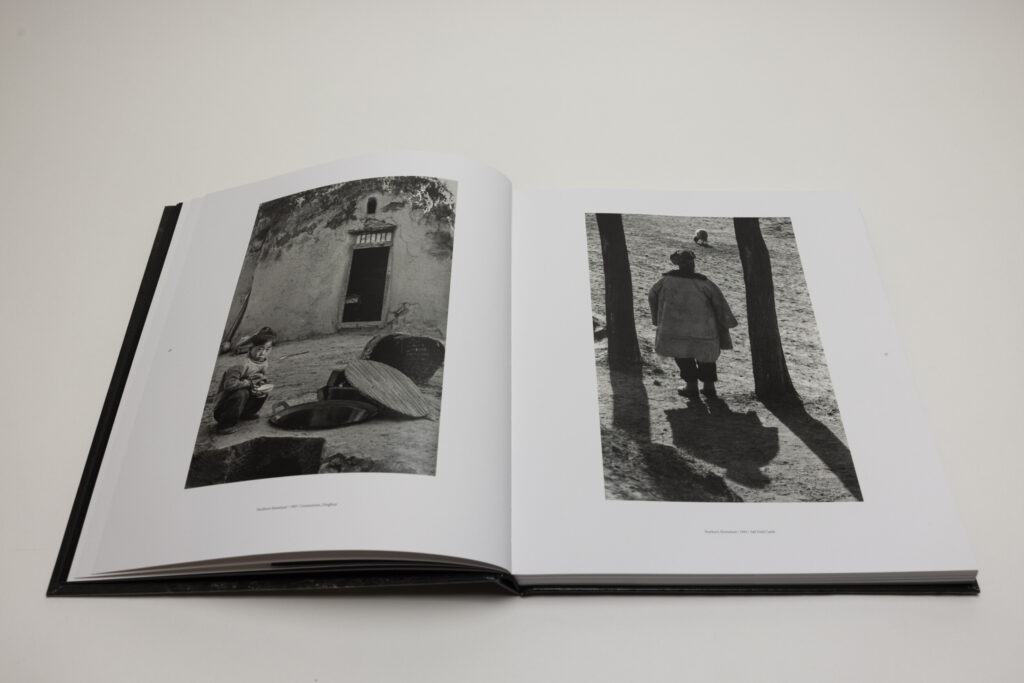
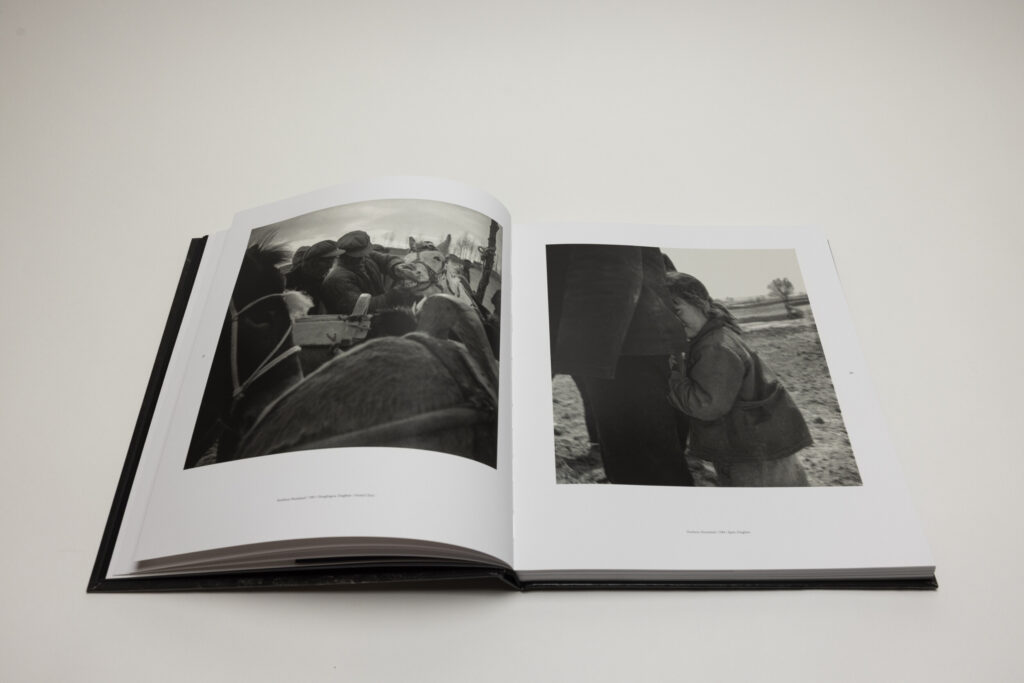
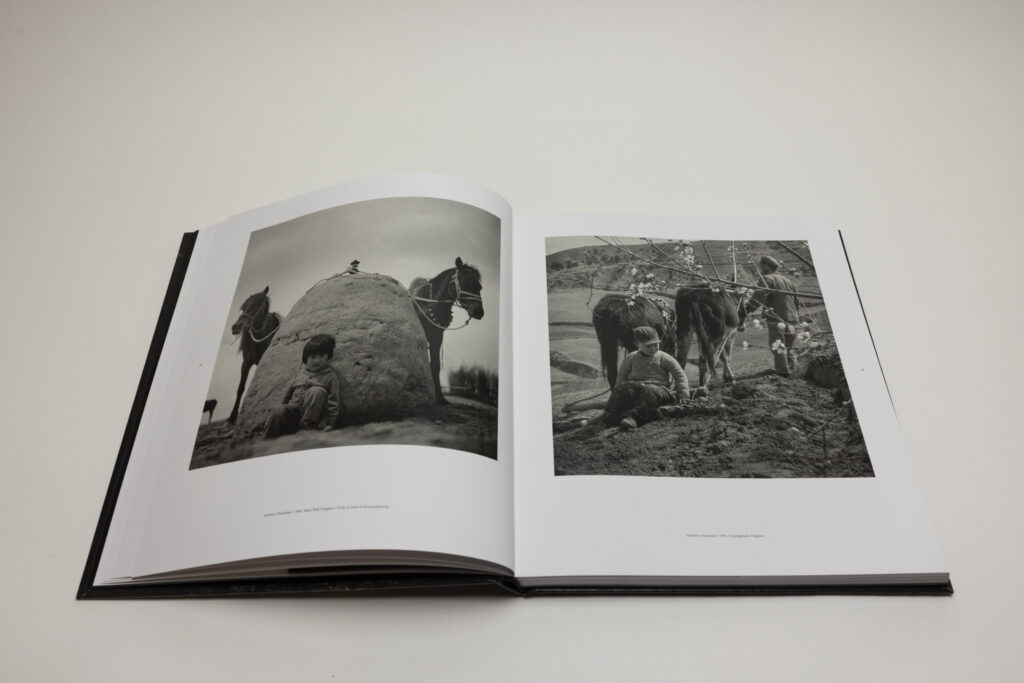
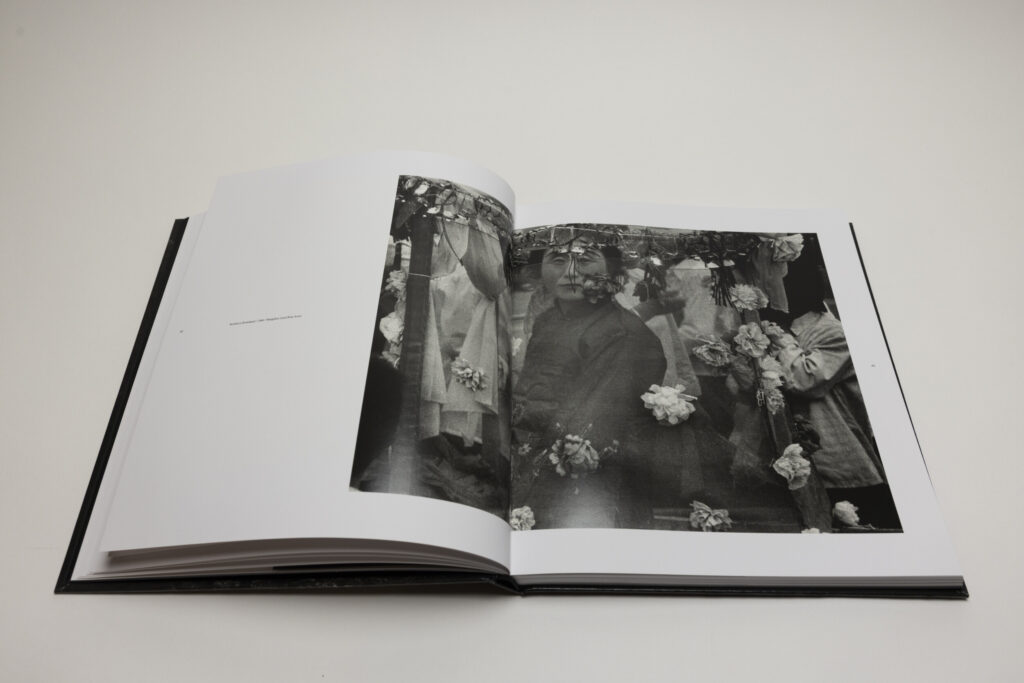
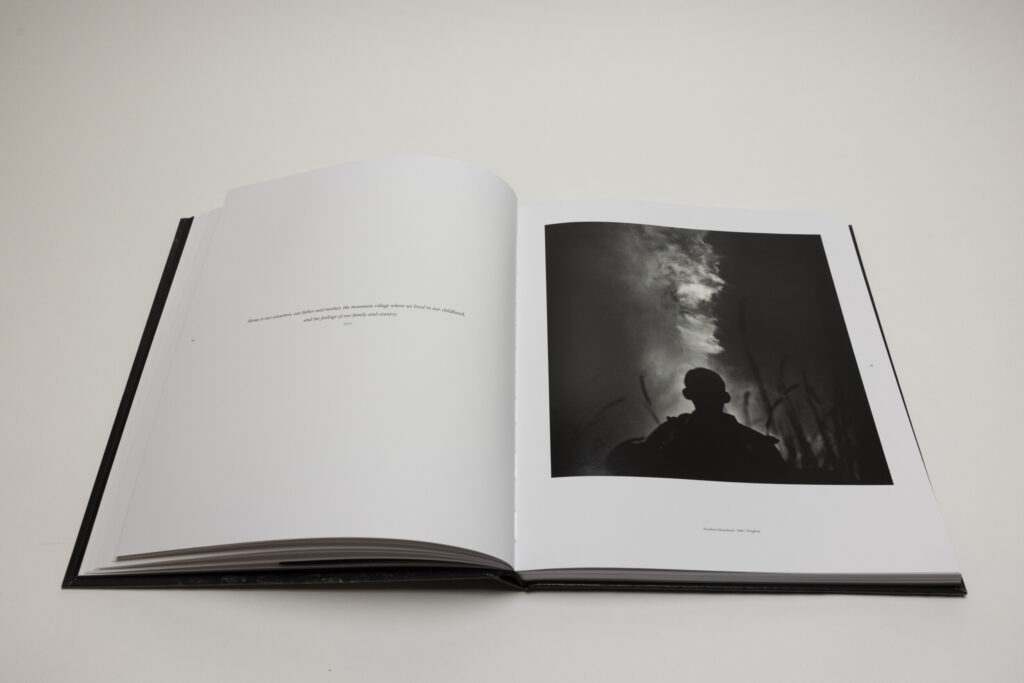
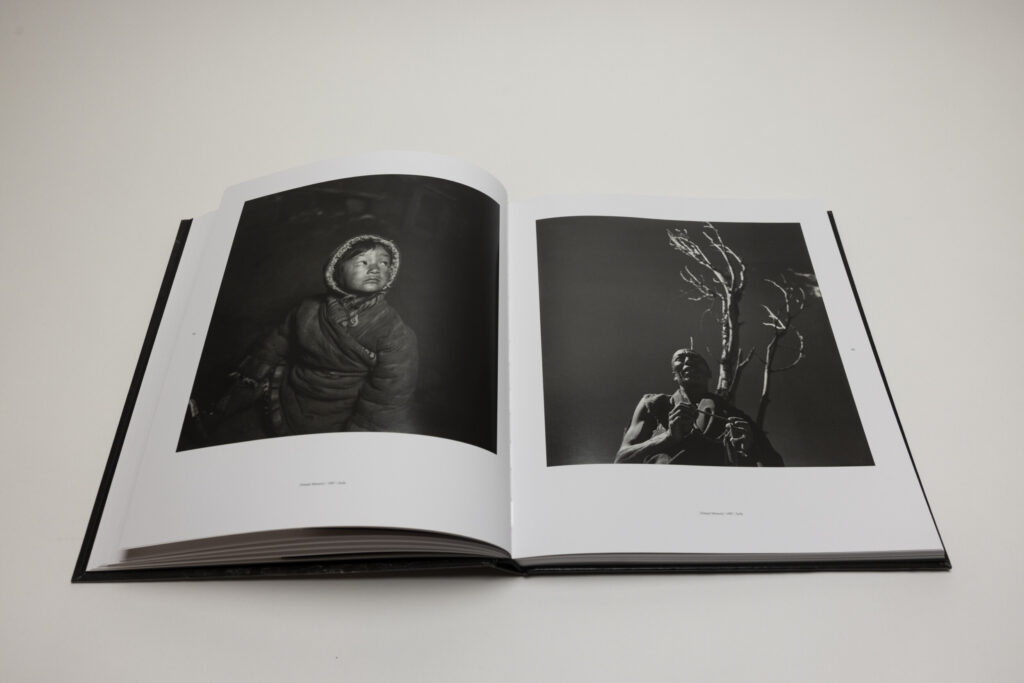
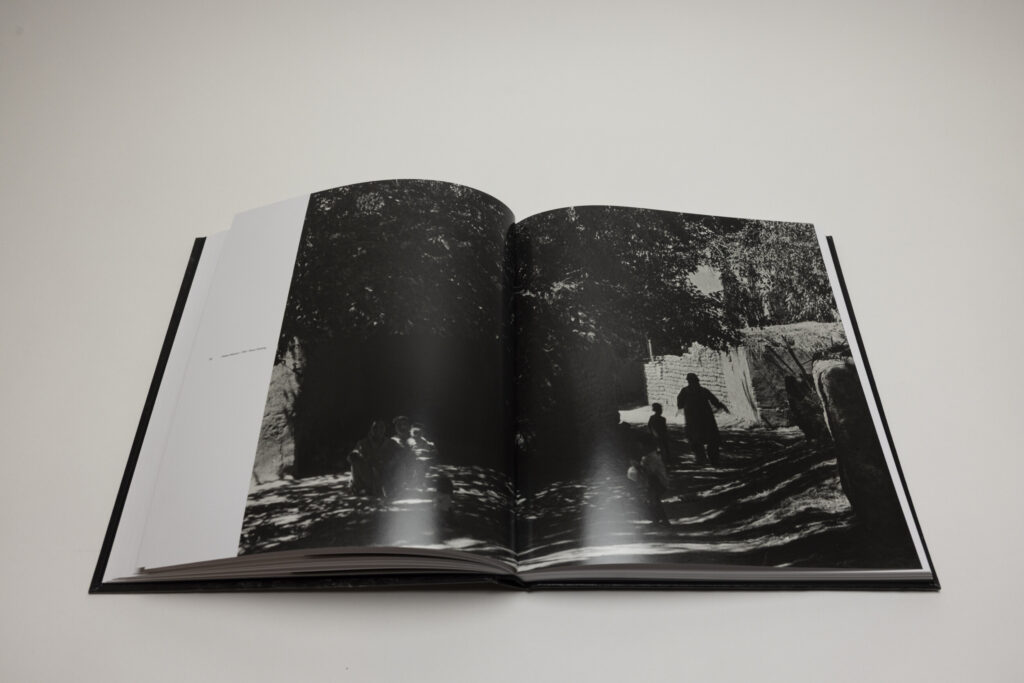
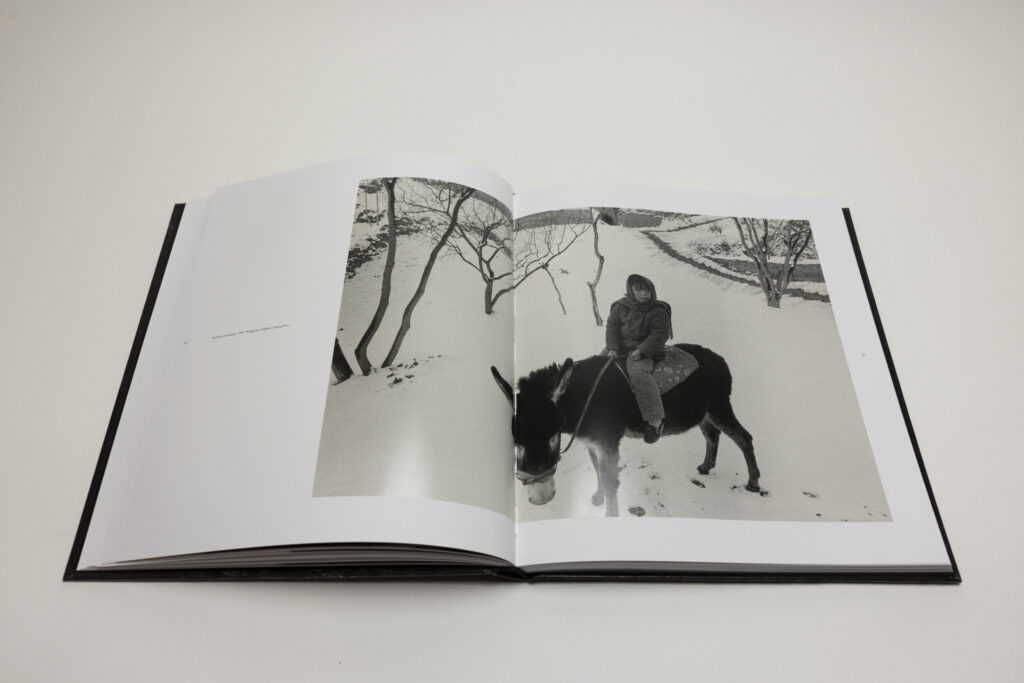
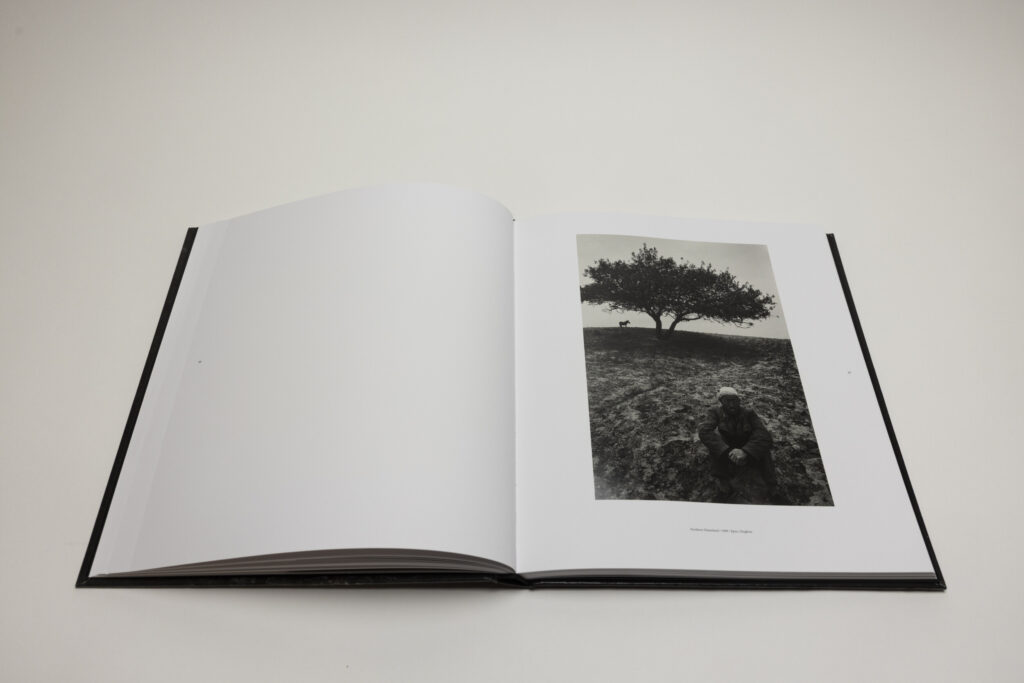
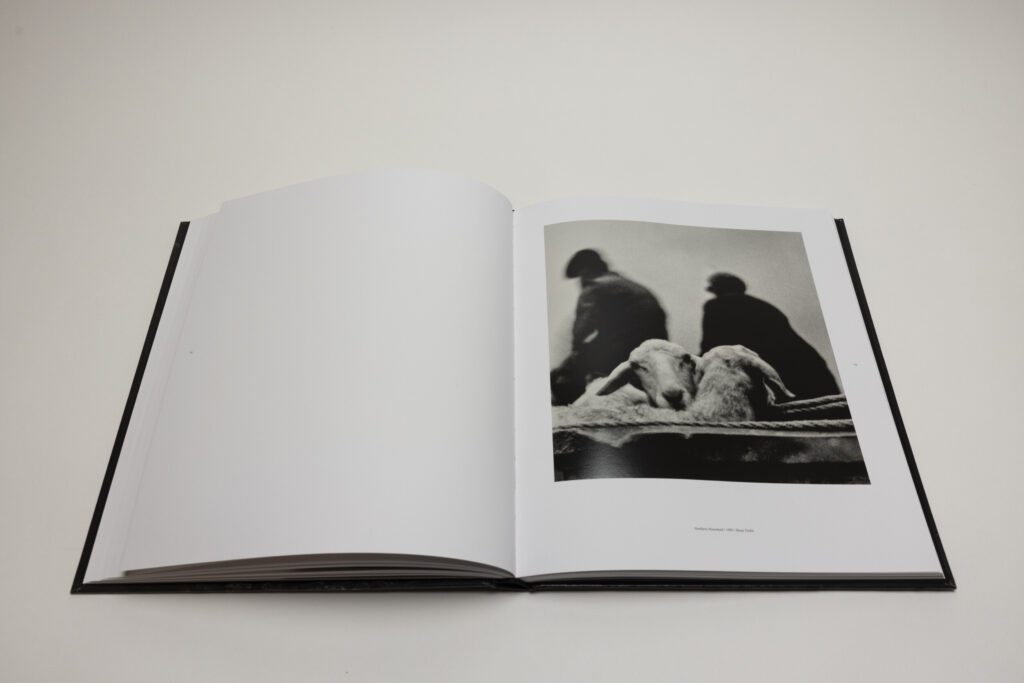
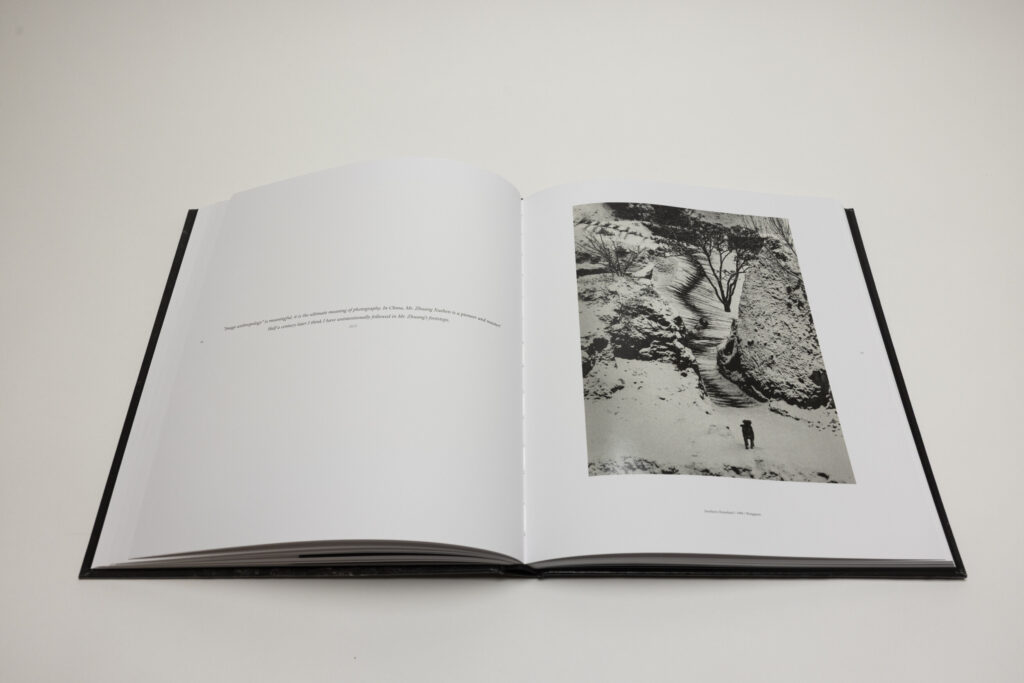
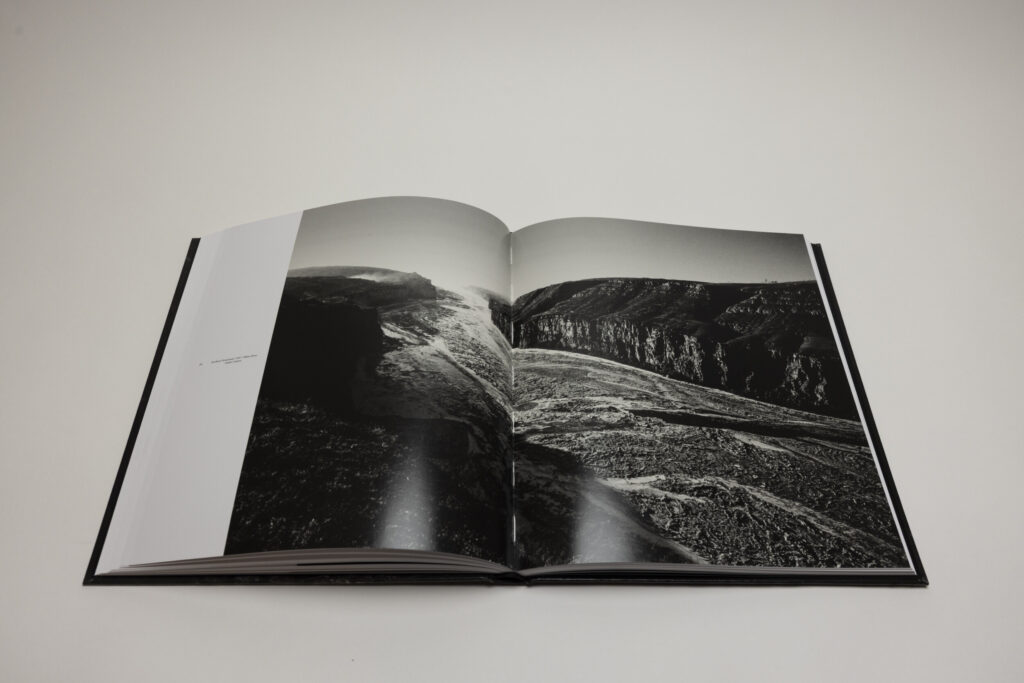
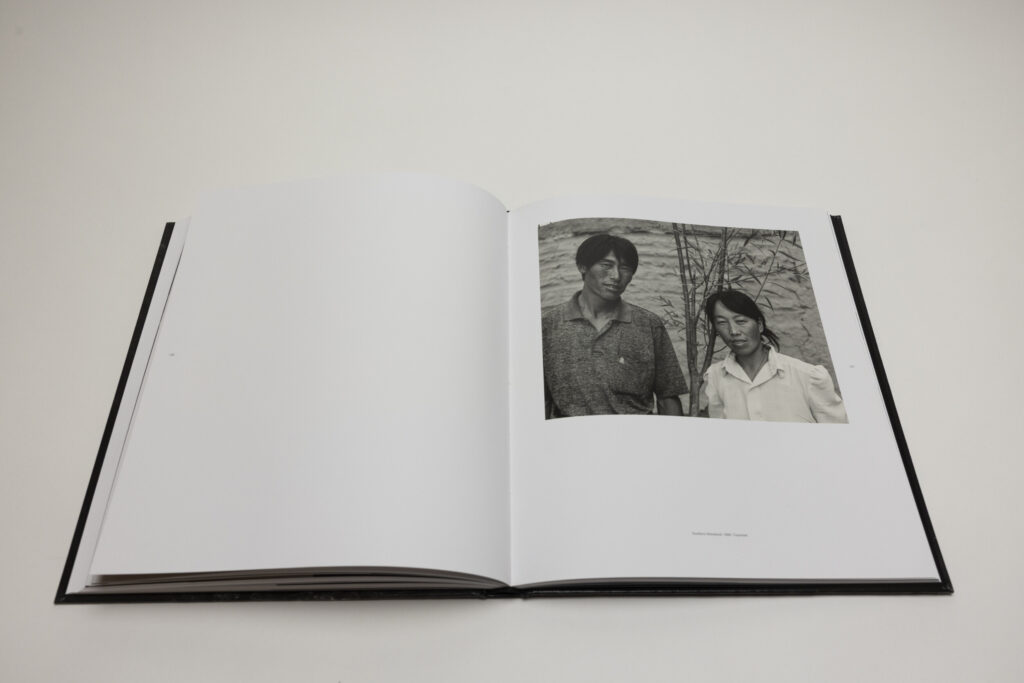
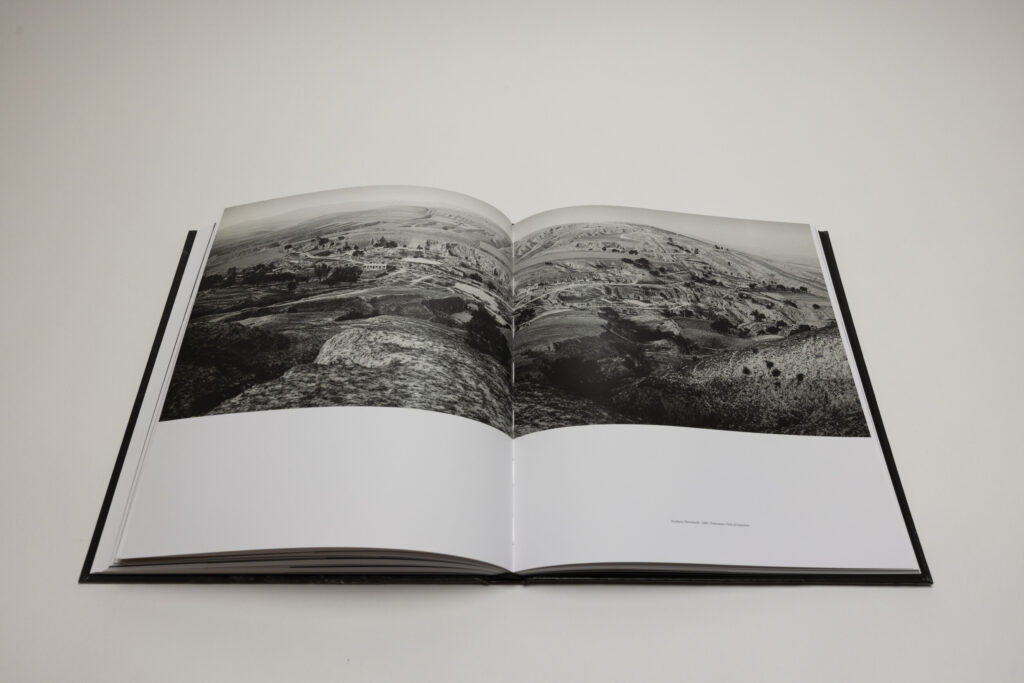
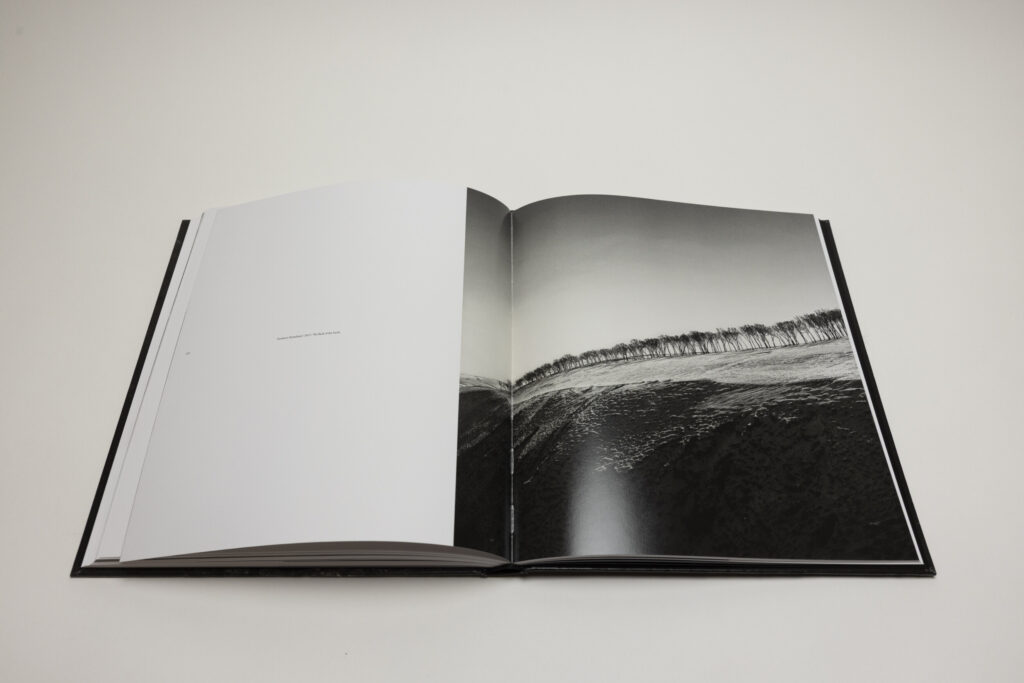
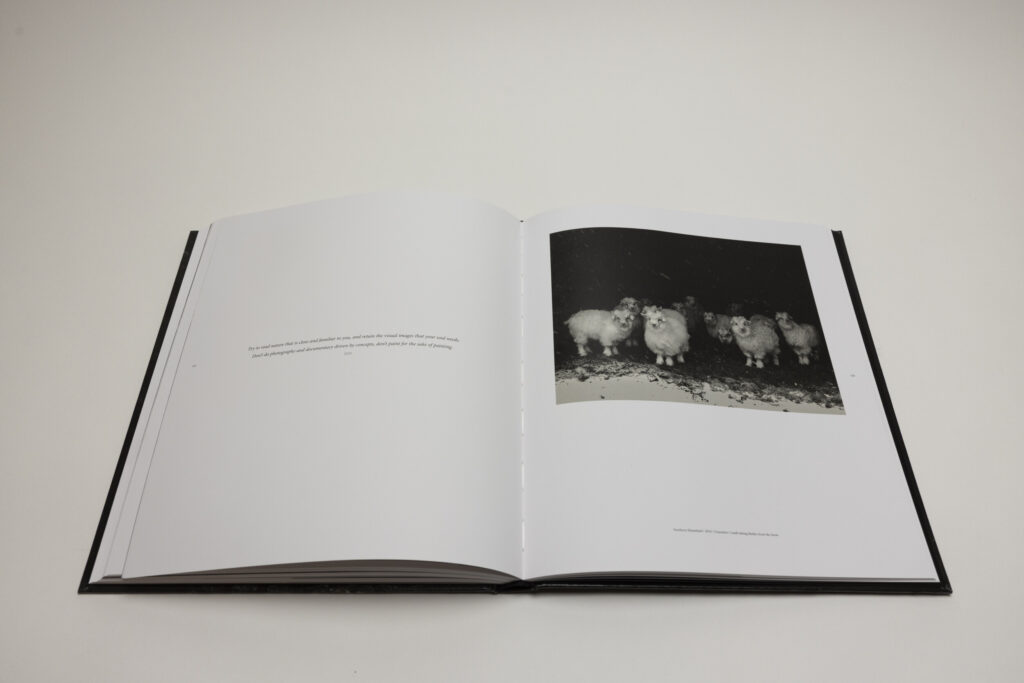
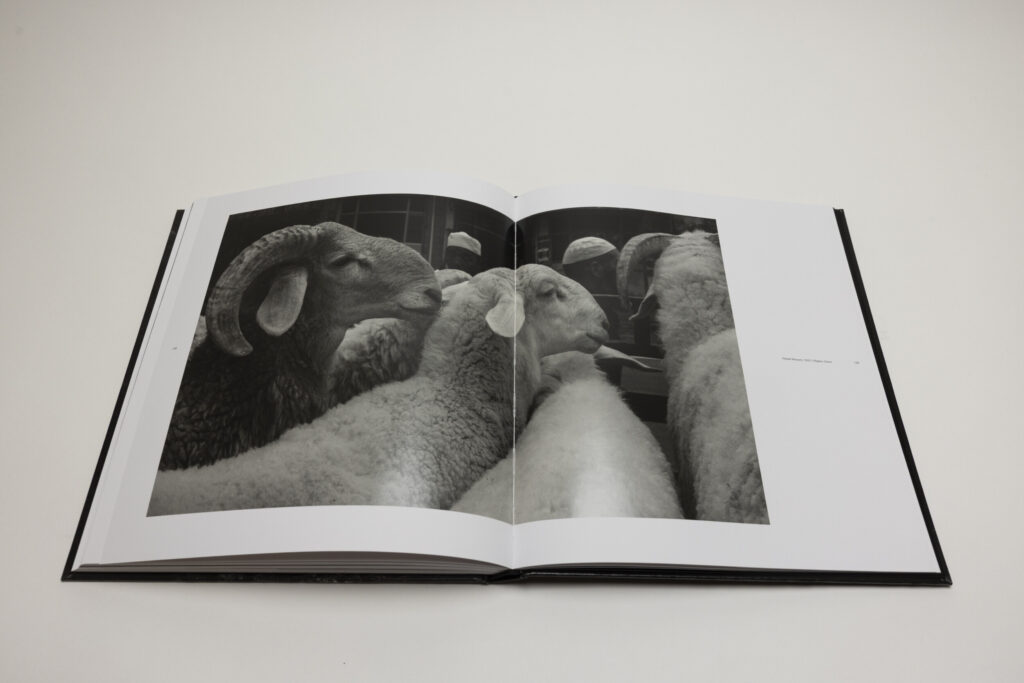
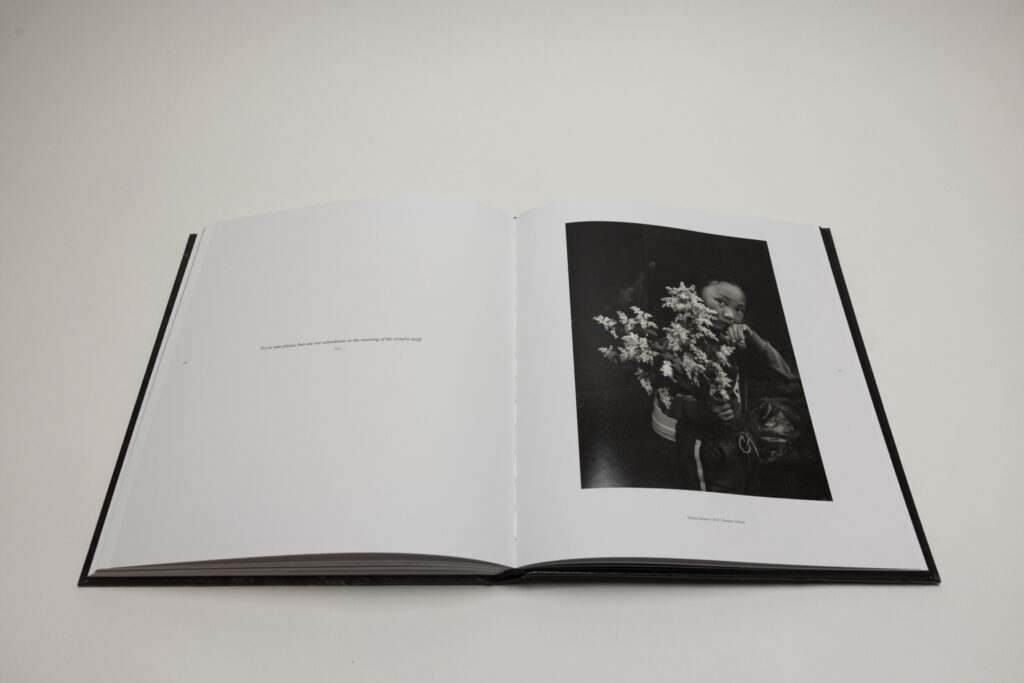
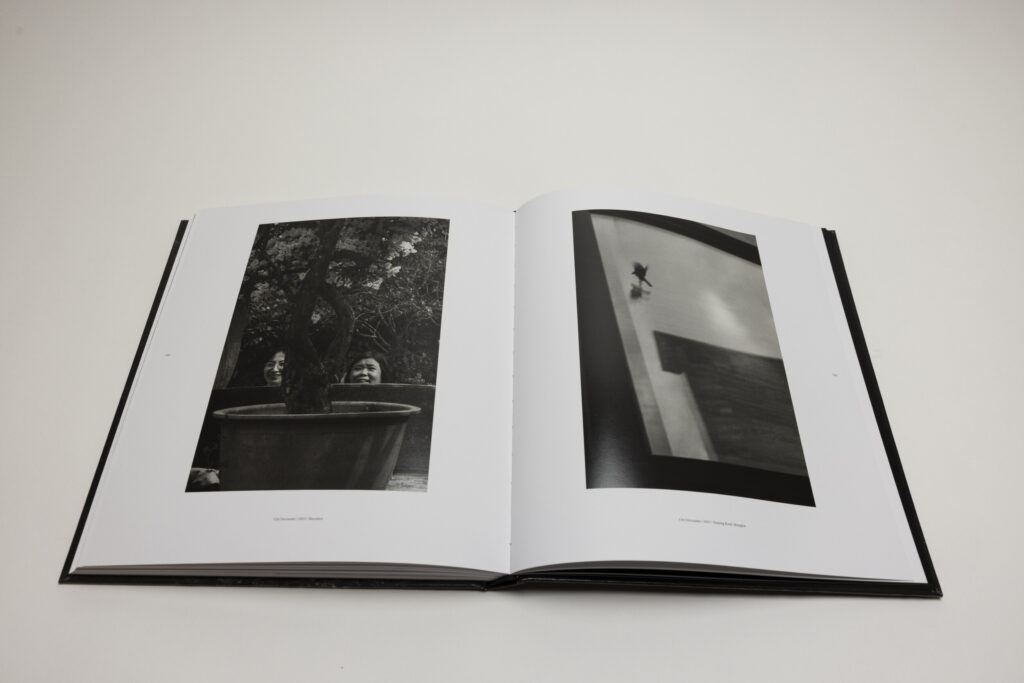
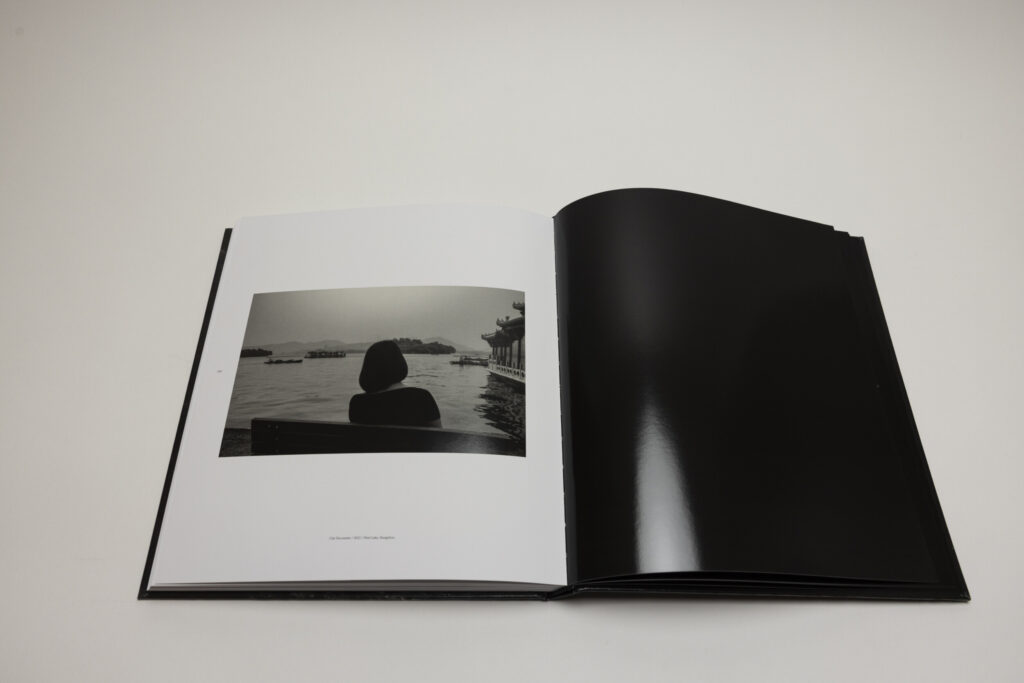
Comments/Context: China Since 1981 brings together photographs by the Chinese photographer Li Qiang, shaping them into three loosely thematic chapters: “Northern Homeland”, “Distant Memory”, and “City Encounter”. The title signals both ambition and restraint. This is not a sweeping chronicle of China since 1981, but rather a portrait of a country revealed through the long, steady gaze of one photographer. Spanning more than four decades of work, the book traces China’s rapid transformation (from the early 1980s to the present), moving from Li’s hometown of Liyaoxian in northern Shaanxi to Xi’an, where he works and lives, and then to Shenzhen, Hong Kong, and Macau in the south. Over decades of careful looking (patient, unshowy, and resistant to easy drama), the photographs accumulate a quiet authority. Their real force comes from time itself: history drifts into the frame gradually, almost unnoticed, leaving its traces in gestures, streets, and faces rather than grand events.
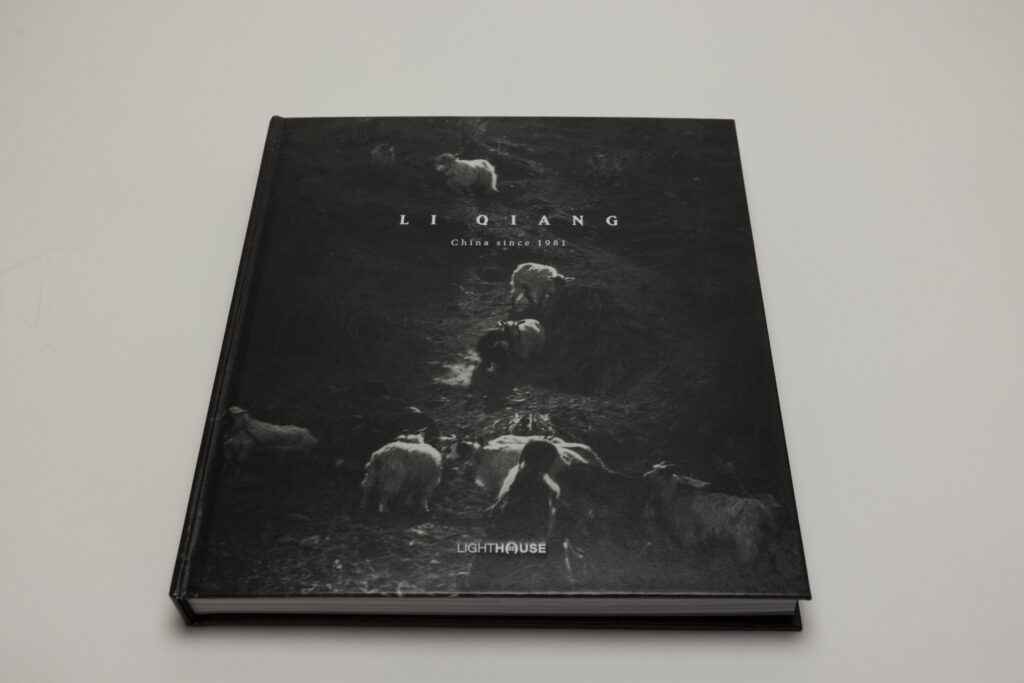
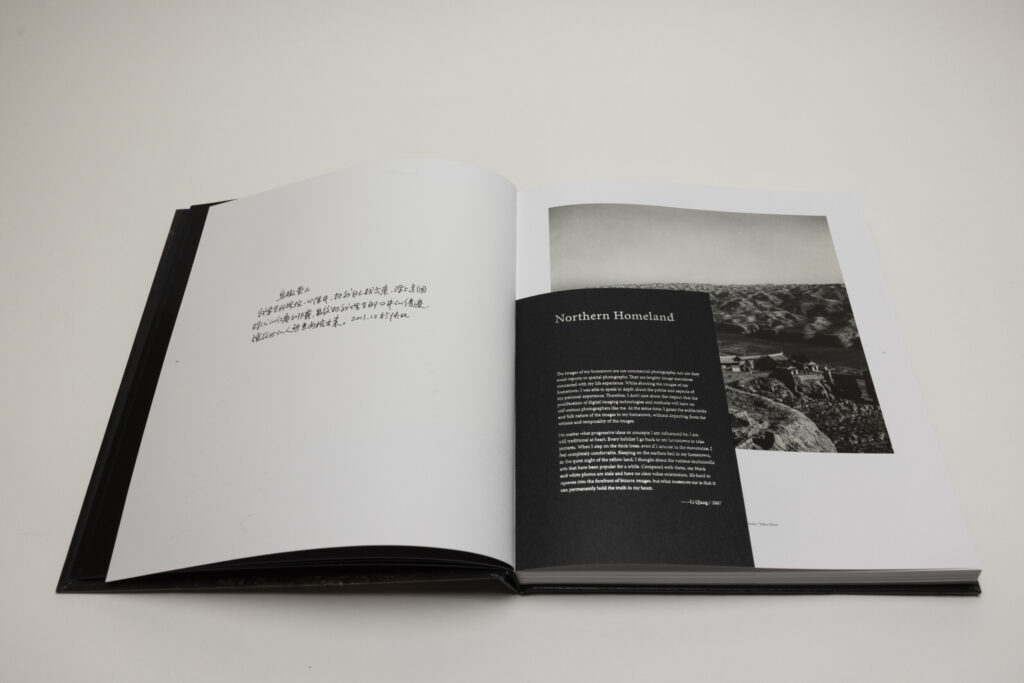
As a photobook, China Since 1981 has a rather conventional and unassuming design approach that keeps the photographs at the center of the experience. The black-and-white cover image shows goats walking across rugged, shadowy terrain, rendering the scene both calm and subtly dramatic. Several essays bookend the publication, printed in a light grey font against a black background. Brief texts by the artist, on smaller sheets and in silver type, introduce the thematic chapters. Although the narrative is organized in three chapters, they are not grouped together but rather follow a chronological line. Simple captions appear next to the images, also including the chapter and the year. Overall, the book feels comfortable and easy to navigate, encouraging us to engage with its rich content.
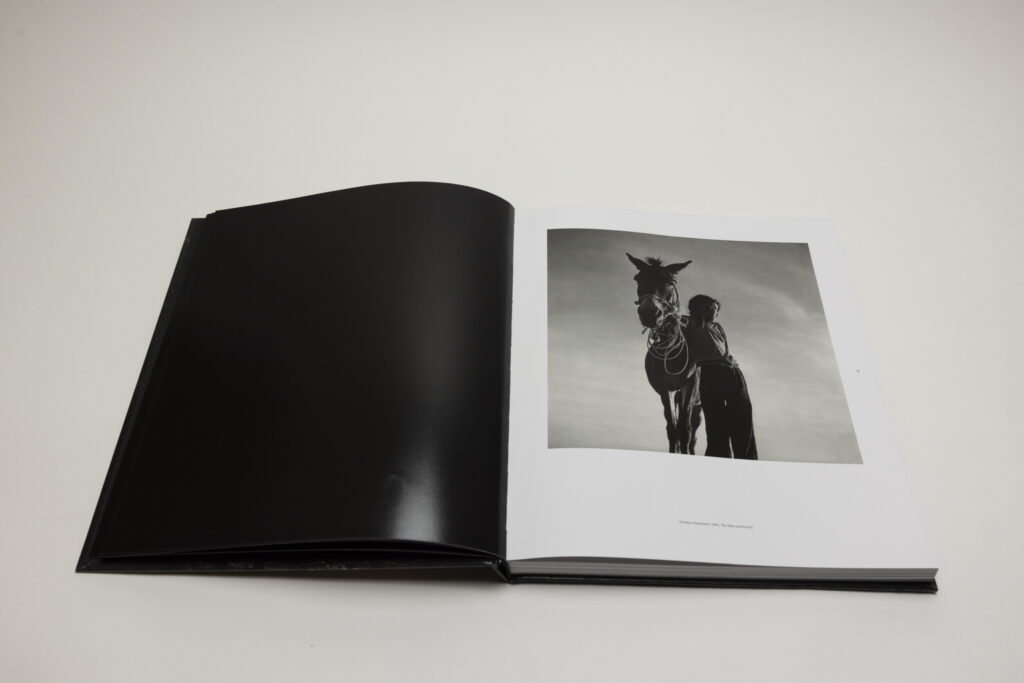
China Since 1981 opens with a photograph of a girl standing beside a mule, looking away from the camera, an open sky stretching behind them. The captions reads “Northern Homeland / 1984 / The Mule and the Girl”. Li describes the images of his hometown as “lengthy image narratives connected with my life experience”. “Northern Homeland” is the theme he has returned to most frequently, investing the greatest amount of time and energy in it over his forty-year career.
Memory anchors the second theme, “Distant Memory”, which acts as a bridge between the rural past and the cosmopolitan present. Here photographs become overtly temporal, exploring which moments endure and which fade under the pressures of modernity. Li photographs memory as something unsettled and continually negotiated; traces of the past surfacing unexpectedly in contemporary settings, or emotional residues emerging through the faces and postures of his subjects.
The third theme, “City Encounter”, shifts Li’s focus to rapidly changing urban centers, where the rhythms of modernization are most felt. He captures the tension between movement and stillness: crowded streets, rising skylines, and the fleeting, anonymous exchanges that shape contemporary city life. He notices it in a passerby’s posture, the geometry of new construction, or the solitude found amid density. These images reflect his continued attention to the state of individual existence within accelerated industrialization and urbanization, revealing cities not just as engines of economic growth but as emotional landscapes shaped by dislocation, desire, and constant change.
While the photographs often lean toward a plainspoken documentary style, they remain finely attuned to atmosphere. Li frequently photographs people in moments of pause rather than action: workers standing at the edge of a site, families waiting, adolescents poised between self‑consciousness and indifference. These images seem to hover just before or after something “important” might happen. This sense of suspension mirrors life under rapid social and economic transformation, where the ground shifts so often that stillness itself feels provisional. The photographs do not dramatize change; they register its slow, ambient presence.
Human presence in the work is notably diverse. Workers, students, elders, children, and uniformed figures appear, but they are rarely labeled or fixed through explanatory captions. Their individuality instead emerges through posture, expression, and spatial relationship. Some subjects meet the camera directly; others seem unaware of it.
China Since 1981 is at once ordinary and profound. The photographs capture small, everyday scenes, yet their cumulative effect is striking. Ultimately, the photobook’s impact lies in the density created by the collection as a whole. Li does not claim authority over this history; he stands within it, looking carefully, and invites us to do the same.
Collector’s POV: Li Qiang does not appear to have consistent gallery representation at this time. Collectors interested in following up should likely connect directly with the artist via his website (linked in the sidebar).