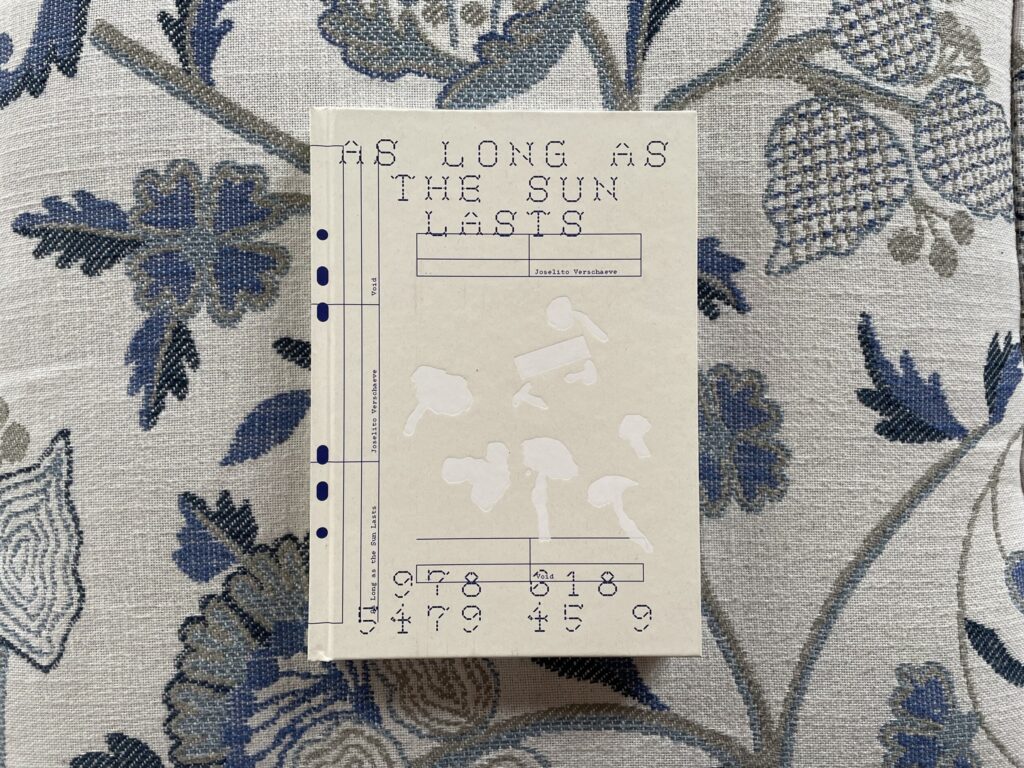
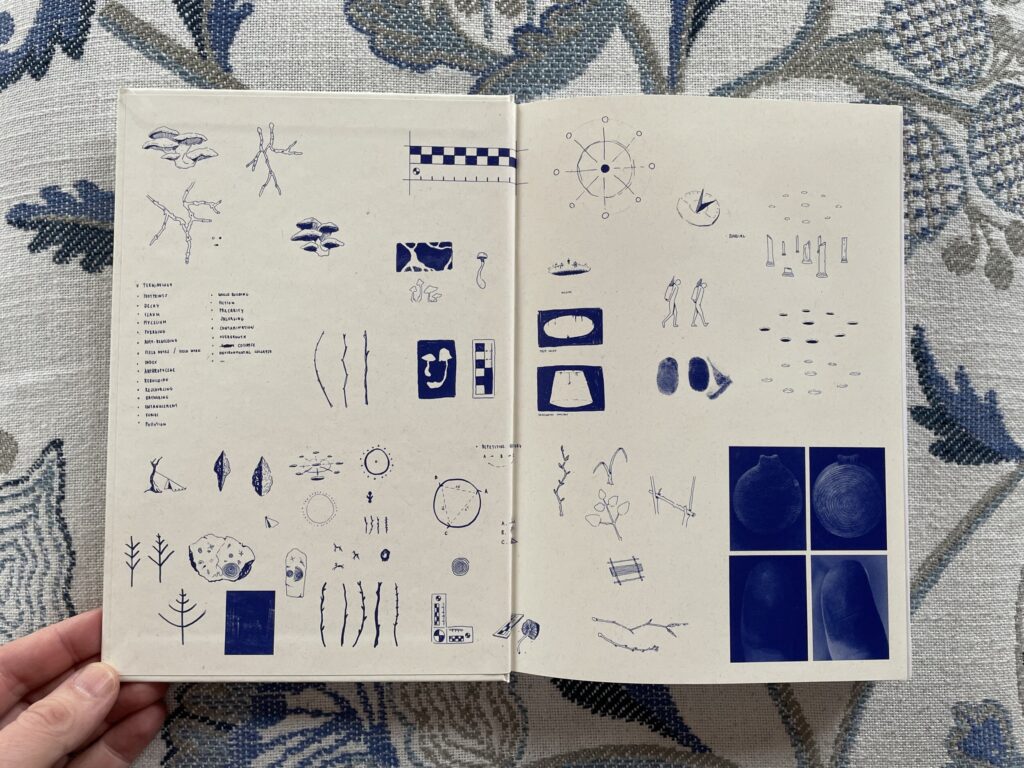
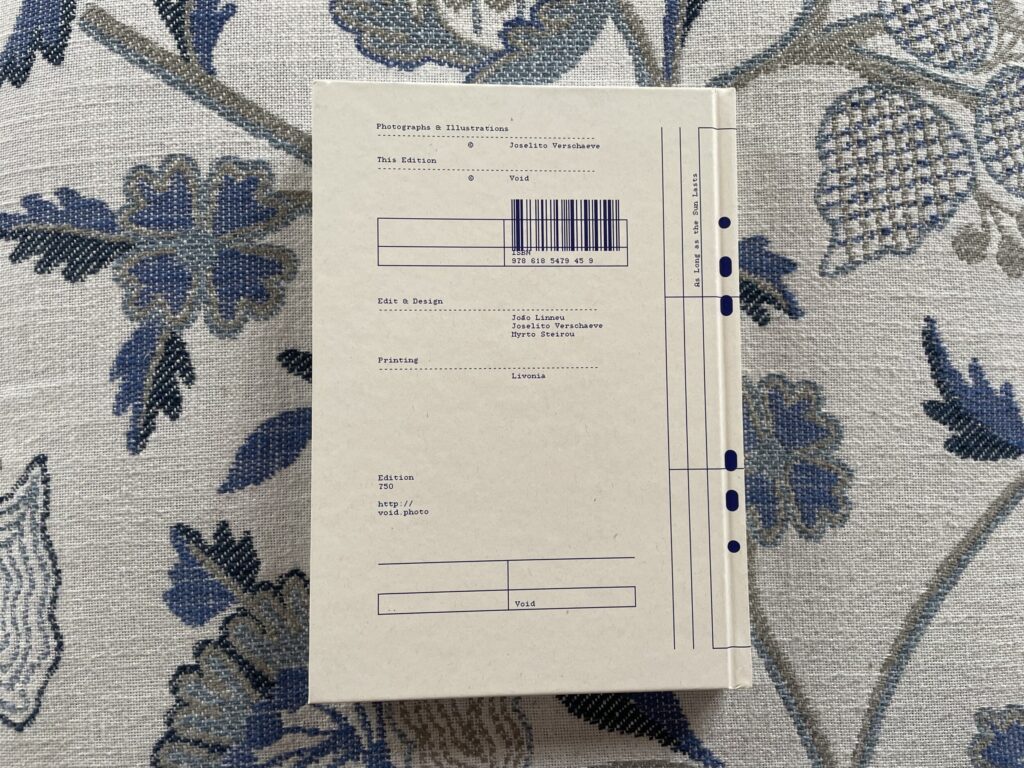
JTF (just the facts): Published in 2025 by Void Publishing (here). Embossed hardcover, 17.1 x 24.4 cm, 144 French folded pages, with 71 black-and-white reproductions. Includes printed endpapers and an appendix of hand drawn diagrams, thumbnail pages (in blue ink), image fragments, gridded systems, and other notations. In an edition of 750 copies. Design by João Linneu and Myrto Steirou. (Cover and spread shots below.)
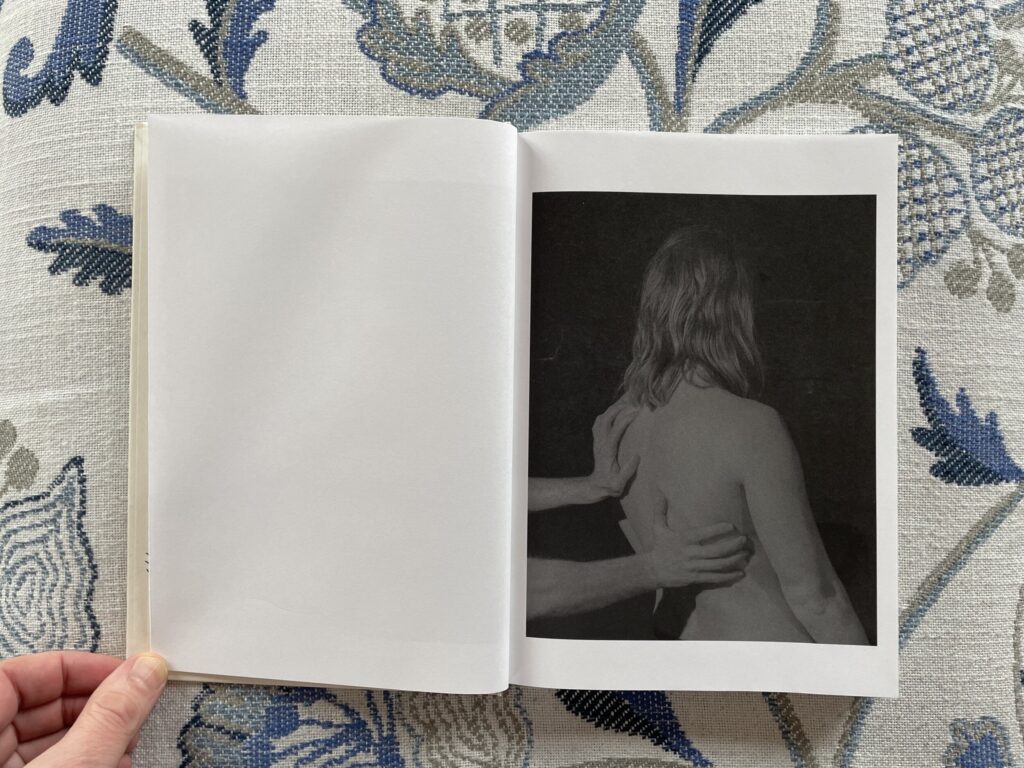
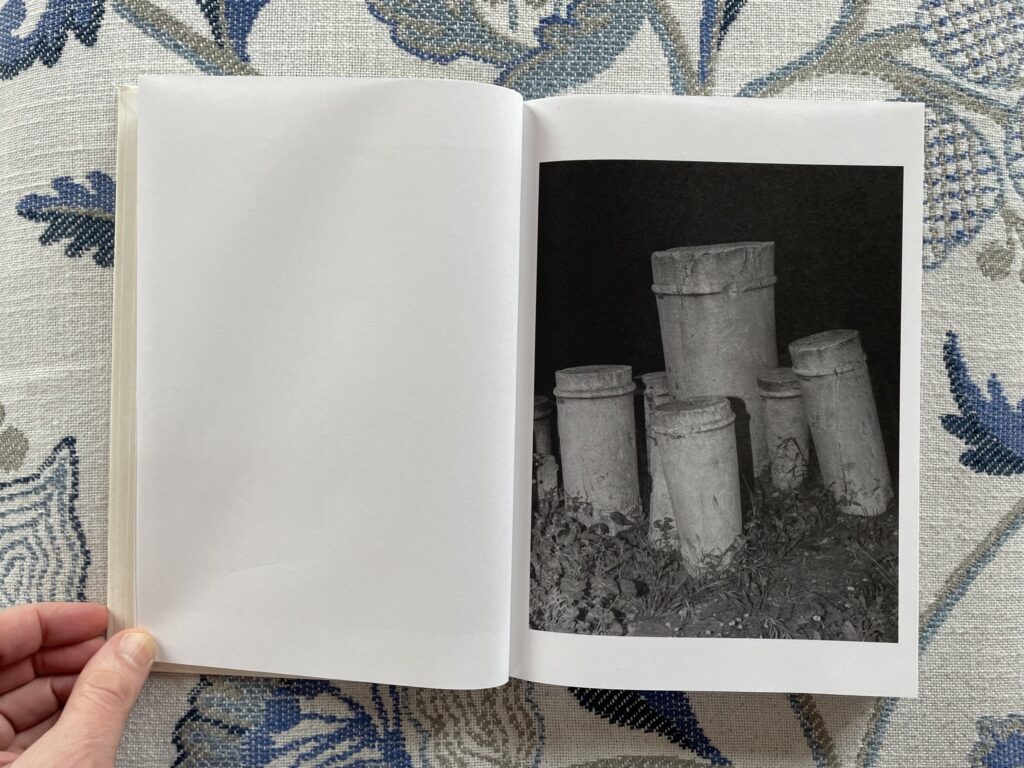
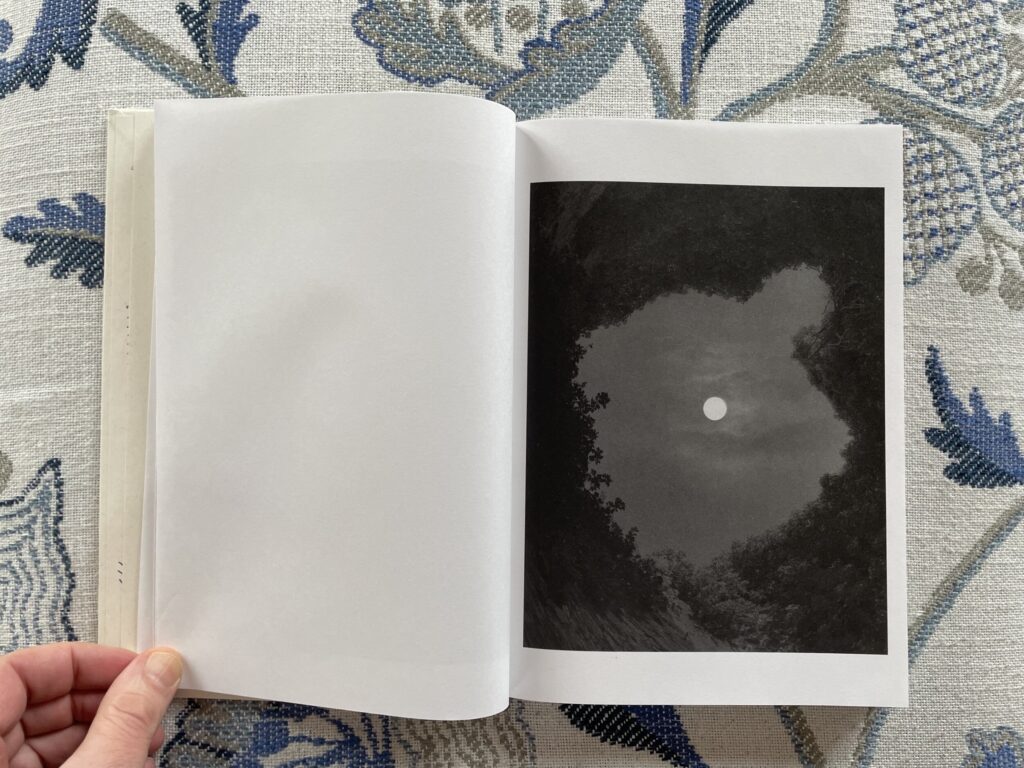
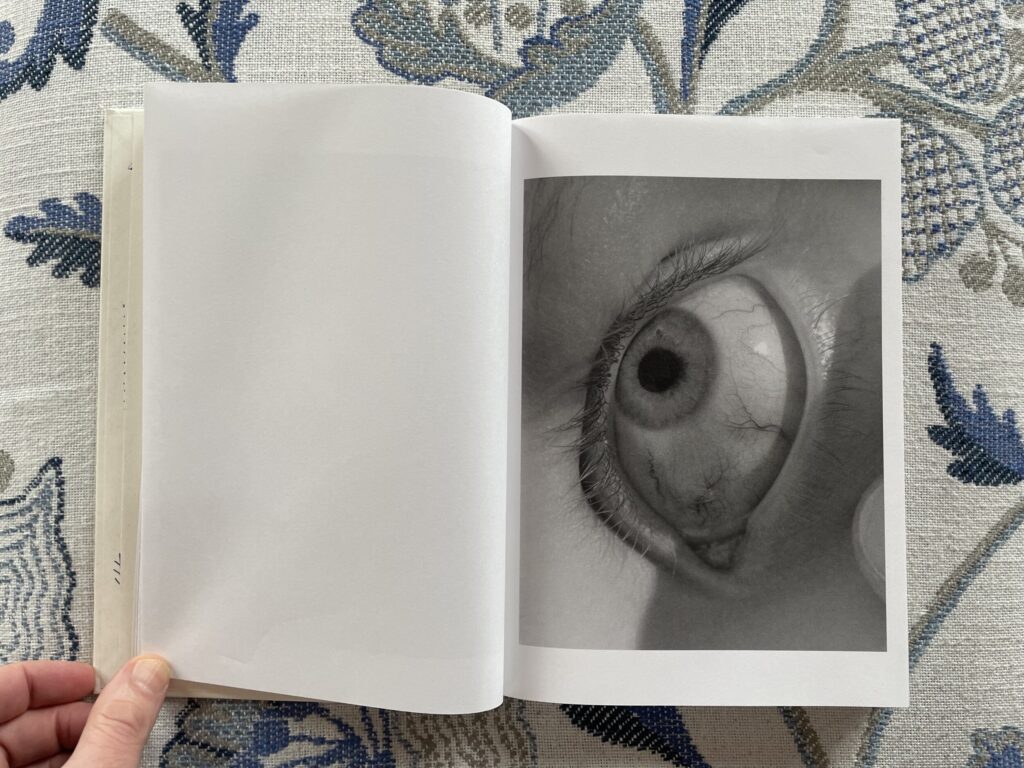
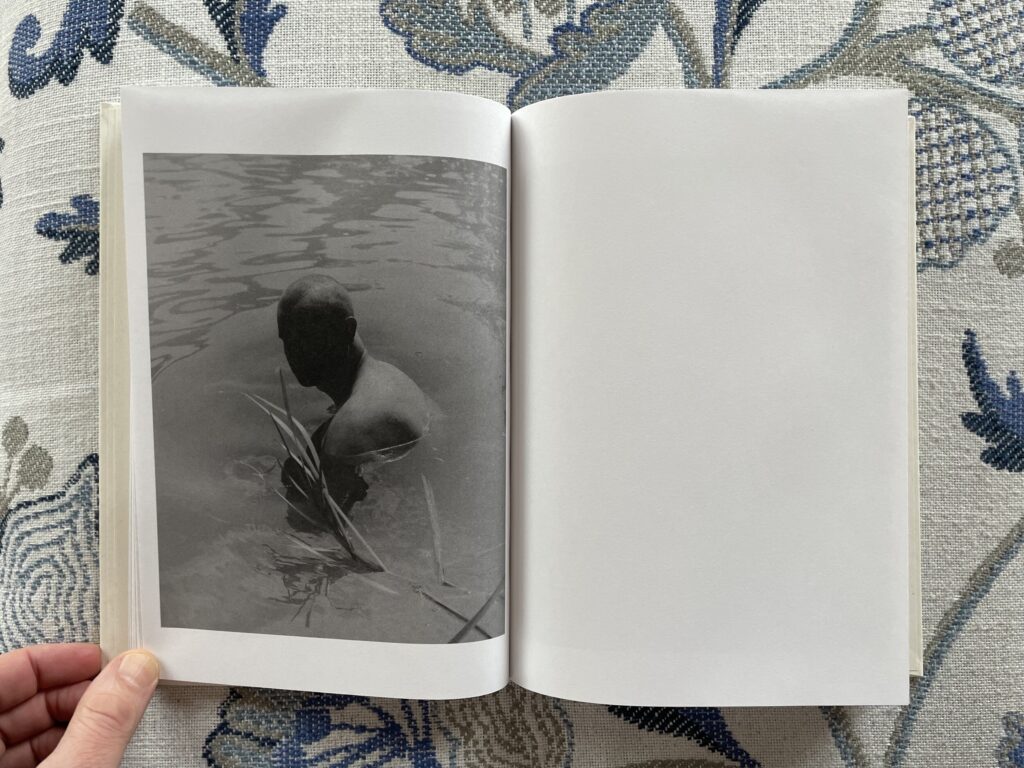
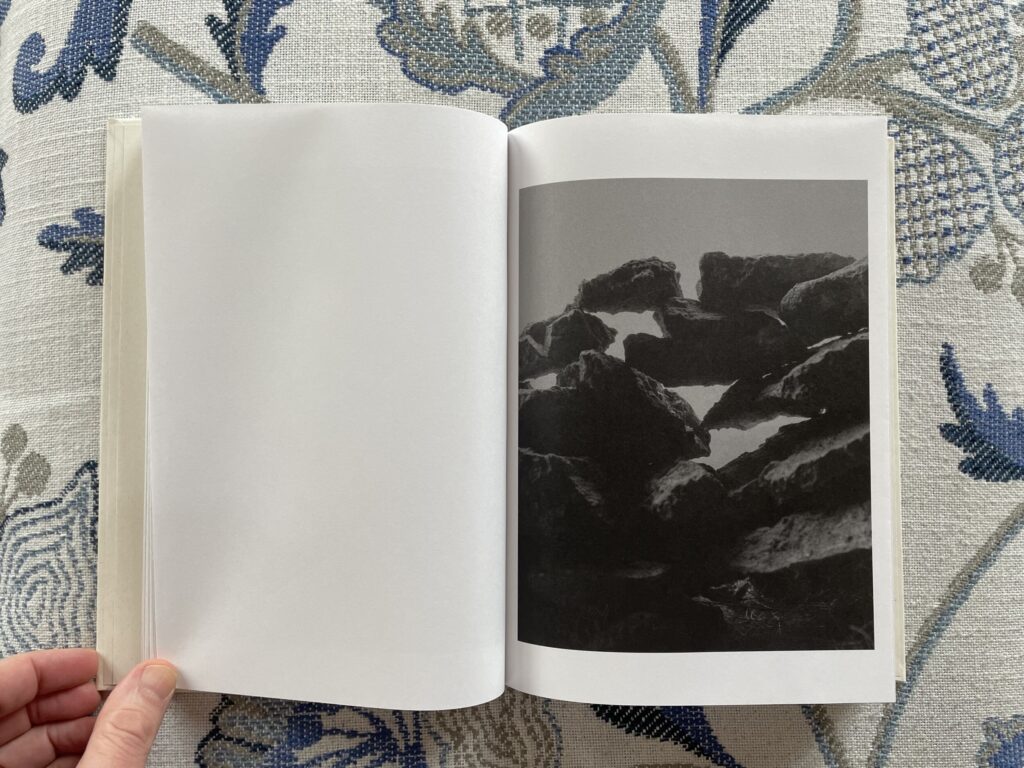
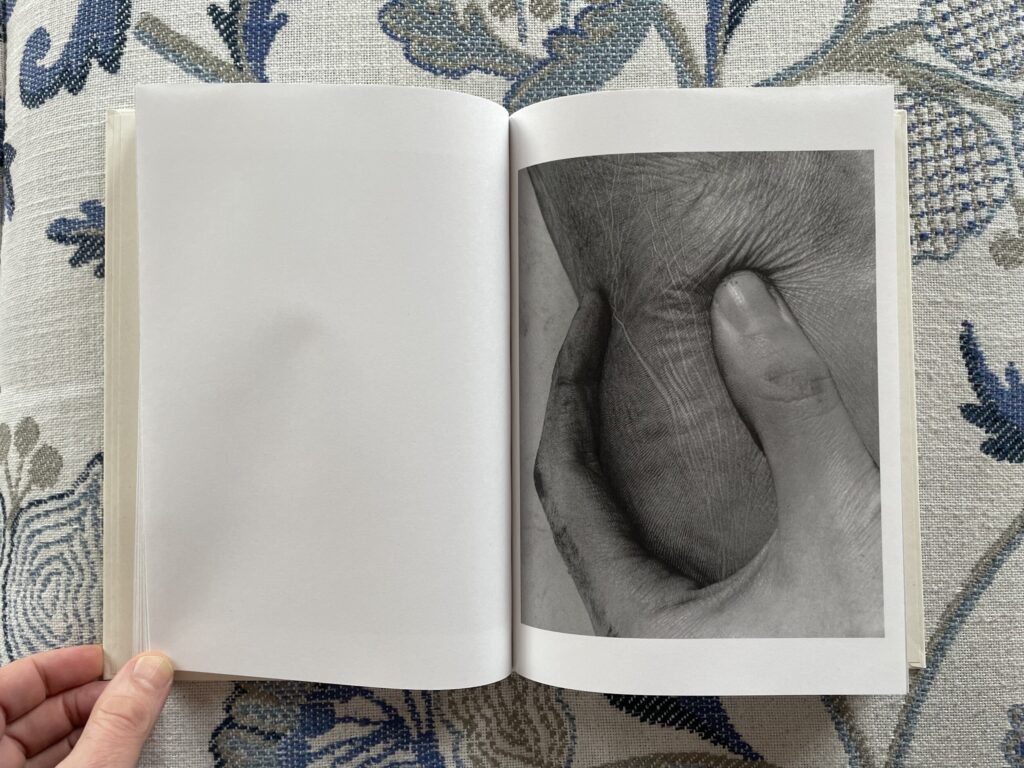
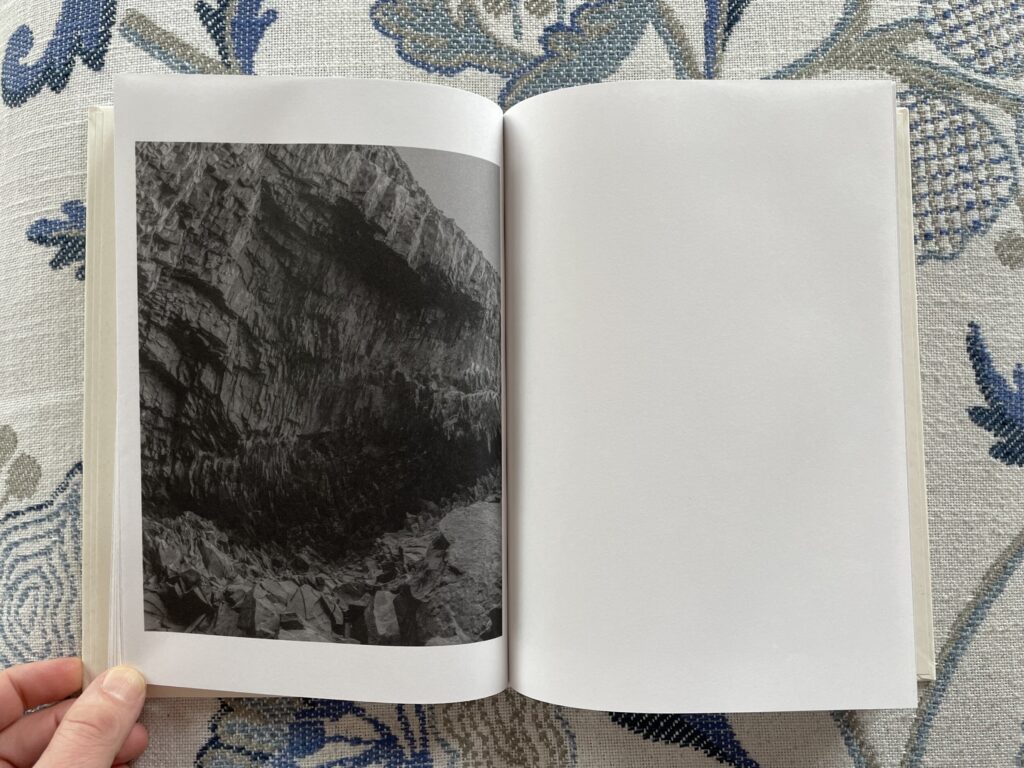
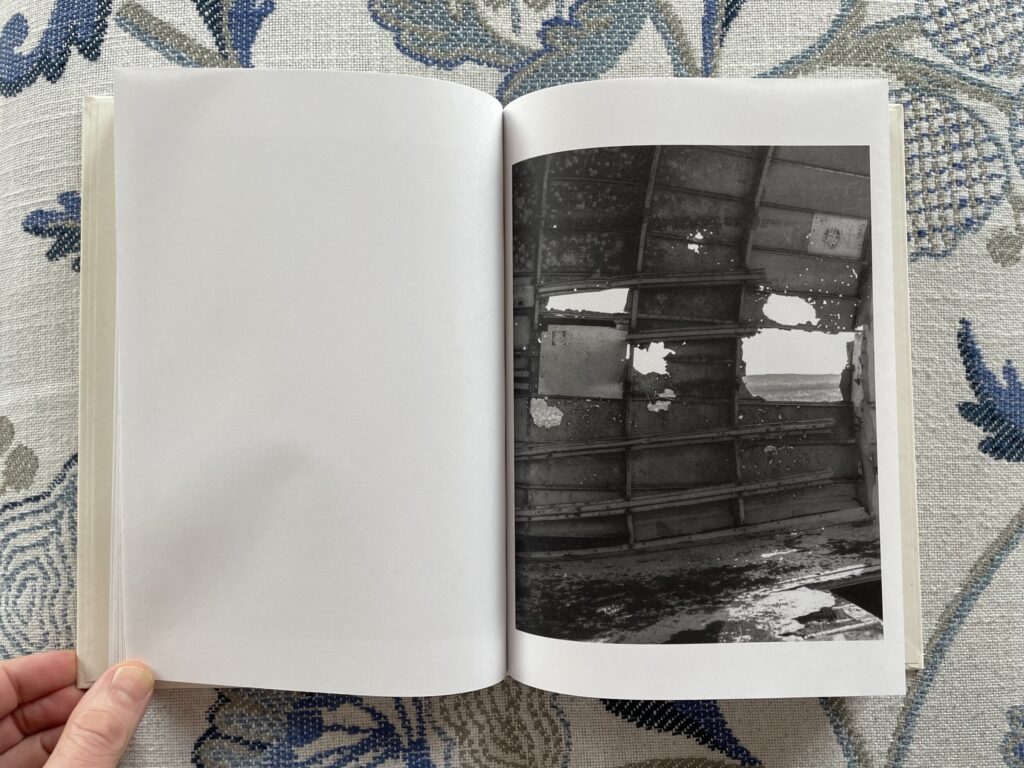
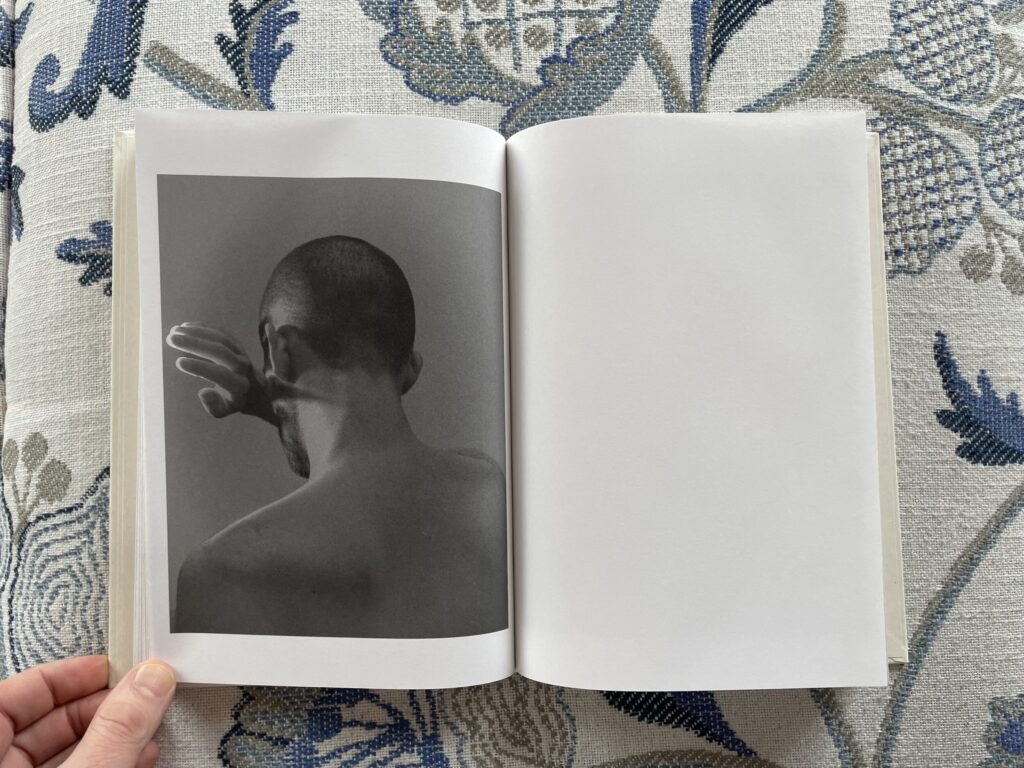
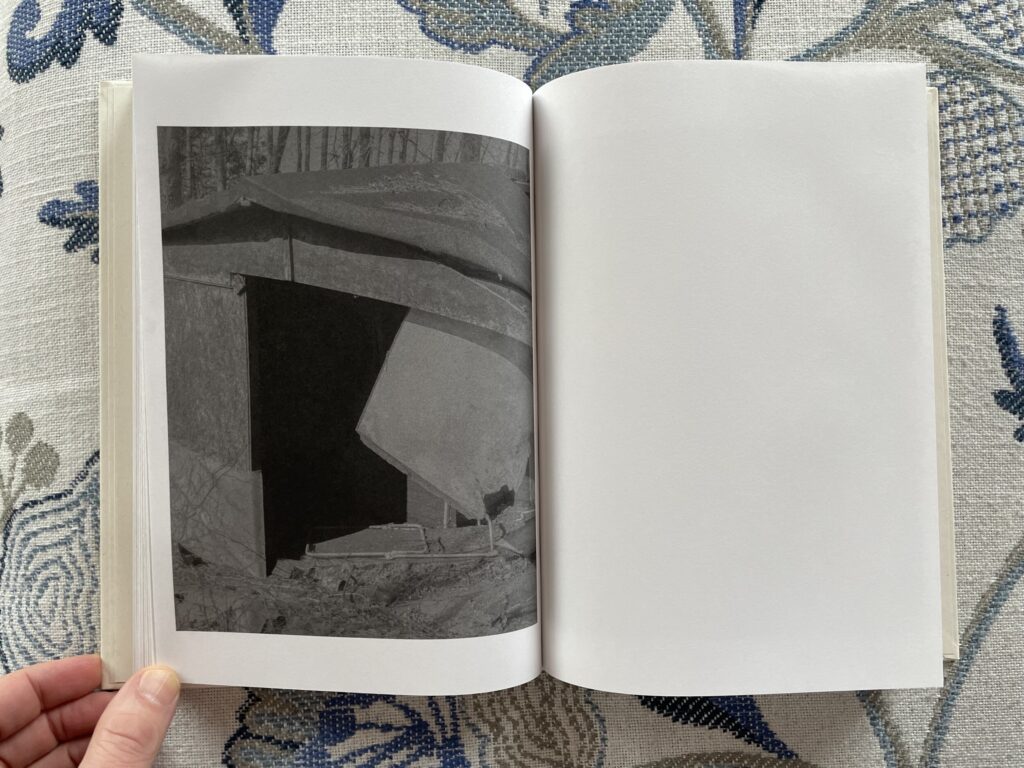
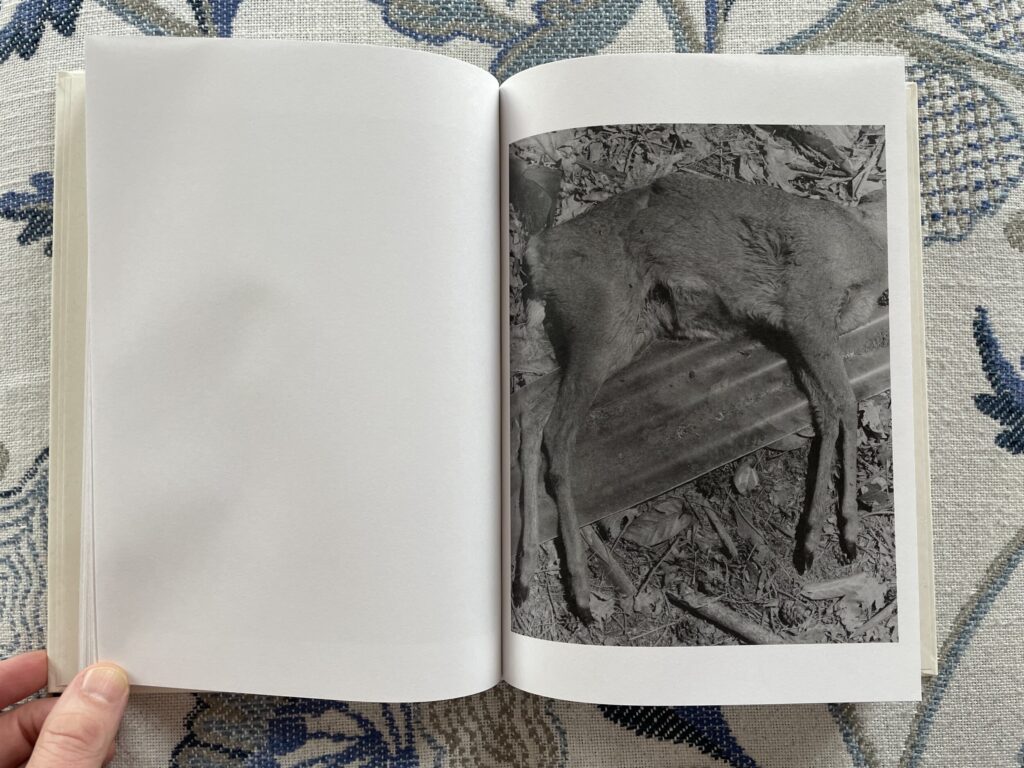
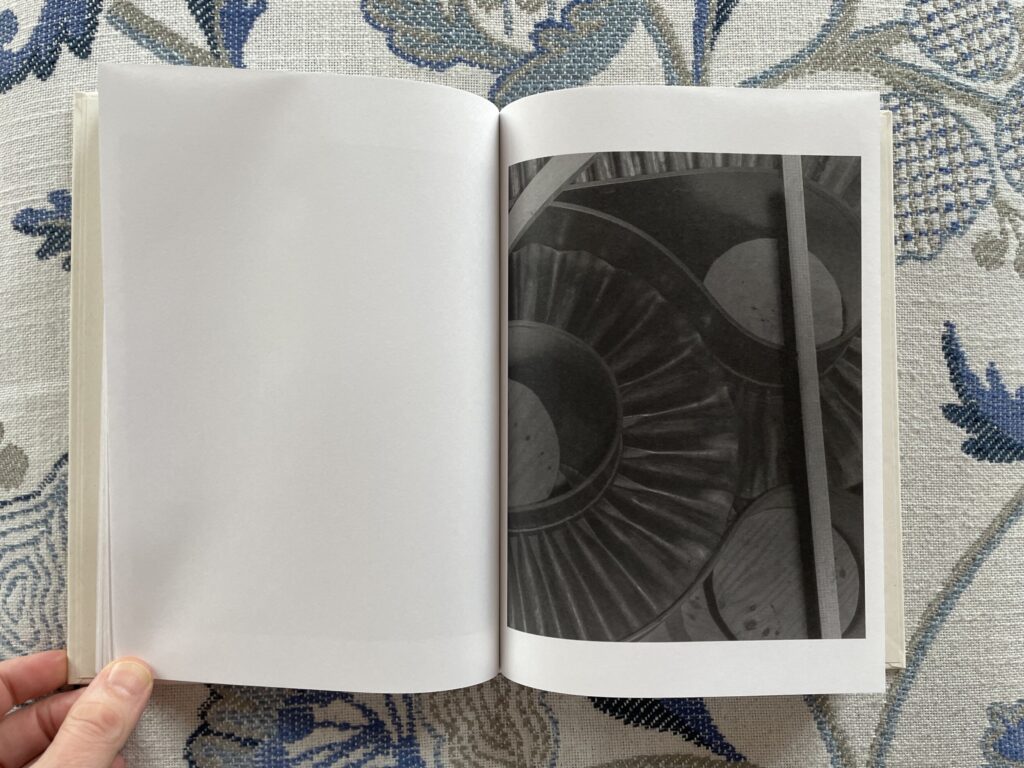
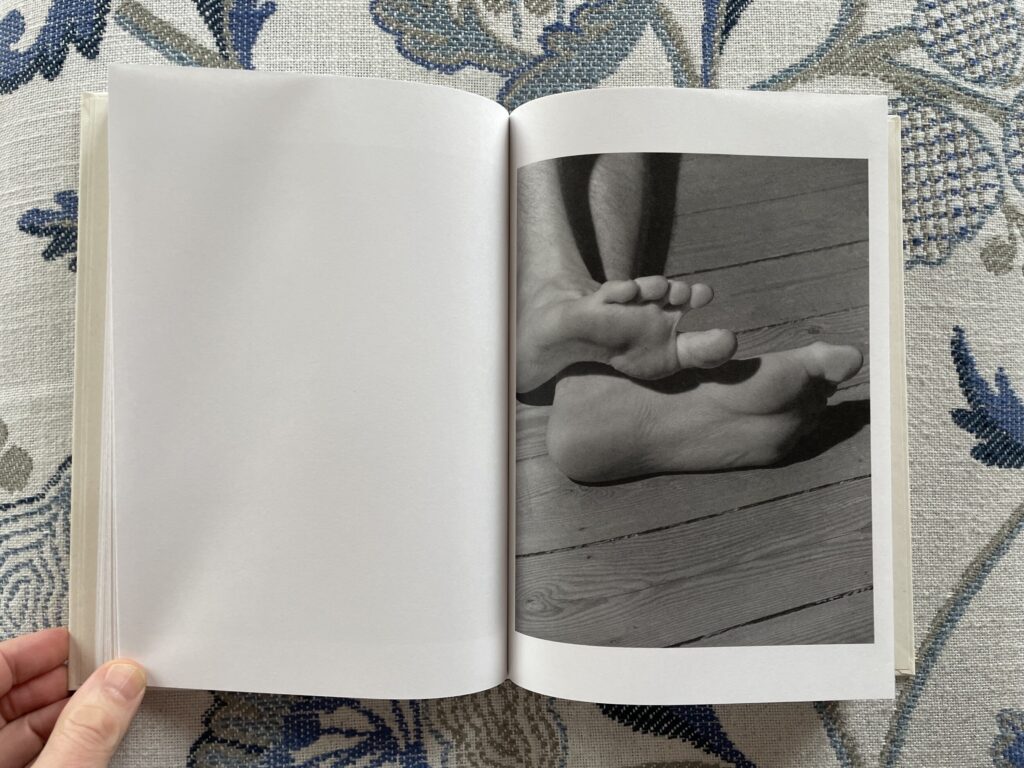
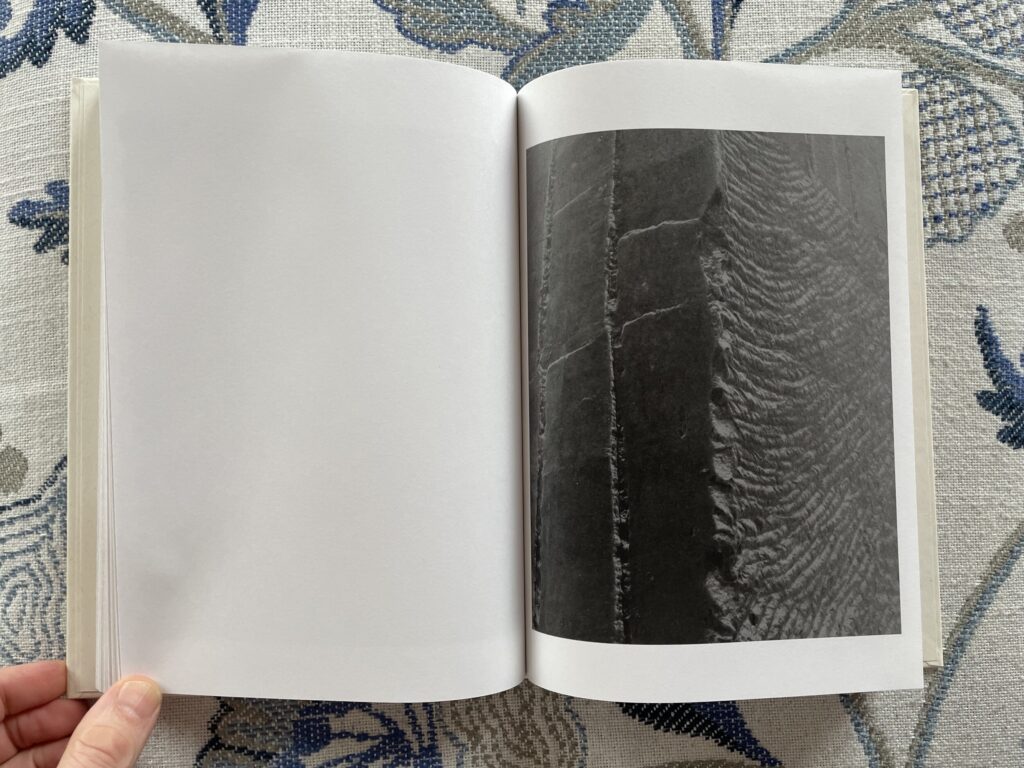
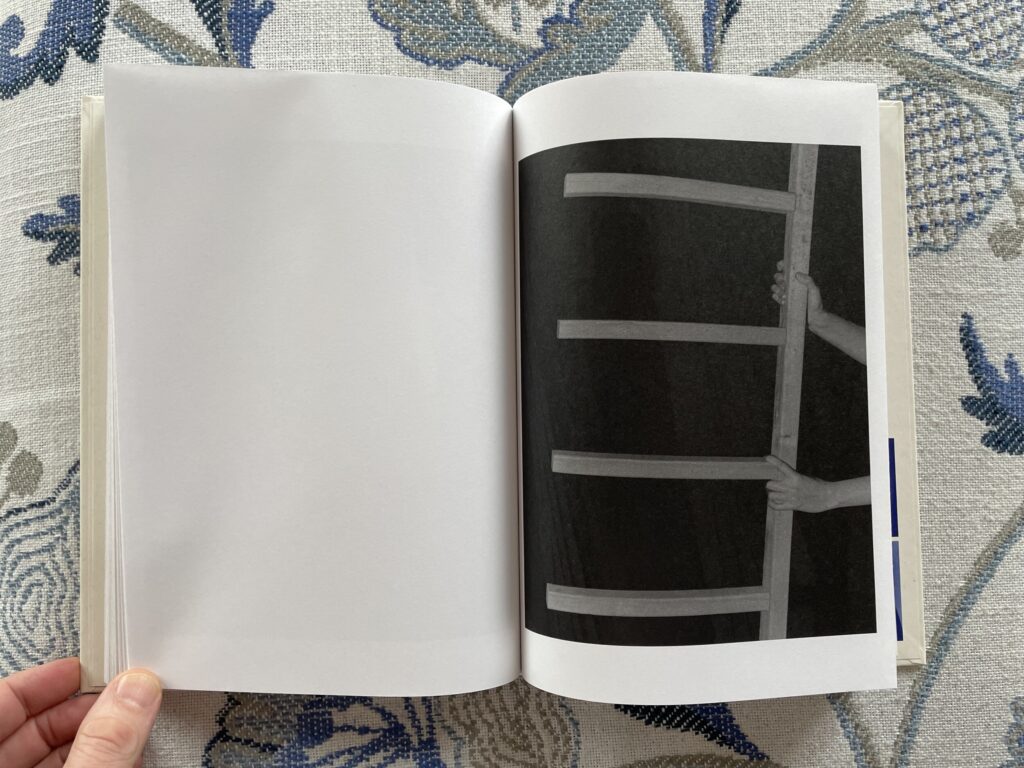
Comments/Context: During the early formation of any emergent photobook project, there are stubborn questions of timing and intention to figure out. In some cases, the photographer is deliberately looking for particular kinds of images, to tell a particular kind of story, and so the conceptual framework of the project is essentially set before the picture making even begins, turning the exercise into a calculated search for something quite specific. But in others, the photographer simply goes out into the world and makes images that feel right in some way, perhaps with some initial inspiration to follow or perhaps not, but ultimately, when it comes time to shape those pictures into a structure or narrative of some kind, the conceptual activity is backward looking, grafting meaning onto the assembled imagery retroactively. There is of course no one right way to work, but these two opposing conceptual styles – a priori and a posteriori – are built on different kinds of artistic thinking, knowledge, and action, and are therefore better suited to different kinds of projects.
Given the dissonances of our current social, political, and environmental moment, it is not entirely surprising that some photographers are feeling discouraged and pessimistic, and are therefore leaning toward more harrowing lines of artistic exploration to reflect that frustration. But depending on where you live, heading out into your local neighborhood with the plan of making some dystopian photographs feels decently ridiculous; more plausible perhaps is to look out for some recurrent subjects and motifs that can represent your simmering feelings of tension and anxiety, and then to further massage them into an uneasy mood later.
Joselito Verschaeve’s photobook As Long as the Sun Lasts is a strong example of this kind of retroactive approach – on their own, none of the serene black-and-white images he’s selected from his larger archive feel obviously grim or ominous, but when linked together in carefully controlled sequences and harmonies, they successfully coalesce into a resonantly fraught and restless atmosphere. His chosen title (drawn from Italo Calvino’s Cosmicomics) offers a quietly melancholy box for the Belgian photographer to creatively fill, where the attentive tenderness and persistent presence in his pictures are forced to come to terms with the finality of the end of the world.
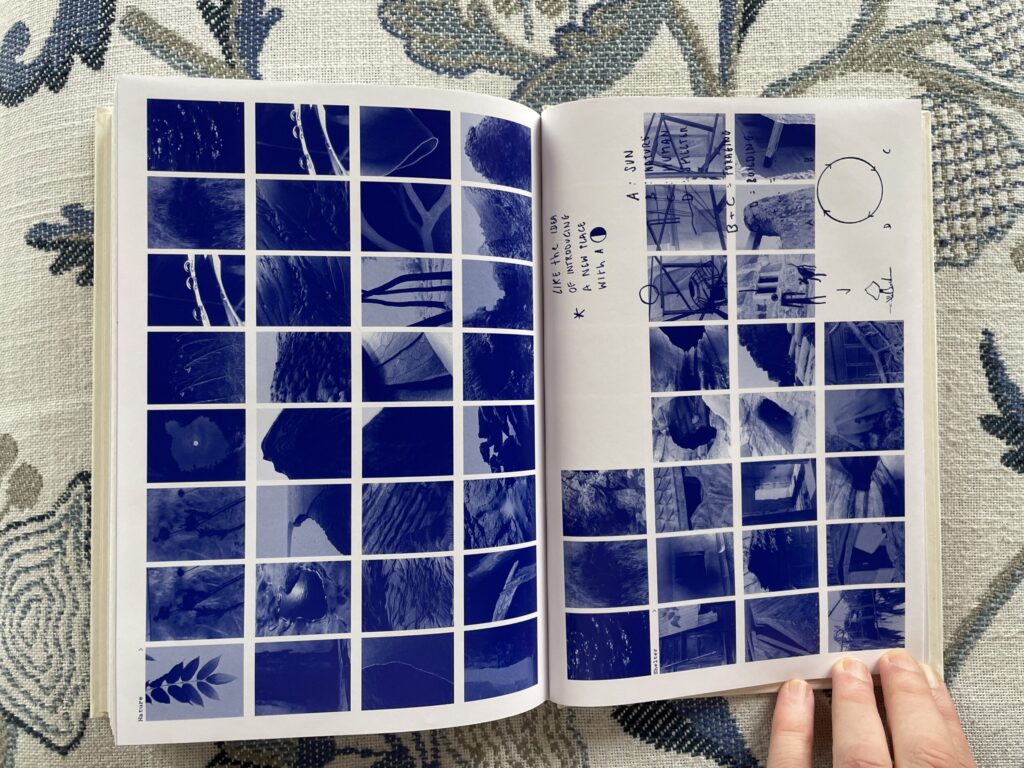
The design of the cover and endpapers of As Long as the Sun Lasts makes clear that this finding of a coherent narrative is indeed a process. Mysterious numbers and ghosted mushrooms decorate the cover (the mushrooms will appear later), which is organized with boxes and blocks that are filled in with typed lettering like a mundane project folder, complete with binder “holes” along the spine for adding in and resequencing the pages. The endpapers are filled with Verschaeve’s drawings, lists of terminology, and image thumbnails, like a mood board of ideas swirling around and recombining in his head. How it all fits together isn’t initially apparent from these clues, although time, measurement, nature, branching forms, and human touch all seem to belong somewhere.
Given the photobook’s title, it’s not entirely surprising to find various pictures of suns sprinkled throughout the image flow. And in keeping with the end of the world theme, the sun isn’t ever seen high in the bright sky; instead it is largely veiled by dark clouds, or even blocked and eclipsed, with any sunlight that does sneak through captured in indirect flares, reflections, and cast shadows. Round symbols provide a few formal stand ins, but largely night is falling, with many nocturnal views capturing a creeping sense of absence.
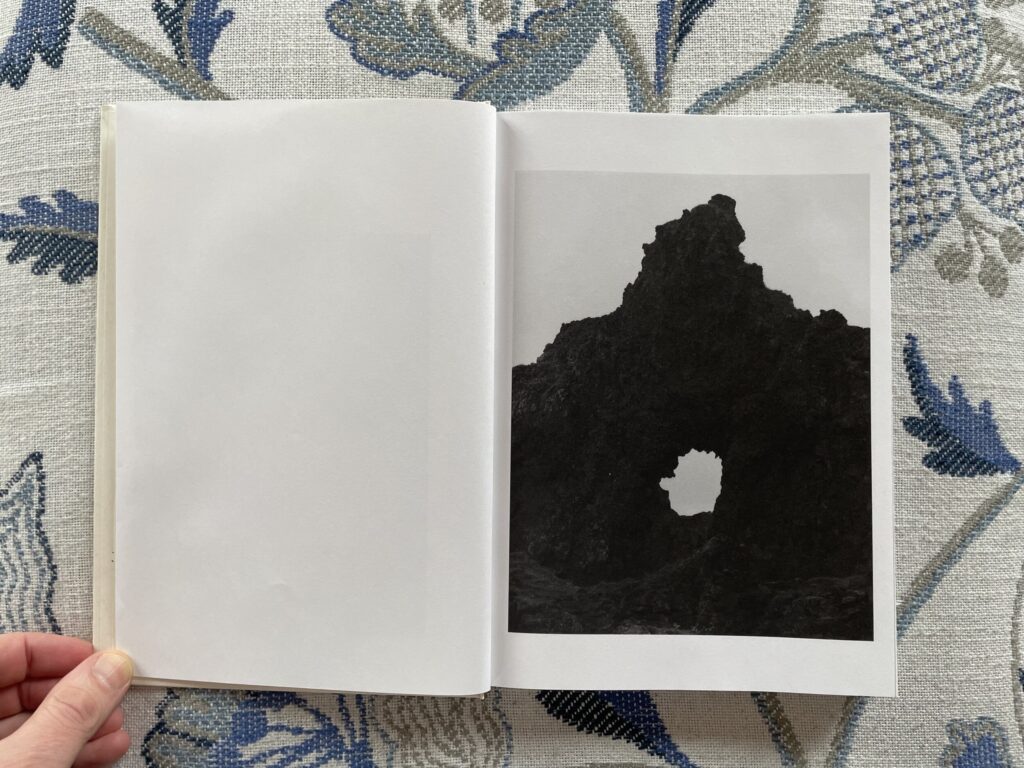
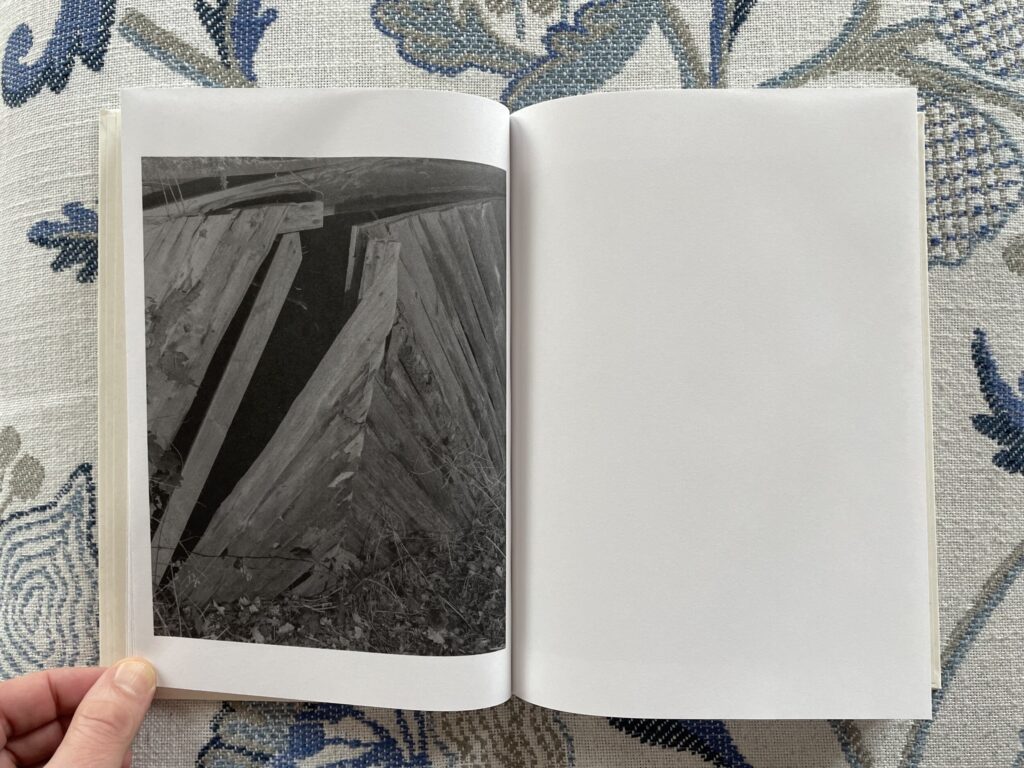
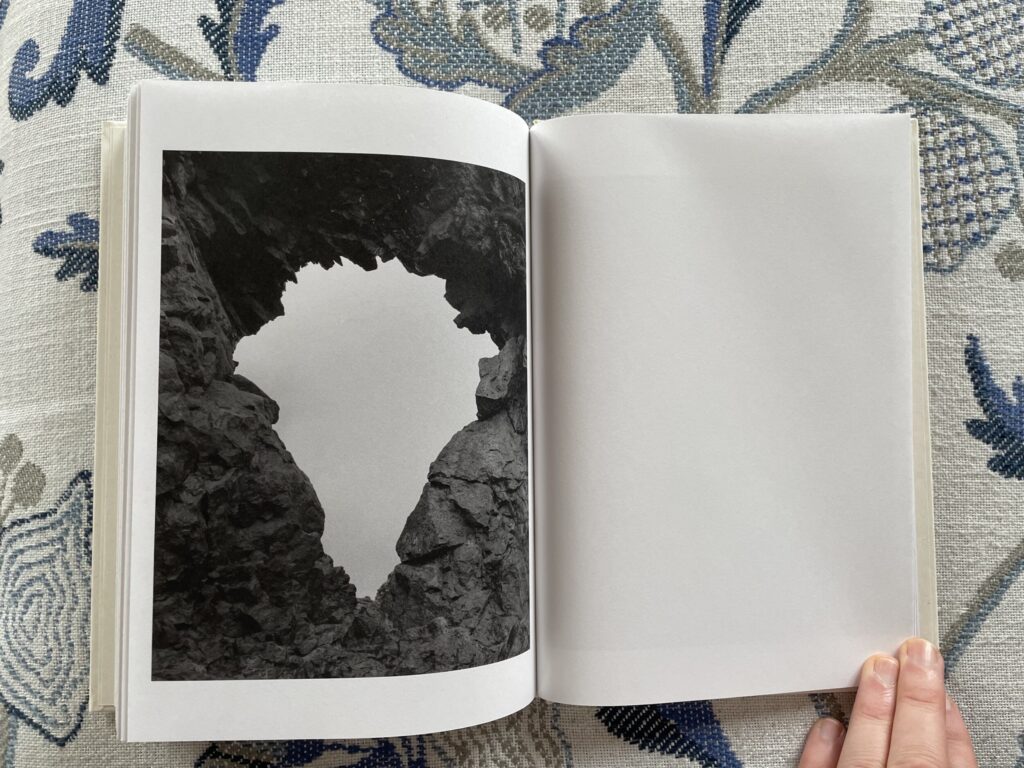
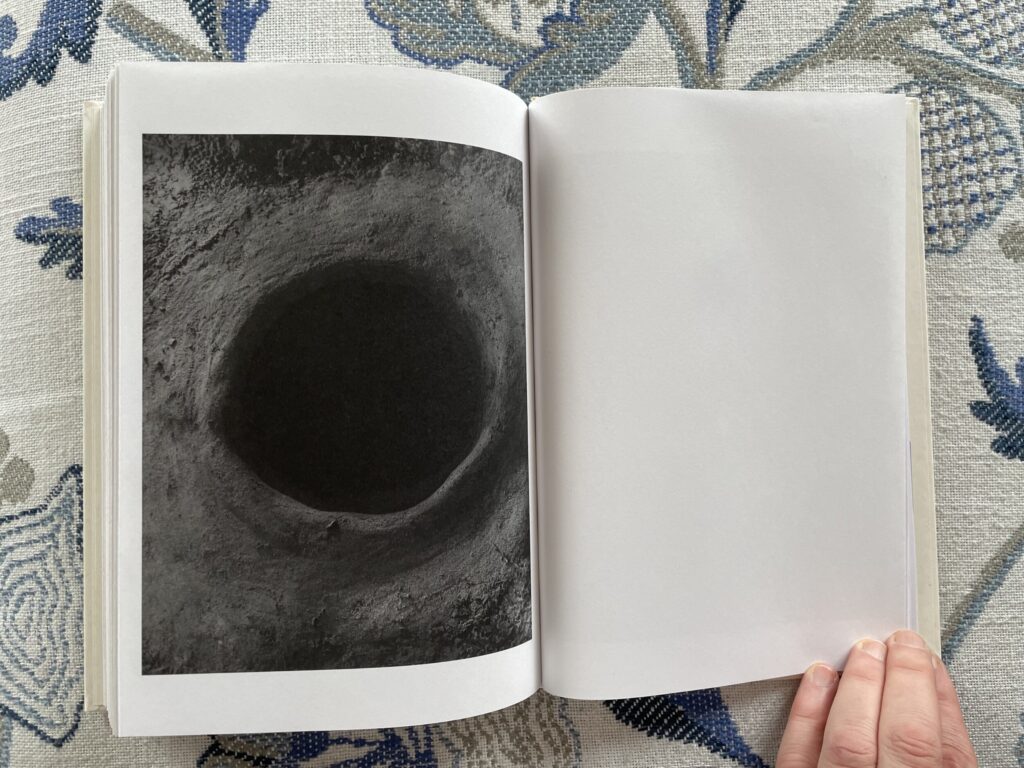
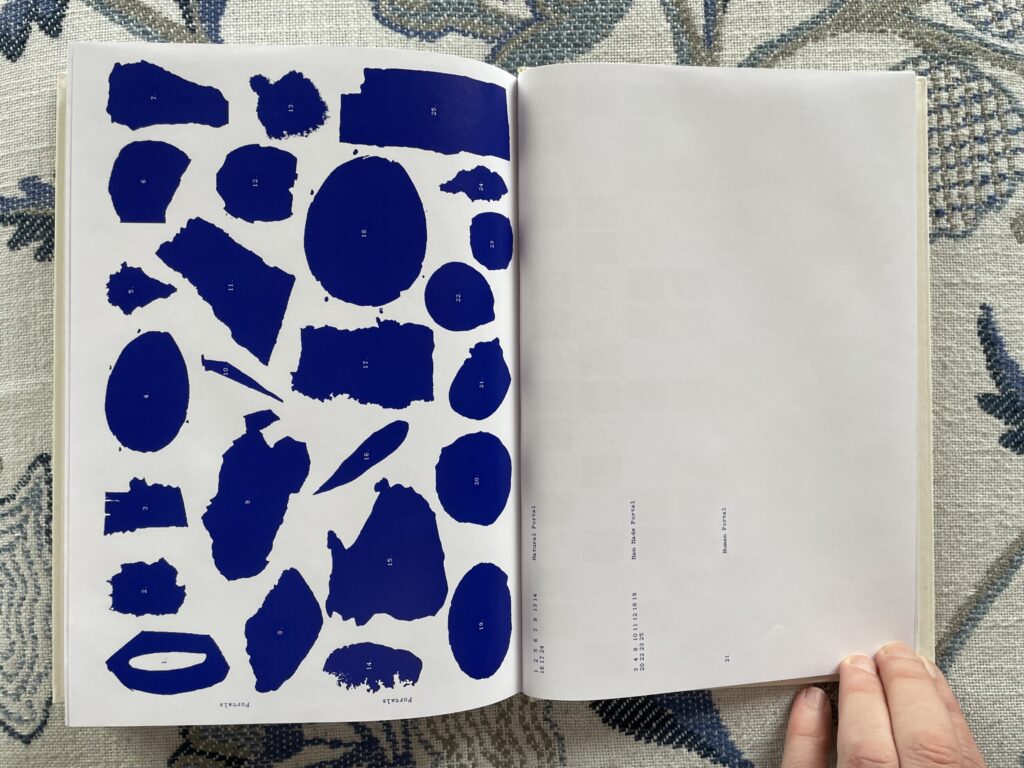
Another recurring motif Verschaeve explores in different ways can best be described as openings – seeing in, seeing out (and through), eyes, holes, doors, and portals, both natural and man made. The book both opens and closes with these kinds of images, using contrasts of light and dark (looking out to light, or into darkness) to give the pictures their punch, and then repeats the theme in alternate forms in between. Decaying structures and buildings, rock formations, caves, ravines, puddles, and a few up close eyeballs all play with ideas of looking, hiding, sheltering, and being trapped, each image an uneasy transition between one mode of living and another.
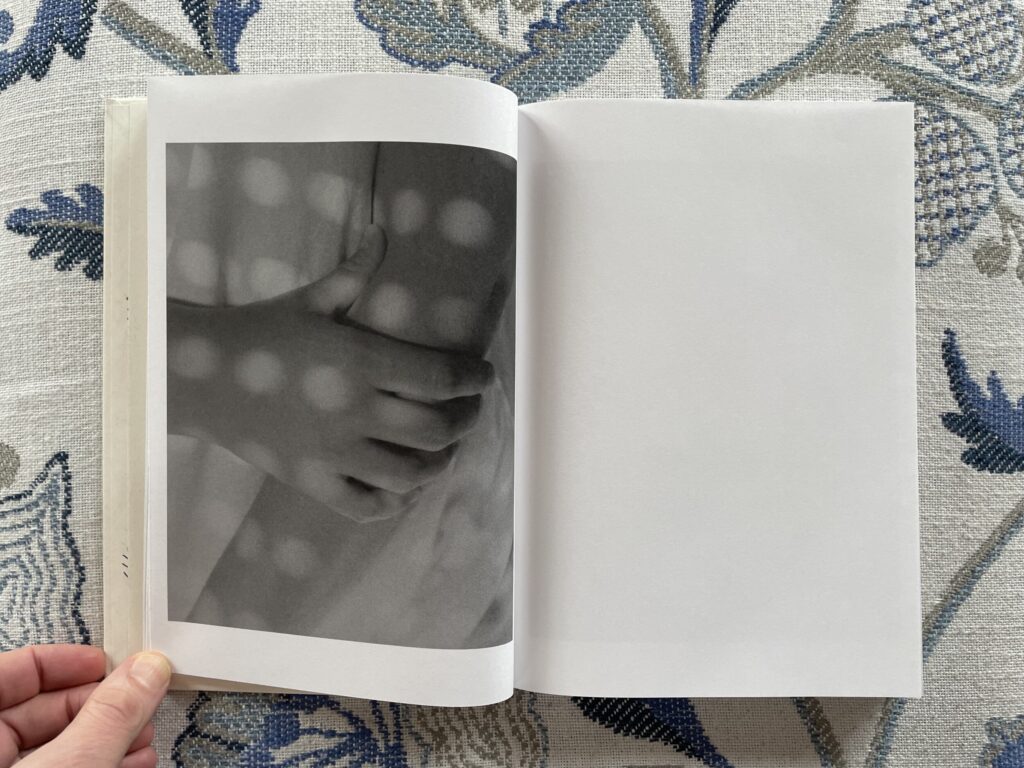
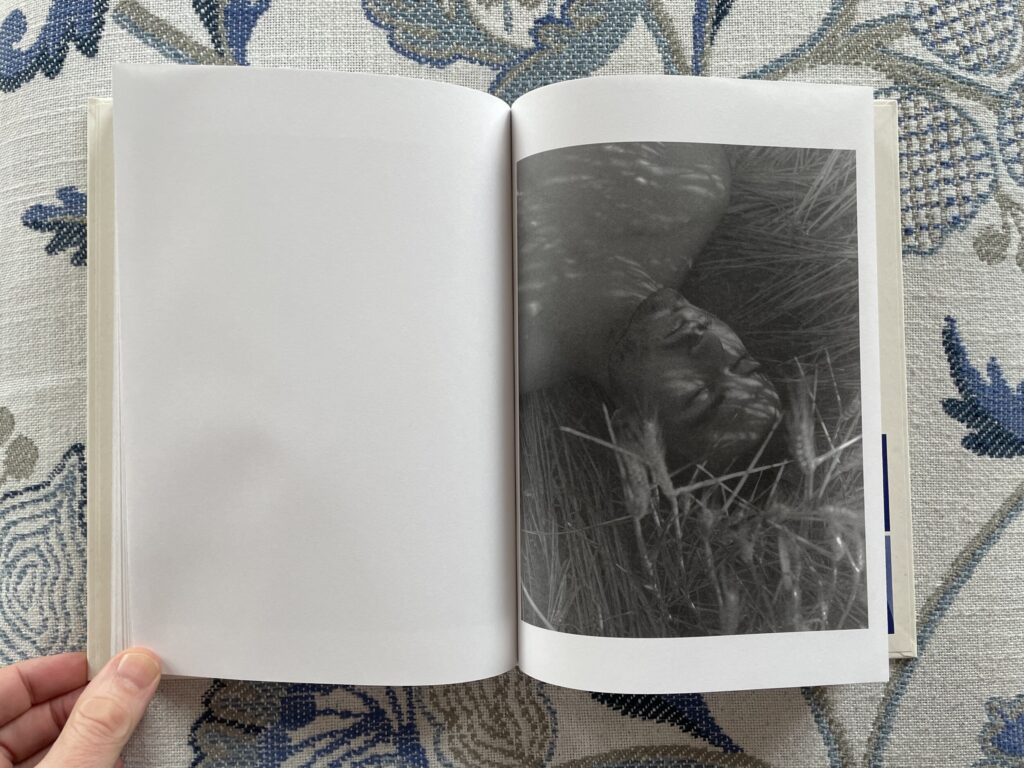
When people (and bodies) enter Verschaeve’s frames, they seem less like individuals and more like representations of universal humanity. But the slow dying of the world doesn’t make it easy on the men and women pictured – while there is an understated tranquility and peace to be found in many of these images, the fragility of these unclothed bodies is always present. They are alternately turning away, shading their eyes, blocking the brightness of the sun, pulling, holding, squeezing, bracing each other, touching, cradling, lying (perhaps even sleeping) in shadows of the long grass, and lingering in the water, each gesture a protective reaction to the environment or an attempt to control (or endure) the uncontrollable. Verschaeve is talented observer of the nuances of human movement and positioning, and when overlaid with an ominous mood, each touch feels calmly desperate.
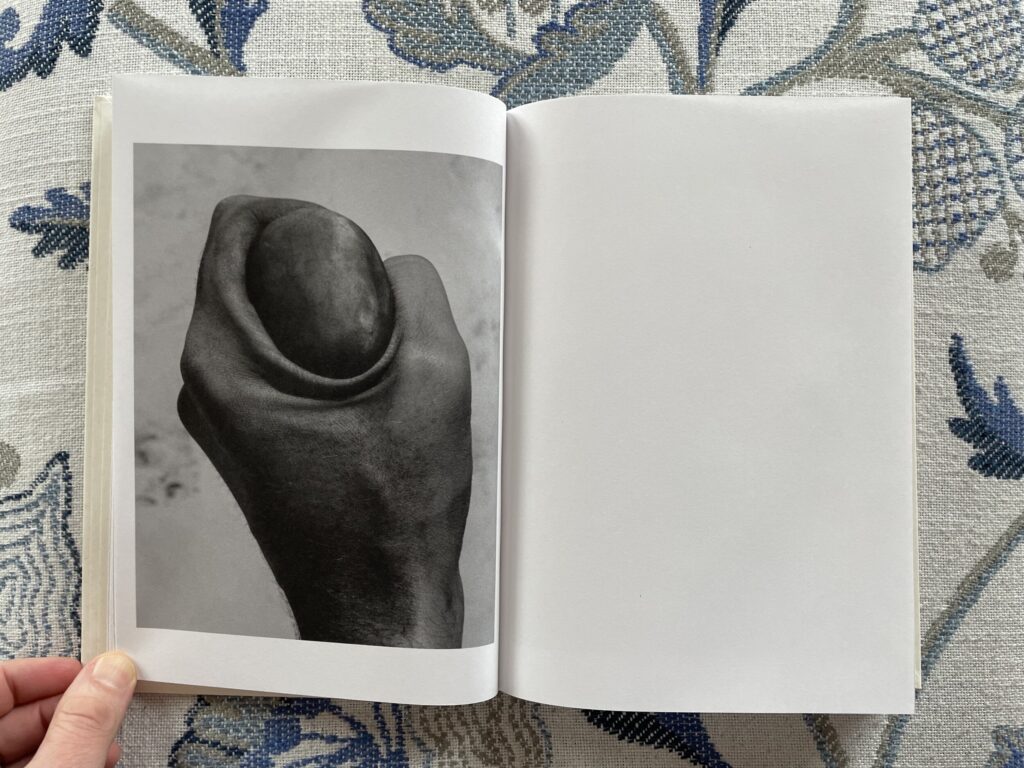
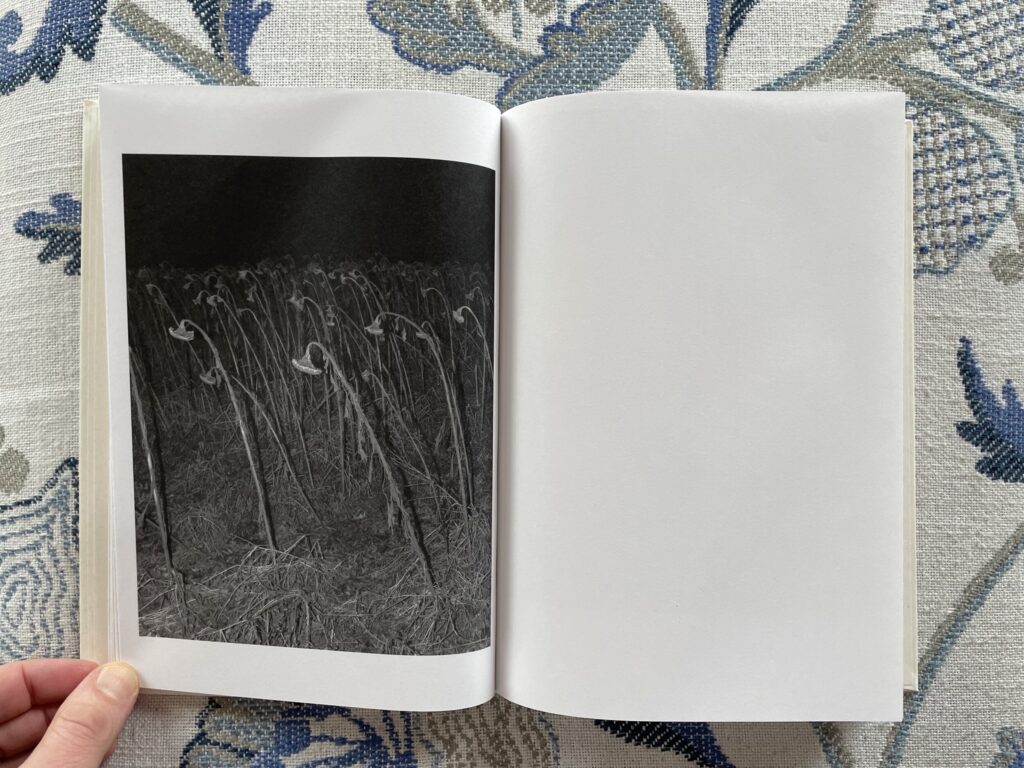
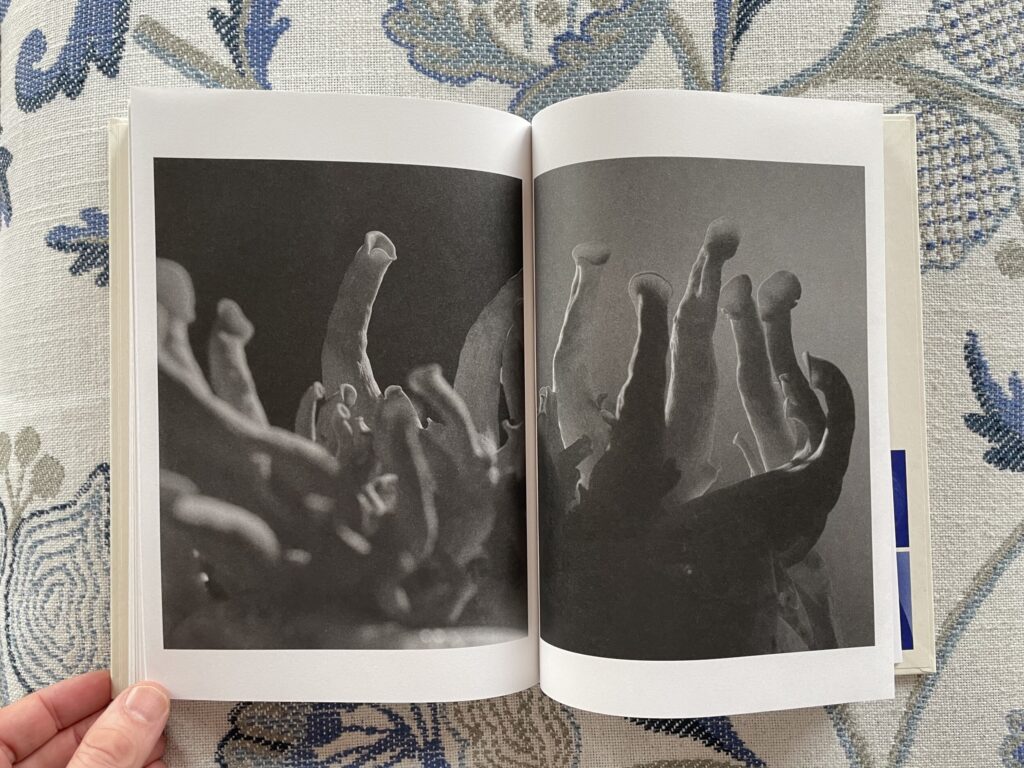
Much of the rest of imagery in As Long as the Sun Lasts is textural, with natural subjects like rock walls, lava flows, human skin, tree branches, winding rivers, eroded coastlines, and mushroom specimens all seen with close attention paid to their surfaces. In the context of the dystopian theme, Verschaeve seems to be taking us back to elemental truths, to the spans of geologic time and the cleverly varied resilience of (mushroom and human) life. A field of drooping sunflowers at night and what looks to be a dead deer carcass by the roadside bring us back to darker moods, while an arrangement of sticks feels altogether prehistoric, like the original discovery of adaptive tool making.
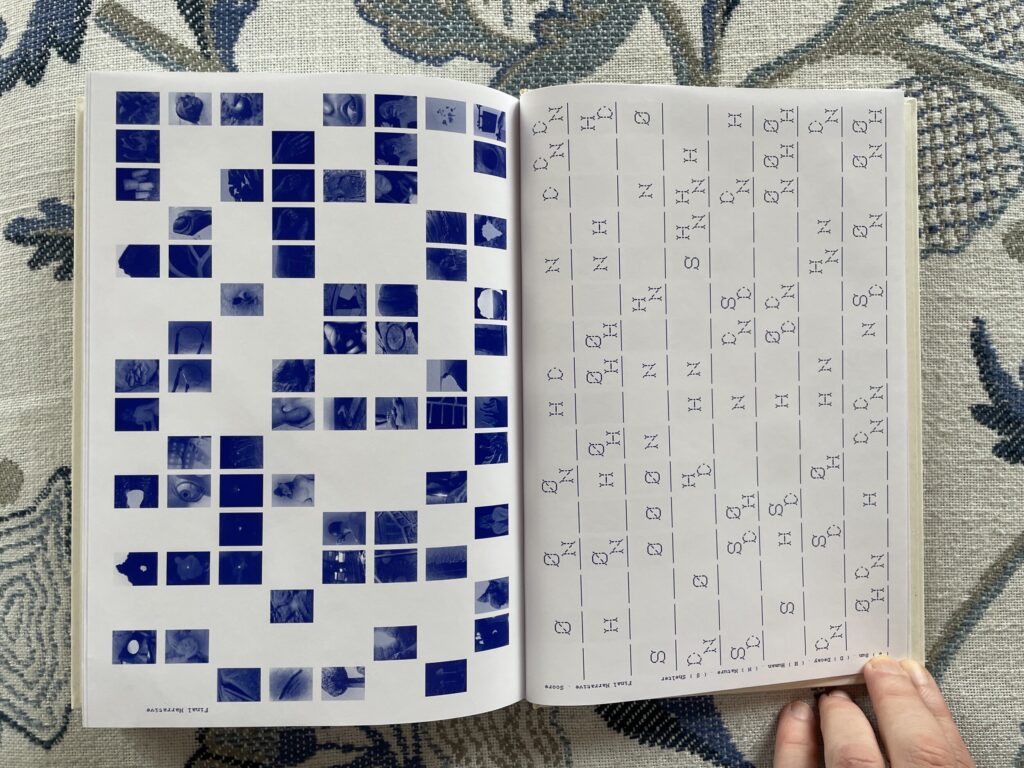
While As Long as the Sun Lasts can certainly stand on its own as a thoughtfully sequenced artistic statement, part of what drew me to the book in the first place comes in an appendix at the very end of the book. In a series of pages printed in deep blue ink, Verschaeve unpacks his process a bit, with drawn diagrams, storyboards, alternate sequences, thematic groupings and inventories of images, and coded page spreads, encouraging us to tag along as he thinks he way through the editing and sequencing of the images. I found this fascinating, watching as he sees visual echoes between unlike images, tries out different combinations, sorts and orders groups, places and replaces images in alternate systems, plays with the portals idea more fully with cutouts and silhouettes, and ultimately devises a letter system for representing different motifs so that he can order them in sequences that feel a little like a musical score. Like a novel with a second alternate ending that changes the story, Verschaeve’s appendix alludes to various possible photobook iterations, each its own unique expression of the underlying themes. It charts the logic of his thinking process in symbolic or thumbnail form, seemingly allowing for and encouraging continuous reworking “as long as the sun lasts”.
In this way, the photobook ends on an unexpectedly optimistic note, even after its parade of ominous signs and symbols. By exposing some of his creative process, Verschaeve acknowledges (and embraces) the complexity involved in crafting his artistic message. It seems to say that there is one first path that has been meticulously optimized, but that things might also have been altogether different (in many ways), and it’s that uncertainty that feels positive somehow. Meaning comes (and is redefined) in a constant flow of alternate readings and frameworks, and maybe that spirit of relentless search is actually the durable artistic takeaway here. Even as the darkness comes, we’ll still be looking for answers.
Collector’s POV: Joselito Verschaeve does not appear to have consistent gallery representation at this time. As a result, interested collectors should likely connect with the artist via his website (linked in the sidebar).