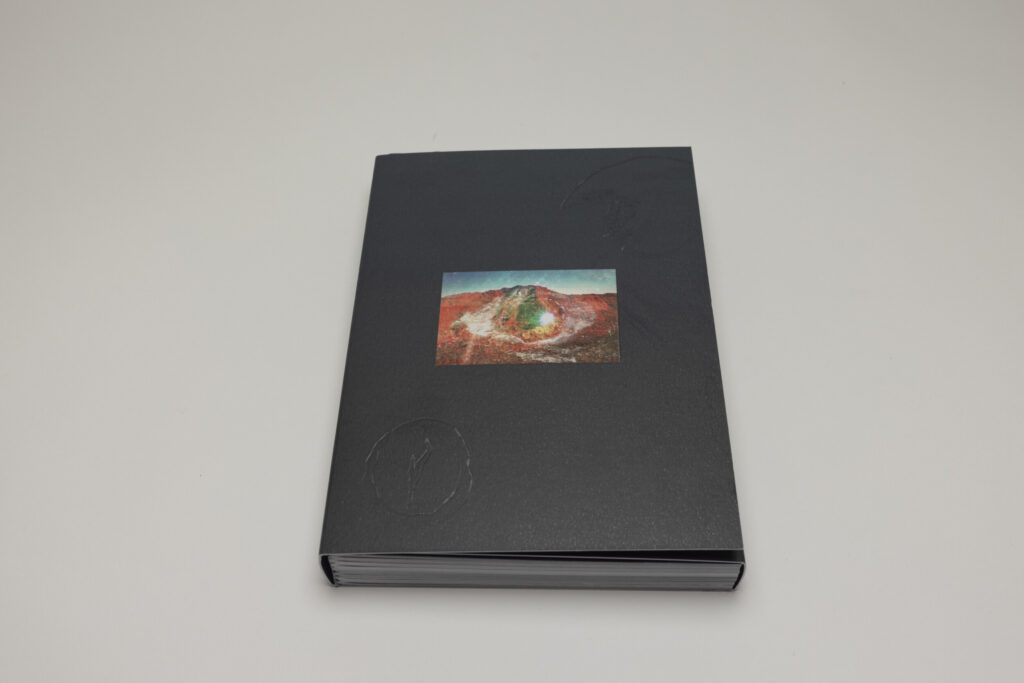
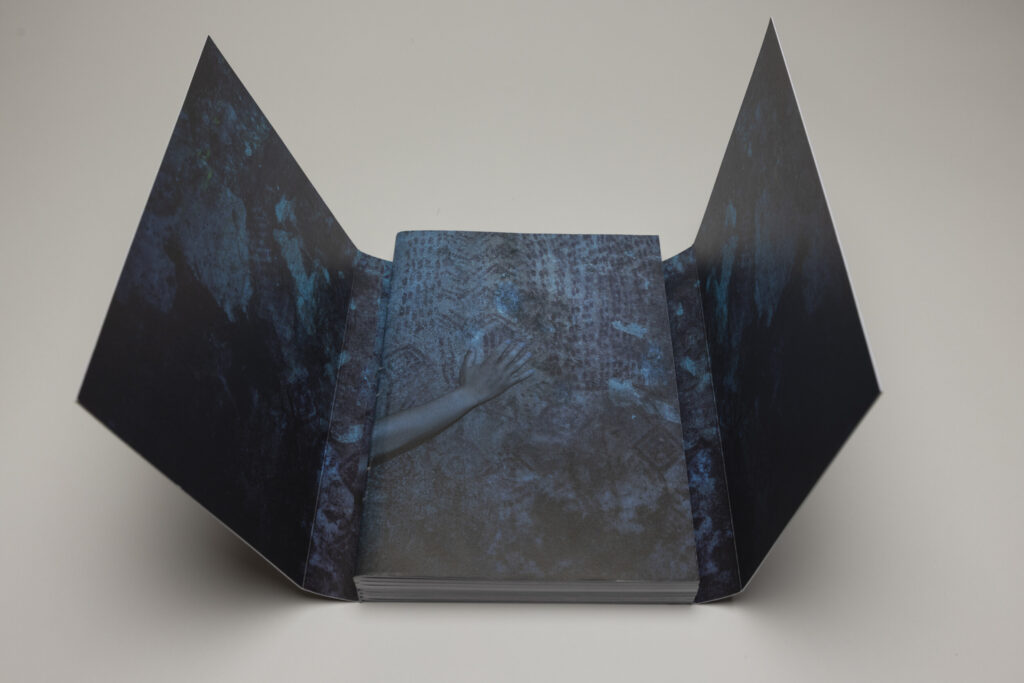
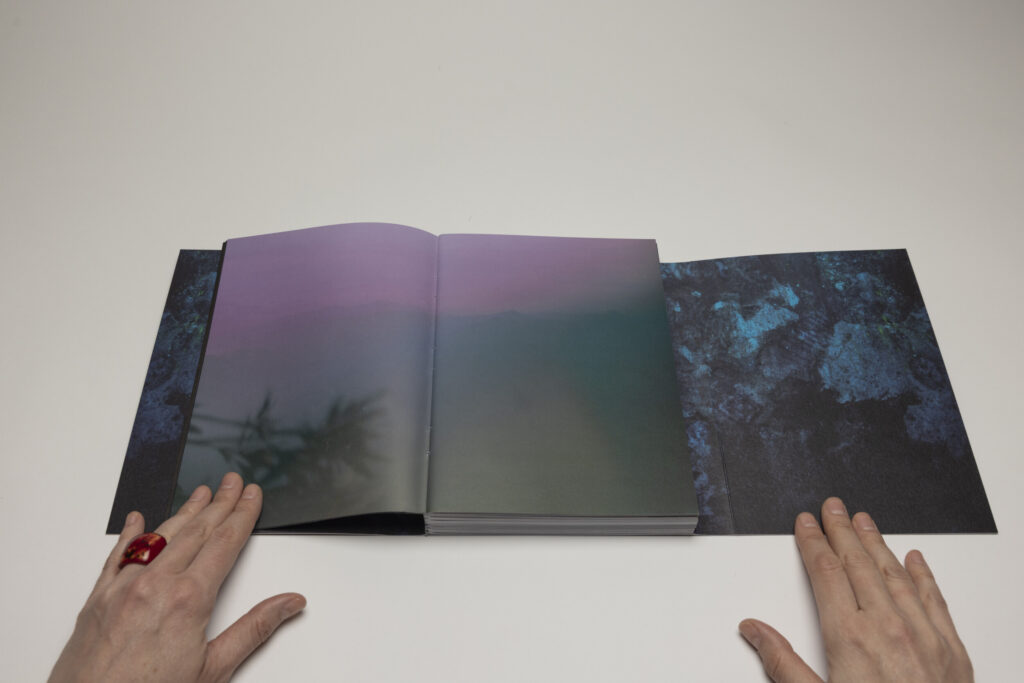
JTF (just the facts): Published in 2025 by Severo Editorial (here). Hardcover (17 × 24 cm), 340 pages, with 177 color reproductions. Includes text by the artist (in English/Spanish). In an edition of 500 copies. Design by Andres Soto. (Cover and spread shots below.)
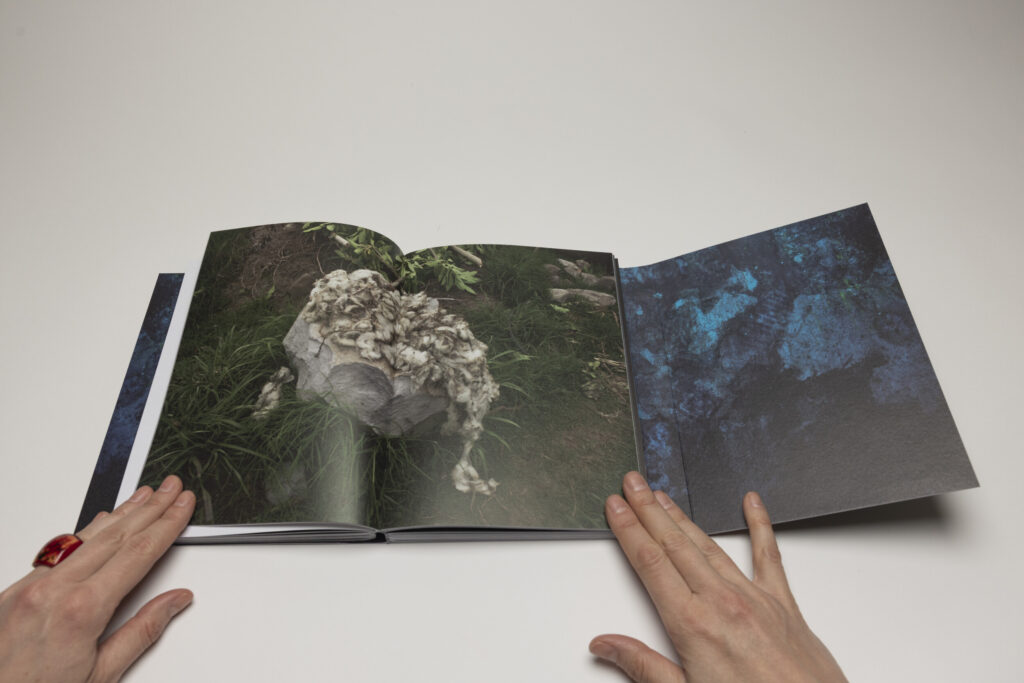
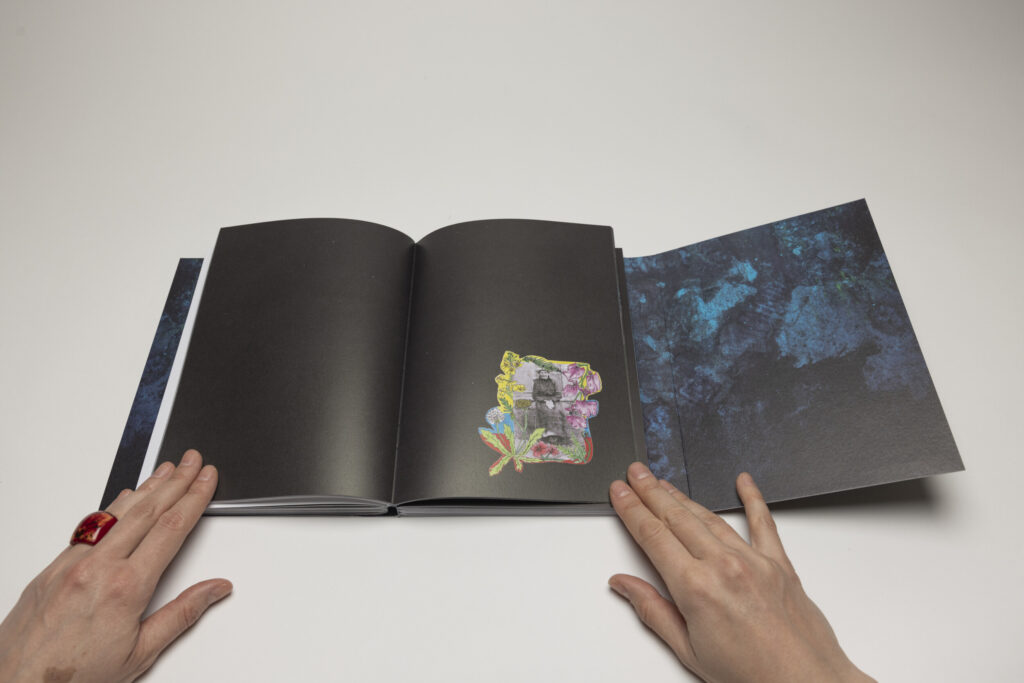
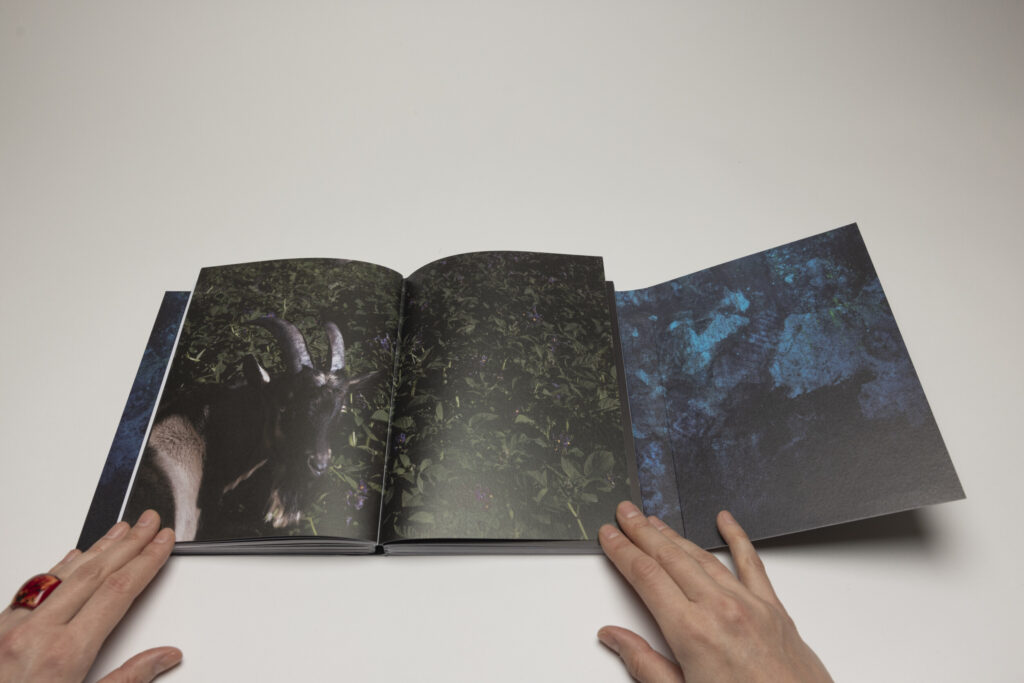
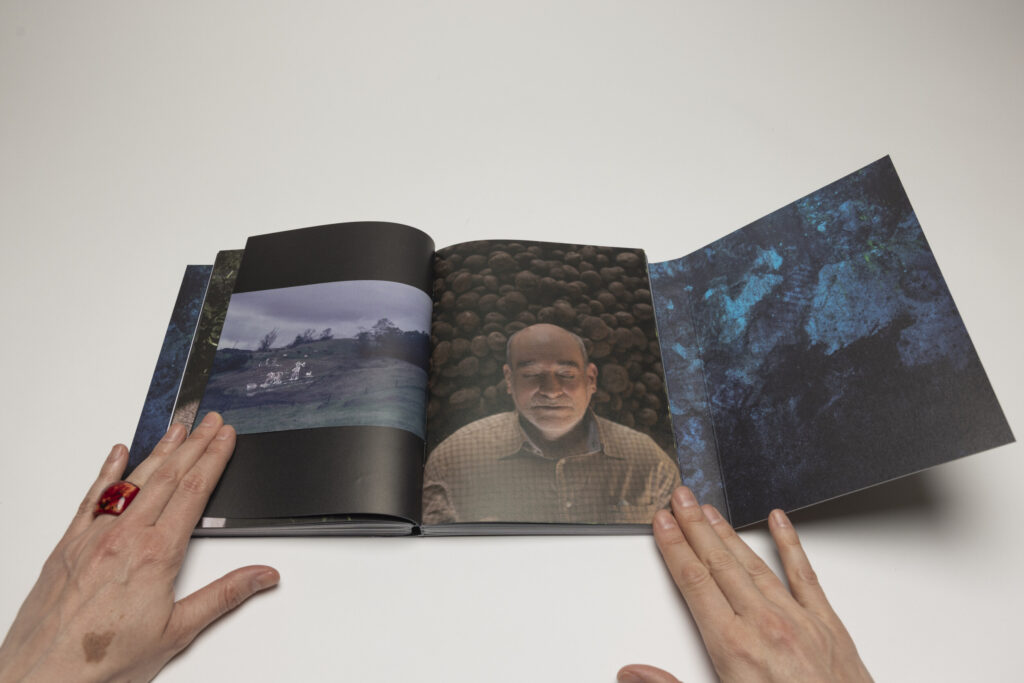
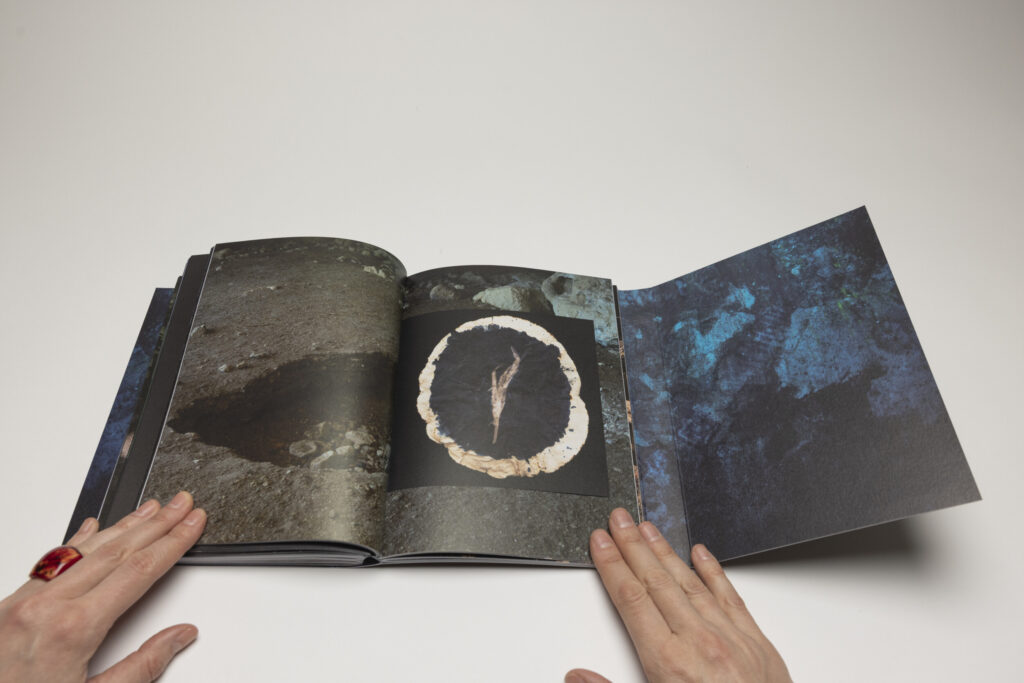
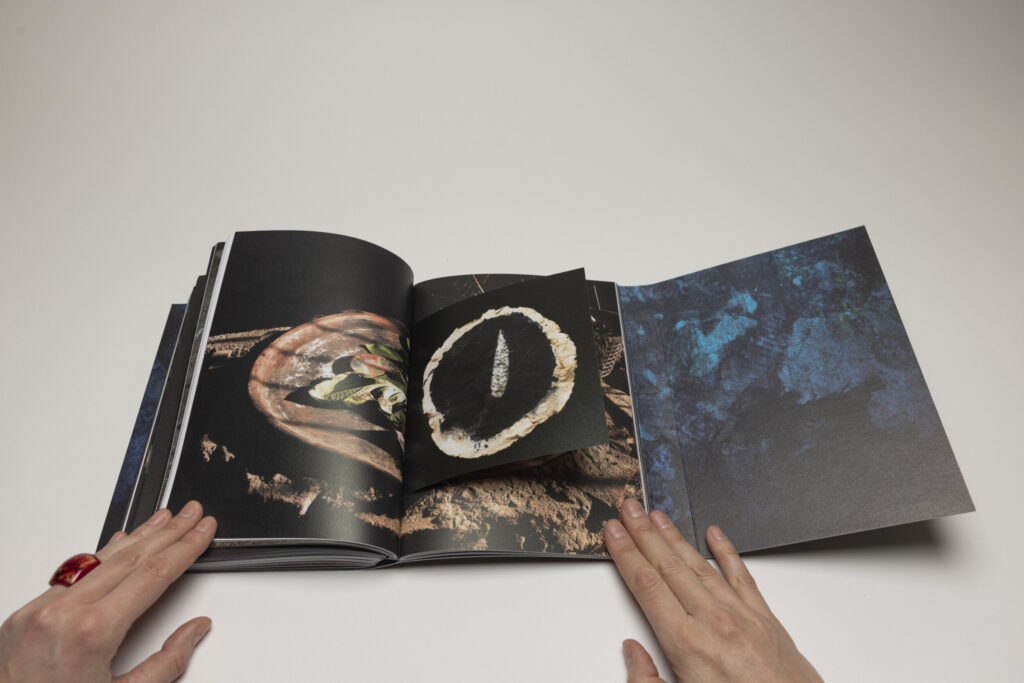
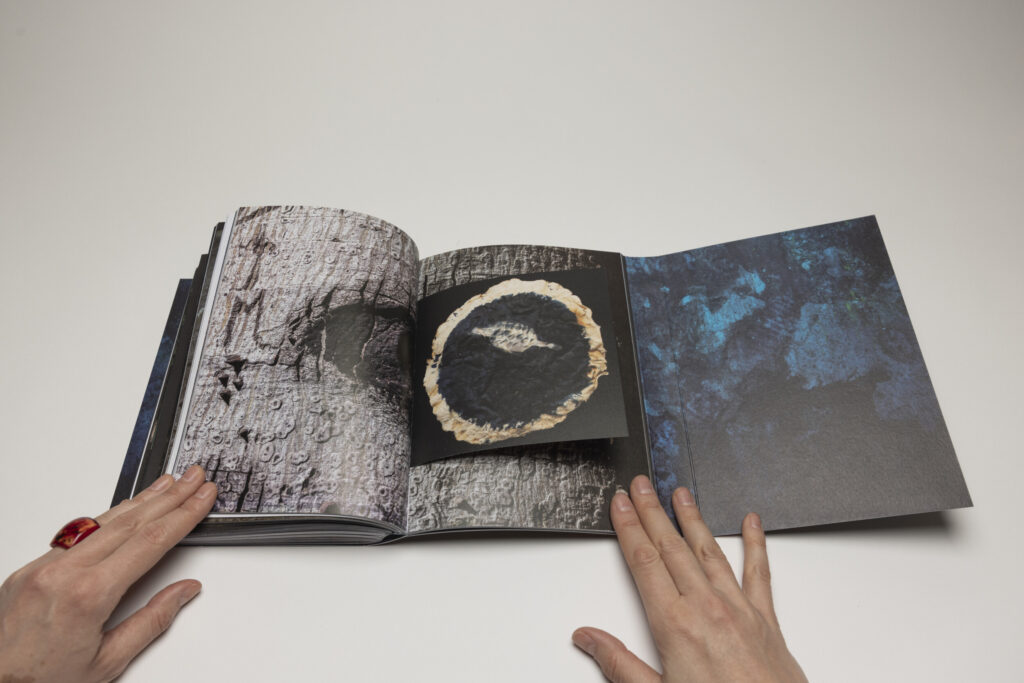
Comments/Context: Moving, to See You, a photobook by the Ecuadorian artist Isadora Romero, is shaped by memory, ancestral inquiry, and an urgent ecological consciousness. It weaves together personal lineage with global questions of loss and preservation, emerging from more than six years of research and travel across Paraguay, Ecuador, Colombia, and Mexico. At its core is Romero’s sustained engagement with agrobiodiversity, seed sovereignty, and the fragile cultural knowledge bound to land and inheritance.
Romero’s practice has long navigated between documentary rigor and poetic experimentation, and Moving, to See You stands as a culmination of this hybrid language. Her broader practice consistently intertwines social justice, gender, environmental crisis, and community collaboration, foregrounding the relational nature of image-making. She is known for projects that blend archival materials, participatory methodologies, sound, text, and visual documentation to construct narratives that challenge dominant histories while honoring the wisdom embedded within local communities. Her extended investigations into seed sovereignty, examine not only the biological diversity of crops, but also the cultural, cosmological, and political structures that sustain them.
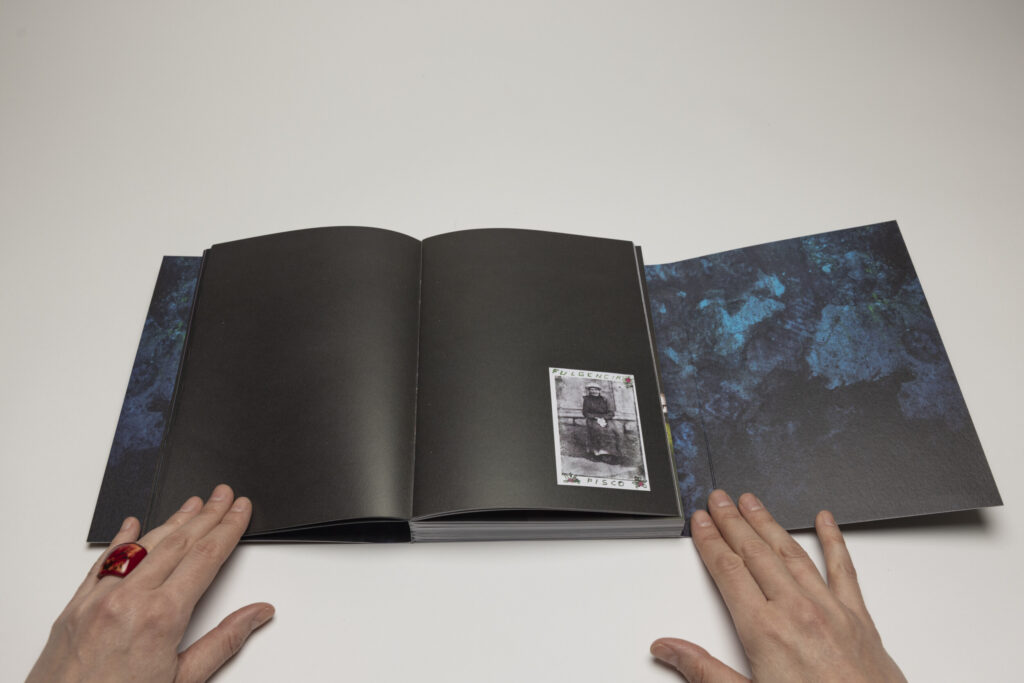
In this book, seeds function as both material reality and metaphor – living carriers of memory, resistance, and repair. A photograph of Romero’s great-great-grandmother, Fulgencia Pisco, becomes both an anchor and a compass, guiding a return to familial and territorial roots. By tracing Fulgencia’s story alongside photographs, letters, and field notes, Romero creates a space where personal heritage becomes inseparable from broader ecological and historical entanglements. These letters create an intergenerational dialogue, bridging the distance between past and present, and revealing how personal anxiety (about the planet, about cultural erasure, and about familial loss) becomes entangled with Romero’s research into global conservation policies and seed histories. The work confronts the accelerating disappearance of ancestral knowledge, a loss intensified by capitalist modernity and the homogenization of agricultural practices.
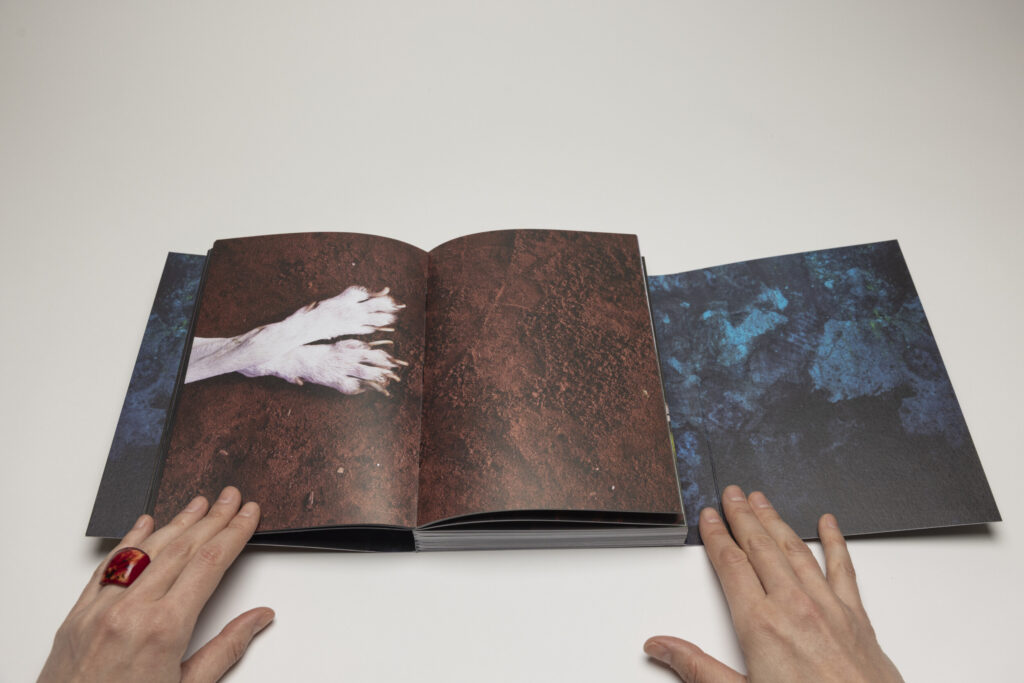
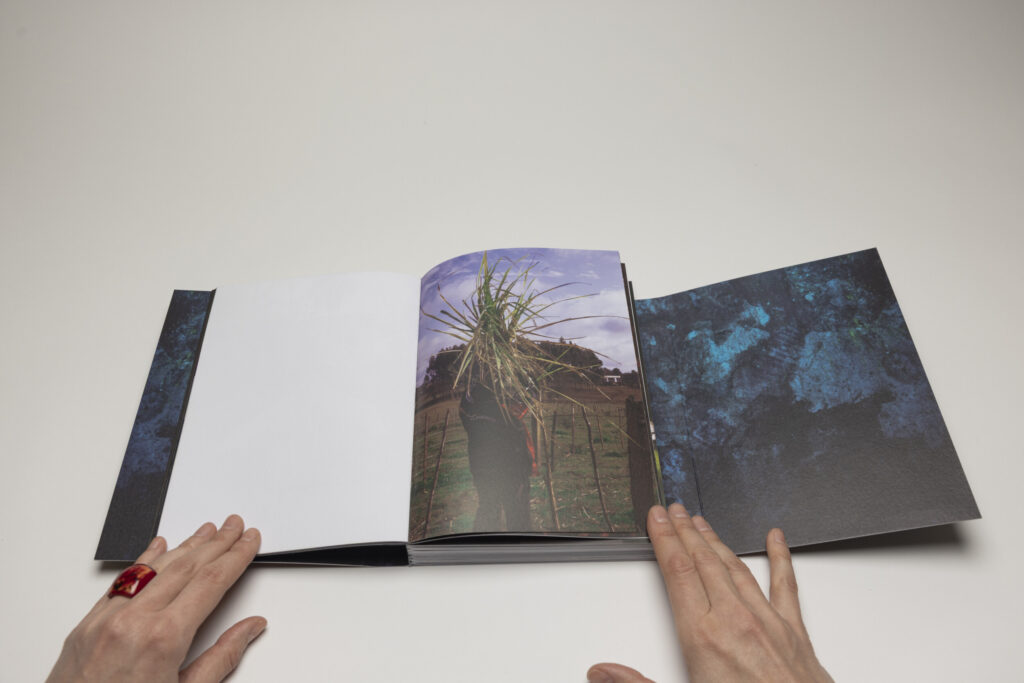
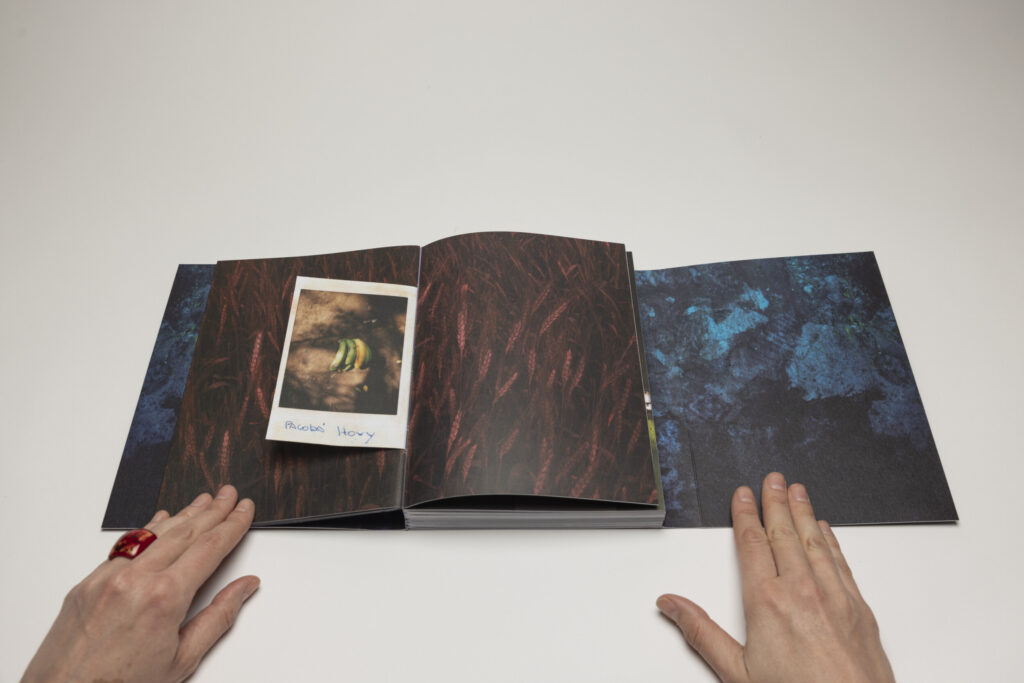
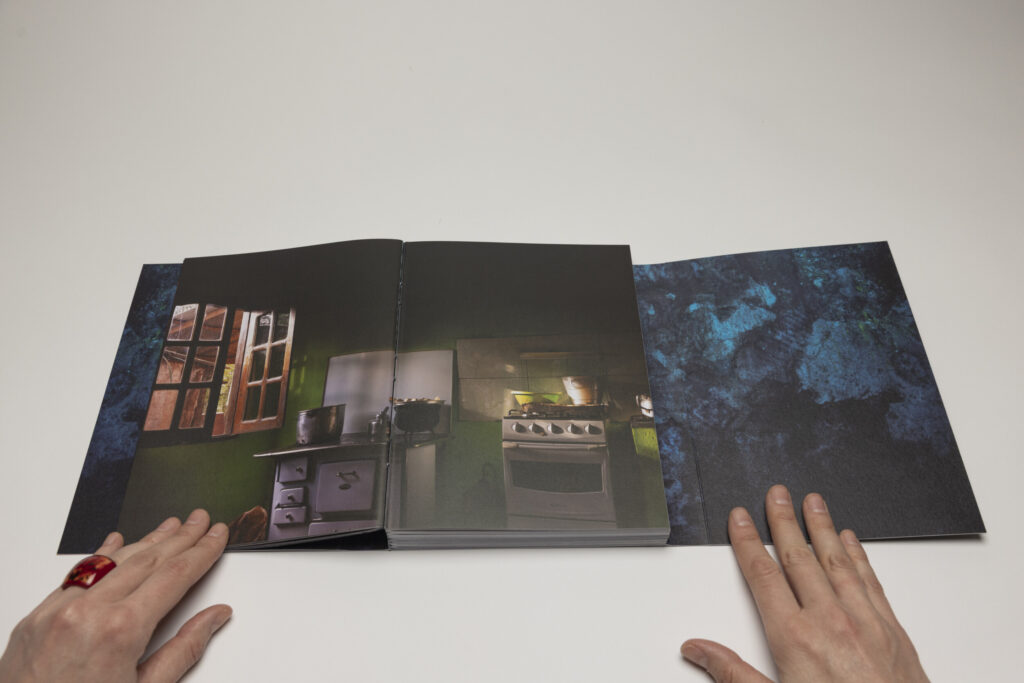
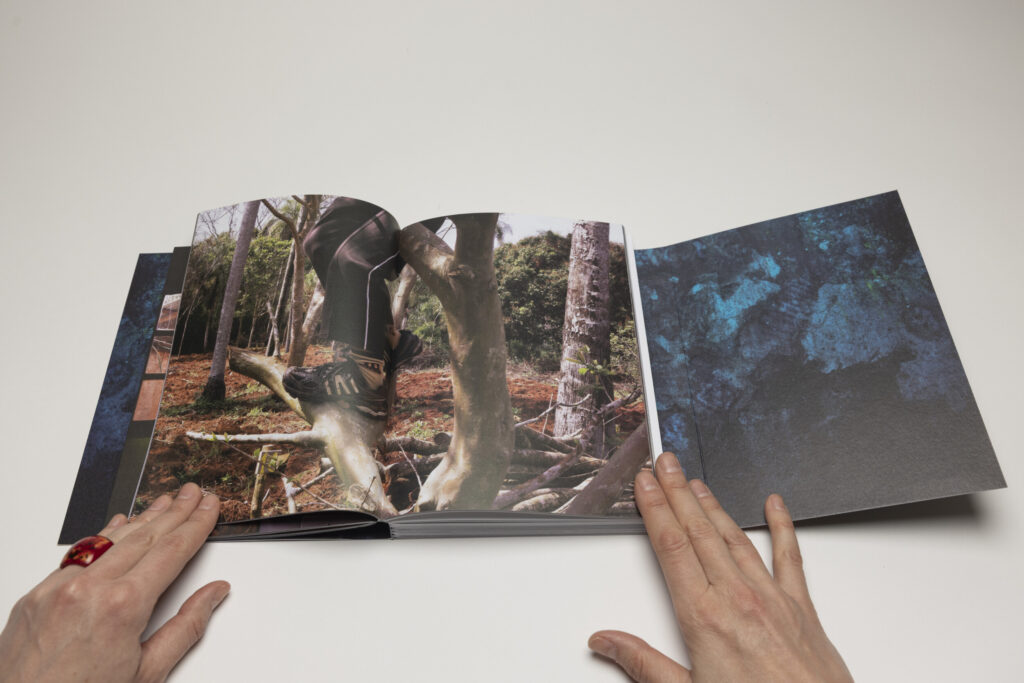
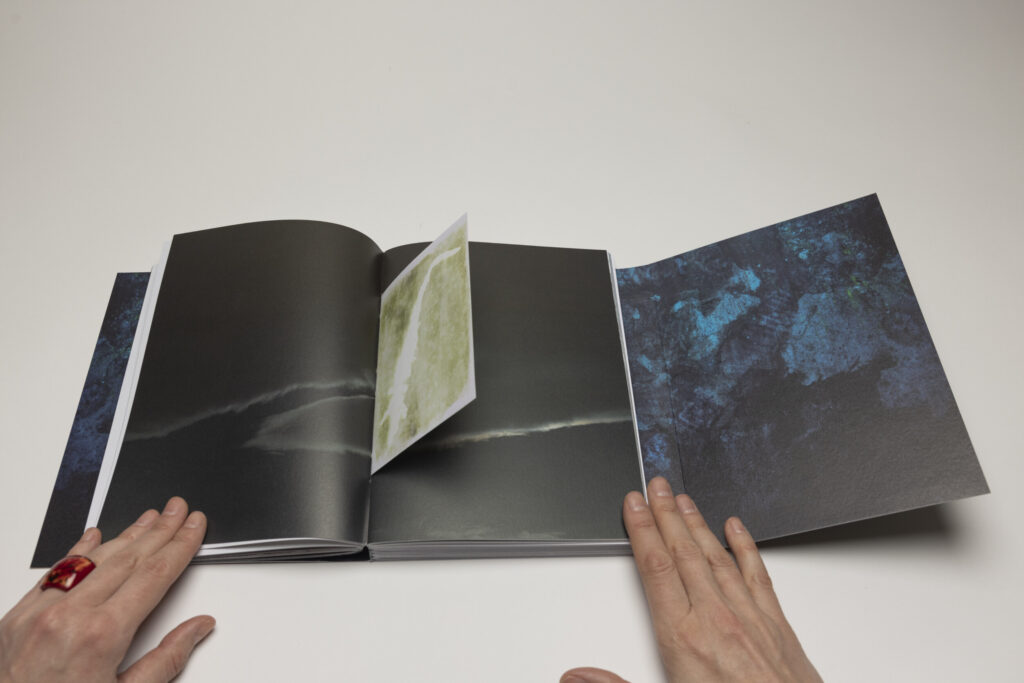
A small landscape photograph appears on the cover, while the title is discreetly placed in blue along the spine. Sturdy cardboard flaps fold over the edges, creating a protective sleeve around the book. Inside, the photographs shift in size and placement from page to page, generating a lively and engaging visual rhythm. Throughout the sequence, Romero’s letters to Fulgencia weave in and out, adding an intimate narrative thread. Several images are printed on smaller inserts, interrupting the standard page format and enhancing the tactile experience of the book. The final section includes a selection of thumbnail images accompanied by captions, all set against a deep black background; here Romero also adds quotes from people she encountered during her research, offering additional layers of insight and context to the visual story.
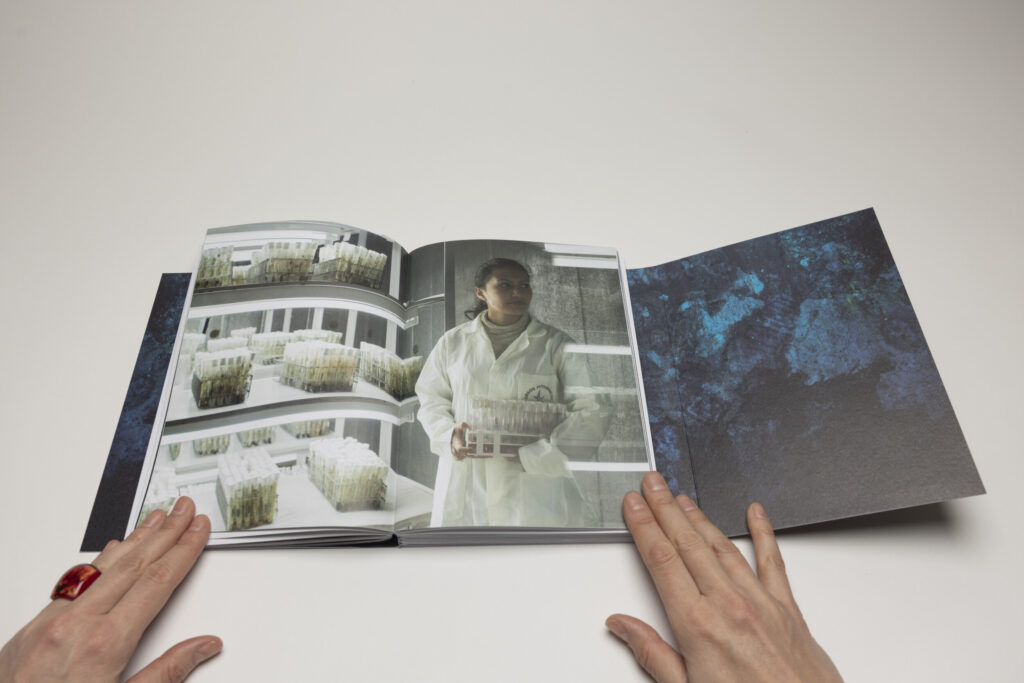
The visual sequence follows Romero’s fieldwork chronologically, from Paraguay (2018), to Ecuador (2020), then Colombia (2021), and ending in Mexico (2022-2024). Her photographs capture the lived environments of farmers, activists, festival gatherings, expansive landscapes, and Indigenous communities engaged in preserving ancestral agricultural practices. One full-spread image portrays Marcela Quintano, a university researcher, photographed in her lab surrounded by shelves of test tubes. A few pages later, a small photograph set in generous white space shows jars filled with seeds, shot in Josefina Lema’s seed bank in Ecuador.
Across these images runs a consistent visual sensibility: Romero pays close attention to quiet, tactile details. Hands interacting with seeds, agricultural landscapes marked by shifts in light and soil, small gestures of cultivation and care. Her images of land and its caretakers reflect a sensitivity to the emotional and spiritual dimensions of agricultural labor, revealing how personal and ecological histories intertwine. A number of photos appear on shorter papers: among them are Polaroids of seeds, underscoring the urgency to document them; anthotypes created with juices of various plants; and even cyanotypes on typical tortillas from Oaxaca, demonstrating the evolution of the domestication of corn.
Romero is simultaneously an investigator, descendant, and witness. She examines the forces (historical, ecological, familial) that shape one’s sense of belonging. By tracing her ancestor Fulgencia’s memory across different territories and communities, she reveals how personal identity is interwoven with networks of care, knowledge, and ecological stewardship. The book transcends the boundaries of autobiography, offering a meditation on the ways individual lives intersect with larger socio-environmental systems. In this sense, the photobook becomes a site for reconciling intimate memory with global uncertainty, and for imagining forms of repair grounded in collective resilience.
Moving, to See You reminds us of photography’s capacity to hold both poetic and political meaning. Romero’s photographs and texts blur the distinction between documentation and imagination, using the photobook form to cultivate a space where personal narrative, collective memory, and ecological consciousness converge. It is a work that invites lingering, rereading, and contemplation, offering no easy answers but instead honoring the complexity of the worlds it evokes. In an era marked by environmental crisis and rapid cultural loss, Romero’s book provides a quietly radical proposition: that looking closely (be it at seeds, landscapes, or ancestral traces) might help us reimagine our relationships to the past and to the futures we are still capable of cultivating.
Collector’s POV: Isadora Romero does not appear to have consistent gallery representation at this time. Collectors interested in following up should likely connect directly with the artist via her website (linked in the sidebar).