JTF (just the facts): Published in 2025 by Disko Bay (here). Hardcover (22 × 26.5 cm), 232 pages, with 121 color photographs. Includes introduction and diary notes by the artist and text by Eliana N’Zualo (in English/Portuguese). Design by Louis Montes. In an edition of 1100 copies. (Cover and spread shots below.)
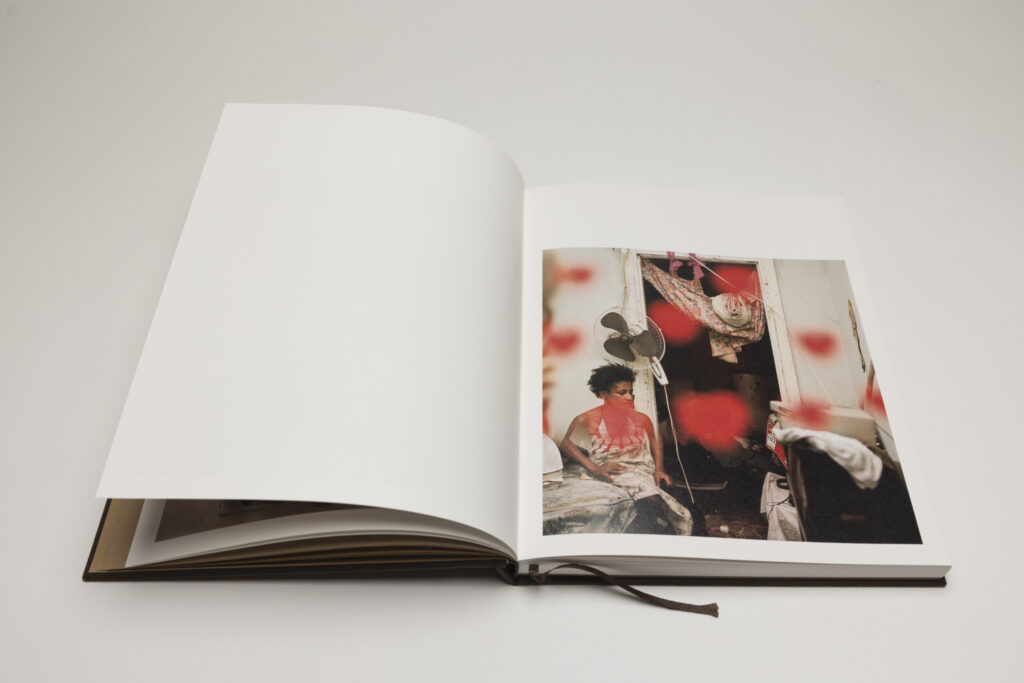
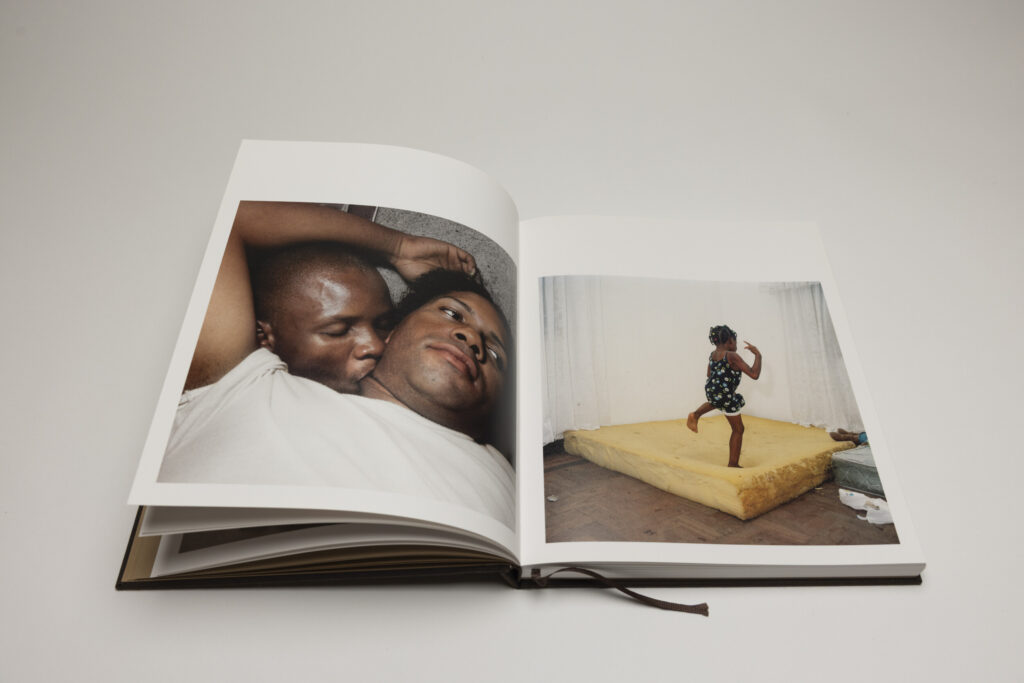
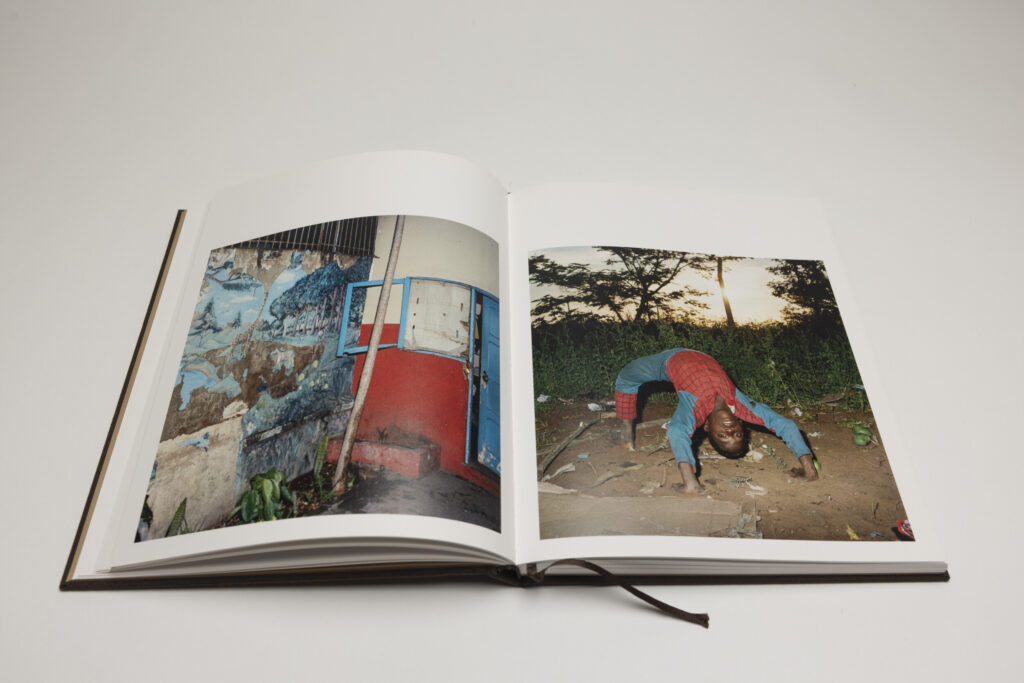
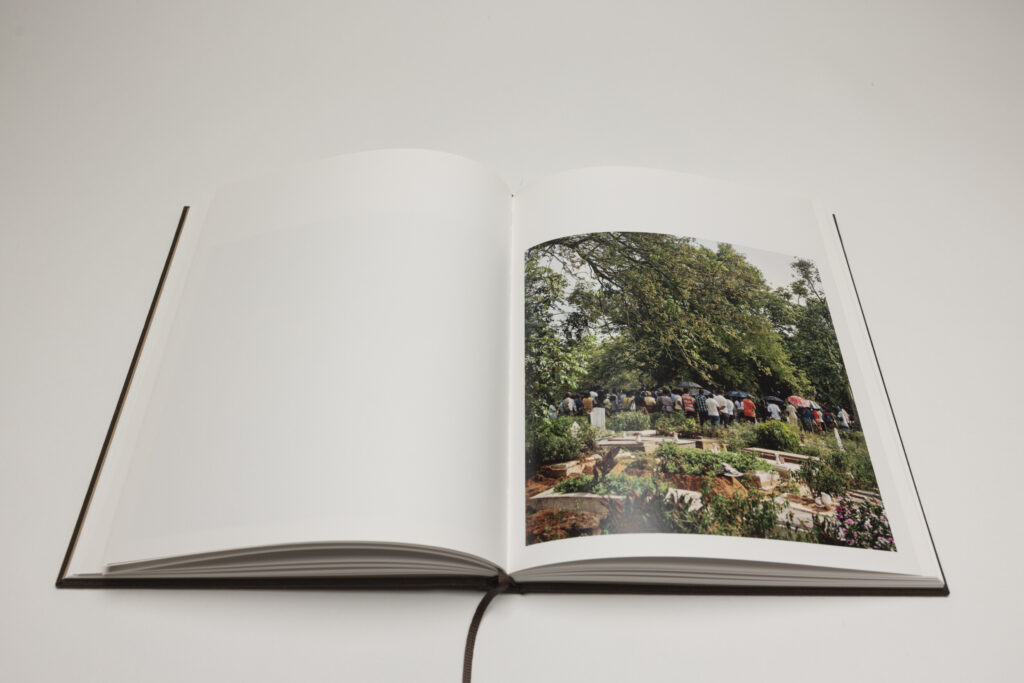
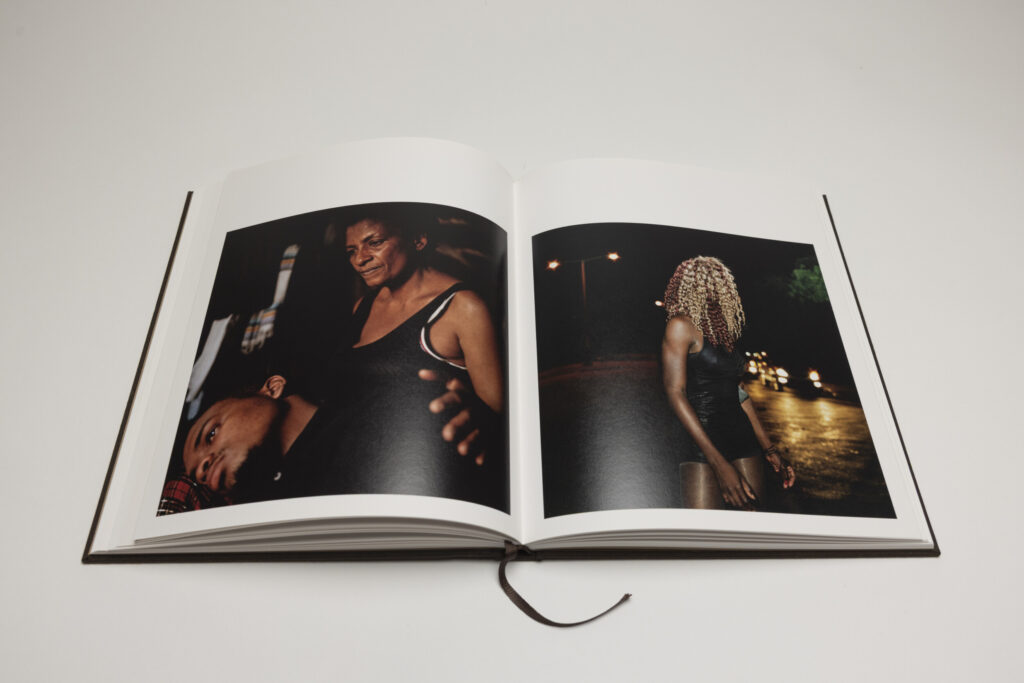
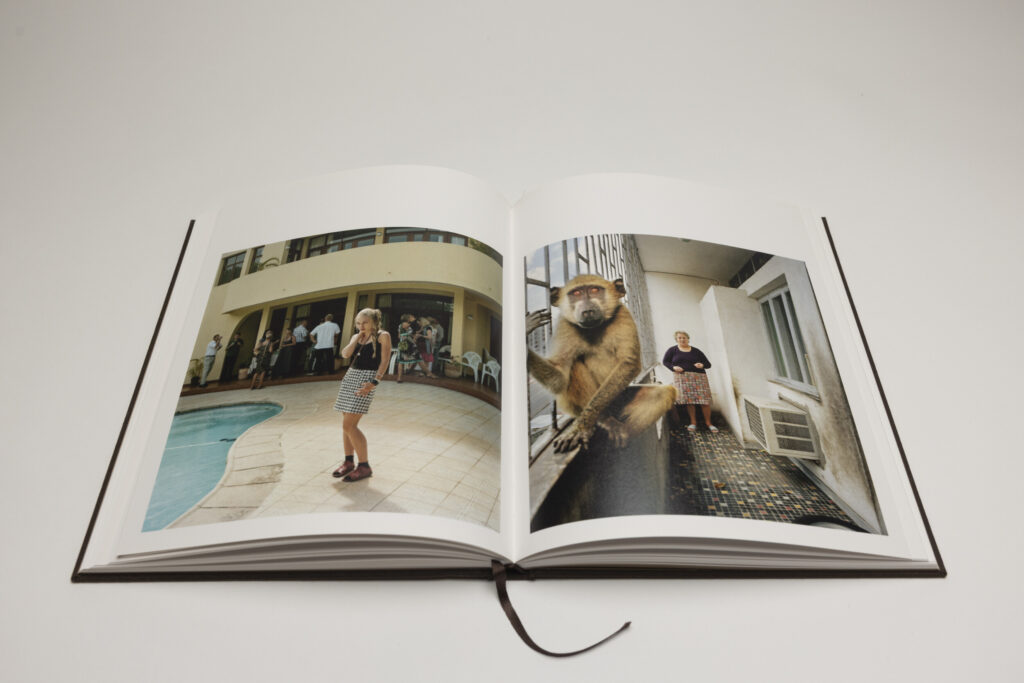
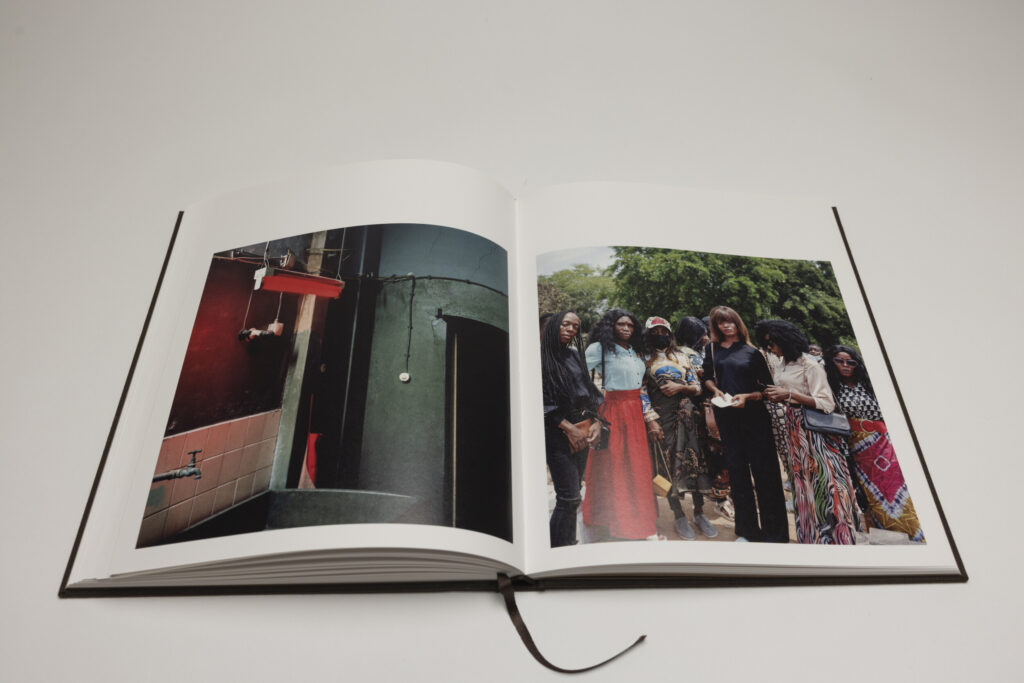
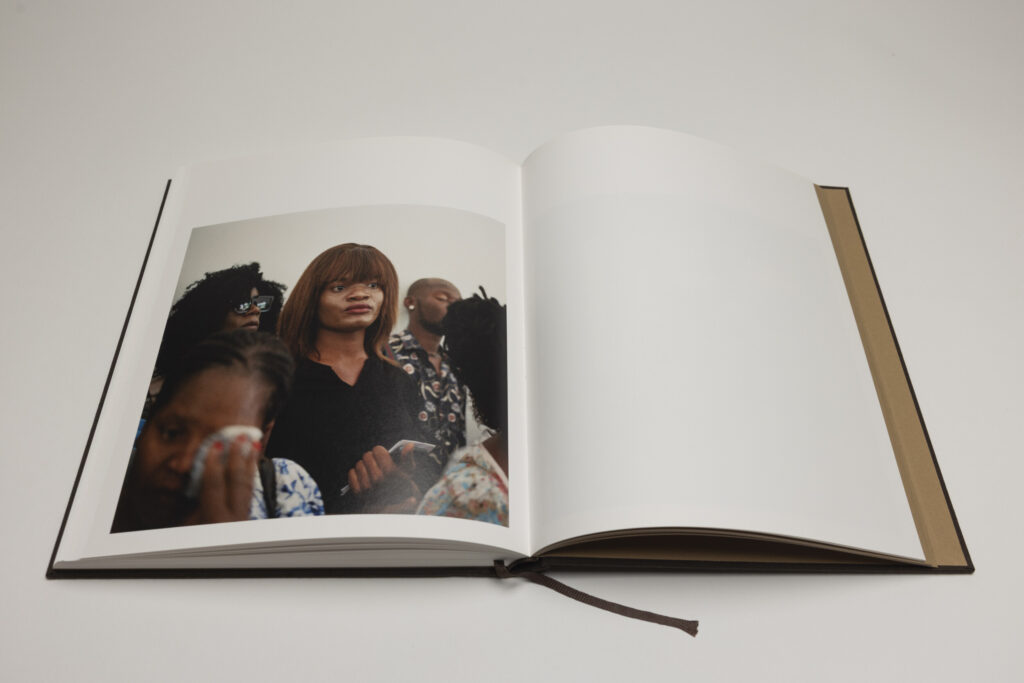
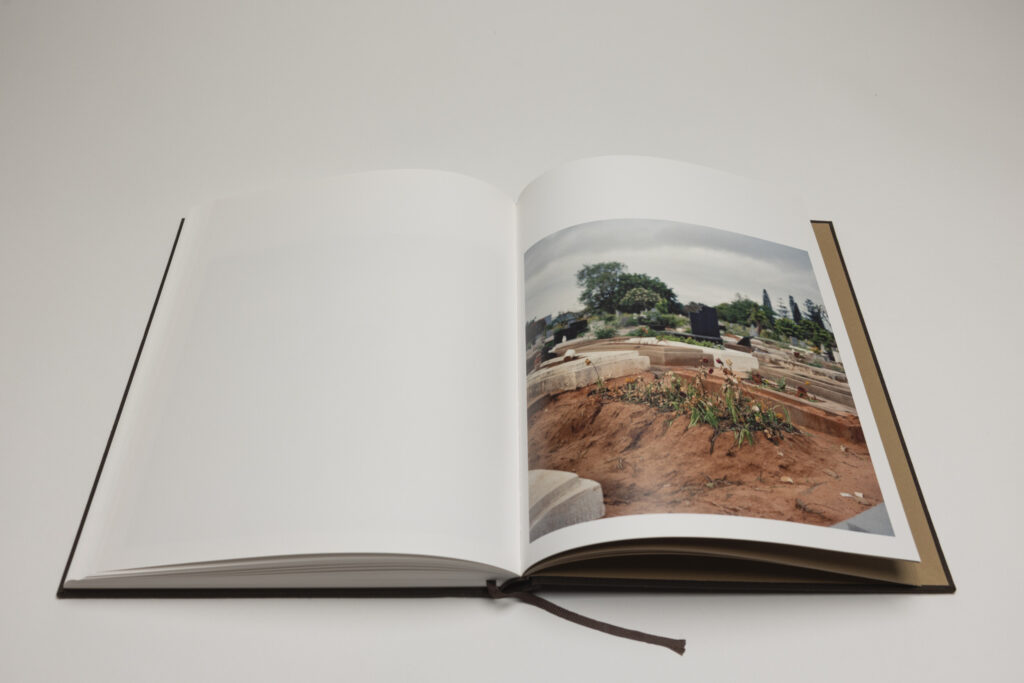
Comments/Context: Maputo Diary is the first photobook by the Danish photographer Ditte Haarløv Johnsen, bringing together twenty‑five years of images made in Maputo, the Mozambican capital where she spent part of her childhood and to which she repeatedly returned as an adult. Her family first moved there in 1982, when she was five, entering a society still energized with the collective optimism and forward‑looking energy that followed Mozambique’s independence in 1975.
Her series is anchored in time, over the years capturing the city, its people, the civil war, love, struggle, and everyday moments, ultimately forming a personal photographic archive of the country. The project goes back to Haarløv Johnsen’s early adulthood, when she began photographing the people and environments that were once part of her childhood. By then she was living in Denmark, returning to Maputo for periods that gradually built into enduring friendships. The photographs inhabit this tension quietly, acknowledging change without dramatizing it.
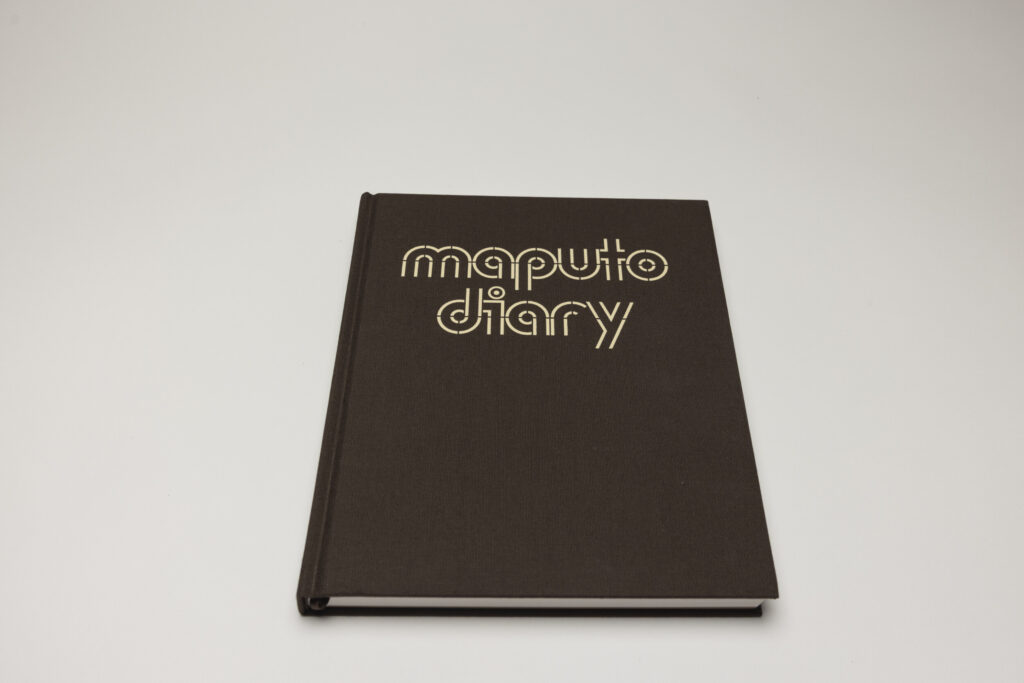
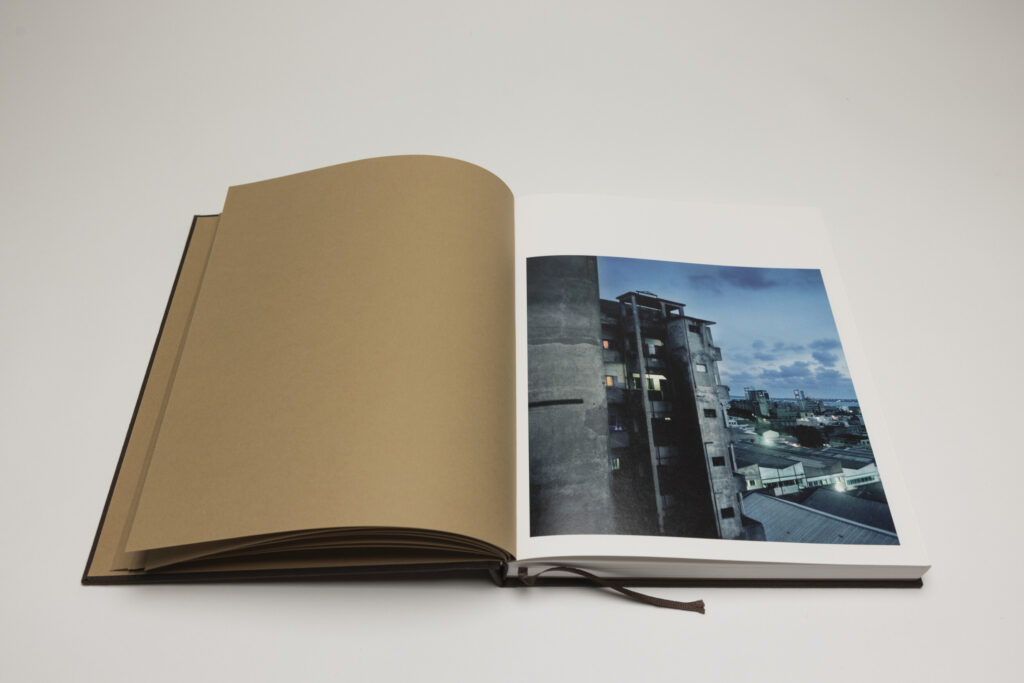
Maputo Diary is bound in a dark brown, cloth‑textured cover that immediately gives it a tactile, almost archival presence. Its title sits near the top in a retro, geometric typeface (rounded, stylized, and visually striking) setting a distinctive graphic tone from the outset. The artist’s name and the title are placed on the spine. Inside, light brown endpapers create a warm transition into the book, and the opening text appears on paper of a similar hue, establishing a cohesive, thoughtful design rhythm. The photographs are presented in a consistent size throughout. At the end, a section of thumbnails paired with intimate, diary‑like captions closes the book, functioning like a quiet archival index after the more immersive visual experience.
The book opens with an introduction by Haarløv Johnsen that sets a reflective, quietly grounded tone, offering a personal entry point into the decades‑long journey. “I grew up in the victorious atmosphere that reigned after Mozambique’s War of Independence. It was a time full of hope for the future, a new beginning for the country. From the roof of my local kindergarten, I would stand alongside my Mozambican friends with a clenched fist pointing to the sky shouting ‘Long live the Mozambican Revolution!” “Long live the Frelimo party!’”
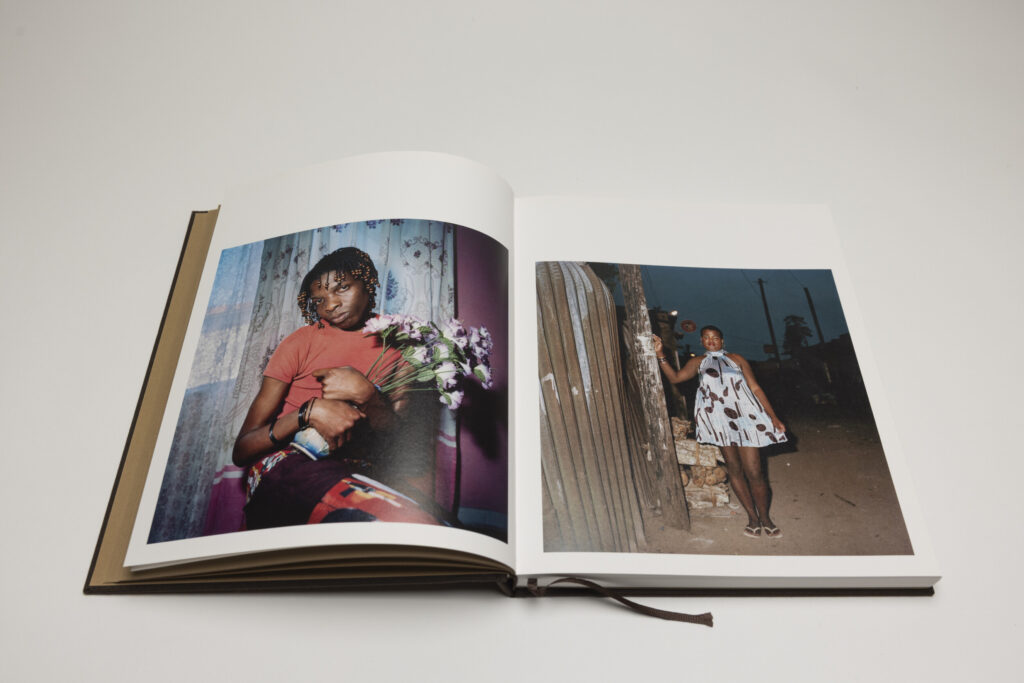
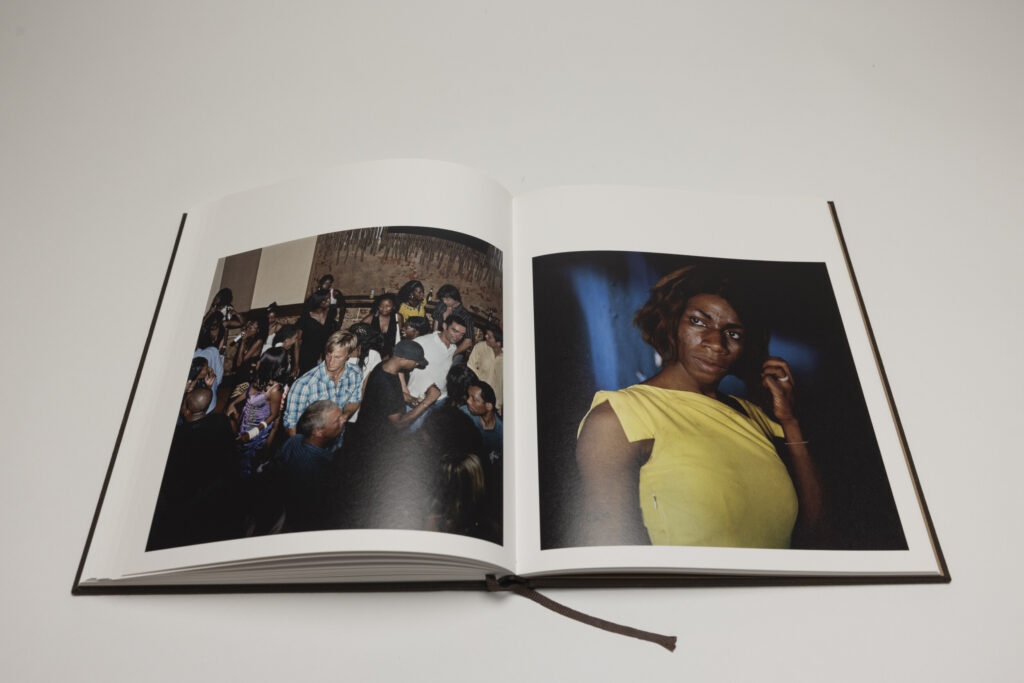
Central to the series is Haarløv Johnsen’s connection with the “manas” (or sisters), a close-knit community of transgender women and queer friends who welcomed her into their social world in the early 2000s. The word manas was invented by two friends, Ingrácia and Antonieta, filling a gap in local language for describing their identities. Haarløv Johnsen first encountered them while walking home from photography school; their openness, uncommon at the time, caught her attention. She asked to photograph them, and what began as a casual invitation to join them for a drink gradually developed into an ongoing friendship. They introduced her to their small circle of manas, and over the decades, their presence helped shape the emotional core of the work. They became part of each other’s lives.
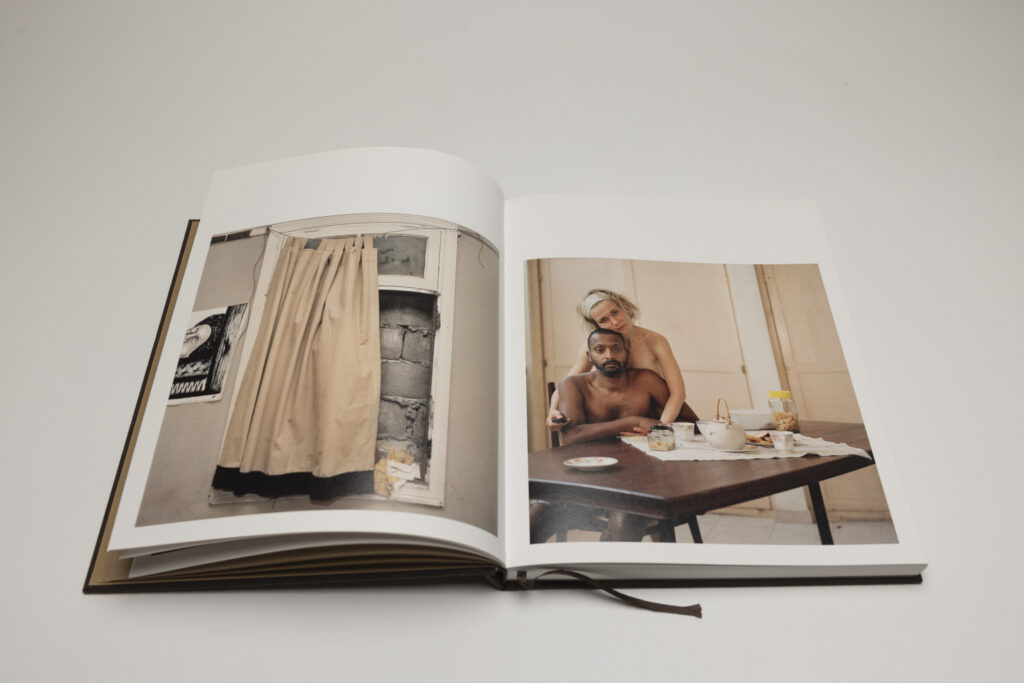
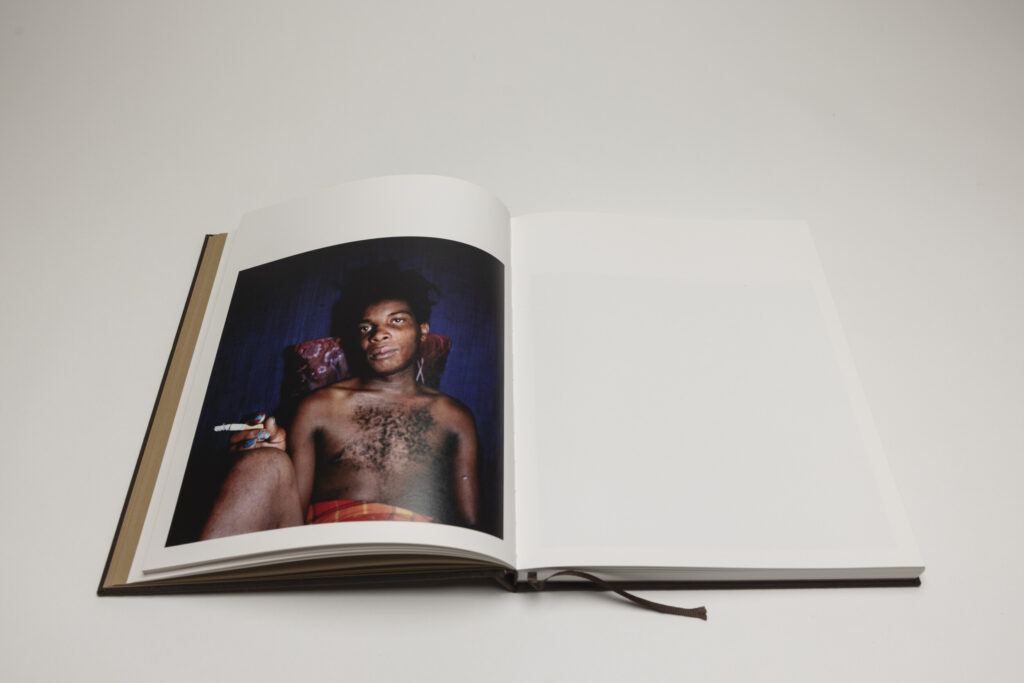
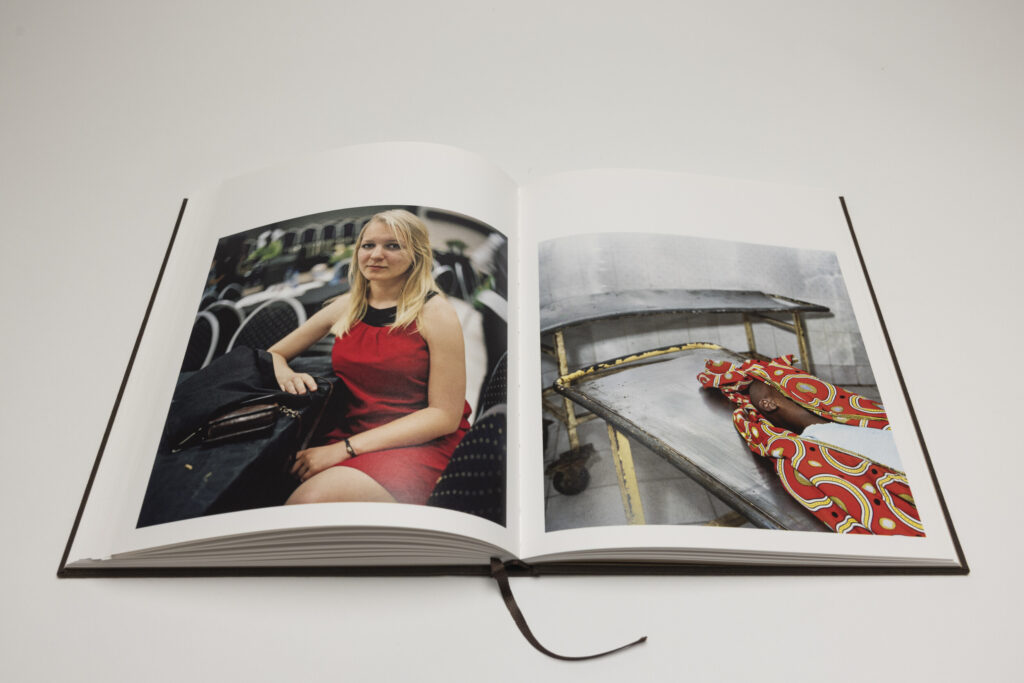
The photographs move through sparse bedrooms, busy dining tables, solitary alleyways, and cemeteries, gradually revealing the intimate stories of the people who inhabit them. Spiwa sits next to the window holding a bouquet of plastic purple flowers, their hair is styled with small decorative beads. In another portrait, Antonieta reclines against a pillow, shirtless, a lit cigarette balanced between fingers tipped with chipped, bright blue polish. Later, a photograph of Siri, Haarløv Johnsen’s sister, on her last day of boarding school, in red dress with a black neckline and seated at an event space, is paired with an image from a morgue, a body covered in vivid patterned fabric. The images are attentive without being intrusive, intimate without veering into sentimentality, and all of them are utterly human. Haarløv Johnsen uses her camera to pay attention, to acknowledge presence, and to remember.
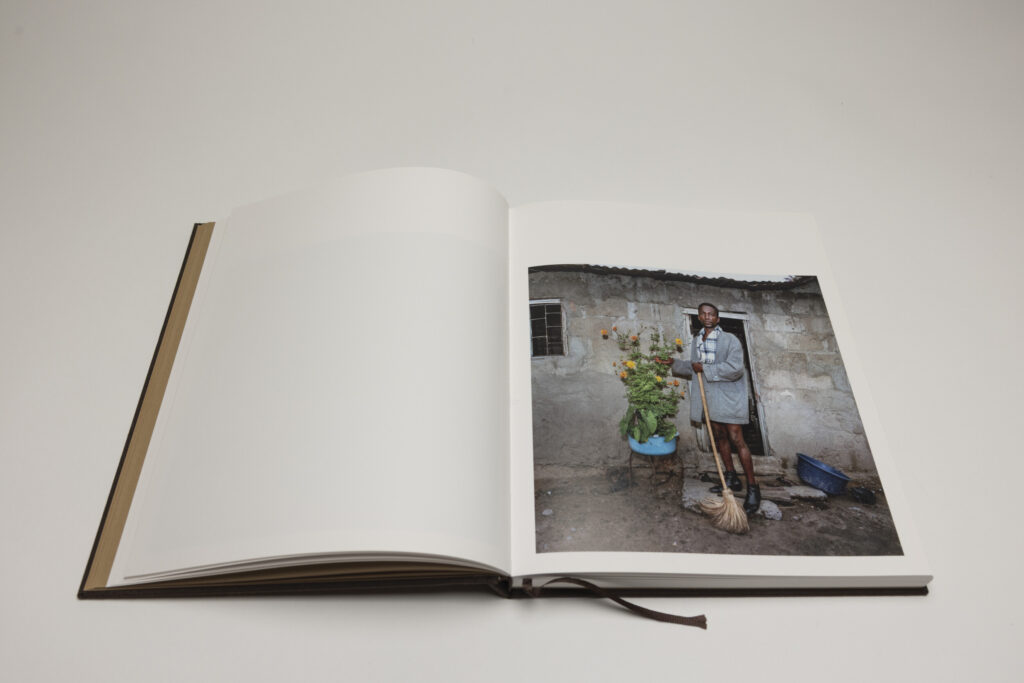
Another portrait depicts a man in a short grey coat and boots standing outside a weathered building – this is Rui, and he holds a broom and touches flowers growing out of a blue container elevated on a metal stand, while looking straight into the camera. After returning from years of labor in East Germany, he spent his days moving from place to place, tending to his flowers, and immersing himself in books while struggling to find stable work or support. He passed away in 2004, at the age of 36.
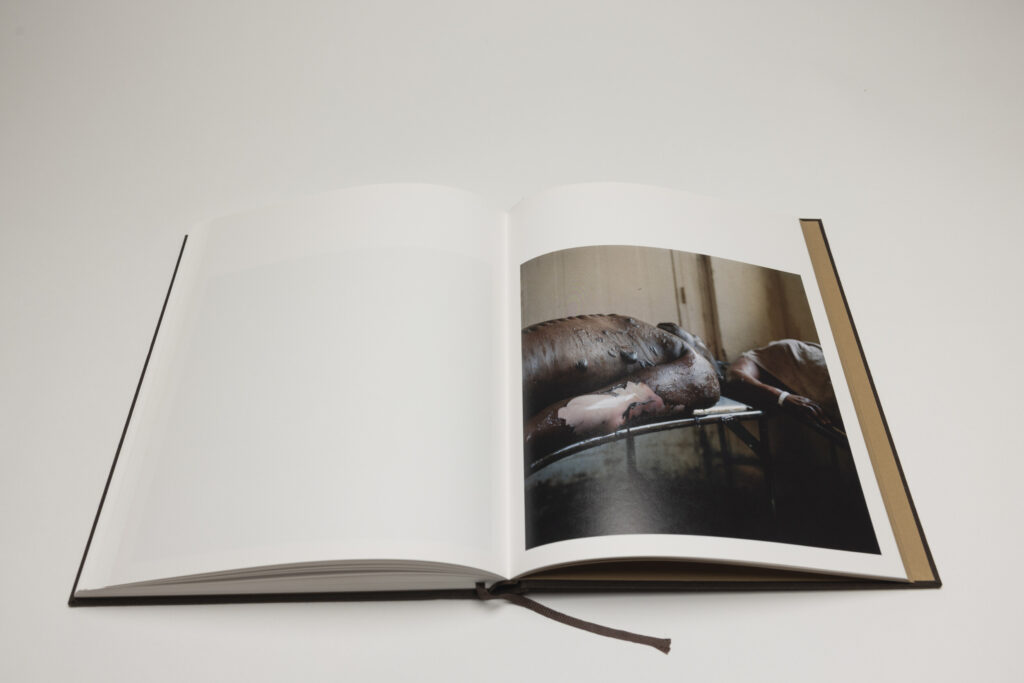
The final images in the book are from 2022, when Yara got murdered. One of the images is from the morgue, showing the body washed and ready for burial. Another one shows Lenny at the chapel, who made a speech on behalf of manas, “there is liberation in manifesting your existence: you are the difference the world needs”. The closing image is Yara’s grave at the cemetery, where grief is present but not staged. Haarløv Johnsen acknowledges the people who are now gone through her writing, but her images focus on life. She says that with her camera, she “insists on intimacy in the pain. When death is omnipresent, life burns bright and strong”.
Haarløv Johnsen’s series brings to mind Dana Lixenberg’s Imperial Courts, 1993–2015 (reviewed here), whose quietly powerful portraits from a Los Angeles housing project deliver an emotional punch, mapping community ties and family histories across more than two decades. Both projects articulate the stakes of looking for an extended period of time: relationships formed, lives lost, and the subtle changes that only become visible through decades of attention. Several notable photographers have similarly approached the daily lives of transvestites, transsexuals, and sex workers with sensitivity and depth. In the 1970s, Jane Evelyn Atwood spent years with Parisian sex workers, producing a body of work that remains intimate and humane. Christer Strömholm’s Les Amies de Place Blanche offered striking portraits of transsexual women, capturing their dignity and self‑possession. More recently, Lorenzo Castore’s Glitter Blues (reviewed here) documented the lives of Sicilian transvestite and transsexual prostitutes, rendering their moments of vulnerability and resilience with expressive, empathetic clarity.
Haarløv Johnsen’s upbringing and sustained relational commitment give her a degree of insider familiarity and trust that is rare for a European photographer working in Africa. She occupies a self‑acknowledged liminal position, neither fully an insider nor entirely an outsider. She now (over twenty years after starting the project) recognizes the power dynamics embedded in the relationship between photographer and subject, noting that her access to the manas’ lives was shaped by structures that have historically muted their voices. “I hold that knowledge with humility,” she reflects. “But I also honour the openness and sincerity I carried then, because it was real.”
Maputo Diary is a deeply humane record of lives shared across decades. It is grounded in the textures of everyday experience (friendship, love, fragility, resilience, etc) and shaped by a photographer who understands that the most meaningful images often emerge not from seeking but from staying. The book’s quiet confidence, its attentiveness to the unresolved, and its refusal to reduce complex lives into neat visual formulas make it a profound and enduring contribution to long-term photographic practice. It invites us not simply to look but to accompany; to follow the gentle, persistent thread of time as it weaves through rooms, streets, and relationships, creating a portrait of a city and its people that lingers long after the final page.
Collector’s POV: Ditte Haarløv Johnsen does not appear to have consistent gallery representation at this time. Collectors interested in following up should likely connect directly with the artist via his website (linked in the sidebar).




Wow, such an interesting story and review.