JTF (just the facts): Published in 2025 by Editorial RM (here), Moisés Cosío, Ana Hop, and Estudio Herrera. Hardcover (19 × 28 cm), 84 pages, with 58 color and black-and-white photographs. Design by Maricris Herrera and Israel Hernández (Estudio Herrera). (Cover and spread shots below.)
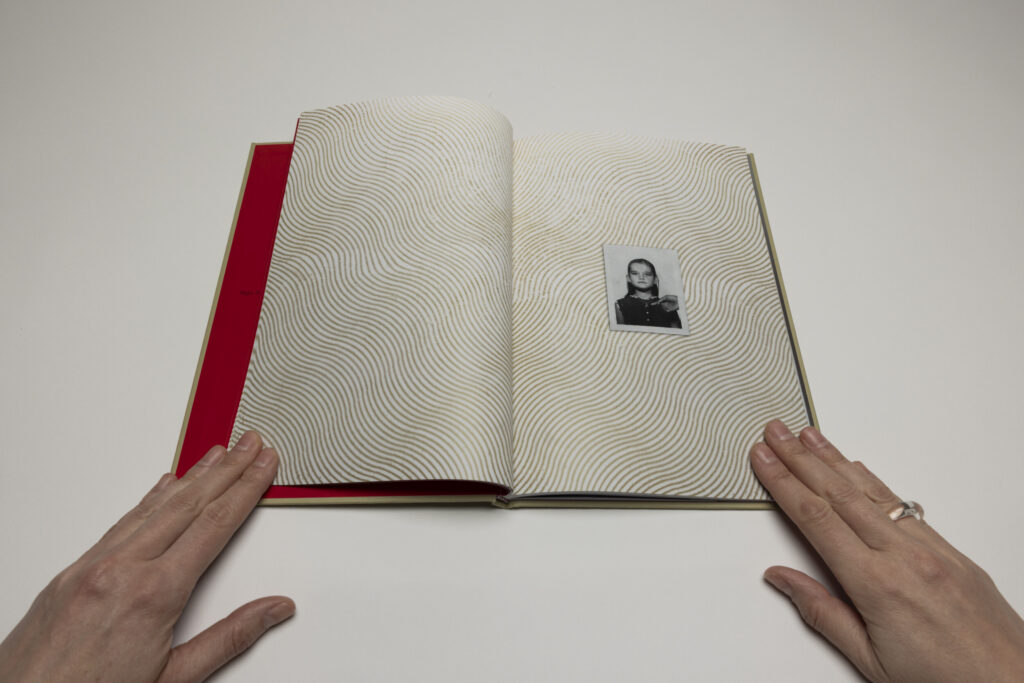
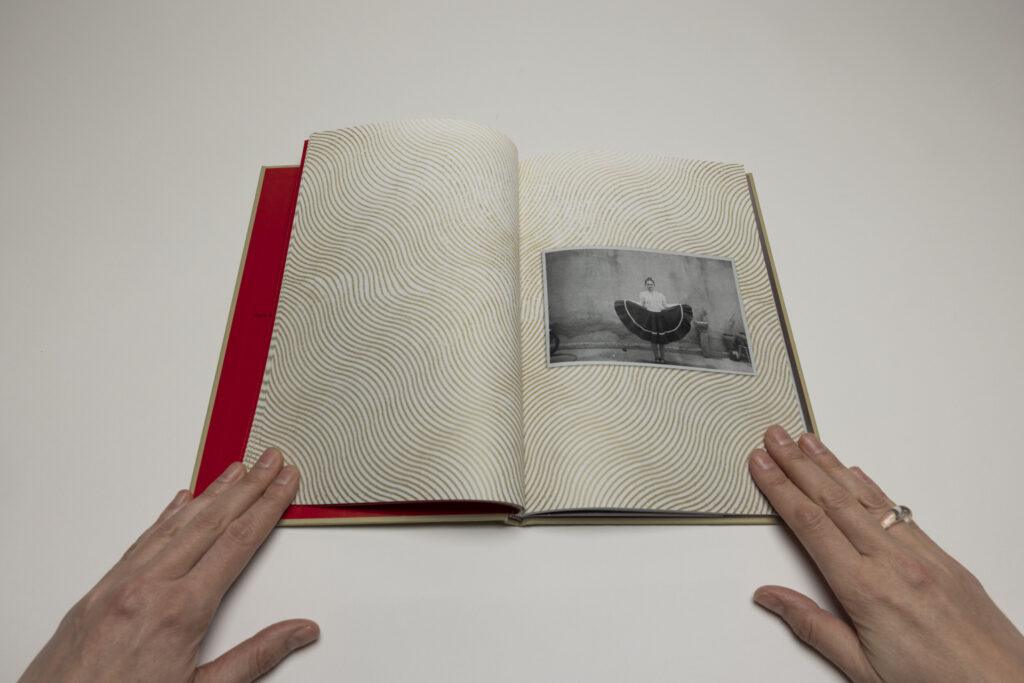
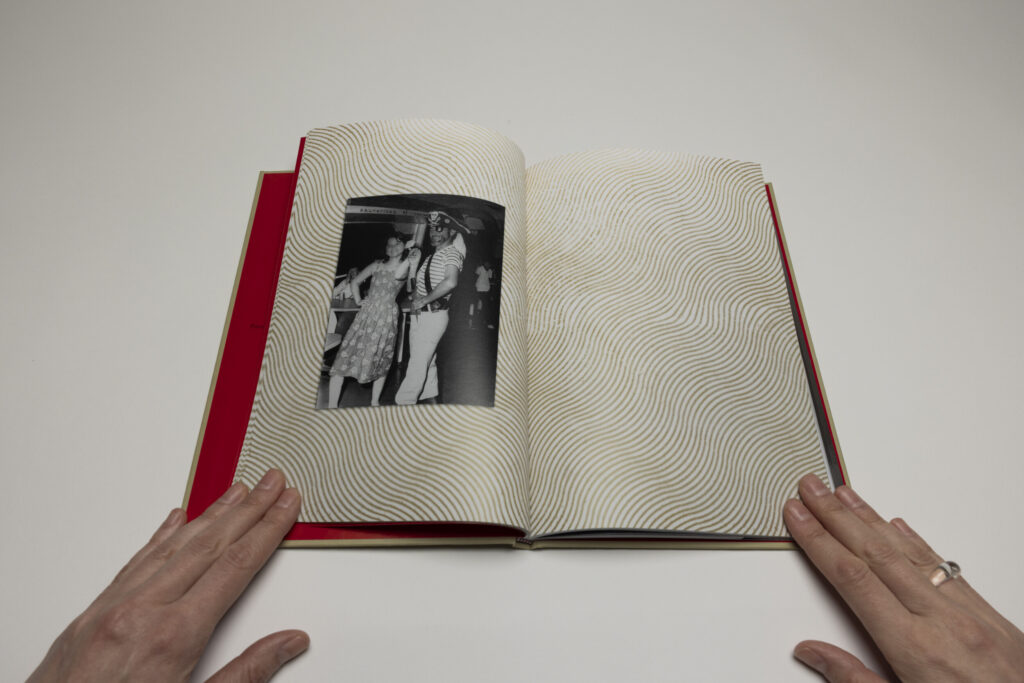
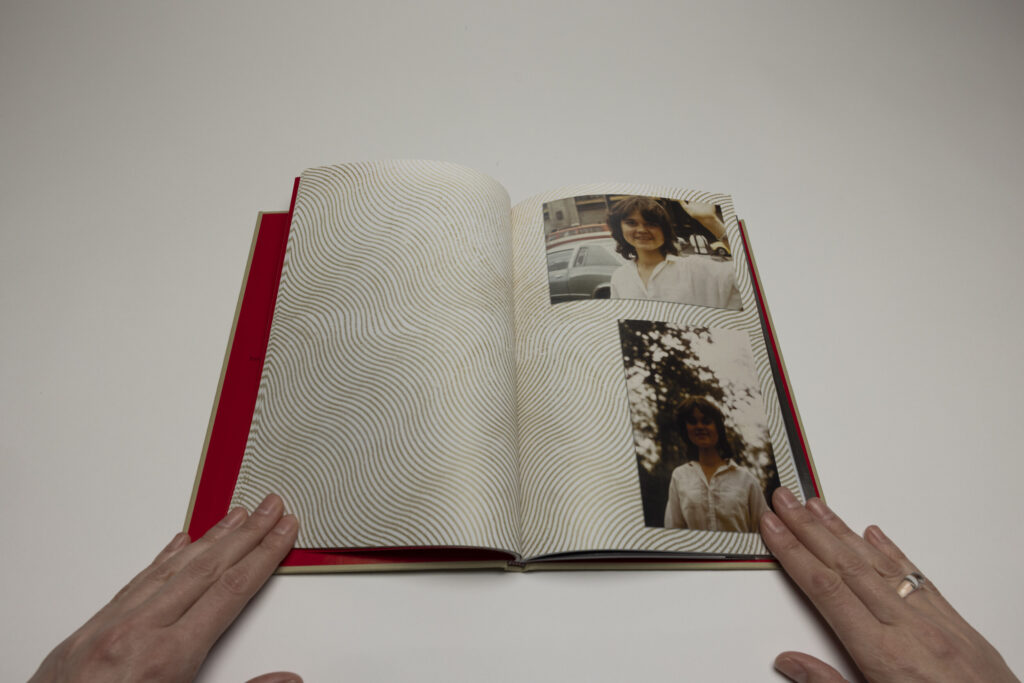
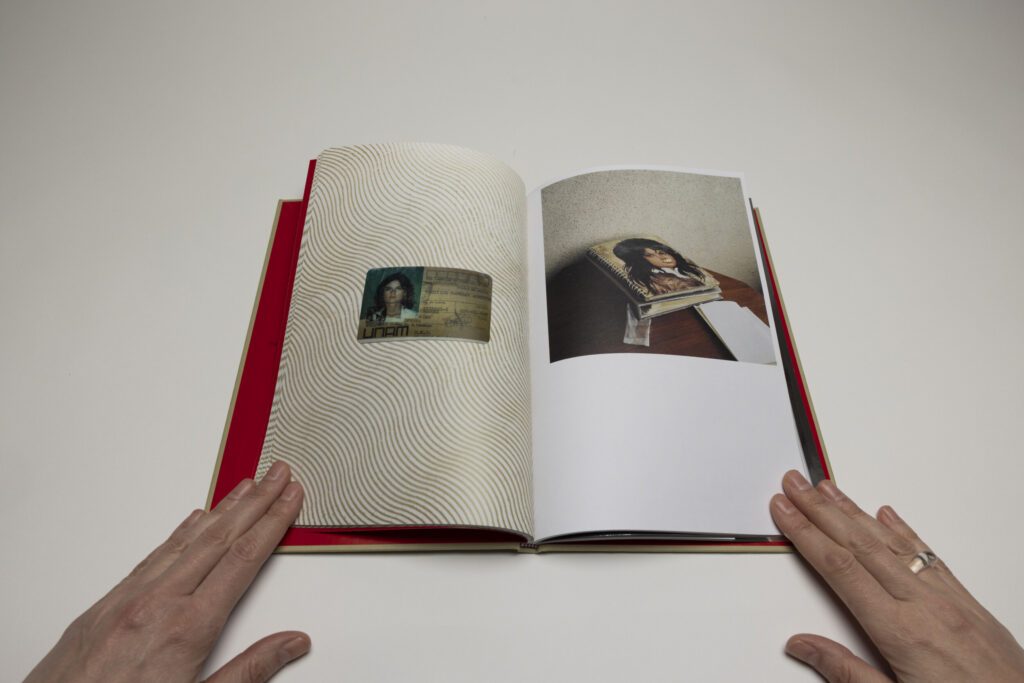
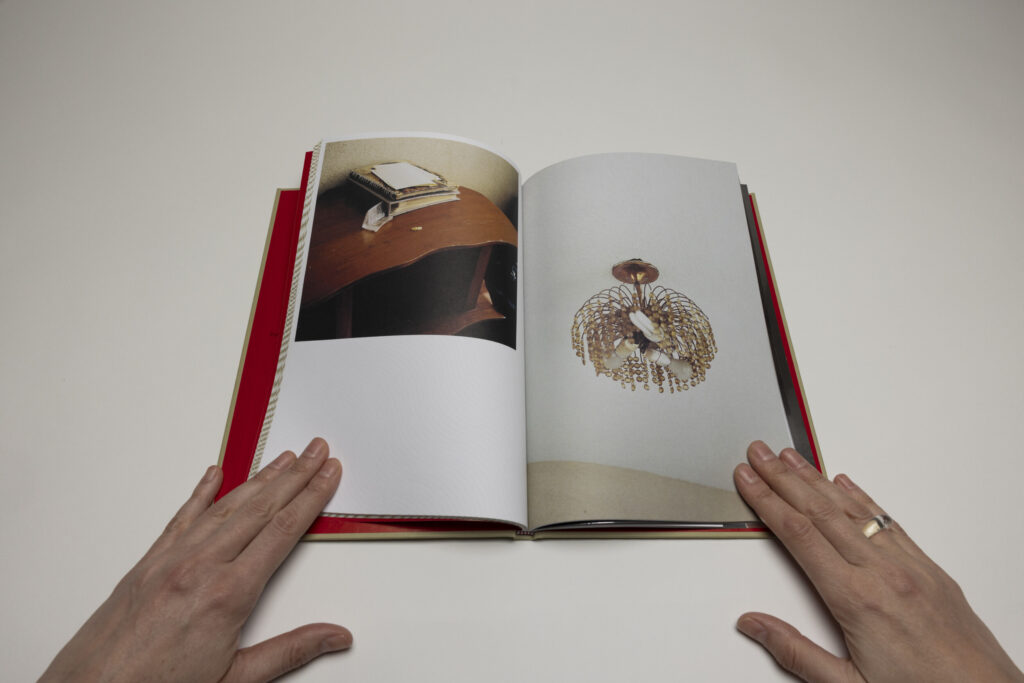
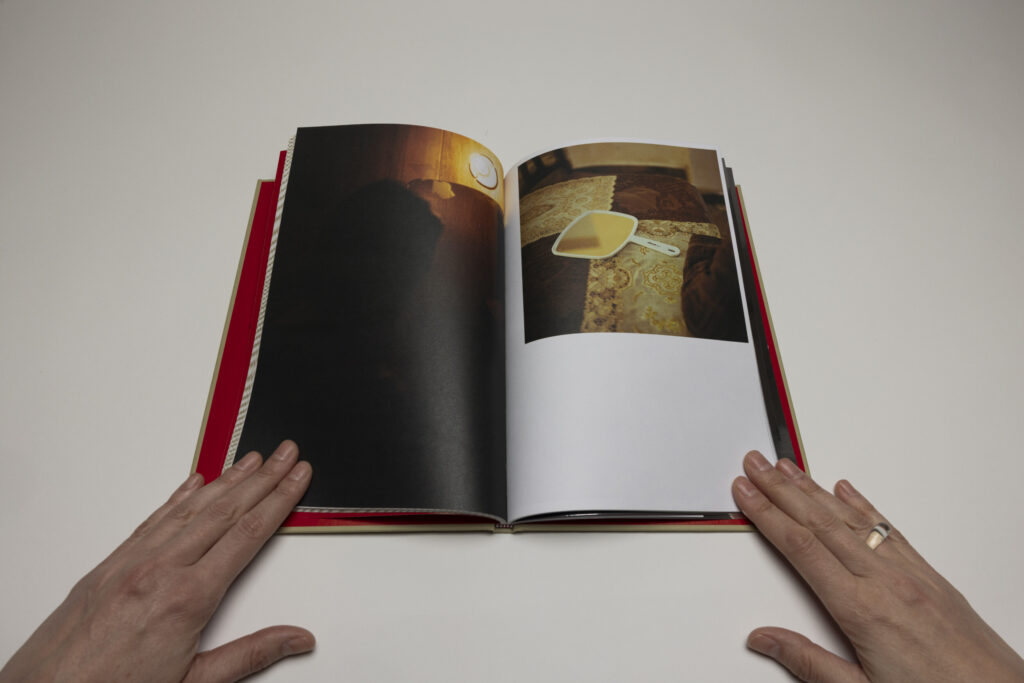
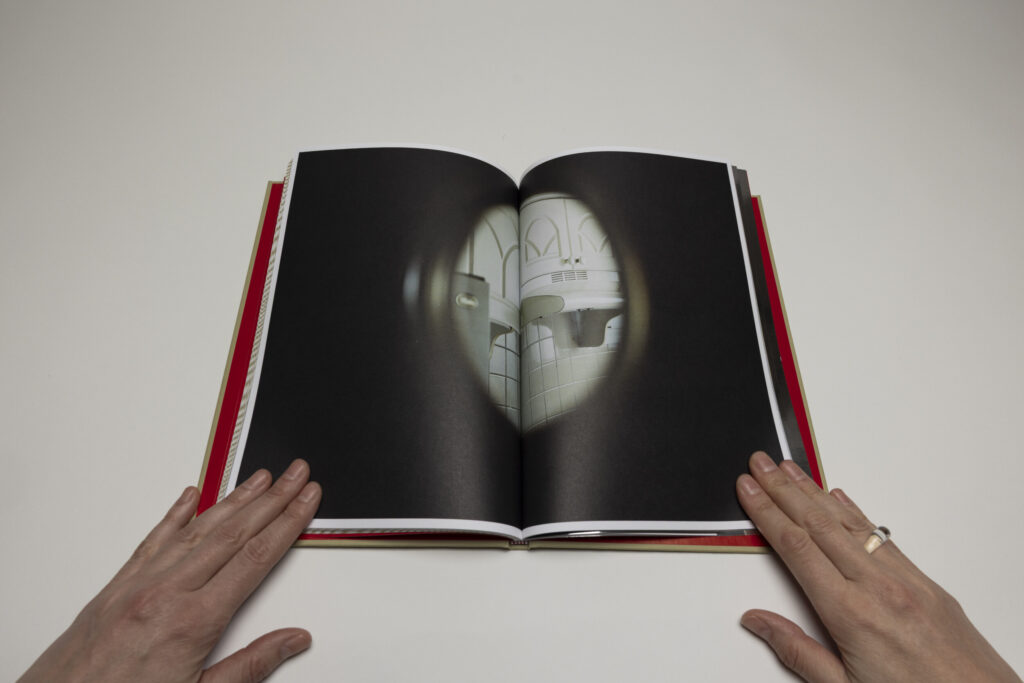
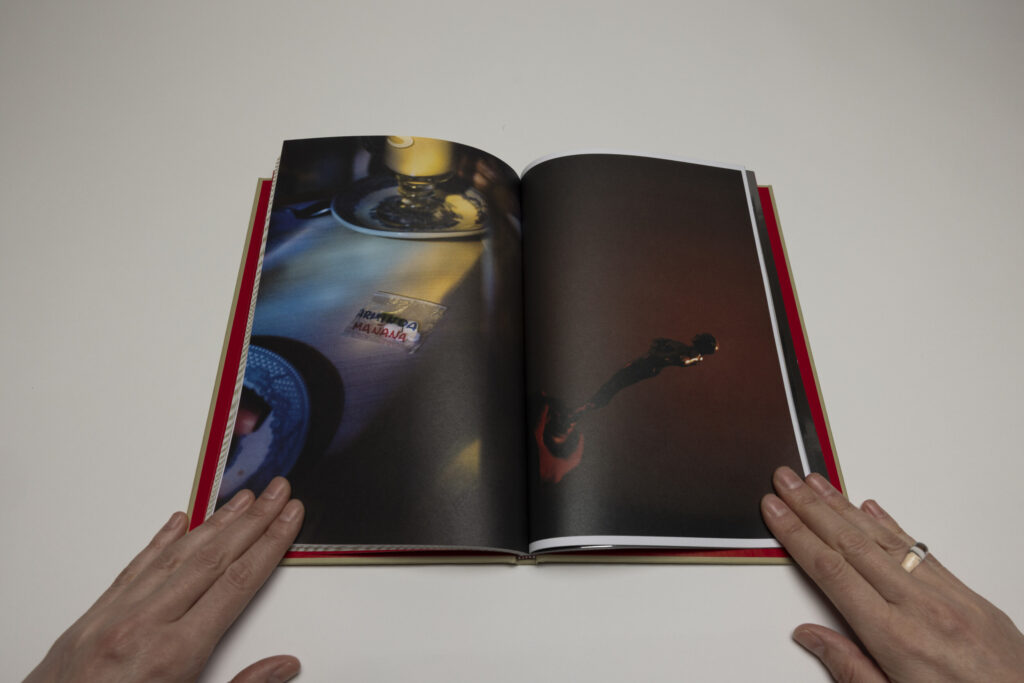
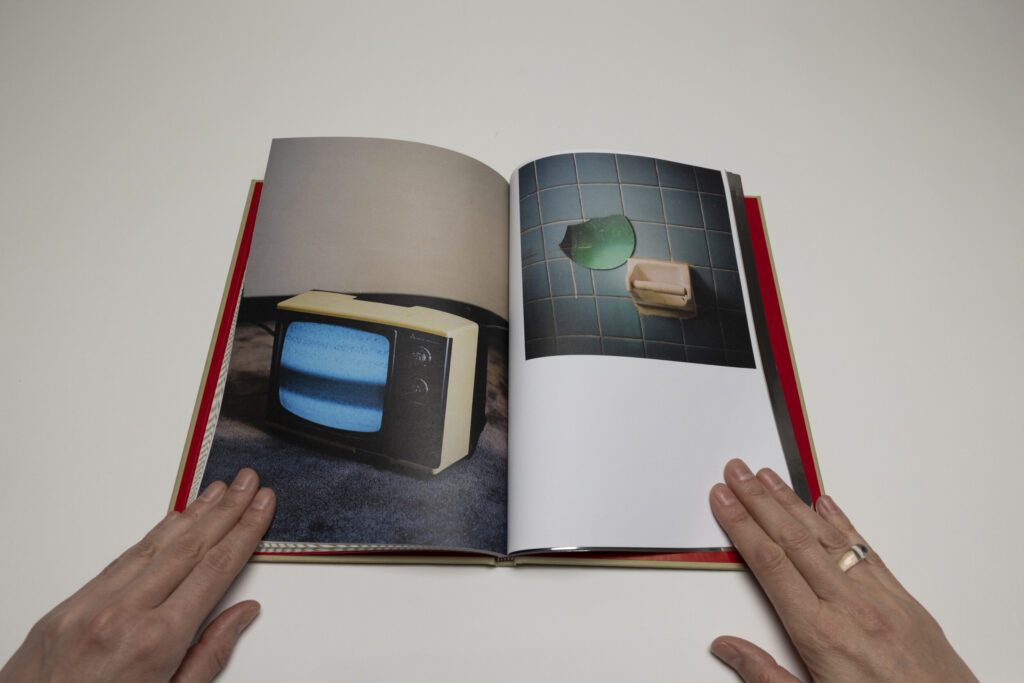
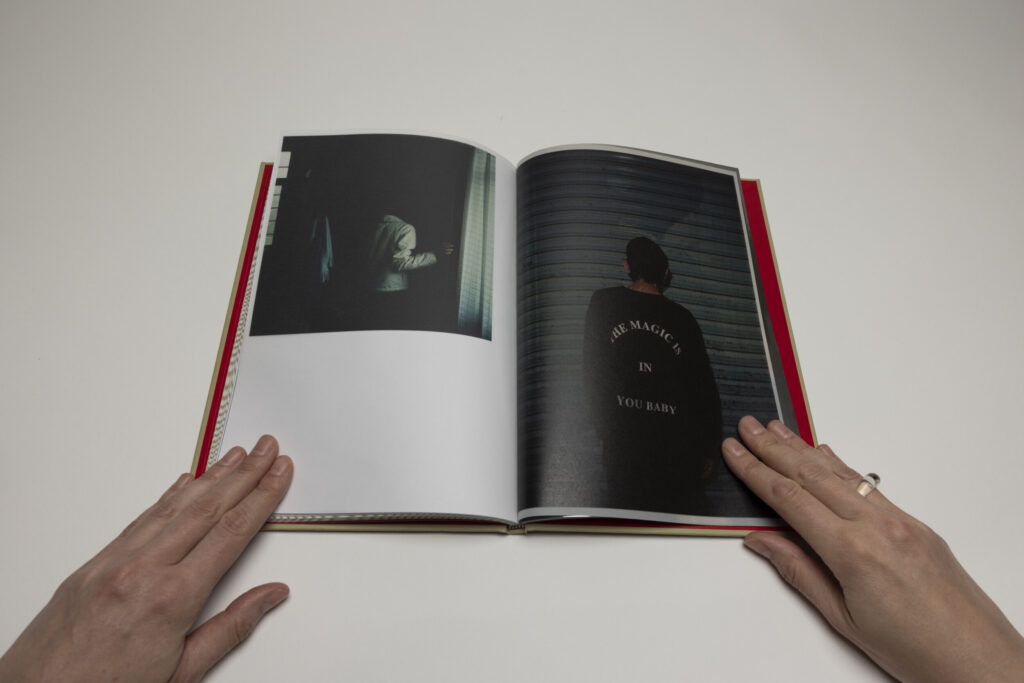
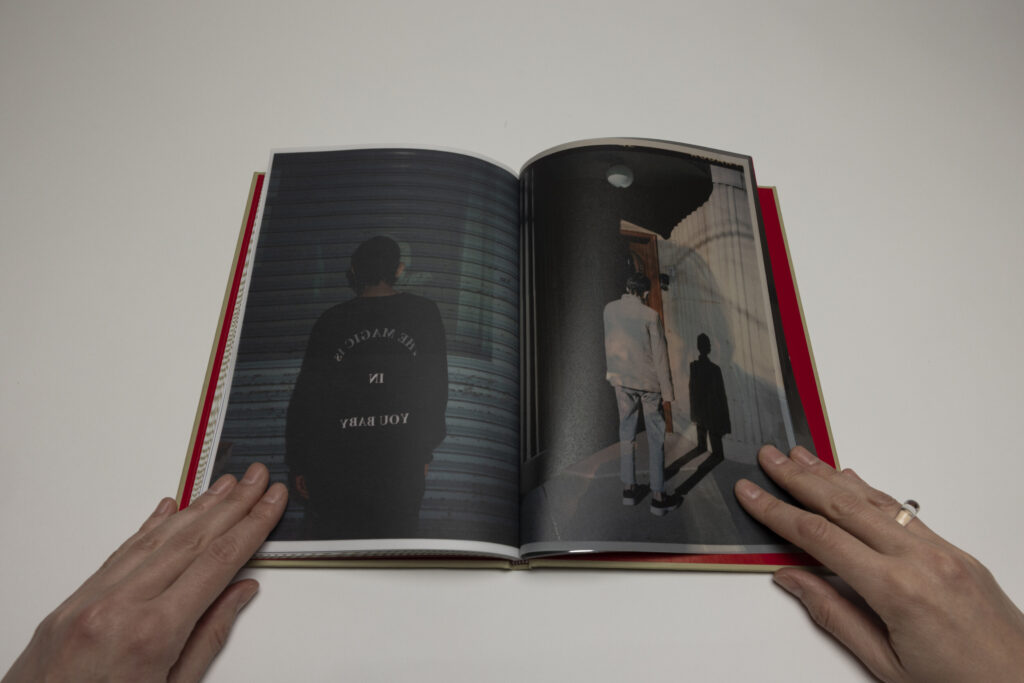
Comments/Context: The Mexican artist Ana Hop’s photobook ATC 1963 is an intimate portrait of her aunt Arminda, who lives with paranoid schizophrenia, a reality that, for many years, remained obscured behind a veil of family silence. Back when Arminda was first diagnosed, Hop was still an adolescent. According to that diagnosis, Arminda was not allowed to socialize or work, and her life became deeply isolated. Years later, to share this story, and to bring attention to the daily struggles of living with a mental illness, Hop began to photograph her aunt, ultimately spending eight years on the project. The book operates as a rigorously conceived photographic study that merges the intimacy of familial narrative with a disciplined, conceptually attentive approach to visual form. It unfolds with unwavering intensity, drawing the viewer into a flow shaped by memory, illness, and the emotional intricacies of familial proximity.
The title, ATC 1963, with its coded, clinical neutrality, introduces a conceptual friction that runs throughout the project. It suggests systems of classification, institutional order, and bureaucratic distance. By situating the work between the clinical and the intimate, Hop exposes the inadequacy of institutional language to encompass her aunt’s lived experience. The photographs, conversely, make visible what coded terminology cannot: the textures of presence, the weight of routine, and the complex negotiations that shape care within a family.
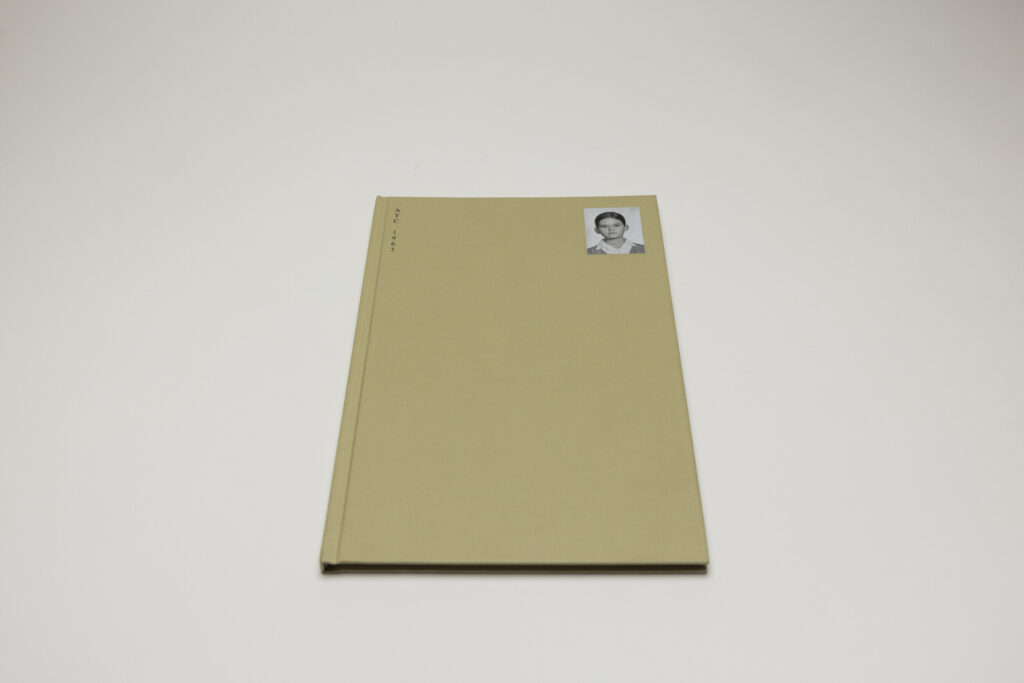
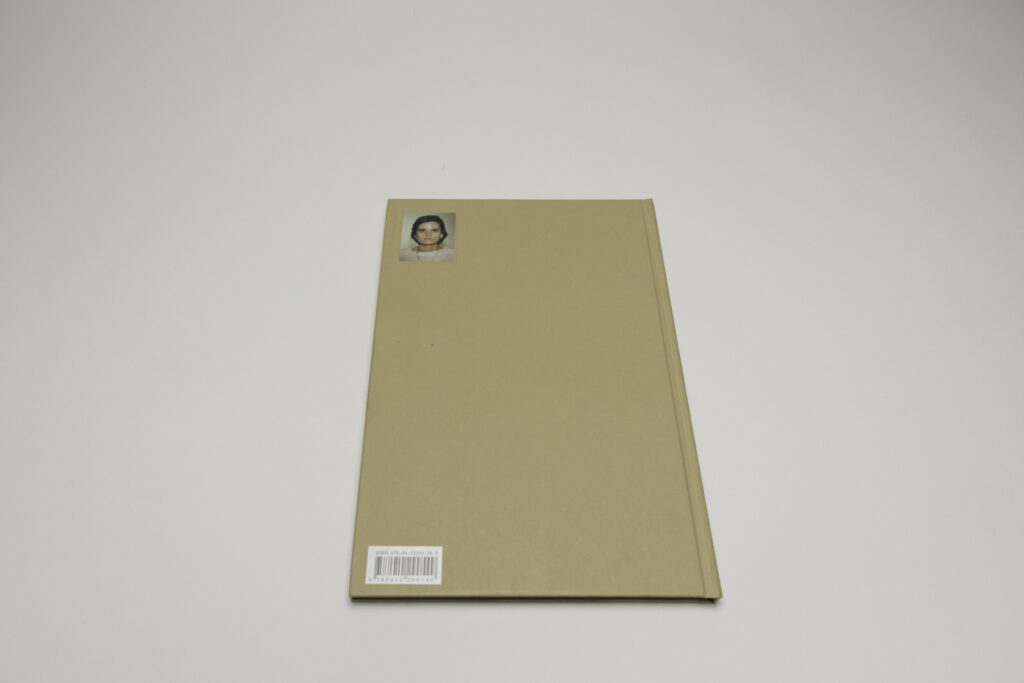
As a photobook, ATC 1963 is relatively slim. A small black-and-white photograph of a girl appears in the top right corner of the cover, while the title is placed vertically at the top left. The book opens to red endpapers, and goes on to incorporate a variety of papers that introduce shifts in texture and tone. A short text appears closer to the end of the book on a shorter sheet of paper. Another small photo of Arminda as an adult occupies the top left corner of the back cover. Overall, the physicality of ATC 1963 feels particularly present.
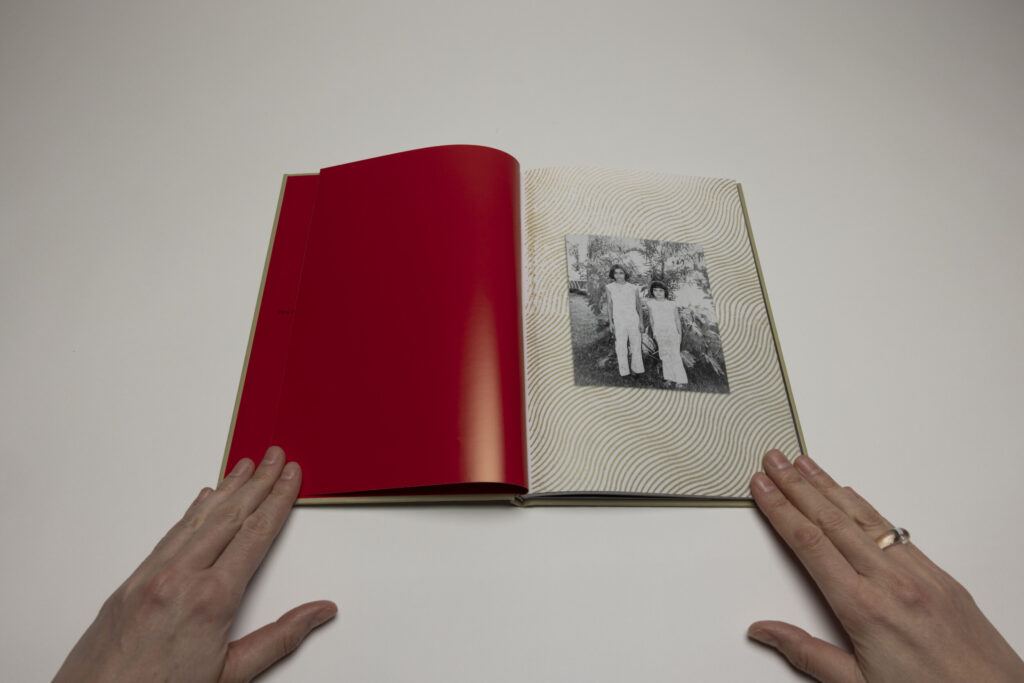
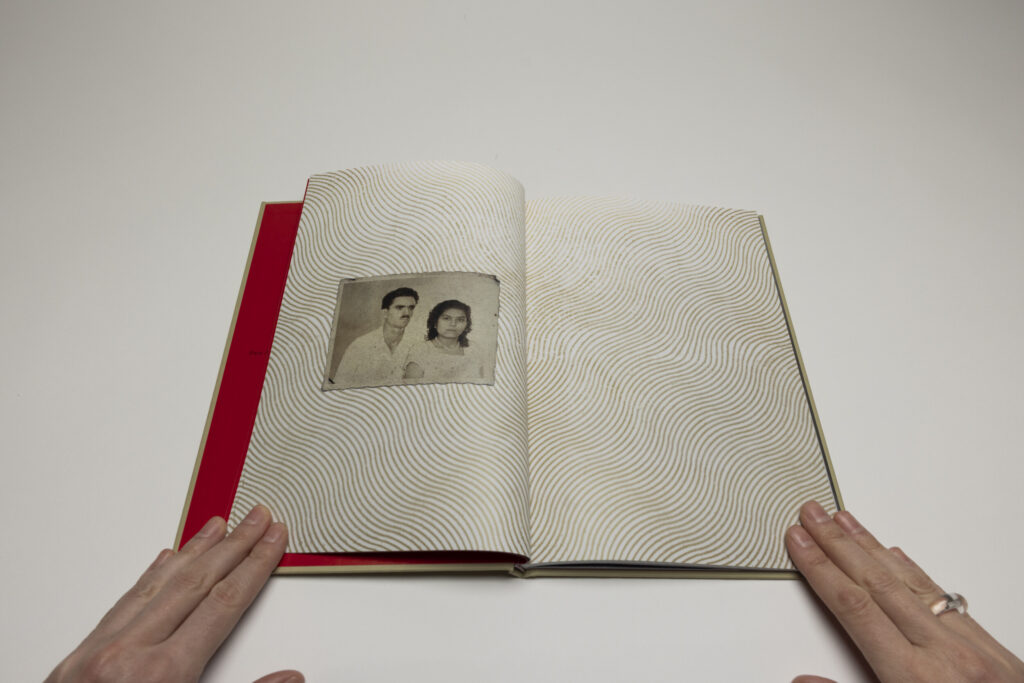
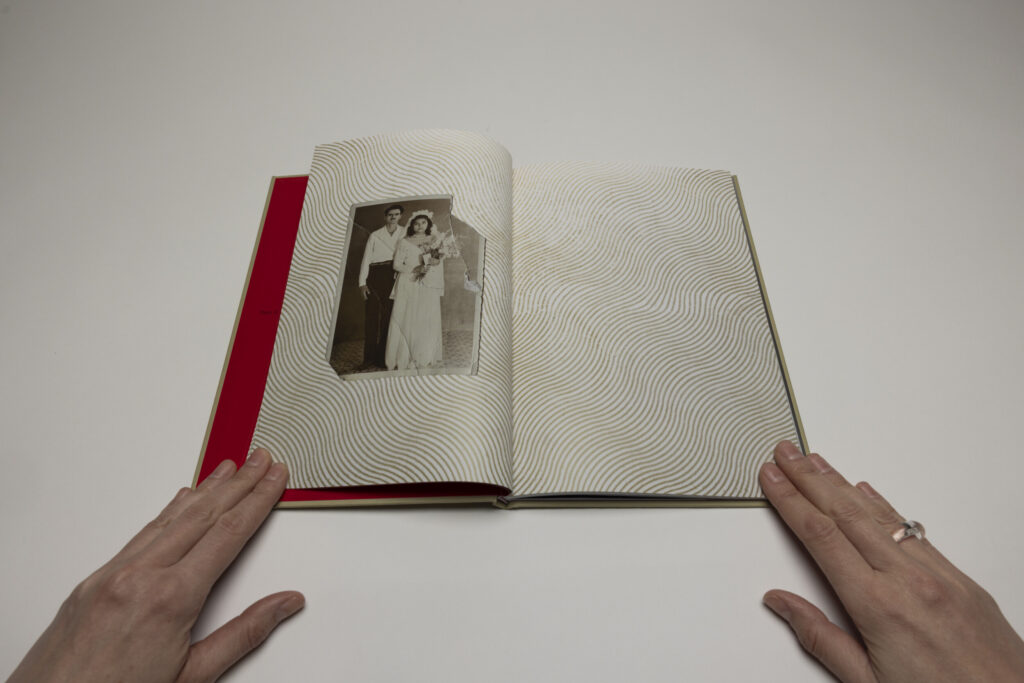
The book begins with a series of black‑and‑white photographs drawn from the family’s archives, each set against a subtly wavy patterned backdrop replicated from the original family album. Together, these images sketch the contours of Arminda’s early life – her childhood, her newly married parents, and the wider constellation of relatives, including Hop’s mother. In one photograph, she stands outdoors, lifting her full skirt so it arcs into a graceful semicircle; in another, she smiles beside a man dressed as a pirate, a snapshot of playfulness that hints at the vibrancy of her younger years.
The next section is printed on a rougher white paper, almost too coarse to ignore. The transition spread features, on the left, a photo of Arminda’s identification card from the university and on the right, the first of Hop’s photographs shows the family album itself (the one we have just paged through) resting on a small wooden table. Its cover features the portrait of a young woman, a mass‑produced illustration typical of the 1970s. A four‑tooth dental prosthetic is placed over the figure’s lips, subtly warping her expression into something unrecognizable, even unsettling. In this quiet intervention, the familiar becomes strange, signaling from the outset that beneath the surface of this family history, something is askew.
Photographing a family member requires a constant balancing of intimacy and discretion, a careful weighing of what can be shown against what must be safeguarded. Hop is not interested in illustrating schizophrenia from a medical or institutional perspective. Instead, she places it within the fabric of the everyday, alongside objects and details from her aunt’s restricted surroundings. A lone silhouette (presumably Arminda) stands in a darkened space, and even the bright light on the wall behind her fails to illuminate her. It is paired with a photo of a handheld mirror on a table which seems to invite us to look inward before casting judgment. As the sequence unfolds, familiar objects and scenes emerge, each one subtly askew. A ceiling lamp appears ordinary, yet every bulb points in a different direction. In other images, small details take center stage – soft light filtering through curtains; a plastic bag of pills labeled “Arminda mañana”; an empty toilet‑paper holder; and an old television glowing though nothing plays. Taken together, these quiet fragments build an aggregate portrait, not of symptoms, but of a life shaped by gentle constraints and the everyday objects that steady it.
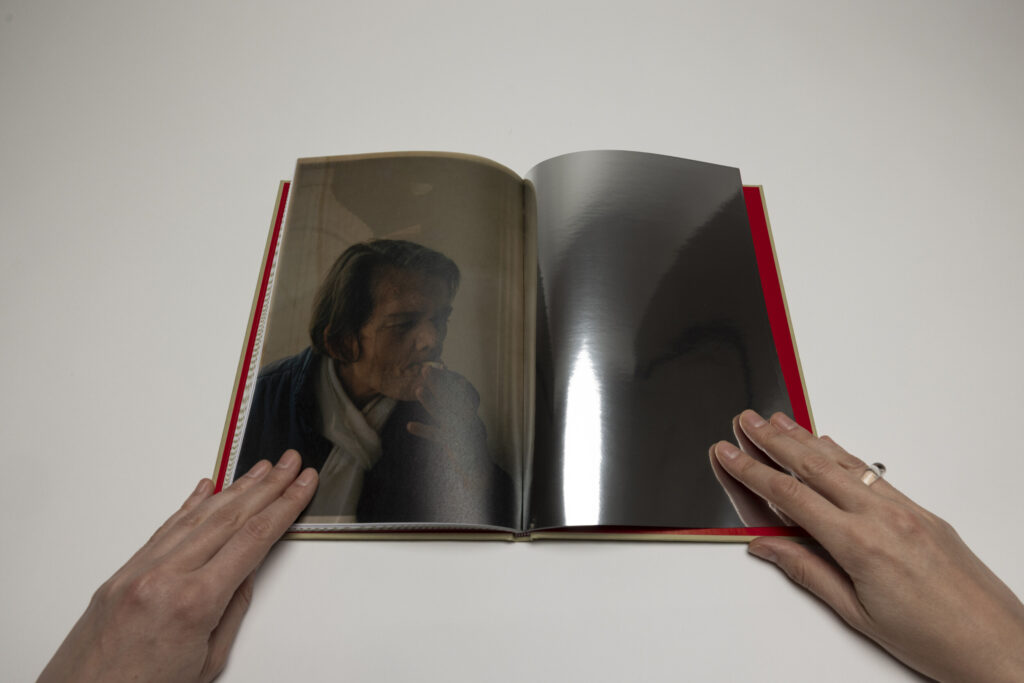
More recent portraits of Arminda come toward the end of the book, printed on delicate transparency paper that gives them an ethereal, almost tentative presence. Several of them show her from behind. In one image, she stands outdoors, photographed from behind as she contemplates her own shadow cast across a wall, an image that feels both introspective and elusive. The final photograph shows her smoking, the gesture quiet and unguarded, and it is followed by a spread of reflective paper, a subtle invitation for the viewer to confront their own gaze and consider their place within the story. These portraits carry a quiet emotional force, evoking empathy and tenderness. Part of Hop’s intention was to help others see her aunt as a full human being and to bring more empathy to how society talks about people with schizophrenia.
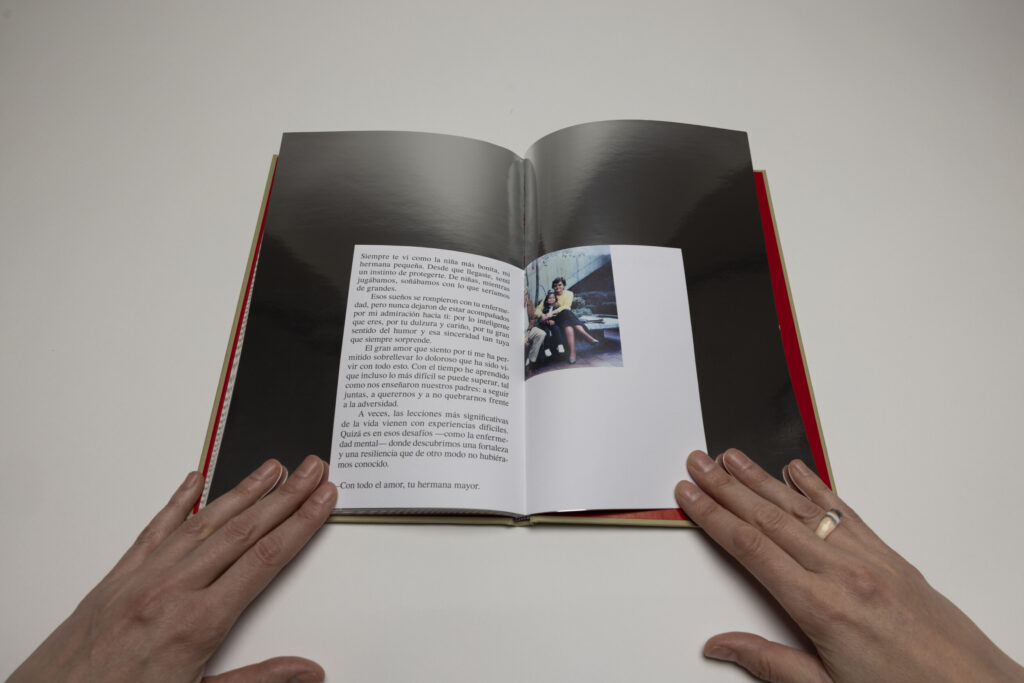
A short text printed on a smaller page appears at the very end of the book, set against the reflective sheet. In it, an older sister expresses her profound love and admiration for her younger sibling, describing how confronting illness together fostered strength, unity, and resilience. Beside the text, a photograph shows Arminda sitting on a bench, embracing a young girl.
In its quiet precision and emotional restraint, ATC 1963 becomes more than just a family document—it is an inquiry into how we see, remember, and care for one another. Hop’s photographs honor the subtle, often overlooked moments that compose a life lived within the boundaries of illness and familial protection. By weaving together archival memory, domestic detail, and the fragility of portraiture, the book opens a space for empathy without sentimentality. It invites us to witness Arminda’s presence but also the delicate ethics of looking, reminding us that every image contains far more than what first appears.
Collector’s POV: Ana Hop does not appear to have consistent gallery representation at this time. Collectors interested in following up should likely connect directly with the artist via her website (linked in the sidebar).