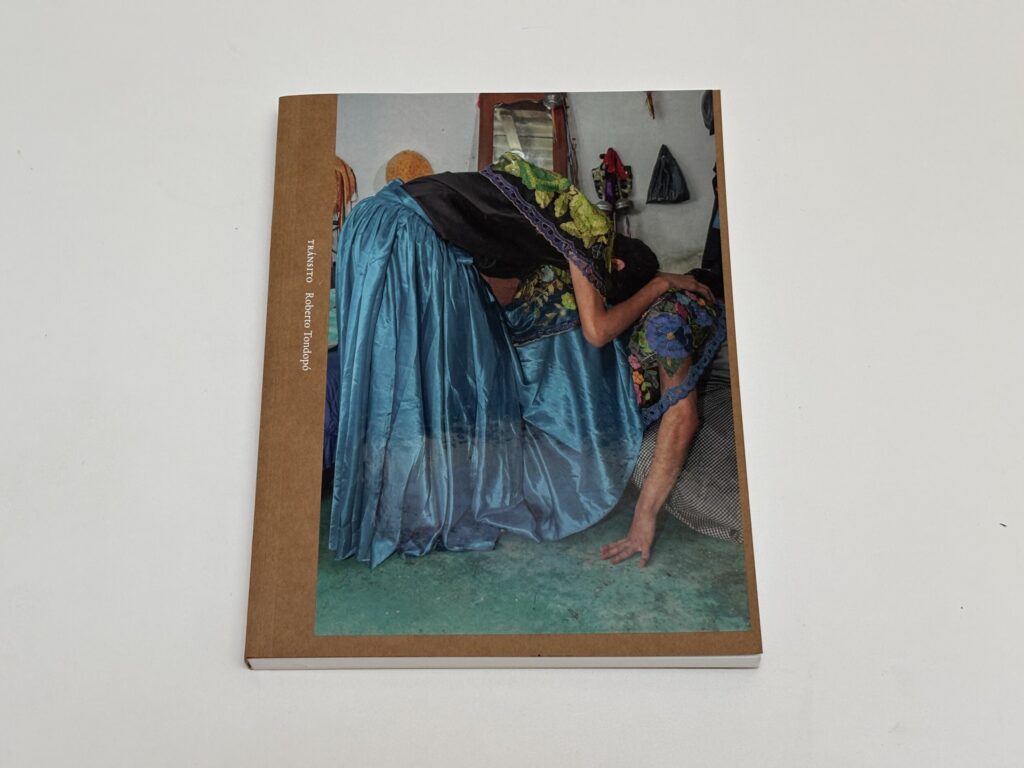
JTF (just the facts): Published in 2026 by Capricious (here). Softcover with tipped on photo in three variants (7.5 x 10 inches), 208 pages, with 63 color photographs. Edited by Fernando Gallegos, Duen Neka’hen Sacchi. Includes text by the artist (in English/Spanish). Design by Studio Lin. In an edition of 500 copies. (Cover and spread shots below.)
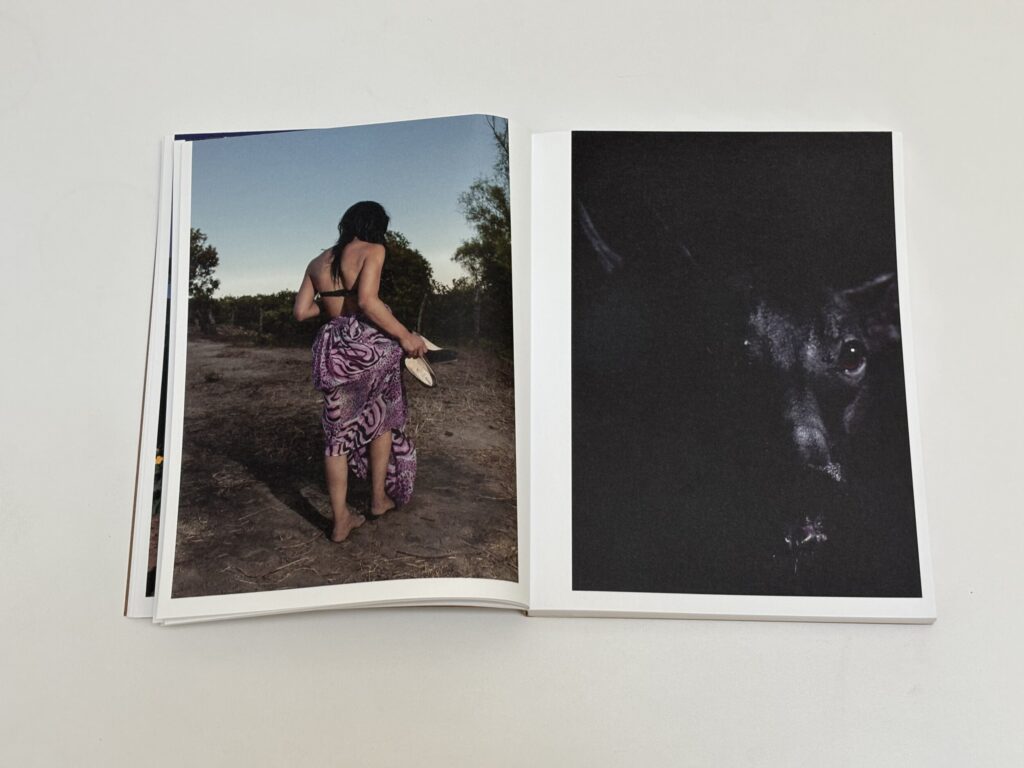
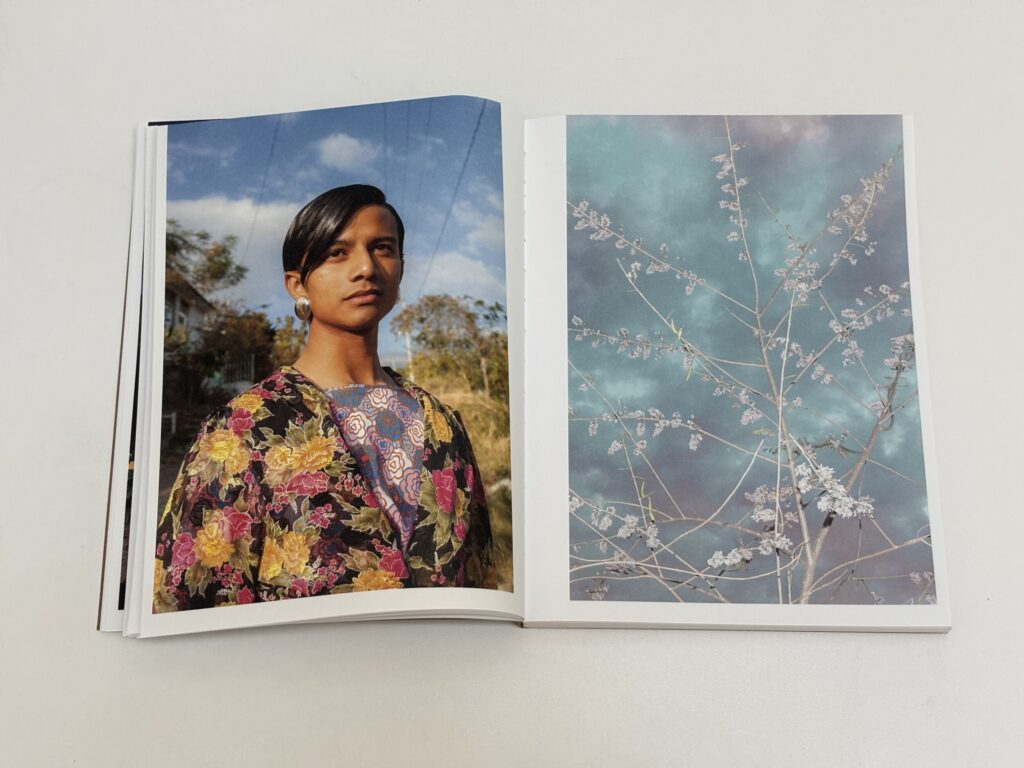
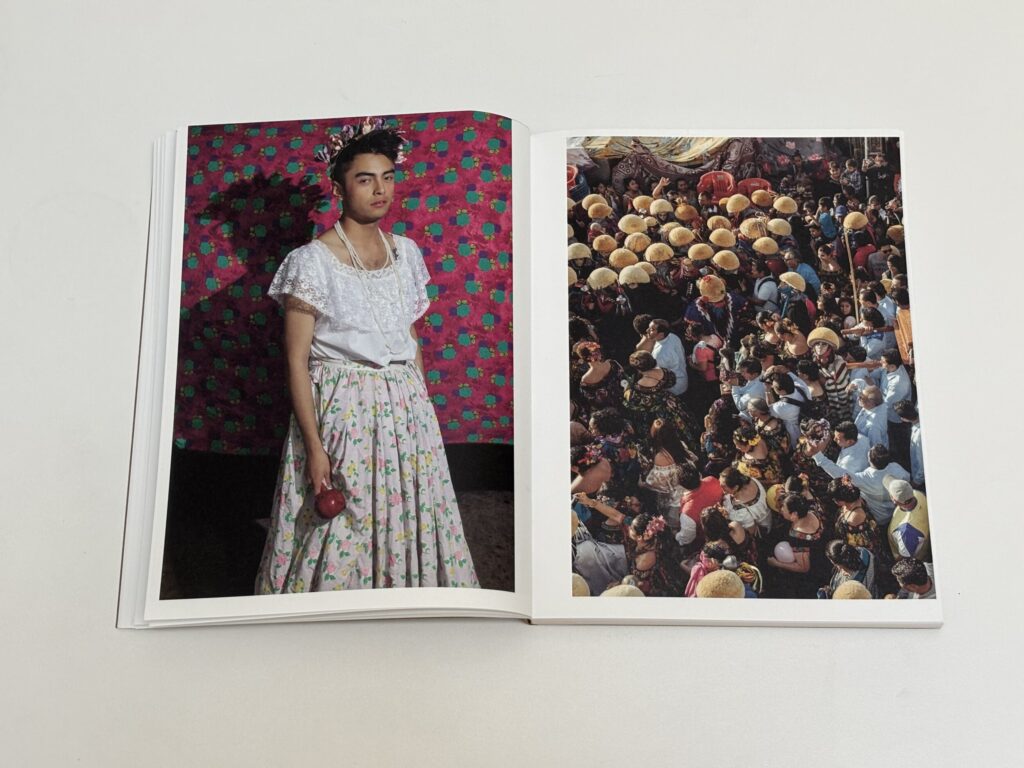
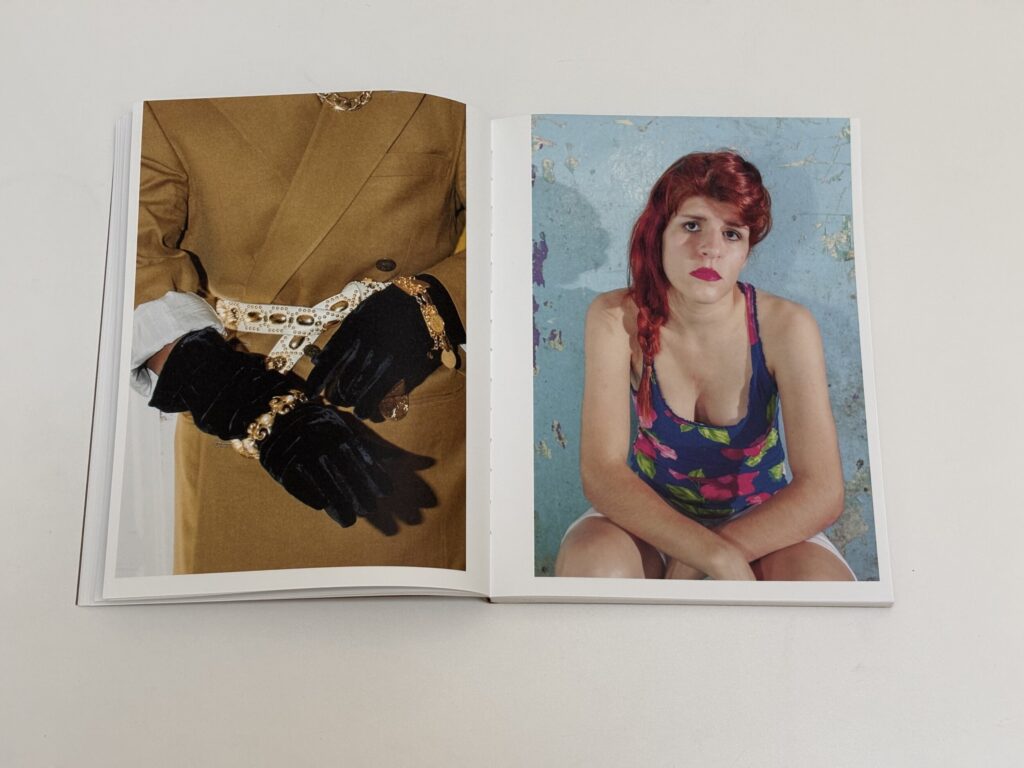
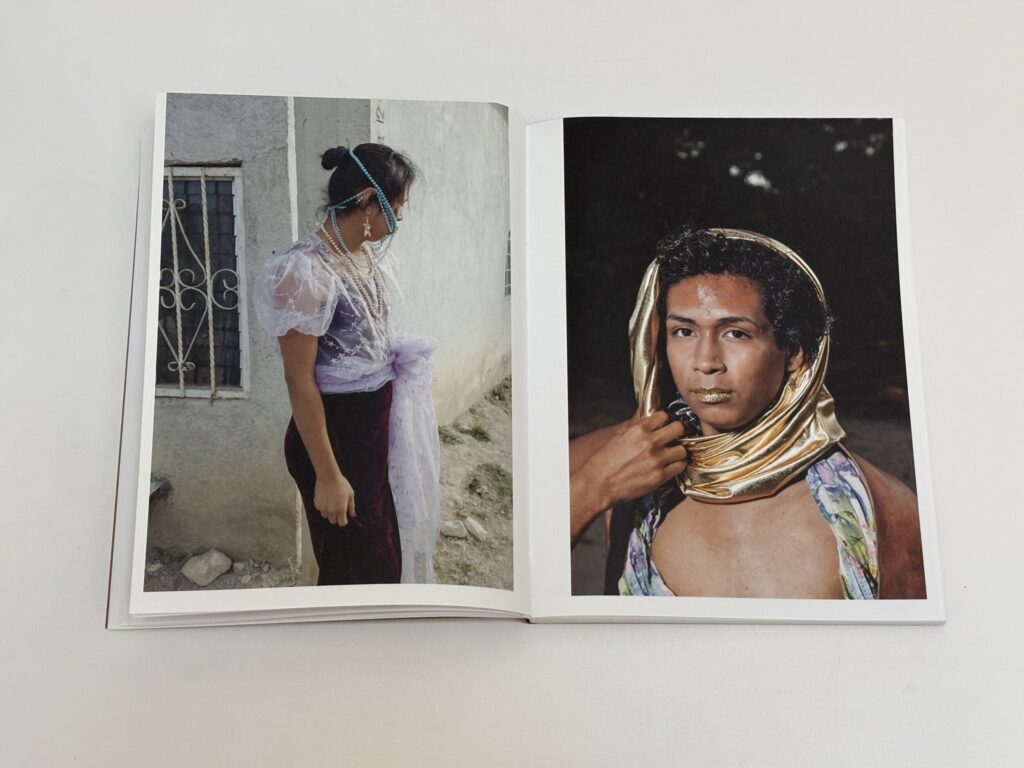
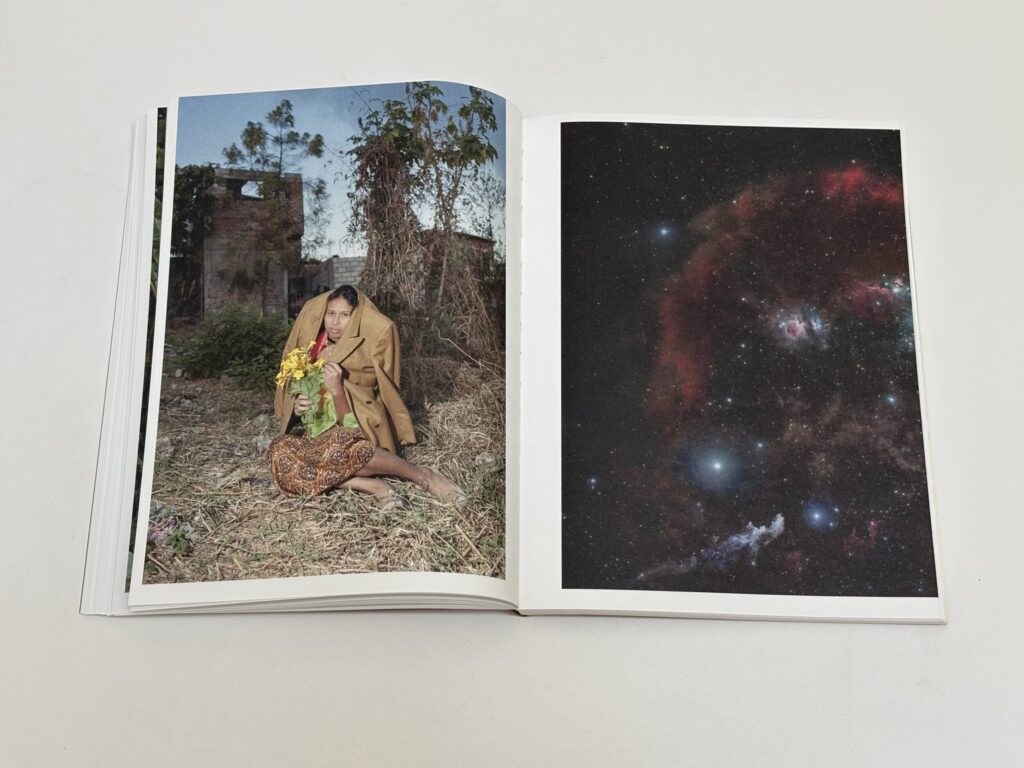
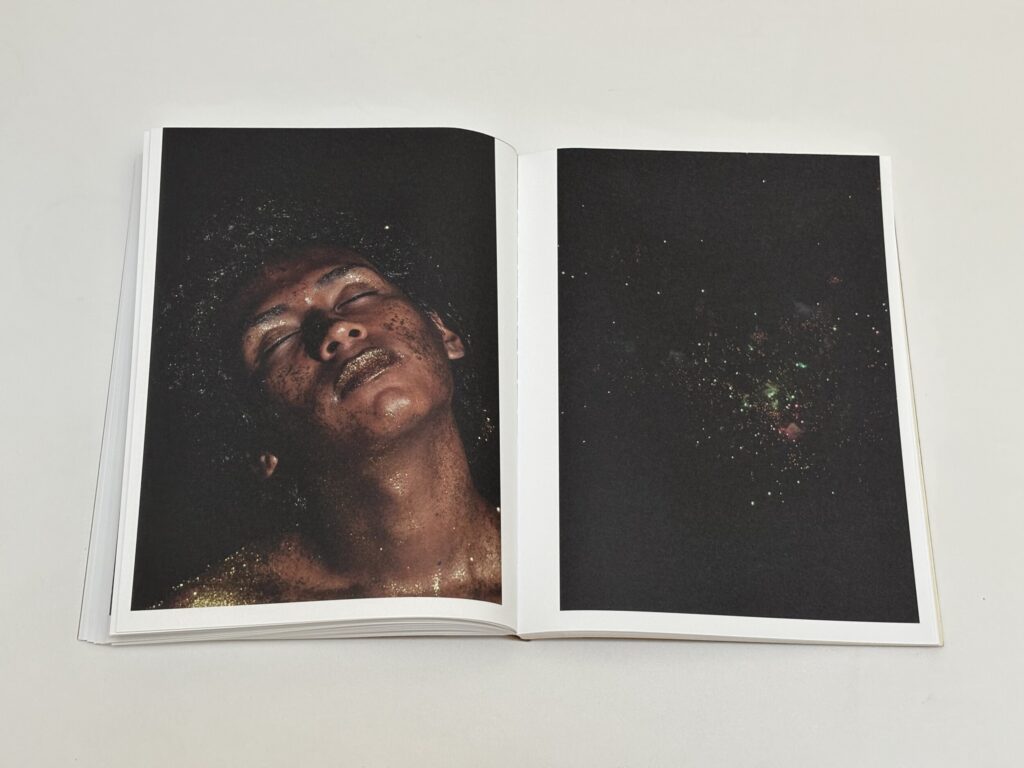
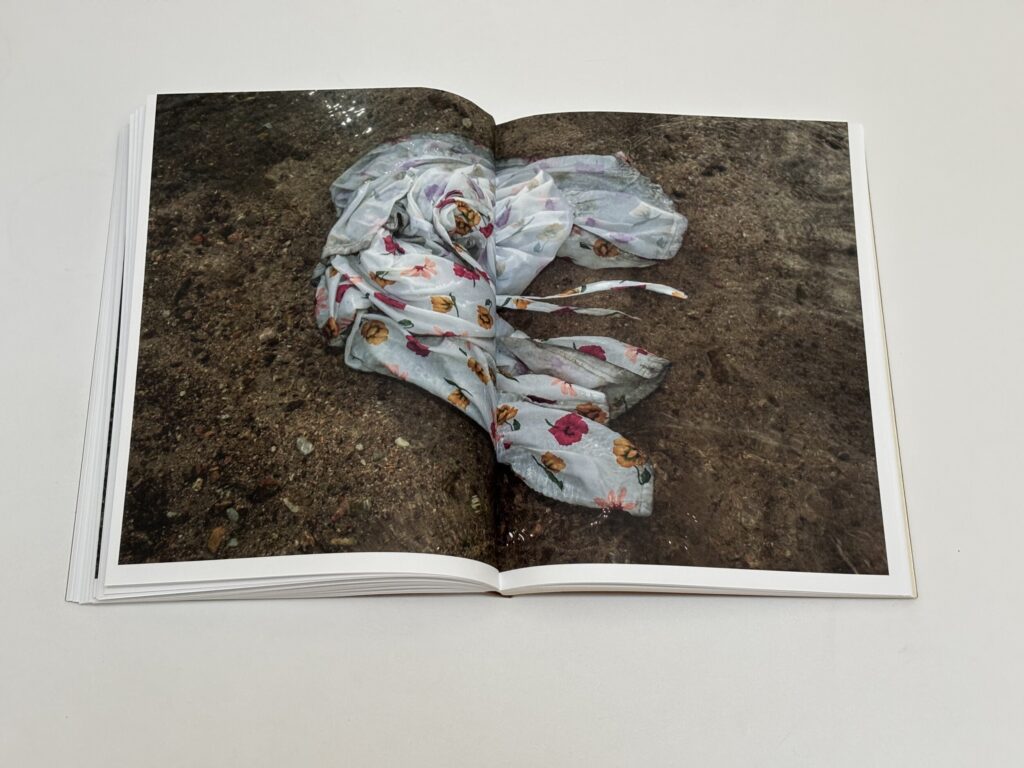
Comments/Context: TRÁNSITO is a photobook about mourning, an exploration of ritual, a meditation on identity, and an inquiry into the ways personal history becomes inseparable from collective tradition. The book centers on the death of the photographer’s father, whose name was Tránsito, while also engaging with the Fiesta Grande of Chiapa de Corzo and the tradition of the Chuntá, in which men dress as women during celebrations honoring Saint Sebastian. By participating in this ritual himself, Tondopó transforms the project into a personal act of remembrance and a broader reflection on gender, belonging, and cultural inheritance.
Tondopó’s mourning is not presented as a solitary experience. Instead, it unfolds within a network of communal rituals that have been shaped by centuries of colonial history, religious syncretism, and local tradition. His participation in the Chuntá serves not only as a way of honoring his father, but also as a means of situating himself within a living cultural practice that complicates conventional understandings of masculinity and identity. In this sense, TRÁNSITO treats mourning as a process of movement and transformation, a passage suggested by the book’s title itself.
The cover of TRÁNSITO is striking in its combination of physical simplicity and visual intensity. Wrapped in a warm brown kraft-paper cover, it possesses an understated, handmade quality that contrasts with the emotional intensity of its subject matter. The cover image depicts a person in an interior domestic setting, bent deeply forward so that the upper body folds over another seated figure; the posture creates a sculptural, almost circular form that immediately draws the eye. Running vertically along the left side is the title and the artist’s name in small white type. Tondopó places the blurb about the book, condensed into a single autobiographical statement, on the spine, “TRÁNSITO is the experience of the loss of my father, that I live as a cuir -queer- artist from Chuntá identity within the gang of Tía Tey”. The placement is significant. As the physical structure connecting exterior and interior, the spine becomes a symbolic threshold between personal experience and its expression through the book.
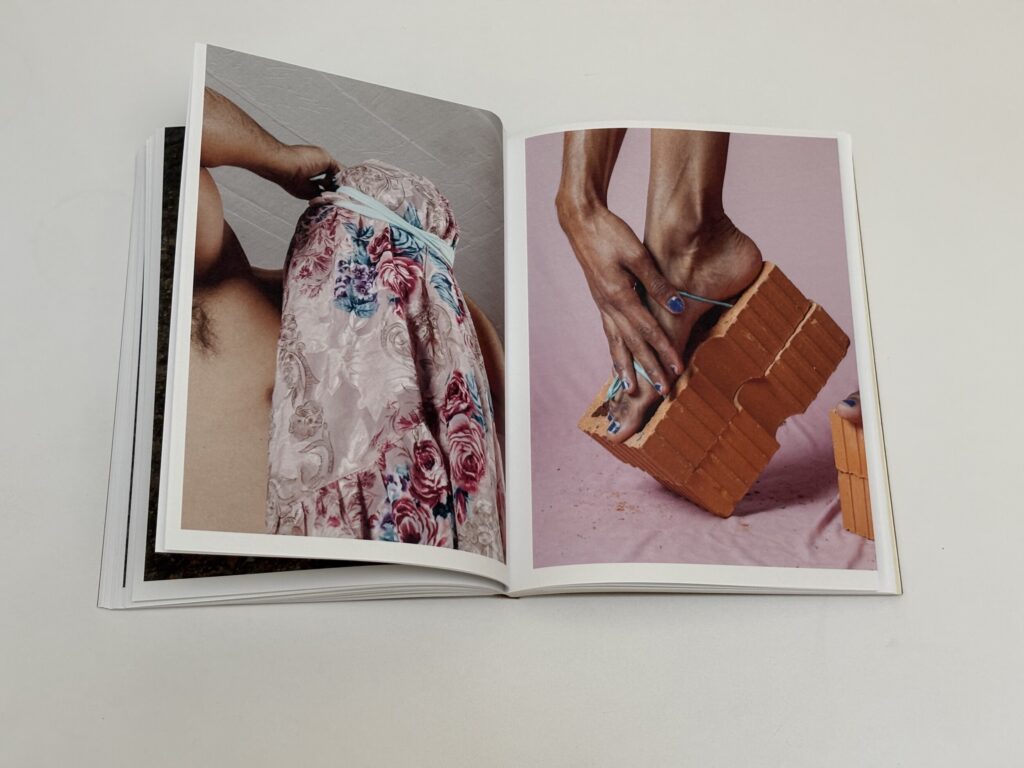
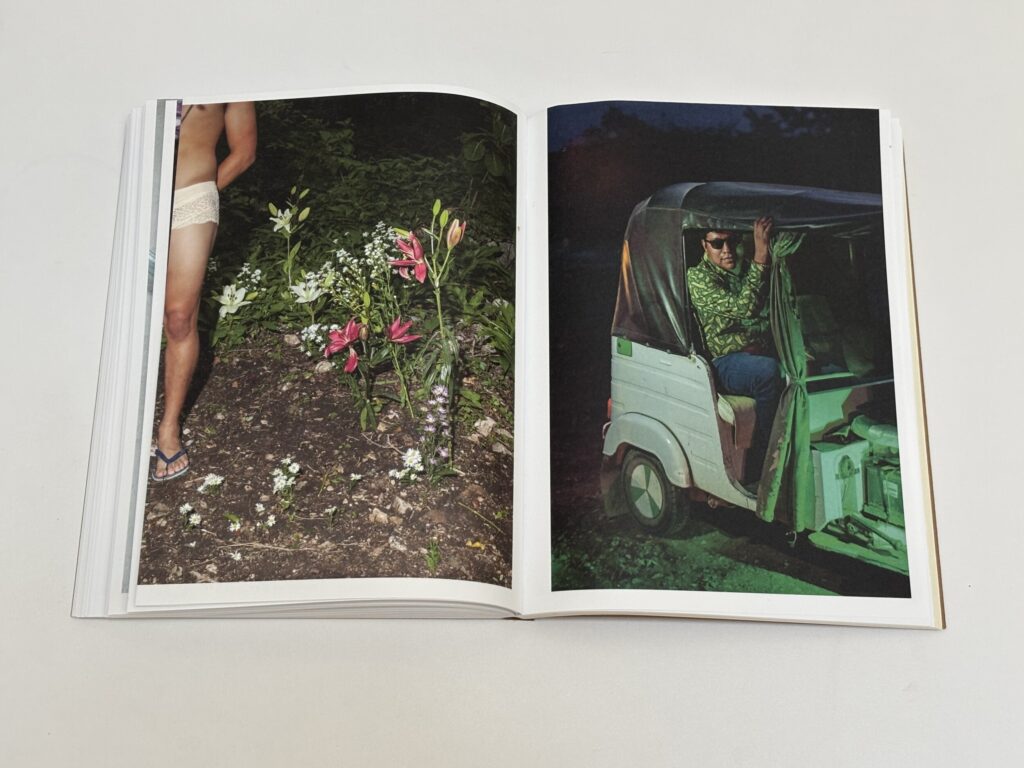
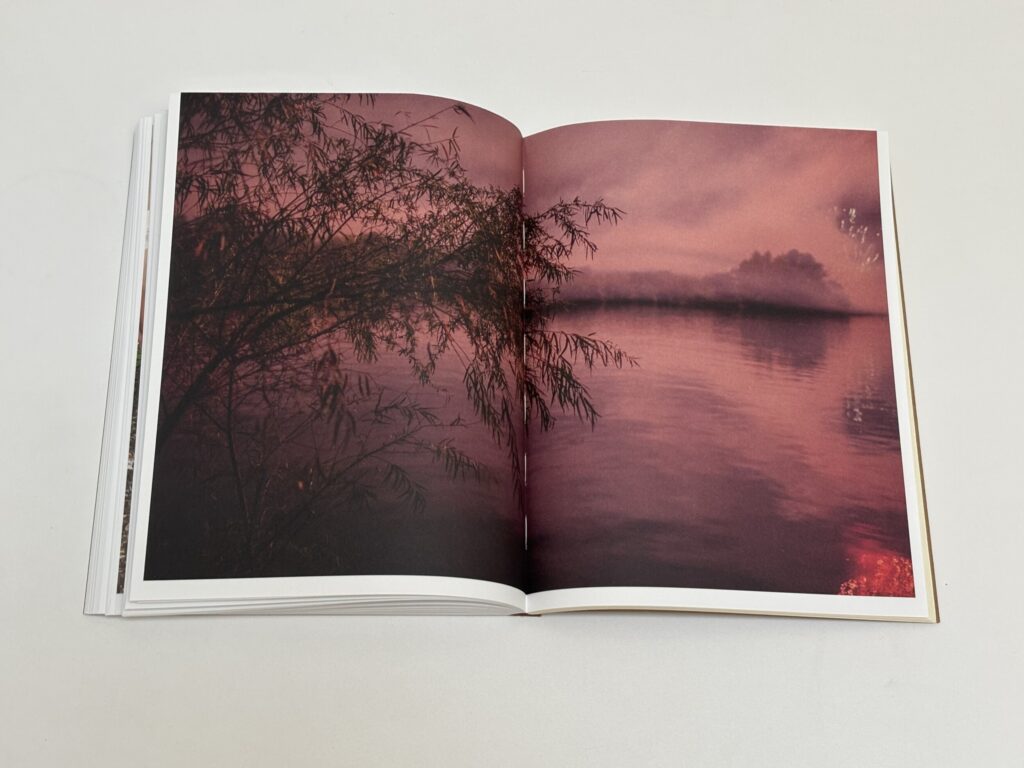
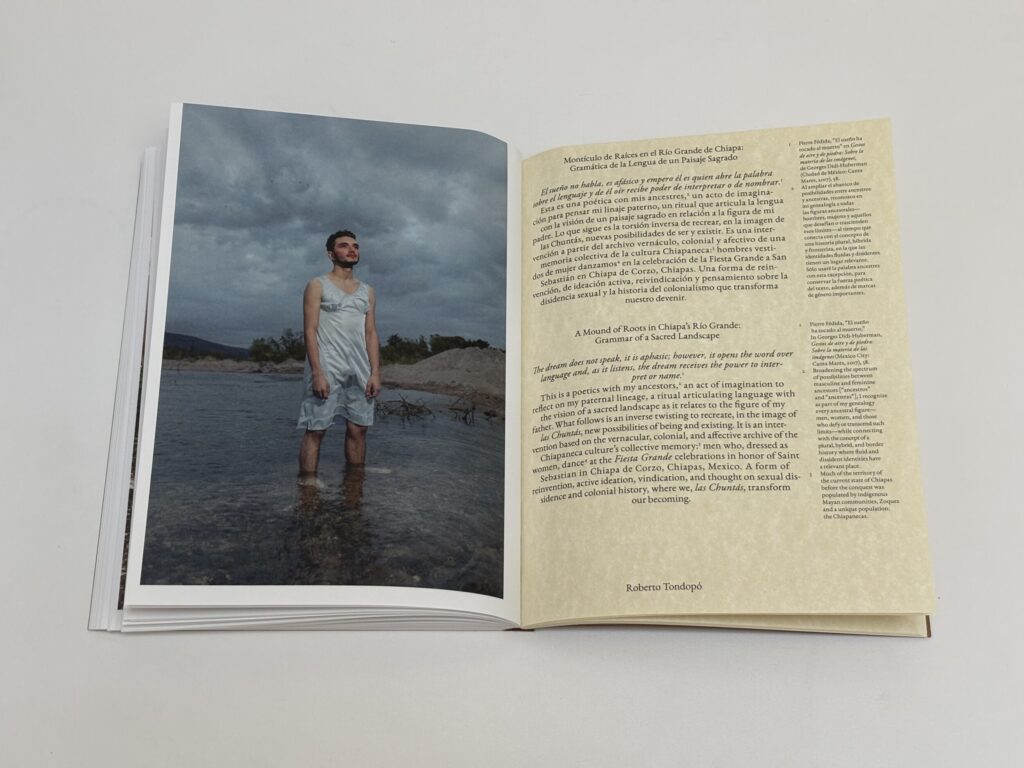
Inside, the photographs occupy most of each page, framed by a narrow white border and often positioned so that one edge aligns with the edge of the page. In some instances, the Japanese-fold design allows images to extend across spreads, creating a stronger sense of visual continuity. Recurring colors, textiles, and gestures create visual echoes across the sequence, while the Japanese-fold construction emphasizes ideas of layering, concealment, and revelation. Placed at the very end of the book, Tondopó’s essay deepens the photobook’s emotional and intellectual stakes, situating his personal mourning within broader questions of ritual, sexuality, faith, and cultural memory.
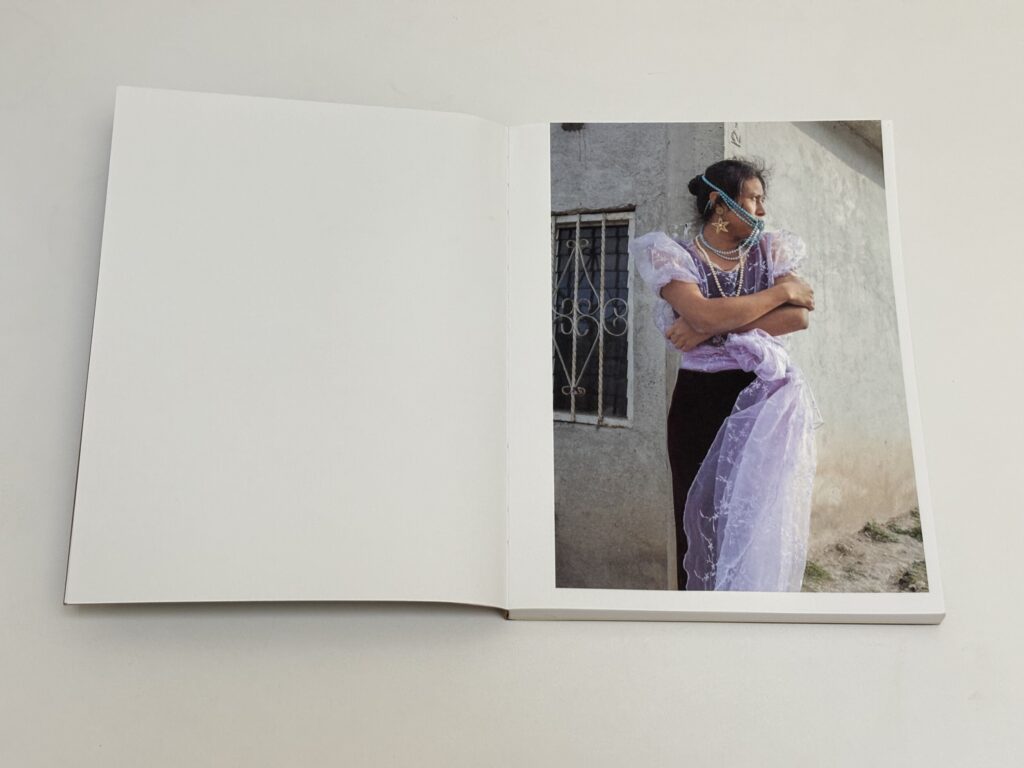
The opening photograph introduces many of these concerns. A costumed figure stands against the rough exterior wall of a modest building; the lavender dress, translucent sleeves, layered necklaces, and oversized star-shaped earring create a striking contrast with the weathered architecture and barred window. The crossed arms form a closed, self-contained gesture, while the gaze directed outside the frame creates a sense of anticipation. The costume appears simultaneously ceremonial and improvised, suggesting a tradition rooted in lived experience rather than theatrical display.
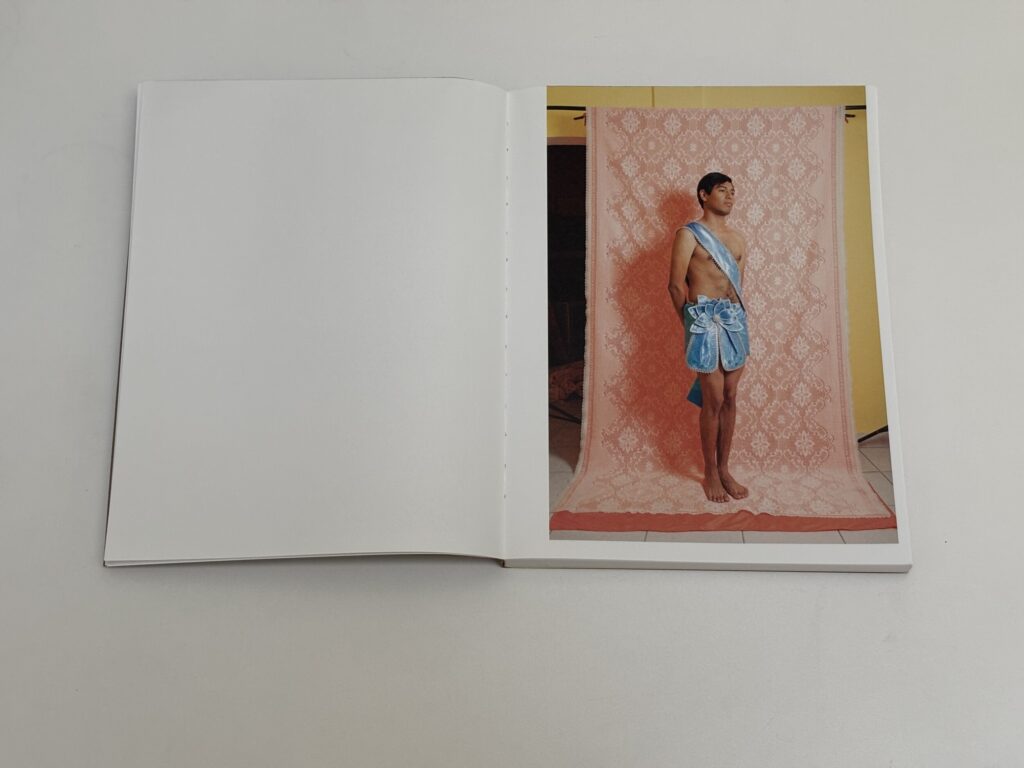
The second image shifts from the street to a more controlled interior environment. Here, the subject stands before a pink lace backdrop, posed almost like a studio portrait. The setting immediately recalls both classical portraiture and vernacular photography traditions. Yet the image remains slightly off-balance. The backdrop is visibly temporary, hanging within a domestic space rather than a professional studio. The costume itself appears unfinished or transitional, combining decorative elements with a bare torso. As in the first image, transformation is represented as a process rather than a completed state. Tondopó seems interested in the space between authenticity and performance. In a way, the image acknowledges that identity is being made before the camera. Together, these opening photographs establish many of the project’s central tensions: public and private, performance and everyday life, ritual and intimacy. They introduce a world in which identity is neither fixed nor singular, but continuously assembled through clothing, gesture, adornment, and communal tradition.
Throughout the sequence, Tondopó uses costume, gesture, and setting to explore the shifting relationship between performance and identity. Rather than presenting the festival as a fixed cultural tradition, the images emphasize moments of transition and becoming. Ceremonial dress moves seamlessly between domestic interiors and public streets, dissolving clear distinctions between ritual practice and everyday experience.
The book’s engagement with gender is similarly nuanced. Although the Fiesta Grande takes place within a relatively traditional community, it incorporates a longstanding practice in which participants cross conventional gender boundaries through dress and performance. Rather than framing this tradition as exceptional or controversial, Tondopó simply presents it as an accepted part of community life. The photographs show how identity can be expressed and negotiated through shared cultural practices as much as through individual self-definition.
Themes of loss and remembrance run quietly throughout the photographs, but they are never presented in an overly dramatic way. Instead, grief emerges through recurring gestures, rituals, and visual motifs. While the project begins with the death of Tondopó’s father, it gradually expands beyond autobiography to consider broader questions about how communities remember, honor, and remain connected to the past. Personal mourning becomes inseparable from collective memory.
The final image brings these concerns to a powerful conclusion, in a figure standing knee-deep in shallow water beneath a vast, turbulent sky. The pale light-blue dress echoes the cool tones of the surrounding landscape, creating a sense of visual harmony between body and environment. As the closing photograph, the image conveys a sense of arrival after a prolonged process of transformation. Throughout the book, bodies are shown in states of becoming through costume, ritual, performance, and acts of self-fashioning. Here, that journey culminates in acceptance of transformation itself. Standing between water and sky, costume and body, memory and future, the figure becomes less a portrait of an individual than an image of passage. It is a fitting conclusion to a photobook that understands grief not as an ending, but as a continuing movement between personal memory, cultural tradition, and the ongoing work of becoming.
Collector’s POV: Roberto Tondopó does not appear to have consistent gallery representation at this time. Interested collectors should likely follow up directly with the artist via his website (linked in the sidebar).